
Many classic cars stand out in history for their unique designs, innovative technology, or unusual features. Some vehicles, however, were so advanced that they appeared to leap decades into the future, introducing concepts and engineering that would only become standard much later.
These cars challenged conventional thinking, often pushing the limits of design and technology in ways few could have imagined. They were visionaries on wheels, setting the stage for advancements that would reshape the automotive world.
In some cases, these vehicles were met with skepticism or failed to achieve commercial success because their innovations were simply too far ahead of the consumer mindset or manufacturing capabilities of their era. Yet, today, these same cars are celebrated for their bold ideas and their influence on future designs.
Whether through aerodynamic bodies, advanced safety features, or early uses of alternative propulsion, these cars showed what was possible when creativity and engineering collided. Their stories highlight how progress sometimes requires thinking beyond the present moment, anticipating the needs and desires of drivers yet to come.
This article presents ten of the most remarkable cars from the past that were way ahead of their time. Each model not only offered a glimpse of the future but also contributed to shaping the course of automotive history. From streamlined shapes that influenced aerodynamics to pioneering uses of electronics and materials, these vehicles were pioneers in their own right.
As you read through the list, you’ll see how their groundbreaking features anticipated many of the standards and technologies found in modern cars. The legacy of these vehicles reminds us that innovation is often about daring to be different and setting new benchmarks that others will follow for years to come.
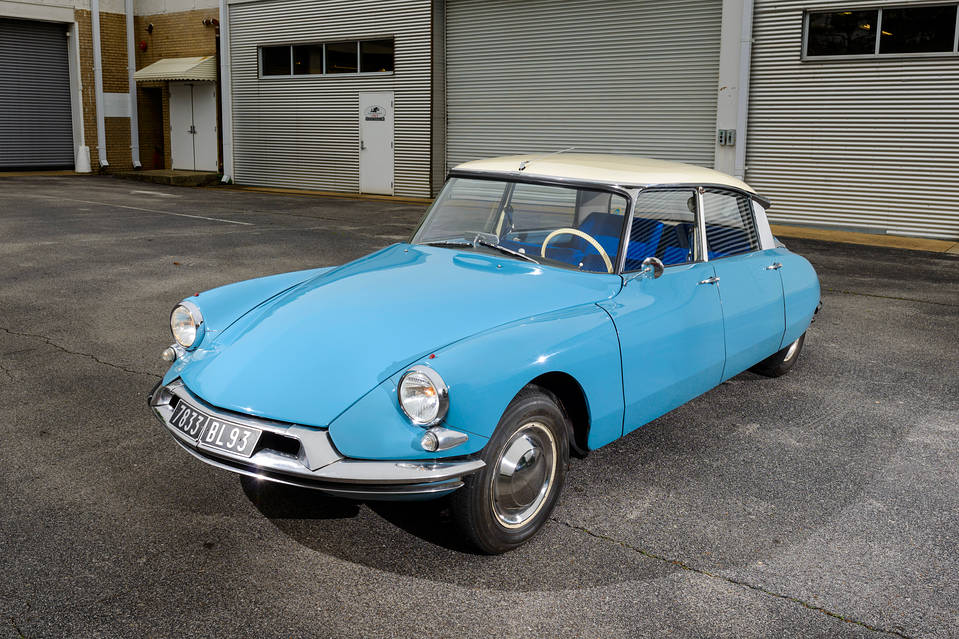
1. Citroën DS (1955)
The Citroën DS wasn’t just another European sedan, it was a complete reimagining of what a car could be. When it was unveiled at the 1955 Paris Motor Show, it reportedly took 12,000 orders on the first day alone, not just because of its looks, but because people had never seen anything like it.
At a time when most cars were boxy and utilitarian, the DS had a flowing, aerodynamic shape and smooth curves that made everything else on the road look outdated. This level of styling foresight was rare, and it signaled a bold vision from Citroën, which was willing to take massive risks on innovation.
The DS was most famous for its hydropneumatic self-leveling suspension, a system that gave the car an incredibly smooth ride regardless of road conditions. The system used pressurized hydraulic fluid and gas to maintain the car’s height automatically, something no other production car offered at the time.
Passengers felt as though they were gliding rather than driving, and this unique floating sensation became a defining characteristic of the model. Other manufacturers wouldn’t catch up to this kind of technology until decades later, and even then, few matched the DS’s balance of comfort and sophistication.
But the DS wasn’t just about comfort. It was designed with safety and performance in mind. It was one of the first cars to be engineered with crumple zones, which absorb impact in a crash. It also came with disc brakes years before many competitors, and they were mounted inboard to reduce unsprung weight, a design usually seen only in race cars.
The steering and braking systems were also powered by hydraulics, giving the driver precise control. These were cutting-edge features at a time when basic mechanical systems were still the industry norm.
From a design perspective, the DS also pushed boundaries with its modularity and user-centered focus. For example, the front fenders and bumper could be removed as a unit, simplifying maintenance. The headlights on later models were connected to the steering, allowing the lights to turn with the wheel, a clear precursor to modern adaptive headlights.
Even the interior was futuristic, with a single-spoke steering wheel and dashboards that prioritized ergonomics. Citroën wasn’t trying to follow trends; they were setting them.
Despite its revolutionary qualities, the DS faced challenges. Its complexity made it difficult to service, particularly outside of Europe where Citroën’s dealer network was weak. Mechanics unfamiliar with the hydraulic systems often refused to work on them. Reliability could also suffer if not maintained properly. These issues limited the car’s long-term commercial impact, particularly in markets like the U.S., where simplicity and reliability often won out over innovation.
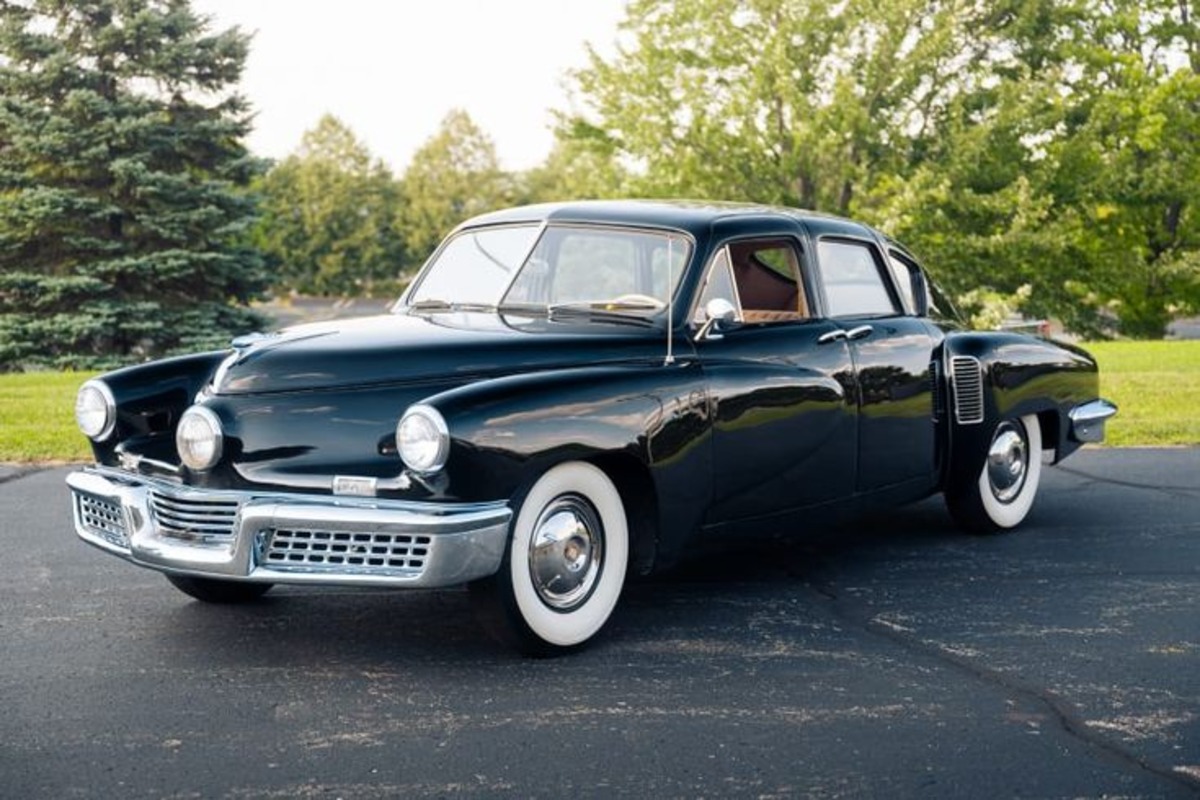
2. Tucker 48 (1948)
The Tucker 48, also known as the “Tucker Torpedo,” represents one of the most daring efforts to shake up the automotive industry in post-war America. Preston Tucker, its creator, envisioned a car that prioritized safety and performance in ways no one else dared to try at the time.
With only 51 units built before the company was shut down, the Tucker 48 remains one of the rarest and most controversial American cars ever produced. But even in its short lifespan, it introduced more groundbreaking ideas than most automakers managed in decades.
Safety was a core philosophy in the Tucker 48’s design. At a time when most cars were little more than metal boxes on wheels, the Tucker had a padded dashboard, a collapsible steering column, and a windshield designed to pop out in a collision. It also featured a center-mounted “Cyclops Eye” headlight that pivoted with the front wheels to improve visibility around corners, a feature far ahead of its time. These safety elements wouldn’t become common until well into the 1960s or even later.
The car’s drivetrain was also innovative. It used a rear-mounted, water-cooled flat-six engine originally designed for helicopters. The engine offered impressive torque and smoother operation than many of the big V8s used at the time.
Tucker’s engineers even developed an automatic transmission that eliminated the need for a clutch pedal, aiming for smoother and more accessible driving. While it had teething problems, the idea of simplifying driving through automation foreshadowed the convenience features that are now taken for granted.
Beyond its mechanical components, the Tucker 48 also introduced design principles meant to ease maintenance and improve durability. For instance, the fenders could be quickly removed for access to suspension and braking components.
The car had an integrated roll bar, a low center of gravity, and a wide stance for improved handling, all qualities that manufacturers would only begin to consider seriously decades later. Preston Tucker’s belief that cars could be better-built, safer, and more advanced was decades ahead of the mainstream.
Unfortunately, the Tucker Corporation was quickly targeted by powerful interests. There were accusations of fraud, a damaging SEC investigation, and a court case that Tucker won, but by then, the company was bankrupt.
Many believe that pressure from the Big Three automakers played a role in the government scrutiny Tucker faced, as his radical design and outsider status threatened their dominance. The exact truth may never be known, but the timing was suspicious.
Despite its premature end, the Tucker 48 has become a symbol of what could have been. It’s remembered not just for its style or engineering but for the idea that an individual could challenge the system with real innovation. The car’s legacy lives on in the few surviving examples, in museums, and in the imagination of car enthusiasts who recognize its place in history as a machine that should have changed everything.
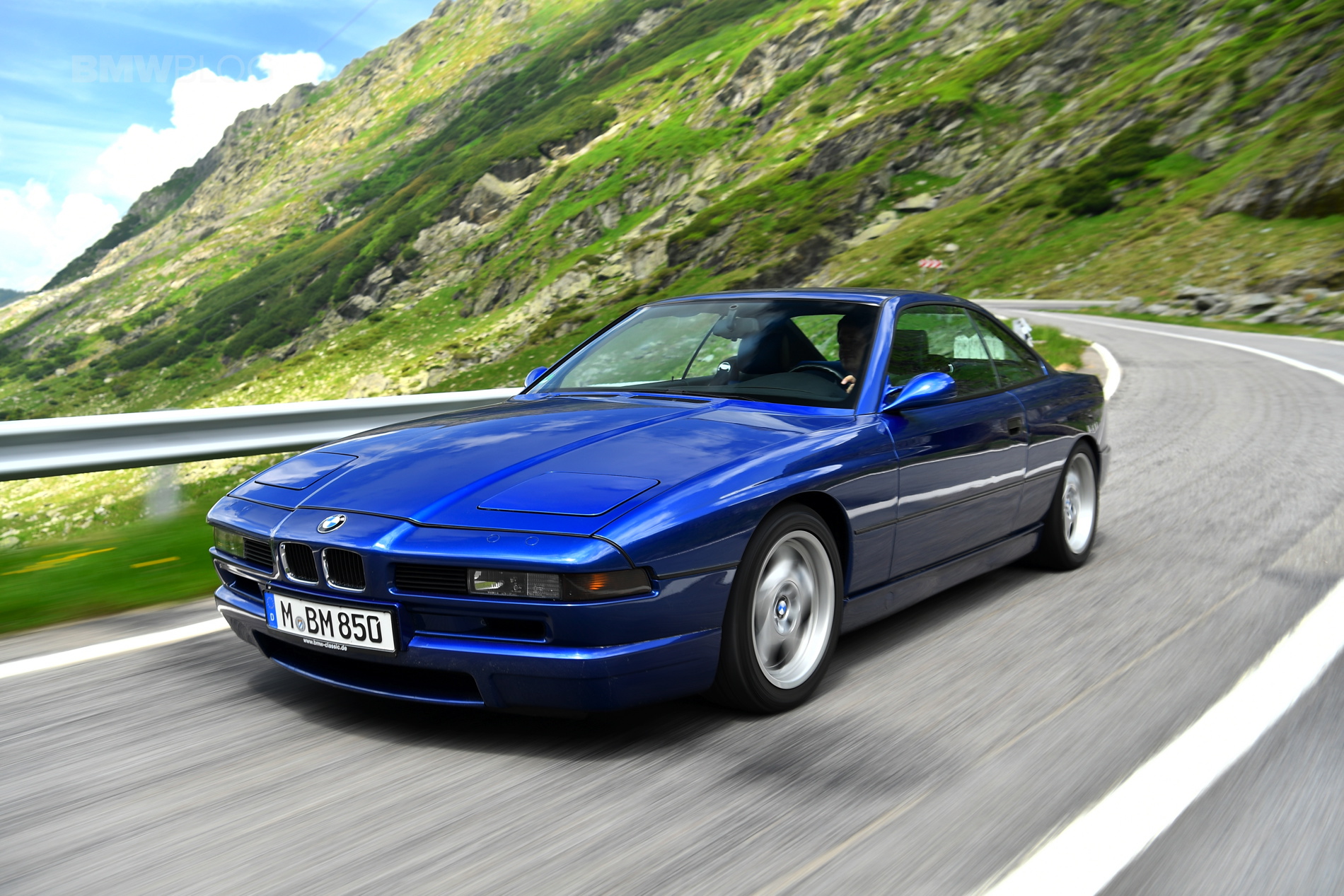
3. BMW 850CSi (1992)
In the early 1990s, BMW set out to redefine what a grand touring car could be. The result was the BMW 850CSi, a V12-powered luxury coupe that blended performance, advanced engineering, and understated style into one of the most unique cars of its era.
While it never sold in large numbers, it represented a technical achievement that even today commands respect. It wasn’t just about going fast; it was about how intelligently and effortlessly it could do it.
At the core of the 850CSi was a hand-built 5.6-liter V12 engine, derived from BMW’s 850i but upgraded for higher performance. It delivered around 375 horsepower and was mated to a six-speed manual transmission, a rare combination for a grand tourer at the time.
The driving experience was smooth and controlled, with the engine offering ample power across the rev range. Unlike many sports cars, it felt just as comfortable cruising at highway speeds as it did accelerating hard out of corners.
The 850CSi also featured rear-wheel steering, a feature that adjusted the angle of the rear wheels to improve stability and cornering. This made the large coupe surprisingly nimble for its size. Few manufacturers were experimenting with four-wheel steering in the early ’90s, and those that did rarely achieved the balance BMW did with the 850CSi. Combined with adaptive suspension and electronic damping, the car offered a level of composure that modern sports sedans only began to emulate much later.
Inside, the 850CSi was packed with technology. It had onboard diagnostics, stability and traction control, and an early version of drive-by-wire throttle control. While these features are common now, they were practically unheard of in a production car at the time.
The interior was also crafted with high-end materials, digital instrumentation, and ergonomically designed controls that prioritized driver engagement. Everything was engineered to feel both luxurious and purposeful.
Despite its capabilities, the car faced significant hurdles. It was extremely expensive, and its advanced systems made it complex and costly to maintain. During the early 1990s recession, such a car was seen as excessive, and many buyers opted for more practical or established options. BMW also limited production, with only a few thousand units ever made. This has made the 850CSi rare and valuable today, but it also meant it never had the chance to influence the mainstream as much as it could have.
Still, the 850CSi was a preview of future BMW philosophy. Its combination of digital control systems, mechanical excellence, and design restraint created a blueprint that performance and luxury cars would follow for years to come. It remains a testament to what happens when engineers are allowed to prioritize innovation over mass-market appeal.
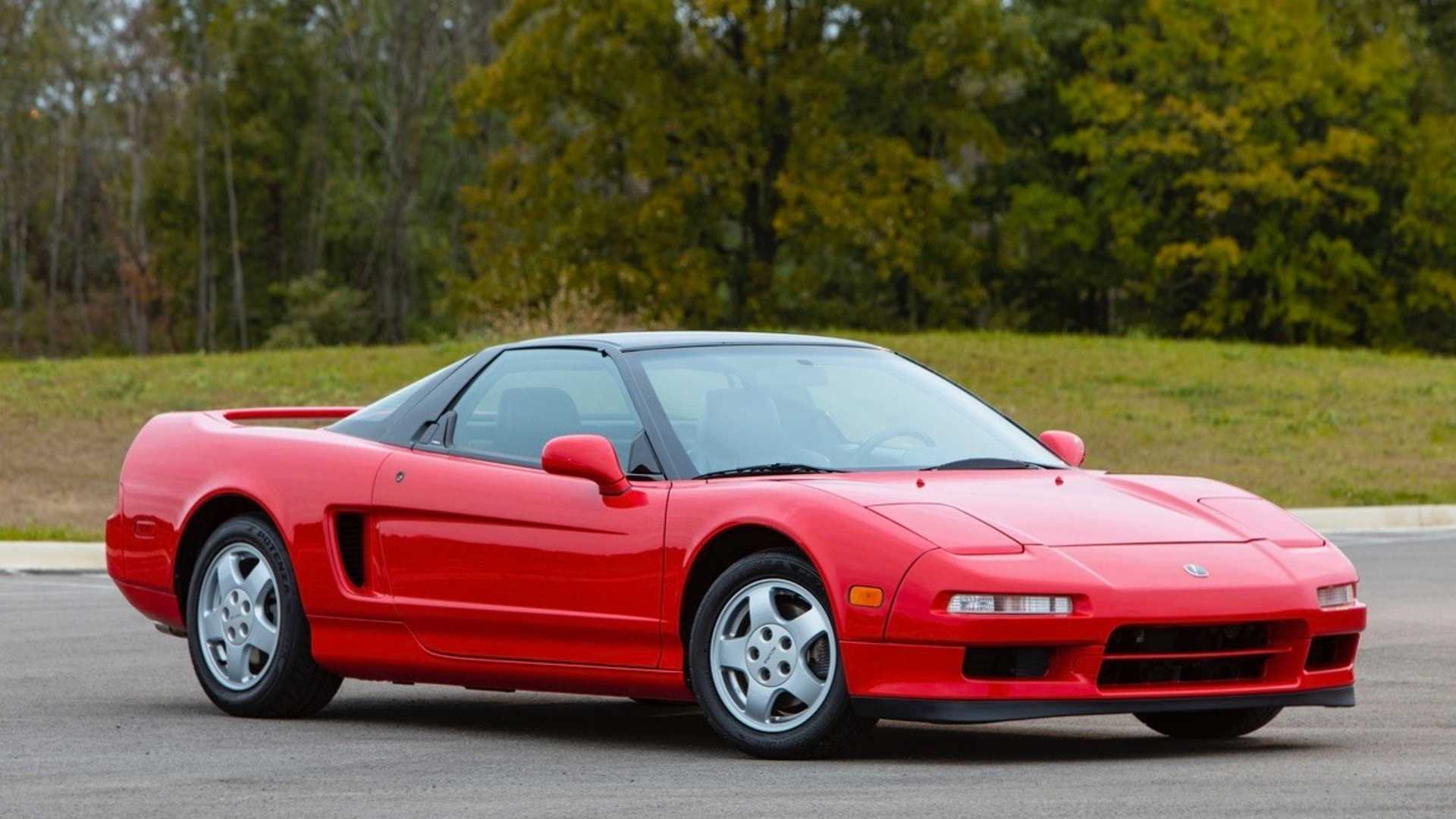
4. Acura NSX (1990)
When the Acura NSX debuted in 1990, it disrupted the supercar market in a way that few cars ever had. Built by Honda under its premium Acura brand, the NSX was a bold attempt to prove that a Japanese manufacturer could build a true exotic car, one that could go head-to-head with Ferrari and Porsche.
What made the NSX different was its focus not only on performance but on usability and reliability. Supercars before the NSX were often fragile, temperamental, and uncomfortable. The NSX flipped that narrative, offering world-class engineering in a package that could be driven every day.
The chassis was a revolution in itself. The NSX was the world’s first mass-produced car with a fully aluminum monocoque body and frame, which significantly reduced weight without compromising strength. This helped the car achieve a near-perfect balance and made it feel nimble and responsive on the road.
The attention to weight savings extended to every detail, from the suspension components to the engine internals. Even the paint was developed to bond with the aluminum surface more effectively. This obsessive engineering set a new benchmark in structural design.
The NSX was powered by a 3.0-liter V6 engine featuring Honda’s VTEC system, which allowed for variable valve timing and lift. This gave the engine two distinct personalities: one for smooth, efficient daily driving, and another for high-revving, aggressive performance.
With a redline of 8,000 RPM, the engine delivered both excitement and refinement, and it did so with Honda’s signature reliability. This was a direct contrast to the more fragile European exotics of the era, many of which required constant maintenance and delicate driving habits.
Senna’s involvement in the final tuning of the car was more than just a marketing gimmick. His feedback led to critical improvements in chassis stiffness and handling feel. The car’s suspension geometry and feedback were tuned to deliver both comfort and razor-sharp responsiveness.
Unlike many sports cars, the NSX didn’t rely on brute force; it was about balance, poise, and predictability. It made drivers feel confident, not intimidated, which was almost unheard of in high-performance vehicles at the time.
The interior was also carefully considered, with ergonomics that focused on visibility and comfort. The low dashboard and large glass area offered excellent sightlines, making the car feel open and approachable.
Switchgear was placed logically, and the driving position was tailored to create a connection between the driver and the machine. These may sound like basic principles today, but most sports cars at the time prioritized style over usability. The NSX set a new standard for how a supercar should function on the inside.
Initially, some purists scoffed at the idea of a Japanese supercar, assuming it lacked the soul of Italian and German rivals. But over time, its quality, drivability, and innovation earned it deep respect. Even Gordon Murray, the designer of the McLaren F1, cited the NSX as a key influence due to its combination of usability and engineering brilliance. The NSX didn’t just raise the ba, it redefined what a high-performance car could be, and it forced the entire industry to catch up.
5. Chrysler Airflow (1934)
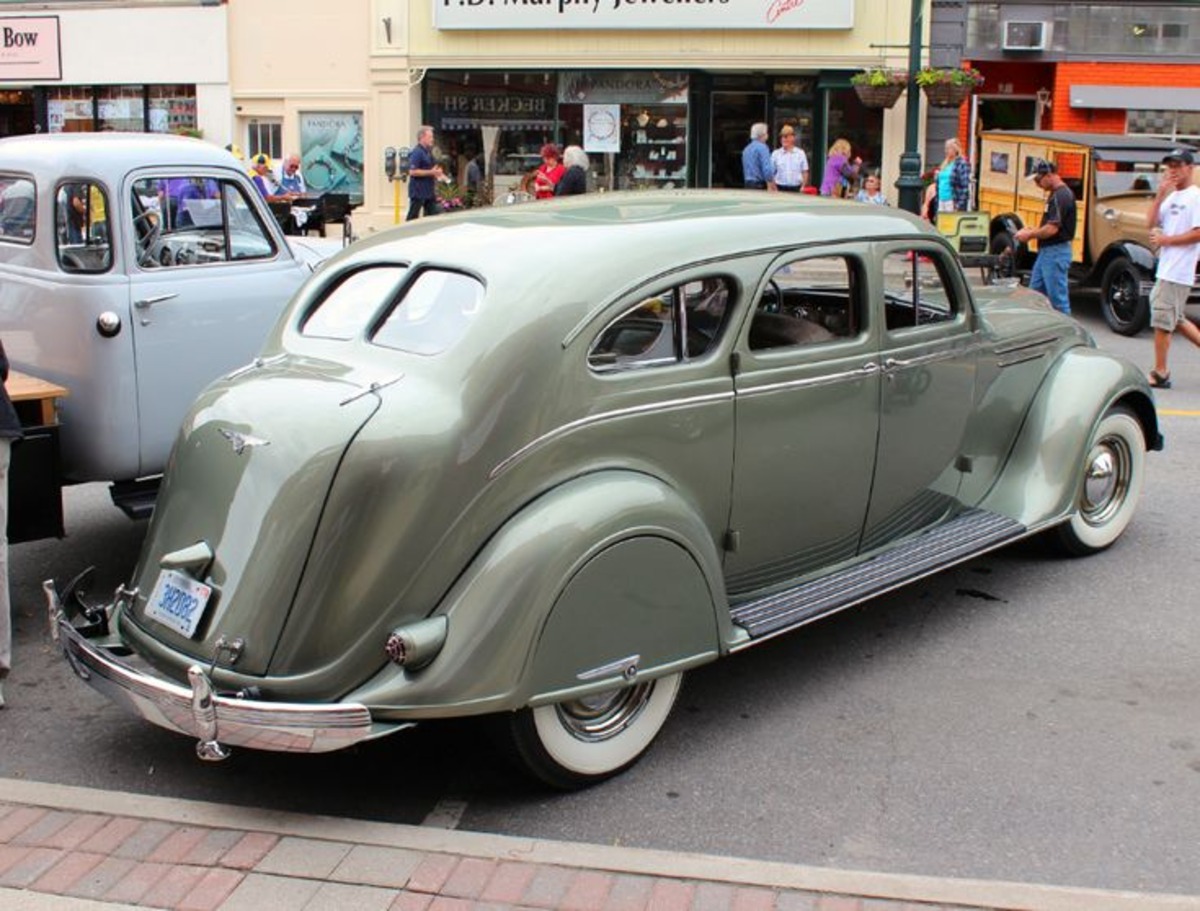
The Chrysler Airflow was arguably one of the most misunderstood cars in American automotive history. Released during the height of the Great Depression, the Airflow aimed to bring a new era of design and engineering to a conservative market. Most cars in the early 1930s were upright, boxy, and looked like modified carriages.
Chrysler, however, had a different idea. They used wind tunnel testing, borrowed from the aviation world, to shape a car that was aerodynamic and efficient. The result was a streamlined form that seemed totally alien compared to the competition.
This was one of the first instances of form being driven by function in car design. The Airflow’s shape reduced drag and improved fuel efficiency, a concept that wouldn’t become mainstream until decades later.
Its waterfall grille, curved fenders, and sloped roof were years ahead of their time, making it look more like a car from the 1950s than the 1930s. But the public wasn’t ready for it. Many people found the styling too radical, and in an era defined by economic uncertainty, few were willing to take a risk on something that looked so different.
Unfortunately, the Airflow’s brilliance was also its undoing. It was simply too far ahead for its time. Consumers were unfamiliar with aerodynamics or unibody construction, and many dealers had trouble selling a car that didn’t look like anything else on the road.
Sales were disappointing, and Chrysler quickly reverted to more conservative designs. The Airflow was quietly discontinued, and its lessons were largely shelved by the company for years.
However, history has vindicated the Airflow’s legacy. Its influence can be seen in the post-war cars of the late 1940s and ’50s, as streamlining and integrated design became the norm. The Airflow proved that radical ideas often take time to be accepted, and that true innovation sometimes requires a willingness to fail in the short term. It stands today as one of the boldest and most forward-thinking vehicles of its era, and its contributions to car design and engineering remain undeniable.
6. GM EV1 (1996)
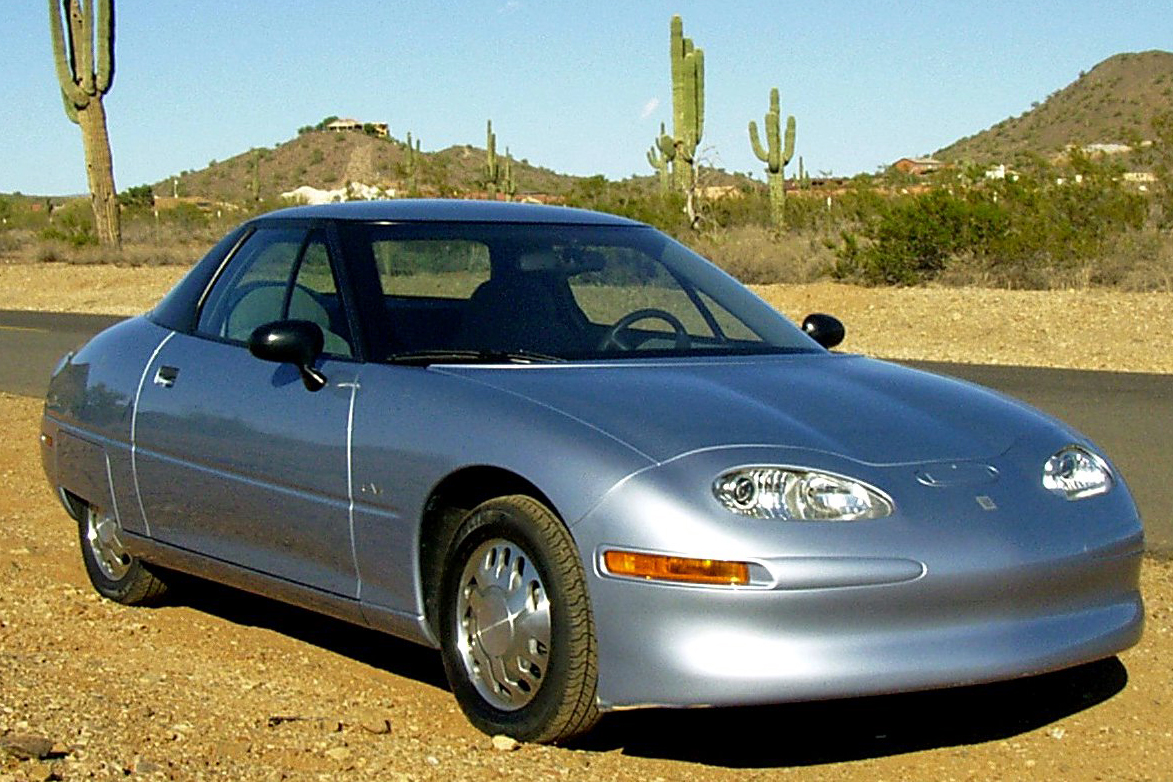
The GM EV1 was a pioneering effort that came long before the electric vehicle boom we see today. Launched in 1996 under a limited lease program, the EV1 was General Motors’ ambitious attempt to build a fully electric car from the ground up, not a conversion, but a purpose-built EV.
In a time when electric vehicles were seen as little more than science experiments, the EV1 stood out as a serious technological achievement. Its sleek, aerodynamic body, lightweight construction, and advanced electronics made it a quiet glimpse into a future that few were willing to embrace at the time.
One of the most revolutionary aspects of the EV1 was its design. It was shaped with extreme attention to aerodynamics, achieving a drag coefficient of just 0.19, which remains exceptional even today.
The first generation of the EV1 used lead-acid batteries and had a maximum range of around 60–80 miles under typical driving conditions. Later models upgraded to nickel-metal hydride batteries, pushing the range closer to 100–120 miles. While modest by today’s standards, these figures were impressive for the 1990s, especially given the lack of charging infrastructure. Acceleration was brisk thanks to the instant torque provided by its electric motor, and the driving experience was quiet, smooth, and futuristic.
Yet despite positive feedback from users, GM controversially ended the EV1 program in the early 2000s. Leases were not renewed, and almost all vehicles were recalled and destroyed. The company cited high costs, low demand, and a lack of consumer readiness, but many critics have pointed to pressure from oil interests, political forces, and internal resistance as reasons for its demise.
The backlash was intense, culminating in the 2006 documentary Who Killed the Electric Car?, which explored the broader forces that led to the EV1’s cancellation.
7. Lancia Stratos (1973)
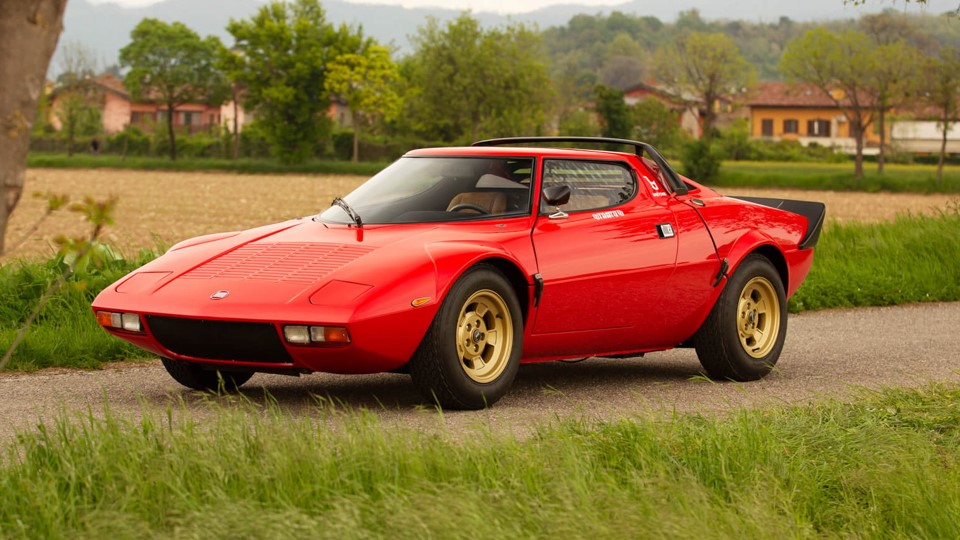
The Lancia Stratos was a purpose-built rally car that redefined what was possible in motorsport and production car design. Introduced in the early 1970s, the Stratos wasn’t an evolution of an existing model, it was a machine engineered entirely for performance, agility, and dominance on unpredictable rally stages. With its short wheelbase, mid-engine layout, and aggressive styling, the Stratos looked like nothing else on the road. It didn’t try to appeal to the masses. It was designed to win, and it did exactly that.
Its body was penned by Bertone and featured dramatic wedge-shaped lines, a sharply sloped windshield, and flared wheel arches. The futuristic look wasn’t just for show. The car’s shape and size were directly linked to function: better visibility for drivers on tight courses, reduced frontal area for aerodynamic efficiency, and a footprint that allowed it to maneuver around tight corners at high speed. It looked like a spaceship and drove like a weapon.
Lancia built just enough Stratos road cars to meet homologation requirements, meaning regular drivers had a rare chance to own something that was essentially a rally car with license plates. While Spartan and raw, the road-going Stratos was still thrilling to drive. It demanded attention, skill, and respect from the driver, offering little in the way of luxury but an overwhelming amount of feedback and excitement. Driving it on public roads was an event, not a commute.
Though its time in the spotlight was relatively short, the Lancia Stratos remains one of the most iconic and beloved rally cars ever created. Its design, performance, and legacy continue to inspire both motorsport enthusiasts and automotive designers.
8. Audi A2 (1999)
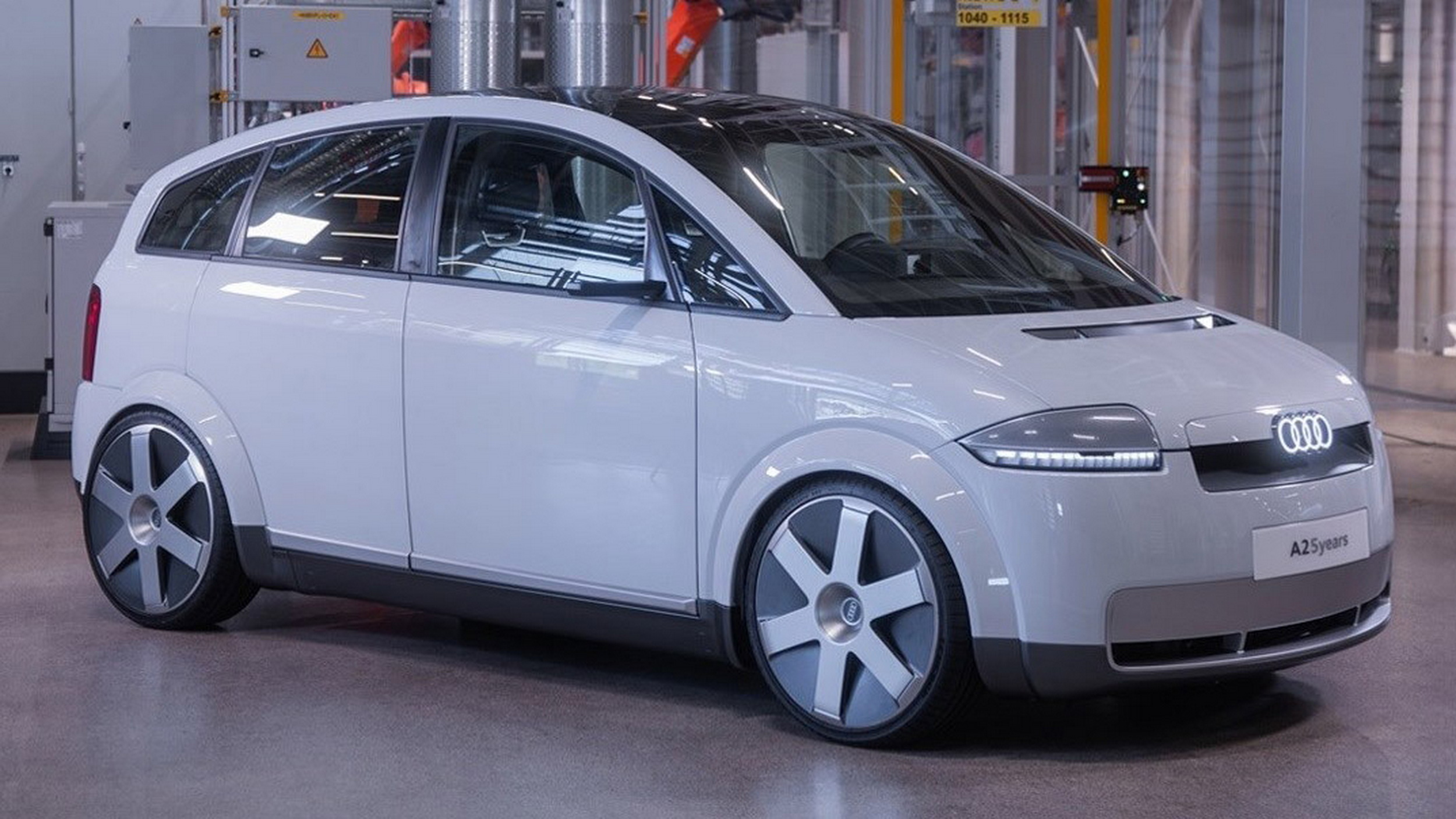
The Audi A2 was a compact hatchback that pushed the boundaries of lightweight construction and fuel efficiency in a way few production cars had before. Launched in 1999, it was designed to be an ultra-efficient city car without sacrificing safety, style, or practicality.
What set the A2 apart was its use of aluminum for almost its entire body structure, a practice previously reserved for supercars and aircraft. This advanced engineering approach resulted in a car that weighed significantly less than its competitors, allowing it to offer impressive fuel economy without resorting to a tiny or underpowered engine.
Using Audi’s aluminum space frame technology, the A2 weighed about 830 kilograms (roughly 1,830 pounds), far lighter than most small cars of its era. This not only contributed to fuel savings but also gave the car a nimble, agile feel on the road. The lightweight construction meant that the A2’s smaller engines could perform with more liveliness and responsiveness than heavier cars with bigger engines. It was a car designed with a clear philosophy: less weight equals better efficiency and driving dynamics.
Under the hood, the A2 came with a range of small-displacement engines, including a 1.2-liter three-cylinder diesel that could achieve more than 60 miles per gallon in real-world driving. This was remarkable for a car of its time, especially before hybrid and electric vehicles became widely popular.
The interior of the A2 was surprisingly spacious and well-appointed given its compact footprint. Audi made sure the car offered modern conveniences and a comfortable ride, with high-quality materials and a layout that prioritized both driver and passenger comfort. Despite the use of lightweight materials, the A2 didn’t feel cheap or fragile. It balanced innovation with everyday usability, making it a practical choice for urban drivers who wanted something different from the conventional economy car.
However, the A2 wasn’t without its challenges. Its high production cost due to the aluminum body meant it was priced higher than many competitors, limiting its commercial appeal. Consumers were still largely unfamiliar with aluminum construction in mass-market cars, and repair costs were higher, which deterred some buyers.
The design itself was also somewhat polarizing, its rounded, futuristic shape wasn’t universally loved at the time. Sales were modest, and Audi eventually discontinued the A2 after a production run of about six years.
Despite its commercial challenges, the Audi A2 was a technical milestone that influenced future vehicle design and manufacturing. It proved that lightweight construction could be scaled beyond luxury and supercars, paving the way for more efficient small cars and inspiring the use of advanced materials in mass production. Today, the A2 is remembered as a visionary car that was far ahead of its time in terms of engineering and environmental consciousness.

9. Saab 900 Turbo (1978)
The Saab 900 Turbo was one of the first cars to bring turbocharging to everyday drivers in a practical, usable way. When introduced in 1978, turbocharging was mostly the domain of race cars or specialized performance vehicles, but Saab dared to incorporate this technology into a compact family sedan.
The result was a car that blended performance, safety, and efficiency at a time when most cars were either slow or gas guzzlers. The 900 Turbo set the stage for the turbocharged engines that would become ubiquitous decades later.
Saab’s engineers didn’t just bolt on a turbocharger and call it a day, they tuned the engine and the car’s systems to deliver a smooth, predictable power increase that made turbocharging accessible to everyday drivers.
The turbocharged 2.0-liter inline-four engine produced around 145 horsepower, which was impressive for a small car in the late ’70s. It offered strong mid-range torque and smooth throttle response, meaning the car could accelerate confidently without turbo lag, a common issue in early forced induction engines.
In addition to its performance, the Saab 900 Turbo was for its safety innovations. Saab had long been a leader in automotive safety, pioneering features like reinforced passenger cages, front and side-impact protection, and energy-absorbing crumple zones.
The Turbo model carried these attributes while offering spirited driving dynamics, which was unusual at the time. Saab also emphasized driver ergonomics and visibility, which made the 900 Turbo feel like a thoughtful and well-rounded car.
The design of the 900 was distinctive, with a tall greenhouse, wraparound windshield, and aerodynamic shape that improved both fuel efficiency and stability at speed. The interior featured a driver-focused dashboard with controls angled toward the driver, a design choice that has become more common today.
The turbocharged model included upgraded suspension and brakes to handle the extra performance, ensuring the car remained safe and composed.
Though it was technically advanced, the Saab 900 Turbo remained a practical and usable car. It was spacious enough for families, had good cargo space, and was reliable enough for daily use.
This combination made it popular in markets where drivers wanted a blend of excitement and safety without sacrificing comfort or economy. Saab’s turbocharging approach showed that forced induction could be practical, affordable, and trustworthy.
The 900 Turbo’s influence extended far beyond Saab. It helped normalize turbocharged engines in everyday vehicles, encouraging other manufacturers to explore the technology as a way to improve power output without increasing engine displacement. Today, turbocharging is standard on many cars worldwide, a legacy that traces back to innovators like Saab who showed its potential decades earlier.
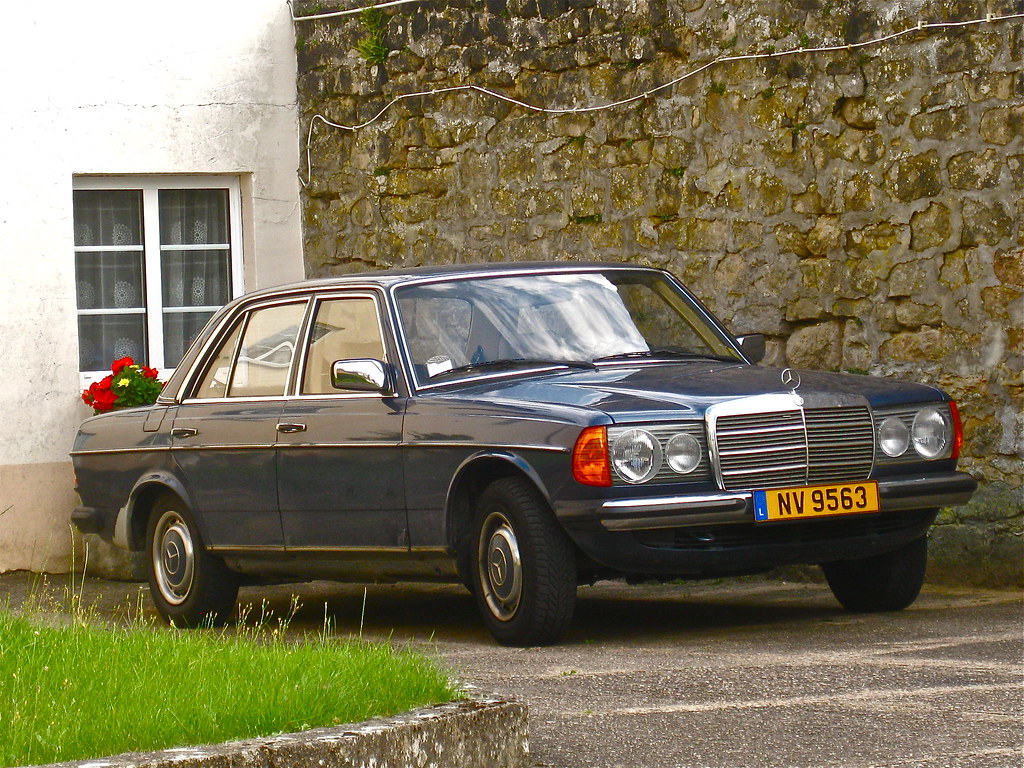
10. Mercedes-Benz W123 (1976)
The Mercedes-Benz W123 series, introduced in 1976, is often remembered as one of the most durable and well-engineered cars of the 20th century. While it may not seem flashy by today’s standards, the W123 was packed with thoughtful engineering and build quality that set a new standard for reliability, safety, and comfort.
This series became a global icon, renowned for its longevity, and many examples are still on the road today, a testament to the quality that Mercedes achieved during its production.
One of the W123’s standout features was its advanced safety engineering. Mercedes incorporated features like crumple zones designed to absorb impact energy and protect occupants, a relatively new concept at the time. The car also featured reinforced passenger compartments and safety steering columns that reduced injury risks in crashes. These were complemented by innovations like anti-lock brakes (introduced later in the W123 lifecycle) that improved braking control and safety in adverse conditions.
The W123 was also engineered for durability. Components were designed to be robust, with high-quality materials used throughout. This meant the car could handle rough roads and harsh climates without the mechanical failures common in many cars of the era.
The engines, ranging from reliable four-cylinders to smooth inline-six units, were built to run for hundreds of thousands of miles with basic maintenance. This longevity made the W123 especially popular in markets like Africa and the Middle East, where ruggedness was critical.
Comfort and refinement were not neglected. The W123 offered a quiet, smooth ride with a well-tuned suspension that balanced comfort with handling. The interior was spacious and functional, with ergonomic controls and durable upholstery.
While the styling was conservative, it was elegant and timeless, which helped the car maintain its appeal for many years. Features like air conditioning, power windows, and advanced heating systems were available options that enhanced passenger comfort.
Another important factor in the W123’s success was its versatility. The range included sedans, wagons, coupes, and even long-wheelbase versions. This flexibility meant the car could serve as a family car, executive transport, or commercial vehicle with ease. Its reputation for reliability and serviceability also made it a favorite among taxi fleets around the world, further cementing its status as a workhorse.
In retrospect, the Mercedes-Benz W123 was ahead of its time because it combined safety, reliability, and comfort in a way that few manufacturers dared to attempt simultaneously. While not flashy, its balanced engineering and build quality influenced the automotive industry for decades. It showed that innovation didn’t always have to mean cutting-edge technology or radical design; sometimes it meant simply building a better car, inside and out.
