
SUVs have become the go-to vehicle for families, commuters, and even off-road enthusiasts. Their popularity is driven by their space, comfort, versatility, and ability to handle a wide range of road conditions. But while drivers often choose SUVs for how they look or feel on the road, mechanics see them through a very different lens.
For those who make a living maintaining and repairing vehicles, the difference between a good SUV and a bad one comes down to factors most drivers never think about, engine accessibility, reliability of components, ease of diagnostics, and the engineering design.
A mechanic’s appreciation for a vehicle isn’t based on horsepower or style. Instead, they value simplicity, durability, and thoughtful design that doesn’t require disassembling half the car just to change a spark plug.
When a vehicle is engineered with repairability in mind, it makes routine service quicker, cuts down labor time, and reduces the chance of extra damage during a job.
On the other hand, some SUVs are the exact opposite. Packed with overcomplicated systems, poorly positioned components, or unreliable parts, these can turn a basic repair into an all-day frustration.
This article highlights five SUVs that mechanics often speak highly of, not because they are flashy or luxurious, but because they are practical and make their jobs easier. These vehicles are known to have strong build quality, straightforward design, and fewer surprises under the hood.
Then, we’ll go through five SUVs that mechanics usually groan at when they pull into the shop. These are the ones with unnecessarily complex systems, frequent breakdowns, or cramped engine bays that make even basic maintenance a chore.
Understanding which SUVs mechanics favor or dread can offer valuable insight not only for buyers but also for those looking to minimize long-term repair costs. So, if you’re in the market for an SUV or just curious about what your mechanic really thinks about your ride, here’s a breakdown of which models are worth the praise, and which ones are better left at the dealership.
SUVs Mechanics Love Working On
1. Toyota 4Runner
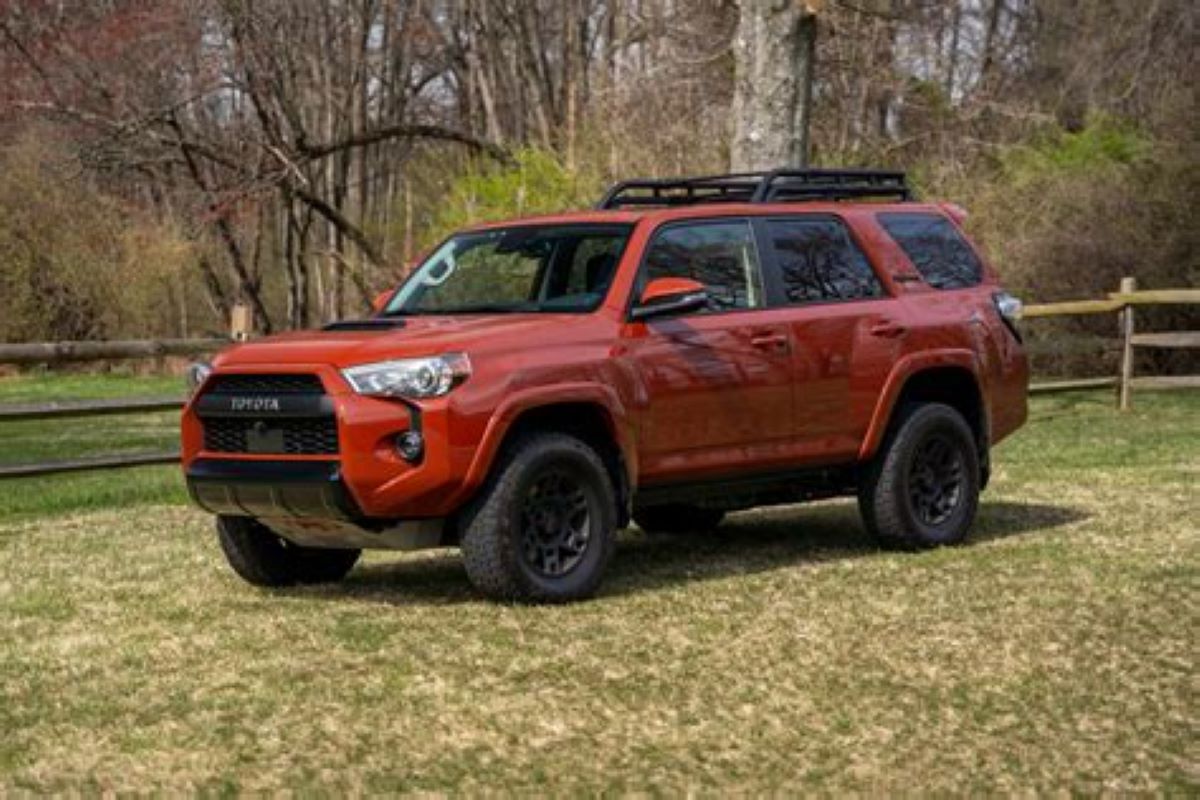
The Toyota 4Runner has built a reputation for durability, but what truly sets it apart for mechanics is the way it’s engineered for long-term serviceability. Under the hood, everything is laid out in a clean and logical way. There’s no unnecessary clutter, and vital components like the alternator, power steering pump, and thermostat housing are positioned with accessibility in mind.
This makes a world of difference for mechanics who work in tight engine bays all day. There’s nothing particularly exotic about the 4Runner’s mechanical design, which is exactly what technicians appreciate. It sticks to time-tested engineering rather than chasing trends.
One of the most well-regarded features is its tried-and-true 4.0L V6 engine, which is well-known for running for hundreds of thousands of miles with proper maintenance. It’s not just reliable; it’s also easy to maintain. The timing chain system eliminates the need for routine belt replacements, and the cooling system is simple to service.
Even when repairs are needed, they tend to be predictable and don’t require extensive labor. Mechanics often comment on how the 4Runner lacks the kind of hidden fasteners or awkwardly placed bolts that waste time and increase the chance of stripped threads or broken clips.
Beyond just mechanical simplicity, the 4Runner benefits from Toyota’s design philosophy of parts interchangeability and long production cycles. Many components used on the 4Runner are shared with other Toyota trucks and SUVs, which makes it easier for shops to keep common parts in stock.
There’s also less need to wait for dealership orders, which speeds up repair times and increases shop efficiency. This consistency also gives technicians confidence, especially when quoting jobs or diagnosing issues, because they’ve seen the same layout over multiple generations.
That familiarity means fewer surprises, fewer mistakes, and faster turnaround. Rust protection is generally good, and the truck-like frame construction means it’s built to be worked on, not just driven.
In contrast to vehicles that crumble or resist disassembly due to cheap materials or overengineering, the 4Runner’s solid and traditional construction wins over many experienced mechanics. It’s a vehicle that not only earns the loyalty of owners but also earns the respect of those who keep it running.
2. Honda CR-V
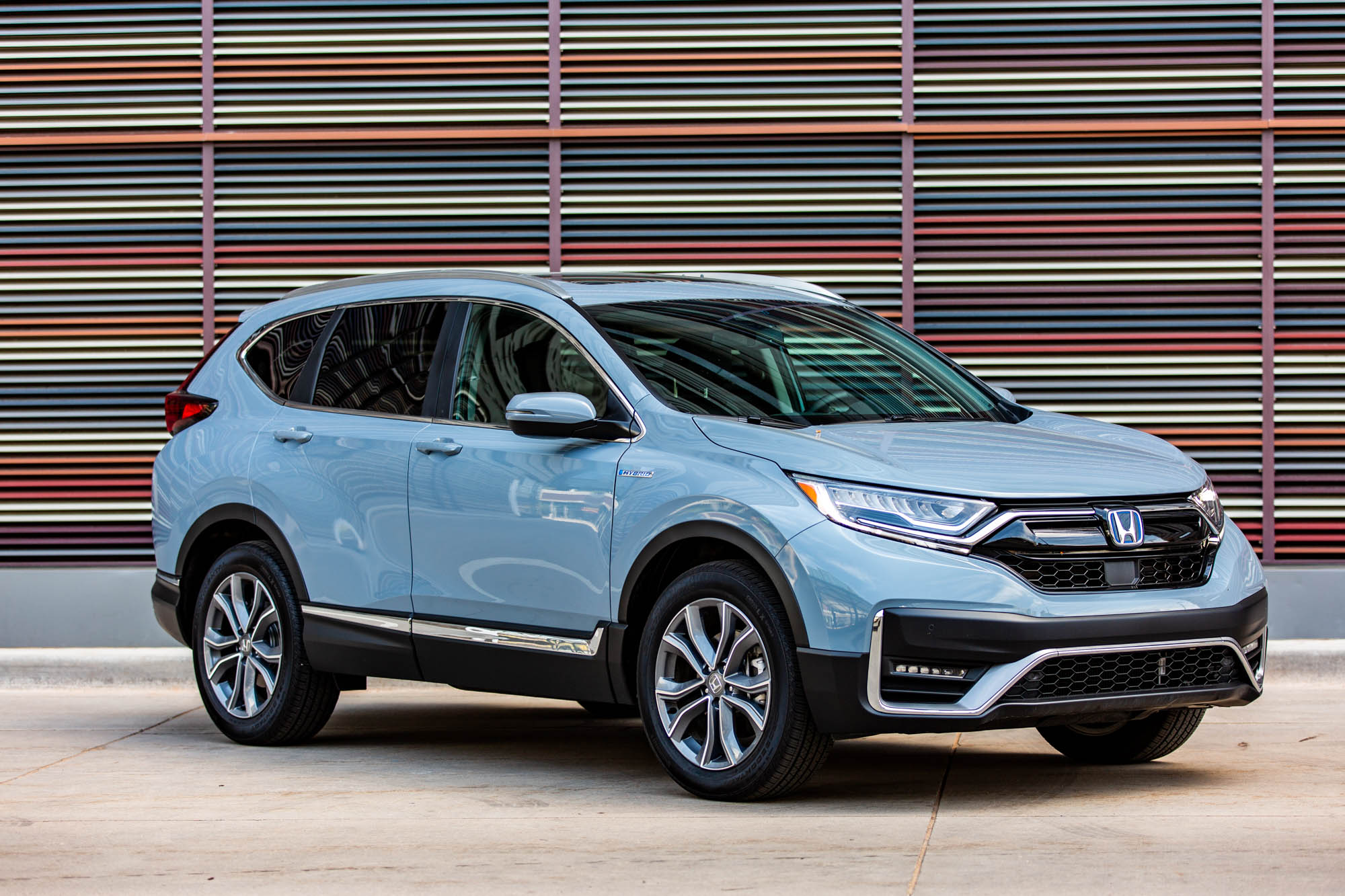
Honda CR-Vs are often considered a breath of fresh air by technicians used to dealing with high-maintenance SUVs. The first thing many notice is how well-organized the engine bay is. Honda has a talent for packaging their engines in a way that feels intuitive, which reduces the need for guesswork or constant reference to repair manuals.
Common service items such as the spark plugs, serpentine belt, battery, and air filter are positioned for easy access. You don’t have to remove layers of plastic trim or work around impractical placements just to get to basic components. That alone sets the CR-V apart in a market flooded with overcomplicated designs.
The reliability of the CR-V’s engine and transmission is another major advantage. Early models, particularly those with naturally aspirated engines and traditional automatic transmissions, have a strong track record for long service life. Technicians frequently see CR-Vs with well over 200,000 miles that are still mechanically sound.
Another benefit of the CR-V’s mechanical design is its compatibility with other Honda models. Many parts are shared between the Civic, Accord, and other small Honda vehicles, which simplifies both inventory management and the repair process. If a shop is experienced with one Honda model, that knowledge applies across several others.
This modular approach to parts and systems results in greater efficiency and fewer headaches, particularly when diagnosing shared issues or installing familiar components. It’s not just about saving time; it’s also about reducing errors and improving consistency in repairs.
While more sensors and electronics are present in modern versions, Honda has managed to integrate them in a way that’s still logical for repair. You don’t need expensive, proprietary equipment just to reset an oil light or replace a sensor.
For mechanics who value straightforward, efficient repair processes, the Honda CR-V consistently delivers one of the best experiences in the compact SUV segment.

3. Ford Escape (2001–2012 Models)
The early-to-mid 2000s Ford Escape models are another example of a vehicle that’s well-liked in many repair shops. While Ford vehicles can sometimes get a bad reputation for reliability, these Escapes struck a balance between simplicity and practicality that mechanics appreciated.
The engines used in this era, such as the 2.3L inline-4 and 3.0L V6, were familiar to most technicians and featured fairly basic construction. There wasn’t an overwhelming number of sensors, vacuum lines, or electronic modules crammed into the engine bay, which made troubleshooting more mechanical and less dependent on advanced scan tools.
One of the things that makes these Escapes pleasant to work on is their ease of disassembly. Parts come off the vehicle without much struggle, and it doesn’t feel like you’re fighting the design. Removing the alternator, replacing the power steering pump, or servicing the A/C compressor are all tasks that can be completed in a reasonable amount of time with standard tools.
You don’t need to take off half the dashboard to fix a heater core, and you don’t have to unbolt the engine just to get to the starter. That sort of accessibility might not be appreciated by owners at first, but it certainly matters to the person under the hood.
Diagnostics are also less of a chore in these earlier Escapes. The onboard systems are generally stable, and when issues do arise, they tend to produce clear trouble codes and symptoms.
Parts are cheap and widely available for this generation, which is a big plus for both technicians and customers. Aftermarket support is strong, and many used parts can be sourced locally for more cost-effective repairs. This allows shops to turn around vehicles quickly without long wait times or high expenses.
The platform was also shared with the Mazda Tribute and Mercury Mariner, so familiarity with one often extends to the others. For shops that work on a wide range of brands, that kind of overlap is valuable. It keeps learning curves short and repair times fast.
4. Subaru Forester
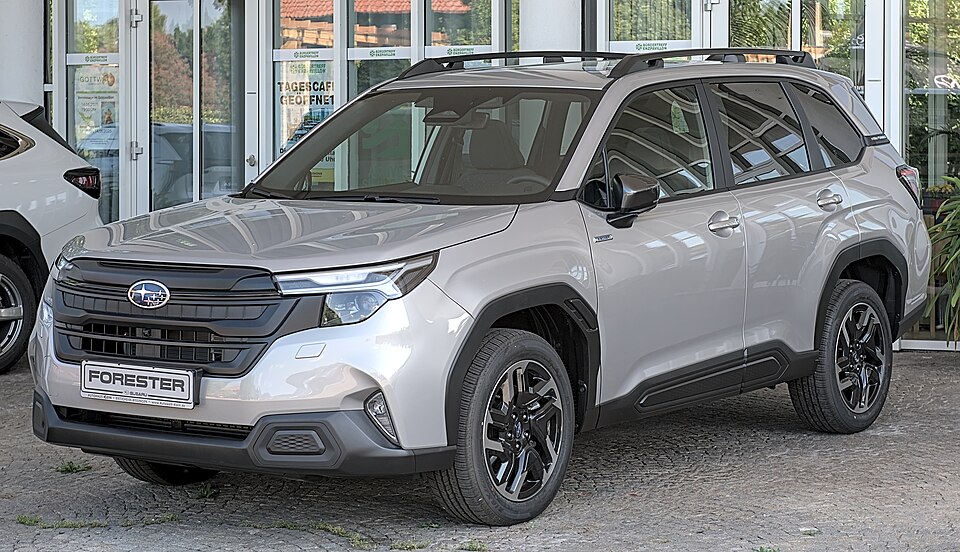
The Subaru Forester has its quirks, but many seasoned mechanics have come to respect it for its consistency, especially across the late 1990s to early 2010s models. Its horizontally opposed (boxer) engine might initially seem awkward compared to conventional inline or V-shaped configurations, but once technicians understand the layout, it actually becomes very efficient to work on.
Everything is balanced and symmetrically placed, which makes certain jobs, like timing belt service or head gasket replacements, more predictable. While the engine sits low, it doesn’t require extreme disassembly to access major components, making it better than many cramped transverse-engine layouts in other compact SUVs.
Another strength of the Forester is that it tends to be owned by people who actually take care of their vehicles. Many Subaru owners are loyal to the brand and more likely to follow service schedules, which means the vehicles show up at shops in better condition.
For a technician, working on a car that’s been maintained is a lot less stressful than one that’s been neglected. Routine services like oil changes, spark plug replacements, and brake jobs are uncomplicated, and Subaru typically uses high-quality fasteners that don’t strip or corrode as easily as some domestic competitors.
Subaru also earns points with mechanics for parts standardization across its lineup. The Forester shares many components with the Outback, Impreza, and Legacy, so shops that service one model are generally well-equipped to handle others. This reduces the need for model-specific knowledge or tools and helps with stocking common parts.
When you can reuse the same timing belt kit, CV axle, or suspension bushing across multiple models, it keeps things simple. It also lowers the chances of ordering the wrong part, which can slow down workflow and irritate customers.
There’s also a level of mechanical honesty to the Forester that mechanics appreciate. While newer models have gradually introduced more electronics and CVTs, the core structure of the vehicle has remained mostly predictable. You know what you’re going to get with a Forester.
It’s not going to surprise you with bizarre component placements or overly sensitive sensors that cause a cascade of warning lights. It breaks in familiar, manageable ways, and it responds well to repairs. That kind of predictability builds trust, both for the technician and the customer who wants their vehicle fixed right the first time.
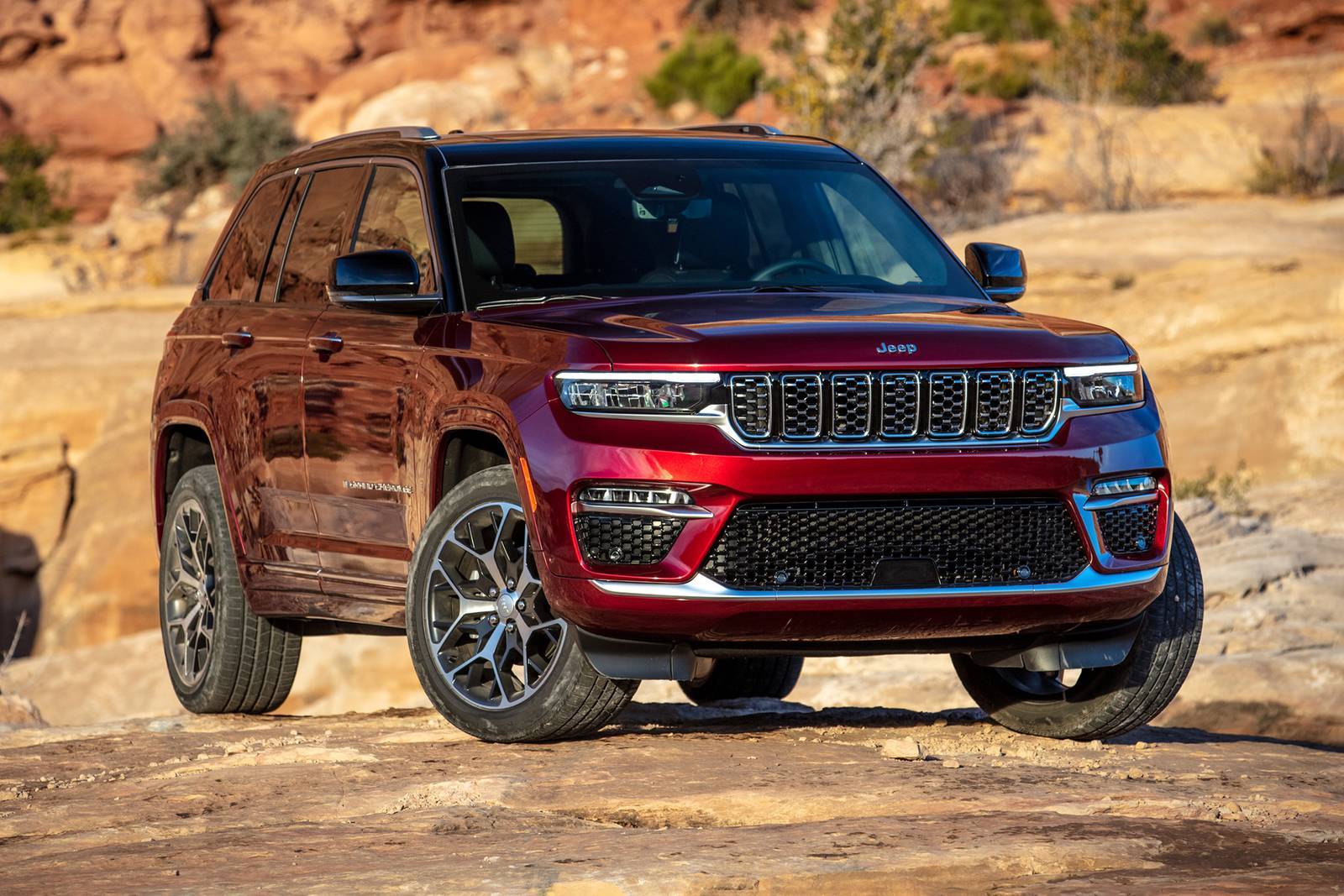
5. Jeep Cherokee (XJ Generation)
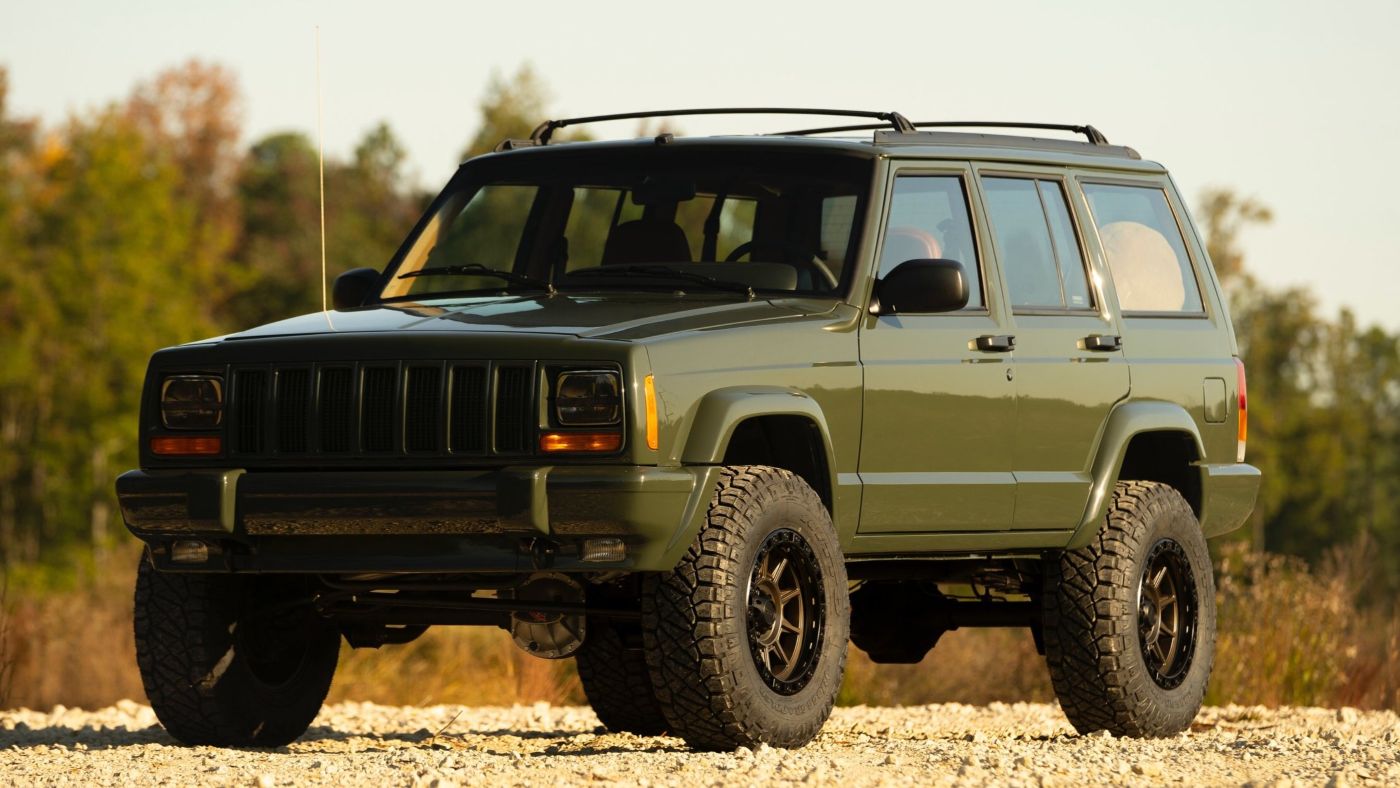
The Jeep Cherokee XJ, produced from the mid-1980s through 2001, is one of the most admired SUVs among mechanics who appreciate straightforward, honest engineering. Its simple boxy design carries over into its engine bay, where everything is exposed and accessible.
The 4.0L inline-six engine, arguably its most iconic feature, is considered one of the most durable and mechanic-friendly engines ever built. It’s not uncommon to see these engines pass 250,000 miles without major work, and when they do need attention, nearly every component is easy to remove and replace.
There’s no need to remove the intake manifold or disassemble a front-end assembly just to replace a water pump or thermostat. Everything is right where it should be.
What mechanics really appreciate about the Cherokee XJ is how little guesswork is involved in diagnosing problems. The vehicle is mostly mechanical, with minimal reliance on electronics, especially in earlier years.
That means fewer cryptic error codes and more observable symptoms that experienced technicians can diagnose by feel, sound, or visual inspection.
There are no complicated computer modules hidden deep behind dashboards, and there’s almost no need for specialized tools. It’s the kind of SUV where a mechanic can confidently say, “I’ve seen this before,” and know exactly how to fix it.
The suspension and drivetrain are also as tough and straightforward as the engine. The solid front and rear axles, coil springs, and leaf spring setup were designed for off-road abuse but remain incredibly easy to service. Swapping out control arms, ball joints, or u-joints is simple, and parts are widely available.
For mechanics who spend much of their time dealing with overly complex multi-link setups and electronically controlled all-wheel-drive systems, the XJ’s classic approach is a relief. Its 4WD system, especially the part-time transfer case, is rugged and reliable. And if something does fail, rebuilding or replacing components is rarely complicated.
There’s also a massive support community and aftermarket for the XJ, which benefits mechanics as well as owners. Diagrams, tutorials, and spare parts are easy to find, and upgrades are simple to install. It’s not unusual for shops to keep parts on hand for common XJ repairs because they’re in such high demand among DIYers and off-road enthusiasts.
SUVs Mechanics Love Working On
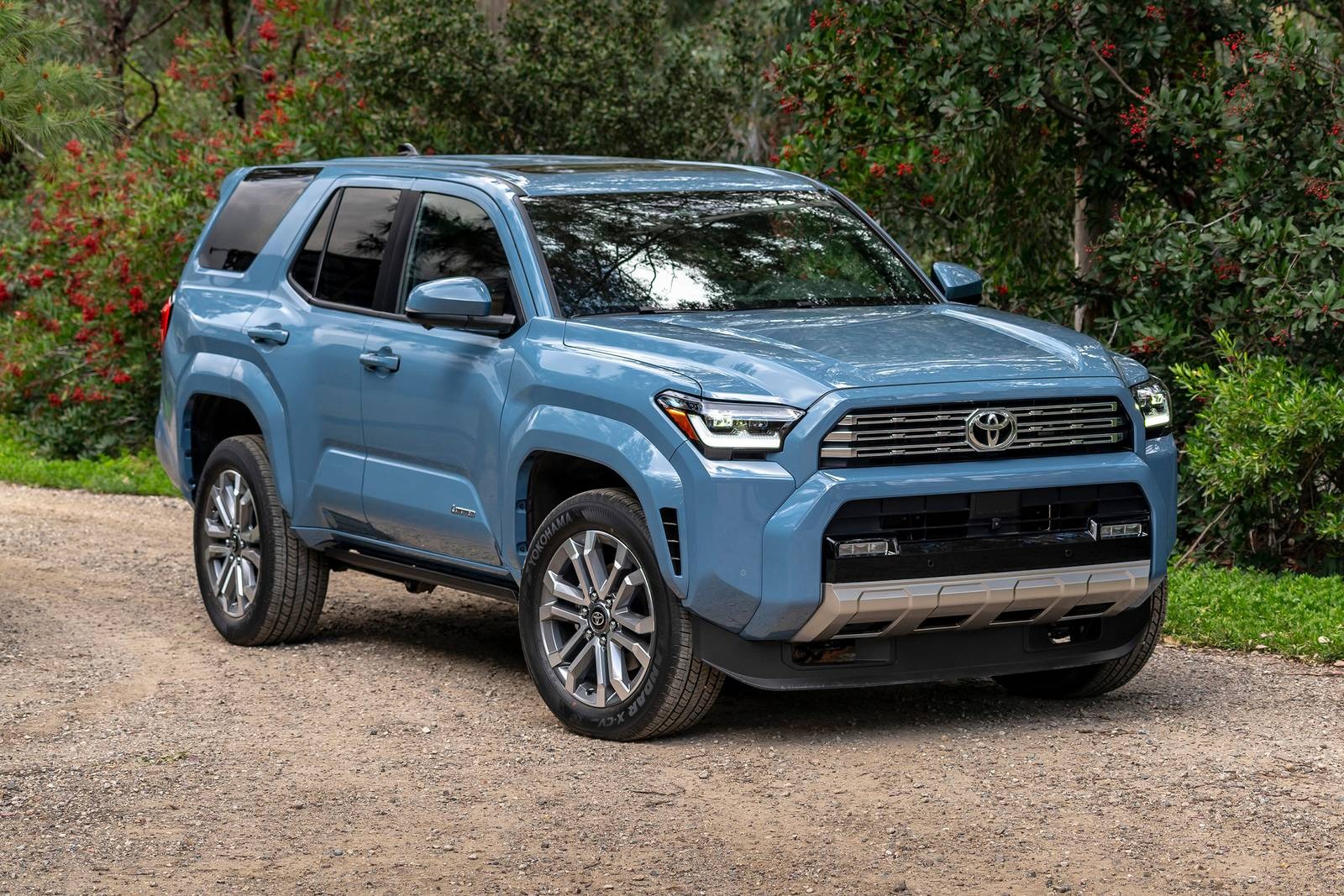
1. Toyota 4Runner
The Toyota 4Runner is consistently ranked among the most reliable and mechanic-friendly SUVs on the market, and this reputation isn’t just customer-driven, it’s backed by the professionals who work on them every day. From the moment a technician opens the hood, the difference in layout and access is immediately noticeable.
The engine bay isn’t crammed, and there’s adequate room around most components to comfortably reach what needs servicing. Unlike some modern SUVs that are so tightly packed that changing a spark plug turns into an afternoon-long job, the 4Runner allows for direct access to most service points.
Whether it’s replacing an alternator, working on the power steering system, or even doing a timing chain inspection, everything is laid out in a way that respects a mechanic’s time.
One of the reasons mechanics respect the 4Runner is the straightforward durability of its powertrain. The 4.0L V6 engine in particular is legendary for its longevity and low maintenance demands. Unlike more fragile engines with known flaws or components that wear prematurely, the 4.0L is overbuilt, using high-quality materials and proven engineering.
It’s not a flashy engine, but it performs well under stress and isn’t prone to expensive failures. For a mechanic, that means fewer callbacks, fewer “mystery” problems, and fewer surprises once the engine has some mileage on it. Whether you’re dealing with high mileage fleet vehicles or weekend warrior off-roaders, the engine rarely lets you down.
Serviceability is one of the things Toyota seems to get right more often than not, and the 4Runner is no exception. It uses parts that are either carried over from other Toyota trucks or have remained consistent through multiple model years. This means mechanics often already have experience with the parts and procedures required.
Toyota doesn’t constantly redesign things like other brands do every few years, which means technicians don’t have to keep relearning how to service a basic system. It’s familiar, dependable, and efficient for both the technician and the customer. The fewer surprises a mechanic faces, the quicker and more confidently they can work.
Even when more significant repairs are needed, the 4Runner holds up well under the wrench. Its body-on-frame construction makes it tougher and easier to lift or disassemble than many unibody designs. Rust protection is generally good, especially in later models, which means suspension bolts and frame components tend to come apart without the usual torch-and-hammer drama.
It’s the kind of SUV that doesn’t punish you for taking it apart. In short, the 4Runner isn’t just reliable for owners, it’s built in a way that acknowledges the realities of long-term service, making it a rare case of solid engineering that benefits both sides of the shop door.
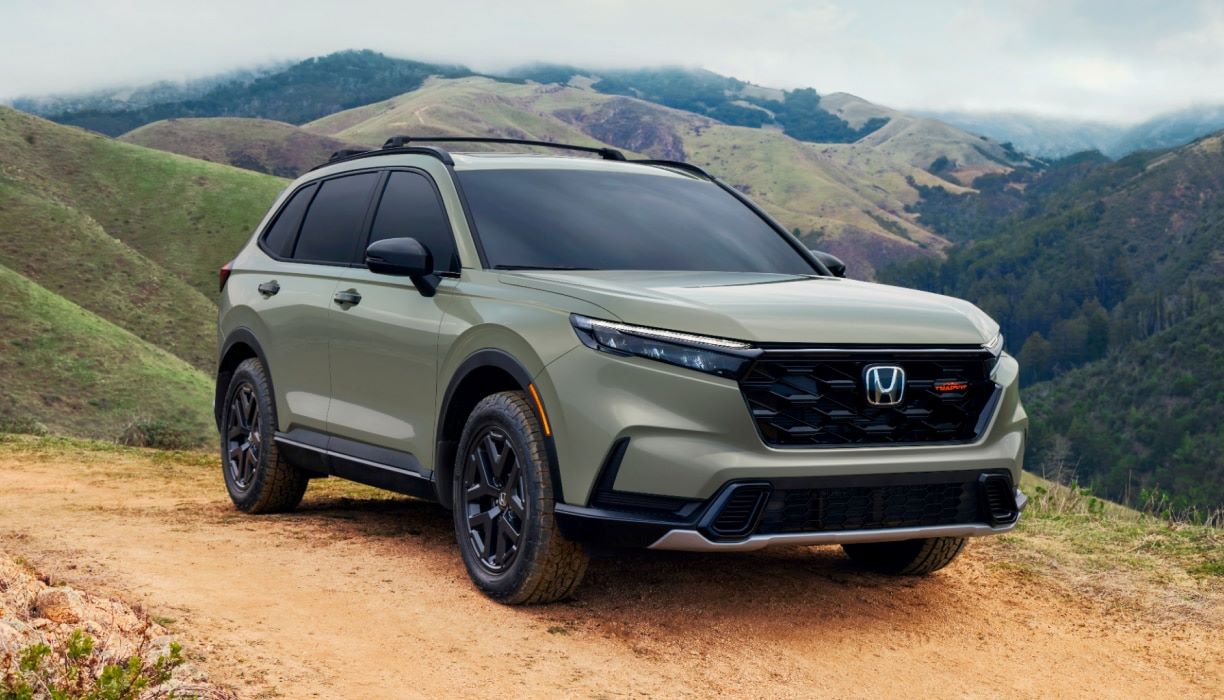
2. Honda CR-V
The Honda CR-V might not be the flashiest SUV on the road, but when it comes to long-term maintenance and ease of repair, it ranks near the top for many mechanics. Its straightforward engine bay and uncluttered layout make common tasks like oil changes, alternator swaps, or valve adjustments much less frustrating than on many other compact SUVs.
You don’t have to remove unnecessary covers, panels, or subassemblies just to reach the basics. Even timing chain inspections or engine mount replacements are relatively pain-free. There’s no unnecessary complexity built into the design, which is a relief in a market where so many manufacturers keep adding layers of complication.
Mechanics also value the CR-V’s consistency across generations. While newer models have added more electronic features and turbocharged engines, the core layout and philosophy haven’t changed much. That consistency means mechanics who’ve worked on older CR-Vs can easily adapt to newer models without having to relearn everything.
Additionally, the engines and transmissions are proven over time, especially the naturally aspirated four-cylinder units. They tend to hold up well under mileage and don’t suffer from catastrophic failures unless severely neglected. This reliability makes the CR-V a favorite not only with customers but also with technicians who appreciate vehicles that last without a lot of drama.
Another major plus is the parts compatibility across Honda’s lineup. The CR-V shares components with other popular models like the Civic and Accord, which simplifies stocking and sourcing. This interchangeability saves time and money for repair shops, especially independent garages that rely on quick turnaround. It also makes diagnostics easier.
If a shop has already handled an issue on a Civic, chances are they know exactly what to do with a CR-V that shows similar symptoms. There’s a kind of mechanical common sense in Honda’s approach that mechanics really respect. They’re not reinventing the wheel every time they release a new version.
Honda’s design decisions in the CR-V prioritize ease of access, predictable maintenance intervals, and long-term service needs. Even electrical components are usually placed in locations that allow reasonable access without tearing into the dashboard or removing half the interior.
That means mechanics can diagnose and repair electrical faults without wasting hours on labor just to reach a connector. For a vehicle that serves so many people as a practical daily driver, the CR-V’s commitment to sensible engineering ensures that when it does come into the shop, it’s welcomed instead of dreaded.
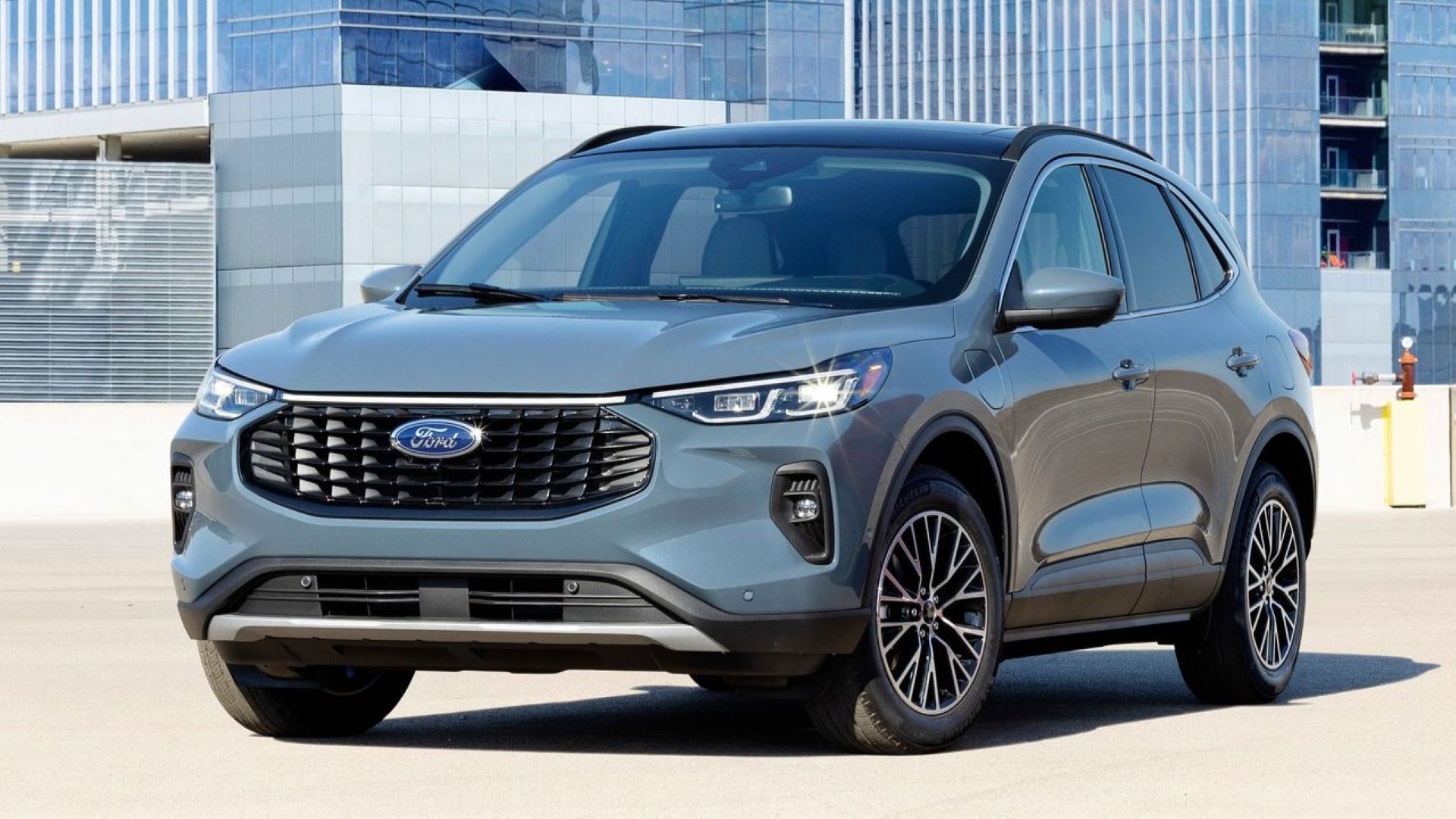
3. Ford Escape (2001–2012 Models)
The early Ford Escapes, particularly the 2001 to 2012 range, have become surprisingly well-regarded by many experienced mechanics. At a glance, these vehicles may seem plain or outdated, but from a maintenance perspective, they were built during a period when Ford still balanced technology with mechanical simplicity.
Technicians often comment on how many components in these Escapes are held together with common fasteners and standard clips. There’s less of the frustration that comes with modern vehicles where even an air filter is buried under layers of plastic trim or held in by proprietary latches.
Things like changing a serpentine belt, thermostat, or alternator don’t require pulling off three unrelated parts first. This kind of accessibility directly affects how long a vehicle takes to service, and time is money in any repair shop. When a vehicle is easy to work on, both the shop and the customer benefit from lower labor times.
The Escape’s relatively modest electronics suite from this era is another big plus. Before the industry went overboard with sensors and computer modules controlling every function, vehicles like the Escape still relied on mechanical linkages and basic wiring harnesses for most operations.
This makes diagnostics far simpler. When something goes wrong, it usually gives off clear, traceable symptoms. Mechanics don’t need to chase ghost codes or deal with dozens of modules reporting overlapping faults. That predictability is incredibly valuable in reducing stress and wasted effort during repair.
Parts availability is also strong. Because the Escape shares a platform with the Mazda Tribute and Mercury Mariner, there’s no shortage of donor vehicles or interchangeable components. Whether new or used, parts are readily available and often reasonably priced.
4. Subaru Forester
The Subaru Forester, particularly the models from the early 2000s through mid-2010s, has become a go-to favorite for many technicians who specialize in Japanese vehicles. While Subaru’s flat-four engine design may seem intimidating at first, it’s actually quite approachable once a mechanic understands the platform.
The layout offers a symmetrical engine bay that provides decent access to key components like the alternator, timing components, and head gaskets. These engines are compact and sit low in the chassis, which helps with balance and accessibility. Unlike transversely mounted engines in cramped crossovers, the Forester still gives room to move around under the hood.
One of the most well-known repairs on these vehicles is the head gasket replacement, which is required more often than owners would like, but ironically, this job is not as bad as people assume. Subaru used the same general engine design for years, which means most shops have already done this repair many times and know the process inside and out.
It’s almost a rite of passage for Subaru mechanics. They also appreciate that the job can be done with standard tools and doesn’t involve dealing with hidden fasteners or multiple subframes. In fact, once a tech knows the layout, head gasket jobs can be completed in a reasonable amount of time with predictable results.
The Forester also shines when it comes to suspension and drivetrain accessibility. The struts, control arms, and driveline components are all mounted in a way that allows for quick service. Subaru’s symmetrical all-wheel-drive system is relatively simple and robust, unlike some of the newer electronic systems that require constant recalibration or special diagnostic tools.
Mechanics value vehicles that don’t make them second-guess every step of a common repair. Subaru’s consistency and practical engineering keep the Forester well within that range. It’s a system that just works, and when it doesn’t, it tells you exactly what’s wrong.
Finally, the Subaru Forester benefits from a loyal customer base that often keeps up with maintenance. That means the vehicles arriving in shops are usually in decent condition rather than being ignored until something catastrophic happens. Regular fluid changes, timely brake service, and responsible ownership all make life easier for mechanics.
Combine that with an accessible engine bay, reliable AWD components, and widely available parts, and you have an SUV that’s as much of a pleasure to maintain as it is to drive. The Forester may not be the easiest vehicle ever made, but it’s logical, well-supported, and never feels like it’s working against the person repairing it.
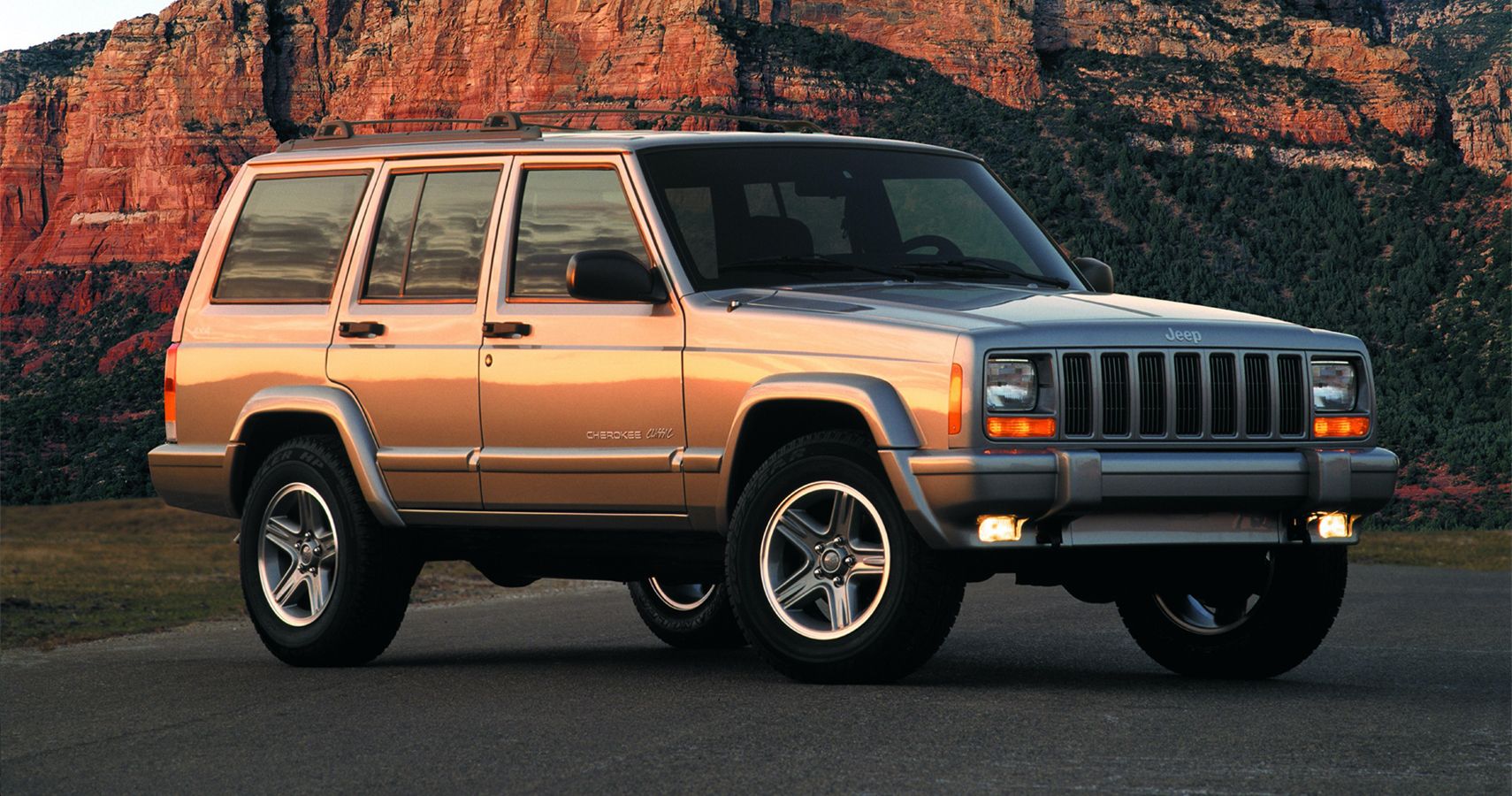
5. Jeep Cherokee (XJ Generation)
The Jeep Cherokee XJ has earned an almost legendary status among mechanics due to its incredible simplicity and overbuilt nature. Introduced in the 1980s and running through 2001, the XJ has become a favorite for those who value straightforward, hands-on repair. The 4.0L inline-six engine is a huge part of that appeal.
It’s one of the most durable and forgiving engines ever made. There’s nothing delicate or fussy about it. A mechanic can remove, rebuild, and reinstall the engine without needing to consult a service manual at every step. The design is that intuitive, and the process rarely involves surprises or hidden steps.
From a layout standpoint, everything on the XJ feels like it was built for easy wrenching. The air intake, throttle body, alternator, and accessories are all located where they can be reached with normal hand tools. Even the starter, which is often a nightmare on newer SUVs, can be accessed without lifting the vehicle.
Another huge selling point for mechanics is the durability of the drivetrain and suspension. The XJ uses solid axles front and rear, a leaf spring setup in the back, and coil springs up front. These are strong, proven systems that are much easier to service than today’s complex multi-link suspensions with active damping.
When something wears out, it’s easy to diagnose and fix. There’s no need to scan modules or worry about recalibration. The 4WD system, usually based on the NP231 transfer case, is similarly robust and easy to service, with rebuild kits and replacement parts readily available.
Finally, the XJ has one of the strongest aftermarket and parts networks of any SUV. Whether you’re sourcing factory replacement parts or upgraded components, everything is readily available and often very affordable. Shops that work on these vehicles often keep parts in stock because of how common the repairs are.
For mechanics, that means less downtime, fewer delays, and happy customers who get their vehicle back quickly. It’s a win across the board. The Jeep Cherokee XJ might be aging, but it remains one of the most respected SUVs among those who turn the wrenches.
