
American car culture has been shaped by decades of innovation, personality, and shifting trends. From the loud muscle cars of the 1960s to the refined luxury models of later decades, the United States has produced some of the most iconic vehicles in automotive history.
But not every American car gets a warm welcome in the world of collectors. Some become prized possessions, passed down through generations or showcased in climate-controlled garages.
Others sit forgotten in dusty corners, remembered more for their flaws than their features. The reasons behind these choices often come down to design, performance, historical significance, reliability, and market perception.
Car collectors look for a combination of factors when choosing what to add to their collections. A car with a strong backstory, limited production numbers, or a legendary reputation on the road tends to rise in value and appeal. Nostalgia also plays a huge role; a car someone admired in their youth might become a sought-after item decades later.
Performance, rarity, originality, and even pop culture appearances can drive a car’s status among collectors. On the flip side, some vehicles were simply too flawed, too common, or too uninspiring to generate lasting interest.
There are American cars that hold their place at the top of collectors’ wish lists year after year. These vehicles are admired not just for their aesthetics, but also for what they represent.
Whether it’s the raw power of a muscle car or the elegance of a classic luxury cruiser, the best-loved cars tell a story. At the other end are those cars that might be cheap to find, but remain largely unwanted. These may have suffered from poor engineering, weak market reception, or design decisions that aged poorly.
5 American Cars Collectors Love
1. 1969 Chevrolet Camaro Z/28
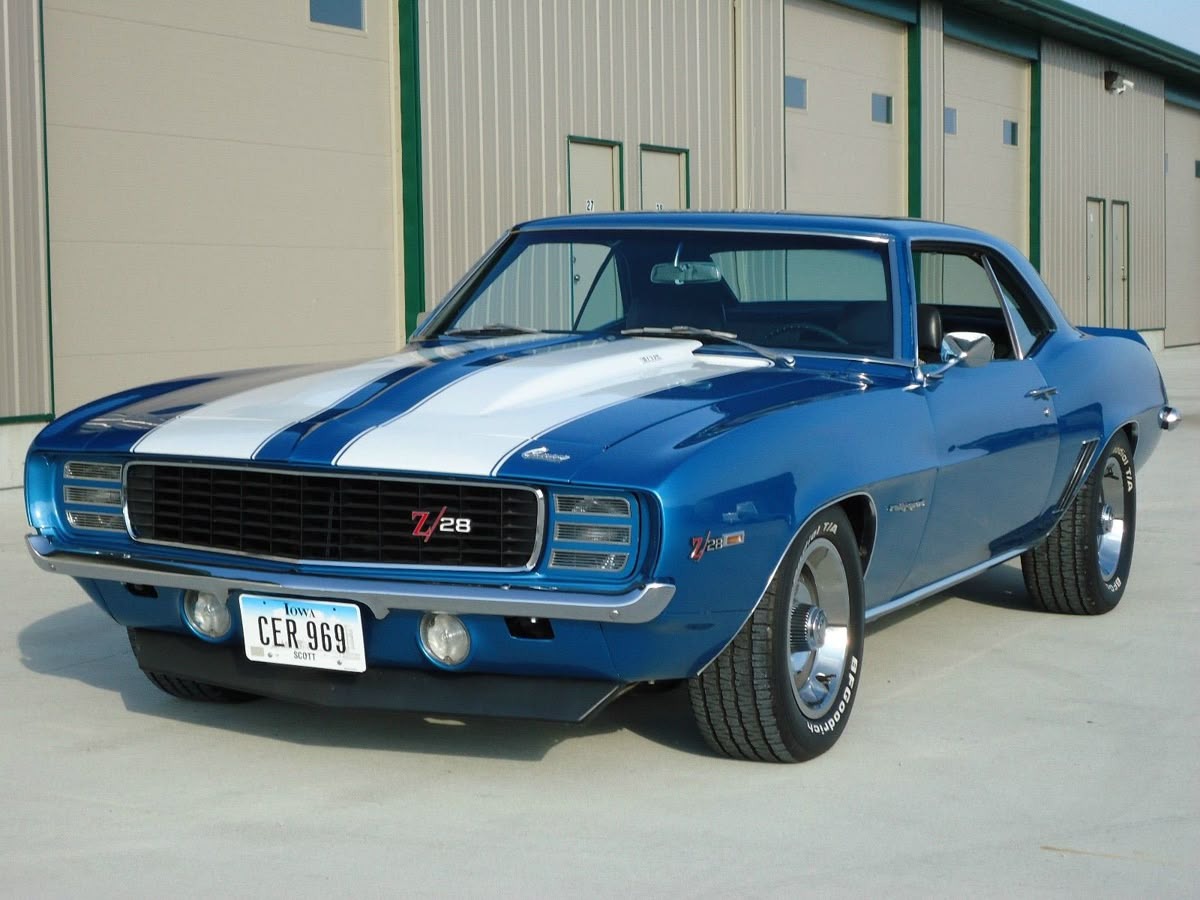
The 1969 Chevrolet Camaro Z/28 represents a blend of design, performance, and motorsport heritage that few American cars can match. This car wasn’t just a product of the muscle car wars, it was a deliberate attempt by Chevrolet to enter the SCCA Trans-Am racing series with a competitive package.
The 302 cubic inch small-block V8 was engineered specifically to comply with the series’ displacement limits, and it produced surprising horsepower for its size, especially when combined with the car’s lightweight body.
The high-revving nature of the engine made it a favorite among serious drivers, setting it apart from the big block brutes of the era that were more about straight-line speed.
One of the key reasons collectors love this car is its balance. Unlike many other muscle cars that were fast in a straight line but sloppy in corners, the Z/28 came equipped with upgraded suspension, quick-ratio steering, and front disc brakes. This made it a much more capable and enjoyable car to drive on winding roads or a racetrack.
Aesthetically, the 1969 Z/28 was near perfection. The redesign of that year gave the Camaro a more aggressive, wider stance, and Z/28-specific badging, stripes, and hood scoops enhanced the performance image. Options like the cowl-induction hood and Rally Sport trim added even more character.
These visual elements have become so iconic that modern Camaros continue to borrow styling cues from this model. The Z/28 looked fast even when parked, which is one reason it has aged so well in the eyes of collectors and casual fans alike.
Another aspect that increases the Z/28’s appeal is its story. This was not a mass-market car like the base Camaros sold in droves. Buyers had to know what they were ordering, which adds an element of exclusivity. It wasn’t advertised heavily because it was aimed at a niche audience, those who wanted to race.
The result is a car that feels like it was made for a purpose, not just as a product of consumer trends. Collectors appreciate cars with purpose, especially when they come with a built-in legacy of motorsport.
2. 1967 Ford Mustang Fastback (GT or Shelby GT500)
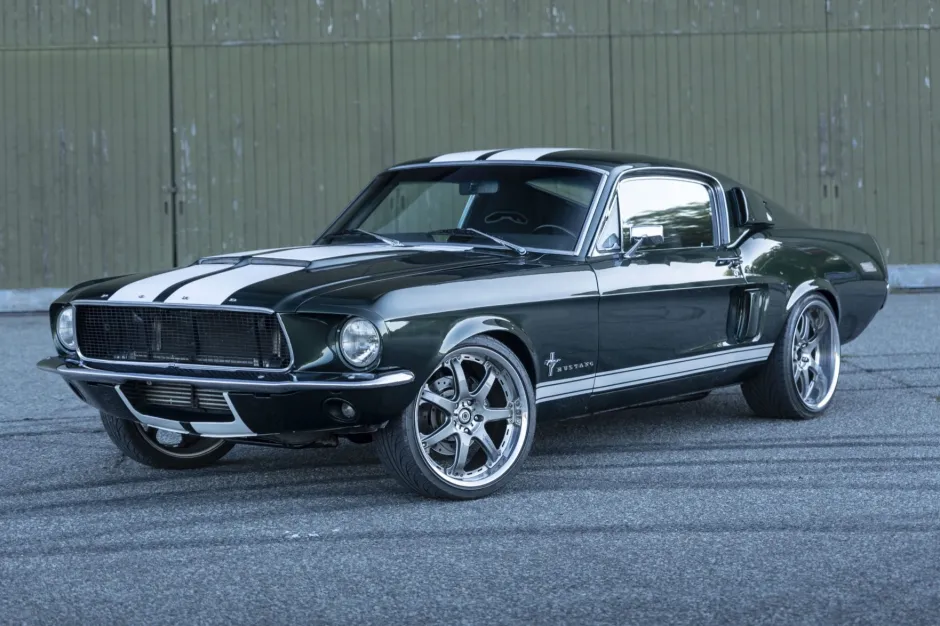
The 1967 Ford Mustang Fastback is a car that commands immediate respect. By this model year, the Mustang had already taken the automotive world by storm with its 1964.5 introduction, but it was in 1967 that the car gained a more muscular, aggressive stance that enthusiasts had been waiting for.
The fastback roofline gave it an unmistakable silhouette that has become one of the most replicated and admired in car history. Even before any modifications or trim packages are considered, the base design of this car is enough to make it desirable.
When looking at the GT trim or the legendary Shelby GT500 version, things move from desirable to iconic. The Shelby GT500 in particular came with a massive 428 cubic inch V8 and styling enhancements that gave it both performance and visual aggression. It was no longer just a sporty car for everyday use, it was a serious muscle car with racing influence.
Carroll Shelby’s involvement gave it pedigree, and limited production numbers ensured long-term collector interest. Each car was hand-finished and came with a unique story, making them feel like much more than just another Mustang.
Part of what drives collector interest is how this car connects to American culture. From movies to music to TV, the 1967 Fastback has appeared in so many influential places that it has earned a permanent place in the collective memory.
The most famous example is Steve McQueen’s Bullitt, where a dark green 1968 model (nearly identical to the ‘67) ripped through the streets of San Francisco in one of cinema’s most famous car chases. That car alone sparked decades of fascination, driving up interest and prices for similar models. Even tribute cars inspired by this film attract attention.
Collectors also appreciate the Mustang Fastback for its usability. While it holds historical and emotional value, it’s also a relatively easy car to maintain and restore. Parts are readily available, and there’s a large community of enthusiasts who share advice, stories, and technical tips.
This ecosystem makes it less intimidating to own and work on compared to more exotic or obscure classic cars. For someone who wants a balance of performance, style, history, and community, the 1967 Fastback delivers all of it.
3. 1970 Plymouth HEMI ‘Cuda
The 1970 Plymouth HEMI ‘Cuda isn’t just a classic muscle car, it’s a symbol of peak American performance engineering. Built during the height of the muscle car era, the ‘Cuda was the top-dog version of the Barracuda, a car that had undergone a dramatic redesign just a year prior.
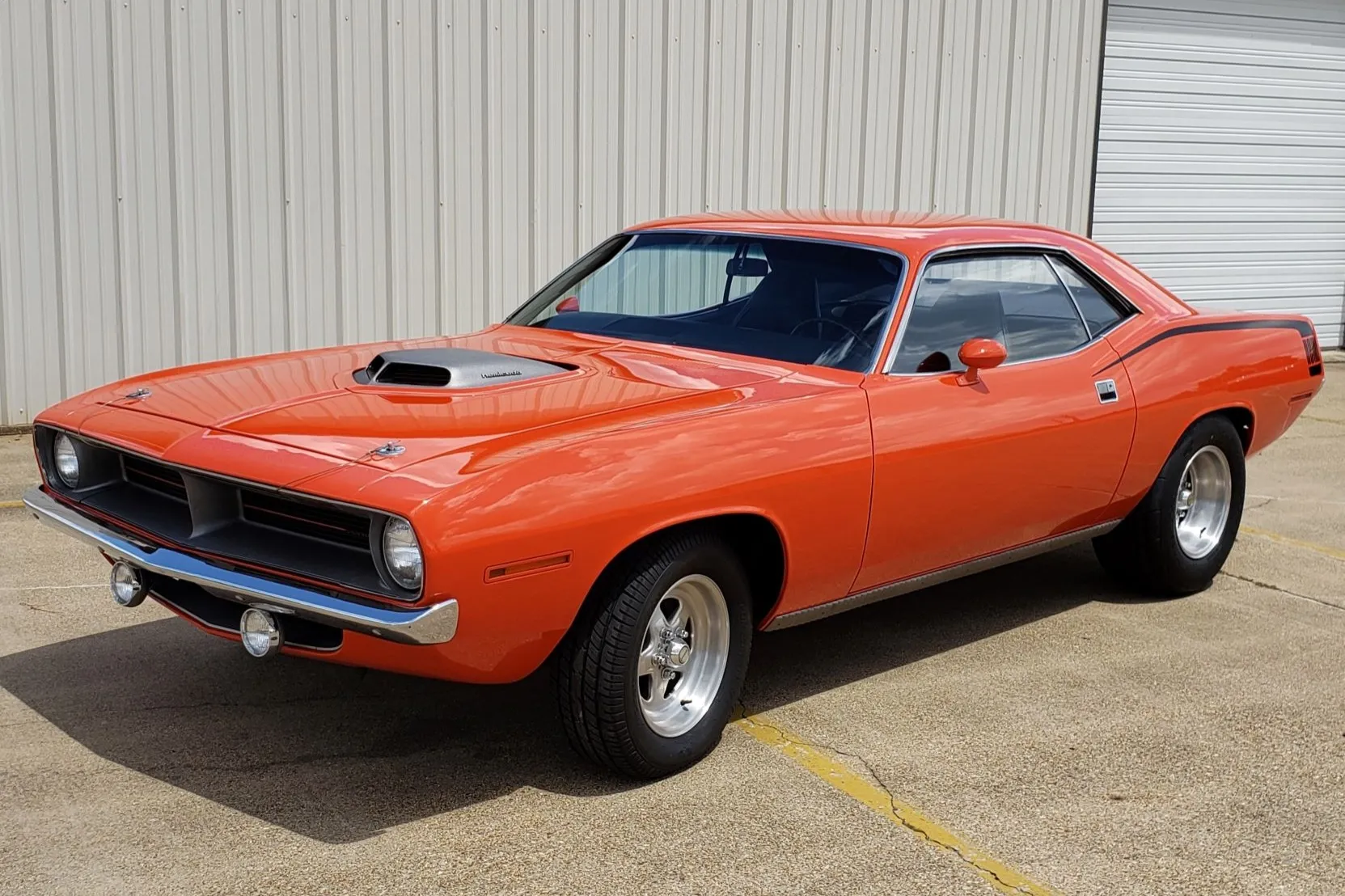
The redesign gave it a bold, wide body and aggressive stance that looked ready for battle. The addition of the 426 HEMI engine turned it from a strong performer into a street-legal monster, feared and respected even by modern standards.
The 426 HEMI engine was not a gimmick. Originally developed for NASCAR, this engine delivered around 425 horsepower, although many believe the real output was even higher. It was known for its hemispherical combustion chambers that provided superior airflow and efficiency at high speeds.
What makes the 1970 HEMI ‘Cuda so valuable to collectors is not just its performance but its rarity. Only a few hundred units were built with the HEMI engine, and even fewer survive in original or well-restored condition.
Many were raced, wrecked, or modified beyond recognition. That scarcity has driven prices through the roof, with some models fetching well over a million dollars at auction. If a collector wants a crown jewel, the HEMI ‘Cuda is a top contender.
Visually, the car had presence. Unique colors like Panther Pink and Plum Crazy, paired with bold graphics and the famous shaker hood scoop, made it a standout.
The car’s aggressive styling wasn’t just for show, it reflected the raw power underneath. Every detail, from the quad headlights to the horizontal taillights, screamed muscle. It didn’t try to look refined or understated; it embraced its identity fully, which resonates deeply with muscle car enthusiasts and collectors.
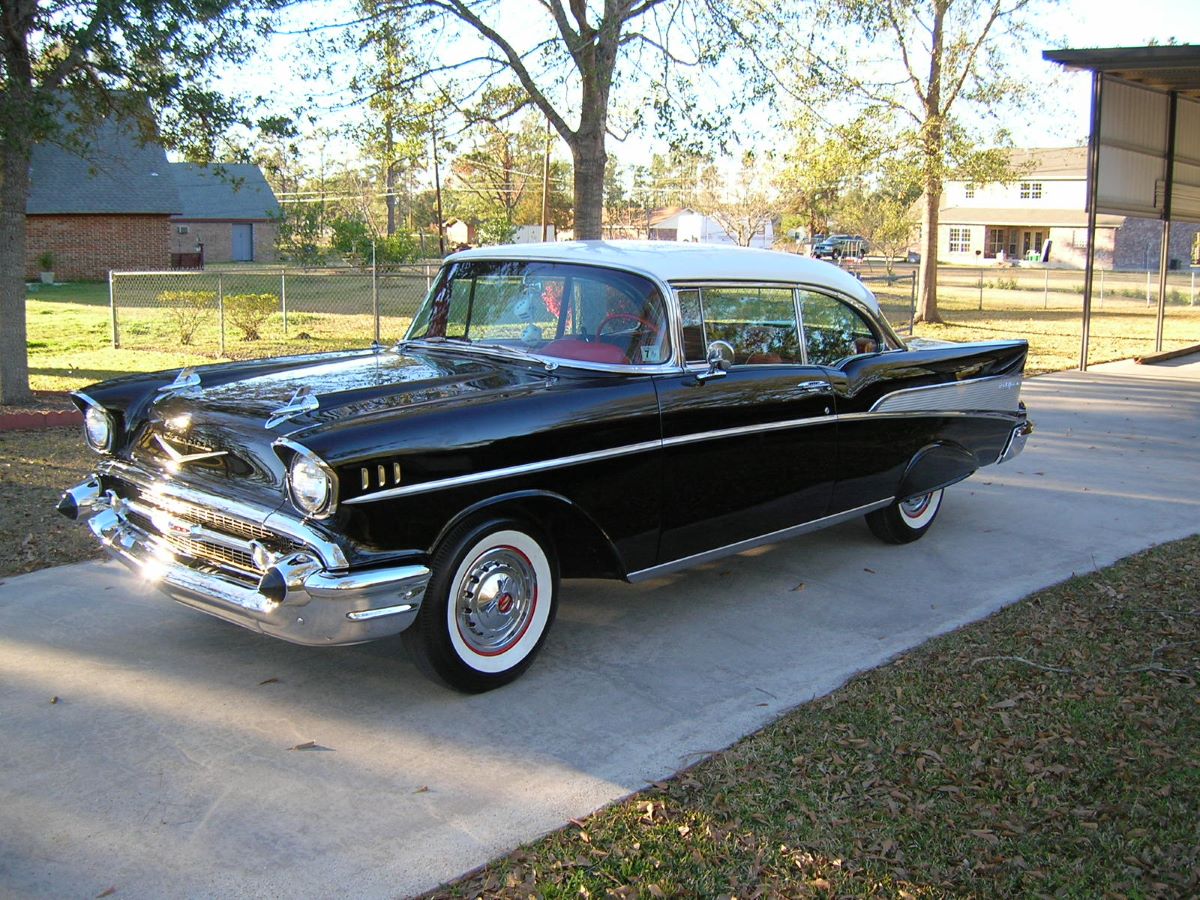
4. 1957 Chevrolet Bel Air
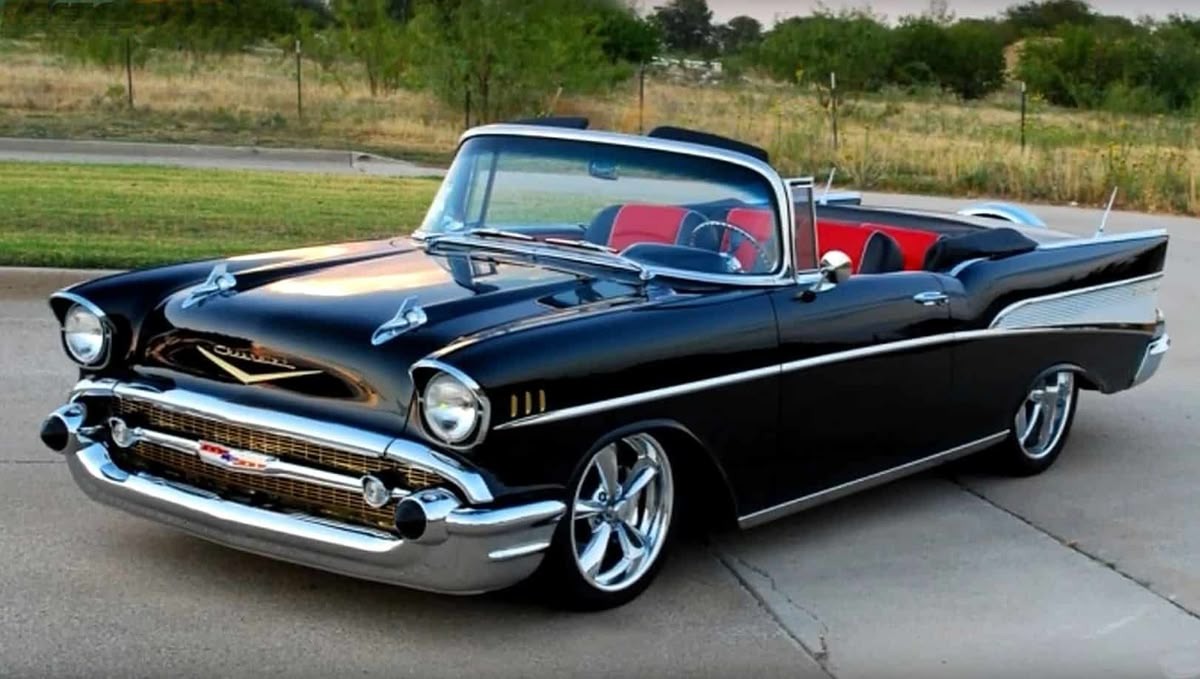
The 1957 Chevrolet Bel Air is a rolling symbol of postwar optimism and American design excellence. This was more than just a car, it was a status symbol.
At a time when the economy was booming and car ownership was becoming a widespread reality, the Bel Air offered style, comfort, and a touch of luxury that made it stand out from other cars on the road. The chrome-laden exterior, tailfins, and two-tone paint schemes turned heads and made every drive feel special.
Collectors are especially drawn to the 1957 model year, which many consider the pinnacle of the Tri-Five Chevrolets (1955–1957). The car combined stylish looks with forward-thinking engineering. It was one of the first cars to offer a fuel-injected V8, capable of 283 horsepower, a staggering figure at the time.
The combination of innovation and design made it popular when new, and those qualities have only become more cherished over time. It’s a car that represents progress and elegance in equal measure.
What sets the Bel Air apart in the collector world is its broad appeal. It’s loved by both purists who want a factory-correct restoration and hot rodders who see it as a perfect canvas for customization.
Its large engine bay, classic lines, and strong aftermarket support make it one of the most versatile classic cars to own. Whether stock or modified, it’s a vehicle that earns admiration and brings smiles everywhere it goes.
Nostalgia plays a huge role in the Bel Air’s ongoing popularity. For many collectors, it’s the car their parents drove, the one they learned to wrench on, or the one they saw at a local diner car show growing up.
The Bel Air’s values have remained strong and steady, especially for convertibles and two-door hardtops in original condition.
While not as rare as some muscle cars, the Bel Air earns its place in collections because it captures a unique moment in time when design, optimism, and engineering came together. For many collectors, it’s the first classic they fell in love with, and often, it’s the one they hold onto the longest.
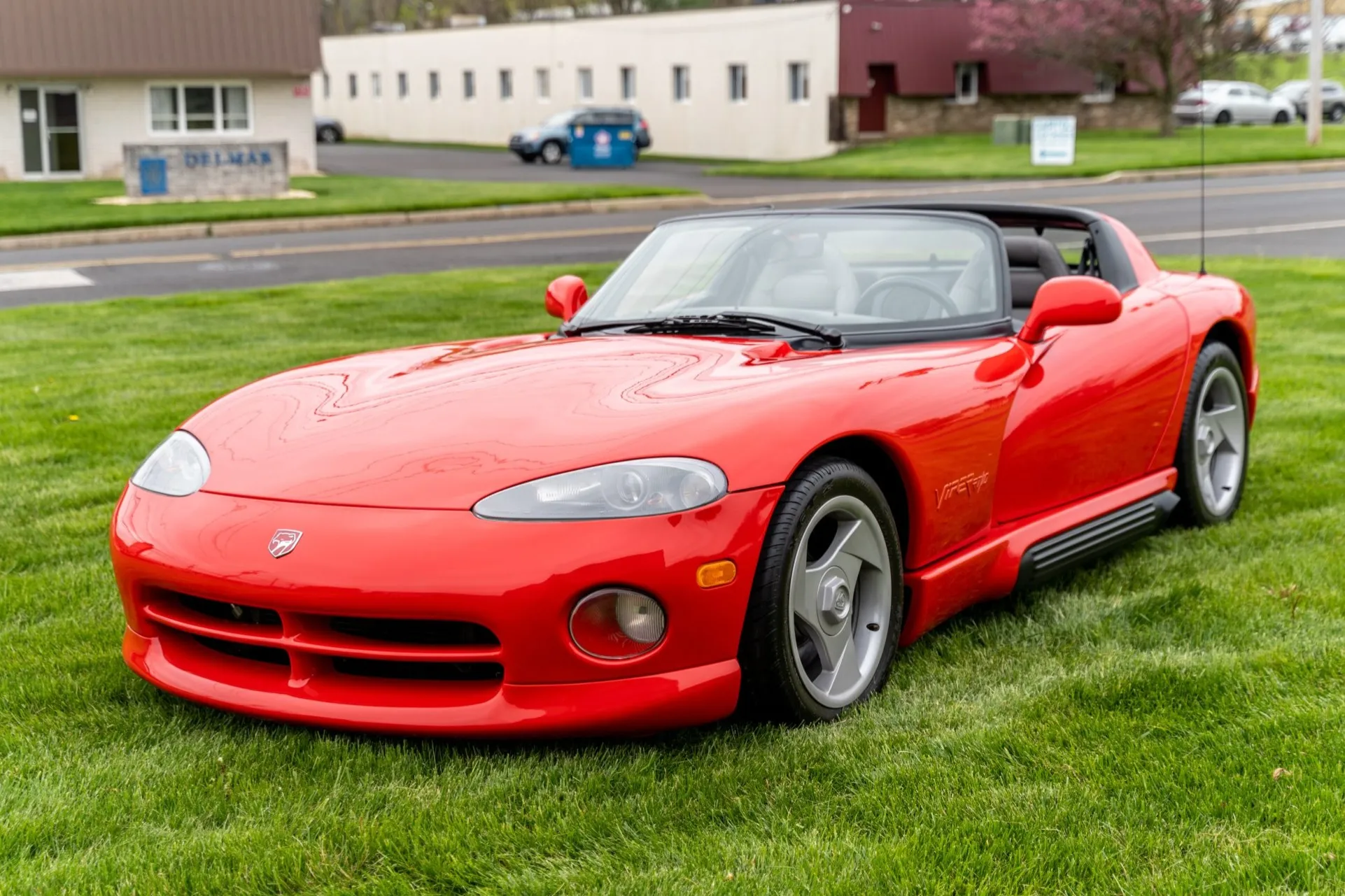
5. 1992 Dodge Viper RT/10
When the 1992 Dodge Viper RT/10 debuted, it didn’t just surprise the public, it shocked them. At a time when performance cars were becoming more refined and electronic, Dodge decided to release something primal and brutal. The Viper wasn’t about comfort or convenience.
It didn’t have air conditioning, windows, or even exterior door handles. What it did have was a massive 8.0-liter V10 engine and a six-speed manual transmission, sending 400 horsepower directly to the rear wheels with no electronic aids to help.
The car was essentially a modern-day Cobra, which is fitting because Carroll Shelby was involved in its development. The goal was to build a driver’s car, something raw, engaging, and unforgiving.
The result was a machine that tested the skills of whoever sat behind the wheel. This no-compromise approach won over serious drivers and continues to appeal to collectors who value driving experience over tech and polish.
What makes the first-generation Viper so collectible today is how unlike it is from anything else. It’s not luxurious, it’s not user-friendly, and it does not attempt to hide its flaws.
That honesty is what makes it special. It was designed with a purpose and stuck to it. In a collector car market filled with over-restored museum pieces, the early Viper offers something different: a pure, visceral connection to the road.
Values for early Vipers have been climbing steadily, especially for low-mileage, unmodified examples. While they’re not yet as expensive as some other collector cars, their rising status is clear. For collectors looking for something American, bold, and unforgettable, the 1992 Viper RT/10 is hard to beat. It’s not just a car, it’s a statement.
5 American Cars Collectors Avoid
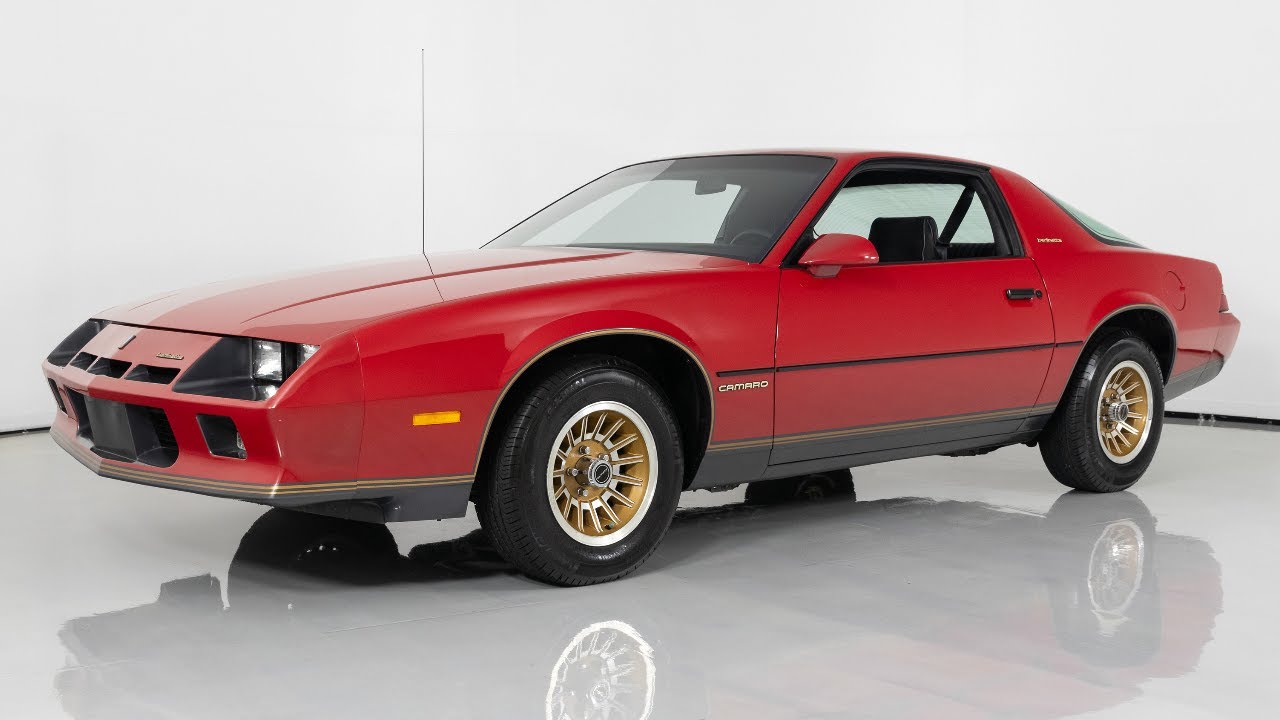
1. 1982 Chevrolet Camaro (Third Generation Launch Year)
When Chevrolet introduced the third-generation Camaro in 1982, it was intended to be a modernization of the iconic pony car formula. It featured a sleek, wedge-shaped body, updated suspension geometry, and a new platform that promised improved handling.
But for all the style and hype, the performance left many enthusiasts disappointed. This era marked a low point in horsepower figures due to emissions regulations and fuel economy concerns, and the engines offered simply didn’t match the aggressive looks of the car.
The base engine in 1982 was a 2.5-liter four-cylinder, a shocking departure from the V8s muscle car fans expected. Even the top-spec Z28 offered only around 165 horsepower from a 5.0-liter V8, a number that seems laughable when compared to the fire-breathing versions of the late ’60s.
The car looked fast but wasn’t, which frustrated many buyers and gave the model a reputation for being all show and no go. For collectors, performance matters, and this generation just didn’t deliver.
Another problem was quality. The early third-gen Camaros suffered from poor build quality, with cheap interiors, rattling panels, and fragile electronics.
The styling was praised at first, but it didn’t age particularly well, especially with the abundant use of plastic. While the car had some improvements in handling due to its new platform, most enthusiasts never saw it as a serious performance machine. For collectors who want cars with long-term appeal and reliability, this one doesn’t cut.
Third-generation Camaros do have a following among those who grew up with them, but they’ve never reached the status of true collectibles. Even rare trims like the Z28 pace car edition or Berlinetta don’t command strong resale values.
There’s also a stigma attached to these cars due to their popularity with budget-conscious tuners, which makes finding unmodified examples more difficult. When it comes to serious collecting, condition and originality are essential, and these Camaros often fall short on both fronts.
Today, the 1982 Camaro sits in a strange place. It’s not old enough to be considered a vintage classic, and it’s not new enough to compete with modern performance cars.
Its design is tied heavily to a specific era, which limits its appeal. While some might appreciate it as a nostalgia piece, it rarely finds its way into curated car collections. It’s a reminder of what happens when style isn’t backed up by substance.
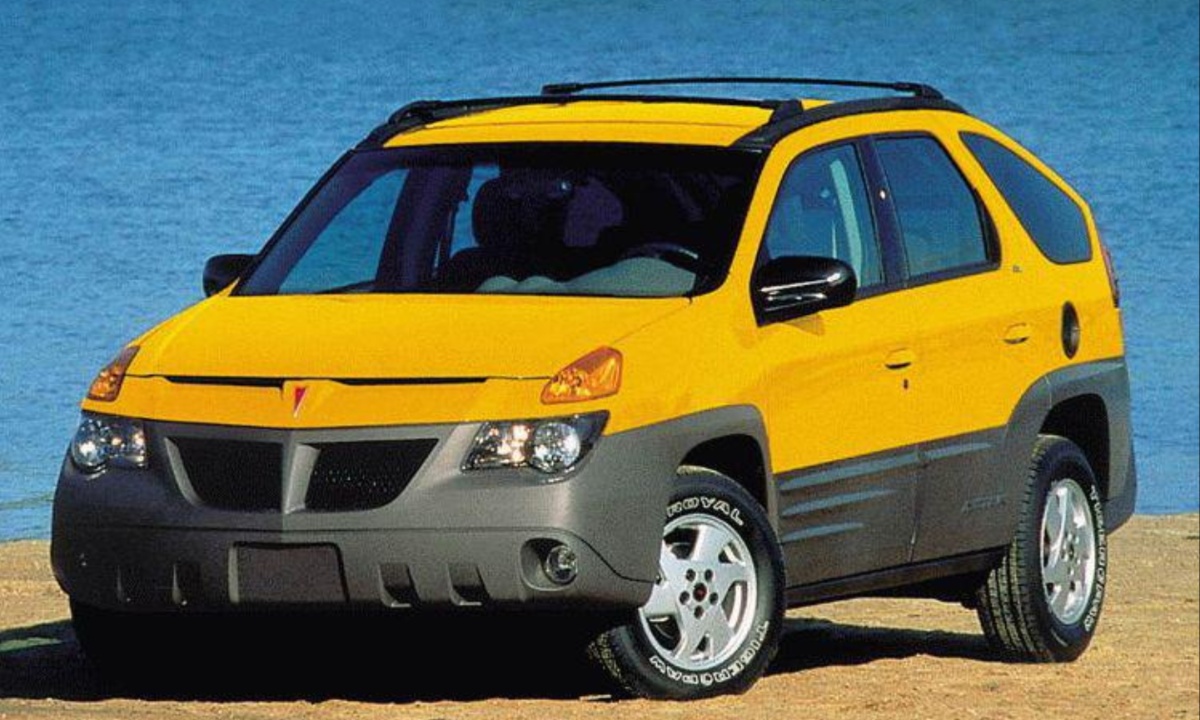
2. 2001 Pontiac Aztek
The Pontiac Aztek has become a cultural punchline over the years, often cited as one of the ugliest cars ever made. Its bizarre proportions, awkward lines, and clumsy design choices overshadowed any practical benefits it offered.
Pontiac aimed to create a sporty crossover that would appeal to young, adventurous drivers. Instead, they delivered a vehicle that confused everyone and appealed to almost no one. For collectors who value timeless design, the Aztek is the polar opposite.
Beyond its appearance, the Aztek didn’t impress much in other areas either. The build quality was average at best, and the materials used in the interior felt cheap. Performance was uninspired, with a 3.4-liter V6 that delivered modest power but lacked refinement.
The driving dynamics were soft and unremarkable, making the Aztek feel more like a minivan in disguise than a sporty SUV. It was a jack-of-all-trades, master of none, and failed to stand out in any meaningful way.
Collectors typically avoid vehicles that age poorly in design and technology, and the Aztek checks both of those boxes. It came with gimmicks like a built-in cooler and an optional camping tent attachment, but these features didn’t compensate for its lack of appeal.
While some might appreciate its role as an early attempt at a crossover SUV, most view it as a cautionary tale of poor market research and flawed execution. It lacked the charm, performance, or innovation needed to earn a place in any meaningful collection.
Even its brief resurgence in pop culture, thanks to its appearance in Breaking Bad, wasn’t enough to rescue the Aztek’s reputation. While that TV show brought it a kind of ironic fame, it didn’t result in a significant increase in value or desirability. The Aztek remains a curiosity, interesting in a historical sense, but not something collectors are lining up to own or restore.
In the end, the Aztek is a lesson in what happens when design misses the mark and the market isn’t ready. It’s a vehicle that tried to be too many things and ended up succeeding at none. Collectors typically seek vehicles that evoke admiration or nostalgia; the Aztek, unfortunately, evokes confusion. For that reason, it continues to be avoided by even the most eclectic car enthusiasts.
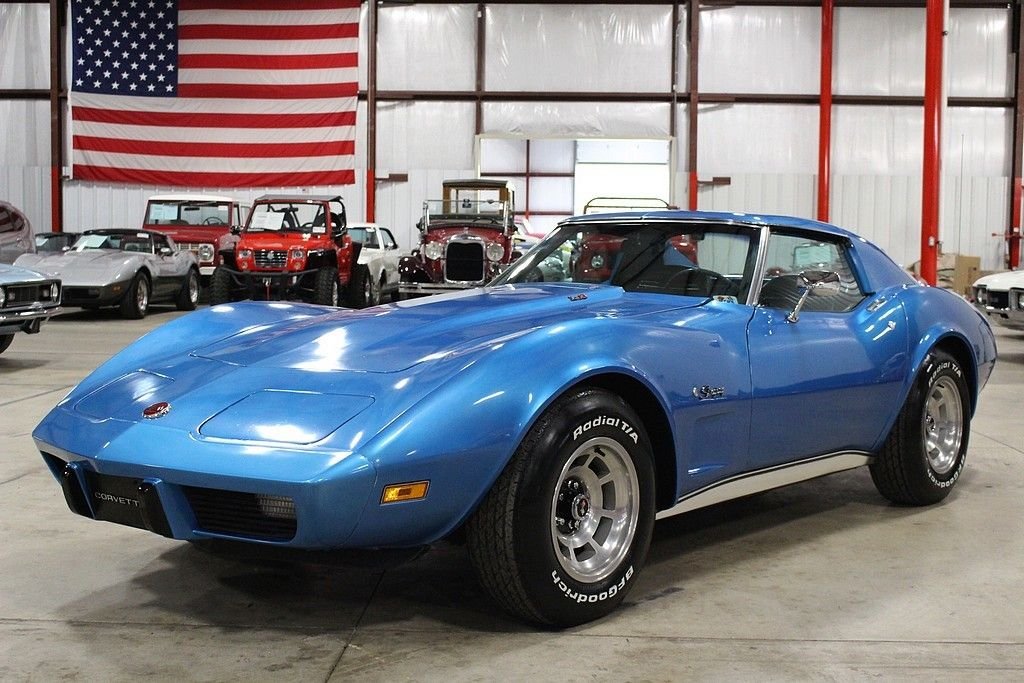
3. 1975 Chevrolet Corvette (Base Model)
The Chevrolet Corvette is usually a collector’s dream, but not all years are treated equally. The 1975 base model is a perfect example of how even an iconic nameplate can falter during difficult times.
The mid-1970s were plagued by emissions regulations, fuel crises, and insurance spikes that neutered the performance of many American cars. The ’75 Corvette looked great, but under the hood, it was a shadow of its former self.
The standard engine was a 165-horsepower 350 V8, less than half the output of earlier models. Even the optional L82 only bumped that number to 205 horsepower.
For a car that was supposed to be America’s sports car, those figures were deeply disappointing. It didn’t help that the car’s weight had increased, making it feel slower and less responsive. Driving one of these today can be underwhelming if you expect the thrill that the Corvette badge usually promises.
Collectors typically steer clear of this model because it lacks the performance credibility of earlier Sting Rays and the modern advancements of later generations.
It also marked the first year the convertible was dropped (until its return in 1986), which limited its appeal further. The 1975 model year exists in a kind of limbo, too new to be a classic Sting Ray, too old to be a modern C4, and too slow to be fun.
The styling is still attractive to many, with its curvy fiberglass body and long hood. But style alone isn’t enough to drive collector interest. What hurts the 1975 model even more is that it was produced in relatively high numbers, so it’s not particularly rare.
Supply is greater than demand, and resale values remain modest. Even pristine examples don’t command the kind of admiration that other Corvette years receive.
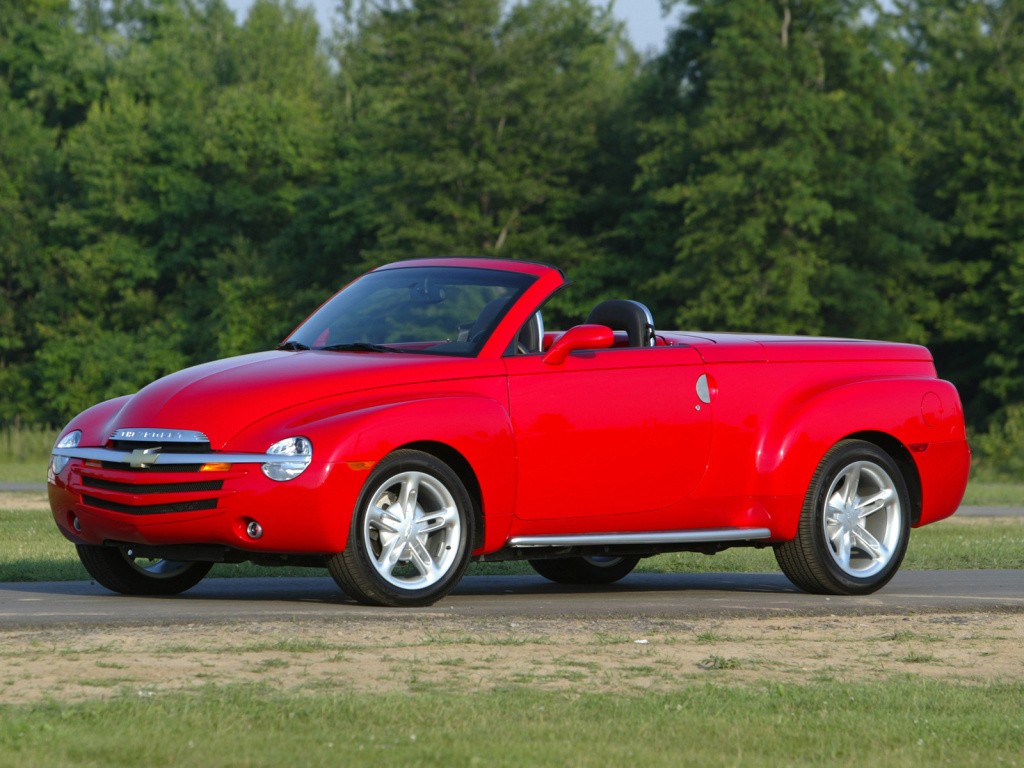
4. 2006 Chevrolet SSR
The Chevrolet SSR (Super Sport Roadster) seemed like a bold idea on paper: a retro-styled pickup convertible with a powerful V8 engine. Chevy tried to blend classic truck styling from the late ’40s with modern performance and comfort.
Unfortunately, the end result was a confused vehicle that never really found its audience. For collectors, confusion is never a good selling point. A car needs identity, and the SSR never quite figured out what it was supposed to be.
One of the biggest criticisms of the SSR is that it prioritized form over function. It had a retractable hardtop, but the cabin and bed were cramped. It looked like a truck, but had limited utility.
The earlier models were also underpowered, with a 5.3-liter V8 that didn’t live up to the car’s muscle-bound appearance. Later models with the LS2 engine helped somewhat, but by then, the market had already moved on. Without a clear purpose, the SSR struggled to gain traction among either truck buyers or sports car enthusiasts.
Another reason collectors avoid the SSR is its limited performance credentials. Despite being rear-wheel-drive and V8-powered, it was heavy and not particularly agile.
The unique design also created packaging problems, and repairs could be more complex and expensive than anticipated. The novelty of the retractable hardtop wore off quickly, and buyers were left with a vehicle that didn’t really shine in any one area.
The SSR’s retro design, while initially attention-grabbing, also worked against it in the long run. Styling that’s too heavily rooted in nostalgia often dates quickly, and that’s exactly what happened here. Today, the SSR looks like a strange experiment from a confused era in automotive design. Unlike other retro-inspired models like the Mustang or Challenger, it didn’t connect with enthusiasts in a meaningful way.
In the collector car world, identity and impact matter. The SSR lacked both. It tried to do too much and ended up doing very little well. While there are a few fans of its quirky charm, most serious collectors pass it by. It’s a rare vehicle, but rarity alone doesn’t make something desirable. In the case of the SSR, it makes it forgettable.
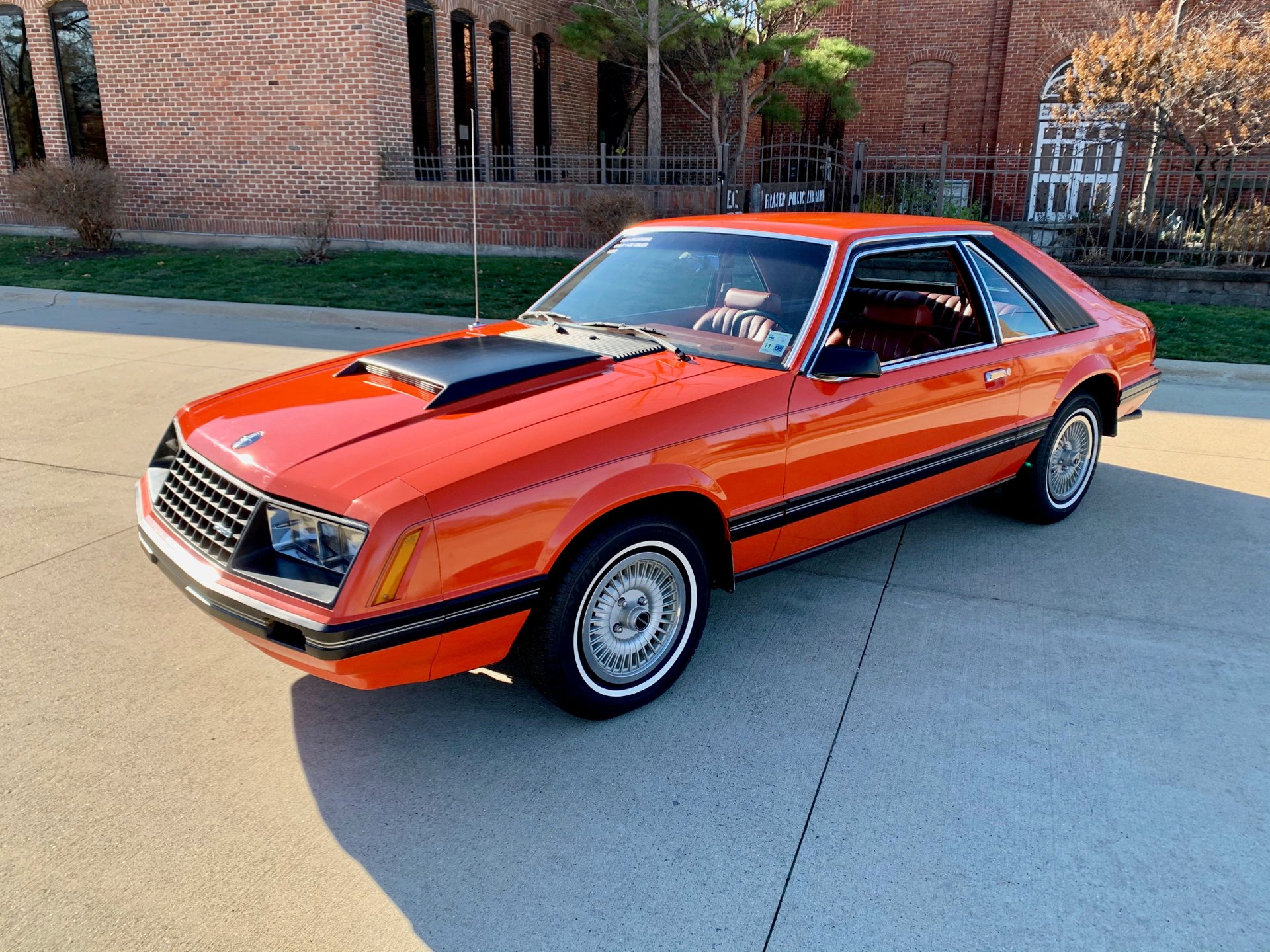
5. 1980 Ford Mustang (Early Fox Body Years)
The Ford Mustang is another legendary American nameplate, but like the Corvette, it had its share of missteps. The 1980 Mustang, especially in base trims, marked a low point in the pony car’s long and storied history.
Built on the new Fox platform, the early models were light and practical, but they suffered from severely restricted powertrains. Collectors value performance, and the 1980 Mustang didn’t bring much to the table in that department.
In 1980, the base engine was a 2.3-liter inline-four, which made less than 90 horsepower. There was an optional V8, but it was strangled by emissions equipment and produced just 119 horsepower. For a Mustang, these numbers were embarrassing.
This era was plagued by the same fuel economy and emissions constraints that hampered the rest of Detroit, but few cars felt the impact more painfully than the Mustang. Collectors want cars that perform, or at least have the potential to. The 1980 model simply doesn’t meet that standard.
Another issue is the lack of emotional appeal. While some later Fox Body Mustangs gained a cult following thanks to better performance and tuner potential, the 1980 version lacked both style and substance. It had square, awkward proportions, bland interiors, and minimal excitement.
It’s hard to get emotionally invested in a car that doesn’t look or drive like a Mustang should. This emotional disconnect plays a huge role in its absence from serious collections.
Parts availability and affordability aren’t really a problem with this car, but that’s also part of the issue. There are plenty of them around, and most are not particularly well-preserved.
Because they were seen as disposable, few people put effort into maintaining them over the decades. Today, it’s difficult to find one that hasn’t been neglected or modified poorly. That further reduces their collector appeal.
The 1980 Mustang might serve as a project car for someone who loves Fox Bodies, but it won’t be the centerpiece of any collection. It simply doesn’t have the story, the power, or the uniqueness that makes a car collectible. It’s a reminder of hard times for performance cars in America, and for collectors, it’s often skipped in favor of better years.
