
When most people shop for a car, they focus on performance, design, fuel economy, or safety. But one often overlooked detail that can make or break your daily driving experience is ergonomics. This isn’t just about comfort. It’s about how naturally everything falls into place when you’re behind the wheel.
The ease of adjusting the seat, how your hand finds the gear lever or infotainment controls without a second thought, how clearly you can see all your instruments without needing to squint or lean, these things matter, especially if you’re spending hours on the road each week.
A car with an ergonomic layout doesn’t need to be luxurious or expensive. What matters is thoughtful design: a cabin arranged to match human movement and expectations. You shouldn’t have to fumble for buttons, twist awkwardly to adjust mirrors, or stretch uncomfortably to reach climate controls.
From the seat cushioning and support to the angle of the touchscreen and even the placement of the cupholders, a well-designed car interior makes driving feel more natural and less like a chore.
This becomes especially important for people who drive long distances, those with physical limitations, or anyone who values their time and comfort.
The cars in this list weren’t chosen based on horsepower or price tags. They were picked for how they make drivers and passengers feel during actual use. Each one has been praised for its interior layout, intuitive controls, visibility, and the small details that combine to make your time behind the wheel smoother and more enjoyable.
Whether you’re commuting, road-tripping, or simply running errands, these cars have figured out how to put the human experience first. You don’t need to be a car enthusiast to appreciate good ergonomics, but once you’ve experienced it, it’s hard to go back.
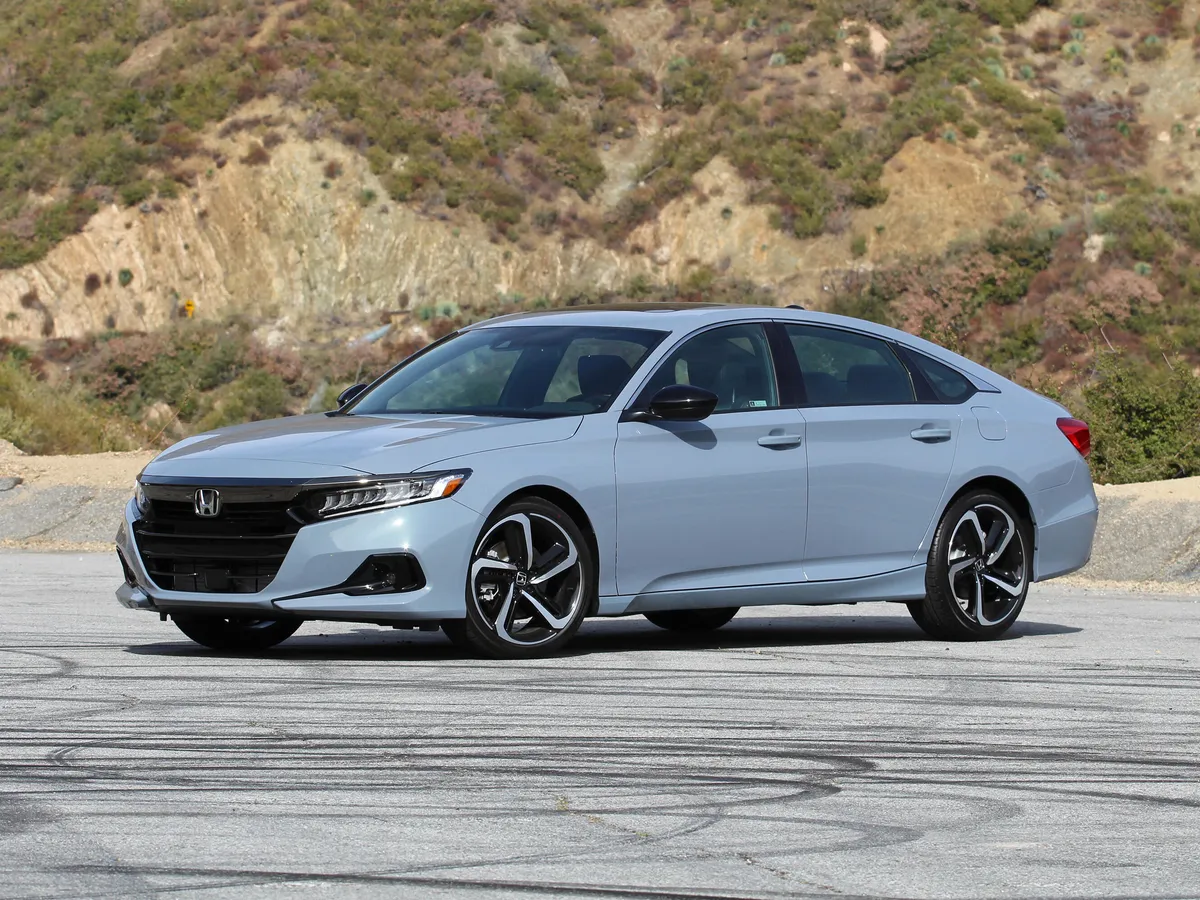
1. Honda Accord
The Honda Accord has long been a benchmark in the midsize sedan segment, and a big part of its appeal comes from the way it’s designed around the driver and passengers.
The moment you sit down, everything feels in place: the steering wheel adjusts with ease, the instrument cluster is clear and easy to read, and the seating position allows a commanding yet comfortable view of the road. The way the dashboard is tilted slightly toward the driver makes controls feel more accessible, and nothing requires awkward reaching.
Honda has paid close attention to the quality of materials where your hands and arms rest. The armrests are padded well, the gear shifter falls naturally to hand, and the buttons and knobs are placed where you would intuitively expect them.
The climate control system, for example, uses large, tactile dials that are satisfying to use without having to take your eyes off the road. Even the touchscreen is positioned to reduce glare and can be operated with minimal distraction thanks to a thoughtful interface design.
Seat comfort is another major plus. The Accord offers excellent lumbar support, with multiple adjustments available to fine-tune your seating position. Long drives feel less taxing because of how the seats support your back and legs.
There’s also ample space to stretch out without feeling cramped, even in the back seat. This is one of those cars where you can drive for hours and still get out without feeling stiff or sore.
The Accord’s visibility is helped by narrow pillars and large windows, which make it easier to check blind spots and back into tight spaces.
Honda has also been smart about tech integration, offering features like a heads-up display on higher trims that let you keep your eyes on the road while checking your speed or navigation. It’s a great example of ergonomic design being baked into every layer of the vehicle, from the physical layout to the digital interface.
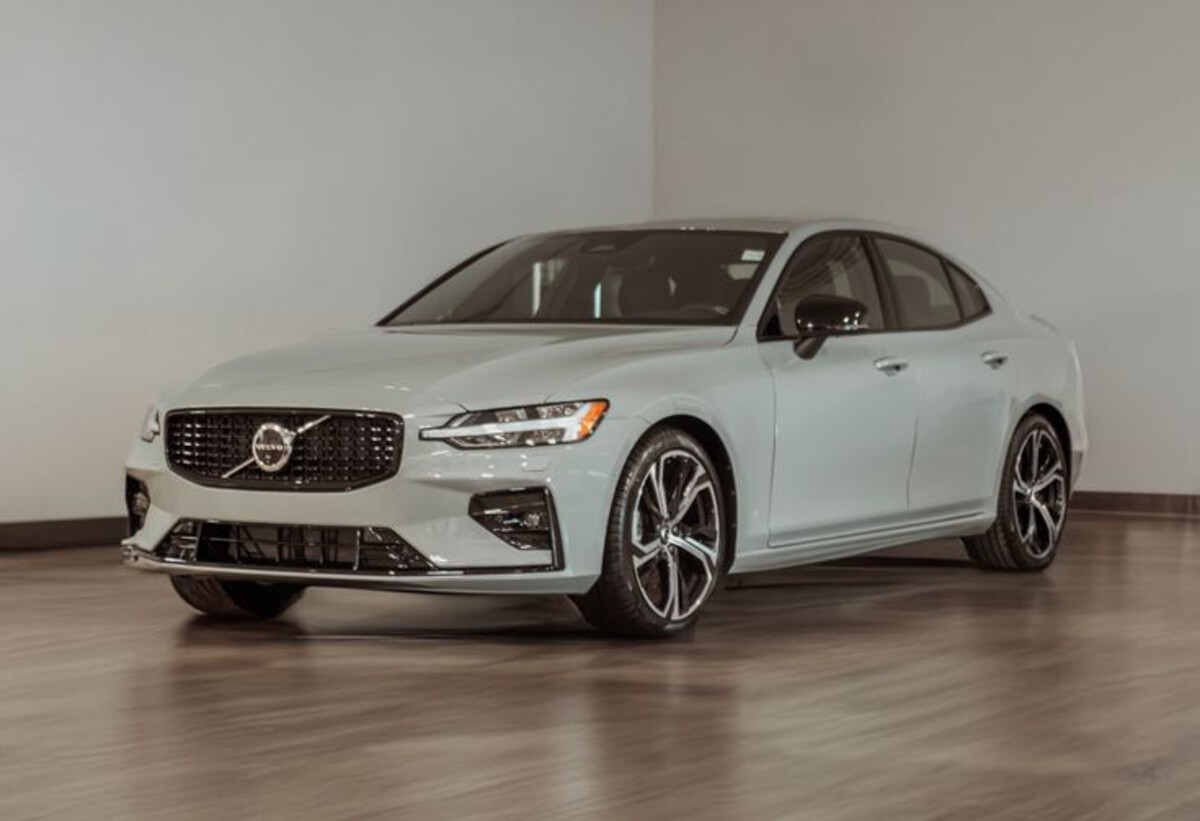
2. Volvo XC60
Volvo has long been recognized for its safety and minimalist Scandinavian design, but the XC60 also excels in ergonomic comfort. Everything inside this SUV feels crafted with the user in mind.
The seats are among the most comfortable you’ll find in any vehicle, thanks to Volvo’s focus on orthopedic support. Whether you’re short or tall, the seat adjustments allow you to dial in the exact position that fits your body. Even after several hours on the road, fatigue is minimal.
What sets the XC60 apart is how clean and distraction-free its cabin feels. The touchscreen is vertically oriented, which matches the natural movement of your hand when reaching forward.
While some users might prefer physical buttons for certain functions, the interface here is logical and responsive, with menus that don’t overwhelm or confuse. Everything from adjusting the climate control to changing drive modes feels deliberate and easy to understand.
The steering wheel feels just right in your hands, with buttons that are tactile but not overloaded. Volvo avoids cluttering the driver’s space with unnecessary controls, and instead focuses on offering only what’s needed, presented in a clear and organized way.
The dashboard design is low and out of the way, improving outward visibility. The use of high-quality materials adds a tactile satisfaction to daily interactions, like opening the glovebox or using the turn signal stalks.
Driver assistance features in the XC60 are also integrated seamlessly. Adaptive cruise control and lane-keeping assist work with minimal interference, and the layout of the digital driver display puts essential information exactly where your eyes expect it.
It’s these small ergonomic choices that reduce mental strain during driving, especially in traffic or long trips. Volvo has made a cabin that not only feels luxurious but supports your body and mind in a way that becomes increasingly important with age and experience.
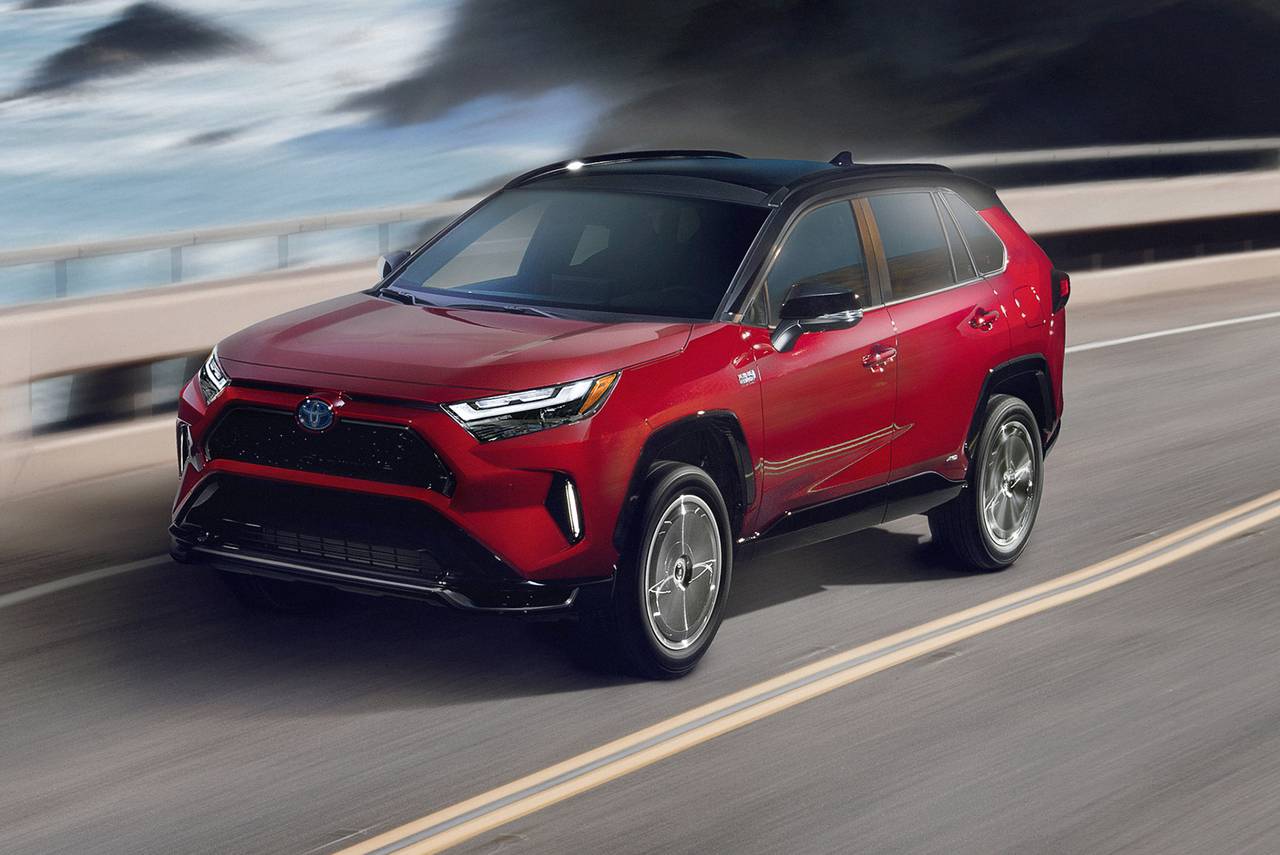
3. Toyota RAV4
The Toyota RAV4 may be one of the most popular compact SUVs on the market, but its appeal goes deeper than practicality. Ergonomics have played a major role in shaping its interior layout.
Right from the driver’s seat, the controls are straightforward and placed in ways that are easy to remember and reach. The dashboard isn’t cluttered, and the physical controls for climate and audio provide a welcome break from the screen-heavy designs found in many modern cars.
The seats in the RAV4 offer good support and firmness, which helps on long drives. The hip point is high enough to make entry and exit easy, especially for older drivers or those with joint issues.
There’s also enough range in the seat adjustments to accommodate drivers of all sizes. Armrests are padded and well-positioned, allowing for relaxed hand placement during extended trips. Even in the rear, the seats are shaped to support natural posture, with a good angle to the backrest.
Toyota has kept the touchscreen within a reasonable reach, and although it may not be the flashiest system, its simplicity is part of the ergonomic appeal.
You’re not hunting through layers of menus to change a basic setting, and the physical knobs for volume and tuning are a subtle reminder that some traditional elements just work better. The gear shifter is placed logically, and cupholders are right where your hand expects them to be.
Storage layout inside the cabin also reflects ergonomic thinking. There are shelves and pockets placed where you’d naturally reach for your phone, keys, or sunglasses. The RAV4’s cabin is made for practical living, and this extends to the driving experience. It doesn’t try too hard to impress with futuristic concepts but focuses instead on making the driver’s job easier, more comfortable, and less distracting.
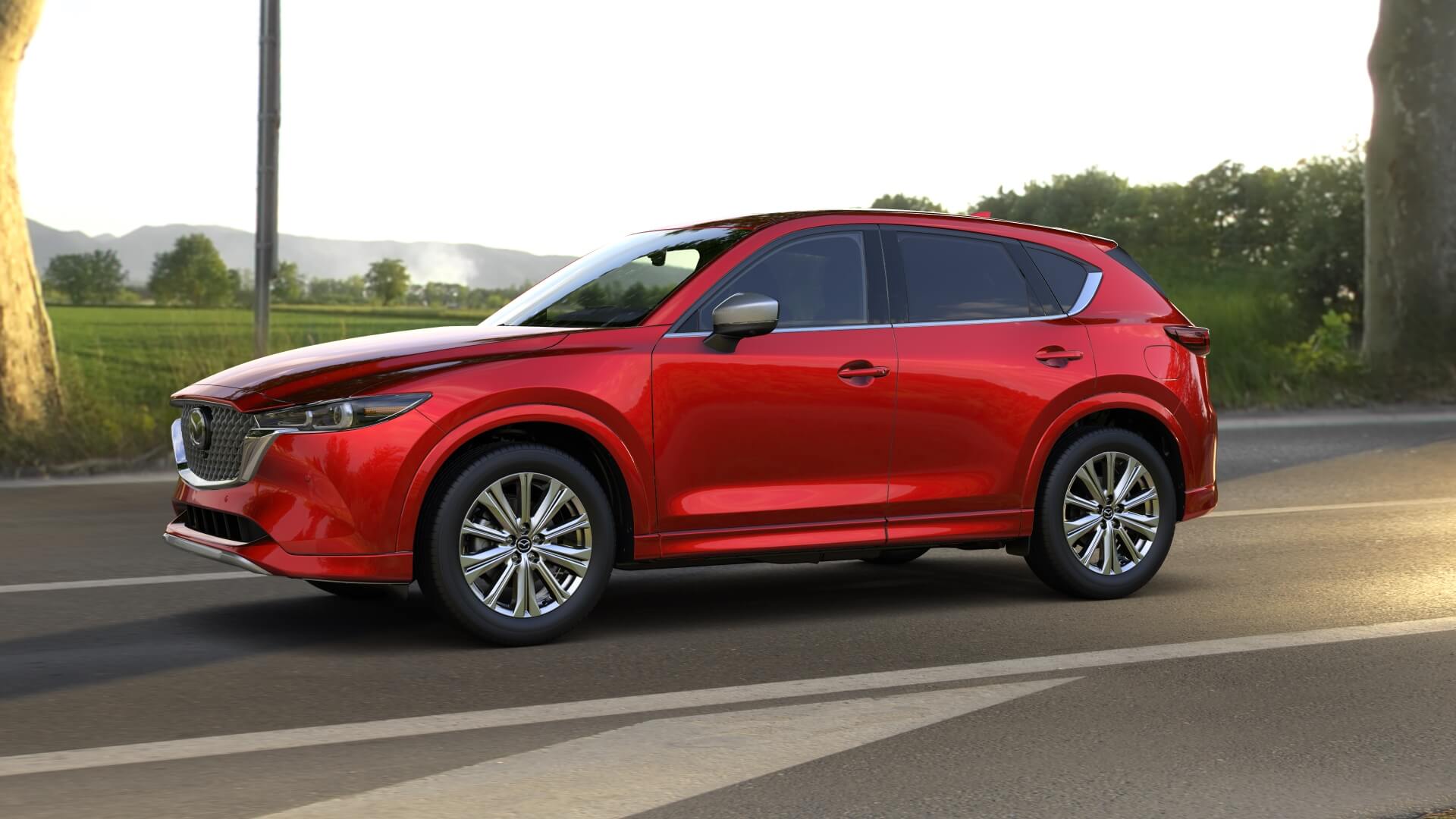
4. Mazda CX-5
Mazda has quietly carved out a reputation for building cars that feel connected to the driver, and a big part of that comes from its attention to ergonomic design. The CX-5 is no exception.
Sit in the driver’s seat, and it immediately feels like the car was built around you. The steering wheel is the right size and thickness, the gear selector is placed precisely where your hand would fall, and the infotainment system is controlled using a rotary dial that avoids fingerprints and awkward tapping.
Unlike many of its competitors, Mazda hasn’t fully committed to touchscreens, and that’s a deliberate choice rooted in ergonomics. The center display is controlled using a physical knob on the center console, allowing drivers to navigate menus without reaching forward or taking their eyes off the road.
This system becomes second nature quickly, and it’s less distracting during real-world driving. The interface itself is clean, with large fonts and clear categories that are easy to remember.
The seats in the CX-5 are designed with support and posture in mind. They’re firm in a way that promotes alertness without sacrificing comfort, and the bolstering holds you in place gently rather than aggressively.
The height of the seats and the windows allows for excellent visibility in all directions, reducing the number of blind spots. The mirror placement is also well thought out, with minimal need for adjustment after the first setup.
Mazda’s design philosophy is based on creating a sense of unity between car and driver, and this extends to the smallest details. The layout of buttons on the steering wheel, the position of the pedals, and even the feel of the climate control dials all contribute to a natural driving experience.
It’s the kind of cabin where everything is exactly where it should be, making it easy to focus on driving rather than fiddling with settings or reaching uncomfortably for controls.

5. Subaru Outback
The Subaru Outback combines rugged utility with thoughtful interior design, and its ergonomic strengths become obvious after just a few minutes behind the wheel. One of the most noticeable features is how natural the driving position feels. The seat height, steering wheel angle, and pedal placement are calibrated to keep you upright, alert, and comfortable.
Subaru has engineered the seat design to support a wide variety of body types, and drivers of different heights will find it easy to get a perfect position with minimal fuss.
Visibility is excellent, thanks to large windows and a relatively low dashboard, which together reduce blind spots and allow you to navigate tight spaces with confidence.
Inside, the controls are clearly labeled and logically placed, with an emphasis on ease of use rather than complexity. Climate controls are large and tactile, with knobs that respond smoothly even when you’re wearing gloves. Subaru’s infotainment system, while touch-based, uses a portrait orientation that fits naturally into the layout of the dashboard.
Importantly, it’s mounted high enough that it doesn’t require you to look far from the road. Shortcut buttons on the steering wheel give you access to important functions without having to hunt through menus, and voice commands are relatively responsive for tasks like changing music or entering navigation destinations.
Storage compartments in the Outback are also smartly designed. There’s a convenient spot for just about everything, sunglasses, phones, travel mugs, and more. Cupholders are positioned in a way that doesn’t interfere with shifting or armrest use, and door pockets are deep enough to hold larger bottles or small bags.
These kinds of practical, usable spaces might not sound exciting, but over the life of the car, they add a great deal to its ergonomic friendliness. It’s clear Subaru designers thought about real-world use cases rather than just showroom appeal.
The ride quality also contributes to the ergonomic experience. The suspension tuning smooths out bumps without becoming floaty, which reduces body fatigue during long drives.
Even the way the seats absorb vibrations from the road has been fine-tuned to reduce physical strain. For those who regularly take longer trips, or simply value comfort that doesn’t require compromise, the Subaru Outback stands out as one of the most physically accommodating vehicles in its class.
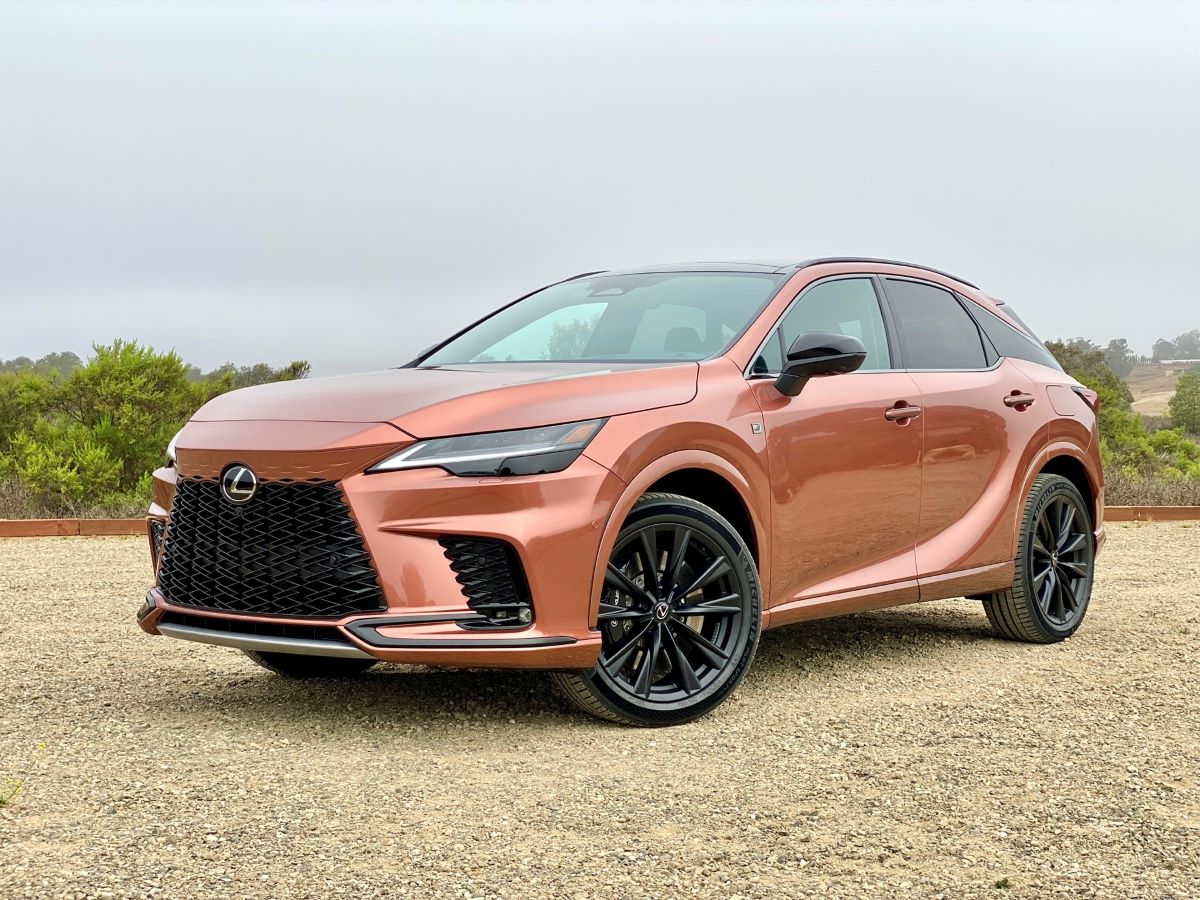
6. Lexus RX
The Lexus RX blends luxury with usability in a way that puts it near the top of the class for ergonomic design. From the moment you enter the cabin, you’re greeted by soft-touch materials, thoughtfully shaped seats, and a layout that seems to anticipate your movements.
Unlike some luxury vehicles that prioritize flash over function, the RX takes a more balanced approach. The seating position is high without being too elevated, and the seats themselves offer a level of adjustability that ensures support for your lower back, thighs, and shoulders. With memory settings and intuitive controls, fine-tuning your ideal driving position takes seconds.
The center console is wide but not intrusive, and all primary controls are within a comfortable reach. Lexus has put thought into the layout of buttons and knobs, avoiding the trend of pushing every function into a digital menu. Physical buttons for audio, temperature, and driving modes are well-spaced and easy to operate without looking.
Lexus previously received criticism for using a touchpad controller for its infotainment system, but in recent models, they’ve simplified the interface and moved toward a more responsive touchscreen setup with better ergonomics in mind.
Noise isolation plays a surprisingly large role in perceived ergonomics, and this is another area where the RX excels. The cabin remains quiet at highway speeds, reducing the mental fatigue that can come from constant engine or wind noise.
Combined with the plush seats and supportive headrests, it creates a cocoon-like atmosphere that allows you to stay relaxed even after hours on the road. The ride quality is smooth and composed, further reducing the physical wear that often comes with driving over long distances or poor road surfaces.
The steering wheel is another highlight, both in terms of its size and button layout. You won’t find an overwhelming number of controls packed onto the spokes. Instead, the buttons are logically grouped and shaped differently to be easily distinguishable by touch alone.
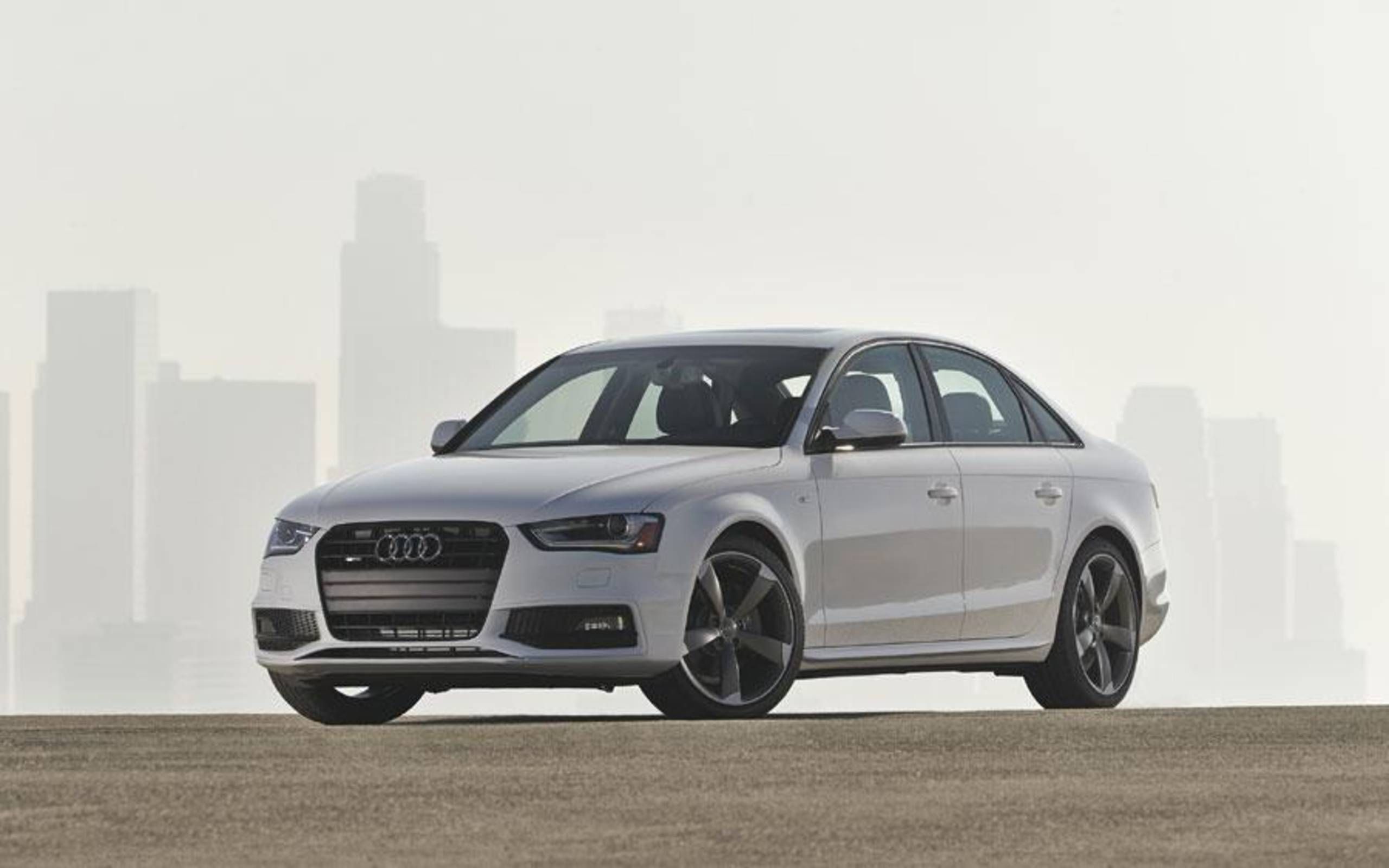
7. Audi A4
The Audi A4 has long stood as a leader in the entry-luxury sedan category, and its ergonomic finesse is one of the reasons it remains so popular. The interior is built with a driver-focused philosophy that doesn’t scream for attention but rewards you with quiet intelligence the more time you spend in it.
The driver’s seat offers a wide range of adjustments, including extendable thigh support and fine lumbar tuning, making it ideal for those who spend a lot of time commuting or road-tripping. Materials feel premium to the touch, but more importantly, everything you interact with feels positioned with precision.
The dashboard layout in the A4 is clean and horizontal, which helps create a sense of space while also placing controls in an intuitive zone of reach. Audi’s MMI infotainment system has been praised for its logical organization and quick response, and while earlier versions relied on a rotary dial, newer models have embraced a touchscreen approach that remains easy to use.
The screen is angled slightly to reduce glare, and it’s positioned high on the dash so you don’t need to lower your gaze too much while driving. Voice controls are also highly responsive, reducing the need to navigate menus manually.
Another feature that underscores the A4’s ergonomic focus is the Virtual Cockpit, Audi’s fully digital instrument cluster. It allows you to customize the layout of your speedometer, navigation, and media display without becoming overwhelming or cluttered.
Information is easy to read at a glance, and switching between different views feels natural. Combined with a heads-up display in higher trims, the A4 ensures your eyes remain close to the road, which directly contributes to safer and less stressful driving.
Even subtle design elements like the placement of the start/stop button, the height of the door sills, or the weight and click of the window switches reflect an ergonomic mindset. These are not flashy or standout features on their own, but when combined, they create a cohesive user experience that makes the A4 feel intuitive and easy to live with.
Whether you’re stuck in city traffic or cruising along the highway, it’s a car that always feels like an extension of yourself rather than a tool you have to wrestle with.
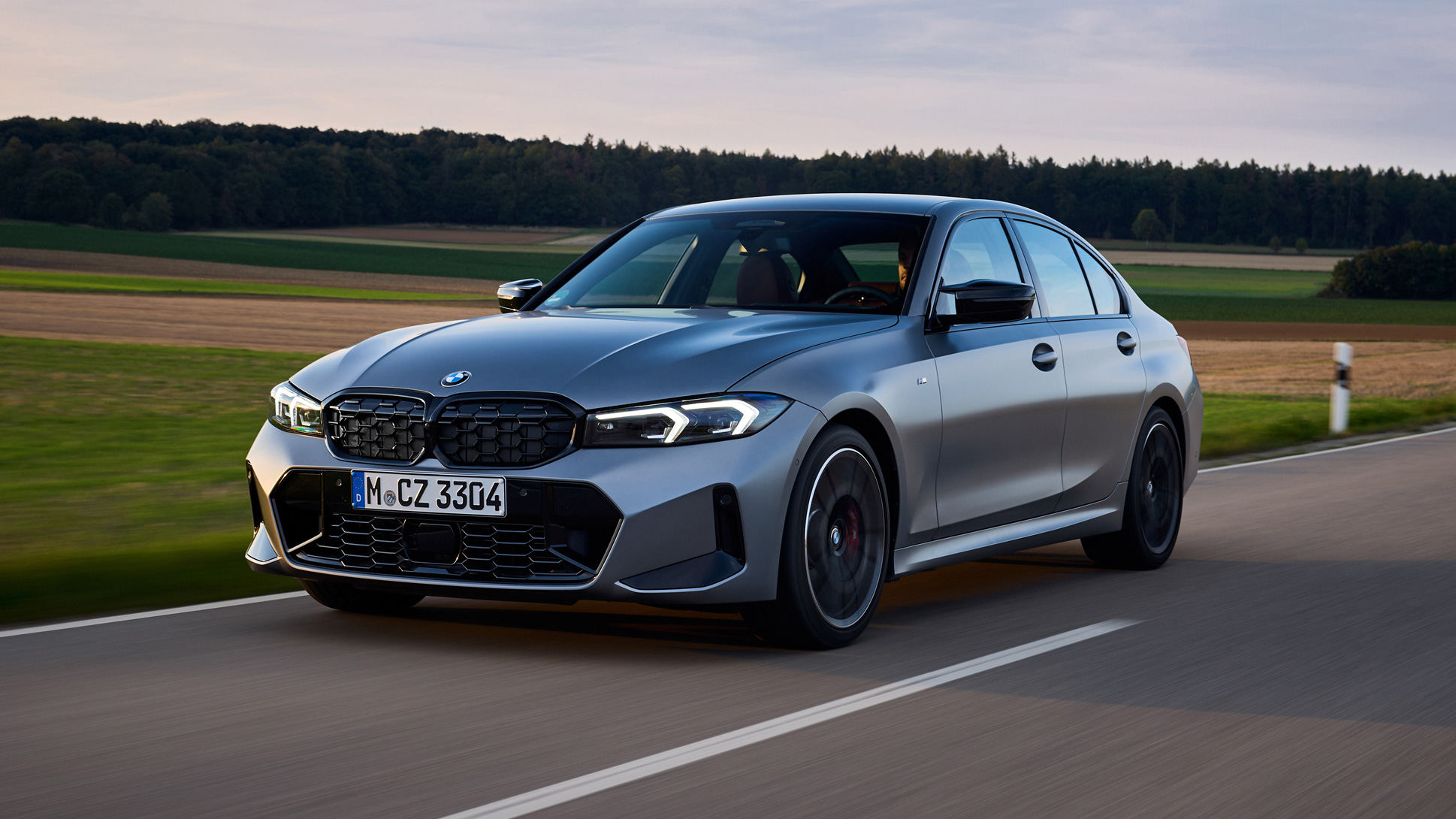
8. BMW 3 Series
The BMW 3 Series is often celebrated for its performance and handling, but it also offers an interior that reflects years of ergonomic refinement. BMW’s philosophy of putting the driver at the center of the experience is clear from the way the dashboard subtly angles toward the driver.
Everything is within reach, and it only takes a few minutes in the seat to feel completely at home. The seats themselves are firm but highly supportive, designed to keep you comfortable and locked in during spirited drives or long-distance cruises alike.
BMW’s iDrive system, often cited as one of the better infotainment systems in the business, adds to the ergonomic appeal. While it includes a touchscreen, the rotary controller on the center console is the star here. It allows you to interact with the screen without leaning forward or needing to keep your eyes off the road for long.
The menus are logically arranged, and once you’ve gotten used to the system, it becomes one of the most efficient ways to access a car’s features. Shortcut buttons around the knob provide even quicker access to commonly used functions.
Another standout feature is the layout of the instrument cluster. Even in base models, the analog or digital gauges are easy to read, with large fonts and well-organized layouts.
Steering wheel buttons are thoughtfully grouped and designed to be operated by feel. Everything from adjusting volume to changing tracks or activating cruise control can be done with minimal distraction. The tactile feedback of each button reinforces the sense of precision that runs through the rest of the car.
Physical comfort extends beyond the driver’s seat, too. Passengers in both the front and rear benefit from solid seat design, decent legroom, and materials that feel substantial without being overdone.
The ride quality in newer 3 Series models is more refined than previous generations, further reducing physical strain on occupants. By combining driver-focused design with comfort that doesn’t sacrifice usability, the 3 Series manages to maintain its reputation for being a true driver’s car while remaining friendly for daily use.
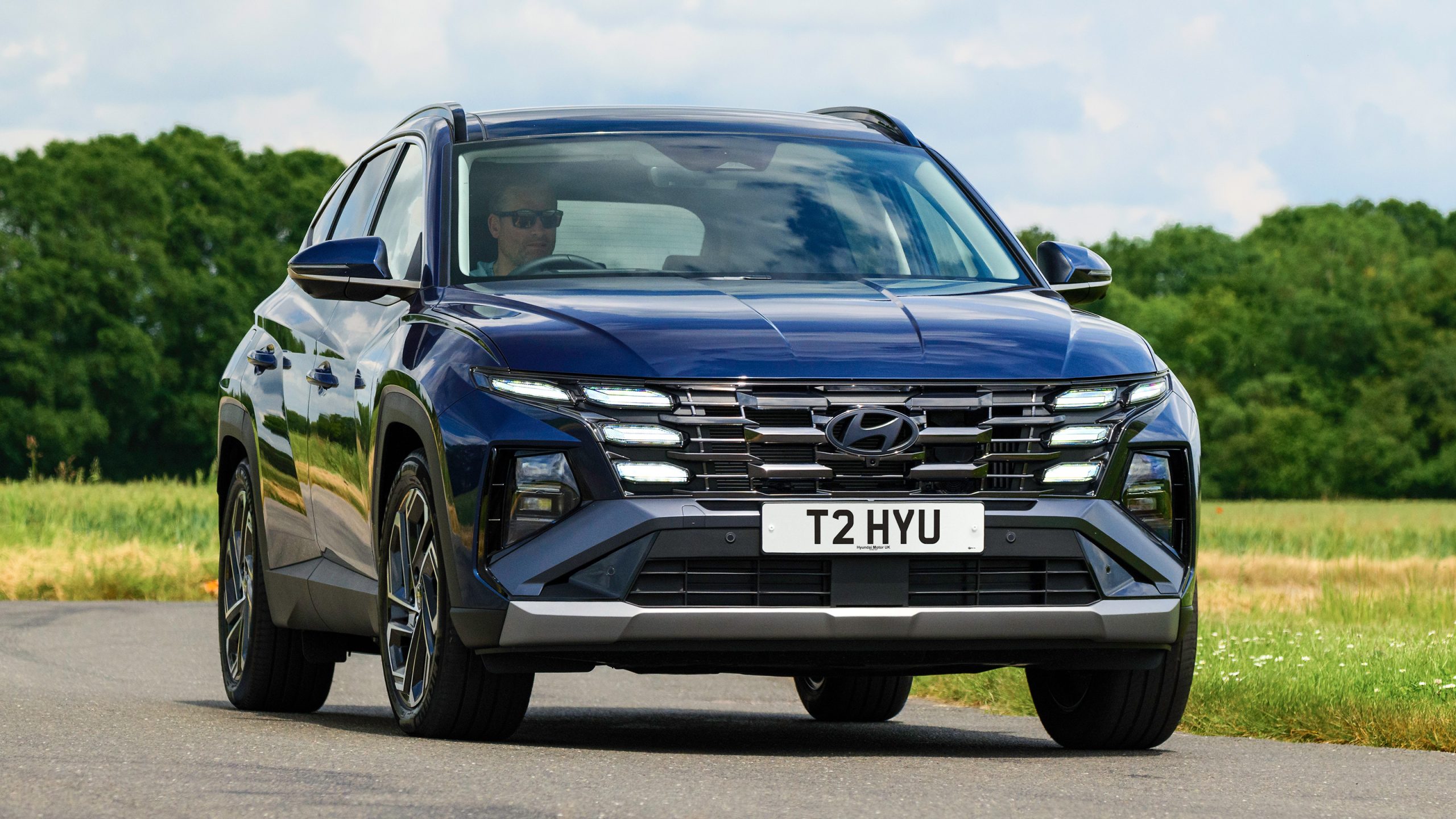
9. Hyundai Tucson
The Hyundai Tucson is a strong example of how modern compact SUVs can integrate ergonomic intelligence without inflating the price. Hyundai has spent considerable effort making the Tucson not just stylish, but easy to live with.
The moment you enter the cabin, you’re greeted by an uncluttered dashboard layout and soft-touch materials that invite touch rather than intimidate with gloss or complexity.
The seats offer excellent support, with a balanced firmness that caters well to long-distance comfort. The driving position feels centered and composed, giving you a sense of control without feeling too upright or too low to the ground.
Where the Tucson truly shines is in how it simplifies interaction with its many tech features. The center console layout is intuitive, with clean lines and a lack of unnecessary physical buttons.
While some drivers may prefer tactile switches, Hyundai has done a commendable job of designing touch-sensitive controls that respond reliably and are grouped in a way that reduces visual scanning.
The infotainment screen is mounted at an ideal height and angled to reduce reflections, making it easier to glance at navigation or settings while keeping your focus ahead.
Seat adjustment is generous, with power lumbar support and memory functions available on higher trims. Even the base seats are sculpted in a way that distributes weight evenly across your back and thighs, reducing fatigue.
Rear passengers are treated to a similar level of comfort, and the doors open wide enough to make ingress and egress painless for those with mobility challenges or young children in tow.
Hyundai’s attention to cabin insulation also enhances the ergonomic experience by minimizing outside noise, which reduces mental strain and enhances the calmness of the ride.
Thoughtful additions like wireless charging pads placed exactly where you’d want to put your phone, armrests that actually align with natural elbow placement, and drive mode selectors located right by the gear lever all add up to an interior that respects the human body.
Hyundai didn’t just add tech and features to check boxes, it embedded them into a layout that complements the way people actually move and interact inside a vehicle. For those seeking comfort without complication, the Tucson gets the details right in a way many others still overlook.
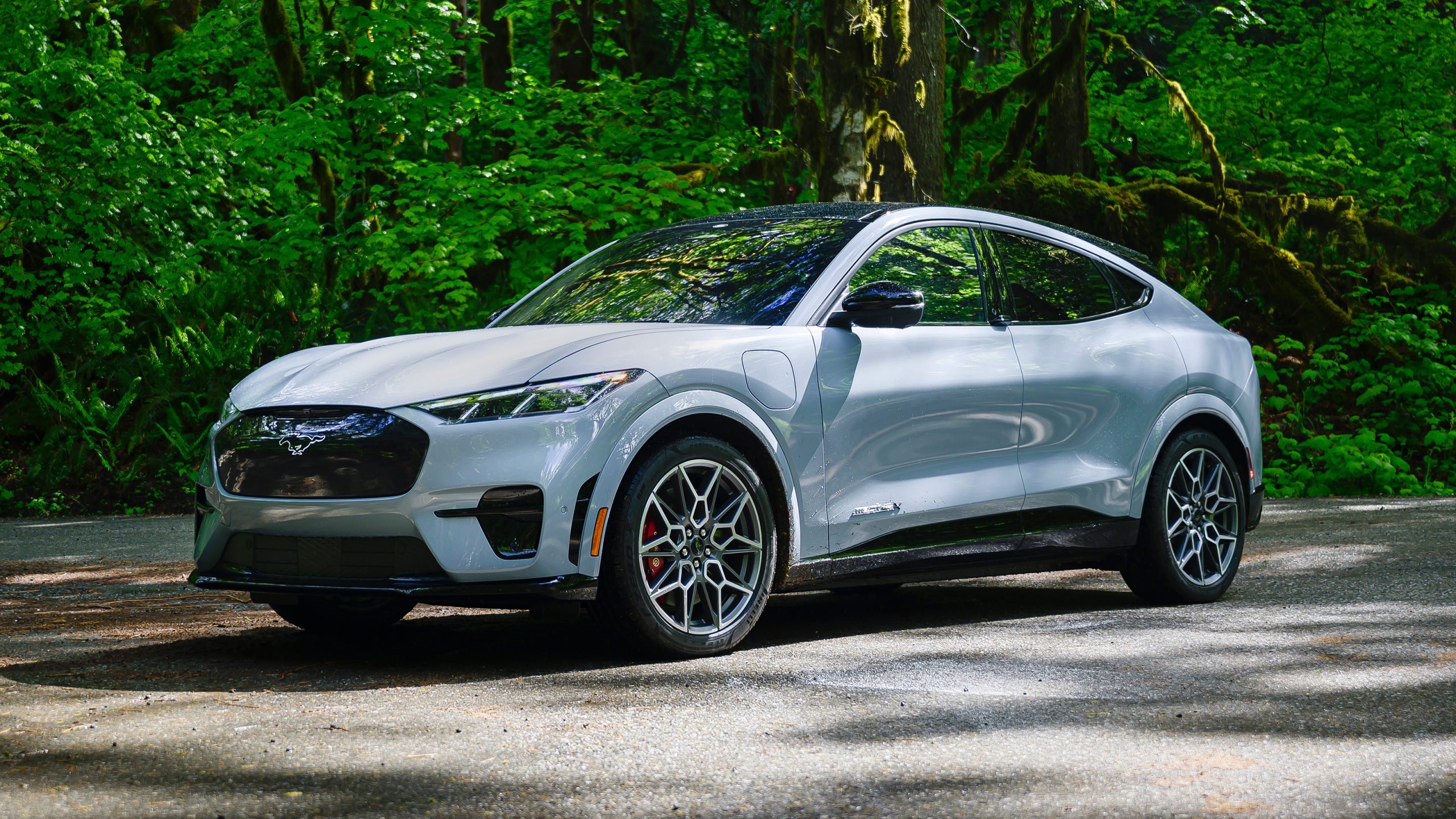
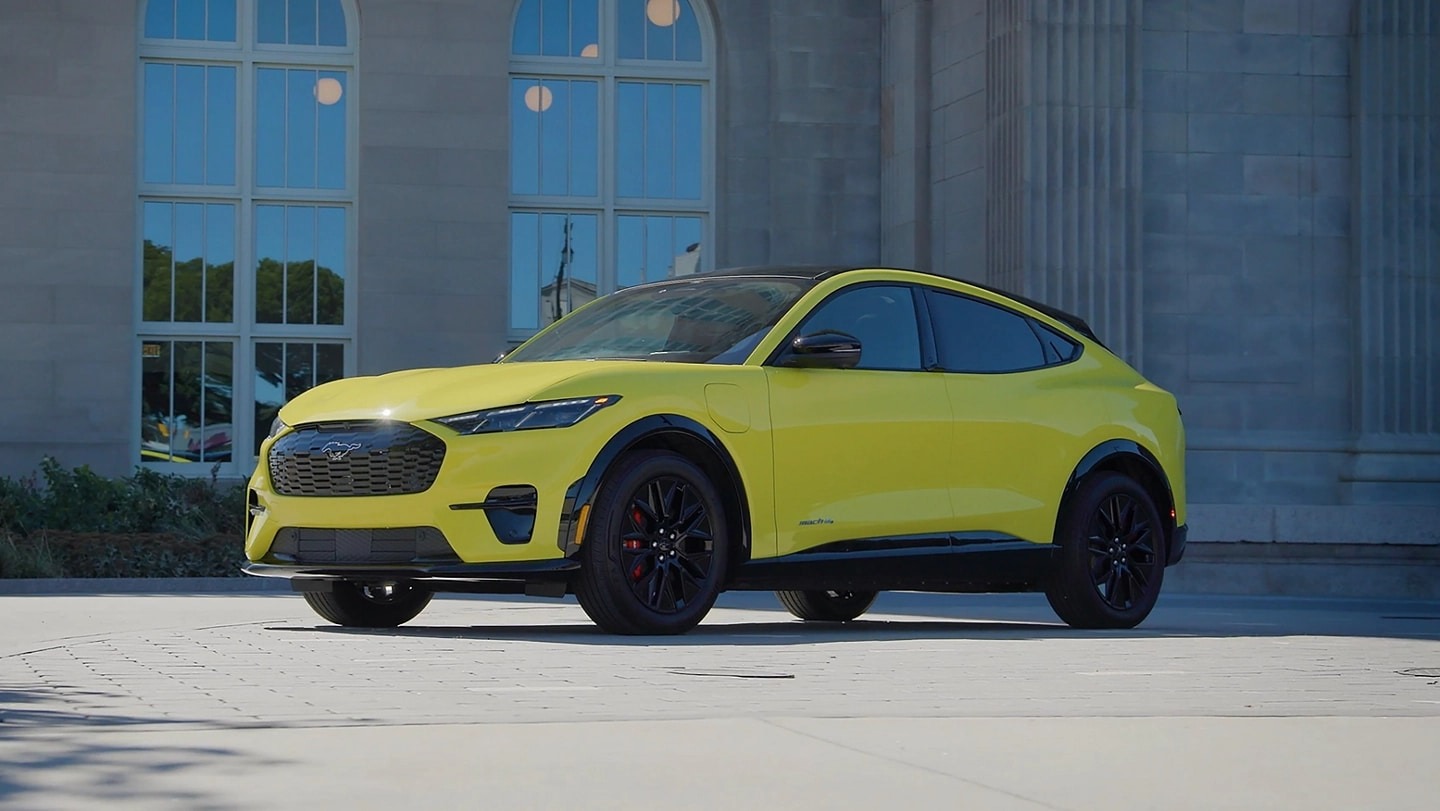
10. Ford Mustang Mach-E
Ford’s Mustang Mach-E marks a bold step into the electric future, but even more impressive than its performance or styling is its ergonomic layout. Unlike some EVs that embrace minimalism to the point of confusion, the Mach-E finds a middle ground.
The massive vertical touchscreen is undeniably the centerpiece of the interior, but Ford has smartly integrated a physical volume knob and tactile feedback in crucial areas to prevent the interior from feeling too foreign. The display itself is responsive and logically organized, and its position is high enough to glance at while driving without requiring awkward neck movements.
The driving position in the Mach-E feels well considered. Despite being an SUV, it manages to offer a car-like seating arrangement that supports both sporty and casual driving. The steering wheel is thick, with well-placed controls that feel substantial and clearly defined.
One of the most satisfying elements of the Mach-E’s ergonomics is how natural it feels to drive, especially for those transitioning from traditional gas-powered vehicles. The regenerative braking can be adjusted to suit your preferences, and the pedal response is progressive and easy to modulate.
The seats themselves are well-padded with subtle bolstering that keeps you supported without being restrictive. Even the headrests are positioned at a height and angle that supports your neck instead of pushing your head forward as seen in many other modern cars.
Accessibility and ease of use extend to passengers and storage areas as well. The rear seats offer generous legroom, and there’s no awkward hump in the middle of the floor, thanks to the EV platform. The front trunk (or “frunk”) opens up extra storage space and is easy to access without strain.
The door handles pop out electronically but are designed to be grasped naturally, and the layout of the controls inside ensures you never feel like you’re guessing where something is. It’s a futuristic car that doesn’t forget to respect human needs, and that’s what makes it so satisfying to live with.
