
The SUV segment has undergone one of the most dramatic evolutions in the automotive industry. Once the rugged workhorses of off-roaders and utility-seekers, SUVs have gradually transitioned into stylish, family-friendly vehicles that now dominate suburban driveways and urban streets alike.
The shift has been driven by changing consumer demands, stricter environmental regulations, and technological innovation. But not all SUVs have responded to these changes with equal success.
Some have held their ground with grace, adapting to modern expectations while retaining the essence that made them legendary. Others, once leaders of their class, have faded into irrelevance or become mere shadows of their former glory.
What makes an SUV hold its ground for decades isn’t just about performance or luxury. It’s about identity. A classic SUV that stands strong over time tends to have a clear character, whether that’s extreme off-road ability, bulletproof durability, or a heritage linked with authenticity and purpose.
These vehicles may evolve, but they never lose what made them special in the first place. On the other hand, those that fall from grace often do so because they lose touch with their core appeal, failing to find relevance in an ever-shifting market.
This article looks at ten classic SUVs, five that continue to inspire respect and loyalty, and five that no longer live up to their name. The goal isn’t to just compare specs or popularity, but to examine how these models have weathered time, trend, and transformation.
From iconic off-roaders to luxury crossovers that once set standards, the contrast is striking. Some nameplates remain synonymous with ruggedness or refinement. Others have either disappeared or evolved so much that they’re almost unrecognizable.
Whether you’re a fan of traditional body-on-frame toughness or appreciate the smoother, tech-laden crossovers of today, there’s no denying that some SUVs age like fine wine while others simply fade into the background. Let’s look at five that have remained strong through the years and five that haven’t kept up.
5 Classic SUVs Holding Strong
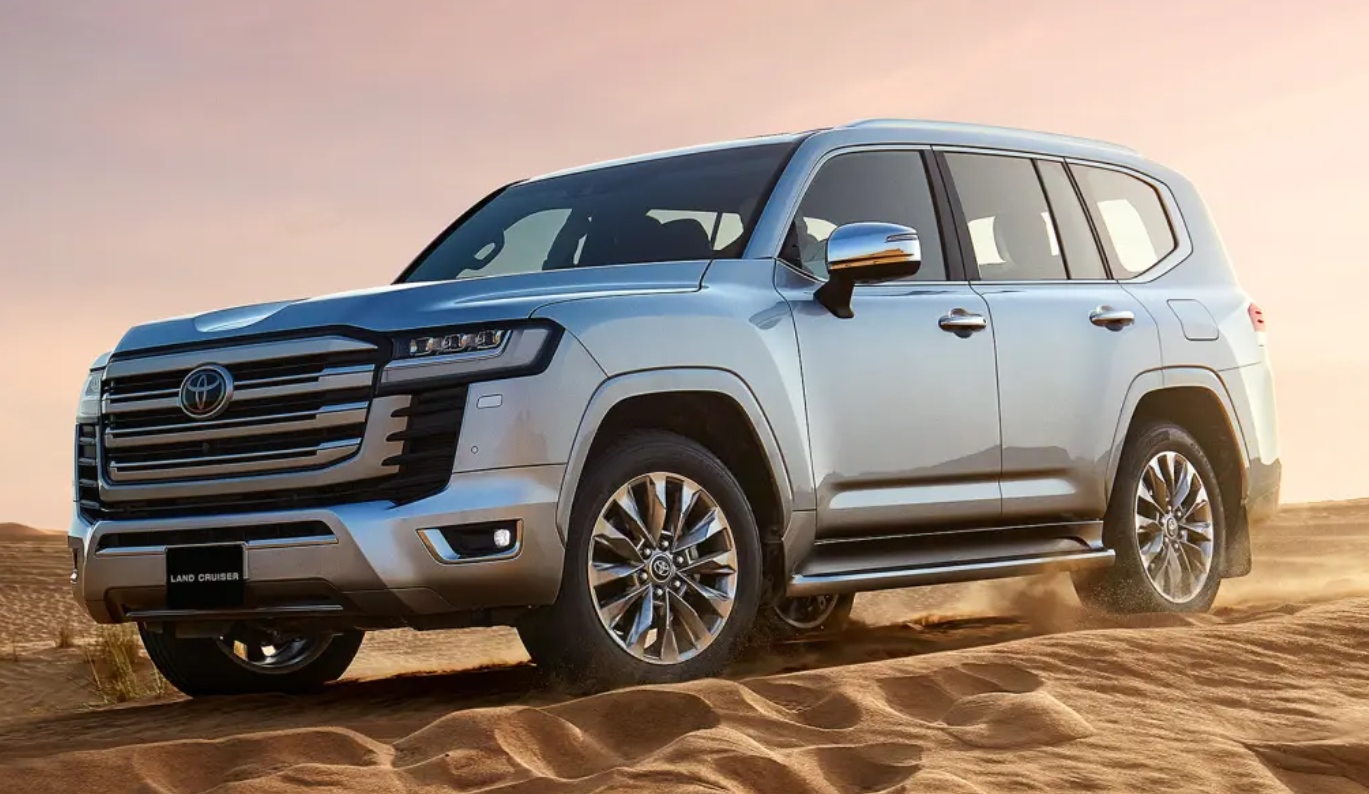
Toyota Land Cruiser
Few vehicles have a reputation as rock-solid as the Toyota Land Cruiser. It has earned its place not just through marketing but through a consistent track record of performance, durability, and sheer go-anywhere confidence. Since its origins in the 1950s, it has embodied a level of engineering meant to survive some of the world’s most unforgiving terrain.
From deserts to mountain trails, the Land Cruiser became synonymous with resilience. Its global footprint, particularly in regions where reliability is non-negotiable, shows that it has never been just about prestige. People rely on it to get them out of places that most vehicles wouldn’t dare enter in the first place.
One of the Land Cruiser’s strengths has always been its simplicity. Even as newer models added creature comforts and tech, Toyota kept the mechanical foundation intact. Solid axles, body-on-frame construction, and a focus on mechanical reliability allowed it to remain trustworthy in ways that modern unibody SUVs cannot match.
This also means that older models are still running strong across continents, sometimes with hundreds of thousands of miles on the odometer. That reputation didn’t come from one or two good years; it was built over decades of consistent excellence.
Even as Toyota decided to shift the Land Cruiser’s direction with newer generations, including hybrids and more upscale designs, the core values haven’t disappeared. The 300-series may be different from its ancestors, but it still speaks the same language of longevity and capability.
Toyota has also smartly balanced innovation with respect for legacy. While many manufacturers chase trends, the Land Cruiser continues to speak to a market that values durability above everything else. And it’s not just in developing regions. In affluent markets, it represents a kind of quiet authority, wealth without flamboyance, utility without compromise.
That staying power is rare. In a segment full of new players and abandoned nameplates, the Land Cruiser stands out by doing what it has always done best: being the one SUV you can count on when everything else fails. That’s why it remains one of the few classics that hasn’t lost its edge, and likely won’t anytime soon.
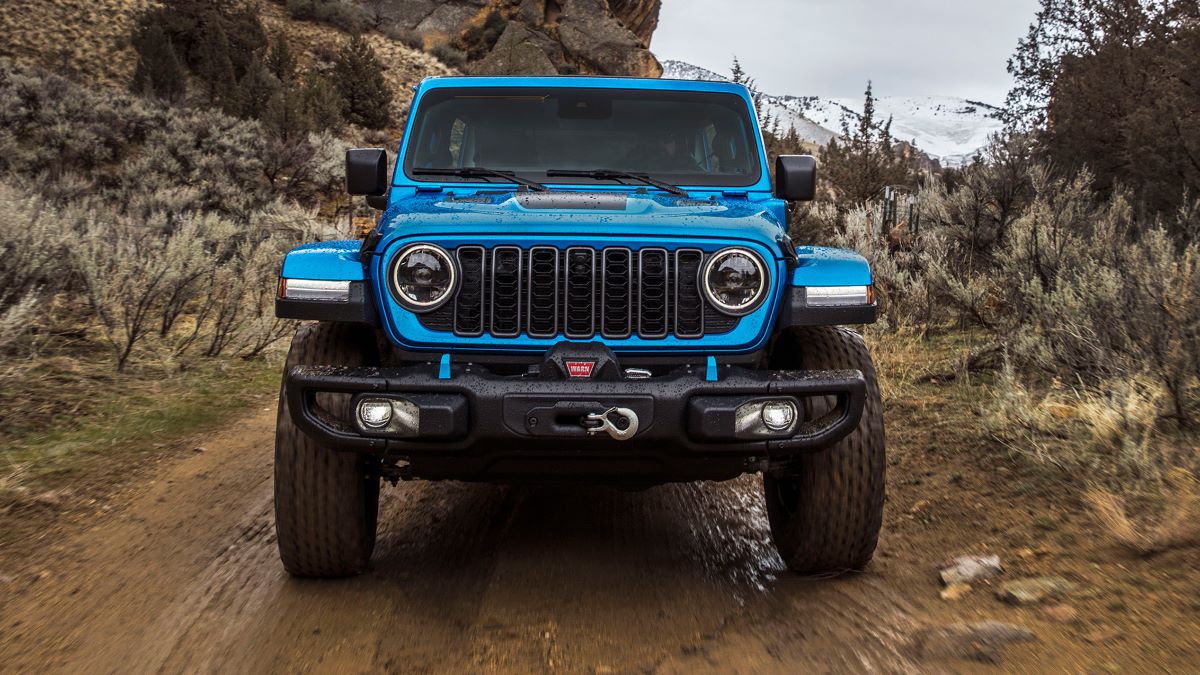
Jeep Wrangler
The Jeep Wrangler is one of the few vehicles that has resisted the pull toward softening its identity. It has always been unapologetically rugged, unapologetically impractical in some ways, and that’s exactly why it has endured. Its roots trace back to the World War II Willys MB, and while it’s far more refined now, it hasn’t abandoned its essence.
Every iteration continues to offer the signature removable doors, fold-down windshield, and body-on-frame construction that give it a character unlike anything else on the road. You either understand the Wrangler or you don’t, but if you do, there’s no substitute.
One of the reasons it has remained strong is its connection with a lifestyle, not just a utility. Wrangler drivers don’t just want an SUV; they want a symbol of freedom, outdoor exploration, and mechanical honesty.
While crossovers and car-based SUVs are often indistinguishable from each other, the Wrangler stands out, both visually and functionally. It’s never tried to be sleek or luxurious in a conventional sense, and that’s precisely why it remains relevant. It knows its audience and serves them without compromise.
Even as emissions standards and safety regulations threatened to water down vehicles like the Wrangler, Jeep found ways to adapt. The introduction of new engines, hybrid options, and tech features helped it stay compliant while still delivering on its promise.
The addition of the Rubicon trim, and later the 392 variant with a V8, showed that Jeep wasn’t afraid to double down on performance either. Instead of diluting its DNA, the brand embraced what made it different and invested in evolving within that space.
What’s remarkable is how the Wrangler remains desirable even for those who never take it off-road. It holds its value, turns heads, and commands a passionate fan base.
For an SUV with poor fuel economy and a stiff ride, that’s no small feat. Its staying power doesn’t come from trying to be everything to everyone. It comes from knowing exactly what it is and refusing to become anything else.
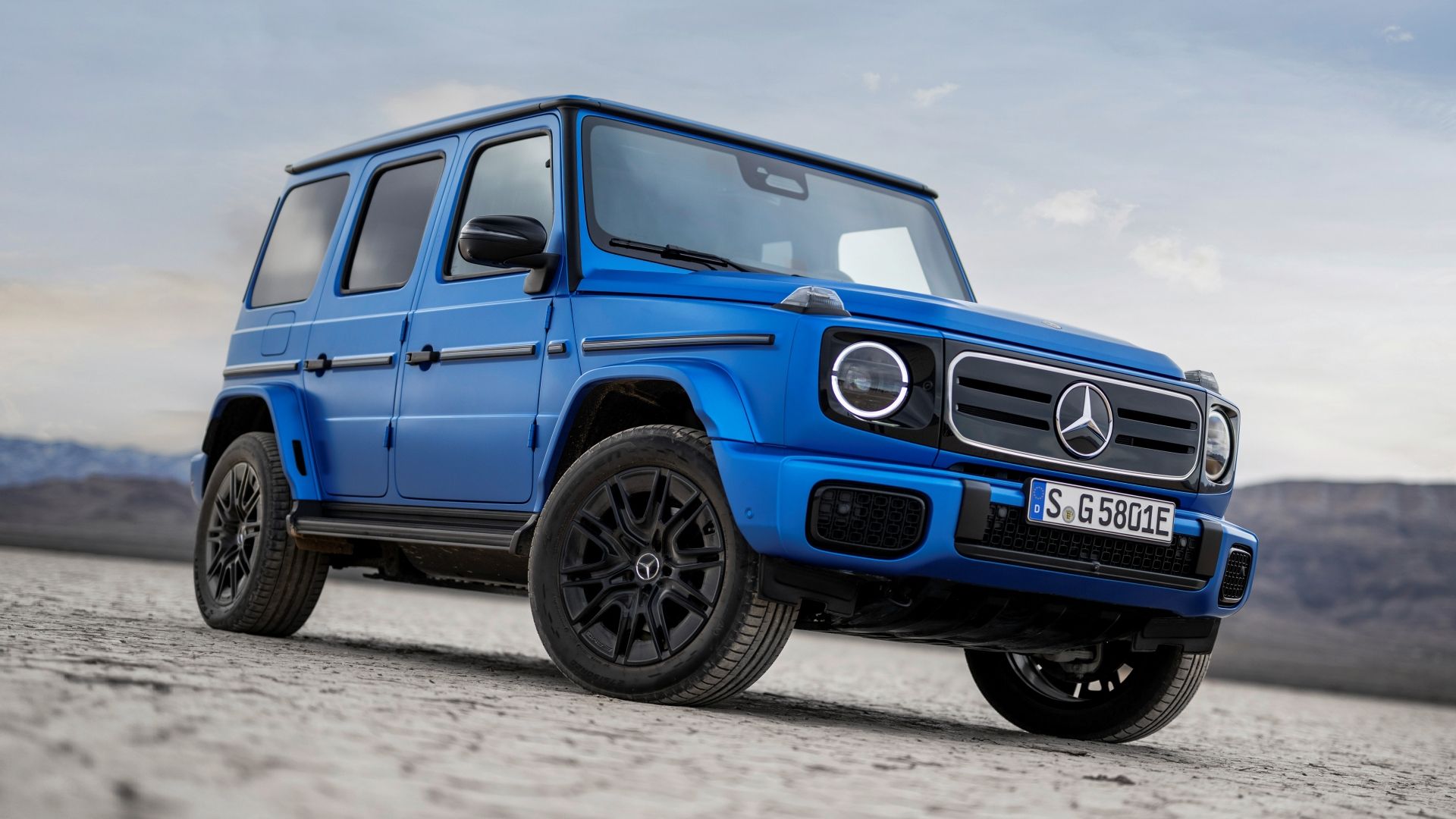
Mercedes-Benz G-Class
The G-Class, also known as the G-Wagen, started life as a military vehicle. Its boxy design wasn’t meant to turn heads on Rodeo Drive, it was built for utility, durability, and off-road excellence. Yet somehow, over time, it became one of the most desirable luxury SUVs in the world.
Unlike other models that struggled to balance ruggedness with refinement, the G-Class didn’t choose one over the other. It became both, and in doing so, it carved out a place for itself that no other SUV has quite managed to occupy.
Even as it evolved into a luxury icon, the G-Wagen never lost its mechanical integrity. It still uses a ladder-frame chassis and features three locking differentials, something you rarely find even in modern off-roaders. It’s heavy, over-engineered, and unapologetically square.
But it’s also filled with leather, tech, and prestige. That unusual combination has helped it remain timeless. Celebrities drive it for the status. Off-roaders drive it for the capability. Enthusiasts admire it for its uncompromising build quality. It’s one of the few SUVs that can attend a black-tie event and then head into the Alps without skipping a beat.
What’s more impressive is that Mercedes-Benz didn’t try to radically redesign it. The updates to the G-Class have been thoughtful, subtle, and rooted in improving the experience rather than reinventing it.
The 2019 redesign retained the same iconic shape but added comfort, safety, and handling improvements that made it more livable. But even then, the essence didn’t change. It still feels like a G-Wagen, not a watered-down imitation of one. That careful balancing act is hard to pull off, and Mercedes has done it with rare precision.
Despite its high price tag and relatively inefficient design, the G-Class continues to sell in strong numbers. It’s proof that in a world full of compromises, some vehicles can still offer both tradition and modernity. As long as Mercedes keeps honoring its roots while embracing smart upgrades, the G-Wagen will remain a classic that never lost its footing.
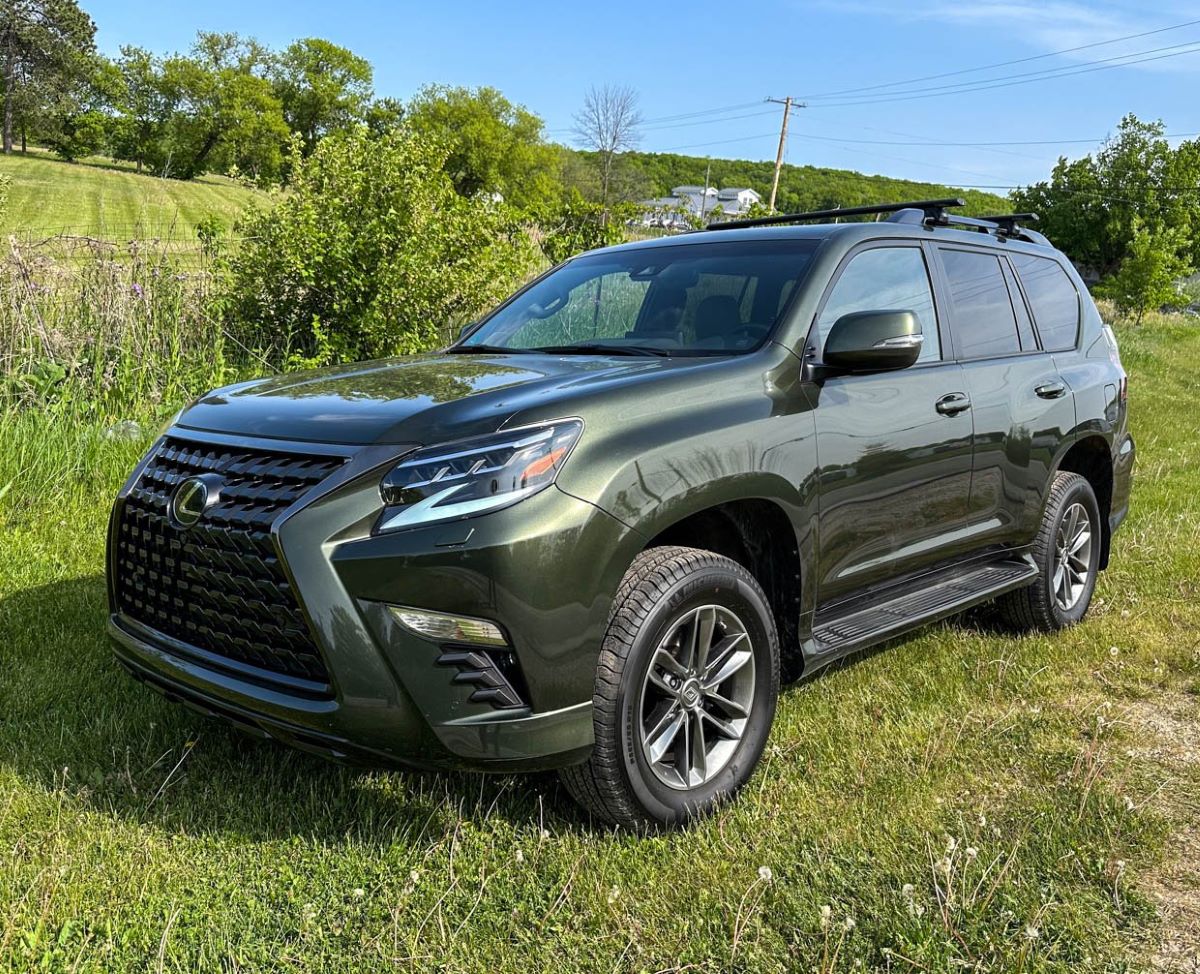
Lexus GX
The Lexus GX isn’t flashy, and that’s precisely why it has aged so well. Built on the same platform as the Toyota Land Cruiser Prado, the GX quietly offers a rare mix of luxury, off-road capability, and long-term reliability.
It’s not the most tech-heavy SUV, nor the most efficient, but it delivers where it matters most: durability, comfort, and real-world versatility. The GX hasn’t changed much over the years, and yet that consistency is part of its charm. In a market filled with crossovers pretending to be SUVs, the GX actually lives up to the name.
What separates the GX from many of its competitors is its body-on-frame construction. That old-school design gives it a sturdiness and strength that’s hard to find in unibody luxury SUVs. Whether tackling mountain trails or towing heavy loads, the GX performs with confidence.
And yet inside, it remains quiet, plush, and serene. The leather is top quality, the seating is comfortable for long hauls, and the sound insulation makes even rough roads feel manageable. That dual nature makes it uniquely appealing to buyers who need both function and comfort.
Lexus has also leaned into its reputation for longevity. The GX is known to run for hundreds of thousands of miles with minimal problems. That’s not just anecdotal; it’s supported by used car markets where high-mileage GXs still fetch premium prices.
While competitors focus on touchscreens and over-the-air updates, Lexus has chosen to perfect what already works. The V8 engine, though dated, is smooth and dependable. The controls are tactile. The tech may lag behind in some areas, but it doesn’t try to fix what isn’t broken.
That focus on proven reliability over fleeting trends has helped the GX remain relevant even as newer models try to steal the spotlight. It may not dominate headlines or lead sales charts, but it has carved out a loyal customer base.
And as more buyers start to value mechanical integrity over software features, the GX may even find a new wave of appreciation. For now, it remains one of the few luxury SUVs that hasn’t forgotten what an SUV is supposed to be.
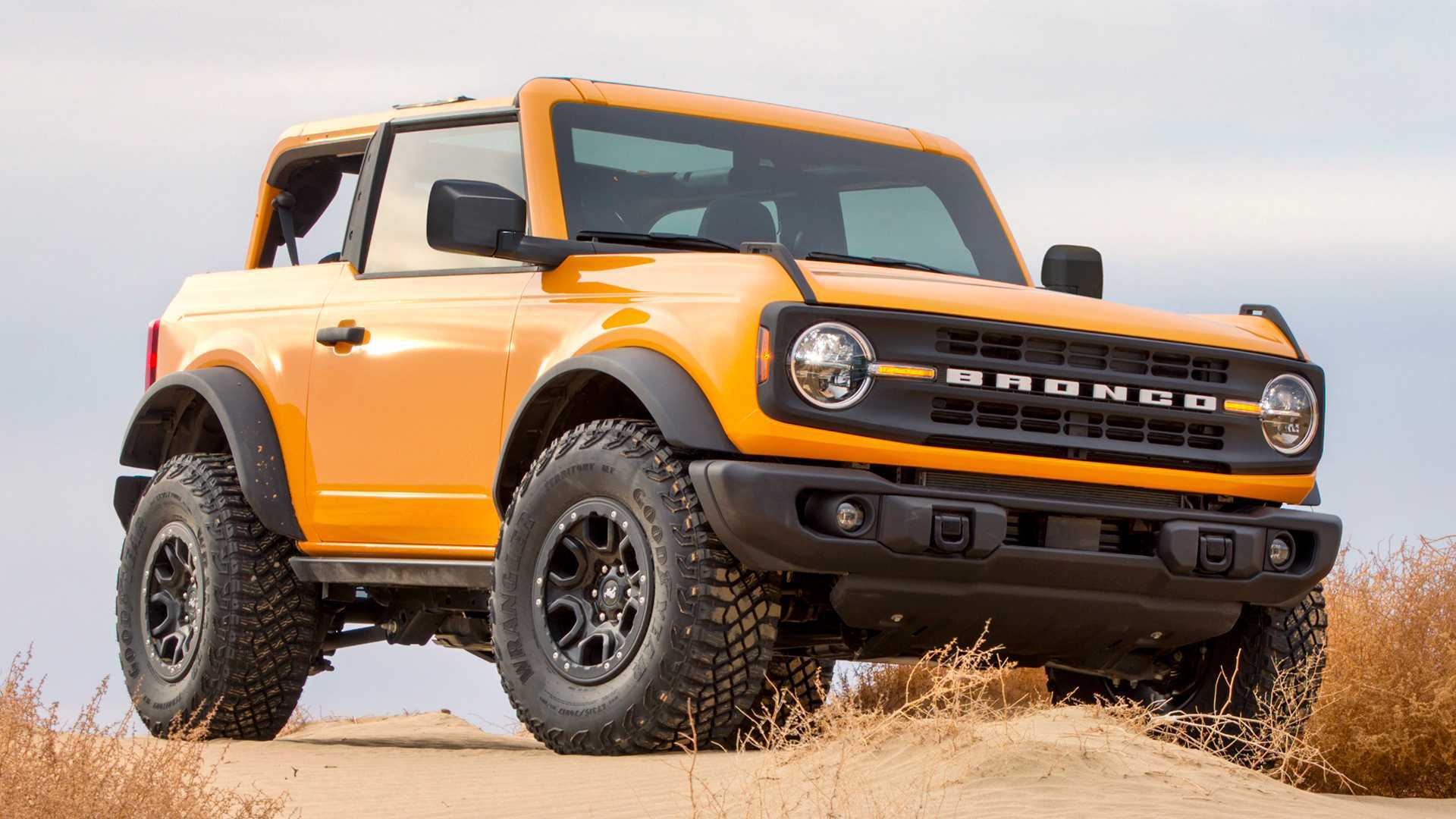
Ford Bronco
When Ford brought back the Bronco, there was no guarantee it would work. After all, the nameplate had been absent for decades, and reviving a legend is always a risk. But the gamble paid off.
The new Bronco manages to walk the fine line between nostalgia and innovation, delivering a vehicle that looks backward without getting stuck in the past. With its boxy shape, removable roof panels, and genuine off-road credentials, the Bronco isn’t just a reboot, it’s a statement.
The key to the Bronco’s success lies in how well Ford studied its heritage. Rather than make it a soft crossover, the engineers gave it a legitimate body-on-frame design, a high ground clearance, and available features like locking differentials and disconnecting sway bars.
In other words, it was built to compete with the Jeep Wrangler head-on. That’s no easy task, and yet the Bronco does it with a sense of personality and presence that sets it apart. It doesn’t try to be a luxury vehicle or an urban cruiser. It’s aimed at people who actually want to take the road less traveled.
Another factor in the Bronco’s strong showing is how flexible it is. The range includes two-door and four-door models, manual and automatic transmissions, and various trim levels that cater to different needs.
Whether someone wants a basic, adventure-ready SUV or a higher-end model with all the bells and whistles, the Bronco lineup has options. That wide appeal, combined with strong performance, has made it a hit among both longtime fans and new buyers.
Of course, it helps that the Bronco looks the part. Its retro design isn’t just about style, it’s about signaling that this is a serious off-roader. And Ford has continued to support it with aftermarket options, accessory packages, and active community engagement.
In a segment where authenticity is rare, the Bronco feels real. That authenticity has helped it go from a risky revival to a modern classic in record time.
5 That Lost Their Edge
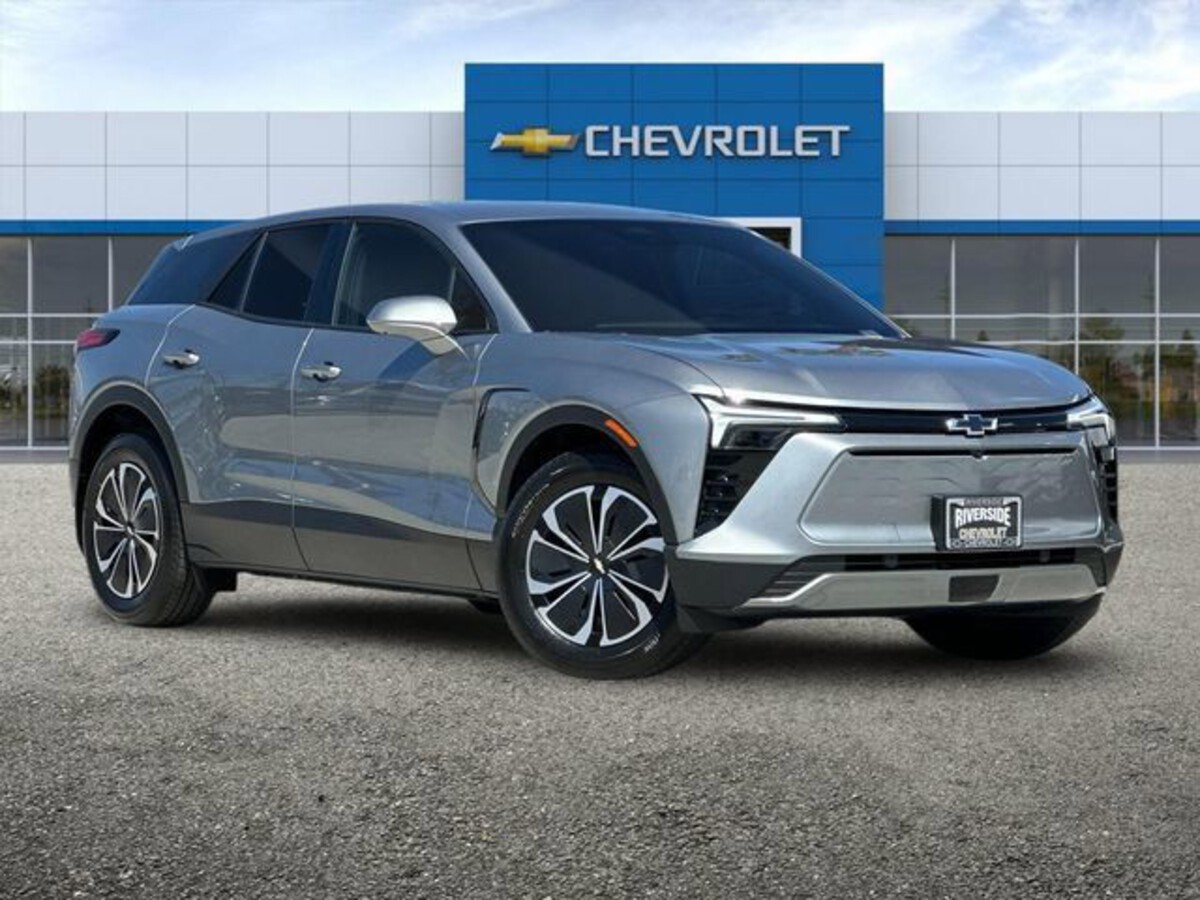
Chevrolet Blazer
The Chevrolet Blazer was once a true icon in the SUV world. Originally introduced in the late 1960s as a direct competitor to the Ford Bronco and Jeep Cherokee, it had the muscle and the off-road credibility to back it up.
Built on a truck chassis, the early Blazers were tough, capable, and unapologetically American. Through the ’70s and ’80s, it carved out a strong reputation among off-roaders and rural drivers who needed a reliable, go-anywhere vehicle. It wasn’t luxurious, but it didn’t need to be. It was honest, and that’s what made it cool.
But that legacy took a serious turn with the reintroduction of the Blazer nameplate in recent years. Instead of bringing back a rugged, body-on-frame SUV that could compete with modern off-roaders, Chevrolet decided to rebrand the Blazer as a sleek, mid-size crossover.
The decision confused many enthusiasts and disappointed longtime fans. It may be practical for families and easy to drive, but it lacks any of the character or capability that made the original Blazer a legend. The name feels borrowed rather than earned.
By aiming for mass-market appeal, the new Blazer became just another option in an overcrowded segment of crossovers. It doesn’t stand out in performance, off-road capability, or even design innovation.
While it has sporty looks and a modern interior, those traits aren’t enough to carry the weight of its name. In trying to chase modern trends, the Blazer forgot what made it memorable in the first place. It stopped being unique and became just another vehicle on the dealership lot.
The fall of the Blazer isn’t about sales numbers; it’s about identity. It went from a legitimate rival to the Bronco and Wrangler to something that’s more at home in mall parking lots than on rocky trails.
That’s not necessarily a bad business decision, but it is a disappointing one for those who remember what the Blazers used to be. The badge remains, but the spirit is gone, and that’s why the Blazer has lost its edge.
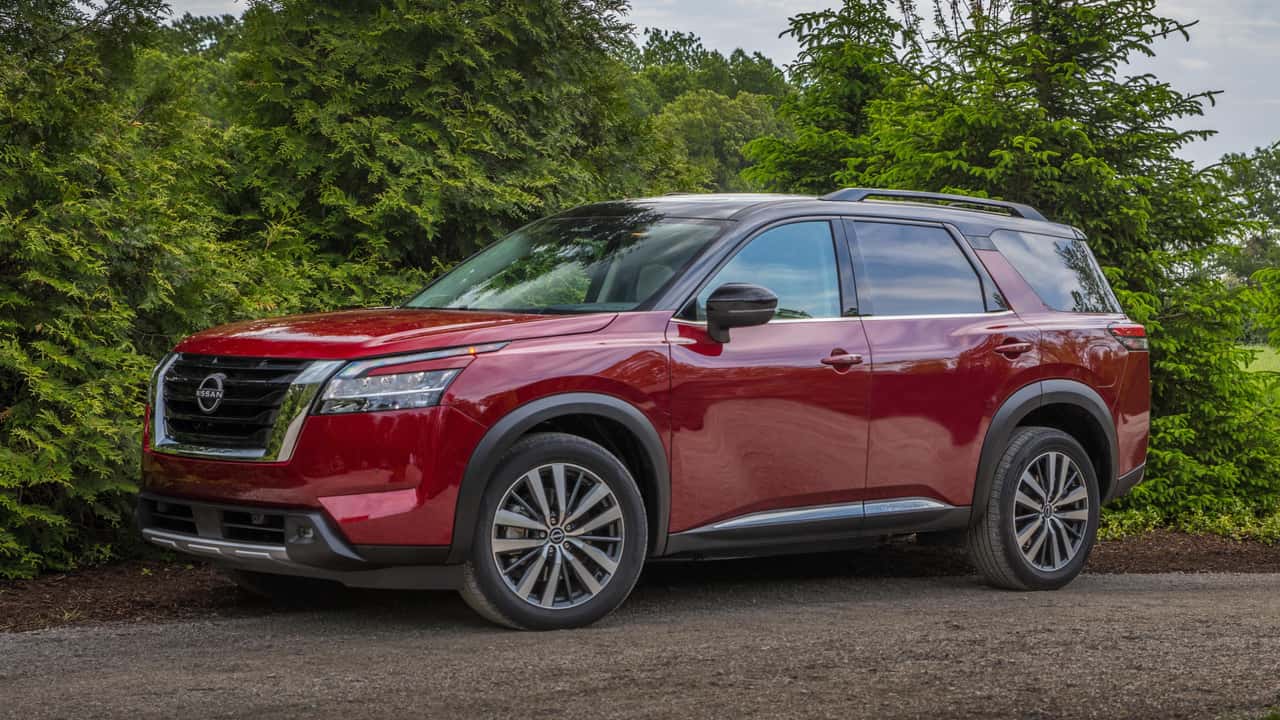
Nissan Pathfinder
Once regarded as a rugged, reliable choice for adventure seekers, the Nissan Pathfinder has undergone a transformation that left many of its original fans behind. Back in the late ’80s and early ’90s, the Pathfinder was a boxy, body-on-frame SUV that could handle rough terrain and backwoods trails with ease.
It wasn’t flashy, but it was tough and dependable. You could take it off-road, haul cargo, and still enjoy a comfortable ride. It was the kind of SUV people bought when they needed something that could actually do SUV things.
But somewhere along the way, Nissan decided to reposition the Pathfinder to chase the suburban family market more aggressively. The shift to unibody construction in 2013 marked a turning point. Instead of focusing on capability, the Pathfinder became softer, more rounded, and more focused on comfort.
It went from being an adventure-ready utility vehicle to a minivan with SUV styling. That decision may have widened its market temporarily, but it alienated the loyalists who wanted a real SUV, not a compromise.
In recent years, Nissan has tried to claw back some of the Pathfinder’s lost appeal by reintroducing a more rugged design and better towing numbers. However, the changes feel superficial. It’s still a front-wheel-drive-biased crossover at its core.
The soul of the original Pathfinder, the one that could handle mud, snow, and steep trails, isn’t there anymore. Off-road trims have been added, but they’re more about looks than substance. Compared to rivals like the 4Runner, the Pathfinder just doesn’t inspire the same confidence.
The decline of the Pathfinder serves as a cautionary tale. In trying to cater to the broadest possible audience, Nissan lost what made the Pathfinder special. It became average.
The name still has recognition, and the vehicle still sells, but the magic is gone. It went from a trail companion to a grocery-getter, and while there’s nothing wrong with that, it means the Pathfinder is no longer the SUV people once admired.
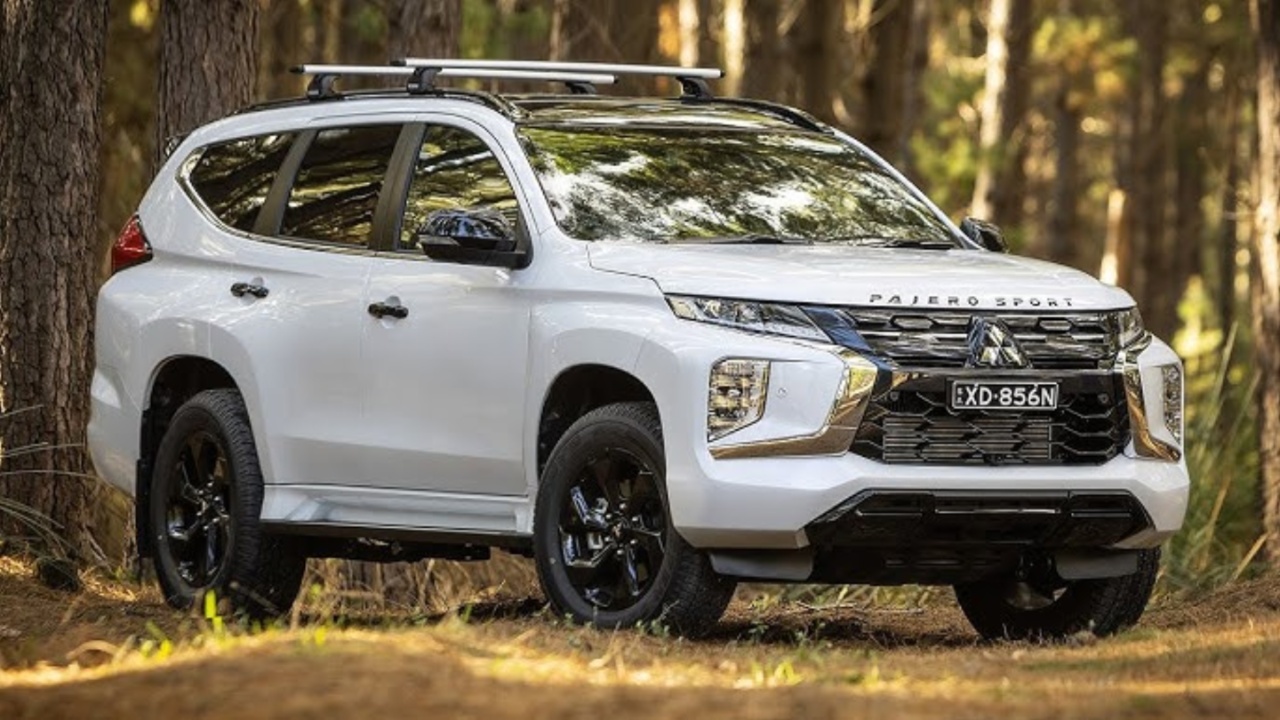
Mitsubishi Montero (Pajero)
The Mitsubishi Montero, also known as the Pajero in many international markets, was once a serious player in the SUV world. It had a global reputation for toughness, especially after dominating the grueling Dakar Rally multiple times.
The Montero wasn’t just a nameplate, it was a badge of honor for those who wanted a dependable and capable SUV with real off-road chops. During the 1990s and early 2000s, it stood toe-to-toe with heavyweights like the Land Cruiser and Range Rover, offering both refinement and ruggedness.
But as the market evolved, Mitsubishi failed to keep the Montero competitive. While other brands were upgrading their SUVs with new engines, modern interiors, and more tech, the Montero’s updates felt half-hearted and inconsistent.
The styling remained outdated for too long, and the performance started falling behind. Even in markets where the Pajero remained available, it became clear that Mitsubishi was no longer investing heavily in its development. The innovation slowed, and the competition moved on.
Eventually, the Montero was quietly phased out in North America and later discontinued entirely in several other regions. Mitsubishi cited declining sales and increasing emissions regulations, but the real issue was a lack of strategic vision.
The Montero had the potential to remain a global icon, but without consistent support and modern upgrades, it faded from relevance. Meanwhile, rivals like the Toyota Land Cruiser and even the Jeep Grand Cherokee continued to evolve and maintain their market share.
The Montero’s decline wasn’t inevitable. With its strong bones and legendary reputation, it could have continued to serve both off-roaders and families alike. But it wasn’t given the tools or attention it needed to stay relevant.
Today, it’s mostly remembered by enthusiasts who still appreciate its legacy. But appreciation isn’t the same as viability, and that’s why the Montero stands as a classic SUV that couldn’t keep up with the demands of a changing market.
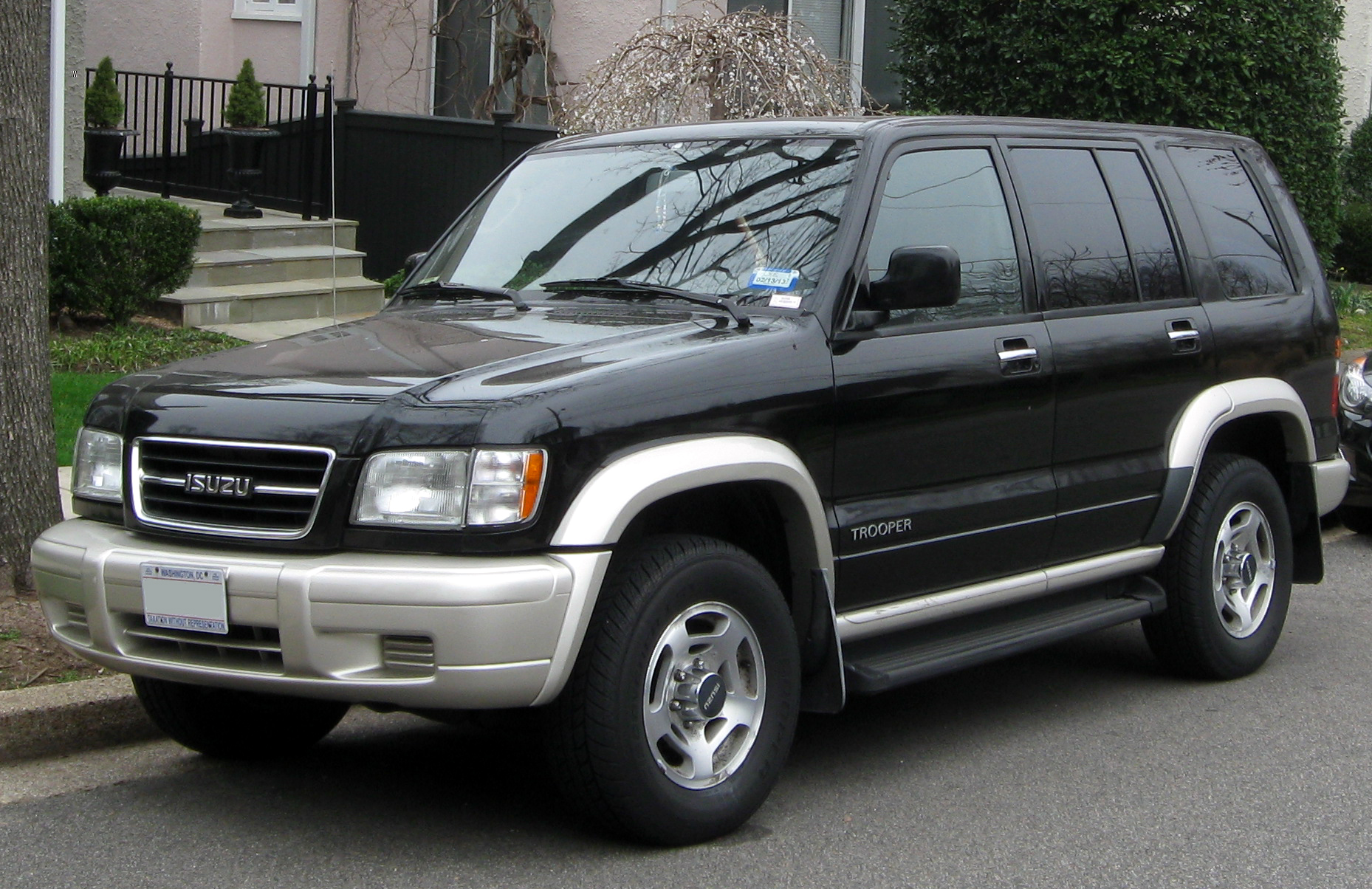
Isuzu Trooper
At one time, the Isuzu Trooper was one of the most respected SUVs on the road. Launched in the early 1980s, it was part of a wave of Japanese SUVs that emphasized durability, space, and utility over flash and speed.
The Trooper was roomy, strong, and surprisingly competent off-road. It was the kind of SUV that overland travelers trusted for long journeys, often into remote areas where reliability meant everything. It didn’t have the prestige of a Land Cruiser, but it held its own in terms of practicality and capability.
Despite its initial success, the Trooper began to lose ground in the mid-to-late ’90s. Competing SUVs from Toyota, Ford, and Jeep were evolving rapidly, offering better engines, more comfort, and sleeker designs. The Trooper, in contrast, began to feel dated.
Its boxy shape, once a strength, started to look old-fashioned. Isuzu also struggled with brand recognition in many markets and never had the same dealer support or marketing muscle as the bigger players. As a result, even though the vehicle was still solid, it gradually faded from consumer interest.
Another blow came from reliability concerns, especially in North America. Reports of oil consumption issues and mechanical quirks hurt the Trooper’s image, and resale values took a hit.
Without a clear identity or strong updates, it became harder for Isuzu to justify the Trooper’s place in a crowded SUV field. Eventually, the model was discontinued, and Isuzu began retreating from major passenger vehicle markets entirely. The Trooper became one of those vehicles that people remembered fondly but rarely recommended.
Today, the Trooper lives on mostly in enthusiast circles and in the memories of drivers who appreciated its no-nonsense approach. But it no longer has a seat at the table. Its decline wasn’t about a single failure; it was about a slow erosion of relevance and support.
It remains a classic in name, but not in influence, and that’s why it’s no longer considered a strong contender in the SUV legacy conversation.
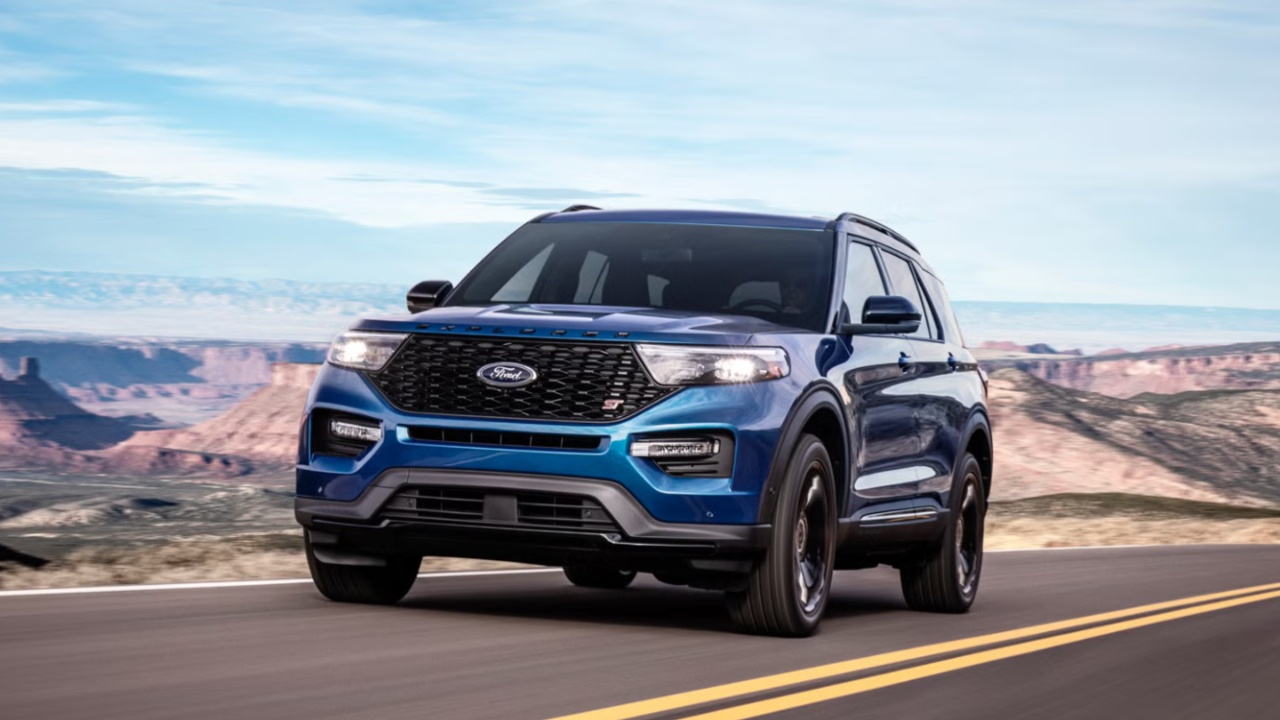
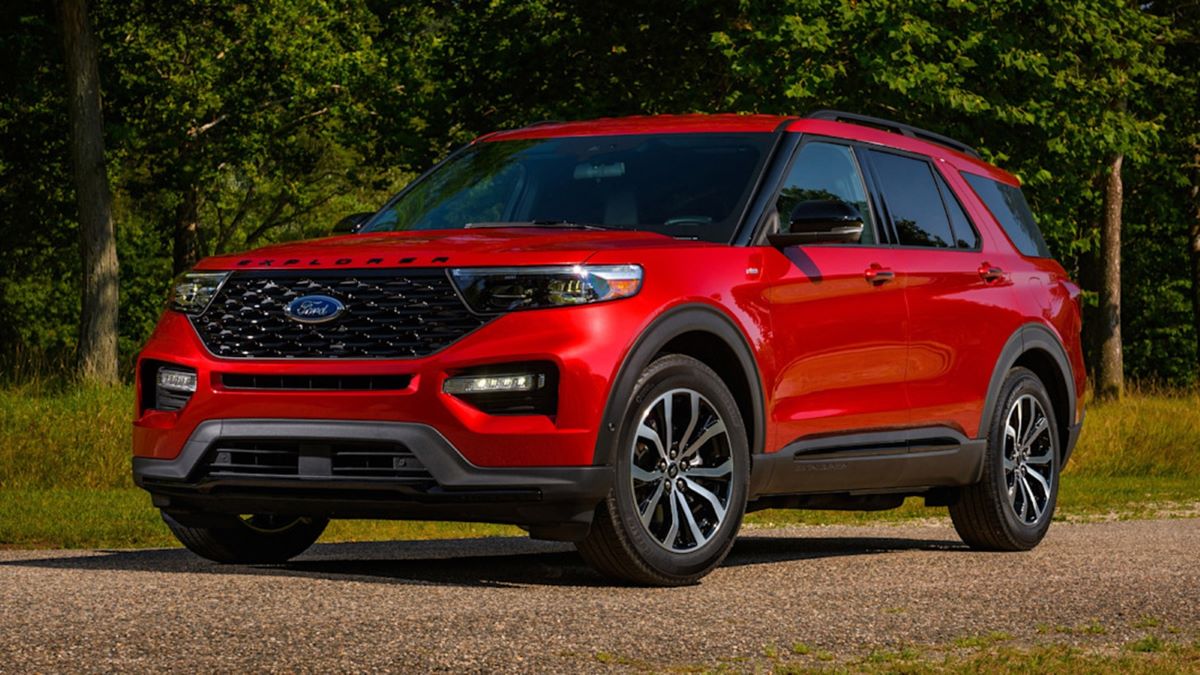
Ford Explorer
The Ford Explorer is an interesting case. When it debuted in the early 1990s, it practically defined the modern SUV. It was spacious, family-friendly, and just rugged enough to attract buyers who wanted something tougher than a minivan.
The Explorer became a bestseller and played a major role in the SUV boom of the late ’90s and early 2000s. For many American families, it was the first SUV they ever owned. It offered a blend of utility and comfort that seemed perfectly suited for its time.
But over the years, the Explorer started to drift away from what made it special. As the SUV market became more competitive, Ford made a series of changes that prioritized cost-cutting and mass-market appeal.
The shift to unibody construction made it more crossover-like, and while that improved ride comfort and fuel economy, it took away some of the rugged charm. The Explorer became less about capability and more about conformity. It began to feel like it was trying to be everything to everyone, and in doing so, lost a clear sense of purpose.
Recent generations have tried to bring back some of that magic, with sport trims and slightly bolder styling. However, the Explorer still struggles with build quality issues and lacks the standout traits that once made it a leader. It no longer feels like a class-defining SUV. Instead, it feels like it’s reacting to trends rather than setting them.
Competitors have surpassed it in everything from tech to ride quality to real-world reliability. Even in terms of value, there are now better choices in the segment.
The Explorer hasn’t completely disappeared from the industry, but its reputation has eroded. It’s gone from being the benchmark to being just another option. It may still sell in high volumes due to brand familiarity and aggressive pricing, but that doesn’t mean it holds the same weight it once did.
The Explorer’s decline isn’t about falling off a cliff; it’s about a slow descent into mediocrity. And that, for a vehicle that once led the pack, is a clear sign that it has lost its edge.
