
Automotive design and engineering constantly evolve, influenced by technology, culture, consumer demand, and even social trends. Some cars are built not just for functionality but with such a balance in aesthetics and engineering that they manage to remain appealing long after their release.
These vehicles seem to age gracefully, never feeling out of place, regardless of how many newer models come out. They retain relevance, not only in how they look, but also in how they drive, how people perceive them, and how well they hold their value.
On the other hand, some cars seemed like a good idea at launch but quickly lost their appeal. This could be due to a polarizing design, questionable build quality, or features that were trendy for only a short window.
These vehicles often feel dated within just a couple of years, even if they were considered innovative or bold at the time. Some of these missteps are the result of carmakers trying to appeal too strongly to fleeting trends, while others are simply cases where a design did not land with the public the way it was intended.
In this article, we’ll look at five cars that continue to stay in trend, holding their ground as stylish and desirable years after their release, and five cars that aged overnight, fading quickly from public favor. This isn’t a ranking of performance or reliability but rather an honest assessment of staying power in terms of design, presence, and long-term desirability.
5 Cars That Stay in Trend
1. Porsche 911
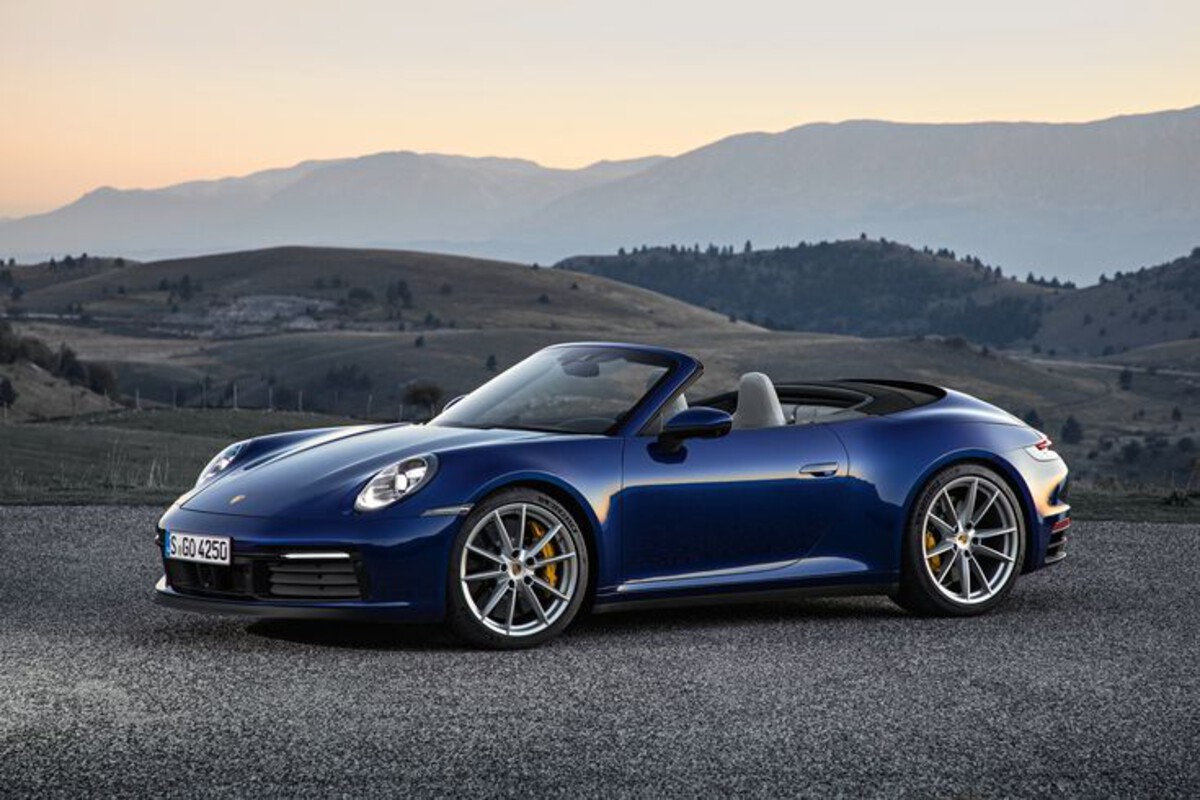
The Porsche 911 is one of the rare automobiles that has managed to maintain a strong cultural and automotive presence for over five decades. From its debut in the mid-1960s, it has been instantly recognizable thanks to its distinct silhouette, rear-engine layout, and timeless proportions.
While many car designs fall prey to fads or radical overhauls, the 911’s evolution has been more like a steady refinement. Each new generation honors the original’s DNA while carefully introducing modern technology, better performance, and improved comfort. This consistent approach has helped the 911 avoid the trap of becoming a product frozen in time or, conversely, a chameleon chasing every passing trend. Its image is ingrained in automotive history, yet it continues to feel current.
Beyond its design, the 911’s driving dynamics remain unmatched in its segment. Porsche has been able to balance its sports car heritage with daily usability. Unlike many other performance cars that sacrifice comfort or ease of use, the 911 can be driven casually around town or pushed hard on the track without losing its composure.
The rear-engine layout, once considered challenging, has been refined with advanced engineering, including active suspension and electronic aids, to improve handling while preserving the unique feel enthusiasts crave. This combination of heritage and cutting-edge performance has ensured the 911 stays relevant to new generations of drivers, each discovering what makes it special.
Culturally, the 911 has become a symbol of aspiration and good taste. It’s a car admired by collectors, motorsport fans, and everyday drivers alike. Its appearances in popular media, from films to video games, have only amplified its iconic status.
Owning a 911 signals not just wealth or status but also an appreciation for engineering and design excellence. Porsche’s careful stewardship of the model has cultivated this image, and it’s why the car commands respect across various social and cultural groups. Even among luxury cars and sports cars that come and go, the 911 has become something of a standard bearer, a reference point for both enthusiasts and casual admirers.
Financially, the 911’s value retention is another testament to its lasting appeal. Many classic cars lose value with age, but select 911 models have become highly sought-after collectibles, with prices rising steadily for well-maintained examples. The market for older air-cooled 911s, for example, is particularly strong, and even recent generations hold their value better than many modern competitors.
This stability adds to the desirability, as owners can view their purchase not just as a car but as an investment. The 911’s ability to stay trendy is not only about aesthetics and driving experience but also about its standing in the collector and enthusiast markets, which often shape long-term perceptions of automotive relevance.

2. Toyota Land Cruiser
The Toyota Land Cruiser has earned its place as one of the most enduring vehicles in automotive history, largely thanks to its reputation for ruggedness, reliability, and timeless design. Created as a military and utilitarian vehicle, the Land Cruiser evolved into a highly capable SUV that has earned loyal followers worldwide.
What sets it apart from many other SUVs is its steadfast focus on performance and dependability over style or fleeting trends. It’s the kind of vehicle that, whether in a remote desert or a suburban driveway, commands respect due to its proven ability to endure harsh conditions and continue running reliably for hundreds of thousands of miles.
Design-wise, the Land Cruiser’s simple and robust exterior aesthetic plays a crucial role in its lasting appeal. It eschews dramatic styling cues and instead relies on a boxy, upright form that suggests utility and strength. This kind of design often ages better than more complicated or flashy styling, because it avoids tying itself to a specific era’s visual language.
The Land Cruiser’s proportions and presence have remained consistent, lending the vehicle an almost iconic status. It’s a look that communicates seriousness and capability, qualities that resonate with buyers looking for a trustworthy vehicle rather than a style statement.
The Land Cruiser’s mechanical durability and off-road prowess have cemented its legendary status, especially in regions where dependable transportation is essential. Its body-on-frame construction, solid axles, and powerful yet reliable engines make it capable of tackling terrains that would defeat less robust competitors.
In addition to its ruggedness, Toyota has managed to keep the Land Cruiser modern by introducing updated technology and comfort features in a measured way. Rather than rushing to add every new gadget, Toyota focuses on improving reliability, safety, and ride quality.
The interiors have evolved to include luxurious touches while maintaining a functional layout. This thoughtful approach makes the Land Cruiser feel contemporary enough to meet current expectations without alienating its core fans. The vehicle’s ability to balance tradition and innovation allows it to remain relevant for a broad spectrum of customers, from adventure seekers to luxury SUV owners.
3. Mazda MX-5 Miata
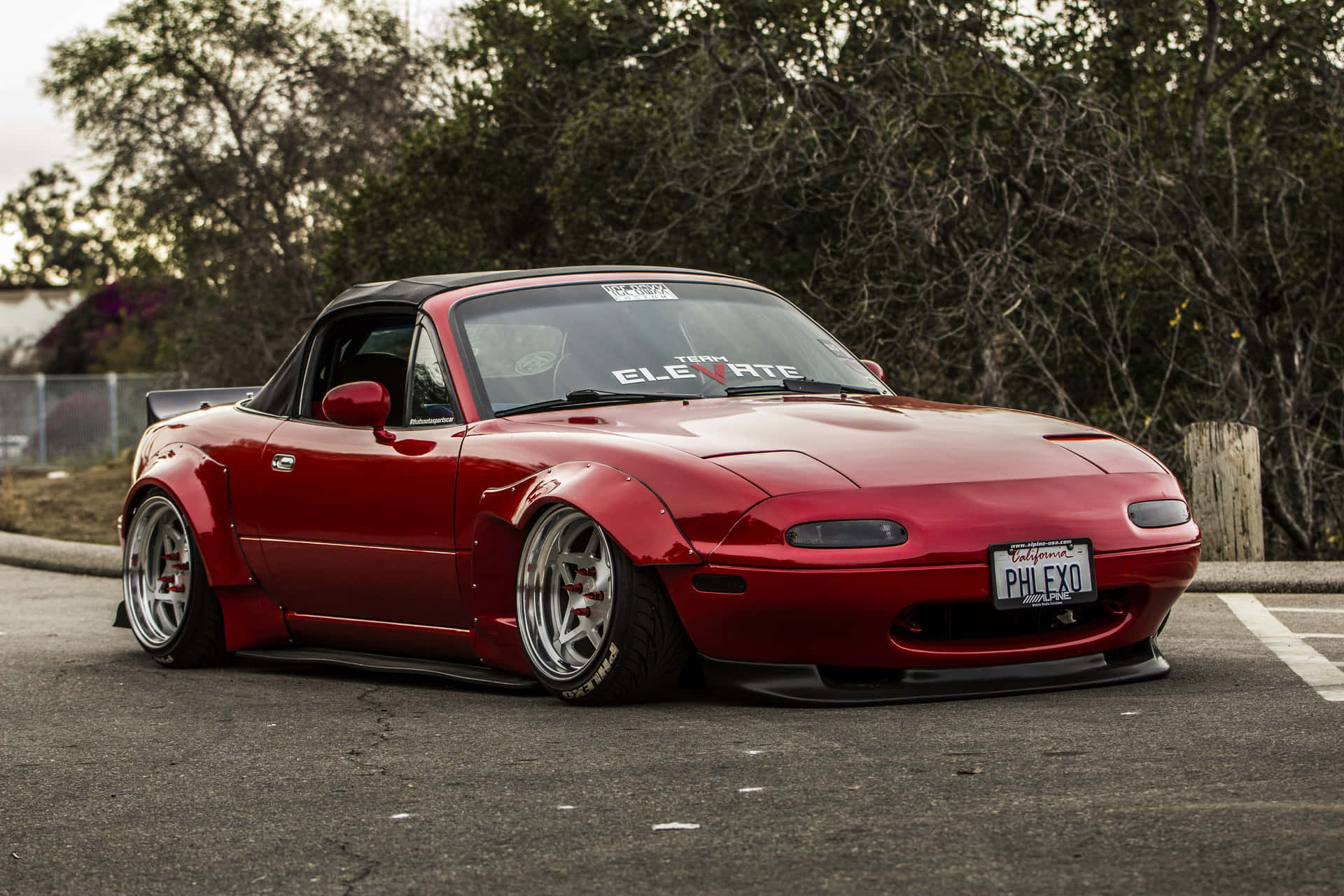
Since its introduction in 1989, the Mazda MX-5 Miata has been synonymous with simple, pure driving pleasure. Unlike many sports cars that focus on high power outputs or exotic looks, the Miata offers a lightweight, balanced platform that emphasizes driver engagement. Its enduring popularity stems from this fundamental philosophy: driving enjoyment doesn’t have to be complicated or expensive. This approach has allowed the Miata to transcend trends and fads, making it a timeless icon among sports cars.
The Miata’s design is another reason it remains fresh in appearance even after decades. Its compact dimensions, low stance, and open-top layout give it a classic roadster silhouette that harks back to British sports cars of the 1950s and 1960s.
However, Mazda’s clean, modern touches ensure the Miata never looks outdated or retro in a forced way. Instead, each generation evolves subtly, maintaining the core proportions and shapes that make the Miata instantly recognizable while improving aerodynamics, lighting, and materials. This design consistency helps earlier models blend seamlessly with newer ones, creating a lineage of cars that feel connected through time.
Functionally, the Miata is a driver’s car in the truest sense. It typically comes with a responsive manual transmission, rear-wheel drive, and near-perfect weight distribution. These characteristics create a level of connection between driver and machine that is increasingly rare in the era of electronic driver aids and heavy safety equipment.
The Miata’s lightness and agility allow it to respond to inputs with immediacy, making it rewarding to drive on twisty roads and track days alike. This purity of experience appeals to a wide demographic, from novice drivers discovering their passion to seasoned enthusiasts seeking an affordable, fun car.
Finally, the Miata’s extensive community of enthusiasts and aftermarket support plays a large role in its ongoing relevance. Owners form clubs, organize events, and share modifications that keep the car exciting and fresh long after purchase. The availability of parts and ease of maintenance mean that many Miatas on the road today have been lovingly upgraded or restored.
4. Range Rover (Classic and Modern Models)
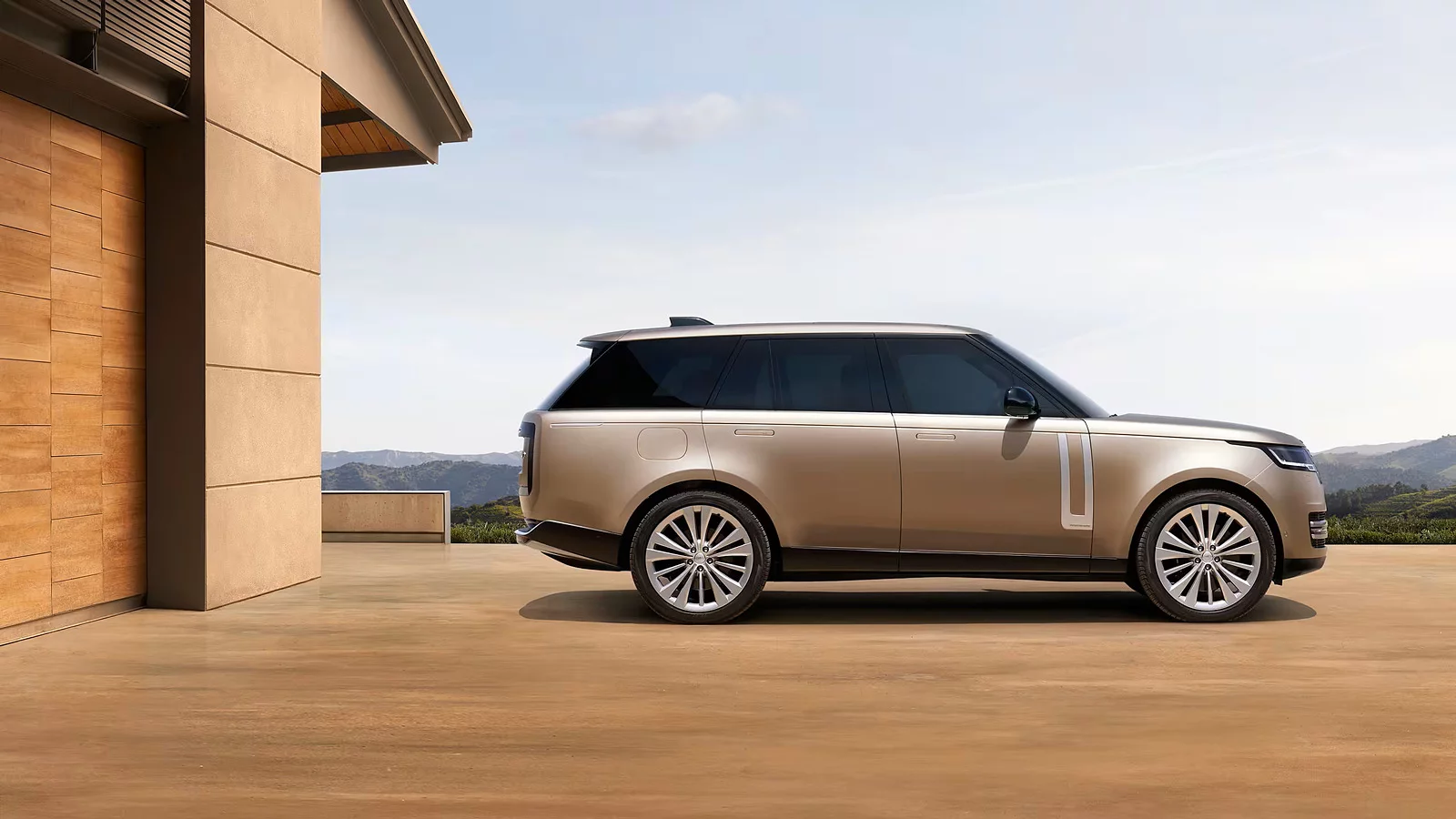
The Range Rover has carved out a unique niche in the luxury SUV market by combining rugged off-road capability with refined luxury and a design that remains both distinctive and timeless. Since its launch in the early 1970s, the Range Rover has embodied a sense of British elegance mixed with practicality.
While many luxury SUVs come and go, the Range Rover has consistently stayed relevant by carefully balancing tradition with innovation, ensuring it never feels outdated despite rapid advancements in automotive technology.
A big part of the Range Rover’s longevity comes from its restrained yet purposeful design. Its boxy shape, large windows, and clean surfaces create a vehicle that commands attention without relying on flashy styling or gimmicks. The design is imposing but not aggressive, conveying an air of quiet confidence and capability.
Unlike many SUVs that periodically adopt more dramatic styling trends to appeal to younger buyers, the Range Rover evolves slowly. It builds on its classic shape rather than reinventing itself, which helps maintain its timeless appearance. Even models from decades ago retain a sense of presence and dignity on the road.
The interior of the Range Rover also plays a significant role in its staying power. The cabin balances luxury and simplicity, emphasizing high-quality materials, spaciousness, and comfort. Rather than overwhelming drivers with an excess of screens and buttons, Land Rover has opted for an elegant, driver-focused layout that prioritizes ease of use and refinement.
This approach means older Range Rovers don’t feel as dated as some competitors, whose interiors can look cluttered or futuristic in a way that doesn’t age well. The sense of craftsmanship and attention to detail create a premium experience that continues to feel relevant.
From a capability standpoint, the Range Rover has always been at the top of its class. Its legendary off-road performance, aided by advanced all-wheel-drive systems and adjustable air suspension, has earned it a loyal following.
5. Honda Civic (Especially the Si and Type R)
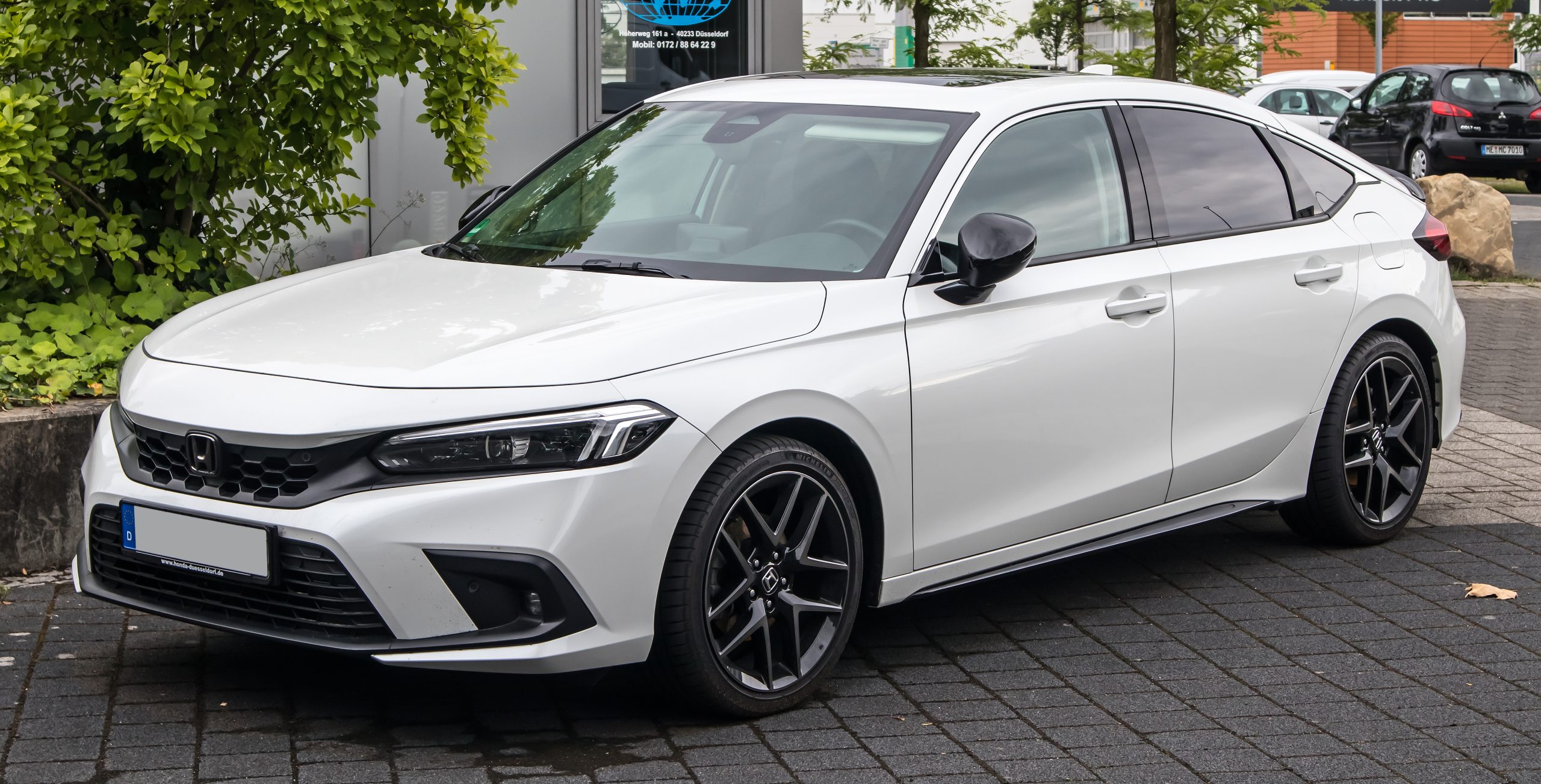
The Honda Civic is one of the longest-running and most versatile compact cars in the automotive world, but its appeal goes far beyond basic transportation, especially in the sportier Si and Type R variants. These models represent the fusion of Honda’s reputation for reliability and efficiency with a passion for driving excitement and precision engineering.
While many compact cars are aimed solely at economy or utility, the Civic Si and Type R have cultivated a loyal following by offering a genuinely thrilling experience at an attainable price point. This blend of performance and practicality helps the Civic remain relevant and desirable year after year.
Styling has played a critical role in keeping the Civic fresh. Over its many generations, the Civic has gone through various design phases, some more polarizing than others. The recent Si and Type R models have found a balance between aggressive and refined styling.
The Type R, with its prominent rear wing, flared fenders, and sporty accents, makes a bold statement without feeling overdone. The Si, meanwhile, offers a more subtle, sporty look that appeals to a broader range of buyers who want a performance car without shouting about it. This range allows the Civic to maintain its appeal across different tastes and demographics, avoiding the risk of alienating potential customers.
The Civic’s performance credentials are more than skin-deep. Honda has engineered these models to deliver sharp handling, responsive steering, and strong engine performance. The manual transmissions remain a highlight for enthusiasts who appreciate direct control and engagement.
The Type R, in particular, has been lauded for its track-ready suspension and turbocharged powertrain, making it one of the most affordable cars capable of real performance on and off the racetrack. This level of engineering excellence keeps the Civic Si and Type R competitive with higher-priced rivals, ensuring they remain relevant in the performance compact segment.
Finally, the Civic benefits from a passionate and active community that supports the car long after purchase. Owners often participate in track days, autocross events, and modification projects that extend the car’s capabilities and life span. The extensive aftermarket ecosystem provides a wealth of parts and tuning options, allowing owners to personalize and upgrade their Civics.
This ongoing engagement keeps the car in the spotlight within enthusiast circles and beyond, creating a virtuous cycle where the car stays desirable and trendy because it is part of a larger culture. The Honda Civic Si and Type R have transcended their humble origins to become icons of accessible performance, proving that a compact car can be both practical and exciting.
5 Cars That Aged Overnight
1. Nissan Juke
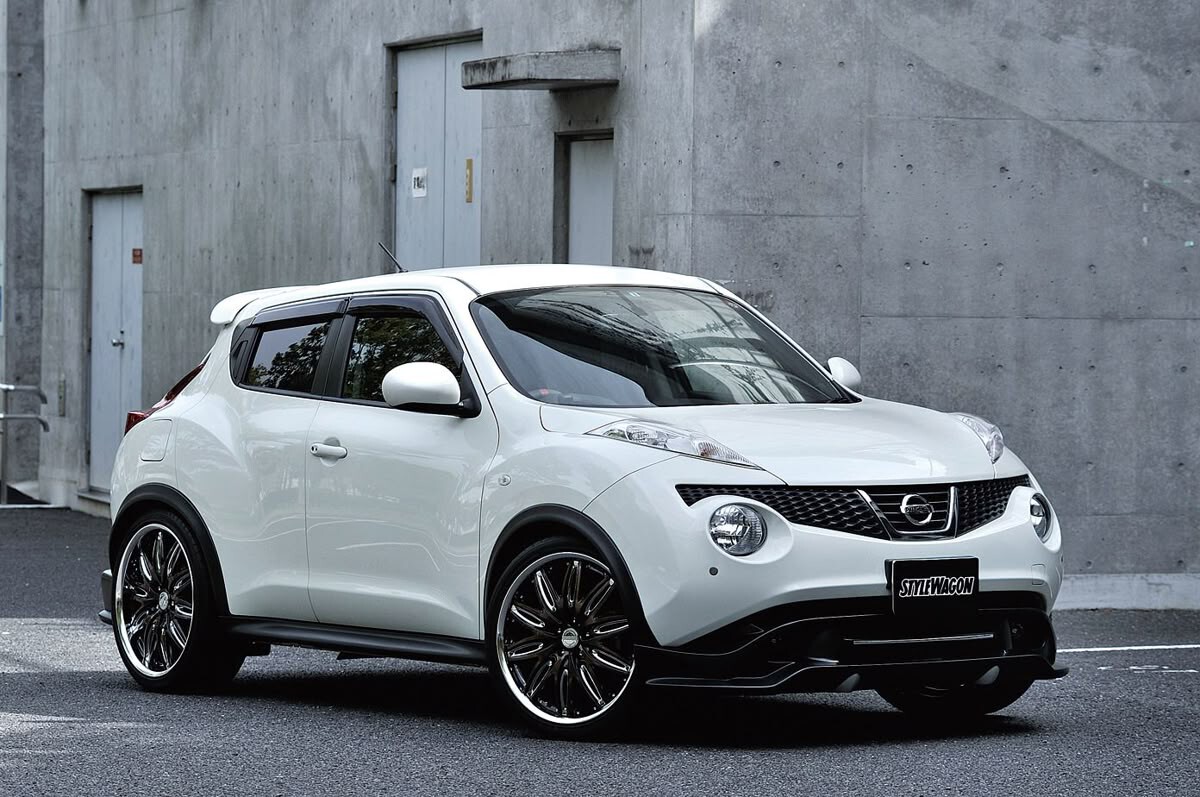
The Nissan Juke burst onto the scene with an unmistakable and unconventional design that immediately divided opinions. When it first appeared, its quirky, bulbous shape, oversized round headlights, and aggressive styling made it stand out in a crowded compact crossover market.
At the time, its bold appearance was considered fresh and unique, attracting buyers who wanted something different from the typical boxy or bland SUVs. Nissan aimed to appeal to younger buyers with a fun and funky alternative, and initially, the Juke succeeded in carving out its own niche. However, this distinct styling quickly became polarizing as tastes changed rapidly.
Over the years, the Juke’s design began to feel dated and cartoonish rather than quirky and cool. The exaggerated curves, unusual headlight placement, and cramped proportions didn’t age gracefully, especially as competitors embraced more refined, sleek designs.
What was once considered playful started to appear awkward and unattractive, causing many potential buyers to overlook the Juke in favor of more conventional crossovers. The model’s styling proved to be a case where trying too hard to be different worked against it in the long run, highlighting how extreme designs can become a liability when market trends shift.
Mechanically, the Juke was also a mixed bag. While it offered decent performance and decent fuel economy, it never truly excelled in areas like interior quality, cargo space, or driving comfort. As rivals improved their cabins with better materials and more space, the Juke began to look and feel cramped and outdated inside.
Technology and infotainment features lagged behind newer models, contributing to the impression that the car was no longer keeping pace with customer expectations. This disconnect between style and substance meant that even as its looks aged poorly, the Juke’s package also fell short compared to the competition.
Nissan eventually replaced the original Juke with a completely redesigned model that embraced a more modern and less divisive aesthetic. While this move helped Nissan regain some appeal in the small crossover segment, the original Juke’s legacy remains a cautionary tale about how an over-the-top design can lead to rapid obsolescence.
The Juke’s overnight aging is a reminder that being visually striking is not enough; it must also resonate with lasting appeal, practicality, and evolving market demands. For many, the original Juke remains a car that seemed fun and different for a moment but quickly lost its charm as styles changed.
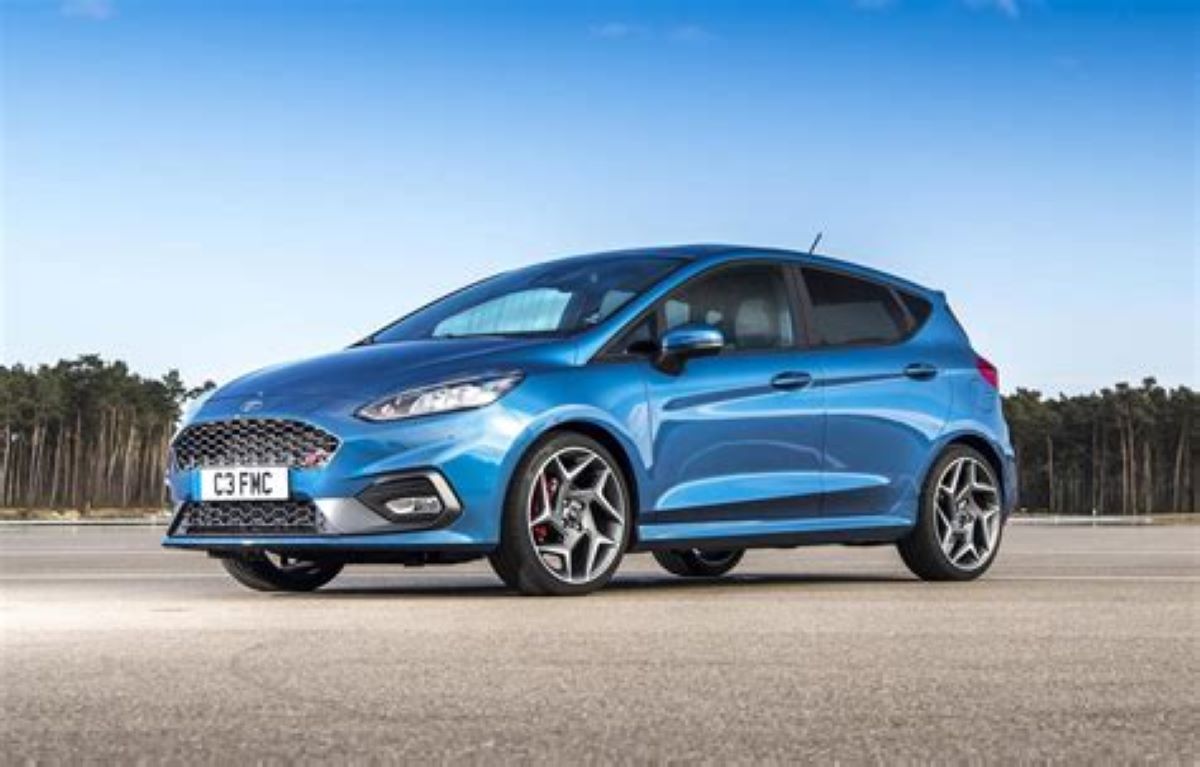
2. Ford Fiesta (Especially the Sixth Generation)
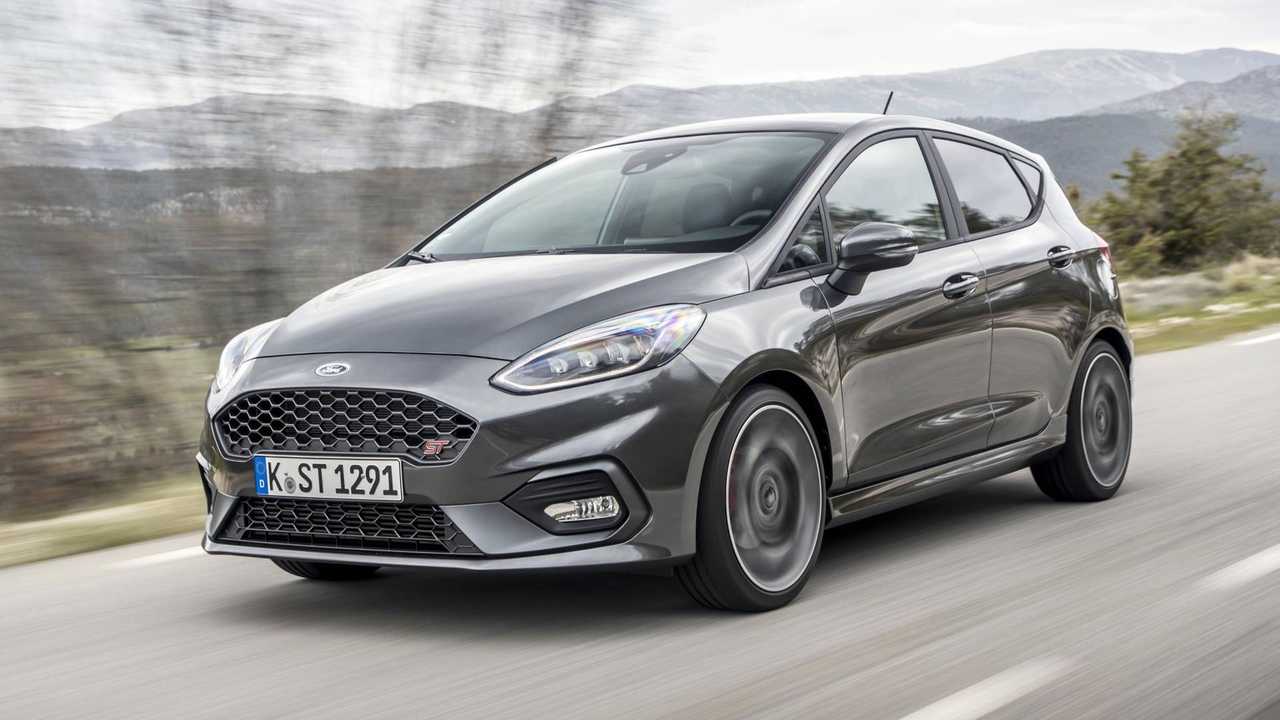
The sixth-generation Ford Fiesta arrived with high hopes, combining sporty looks, modern technology, and a reputation for being an affordable and efficient subcompact. Initially, it was praised for its lively handling, comfortable interior, and sharp design cues borrowed from larger Ford models.
However, the styling and package did not withstand the test of time as well as anticipated. What felt fresh and dynamic upon release started to look tired and bland only a few years later, leading many to view the Fiesta as a car that lost its edge much faster than competitors.
One of the main issues was the rapidly evolving small car market, where rivals such as the Hyundai Accent and Honda Fit pushed forward with bolder designs and improved interiors. While the Fiesta’s exterior looked sleek at first, it quickly became overshadowed by newer models with more distinctive shapes and contemporary aesthetics.
Additionally, the interior, though functional, lacked the refinement and spaciousness that other competitors offered. The plastic-heavy cabin and aging infotainment system made the car feel less modern as the years went on, accelerating the perception that the Fiesta had become outdated almost overnight.
Performance-wise, the Fiesta was generally reliable and enjoyable to drive, but it was never class-leading in any particular area. The engines offered modest power and fuel economy, but without standout characteristics that could keep the car competitive in a segment known for constant innovation.
Moreover, Ford’s decision to discontinue the Fiesta in key markets like the United States reduced its visibility and relevance. With the model being phased out and many rivals continuing to improve, the Fiesta’s rapid aging was exacerbated by its shrinking presence in important automotive markets.
In the end, the sixth-generation Ford Fiesta serves as an example of a car that started strong but failed to maintain momentum in a highly competitive and fast-moving segment. Its relatively conservative evolution and lack of long-term updates meant it couldn’t keep pace with customer expectations or changing market dynamics.
3. Chevrolet Cruze
The Chevrolet Cruze entered the compact sedan segment with the intention of revitalizing Chevy’s presence in a crowded market dominated by Japanese and Korean automakers. When it launched, it was praised for its solid build quality, comfortable ride, and reasonable fuel economy.
Initially, the Cruze looked modern and competitive, offering advanced features and a stylish design that gave it a chance against stalwarts like the Honda Civic and Toyota Corolla. However, the Cruze’s appeal began to diminish rapidly within a few years due to several factors, leading to a sharp decline in interest.
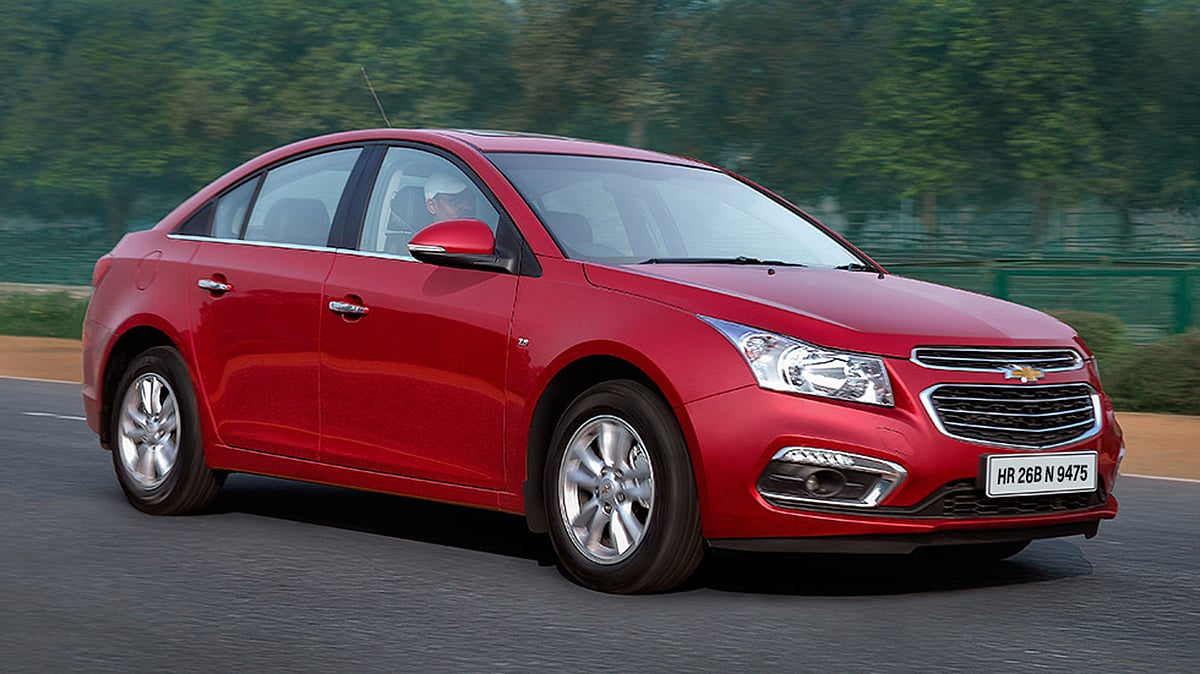
One of the most significant reasons the Cruze aged poorly was its exterior design. While it was contemporary at launch, the styling quickly became uninspiring and dull as competitors introduced fresher, more aggressive designs.
The Cruze’s front grille and shape began to feel generic and forgettable, which hurt its ability to stand out in a segment where appearance matters. Buyers looking for a compact sedan with some personality often skipped the Cruze in favor of rivals with more distinctive looks. This lack of design evolution or refreshing updates hastened its fall from grace.
Inside, the Cruze also suffered from aging materials and technology. Though initially equipped with competitive features, the interior quality did not improve significantly over its production run. Compared to newer models from Hyundai, Kia, and Mazda, the Cruze felt less refined and somewhat outdated.
Infotainment systems became less user-friendly over time, and the cabin’s plastics and finishes failed to impress as consumer expectations grew. The interior’s decline in perceived quality contributed heavily to the car’s rapid loss of appeal.
Mechanical issues and recalls further damaged the Cruze’s reputation. While generally reliable, some engine and transmission problems emerged that led to customer dissatisfaction. As word spread, buyers became wary of investing in a car that seemed to be slipping in reliability.
4. Mitsubishi Outlander (Earlier Generations)
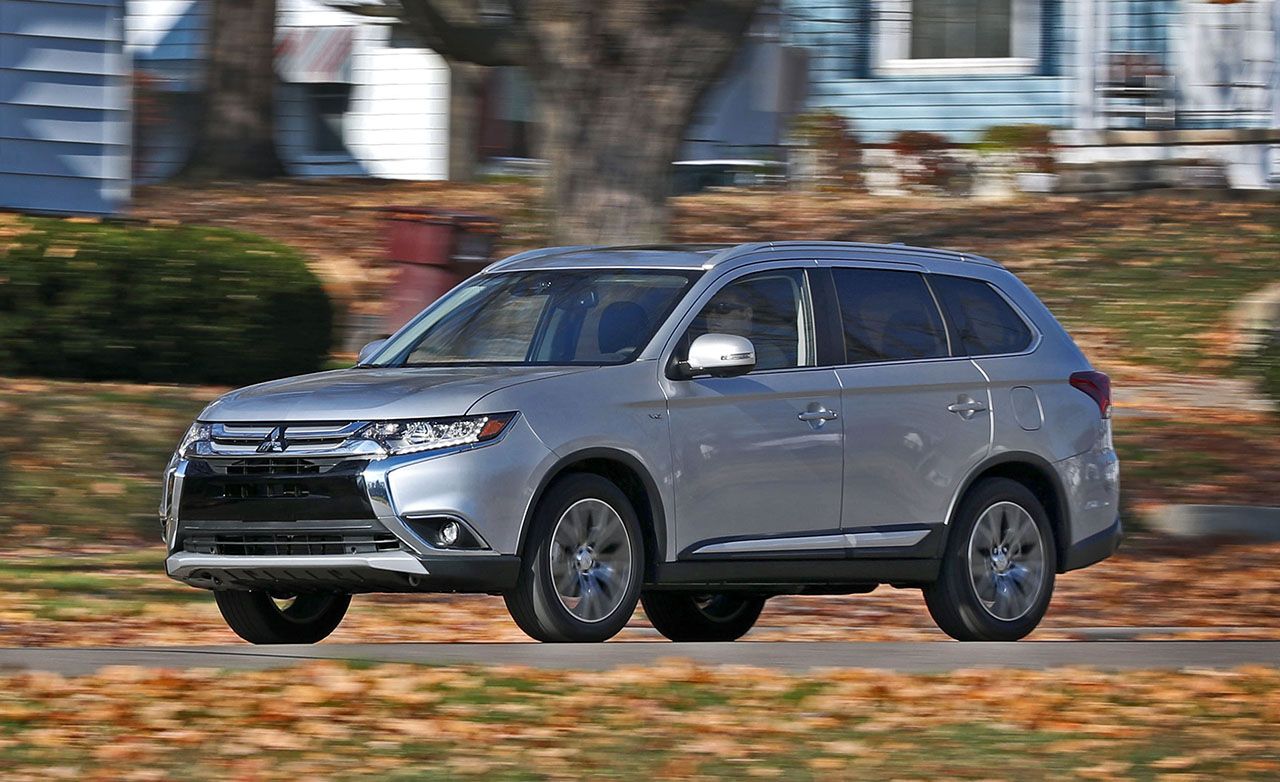
The Mitsubishi Outlander once held promise as a versatile and affordable crossover SUV, targeting families and buyers seeking a capable but budget-friendly alternative. Early generations of the Outlander offered respectable interior space, decent off-road capability, and a relatively low price point, which initially attracted a fair number of customers.
However, over time, the model struggled with outdated styling, lackluster interiors, and weak performance compared to newer rivals. The Outlander aged badly, failing to keep pace with rapid improvements in the crossover segment.
Visually, the earlier Outlanders featured blocky and uninspired designs that lacked the polish and sophistication increasingly demanded by SUV buyers. As competitors embraced sleek, aerodynamic shapes and more refined aesthetics, the Outlander’s styling felt clunky and old-fashioned.
Its somewhat awkward proportions and basic detailing meant it didn’t age well, especially in a segment that values appearance as much as practicality. This visual decline made it harder for Mitsubishi to attract new buyers or maintain enthusiasm among existing customers.
Inside, the Outlander lagged behind in terms of quality and features. The cabins of earlier models were often criticized for cheap plastics, uninspired layouts, and insufficient technology offerings. As infotainment systems became a key selling point for crossovers, the Outlander’s dated interfaces and limited connectivity options became glaring weaknesses.
Comfort and noise insulation were also below average, making longer trips less enjoyable compared to rivals that invested more heavily in cabin refinement. These shortcomings led to a perception that the Outlander was an aging vehicle stuck in the past.
Mechanically, the Outlander’s engines and transmissions often felt underpowered or unrefined, especially as other manufacturers introduced turbocharged engines and more efficient drivetrains. While the Outlander offered practical features like available all-wheel drive, it rarely impressed in terms of driving dynamics or fuel economy.
This lack of mechanical advancement contributed to its rapid decline in relevance. Mitsubishi has since worked to improve the Outlander in later generations, but the earlier models remain an example of a vehicle that aged poorly because it didn’t evolve with the segment’s growing expectations.
5. Fiat 500 (Original Modern Reboot)
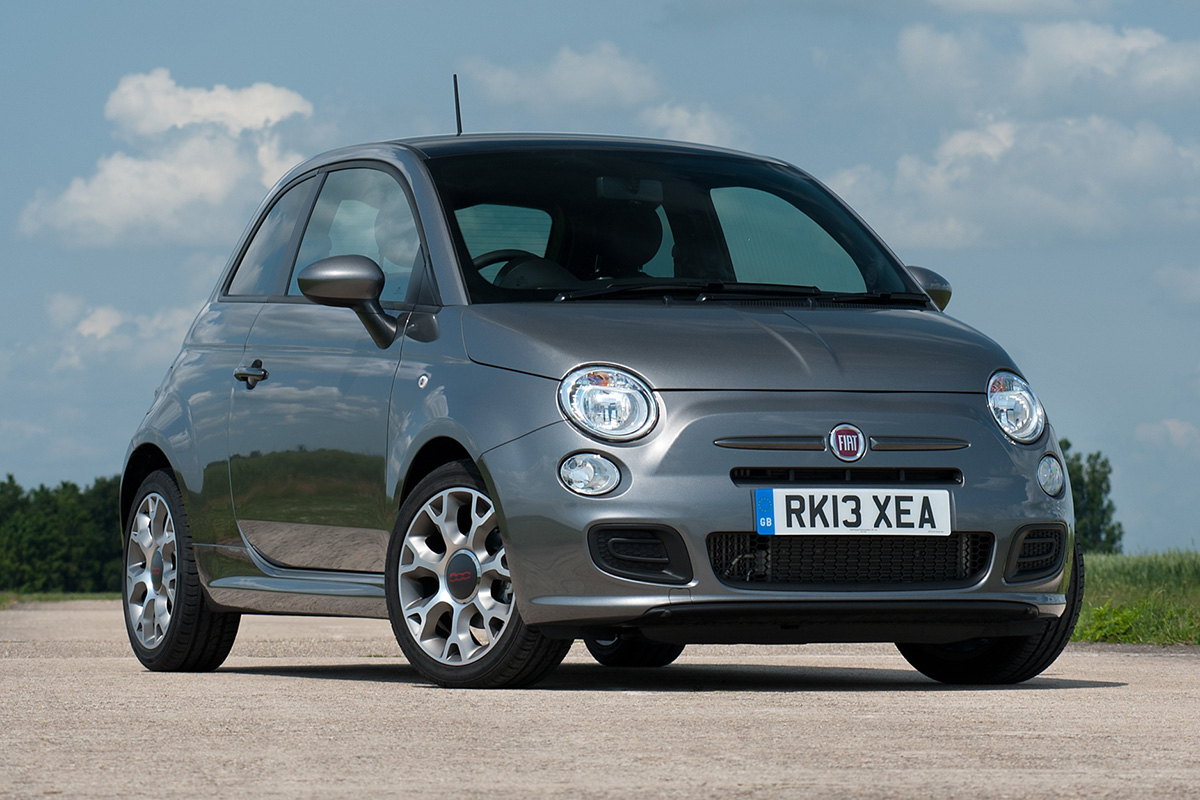
When Fiat reintroduced the Fiat 500 in the mid-2000s, it was met with enthusiasm as a stylish, retro-inspired city car that promised a fresh alternative to larger, more mundane vehicles. Its small size, charming design, and European flair helped it quickly gain attention in urban markets. However, despite its initial success and appeal, the modern Fiat 500’s package revealed significant shortcomings that made it age poorly, especially in terms of practicality, performance, and quality.
The design, while cute and nostalgic, eventually started to feel more like a novelty than a serious choice for everyday driving. The 500’s compact footprint made parking easy but compromised interior space and cargo capacity.
Buyers looking for a functional car often found the tiny cabin cramped, with rear seats that were too small for adults and limited storage options. As competitors introduced similarly sized cars with more practical layouts, the Fiat 500’s appeal diminished. Its charm couldn’t fully compensate for the compromises inherent in such a small vehicle.
Performance was another area where the 500 struggled. The engines, while efficient, lacked power and refinement, especially compared to newer rivals offering turbocharged options and improved transmissions. The ride quality was often criticized for being stiff or harsh, which detracted from the comfort expected in daily urban driving.
Additionally, the 500’s handling, while nimble, wasn’t enough to satisfy drivers seeking a more engaging or versatile experience. Over time, these factors contributed to the car feeling outdated, especially as consumer preferences shifted toward more practical small cars or crossover SUVs.
Finally, reliability and build quality concerns hurt the Fiat 500’s reputation. Early models were plagued by issues such as electrical faults, trim fitment problems, and less-than-stellar long-term durability. These problems undermined buyer confidence and made the car less competitive in markets where reliability is paramount.
Even though Fiat worked to improve quality over time, the initial impressions lingered, accelerating the 500’s perceived obsolescence. While the Fiat 500 remains a beloved icon for some, it stands as an example of a car that aged overnight due to compromises between style and substance.
