
Choosing a cheap car doesn’t mean you have to settle for poor quality. Many buyers believe that inexpensive vehicles are guaranteed to come with problems, cut corners, and compromises, but that’s not always true. Some manufacturers have consistently delivered surprisingly well-built cars in the lower price ranges, making them smart choices for anyone on a budget.
At the same time, some cars appear appealing at first glance but end up being constant sources of trouble, expensive repairs, and frustration. Knowing the difference between the two can make or break your experience as a car owner, especially if you depend on your vehicle daily or can’t afford regular trips to the repair shop.
The challenge for many car buyers is separating marketing from reality. Just because a vehicle is marketed as reliable or loaded with features doesn’t mean it will age well or handle long-term use. There are budget cars that come with sturdy interiors, solid engine choices, and dependable parts.
These cars might not be flashy, but they’re practical, efficient, and often surprisingly durable. On the other hand, some cheap cars fall apart quickly. They may have design flaws, unreliable transmissions, or poor safety ratings. Many people have bought these cars expecting to save money, only to spend more on maintenance and repairs than they would have on a more expensive but better-built vehicle.
Another important factor is how a car holds up over time. Some brands have a reputation for lasting beyond expectations, even when driven hard or used for daily commuting in tough environments. Others might look good for the first year or two, but then begin to show signs of weak construction.
This can come in the form of rattling interiors, mechanical issues, or electronics that stop working properly. Even things like seat fabric, door panels, and dashboard materials can be indicators of whether a car was built with care or rushed into production with cost-cutting in mind. Buyers who take the time to research, compare owner experiences, and look at long-term reliability reports usually have better luck with their choices.
In this article, we’ll compare five affordable cars that are known for their high build quality and reliability with five cheap cars that consistently fall short in those same areas. Each car listed below represents a larger pattern in the automotive world, and understanding these patterns will help you make smarter decisions, whether you’re buying new or used.
Cheap Cars That Offer Top-Tier Build Quality
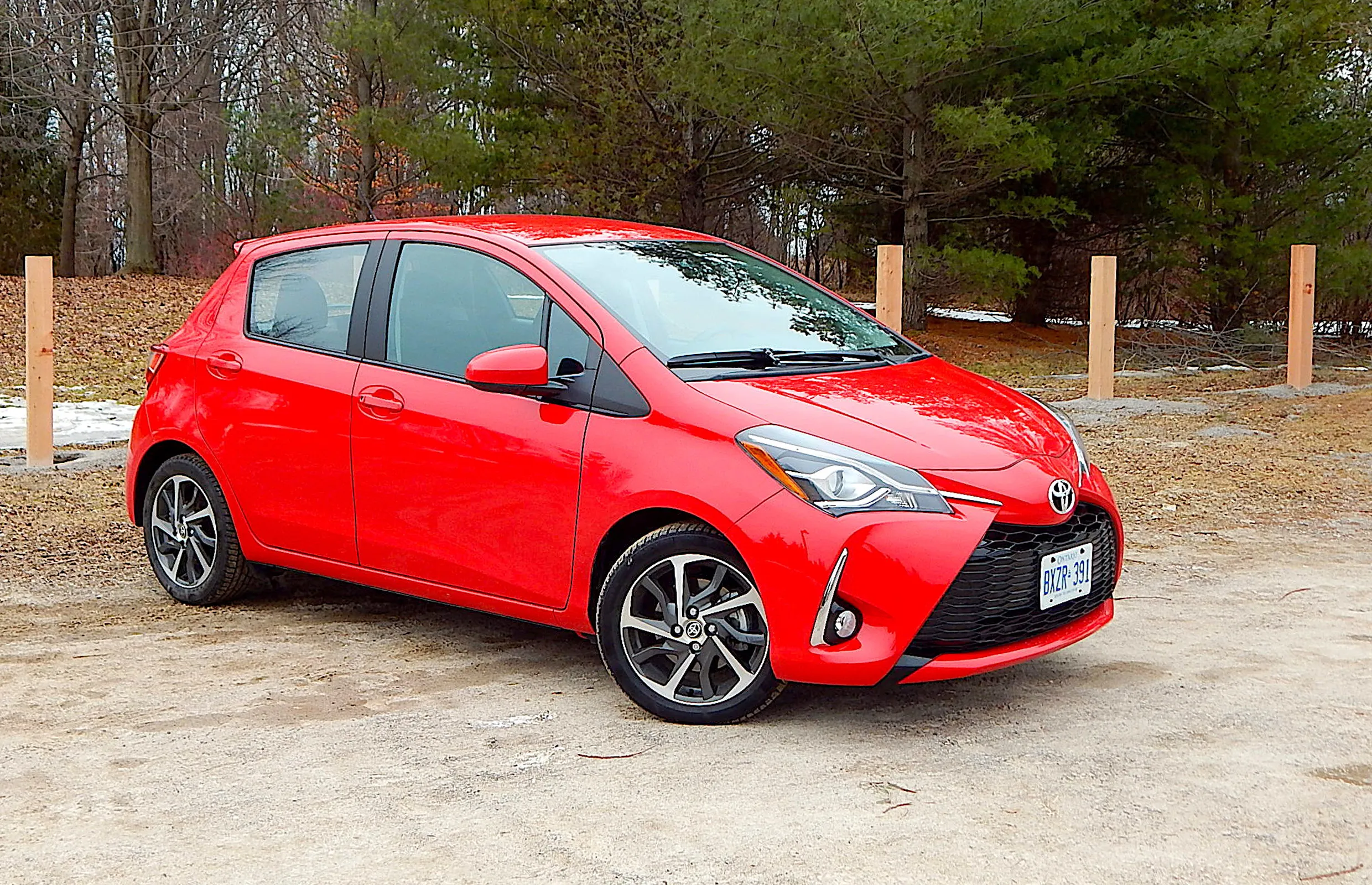
1. Toyota Yaris
The Toyota Yaris has earned a reputation for offering a level of durability and reliability that rivals cars twice its price. At first glance, it may not seem like anything special. It’s compact, it’s modest, and it rarely turns heads. But beneath that simple design lies one of the most resilient platforms ever offered in a budget car.
Toyota engineers designed the Yaris with longevity in mind, using proven parts that had already been field-tested in other successful Toyota models. The engine, often a small 1.5-liter four-cylinder, is known for being nearly indestructible when maintained properly. Owners have routinely driven their Yaris past the 200,000-mile mark without any major issues, which is a rare feat in the world of budget vehicles.
What makes the Yaris even more impressive is its interior construction. Toyota doesn’t use luxurious materials in this car, but the parts they choose are built to last. The dashboard, seats, climate controls, and switches all have a sturdy feel to them, and they continue to function properly even after years of exposure to sun, heat, and frequent use.
While some cars in this price range suffer from fading plastics or loose interior fittings over time, the Yaris holds everything together. It’s not flashy, but everything is where it should be and stays there for the long haul. There’s also a surprising amount of insulation for such a small vehicle, which helps with cabin noise and gives the impression of a more refined car.
Another area where the Yaris shines is maintenance. Because Toyota built this car with global use in mind, parts are widely available and relatively inexpensive. Mechanics are familiar with the systems, and repairs rarely require specialized tools or hard-to-find components.
Basic upkeep such as oil changes, brake replacements, and belt servicing can be done quickly and affordably. Even in markets where labor is expensive, the low complexity of the Yaris means bills stay reasonable. Owners don’t need to worry about strange warning lights or complex electronic systems failing suddenly, which is a huge relief for those looking to avoid unexpected costs.
The real value in the Yaris becomes clear after a few years of ownership. While some budget cars begin to degrade, both in feel and function, the Yaris maintains its integrity. The car’s resale value remains high, and owners often pass it down within families rather than selling it off.
That speaks volumes about how much people trust it. Many cars feel like temporary solutions to transportation problems, but the Yaris feels more like a long-term partner. Its build quality may not impress car enthusiasts, but for people who just want something they can depend on for years without major headaches, it remains one of the best cheap options on the road.
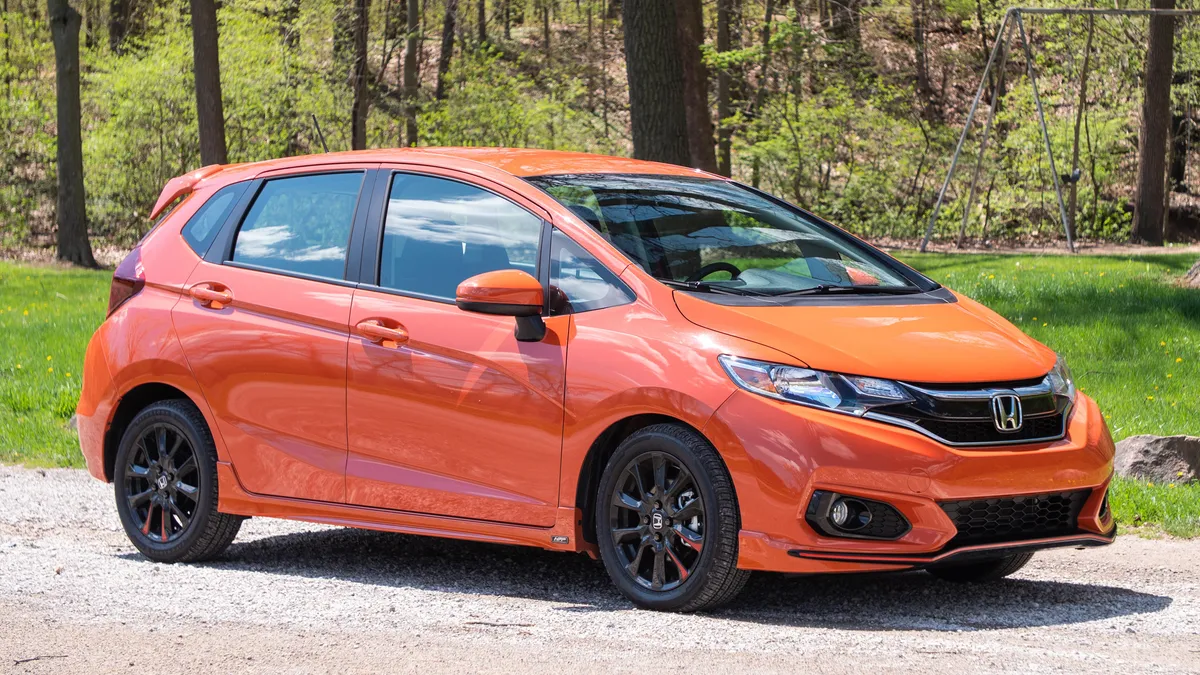
2. Honda Fit
The Honda Fit has long been regarded as one of the most intelligent automotive designs in its class. It blends efficiency, space, and reliability in a way few budget cars have managed. The magic of the Fit lies in how well everything is packaged.
From the outside, it looks like a small hatchback, but inside, it offers a cargo capacity and passenger comfort that rivals some compact SUVs. This is thanks to Honda’s unique seat-folding system, known as the “Magic Seat,” which not only folds flat but can also flip up vertically to create more floor space. The fact that this complex system has remained reliable over the years is a testament to Honda’s focus on quality.
From a build standpoint, the Fit sets itself apart from the moment you sit in the driver’s seat. The steering wheel, controls, and shifter all feel more refined than what’s typically found in budget cars. The materials don’t try to mimic luxury, but they are soft where it matters and durable where it counts.
Mechanically, the Fit is one of the most trusted subcompact vehicles ever sold. Its four-cylinder engine is simple but highly efficient and incredibly reliable. Honda engineers have always prioritized ease of service and mechanical durability in their smaller engines, and this shows in the Fit’s consistent reliability ratings.
Driving the Fit also reveals how much thought went into the suspension and chassis tuning. It feels nimble and sharp, especially in urban settings, but also manages to stay composed on longer highway drives. Many cheap cars sacrifice handling for cost, but Honda made sure the Fit still delivered a responsive and comfortable ride.
This level of precision, combined with a reputation for lasting well beyond 150,000 miles without serious issues, makes the Fit one of the best-built small cars available. Even though Honda discontinued the Fit in some markets, used models continue to hold their value extremely well, which speaks volumes about the respect this car has earned over the years.
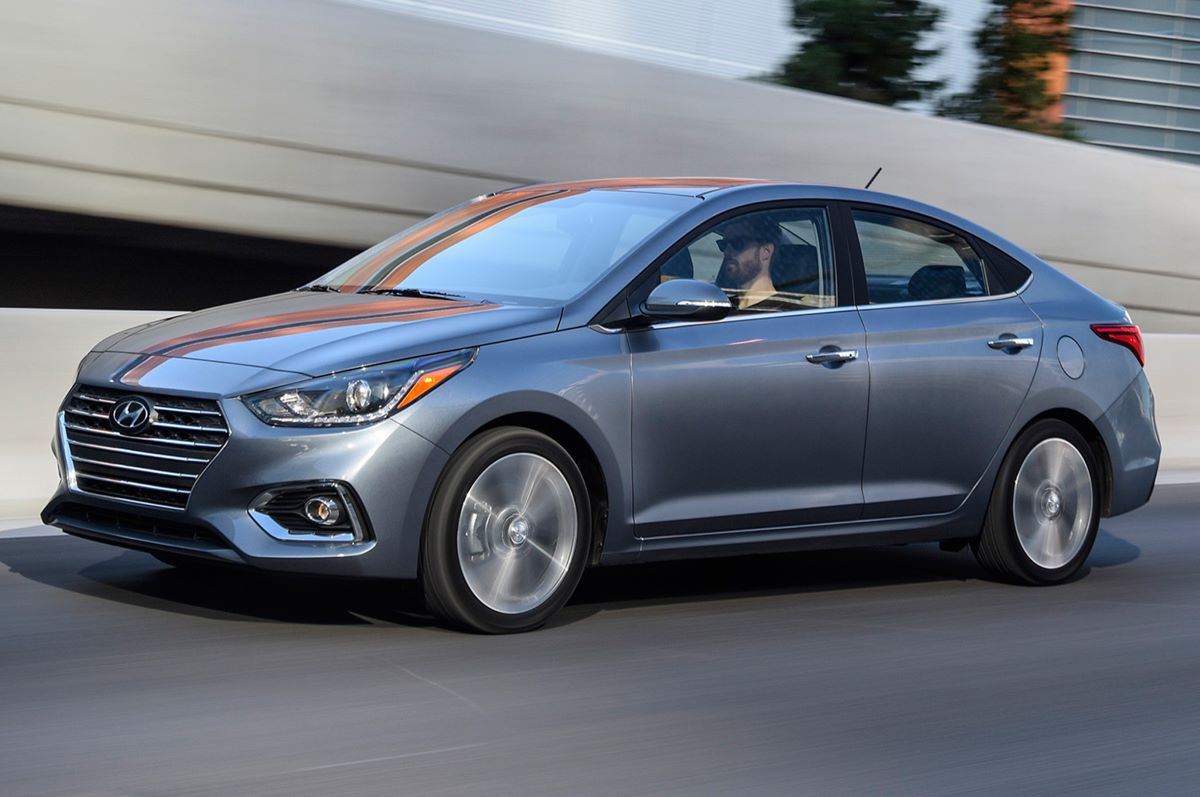
3. Hyundai Accent (Recent Models)
The Hyundai Accent has undergone one of the most impressive transformations of any budget car in recent memory. Once written off as a cheap economy car built with minimal effort, it now stands as a symbol of how far Hyundai has come in terms of engineering and manufacturing quality.
Recent models of the Accent feature a level of refinement that was unheard of in its segment a decade ago. The car no longer feels like a placeholder until you can afford something better. Instead, it feels like a smart, long-term solution that delivers far more than its price suggests.
The seats are comfortable enough for longer trips, and the driving position is well-configured, offering good visibility and easy access to controls. This gives the car a more premium feel, even if it doesn’t feature the fancy tech of pricier vehicles.
Under the hood, Hyundai kept things simple and smart. The Accent typically features a 1.6-liter four-cylinder engine paired with either a six-speed manual or an efficient automatic. It’s not a car designed for speed, but it’s more than capable of keeping up with traffic while returning excellent fuel economy.
More importantly, the engine and transmission combo is reliable and proven. Hyundai has invested heavily in quality control over the past decade, and it shows. Common failure points have been addressed, and many owners report their Accents running smoothly well past the 100,000-mile mark with only routine maintenance.
Hyundai also backs up their cars with one of the best warranties in the industry. This is a strong indication that the company is confident in the product. For buyers, that means peace of mind. The Accent doesn’t try to be exciting or flashy. It focuses on being consistent, dependable, and easy to live with.
From the doors to the drivetrain, it’s built with precision that’s surprising for the price. As a result, it has gained popularity with drivers looking for a budget-friendly car that doesn’t require constant attention or early replacement. If you’re looking for basic transportation with solid construction and low long-term costs, the Hyundai Accent is one of the best in its class.
4. Mazda2
The Mazda2 may not be the most popular car on the road, but among those who’ve owned it, the loyalty runs deep. It represents a different approach to budget cars, one that focuses on mechanical honesty and driving satisfaction over gimmicks and excessive technology.
While many subcompact cars feel like they were built to be as cheap as possible, the Mazda2 feels like it was built to deliver a quality driving experience, even if that meant leaving out features that other cars might include. It’s a car for drivers who value build quality, balance, and ease of use above all else.
Inside the Mazda2, you won’t find excessive plastic trim pieces or oversized touchscreens, but you will find a layout that works. The materials are modest but carefully selected. The steering wheel is well-shaped, the controls are within easy reach, and nothing feels like it’s going to snap off in your hand.
After years of use, buttons still function cleanly, air vents don’t loosen, and the cabin doesn’t fill with rattles. Even in older models, owners often report that everything still works as it should, from power windows to climate control systems. That level of consistency is a sign that the car was assembled with care.
On the mechanical side, the Mazda2 is refreshingly straightforward. The engine is small and efficient, but more importantly, it’s known to be incredibly durable. The manual transmission, in particular, is one of the best in its class, offering crisp shifts and long-term durability.
The suspension is firm but not punishing, and the steering gives more feedback than most vehicles that are often described as numb or disconnected in other budget cars.
This commitment to mechanical simplicity and precision translates into a car that feels alive on the road without sacrificing comfort or reliability. Owners praise how the Mazda2 retains its sharpness even after years of use, with very few reports of major mechanical failures. In a segment filled with forgettable small cars, the Mazda2 stands out by being a vehicle that feels thoughtfully engineered and built to last.
This durability is a result of Mazda’s manufacturing processes and attention to detail during assembly. While it lacks flashy design elements or cutting-edge technology, the Mazda2’s build quality gives owners confidence that their car won’t fall apart after a few years on the road.
When it comes to maintenance, the Mazda2 is relatively inexpensive to keep running. Because the engine and transmission designs are straightforward, mechanics don’t have to spend extra time diagnosing complicated systems or replacing expensive components.
Replacement parts are widely available, and the cost of routine maintenance remains reasonable. The car also avoids common budget car pitfalls like electrical gremlins or sensor failures, which can cause costly and frustrating repairs. For anyone looking for a small car that is inexpensive to own and unlikely to develop chronic issues, the Mazda2 remains a reliable choice.
Finally, the Mazda2 appeals to a niche of drivers who want something more than just transportation. It has a personality and build quality that many other cheap cars lack. It’s not flashy or luxurious, but it feels solid and honest.
It rewards careful ownership with a long service life and a driving experience that’s more engaging than average. Whether used for city commuting or occasional longer trips, the Mazda2 delivers a level of build quality and mechanical integrity that continues to impress those who choose it, making it one of the best-built cheap cars available.
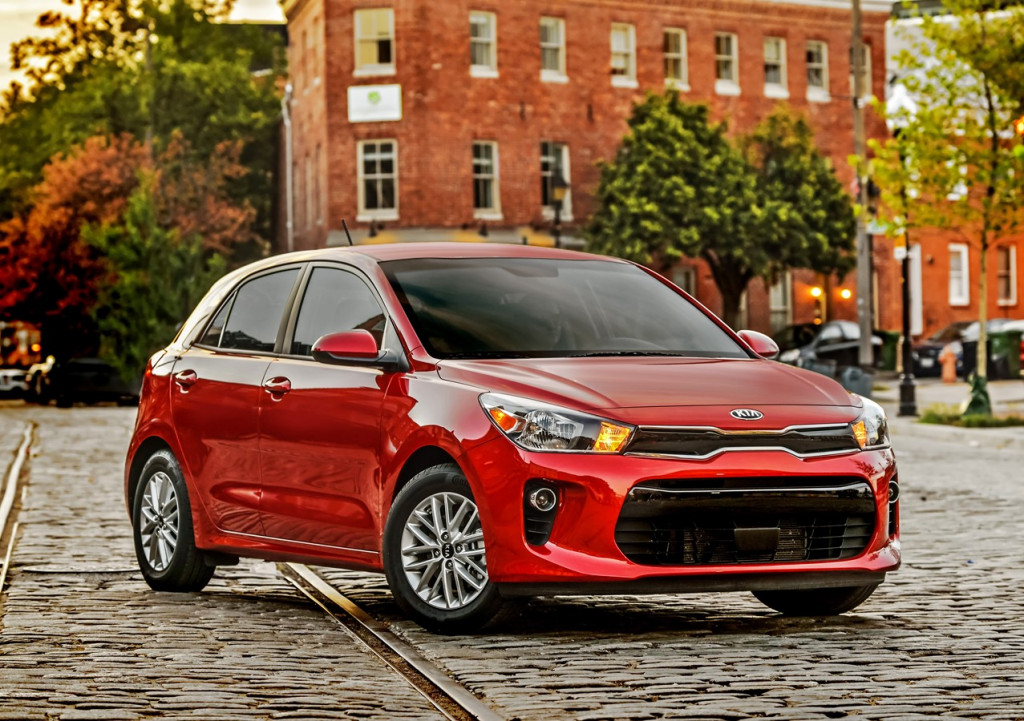
5. Kia Rio (Recent Generations)
The Kia Rio has dramatically changed its reputation over the past decade. Where once it was dismissed as a bland, cheaply built car, recent generations have brought a surge of improvements that make it a surprisingly strong contender for anyone shopping on a budget.
Kia’s investment in better design, manufacturing processes, and materials has paid off, especially in the Rio. These improvements are not just skin deep; they affect every aspect of the vehicle, from the frame to the engine to the interior fit and finish.
The interior of the newer Kia Rio models is one of the biggest surprises. It feels much more spacious and better constructed than previous versions. The materials are carefully selected to avoid that cheap plastic feel, instead offering a textured and soft touch where it matters most.
Controls are logically placed and have a reassuring tactile feedback that shows thought was put into usability. Even in base trims, the cabin feels far less “budget” than expected. The seats are comfortable for long drives, and there is enough rear legroom for adult passengers, which is rare in this segment. The sound insulation has also improved, reducing road and wind noise to create a more relaxing driving environment.
Under the hood, the Kia Rio relies on a tried-and-true 1.6-liter four-cylinder engine, which is praised for its balance of fuel efficiency and dependability. While it won’t win any races, it’s reliable and easy to maintain, a critical factor for a budget car’s long-term success.
Kia’s industry-leading warranty adds significant value to the Rio as well. It signals the company’s confidence in the build quality and reassures buyers concerned about potential repair costs. The comprehensive coverage includes powertrain protection for 10 years or 100,000 miles, which is unmatched in this class.
This warranty, combined with real-world reports of durability, means that many drivers can purchase the Rio with confidence, knowing they are protected against costly issues. For a cheap car, this kind of peace of mind is rare and highly valuable.
The Kia Rio has evolved into a well-rounded car that punches above its weight in terms of build quality. It’s a practical, economical choice that does not feel disposable or cheaply assembled. Instead, it delivers consistent performance, a comfortable cabin, and a solid reputation for reliability.
For budget-conscious buyers seeking a car with good long-term value, the Rio is a standout option that has successfully shed its earlier image as a throwaway vehicle.
Cheap Cars That Don’t Work
1. Fiat 500
The Fiat 500 often captures attention with its distinctive retro styling and compact dimensions, making it seem like a fun, urban-friendly car at first glance. However, this initial charm fades quickly when owners encounter the numerous mechanical and electrical problems that seem to plague the vehicle.
The car’s build quality is generally inconsistent, and the design decisions that prioritize style over substance often lead to frustrating long-term ownership experiences. While it might appeal to buyers looking for something small and unique, the Fiat 500’s reliability record leaves much to be desired, especially when compared to other cars in the same price range.
One of the most frequently reported issues involves the transmission system. Automatic versions of the Fiat 500, particularly those with the dual-clutch transmission, often suffer from jerky shifts, hesitation, or complete transmission failure. The manual variants, while less common, can experience clutch problems and gear linkage issues.
The seating is cramped, particularly for taller passengers, and lacks the comfort or support needed for longer journeys. Insufficient sound insulation further detracts from the driving experience, allowing road noise and vibrations to intrude, which only accentuates the feeling of cheapness.
Safety is another area where the Fiat 500 falls short. Crash tests have highlighted weaknesses in the car’s structural integrity, and the limited availability of advanced driver-assistance features further diminishes its appeal.
When combined with its frequent mechanical problems, these safety shortcomings make the car a risky proposition for anyone looking for a dependable daily driver. Despite its initial visual appeal and compact size, the Fiat 500’s package results in a vehicle that many owners come to regret, particularly once the repair bills and inconveniences begin to mount.
2. Mitsubishi Mirage
The Mitsubishi Mirage has long been one of the lowest-cost new cars available, but that affordability comes with significant compromises in terms of build quality and ownership satisfaction. On paper, it promises excellent fuel economy and a tiny footprint ideal for city driving.
In reality, the Mirage often fails to deliver a durable, comfortable, or engaging driving experience. The car’s ultra-budget construction means it is riddled with hard plastics, poorly engineered components, and a driving dynamic that leaves much to be desired, making it a less-than-ideal choice for anyone who plans to keep their vehicle for more than a few years.
Rear passengers face a cramped space that limits comfort, and the lack of any substantial sound insulation lets road and engine noise flood the cabin. The interior fails to provide a sense of quality or longevity expected even at its low price point.
Under the hood, the Mirage’s three-cylinder engine, while efficient, struggles to produce adequate power, especially when the car is fully loaded or driven on inclines.
The continuously variable transmission (CVT) paired with this engine is a common source of complaints, as it tends to produce excessive noise, laggy throttle response, and an unsettling driving feel. Mechanically, the Mirage does not inspire confidence, with reports of early component failures and frequent visits to the repair shop.
Its lightweight construction and lack of refinement result in a vehicle that feels unstable and unsatisfying to drive, particularly when compared to competitors who prioritize better engineering even in the budget segment.
Safety ratings for the Mirage are mediocre at best. The car lacks many modern safety features found in rival models, and its structural build quality does not provide much protection in crash tests.
This, combined with the aforementioned issues around durability and drivability, paints a picture of a car that is best avoided if reliability and long-term ownership satisfaction are priorities. While it may attract budget-conscious buyers in the short term due to its low sticker price and fuel efficiency, the Mirage’s many shortcomings often lead to costly repairs, poor driving enjoyment, and eventual frustration.
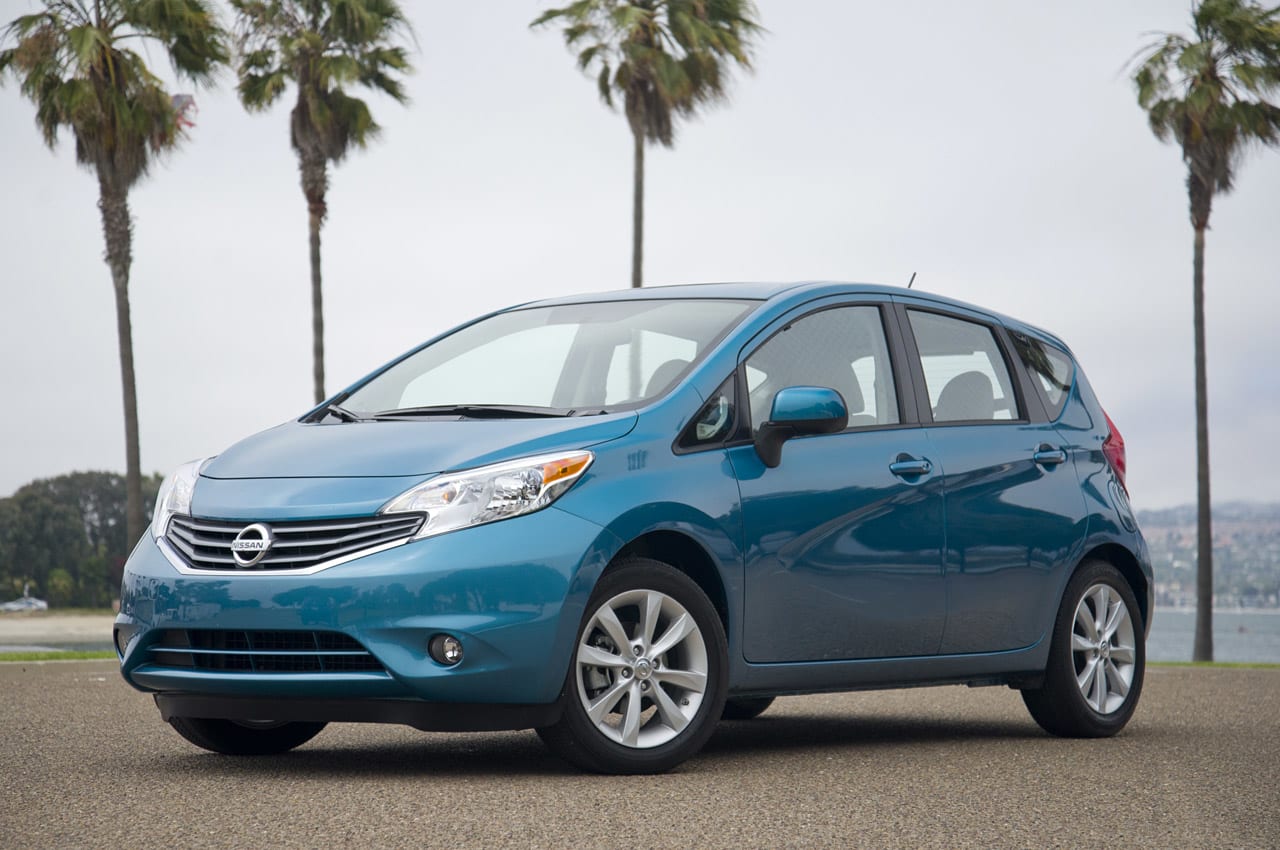
3. Nissan Versa (Older Models)
The Nissan Versa has been marketed as one of the most affordable sedans on the market, but early generations of this vehicle often left buyers feeling disappointed by the quality and reliability. While the Versa’s large cabin and spacious trunk provided excellent value for the money, its build quality and mechanical reliability lagged behind competitors.
This mismatch between practicality and dependability caused many owners to face unexpected repair bills and a less-than-satisfying driving experience, especially after the car had been on the road for several years.
Mechanically, the early Nissan Versa engines and transmissions were prone to certain issues that negatively affected reliability. The automatic transmissions, in particular, experienced problems with slipping and rough shifting that sometimes led to premature failure.
Engine performance was adequate but uninspiring, and some owners noted excessive oil consumption or cooling system problems as the car aged. Repairs could become costly, especially when transmission or engine components needed replacement, which detracted from the car’s appeal as a cheap and easy-to-own vehicle.
Safety and driving dynamics were also lacking in older Versa models. The car’s handling was often criticized as vague and unresponsive, and it did not fare particularly well in crash tests compared to its competitors. Lacking many modern safety features, the Versa was often viewed as an economical but unrefined choice.
While newer versions of the Versa have addressed some of these issues, older models still represent a cautionary tale about prioritizing upfront cost over quality and reliability, leaving many early owners wishing they had invested a bit more for a better vehicle.
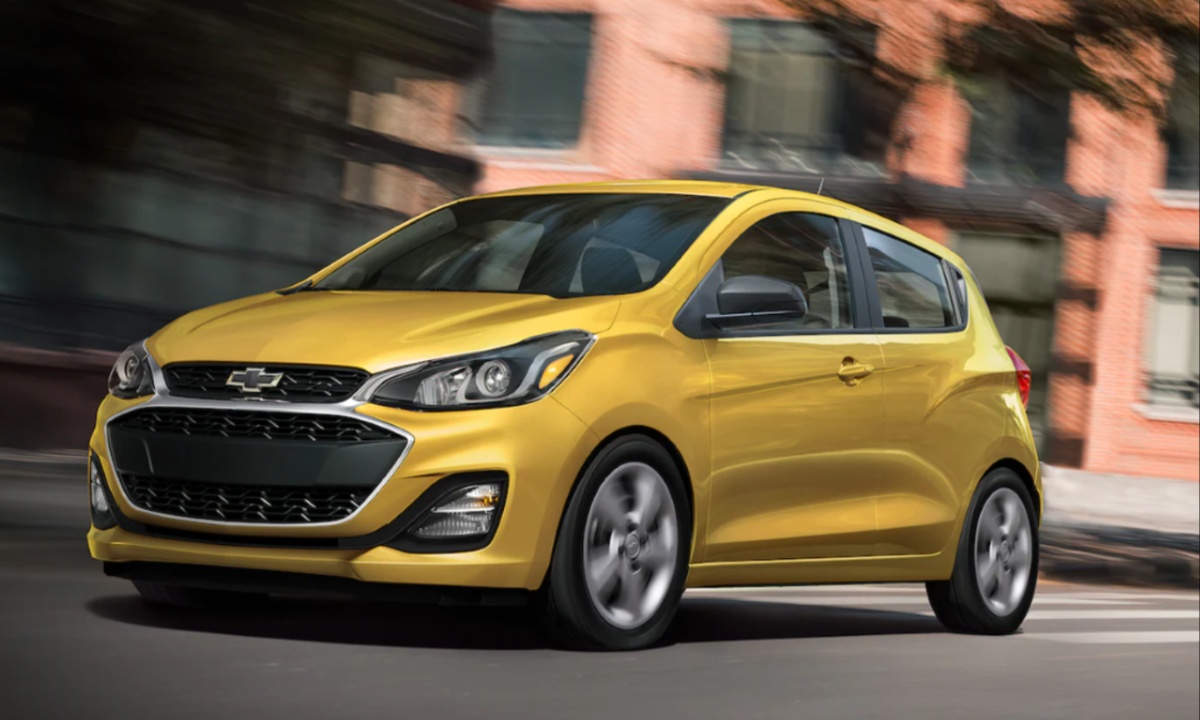
4. Chevrolet Spark (Older Generations)
The Chevrolet Spark offers an extremely affordable entry point into car ownership, but early generations are notorious for their subpar build quality and lackluster reliability. The Spark’s tiny size and basic features may appeal to those looking for the cheapest new car possible, yet it often comes at the cost of frequent mechanical issues and a compromised driving experience.
Owners frequently report frustrations with the car’s weak construction and components that seem designed for short-term use rather than durability, making it a less attractive option for anyone looking for a dependable daily driver.
Inside the cabin, the Spark’s materials and fit-and-finish often fall short of expectations. The use of hard plastics, rattling panels, and cheap upholstery is common, and these components tend to degrade quickly under normal wear and tear.
Mechanically, the Spark is powered by small, economical engines that can feel underpowered and strained in many driving conditions. The manual and automatic transmissions both have mixed reputations, with some owners reporting premature failures or troublesome shifting behavior.
Common issues include electrical glitches, suspension wear, and cooling system problems that tend to appear earlier than in better-built competitors. Repair costs, while generally lower than luxury cars, can add up quickly due to the frequency of these issues and the need for repeated visits to the mechanic.
Safety ratings and crash performance for early Chevrolet Spark models are generally below average. The small size and lightweight construction mean the car does not offer the same level of protection as larger or better-built vehicles.
Advanced safety features are often missing or limited to higher trims, reducing the car’s appeal as a reliable family or commuter vehicle. For many buyers, the initial savings on price are quickly overshadowed by ongoing frustrations and expenses related to the Spark’s questionable build quality and reliability.
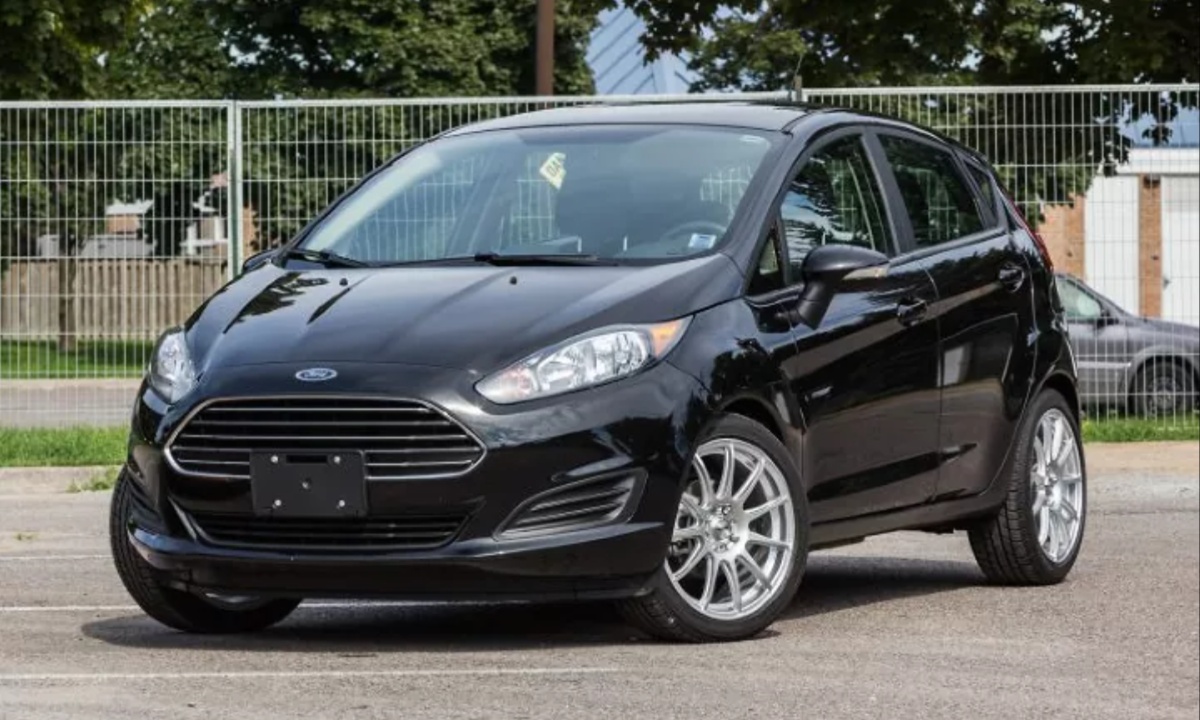
5. Ford Fiesta (Older Models)
The Ford Fiesta, particularly models produced in the early 2010s, gained popularity due to its stylish design and engaging driving dynamics. However, many owners discovered that the excitement of the car’s sporty appearance and nimble handling was tempered by persistent issues related to build quality and reliability.
While the Fiesta’s interior felt more upscale than some rivals, its long-term durability was often compromised by mechanical failures and poor assembly standards, making it a challenging choice for those seeking low-maintenance transportation.
The cabin of the older Fiesta models offered a more premium feel compared to other subcompacts, with soft-touch materials and a modern dashboard layout. However, this initial impression was often spoiled by problems with interior fit and finish. Panel gaps could be uneven, and rattles developed over time, creating an annoying driving environment.
Controls sometimes malfunctioned, particularly in models with more complex infotainment systems. Additionally, the rear passenger space was tight, and seat comfort was only average, which detracted from the car’s usability on longer trips.
The automatic transmissions were also a common source of complaints, with some owners experiencing jerky shifts, hesitation, and even complete transmission failure. Maintenance and repairs could become expensive, especially when problems arose outside of warranty coverage, which damaged the car’s reputation for being affordable to own.
Despite its sporty driving character, the Fiesta’s safety record was mixed. While it generally passed required crash tests, it lacked many modern driver-assistance features that were becoming standard in its class.
Combined with ongoing mechanical issues and inconsistent build quality, the car’s long-term ownership experience was often frustrating. Buyers attracted by its initial appeal frequently found themselves paying more than expected in maintenance and repairs, making the older Ford Fiesta a questionable choice among budget subcompact cars.
