Driving may be changing, but it’s far from disappearing. “10 Cars That Prove Driving Isn’t Dead Yet” highlights vehicles that continue to make the act of driving enjoyable, personal, and rewarding. These cars show that even in an era of automation and electric innovation, there is still space for human connection behind the wheel.
From the dependable Toyota Corolla and fun-to-drive Honda Civic to the stylish Hyundai Sonata and timeless Mazda MX-5 Miata, each model proves that comfort, performance, and practicality can coexist. Some focus on efficiency, others on excitement, but all share a common trait: they are designed for people who still enjoy being in control.
Whether commuting through the city or exploring open highways, these cars remind us that driving remains more than transportation. It is an experience worth preserving, one that blends freedom, precision, and emotion in ways technology cannot replace.
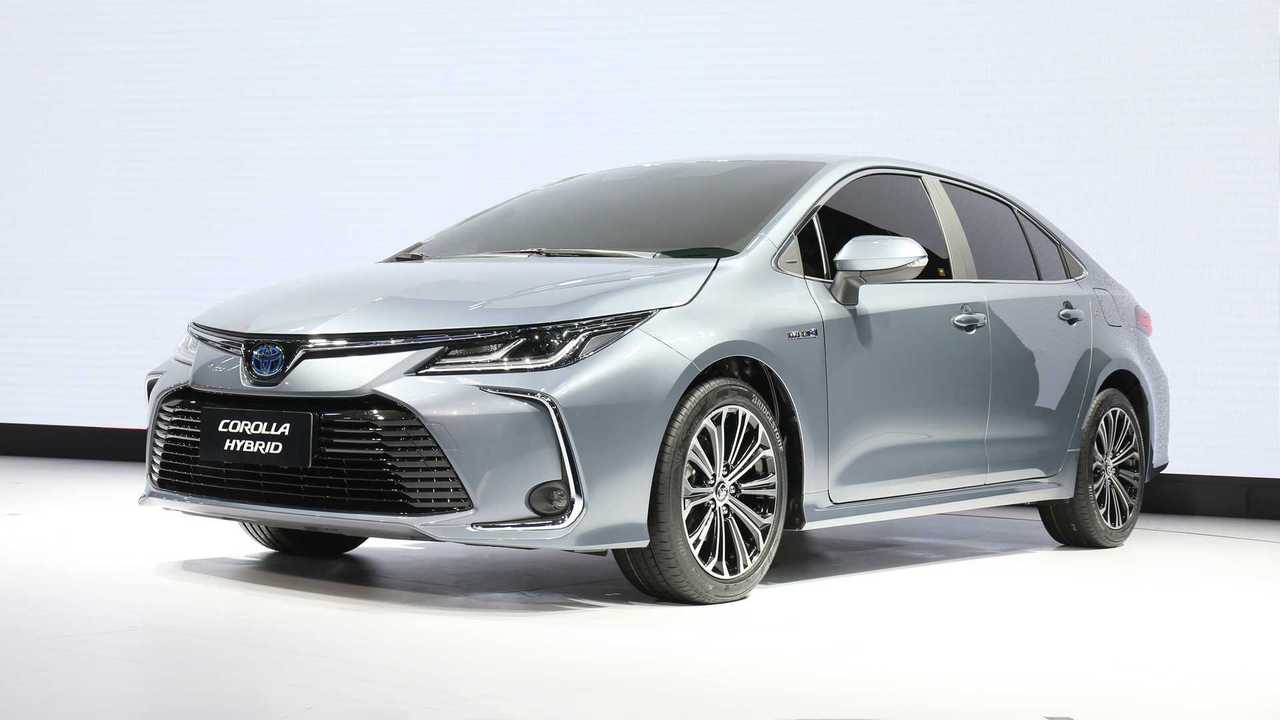
1. Toyota Corolla: A Reliable Compact Sedan
The Toyota Corolla has earned a global reputation for durability and longevity. Many 1990s models from the U.S. have found a second life in developing countries, continuing to perform under challenging conditions. Known for its simplicity and reliability, the Corolla combines practical design with modern technology, offering both conventional gasoline and hybrid powertrains.
While it may not excel in raw performance, luxury, or cutting-edge features, it remains a comfortable, competent, and affordable choice for long-term ownership, with a starting price of $21,700.
The Corolla prioritizes reliability and ease of use over excitement. Its 2.0-liter four-cylinder engine, in service since 2019, delivers adequate power but modest acceleration. At the Edmunds test track, the Corolla reached 0-60 mph in 8.8 seconds, which can feel underpowered during highway merges and overtaking.
Handling is unremarkable, with noticeable body lean in corners and tires that offer moderate grip. Despite this, the Corolla functions well as a daily driver, offering smooth operation and a manageable continuously variable transmission (CVT). Braking performance is adequate, with predictable control for safe stops.
Ride quality in the Corolla is smooth across a variety of surfaces. Front seats are comfortable, with a broad range of adjustments suitable for drivers of different sizes. Cloth seats are preferable in hot weather due to better breathability than synthetic leather.
Road and engine noise can be intrusive at highway speeds, although CVT gear simulation reduces droning under hard acceleration. It provides a comfortable daily-driving experience, though not a quiet one.
The Corolla’s interior is functional and straightforward, with logically arranged controls that are easy to access. Front occupants enjoy ample space and good visibility, while rear headroom is limited compared to rivals like the Honda Civic. Seating for adults in the back can feel cramped, but the cabin remains practical for typical passenger needs.
The Corolla offers 8-inch and optional 10.5-inch touchscreens that are visually sharp but sometimes slow to respond, particularly in navigation and voice commands. While integration with vehicle systems is limited compared to other Toyota models, standard tech includes Apple CarPlay, Android Auto, USB-C ports, and optional wireless charging.
Advanced driver-assistance features are effective, with strong lane-keeping support and functional blind-spot monitoring, though auditory alerts would improve the latter. Optional JBL audio delivers high-quality sound.
Cargo space is slightly below average at 13 cubic feet, and the rear seatbacks do not fold flat, which can hinder transporting larger items. Interior storage for personal items is modest but accommodates child safety seats with clearly marked anchors, enhancing family-friendliness.
The Corolla’s 2.0-liter CVT model achieves an EPA estimate of 34–35 mpg combined, with real-world testing reaching 40.2 mpg. Hybrid versions offer even higher efficiency. The Corolla delivers excellent value with a well-built interior, competitive fuel economy, Toyota’s reliability, and two years of complimentary scheduled maintenance, making it an appealing choice for long-term ownership.
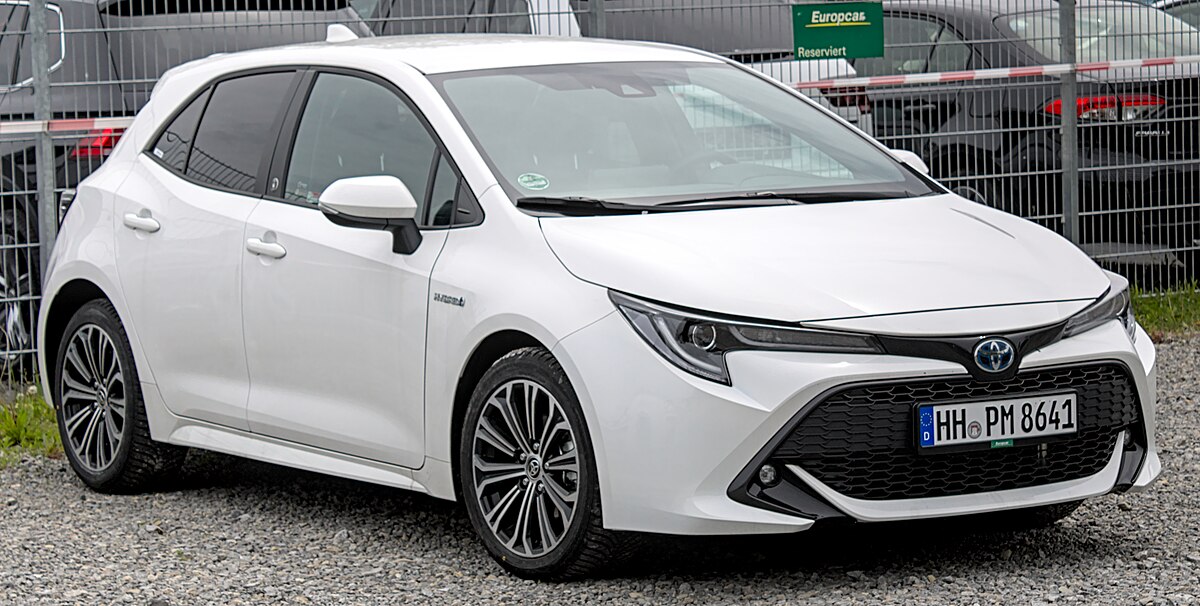
2. Honda Civic: A Fun and Practical Compact Sedan
The Honda Civic is often compared to the Toyota Corolla, but it has a distinct character. While the Corolla focuses on affordability and long-term reliability, the Civic is designed for driving enjoyment and practicality.
Its precise handling, spacious rear seats, and well-organized cabin make it a small car that doesn’t feel cramped as your family grows. With a starting price of $23,750, even the base Civic provides a balance of comfort, performance, and durability. Turbocharged variants deliver a more engaging drive, while the simpler 2.0-liter engine may last longer.
The Civic is known for its lively driving experience. Base models offer responsive handling and controlled steering, making city commuting and highway driving more engaging. Although it is not a sports car, the Civic’s suspension and chassis provide a good combination of stability and comfort.
Uplevel models with turbocharged engines offer faster acceleration, appealing to drivers who value performance. The Civic strikes a balance between spirited driving and reliable, practical operation.
Ride quality in the Civic is smooth and consistent over different road surfaces. Front seats are supportive, with enough adjustments to fit drivers of various heights. Rear passenger space is generous, particularly in legroom and headroom, making it more comfortable than competitors like the Corolla. Cabin noise is moderate, contributing to a pleasant experience for both short trips and longer drives.
The Civic’s interior is well-designed and user-friendly. Controls are logically arranged and easy to reach, giving the cabin a tidy appearance. Front passengers benefit from good visibility and ample space, while rear occupants enjoy one of the most spacious backseats in the compact segment. The materials and finish give the cabin a refined feel, making it competitive with other vehicles in its class.
The Civic includes modern technology, such as responsive infotainment screens, Apple CarPlay, Android Auto, and multiple USB ports. Advanced driver-assistance features, like lane-keeping assist and adaptive cruise control, work effectively to enhance safety.
Some touchscreen functions can feel slow at times, but the system is intuitive to use. Optional audio upgrades provide high-quality sound, keeping the Civic competitive in tech offerings among compact sedans.
The Civic offers a roomy trunk and multiple storage compartments for personal items. Unlike the Corolla, the rear seating provides sufficient space for adults, making it family-friendly. Child safety seats fit easily thanks to clearly marked anchors. Cargo capacity is adequate for daily use and weekend trips, balancing passenger comfort with practical storage.
Base Civic models provide competitive fuel economy, while turbocharged versions remain efficient for daily driving. The Civic delivers strong value with a combination of reliability, comfort, advanced features, and Honda’s long-standing reputation for durability. For buyers seeking a compact sedan that is enjoyable to drive, practical, and built to last, the Civic is a solid choice.
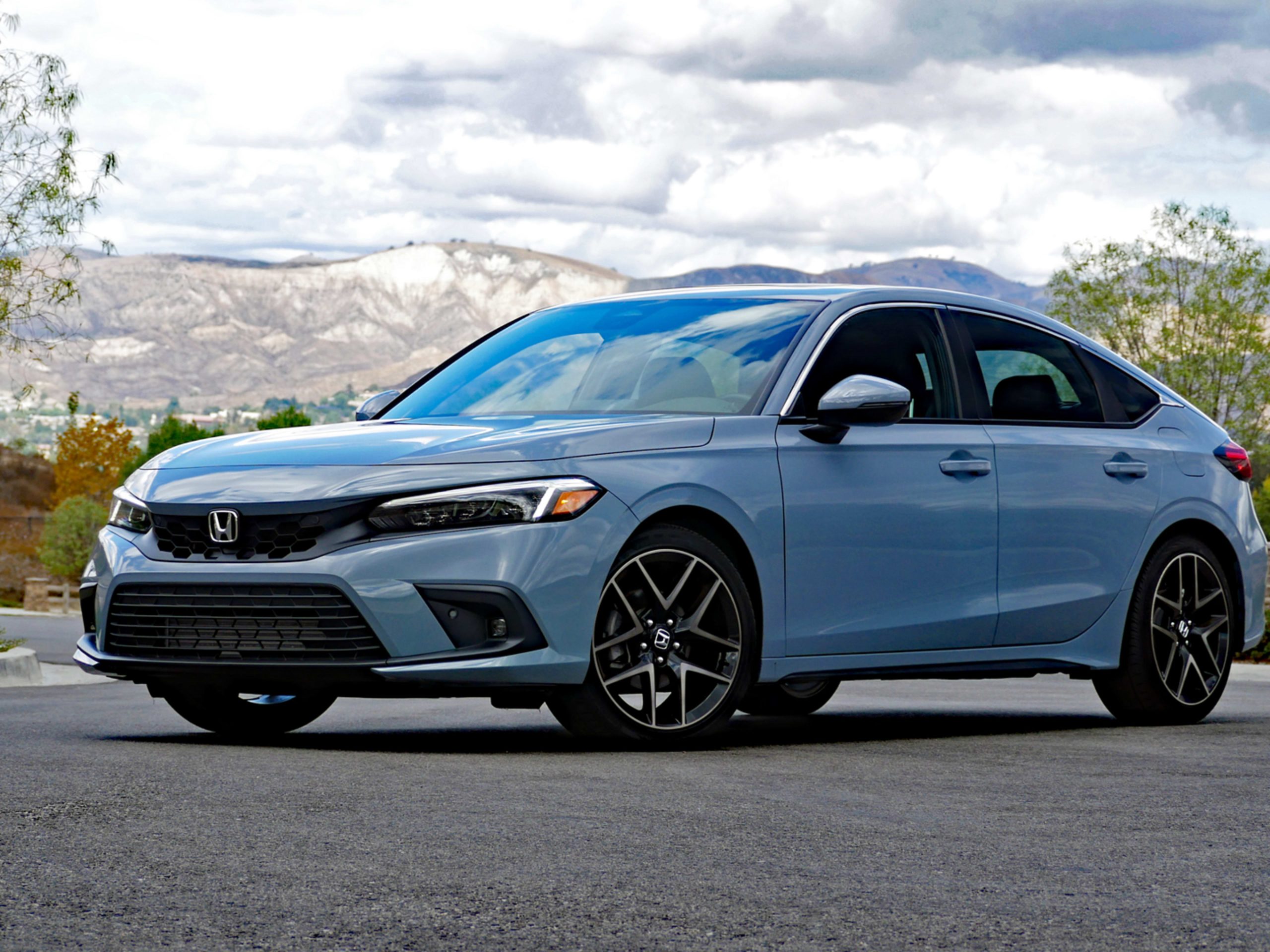
3. Hyundai Sonata: Stylish, Comfortable, and Efficient
The Hyundai Sonata is a mid-size sedan recognized for combining affordability with premium style and comfort. With its proven 2.5-liter four-cylinder engine or hybrid powertrain, the Sonata is built to last. The hybrid model stands out for long-term ownership, offering EPA estimates of up to 52 mpg in mixed driving, which can save hundreds of dollars annually compared to the base 31-mpg Sonata.
Hyundai supports the powertrain with a 10-year/100,000-mile warranty, covering the most expensive components. Pricing starts at $25,100 for the base model, with the hybrid beginning at $28,100.
The Sonata delivers a smooth and composed ride but prioritizes comfort over sporty handling. Acceleration is lively off the line but slows at highway speeds, requiring extra planning for passing maneuvers. The Sonata Hybrid reached 0-60 mph in 8.3 seconds, slightly slower than hybrid rivals such as the Honda Accord and Toyota Camry.
Handling is relaxed, with tires losing grip quickly in tight corners and steering feeling distant and artificial. The suspension absorbs impacts well and strikes a balance between comfort and control on curvy roads. Advanced driver aids, including sideview cameras for lane changes, work effectively, though rear visibility is limited by thick rear pillars and a sloping roofline.
The Sonata provides a comfortable cabin with generous space for front and rear passengers. Front seats are well-shaped but slightly firm for long drives, while the outboard rear seats are cushioned and supportive. Rear middle seating is less comfortable, but legroom and seat adjustments allow most drivers to find a suitable driving position.
Child safety seats fit securely, though upper LATCH anchors can be difficult to access. The climate control system performs well, delivering strong airflow and efficient temperature regulation, although road, wind, and engine noise are noticeable at higher speeds.
The Sonata is loaded with technology that functions reliably. Its infotainment screen is large and responsive, with wireless Android Auto and Apple CarPlay. Three USB-C ports are provided, and the surround-view camera system assists with parking. Voice controls respond accurately to natural speech for navigation, radio, and phone commands, making daily use easier.
The Sonata Hybrid offers 16 cubic feet of trunk space, slightly smaller than the Accord but larger than the Camry. The trunk has a wide opening, manageable liftover height, and convenient rear seat release levers. Interior storage includes multiple compartments in the center console for phones, passes, and other items, along with large cupholders.
Fuel efficiency is a major strength of the Sonata Hybrid, with EPA estimates of 47 mpg combined and real-world testing achieving over 51 mpg. This performance ranks it among the top midsize hybrid sedans.
The Sonata provides strong value, combining style, comfort, and advanced features at an affordable price. Hyundai’s warranty coverage is impressive, with five years/60,000 miles for bumper-to-bumper coverage and 10 years/100,000 miles for the powertrain. Build quality is solid, though some interior materials, such as gray texturing and tan plastics, feel less refined than rivals like Honda and Toyota.
The Sonata remains a strong choice for buyers seeking comfort, efficiency, and tech-forward features, even if it does not lead the segment in driving excitement.
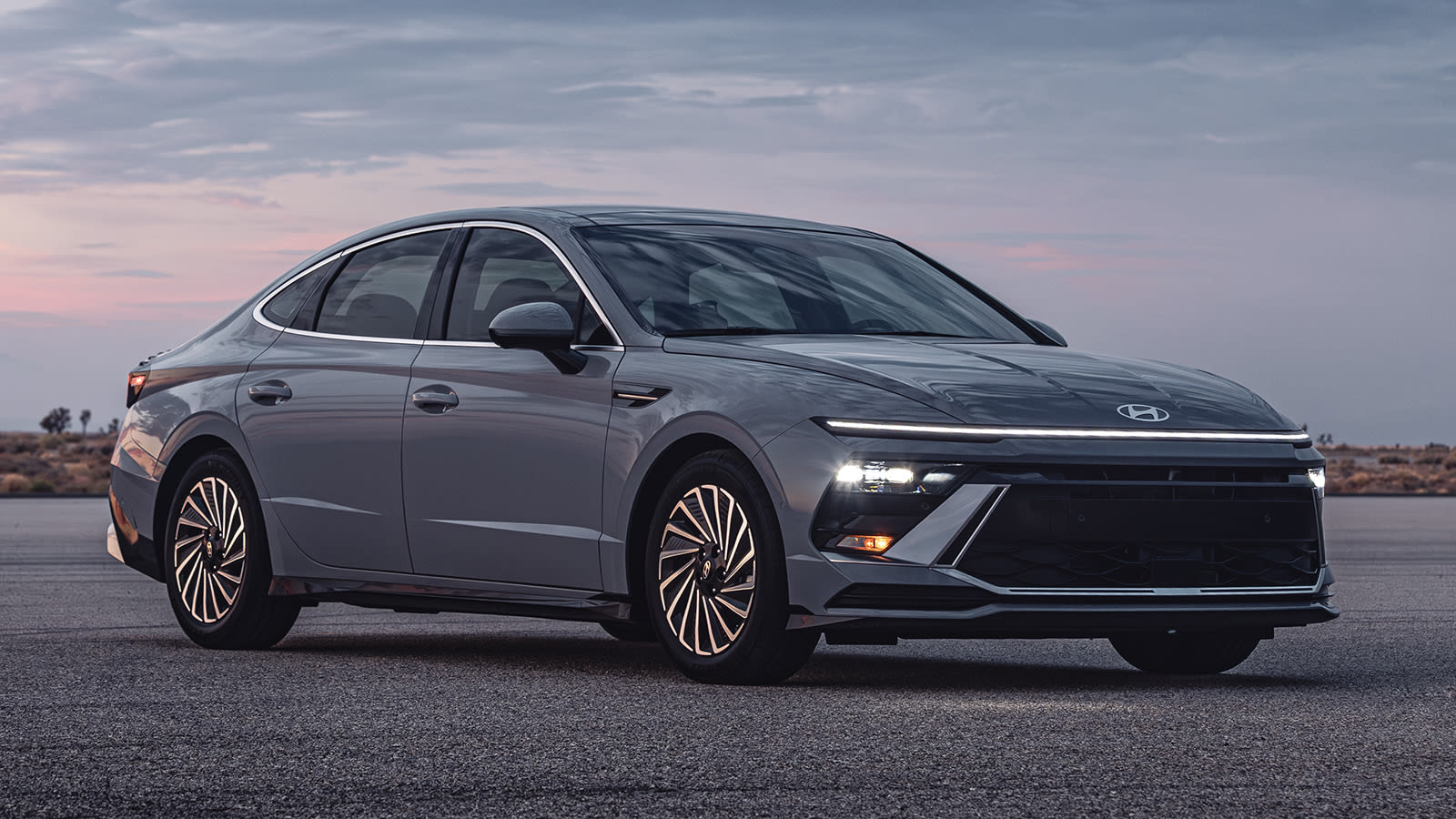
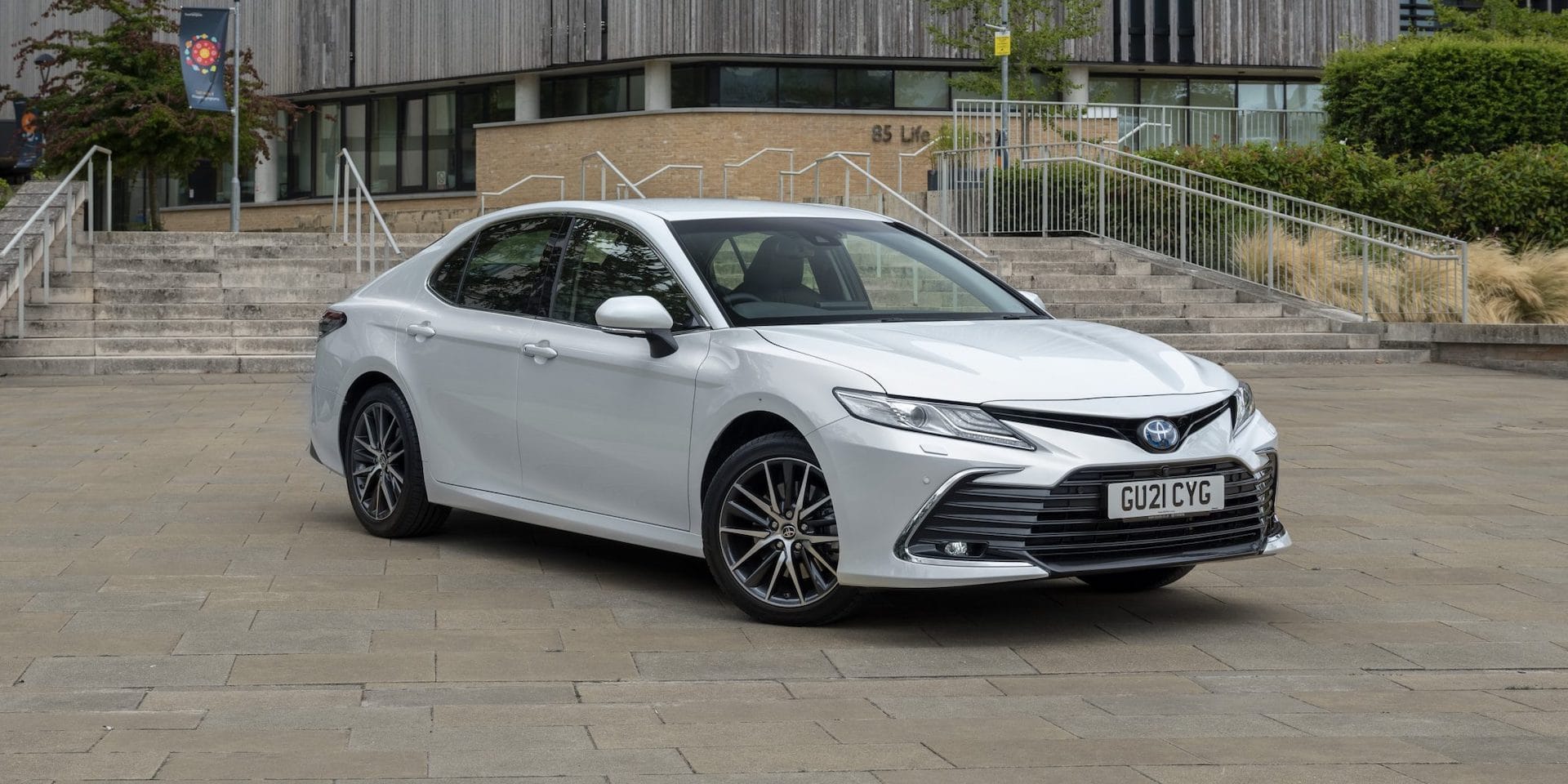
4. Toyota Camry: Reliable, Comfortable, and Efficient
The 2023 Toyota Camry is a mid-size sedan known for reliability and longevity, similar to the smaller Corolla. Designed with simplicity and durability in mind, the Camry delivers comfort, fuel efficiency, and surprisingly engaging driving dynamics.
While it may not have the lowest price in its segment, starting at $26,320, its range of powertrains, including a fuel-efficient four-cylinder, a smooth V6, and a gas-electric hybrid, ensures long-term satisfaction with proper maintenance.
The Camry provides smooth acceleration and enough power for passing, merging, and highway driving. In testing, the Camry XSE reached 0-60 mph in 7.8 seconds, slightly faster than hybrid rivals such as the Honda Accord and Hyundai Sonata.
Braking is strong and predictable. The sport-tuned suspension on XSE models delivers confident handling without sacrificing comfort. Base trims remain stable and secure on turns, and the upright driving position gives excellent visibility.
The Camry maintains a solid connection to the road while absorbing bumps and dips. Toyota’s advanced safety technology performs well, including systems that detect vehicles in adjacent lanes, adjust speed automatically, and offer Traffic Jam Assist for hands-free driving at low speeds when conditions allow.
Passenger comfort is a strong point in the Camry. Front seats are firm but supportive, providing good back support on long trips. The rear bench offers ample space for passengers and child safety seats. Headroom is generous due to the flat roofline, and wide door openings make entering and exiting easy.
The climate control system is effective, with strong airflow and a responsive auto mode. Cabin quietness is impressive at highway speeds, with engine noise noticeable only under hard acceleration.
The Camry comes with a large 12.3-inch touchscreen and wireless Apple CarPlay and Android Auto integration. Device pairing is quick, and wireless charging works reliably.
The optional nine-speaker JBL audio system delivers good sound quality, although it is slightly behind some rivals’ premium offerings. Controls are intuitive, and a row of knobs below the touchscreen allows for easy adjustment of climate and audio functions while driving.
The Camry provides 15.1 cubic feet of trunk space, slightly smaller than competitors such as the Sonata and Accord, but sufficient for luggage or groceries. Interior storage is practical, with compartments for phones, keys, and large bottles. The wireless charging bin adds convenience for everyday use.
Toyota’s hybrid Camry models achieve between 44 and 51 mpg combined, depending on trim and configuration. Testing of the front-wheel-drive XSE returned 45.9 mpg, slightly below the 47-mpg EPA estimate and better than hybrid rivals such as the Accord.
The Camry delivers strong value with a combination of reliability, comfort, technology, and efficient powertrains. Toyota includes two years or 25,000 miles of complimentary maintenance and two years of roadside assistance. The multiple trim and hybrid options allow buyers to select a configuration that meets their needs.
The Camry is a reliable daily driver that also offers competent handling, enough power for highway driving, and a modern design that makes it more engaging than some may expect.
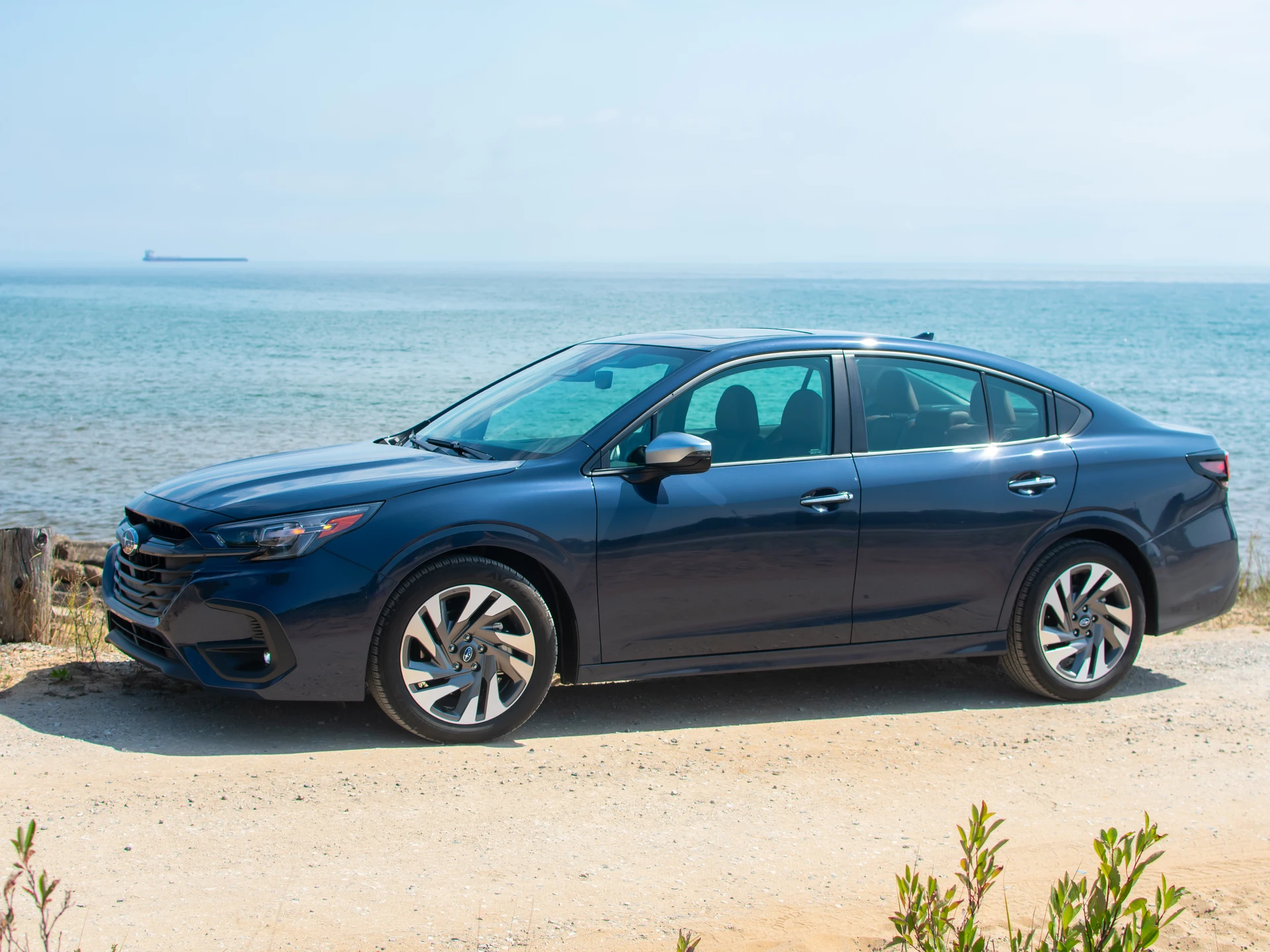
5. Subaru Legacy: A Reliable and Comfortable All-Wheel-Drive Sedan
The 2023 Subaru Legacy is a dependable midsize sedan that balances comfort, safety, and practicality. Starting at $24,395, it costs only slightly more than compact sedans like the Honda Civic but offers more space and the confidence of standard all-wheel drive.
Known for reliability, the Legacy’s base 182-horsepower engine has seen only small updates over the past decade, allowing Subaru to refine its performance and durability. While it may not deliver thrilling acceleration, it provides steady performance and long-term dependability for families and commuters.
The Legacy offers two engine choices: a 2.5-liter four-cylinder and an optional turbocharged engine. The turbo version delivers more engaging performance and is recommended for drivers seeking extra power. The base engine, however, feels modest, taking 8.5 seconds to reach 60 mph. Braking distances are shorter than many rivals, but light braking can cause a noticeable nose-dive.
Steering is nicely weighted, and the car handles predictably on turns. The Legacy’s ride is soft and stable, and the large windows provide excellent visibility. Road and wind noise are more noticeable than in some competitors, and the stop-start system can feel abrupt.
Subaru’s EyeSight driver-assist suite is standard, offering adaptive cruise control and forward collision warning. However, these systems can be overly sensitive, sometimes applying the brakes too quickly or giving premature alerts.
Comfort is one of the Legacy’s greatest strengths. The cabin feels warm and open, with generous headroom and legroom for tall passengers. The rear seats are sculpted for long-distance comfort rather than being flat benches. Front seats are firm and supportive, with enough adjustments to make it easy to find an ideal driving position. Getting in and out of the car is effortless, and child seat anchors are easy to access.
The dual-zone climate control system is effective once mastered, though some functions are buried in touchscreen menus. Seat heaters work quickly but can become too hot on higher settings. The reliance on touchscreen controls can be inconvenient, and the infotainment system responds slowly to inputs. The lack of a dedicated button to disable the intrusive stop-start function is another drawback.
The Legacy offers modern technology, but with mixed results. The navigation system looks appealing, but struggles when searching for destinations. Standard features include Apple CarPlay and Android Auto, along with multiple USB ports in most trims. Unfortunately, the Starlink infotainment system can freeze or crash, and voice commands are inconsistent.
The trunk provides 15.1 cubic feet of space, which is average for the segment. Its tall and deep shape makes it practical for larger items, and the rear seats fold down easily to expand storage. The interior includes a variety of small storage areas such as a two-tier armrest console, door pockets, and a front bin for smaller items.
The Legacy’s standard all-wheel drive makes it slightly more expensive than front-wheel-drive competitors but adds significant traction and stability, particularly in winter climates. Interior materials are of high quality, with a clean and functional design.
Warranty coverage is average for the class. The base engine earns 30 mpg combined, a respectable figure that matches real-world results and compares well with other AWD sedans.
The Subaru Legacy has a conservative design and understated personality, yet it remains a practical and confidence-inspiring sedan. Its stable handling, spacious interior, and year-round capability make it an appealing choice for families seeking reliability and safety.
Drivers craving more excitement may prefer the turbocharged version, but for most, the Legacy’s comfort and dependability make it a trustworthy everyday companion.
Also Read: 5 Cars That Are Perfect for Music Lovers vs 5 That Don’t Impress
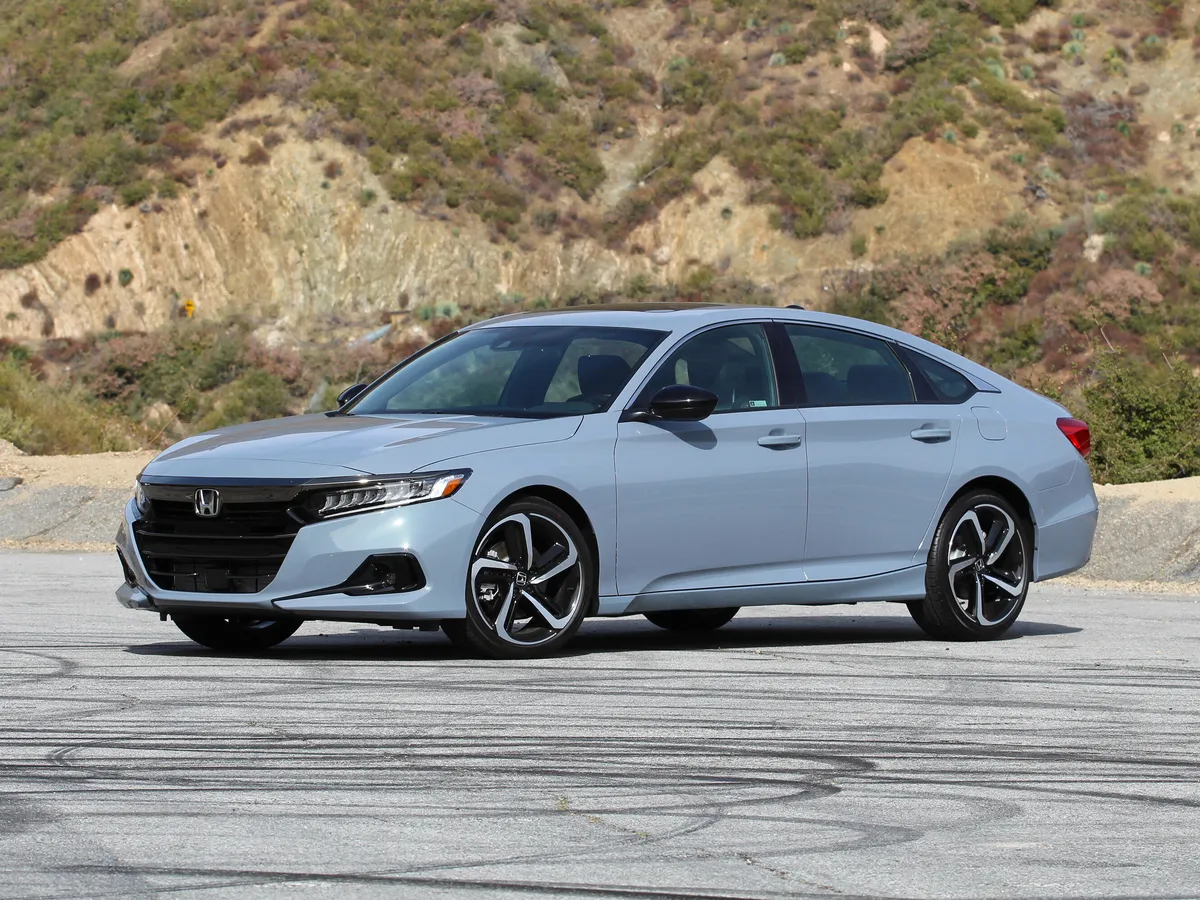
6. Honda Accord: Reliable, Comfortable, and Efficient
The 2023 Honda Accord is a mid-size sedan designed with a focus on crisp driving manners and a refined interior, contrasting with the Toyota Camry’s emphasis on comfort and mechanical simplicity. Both vehicles are built to last, but the Accord offers a more engaging driving experience with a sophisticated cabin design.
The current Accord retains its four-cylinder and hybrid powertrains from the previous generation. Base trims use the gas-only engine, while higher trims are offered exclusively as hybrids. The gas model starts at $27,295, and the hybrid begins at $31,345, providing a balance of long-term fuel savings and performance.
The Accord Sport-L with the hybrid powertrain delivers fuel efficiency without sacrificing performance. Testing showed the Accord-L accelerated from 0 to 60 mph in 7 seconds, about one second quicker than most midsize hybrid competitors.
The continuously variable transmission (CVT) is programmed to feel like a traditional automatic, and handling is responsive with good steering feedback. The ride remains comfortable even with 19-inch wheels, easily absorbing bumps and rough surfaces. Visibility is excellent thanks to thin windshield pillars and a large rear window.
Honda Sensing driving aids perform well, though lane keeping can feel intrusive. Adaptive cruise control is easy to activate with a button on the steering wheel, enhancing convenience during highway driving.
The Accord provides a comfortable cabin with generous passenger space. Large door openings make entry and exit simple, although taller rear passengers may need to duck slightly to clear the sloping roofline. Legroom is abundant in both rows, and the rear bench can accommodate multiple car seats.
The driver’s seat offers sufficient adjustability, though some may find the padding slightly firm. The center stack features large, straightforward buttons and knobs, and the climate control system effectively regulates cabin temperature. Insulation is strong, keeping road and engine noise to a minimum except under heavy acceleration.
Technology in the Accord includes a 12.3-inch touchscreen, wireless Apple CarPlay and Android Auto, and an intuitive interface. Google voice assistant and service integration are available on the top Touring trim. The infotainment system is sharp, responsive, and complements the clean, functional interior.
The Accord offers 16.7 cubic feet of trunk space, enough for golf bags or several large suitcases. The center console provides additional storage for personal items, and the cupholders are large enough to hold big bottles securely. Rear seat configuration and trunk design make loading and transporting long items convenient.
Fuel efficiency ranges from 32 mpg combined for the base model to 48 mpg for the hybrid with 17-inch wheels. Our test of the Sport-L with 19-inch wheels recorded 41.5 mpg on a real-world route, slightly below the EPA estimate but still competitive. Build quality is strong, with no rattles, squeaks, or panel gaps.
While lower trims offer fewer features for the price, the Accord remains reliable, comfortable, and well-engineered. Honda provides a three-year/36,000-mile basic warranty and a five-year/60,000-mile powertrain warranty, along with roadside assistance for the duration of the basic coverage.
The Accord continues to be a dependable and efficient sedan with a solid reputation for longevity, making it an excellent choice for buyers seeking comfort, efficiency, and a capable hybrid powertrain without paying for a luxury brand.
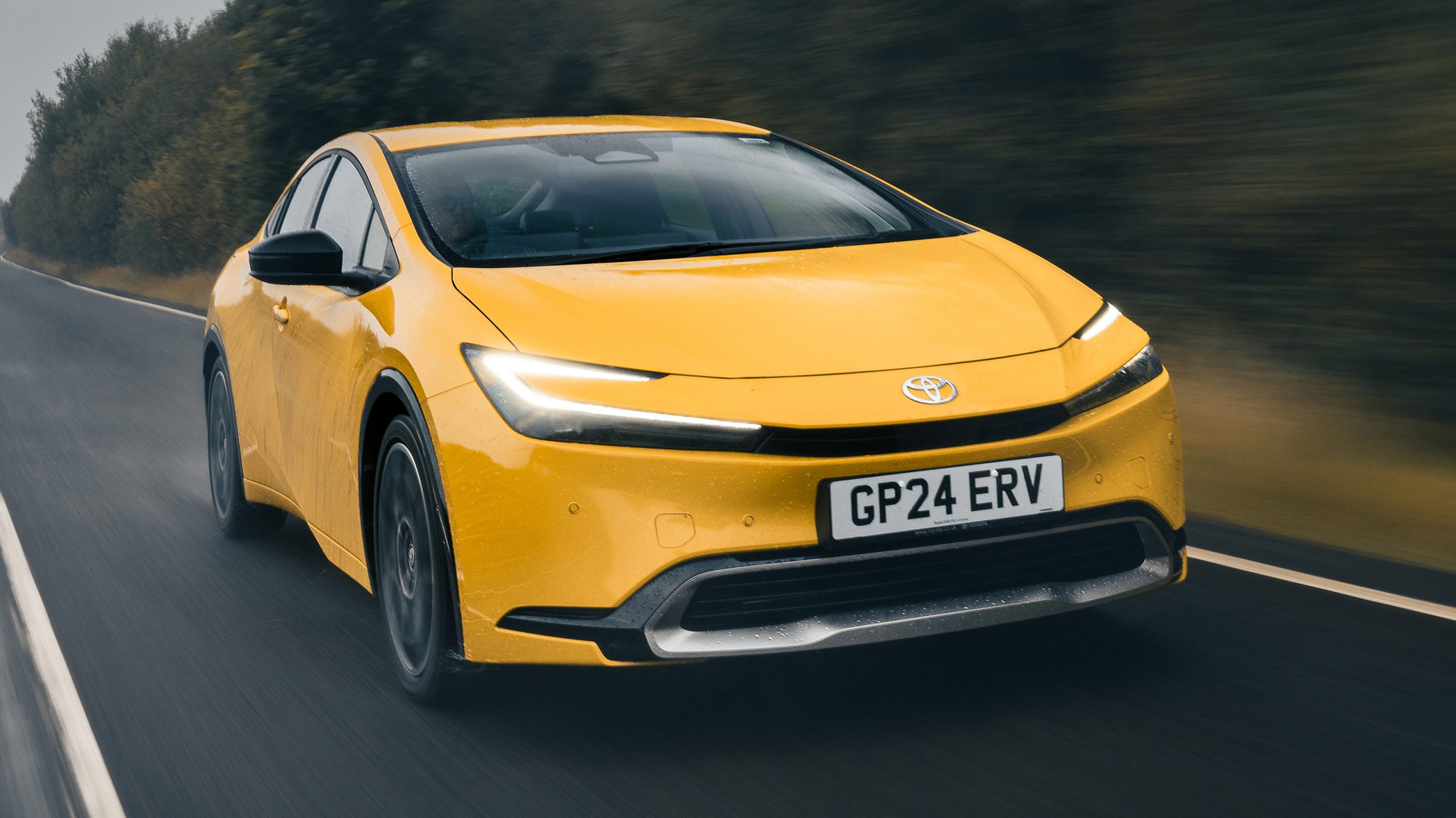
7. Toyota Prius: Efficient, Practical, and Redesigned
The 2023 Toyota Prius is a compact hybrid hatchback known for fuel efficiency and long-term reliability. The latest redesign improves styling, driving performance, and interior tech while maintaining its reputation as a long-lasting, economical vehicle.
The Prius continues to achieve impressive gas mileage, with EPA estimates exceeding 50 mpg in most trims, and it remains priced competitively for a hybrid. While cargo space and rear-seat room are slightly smaller than before, the Prius keeps its core appeal of low running costs and durability.
The Prius accelerates smartly from a stop and handles highway merges and grades well. Testing showed the front-wheel-drive model reached 0-60 mph in 7.7 seconds, faster than some competitors but slower than others, like the Honda Civic Hybrid. Around corners, the Prius feels stable and secure, though economy-focused tires limit grip.
The hybrid powertrain transitions smoothly between electric and gasoline modes, and the ride is comfortable over bumps and uneven pavement. Rear visibility is restricted by the sloped rear window and thick roof pillars.
Safety systems, including lane-keeping assistance and adaptive cruise control, perform effectively. Proactive Driving Assist offers subtle cues to drivers, such as lightly braking when traffic slows or signaling when vehicles ahead move, enhancing safety without being intrusive.
Front seats provide adequate support for longer drives, though rear access is limited due to small door openings and a low roofline. Rear seat passengers face restricted headroom and seats that do not recline, requiring slouching over bumps.
Noise levels from tires, wind, and the engine under acceleration reduce cabin serenity. The Prius has a single-zone climate system, and higher trims include heated or ventilated front seats. Dashboard controls are well placed, but the digital driver instrument cluster can be blocked by the steering wheel and appears cluttered with information.
The Prius features a 12.3-inch center touchscreen with a clean, responsive interface and Google-powered navigation. Wireless Apple CarPlay and Android Auto come standard, and higher trims offer a wireless charging pad. Six USB-C ports provide multiple charging points, though the wireless pad can overheat devices during extended use.
The Prius hatchback offers 20.3 cubic feet of cargo space behind the rear seats, more than a typical sedan trunk but less than some rivals. The raised cargo floor provides no hidden storage, and long items like golf clubs may not fit easily. Interior storage includes a deep center console bin, a rubberized under-dash compartment, and large cupholders.
The Prius excels at efficiency, but higher trims and all-wheel-drive models increase the price. Interior materials have improved, though hard plastics remain in some areas, and door panels feel light.
Toyota provides a three-year/36,000-mile basic warranty and a five-year/60,000-mile powertrain warranty. Hybrid components are covered for eight years/100,000 miles, and the battery for ten years/150,000 miles. Two years of complimentary maintenance add value rarely seen outside luxury vehicles.
Fuel efficiency is the Prius’ strongest feature, with EPA ratings of 57 mpg combined for the LE trim and 52 mpg combined for higher trims. All-wheel-drive versions reduce efficiency by about 3 mpg. Real-world testing of the Limited FWD model produced 52.3 mpg, matching the EPA rating and confirming the Prius’ reputation as a fuel-saving leader.
The redesigned Prius combines attractive styling, efficient powertrains, and practical features, making it a compelling choice for drivers seeking low fuel costs and long-term reliability.
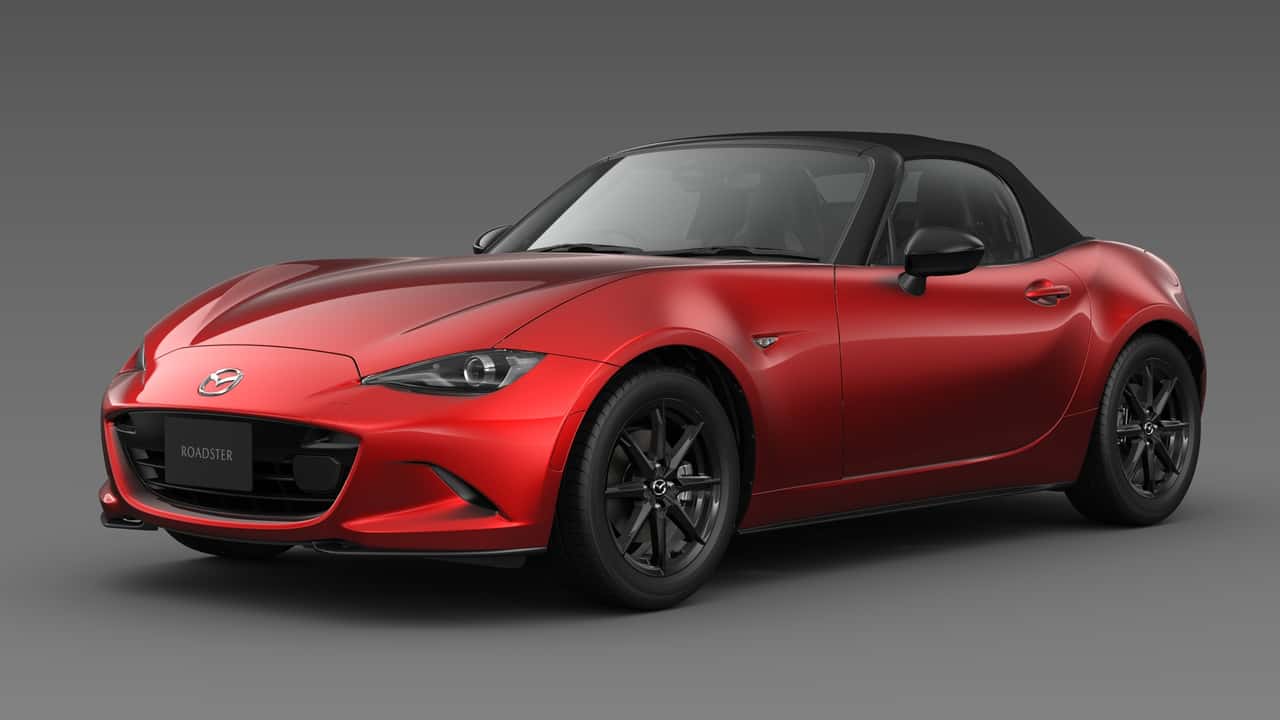
8. Mazda MX-5 Miata: Pure Driving Joy
The Mazda MX-5 Miata has been celebrated for over three decades as a lightweight, fun-to-drive roadster that combines reliability with driving pleasure. The 2023 Miata continues this legacy with a rear-wheel-drive layout, two-seat configuration, and an engaging convertible design.
The car was last redesigned in 2016, with minor engine updates in 2019. Starting at $28,050, the Miata offers a mix of performance, reliability, and simplicity that makes it appealing for those who value driving purity and long-term dependability.
The Miata delivers nimble, precise handling, making it a joy on both city streets and twisty roads. In testing, a manual-equipped MX-5 accelerated from 0 to 60 mph in 6.4 seconds, slightly slower than competitors like the Subaru BRZ or VW Golf GTI. Braking is solid, with a measured stop from 60 mph in 113 feet.
Around corners, the Miata provides excellent feedback and predictable handling, though the body leans noticeably under aggressive driving. Its lightweight construction and responsive steering contribute to a connected feel, ideal for enthusiasts seeking a pure driving experience.
Small roadsters are not known for comfort, but the Miata fares well in everyday driving. Front seats are supportive and comfortable, with effective seat heaters for cold weather. However, the cabin is affected by large lumps on rough pavement, and wind noise is significant on highways with the top up.
Rear seating is nonexistent, and interior space is limited for taller drivers and passengers. Despite these limitations, the Miata remains usable for daily commuting and short trips.
The Miata’s interior design prioritizes driver engagement and simplicity. Controls are mostly within reach, though some infotainment and cupholder placements can feel awkward. Taller drivers may notice limited headroom and legroom, and the passenger footwell is slightly smaller than the driver’s.
The soft-top roof is easy to operate manually, adding to the car’s fun factor. Materials are high quality, with soft plastics and synthetic leather providing a refined feel despite the compact cabin.
Technology in the Miata balances modern convenience with driving focus. Standard features include Android Auto and Apple CarPlay, two USB ports, and an optional nine-speaker Bose audio system that competes with cabin noise. Available driver-assistance features include blind-spot warning, enhancing safety for open-top driving. Navigation is basic but functional, and voice controls respond well to commands.
Storage in the Miata is limited due to its two-seat layout. The trunk measures 4.6 cubic feet, enough for one piece of luggage per passenger. A small bin between the seats holds essentials such as phones and wallets. Child seats can fit only in a forward-facing configuration, and no top-tether anchors are available.
EPA-estimated fuel economy is 29 mpg combined for the six-speed manual, which is efficient for a performance car. Real-world driving aligns closely with these estimates. The Miata is well-built, with a solid-feeling interior.
Mazda’s warranty covers three years/36,000 miles for bumper-to-bumper coverage and five years/60,000 miles for the powertrain, with roadside assistance included for three years/36,000 miles. Considering its engaging driving dynamics and build quality, the MX-5 Miata offers strong value for enthusiasts seeking a fun, long-lasting roadster.
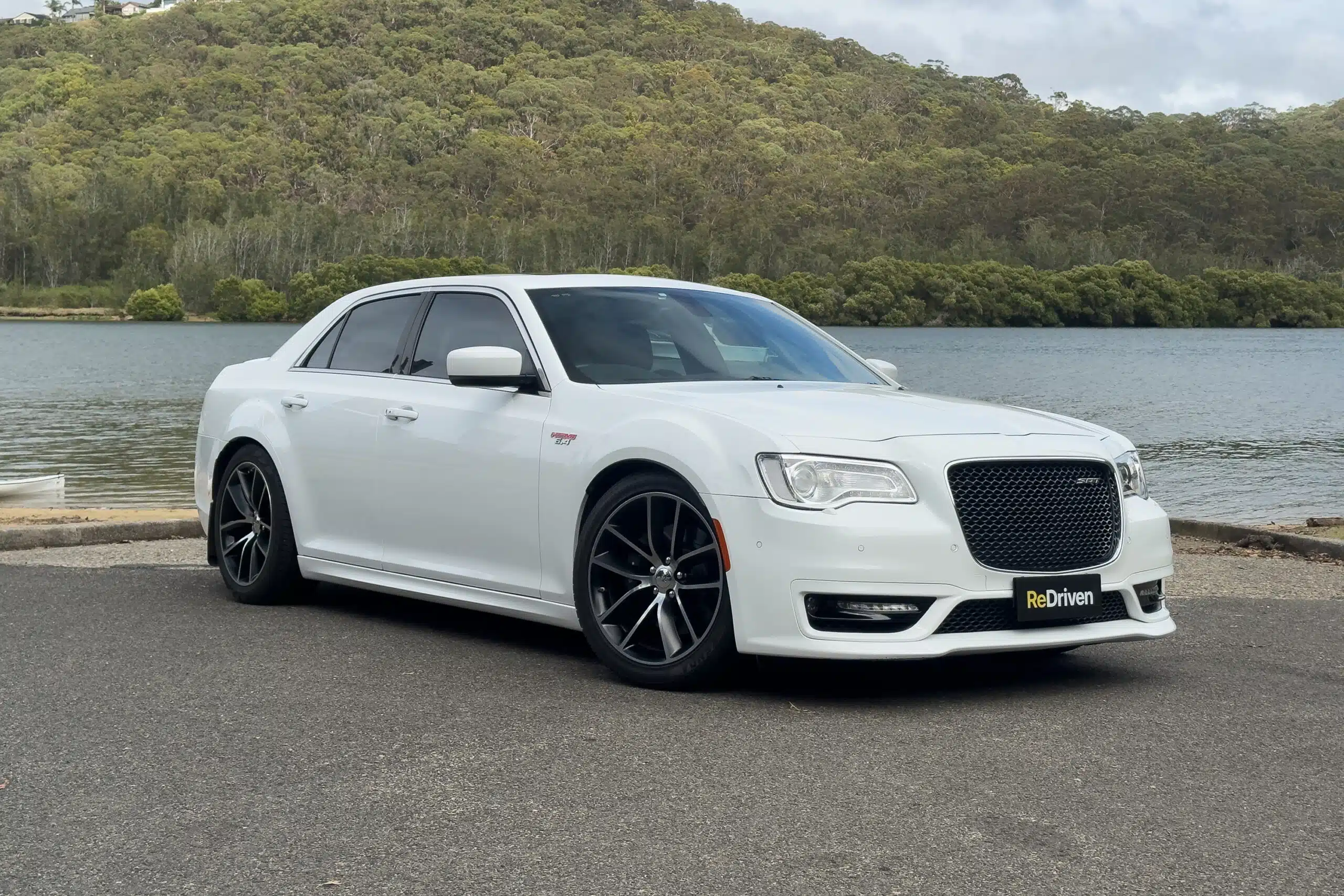
9. Chrysler 300: A Full-Size Sedan with Near-Luxury Appeal
The 2023 Chrysler 300 has built a reputation for reliability, benefiting from more than a decade on the market with minimal mechanical changes. While Chrysler historically hasn’t matched the long-term dependability of brands like Honda or Toyota, the 300 stands out as a full-size sedan offering a blend of comfort, performance, and value.
Starting at $34,995, the 300’s lineup of V6 and V8 engines, cushy seats, and engaging handling make it a more affordable alternative to luxury-branded sedans, even though it lacks the latest interior technology and has slightly declining crash-test scores.
The Chrysler 300 is designed for smooth, powerful cruising rather than aggressive sportiness. The optional V8 engine provides strong acceleration, accompanied by a satisfying exhaust note, while the eight-speed automatic transmission delivers crisp, clean shifts. Some models include paddle shifters for more driver control.
Despite its large size, the 300 handles well for its class. The brakes are responsive, and the steering offers a balance of lightness at low speeds and firmness at highway speeds. However, the car’s mass is noticeable in tight turns, even in the sportier 300S variant equipped with a stiffened suspension and performance tires.
Chrysler emphasizes a premium, near-luxury cabin experience. Road noise is minimal, and the climate control system is quick and intuitive. Seats are plush and supportive, including in sportier models, which still prioritize comfort over performance. While the 300S’s firmer suspension can transmit rough road surfaces, non-S models are likely to provide a smoother ride, contributing to an otherwise serene driving experience.
One of the 300’s strongest points is its spacious interior. It comfortably accommodates five passengers, with generous legroom and wide door openings for easy entry and exit.
The cabin offers a wide range of adjustments for both seats and steering wheel, enhancing comfort for drivers of all sizes. Blind spots can be significant due to large pillars and a high shoulder line, but a standard rearview camera helps mitigate visibility concerns.
The 300’s technology is straightforward and functional. The factory navigation system is simple and intuitive, while Apple CarPlay and Android Auto come standard.
Optional features include a nine-speaker Alpine audio system, front and rear parking sensors, lane departure and lane-keeping assist, and a 4G LTE Wi-Fi hotspot. Voice controls are basic but effective, and convenience features such as remote start and a car finder are available.
Storage in the 300 is generous. The trunk offers 16.3 cubic feet, sufficient for the class, and rear seats fold in a 60/40 split for additional cargo flexibility. Interior storage includes multiple cupholders and a wide center console, while ample space in the rear accommodates large child seats with ease.
Fuel economy for the V8 300S is modest, with an EPA estimate of 19 mpg combined and real-world results around 17–18.6 mpg. The 300 offers a solidly built interior and good materials, but pricing can climb significantly with optional features and V8 engines, at which point a luxury-branded sedan may become a viable alternative. Chrysler’s warranty coverage is average.
The Chrysler 300 delivers a balanced combination of power, comfort, and practicality in a full-size sedan. While it may lack cutting-edge technology and the prestige of a luxury brand, it provides near-luxury features and robust reliability at a competitive price, making it a strong contender for buyers seeking a roomy, comfortable, and powerful sedan.
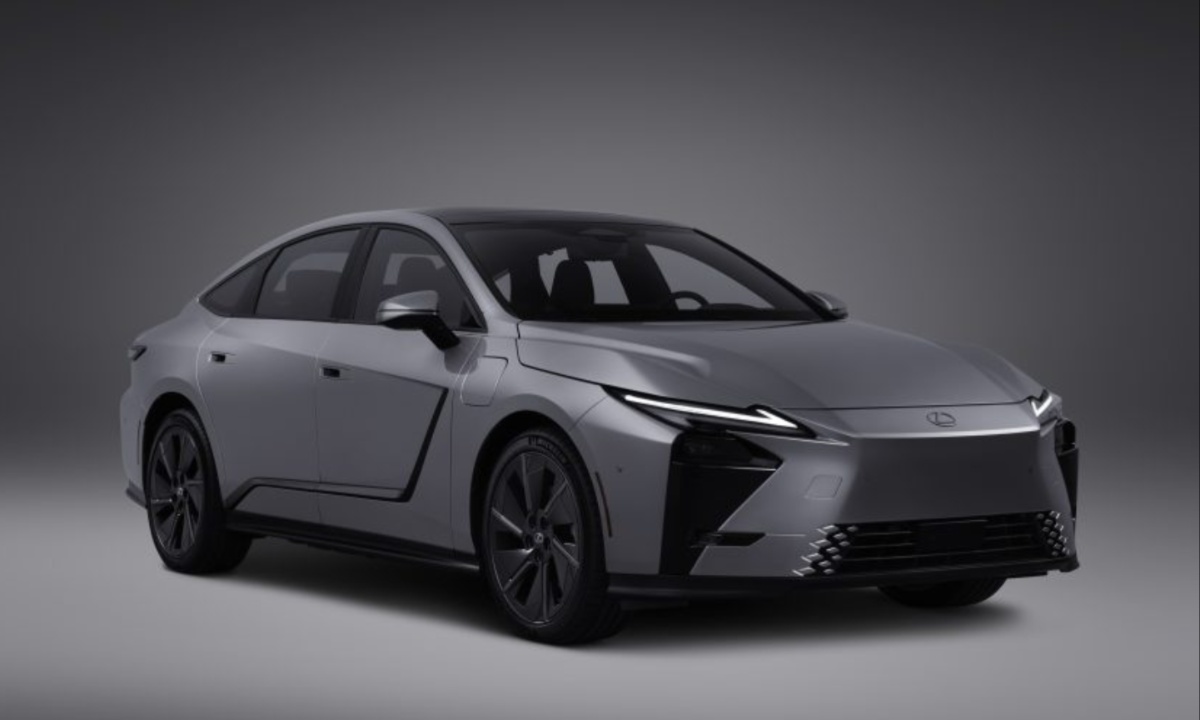
10. Lexus ES: A Serene and Long-Lasting Luxury Sedan
The 2023 Lexus ES is a full-size luxury sedan designed for comfort, refinement, and long-term reliability. Priced from $41,940, it offers more standard features than competitors like the Chrysler 300.
Buyers can choose from multiple powertrains, including a gas-electric hybrid that achieves an EPA-rated 44 mpg in mixed driving, making it a strong option for efficiency-conscious drivers. Gasoline options include a smooth 3.5-liter V6 or a base four-cylinder with optional all-wheel drive, providing flexibility for different driving preferences.
The Lexus ES 350 provides smooth and composed handling. Acceleration is powerful and consistent, although it does not lead its class in speed. Steering feels well-weighted and contributes to a confident driving experience, especially around curves. The tires do not offer maximum grip, but the ES maintains stability and comfort in most driving conditions.
In city driving, gear changes are seamless, making the ES feel effortless in traffic. Advanced driver assistance features such as lane-keeping assistance, blind-spot monitoring, and adaptive cruise control function effectively, supporting safe and relaxed driving.
Comfort is a key strength of the Lexus ES. The cabin is exceptionally quiet, insulating passengers from road and engine noise. Front seats are firm yet supportive, allowing long drives without fatigue. Rear seats are spacious and wide enough to accommodate passengers comfortably. The F Sport variant offers sportier front seats with more pronounced bolsters while maintaining luxurious leather upholstery.
The ES rivals larger sedans like the Mercedes S-Class and Genesis G90 in passenger comfort. Wind noise is slightly noticeable at highway speeds, but the minimal road and tire noise enhances the impression of a premium interior.
The ES includes a 12.3-inch infotainment display on higher trims, providing responsive touch controls for navigation, audio, and climate functions. Many features can be operated through voice commands.
Wireless Apple CarPlay and Android Auto are standard, allowing seamless smartphone integration. Technology features, including adaptive cruise control and blind-spot detection, integrate into the driving experience without distraction.
The ES 350 has a 13.9-cubic-foot trunk, providing adequate space for luggage or sports equipment. Rear seats do not fold down, limiting the ability to carry longer items. Interior storage for small objects is sufficient, with functional cupholders and door pockets.
The Lexus ES delivers strong value in the luxury segment with high-quality materials, precise build quality, and a serene cabin. Leather upholstery, tight panel gaps, and carefully designed controls reflect attention to detail.
Pricing is reasonable considering the quality and comfort provided, and Lexus dealer service adds to the ownership experience. Fuel economy for non-hybrid models averages 21.5 mpg in real-world testing, slightly below the EPA rating of 25 mpg combined.
The ES excels in providing serenity and refinement. While its styling may appear understated, the quiet cabin, precise engineering, and supportive seats create a relaxing environment in traffic and on long trips. Its comfort and build quality make it feel more expensive than the price suggests, offering a luxury experience that prioritizes peace, ease, and quality.
These ten cars demonstrate that the joy of driving still thrives. Each one connects people to the road in its own way, whether through the Civic’s agility, the Camry’s smooth confidence, or the Miata’s raw enthusiasm.
Even efficiency-focused models like the Prius and Accord Hybrid offer satisfaction that goes beyond saving fuel. Together, they represent a commitment to keeping the driver at the center of the journey. Comfort, safety, and technology have advanced, but these vehicles never forget that driving should also be engaging.
“10 Cars That Prove Driving Isn’t Dead Yet” is a celebration of that belief, showing that the passion for driving still lives in modern engineering. As long as roads stretch toward the horizon and hands rest on steering wheels, there will always be cars built not just to move us, but to make every mile feel alive.
Also Read: 10 Cars With Timeless, Clean Design That Have Become Icons