
For many people, music is not just something to listen to, it’s an essential part of daily life, a companion on long drives, and a source of comfort or energy. When it comes to cars, the audio experience can significantly influence how enjoyable a trip is.
Whether it’s a short commute or a long road trip, having a sound system that reproduces music faithfully and powerfully can make all the difference.
This has led to car manufacturers putting an increasing emphasis on the quality of their in-car audio systems. Some cars come equipped with premium sound setups designed by renowned audio brands, while others leave music lovers feeling disappointed and disconnected from the sound they expect.
A great car audio system doesn’t just mean loud speakers. It includes well-placed drivers for balanced sound, subwoofers for deep bass, amplifiers that deliver clean power, and cabin acoustics that enhance listening. The best cars create an immersive environment, allowing drivers and passengers to hear every instrument, note, and nuance with clarity and depth.
This is especially true for those who appreciate genres like classical, jazz, rock, or hip-hop, where sound quality makes a difference in enjoyment.
Not all vehicles, however, prioritize the audio experience. Some cars come with basic or underpowered sound systems that struggle with bass, distort at higher volumes, or lack detail in mid and high frequencies.
These cars might be great for other features like fuel efficiency or performance, but for music lovers, they can be a letdown. For many, it’s frustrating to invest in a vehicle only to find the music experience is mediocre or worse.
In this article, the focus will be on two groups of cars: five models that are perfect for music lovers because of their superior sound systems and thoughtful acoustic design, and five models that fail to impress due to weak or uninspired audio setups.
Each car’s audio strengths or weaknesses will be discussed in detail to help readers understand what makes or breaks a great listening experience inside a vehicle.
5 Cars That Are Perfect for Music Lovers
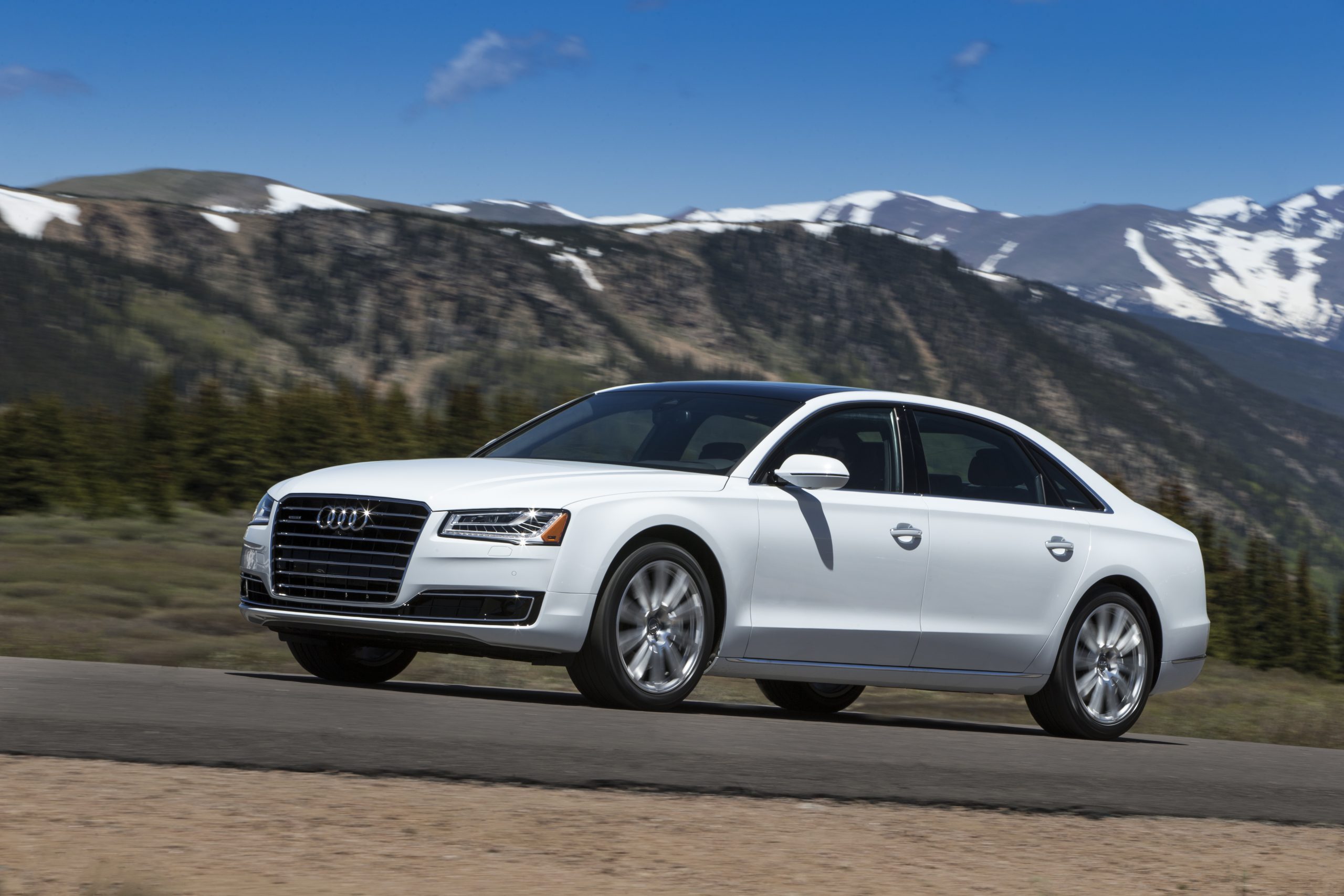
1. Audi A8
The Audi A8 is a flagship luxury sedan that consistently ranks highly for its sound system, which is one of the best in its class. Its Bang & Olufsen 3D Advanced Sound System uses 23 speakers positioned throughout the cabin, including on the dashboard, doors, ceiling, and rear pillars, ensuring an even distribution of sound.
With a total power output nearing 1,900 watts, the system delivers impressive volume without distortion. Audi’s engineers carefully calibrated the sound system to suit the A8’s specific interior dimensions and materials, ensuring that the soundstage feels natural and enveloping.
The integration of digital signal processing allows the sound to be precisely managed so that each frequency range, from deep bass to sparkling highs, is balanced and clear.
What makes this system particularly is the use of 3D sound technology, which adds height channels to traditional stereo, making music feel more spacious and lifelike. The subwoofers are integrated discreetly but provide a firm, punchy bass response that supports the music without overwhelming other elements.
Audi also uses a clever system that minimizes unwanted vibrations, so the sound remains clean even at higher volumes. The system’s clarity ensures that every instrument and vocal nuance comes through, which is something true audiophiles appreciate, whether they listen to orchestral music or modern electronic tracks.
The quietness of the Audi A8’s cabin also enhances the listening experience. Thanks to extensive sound insulation and active noise cancellation technology, external sounds such as road and wind noise are kept to a minimum. This allows passengers to enjoy music at lower volumes, which is easier on the ears and reduces fatigue on long journeys.
The car’s adaptive sound profiles further improve the experience by tailoring the audio output to suit different driving conditions or music genres, so listeners can switch from a more analytical studio mode to a more immersive live concert feeling.
In addition to the sound quality, the system’s controls are intuitive and integrated well with the infotainment interface. Users can adjust equalizer settings or select presets tailored for different music styles. This user-friendly approach ensures that drivers and passengers can easily find their preferred sound signature without distraction.
The Audi A8 combines advanced audio technology, thoughtful cabin design, and user customization options to deliver one of the most satisfying music experiences found in a vehicle.
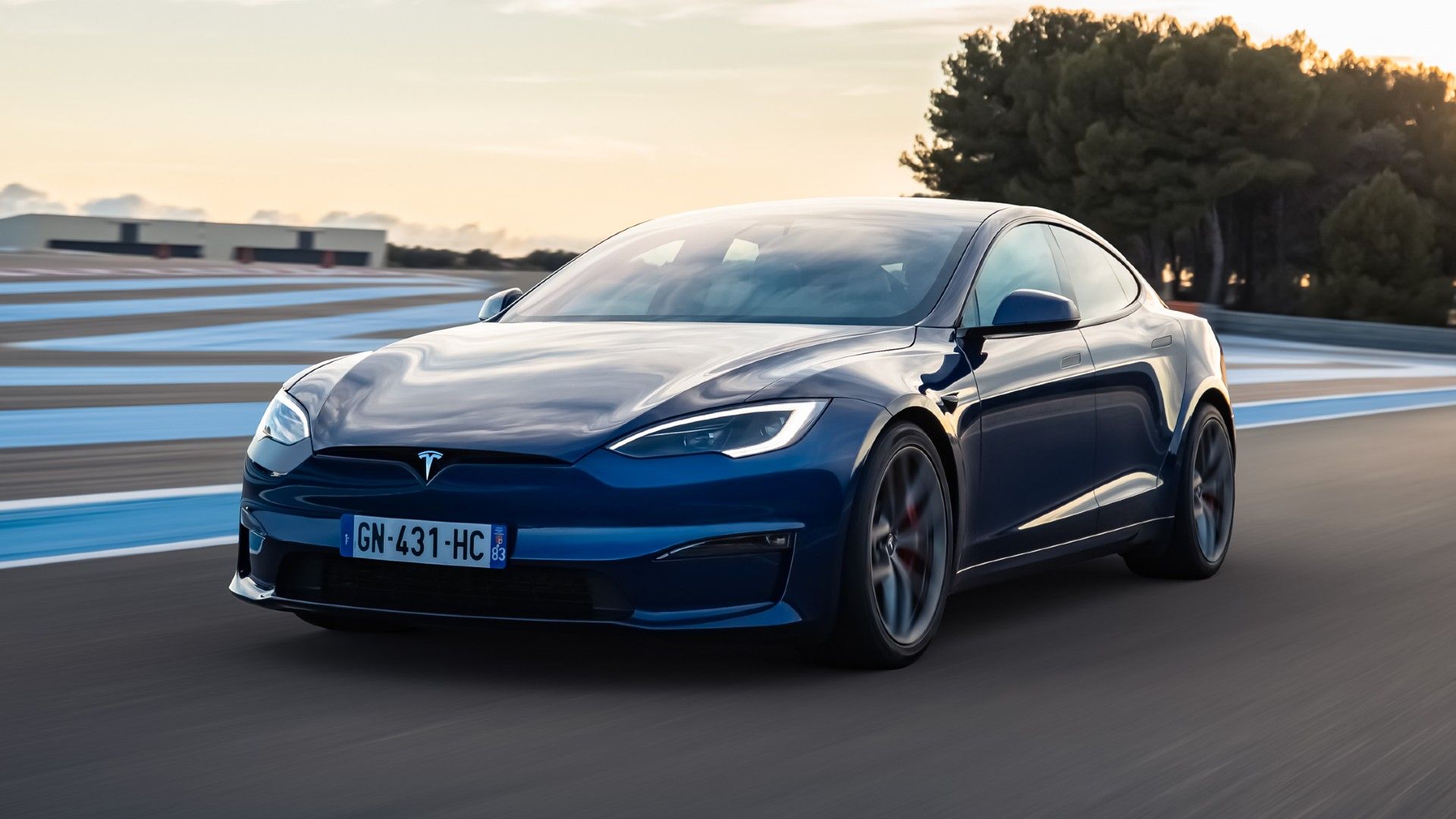
2. Tesla Model S
Tesla’s Model S is a standout not only for its electric powertrain and technology but also for its premium audio system that has been engineered to meet the expectations of music lovers.
The car features a 22-speaker system with an amplifier delivering nearly 1,000 watts of power, designed in collaboration with audio experts to provide a broad frequency range and crystal-clear sound reproduction.
One of the Tesla Model S’s unique advantages is its use of advanced sound processing algorithms that adapt the output based on where passengers are seated, which helps maintain a balanced sound regardless of position in the cabin.
The spacious interior of the Model S also contributes to its superior audio quality. The absence of a traditional engine and transmission tunnel allows for a flatter floor and more open space, reducing unwanted sound reflections and echoes that can muddy audio clarity.
This spacious environment gives the audio system room to breathe, producing a clear and immersive soundstage that makes music feel alive and detailed. Many owners report that the system excels at reproducing complex compositions, with clean separation between instruments and a dynamic range that brings out the subtle details in recordings.
Tesla also focuses on creating a quiet cabin, with noise-reducing glass and sound-damping materials that minimize road and wind noise intrusion. This quiet environment means that music can be enjoyed fully without needing to turn up the volume excessively.
Additionally, the Model S’s system supports a wide range of digital audio formats and integrates seamlessly with streaming services through Tesla’s infotainment system, providing access to high-quality music content at the driver’s fingertips.
What sets the Model S apart is its continual improvement philosophy. Tesla regularly releases over-the-air software updates that refine the audio processing and introduce new features, ensuring the sound system evolves and improves over time.
This commitment to enhancement, combined with the system’s high fidelity and adaptability, makes the Tesla Model S a top contender for those who prioritize an exceptional in-car music experience.
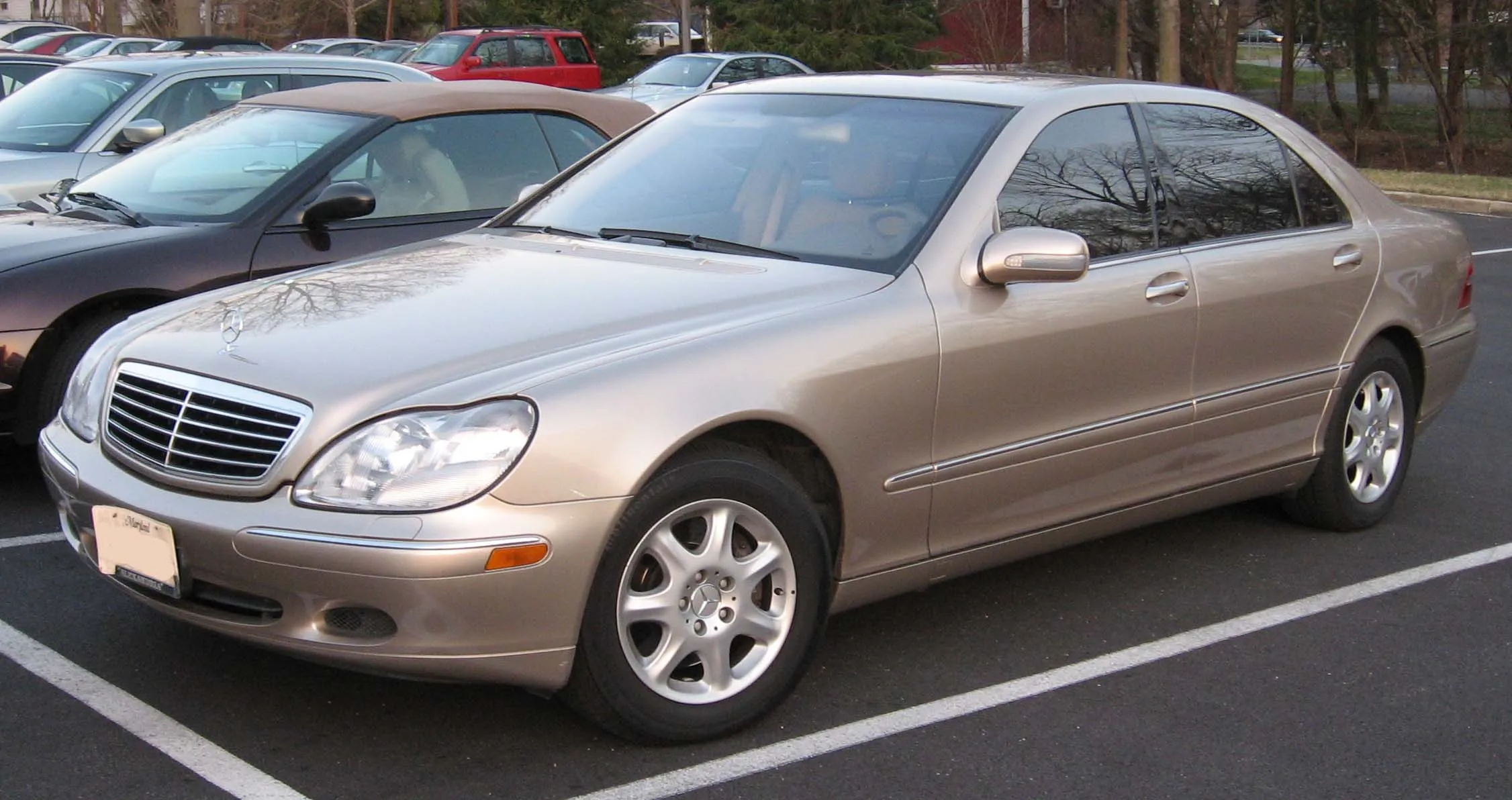
3. Mercedes-Benz S-Class
The Mercedes-Benz S-Class has long been a benchmark for luxury and refinement, and its Burmester 3D Surround Sound system is a major reason why music lovers favor this sedan.
Featuring 26 speakers strategically placed to create an enveloping sound environment, the system delivers over 1,500 watts of power, enough to fill the cabin with rich, detailed sound that rivals professional listening rooms.
What makes this system truly special is its 3D surround sound technology, which adds height and spatial dimensions to the audio, creating a sense of immersion that makes it feel as though the listener is inside the music rather than simply hearing it.
The careful tuning of the Burmester system ensures a balanced sound signature, with tight and controlled bass that anchors the music without overpowering the mids and highs.
The system’s clarity means that vocals sound natural and instruments retain their unique tonal qualities, whether it’s the delicate brush of a snare drum or the resonant pluck of a bass guitar. Drivers can choose from different audio presets tailored for specific music styles, enabling them to enjoy music exactly as they prefer.
In terms of the vehicle itself, the S-Class is renowned for its quiet cabin, which helps preserve the integrity of the sound system. Extensive soundproofing, double-glazed windows, and acoustic insulation prevent unwanted external noise from disrupting the audio experience. This results in an environment where music can be enjoyed at lower volumes with better detail, improving comfort on long drives.
Mercedes-Benz also provides intuitive controls for the audio system, including physical knobs and touchscreen options that allow precise adjustments.
The integration with modern infotainment systems supports multiple streaming services and audio formats, making it convenient to access favorite playlists or high-resolution audio files. The combination of a carefully crafted sound system, a quiet cabin, and user-friendly controls makes the S-Class one of the most music-friendly cars on the road.
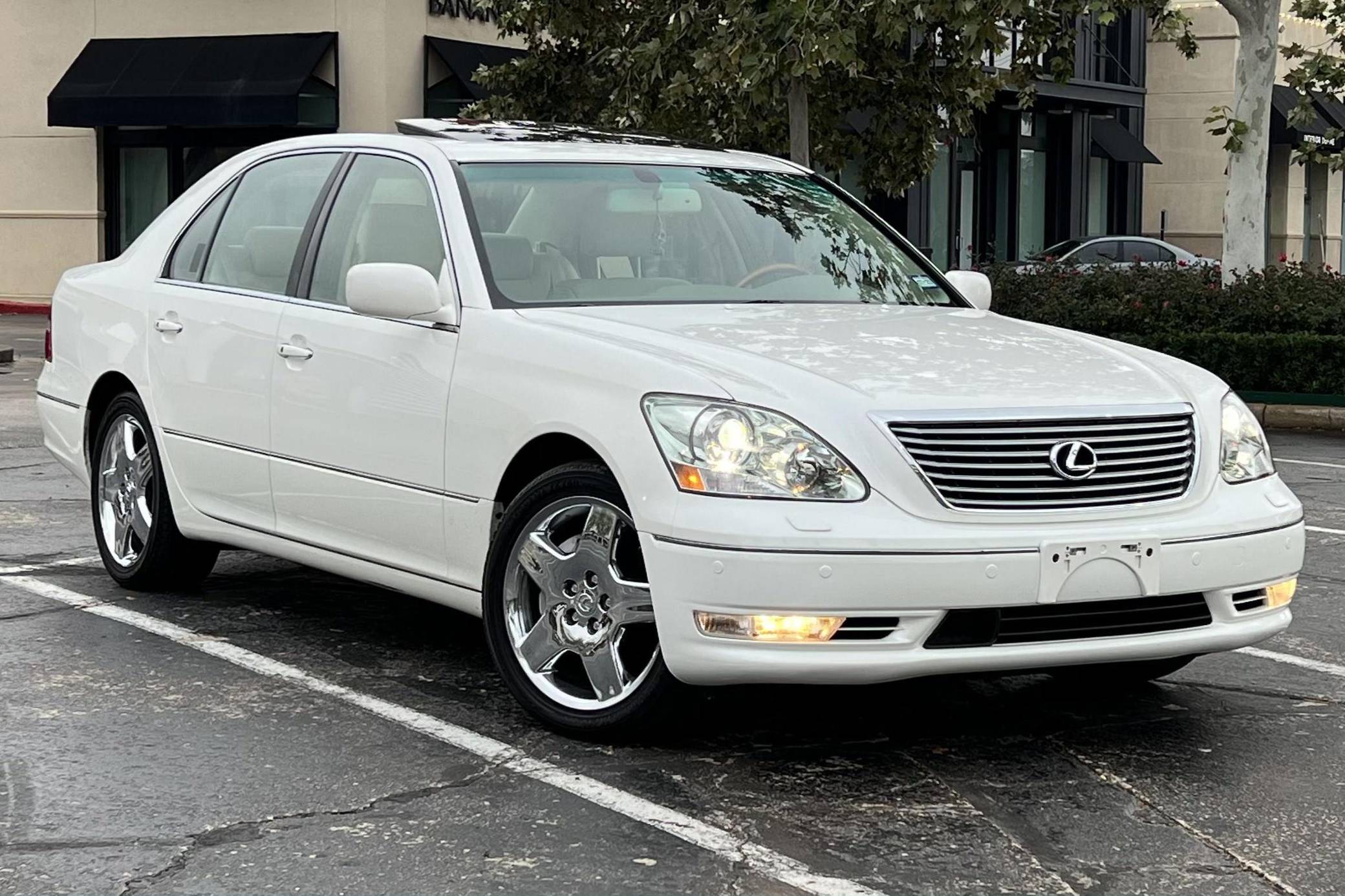
4. Lexus LS
Lexus is a brand known for its emphasis on craftsmanship and attention to detail, and its LS sedan offers an exceptional audio experience through its collaboration with Mark Levinson, a prestigious audio company.
The Mark Levinson Reference Surround Sound system in the LS boasts 23 speakers and a powerful 2,400-watt amplifier, which work together to deliver a detailed and rich audio presentation. The speakers are thoughtfully positioned to provide a balanced sound field that fills every corner of the cabin, allowing all passengers to enjoy the music fully.
This system excels at reproducing the nuances of music with clarity and precision. The bass is deep and well-controlled, providing a foundation for the music without drowning out other frequencies. Meanwhile, the midrange and treble frequencies are clear and articulate, which enhances the realism of vocals and acoustic instruments.
The system uses advanced noise-cancellation techniques to minimize ambient noise from the outside world, helping to maintain a clean listening environment even on busy roads.
One of the defining features of the LS’s audio system is the care taken to calibrate the speakers and processing to the vehicle’s specific interior materials and shape.
Lexus engineers collaborated closely with Mark Levinson to ensure the system delivers consistent sound quality throughout the cabin, taking into account the effects of leather seats, wood trim, and glass surfaces. This meticulous tuning results in a soundstage that feels both natural and immersive.
The Lexus LS also offers a range of sound presets and customization options, allowing users to tailor the sound to their preferences. The system supports high-quality audio sources and modern connectivity features, including Bluetooth and USB inputs, so music lovers can enjoy a variety of formats and playlists with excellent fidelity. The LS stands out as a luxury sedan that provides a truly engaging and premium music experience.
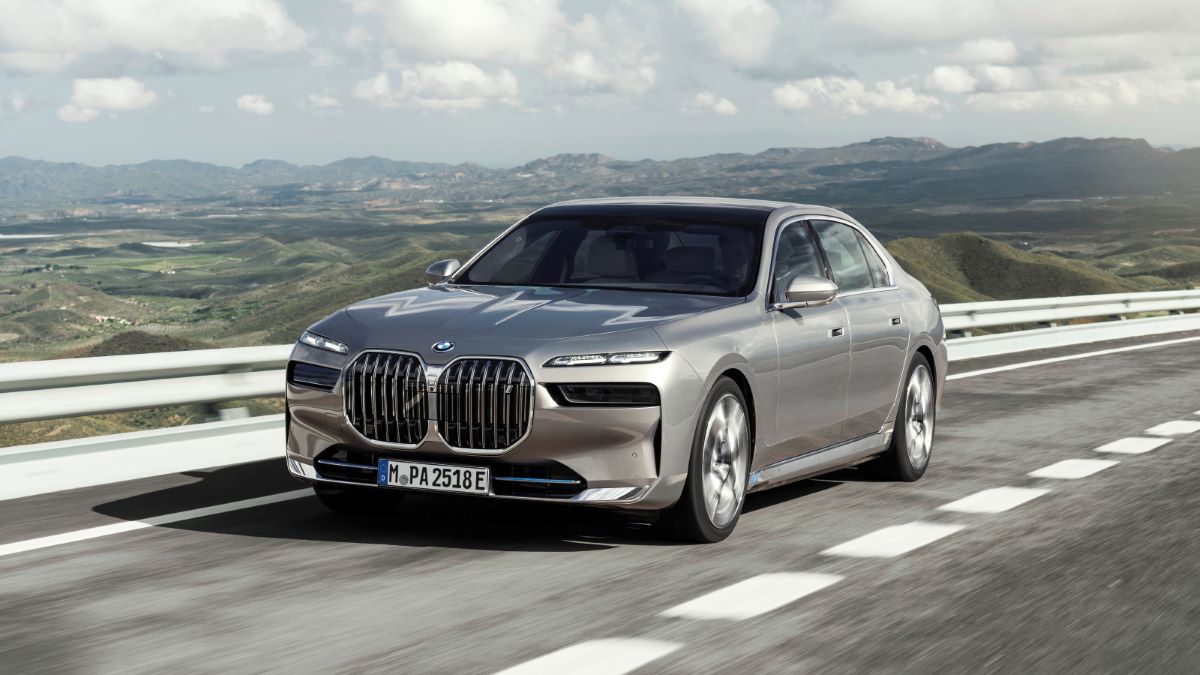
5. BMW 7 Series
The BMW 7 Series is a luxury sedan that pairs performance with sophistication, and its available Bowers & Wilkins Diamond Surround Sound system is a major highlight for music enthusiasts.
This system includes between 16 and 20 speakers, depending on configuration, and features advanced components like diamond-coated tweeters, which produce incredibly crisp and clear high frequencies. With a total output of around 1,400 watts, the system offers dynamic and powerful sound that can fill the spacious cabin with ease.
The Bowers & Wilkins system uses digital signal processing to optimize the sound according to the listener’s position. This means that whether you are sitting in the driver’s seat or the back passenger seat, the audio quality remains consistent and immersive.
The system’s 3D sound capabilities provide a wide soundstage, creating a feeling of being surrounded by the music, which enhances the enjoyment of complex recordings.
The bass performance in the 7 Series is for its richness and precision. Subwoofers are carefully integrated to provide deep low frequencies without overwhelming other sounds.
This allows for a balanced audio experience where all frequencies are well represented. The car’s acoustic design also contributes significantly, with effective soundproofing and vibration dampening that reduces external noise interference.
Owners often praise the system for its ability to reproduce a wide range of music genres authentically, whether it’s classical symphonies or electronic dance music.
The intuitive controls and integration with BMW’s iDrive infotainment system make it easy to manage audio settings and access various music sources. For anyone seeking a blend of luxury, technology, and outstanding audio quality, the BMW 7 Series is a compelling option.
5 Cars That Don’t Impress Music Lovers
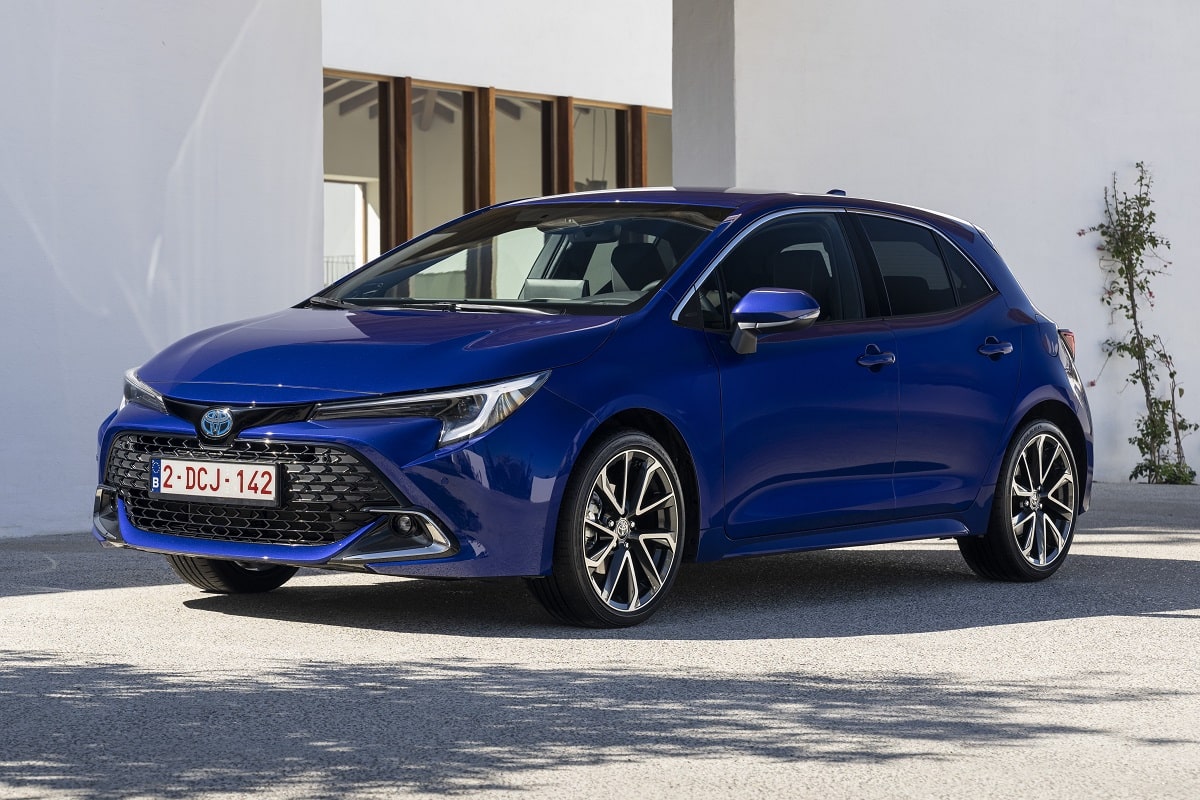
1. Toyota Corolla
The Toyota Corolla is one of the world’s best-selling cars, well-regarded for its dependability, fuel efficiency, and affordability. However, the Corolla’s standard audio system leaves much to be desired for those who value sound quality.
Typically, the car is equipped with a basic 6-speaker setup that lacks the depth and clarity required for a satisfying music experience. The speakers are relatively small and poorly positioned, which results in a soundstage that feels narrow and flat rather than immersive.
One of the biggest weaknesses of the Corolla’s audio system is its bass response. It often feels weak and undefined, leaving music sounding thin and lacking body.
This is particularly noticeable with genres like hip-hop or electronic music, which rely heavily on deep bass lines. When the volume is increased, the system can distort, and the mids and highs lose their crispness, making vocals and instruments sound muffled or harsh.
Another problem is the Corolla’s cabin acoustics. While the car is designed to be practical and efficient, it does not have the extensive soundproofing found in more premium vehicles.
Road and wind noise tend to seep into the cabin, competing with the music and requiring higher volume levels to mask the disturbance. This creates a frustrating listening environment that can cause fatigue on longer trips.
Despite the presence of modern infotainment features such as touchscreen displays and smartphone integration in newer models, the core audio hardware remains unchanged.
For music lovers who want an enjoyable and high-fidelity listening experience, the Toyota Corolla’s system is functional but uninspiring, making it a less attractive choice for those who prioritize sound quality in their vehicle.
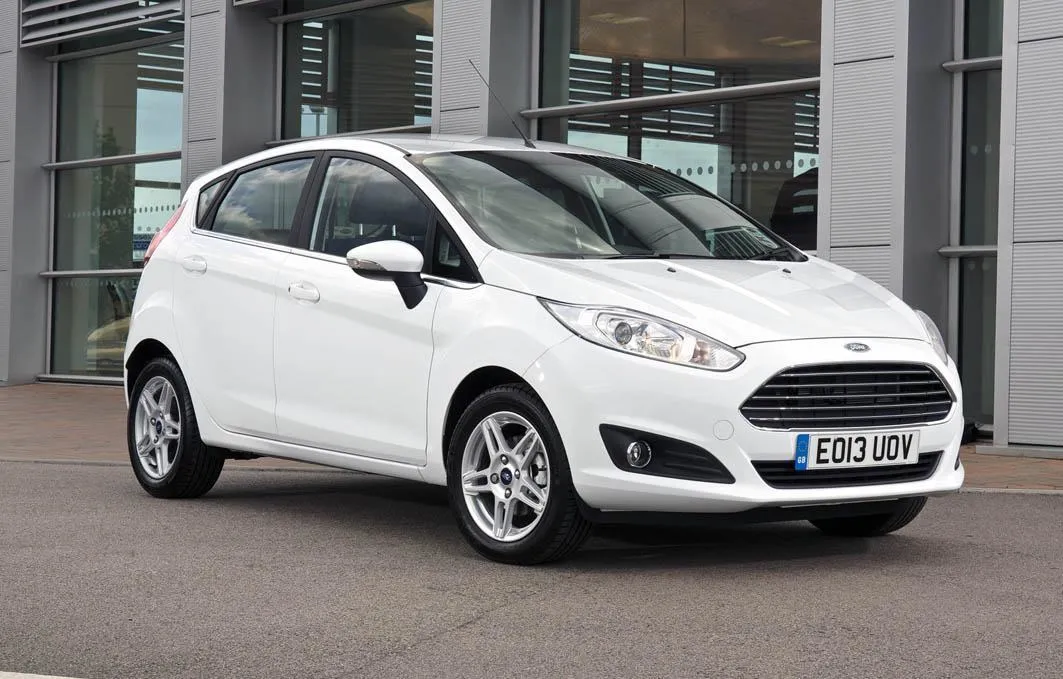
2. Ford Fiesta
The Ford Fiesta is a compact and affordable car known for its nimble handling and city-friendly size. However, when it comes to audio performance, it falls short for those who expect more from their in-car music.
The Fiesta’s standard sound system typically includes four to six speakers, which produce a sound that can be described as thin and lacking in fullness. The limited bass output and low amplifier power result in a system that cannot adequately fill the cabin with rich and engaging sound.
The mids and highs in the Fiesta’s audio system also suffer from a lack of clarity. At higher volumes, the sound becomes distorted, with the higher frequencies becoming sharp or tinny.
This reduces the listening comfort and makes it difficult to enjoy music genres that require subtlety and detail, such as jazz or classical. The small size of the cabin does not compensate for these shortcomings, as the speakers and system design are simply underpowered.
Cabin noise further detracts from the audio experience. The Fiesta lacks advanced soundproofing materials, so road and engine noise intrude noticeably, especially at highway speeds.
This background noise competes with the audio, making it harder to appreciate the finer details in music. While the Fiesta’s infotainment system offers connectivity features such as Bluetooth and smartphone apps, the fundamental quality of the audio hardware limits the listening pleasure.
For drivers who prioritize music enjoyment, the Ford Fiesta’s sound system is a basic setup that fails to deliver the richness, clarity, or power found in more premium vehicles. Upgrading the system is possible but often costly relative to the car’s price, leaving many owners with an average listening experience.
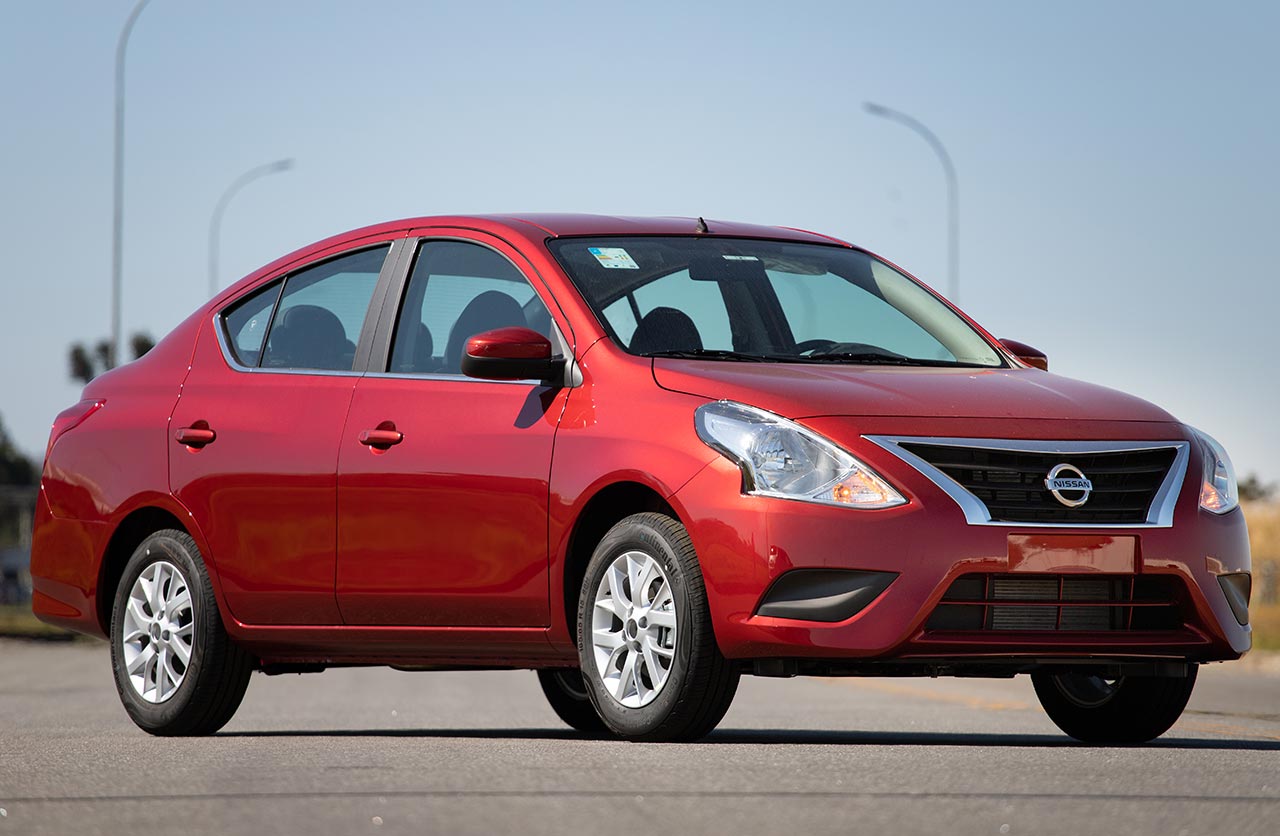
3. Nissan Versa
The Nissan Versa is designed as an economical and practical choice for budget-conscious drivers, and its audio system reflects this priority. Most versions come with a basic 4-speaker setup that is limited in both power and sound quality.
The small speakers struggle to produce a balanced and dynamic sound, resulting in music that feels flat and lifeless, lacking the depth and clarity that enhance enjoyment.
The bass output is weak in the Versa’s system. Instead of a deep and controlled low end, the bass tends to be muddy or almost non-existent, which undermines the impact of many musical genres.
The midrange and treble frequencies also fall short, with vocals and instruments lacking presence and detail. The system’s power amplifier is low wattage, meaning it cannot deliver sufficient volume without introducing distortion and harshness.
The cabin itself is noisy, with minimal sound insulation and significant intrusion from road and engine noise. This interference competes with the music, making it necessary to raise the volume, which exacerbates distortion and listening fatigue.
The Versa’s interior design and materials do little to help improve the acoustic environment, making the sound quality feel even more underwhelming.
Although the car includes basic connectivity options like Bluetooth and USB inputs, these do not compensate for the poor quality of the sound hardware. For music lovers or those who spend significant time driving with the radio or streaming music, the Nissan Versa offers one of the least satisfying audio experiences among entry-level vehicles.
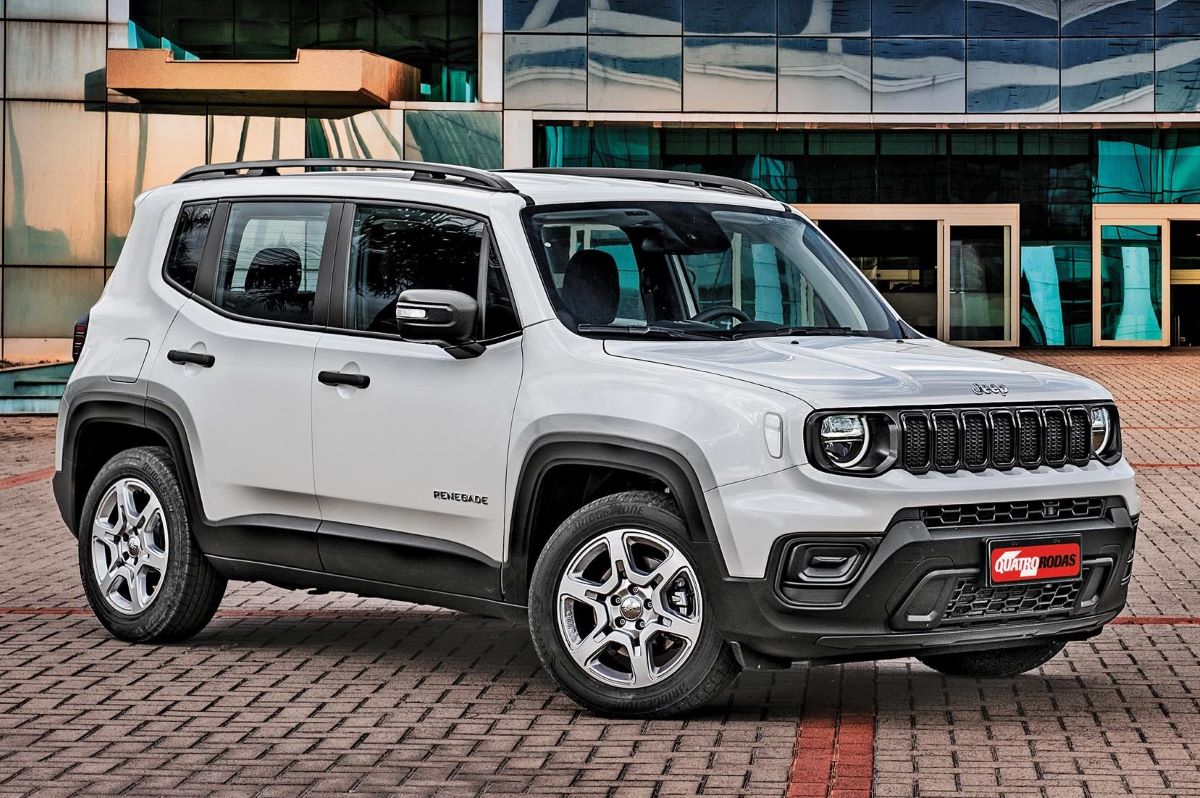
4. Jeep Renegade
The Jeep Renegade’s design and appeal center around its rugged styling and off-road capabilities rather than refined in-car entertainment. Its standard audio system, which generally includes six speakers, does not offer the level of sound quality expected by music aficionados.
The speakers lack clarity and detail, producing a sound that is often described as muddy and congested, with a weak bass response that fails to provide the depth and punch necessary for an enjoyable listening experience.
The acoustic environment of the Renegade’s cabin also presents challenges. The boxy shape and hard surfaces tend to create unwanted reflections and echoes, which can distort sound and reduce clarity.
Additionally, the vehicle’s ride quality and off-road focus mean that road and wind noise are more prominent than in more refined vehicles, further degrading the music experience. The sound system does not include advanced processing or premium audio brands, which limits its ability to deliver a polished soundstage.
At higher volumes, distortion becomes evident, especially in the mids and highs, making vocals and instruments sound harsh or compressed. This limits the system’s ability to faithfully reproduce music genres with complex arrangements or dynamic shifts.
While the Renegade offers modern infotainment features such as touchscreen controls and smartphone connectivity, these do little to overcome the core audio shortcomings.
Jeep Renegade’s sound system is functional for casual listening but does not impress music lovers. It is better suited to those who prioritize other aspects of the vehicle’s character, such as its design and off-road capability, rather than an exceptional audio experience.

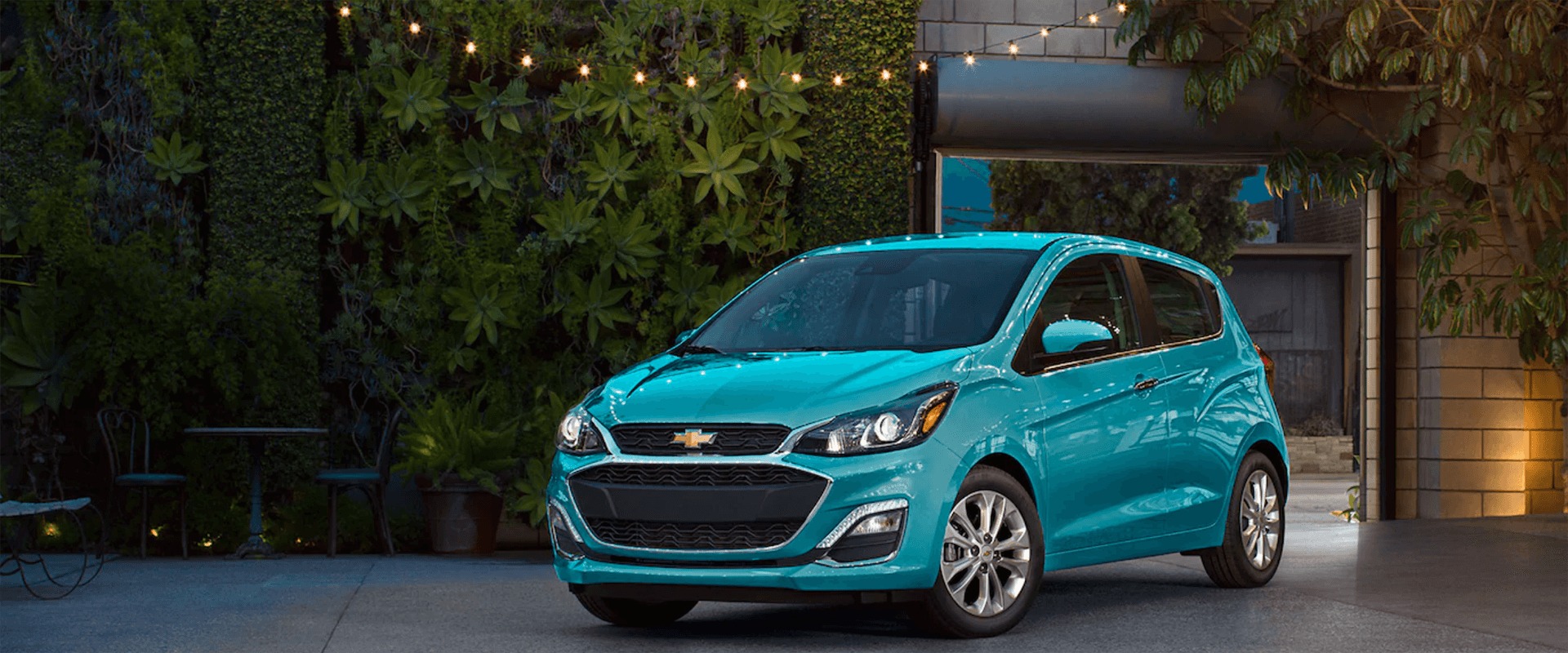
5. Chevrolet Spark
The Chevrolet Spark is one of the smallest and most affordable cars on the market, designed for practicality and city driving. Its audio system reflects this focus, offering a minimal setup of four small speakers that deliver low power and limited sound quality.
The system’s audio output is typically flat and tinny, lacking warmth, depth, or richness, which are qualities that music enthusiasts look for in a sound system.
Bass reproduction in the Spark is particularly weak. The small speakers and absence of a dedicated subwoofer mean that low frequencies are barely felt, leading to music that feels thin and unengaging.
The midrange and treble frequencies also suffer, with vocals sounding distant and instruments lacking definition. When the volume is turned up, distortion and harshness become noticeable, further detracting from the listening experience.
The cabin size does not improve the situation, as the acoustic properties and interior materials are not optimized for sound. Additionally, the Spark’s lack of substantial sound insulation allows road and wind noise to infiltrate the cabin, making it difficult to listen to music comfortably without increasing the volume to undesirable levels.
Though the Spark includes basic infotainment features such as Bluetooth and radio, these do not compensate for the underwhelming sound quality. For anyone who places a high value on in-car music enjoyment, the Chevrolet Spark’s audio system will feel disappointing, making it an uninspired choice in terms of entertainment.
Choosing the right car for an exceptional music experience involves more than just looking at engine power or exterior design. The quality of the audio system and the acoustic environment inside the vehicle play crucial roles in how much a driver or passenger can enjoy their favorite music on the road.
Among the cars that stand out for music lovers, models like the Audi A8, Tesla Model S, Mercedes-Benz S-Class, Lexus LS, and BMW 7 Series clearly demonstrate how advanced speaker technology, thoughtful cabin design, and soundproofing come together to create an immersive and high-fidelity listening environment.
These vehicles don’t simply provide sound; they deliver a rich, detailed, and balanced audio experience that makes every song, podcast, or audiobook more engaging and enjoyable.
Luxury brands and electric vehicles, in particular, have made significant strides in audio quality, investing in premium sound systems from renowned audio companies, sophisticated digital processing, and innovative speaker placements to tailor sound specifically for the car’s interior.
The ability to reduce external noise and enhance sound clarity allows music to shine even at lower volumes, reducing listener fatigue and making long journeys more pleasant. The flexibility in sound settings and seamless integration with modern infotainment systems add further value, letting users customize their music experience to match their preferences.
On the other side, cars such as the Toyota Corolla, Ford Fiesta, Nissan Versa, Jeep Renegade, and Chevrolet Spark reveal the challenges of delivering quality sound on a budget. These vehicles typically come equipped with basic audio systems that prioritize functionality and affordability over sonic excellence.
As a result, their sound often lacks depth, clarity, and power, with weak bass response and higher distortion at louder volumes. Combined with minimal sound insulation, this leads to a listening experience that can feel thin, harsh, or tiring. For those who spend considerable time in their cars listening to music, podcasts, or calls, these limitations can become a source of frustration.
The choice depends on individual priorities. For drivers who value crisp, immersive sound and are willing to invest in a vehicle that supports that passion, certain luxury and electric models stand out as the best options.
Meanwhile, those prioritizing budget, fuel efficiency, or compactness may need to consider aftermarket audio upgrades if they want a richer music experience. Understanding the differences in audio quality and cabin acoustics can help consumers make informed decisions that match their lifestyle and preferences, turning every drive into a more enjoyable auditory journey.
