
Repairing vehicles has changed a lot over the years. Once upon a time, a person could pop open the hood of a truck, grab a basic set of tools, and take care of most problems in the driveway or a backyard garage. Today, many modern vehicles require advanced diagnostics, proprietary software, and specialty tools just to perform basic maintenance.
That change has left many truck owners frustrated, especially those who prefer to work on their own vehicles or avoid the rising cost of professional mechanics. However, there are still trucks out there that buck the trend.
Some manufacturers have stuck to designs that are simple, straightforward, and friendly to the home mechanic. These trucks can be repaired with standard tools you might already have in your garage, and they don’t rely heavily on electronic systems that lock you out or make repairs overly complicated.
This article focuses on ten trucks known for their ease of repair without needing special tools. These trucks are valued for their mechanical simplicity, parts availability, and straightforward engineering. That doesn’t mean these trucks are primitive or outdated. Many of them are fully capable and reliable.
But they are built with enough mechanical logic and accessibility to allow owners to take control of maintenance and repairs. In a time when some vehicles can’t even have their oil changed without a scan tool or dealership access, these trucks remain approachable.
Each of the ten trucks mentioned has earned a reputation among mechanics, DIYers, and truck enthusiasts for being easy to work on. They allow tasks like brake replacement, fluid changes, alternator swaps, and even suspension work without needing computer access or brand-specific equipment.
While some newer trucks are heavily computerized and packed with sensors, these models maintain a practical balance between performance and serviceability.
Whether you’re a first-time wrench turner or a seasoned shade-tree mechanic, these trucks offer an opportunity to keep things simple and avoid being locked into dealership-only service. Now let’s go through the list of trucks that you can keep running with a socket set, a wrench, and a little bit of patience.
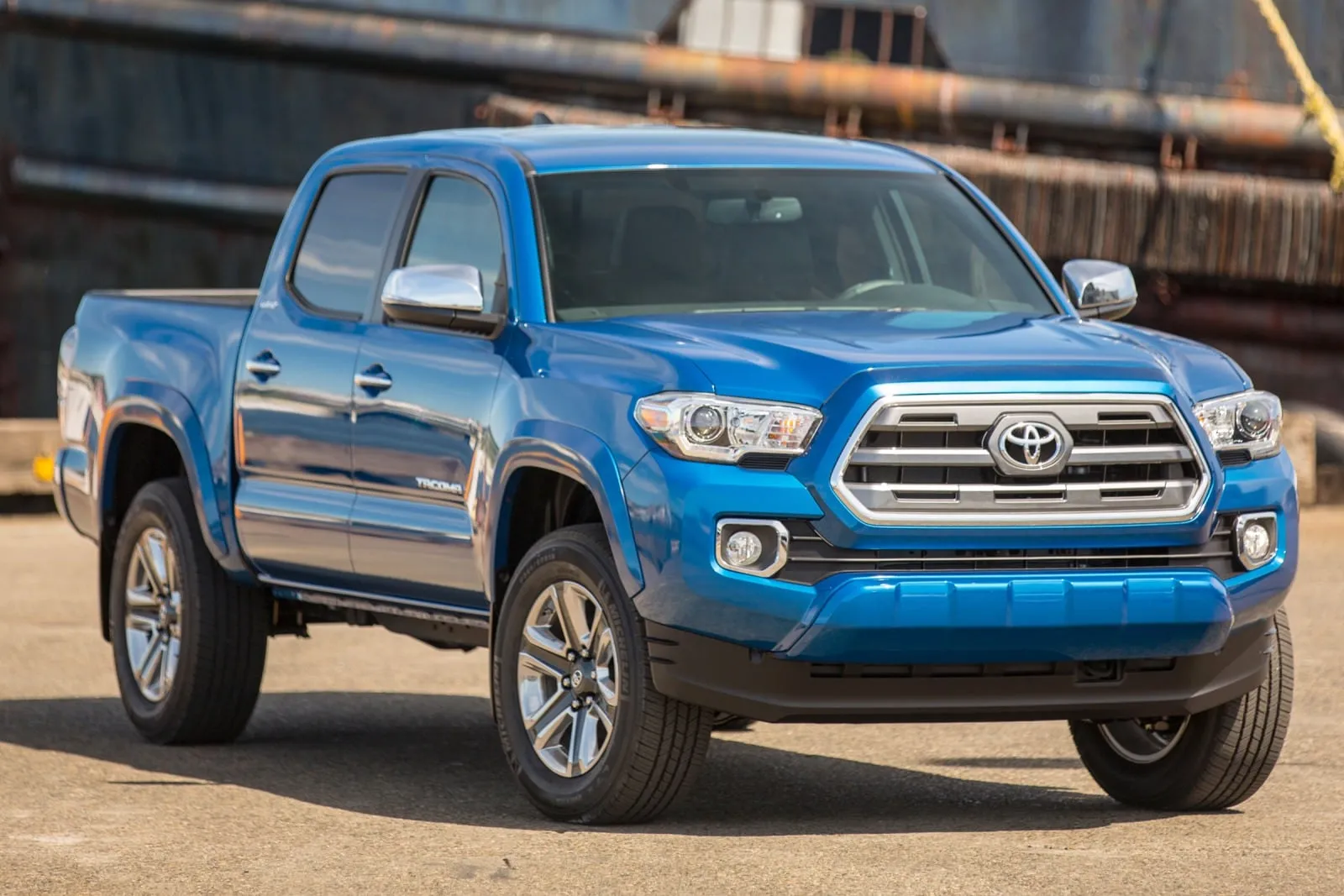
1. Toyota Tacoma (1995–2004)
The first-generation Toyota Tacoma is one of the most respected trucks when it comes to reliability and ease of maintenance. Built with simplicity in mind, these Tacomas are known for lasting hundreds of thousands of miles when properly cared for. The engine bay offers plenty of room to work, especially in the four-cylinder models.
That space allows for easy access to parts like the alternator, starter, water pump, and timing components. Most of the common service parts are held on with standard fasteners, and even jobs like clutch replacement can be done at home with a basic floor jack and hand tools.
The engines used in these models, especially the 2.7L 4-cylinder and the 3.4L V6, are mechanically straightforward and have well-documented repair procedures. The timing belt on the V6, for example, can be replaced in a few hours with standard metric tools and a service manual.
The lack of unnecessary electronics also makes diagnosing issues much simpler. Basic OBD2 scan tools are sufficient for most code reading, and many issues can be resolved without any electronics at all. Things like throttle cables, mechanical fan clutches, and vacuum lines keep things grounded in common-sense engineering.
Parts for the Tacoma are widely available and affordable. Since these trucks were produced in high numbers and have a large enthusiast following, aftermarket support is excellent. You can find everything from gaskets to suspension components at local auto parts stores.
This is a huge advantage when trying to avoid dealership pricing or waiting for specialty tools. Even more advanced jobs like head gasket replacement or transmission swaps can be completed in a home garage with a well-equipped toolbox and a floor jack.
What also makes these Tacomas appealing is their strong chassis and simple 4WD systems. The transfer case uses a manual lever, not electronic switches, and the front differential uses a straightforward mechanical design.
That means fewer failure points and more opportunities for DIY repair. For those who want a dependable truck without the complexity of modern systems, the first-generation Tacoma is an excellent choice that doesn’t require anything more than basic tools and a little know-how.
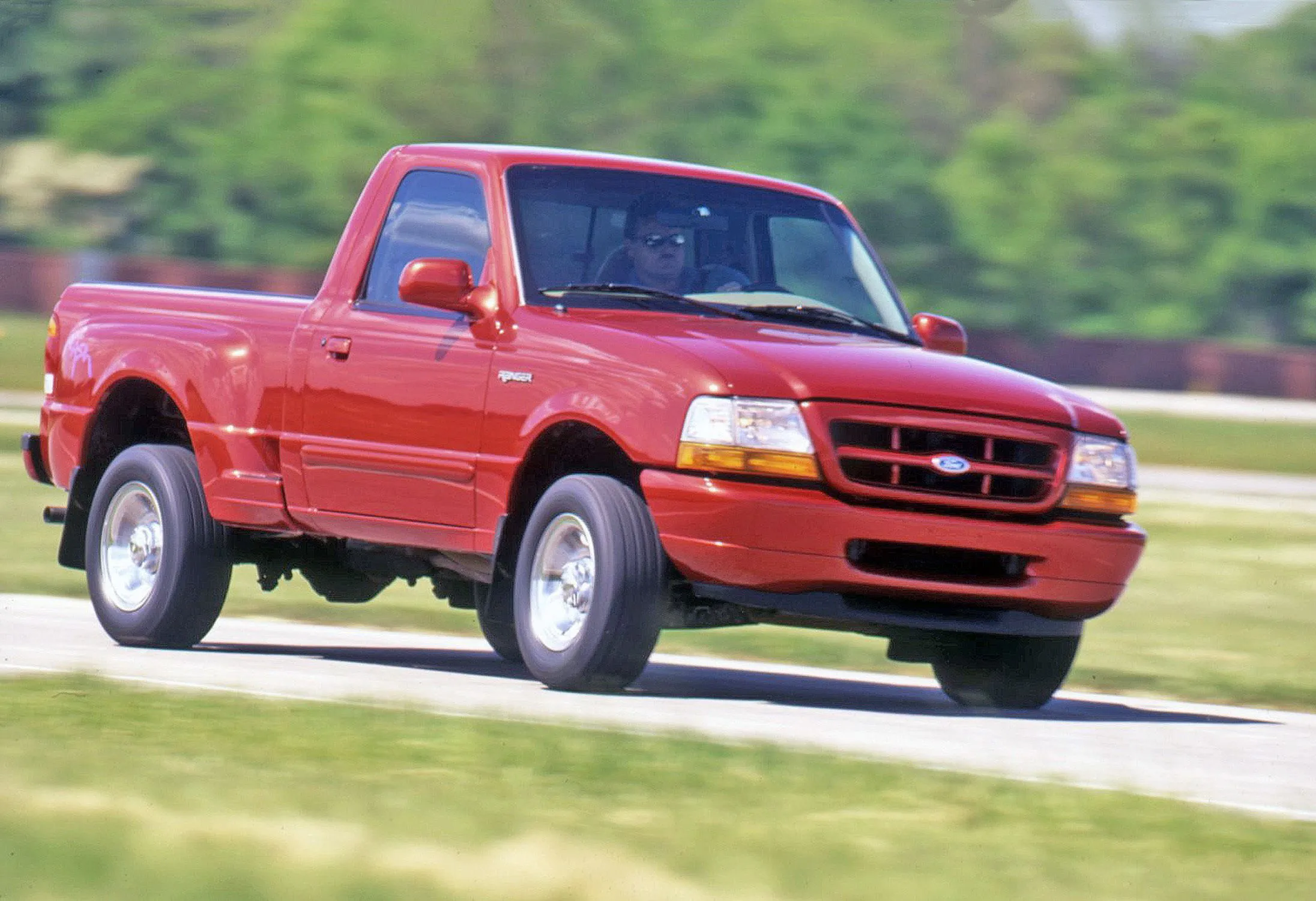
2. Ford Ranger (1983–1997)
The early Ford Ranger models, especially those built before the late 90s, were designed with practicality and serviceability in mind. These compact trucks use simple engines like the 2.3L four-cylinder, which has earned a solid reputation for being one of the most accessible and long-lasting powerplants in its class.
Whether you’re changing spark plugs, belts, or hoses, you won’t need anything more complicated than a set of sockets, screwdrivers, and maybe a torque wrench. There are no hidden fasteners or specialty torx bits scattered throughout the engine bay.
The drivetrain in these Rangers is another area where simplicity wins. Manual transmissions were common and are easy to service or replace. The 4WD system on older models uses a manual locking hub and mechanical shifter for the transfer case, avoiding electronic controls entirely.
That means if something goes wrong, it’s easy to troubleshoot and repair. The suspension setup is also basic, using twin I-beam or solid axle configurations that are well understood and easy to work on without a lift or press.
Ford’s use of widely shared components across many vehicle lines also helps. A lot of parts from these trucks were used in other Fords, meaning they’re cheap and easy to find. This also means service procedures are well-documented in repair manuals and online forums.
Whether you’re swapping out a fuel pump or rebuilding the front suspension, you won’t find yourself needing dealer-specific tools or hard-to-source diagnostic gear.
These Rangers are also highly forgiving for beginners. The lack of computerized systems and the availability of physical service manuals make it a great truck to learn wrenching on.
If you’re someone who wants to do their own maintenance without having to buy a laptop and software subscriptions, the older Ranger offers that level of independence. It’s built for real-world use and real-world repair, and that’s what sets it apart in a world of increasingly complicated vehicles.
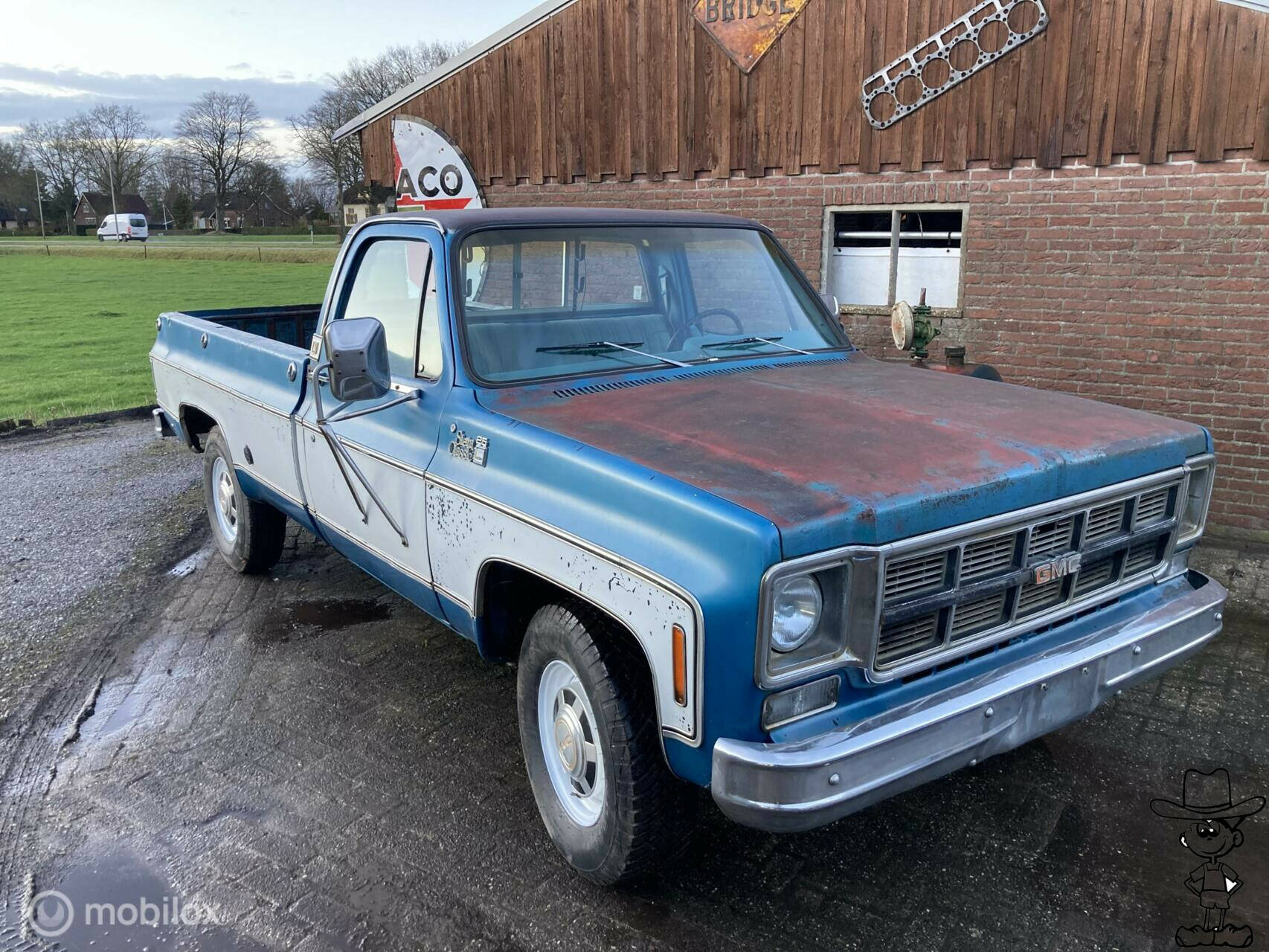
3. Chevrolet C/K Series (1988–1998)
The Chevy C/K trucks from this era, sometimes called the “GMT400” series, are among the most popular work trucks in North America, and for good reason.
These full-size pickups were designed with a focus on durability, but also with attention to how easily they could be maintained. The engines used during this time, including the 4.3L V6, 5.0L, and 5.7L V8s, are among the most accessible in GM’s lineup. They’re known for having plenty of space around the engine bay, which makes even larger jobs feel manageable.
The mechanical systems in these trucks are straightforward. Things like alternators, power steering pumps, and water pumps are mounted in easy-to-reach positions. There’s no need to remove half the engine to get to a component. The throttle body injection system used in the early 90s models is also much simpler than later multi-port systems. While it may not be as efficient, it’s far easier to service without needing special diagnostic tools or advanced sensors.
The truck’s suspension and braking systems are also DIY-friendly. The front uses control arms and coil springs or torsion bars, depending on the model, and everything is held together with regular nuts and bolts.
Brake caliper changes, wheel bearing replacement, and shock swaps are all basic jobs that can be done with a floor jack and common hand tools. These trucks also lack the extensive underbody plastics and shields that newer trucks use, which makes accessing parts easier and faster.
GM’s commitment to parts interchangeability also works in your favor. Many parts from these trucks will fit across multiple models and years, so finding replacements is never a problem.
And because of the popularity of these trucks, online communities are filled with guides, videos, and tips for repairs. Whether it’s changing a radiator or swapping out a transmission, you can get it done with tools you already own.
Also Read: 5 Cheap Cars That Offer Top-Tier Build Quality vs 5 That Don’t Work
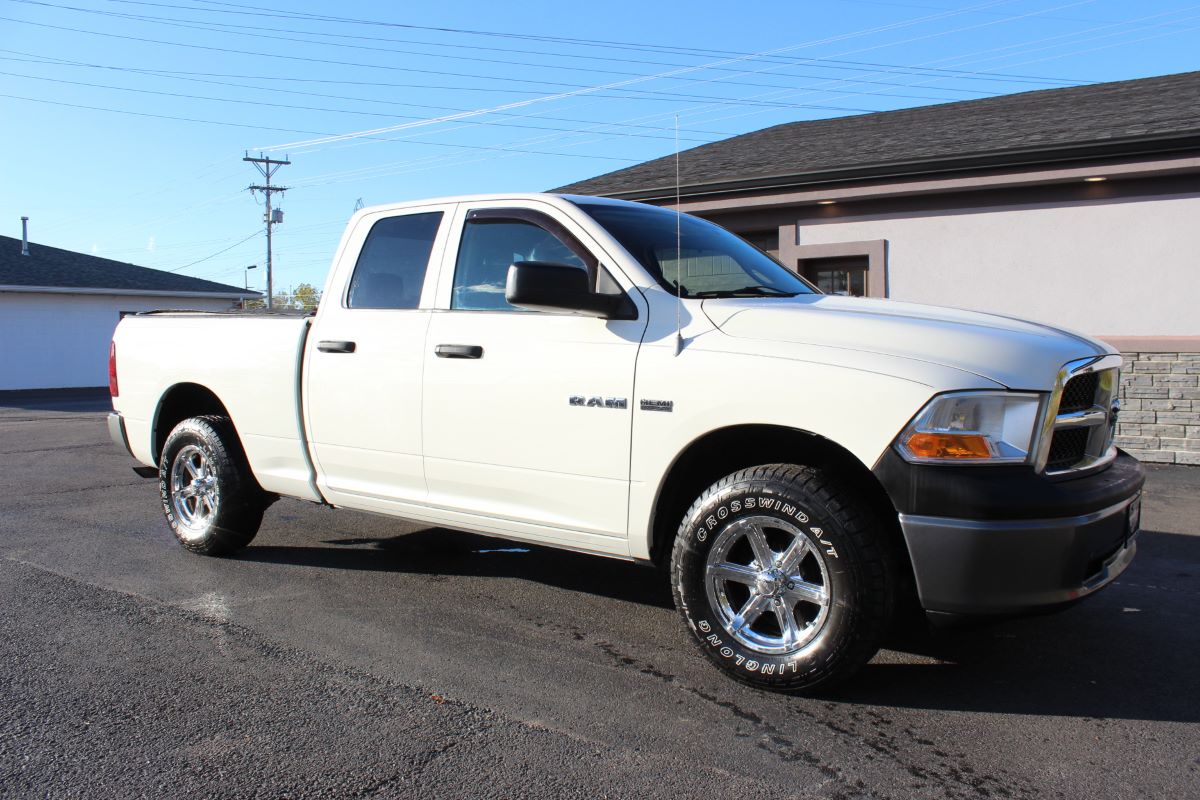
4. Dodge Ram 1500 (1994–2001)
The second-generation Dodge Ram 1500 is another strong contender when it comes to trucks that can be maintained and repaired without specialty tools. This generation marked a major design shift for Dodge, with bold styling and a more aggressive stance, but the mechanical layout remained grounded in simple engineering.
One of the biggest advantages of these Rams is their straightforward electrical system. Before electronics took over every system in modern vehicles, these trucks used traditional wiring diagrams and simple fuse boxes. Diagnosing a no-start or electrical failure doesn’t require an advanced scan tool or a trip to the dealer.
A basic multimeter and a repair manual are usually enough. Even the fuel injection system on these trucks is primitive by today’s standards, which makes fuel delivery and ignition issues much easier to track down. There are few sensors, and most of them can be tested with tools you probably already own.
The chassis and suspension setup also adds to the DIY appeal. The front suspension on 2WD models uses upper and lower control arms, while 4WD models use a solid front axle, which is highly regarded for its strength and ease of service. The steering and brake systems are similarly uncomplicated.
Steering boxes, tie rods, and brake calipers can be replaced quickly without a lift or special press tools. The drum brakes on the rear might be more time-consuming than discs, but they are standard in terms of design and don’t require specialty pullers or adapters to rebuild or adjust.
Parts availability and community support are strong for this generation of Ram. These trucks were widely sold and are still common on the road today, especially in rural areas where owners prefer vehicles they can service themselves. Online forums and videos provide step-by-step walkthroughs for almost every repair job imaginable.
Because of the truck’s mechanical accessibility and wide parts interchangeability, you’ll rarely find yourself in a position where you’re stuck because you lack the right tools. For someone looking to avoid high repair costs and still drive a full-size truck with character, the second-gen Ram 1500 is a smart choice.
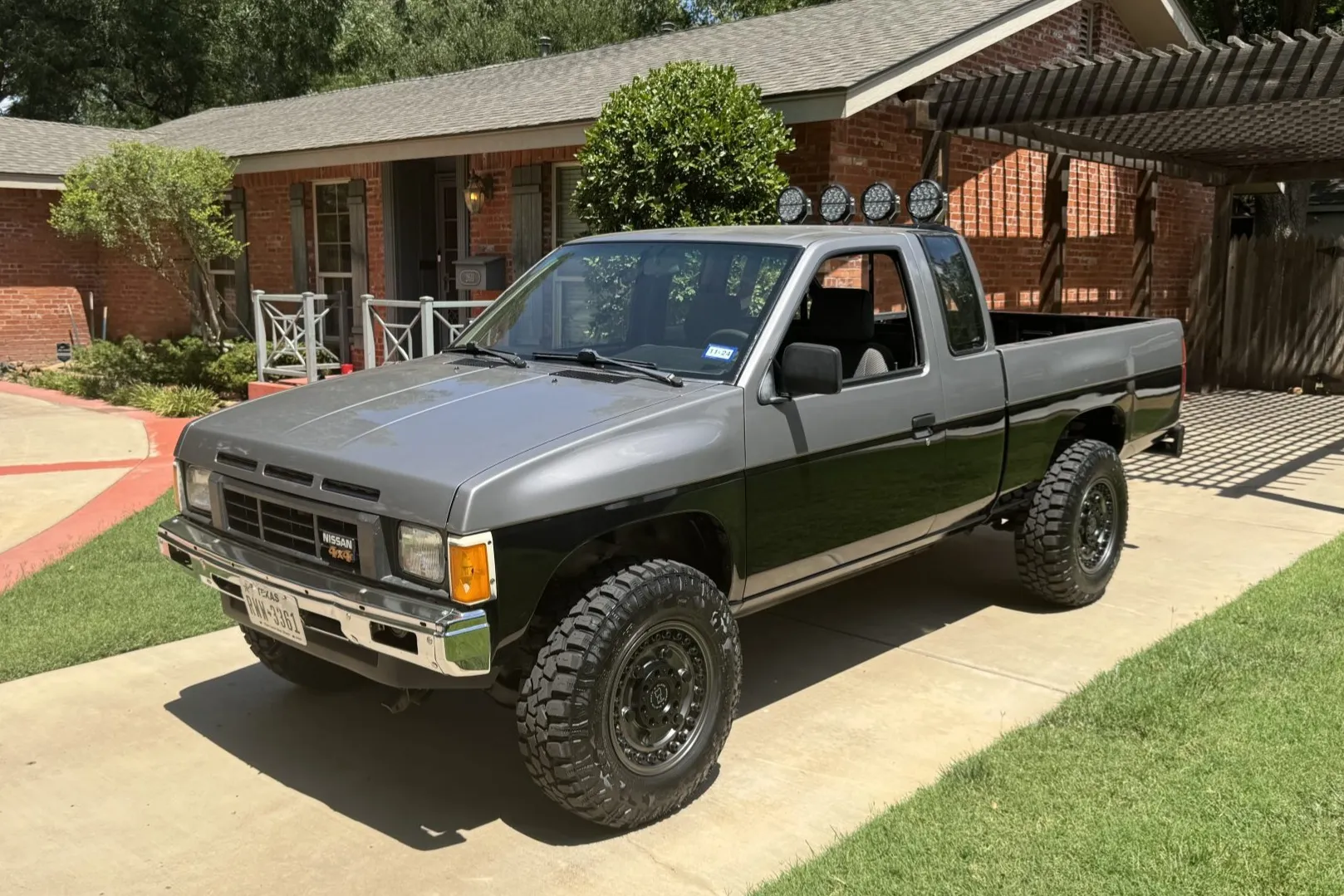
5. Nissan Hardbody (D21, 1986–1997)
The Nissan Hardbody pickup, known by its D21 chassis code, is legendary among truck enthusiasts for its rugged build quality and simple design. Built during a time when trucks were expected to be tough, reliable, and easy to service, the Hardbody delivers in every way.
Whether equipped with the 2.4L four-cylinder or the optional V6, these trucks offer a layout that makes maintenance and repairs remarkably easy. The inline four-cylinder version in particular is favored for its engine bay space and logical component placement. Basic tasks like changing valve cover gaskets, timing chains, and belts can be done in a few hours with just a basic toolset.
One of the standout features of the D21 is its minimal reliance on electronics. Unlike newer trucks that are loaded with sensors and modules, the Hardbody keeps things mechanical where it matters. Carbureted models, available in the earlier years, don’t require any computer interaction at all.
Even the fuel-injected models from the 90s use a simple ECU and a handful of sensors that can be tested and replaced with common tools. The truck’s diagnostic connector is old-school, and many problems can be solved with visual inspection and basic testing, rather than digging through layers of code.
The D21 also features a sturdy chassis and suspension system that is well suited to home garage repairs. The front suspension uses torsion bars and control arms, which are easy to adjust and replace. The rear is a basic leaf spring setup, and the solid rear axle is simple to service.
Brake jobs, driveshaft work, and shock replacements are all straightforward. You don’t need fancy jigs or presses to do a front-end rebuild on one of these trucks. With a floor jack, a couple jack stands, and a standard socket set, most suspension work is within reach of the average truck owner.
Another factor that makes the Hardbody a great candidate for low-cost maintenance is its parts availability. Because of its popularity in multiple global markets and its long production run, parts are plentiful and inexpensive. Aftermarket support is also robust, with many companies offering replacement and upgrade parts at reasonable prices.
You can keep one of these trucks running strong for years without investing in expensive diagnostic tools or brand-specific repair kits. That makes the Nissan Hardbody a perfect example of a truck that values mechanical honesty over electronic complexity.
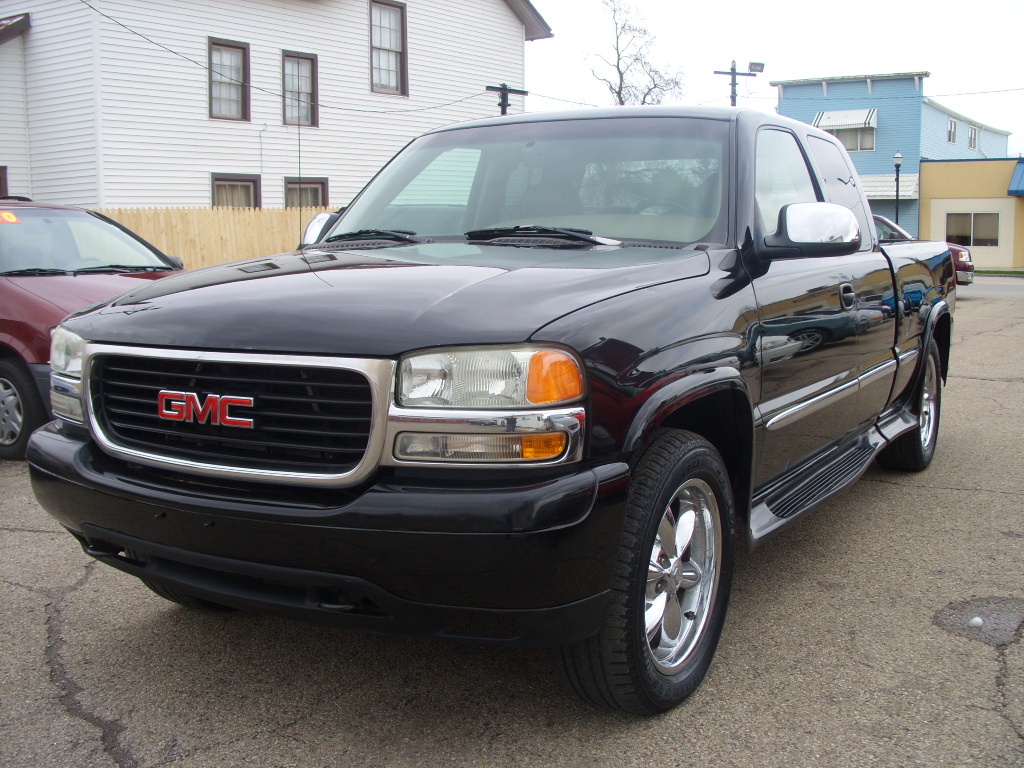
6. GMC Sierra (1999–2006)
The first generation of the modern GMC Sierra, also known as the GMT800 platform, is a well-rounded truck that strikes a balance between modern comfort and old-school serviceability. These trucks are mechanically similar to their Chevrolet Silverado siblings and are built with accessibility in mind.
Common engine options include the 4.8L, 5.3L, and 6.0L V8s, which are part of GM’s LS family of engines. These engines are not only powerful but also extremely friendly to work on. The layout under the hood allows good access to spark plugs, coil packs, alternators, and other frequent maintenance points without removing unrelated parts or needing odd-shaped tools.
These Sierras were built during a transitional time for automotive electronics. They feature OBD2 systems, which are very useful for diagnostics, but not locked behind proprietary dealership software. A basic scan tool or even a Bluetooth reader and smartphone can be used to read trouble codes and monitor live data.
The systems themselves are not overly complex, so when a problem does arise, it often comes down to a faulty sensor or worn connector. Repairs can usually be completed with a few hand tools and a little patience, not expensive or brand-locked diagnostic equipment.
Suspension and brake work are also user-friendly on the GMT800 trucks. The front suspension uses a torsion bar setup for 4WD models and coil springs for 2WD versions. Both are easy to service with standard sockets and a breaker bar.
Upper and lower ball joints, control arms, and steering components can be replaced at home. The rear uses traditional leaf springs and solid axles, making rear-end service simple. Many jobs, including complete suspension overhauls, can be done with a jack, impact wrench, and a few hours in the garage.
Another reason why the GMT800 Sierra stands out is because of how well-documented it is. There’s an enormous community of DIY owners and mechanics who’ve shared their experiences online.
From how-to videos to detailed repair guides, nearly every issue you could encounter has already been faced and solved by someone else. Add to that the truck’s generous engine bay space and the mechanical durability of its core systems, and it’s clear why this Sierra generation remains one of the most approachable trucks to maintain without needing special equipment.
Also Read: 5 Trucks That Laugh at Rust vs 5 That Rot Fast
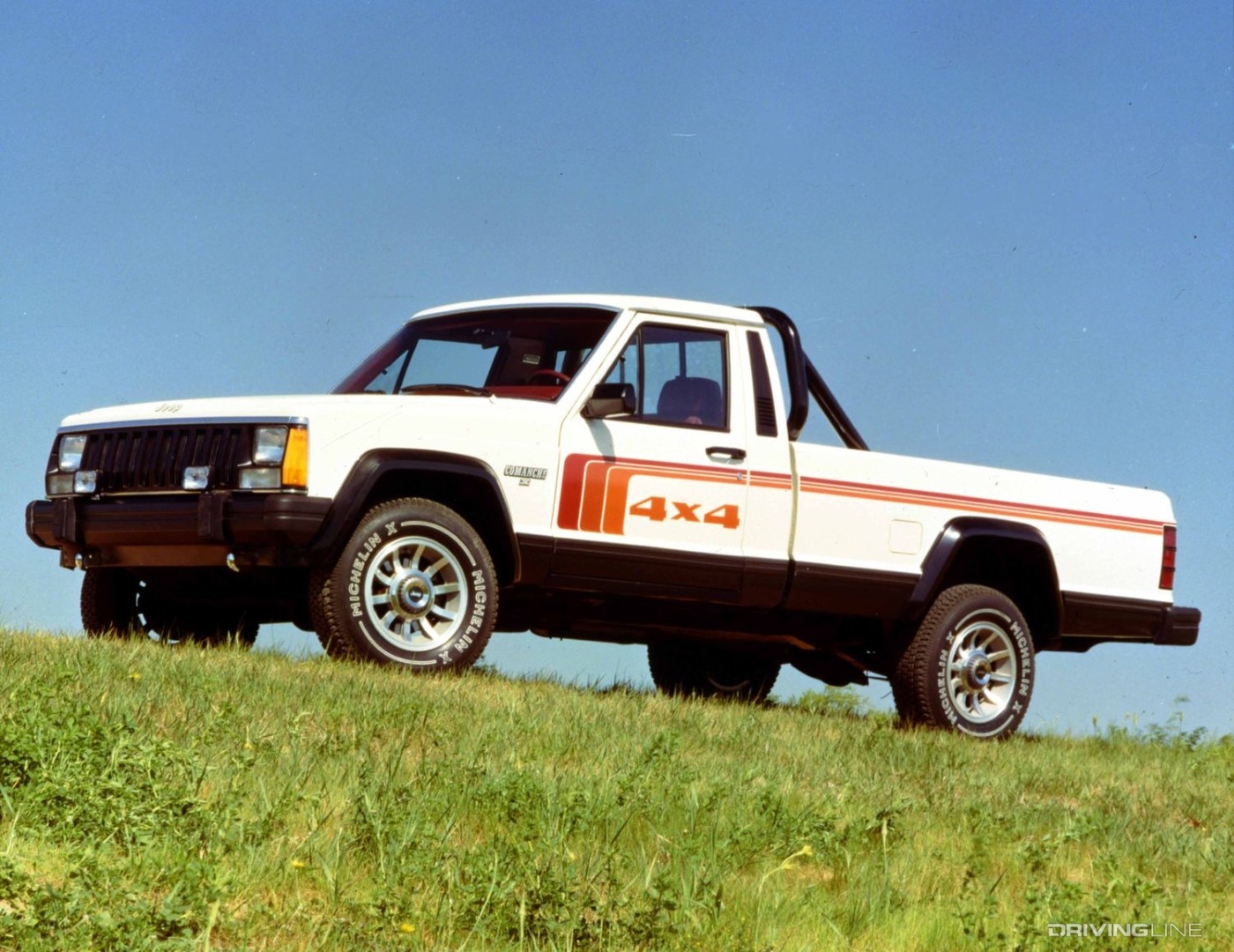
7. Jeep Comanche (1986–1992)
The Jeep Comanche is a lesser-known but highly capable compact pickup that shares much of its mechanical DNA with the Cherokee XJ. Built during a time when Jeep still focused on simplicity and toughness, the Comanche was engineered to be maintained in the field, not just at a dealership.
It’s one of the few pickups from this era that combines unibody construction up front with a traditional solid rear axle and leaf springs in the back. The most common engine found in the Comanche, the 4.0L inline-six, is widely praised for both its power and reliability and, more importantly, for how easy it is to service with basic tools.
Working on a Comanche requires very few special considerations. The 4.0L engine offers generous access to critical components like the alternator, water pump, distributor, and starter. Spark plugs are easy to change, and cooling system service is straightforward.
The engine uses basic sensors and a simple ECU, which can be diagnosed with a test light or a basic scan tool. It’s not a vehicle that hides its problems behind complex software or hard-to-reach modules. Most of the maintenance can be done without even lifting the vehicle, as long as you have a good creeper and jack stands.
The drivetrain in the Comanche is equally forgiving. Manual transmission models use the AX-15 or BA-10, both of which are fully serviceable without specialized tools. The 4WD system is mechanical, with a lever-operated transfer case that doesn’t rely on electronics.
Axles are either Dana 30s up front and Dana 35s or 44s in the rear, all of which are well known and easy to work on. From replacing axle seals to rebuilding hubs, most jobs are a matter of unbolting and reinstalling parts using basic mechanical skills and patience.
What sets the Comanche apart for DIYers is its straightforward layout and the wealth of shared components with the Cherokee. This means parts are still available, and there’s a deep well of knowledge in the off-road and Jeep communities.
Whether you’re replacing control arms, upgrading suspension, or fixing a leaky valve cover, you’re unlikely to run into jobs that demand proprietary tools or computerized access. It’s a truck built during a time when ease of service was not just a benefit, but a design principle.
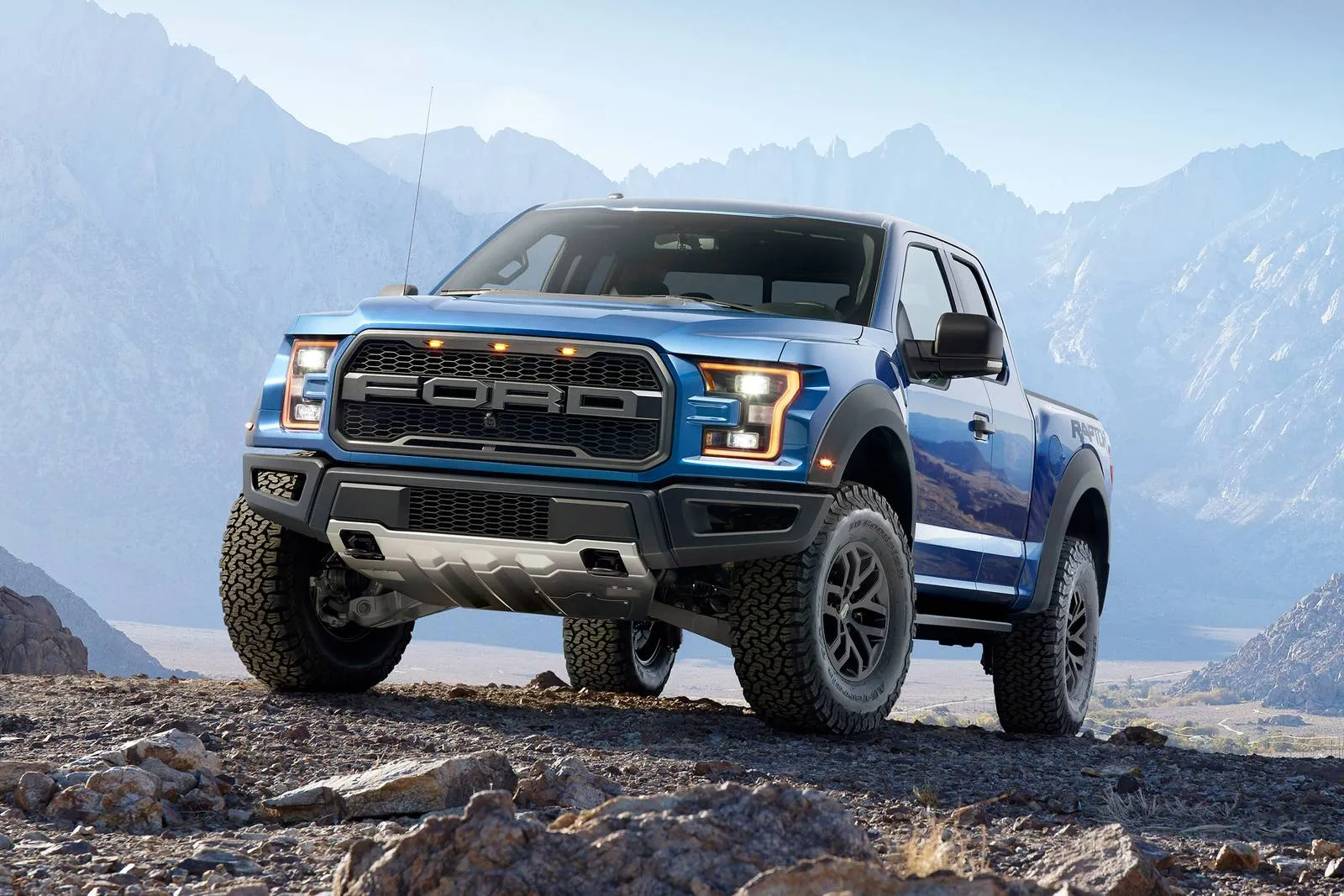
8. Ford F-150 (1992–1996)
The ninth-generation Ford F-150 is widely regarded as one of the most mechanically accessible full-size trucks ever built. These models represent a sweet spot between old-school truck engineering and a few modern comforts.
Equipped with engines like the 4.9L inline-six, 5.0L V8, or the 5.8L V8, these trucks were built to be worked on without the frustration found in more recent models. The 4.9L inline-six in particular is famous for its simplicity, durability, and ease of maintenance.
Its long, straight design leaves room on both sides in the engine bay, making jobs like replacing alternators, manifolds, and starters incredibly straightforward. Many engine components are visible and reachable without removing other parts, a rare trait in today’s crowded engine bays.
Beyond the engine, the rest of the truck’s systems also favor the DIY mechanic. The electrical systems are basic and not overly computerized. Most issues can be diagnosed with a test light, a multimeter, and maybe a basic OBD1 scanner. Even without a scanner, many fault codes can be retrieved using a paperclip and counting flashes from the check engine light.
There are no embedded control modules locking you out of simple maintenance tasks. Everything from the fuel pump to the ignition module can be tested and replaced with common tools and without computer reprogramming.
The suspension and steering systems were also designed with simplicity in mind. The twin I-beam front suspension on 2WD models might be a bit different from traditional setups, but it’s actually easy to understand and repair once you’ve seen it done once.
Components like radius arm bushings, ball joints, and wheel bearings can be swapped with a few jack stands, a breaker bar, and some elbow grease. Even on 4WD models, the solid front axle and mechanical 4WD engagement mean less can go wrong electronically, and most repairs can be handled in a home garage with no more than a typical toolset.
Another major benefit is that parts for these trucks are extremely affordable and widely available. Ford sold millions of these F-150s, and the aftermarket has supported them heavily ever since. That means whether you’re replacing a brake booster, doing a full exhaust system, or rebuilding the cooling system, you’ll find tutorials, parts, and walkthroughs everywhere.
For people who want a rugged full-size truck without stepping into the maze of modern diagnostics and expensive scan tools, the 1992–1996 F-150 continues to be one of the best trucks around for basic, tool-friendly maintenance.
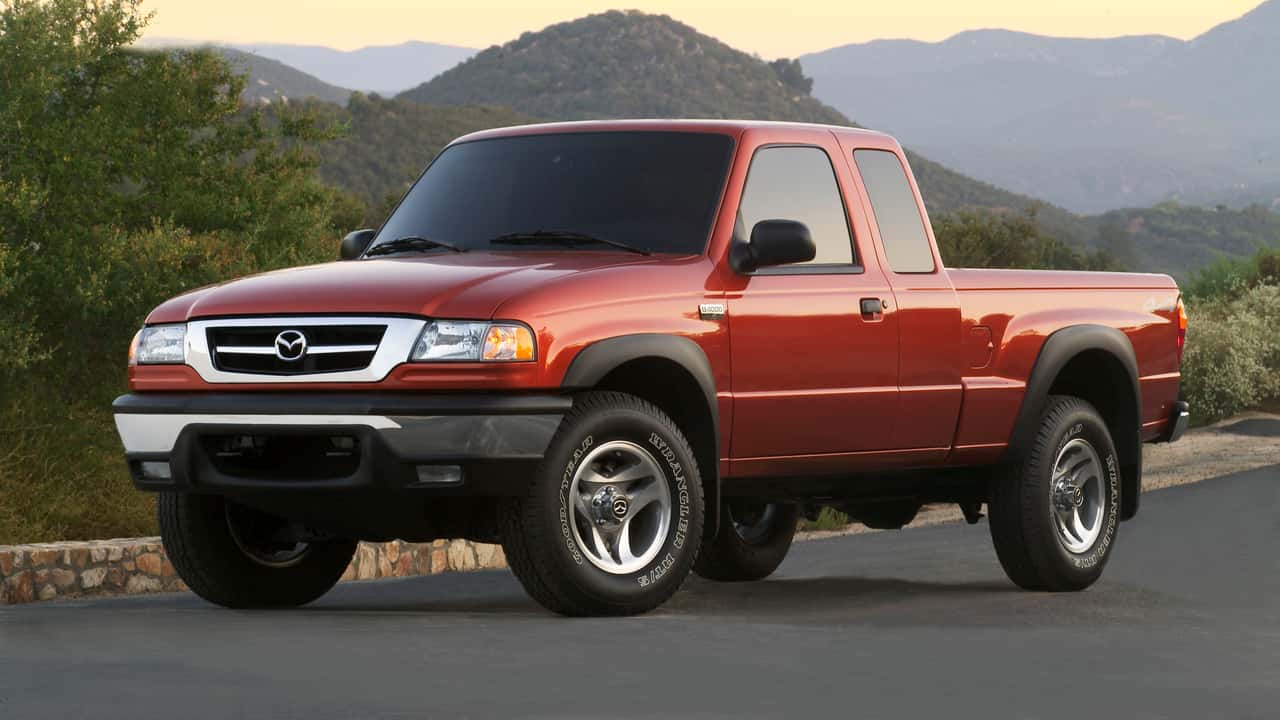
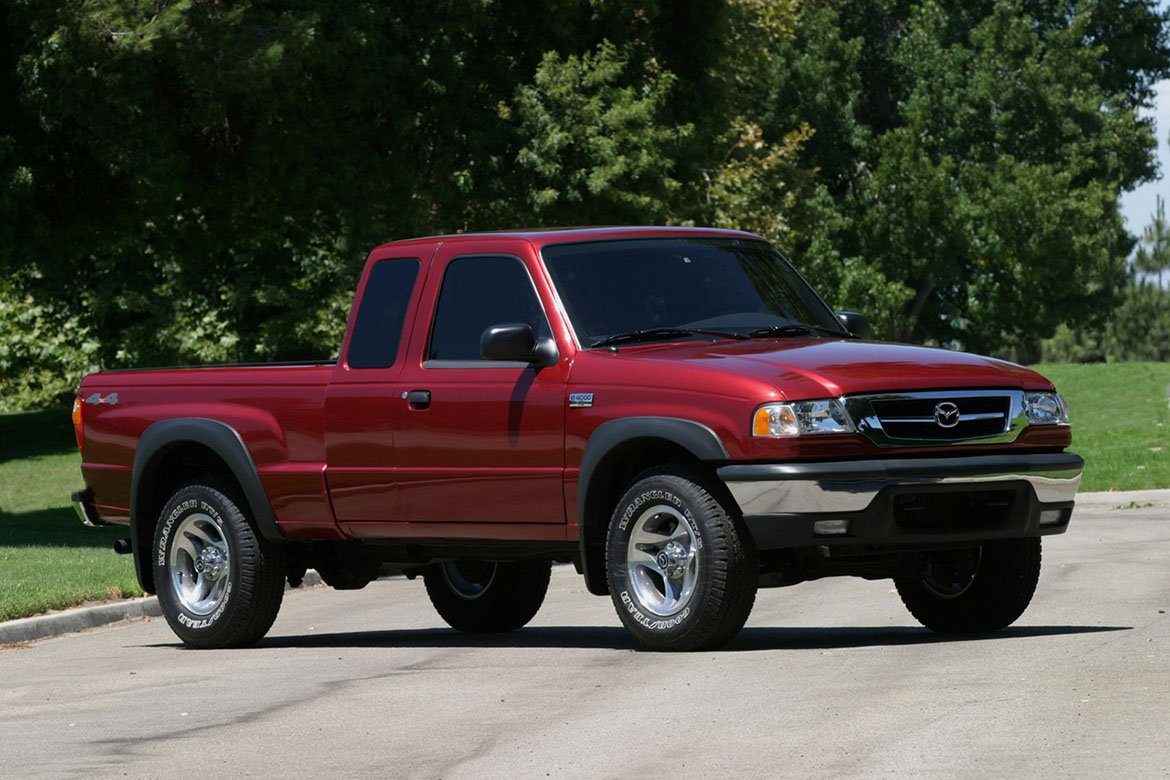
9. Mazda B-Series (1994–2009)
The Mazda B-Series pickups, particularly those produced from the mid-90s to late 2000s, offer another excellent example of simplicity and practicality in a compact truck. These trucks are closely related to the Ford Ranger, sharing many of the same engines, chassis components, and drivetrain elements.
Because of the mechanical simplicity shared with its Ford counterpart, the Mazda B-Series avoids many of the electronic complications found in newer compact trucks. The 4WD models use a simple manual lever system for engaging the transfer case and either automatic or manual locking hubs that are easy to replace or rebuild.
This is in contrast to newer trucks where the transfer case is controlled by electronic actuators and sensors that can fail without warning and require expensive diagnostic gear. On the B-Series, if the 4WD fails, it’s almost always something mechanical and accessible.
Suspension and brake service are another area where this truck shines. With coil springs up front and leaf springs out back, the system is simple and time-tested. Replacing ball joints, tie rods, or shocks is straightforward.
Brake calipers, rotors, drums, and shoes are all mounted with standard hardware and can be removed without needing special pullers or pressing tools. Even if you’ve never done a brake job before, you can confidently service the B-Series with the help of a repair manual and a few basic tools like a C-clamp and a lug wrench.
These trucks also benefit from being under the radar. While they might not be the flashiest or most powerful, they are incredibly useful and dependable for people who just want a truck that works, and one that doesn’t punish you with complexity when something breaks.
Because they were built with off-the-shelf parts and shared components, you’re never far from a junkyard or parts store that can keep your B-Series running strong. Whether used as a daily driver, a small hauler, or a project platform, this truck earns its place as one of the easiest to maintain without ever needing specialized tools or dealer-level service.
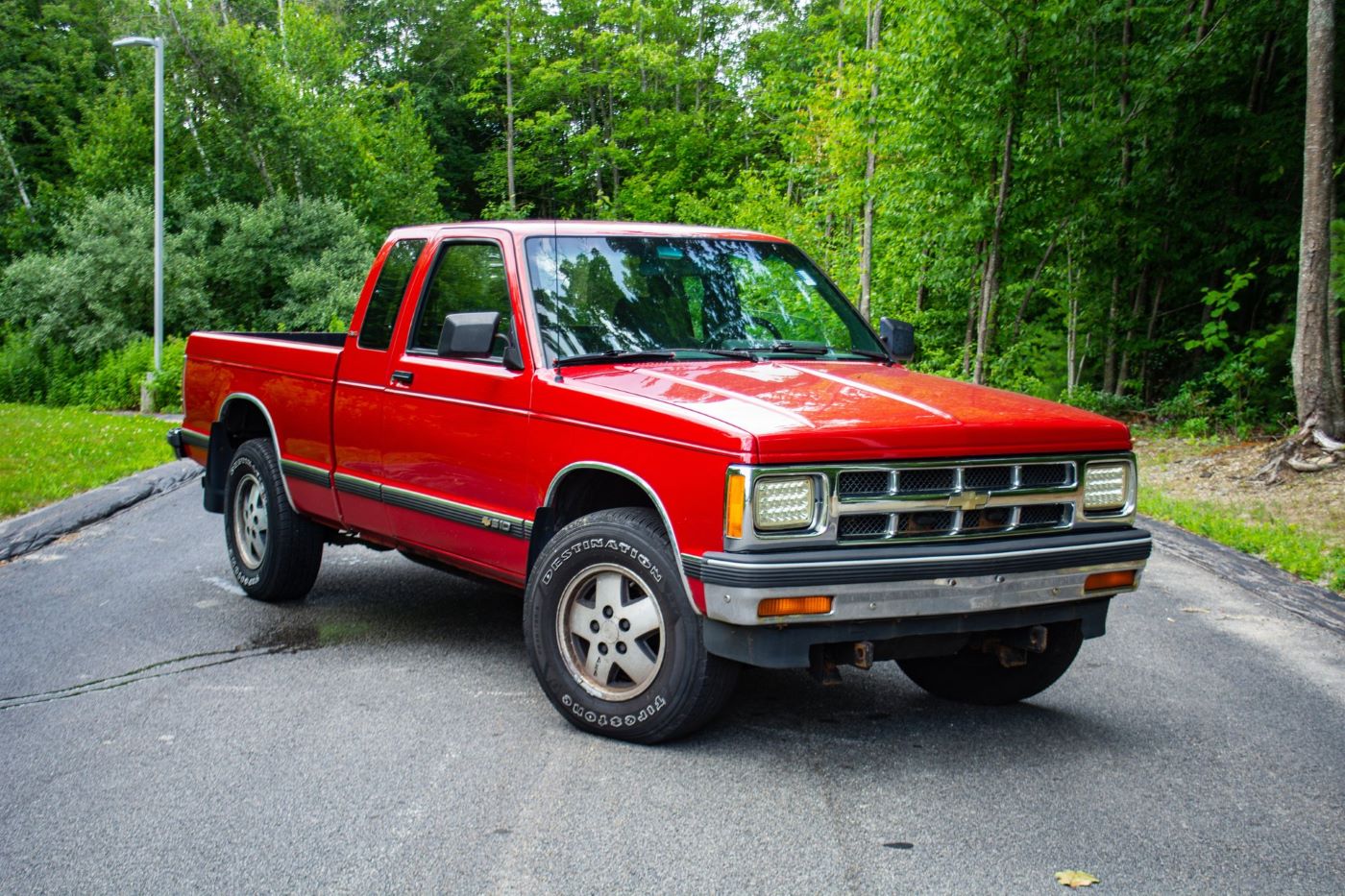
10. Chevrolet S-10 (1982–2004)
Few compact pickups have left as lasting an impression on the DIY mechanic world as the Chevrolet S-10. Spanning over two decades of production, this truck evolved while maintaining a clear commitment to simplicity and accessibility.
Early models were Spartan, using small four-cylinder and V6 engines, but even later models with more features kept a straightforward design. One of the most popular configurations included the 4.3L V6 engine, which was a staple in many GM vehicles and is known for both its reliability and how easy it is to work on. With a standard set of metric tools, you can do everything from a tune-up to a full engine rebuild in your garage without needing to call in specialized help.
The layout of the engine bay and accessories is one of the reasons the S-10 is so accessible. Even in 4WD models, there’s enough room to work around the engine without needing to remove major components. Things like alternators, belt tensioners, and sensors are right where they should be, in plain view and within reach.
The cooling system, ignition system, and fuel injection setup are all mechanical enough to allow for backyard troubleshooting. Diagnostics are simple with OBD1 or early OBD2 systems, and most problems can be fixed by replacing affordable parts rather than reprogramming complex modules.
The suspension system is another strength. The front uses a torsion bar setup in many 4WD versions and coil springs in 2WD versions, and both are easy to service. Upper and lower ball joints, control arms, and shocks are all within reach of a novice mechanic.
The rear setup is just as basic, using leaf springs and a solid axle. Repairs like replacing the driveshaft U-joints, rear axle seals, or brake lines are all straightforward. There are no air suspensions, no electronic ride controls, and no special calibrations needed after a simple repair job.
What really seals the S-10’s reputation as a great DIY truck is how many of them are still out there and how much support they have from the community. Whether you’re working on a first-generation model or a second-gen truck from the early 2000s, you’ll find repair guides, parts lists, and online advice in abundance.
There’s no shortage of used parts, and the aftermarket has produced everything from engine rebuild kits to upgraded suspension components. When you want a truck that you can fix on your own time, with your own tools, and without connecting it to a computer, the Chevy S-10 remains one of the best examples of accessible engineering in a compact pickup.
