
Pickups are more than just vehicles they are promises of strength, utility, and reliability. For decades, they have defined the backbone of industries, adventure lifestyles, and family dependability alike. Yet, not all pickups deliver on that promise.
Some endure miles of punishing roads and years of hard hauling with mechanical grace, while others crumble under the very expectations they are marketed to handle.
The modern truck market is filled with options, but the difference between one that truly lasts and one that fades too early often comes down to build quality, engineering philosophy, and long-term durability.
In this analysis, we’re looking at both ends of that spectrum the trucks that stand tall even after a decade of service, and the ones that simply can’t bear the weight of their own reputation.
Longevity isn’t just about a powerful engine or towing numbers; it’s about consistency under stress, corrosion resistance, drivetrain resilience, and the ability to remain dependable after hundreds of thousands of kilometers.
The trucks that endure do so because they are engineered for the long game with tested powertrains, proven materials, and design simplicity that resists wear. On the other side are pickups built for headlines and showroom sparkle but not for long-term punishment.
Whether you’re a contractor relying on your truck daily or a weekend adventurer hauling boats and gear, understanding which machines truly last is essential.
So here’s a closer look at 5 Pickups Built for the Long Haul the ones that keep going when others quit followed by 5 That Can’t Handle the Job, the ones whose weaknesses reveal themselves too soon.
Also Read: 5 Cars That Sell Instantly Used vs 5 That Sit for Months
5 Pickups Built for the Long Haul
Some trucks just keep running. They shrug off years of hard labor, weather abuse, and punishing terrain, yet still start every morning without hesitation. These are not just vehicles; they’re tools that inspire trust.
The phrase “built to last” is overused in advertising, but a few pickups genuinely earn it through mechanical resilience and design integrity.
The best long-lasting pickups often share a few common traits: tried-and-tested powertrains, strong frames that resist fatigue, and engineering choices that prioritize dependability over flash.
While modern trucks have grown more luxurious and tech-heavy, the ones that truly endure still follow old-school principles durability first, convenience second. Owners of these pickups often recount odometer readings that surpass 300,000 kilometers with only basic maintenance.
They may lack the latest touchscreens or soft-close tailgates, but they deliver something far more valuable unshakable reliability.
These five trucks have earned their reputation over years of real-world testing. They’ve been pushed by farmers, construction crews, and off-road enthusiasts alike.
Each has shown the ability to handle punishing conditions without major failures. From bulletproof diesel engines to transmissions that can take heavy towing without burning out, they’ve been engineered with endurance as the primary goal.
We’re focusing on why they stand out, what makes their engineering so consistent, and how they continue to serve long after newer competitors have been scrapped.
This is not about luxury or speed it’s about the honest measure of endurance that separates real workhorses from short-term marketing heroes.
These are the pickups that can still be counted on after a decade of hauling, towing, and grinding through the elements true examples of what it means to be built for the long haul.
1. Toyota Hilux
The Toyota Hilux has long been regarded as the standard-bearer for reliability, a pickup so famously tough that it’s been the subject of extreme durability tests around the world.
It has been driven through deserts, mountains, flooded plains, and even subjected to media stunts involving explosions and still managed to start up afterward. That reputation didn’t come from marketing hype but from consistent, real-world dependability.
The Hilux is built with a simple, robust philosophy. Its ladder-frame chassis is engineered for rigidity, and Toyota’s conservative approach to engine development means every component is overbuilt to handle far more stress than most owners will ever apply.
The diesel powertrains, in particular, have earned legendary status for their ability to run hundreds of thousands of kilometers with only routine servicing.
The gearbox and drivetrain components are built to endure extreme torque loads and poor maintenance conditions making it the go-to choice for commercial fleets, mining operations, and remote-area travel.
Another strength lies in its global adaptability. Toyota engineers designed the Hilux to handle everything from freezing European winters to humid Asian jungles.
Its suspension setup, while not plush, prioritizes durability over comfort, allowing it to carry heavy payloads on uneven terrain without premature wear. Even the interior, while basic, uses hard-wearing materials that resist fading and cracking under constant sunlight and dust exposure.
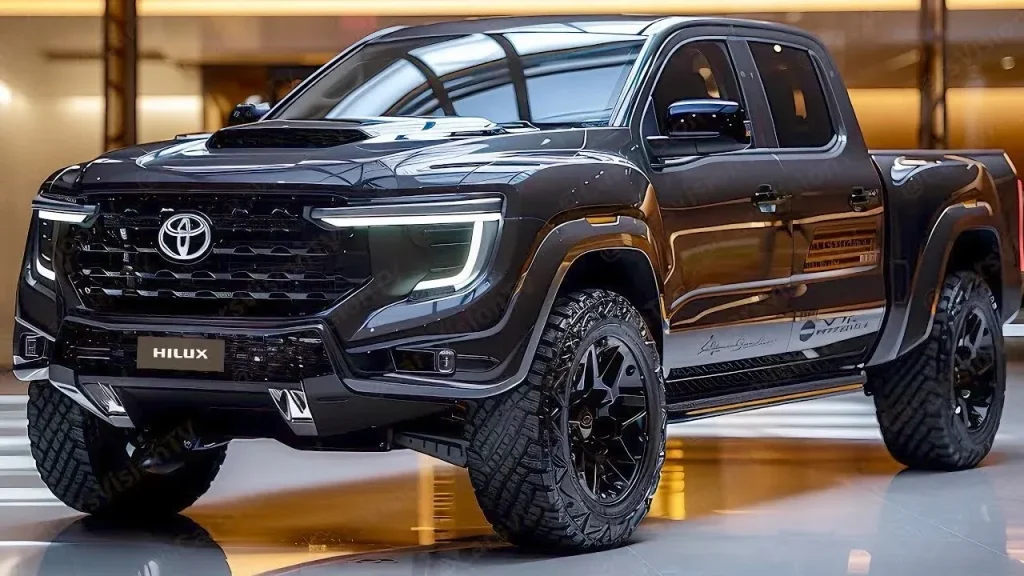
The reason this pickup deserves its place here is simple: it has proven, time and again, that longevity and toughness can coexist without technological excess. The Hilux may not be flashy, but it earns its reputation through sheer endurance.
It’s the kind of vehicle that keeps working long after others have given up, reminding us that real strength is measured by how long something lasts, not how modern it looks.
2. Ford F-250 Super Duty
The Ford F-250 Super Duty is built with one clear intention to handle heavy work without compromise. Designed for hauling, towing, and carrying serious loads, it represents the pinnacle of Ford’s long-standing expertise in truck engineering.
What sets the F-250 apart is the way it combines immense capability with the kind of build quality that keeps it going year after year.
Under the hood, the available 6.7-liter Power Stroke V8 turbo-diesel engine is a mechanical masterpiece known for its torque and longevity. Its block and internals are built from high-strength materials that can endure continuous strain from towing upwards of 10 tons.
The transmission is equally resilient, designed to manage that torque output without overheating or wearing prematurely a common problem in lesser trucks. Owners frequently report surpassing 400,000 kilometers with minimal mechanical intervention, a testament to its heavy-duty design.
The chassis is made from high-strength steel with reinforced cross members, allowing it to handle punishment from both road and off-road conditions.
Even the suspension setup a mix of solid axles and heavy-duty springs is focused on sustaining stability under weight rather than delivering a car-like ride. This tradeoff in comfort pays off in durability, as it keeps components from wearing out prematurely.
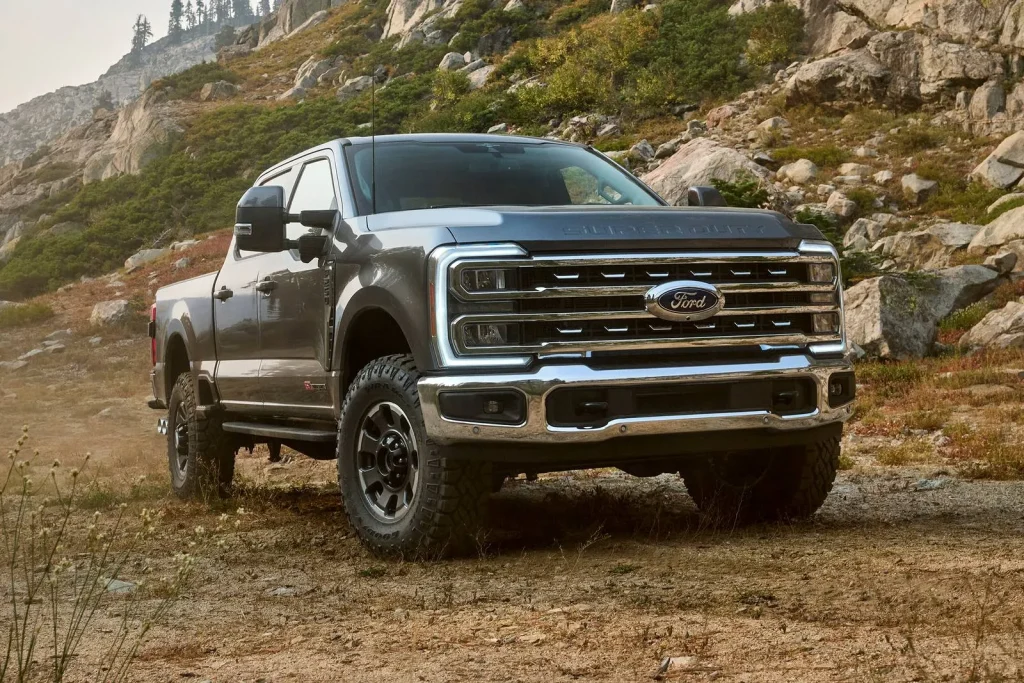
Inside, the F-250 may not be luxurious by default, but its utilitarian materials hold up to years of heavy use. Fleet operators and individual owners alike appreciate how easy it is to maintain parts are accessible, service intervals are straightforward, and Ford’s widespread service network ensures longevity isn’t limited by availability.
The reason it’s featured here is clear: the F-250 is a symbol of what a real work truck should be powerful, durable, and engineered to perform for the long haul. It doesn’t just move loads; it outlasts them.
3. Chevrolet Silverado 2500HD
The Chevrolet Silverado 2500HD has built its reputation as one of America’s most reliable heavy-duty workhorses.
While it competes directly with the Ford Super Duty and Ram HD models, the Silverado has consistently stood out for its balance of mechanical strength, long-term durability, and engineering honesty. It doesn’t try to overcomplicate its formula it focuses on doing the job and doing it for decades.
Its available Duramax 6.6-liter turbo-diesel V8 is one of the most trusted diesel engines in the truck segment. Known for its smooth power delivery and remarkable longevity, the Duramax has proven its ability to exceed 500,000 kilometers with basic care.
The Allison 10-speed automatic transmission paired with this engine is another key component of its lasting performance. Designed for constant heavy-duty use, it manages power efficiently without the overheating or slippage issues that plague lesser setups.
Chevrolet’s use of high-strength steel for the frame ensures rigidity under extreme stress, while the suspension and axles are tuned for endurance under load rather than comfort or luxury.
Many owners report that even after years of towing trailers or operating in construction environments, the Silverado’s frame and drivetrain remain tight and dependable.
Maintenance access is straightforward, a reflection of Chevrolet’s understanding that a truck’s reliability is also tied to ease of service. While newer models have added comfort and tech, the Silverado’s core philosophy remains rooted in hard-working dependability.
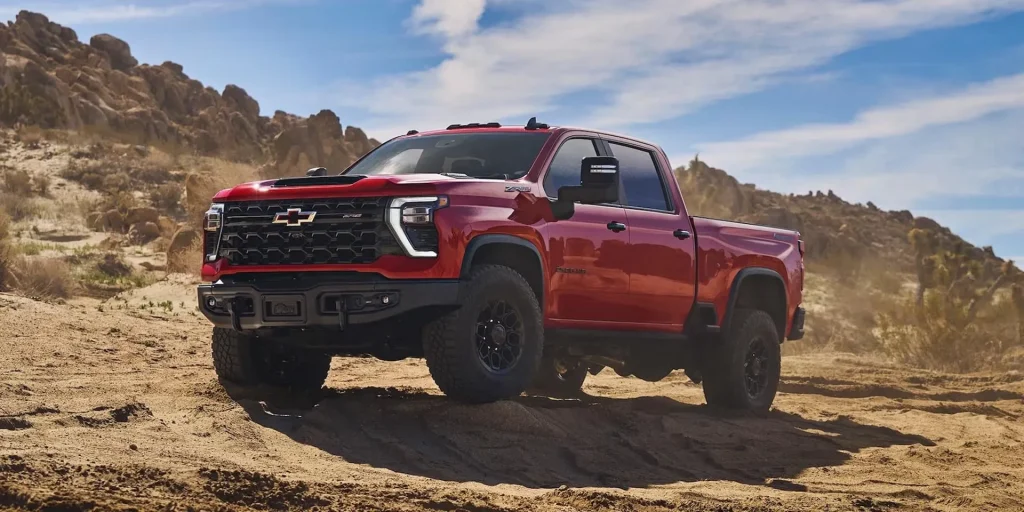
This truck earns its place on this list because it exemplifies what a long-haul pickup should be: a combination of strength, simplicity, and proven components.
Whether it’s used for ranching, hauling, or industrial work, the Silverado 2500HD delivers a kind of endurance that never feels forced it’s built into every weld, bolt, and turn of the engine.
4. Ram 3500 Heavy Duty
The Ram 3500 Heavy Duty stands as one of the strongest and most durable full-size pickups ever engineered for serious work. Known for its incredible towing capability and unmatched torque from its Cummins diesel engine, the Ram 3500 is the kind of truck that feels unbreakable even under the harshest conditions.
At the heart of its reputation is the available 6.7-liter Cummins inline-six turbo-diesel, a powerplant celebrated for its mechanical resilience and industrial-grade design. Its cast-iron block, robust internals, and conservative tuning give it exceptional longevity.
Many Ram 3500 owners have clocked 400,000 kilometers or more with minimal wear, thanks to its low-stress design philosophy it’s an engine that prefers to run steady and strong rather than chase peak horsepower numbers.
The frame, suspension, and axle setup are equally impressive. The solid rear axle and heavy-duty coil or leaf springs (depending on configuration) are built to handle extreme payloads without compromising long-term reliability.
The Ram’s chassis uses high-tensile steel for rigidity and corrosion protection, key to surviving years of exposure to salt, mud, and hauling stress.

Even the transmission the Aisin heavy-duty automatic, is built for endurance, designed to withstand continuous towing and heavy load cycles without early failure. Inside, the cabin’s simplicity in the work trims ensures fewer electronic issues over time, while materials are chosen for durability rather than glamour.
This truck’s inclusion here is straightforward: it delivers real, measurable longevity through industrial engineering. The Ram 3500 doesn’t just look strong it is strong, with components designed for the kind of continuous punishment that most pickups will never experience.
It’s a machine made to last across generations of hard work, representing what “heavy duty” truly means when reliability is the end goal.
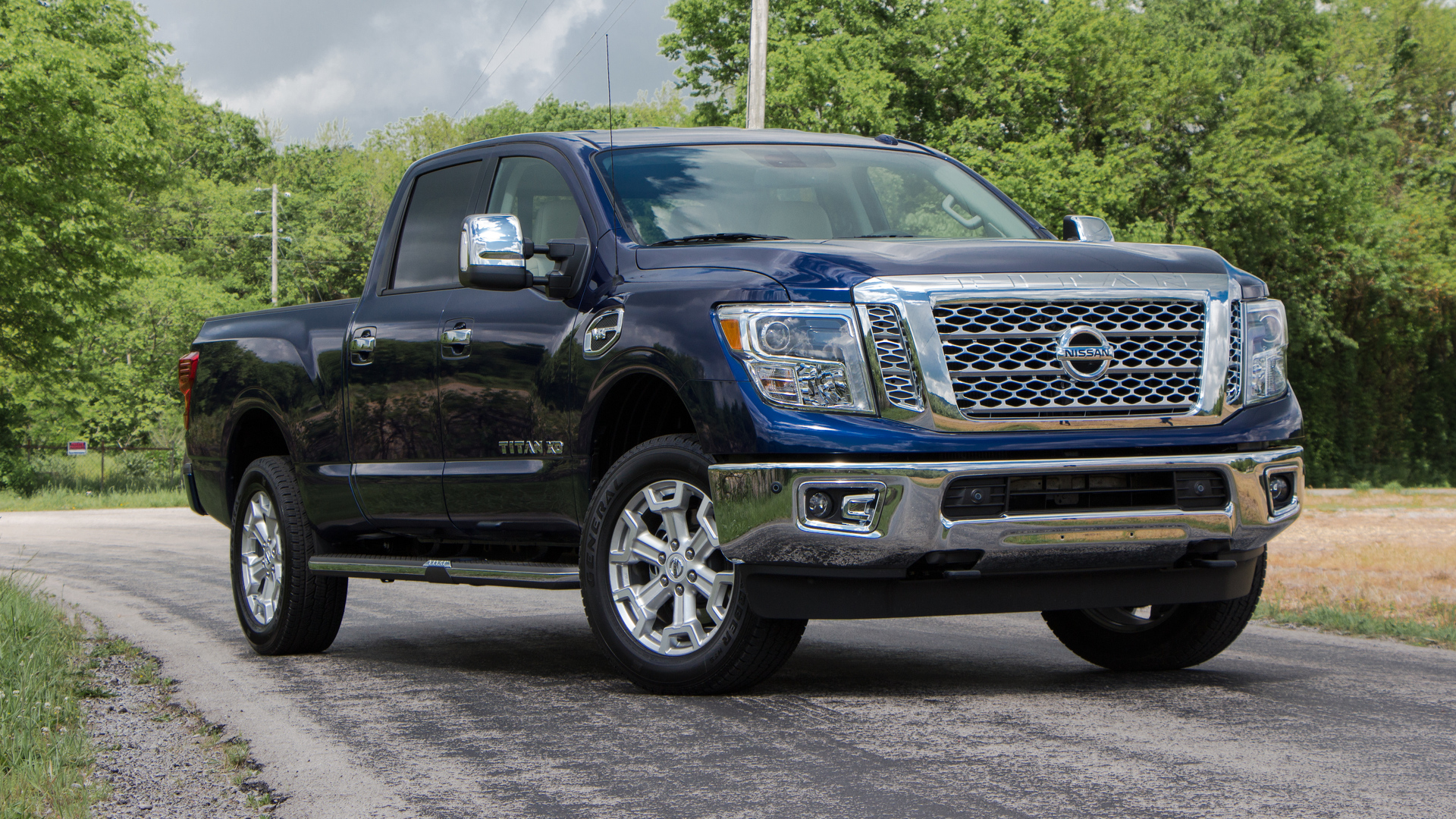
5. Nissan Titan XD
The Nissan Titan XD often goes unnoticed in conversations dominated by American heavyweights, yet it has quietly built a reputation for dependable strength and long-term toughness.
Positioned between light-duty and full heavy-duty pickups, the Titan XD offers a unique balance of durability and usability. It was engineered to handle heavier tasks than a standard half-ton truck without sacrificing the comfort expected from a daily driver.
The real highlight of the Titan XD is its frame and drivetrain design. Built on a reinforced ladder-frame chassis derived from Nissan’s commercial vehicle engineering, it possesses a sturdiness that gives it excellent load-bearing capability.
The version equipped with the Cummins 5.0-liter V8 turbo-diesel (offered in earlier models) became particularly respected among truck enthusiasts for its smooth, torque-rich character and resilience under continuous strain.
The diesel engine’s cast-iron block and high-quality internals allow it to maintain power delivery and efficiency over extensive mileage, even under tough conditions.
The suspension setup, consisting of robust control arms and heavy-duty rear leaf springs, gives the Titan XD excellent stability when towing or carrying payloads.
Its drivetrain components were developed to manage sustained stress rather than peak numbers, which contributes greatly to its endurance record. Many owners report minimal drivetrain wear even after years of service in mixed-use environments.
Inside, the Titan XD remains straightforward and practical, avoiding excessive electronics that could complicate long-term ownership. Its corrosion protection and solid underbody build make it particularly suited for buyers in regions where roads and climates test a vehicle’s strength over time.
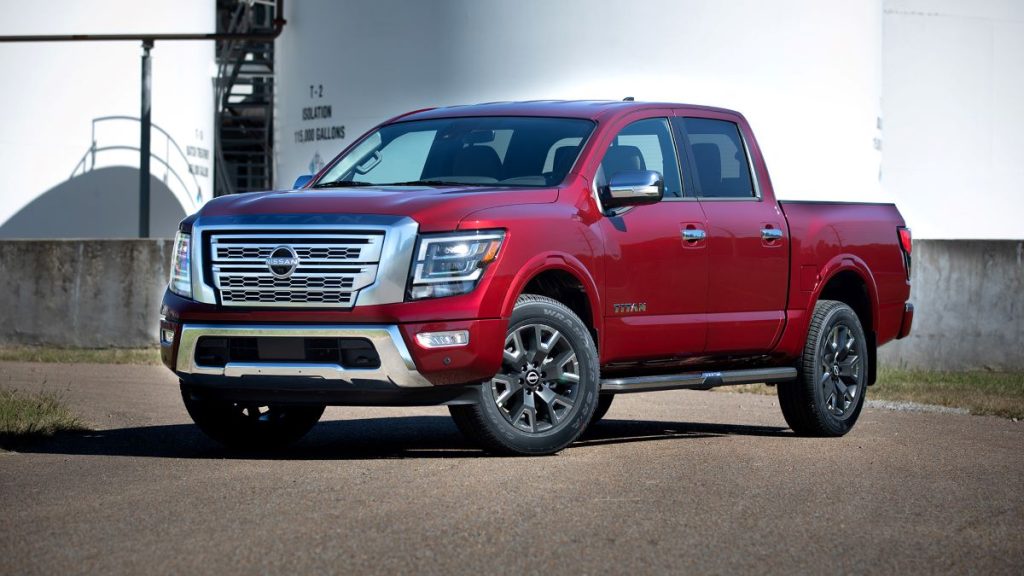
This pickup earns its position on this list because it bridges the gap between everyday convenience and true longevity. The Titan XD demonstrates that reliable toughness isn’t limited to the biggest names it comes from thoughtful design and commitment to endurance.
5 Pickups That Can’t Handle the Job
Not every truck that claims to be strong truly is. Some look powerful on paper, filled with bold marketing language and aggressive styling, but struggle when tested in real conditions.
They may perform well during the first few years, yet issues like weak transmissions, inconsistent build quality, rust-prone frames, or electrical failures reveal that they were never built for the long run.
True durability is not about appearance or flashy specifications; it comes from solid engineering and real-world endurance testing.
These are the trucks that promised capability but failed to deliver consistent reliability. Many of them entered the market with strong publicity and high expectations, only to leave owners frustrated with constant repairs and poor resale value.
They remind us that a tough-looking exterior means little if the structure underneath cannot endure heavy use. While they may perform well in comfort and technology, their mechanical shortcomings limit their credibility as work trucks.
Every pickup in this list has struggled to maintain a positive reputation among long-term owners. Some faced recalls related to vital components, others suffered from drivetrain failures, and a few simply deteriorated faster than their competition.
Whether through design flaws, cost-cutting decisions, or lack of long-term testing, these trucks failed to meet the basic demands expected of a dependable hauler.
This section is not about criticizing manufacturers but about acknowledging how vital real engineering durability remains. Trucks are built to serve, not just to impress. When a pickup fails to live up to that purpose, it loses the very identity that makes it desirable.
These are the models that fell short of the job they were designed to do, and understanding why helps buyers avoid repeating those mistakes.
1. Chevrolet Colorado (First Generation)
The first-generation Chevrolet Colorado arrived in the mid-2000s as a smaller and more affordable alternative to full-size pickups. At first, it seemed promising: efficient engines, a manageable size, and Chevrolet’s recognizable toughness.
Yet, the truck quickly developed a reputation for being less durable than buyers expected. Over time, its weaknesses in build quality, powertrain reliability, and structural strength became clear.
The main issue was the underdeveloped engine lineup. The early inline-five engines, in particular, suffered from poor longevity, valve train wear, and head gasket failures.
These problems were compounded by limited torque output, which made towing and hauling more stressful for both the engine and transmission. The automatic gearboxes often showed early signs of wear when pushed hard, creating reliability concerns even under moderate use.
The frame and suspension also lacked the durability expected of a true work truck. Owners who used the Colorado for commercial or heavy-duty tasks often reported premature bushing wear, weak rear leaf springs, and rust forming on the underbody earlier than expected. Electrical problems such as faulty sensors and inconsistent fuel gauge readings added to the frustration.
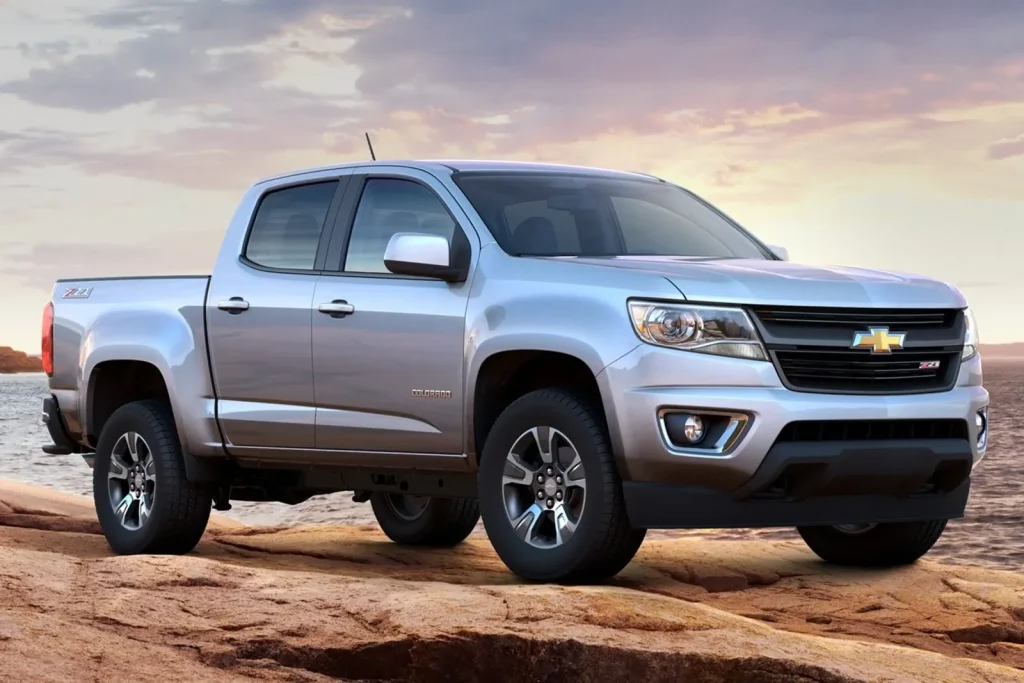
Although Chevrolet later improved the model in newer generations, the first version left many owners with repair costs that far exceeded the truck’s original appeal. It simply was not engineered with the same long-term toughness found in larger GM trucks.
The Colorado was marketed as capable but turned out to be more of a light-duty commuter than a dependable hauler. Its shortcomings serve as a reminder that real truck strength cannot be scaled down without losing something important in the process.
2. Ford Ranger (Early 2000s Global Model)
The Ford Ranger has a strong name in truck history, but not every generation upheld that legacy. The early 2000s global version, sold widely outside North America, is one such example. It arrived with confidence and familiar Ford styling, yet its long-term reliability fell short of expectations.
Designed to compete in the midsize segment, it offered appealing versatility but failed to deliver the durability expected from a work-focused pickup.
The primary concern came from its underpowered diesel and gasoline engines. These powertrains, sourced from various regional suppliers, lacked the refinement and endurance of Ford’s proven larger units.
Many suffered from injector problems, overheating, and weak timing belt systems. When heavily loaded or driven on rough terrain, the engines struggled to maintain consistent performance, reducing their lifespan significantly.
The transmission and clutch assemblies were also problematic. Frequent reports of worn-out clutches, gear synchronizer issues, and leaking seals plagued the model, particularly in regions where owners used it for hauling or off-road travel.
The suspension setup, though comfortable on paved roads, proved fragile under repeated heavy loads. Cracked leaf springs and worn bushings were common complaints.
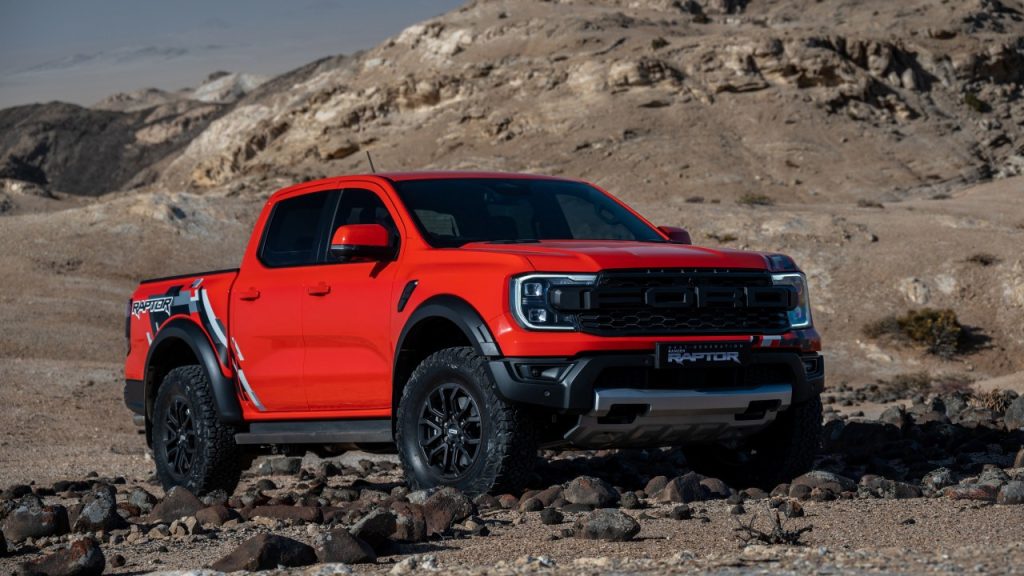
Rust resistance was another weak point. The Ranger’s body panels and frame coatings often failed to protect against corrosion in humid or coastal climates, leading to structural degradation earlier than expected. Electrical faults, such as failing alternators and shorted connectors, further tarnished its reliability record.
This version of the Ranger demonstrated that brand heritage alone cannot guarantee toughness. While it looked the part and offered decent comfort, it lacked the internal strength that defines a true long-term pickup.
It performed adequately for casual use but struggled when treated as a serious workhorse, revealing the gap between marketing claims and mechanical reality.
3. Ram 1500 EcoDiesel
When Ram introduced the 1500 EcoDiesel, it sounded like a breakthrough. A full-size pickup with real torque and impressive fuel economy was a tempting idea for both commercial and private buyers.
Unfortunately, the truck’s promise of efficient power came with long-term complications that placed it among the least dependable options in the segment.
The main issue stemmed from the 3.0-liter V6 EcoDiesel engine, sourced from VM Motori. While smooth and efficient, it developed a reputation for reliability problems, including timing chain failures, oil cooler leaks, and exhaust gas recirculation system malfunctions.
Many owners experienced costly repairs far earlier than expected, with some engines requiring major work before reaching 150,000 kilometers. The complexity of the emissions equipment also led to frequent sensor and filter failures, driving maintenance costs even higher.
The transmission paired with the EcoDiesel was capable but not immune to issues when towing heavy loads. Overheating and delayed shifts were common complaints, especially for owners who expected the same endurance found in Ram’s larger Cummins-powered trucks.
The EcoDiesel’s lightweight components and intricate electronics made it less forgiving under stress, reducing its suitability for demanding work.
While the truck offered an excellent ride and upscale interior, its mechanical reliability did not match its refinement.
Owners who bought it expecting long-term savings on fuel often faced offsetting expenses in maintenance and downtime. Ram eventually made improvements, but the early models damaged its reputation for dependability.
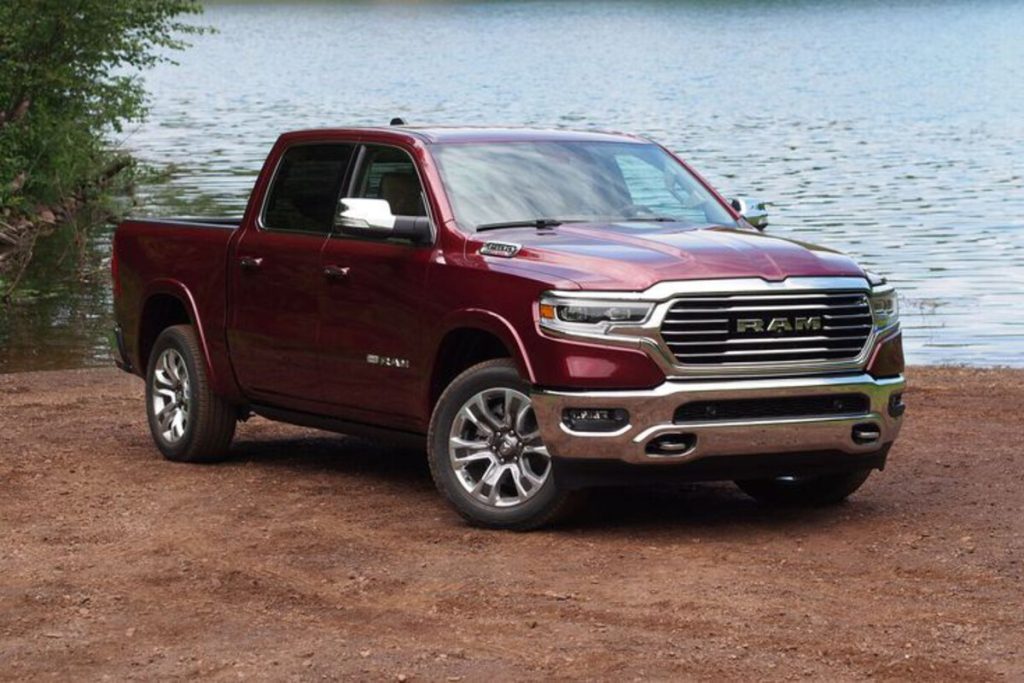
The EcoDiesel version of the Ram 1500 deserves mention here because it illustrates how innovation without endurance planning can backfire.
It was designed to bridge power and efficiency but instead became a cautionary example of what happens when complexity outweighs proven strength.
4. Nissan Frontier (2005–2019)
The second-generation Nissan Frontier had the right size, a strong name, and an appealing mix of practicality and affordability. It was expected to continue the rugged legacy of the earlier Hardbody and first-generation Frontier models, but over its long production run, several weaknesses kept it from being a truly dependable long-term truck.
One of its biggest problems was the failure-prone radiator and transmission cooler design. The internal seal that separated the two systems could rupture, allowing coolant to mix with transmission fluid.
This issue, often called the “strawberry milkshake” failure by owners, led to catastrophic transmission damage that required expensive replacement. The problem affected thousands of trucks and seriously harmed the Frontier’s reputation for reliability.
Beyond that, the 4.0-liter V6 engine, while strong in performance, suffered from timing chain guide wear and oil consumption in high-mileage examples. Many owners faced repair costs that exceeded the vehicle’s residual value.
The suspension and frame were durable enough for light-duty use, but long-term exposure to salt or coastal climates led to corrosion problems that weakened critical components.
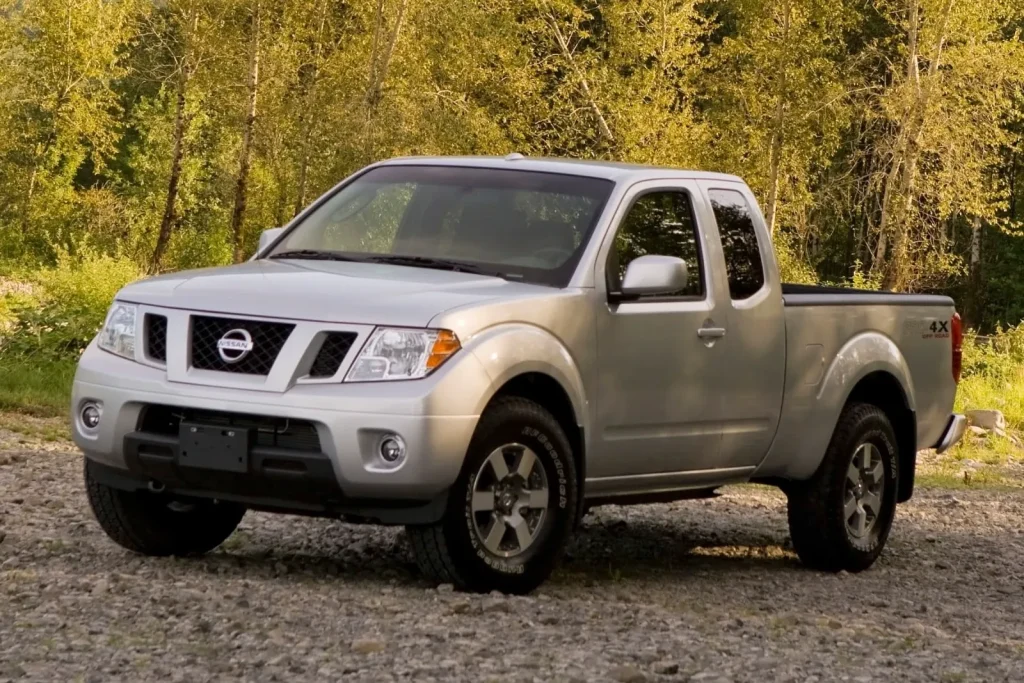
Interior materials also aged poorly. Hard plastics and limited sound insulation gave the truck a dated and cheap feel, which might be forgivable if it were mechanically solid.
However, the combination of transmission failures, engine wear, and corrosion concerns made it a tough sell for buyers seeking a reliable long-term companion.
While Nissan eventually refreshed the Frontier with improved components, the prolonged life of this generation meant many owners experienced its shortcomings for more than a decade. It was a truck that looked ready for hard work but struggled to sustain it.
Its place on this list comes from that gap between expectation and endurance, proving that even simple designs need consistent quality control to truly last.
5. Honda Ridgeline
The Honda Ridgeline entered the pickup market with a fresh approach, aiming to blend comfort, refinement, and utility. While it succeeded in offering car-like smoothness and a versatile design, it never managed to establish itself as a true workhorse.
The Ridgeline appeals to casual users, but its construction and long-term durability fall short when compared with traditional body-on-frame trucks built for heavy labor.
Its unibody design, shared with Honda’s crossover platforms, provides excellent on-road comfort but limits structural toughness. Unlike ladder-frame pickups, the Ridgeline’s chassis does not handle high-stress towing or sustained heavy payloads as effectively.
Owners who use it for construction, towing trailers, or off-road hauling often discover its limitations sooner than expected. Flexing under heavy load can cause alignment issues, suspension wear, and premature tire degradation.
The all-wheel-drive system, while adequate for mild off-road conditions, lacks the robustness of a full-time four-wheel-drive setup with low-range gearing. Continuous heavy use can lead to overheating in the rear differential and drivetrain fatigue.
Additionally, the truck’s bed materials and tailgate mechanisms, though innovative, show signs of wear faster than those found in traditional trucks.
On the reliability front, the Ridgeline’s engine and transmission are smooth but not built for sustained heavy workloads.
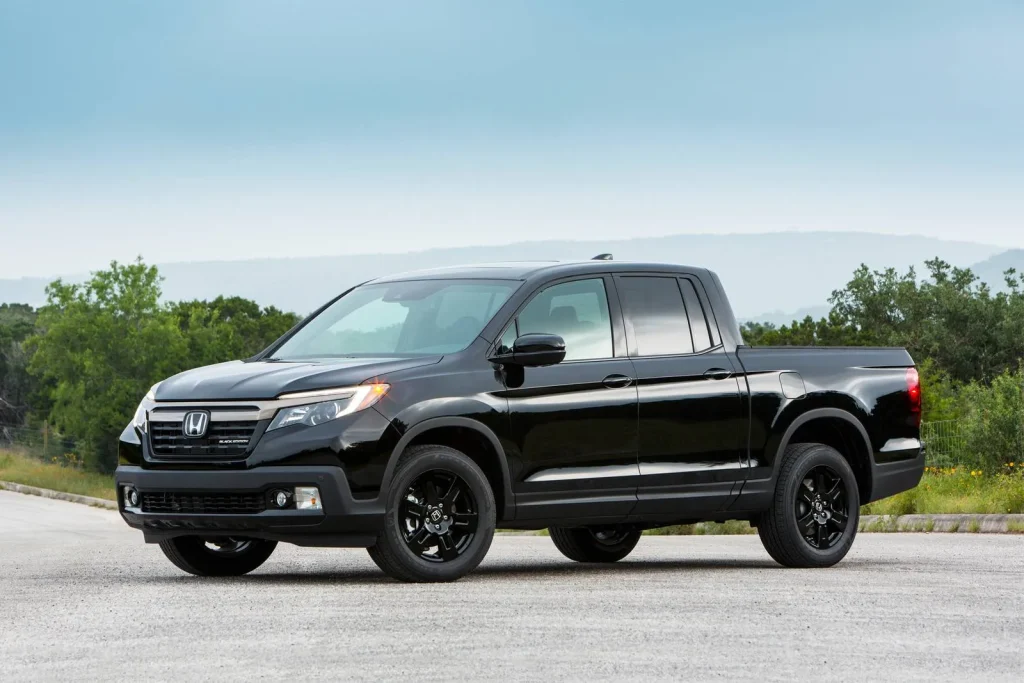
Components like the transmission cooler and differential fluid systems require strict maintenance schedules to prevent failures, making ownership more demanding than it appears at first glance.
The Ridgeline deserves mention here because it represents a case where engineering focus leaned too heavily toward comfort and convenience rather than endurance.
It is an excellent lifestyle vehicle but not one designed for years of hauling, towing, or punishment. In short, it is a pickup in form, but not always in function, making it a poor choice for those seeking true long-haul durability.
Also Read: 5 Cars That Bring Back Driving Joy vs 5 That Feel Robotic
