
The used car market in the United States has always been a reflection of shifting priorities from rising gas prices to technological innovation and the ever-growing SUV trend.
In recent years, the pandemic, supply chain constraints, and a surge in new car prices have made used cars even more valuable. Yet, not all vehicles enjoy the same demand.
Some models vanish from online listings within days, while others languish for months despite slashed prices and generous incentives.
This divide often comes down to a car’s reputation for reliability, performance, and real-world usability.
Let’s explore five cars that sell instantly on the used market and five that tend to sit idle, shedding light on what American buyers really value.
Cars That Sell Instantly Used
When it comes to selling a used car, some models spend weeks or even months waiting for the right buyer, while others seem to disappear from listings almost as soon as they appear.
Certain vehicles are so well-regarded for their reliability, performance, or value retention that they sell almost instantly once they hit the used market.
In this article, we’ll take a closer look at the cars that move fastest off the lot, exploring what makes them so appealing to secondhand buyers and why demand for these models remains sky-high.
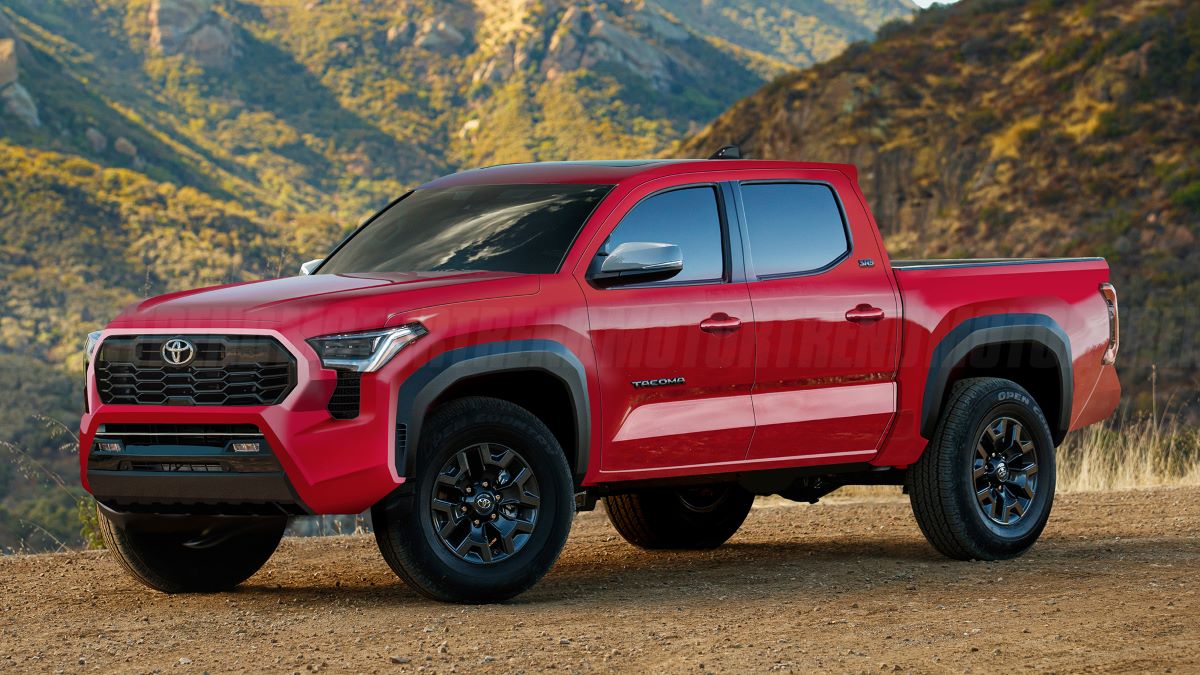
1. Toyota Tacoma
If there’s a single truck that embodies dependability and resale value in the US, it’s the Toyota Tacoma. Even older Tacomas with high mileage sell for shockingly strong prices, sometimes rivaling new ones.
The midsize truck’s bulletproof 3.5-liter V6 engine, simple construction, and rugged off-road ability make it a top choice among outdoor enthusiasts and workers alike.
In markets like Colorado, Texas, and the Pacific Northwest, Tacomas listed on Facebook Marketplace or AutoTrader often sell within days sometimes hours. The Tacoma’s long-term durability and cult following make it a used-market legend.
The Toyota Tacoma manages to do something few other mid-size pickups canoutsell its own brand’s full-size truck. While competitors like the Chevrolet Colorado and Ford Ranger trail behind, the Tacoma continues to dominate the segment.
Now in its eighth year of the third generation, this fan-favorite pickup still holds a strong reputation, though some of its standard features are beginning to show their age.
The base setup includes a 159-hp inline-four engine paired with a six-speed automatic transmission, while a more capable 278-hp V-6 is available with either the same automatic or a six-speed manual.
Interestingly, the Tacoma and Jeep Gladiator are the only pickups in the U.S. still offering three pedals. Although the Tacoma’s standard powertrain is the weakest in its class, the rear-wheel-drive single cab version remains a more budget-friendly option than both the Gladiator and Honda Ridgeline.
It can tow slightly more than the Nissan Frontier, up to 6,800 pounds, but drawbacks such as its awkward driving position, subpar fuel economy, and basic cabin materials keep it from reaching its full potential.
For 2023, Toyota introduces two fresh appearance packages for the SR5 trim. The SX package, previously offered on the SR, is now available for V-6 SR5 models in both Access Cab and Double Cab configurations.
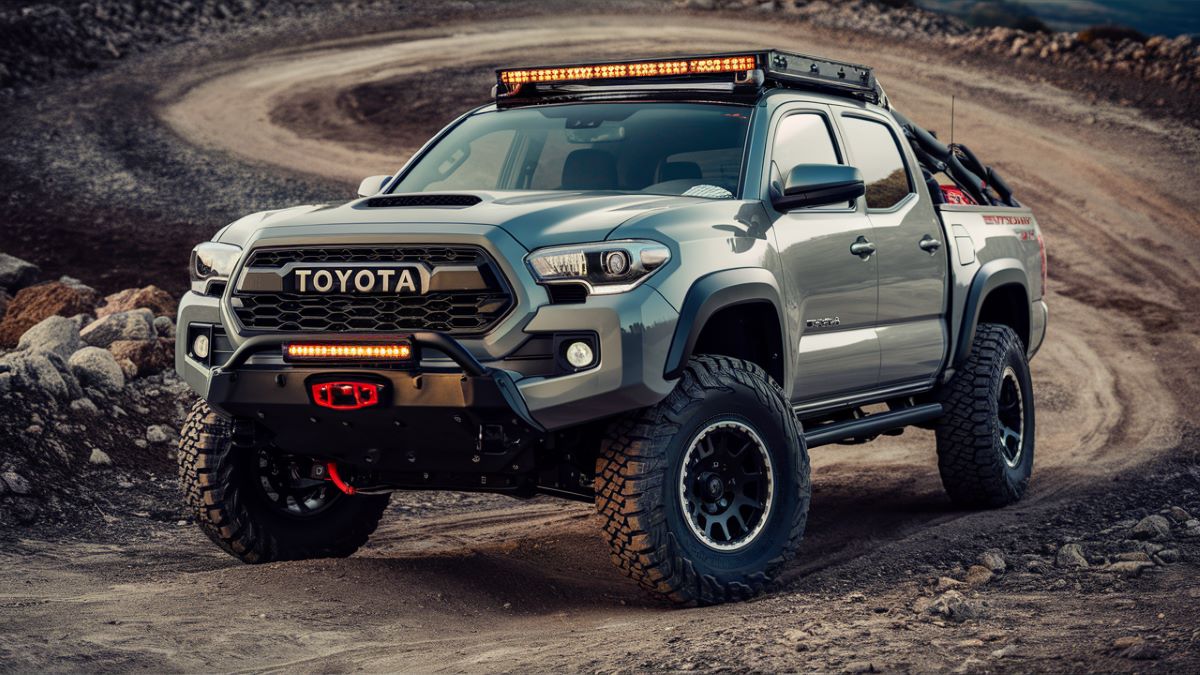
It adds black over-fenders, black wheels with matching lug nuts, and a host of blacked-out trim and badging details.
The Chrome package, offered for SR5 Double Cab models with the five-foot bed, includes 18-inch polished wheels, chrome door handles, exhaust tips, tailgate badging, and a leather-wrapped shift knob.
SR5 trims equipped with the V-6 also gain Toyota’s Smart Key system and a power-adjustable driver’s seat, while all V-6 Tacomas now feature dual-zone automatic climate control.
The Limited trims now come with a power-adjustable driver’s seat, 8.0-inch infotainment screen, Smart Key, and a 360-degree camera (Limited Double Cab only). The off-road-oriented TRD Pro gets an exclusive Solar Octane paint color, and the TRD Sport now offers an Electric Lime paint option.
We’d skip the underpowered four-cylinder engine and go straight for the V-6. While choosing the manual transmission means giving up certain optional features, it delivers a more engaging drive and avoids the automatic’s clumsy gear changes.
Note that the manual is only available with the shorter 5.0-foot bed, and Premium packages aren’t compatible with this setup.
Even so, all Tacomas come with 16-inch wheels, black over-fenders, a full suite of driver-assistance tech, and a multimedia system supporting Apple CarPlay, Android Auto, and a Wi-Fi hotspot.
We’d also add the optional Technology package, which includes LED-enhanced headlights, blind-spot monitoring, rear cross-traffic alert, and parking sensors.
The Tacoma’s available 278-hp V-6 delivers 265 lb-ft of torque, providing solid performance and towing ability.
In contrast, the standard 159-hp four-cylinder, with just 180 lb-ft of torque, feels underpowered and is best avoided.
The six-speed automatic transmission can be clunky with either engine, so the six-speed manual remains the better choice for drivers who prefer control and responsiveness.
Models like the TRD Sport and Limited are designed more for on-road comfort, while the TRD Off-Road and TRD Pro excel on rough terrain. Despite its versatility, the Tacoma isn’t known for speed or refined handling.
Also Read: 8 Underrated SUVs That Are Better Than Popular Models
2. Honda Civic
Few nameplates have earned trust like the Honda Civic. Whether it’s a sporty Si trim or a base LX, the Civic represents bulletproof reliability, fuel efficiency, and affordability three traits that make it irresistible to used car buyers.
Its newer turbocharged models offer strong MPG and a fun driving experience, while older naturally aspirated versions are prized for simplicity.
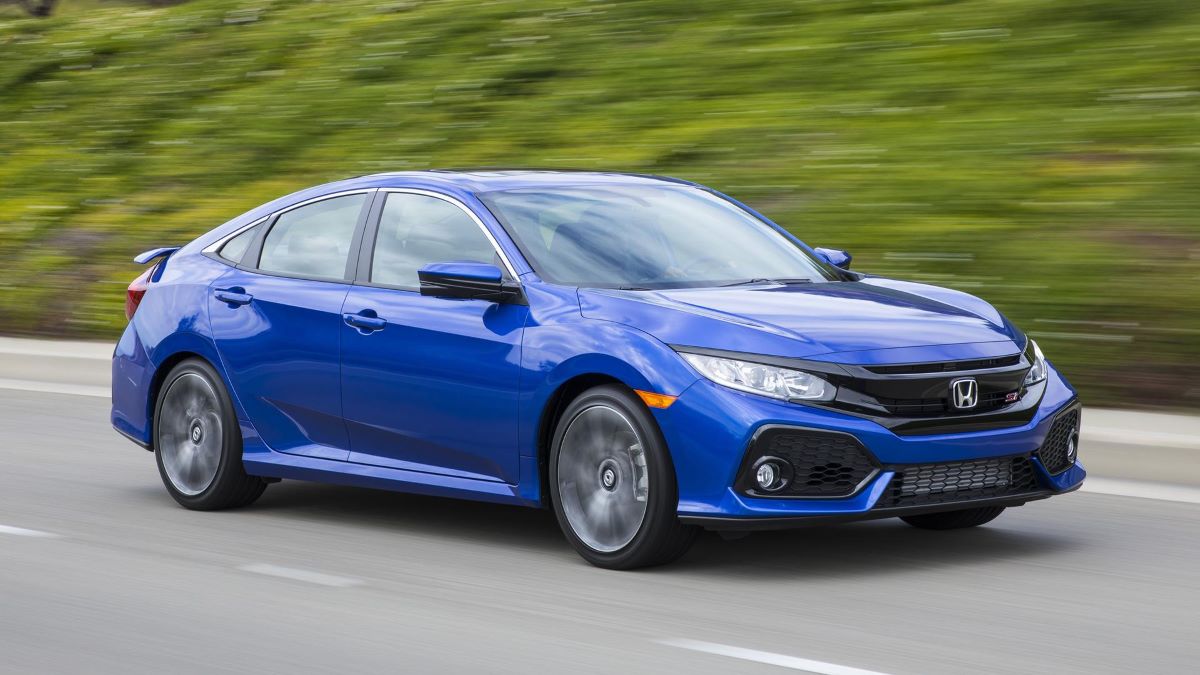
Younger buyers and first-time car owners especially target Civics because parts are cheap, maintenance is straightforward, and the cars are nearly indestructible.
A clean, low-mileage Civic can sell within a week or less almost anywhere in the country.
3. Toyota 4Runner
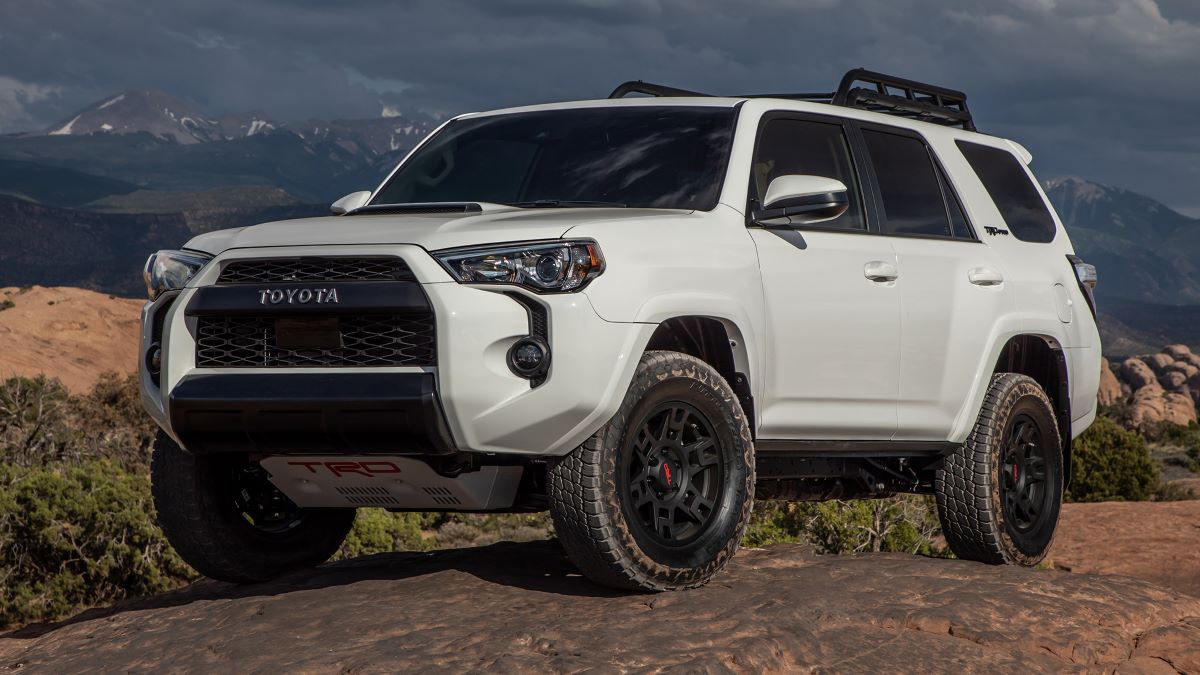
The Toyota 4Runner’s appeal lies in its old-school toughness. While other SUVs moved toward crossovers and car-like refinement, the 4Runner stuck with a body-on-frame design and a naturally aspirated V6 qualities that buyers seeking adventure continue to adore.
Used 4Runners hold their value like few other SUVs, often selling close to MSRP even after several years.
The market for them is strong from California to Utah and beyond, with off-road enthusiasts and overlanding fans snatching them up the moment they hit listings.
Simply put, the 4Runner’s mix of reliability, ruggedness, and resale power ensures it never sits for long.
Rather than hiding its age, the Toyota 4Runner seems to embrace it, presenting its old-school charm as a defining feature rather than a flaw. In today’s SUV market, there’s truly nothing else quite like it, for better and for worse.
For better, the 4Runner has proven its worth over a remarkable 13-year production run. Built on a sturdy, frame-based platform with genuine four-wheel drive and a suite of off-road assist features, it’s designed for true trail-tackling capability.
For worse, well, that applies to nearly everything else. On paved roads, the 4Runner feels heavy and unwieldy, its sluggish powertrain doing little to inspire confidence.
Fuel efficiency is another weak point, as it consumes gas at a rate that’s far from polite.
While Toyota has tried to keep the 4Runner current with updates to its infotainment and driver-assistance systems, those features remain at least one generation behind what’s available in the brand’s newer models. Cargo space is decent, but rear-seat legroom leaves something to be desired.
Under the hood, the 4Runner packs a 4.0-liter V-6 engine that produces 270 horsepower and 278 lb-ft of torque, paired with an old-school five-speed automatic transmission.
Rear-wheel drive comes standard, with a true four-wheel-drive system, not all-wheel drive, available for those who want extra traction.
The 4Runner can accelerate from 0 to 60 mph in roughly 7.5 to 8.0 seconds, depending on the variant. Fuel economy, however, remains dismal, expect ratings similar to last year’s 16 mpg city and 19 mpg highway.
The first Toyota 4Runner debuted in 1983 as a 1984 model, so Toyota’s “40th Anniversary” label for 2023 might be a little off, but it still marks a significant milestone.
Nostalgia can only take the 4Runner so far. Sooner or later, Toyota will need to redesign its iconic off-roader for the modern era. The next-generation model, expected to be the sixth-generation 4Runner, will almost certainly retain its trail-ready engineering but is likely to adopt modern touches across the board.
Exactly when the next 4Runner will debut remains a mystery, Toyota appears content selling every current model it can produce. However, the best estimate suggests that the 6th-generation 4Runner will make its debut sometime around the 2025 or 2026 model year.
4. Subaru Outback
Americans in colder states or mountainous regions know the Subaru Outback is one of the most practical all-weather vehicles ever made.
Its standard all-wheel drive, wagon-style cargo room, and top safety scores make it an instant sell, especially in states like Vermont, Oregon, and Washington.
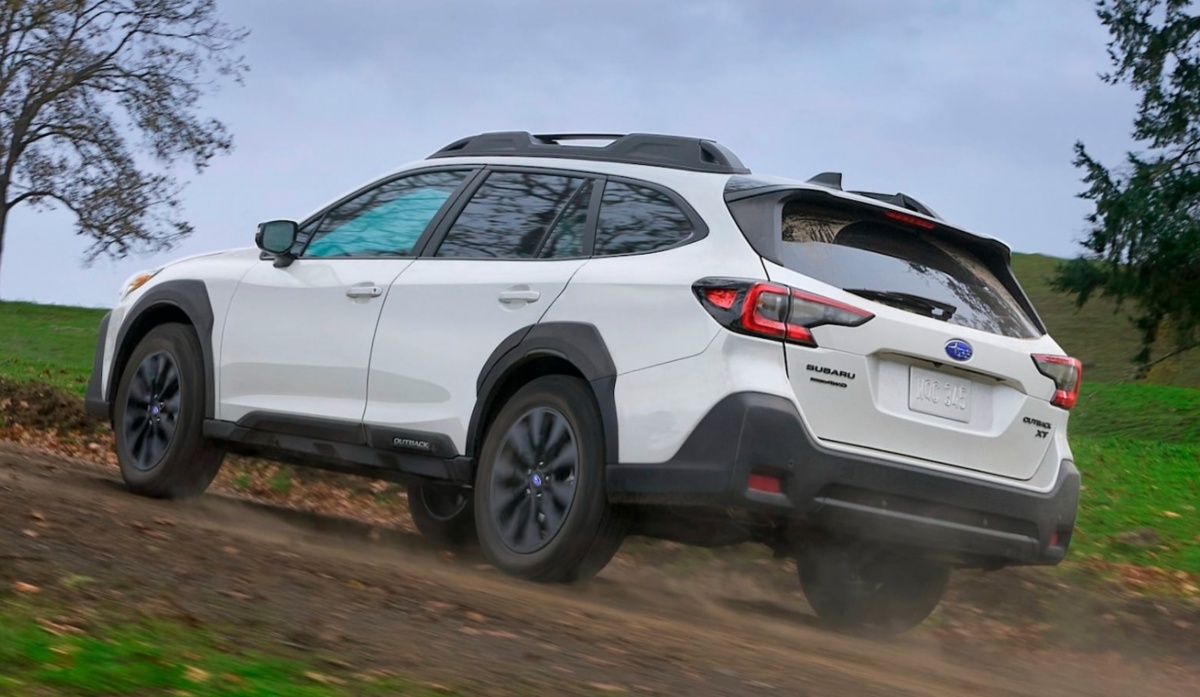
The Outback also has a loyal fan base that values longevity and low maintenance costs. Even ten-year-old models often command solid prices, especially when equipped with Subaru’s symmetrical AWD and well-documented maintenance history.
Also Read: 5 Trucks That Last a Lifetime and 5 That Barely Survive the First Owner
5. Tesla Model 3
Despite price fluctuations and debates over EV longevity, the Tesla Model 3 remains one of the hottest used cars in the electric segment.
Demand for pre-owned Model 3s remains strong because they offer modern tech, over-the-air updates, and quick acceleration without the new-car premium.
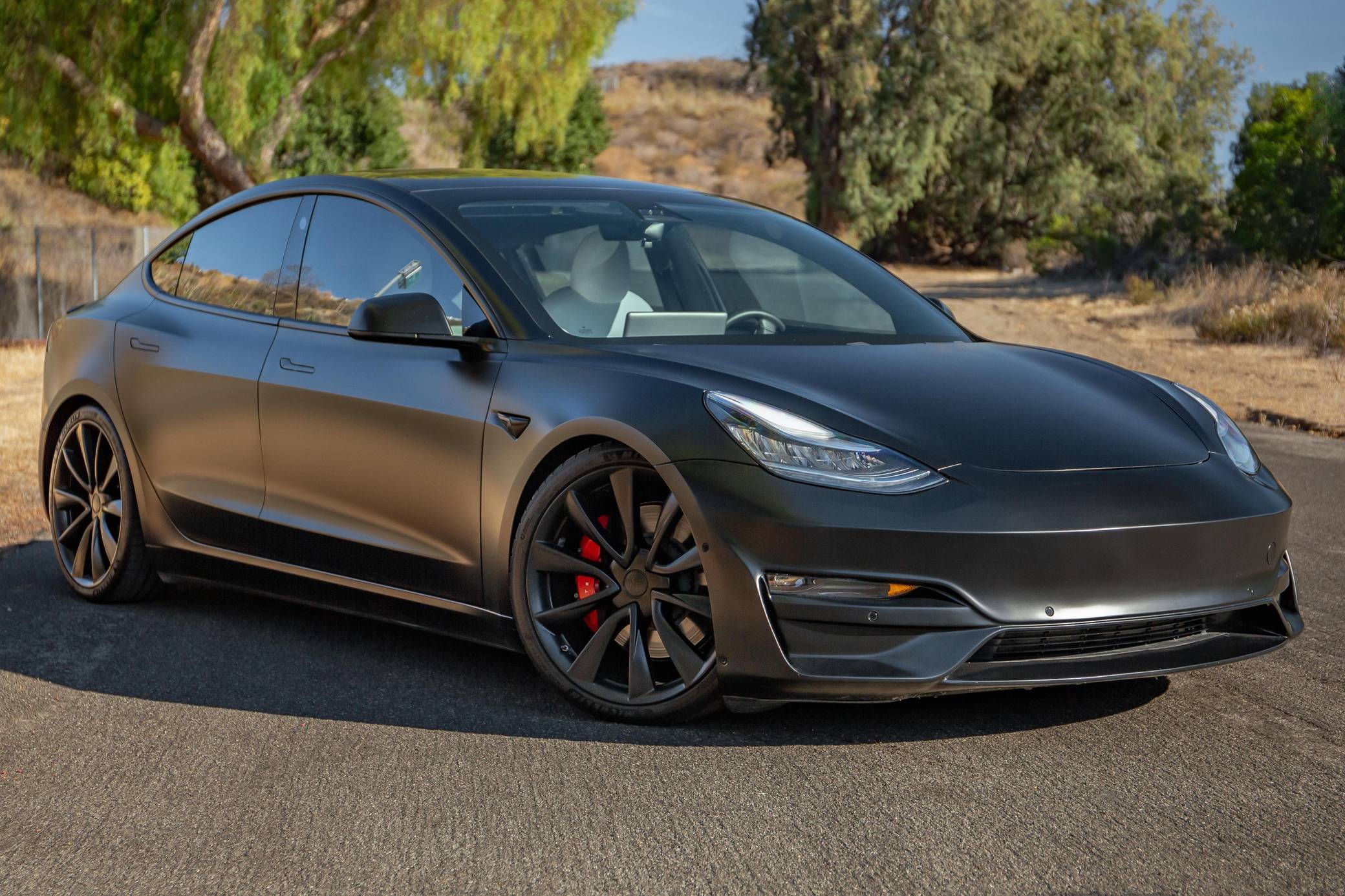
Many buyers who want to go electric but can’t justify Tesla’s new-vehicle prices turn to the used market, where Model 3s rarely last long.
Even early 2018 models with over 80,000 miles sell within weeks if priced fairly. Tesla’s brand recognition and low operating costs make the Model 3 an easy sell in virtually any US metro area.
Cars That Sit for Months
While some cars barely make it through a single weekend on the used market, others can sit unsold for weeks or even months, before finding a buyer.
These vehicles often struggle due to factors like high maintenance costs, poor fuel economy, outdated features, or simply low demand.
In this article, we’ll look at the cars that tend to linger the longest on dealer lots and used car sites, uncovering the reasons behind their sluggish sales and what potential buyers should know before considering one.
1. Nissan Altima
Once a mainstay of American driveways, the Nissan Altima has lost much of its used-market appeal.
While it’s comfortable and fuel-efficient, the Altima’s reputation has been marred by widespread CVT (continuously variable transmission) failures, leading many buyers to steer clear.
The car’s resale value has dropped accordingly, and sellers often struggle to move them even with aggressive pricing. In markets flooded with rental returns and fleet models, Altimas can sit for months before finding a buyer.
The Nissan Altima serves as the brand’s midsize sedan, positioned above the compact Sentra and alongside the similarly sized Maxima in Nissan’s lineup.
The Altima name first appeared in 1992 on a compact sedan, but when the second-generation model debuted in 1998, Nissan redefined it as a larger midsize offering.
Entering its sixth generation for the 2019 model year, the five-passenger, four-door Altima continues to deliver a balanced mix of comfort, performance, and technology.
It’s available with two distinct powertrains, offers both front- and all-wheel-drive configurations, and comes in five trim levels to suit a range of preferences.
We’ve spent time driving both an Altima SL AWD equipped with the base non-turbo engine and an Altima SR FWD powered by the VC-Turbo four-cylinder, and our impressions were mixed but largely positive.
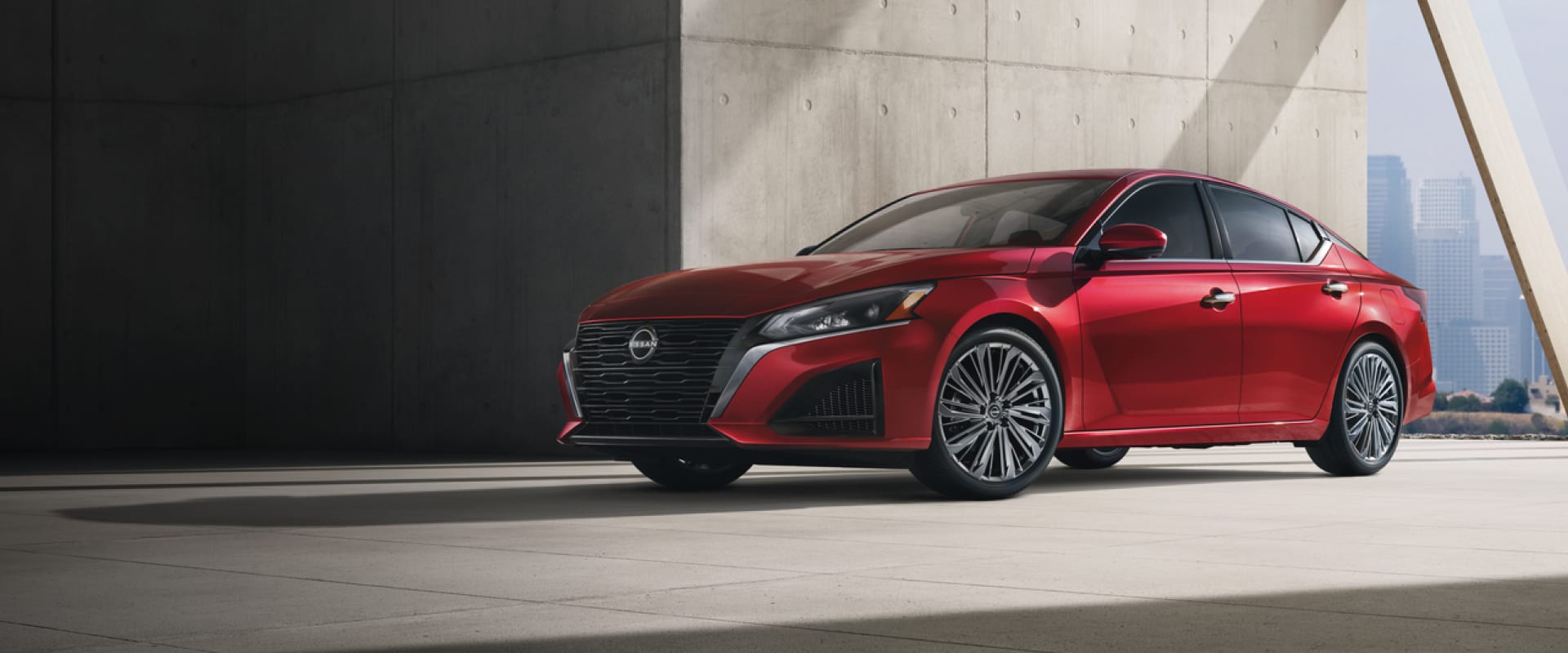
Both models delivered quick acceleration, though the less powerful SL felt more composed, offering better grip and stronger braking performance.
The SR, on the other hand, suffered from noticeable understeer and lacked feedback from both the steering and brake pedal. Its continuously variable transmission (CVT) also felt sluggish and poorly calibrated.
The SR’s ride quality was firm due to its larger 19-inch wheels and low-profile tires, while the SL’s 17-inch setup provided a smoother, more comfortable experience.
The 2022 Nissan Altima comes standard with a 2.5-liter naturally aspirated inline-four engine, available in two output levels: 188 horsepower for front-wheel-drive models and 182 horsepower for all-wheel-drive versions.
For those seeking more power, a 2.0-liter variable-compression turbocharged four-cylinder engine delivers 236 horsepower, available exclusively on the Altima SR FWD. All models are paired with Nissan’s continuously variable transmission (CVT).
Among the lineup, the Altima S FWD with the 2.5-liter engine offers the best fuel efficiency, returning an EPA-rated 28 mpg city and 39 mpg highway.
That’s comparable to the 2021 Toyota Camry FWD with its 2.5-liter naturally aspirated engine and notably better than the 2021 Kia K5 FWD with its 2.5-liter turbocharged four-cylinder, which achieves 24/32 mpg.
The result is a midsize sedan that blends solid performance, respectable fuel economy, and everyday comfort, though the driving experience varies depending on the trim and powertrain you choose.
2. Fiat 500
Cute, compact, and quirky, the Fiat 500 has a passionate following but not a large one. The Italian microcar was fun when new, but its limited interior space, inconsistent reliability, and the brand’s uncertain presence in the US make it a tough sell today.
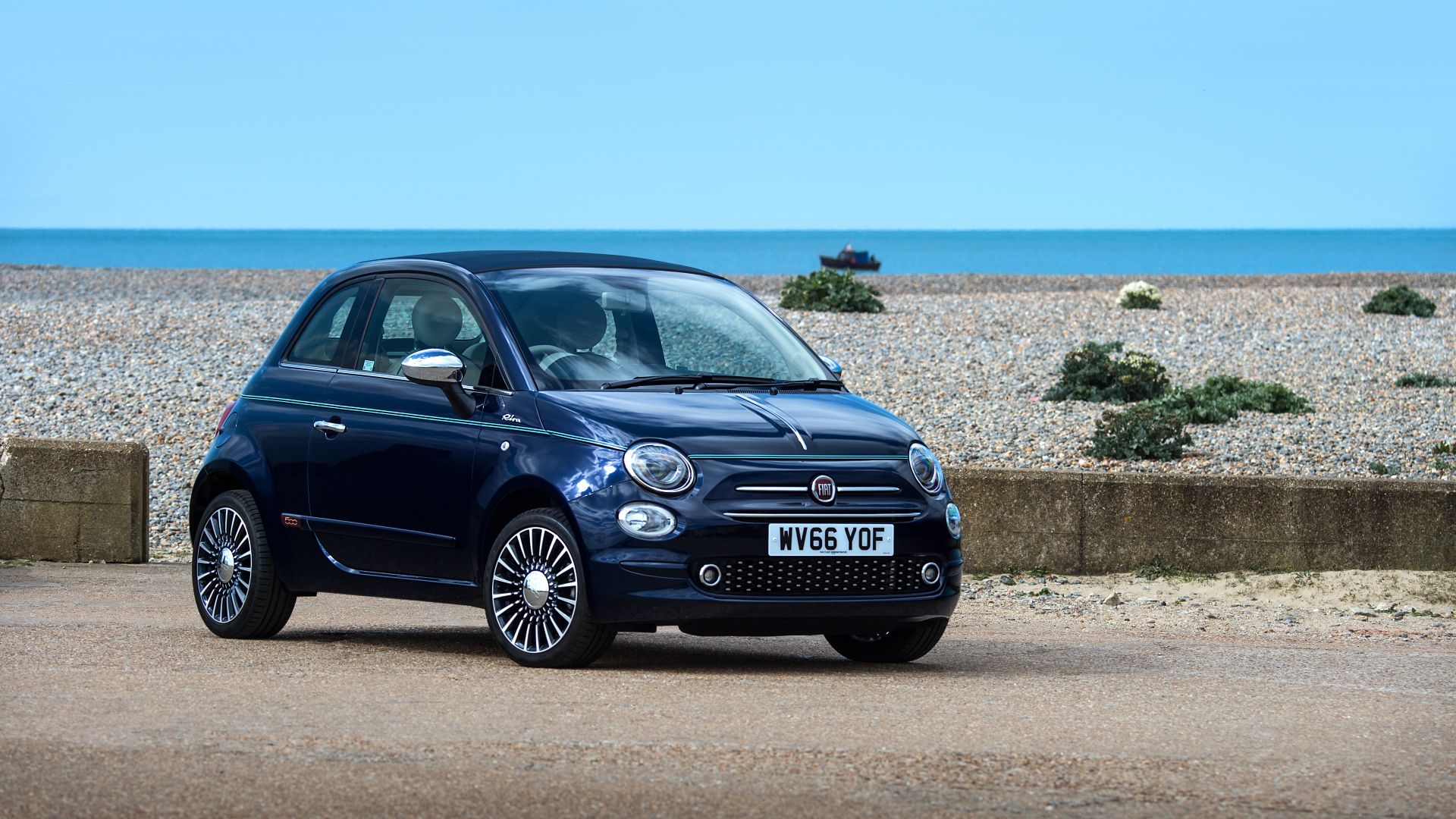
Most buyers are wary of finding parts or service, especially as Fiat dealerships have dwindled across the country. Unless priced rock-bottom, used Fiat 500s often sit for months before someone willing to take a gamble comes along.
Also Read: 5 Cheap Cars That Offer Top-Tier Build Quality vs 5 That Don’t Work
3. Chrysler 200
The Chrysler 200’s brief production run left behind plenty of used examples, but not much demand. While the sedan had a stylish design, its underwhelming powertrains and cramped rear seat turned off many buyers.
The 200’s 9-speed automatic transmission was also notoriously jerky, further souring its reputation.
Since Chrysler discontinued the model in 2017, resale values have plummeted, and most buyers looking for a mid-size sedan turn instead to Camrys, Accords, or even used crossovers.
As part of its major restructuring effort, Chrysler launched the 200 lineup as a direct successor to the Sebring, bringing a welcome dose of refinement and modern appeal to the midsize sedan market.
Beneath its sleek new exterior, however, the 200 still rode on an older 2006 Mitsubishi platform.
Fortunately, that platform had proven itself capable, having also served as the foundation for larger vehicles such as the Dodge Journey MPV.
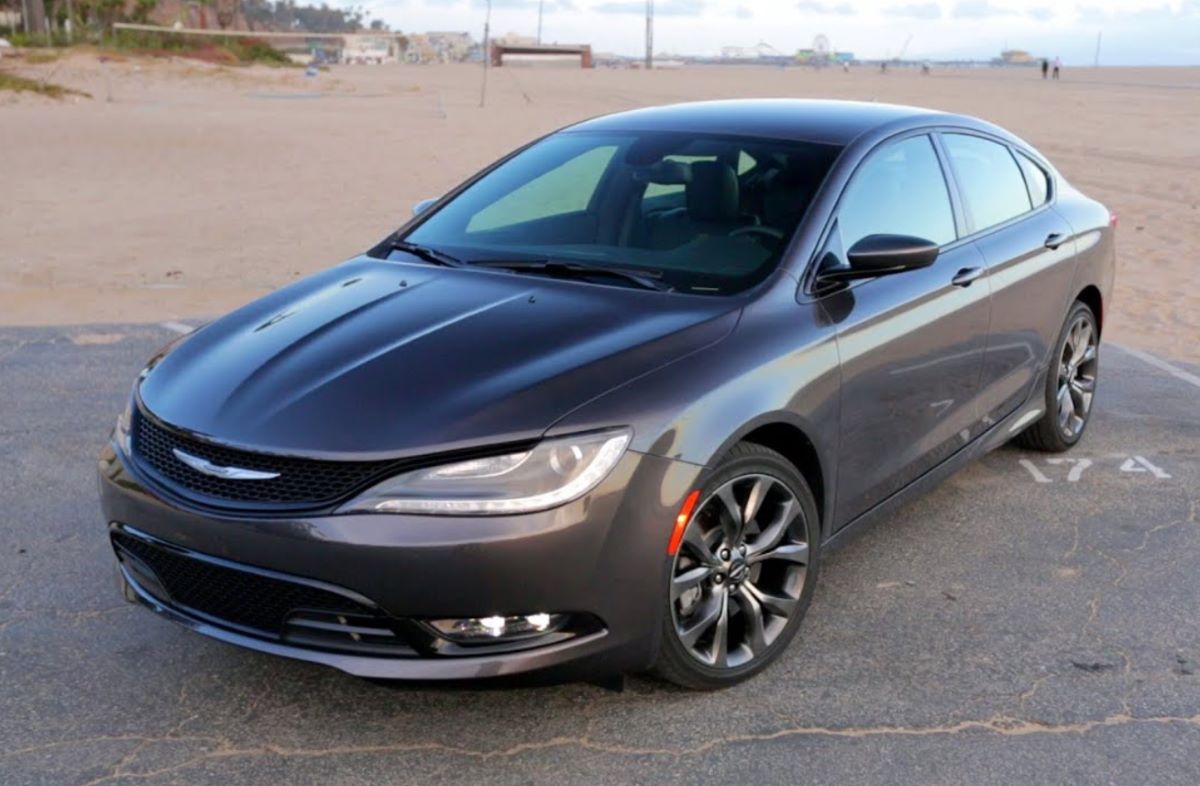
The fresh nameplate also gave customers a clearer sense of Chrysler’s lineup, positioning the 200 as the smaller sibling to the brand’s flagship 300 sedan.
At the front, the Chrysler 200 featured stylish, swept-back headlights with elegant curves and sharp contours. Its chrome-accented, inverted trapezoidal grille was a nod to Chrysler’s heritage, echoing design cues from models dating back to the 1940s.
From the side, the 200 retained the Sebring’s familiar arched roofline, including the thick rear C-pillars, an element that looked solid but continued to hinder rear-quarter visibility.
Under the hood, Chrysler offered two engine options, both paired with a six-speed automatic transmission as standard.
Even the base engine, producing 173 horsepower, delivered solid performance for everyday driving, while the more powerful version provided additional punch for those seeking a livelier experience behind the wheel.
4. Mitsubishi Mirage
The Mitsubishi Mirage is one of the cheapest new cars in America, but that low upfront cost doesn’t translate into strong resale value. Used car buyers recognize its poor performance, noisy three-cylinder engine, and cheap interior materials.
While it’s reliable and fuel-efficient, the driving experience is often described as joyless, which makes the Mirage a tough car to sell.
Many end up sitting on dealer lots for months, even at sub-$10,000 prices, as buyers stretch their budgets toward slightly older Civics or Corollas instead.
The 2024 Mitsubishi Mirage is an urban-friendly car that shines in tight spaces. Its small size makes navigating congested streets and squeezing into compact parking spots effortless.
However, when pushed harder, its limitations become apparent, excessive body roll, unresponsive steering, and a firm ride quickly remind you that this isn’t a car built for spirited driving.
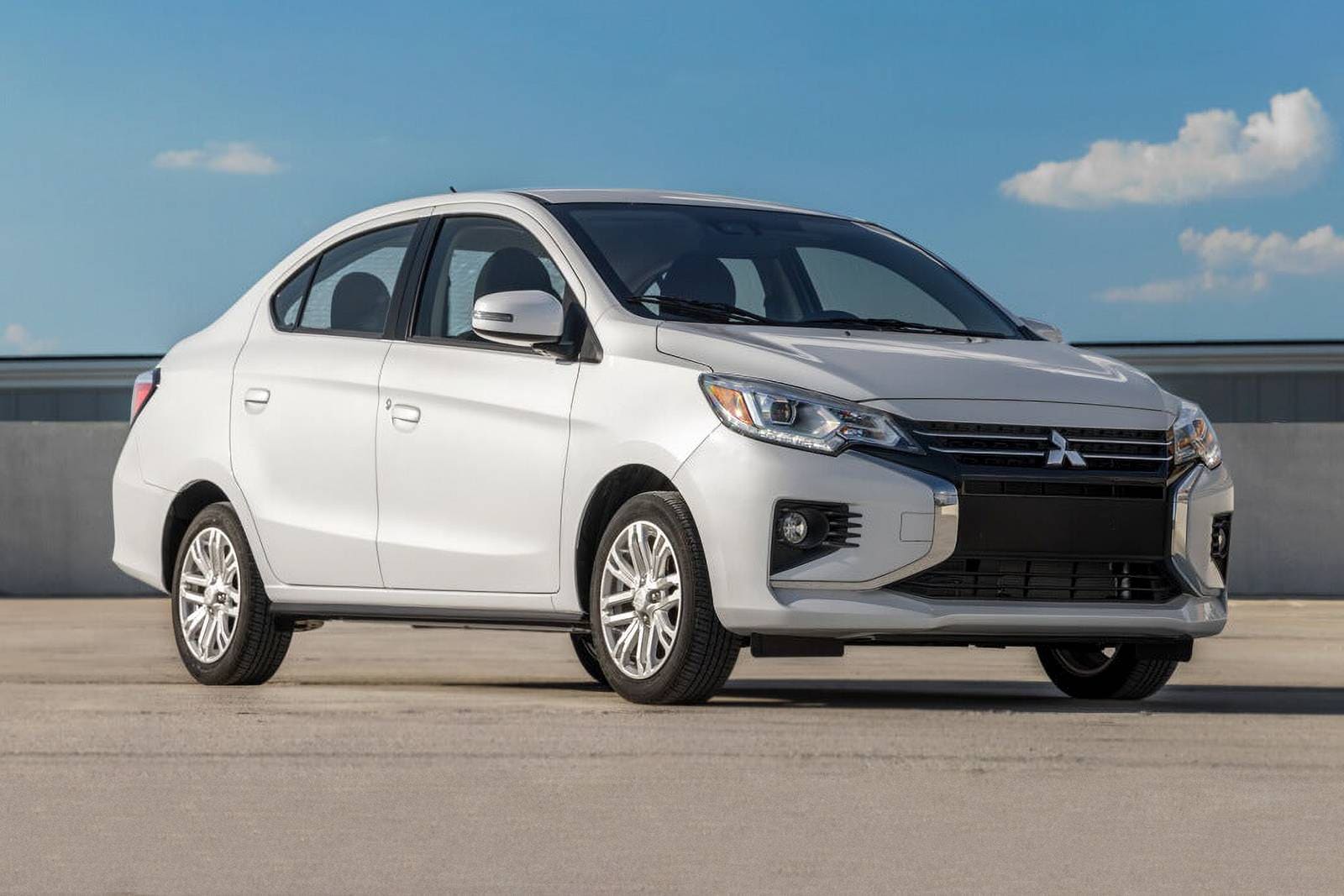
Both the hatchback and sedan (G4) versions share the same modest powertrain: a 78-horsepower three-cylinder engine that lacks refinement.
Acceleration requires patience, and highway merging or overtaking demands planning ahead. Even in city traffic, the small engine often feels strained and overworked.
Fuel efficiency is one of the Mirage’s strongest advantages. The hatchback achieves an EPA-estimated 36 mpg in the city and 43 mpg on the highway, while the sedan delivers 35/41 mpg city/highway.
These figures make the 2024 Mirage one of the most fuel-efficient gasoline-powered cars currently available, standing out in a market where most competitors can’t match its thriftiness.
Inside, the 2024 Mirage features a basic and utilitarian cabin, dominated by hard plastics that reflect its budget-friendly price tag.
Both the hatchback and sedan models seat five passengers, though space is at a premium. The front seats offer adequate comfort, but limited adjustments for both the seats and the steering wheel make it difficult to find an ideal driving position.
The rear seats are cramped in both body styles, although the sedan offers about 4 inches more legroom than the hatchback. Regardless of which version you choose, fitting three adults across the back seat is a tight squeeze.
In terms of cargo, the Mirage hatchback makes efficient use of its compact footprint. It provides 17.1 cubic feet of cargo space behind the rear seats and expands to 47 cubic feet with them folded, numbers that rank among the best in the subcompact class.
5. Jaguar XE
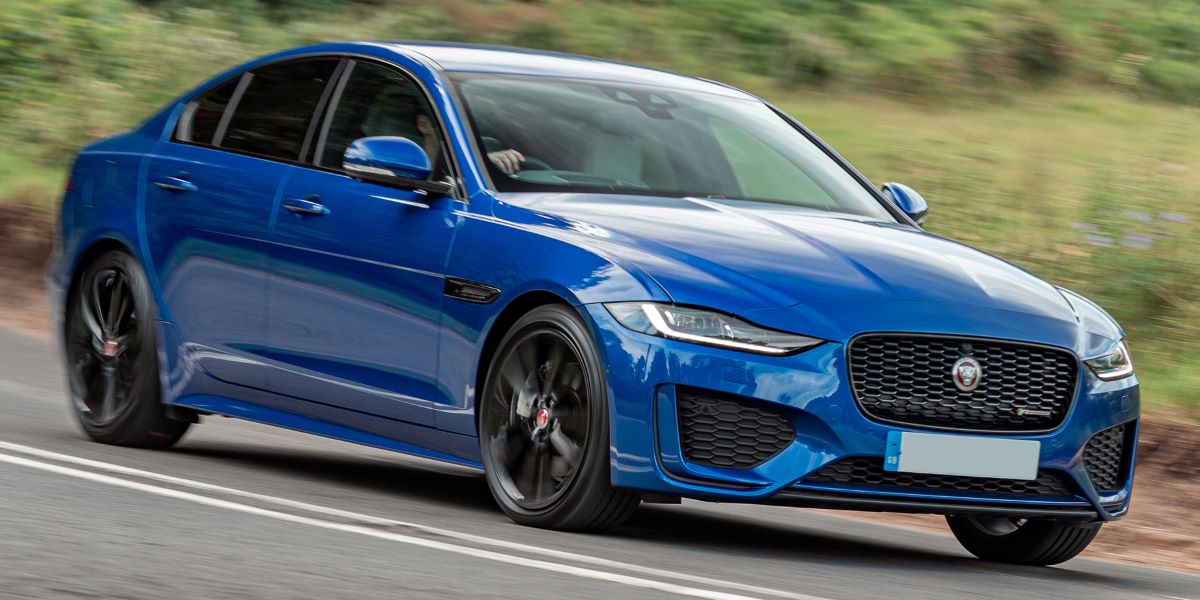
Luxury sedans are always tricky on the used market, but the Jaguar XE is a special case of poor resale. Despite its sleek looks and sporty handling, it suffers from high maintenance costs and a reputation for unreliable electronics.
The XE’s depreciation is steep often losing more than half its value within three years making it unattractive for buyers worried about long-term repair bills.
Used examples often linger on CarGurus and Autotrader, especially outside major metro areas, as buyers opt for more dependable German or Japanese luxury rivals.
The used car market reflects what American buyers value most: trust, reliability, and practicality.
Cars that are known to “just work” like the Tacoma, Civic, and 4Runner are snapped up in days, while those plagued by questionable reliability or weak brand perception collect dust on dealer lots.
Even as EVs gain momentum, the pattern remains the same: vehicles that earn reputations for low upkeep and consistent performance dominate resale charts.
For sellers, this means timing and transparency matter. A well-maintained, documented vehicle from a trusted brand can move instantly, while even a flashy car from a struggling automaker can sit for months.
In a world where every listing is just a click away, reputation isn’t just about marketing it’s the difference between a quick sale and endless waiting.
