
Mercedes-Benz has long been associated with luxury, engineering excellence, and performance. While many models impress with refinement and cutting-edge technology, durability and long-term dependability vary widely across the brand.
Some Mercedes vehicles are renowned for retaining reliability even after years of ownership, requiring minimal repairs and continuing to perform as intended.
Others, despite their prestige, can develop recurring mechanical or electronic issues that frustrate owners and compromise ownership satisfaction.
Models that remain dependable often benefit from careful engineering, proven powertrains, and straightforward design choices that prioritize longevity.
These cars usually combine strong engines, durable transmissions, and high-quality materials that age well over time. Regular maintenance and attention to manufacturer-recommended service schedules further enhance their ability to remain reliable for many years.
On the other hand, certain Mercedes vehicles struggle with long-term durability due to complex electronic systems, high-strung engines, or costly components prone to failure.
Even models with strong initial performance and styling can become burdensome if maintenance costs rise or frequent repairs are required. The disparity in reliability highlights the importance of informed purchasing decisions and awareness of a vehicle’s long-term track record.
This article examines both categories, first identifying five Mercedes vehicles that consistently demonstrate dependability and then highlighting five that are known for recurring problems.
Understanding the factors that separate dependable models from those that don’t provides insight into how engineering, maintenance, and design choices affect long-term ownership satisfaction.
Mercedes drivers and enthusiasts benefit from this knowledge when selecting vehicles that combine luxury with practicality and peace of mind.
Also Read: 5 Cars That Sell Instantly Used vs 5 That Sit for Months
5 Mercedes Cars That Stay Dependable
Not all Mercedes vehicles age equally, but some models have developed a reputation for remarkable dependability.
These cars combine engineering durability, practical design, and manageable maintenance requirements, allowing owners to enjoy luxury and performance without constant worry about repairs or component failures.
Dependable Mercedes often feature robust engines and transmissions that withstand mileage without major issues.
Inline-six and V6 engines from certain eras are known for longevity, while naturally aspirated configurations often experience fewer complications than forced-induction variants. In addition, suspensions, electronics, and other systems in these models tend to be less finicky, reducing unexpected repair costs and downtime.
Maintenance also plays a critical role. Models with accessible components and fewer complex electronic features are easier and more cost-effective to service. Reliability is enhanced by solid build quality and attention to detail in materials, assembly, and system integration.
Vehicles with these characteristics continue to perform reliably even after 150,000 miles or more, earning a reputation as Mercedes owners’ preferred long-term choices.
The following five vehicles have been chosen because they consistently demonstrate dependable performance, practicality, and longevity.
They provide examples of how Mercedes can balance luxury, technology, and durability in a way that satisfies owners over the long term. These cars offer insight into what features, design decisions, and engineering practices contribute to sustained reliability.
By examining these models, prospective buyers and enthusiasts can identify which Mercedes vehicles are most likely to provide enjoyable, trouble-free ownership experiences.
Each of the five examples highlights different aspects of dependability, from engine reliability to electronics and general build quality, creating a clear understanding of why certain Mercedes vehicles stand the test of time.
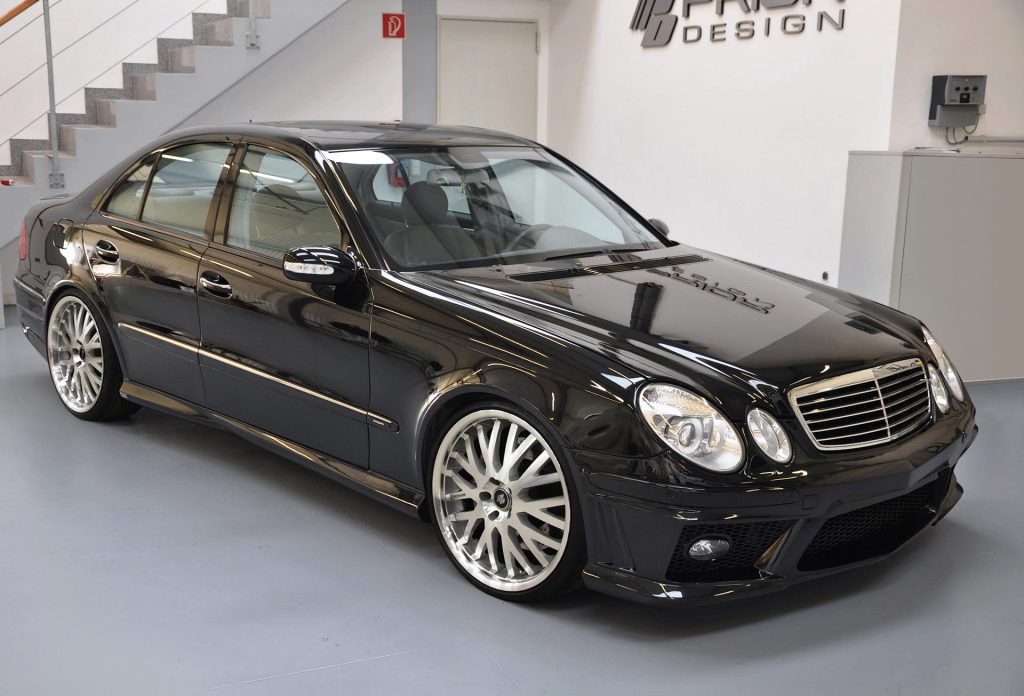
1. Mercedes-Benz E-Class W211
The Mercedes-Benz E-Class W211, produced from 2002 to 2009, has earned a reputation for dependability, particularly in non-turbocharged and V6 variants.
While early models experienced minor issues, careful maintenance and attention to common weak points have allowed many W211s to remain reliable long after reaching high mileage.
Mechanically, the W211 benefits from robust engine options, including the naturally aspirated inline-six and V6 engines. These powertrains are known for longevity when serviced according to manufacturer recommendations.
Transmissions, particularly the 5-speed and 7-speed automatic units in mid-level trims, have proven durable, offering smooth operation without frequent issues.
Owners who follow regular service schedules and address minor maintenance needs early often find these vehicles remain solid performers for over 200,000 miles.
The W211’s suspension and chassis also contribute to its dependability. Well-engineered components such as multi-link rear suspension and robust control arms endure regular driving stresses without significant wear.
While air suspension variants may be less reliable, standard steel-spring models provide long-term comfort and minimal repair costs.
Interior quality reinforces the model’s appeal as a dependable luxury vehicle. High-grade materials, ergonomic design, and attention to assembly detail ensure that the cabin remains functional and comfortable even after years of use.
Electronics, while more advanced than previous E-Class generations, are generally stable when basic features are maintained, and common software updates or module replacements resolve occasional glitches.
The W211 demonstrates that Mercedes can produce a luxury sedan that balances comfort, performance, and long-term reliability.
Its combination of durable engines, robust transmissions, and well-built suspension make it a practical choice for buyers seeking a dependable vehicle with classic Mercedes-Benz refinement.
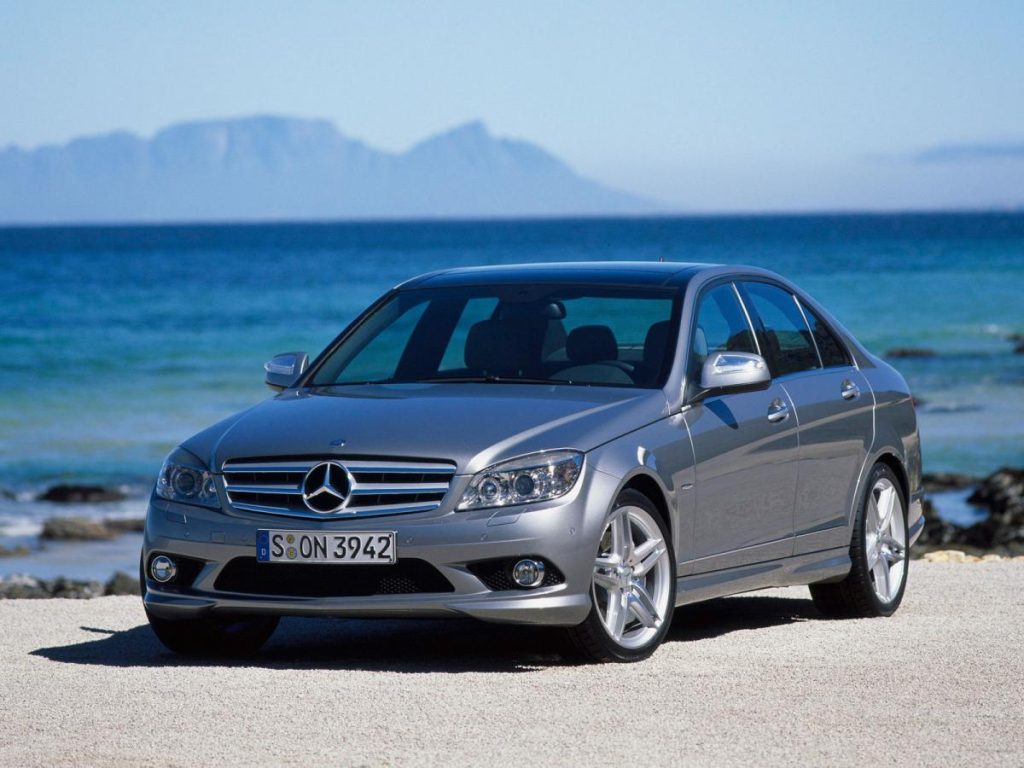
2. Mercedes-Benz C-Class W204
The Mercedes-Benz C-Class W204, produced from 2007 to 2014, is widely regarded as one of the most reliable C-Class generations. Its reputation for dependability is rooted in solid engineering, well-chosen powertrains, and refined design choices that prioritize durability over complexity.
Engine options such as the naturally aspirated inline-four and V6 units are particularly durable, with many examples surpassing 200,000 miles with routine maintenance. Turbocharged four-cylinder engines, while slightly more complex, remain manageable and reliable when serviced properly.
Transmission choices, including the 5-speed and 7-speed automatic units, are known for smooth operation and longevity, avoiding the issues seen in some earlier C-Class models.
The W204 benefits from a durable chassis and suspension setup. Components such as control arms, bushings, and shock absorbers are engineered to last, and even after years of driving, they require minimal replacement if maintained appropriately.
Standard suspension variants tend to be more reliable than optional sport or adaptive setups, offering predictable handling with reduced maintenance complexity.
Interior quality supports the model’s dependable image. Materials are resilient, controls are intuitive, and assembly standards prevent premature wear or malfunction.
Electronics, including climate control, audio, and navigation systems, generally operate without major issues, and known minor glitches are easily addressed without significant cost.
Culturally, the W204 has developed a reputation for reliability among enthusiasts and owners alike. Its combination of luxury features, strong performance, and manageable maintenance requirements has made it a go-to choice for buyers seeking a practical Mercedes sedan.
The model demonstrates that careful engineering, straightforward design choices, and durable components can result in a vehicle that maintains both value and reliability over time.
3. Mercedes-Benz GLK-Class X204
The Mercedes-Benz GLK-Class X204, produced from 2008 to 2015, is a compact luxury SUV known for its robust engineering and long-term reliability.
While the GLK offered advanced features for its time, its straightforward mechanical systems and durable components have allowed it to maintain dependability over the years.
Engine options like the naturally aspirated V6 and diesel variants are well-regarded for durability. These powertrains are relatively simple compared to high-performance AMG models, and with proper maintenance, they can last well beyond 200,000 miles.
The automatic transmissions, particularly the 7-speed units, provide smooth shifts and have proven robust under normal driving conditions, contributing to the vehicle’s long-term reliability.
The GLK’s chassis and suspension further enhance its dependability. Multi-link rear suspension and MacPherson front struts are engineered for longevity and can handle daily driving or light off-road use without frequent repairs.
Optional adaptive air suspension models require more maintenance but standard steel-spring setups remain straightforward and reliable, reducing ownership costs.
Interior quality supports long-term ownership satisfaction. Durable materials, thoughtful layout, and solid assembly ensure that wear and tear are minimal even after extensive use. Electronics, including infotainment and climate control systems, generally remain stable, and any minor issues are easily addressed.
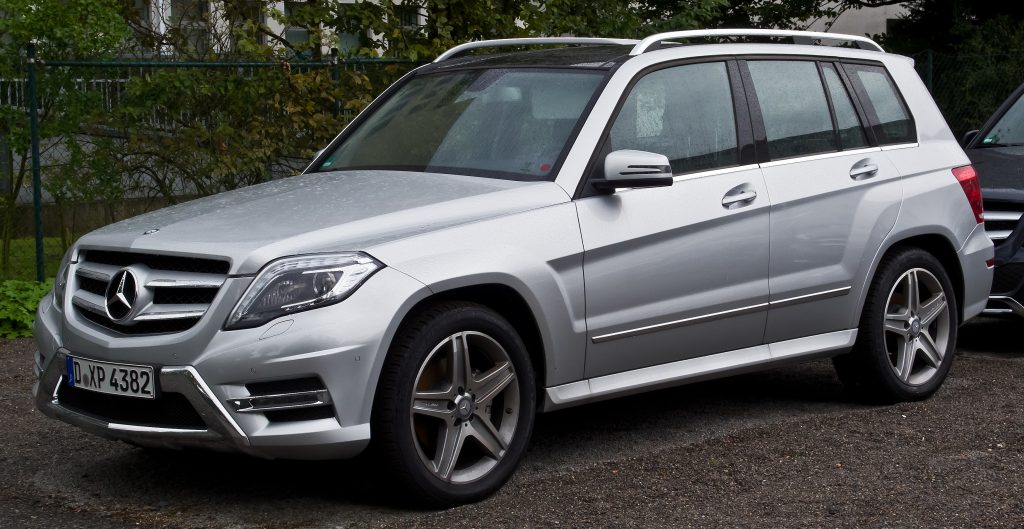
The GLK-Class X204 demonstrates how Mercedes successfully combined luxury, versatility, and reliability in a compact SUV.
Its well-engineered powertrains, durable suspension, and practical interior make it a dependable choice for buyers seeking a luxury SUV that performs reliably over the long term.
By avoiding overly complex systems while maintaining high-quality construction, the GLK remains one of the brand’s most dependable SUVs from the 2000s and early 2010s.
4. Mercedes-Benz E-Class W124
The Mercedes-Benz E-Class W124, produced from 1985 to 1995, is often celebrated as one of the most dependable Mercedes vehicles ever built.
Renowned for its engineering quality and robust construction, it has earned a reputation for durability and longevity that few vehicles, including modern models, can match.
Under the hood, the W124 features highly durable engines, including inline-four, inline-six, and V8 configurations, depending on the model.
Naturally aspirated engines in particular are known for exceptional longevity, with many examples surpassing 300,000 miles with basic maintenance. Transmission units, including manual and automatic options, are engineered to last, requiring minimal intervention when serviced properly.
The W124’s chassis and suspension also contribute to its reliability. Rigid body construction, well-engineered suspension geometry, and high-quality materials ensure that wear is gradual and manageable.
Components such as control arms, bushings, and shock absorbers last significantly longer than many later-generation vehicles, supporting dependable performance over decades.
Interior durability is another hallmark of the W124. Materials age well, seats remain supportive, and simple yet functional electronics reduce the risk of malfunctions.
Even after years of use, the cabin continues to provide comfort, demonstrating the value of Mercedes’ meticulous engineering and attention to assembly quality.
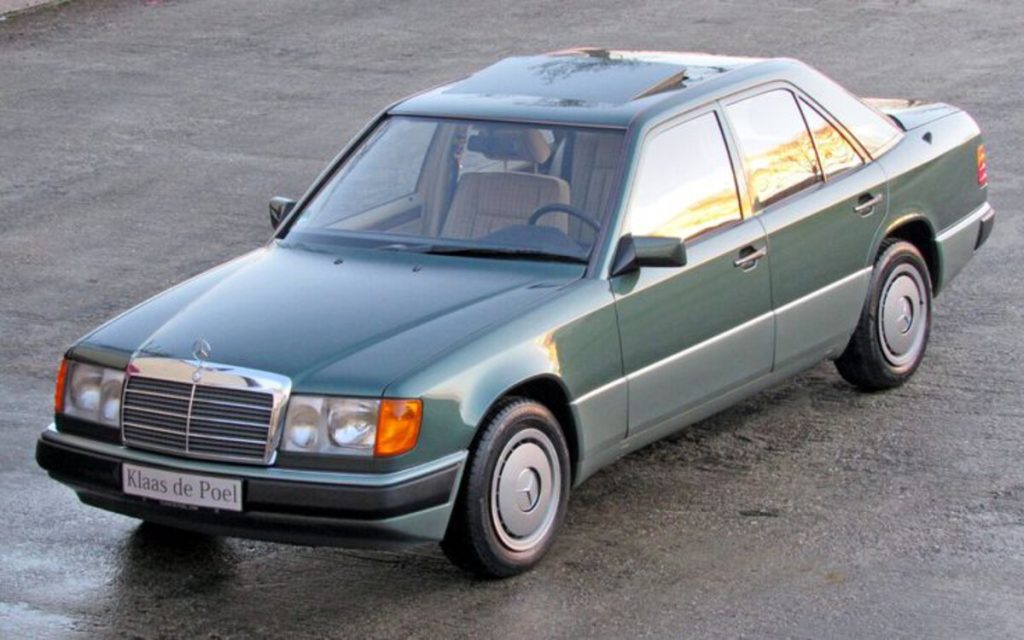
The W124 illustrates how Mercedes achieved reliability through thoughtful engineering, conservative design, and high-quality construction.
While newer models may offer advanced technology and luxury, the W124’s combination of mechanical simplicity and solid build ensures dependability that remains a benchmark for Mercedes vehicles.
Its longevity and reputation for minimal issues make it a classic example of a Mercedes that stays dependable, serving as a model for both collectors and drivers seeking long-lasting reliability.
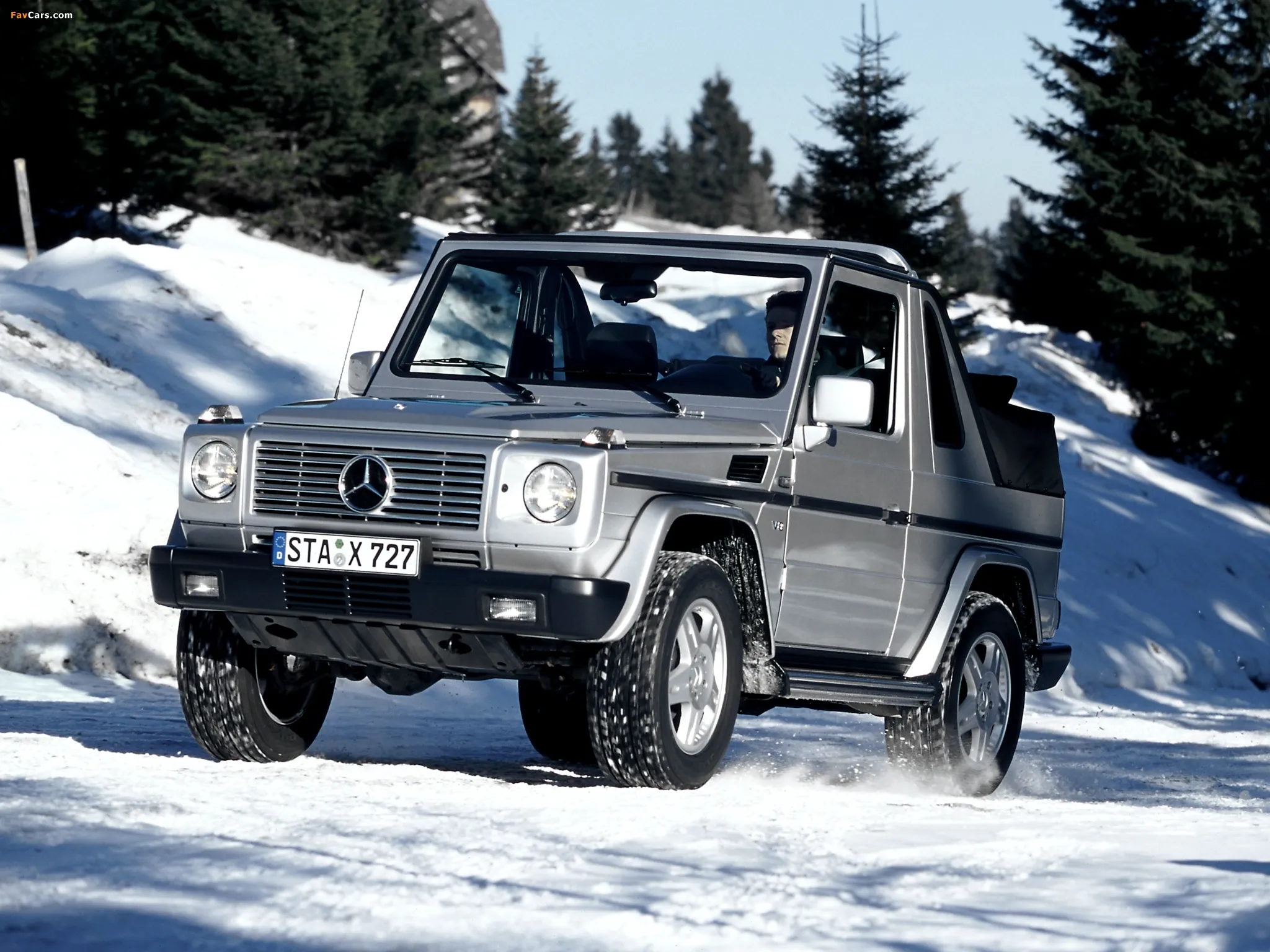
5. Mercedes-Benz G-Class W463
The Mercedes-Benz G-Class W463, produced from 1990 onward with ongoing updates, is a legendary SUV known for its ruggedness, durability, and long-term dependability.
Designed originally for military and utility purposes, it has evolved into a luxury SUV without sacrificing its core strength and reliability, making it one of the most dependable Mercedes models.
Mechanically, the G-Class features robust engine and drivetrain options. Inline-six and V8 engines are built to endure heavy loads and off-road conditions, while the full-time four-wheel-drive system with low-range gearing is engineered for long-term reliability.
Manual and automatic transmissions have proven resilient, capable of handling high mileage and challenging driving conditions without major failures.
The chassis and suspension are key contributors to its dependability. Body-on-frame construction, solid axles, and durable suspension components allow the G-Class to withstand harsh terrain and heavy use over decades.
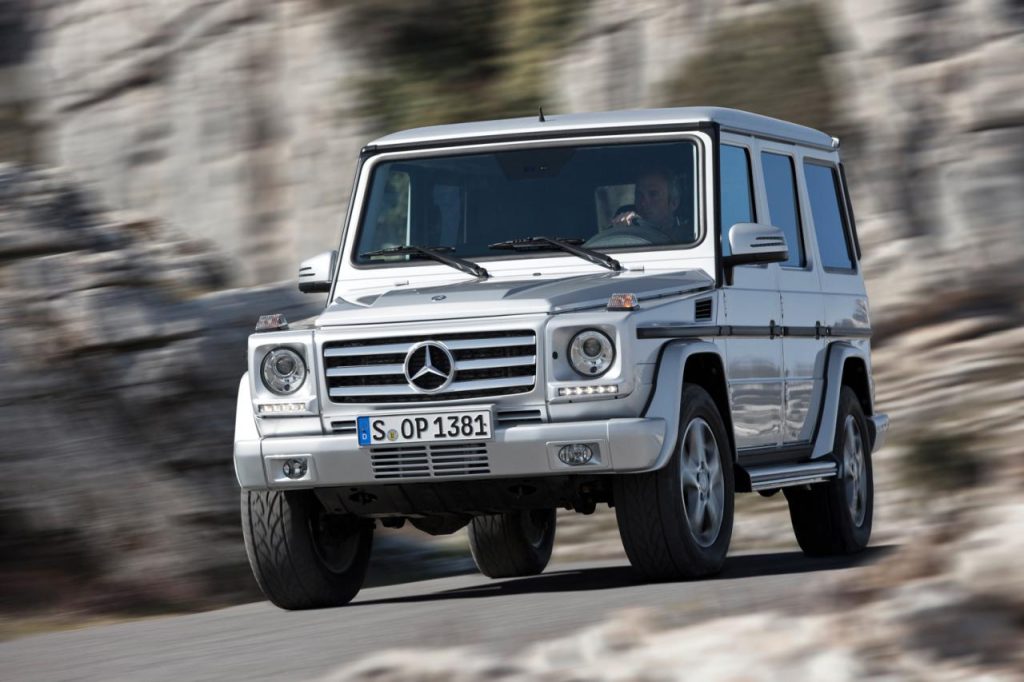
While modern models include more electronic systems, they are designed to complement the G-Class’s proven mechanical foundation, maintaining long-term reliability.
Interior quality balances luxury with durability. High-grade materials, robust controls, and simple layouts ensure that wear and tear is minimal, even in demanding environments. Electronics and infotainment systems in earlier models are straightforward, reducing potential maintenance issues compared to more complex modern luxury SUVs.
Culturally and historically, the G-Class has earned a reputation as an enduring symbol of rugged luxury. Its combination of off-road capability, mechanical resilience, and enduring design has made it a favorite among owners who value dependability.
Even after decades of service, the W463 continues to perform reliably, demonstrating Mercedes’ ability to produce vehicles that last.
The G-Class W463 exemplifies a Mercedes that stays dependable by combining rugged engineering, durable powertrains, and high-quality construction.
It proves that a luxury SUV can retain its performance, reliability, and value over decades, making it an enduring choice for buyers seeking long-term dependability.
5 That Don’t
Not every Mercedes vehicle lives up to the brand’s reputation for reliability. Some models, despite offering advanced technology, styling, or performance, are known for recurring mechanical, electronic, or maintenance issues that compromise long-term dependability. These cars can frustrate owners with frequent repairs, costly components, or systems prone to failure.
Vehicles that do not remain dependable often incorporate complex electronic systems, high-strung engines, or unconventional designs that introduce vulnerabilities over time.
Advanced features intended to enhance comfort or performance can inadvertently increase the likelihood of problems, especially as the vehicle ages. While they may impress when new, these models often require constant attention, reducing their practicality and ownership satisfaction.
High-performance AMG variants, vehicles with early-generation electronics, or models produced during transitional engineering phases are more likely to develop recurring issues. Even minor malfunctions in systems such as air suspension, infotainment, or engine management can escalate into significant maintenance concerns.
Examining Mercedes vehicles that struggle with dependability highlights the importance of informed ownership. Understanding which models are prone to issues allows prospective buyers to make better decisions and anticipate potential costs.
The following five examples illustrate Mercedes cars that have reputations for reliability problems, showcasing the types of engineering, electronics, or design choices that can impact long-term dependability.
By comparing these models with dependable counterparts, owners can see the contrast in engineering approaches, system complexity, and long-term resilience.
The goal is to provide insight into which Mercedes vehicles are more likely to cause headaches over time, and why some models fail to deliver the enduring reliability the brand is known for.
1. Mercedes-Benz R-Class W251
The Mercedes-Benz R-Class W251, produced from 2006 to 2013, is often criticized for reliability issues that have made it less dependable than other Mercedes models.
While it offered luxury, advanced technology, and a spacious interior, frequent mechanical and electronic problems have limited its long-term appeal.
One major source of unreliability is the complex drivetrain. The all-wheel-drive system in certain trims, coupled with the 3.5L V6 and later diesel variants, has been prone to issues such as transfer case failures and differential problems.
These components are costly to repair and can significantly reduce owner satisfaction. Additionally, timing chain and belt concerns in earlier engines can lead to expensive maintenance if not addressed promptly.
Electronics in the W251 also contribute to its reputation. Advanced features for the time, including adaptive air suspension, COMAND infotainment, and electronic climate controls, are known to malfunction or degrade over time. Repairs are often costly, and some components are challenging to access, increasing downtime and frustration.
Interior quality, while luxurious, does not offset mechanical and electronic concerns. Owners may experience persistent glitches in seating adjustments, window motors, or dashboard controls. Even routine maintenance can be complicated by the vehicle’s design, further impacting dependability.
Despite its comfort and versatility, the R-Class W251 demonstrates how complexity can compromise long-term reliability.
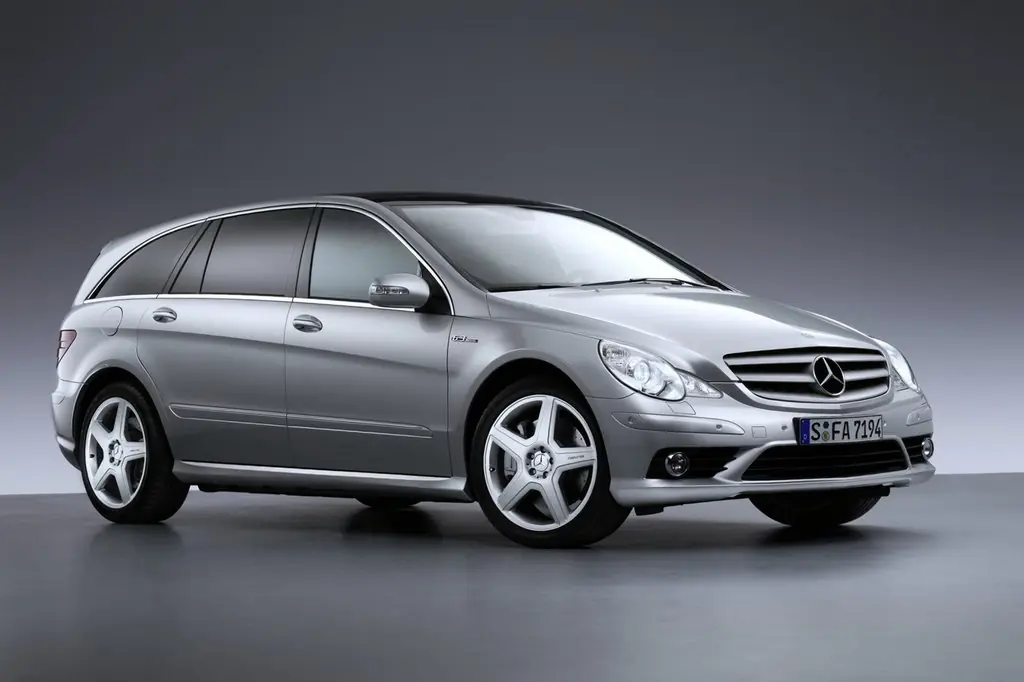
Vehicles with advanced systems and unconventional engineering are more prone to problems as they age, making the W251 a model that does not consistently stay dependable. Prospective buyers and enthusiasts should consider these factors when evaluating the vehicle’s long-term ownership potential.
2. Mercedes-Benz M-Class W164
The Mercedes-Benz M-Class W164, produced from 2005 to 2011, is another model known for reliability issues that affect long-term dependability.
While it provided luxury SUV comfort and strong performance, recurring mechanical and electronic problems have prevented it from maintaining a reputation for consistent reliability.
One of the primary concerns is the air suspension system, which is prone to leaks and failures in older models. Replacement parts are expensive, and repairs can be labor-intensive. Additionally, early V6 and V8 engines sometimes experienced oil leaks, balance shaft issues, or timing chain wear, all of which impact longevity and increase maintenance costs.
Electronics in the W164 further challenge dependability. Features such as the COMAND infotainment system, electronically adjustable seats, and advanced climate controls have a history of malfunctions. While functional when new, these systems tend to degrade over time, causing inconvenience and costly repairs.
Transmission performance, particularly in high-mileage vehicles, can also be a concern. Automatic units are generally robust but can develop shifting issues if maintenance is neglected or the vehicle has experienced heavy use.
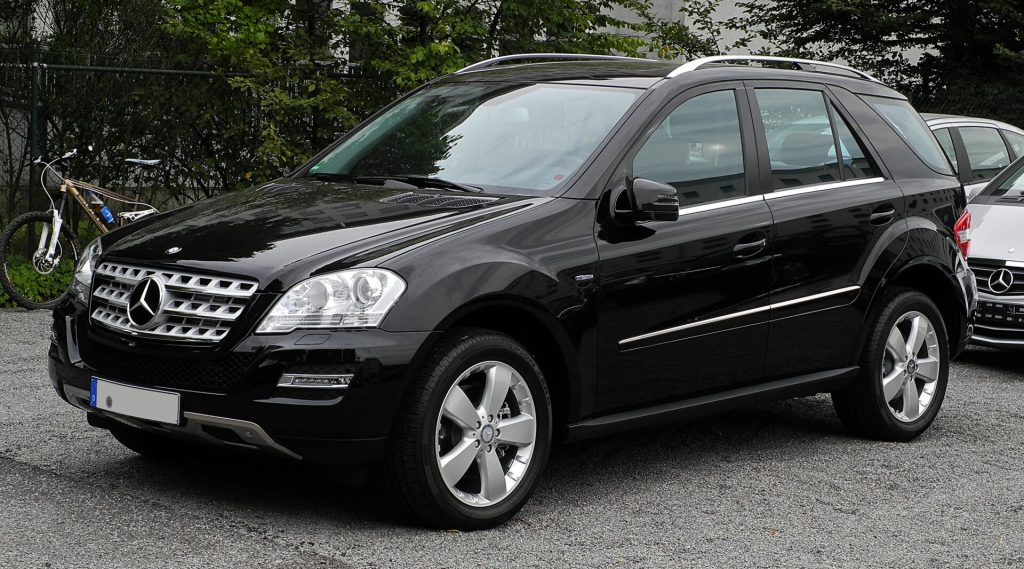
Combined with suspension and electronic problems, this contributes to a less reliable ownership experience.
Interior durability is adequate, but it does not fully compensate for the mechanical and electronic challenges. Owners may encounter minor issues with trim components, electronic modules, or controls that affect convenience and overall satisfaction.
The W164 illustrates how vehicles with complex systems, advanced electronics, and high-maintenance components can struggle to remain dependable over time.
While it remains a comfortable and capable SUV, prospective buyers should approach it with awareness of potential repair costs and maintenance demands, making it a clear example of a Mercedes that does not consistently stay reliable.
3. Mercedes-Benz CLS-Class W219
The Mercedes-Benz CLS-Class W219, produced from 2004 to 2010, is known for its striking design and luxury features, but it does not have a strong reputation for dependability. Its complex systems, high-performance engines, and innovative technologies often result in maintenance challenges that can frustrate owners over time.
Engine options, including the supercharged V6 and naturally aspirated V8 models, are generally powerful but can experience mechanical issues as they age. Common problems include timing chain wear, balance shaft concerns, and oil leaks.
These issues can be costly to repair and may affect the vehicle’s long-term reliability. Turbocharged or AMG variants, with higher stress components, are even more prone to maintenance demands.
The W219’s electronics are another weak point. Advanced systems such as adaptive suspension, COMAND infotainment, and electronic steering modules are known to malfunction or degrade over time.
Even minor glitches in these systems can result in significant repair bills and reduce overall ownership satisfaction. Interior quality is luxurious but does not completely offset mechanical and electronic concerns.
Some owners report problems with seat motors, electronic controls, and climate systems, which can lead to inconvenience and additional maintenance costs. Parts availability for older models may also be a concern, increasing repair complexity.
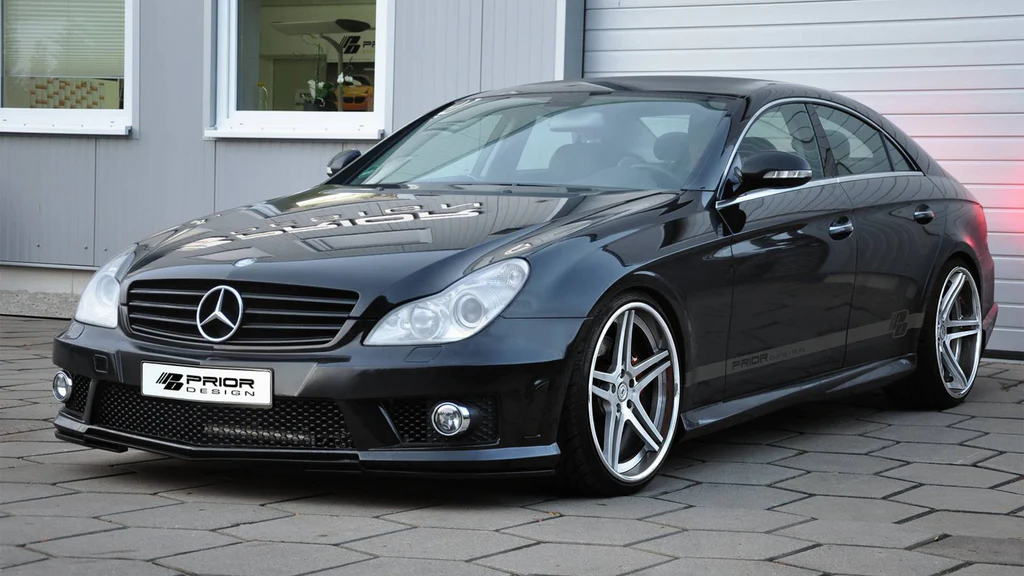
While the W219 remains desirable for its design and driving experience, it illustrates how advanced features and engineering innovation can compromise dependability.
Prospective buyers should be prepared for higher maintenance requirements and potential repairs, making it a Mercedes model that does not consistently stay reliable over the long term.
4. Mercedes-Benz S-Class W220
The Mercedes-Benz S-Class W220, produced from 1998 to 2005, is a luxurious flagship sedan known for its advanced technology and comfort. Despite its appeal, it is widely recognized as a model that struggles with long-term dependability due to electronics, air suspension, and certain engine configurations.
Air suspension in the W220 is notorious for failure. Components such as air struts, compressors, and sensors frequently malfunction as the car ages, resulting in expensive repairs and inconvenient downtime.
Vehicles with high mileage often require complete suspension overhauls to maintain proper ride quality and handling.
Engine reliability varies depending on the configuration. V8 and V12 engines provide excellent performance but are prone to leaks, sensor failures, and complex mechanical issues that can be costly to address. Timing chain and balance shaft concerns are common in certain models, further affecting long-term reliability.
Electronics, which were advanced for the time, can also become a liability. COMAND infotainment, adaptive cruise control, and electronic climate systems often experience failures over time. Module replacements can be expensive and require specialized labor, contributing to a higher cost of ownership.
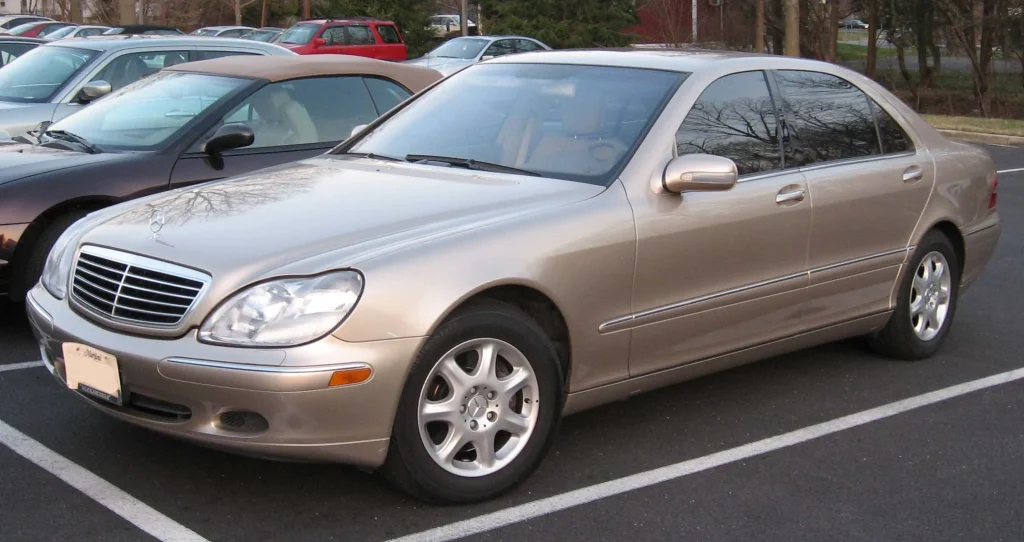
Interior components, while luxurious, sometimes develop wear issues, particularly in electronic seat adjustments and dashboard controls. The combination of complex mechanical systems, electronics, and high-maintenance components reduces the W220’s reputation for dependability.
The S-Class W220 demonstrates that even Mercedes’ flagship models can struggle with long-term reliability when technology and complexity outweigh mechanical robustness.
While it remains desirable for comfort and innovation, it serves as a cautionary example of a vehicle that does not consistently stay dependable, requiring owners to anticipate maintenance challenges and potential repairs over time.
5. Mercedes-Benz SLK-Class R171
The Mercedes-Benz SLK-Class R171, produced from 2004 to 2010, is a compact luxury roadster that offers sporty styling and open-top driving enjoyment.
Despite its appeal, it is not considered highly dependable due to recurring mechanical and electronic issues, making it one of the Mercedes models that owners should approach with caution.
One major concern is the vehicle’s retractable hardtop mechanism. The folding roof relies on hydraulic components and multiple motors, which can fail over time.
Repairs are often expensive and labor-intensive, affecting the car’s reliability and ownership satisfaction. Owners who neglect maintenance of the hydraulic system can experience leaks, misalignment, or complete roof failure.
Engine options in the R171, particularly the supercharged 1.8-liter four-cylinder and V6 variants, are generally solid but occasionally encounter issues with timing chains, coolant leaks, or oil consumption. These problems, while manageable, require vigilance and regular maintenance to prevent significant repair costs.
Electronics also impact dependability. The COMAND system, electronic seat adjustments, and climate control can develop faults, creating frustration and increasing maintenance expenses. Replacement parts are costly, and troubleshooting issues often requires specialized knowledge, adding to ownership challenges.
Interior materials and components, while generally high-quality, sometimes show wear in early models.
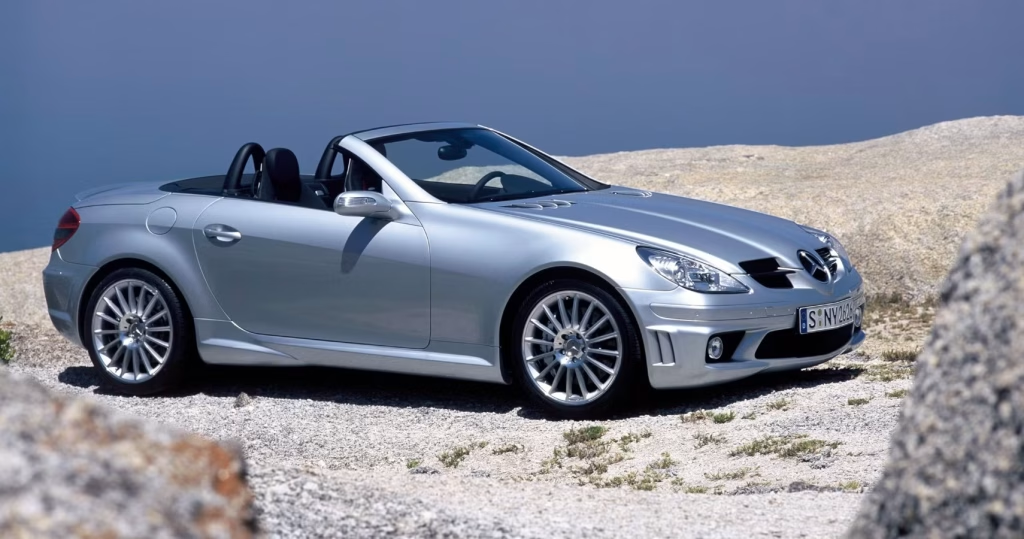
Minor issues with controls, infotainment, or trim pieces contribute to the perception of reduced reliability. Combined with the mechanical and electronic concerns, these factors limit the SLK R171’s long-term dependability.
While the R171 remains an enjoyable and stylish roadster, its combination of complex systems, mechanical sensitivities, and high-maintenance components prevent it from being a truly dependable Mercedes.
Prospective buyers should be aware of potential repair costs and ongoing maintenance needs, making it a clear example of a model that does not consistently stay reliable over time.
Also Read: 5 Trucks With the Happiest Owners vs 5 With the Angriest
