
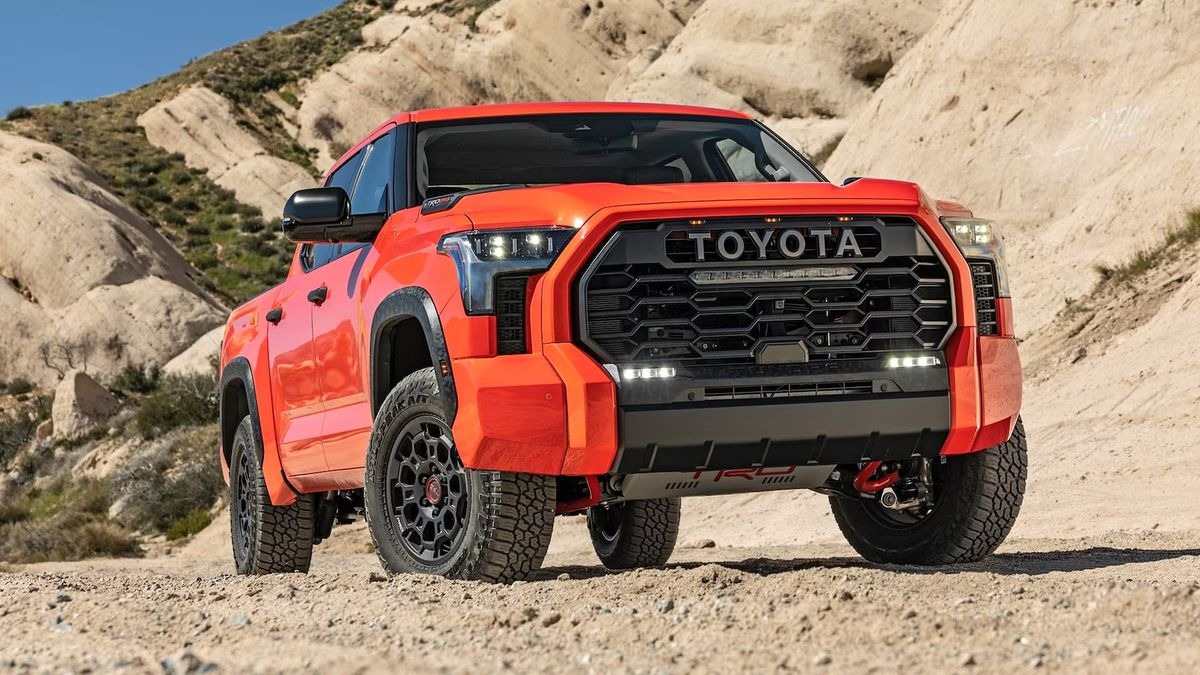
Pickup trucks have long been practical workhorses, but in recent years, certain models have also attracted attention as collector vehicles.
While some trucks are increasingly valued for their design, performance, and cultural significance, others remain overlooked due to ubiquity, mechanical limitations, or unremarkable styling.
Understanding why some trucks gain collector appeal while others do not sheds light on the qualities that drive long-term interest.
Trucks with rising collector interest often combine rarity, strong performance, and distinctive design. Limited-production models, trims with unique features, or vehicles with historical significance tend to hold or increase in value over time.
Enthusiasts often appreciate trucks that reflect a particular era, technological milestone, or performance capability, and these factors contribute to their status as collectibles. Reliability and practicality may also enhance desirability, allowing trucks to be used and enjoyed without compromising preservation.
Conversely, many trucks fail to attract collector interest. Common reasons include high production volumes, lackluster performance, uninspiring styling, and weak historical or cultural relevance.
These vehicles, while functional and practical when new, often do not offer the emotional connection, uniqueness, or rarity required to become valued collectibles. Over time, they tend to remain ordinary and fail to gain attention in enthusiast circles or the collector market.
This article examines both sides of the spectrum, first identifying five trucks that are increasingly recognized for collector potential and then highlighting five that are unlikely to ever gain significant collector appeal.
Comparing these groups helps illustrate the specific factors that influence desirability, providing insight into the trucks that are likely to retain value and admiration versus those destined to remain everyday workhorses.
Also Read: 5 Cars That Sell Instantly Used vs 5 That Sit for Months
5 Trucks With Rising Collector Interest
Not every pickup truck attracts long-term interest, but some have begun to stand out as models likely to be appreciated by collectors in the coming years.
These trucks offer a combination of rarity, performance, styling, and cultural relevance that makes them increasingly sought after in enthusiast circles.
Trucks with rising collector interest often feature limited production runs or unique trims that make them harder to find in excellent condition.
Special editions, performance-oriented models, or trucks with historical significance tend to draw attention from buyers seeking vehicles with value beyond their original function.
Design also plays a key role; trucks that combine classic lines, distinctive styling, and enduring aesthetics are more likely to capture collector interest.
Performance and mechanical quality further contribute to desirability. Trucks with robust engines, capable drivetrains, or upgrades for towing and off-road performance often gain a reputation as highly usable yet collectible vehicles.
Reliability and maintainability add to their appeal, as trucks that can still perform their intended work without excessive cost are more attractive to enthusiasts.
Cultural and historical significance also enhances collector potential. Vehicles associated with certain eras, media exposure, motorsport participation, or iconic branding often see rising value as nostalgia and recognition grow.
Trucks that stand out due to these factors are increasingly sought after, particularly among buyers who value both heritage and practical usability.
The following five trucks have been chosen because they exemplify these qualities. Each model demonstrates a combination of rarity, performance, and cultural resonance that is driving increasing collector interest.
By examining these trucks, enthusiasts and prospective buyers can gain insight into what makes certain pickups more desirable over time and understand the factors that separate everyday vehicles from those destined to be appreciated as collector items.
1. Toyota Tacoma TRD (early 2000s)
The early 2000s Toyota Tacoma TRD is gaining attention as a collectible truck due to its combination of reliability, off-road capability, and limited availability in desirable trims.
While the standard Tacoma has always been popular, the TRD models stand out for performance-oriented upgrades that enhance both driving dynamics and long-term interest.
Mechanically, the Tacoma TRD features robust engines and transmissions known for longevity. The 3.4-liter V6 engine in particular is durable and capable, with many examples surpassing 200,000 miles when maintained properly.
Manual transmissions, available in certain trims, provide an engaging driving experience while contributing to the truck’s reputation for mechanical simplicity and reliability.
Off-road performance is a defining feature of the TRD. Upgraded suspension, reinforced components, and skid plates make it capable in challenging terrain. These modifications not only increase utility but also add to the truck’s desirability among enthusiasts.
The combination of rugged construction and performance-oriented design elevates the TRD above standard Tacoma models in terms of collector interest.
Rarity also contributes to rising value. While Tacomas are common, specific TRD trims with limited production numbers and factory options are increasingly sought after. Trucks with manual transmissions, 4×4 drivetrains, and well-preserved condition command attention in the enthusiast community.
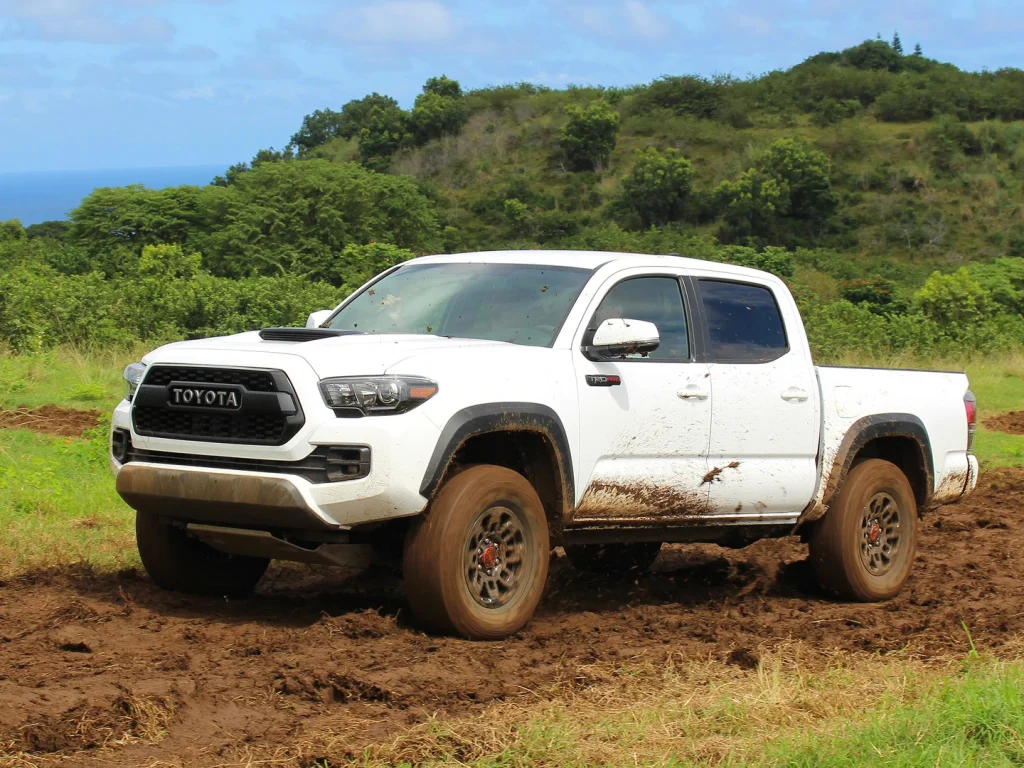
Cultural recognition further enhances collector appeal. The Tacoma TRD has a loyal following in the off-road and modification community, and its reputation for durability and versatility strengthens its status.
Enthusiasts appreciate the balance between practicality, performance, and reliability, making these trucks highly desirable among collectors who value both usability and investment potential.
The early 2000s Tacoma TRD exemplifies how performance, rarity, and reliability combine to create a truck that is increasingly recognized for long-term value and collector appeal. Its continued popularity in enthusiast circles highlights its position as a future classic in the pickup segment.
2. Ford F-150 SVT Lightning (second generation, 1999–2004)
The second-generation Ford F-150 SVT Lightning, produced from 1999 to 2004, is rapidly gaining recognition among truck collectors due to its high-performance pedigree and limited production.
As a factory-built performance pickup, it offers a unique combination of speed, handling, and utility that distinguishes it from standard F-150 models.
Under the hood, the SVT Lightning features a supercharged 5.4-liter V8 engine capable of producing impressive horsepower and torque. The engine is well-engineered and, with proper maintenance, can remain reliable even as mileage increases.
Paired with a durable automatic transmission and performance-tuned drivetrain, the Lightning delivers a rare mix of pickup practicality and sports-car-like acceleration.
Handling enhancements, including a lowered suspension, upgraded brakes, and performance tires, give the Lightning precise control uncommon in trucks of its era. These modifications enhance both driving enjoyment and long-term appeal, as collectors value vehicles that balance performance and usability.
Rarity further drives interest. The second-generation SVT Lightning was produced in limited numbers compared to the standard F-150, and well-maintained examples are increasingly scarce. Trucks with original components, low mileage, and factory options retain strong value and are highly sought after by enthusiasts.
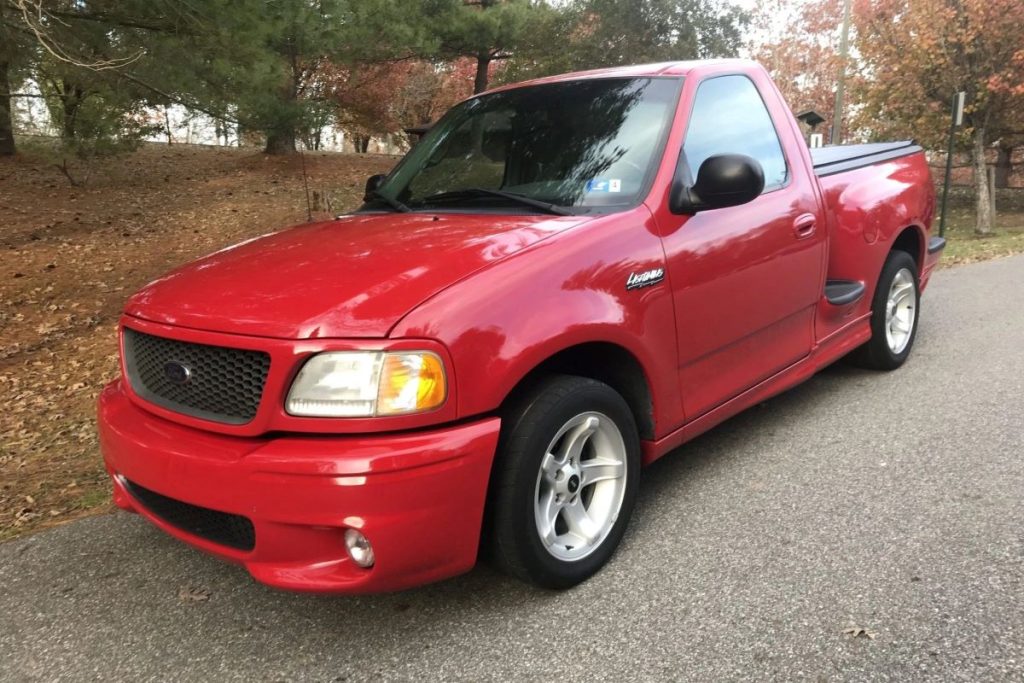
Cultural and historical significance contributes to its collector status. As one of the first mass-produced high-performance pickups from Ford’s SVT division, the Lightning represents a milestone in performance truck history. Its combination of speed, practicality, and exclusivity ensures that it is recognized as a future collectible.
The second-generation F-150 SVT Lightning demonstrates how rarity, performance, and cultural relevance combine to create a truck with rising collector interest.
It remains an example of a vehicle that appeals to enthusiasts seeking both historical significance and unique driving experience in the pickup segment.
3. Chevrolet Silverado 1500 SS (2003–2006)
The Chevrolet Silverado 1500 SS, produced from 2003 to 2006,
is increasingly recognized as a collector-worthy truck due to its combination of performance, styling, and limited production. As a sport-oriented version of the full-size Silverado, it delivers aggressive aesthetics and powerful performance, distinguishing it from standard models.
Mechanically, the Silverado SS features a 6.0-liter V8 engine producing substantial horsepower and torque. Its robust construction ensures that, with proper maintenance, the truck remains reliable even after significant mileage.
Paired with a durable automatic transmission and performance-tuned suspension, the vehicle offers a smooth, controlled driving experience that stands out in the full-size truck segment.
The truck’s styling also contributes to its appeal. Unique body accents, lowered stance, sport-specific wheels, and performance badges create a distinct identity that remains attractive to collectors.
These visual cues, combined with its performance capabilities, give the Silverado SS a presence that endures beyond its production years.
Rarity is a key factor driving rising interest. Compared to standard Silverado models, the SS was produced in limited quantities, and clean examples are increasingly difficult to find.
Trucks with original equipment, well-maintained interiors, and low mileage command attention in the enthusiast community, which is elevating their status as potential future classics.
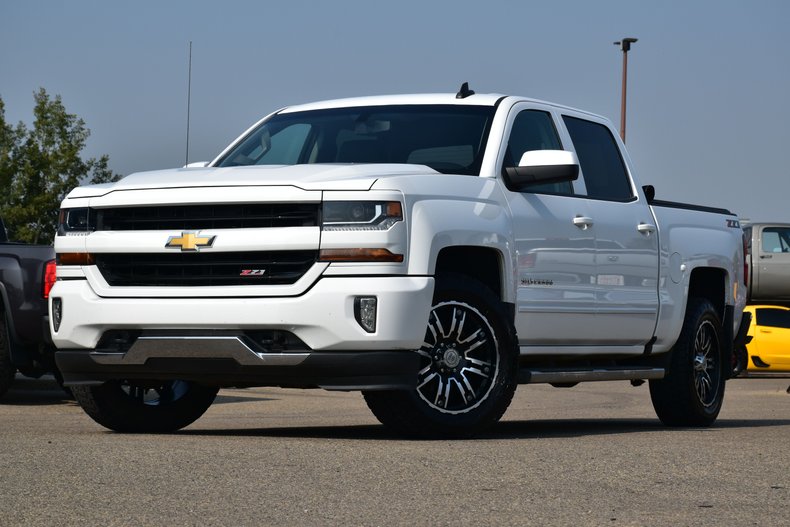
Cultural significance further enhances collector appeal. The Silverado SS is associated with early 2000s performance truck culture, representing a period when manufacturers began producing factory-built sport trucks with serious power.
Enthusiasts appreciate the combination of practicality, performance, and style, making it a highly desirable vehicle for collectors seeking trucks that stand out in both design and capability.
The Chevrolet Silverado 1500 SS exemplifies how rarity, performance, and distinctive styling converge to create a truck that is increasingly valued by collectors. Its limited production, powerful engine, and aggressive design make it a standout in the full-size pickup segment.
4. Dodge Ram SRT-10 (2004–2006)
The Dodge Ram SRT-10, produced from 2004 to 2006, is one of the most extreme and sought-after performance trucks of the early 2000s.
Equipped with a Viper-derived V10 engine, it delivers unparalleled power and acceleration for a pickup, making it a unique candidate for rising collector interest.
Mechanically, the SRT-10’s 8.3-liter V10 engine produces over 500 horsepower, capable of propelling the truck from 0 to 60 mph in under 5 seconds. The engine’s durability is impressive for such a high-performance unit, and with proper maintenance, the drivetrain remains reliable.
The performance-tuned suspension, upgraded brakes, and limited-slip differential ensure the truck handles its immense power safely while maintaining daily usability.
Rarity significantly contributes to its collector appeal. Only a few thousand SRT-10 trucks were produced across its two-year production window, and well-maintained examples are increasingly scarce. Original components, clean interiors, and low-mileage examples are particularly valued by enthusiasts seeking future collectible trucks.
The SRT-10’s styling enhances its desirability. Aggressive bodywork, unique hood and fender designs, and distinct badging create a visual identity that immediately signals its performance pedigree. Combined with its Viper-derived engine, the truck offers an unparalleled presence both on the road and in the collector market.
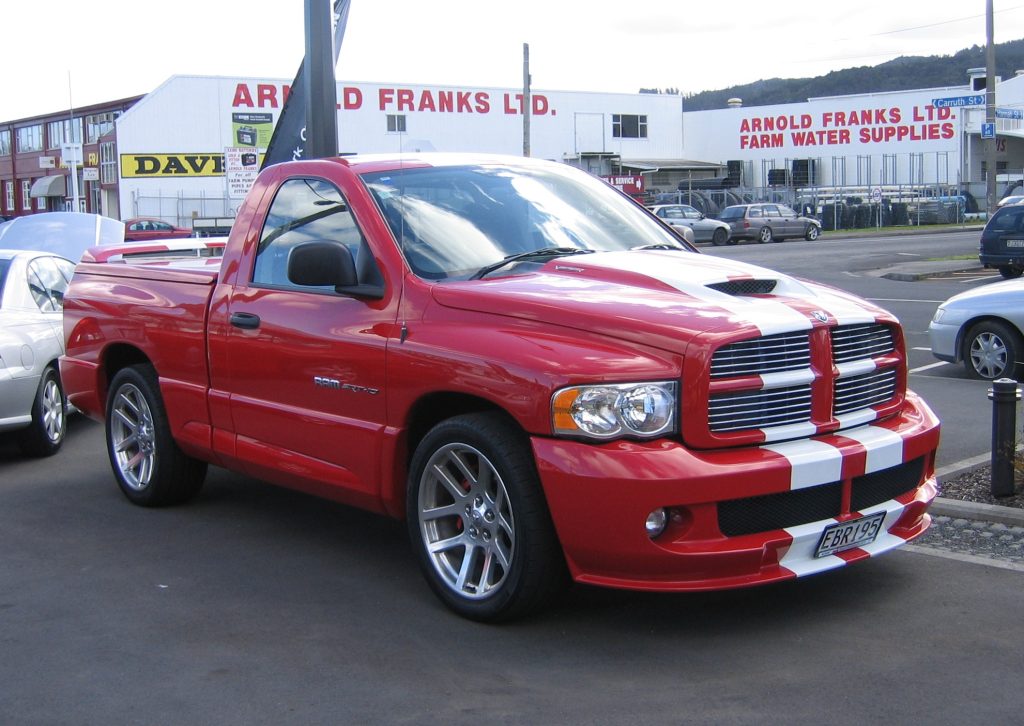
Cultural significance also drives interest. The SRT-10 represents the era of extreme performance trucks, blending raw power with utility, and remains a standout example of engineering ambition in the pickup segment. Its combination of speed, rarity, and dramatic styling ensures it continues to attract enthusiasts and collectors alike.
The Dodge Ram SRT-10 demonstrates how performance, scarcity, and cultural relevance can transform a pickup into a collectible vehicle. Its V10 engine, limited production, and aggressive design solidify its status as one of the most desirable trucks from the 2000s.
5. Toyota Tundra TRD Pro (early 2010s)
The Toyota Tundra TRD Pro, introduced in the early 2010s, has begun attracting collector interest due to its off-road capability, limited availability, and Toyota’s reputation for reliability.
While the Tundra as a whole is popular for daily use, the TRD Pro variant stands out for specialized performance features that enhance both driving enjoyment and long-term desirability.
Mechanically, the TRD Pro includes a robust V8 engine paired with a reliable automatic transmission, ensuring strong performance and durability.
The suspension is upgraded with FOX shocks and reinforced components to handle off-road challenges, while maintaining daily drivability. This combination of power, toughness, and reliability makes the truck appealing to enthusiasts who value both utility and preservation.
Rarity further boosts collector potential. TRD Pro trims were produced in limited quantities, especially in early years, and equipped with distinctive options like unique wheels, skid plates, and styling elements.
Low-production numbers and well-maintained examples contribute to growing recognition among collectors seeking trucks that combine capability and scarcity.
Design and styling play a role as well. The TRD Pro includes aggressive exterior accents, factory lift, and off-road-specific badges, making it immediately recognizable. Its aesthetic appeal aligns with the current trend for rugged, adventure-ready vehicles, which enhances desirability in the collector market.
Cultural significance also contributes. The Tundra TRD Pro represents Toyota’s serious commitment to off-road performance in a full-size pickup, echoing the popularity of trucks designed for adventure and endurance.
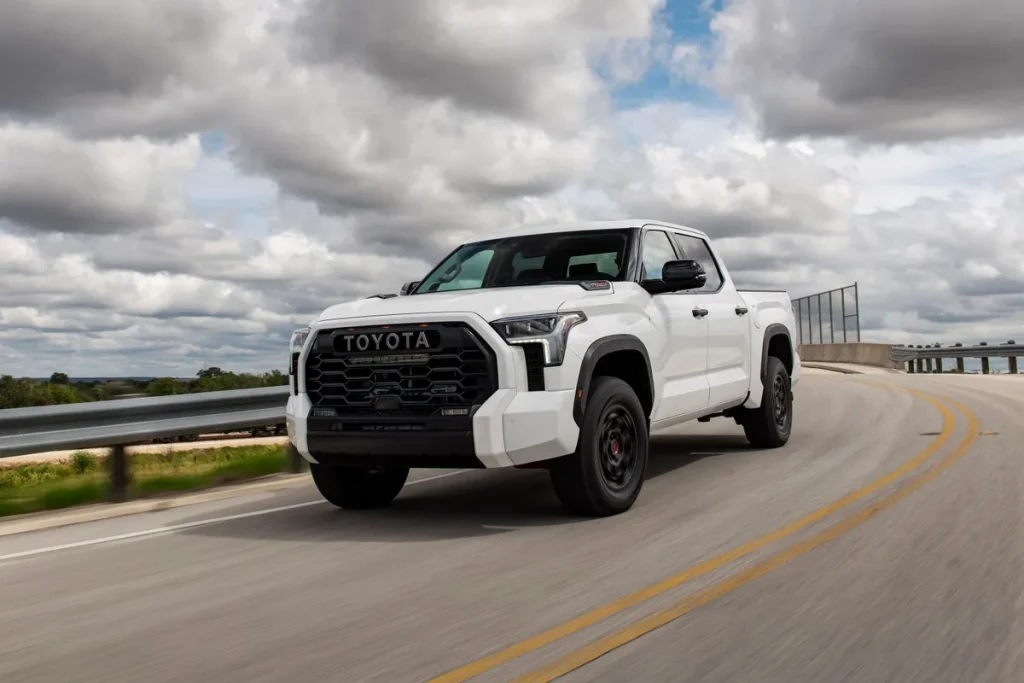
Enthusiasts appreciate its combination of reliability, capability, and limited availability, which ensures it stands out among other trucks in the market.
The early 2010s Toyota Tundra TRD Pro demonstrates how reliability, performance, rarity, and distinctive styling converge to create a pickup with rising collector interest.
Its combination of off-road capability and Toyota’s proven engineering ensures that this truck is increasingly sought after in the enthusiast community.
5 Trucks With None
While some trucks attract growing attention from collectors, many remain unremarkable despite their popularity or utility. These trucks fail to capture long-term interest due to commonality, uninspiring design, or lack of performance and cultural significance.
Even if functional and reliable, they often lack the rarity, styling, or historical relevance that makes a vehicle appealing to collectors.
Trucks that do not gain collector interest are typically produced in high volumes, making well-maintained examples easy to find and therefore less valuable.
They often feature standard engines and drivetrains without performance enhancements or unique options that would set them apart. Even with solid reliability, their ordinariness prevents them from becoming desirable in the collector market.
Design and aesthetics also play a role. Trucks with conservative styling, generic trim packages, or little differentiation from standard models rarely capture attention over time. Without distinctive visual cues or performance characteristics, they fail to develop a following among enthusiasts.
Cultural and historical relevance is another factor. Trucks that lack ties to motorsports, significant milestones, or media exposure are less likely to attract long-term interest. Even capable work trucks without an engaging backstory or association with performance culture often remain overlooked in the collector space.
This article examines both sides of the spectrum. After highlighting five trucks that are increasingly sought after by collectors, it will also discuss five trucks that are unlikely to develop significant collector appeal.
Understanding why certain models fail to capture long-term interest helps illustrate the qualities, rarity, and cultural factors that drive desirability in the pickup segment.
1. Nissan Frontier Base Trims
The Nissan Frontier, particularly in its base trims, is a practical and reliable pickup, but it rarely attracts collector interest. Produced over multiple generations with high volumes, these trucks are abundant on the market, and their utilitarian focus limits appeal to enthusiasts seeking unique or rare vehicles.
Mechanically, the base Frontier is solid and dependable. Engines like the 2.5-liter four-cylinder or 4.0-liter V6 provide adequate performance for daily driving, towing, and light off-road use.
Transmissions are generally reliable, and suspension components are durable, making these trucks practical choices for work or general transportation. However, this mechanical reliability does not translate into collectible value, as these trucks are seen as commonplace rather than distinctive.
Styling contributes to their lack of collector appeal. Base trims often feature minimal exterior enhancements, simple wheel designs, and limited interior upgrades. While functional, the design does not stand out or create a sense of rarity, which is crucial for vehicles to attract long-term enthusiast interest.
Cultural significance is limited as well. The Frontier base models have not been tied to performance variants, historical milestones, or media exposure that would elevate them in collector circles. They are appreciated for utility and reliability but are unlikely to gain attention beyond practical use.
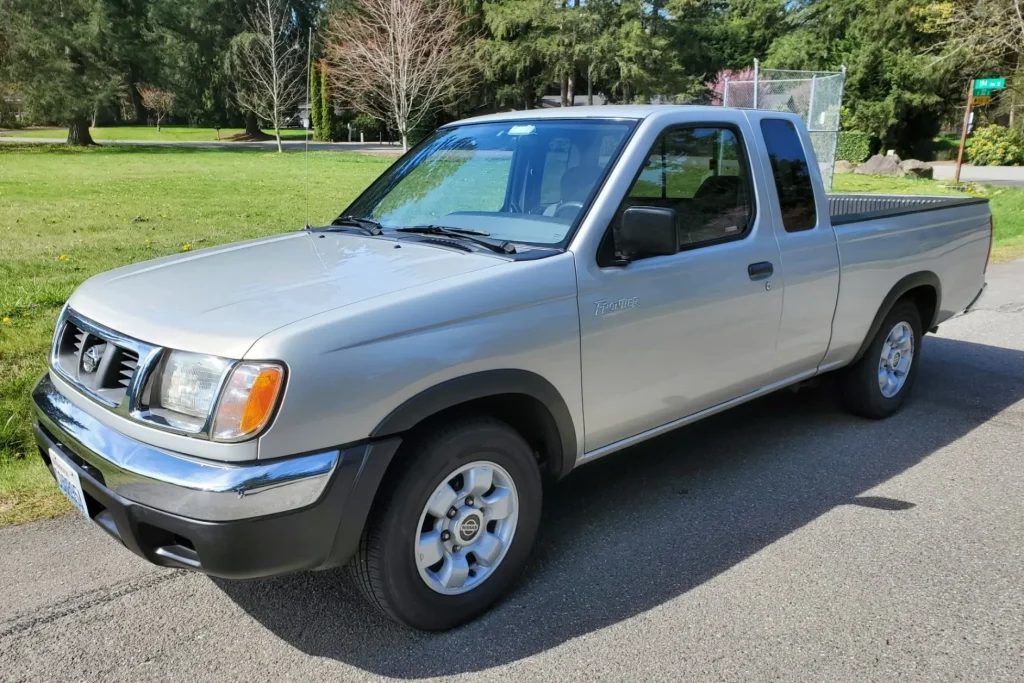
Even with strong dependability, low maintenance costs, and solid performance, these trucks remain overlooked by collectors. Their high production numbers and lack of unique features mean they are abundant in the used market, reducing scarcity and desirability.
The Nissan Frontier base trims exemplify trucks that serve their purpose well but do not capture long-term interest in the collector market.
They are functional, reliable, and affordable, yet lack the rarity, performance, and cultural resonance necessary to become valued collectibles.
2. Ford Ranger Mid-2000s Base Models
The Ford Ranger mid-2000s base models are practical, compact pickups that perform reliably for everyday use but do not attract collector attention. Produced in large numbers, these trucks prioritize utility over performance or unique styling, limiting their appeal in enthusiast circles.
Mechanically, the Ranger is dependable. Engines such as the 2.3-liter four-cylinder or 3.0-liter V6 are durable and paired with transmissions that handle routine driving with minimal issues.
The suspension and chassis components are designed for light-duty use and last well, reinforcing the Ranger’s reputation as a reliable, low-maintenance pickup.
However, these strengths do not translate into collectible value, as durability alone is insufficient to make a truck desirable for long-term enthusiasts.
Styling in the base trims is conservative. Exterior and interior designs are functional but unremarkable, lacking performance cues, distinctive trim options, or special editions that would set the vehicle apart. This generic appearance makes the Ranger blend into the marketplace rather than stand out, which diminishes its potential for collector interest.
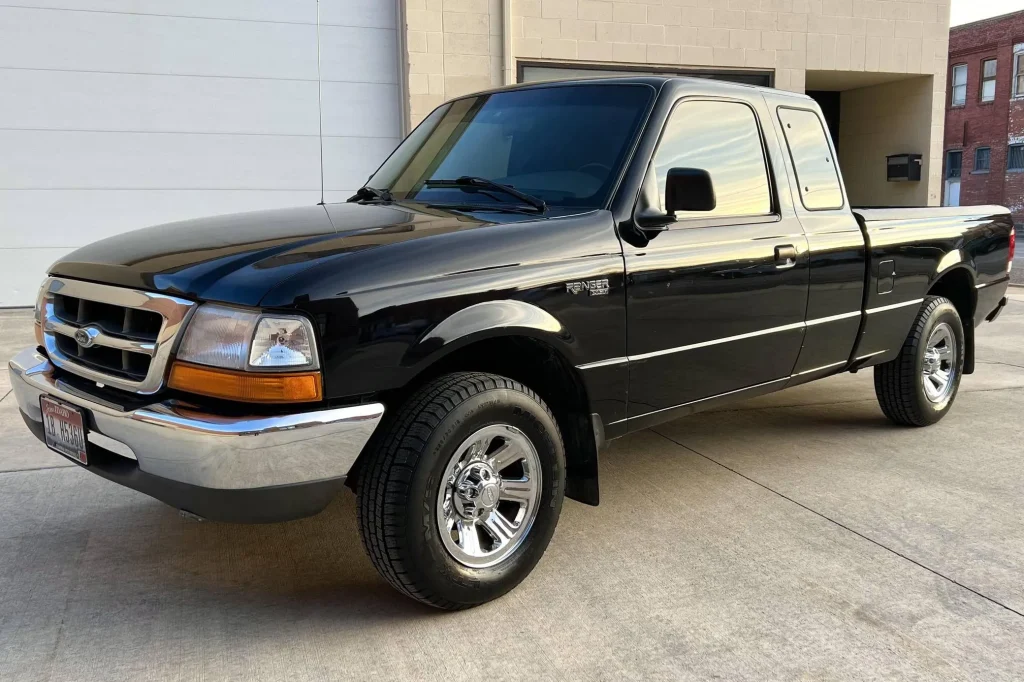
Cultural and historical significance is minimal. Unlike performance trucks or limited-edition pickups, the mid-2000s base Ranger was not associated with motorsports, off-road achievements, or media exposure that would enhance desirability. Its value is tied primarily to reliability and affordability rather than uniqueness or heritage.
Even though these trucks provide strong utility, low operating costs, and long-term dependability, they fail to become desirable collectibles. High production numbers and unremarkable design ensure that they remain commonplace in the used market.
The Ford Ranger mid-2000s base models highlight how functional, reliable trucks may serve their owners well but do not develop long-term interest among collectors. Their ubiquity and lack of standout features keep them firmly in the practical, everyday category.
3. Chevrolet Colorado Base Trims
The Chevrolet Colorado base trims are practical, mid-size pickups that serve their purpose well but rarely attract collector interest.
Produced in large numbers, these trucks prioritize affordability, utility, and reliability over performance or distinctive styling, making them unlikely candidates for long-term collector appeal.
Mechanically, the Colorado base models are dependable. Engines such as the 2.8-liter four-cylinder or 3.7-liter V6 provide adequate power for daily driving, light towing, and basic off-road use.
The transmissions, both manual and automatic, are reliable when maintained properly, and the suspension components are durable. These features make the Colorado a practical workhorse, yet mechanical reliability alone does not create collector value.
Styling in the base trims is conservative and utilitarian. Simple exterior lines, basic wheels, and minimal interior enhancements make the truck functional but unremarkable.
Lacking performance cues or distinctive visual features, the base Colorado fails to stand out in the market, reducing its potential for long-term desirability among enthusiasts.
Cultural and historical significance is limited. The base trims were not associated with motorsports, limited editions, or notable off-road accomplishments. They serve their practical role effectively, but without unique attributes or milestones to highlight, they remain ordinary pickups rather than collectible vehicles.
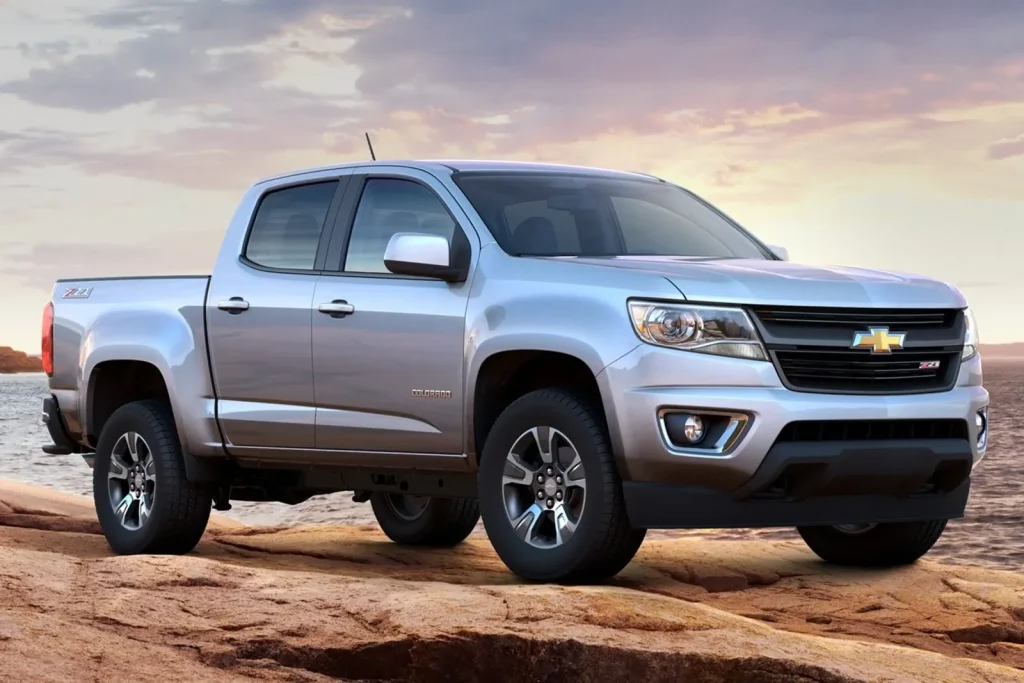
Even though these trucks are reliable, affordable, and versatile, their ubiquity and lack of distinguishing characteristics keep them out of collector consideration. Well-maintained examples are abundant in the used market, further diminishing scarcity and long-term appeal.
The Chevrolet Colorado base trims illustrate how a truck can excel in practicality and dependability yet fail to generate collector interest. Their utilitarian focus and commonality ensure that they remain everyday vehicles rather than sought-after pickups in the enthusiast community.
4. GMC Canyon Base Trims
The GMC Canyon base trims, mid-size pickups produced alongside the Chevrolet Colorado, are functional and reliable but offer little appeal for collectors. With high production numbers and a focus on practicality rather than distinctive performance or styling, these trucks remain everyday workhorses without long-term desirability.
Mechanically, the Canyon shares engines and drivetrains with the Colorado, including 2.8-liter four-cylinder and 3.7-liter V6 options. These engines are reliable and durable, paired with transmissions that withstand daily driving and light hauling duties.
The suspension and chassis are designed for longevity, making these trucks dependable for years of routine use. However, mechanical strength alone does not make a truck collectible.
Styling in the base trims is conservative and utilitarian. Exterior and interior designs prioritize function over flair, with minimal trim differentiation or performance cues.
While comfortable and practical, the Canyon base models lack the visual or performance features that would attract enthusiast attention. This commonality further reduces their potential as future collector vehicles.
Cultural and historical significance is minimal. Unlike limited-edition pickups or performance-focused models, the base Canyon has no notable motorsport associations or media exposure that would increase its long-term appeal. Its role as a reliable, everyday pickup prevents it from standing out in collector markets.
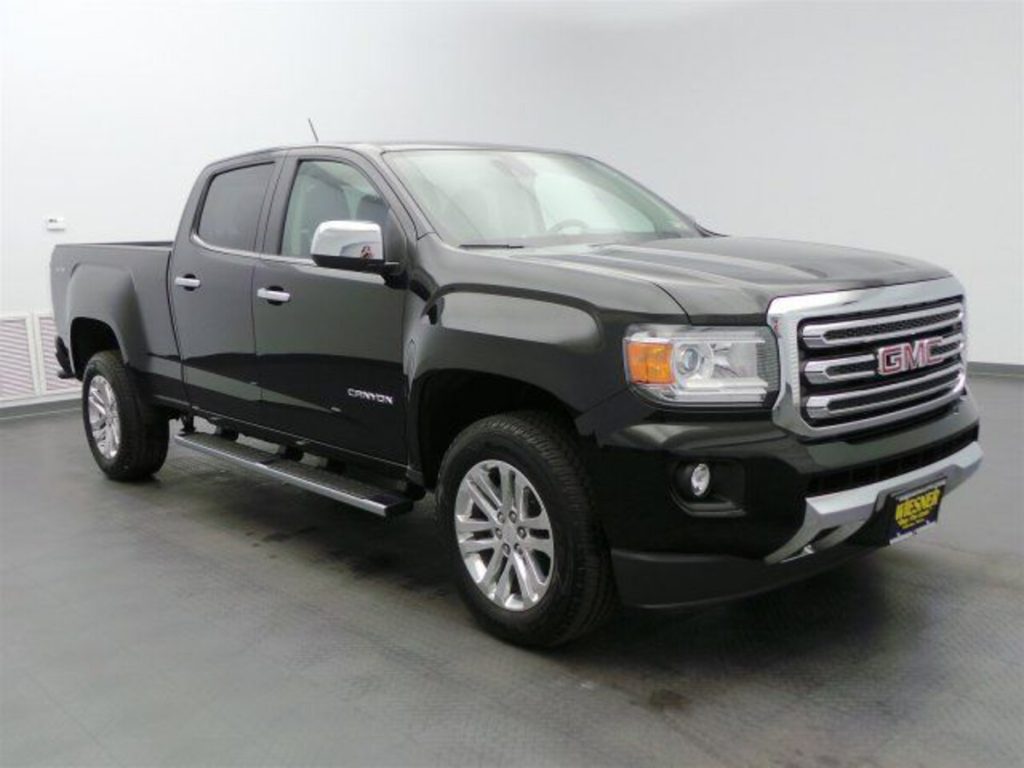
Even though these trucks provide strong reliability, affordability, and practicality, they remain ordinary in the eyes of enthusiasts. High availability in the used market and lack of unique attributes ensure that they will not command collector attention in the future.
The GMC Canyon base trims demonstrate how a truck can succeed as a practical, dependable vehicle while failing to become a collectible.
Their utilitarian design, common production, and lack of distinctive features keep them firmly in the everyday pickup category rather than among trucks with rising collector interest.
5. Ford F-150 XL Base Models (Mid-2010s)
The Ford F-150 XL base models from the mid-2010s are highly practical and reliable full-size pickups but have little potential for collector interest. Produced in high volumes, these trucks are designed for utility and affordability, prioritizing work capabilities over distinctive styling or performance.
Mechanically, the mid-2010s F-150 XL is solid. Engines such as the 3.5-liter V6 EcoBoost and 5.0-liter V8 provide adequate power for towing, hauling, and daily driving.
The transmissions and drivetrain components are durable, and routine maintenance ensures long-term dependability. These features make the truck an excellent choice for practical use, but reliability alone does not make it collectible.
Styling is conservative, with exterior and interior designs that prioritize functionality. Base trim trucks lack unique visual cues, factory performance options, or special editions that could attract enthusiasts. Their appearance is straightforward, and minimal interior upgrades further limit appeal to potential collectors.
Cultural and historical significance is negligible. Unlike performance-focused or limited-edition pickups, the F-150 XL base models are not associated with motorsports, media exposure, or noteworthy historical milestones.
While they serve as dependable work trucks, they do not offer the rarity, uniqueness, or storytelling necessary for collector interest.
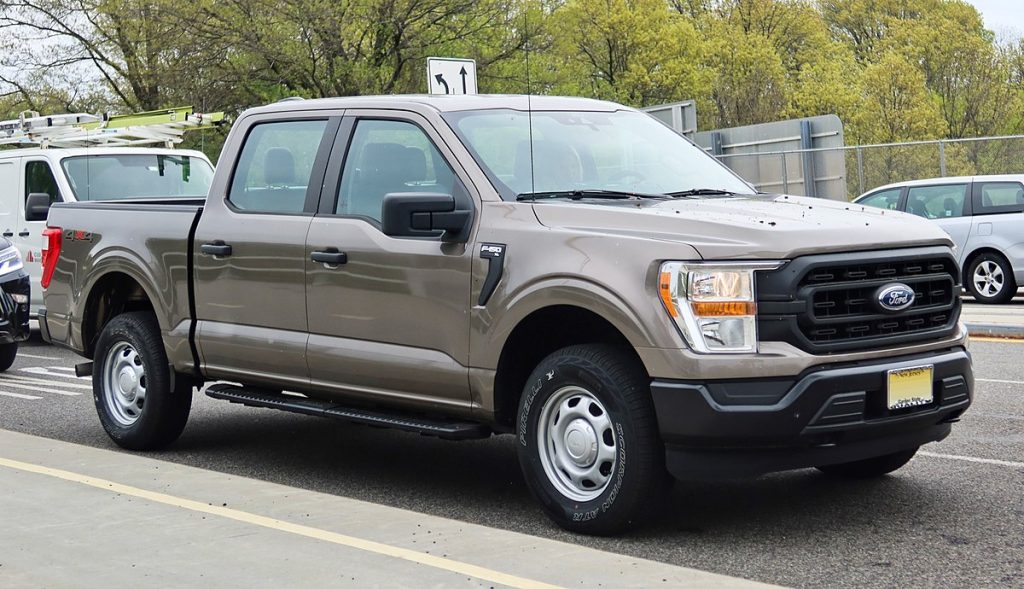
Even with strong reliability, low maintenance costs, and everyday usability, these trucks remain common and unremarkable in the eyes of enthusiasts. Their abundance in the used market and lack of distinguishing features ensure they will not gain traction in collector circles.
The mid-2010s Ford F-150 XL base models exemplify trucks that excel in practicality but fail to capture long-term collector interest.
Their utilitarian design, high production numbers, and lack of standout characteristics keep them firmly in the category of reliable, everyday work trucks rather than collectible pickups.
Also Read: 5 Trucks With the Happiest Owners vs 5 With the Angriest
