Technology continues to reshape the automotive world, but these ten cars stand as proof that true enjoyment comes from simplicity. The models featured in “10 Cars That Offer Raw Fun Without Tech Overload” deliver excitement through their engineering, not their electronics.
Cars such as the Honda Civic Si, Toyota GR86, and Hyundai Elantra N offer thrilling performance without excessive gadgetry. Meanwhile, the Mini Cooper, Mazda3, and Ford Maverick provide everyday usability while keeping the driver engaged. Each of these vehicles values connection, control, and character over touchscreens and automated systems.
They appeal to drivers who want to feel every shift, curve, and acceleration rather than letting software take over. In an age of digital overload, these cars remind us that the essence of driving lies in simplicity, feedback, and fun. For enthusiasts, they represent a refreshing return to what driving was always meant to be.
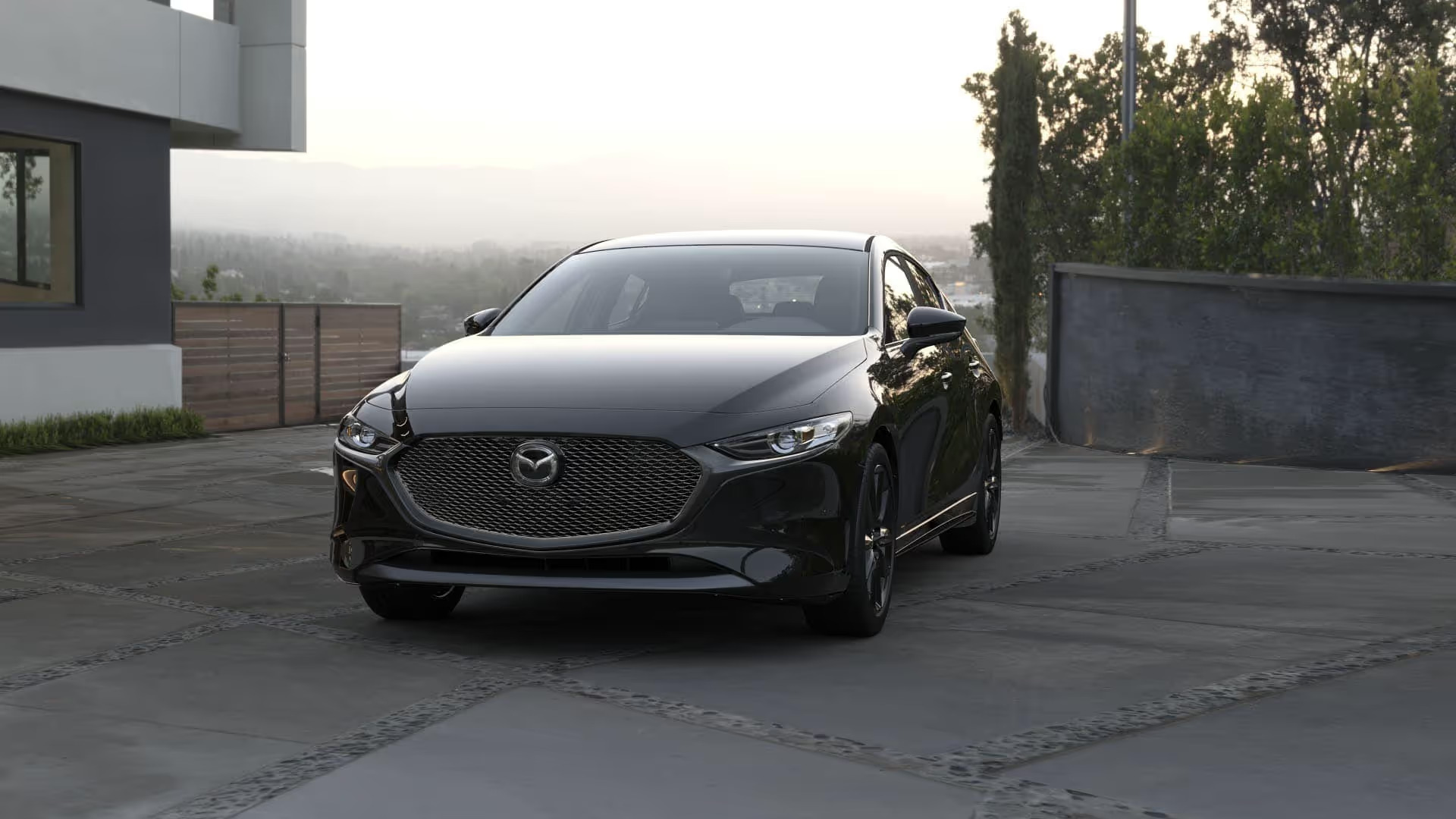
1. 2025 Mazda3: A Premium Compact Sedan with Engaging Dynamics
The 2025 Mazda3 continues to set a high standard for compact sedans with its combination of refined driving dynamics and upscale design. It starts at $24,150, while the base trim is priced at $23,950. Buyers can choose between a sedan and a hatchback body style.
The base trim uses a 2.5-liter SKYACTIV-G inline-four engine paired with a 6-speed automatic transmission and front-wheel drive. It produces 191 horsepower and 186 lb-ft of torque, achieving an efficient 27/37/31 mpg in city, highway, and combined driving. Although the lineup does not include a hybrid variant, the Mazda3 focuses on craftsmanship and driver engagement, which make it stand out among small cars.
Mazda’s commitment to driver-focused engineering is clear in the Mazda3’s precise steering, balanced chassis, and strong grip through corners. The suspension tuning limits body roll while keeping the ride smooth and controlled.
The naturally aspirated 2.5-liter engine delivers consistent power, while the available turbocharged version provides a stronger punch. The turbo model accelerates from 0 to 60 mph in 6.5 seconds, placing it among the quickest in its class.
The 6-speed automatic transmission shifts smoothly and complements the car’s refined nature. Some features, such as the surround-view camera, are reserved for higher trims, and the lane-centering system reacts slowly, but the driving experience remains engaging and composed.
The interior of the 2025 Mazda3 reflects a minimalist yet premium approach. The seats are supportive and designed to keep the driver comfortable during long trips. Even without optional leather upholstery, the materials feel high-quality. Noise insulation is excellent, creating a quiet cabin that enhances the car’s sense of sophistication.
The layout is intuitive, with simple and tactile climate control buttons that are easy to use. The main drawback is space in the rear seats, which can feel cramped for adults. Installing large child seats may also require moving the front seats forward, limiting practicality for families.
The infotainment display blends neatly into the dashboard and uses a rotary control knob for operation. The system is simple, reliable, and features clean graphics. The optional Bose audio system adds a rich sound experience.
However, the transition between the rotary knob interface and the touchscreen function during Apple CarPlay or Android Auto use feels awkward, especially since the screen is positioned too far from the driver’s seat. This design choice makes smartphone integration less convenient.
The Mazda3 sedan provides 13.2 cubic feet of trunk space. This capacity is slightly less than that of the Honda Civic and Hyundai Elantra, though the folding rear seats allow for transporting longer items. Cabin storage is limited, with small cupholders, a narrow center tray, and modest door bins.
The Mazda3 costs more than many of its compact rivals but compensates with premium materials, solid build quality, and a high-end driving feel. Fully equipped models can approach $40,000, but the craftsmanship matches the price.
The warranty includes 3 years or 36,000 miles of bumper-to-bumper coverage and 5 years or 60,000 miles for the powertrain. Front-wheel-drive versions reach 31 mpg combined, while all-wheel-drive and turbo models reduce efficiency slightly. There is no hybrid option.
The 2025 Mazda3 impresses with its elegant design, refined performance, and luxury-inspired cabin. It may not offer the most interior space or the lowest price in the compact class, but it rewards drivers with a polished and connected experience. Those seeking a stylish, well-built, and fun-to-drive compact sedan will find the Mazda3 an appealing and satisfying choice.
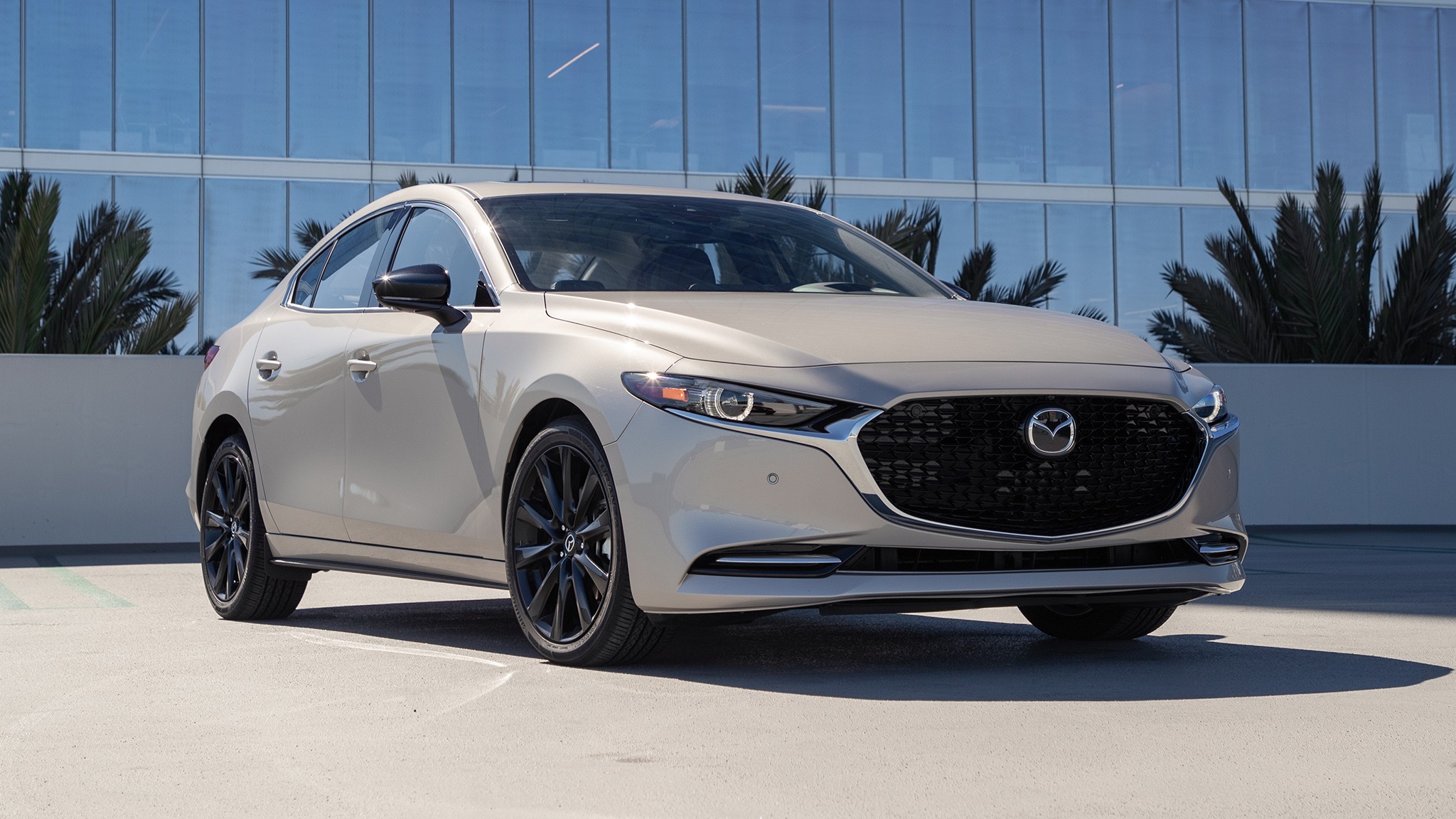
2. 2025 Subaru Impreza: Practical, Comfortable, and Confident in All Conditions
The 2025 Subaru Impreza remains one of the few compact hatchbacks offering standard all-wheel drive, making it a standout choice for drivers who value stability and confidence in bad weather. Starting at $24,360, the Impreza comes exclusively as a five-door hatchback, powered by a 2.0-liter flat-four engine that produces 152 horsepower and 145 lb-ft of torque.
Power is routed through a continuously variable transmission (CVT). While it is not designed for high performance, the Impreza delivers a composed ride and excellent traction on slippery roads. Subaru has refined its platform to provide better insulation and ride comfort compared to earlier models.
The Impreza’s driving character focuses on comfort and control rather than outright speed. The base engine provides adequate power for daily use, though acceleration feels modest.
In testing, the more powerful RS trim achieved a 0–60 mph time of 8.4 seconds, which is slower than rivals such as the Mazda3 and Honda Civic. The CVT contributes to this relaxed character and can feel sluggish during quick acceleration or highway merging.
Steering is light and responsive, making parking simple, while the suspension tuning strikes a pleasant balance between comfort and stability. Body roll is well-contained on curvy roads, yet the Impreza lacks the sporty personality some drivers may prefer. Those seeking more spirited handling will find better options elsewhere.
Comfort is one of the Impreza’s strongest qualities. The front seats offer good cushioning and support, and the rear seats provide ample room for passengers. Heated front seats in higher trims work efficiently, and dual-zone automatic climate control comes standard.
The system can run slightly warm, but the cooling remains effective. The Impreza’s ride quality is smooth, absorbing most bumps with ease, and the cabin stays relatively quiet except during heavy acceleration.
Interior space is generous for a compact hatchback. The Impreza provides excellent headroom and legroom, especially for rear passengers, and the wide-opening doors make entry and exit easy. Visibility is also a highlight thanks to a low hood and large windows, which create a confident driving environment.
The Impreza offers two main infotainment options: dual 7-inch displays in the base model or a single 11.6-inch vertical touchscreen in Sport and RS trims. The larger screen is responsive and user-friendly, though its resolution can appear washed out in bright light.
Every trim includes Apple CarPlay and Android Auto, with wireless connectivity available in higher trims. Subaru provides both USB-A and USB-C ports and an optional wireless charging pad.
Subaru’s EyeSight driver-assist suite is standard and includes adaptive cruise control, lane centering, and pre-collision braking. Adaptive cruise control works smoothly, though lane centering could be more refined.
The Impreza offers 20.4 cubic feet of cargo space with the rear seats up and 56 cubic feet when folded. While the seats do not fold completely flat, the space is still generous and easy to use. Additional storage compartments, water bottle holders, and accessible child seat anchors increase daily convenience.
The Impreza returns 30 mpg combined with the base engine and 29 mpg for the RS trim, slightly lower than the segment leaders. Despite modest fuel economy, the Impreza’s combination of standard all-wheel drive, comfortable ride, and affordable pricing makes it an attractive value.
The interior materials are not as refined as competitors’, but the Impreza compensates with practicality, reliability, and safety. Warranty coverage is standard for the class, with 3 years or 36,000 miles bumper-to-bumper and 5 years or 60,000 miles for the powertrain.
The 2025 Subaru Impreza is a capable and versatile compact hatchback ideal for drivers who prioritize comfort, stability, and all-weather confidence. While it lacks strong acceleration and interior luxury, it excels in practicality, space, and safety. For those seeking dependable year-round performance and value in a compact package, the Impreza remains a smart and reassuring choice.
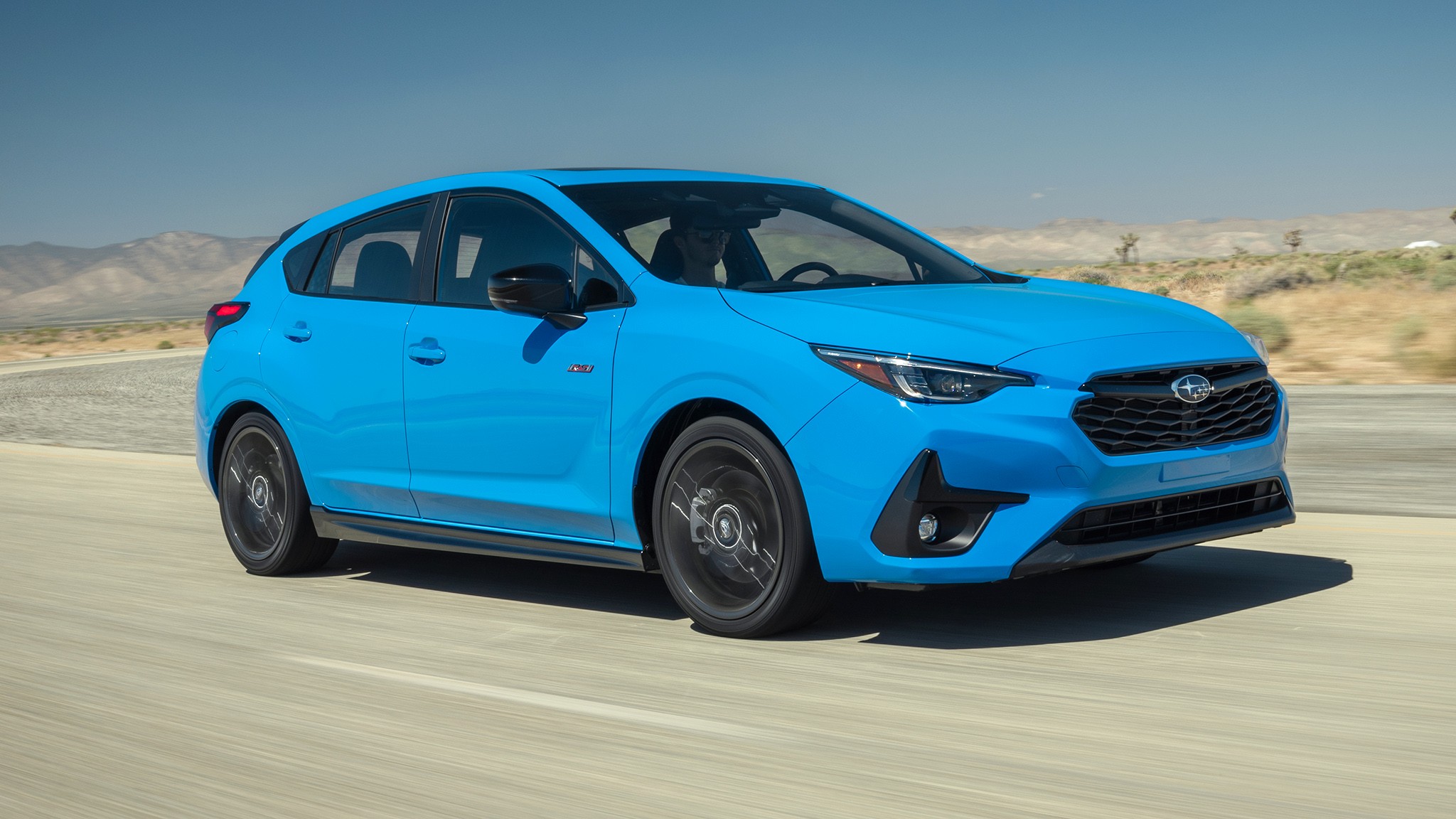
3. 2025 Toyota Corolla: Dependable Efficiency for Everyday Driving
The 2025 Toyota Corolla maintains its strong reputation for reliability, comfort, and efficiency while adding touches of sportiness for drivers who want more engagement. With prices between $22,325 and $24,765, the Corolla delivers solid value across its trim range.
It is powered by a 2.0-liter Dynamic Force four-cylinder engine that produces 169 horsepower and 151 lb-ft of torque, paired with either a 10-speed automatic or a CVT. Power is sent to the front wheels, and fuel economy remains a major highlight at 32 mpg city, 41 mpg highway, and 35 mpg combined.
The Corolla’s driving character is steady and confidence-inspiring. Its 0–60 mph time of 8.8 seconds places it behind rivals like the Honda Civic and Mazda3, yet it performs reliably for daily commuting. The CVT operates smoothly in routine driving but can feel strained under heavy throttle.
The SE and XSE trims enhance responsiveness with firmer suspension, sharper steering, and an optional manual transmission. The Corolla FX provides a slightly livelier feel while remaining comfort-oriented.
Body roll is noticeable in tight turns, but maneuverability in city traffic is excellent. Braking is stable and easy to modulate, while simulated gear shifts in the CVT reduce engine noise and make acceleration feel more natural.
Ride quality is one of the Corolla’s key strengths. The suspension absorbs bumps with composure, creating a calm and smooth experience across rough pavement. The front seats are supportive and adjustable to suit a wide range of drivers. Cloth upholstery stays cool in warm weather, while optional synthetic leather adds a more upscale touch.
Cabin insulation could be improved, as road and wind noise become noticeable at highway speeds. Visibility is excellent thanks to narrow roof pillars and a low dashboard, making the car easy to drive in tight spaces. Rear-seat space is acceptable for average-sized adults, though taller passengers may find headroom limited.
The 2025 Corolla includes an 8-inch or 10.5-inch touchscreen infotainment system that supports Apple CarPlay, Android Auto, and available wireless charging. The interface is intuitive, although navigation and voice command responses can lag slightly.
The Toyota Safety Sense suite comes standard, featuring adaptive cruise control, lane keeping assist, and blind-spot monitoring. These systems function reliably, with lane centering working especially well. The optional JBL sound system offers crisp and balanced audio quality.
The 13-cubic-foot trunk offers sufficient space for daily use, and the rear seats fold for longer cargo, though not completely flat. Small-item storage is limited but practical, and child seats are easy to install thanks to accessible anchors and wide-opening doors. Real-world testing showed excellent efficiency, reaching 40.2 mpg in mixed driving.
The 2025 Toyota Corolla remains a trusted choice for drivers seeking reliability, comfort, and excellent fuel economy. Its refined ride, efficient engine, and user-friendly features make it one of the most appealing compact sedans for everyday use.
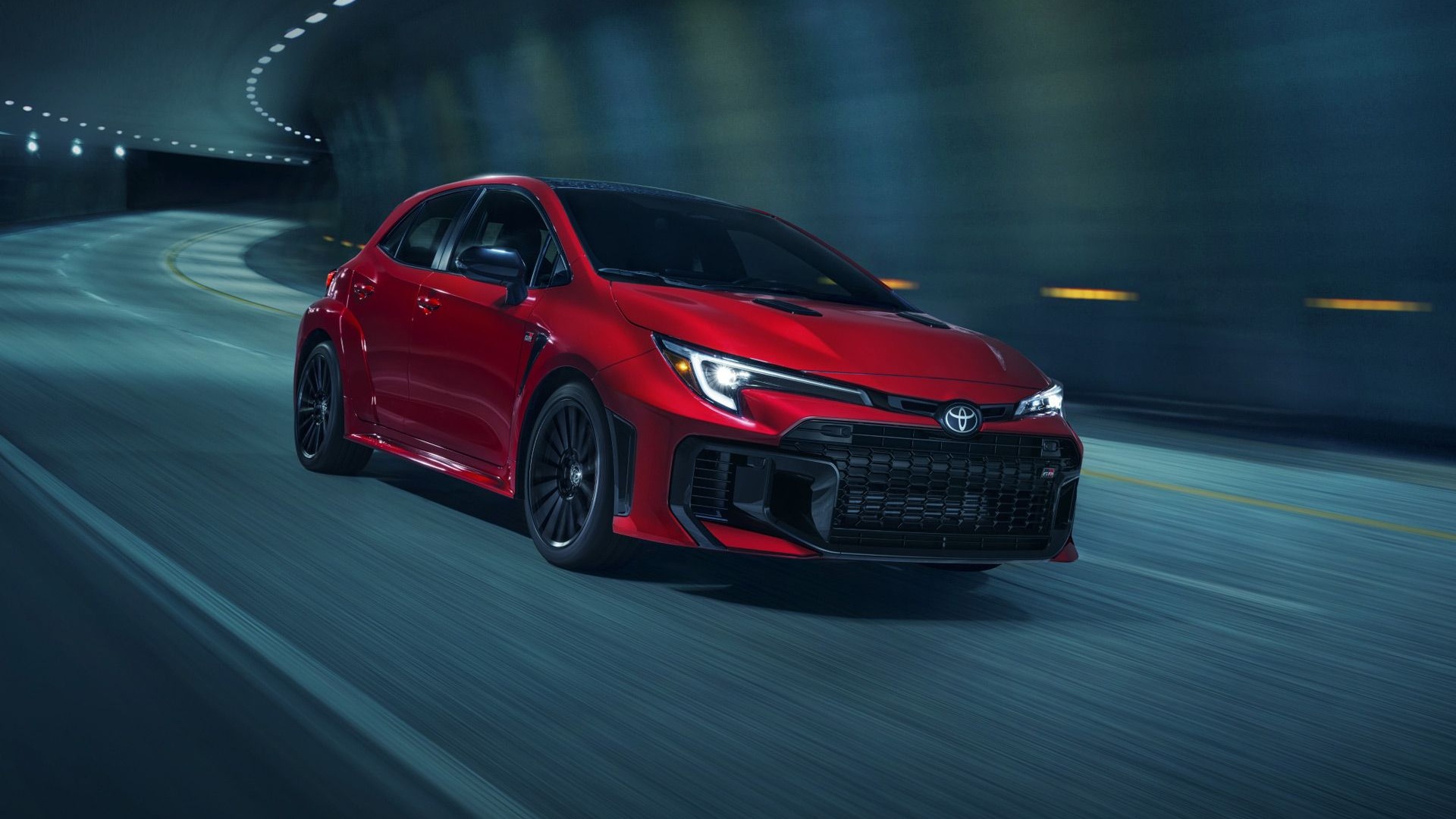
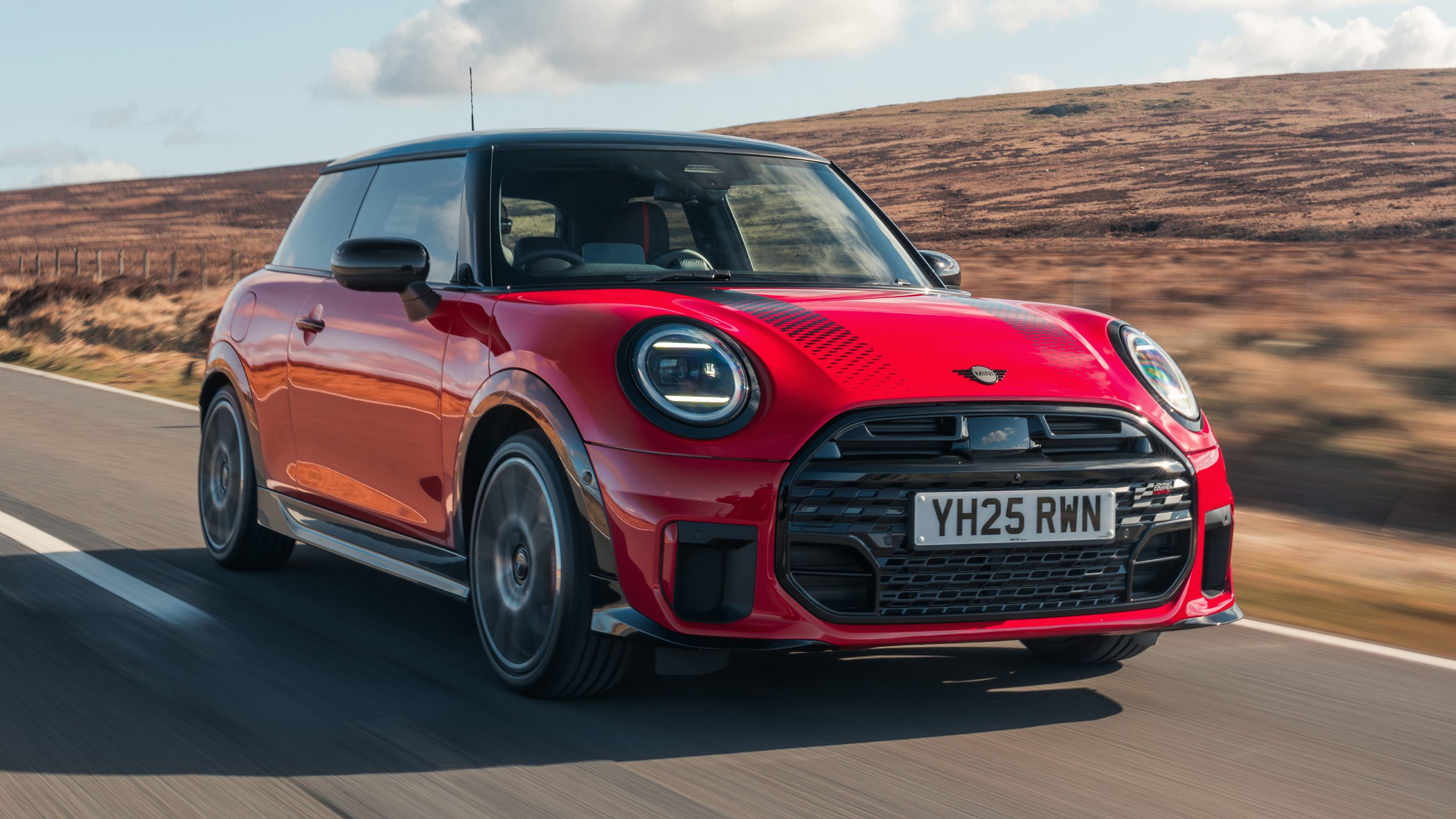
4. 2025 Mini Cooper: Playful Style with Premium Craftsmanship
The 2025 Mini Cooper preserves its iconic go-kart-like handling, compact design, and quirky character while adding touches of refinement. Starting at $26,125, with base trims around $28,950, the Mini Cooper sits in the subcompact luxury hatchback category.
It is powered by a 161-horsepower turbocharged three-cylinder engine that produces 184 lb-ft of torque and uses a 7-speed dual-clutch automatic transmission. Power is sent to the front wheels, and fuel economy is rated at 29 mpg city, 38 mpg highway, and 32 mpg combined. The Mini remains a favorite among city drivers for its nimble handling, distinctive style, and easy parking.
The 2025 Mini Cooper continues to deliver sharp steering and a responsive chassis. In testing, the Cooper S trim accelerated from 0 to 60 mph in 6.4 seconds, providing energetic performance for a small hatchback. The transmission shifts smoothly, though the lack of paddle shifters or manual control options limits driver engagement.
At low speeds, the Mini feels quick and agile, ideal for city driving. However, when pushed hard on the highway or through corners, it loses some of the playful balance that defined earlier models. Handling grip and braking performance could be stronger for a car known for sportiness. Even so, the Mini remains lively and enjoyable in everyday use.
The front seats are supportive and hold occupants firmly during spirited driving. The cushions are firm but shaped to provide good back support. The ride is also firm, which contributes to the car’s responsiveness, but rough pavement can send noticeable jolts into the cabin. Despite this, comfort remains acceptable for daily driving.
Noise levels inside the cabin are well managed. Wind and road noise are kept low, and the climate control system works quickly and efficiently. The front cabin feels intimate but upscale, while the rear seats are best reserved for children or short trips due to limited space and tight access.
The interior design of the Mini Cooper stands out with its circular center-mounted touchscreen, a distinctive element that enhances the car’s fun personality. The display is bright, high in resolution, and responsive. However, controlling essential functions such as fan speed or engine start-stop through the screen can be inconvenient. Physical buttons would have made these tasks easier.
The Mini includes Apple CarPlay, Android Auto, and a wireless charging pad. The optional Harman Kardon sound system provides excellent clarity and power, creating an immersive listening experience.
Driver-assistance features such as adaptive cruise control, blind-spot warning, and lane-keeping assistance operate effectively. Turning off or adjusting specific features requires going through several layers of on-screen menus, which can take time, but functions reliably once set.
The compact size of the Mini limits practicality. The cargo area is small, and folding the rear seats is often necessary for larger items. Interior storage is minimal, with narrow door pockets and only a small space below the dashboard. The back seats include LATCH anchors for child seats, but installing one can be difficult because of the tight door openings.
The Mini Cooper delivers an estimated 32 mpg combined, consistent with real-world driving results. Fuel economy compares well to rivals such as the Volkswagen GTI and Subaru BRZ.
The interior uses high-quality materials, with thoughtful detailing and few hard plastics, giving it a premium feel. Pricing can rise quickly with added options, but buyers receive excellent craftsmanship and a distinctive design that stands apart from typical compact cars.
The 2025 Mini Cooper blends charm, individuality, and quality craftsmanship into a compact package. It may not offer the space or handling sharpness of some rivals, but it remains a stylish and entertaining choice. For those seeking a small, luxurious hatchback with personality and precision, the Mini Cooper continues to deliver a driving experience that feels both fun and refined.
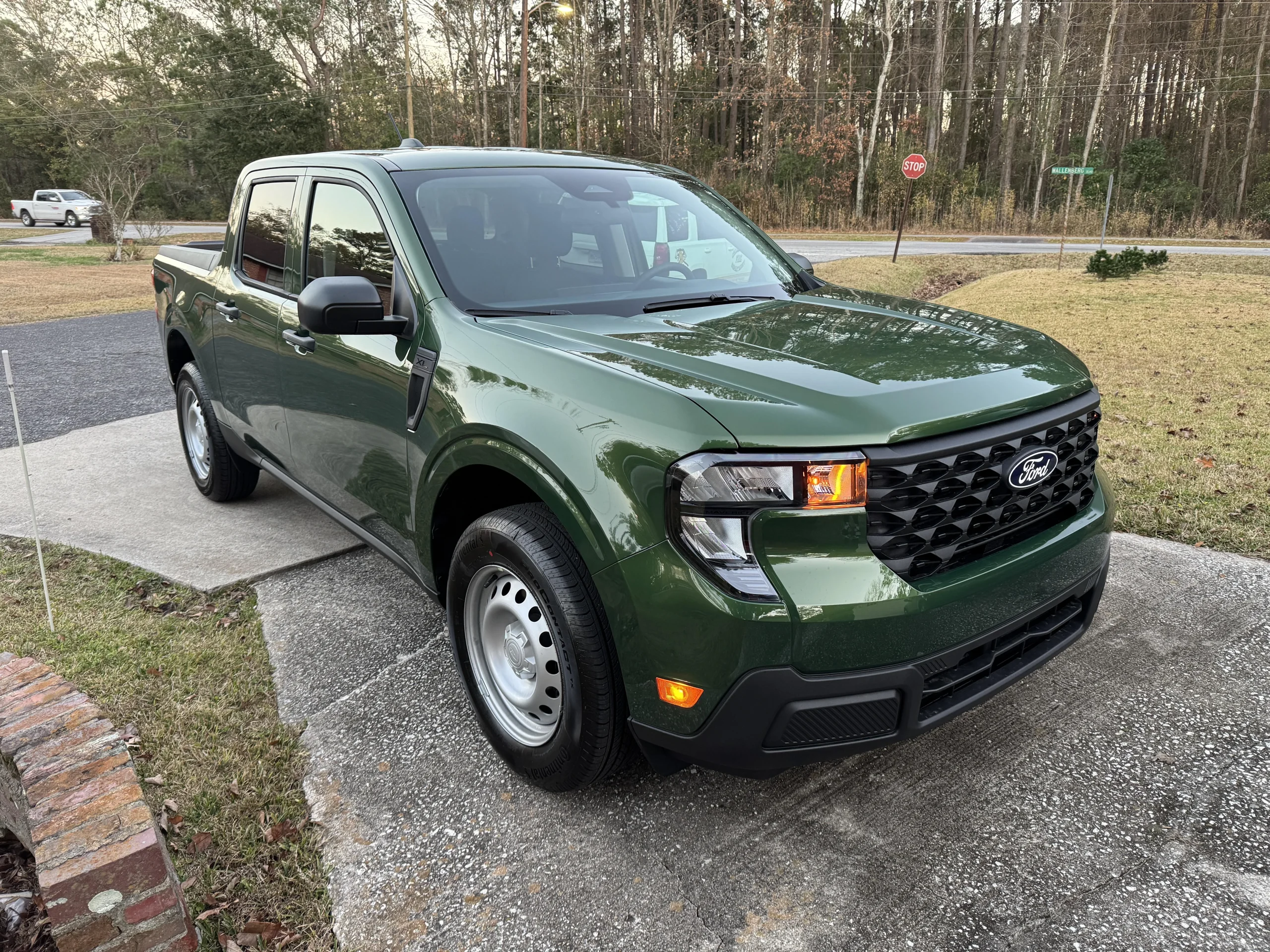
5. 2025 Ford Maverick XL: The Compact Truck That Redefines Efficiency
The 2025 Ford Maverick XL offers the practicality of a pickup truck with the driving comfort of a compact car. Starting at $28,145, it represents one of the best values in the small-truck market. Built on a unibody platform, it feels light and agile while maintaining a useful level of capability.
Its 2.5-liter hybrid inline-four engine delivers 191 horsepower and 155 lb-ft of torque, paired with a continuously variable transmission (CVT) and front-wheel drive. The hybrid setup achieves an impressive 38 mpg combined, making it the most fuel-efficient truck in its segment.
The Maverick’s hybrid powertrain prioritizes efficiency over speed. During testing, it accelerated from 0 to 60 mph in 8.4 seconds, which is adequate for daily driving. The optional 2.0-liter turbo engine sharpens performance, reducing the sprint time to 6.6 seconds. The Maverick feels composed at lower speeds and around town, though its steering is slightly numb and the suspension a bit stiff.
The truck’s compact size makes it easy to maneuver through tight city streets or twisty backroads with more confidence than larger trucks. The Lobo trim enhances driving enjoyment with firmer suspension tuning and all-wheel drive. Excellent outward visibility and standard blind-spot mirrors further boost driver confidence, though many advanced safety features remain optional.
Inside, the Maverick favors simplicity and practicality. The cabin design is functional, with large buttons and easy-to-reach controls. Headroom is sufficient for most adults, but rear legroom is limited, and the driver’s seat adjustments could offer more range. The seats are firm yet supportive, providing comfort on long drives, although hard plastic door panels detract slightly from the experience.
Engine noise is minimal at highway speeds, but the hybrid engine sounds rough when idling or accelerating hard. Installing car seats in the rear can be tricky due to awkward tether placement and limited space. Despite these challenges, the Maverick remains pleasant for everyday commuting and light-duty use.
The 13.2-inch touchscreen is a highlight of the Maverick’s cabin. It features sharp graphics, responsive controls, and a clean interface. Wireless Apple CarPlay and Android Auto come standard, along with front and rear USB ports.
The infotainment system is fast and intuitive, but the base stereo lacks volume and depth. Optional tech upgrades, such as adaptive cruise control and blind-spot monitoring, add convenience but increase cost.
Storage versatility is one of the Maverick’s strongest suits. The cabin includes deep door pockets, a roomy center console, and multiple cubbies for personal items. The underseat rear storage is practical, although accessing it requires lifting the seat bottom.
The FlexBed system in the rear allows for creative cargo solutions, and the maximum towing capacity reaches 4,000 pounds, with a 1,500-pound payload limit. Integrated trailer connections and a brake controller make towing easier than in many competitors.
The hybrid Maverick’s 38 mpg combined rating leads the class, often exceeding 40 mpg in real-world testing. Even the turbocharged version achieves respectable efficiency at 25 mpg.
Compared with rivals like the Hyundai Santa Cruz, the Maverick offers less warranty coverage but superior fuel savings and practicality. The hybrid’s affordability, coupled with its capability, makes it appealing for drivers who want the function of a truck without high fuel costs.
The 2025 Ford Maverick XL stands as a smart and efficient alternative to traditional pickups. Its hybrid powertrain, clever storage options, and modern technology make it an ideal choice for urban and suburban drivers who occasionally need a truck bed.
Although the interior materials feel basic and the hybrid lacks all-wheel drive, the Maverick’s balance of economy, versatility, and fun-to-drive personality makes it one of the most innovative small trucks available today.
Also Read: 5 Cars That Sell Instantly Used vs 5 That Sit for Months
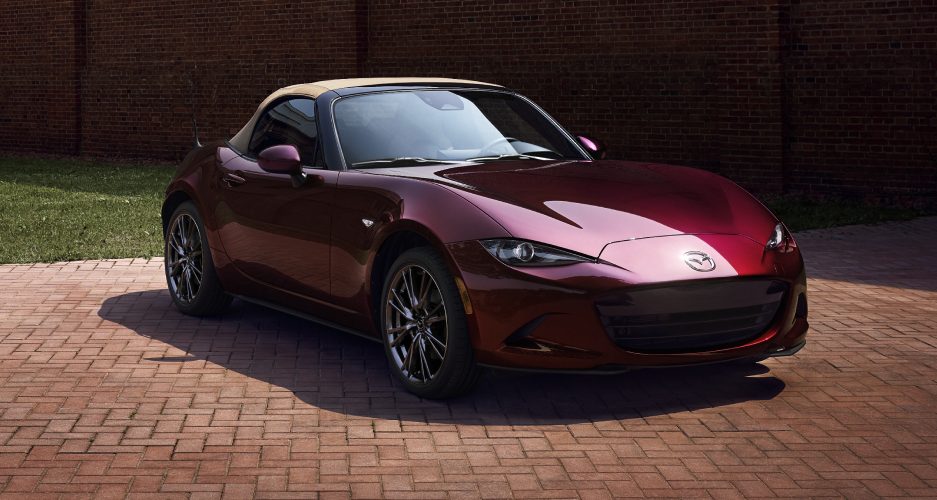
6. 2025 Mazda MX-5 Miata: The Purest Form of Driving Fun
The 2025 Mazda MX-5 Miata remains one of the most authentic sports cars money can buy. Starting at $29,530, the Miata embodies lightweight engineering, rear-wheel drive dynamics, and a focus on pure driver engagement. Powered by a 2.0-liter inline-four engine, it produces 181 horsepower and 151 lb-ft of torque, paired with a slick six-speed manual transmission.
On the test track, the Miata sprinted from 0 to 60 mph in 6.4 seconds, which is quick but slightly behind the Subaru BRZ and Volkswagen Golf GTI. Its precise steering, predictable handling, and excellent chassis balance make it a standout on twisty roads.
While it leans slightly during aggressive cornering, that movement communicates grip rather than instability. Braking performance is confident, stopping from 60 mph in 113 feet. The Miata rewards smooth driving and thrives on backroads where its light weight and rear-drive balance shine.
The Miata’s compact size means comfort takes a back seat to engagement, yet it remains livable for daily use. The suspension feels firm but not harsh, soaking up small bumps while transmitting larger imperfections directly to the cabin.
The seats are supportive, well-shaped, and include heating functions that work quickly on cold mornings. Some drivers find the seat bolstering slightly awkward, but most appreciate the snug fit.
Wind and road noise are ever-present, especially on highways. With the soft top closed, conversations can be difficult at higher speeds. Fortunately, the manual top is simple to operate, letting you drop it quickly for open-air driving. Despite its noise, the Miata’s charm lies in the direct connection between driver, road, and sky.
Inside, the Miata’s design is minimal and driver-focused. Every control sits within easy reach, and the compact cabin makes even small adjustments intuitive. The infotainment control knob feels awkwardly placed, but touchscreen redundancy compensates for that. Storage space is limited, with cupholders positioned inconveniently, and there’s no glovebox, only a small bin between the seats for essentials.
Tall drivers may find legroom and headroom tight, while passengers face limited footwell space. Still, the Miata’s cockpit emphasizes driving pleasure over comfort. Materials feel solid and refined, showing Mazda’s attention to build quality.
Despite its simplicity, the Miata includes a good selection of modern tech. Apple CarPlay and Android Auto are standard, along with two USB ports and useful driver aids such as blind-spot warning and lane departure alert.
The optional nine-speaker Bose sound system performs impressively, providing rich sound even with the top down. Voice commands are limited but work effectively, and the basic navigation system (when equipped) delivers functional though modest performance.
Practicality is not the Miata’s focus, but there is enough space for weekend essentials. The 4.6-cubic-foot trunk accommodates a carry-on bag or a few grocery bags. There is no rear seat, so passengers must pack light. Small items can be stored in the bin behind the seats, but storage remains minimal, fitting for a purpose-built roadster.
Fuel economy is another Miata strength. The manual version earns an EPA-estimated 29 mpg combined, a figure easily matched in real-world driving. Despite its modest power, the Miata’s efficiency and reliability make it inexpensive to own.
At under $30,000, the Miata delivers one of the highest “fun-per-dollar” ratios in the automotive world. Build quality is excellent, with durable materials and a solid structure. Warranty coverage three years/36,000 miles basic and five years/60,000 miles powertrain matches the industry norm.
The 2025 Mazda MX-5 Miata continues to represent driving purity at an attainable price. Its combination of light weight, responsive handling, and simple design makes it one of the most engaging sports cars on the market.
Though impractical for hauling cargo or passengers, it offers something far more valuable: a joyful connection between driver and machine. For enthusiasts who crave excitement in every corner, the Miata remains unmatched.
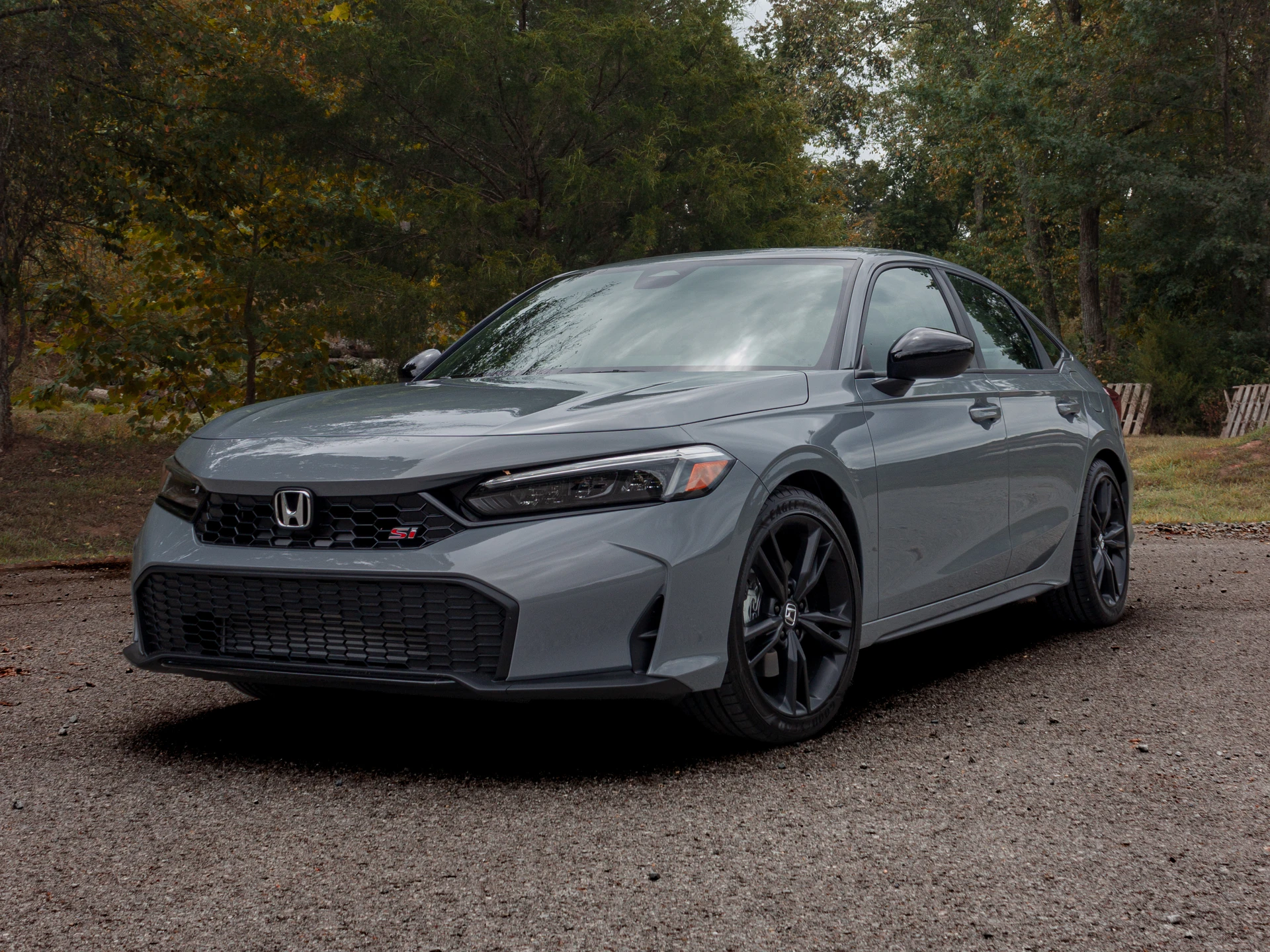
7. 2025 Honda Civic Si: Engaging, Practical, and Refined Performance
The 2025 Honda Civic Si continues to strike a near-perfect balance between performance and practicality. Priced from $30,250, it delivers true enthusiast engagement without drifting into high-performance car territory.
Beneath the hood is a 1.5-liter turbocharged inline-four that produces 200 horsepower and 192 lb-ft of torque, paired exclusively with a six-speed manual transmission and front-wheel drive. The standard limited-slip differential enhances traction and control, giving the Si a performance edge that few sedans at this price point can match.
While the Si’s 0–60 mph time of 7.2 seconds trails the quicker Volkswagen GTI, the driving experience remains satisfying. Turbo lag is noticeable, but once the boost arrives, power delivery is smooth and consistent. The manual gearbox is a standout feature, offering short, precise throws and a light clutch pedal that makes shifting both rewarding and effortless.
The Civic Si’s chassis tuning is one of its strongest assets. It feels balanced and eager through corners, providing agile handling and solid grip. Steering weight increases with speed, adding a sense of precision, although it could communicate a bit more road feedback. The Si’s performance is more about composure and enjoyment than outright speed, allowing drivers to confidently push it through winding roads.
Braking is firm and predictable, and the suspension setup successfully blends responsiveness with livability. Compared to the standard Civic, the Si rides stiffer but remains comfortable enough for daily driving. This balance keeps it engaging without making it harsh or fatiguing.
Inside, the Si presents a clean and driver-focused layout. The front sport seats are well-bolstered and supportive during spirited driving while remaining comfortable for longer trips. Heating is now standard for 2025, though lumbar adjustment is still absent. The fabric upholstery feels breathable and durable, matching the car’s athletic personality.
Road noise can be intrusive on rough pavement, but wind noise is well-controlled. The climate system performs effectively, distributing air evenly throughout the cabin. The build quality feels tight and substantial, reflecting Honda’s reputation for refinement and reliability.
Technology in the Civic Si is straightforward and user-friendly. The 9-inch touchscreen sits high on the dashboard for easy visibility and includes Apple CarPlay and Android Auto compatibility, both wired and wireless. Wireless connectivity can be inconsistent, so using a cable is often more reliable.
Honda’s safety and driver assistance suite includes adaptive cruise control, lane keeping assist, and collision mitigation braking. Adaptive cruise works smoothly even with the manual transmission, reducing effort in stop-and-go traffic. The digital instrument cluster is clear and customizable, providing key driving data at a glance.
For a performance sedan, the Civic Si offers impressive utility. The 14.4-cubic-foot trunk provides ample space for luggage or groceries, and the rear seats fold to expand capacity. Cabin storage is practical, featuring a large center bin, wide cupholders, and a well-designed phone charging pad. Child-seat installation is manageable, with easily accessible anchors.
Efficiency is another Civic Si advantage. The EPA rates it at 31 mpg combined, outperforming many rivals. During mixed driving, real-world results often reach 34 mpg, making it one of the most fuel-efficient sporty sedans available.
The Si’s combination of reliability, engaging handling, and affordable ownership costs makes it an excellent value. Honda’s three-year/36,000-mile basic and five-year/60,000-mile powertrain warranty coverage is standard for the class.
The 2025 Honda Civic Si remains one of the most complete sport compacts on the market. It blends everyday comfort with dynamic driving fun, supported by a polished interior and strong fuel economy. While it lacks an automatic option and explosive acceleration, its manual transmission, refined ride, and versatile practicality make it a standout choice for enthusiasts seeking genuine driver involvement in an everyday car.
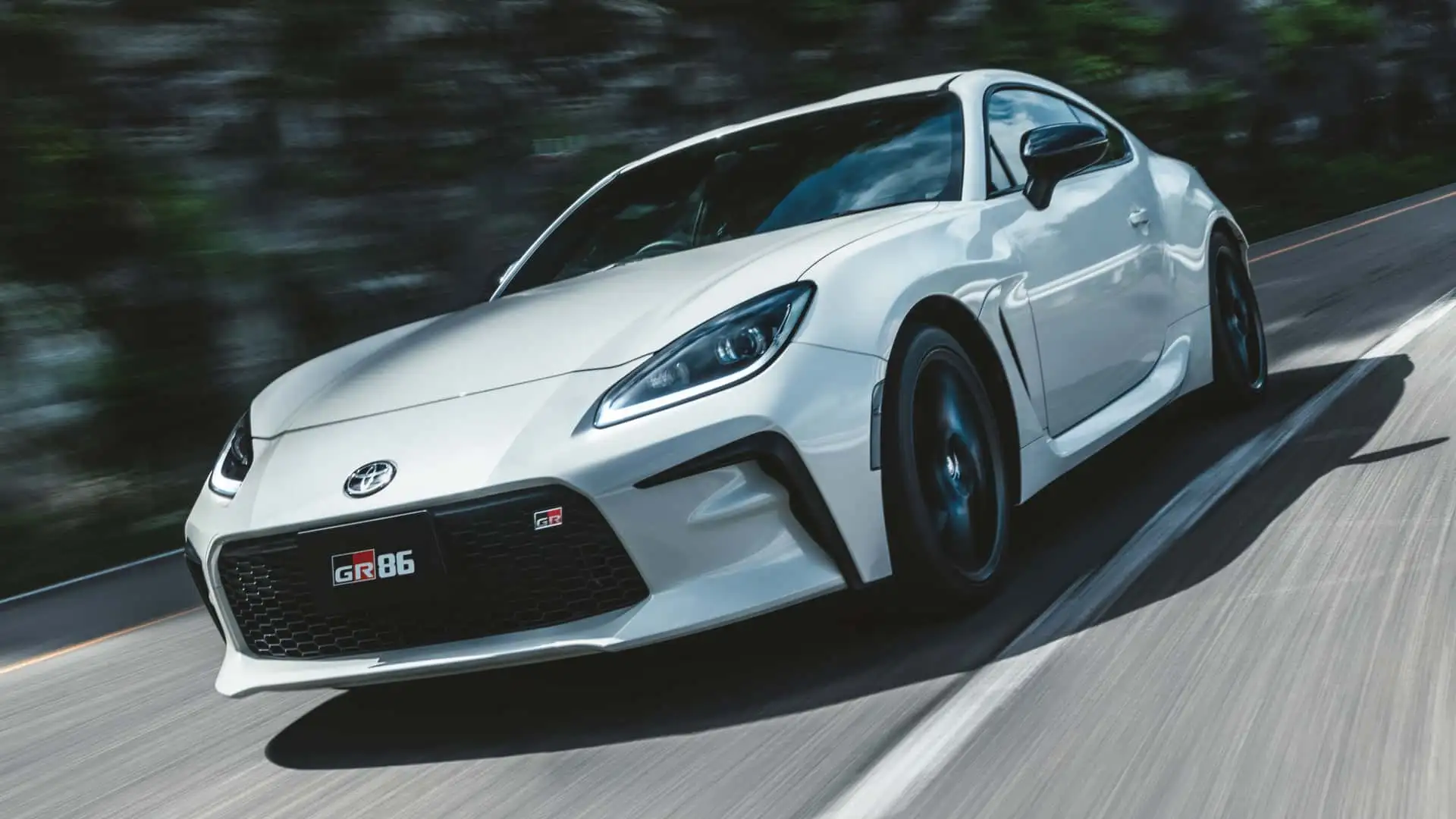
8. 2025 Toyota GR86: A True Driver’s Sports Car
The 2025 Toyota GR86 continues to uphold the brand’s reputation for delivering engaging, lightweight performance at an attainable price. Starting at $30,400, this rear-wheel-drive coupe is powered by a 2.4-liter flat-four engine that produces 228 horsepower and 184 lb-ft of torque.
Buyers can choose between a six-speed manual or a six-speed automatic transmission, both designed to deliver an engaging driving experience.
Co-developed with Subaru, the GR86 benefits from a well-balanced chassis and a low center of gravity. The flat-four engine delivers strong midrange torque compared to the previous generation, reducing the need to rev excessively to access power. The manual transmission provides crisp, satisfying shifts, while the automatic adds convenience with responsive paddle shifters and a dedicated Track mode.
The GR86’s greatest strength lies in its handling and driver feedback. The steering is communicative and precise, giving the driver an excellent sense of control through corners. When equipped with high-performance summer tires, the car offers impressive grip and stability. It feels poised and eager on winding roads, making it one of the most rewarding affordable sports cars available.
Acceleration is brisk for its class, with the manual version reaching 0 to 60 mph in 6.0 seconds, while the automatic requires 6.9 seconds. The braking performance is equally impressive, stopping from 60 mph in just 104 feet. The GR86’s lightweight construction and balanced chassis allow it to dance through corners with agility, though the stiff suspension can make rough pavement feel jarring during longer drives.
Inside, the GR86 focuses on the essentials. The seating position is low and supportive, offering excellent lateral grip for spirited driving. The manually adjustable sport seats feature improved bolstering and remain comfortable on shorter trips.
Despite its compact dimensions, taller drivers will find enough space in the front thanks to the thoughtful cabin layout. The dual-zone climate control maintains comfort, though road and tire noise are prominent, particularly at highway speeds.
Getting in and out can be a challenge due to the car’s low stance and long doors. The rear seats are small and best used for additional storage rather than passengers. The minimalist dashboard layout and small steering wheel keep the driver’s focus squarely on the road.
Technology in the GR86 is straightforward but effective. The touchscreen infotainment system supports Apple CarPlay and Android Auto and includes two quick-charging USB ports. The interface is simple to use, although screen graphics are modest. The audio system struggles to overcome cabin noise, leaving room for improvement.
Safety and convenience features include adaptive cruise control, lane departure warning, and well-tuned traction and stability control systems. The Track mode allows for a more dynamic experience by relaxing electronic intervention, giving drivers greater control on twisty roads or closed courses.
Practicality may not be the GR86’s focus, yet it offers a surprising amount of usability. The 6.3-cubic-foot trunk can hold a small amount of luggage, and folding the rear seats creates enough space for a set of spare tires, a nod to weekend track enthusiasts. Interior storage is minimal but functional, with cleverly placed cupholders and small bins for essentials.
Fuel economy is respectable for a sports coupe. The automatic version achieves 24 mpg combined, while the manual model manages 22 mpg combined. Real-world testing has shown slightly better results, with up to 28 mpg under mixed driving conditions.
At just over $30,000, the 2025 Toyota GR86 represents one of the best value propositions in the sports car segment. Its engaging handling, responsive powertrain, and driver-focused design create an experience that few competitors can match at this price point. The interior lacks premium materials, but the build quality feels solid and well-assembled.
Toyota backs the GR86 with a three-year/36,000-mile basic warranty and a five-year/50,000-mile powertrain warranty, plus two years of complimentary maintenance and three years of roadside assistance.
For enthusiasts seeking a pure, analog driving experience without sacrificing reliability or affordability, the GR86 stands out as one of the most rewarding sports cars you can buy today.
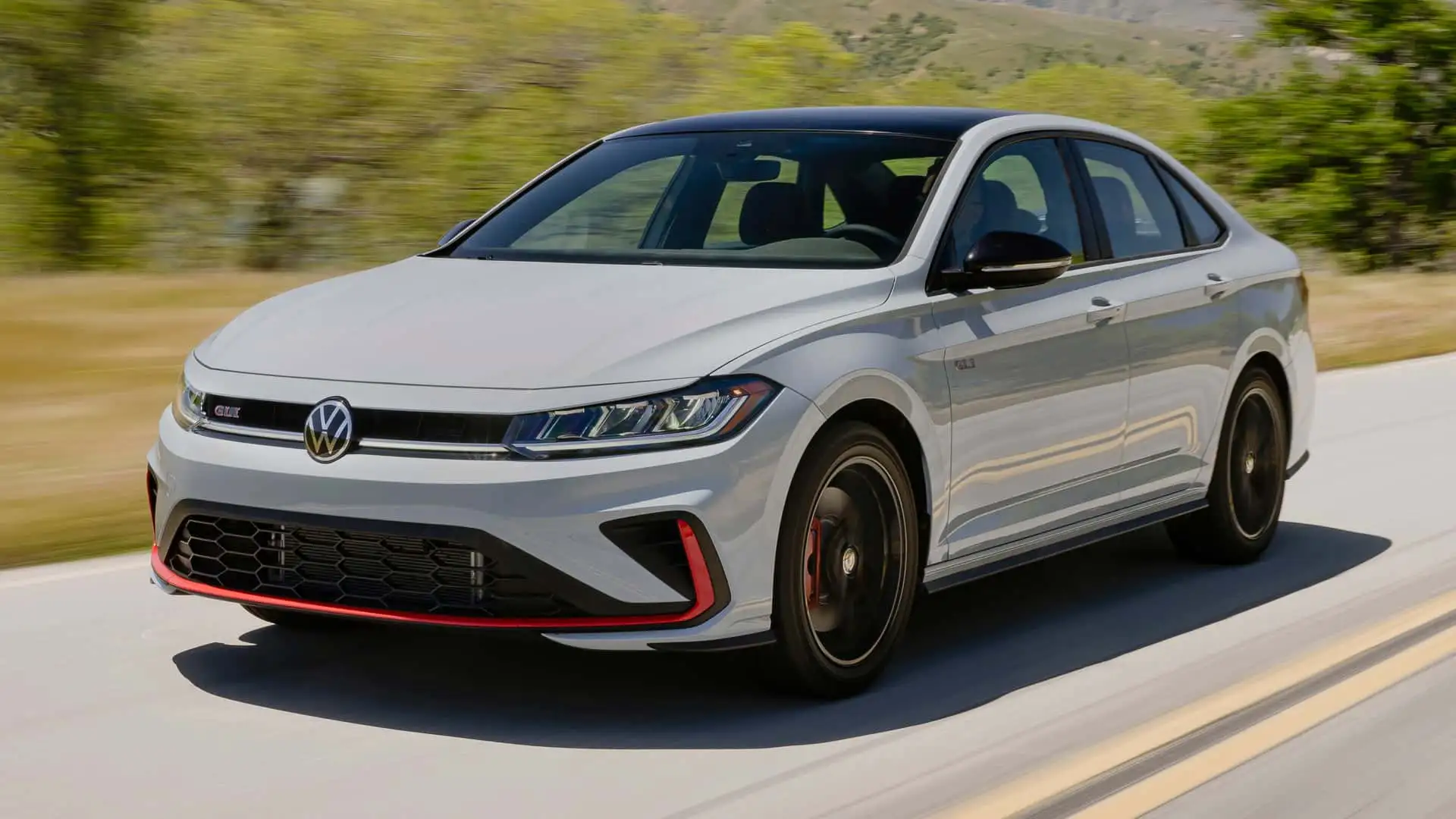
9. 2025 Volkswagen Jetta GLI: A Refined Balance of Performance and Practicality
The 2025 Volkswagen Jetta GLI blends daily usability with genuine driving excitement, offering a mature alternative to typical sport compacts. Starting at $32,715, it features a 2.0-liter turbocharged inline-four engine producing 228 horsepower and 258 lb-ft of torque, paired with either a six-speed manual or a seven-speed dual-clutch automatic transmission.
Power is sent to the front wheels via an electronic limited-slip differential, which enhances grip and cornering confidence.
The Jetta GLI delivers a smooth yet spirited driving experience. While it weighs more than the Hyundai Elantra N and lacks the aggression of the Subaru WRX, it remains engaging and composed.
The automatic transmission model accelerates from 0 to 60 mph in 7.1 seconds, with seamless turbo power delivery that feels responsive in daily traffic. The dual-clutch gearbox shifts quickly, though it can hesitate when downshifting for passing.
Steering is accurate and well-weighted, but feedback could be more communicative. The adaptive suspension effectively balances comfort and agility, minimizing body roll through corners. Braking is strong, though the pedal demands firmer pressure during spirited use.
Comfort is a standout feature of the Jetta GLI. The adaptive dampers let drivers switch between Comfort and Sport modes, providing either a supple or firm ride depending on preference. The front sport seats are supportive and well-cushioned, suitable for long drives without feeling restrictive.
Cabin noise is minimal, with only a soft exhaust tone and limited wind intrusion at highway speeds. Dual-zone climate control, heated and ventilated front seats, and intuitive physical controls add to the car’s daily convenience. The absence of rear air vents is a minor drawback for passengers.
Inside, the GLI feels spacious for a compact sedan. The upright dashboard, generous headroom, and clear sightlines contribute to a comfortable cabin. Material quality is solid, though some lower plastics hint at the Jetta’s economy-car roots.
The 8-inch touchscreen supports wireless Apple CarPlay, Android Auto, and wireless charging. The BeatsAudio premium sound system offers impressive clarity, while the digital gauge cluster provides a clean and modern interface without unnecessary clutter.
Practicality remains one of the GLI’s strengths, with 14.1 cubic feet of trunk space and foldable 60/40 rear seats for extra versatility. Cabin storage is useful, with deep door bins and a large center console. The GLI returns 29 mpg combined, and real-world testing shows it can reach 33 mpg, making it one of the most fuel-efficient sport sedans in its class.
The 2025 Volkswagen Jetta GLI offers a well-rounded package that combines performance, refinement, and practicality. It may not be the quickest in its segment, but its balance of comfort, quality, and efficiency makes it an ideal choice for enthusiasts who want a sporty sedan that remains enjoyable and livable every day.
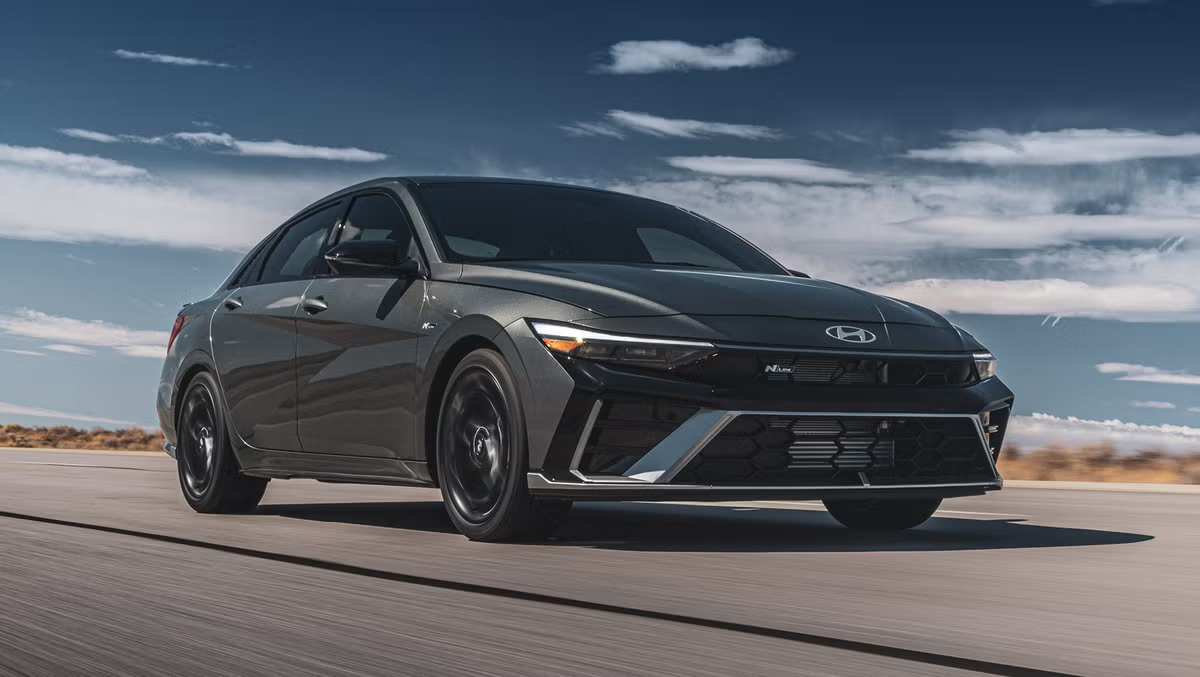
10. 2025 Hyundai Elantra N: A Serious Performance Bargain
The 2025 Hyundai Elantra N proves that true performance does not have to come with a premium price tag. Starting at $34,350, it combines daily usability with track-ready capability.
Under the hood is a 2.0-liter turbocharged inline-four engine that produces 276 horsepower and 289 lb-ft of torque, paired with either a six-speed manual or an eight-speed dual-clutch automatic transmission. Power goes to the front wheels, allowing the Elantra N to sprint from 0 to 60 mph in as little as 5.5 seconds with the automatic or 6.4 seconds with the manual.
The Elantra N delivers an engaging driving experience with precise steering and impressive grip. It is one of the most capable front-wheel-drive performance sedans available. The suspension tuning is firm but expertly balanced, keeping the car composed through corners while maintaining stability over uneven pavement.
The turbocharged engine pulls strongly through the rev range, offering quick acceleration and responsive power delivery. The manual transmission provides accurate shifts and a light clutch, while the dual-clutch automatic changes gears quickly for those who prefer convenience. Features such as active exhaust and track mode enhance the driving excitement.
While the suspension is tuned for performance, it still manages to provide a livable ride for everyday use. On rough roads, the ride can feel firm, but at highway speeds it smooths out.
The sport seats are supportive and comfortable, offering plenty of bolstering without feeling restrictive. Cabin noise from the road and tires is noticeable, but it contributes to the car’s energetic personality. The climate control system is efficient and straightforward to use, maintaining comfort in all conditions.
The interior blends functionality with subtle sportiness. The driver’s seat and steering wheel offer a wide range of adjustments, and visibility is better than expected for a sporty sedan.
Physical buttons for key controls make operation intuitive. The infotainment system supports Apple CarPlay, Android Auto, and built-in navigation. A suite of safety features, including lane keeping assist and blind-spot monitoring, is standard, though adaptive cruise control is not available.
With 14.2 cubic feet of trunk space, the Elantra N offers decent practicality, though a fixed rear chassis brace limits the pass-through area. Storage inside the cabin is adequate for daily items. The car returns up to 24 mpg combined, and real-world tests have shown better results during mixed driving.
Backed by Hyundai’s five-year/60,000-mile basic and 10-year/100,000-mile powertrain warranties, plus three years of free maintenance, the Elantra N stands out as one of the most compelling performance values available today.
Technology continues to reshape the automotive world, but these ten cars stand as proof that true enjoyment comes from simplicity. The models featured in “10 Cars That Offer Raw Fun Without Tech Overload” deliver excitement through their engineering, not their electronics.
Cars such as the Honda Civic Si, Toyota GR86, and Hyundai Elantra N offer thrilling performance without excessive gadgetry. Meanwhile, the Mini Cooper, Mazda3, and Ford Maverick provide everyday usability while keeping the driver engaged. Each of these vehicles values connection, control, and character over touchscreens and automated systems.
They appeal to drivers who want to feel every shift, curve, and acceleration rather than letting software take over. In an age of digital overload, these cars remind us that the essence of driving lies in simplicity, feedback, and fun. For enthusiasts, they represent a refreshing return to what driving was always meant to be.
Also Read: 10 Cars That Offer the Most Features for the Dollar