
When it comes to buying a car, people often face a difficult decision. A vehicle is a significant investment, and beyond its looks, performance, or features, one of the most critical aspects is how reliable it is. Reliability determines how much time a car spends on the road versus in the shop.
It affects the total cost of ownership, peace of mind, and even resale value. Some vehicles are built to run for hundreds of thousands of miles with minimal issues, while others seem to come with a list of problems that start as soon as the warranty expires.
Choosing a car that holds up well over time can save a lot of money and frustration. On the other hand, owning a car prone to issues can mean endless visits to mechanics, expensive repairs, and even safety concerns.
Automakers often advertise reliability, but not every brand lives up to that promise. While some models build a legendary reputation for lasting far beyond expectations, others quietly fade under the weight of frequent failures.
Many consumers look at long-term ownership experiences, mechanic reports, and user feedback to figure out which models actually deliver on the promise of durability.
Brands like Toyota and Honda have long been associated with reliability, but it is not just about the brand. Specific models often stand out due to how they are engineered, the quality of materials used, and how consistently they are manufactured.
Similarly, some cars from reputable brands end up being surprisingly problematic due to design flaws, rushed development, or unreliable components.
This article focuses on ten cars: five that are widely recognized for being dependable, and five that are infamous for their ongoing problems. These selections are based on long-term owner experiences, service records, and known issues over time.
Each vehicle discussed has earned its reputation, for better or worse. Whether you’re a new car buyer or simply curious about what models to trust or avoid, this comparison offers a helpful look into what the automotive world has to offer when it comes to reliability.
5 Cars Known for Bulletproof Reliability
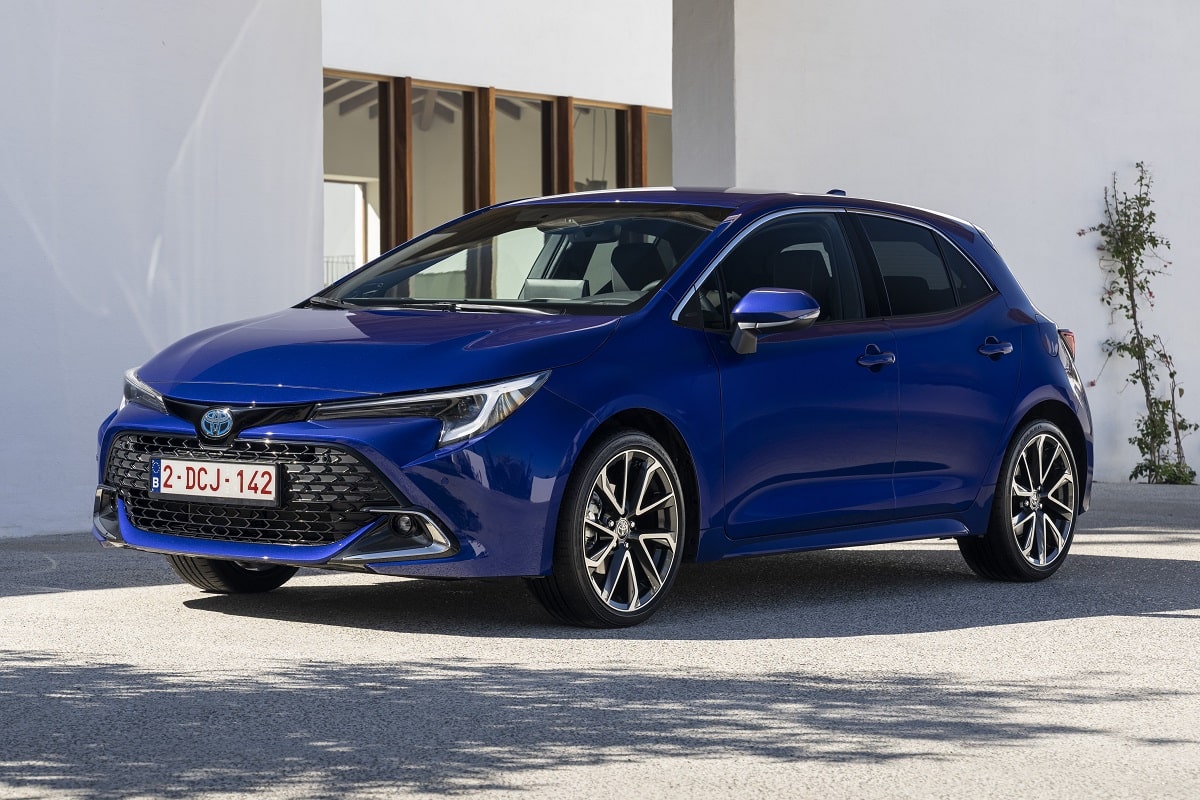
1. Toyota Corolla
The Toyota Corolla has established itself as one of the most reliable cars on the planet through a consistent record of durability and low maintenance costs. Since its introduction in the 1960s, the Corolla has become synonymous with long-lasting performance.
Unlike many cars that aim to impress with flashiness or cutting-edge technology, the Corolla sticks to what it knows best: delivering a solid, no-nonsense driving experience with minimal fuss. Its simple yet effective engineering means that the components tend to be robust and less prone to unexpected failures.
For decades, the Corolla has been a favorite for drivers who prioritize consistency, often surpassing the 200,000-mile mark with nothing more than regular oil changes, tire rotations, and brake servicing. This reputation is backed by the widespread availability of replacement parts and a huge network of knowledgeable mechanics, making repairs affordable and straightforward.
What makes the Corolla especially remarkable is Toyota’s cautious approach to innovation in this model. Instead of experimenting with untested technology, Toyota relies on proven mechanical designs that have stood the test of time. This means the engine, transmission, and suspension systems are well-understood and have undergone extensive refinement.
The Corolla’s powertrains are known for their reliability, with many models featuring simple, naturally aspirated four-cylinder engines that are both fuel-efficient and durable.
The focus on reliability over flashy features also means fewer electronic components that might malfunction, contributing to lower repair costs and less downtime.
Toyota’s manufacturing process plays a crucial role in the Corolla’s enduring reputation. The company’s quality control standards are rigorous, and this car benefits from meticulous assembly procedures that reduce defects and ensure uniform quality.
Toyota’s investment in lean manufacturing techniques and consistent supplier quality helps maintain the high standards that have become a hallmark of the brand. Additionally, Toyota’s continuous improvement philosophy means that even minor issues found in earlier models are quickly addressed in later versions.
This dedication to refining the vehicle over successive generations has created a car that not only lasts but also performs reliably in a wide range of climates and driving conditions around the world.
Financially, the Toyota Corolla is an excellent investment for budget-conscious buyers. It has one of the lowest total costs of ownership in its class, largely due to its reliable mechanical systems and affordable parts. It also holds its resale value well because prospective buyers know that they are getting a vehicle that will not require expensive repairs anytime soon.
While it may not offer the excitement of sportier cars or the luxury of high-end vehicles, the Corolla delivers what matters most to millions of people: a dependable, cost-effective, and long-lasting mode of transportation.
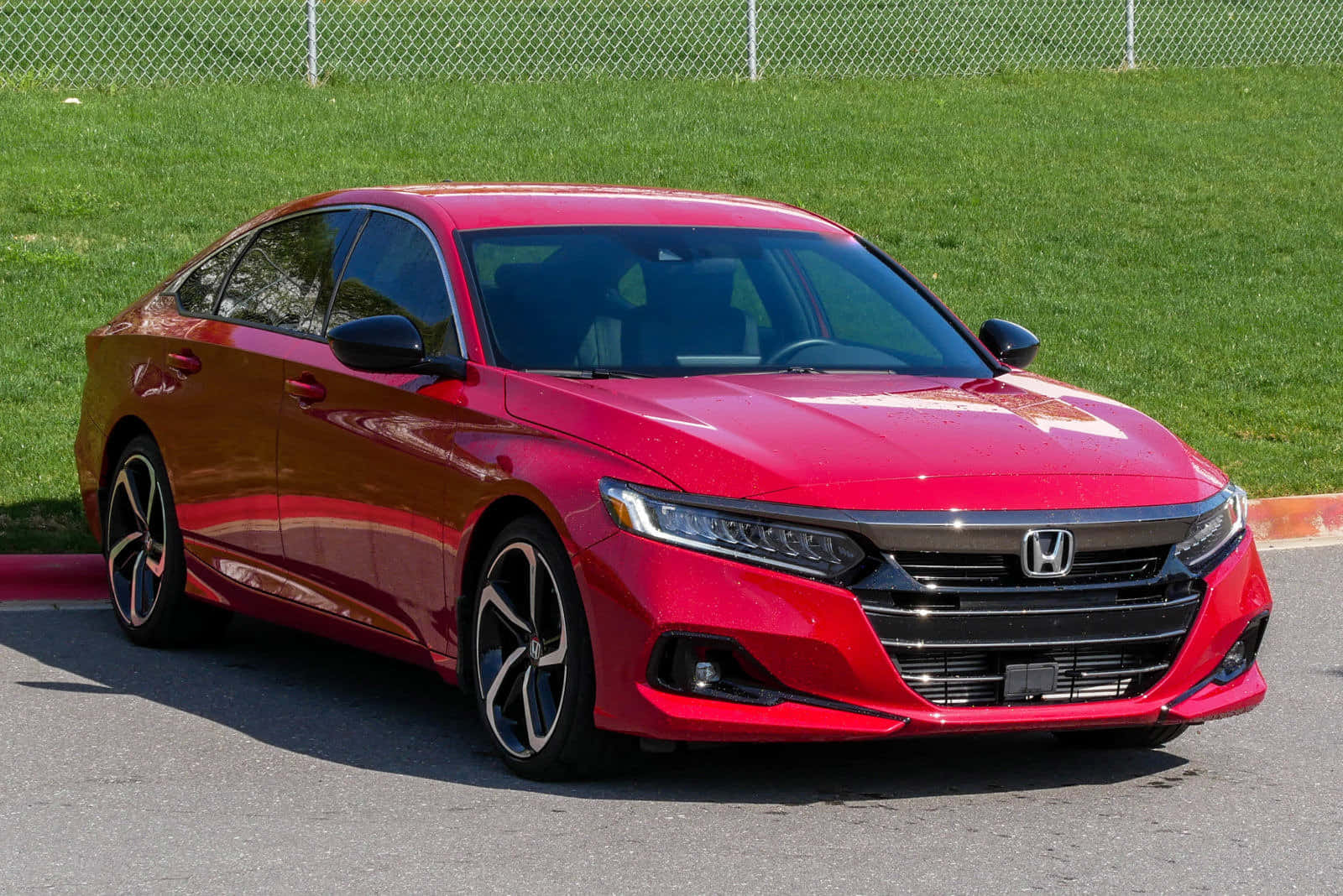
2. Honda Accord
The Honda Accord is widely regarded as one of the most reliable midsize sedans available, blending dependable mechanics with everyday usability and comfort. It has been a staple in many households for years because it offers an excellent balance between quality, performance, and longevity.
One of the reasons for its bulletproof reliability is Honda’s reputation for building engines that are both efficient and robust. Whether equipped with a four-cylinder or a V6 engine, the Accord’s powertrains have been carefully engineered to withstand high mileage with minimal problems.
Many owners report surpassing 200,000 miles with only standard maintenance, such as oil changes and spark plug replacements. The car’s reliability extends beyond just the engine; its transmissions, brakes, and suspension components are equally well-built and designed to last for the long haul.
In terms of driving experience, the Accord provides a comfortable ride without compromising on handling or responsiveness. It strikes a solid middle ground that appeals to drivers who want a practical vehicle but also want to enjoy their daily commute.
This combination of comfort and reliability has helped the Accord maintain strong sales and a loyal customer base over many years. Another significant factor in its dependability is Honda’s ability to avoid complicated, fragile systems in this model.
The company focuses on durability and simplicity, which translates into fewer parts that could potentially fail. The car’s electrical systems, for example, are generally straightforward, reducing the chances of unexpected malfunctions that plague some competitors.
The ease of serviceability is another reason the Accord is so highly regarded. Due to its popularity, there is an abundance of mechanics familiar with its construction, and replacement parts are both affordable and widely available. This not only makes routine maintenance hassle-free but also keeps repair costs down when problems do arise.
Additionally, Honda has a reputation for providing detailed maintenance schedules and clear guidance for owners, which encourages proper upkeep. The community of Accord owners also contributes to the car’s longevity, with many sharing tips and DIY repair advice. This ecosystem around the vehicle helps maintain its condition well beyond its warranty period.
When looking at the midsize sedan segment, the Honda Accord stands out not just for reliability but for delivering consistent quality across multiple generations. It is a car that fits well into many lifestyles, from young professionals to families, thanks to its blend of space, safety, and mechanical sturdiness. The Accord’s long history of dependable service makes it a reliable choice for anyone seeking a vehicle that can provide peace of mind and excellent value throughout its lifespan.
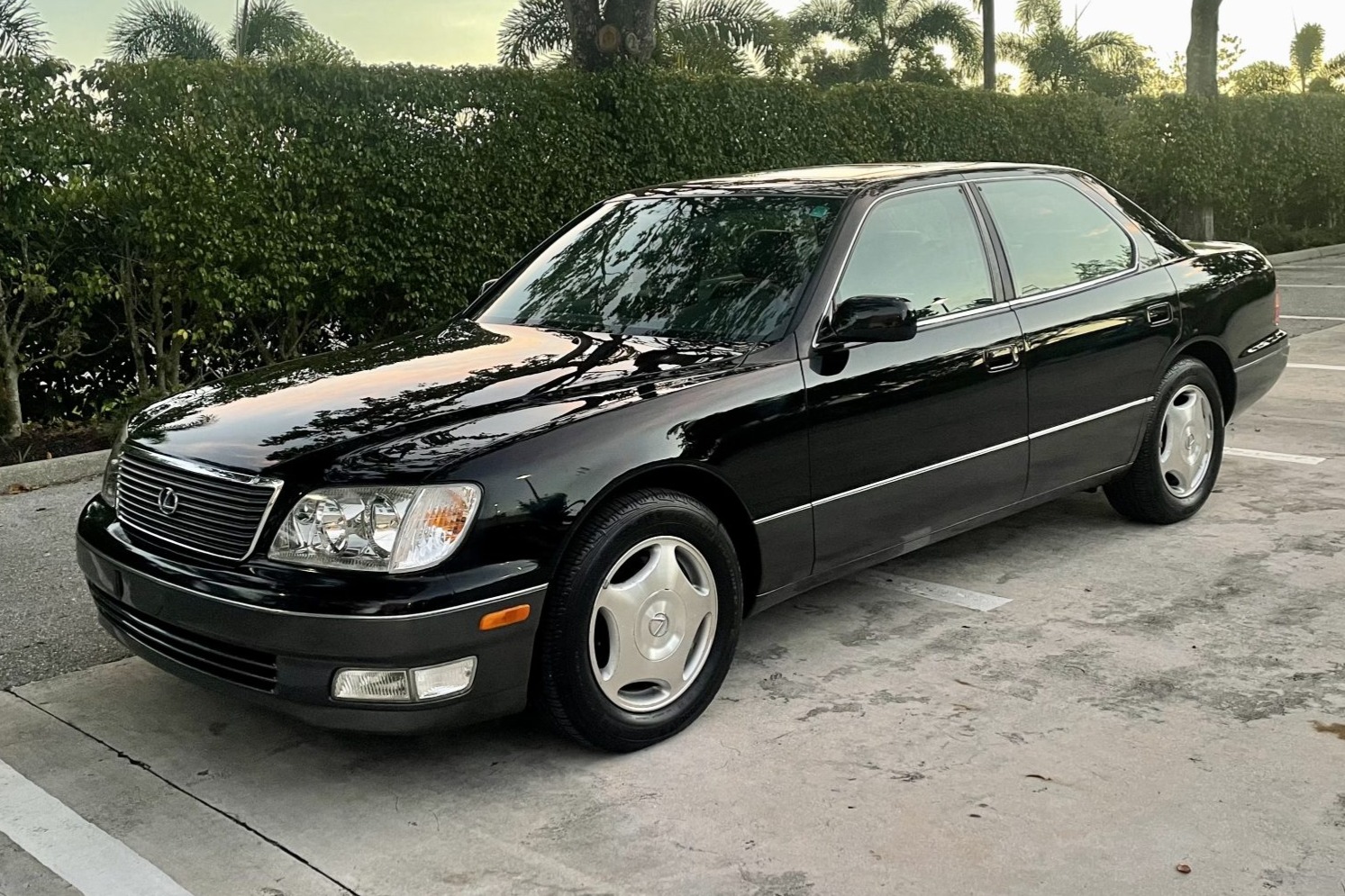
3. Lexus LS400
The Lexus LS400 holds a special place in automotive history as a luxury sedan that redefined the expectations for Japanese cars in the late 20th century. When Lexus was launched by Toyota in 1989, the LS400 was its flagship, offering a blend of luxury, refinement, and durability rarely seen in vehicles of its time.
What set the LS400 apart was its outstanding build quality and engineering excellence, which resulted in a vehicle capable of lasting hundreds of thousands of miles with minimal issues. Many LS400s still on the road today prove that it was over-engineered to a level that few cars can match, making it a benchmark for reliability in the luxury car segment.
The LS400’s 4.0-liter V8 engine was a masterpiece of smooth power delivery and endurance. Unlike some high-performance engines that sacrifice reliability for power, the LS400’s engine was designed to operate effortlessly for long periods. It featured a cast-iron block and an aluminum head, along with high-quality internal components that resisted wear and tear.
Paired with a robust automatic transmission, this powertrain allowed owners to enjoy a refined driving experience while having confidence that major repairs would be rare. The emphasis on smooth operation also extended to the car’s suspension and braking systems, which were carefully tuned for longevity and comfort rather than aggressive performance.
The interior of the LS400 was another area where quality and durability came together. Luxurious materials like supple leather and wood trim were chosen not just for aesthetics but also for their ability to age well. Even decades later, many LS400 cabins remain in remarkably good condition, with seats that have retained their shape and electronics that continue to function reliably.
The vehicle’s design also incorporated sound insulation and vibration-damping techniques that contributed to a quiet and comfortable ride. This attention to detail helped cement the LS400’s reputation as a luxury sedan that owners could trust for everyday use, not just special occasions.
Although the LS400 is no longer produced, its legacy has influenced both Lexus and other automakers. It demonstrated that a car could combine luxury and durability without compromise. The LS400 remains a sought-after vehicle among enthusiasts and those seeking a dependable luxury car on the used market.
Its reputation for bulletproof reliability is backed by decades of owner experiences and a track record of minimal mechanical failures. For anyone looking for a vehicle that represents the pinnacle of long-lasting quality in its class, the LS400 remains an iconic example.
4. Toyota Land Cruiser
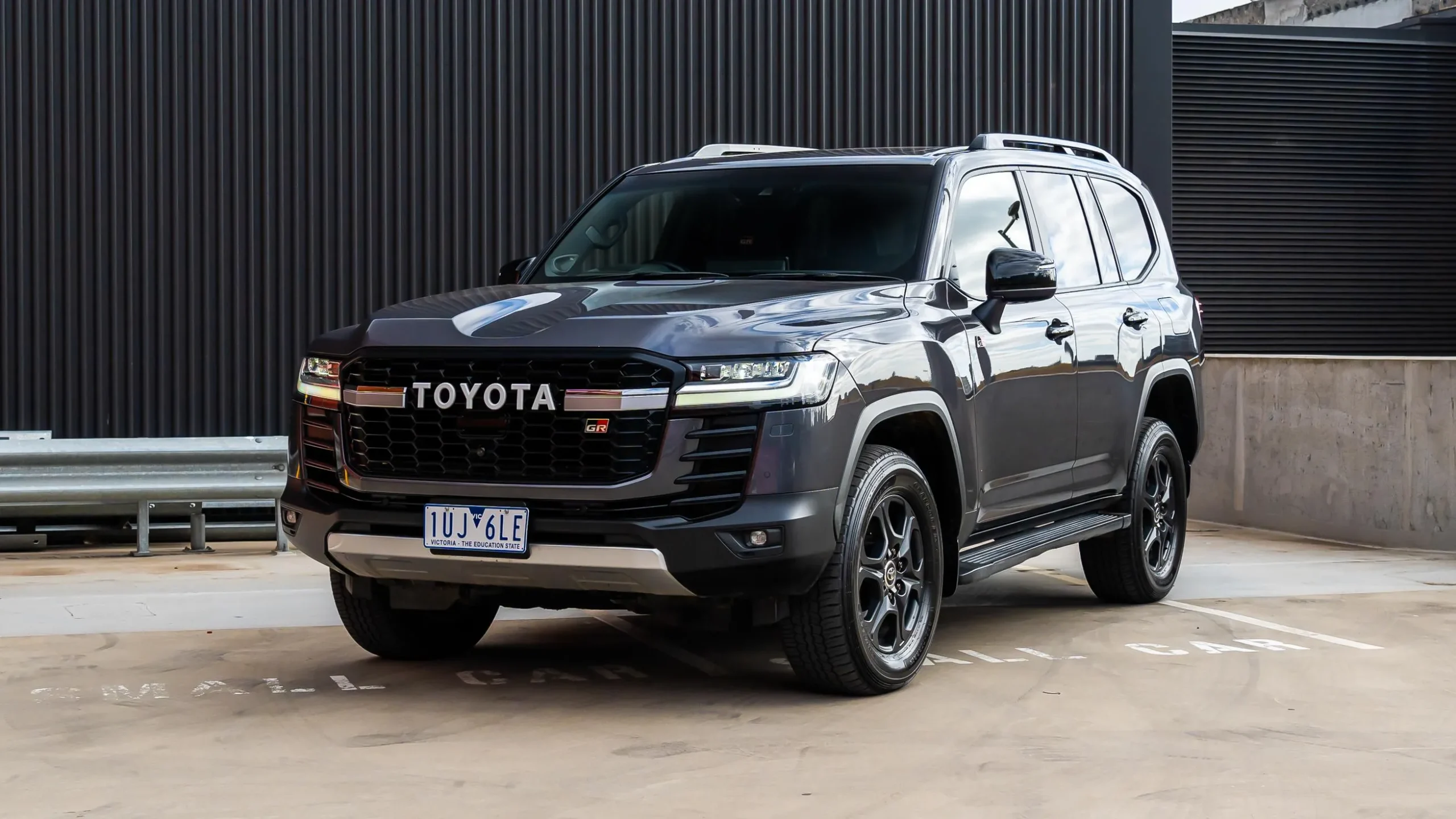
The Toyota Land Cruiser is synonymous with rugged durability and the ability to conquer some of the harshest terrains in the world. It is one of the few vehicles that has consistently proven its reliability over decades, often under extreme conditions where other vehicles would fail.
Originally designed as a military and utility vehicle, the Land Cruiser evolved into a luxury SUV while retaining its legendary toughness. It has earned a reputation not just for being reliable in normal driving but also for being virtually indestructible in remote locations where mechanical failure could be catastrophic. Owners frequently report Land Cruisers lasting well beyond 300,000 miles with original drivetrains intact.
The engineering behind the Land Cruiser prioritizes strength and simplicity. Its engines are typically large, naturally aspirated units designed to provide steady torque without pushing components to their limits. The transmissions, differentials, and transfer cases are built with heavy-duty materials to withstand off-road abuse and prolonged use.
The suspension system, while capable of providing comfort, is also designed to endure rough trails, rocks, and deep ruts without sustaining damage. This combination of rugged mechanical parts and careful engineering means that the Land Cruiser often requires only routine maintenance, such as oil changes and brake servicing, even after years of tough use.
Another critical factor in the Land Cruiser’s reliability is its global presence. It is sold in many markets worldwide, which means there is a vast network of parts and service centers able to support it. This accessibility allows owners to perform repairs and maintenance even in remote or less developed areas, reducing downtime significantly.
Many Land Cruiser owners also develop mechanical skills to handle minor issues themselves, thanks to the vehicle’s relatively straightforward layout. This self-sufficiency is an important part of the Land Cruiser’s appeal for adventurers and professionals who cannot rely on quick dealer support.
While the Land Cruiser may carry a premium price tag compared to other SUVs, the investment is justified by its long lifespan and minimal downtime. It is a vehicle that transcends the typical ownership experience, often becoming a trusted partner on demanding journeys that require utmost dependability.
Whether used for family transportation or exploring rugged wilderness, the Land Cruiser’s reputation for bulletproof reliability remains unmatched. It is more than just a car; it is a symbol of durability and steadfastness in the automotive world.
5. Mazda MX-5 Miata
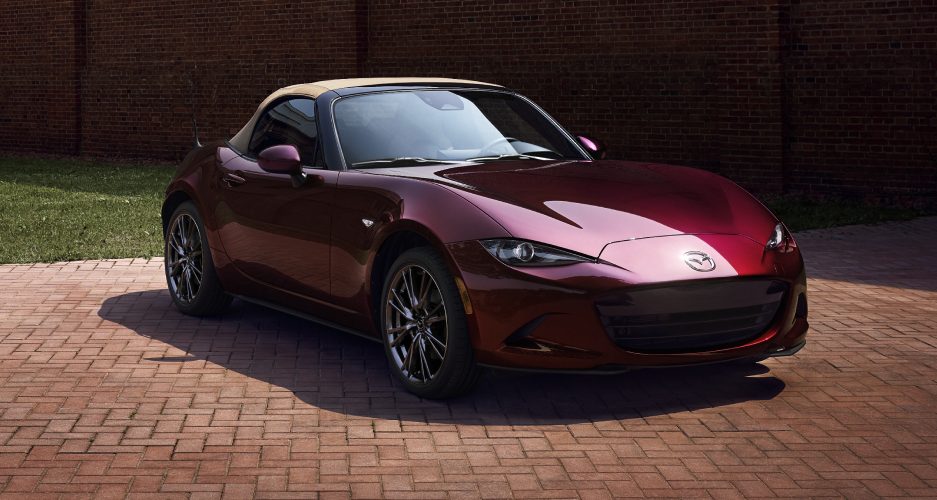
The Mazda MX-5 Miata is often celebrated for its lightweight design and engaging driving dynamics, but it also deserves recognition for its outstanding reliability. Unlike many sports cars, which can be complex and temperamental, the Miata’s mechanical simplicity is one of its greatest strengths.
With a focus on naturally aspirated engines, rear-wheel drive, and a manual transmission option, the MX-5 avoids the pitfalls of excessive electronics and forced induction systems that often lead to reliability issues in performance cars. This focus on mechanical purity helps the Miata maintain a reputation for minimal breakdowns and straightforward maintenance.
The Miata’s engineering emphasizes balance and efficiency rather than pushing components to their limits. Its four-cylinder engines are known for their durability and ease of repair, often lasting well beyond 150,000 miles without major service.
The car’s chassis and suspension are robust enough to handle spirited driving, yet they do not suffer from premature wear or costly repairs if maintained properly. Furthermore, the Miata’s compact size and simplicity make it easier to diagnose problems early and keep repair costs low. This combination of features has earned it a loyal fan base that values reliability as much as driving enjoyment.
Mazda has maintained the Miata’s fundamental design philosophy across multiple generations, making incremental improvements rather than wholesale changes. This consistency allows owners to benefit from a proven platform while enjoying modern refinements in safety and comfort.
The aftermarket support for the Miata is extensive, with many enthusiasts performing their own maintenance and upgrades thanks to the car’s accessible engine bay and straightforward mechanical layout. This vibrant community further enhances the Miata’s reputation for dependability and ease of ownership.
Despite being a sports car, the MX-5 Miata appeals to drivers seeking a reliable daily driver that can also provide a spirited driving experience. Its low weight, responsive handling, and strong build quality mean it continues to be a rare example of a fun car that doesn’t sacrifice reliability.
Whether it’s used as a weekend toy or a year-round commuter, the Miata has proven time and again that it can handle the demands of everyday life with minimal fuss. This blend of joy and dependability makes it one of the most respected vehicles in its category.
5 Cars Known for Frequent Breakdowns
1. Fiat 500 (First Generation)
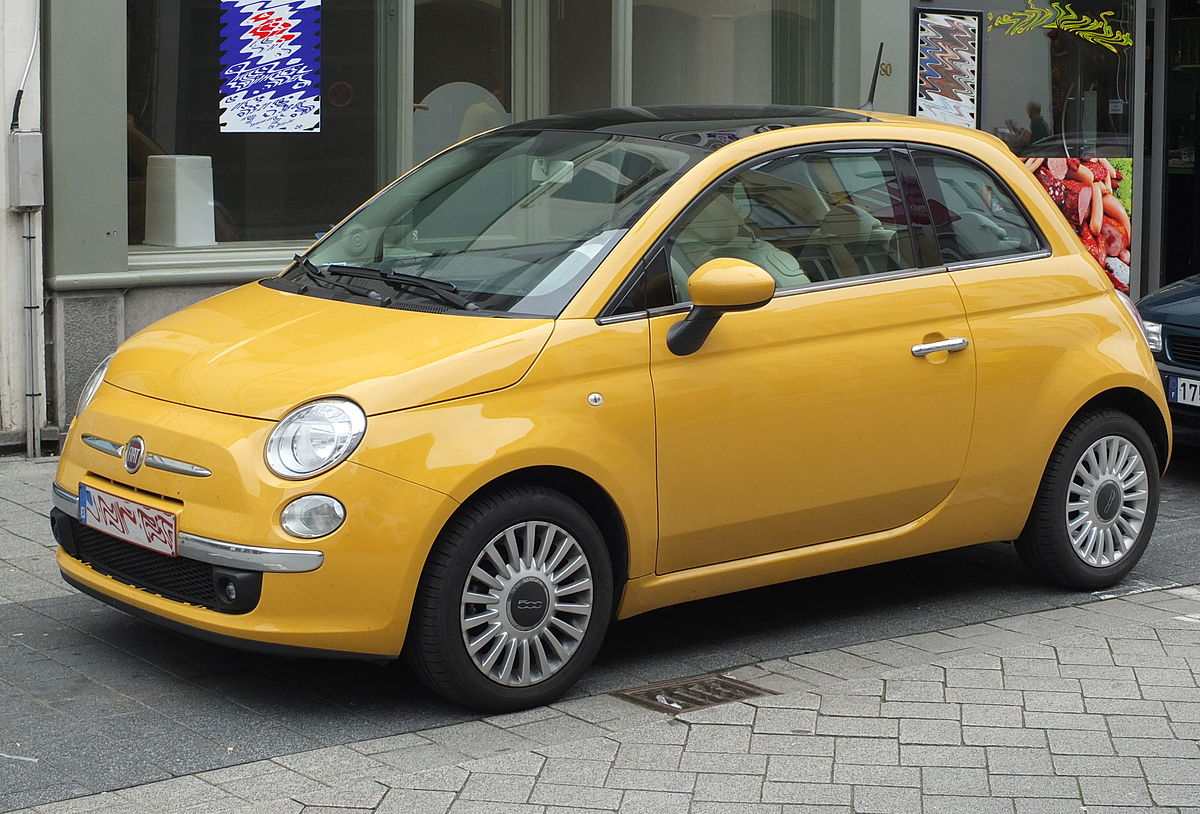
The first-generation Fiat 500, while charming and compact, is often criticized for its lack of reliability. The car’s small size and retro design made it popular in city environments, but its mechanical systems frequently struggled to keep up with daily demands.
Owners reported a range of issues, including electrical malfunctions, engine troubles, and transmission failures. The tiny 1.4-liter engines, while economical, were prone to overheating and head gasket failures if not carefully maintained. Additionally, the limited space under the hood made repairs difficult and often expensive, discouraging some owners from keeping up with necessary maintenance.
Electronics in the Fiat 500 were another common source of trouble. Sensors, wiring harnesses, and the onboard computer systems tended to fail prematurely, causing unpredictable engine behavior and even sudden stalls. These electrical problems often required specialized diagnostic tools and expertise, which were not always readily available at local repair shops.
This meant that even minor faults could result in costly trips to the dealer or specialty mechanics. For a vehicle marketed as a fun and practical city car, the Fiat 500’s frequent breakdowns undermined its appeal and left many owners frustrated.
The transmission systems, especially the automated manual transmissions (also called Dualogic), were notorious for reliability issues. Drivers frequently reported jerky gear changes, failure to engage gears properly, or complete transmission breakdowns.
These problems were exacerbated by the car’s compact design, which left little room for heat dissipation and contributed to mechanical stress on the transmission components. Despite several software updates and recalls over the years, these issues persisted for many owners, impacting the ownership experience and reliability ratings.
The first-generation Fiat 500 struggled with the basics of mechanical reliability. While it offered an attractive design and nimble handling, its tendency for frequent breakdowns meant that owners often faced unplanned repairs and downtime.
This inconsistent reliability made it a difficult choice for those seeking a dependable daily driver, and many prospective buyers opted for more proven alternatives. Fiat has made strides in improving reliability in later models, but the early 500 remains a cautionary example in the brand’s history.
2. Jeep Cherokee (2014-2018)
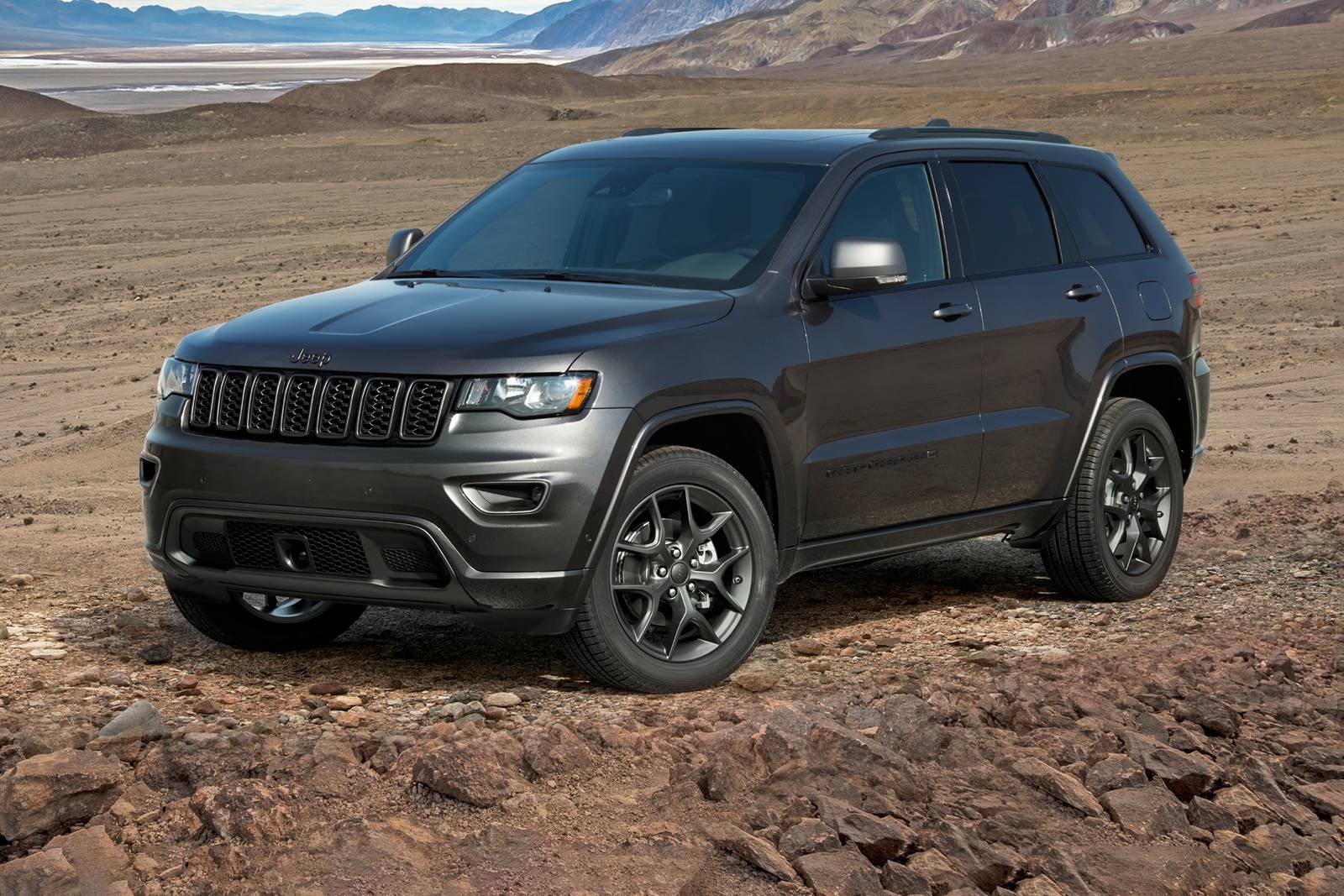
The Jeep Cherokee models produced between 2014 and 2018 gained a reputation for being prone to numerous mechanical and electronic failures. Despite the brand’s rugged off-road image, these models were plagued by issues that often made them unreliable in everyday driving.
Owners frequently reported transmission problems, especially with the nine-speed automatic transmission introduced in this generation. Complaints ranged from rough shifting and hesitation to complete transmission failure, often at relatively low mileage. Such failures resulted in costly repairs and frequent visits to dealerships for extended warranty repairs or software updates that did not always resolve the problems.
In addition to transmission troubles, the 2014-2018 Cherokee was also notorious for electrical system glitches. These included problems with the infotainment system, faulty sensors, and malfunctioning dashboard lights.
The electronics were integrated tightly with the vehicle’s engine management and safety systems, so electrical faults sometimes led to reduced engine power or triggered the check engine light for vague reasons. Some owners also experienced random stalling or loss of power, which could create dangerous driving conditions. These recurring issues led to numerous customer complaints and affected the vehicle’s safety ratings.
The build quality of this generation Cherokee also came under scrutiny. Reports of water leaks, rattling noises, and premature wear of interior components were common. These quality control problems undermined confidence in the vehicle’s long-term durability.
Mechanically, aside from the transmission, the engine itself, a 2.4-liter four-cylinder or optional 3.2-liter V6, generally performed well but was often overshadowed by the vehicle’s other persistent problems. The combination of mechanical and electrical woes meant that the Cherokee required frequent repairs, which significantly raised ownership costs and lowered resale values.
Despite its capable off-road heritage, the 2014-2018 Jeep Cherokee models failed to meet reliability expectations. Many owners expressed frustration over the amount of time their vehicles spent in repair shops and the repeated need for software patches and part replacements.
This affected Jeep’s reputation among consumers seeking a dependable SUV. While later models and different Jeep variants have improved in reliability, this particular generation remains one of the more problematic entries in Jeep’s lineup.
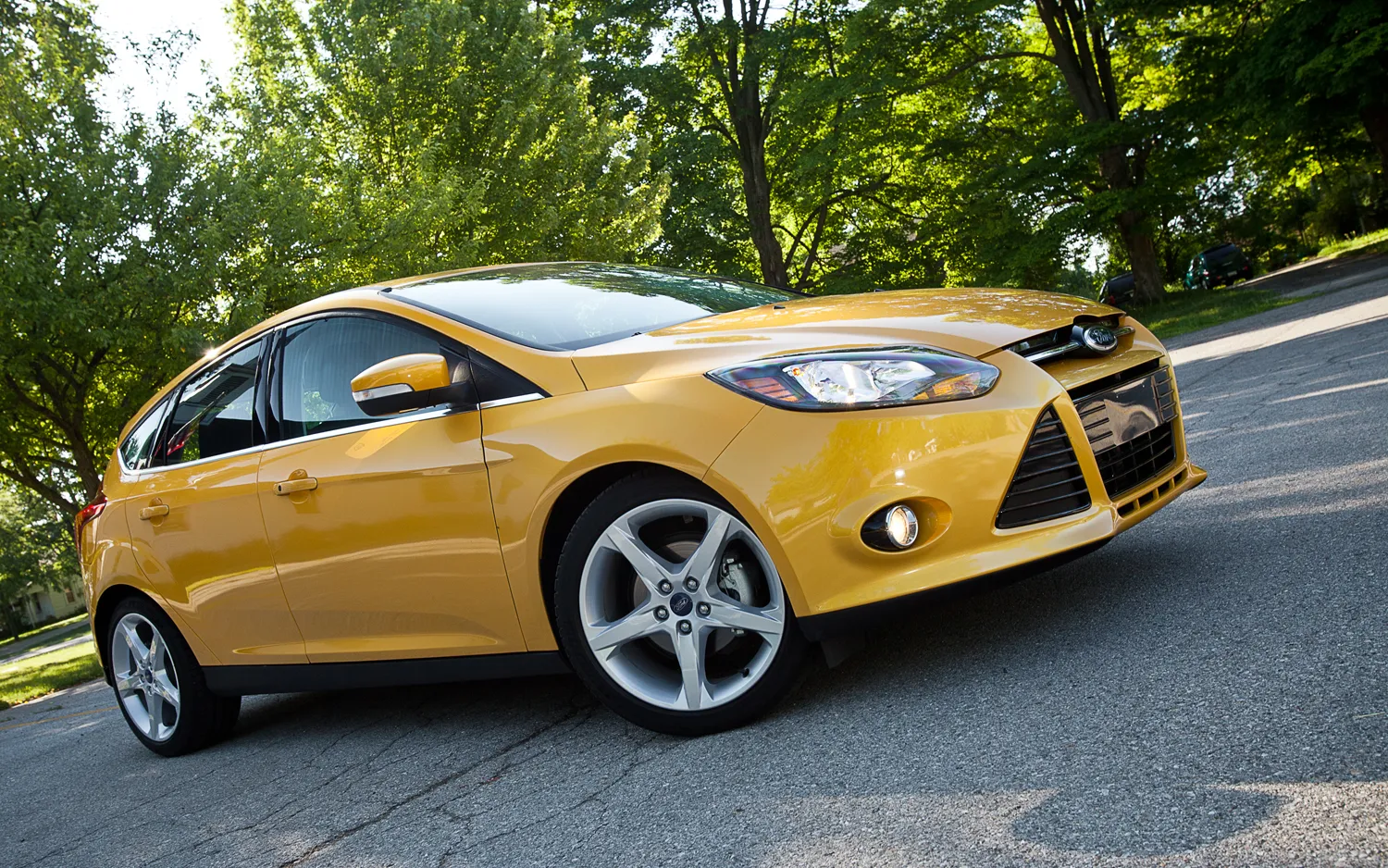
3. Ford Focus (2012-2018)
The Ford Focus, especially models produced between 2012 and 2018, faced widespread criticism for mechanical and electrical issues that impacted its reliability. One of the most common complaints involved the dual-clutch automatic transmission known as the PowerShift.
This transmission was supposed to provide a sporty and efficient driving experience but ended up being a major source of headaches. Owners reported jerky shifts, hesitation, and even complete transmission failure. These problems were so widespread that Ford faced multiple lawsuits and had to offer extended warranties and buyback programs in some cases.
The PowerShift system’s clutch packs and mechatronics units were prone to premature wear and required expensive repairs or replacements.
Beyond the transmission, the Focus also experienced engine issues, including oil leaks and premature timing chain wear. Some models developed rough idling or reduced performance over time, often linked to faulty sensors or engine control modules.
Electrical problems were also common, ranging from malfunctioning power windows to issues with the vehicle’s computer systems. These faults could trigger warning lights and reduce the vehicle’s drivability, leading to costly diagnostic work and repairs.
Interior quality in the Ford Focus was often criticized for feeling cheap and wearing prematurely. Many owners reported problems with door handles breaking, dashboard rattles, and other nuisances that detracted from the ownership experience.
These cosmetic issues, while not directly affecting drivability, contributed to the perception of the Focus as a car that was less well-built than its competitors. Additionally, the car’s complex electronics and transmission software required frequent updates and recalls, inconveniencing many owners.
While the Focus offered appealing styling and good fuel economy, its reliability problems overshadowed these strengths for many buyers. The PowerShift transmission, in particular, remains one of the most notorious examples of modern automotive reliability issues.
Ford has since moved away from this system in newer models, but the 2012-2018 Focus years remain a cautionary tale. Buyers looking for used versions of these cars are often advised to proceed with caution and be prepared for potential maintenance expenses.
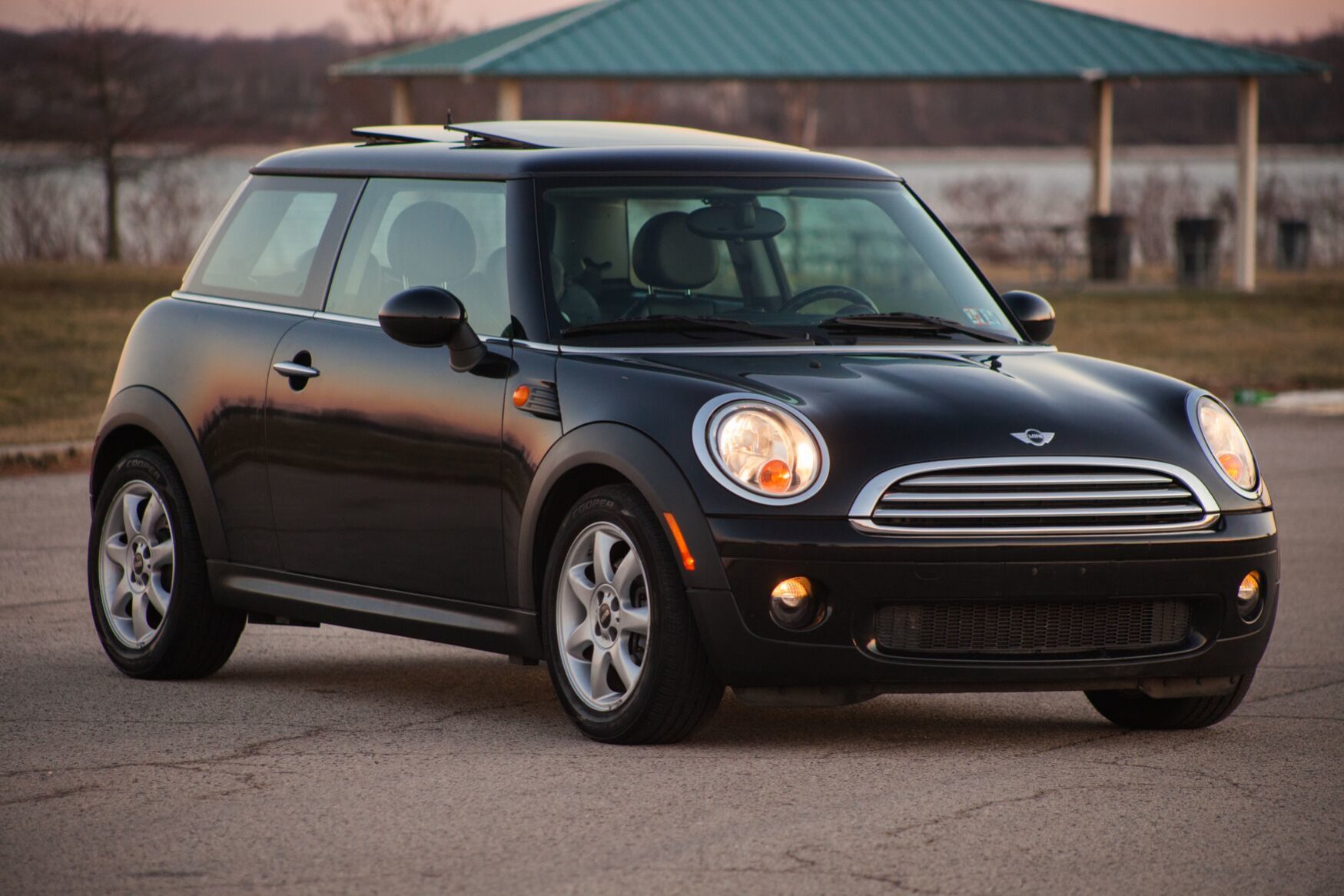
4. Mini Cooper (2007-2013)
Mini Cooper models produced between 2007 and 2013 are often cited for their charming design and sporty handling, but also for a range of reliability issues that have frustrated owners. The car’s small size and distinctive styling made it popular in urban environments, but underneath the surface, mechanical problems were common.
Many of these models suffered from electrical gremlins, including failing sensors, malfunctioning instrument clusters, and problematic wiring harnesses. These electrical issues could lead to intermittent stalling or poor engine performance and often required specialized diagnostic tools to properly identify and fix.
The engine in the Mini Cooper also faced its share of reliability challenges. The supercharged 1.6-liter four-cylinder engine, available in some trims, was prone to timing chain failures and oil leaks, which could cause significant engine damage if not addressed promptly.
Naturally aspirated engines fared better but were still susceptible to cooling system problems and water pump failures. These mechanical issues often resulted in unexpected breakdowns and high repair bills, which detracted from the Mini’s otherwise fun driving experience.
Transmission issues were also reported, especially with the automatic versions of the Mini Cooper. Owners described rough shifting, hesitation, and, in some cases, transmission failure at relatively low mileage.
Given the car’s premium price, these issues were particularly disappointing for buyers who expected a more refined ownership experience. The repairs could be expensive due to the car’s European origins and the complexity of its engineering.
Despite its distinctive style and nimble handling, the Mini Cooper’s reliability record during these years has been spotty at best. Owners who prioritized long-term durability often found themselves facing frequent repairs and service visits. The combination of electrical and mechanical problems has made this generation of Minis a risky proposition for buyers seeking dependable transportation. Later models have addressed some of these concerns, but the 2007-2013 era remains a weak spot in Mini’s history.
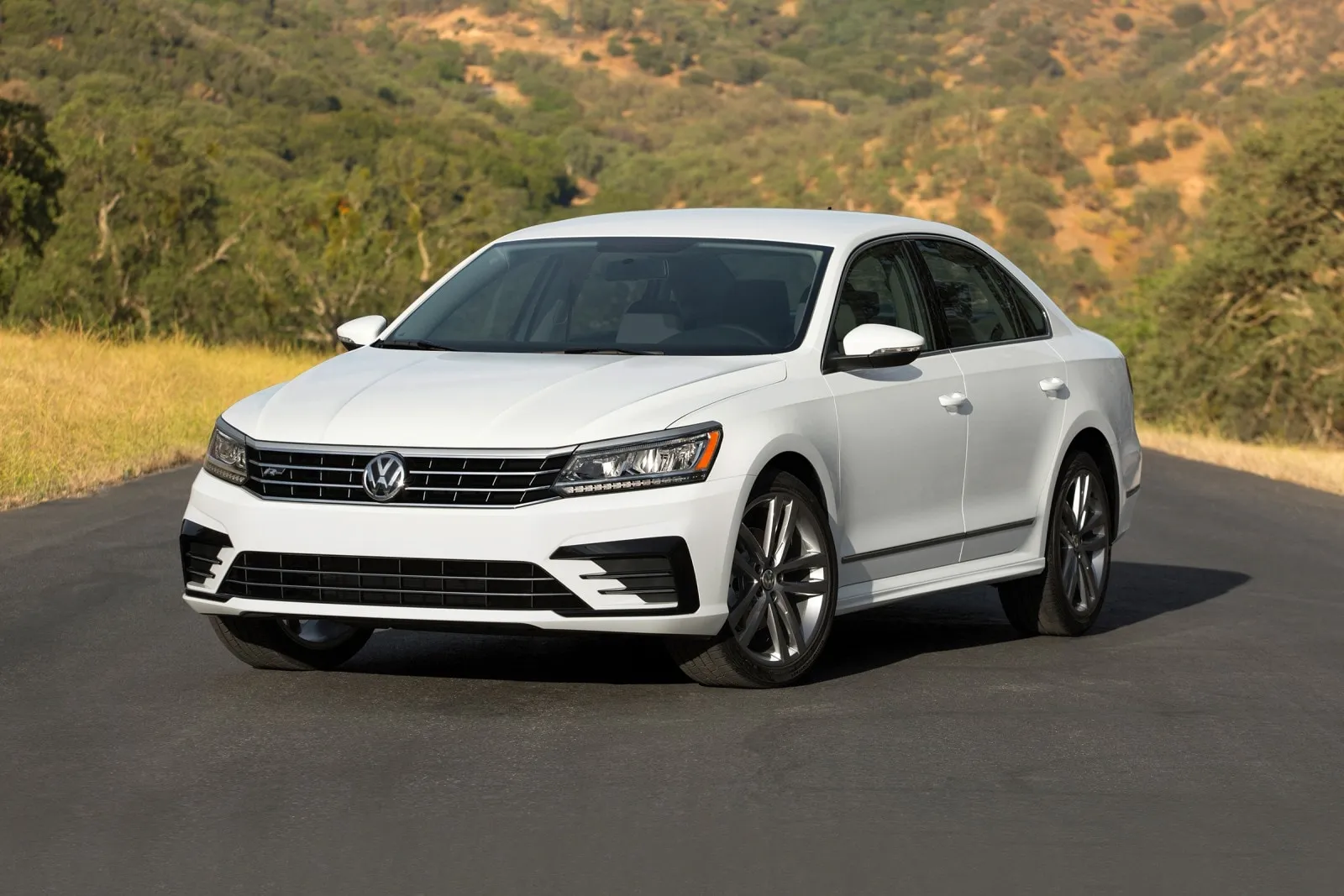
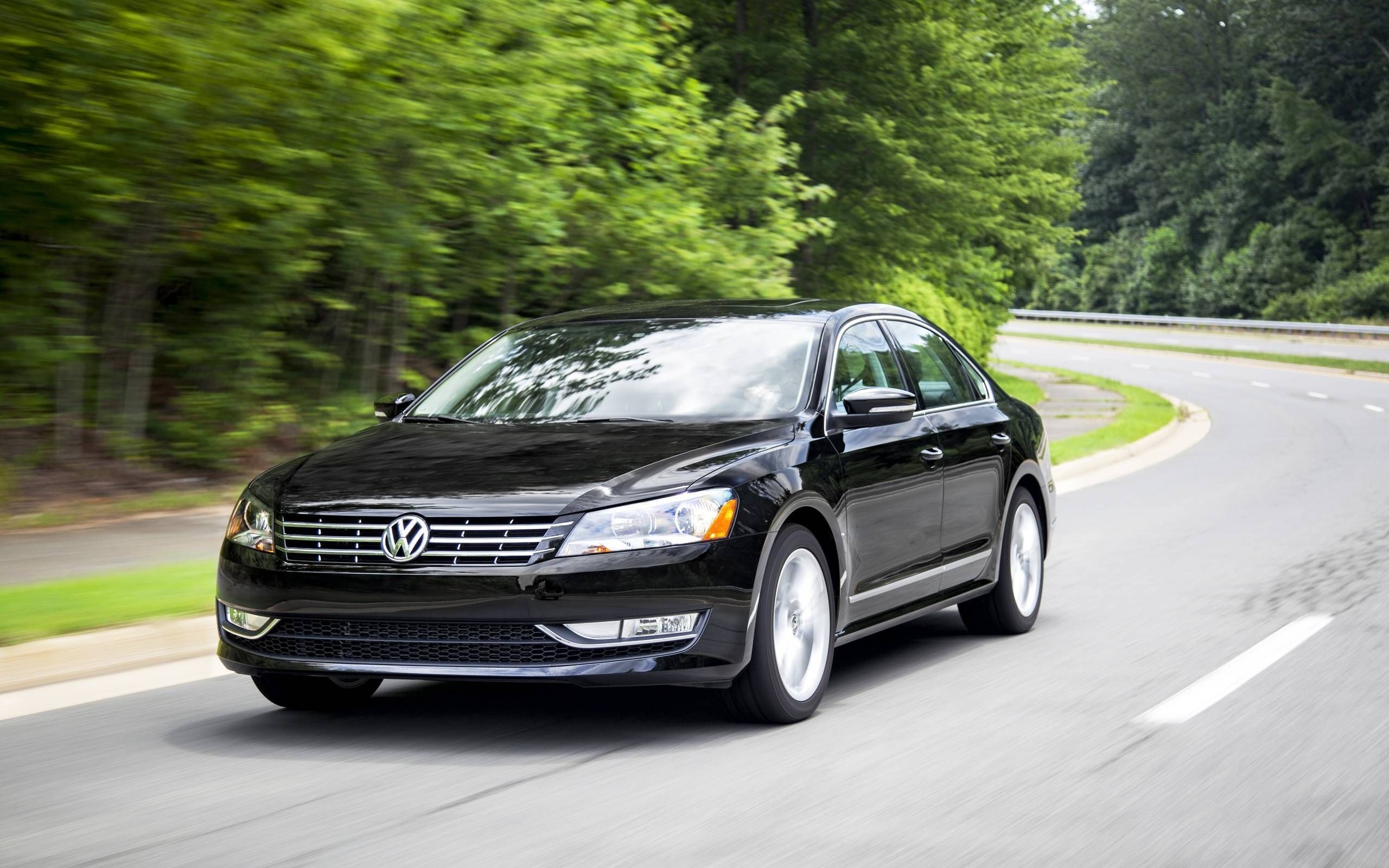
5. Volkswagen Passat (2012-2015)
The Volkswagen Passat models from 2012 to 2015 are frequently mentioned among vehicles with troubling reliability records. While the Passat offers a spacious interior, European styling, and a comfortable ride, it also carries a number of persistent mechanical and electrical problems.
One of the most notorious issues involves the car’s turbocharged four-cylinder engines, which sometimes suffer from excessive oil consumption and turbocharger failures. These problems often require significant engine repairs or replacements, making maintenance expensive and frustrating for owners.
The Passat’s transmission systems, particularly the automatic DSG dual-clutch units, have also been a source of reliability concerns. Owners have reported rough shifting, hesitation, and occasional complete failure, similar to issues seen in other dual-clutch setups.
These problems can lead to safety risks if the transmission fails while driving and often result in costly dealer repairs. The complexity of the DSG transmission requires specialized tools and expertise to diagnose and repair, limiting options for more affordable servicing.
Electrical gremlins have further complicated ownership of the Passat in these years. Problems with sensors, faulty wiring, and malfunctioning electronics have led to sporadic engine performance issues and warning lights.
These faults sometimes cause the car to go into “limp mode,” reducing power and making the vehicle difficult to drive until repaired. Repair shops often struggle to pinpoint the exact cause of these issues, prolonging the time and cost involved in returning the vehicle to full functionality.
In addition to mechanical and electrical concerns, some owners have experienced premature wear of interior components and exterior trim pieces. These quality control issues detract from the Passat’s appeal and contribute to its reputation for needing frequent repairs.
While the car has its fans who appreciate its driving dynamics and comfort, potential buyers should be aware of the maintenance challenges associated with these model years. For many, the Passat’s reliability problems outweigh its strengths, making it a less attractive option in the midsize sedan segment.
