
Pickup trucks have long held a unique place in automotive culture. For some, they are tools of hard labor, designed to haul, tow, and traverse tough terrain. For others, they represent a lifestyle, rugged, simple, and tied to traditions of work and recreation.
Throughout the decades, manufacturers have released a wide range of pickups, each designed to meet a particular need or capture a specific moment in time. Some were wildly successful, others faded into obscurity, and a few have become icons in their own right.
As the industry increasingly shifts toward modern, electrified, and tech-heavy offerings, there’s a growing nostalgia for the straightforward toughness of older pickups. This has sparked conversations around which of these vehicles are worth bringing back and which should remain in the past.
Not every old pickup deserves a second chance. Some were plagued by poor performance, reliability issues, or simply didn’t age well in terms of practicality. Reviving those models would likely do more harm than good, especially in a market that is increasingly demanding in terms of safety, comfort, and efficiency.
However, certain models still carry enough charm, usefulness, or historical value to justify a modern revival. These aren’t just vehicles remembered for their looks, but for their lasting impact, adaptability, or cult status that has only grown stronger with time. Whether it’s because of their design, reputation, or sheer utility, they’re seen as worthy candidates for a new generation.
This article presents two sides of the discussion: five old pickups that are genuinely worth reviving with modern engineering and five that are better left as a memory. Each vehicle is evaluated on several fronts: historical context, engineering strengths or weaknesses, cultural relevance, and its potential to thrive if reborn today.
The aim is not to simply bask in nostalgia but to offer a realistic assessment of each truck’s place in the modern world. While personal taste always plays a role, some trucks truly stand out as timeless, while others remind us that not all ideas age gracefully.
Old Pickups Worth Reviving
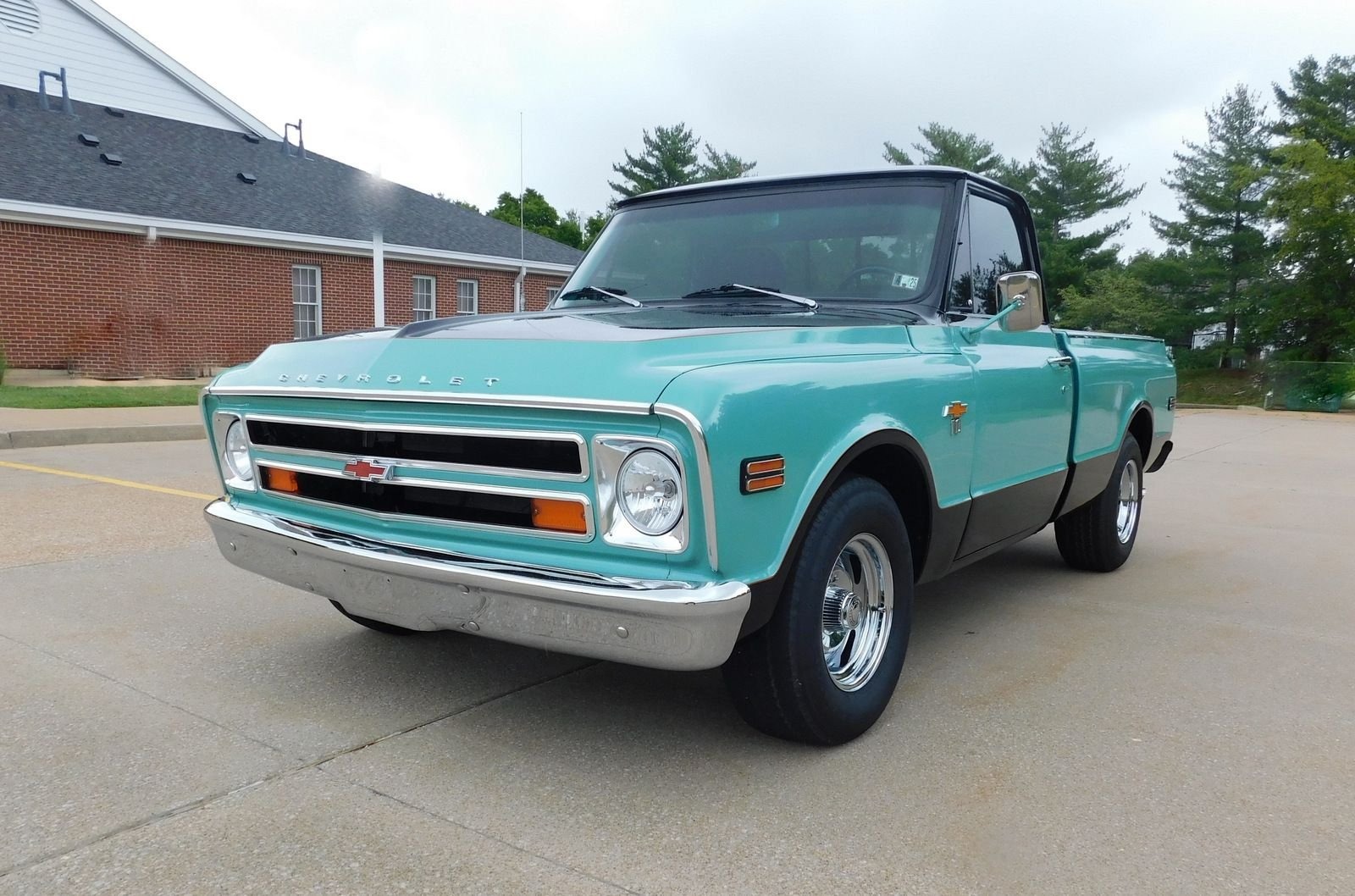
1. Chevrolet C/K Series (1967–1972)
The late 60s to early 70s Chevrolet C/K Series remains one of the most beloved pickup designs ever produced. This generation combined simplicity with a touch of style that has aged remarkably well. Its boxy design, horizontal grille, and solid proportions continue to appeal to collectors and casual fans alike.
What made the C/K series special was not just the aesthetic, but the practicality it delivered. It came with an independent front suspension, which was quite progressive for its time, providing better ride quality than many competitors.
Mechanically, these trucks were built to last. With a range of inline-six and small-block V8 engines, they were easy to maintain, had accessible parts, and could run for decades with proper care. Many of these trucks are still on the road today, speaking volumes about their reliability.
A modern reissue wouldn’t have to overhaul the character; it could simply update the internals, safety, fuel efficiency, and emissions, while retaining the original form. Imagine a modern C/K with a hybrid or electric drivetrain and the same iconic styling. It would appeal to both classic truck enthusiasts and new buyers who want something different from today’s rounded, oversized trucks.
In terms of market viability, a revived C/K would sit well within the current demand for retro-modern vehicles. Just as Ford has had success with the Bronco’s return, Chevrolet could reintroduce a modernized version of this classic truck to much fanfare.
Nostalgia is powerful, but when it’s backed by functional engineering and thoughtful design, it becomes more than just a marketing trick. The C/K has proven staying power, and its revival could capture both old-school truck lovers and younger consumers attracted to vintage looks paired with new tech.
The C/K’s versatility also helps its case. It was a farm truck, a family hauler, a fleet workhorse, and even a street cruiser. Bringing it back would not be an attempt to reinvent the wheel, but rather to reintroduce a proven formula to a new generation. That’s a smart business and cultural move.
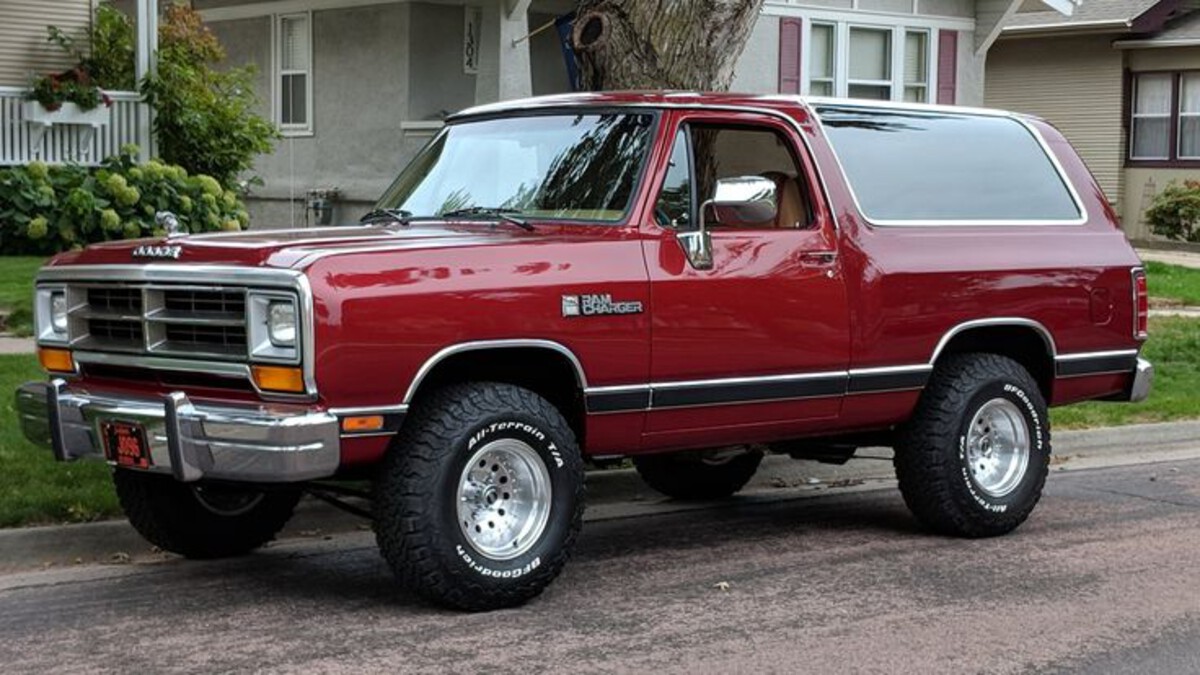
2. Dodge Ramcharger (1974–1993)
While the Dodge Ramcharger once had its moment as a full-size SUV alternative to the Bronco and Blazer, its time has passed. Originally intended for off-road and utility use, it featured solid axles, large V8s, and a removable roof for outdoor adventures.
Despite these features, it never truly stood out in terms of engineering or reliability. Most Ramchargers were heavy, unwieldy, and underpowered compared to rivals. By the time it left the market, it had already lost relevance to more modern and efficient alternatives.
The Ramcharger’s biggest problem was its lack of refinement. Even during its peak, interior quality was spartan, handling was clumsy, and fuel economy was dismal. It tried to combine the worst traits of an SUV and a truck without excelling at either.
While enthusiasts might argue for its off-road legacy, the reality is that it didn’t quite leave a cultural or mechanical impact worthy of a return. Compared to competitors of the time, it lacked the innovation or uniqueness that could be built upon today.
Reviving the Ramcharger today would face an uphill battle. The SUV market has evolved significantly, now dominated by crossovers and hybrid or electric models.
There’s also stiff competition from more iconic names like the Bronco and Jeep Wrangler, both of which already offer retro-modern packages that the Ramcharger could never match in identity or design. Even Dodge has leaned heavily into the performance market with vehicles like the Durango Hellcat, leaving little room for a boxy, underachieving revival.
The Ramcharger serves as a good reminder that not every old vehicle benefits from a second life. While some might enjoy restoring the old models for nostalgic reasons, mass-producing a new version would likely fail to generate real market interest. Resources would be better spent innovating or improving existing nameplates rather than trying to resuscitate a model that was average at best.
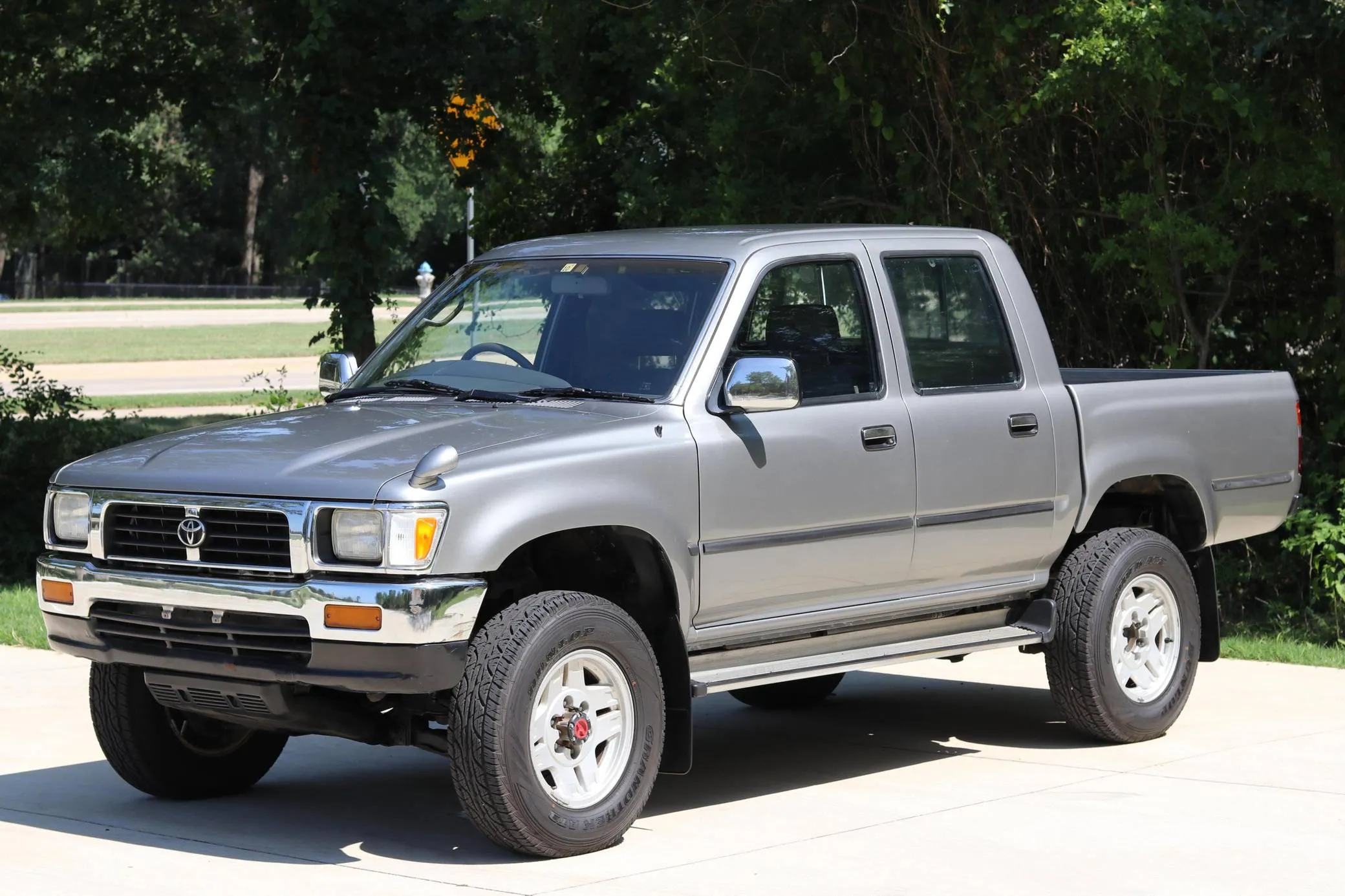
3. Toyota Hilux (80s–90s U.S. Version)
The Toyota Hilux earned its reputation the hard way: by being nearly indestructible. Popularized globally, and featured in everything from warzones to rural farms to Hollywood, the Hilux gained mythical status for its ability to survive extreme conditions.
While it’s still sold in many countries, it was pulled from the U.S. market in favor of the Tacoma. However, the older Hilux models, especially from the 80s and early 90s, are fondly remembered for their no-nonsense design, mechanical durability, and true off-road capability.
What made the Hilux so dependable was its simplicity. These trucks weren’t over-engineered or filled with unnecessary technology. Their engines were bulletproof, and they came with solid axles, manual transmissions, and minimal electronic interference.
A revived Hilux could fill a niche in the current market. Not everyone wants a luxury pickup with a touchscreen the size of a TV. Some just want a dependable vehicle that can get the job done and won’t fail after 100,000 miles.
Toyota has the brand strength and engineering capabilities to reintroduce the Hilux in a modern package that retains its toughness while meeting today’s standards for emissions and safety. They could even offer it with hybrid or diesel options for versatility.
The Hilux is more than a truck; it’s a symbol of dependability. People trust it in the harshest environments for a reason. If Toyota brought it back to the U.S. with minimal fluff and maximum utility, it would likely gain a cult following almost immediately. Unlike some vehicles that rely on nostalgia alone, the Hilux backs up its legend with proven, real-world performance.
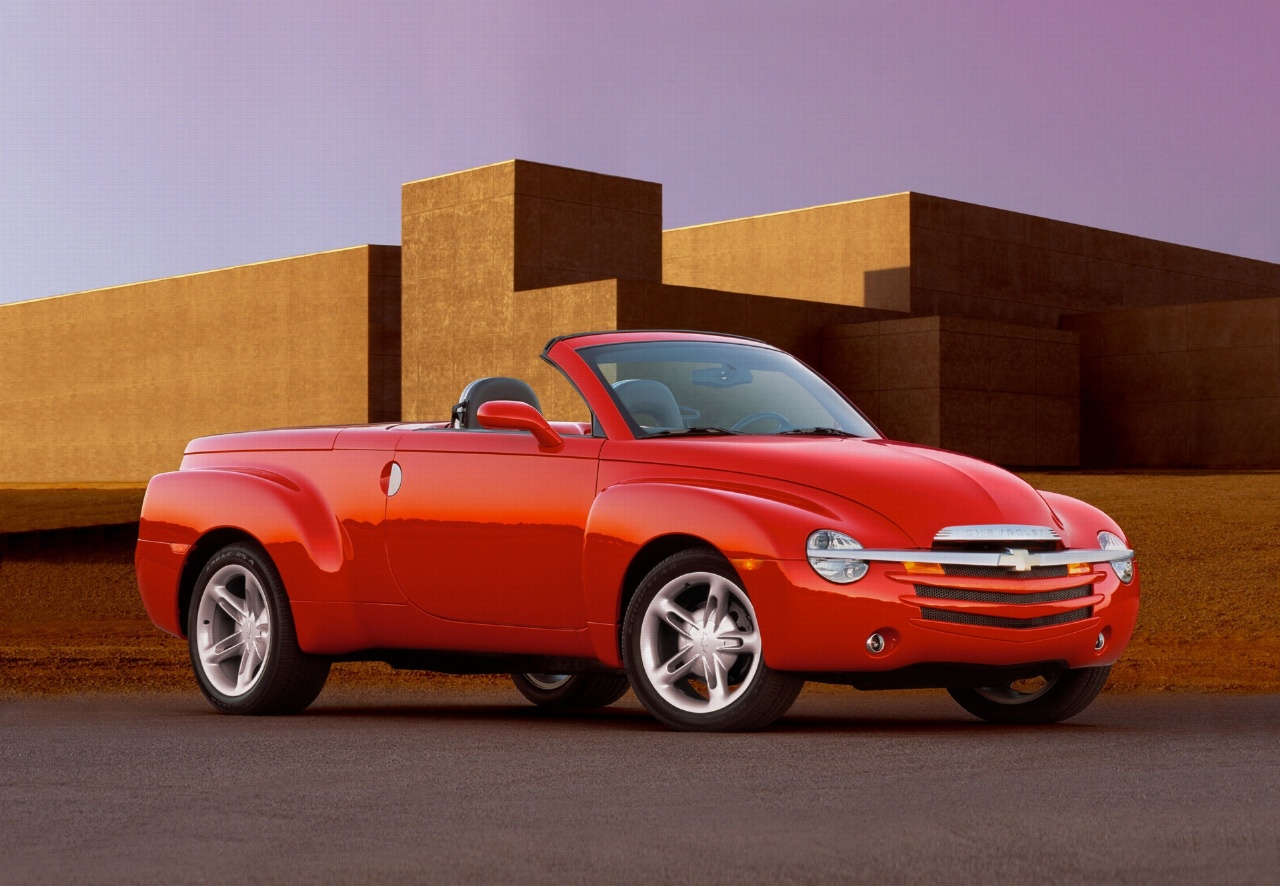
4. Chevrolet SSR (2003–2006)
The Chevrolet SSR was an oddity from the start. Designed as a retro-styled pickup with a retractable hardtop, it aimed to be both sporty and nostalgic. However, it ended up being neither practical nor particularly impressive. While the styling certainly turned heads, the SSR suffered from unclear identity, poor cargo capacity, and a hefty price tag. It wasn’t a real truck, nor was it a convincing sports car. That lack of direction made it a tough sell from day one.
One of the main issues with the SSR was its weight. Despite being powered by V8 engines, the truck was sluggish due to its curb weight, and handling wasn’t what you’d expect from something that looked so aggressive.
The interior was cramped, the bed was small and impractical, and the folding hardtop added unnecessary complexity. Buyers looking for performance had better options, and those needing utility saw right through the SSR’s gimmicks.
A modern revival of the SSR wouldn’t make much sense. Today’s truck market leans toward either full-size powerhouses or compact workhorses with real-world practicality. The idea of a convertible pickup with limited utility is even less viable now than it was twenty years ago.
While there may be a small group of enthusiasts who appreciate the SSR’s uniqueness, it’s not the kind of model that would appeal to a broad audience or justify the production cost.
Sometimes, vehicles are interesting simply because they didn’t work. The SSR is a great example of a bold experiment that never found its footing. It might have a place in a museum of oddball cars or as a collectible curiosity, but it shouldn’t return to showrooms. Its original run already proved that good looks alone can’t carry a poorly executed concept.
5. Ford F-100 (1953–1956)
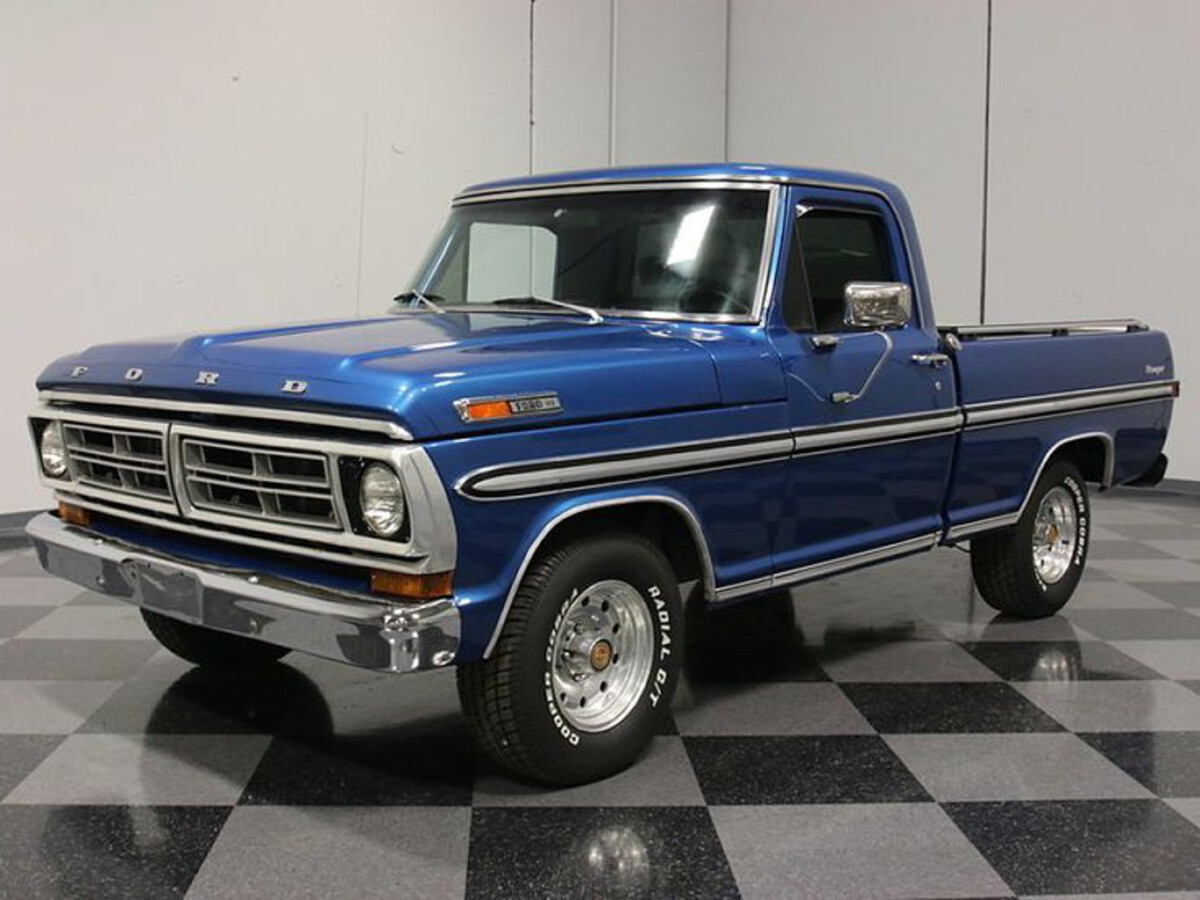
The Ford F-100 from the early to mid-1950s is a classic pickup that carries a blend of iconic design and functional durability. It represents a pivotal moment in Ford’s history when the company transitioned from purely utilitarian trucks toward vehicles with style and comfort, helping to popularize the pickup as a lifestyle vehicle.
The squared-off lines, prominent grille, and balanced proportions of the F-100 give it a timeless presence that still captures attention at car shows and on the street. These trucks also symbolize an era where craftsmanship was evident in every panel and interior detail, with simple yet solid engineering.
Beyond its aesthetics, the F-100 was mechanically straightforward, with reliable inline-six and V8 engines that, when properly maintained, could run for hundreds of thousands of miles. Its mechanical simplicity meant it was easy to repair and customize, making it a favorite for restorers and hot-rodders alike.
The ride quality, though primitive by modern standards, was considered smooth for its time, and its frame was tough enough to endure heavy loads.
A modern F-100 could maintain that rugged simplicity while integrating contemporary technology, such as advanced safety systems, more efficient powertrains, and comfortable interiors without sacrificing the visual cues that make it beloved.
Reviving the F-100 in today’s market would tap into the ongoing trend of retro-inspired vehicles that offer modern amenities. While it would certainly appeal to nostalgia, the bigger draw would be in its versatility.
A modern F-100 could serve as a daily driver, weekend cruiser, or even a work truck, offering enough customization options to appeal to a broad range of buyers. The small-to-mid-size truck segment is one of the most competitive, but an F-100 revival could stand apart by combining classic looks with modern engineering.
This truck’s historical significance is another selling point. It marked the beginning of the F-series dominance that has continued for decades. Tapping into that legacy with a carefully crafted, modernized version would honor the past while securing a place in the future. The F-100’s combination of heritage, design, and practical potential makes it a standout candidate for revival.
Better Left Behind
6. Isuzu Hombre (1996–2000)
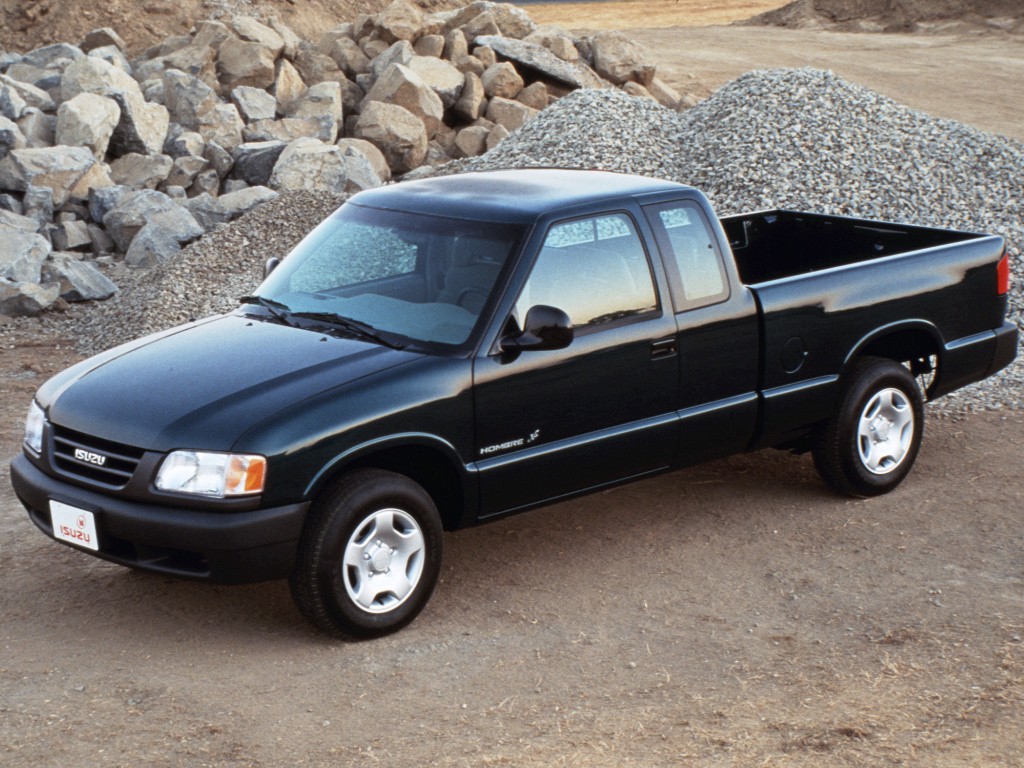
The Isuzu Hombre was essentially a rebadged Chevrolet S-10 with minor tweaks, produced during a time when Japanese automakers tried to carve out a small slice of the American pickup market. While the concept of a compact, affordable pickup truck had merit, the Hombre suffered from a lack of distinctive identity.
It was neither truly Japanese in character nor American, leaving it stranded between two worlds. Buyers often chose either the more established Chevy or the more refined Japanese imports, and the Hombre struggled to compete in either camp.
Mechanically, the Hombre offered little that was unique or exceptional. Its engines were underpowered compared to competitors, and the ride and handling were uninspired. Build quality was acceptable, but the truck failed to offer the reliability or innovation that customers increasingly demanded in the late 90s.
Inside, the cabin was basic and lacked the refinement or comfort features found in rivals. Its lack of towing capacity and payload also limited its appeal to work truck buyers.
The Hombre’s bland styling contributed to its downfall as well. It looked generic, and its limited trim levels and options meant it failed to resonate with buyers who wanted a pickup that reflected their personality or needs.
In an increasingly competitive market, the Hombre simply didn’t stand out. Even Isuzu eventually exited the U.S. truck market due in part to poor sales of models like this.
Reviving the Hombre would be challenging given its lack of a clear identity or loyal fan base. Modern consumers expect either cutting-edge technology or unmistakable character, neither of which the Hombre had in abundance. Unless Isuzu could completely rethink the concept, bringing back the Hombre would likely be an exercise in futility.
7. International Harvester Scout II Pickup (1971–1980)
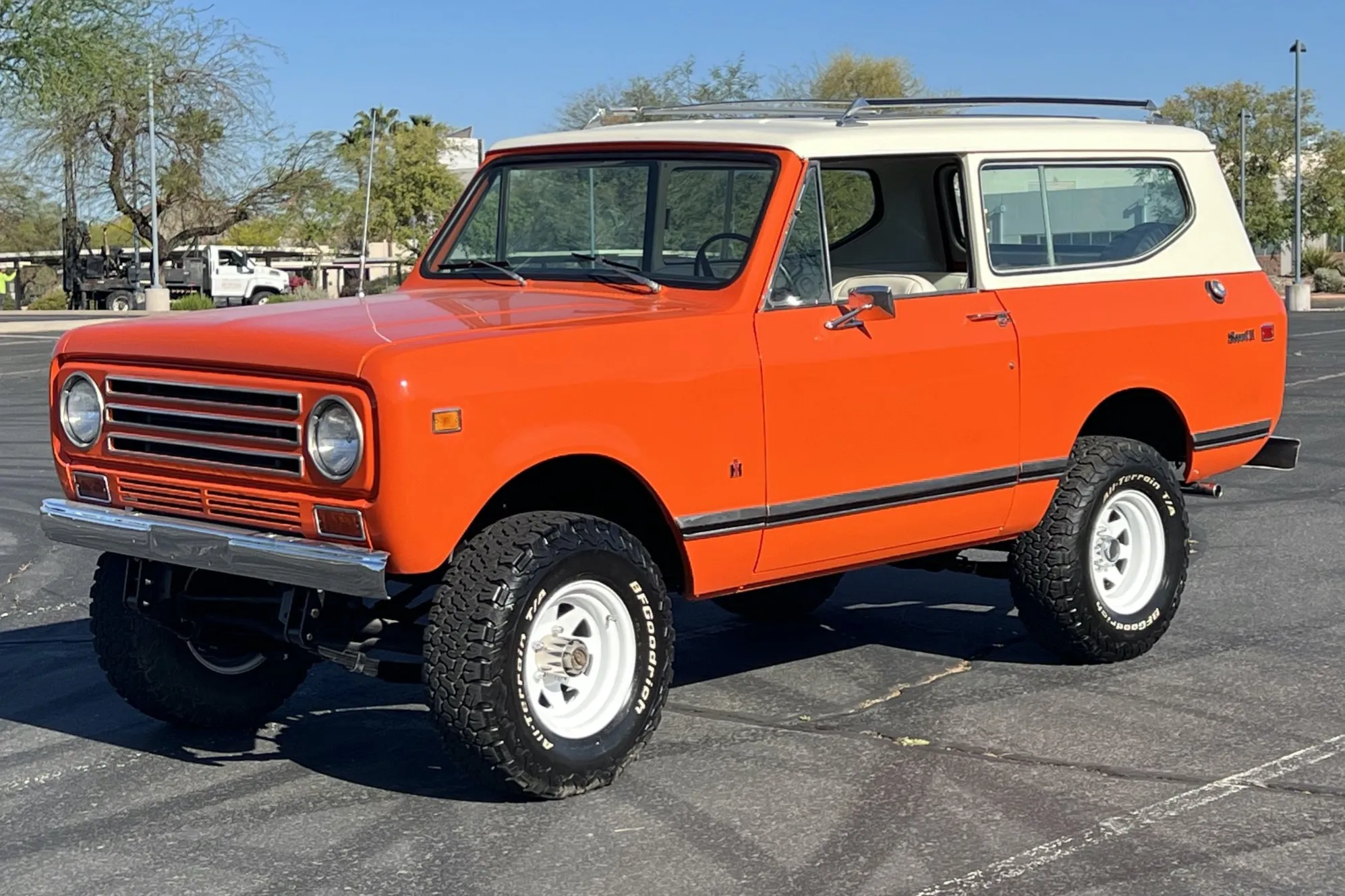
While the Scout II is more famous as an SUV, the pickup version is an underrated gem that deserves reconsideration. Produced by International Harvester, this rugged truck offered a combination of off-road capability and utilitarian design that was unique for its time.
It was built to withstand tough environments, with solid axles, a durable frame, and engines designed for torque rather than speed. Though it lacked some creature comforts, the Scout II pickup was simple, reliable, and tough enough to handle both work and adventure.
International Harvester’s build quality and engineering philosophy focused on durability, which is why many Scouts are still functional decades later. This pickup, with its minimalist but purposeful design, has earned a loyal following among enthusiasts who prize its straightforward approach and off-road prowess.
Unlike some other trucks from the era, the Scout II pickup has a distinctive, rugged look that stands apart from the more stylized designs of the 70s. It carries a sense of authenticity that many modern trucks lack.
Bringing the Scout II pickup back would appeal to buyers interested in a smaller, more nimble off-road vehicle with real character. Unlike oversized modern trucks, a Scout revival could focus on lightweight design, functional capability, and retro styling with modern technology.
Features like four-wheel drive, skid plates, and efficient powertrains could make it competitive in today’s market. It would fit well with the current popularity of adventure vehicles and overlanding trends.
Moreover, the Scout II pickup’s legacy as a no-nonsense, durable utility vehicle would resonate with buyers who prioritize toughness and simplicity over flash.
Its revival could capture the spirit of a bygone era while delivering the quality and convenience expected in the 21st century. The Scout II pickup is a candidate with a clear heritage and enough charm to make a successful comeback.
8. Ford Explorer Sport Trac (2001–2010)
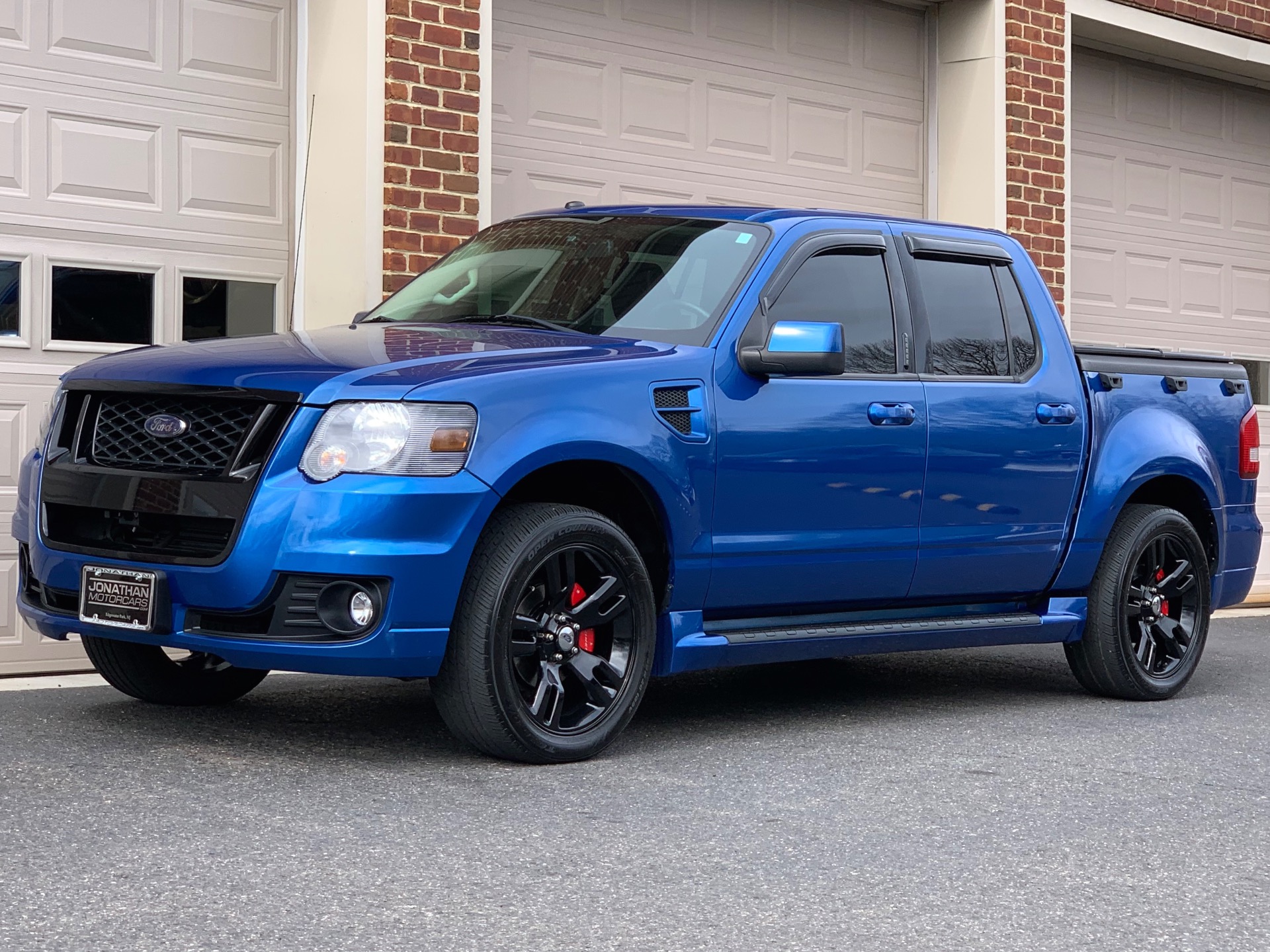
The Ford Explorer Sport Trac tried to blend the utility of a pickup truck with the comfort of an SUV by creating a mid-sized vehicle with an open bed and enclosed cab.
While it had a niche following, the Sport Trac struggled to find its audience. It wasn’t as rugged or capable as traditional pickups, nor was it as comfortable or refined as SUVs. This left it caught between two markets without a strong identity or compelling reason to choose it over more specialized vehicles.
In terms of engineering, the Sport Trac borrowed heavily from the Explorer SUV platform, which meant its suspension and drivetrain were optimized more for on-road comfort than off-road capability or hauling.
Its bed was smaller than most trucks, limiting cargo capacity, and its towing ratings lagged behind competitors. While it offered a unique concept, the execution felt half-baked and left buyers unsure of what the vehicle truly was.
The interior reflected this confusion, combining SUV-like appointments with pickup practicality in a way that didn’t fully satisfy either camp.
As consumer preferences shifted towards either pure SUVs or pickups with genuine capability, the Sport Trac’s appeal faded. Its production ended in 2010, and Ford has since concentrated on more defined product lines, such as the Ranger and F-150.
Reviving the Sport Trac today would likely repeat the mistakes of the past. The market for hybrid utility vehicles has fragmented, and consumers prefer vehicles that excel in one role rather than compromise. Without a clear niche or standout features, a modern Sport Trac would struggle to justify its existence among more focused competitors.
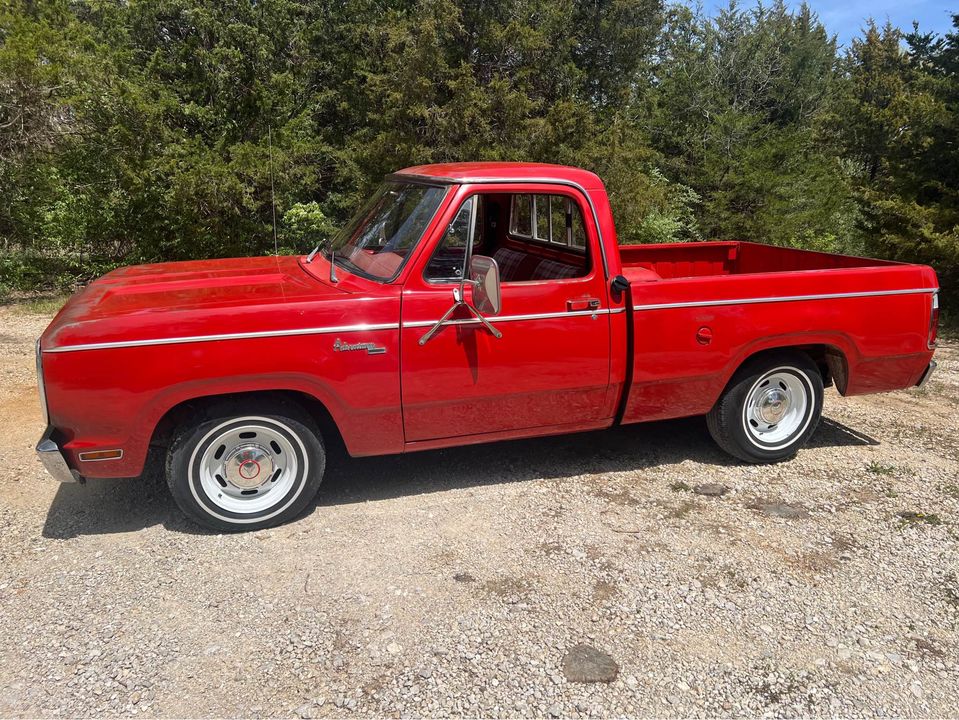
9. Dodge D Series (1961–1980)
The Dodge D Series pickups from the 60s and 70s were workhorses that combined bold styling with solid engineering. They weren’t the fastest or most luxurious trucks, but they were tough and dependable.
The boxy, muscular design has aged well and carries a nostalgic appeal for many enthusiasts. Dodge’s willingness to experiment with powerful V8s and heavy-duty options made the D Series a versatile option for both work and recreation.
These trucks featured rugged frames, simple mechanical components, and a reputation for toughness that helped build Dodge’s identity in the pickup market.
The straightforward design made them easy to repair and customize, which contributed to their longevity. Even today, many D Series trucks remain on the road or are being restored, a testament to their build quality and cultural significance.
A modern revival of the D Series could emphasize its legacy of toughness while updating its powertrain to include modern, fuel-efficient engines or even electrified options.
The visual styling could be refreshed but still reflect the aggressive, utilitarian look that defined the original models. Dodge’s current focus on performance trucks and SUVs could blend well with a retro-inspired D Series that appeals to both nostalgic buyers and new customers seeking something different.
Bringing back the D Series would not only honor a key chapter in Dodge’s history but also diversify the market with a pickup that blends old-school grit and modern technology. Its revival could tap into both practical and emotional buyer motivations, making it a smart candidate for today’s truck market.
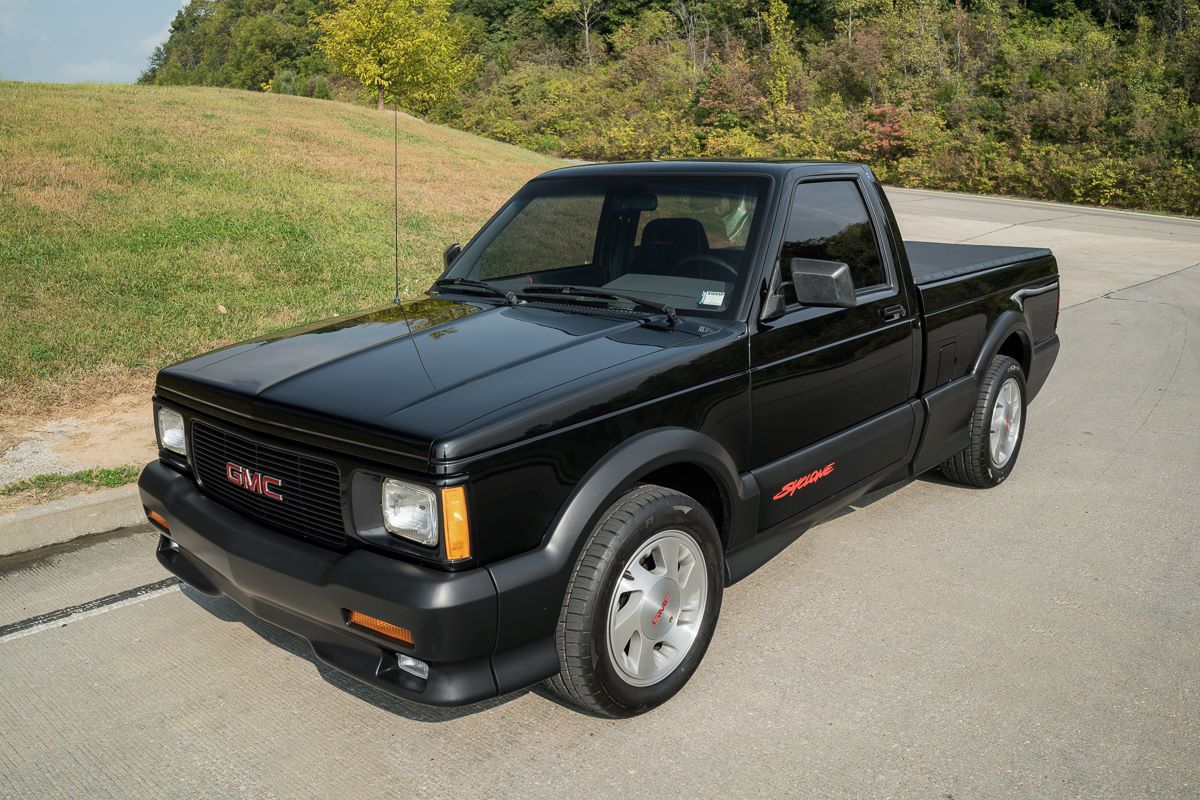
10. GMC Syclone (1991–1992)
The GMC Syclone was an unusual pickup built for speed rather than utility. It featured a turbocharged V6 and all-wheel drive, making it one of the fastest pickups of its time.
However, its niche appeal was limited, and while it earned a cult following, it was a specialty vehicle rather than a practical workhorse. The Syclone’s performance focus meant it compromised on bed space, towing capacity, and versatility.
Despite its impressive acceleration, the Syclone suffered from issues such as high cost, limited availability, and a ride quality that wasn’t suited for everyday use.
Its performance was impressive for the early 90s, but the rapid evolution of trucks and sport utility vehicles has left it somewhat obsolete. The Syclone was a great idea ahead of its time but one that didn’t align with broad market demands.
A revival of the Syclone would require significant rethinking. The modern truck buyer often values capability and utility alongside performance, and a strictly speed-focused pickup might not find a large enough audience.
Additionally, the competition in performance trucks has expanded, with many manufacturers now offering muscle pickups that combine speed and utility far better than the Syclone ever could.
While the Syclone deserves respect for its bold approach, it’s best remembered as a unique moment in truck history rather than a candidate for revival. Its niche appeal limits its commercial viability today.
The world of old pickup trucks is a fascinating mix of timeless classics and forgotten experiments. As the market evolves, it’s clear that not every vintage model deserves a second chance on the road. Some pickups, like the Chevrolet C/K Series and the Toyota Hilux, have proven their enduring value through decades of reliability, practicality, and cultural significance.
These trucks offer strong foundations for modern revival because they combine iconic design with robust engineering. Updating these models with today’s technology, safety features, and powertrains could create vehicles that honor their heritage while meeting contemporary needs.
Conversely, some trucks remain curiosities best left in the past. Models such as the Dodge Ramcharger or the Chevrolet SSR might have sparked interest with unique styling or bold concepts, but their shortcomings in utility, performance, or identity hold them back from making a successful comeback.
Reviving these trucks risks appealing only to a niche audience while alienating the broader market that demands capability, comfort, and efficiency. Their legacies serve as reminders that not all nostalgia translates into modern relevance.
The question of which pickups are worth reviving isn’t simply about looks or sentimentality. It’s about understanding what made a truck successful, what buyers want today, and how a brand can respect its past while innovating for the future.
Trucks like the Ford F-100 and Dodge D Series offer blueprints for blending retro aesthetics with modern technology. Others, like the International Harvester Scout II pickup, could fill growing niches focused on adventure and rugged simplicity, carving out space amid larger and more complex vehicles.
The value of reviving an old pickup comes down to balance, preserving the core character that made the truck memorable while improving upon its flaws to meet modern standards.
With increasing interest in electric powertrains and advanced driver aids, some classic trucks could be transformed into exciting, efficient, and capable machines that connect generations of drivers. Meanwhile, other pickups, for all their quirks or shortcomings, belong best in collections and memories.
Reviving old pickups is not merely about recapturing the past but about reimagining it for today’s world. The five trucks worth bringing back have shown they can bridge that gap, while the five better left behind highlight lessons learned and paths not worth retracing.
In the end, it’s the balance of history, design, practicality, and innovation that will determine which pickups drive into the future, and which stay parked in history.
