The thrill of driving is not just about speed; it is about connection, precision, and character. Among today’s performance cars, a select few stand out not only for their power but for their ability to deliver pure, unfiltered engagement behind the wheel.
From high-revving Japanese roadsters to raw American muscle and meticulously engineered European sports cars, these machines blend heritage, innovation, and personality. They are crafted for enthusiasts who value the art of driving as much as the thrill of acceleration.
Each car on this list has the potential to become a future classic, not only for rarity or performance numbers but for the emotional impact it leaves on drivers and observers alike. Whether it is a roaring V8, a razor-sharp chassis, or a lightweight, driver-focused layout, these 12 vehicles define what it means to be a true driver’s car.
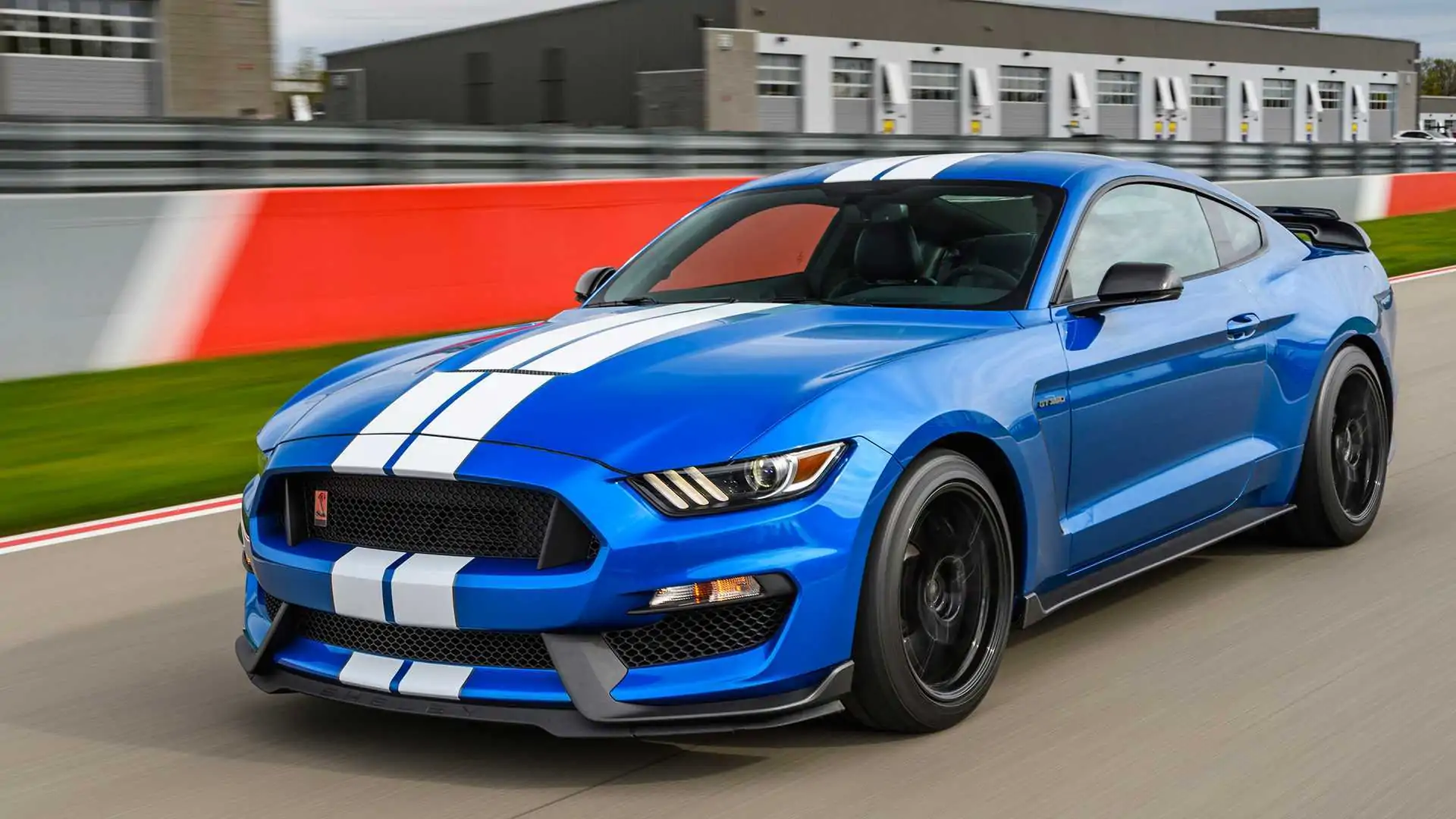
1. Ford Mustang Shelby GT 350: The Modern Muscle Classic
The Ford Mustang Shelby GT 350 is a perfect blend of classic Mustang heritage and modern engineering. While it is based on the Mustang GT, the GT 350 features significant upgrades, including a redesigned suspension, improved aerodynamics, and a revolutionary V8 engine.
At its heart is the 5.2-liter “Voodoo” engine producing 526 horsepower and 429 lb-ft of torque. Unlike traditional American V8s, it uses flat-plane crank technology, common in exotic cars like Ferrari, which allows it to rev nearly 9,000 rpm and deliver a uniquely high-strung, screaming character. This engine enables a 0-60 mph sprint in just 3.9 seconds, but the car’s appeal goes beyond statistics.
The GT 350 is a driver-focused sports car that is closer in handling precision to a Porsche 911 GT3 than to conventional Mustangs. Its dynamic balance, cornering agility, and responsive steering make it an engaging sports car experience.
The manual gearbox further enhances the connection between driver and machine, requiring skill and attention to exploit the engine’s high-revving potential. Compared to the more powerful supercharged Shelby GT500, which produces 750 horsepower, the GT 350 may seem less extreme on paper.
However, its lighter weight of around 170 kilograms, less than the GT500, and naturally aspirated, rev-happy engine provide a more involving driving experience. More revs, more manual engagement, and less front-heavy mass reward finesse over brute force.
The GT 350’s exhaust note is distinctive. The flat-plane crank produces a faster, sharper firing sequence, creating a unique bark rather than the typical low, rumbling Detroit V8 sound. While it does not fully mimic a Ferrari scream, its character is unmistakable and highly engaging. Driving it requires attention to revs and gear selection, but mastery delivers immense satisfaction.
Despite its track-capable design, the GT 350 is practical for everyday use. Adaptive dampers, comfortable seats, and modern amenities make it manageable on regular roads. For enthusiasts seeking even sharper performance, the GT 350 R adds improvements in chassis stiffness, tires, weight distribution, and downforce, making it formidable on tight, technical circuits.
In an era dominated by supercharged and electrified performance cars, the Shelby GT 350 stands out as a pure, petrol-powered, high-revving muscle car with a driver-first philosophy. This combination of performance, handling, and engagement ensures its place as a future classic in Ford’s lineup.
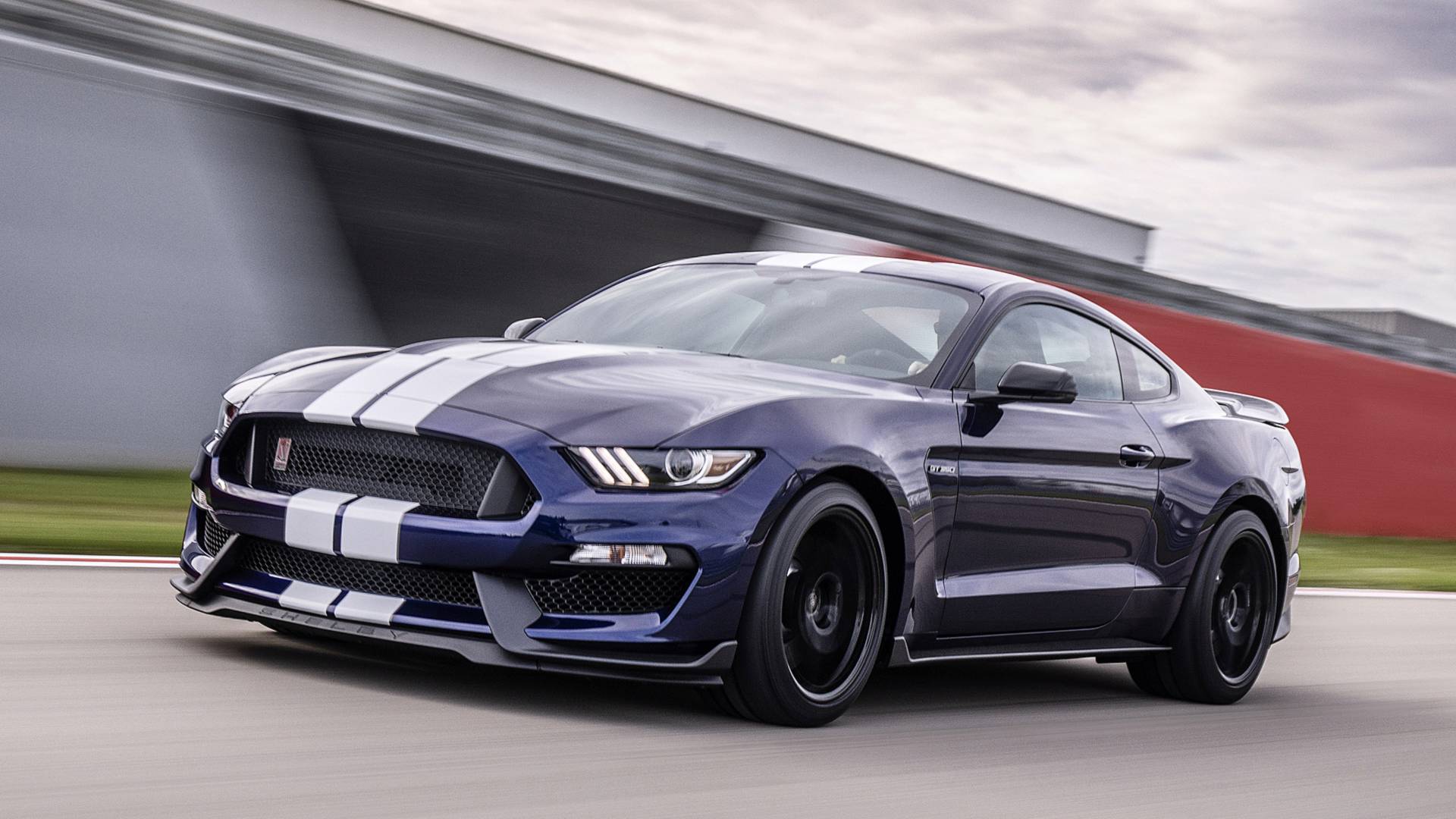
2. Dodge Viper: The American Sports Car Icon
The Dodge Viper, first introduced in 1992, quickly became an American icon among high-performance sports cars. Designed as the modern incarnation of the Cobra, it combined a massive V10 engine, aggressive styling, and rear-wheel drive with a manual transmission.
The Viper offered minimal safety features or driver aids, emphasizing raw power and an unfiltered driving experience. Over its three generations, more than 100,000 Vipers were built, but the core layout remained consistent: front-mounted V10, rear-wheel drive, and manual transmission.
This uncompromising approach earned the Viper a devoted following among enthusiasts who valued engagement and character over convenience.
Performance defined the Viper. Its 8.2-liter V10, producing up to 645 horsepower, could accelerate from 0 to 60 mph in just 3.8 seconds. This level of performance allowed it to compete with far more expensive European supercars, yet it maintained a distinctly American identity.
Chrysler continued to refine the Viper, with the GTS Coupe introduced in 1996 featuring a reworked 8.0-liter engine. The updated motor included a lighter block, new heads, and revised components, boosting output to 450 horsepower and 490 lb-ft of torque while reducing engine weight by 85 pounds.
The interior focused on driving rather than luxury. Drivers found analog gauges, dual airbags, and adjustable pedal height, but there was no traction control or dynamic stability.
Seats were minimally adjustable, plastics were basic, and entering or exiting the car could be challenging due to low seating and exhaust placement. Despite these ergonomic limitations, the interior reinforced the Viper’s emphasis on raw driving experience.
For track enthusiasts, Dodge produced limited ACR editions. These added minor engine upgrades for slightly higher power, along with enhanced suspension, 18-inch BBS wheels, and Michelin Pilot Sport tires. The ACR achieved 0-60 mph times around four seconds and top speeds near 190 mph. While it included some comfort features like air conditioning and a CD player, it remained primarily a track-focused machine.
Although the Viper lacked refinement and modern conveniences, it is celebrated for its character and performance. Its sights, sounds, and visceral driving experience made it a favorite among enthusiasts. Delivering exotic-level performance at a fraction of the cost, the Dodge Viper secured its place as a true American icon, rivaling the Corvette in status as a symbol of high-performance American engineering.
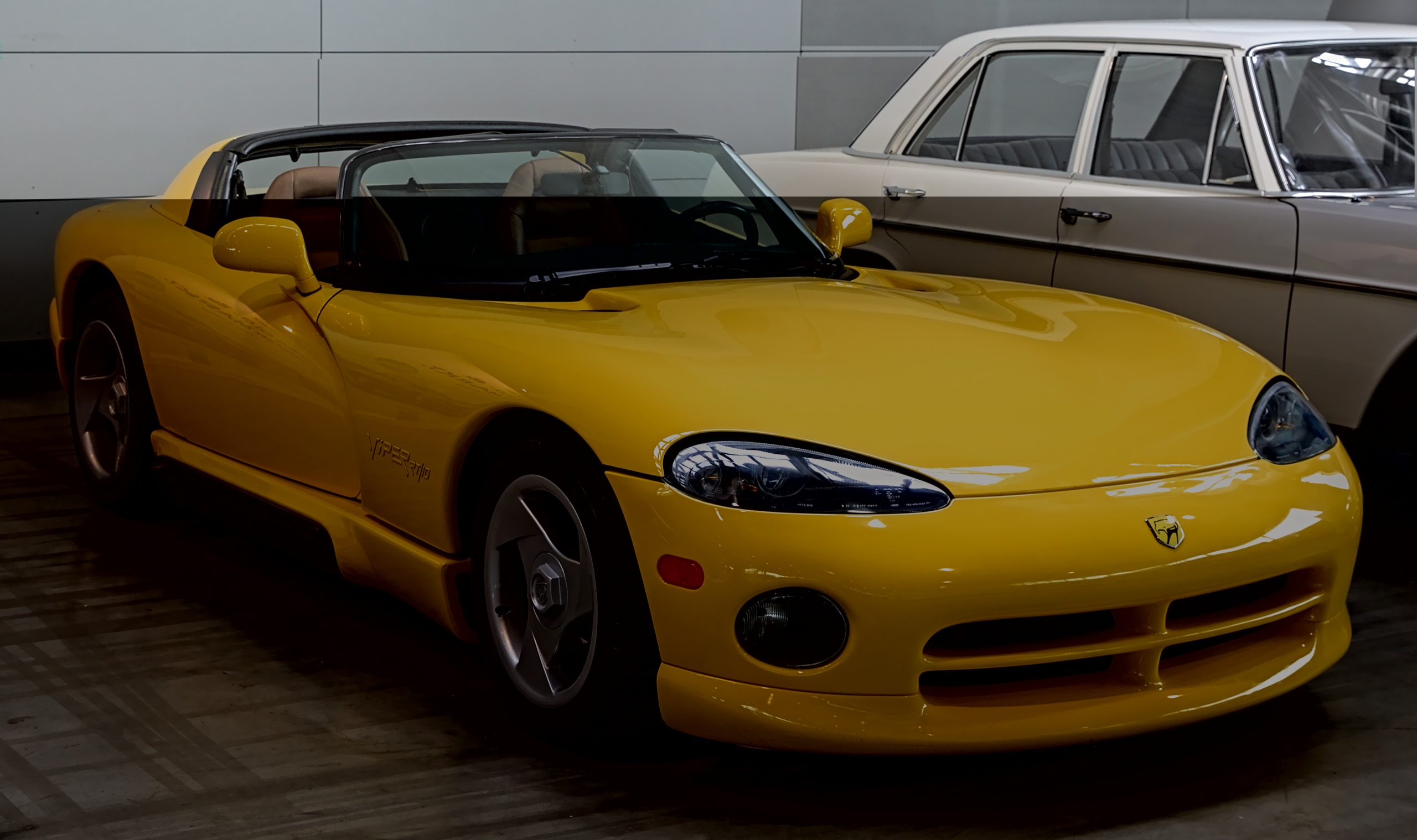
3. BMW 1M: The Boy Racer That Redefined the 1 Series
The BMW 1 Series, introduced in 2004, was BMW’s compact entry designed to compete with models like the VW Golf. Unlike many rivals, it retained rear-wheel drive, giving it a unique driving feel and transforming a small economy model into one of the best-handling cars in its class. While the 1 Series offered powerful engines, it lacked a true high-performance variant until 2008, when BMW introduced the 1M.
The 1M became the most powerful 1 Series ever, featuring a 3.0-liter turbocharged inline-six producing 335 horsepower sent to the rear wheels via a six-speed manual. Lightweight construction, a race-tuned suspension, and aggressive styling made it immediately popular, with all units sold out on release.
Initially limited to 2,700 cars, BMW eventually built 6,309 due to overwhelming demand. Reviewers praised its sharp steering, precise handling, and engaging driving dynamics, cementing its status as a modern classic.
The development of the 1M was unusual. Proposed and rejected multiple times, it only received approval under the leadership of Dr. Kay Segler, head of BMW’s M Division, in 2009. The team leveraged parts from the larger M3, including the aluminum rear suspension, limited-slip differential, cross-drilled brakes, and 19-inch wheels, reducing development time and costs.
The turbocharged N54 engine, sourced from the Z4 sDrive 35is, provided a broad torque band from 1,500 to 4,500 rpm while allowing revs up to 7,000 rpm, delivering a thrilling, free-revving character.
The 1M weighed 1,495 kilograms, had a 51/49 front-to-rear weight distribution, and featured hydraulic steering geared for sharp response. Its short wheelbase, stiff suspension, and underdeveloped stability control made it a challenging, rewarding car at the limit.
On twisty roads, it displayed a wild, boy-racer personality, often described as aggressive and unpredictable, in contrast to the smoother, more refined M3. Despite its character, it remained a usable road car, though daily comfort was compromised by stiff suspension and a spartan interior.
Performance figures reinforced its capabilities. The 1M achieved 0-100 km/h in 4.9 seconds, with strong in-gear acceleration and a Nürburgring lap time reportedly faster than some M3 generations. Its combination of affordability, raw driving engagement, and distinctive personality made it an instant cult classic.
The BMW 1M remains a rare, thrilling example of M Division ingenuity, a small, aggressive, rear-drive coupe with a manual transmission and turbocharged six, offering unfiltered driving enjoyment. Its unique character, cult credibility, and thrilling dynamics ensure it will be remembered as a high point in BMW’s performance history.
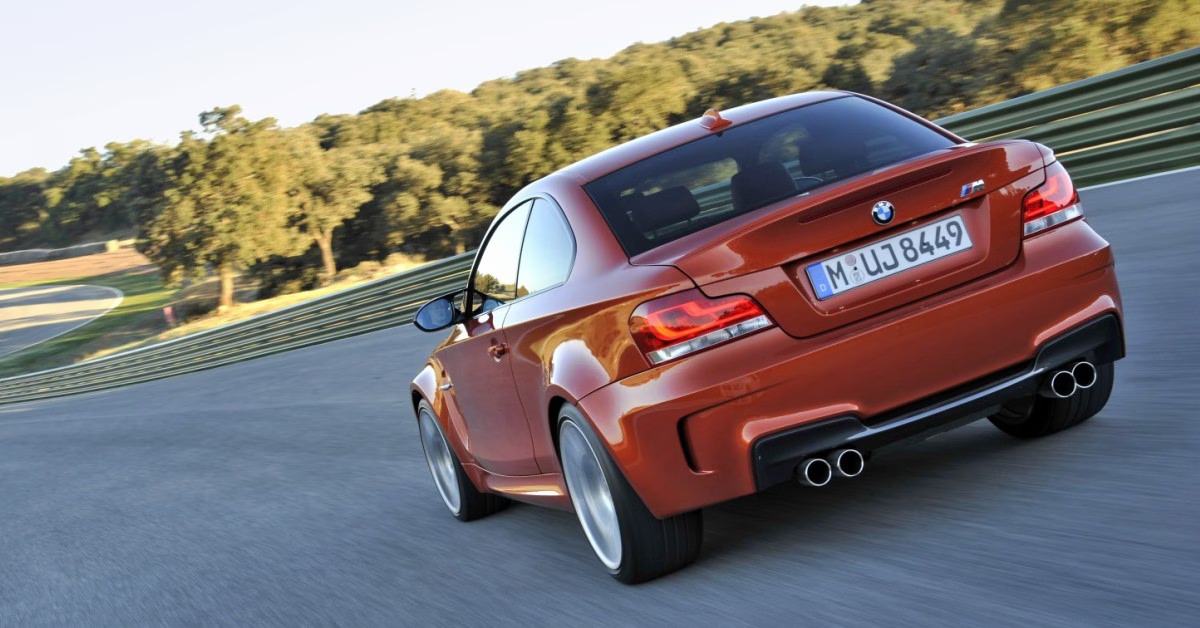
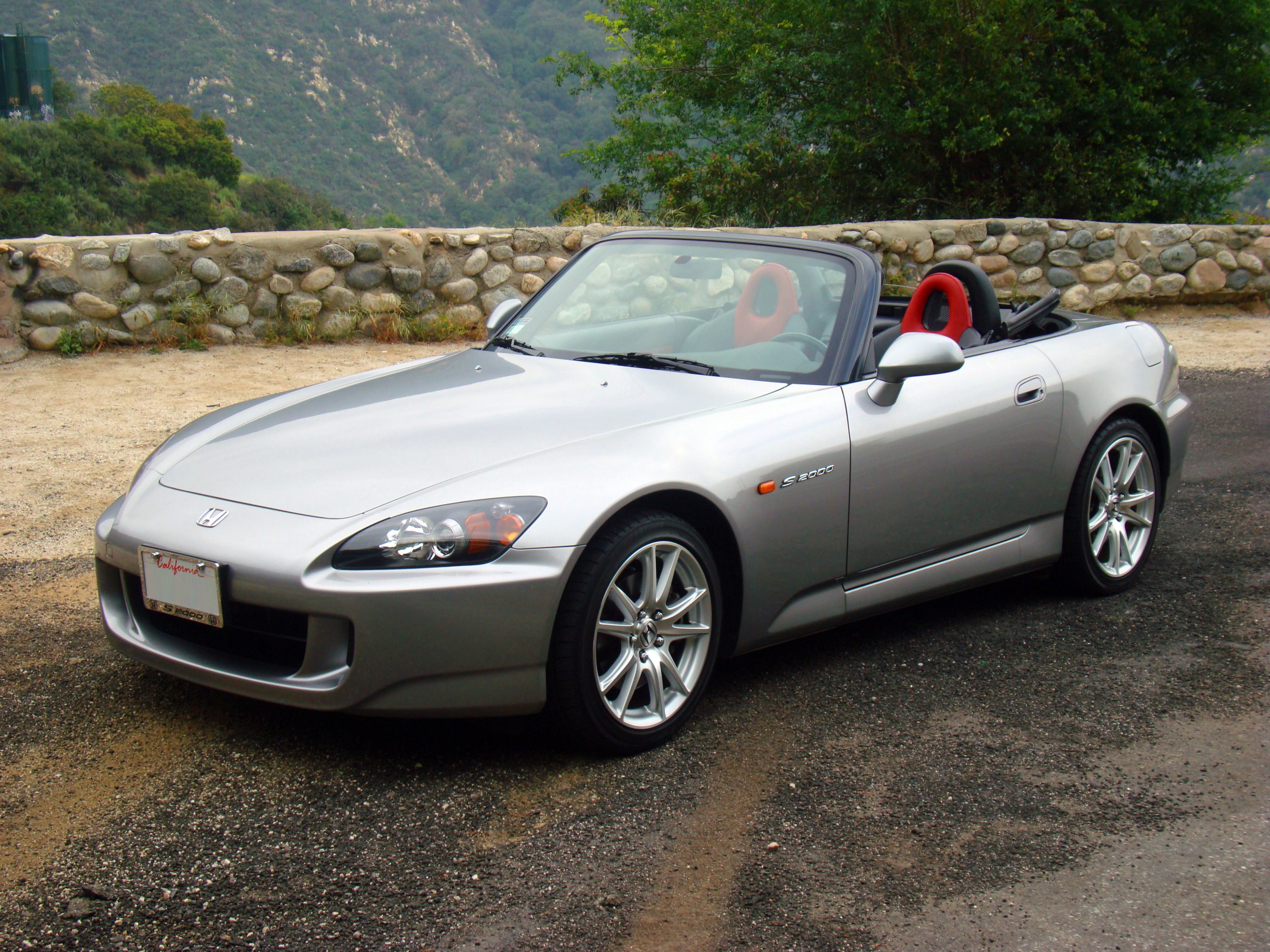
4. Honda S2000: The Ultimate ’90s Roadster
The Honda S2000, introduced in 1999 and produced until 2009, is widely regarded as one of the purest driver-focused roadsters of its era. Designed with lightweight construction, near-perfect weight distribution, and razor-sharp handling, it offered a driving experience that emphasized skill and engagement.
The S2000 was compact, rear-wheel drive, and featured an elegant open-top design that appealed to enthusiasts seeking a responsive, fun-to-drive sports car.
At the heart of the S2000 was a 2.0 or 2.2-liter four-cylinder engine delivering 240 horsepower. Its high-revving DOHC VTEC system allowed the engine to produce peak power at 8,300 rpm and spin to a redline of 8,900 rpm.
With a maximum torque of 153 pound-feet at 7,500 rpm, the engine achieved the highest specific output of any naturally aspirated mass-production engine at the time, making it a technological marvel.
Power was transmitted to the rear wheels via a six-speed manual gearbox with short, precise throws, complemented by a Torsen limited-slip differential. This combination offered thrilling acceleration, precise gear changes, and a connected driving feel.
The S2000’s handling was exceptional, thanks to a rigid chassis, 50/50 front-to-rear weight distribution, and a sophisticated suspension setup. Double-wishbone suspension at all four corners, coupled with electrically assisted power steering, provided responsive, agile handling that rewarded skilled drivers.
The car’s compact size and light weight further enhanced its cornering abilities, making it competitive with more expensive European roadsters.
Inside, the S2000 featured functional, driver-focused amenities. Leather seats, air conditioning, a digital instrument panel, and a CD audio system provided comfort, while safety was addressed with airbags, seatbelts with pre-tensioners, roll bars, and a chassis designed to absorb crash energy. The power-operated convertible top included a plastic rear window, emphasizing lightweight practicality over luxury.
Over its ten-year production run, Honda sold more than 110,000 units, making it accessible yet collectible. While interior space is limited and taller drivers may find it snug, unmodified S2000s are highly sought after for their stock performance and purity.
Its compact size, precise handling, high-revving engine, and focused design make it a credible alternative to BMW Z3, Mercedes-Benz SLK, and Porsche Boxster models, often offering a more engaging and performance-oriented experience.
The Honda S2000 remains a celebrated roadster that prioritizes driver involvement and engineering excellence. Its combination of lightweight agility, high-revving power, and unfiltered driving character ensures its status as a true modern classic.
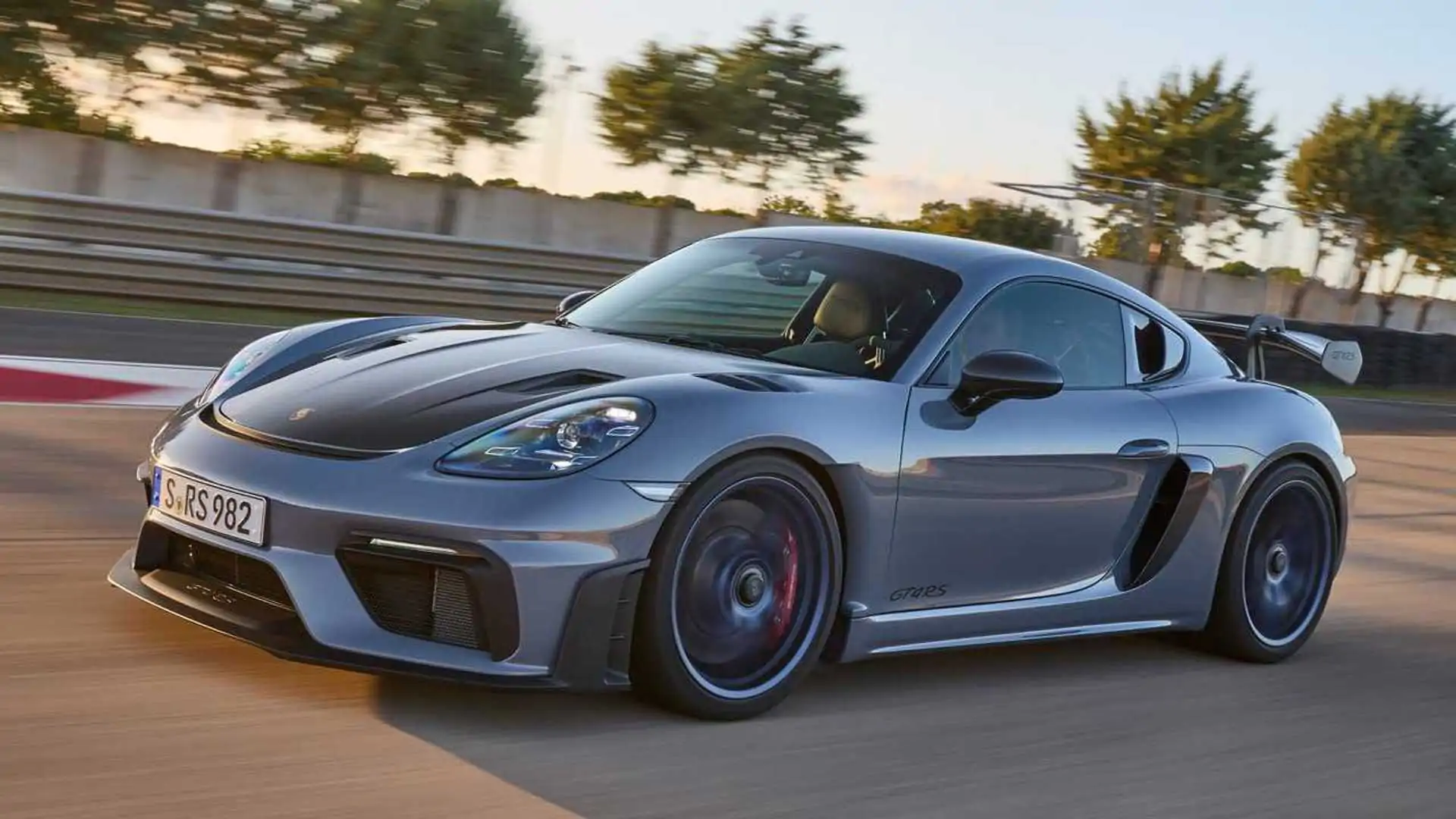
5. Porsche Cayman GT4: The Ultimate Driver’s Car
The Porsche Cayman GT4, introduced in 2015, represents the pinnacle of Porsche’s mid-engine sports car engineering. While the 911 has long been Porsche’s flagship, the GT4 offers a more agile and accessible alternative without compromising on performance.
At the heart of the Cayman GT4 is a naturally aspirated 3.8-liter flat-six engine, delivering 385 horsepower. This engine, derived from the 911 Carrera S, propels the GT4 from 0 to 60 mph in approximately 4.2 seconds. The engine’s high-revving nature and precise throttle response provide an exhilarating driving experience.
Power is transmitted to the rear wheels via a six-speed manual transmission, emphasizing driver engagement. The GT4’s chassis is equipped with Porsche’s PASM (Porsche Active Suspension Management) system, offering a balance between comfort and track-ready performance.
The car’s handling is further enhanced by a mechanical, limited-slip rear differential and large brakes, ensuring exceptional cornering capabilities.
The Cayman GT4’s design is both functional and aesthetically pleasing. It features a wider body compared to the standard Cayman, with a fixed rear wing and front air intakes borrowed from the 911 GT3. Inside, the cabin is stripped of unnecessary luxuries, focusing on the essentials for driving enthusiasts. Optional carbon-fiber bucket seats and a half roll cage are available for those seeking a more track-oriented setup.
Since its introduction, the Cayman GT4 has been lauded for its driving dynamics and value proposition. Despite being discontinued in 2016, it remains a sought-after model in the used sports car market. As of 2025, prices for well-maintained examples typically range between $60,000 and $115,000, depending on mileage, condition, and modifications.
For instance, listings on platforms like CARFAX and Autotrader show prices varying from approximately $77,000 to over $115,000 for low-mileage, well-maintained units. The market for the Cayman GT4 remains strong, reflecting its status as a modern classic among driving purists.
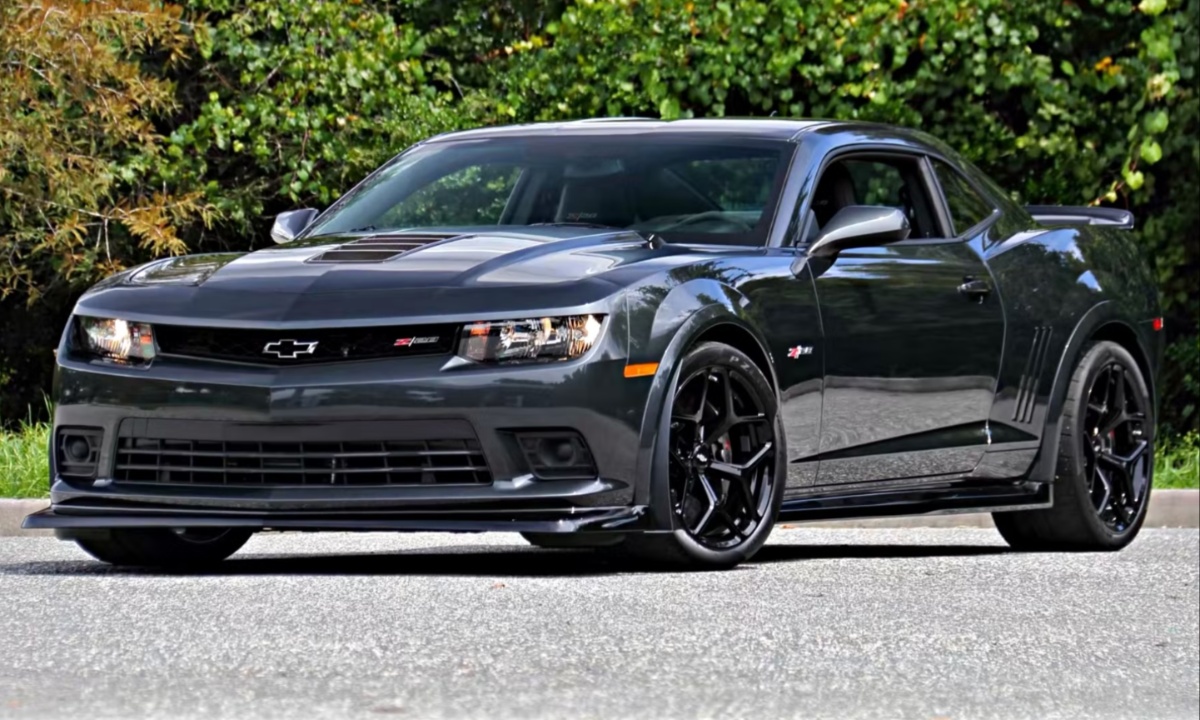
6. Chevrolet Camaro Z/28: The American Track Muscle
The Chevrolet Camaro Z/28 is not your average muscle car. It is a purpose-built street-legal race car that transforms the Camaro into a world-class sports car.
Unlike the standard V6 or SS models, the Z/28 is focused on track performance, featuring a lightweight, race-tuned chassis, precise suspension, and a 7.0-liter high-revving naturally aspirated V8 producing 505 horsepower and 481 lb-ft of torque. This allows the car to accelerate from 0 to 60 mph in around 4.0 seconds with a claimed top speed of 190 mph.
The Z/28 achieves a 136-kilogram weight reduction compared to a standard Camaro by emphasizing performance over comfort. The interior is minimalist with air conditioning as an option, a single speaker as standard, and no boot carpeting.
Components are chosen for their performance quality, including Brembo carbon-ceramic brakes, British Recaro seats, German Mahle lightweight pistons, and Austrian Pankl titanium conrods. The result is a 1,733-kilogram vehicle with remarkable agility for its size, which measures 16 feet in length and over six feet in width.
The car rides on massive Pirelli Trofeo R tires, which are the widest front tires ever fitted to a production car. These tires provide exceptional front-end grip when heated. Steering is fast and precise, though the Z/28 can feel challenging at its limits, particularly on wet roads.
Oversteer occurs abruptly if pushed too far, requiring careful driver input. The rear differential and manual transmission enhance engagement, offering short, solid throws and an Alcantara-trimmed gear knob and steering wheel.
The 7.0-liter V8 is the soul of the Z/28 experience. Lightweight pistons and rods make the engine feel lively for its size. Torque delivery is strong and linear with a thunderous exhaust note, producing a visceral driving experience. The brakes are capable of pulling up to 1.5g, allowing the car to handle aggressive braking and high-speed cornering with confidence.
On public roads, the Z/28 is extreme and uncomfortable due to its stiff suspension and track-oriented tires. It is best enjoyed on the track. For drivers who can manage its uncompromising nature, the Camaro Z/28 offers a deeply satisfying driving experience.
It is raw, powerful, and precise, delivering the performance of a European sports car while retaining the distinctive character of an American muscle car. The Z/28 is not just a Camaro. It is a serious driver’s car and a future classic.
Also Read: 10 Cars That Offer Raw Fun Without Tech Overload
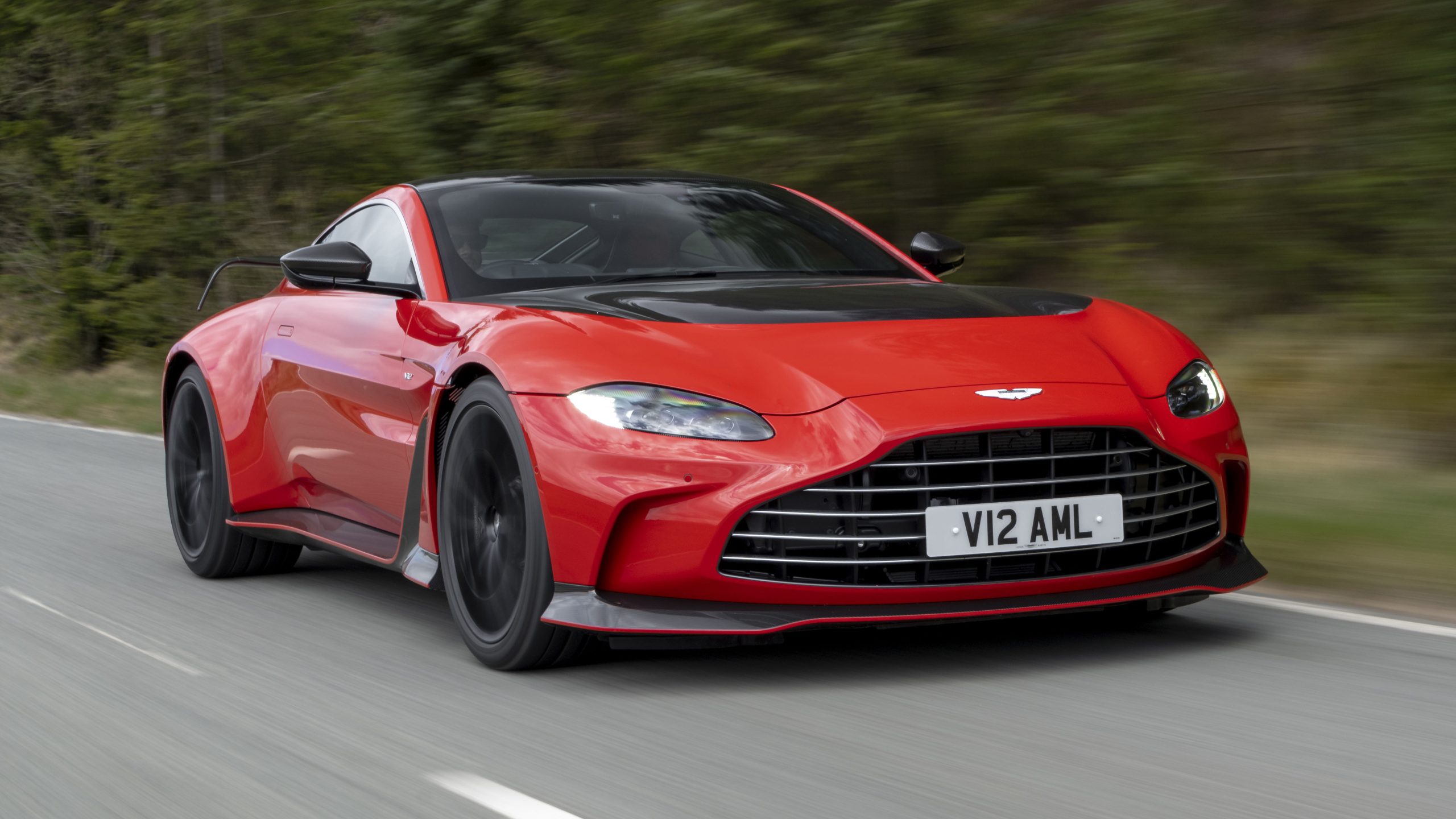
7. Aston Martin V12 Vantage: British Muscle Meets Precision Handling
In the early 2000s, Aston Martin introduced the Vantage as an entry-level sports car featuring a 4.3-liter V8 designed to rival the Porsche 911. Its elegant design, luxurious interior, and nimble performance made it an instant success for the limited-production brand.
The success of the V8 Vantage led engineers to explore a bolder idea: transplant the mighty 6.0-liter V12 from the DBS into the compact Vantage chassis. The result was the V12 Vantage, a car that transformed Aston’s entry-level model into a high-performance British muscle car.
The V12 engine produces 510 horsepower and 420 pound-feet of torque, adding 90 more horsepower than the V8 while increasing curb weight by just 150 pounds. Despite its larger size, Aston Martin carefully re-engineered the front structure, suspension, and cooling system to maintain the Vantage’s sharp handling and balanced weight distribution.
The car features aggressive bodywork, carbon-ceramic brakes, and optional track-focused equipment, emphasizing precision driving without compromising comfort for everyday use.
The V12 Vantage comes exclusively with a six-speed manual transmission, offering enthusiasts direct engagement. Acceleration is brutal, achieving 0 to 60 mph in 4.1 seconds, slightly quicker than the DBS. Fuel economy is modest, with an EPA estimate of 11 mpg city, 17 mpg highway, and 13 mpg combined.
Safety features include carbon-ceramic disc brakes with ABS, brake assist, traction control, stability control with track mode, and side airbags for head and torso protection.
Inside, the V12 Vantage mirrors the V8 model, with high-quality materials, a metallic-finish instrument cluster, and a center stack shared with the DBS. The cabin is elegant yet snug, providing a high-class experience befitting the Aston Martin badge.
Visibility is limited due to the taut roofline, and larger drivers may find the seat and footwell narrow. Still, the hatchback offers 10.6 cubic feet of cargo space, outperforming rivals such as the Audi R8 in practicality.
On the road, the V12 Vantage combines the Vantage’s precise handling with the raw thrust of a DBS engine. It delivers confidence on winding roads while providing ample feedback from the pavement. The ride is surprisingly comfortable, making it suitable for spirited drives or longer trips.
Compared with high-end German and Italian sports cars, it may not match outright acceleration or cornering extremes, but it excels as a refined GT car with genuine sports car capability. For enthusiasts seeking a driver-focused Aston with both elegance and raw power, the V12 Vantage stands as a definitive classic.
8. Lexus LFA: Japan’s Ultimate Supercar
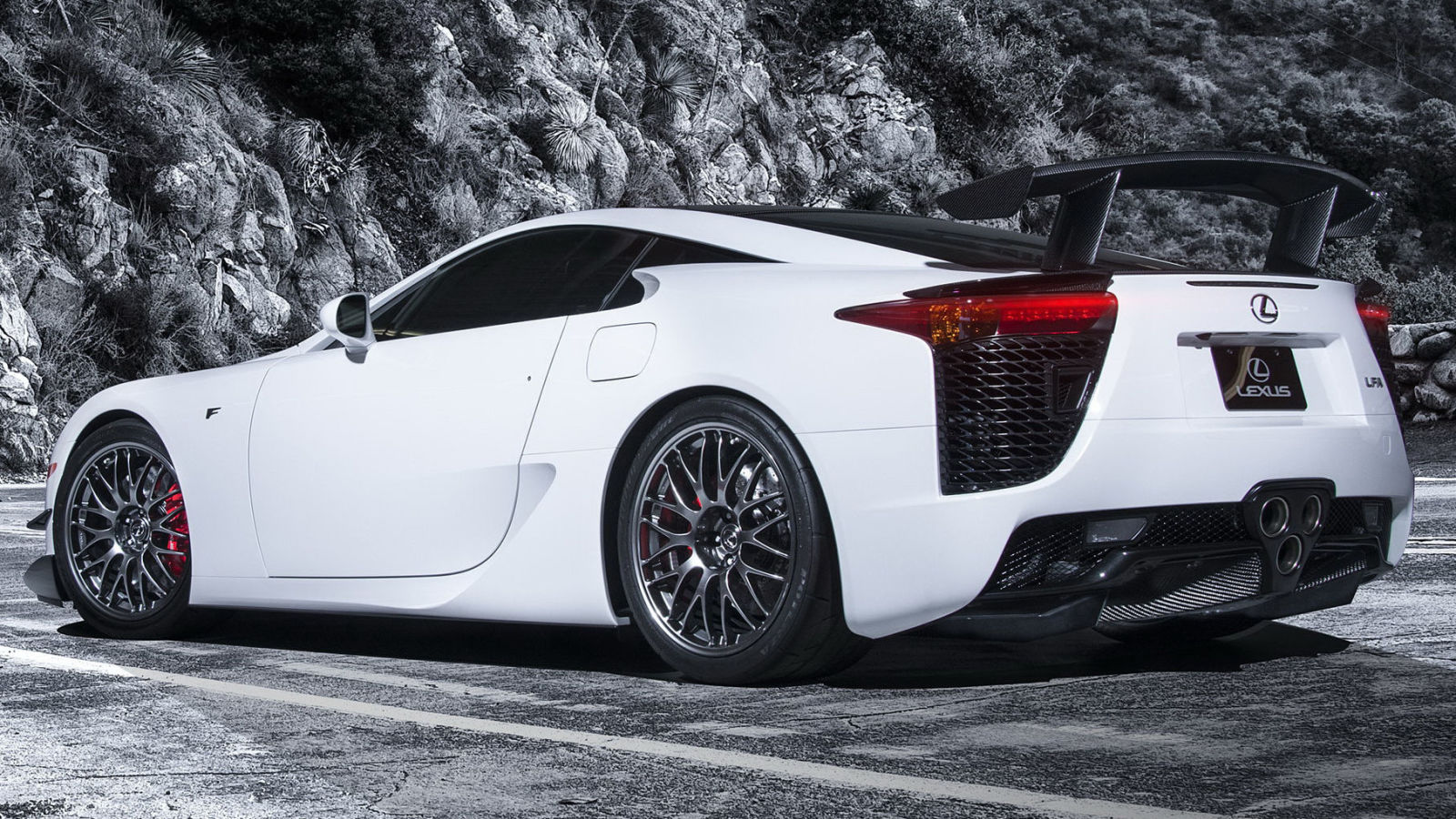
Lexus, Toyota’s luxury division, long sought global recognition and respect, and the LFA was its bold attempt to create a “halo car.” Introduced in 2010 after a decade of development, the LFA aimed to demonstrate Lexus’ capability in performance, technology, and craftsmanship. It combined exotic design, cutting-edge materials, and a high-revving engine to deliver a supercar experience that rivaled European peers.
At the heart of the LFA is a 4.8-liter V10 engine co-developed with Yamaha, producing 553 horsepower at 8,700 rpm and 354 pound-feet of torque at 6,800 rpm. The engine revs to 9,000 rpm, providing immediate power and a remarkably high-rev experience reminiscent of Formula 1 cars.
Titanium valves and connecting rods, individual throttle bodies, and carbon- and silicon-coated rocker arms highlight the technical sophistication. The engine connects to a six-speed automated manual transaxle with a Torsen limited-slip differential, sending power to the rear wheels with lightning-fast shifts between 0.2 and 1.0 seconds.
A dry-sump oil system and low-mounted pumps keep the center of gravity low, giving the car a 48/52 percent front-to-rear weight distribution.
The LFA’s carbon-fiber-reinforced plastic monocoque and aluminum subframes reduce weight to 3,263 pounds while maintaining exceptional stiffness. Sixty-five percent of the body structure is carbon fiber, including unique manufacturing techniques developed in-house.
The chassis is complemented by aluminum suspension components, KYB monotube dampers, and Brembo carbon-ceramic brakes with six-piston front calipers, ensuring precise handling and immense stopping power. Forged 20-inch BBS wheels with Bridgestone Potenza tires complete the performance package.
Aerodynamics are functional yet understated, with sharp edges, matte-black vents, and an active rear wing that deploys above 50 mph. The LFA achieves a coefficient of drag of 0.31 while generating significant downforce. Inside, the cabin combines leather, Alcantara, carbon fiber, and satin metal.
The supportive seats are eight-way adjustable, and the driver-oriented controls include a customizable instrument panel, lap-timer, and shift-point selector. Innovative safety features include seatbelt airbags and advanced stability control with selectable driving modes.
Performance is thrilling, with a 0-to-62 mph time of 3.7 seconds and a top speed of 202 mph. The LFA remains composed at high speed, providing tactile feedback and exceptional grip even on challenging circuits like the Nürburgring.
Its exhaust note delivers a visceral, F1-inspired soundtrack, making every drive memorable. The Lexus LFA is a rare combination of advanced engineering, high-revving excitement, and everyday usability, cementing its place as Japan’s most iconic supercar and a future classic.
9. Cadillac CTS-V Wagon: The High-Performance Family Hauler
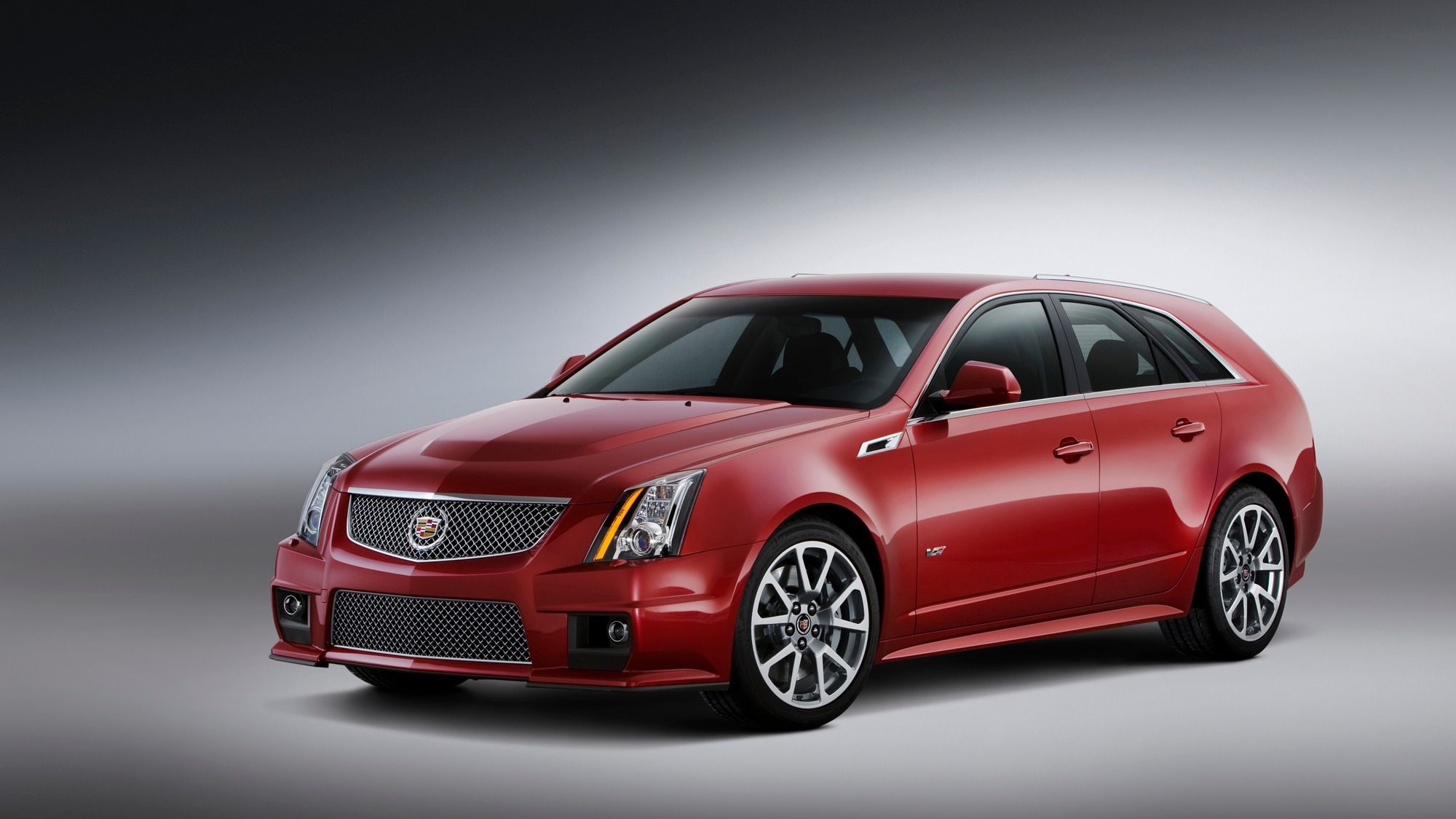
Cadillac’s V-Series was created to challenge German performance sedans, combining powerful engines, precise handling, and exclusive production. Among the most celebrated V-Series models was the second-generation CTS-V produced from 2008 to 2014.
While the CTS-V was available as a sedan, coupe, and wagon, the wagon was the rarest and most unique, offering the practicality of a five-door with the heart of a supercar. Under the hood, the CTS-V Wagon featured a supercharged 6.2-liter V8 producing 556 horsepower and 551 pound-feet of torque.
Paired with a six-speed manual transmission, it accelerated from 0-60 mph in 4.1 seconds and covered the quarter-mile in 12.3 seconds at 119 mph. The wagon’s suspension, brakes, and chassis were tuned to deliver precision handling while maintaining everyday usability.
The CTS-V Wagon impressed with its versatility. It could dominate corners, handle long highway drives, and carry passengers or cargo with ease. Its 4,393-pound frame demonstrated 0.89 g of grip and stopped from 70 mph in 158 feet, proving that its performance capabilities were uncompromised by the wagon body.
On long-term testing, the CTS-V Wagon retained its speed, agility, and braking efficiency even after 40,000 miles. Minor issues, such as a recurring right-rear window problem and occasional wheel damage, were easily resolved under warranty, highlighting the car’s durability.
Practical aspects included a limited fuel range due to an 18-gallon tank, averaging 15 mpg, but the vehicle remained a joy to drive in everyday situations.
Optional Recaro seats provided comfort and support during spirited driving, while a thoughtfully designed cabin combined luxury materials with driver-focused controls. The wagon’s shape allowed for cargo flexibility, with room for large items or road-trip gear, making it a true multi-purpose performance vehicle.
Building a CTS-V Wagon was an experience in exclusivity. Editors even participated in assembly at Cadillac’s Lansing Grand River plant, selecting interior trim, steering wheel finishes, and Recaro seats. The resulting car reflected both personal taste and the brand’s high-quality standards. Black wheels and winter tires enhanced aesthetics and functionality in harsh climates.
The Cadillac CTS-V Wagon is a rare combination of raw power, handling precision, and everyday usability. Its supercharged V8, manual transmission, and advanced chassis make it a thrilling driver’s car, while the wagon body adds practicality and uniqueness. With limited production and remarkable performance, the CTS-V Wagon stands as a future collectible and one of the most versatile high-performance vehicles of its era.
10. Ford F-150 Raptor: The Ultimate Off-Road Pickup
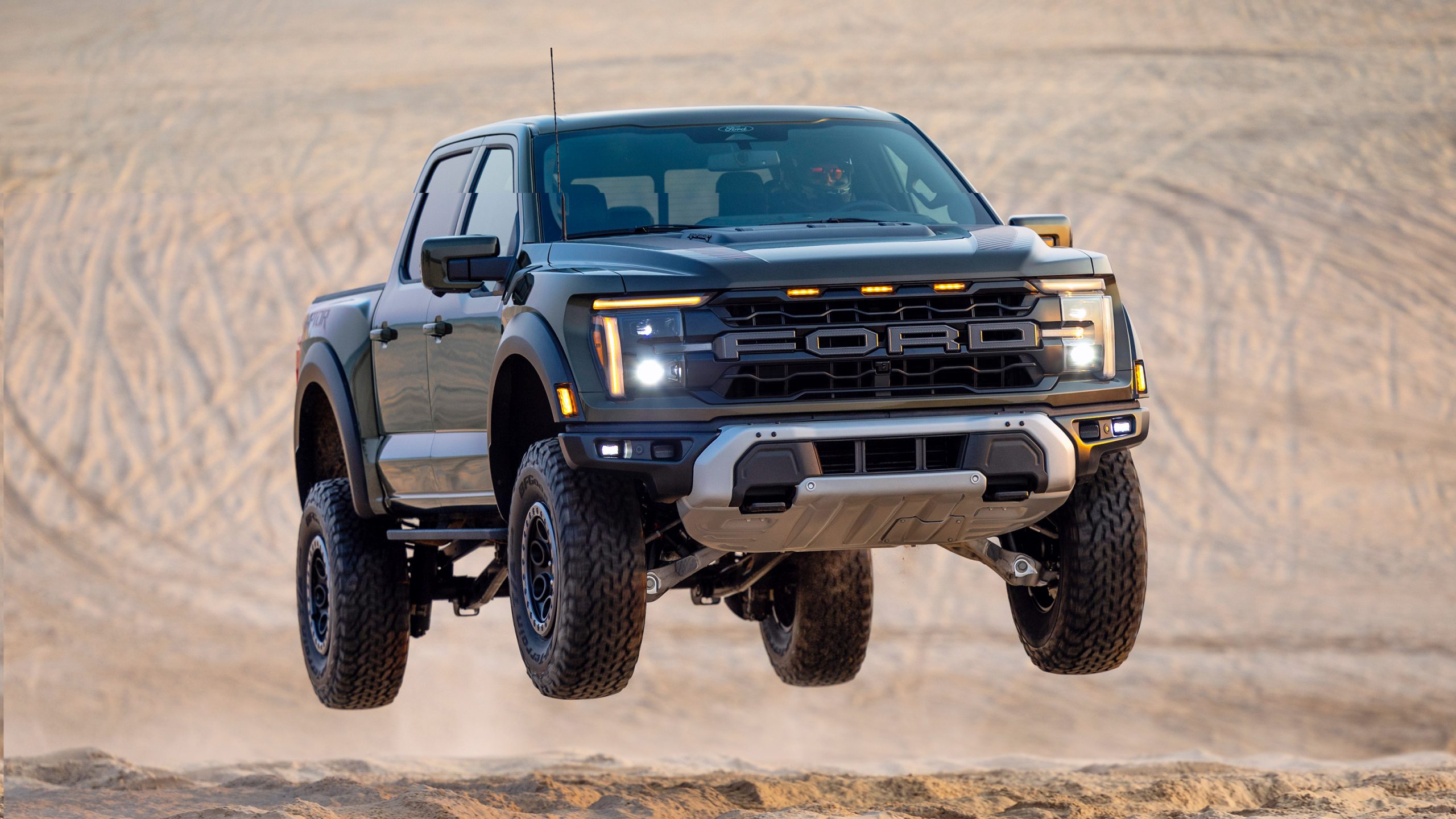
The Ford F-150 Raptor redefined what a full-size pickup could achieve in terms of performance, capability, and versatility. Introduced in 2010 as the first-generation SVT Raptor, it combined the utility of a traditional truck with extreme off-road prowess, making it the closest civilian equivalent to a Baja 1000 racing vehicle.
The latest Raptor models feature a 3.5-liter turbocharged V6 producing 450 horsepower and 510 pound-feet of torque, paired with a 10-speed automatic transmission. This powertrain allows sub-five-second 0-60 mph times, turning a full-size pickup into a high-performance machine capable of handling both highways and challenging off-road terrain.
The Raptor’s engineering focuses on blending extreme off-road performance with everyday usability. Its advanced suspension, adaptive shocks, and multiple driving modes allow it to tackle rock crawling, desert trails, mud, and snow while maintaining a comfortable, rattle-free ride.
Ford designed the truck to remain practical for daily use, with seating for five passengers and a standard bed for hauling cargo. Its suspension provides excellent articulation, while precise steering and strong braking contribute to a surprisingly refined driving experience for a vehicle of this size.
Ford offers a range of powertrains across the F-150 lineup, including a standard 4.2-liter V6, a 4.6-liter V8, and a 5.4-liter V8. Manual transmissions are available with the smaller engines, while the 5.4-liter V8 comes with an automatic.
Although these engines provide adequate performance for most drivers, the Raptor’s turbocharged V6 stands out for its combination of speed, torque, and off-road capability, making it the ideal choice for performance enthusiasts.
The F-150 has long been recognized for functionality, and the Raptor builds on this with SuperCab and SuperCrew configurations that improve passenger space and cargo capacity. The SuperCrew, with its larger doors and 60/40 rear seat, increases comfort and convenience for long trips or family use.
Special editions, such as the Harley-Davidson F-150, offer distinctive styling, premium interior materials, and performance-focused features for those seeking a more unique truck.
In short, the Ford F-150 Raptor is more than a pickup; it is a versatile performance vehicle that can handle extreme off-road challenges while remaining practical for everyday driving. Its combination of power, advanced suspension, technology, and utility makes it a standout in the pickup segment and a truck that appeals to both enthusiasts and practical users alike.
11. Alfa Romeo 4C: Lightweight Italian Thrill
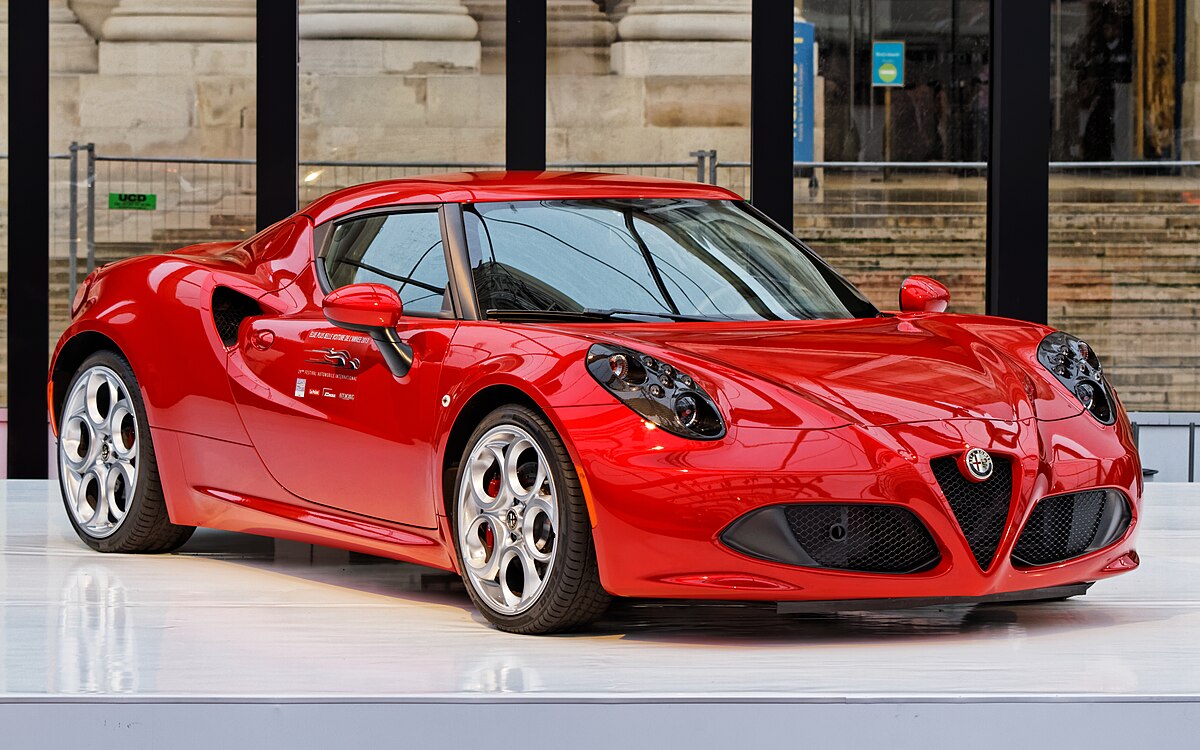
The Alfa Romeo 4C, introduced in 2013, served as a halo car for the brand, combining exotic Italian styling with a raw, lightweight driving experience. Positioned as a “junior supercar,” the 4C features a carbon-fiber monocoque chassis, aluminum subframes, and a turbocharged 1.7-liter four-cylinder engine producing 237 horsepower.
Weighing just 2,464 pounds, it achieves a 0-60 mph sprint in 4.1 seconds and reaches a top speed of 160 mph, making it one of the most agile road-going sports cars of its era. The car was deliberately stripped of luxury amenities such as power steering, cruise control, and frunk storage to minimize weight and maximize driving engagement.
The 4C’s driving experience is its defining feature. Its mid-engine layout and race-inspired suspension provide exceptional responsiveness, cornering precision, and feedback from the road.
Pirelli P Zero summer tires and a dual-clutch six-speed transmission with paddle shifters ensure the car feels like a miniature track car, delivering a visceral experience reminiscent of far more expensive supercars.
The car demands driver attention, rewarding skillful inputs with a connected and exhilarating ride. Its Spartan interior reinforces the focus on performance, seating the driver low with a sensation of being fully integrated into the chassis.
While the 4C excels in performance, it is less practical for long-distance or everyday use. The suspension is harsh on uneven roads, the interior space is limited, and storage is minimal. Road trips can be uncomfortable, and its narrow cabin challenges larger occupants. However, these compromises are consistent with its intent as a purist, driver-focused machine.
Visually, the 4C captures attention with curvy, aggressive Italian styling and compact proportions that highlight its mid-engine layout. Public reaction confirms its charm, with onlookers appreciating its exotic lines and approachable scale. Its analog character stands in stark contrast to modern electric vehicles, emphasizing engagement over automation.
Produced from 2015 to 2018, the Alfa Romeo 4C quickly became a modern classic. Its combination of light weight, nimble handling, and race-car-inspired design offers a unique experience unmatched in its price segment.
With low-mileage examples still priced around their original $55,000, the 4C represents an accessible entry into Italian supercar excitement, delivering pure driving pleasure without the excesses or intimidation of higher-powered hypercars.
Highs include stunning Italian styling and track-capable handling, while lows are limited amenities, a stiff ride, and constrained storage. Despite its compromises, the Alfa Romeo 4C remains a rare, joyful, and highly engaging sports car built for enthusiasts.
12. Ford Mustang Boss 302: Modern Muscle with Racing Heritage
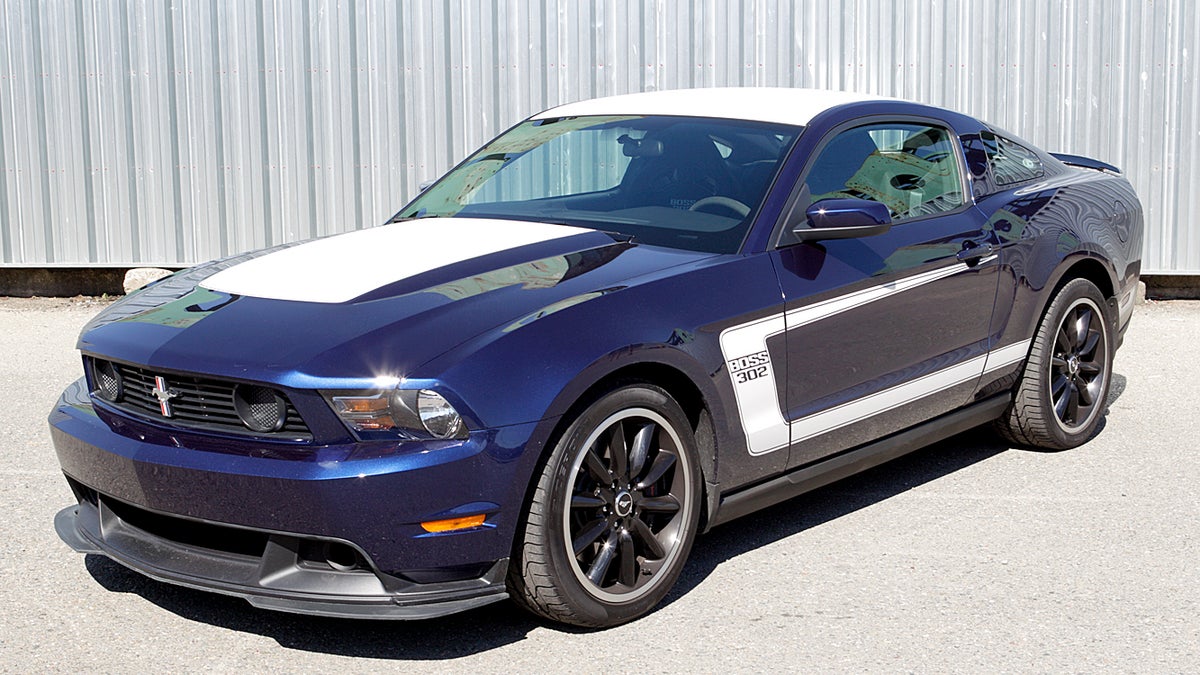
The Ford Mustang Boss 302, revived in 2012, pays homage to the legendary 1969 Trans-Am homologation special. Equipped with a 5.0-liter Coyote V8 producing 444 horsepower and 380 lb-ft of torque, the Boss 302 delivers exhilarating performance with a 0-60 mph time of 3.97 seconds and a top speed of 155 mph.
Designed as a near-pure racing car for the street, it features a factory-installed roll cage, aggressive suspension, and a host of internal and external performance enhancements that distinguish it from the standard Mustang GT.
The modern Boss 302 is a limited-production model, making well-preserved examples highly sought after. Its striking exterior, particularly the school bus yellow paint with black racing stripes, draws attention wherever it goes, while the exhaust note provides a visceral soundtrack that complements the car’s aggressive demeanor.
Inside, the car remains driver-focused, with Recaro seats, a short-throw shifter, and minimal distractions to maximize engagement. While the interior may appear dated, with non-telescoping steering and manual front seats, these compromises are secondary to the pure driving experience.
On the road, the Boss 302 demonstrates its racing pedigree. The suspension keeps the car flat through corners, while the Brembo brakes offer precise pedal feel and stopping power. Steering feedback is direct, and the drivetrain responds smoothly to inputs, making it both thrilling on the track and manageable on public roads.
Reviewers have noted its handling rivals the BMW M3 in precision, with the car rewarding skillful driving while remaining accessible for spirited street use. The live rear axle may lack the sophistication of independent rear suspension, but it contributes to the car’s playful character and driver involvement.
Beyond performance, the Boss 302 offers practical advantages over competitors like the Camaro SS 1LE, including better visibility, more cargo space, and a unique personality that enhances its collectibility. Its combination of raw sound, sharp handling, and striking visuals creates a compelling package for enthusiasts who value engagement over purely numerical performance metrics.
Priced at around $44,990 for the tested 2013 model, the Boss 302 sits at the top of the Mustang lineup, bridging the gap between everyday muscle and track-capable performance.
With features like manual-adjustable suspension, dual exhaust, and summer Pirelli P Zero tires, it embodies the essence of a modern pony car that stays true to its racing roots while providing an unforgettable driving experience. The Boss 302 is celebrated as the most exciting Mustang available from the factory, offering both street usability and track-day thrills in one ferociously entertaining package.
These 12 cars show that true driving excitement is more than horsepower or lap times. They are a celebration of engineering that prioritizes engagement, emotion, and skill while offering experiences that today’s technology-laden vehicles rarely replicate.
From legendary American muscle to precision-tuned European and Japanese roadsters, each machine embodies a unique combination of design, performance, and soul. Their rarity, character, and driving purity ensure they will be remembered, cherished, and sought after in the years to come.
For enthusiasts, owning or even experiencing one of these vehicles is more than a thrill; it is a connection to automotive history and the timeless pursuit of joy behind the wheel. These cars will become future classics and a testament to what makes a true driver’s car unforgettable.
Also Read: 5 Cars That Sell Instantly Used vs 5 That Sit for Months