
When purchasing an SUV, comfort often sits high on the list of priorities. Whether someone is driving long distances for work, hauling the family across town, or setting off on a cross-country road trip, the experience inside the cabin matters just as much as what’s under the hood.
At first glance, many SUVs offer plush seats, quiet cabins, and advanced climate systems. However, the true test of comfort isn’t in the first few weeks or months, but in how the vehicle holds up over years of regular use.
Long-term comfort goes beyond initial impressions; it involves seat durability, suspension quality, cabin noise levels, ergonomics, and how well a vehicle accommodates wear and tear. Some SUVs start strong but age poorly, while others continue to feel just as pleasant after 80,000 miles as they did at 8,000.
There are plenty of factors that affect how well an SUV maintains its comfort over time. One key element is seat design. Cushions that feel soft at first might lose support later, causing back pain or fatigue. Materials matter, too. Leather that cracks or cloth that stains easily can make the interior feel cheap over time. Then there’s ride quality.
A well-tuned suspension system can help smooth out rough roads for years, while others begin to rattle and groan with age. Wind and road noise can also become more noticeable as insulation breaks down, windows wear out, and body panels loosen. Even the layout of controls and how they respond can impact comfort, especially if they become sticky, glitchy, or simply annoying to use.
In this article, we’ll look at 4 SUVs known for providing long-lasting comfort and contrast them with 4 that seem to lose that edge over time. This isn’t about performance or off-road ability. It’s about how pleasant and relaxing the driving experience remains after years of regular use.
All of these impressions are drawn from general user experience, long-term reviews, and mechanical consistency seen in ownership cycles. The goal is to give a practical perspective that can help buyers focus on SUVs that hold their value not just in dollars, but in day-to-day driving satisfaction. Let’s start with the vehicles that keep their promise of comfort, even years down the road.
4 SUVs With the Best Long-Term Comfort
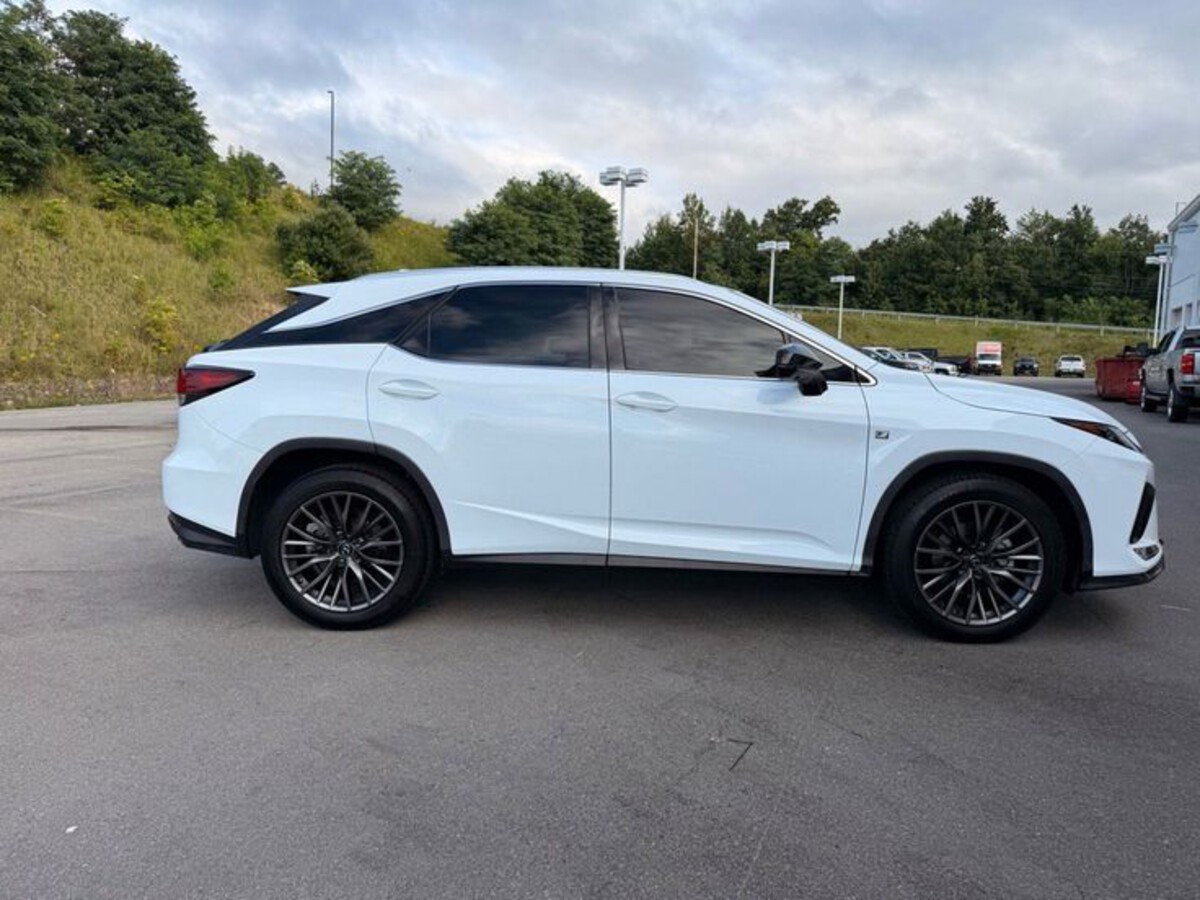
1. Lexus RX
The Lexus RX has consistently earned praise for its ability to provide a smooth and comfortable ride that doesn’t deteriorate quickly over time. From the very beginning, this SUV offers a suspension setup that balances softness with control, allowing it to glide over rough patches without jarring the occupants.
What makes the RX exceptional is the way it maintains this suspension quality even after tens of thousands of miles. Unlike some SUVs where the shocks or struts wear out prematurely and lead to a bouncy or unstable ride, the RX’s components are engineered to last, which means drivers can expect a consistently plush experience.
This is important for those who spend a lot of time behind the wheel because an aging, stiff suspension can turn what was once a relaxing journey into an uncomfortable ordeal.
The seats in the Lexus RX are another key factor in its long-term comfort reputation. The front seats are large, well-padded, and designed with ergonomics in mind. They offer ample lumbar support and cushioning that doesn’t compress quickly, so owners rarely report issues with sagging or fatigue even after many years.
The materials used on the seats are also noteworthy; Lexus typically opts for high-quality leather that resists cracking and fading far better than cheaper alternatives.
This durability ensures that the cabin continues to feel luxurious and inviting. Rear passengers benefit as well, with wide, comfortable seats that maintain their shape and softness over time, helping the RX hold its appeal for families and frequent travelers.
In addition to the mechanical and seating comfort, the cabin itself is crafted to preserve quietness and a sense of calm for the long term. Lexus pays close attention to sound insulation, using thick glass and extensive sealing around doors and windows to block out road and wind noise.
Over time, many SUVs develop annoying rattles or allow more external noise to seep in as seals age and panels loosen. The RX, however, stands out for keeping these noises to a minimum, maintaining that cocoon-like environment.
Drivers and passengers can enjoy conversations or music without raising their voices, even on highways or bumpy roads. This lasting quietness is a vital part of comfort that’s often overlooked but makes a significant difference during daily use or long trips.
Finally, Lexus’s well-earned reputation for reliability enhances experience. Owners don’t have to worry about strange noises, broken controls, or unexpected breakdowns that can spoil the driving experience.
The RX’s electrical systems, climate control, and seating adjustments remain responsive and hassle-free for years, which reduces stress and makes the vehicle more enjoyable day to day.
Maintenance tends to be straightforward and less frequent compared to many luxury competitors, which helps the vehicle retain its comfortable character without requiring constant attention. The RX shows that comfort is not just about how a vehicle feels at first, but how well it maintains those qualities through the inevitable miles and years.
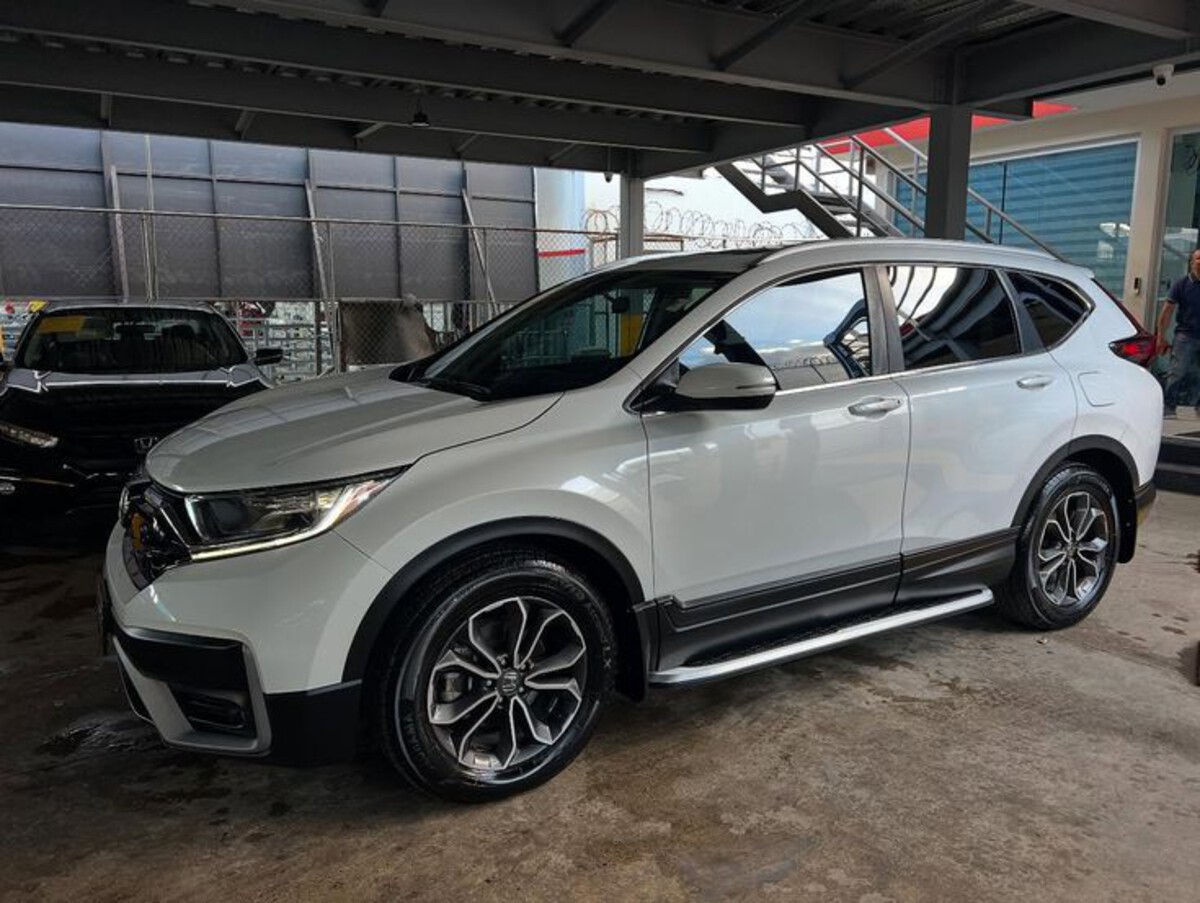
2. Honda CR-V
The Honda CR-V has built a strong reputation for combining practicality with a comfortable ride that lasts. Although it is classified as a compact SUV, the CR-V punches above its weight in delivering a smooth, composed driving experience. Its suspension is tuned to soften the impact of common road irregularities, but it avoids being too floaty or disconnected.
What really sets it apart is the way this balance remains steady over the years. Many vehicles in this class develop firmer or more rattly rides after prolonged use, but the CR-V’s suspension components, including the shocks and bushings, hold up well under typical daily driving conditions.
This consistency is critical for drivers who rely on the vehicle for daily commuting or frequent family outings, as it means fewer jolts and less discomfort as mileage adds up.
Inside, the CR-V shines with its spacious cabin and supportive seating that remains comfortable through years of use. The front seats provide a balanced level of firmness that supports the body without feeling hard or unforgiving, which is crucial for avoiding fatigue on long drives.
Owners frequently note that even after 100,000 miles, the seats don’t lose their cushioning or start to feel flat, a common problem in many competing SUVs. The materials used, whether durable cloth or optional leather, resist wear well.
Stains and tears are minimal, and the stitching rarely unravels, helping the cabin retain a fresh, well-maintained look for longer. The rear seats are similarly comfortable and roomy, making it a favorite for families who prioritize passenger comfort during extended trips or school runs.
The CR-V also scores well in terms of ergonomics and user-friendly controls that remain reliable over time. Unlike some vehicles where infotainment systems grow slow or glitchy, or HVAC controls become stiff or unresponsive, the CR-V’s straightforward design ages gracefully.
Buttons and knobs maintain their tactile feedback, and the climate control system continues to heat and cool efficiently after years of use. This may seem like a small detail, but ease of operation and consistent functionality contribute significantly to a comfortable driving environment.
Additionally, getting in and out of the vehicle remains hassle-free due to its moderate ride height and wide door openings, which becomes more appreciated as drivers grow older or when passengers have limited mobility.
Noise insulation in the CR-V is not perfect but impressively consistent for a vehicle in its class. While some SUVs allow increasing wind or road noise as seals age and components loosen, the CR-V generally maintains a reasonable level of quietness inside the cabin.
The engine noise remains subdued during cruising, and while some road noise is present at higher speeds, it does not become intrusive or wear on the nerves. This consistent acoustic environment helps preserve the sense of comfort that makes the CR-V a popular choice for those who spend many hours driving every week.
It’s a vehicle that doesn’t shout for attention with noises or vibrations, but rather lets drivers focus on the road and the journey ahead.
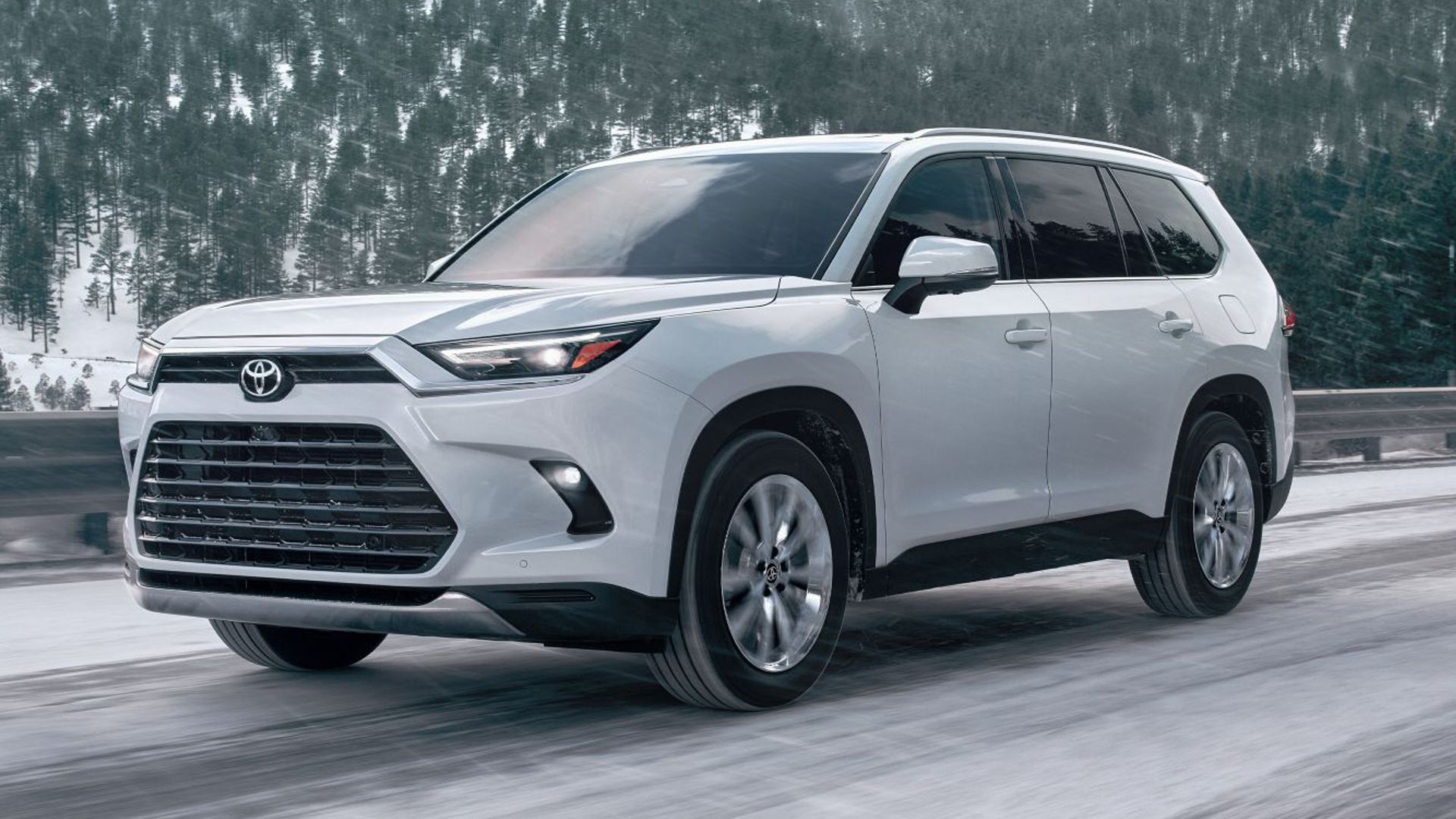
3. Toyota Highlander
The Toyota Highlander has earned its place among SUVs known for long-term comfort due to its well-balanced ride quality and durable interior components. It offers a suspension setup that is neither too soft nor too firm, providing a refined driving experience that ages gracefully.
This balance means that even after years and many miles, the Highlander retains a steady ride without developing the harshness or excessive bounce that can plague some larger SUVs.
Toyota’s commitment to solid chassis construction and use of durable suspension parts means owners rarely experience premature wear or clunkiness. For drivers seeking a comfortable and composed ride over a decade or more, the Highlander delivers without significant compromise.
Seating comfort is one of the Highlander’s standout attributes. Front passengers enjoy seats that are supportive, well-padded, and highly adjustable, which allows for personalized comfort on long journeys. The cushions hold up well over time, avoiding the common problem of flattening or sagging.
Rear passengers benefit from seats that provide ample room and decent support, a feature that is not always guaranteed in mid-size SUVs with optional third rows.
The materials Toyota chooses for the seats and cabin trim resist fading, cracking, and wear, even with daily use and exposure to sunlight or changing weather. This durability helps maintain the feeling of a premium, well-cared-for interior, which adds to the comfort experience year after year.
The interior design emphasizes simplicity and functionality, which pays off in the long run. Toyota avoids overly complicated infotainment systems or delicate trim pieces that might malfunction or break with time. Instead, the Highlander offers straightforward controls that remain intuitive and reliable for many years.
HVAC knobs and buttons retain their smooth operation, climate systems continue to cool and heat effectively, and storage compartments stay intact without rattling or sticking.
These small but crucial details contribute to the vehicle’s ability to deliver a hassle-free, comfortable ride even after extended use. The Highlander’s cabin layout also ensures good visibility and easy access to controls, reducing driver fatigue and enhancing comfort.
Sound insulation is another area where the Highlander shows its strengths. The cabin remains relatively quiet as the vehicle ages, thanks to good door seals, quality window glass, and sound-deadening materials strategically placed throughout the body.
Wind and road noise are kept to a minimum at typical driving speeds, and engine noise intrusion is limited unless the vehicle is pushed hard. This consistent quietness enhances the sense of peace inside the vehicle and helps occupants feel relaxed, even on longer trips or busy highways.
The Highlander’s ability to maintain this calm environment for many years helps it stand out as a comfortable choice for those seeking reliability and serenity in an SUV.
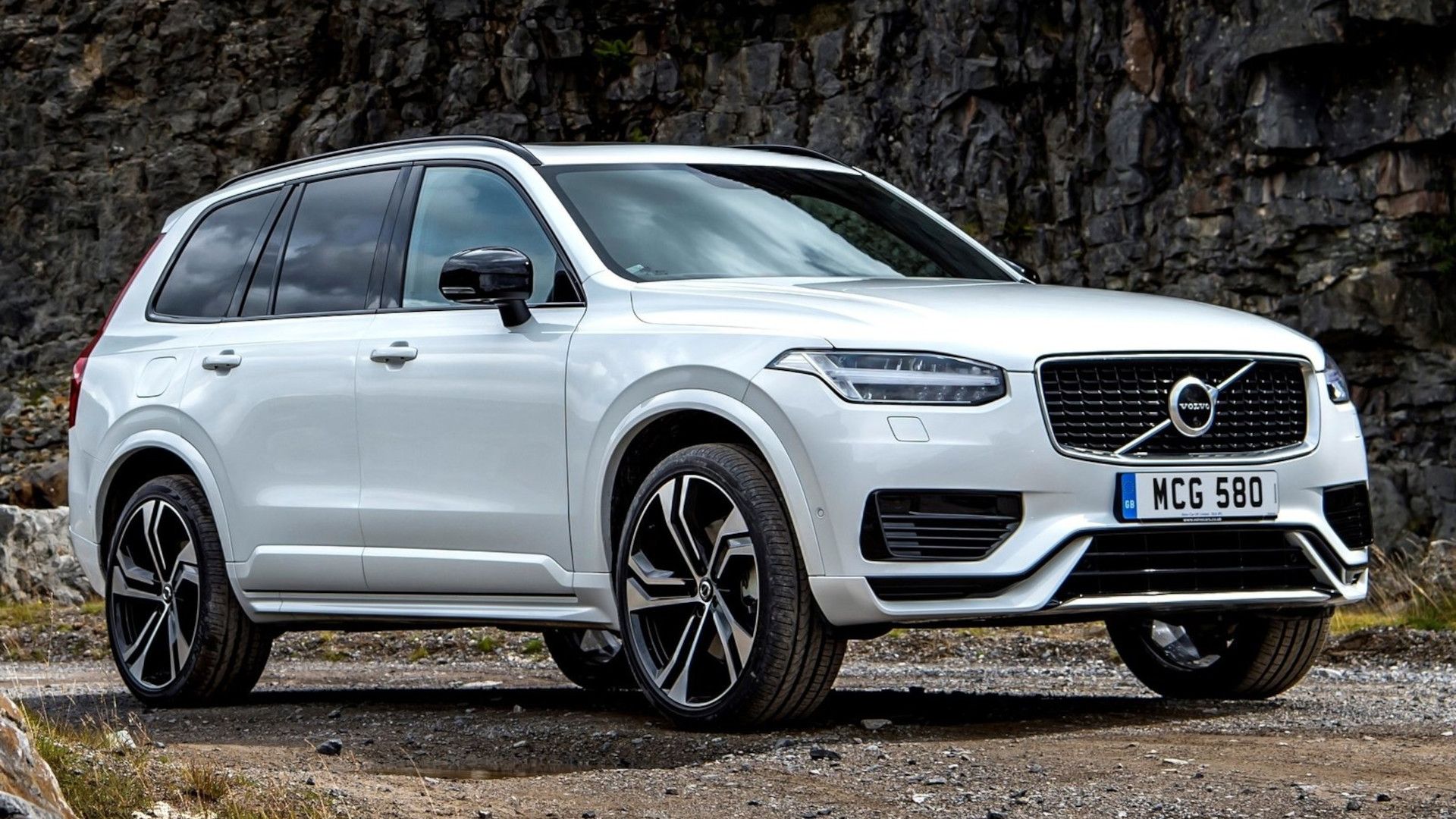
4. Volvo XC90
The Volvo XC90 is often recognized for its focus on comfort, safety, and premium interior quality, but what sets it apart is how well it maintains these attributes over time. The suspension is tuned to provide a ride that is firm enough to inspire confidence but cushioned enough to smooth out most road imperfections.
This balance means the XC90 delivers a composed ride without being overly stiff or tiring, and importantly, this quality doesn’t diminish significantly with age.
Owners report that even after extensive use, the suspension continues to absorb bumps effectively and the chassis remains stable and responsive. Unlike sportier SUVs that may become uncomfortable or noisy as their components wear out, the XC90 sustains its comfortable ride through hundreds of thousands of miles.
Seat comfort is a particular highlight of the XC90, reflecting Volvo’s Scandinavian design ethos focused on ergonomics and support. The front seats are shaped to reduce driver fatigue by offering excellent lumbar support and cushioning that conforms to the body’s natural curves.
High-quality foam and leather coverings resist sagging, cracking, or flattening, helping the seats maintain their original comfort levels even after years of use.
Passengers in the rear also enjoy spacious and supportive seating, with many owners noting that the second and third rows remain comfortable and usable long after purchase. This attention to comfort extends beyond just the materials, incorporating smart heating and ventilation options that keep occupants comfortable in all seasons.
The interior layout of the XC90 combines luxury with practicality, avoiding overly complicated controls that tend to malfunction or frustrate owners over time. The infotainment system, while advanced, has been refined to minimize bugs and glitches, and physical controls retain their solid feel even after years of use.
Volvo’s choice of materials in the cabin emphasizes durability alongside aesthetic appeal; soft-touch plastics, well-stitched leather, and sturdy metal accents all contribute to a high-quality feel that doesn’t degrade quickly. These elements help the XC90 avoid the creaks, rattles, and cosmetic wear that can plague other luxury SUVs, allowing it to age gracefully in terms of comfort and ambiance.
Noise control is another area where the XC90 excels over the long term. From the outset, it offers a quiet cabin that isolates road, wind, and engine noise effectively, and this soundproofing remains intact after many miles. As seals wear out and panels settle in other vehicles, noise levels often rise, but the XC90’s engineering ensures that these intrusions remain minimal.
This sustained quietness enhances the driving experience, making it easier to relax or focus on the road. The combination of smooth suspension, comfortable seats, and a peaceful cabin makes the XC90 one of the best choices for those seeking lasting comfort in a luxury SUV.
4 SUVs That Lose It
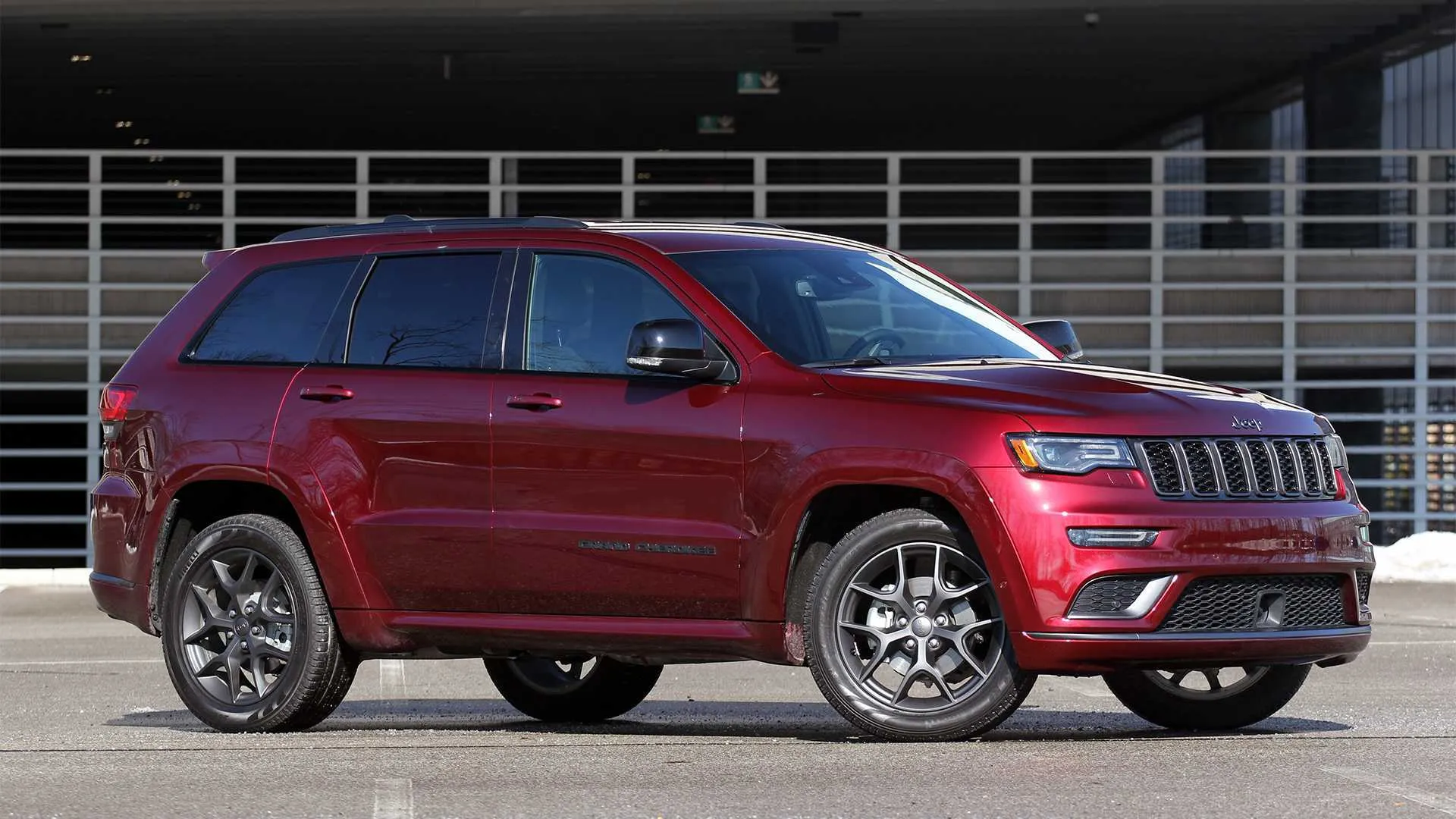
1. Jeep Grand Cherokee
The Jeep Grand Cherokee starts out as a capable and comfortable SUV, but many owners report that its comfort qualities tend to deteriorate noticeably with time. The suspension, which initially balances on-road refinement with off-road toughness, often becomes less compliant and noisier as components age.
This means that after a few years, the ride can feel harsher and less controlled, particularly on rough surfaces. Shock absorbers and bushings often wear out faster than expected, leading to a bumpy, unsettled ride that diminishes the pleasure of driving this once-smooth SUV.
Additionally, the Jeep’s heavy body and complex suspension geometry may exacerbate wear, making it more prone to clunks and rattles as miles accumulate.
The seating comfort in the Grand Cherokee also leaves much to be desired after extended use. While new models boast plush leather and adjustable seats, many owners find that the cushioning compresses unevenly and the leather surfaces crack or wear prematurely.
The driver’s seat in particular tends to lose lumbar support, which can lead to discomfort during long trips. Rear seats are less forgiving, often feeling cramped and less supportive compared to competitors.
Materials inside the cabin, while initially attractive, are prone to fading and scuffing, which can make the interior feel tired and neglected after only a few years. This degradation of interior comfort reduces the SUV’s appeal for those who expect lasting refinement.
Another common complaint with the Jeep Grand Cherokee concerns interior noise levels. While the vehicle performs well on trails and rugged terrain, its cabin insulation isn’t designed to remain quiet as the vehicle ages. Many owners report increasing road and wind noise, often accompanied by annoying rattles that develop around doors, trim panels, and the dashboard.
These noises can become distracting or fatiguing, especially on longer drives or highway cruises. The noise insulation materials may deteriorate faster than in other SUVs, and the build quality issues exacerbate this problem. Over time, the Grand Cherokee can lose the peaceful ambiance that is crucial for sustained comfort, turning the cabin into a noisy, less enjoyable space.
Lastly, the complexity of the Grand Cherokee’s electronics and control systems often causes frustration and reduces the comfort experience in the long run. Infotainment units have been known to freeze or reboot unexpectedly, climate control systems can become inconsistent, and seat adjustment mechanisms sometimes fail or become sticky.
When paired with the frequent maintenance issues reported by owners, these problems can turn the driving experience from pleasant to irritating. Reliability concerns add stress rather than ease, which is the opposite of what drivers expect from a comfortable SUV. Over time, these factors compound and lead to a loss of the original comfort appeal that drew buyers to the Grand Cherokee in the first place.
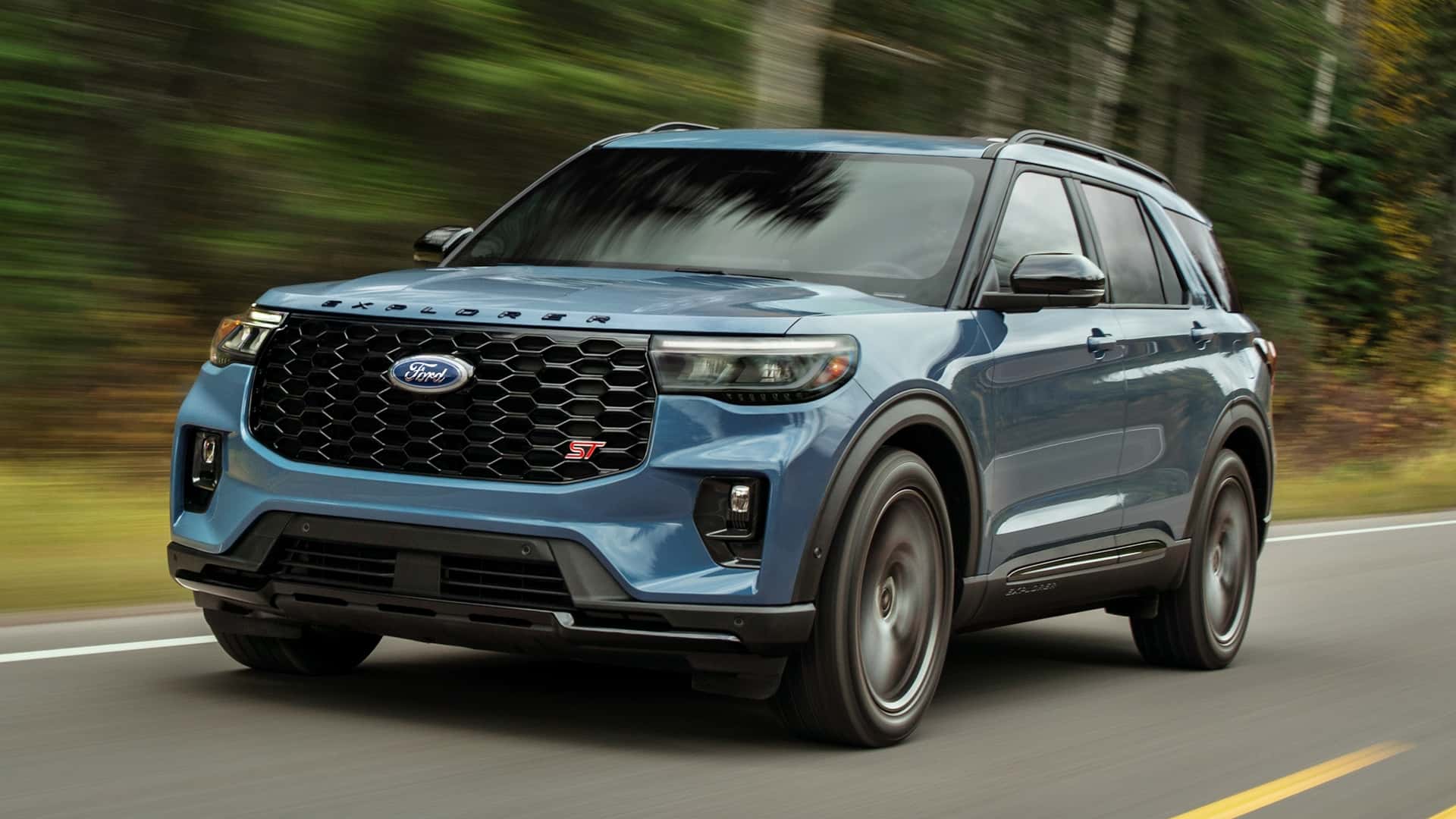
2. Ford Explorer
The Ford Explorer has enjoyed popularity for decades, but its ability to maintain comfort over many years is questionable. Although new Explorers offer a smooth ride and spacious interiors, many owners find that this comfort diminishes significantly with age and mileage.
One of the most common issues lies with the suspension, which tends to develop stiffness and increased noise over time. Bushings, ball joints, and shock absorbers often wear out prematurely, resulting in a harsher ride that makes even short trips less enjoyable.
The Explorer’s larger size and weight contribute to quicker wear in these components, making the vehicle feel less planted and more unsettled on uneven roads as it ages.
Seating comfort, once a selling point for the Explorer, often suffers with extended use. The seats, particularly in the base models, tend to lose cushioning and support relatively quickly.
Drivers report sagging in the seat foam and less effective lumbar support, which can lead to back and leg fatigue during long drives.
The leather or cloth materials also show signs of wear earlier than expected, with peeling, cracking, or staining becoming common complaints.
Rear seats, which are crucial for families, often feel cramped or less supportive compared to other SUVs in the segment. This decline in seating quality is frustrating for owners who hoped for a durable, comfortable interior that would last through many years of use.
Noise and vibration levels in the Ford Explorer are known to increase noticeably over time, undermining the initial feeling of refinement. Many drivers notice that door seals weaken and window gaps increase, allowing more wind noise to creep into the cabin. Road noise from tires and the drivetrain can become more pronounced, especially on rough or gravel surfaces.
Some models also develop annoying rattles or squeaks as interior trim pieces loosen or wear out. This increasing noise can create a stressful driving environment, reducing the ability to enjoy music, conversation, or simply the quiet of the road. The failure to maintain a quiet cabin detracts significantly from the comfort experience as the Explorer ages.
Finally, issues with electronics and interior components contribute to the Explorer’s loss of comfort over time. Infotainment systems may become slow, unresponsive, or glitchy, frustrating drivers who rely on modern tech features. Climate controls can lose precision, resulting in uneven heating or cooling. Power windows and locks may also become less reliable or sluggish.
These small irritations accumulate, reducing the sense of ease and convenience that owners expect in a family SUV. Combined with the mechanical and noise problems, the Explorer’s comfort reputation weakens significantly after the first several years, making it less attractive for long-term ownership.
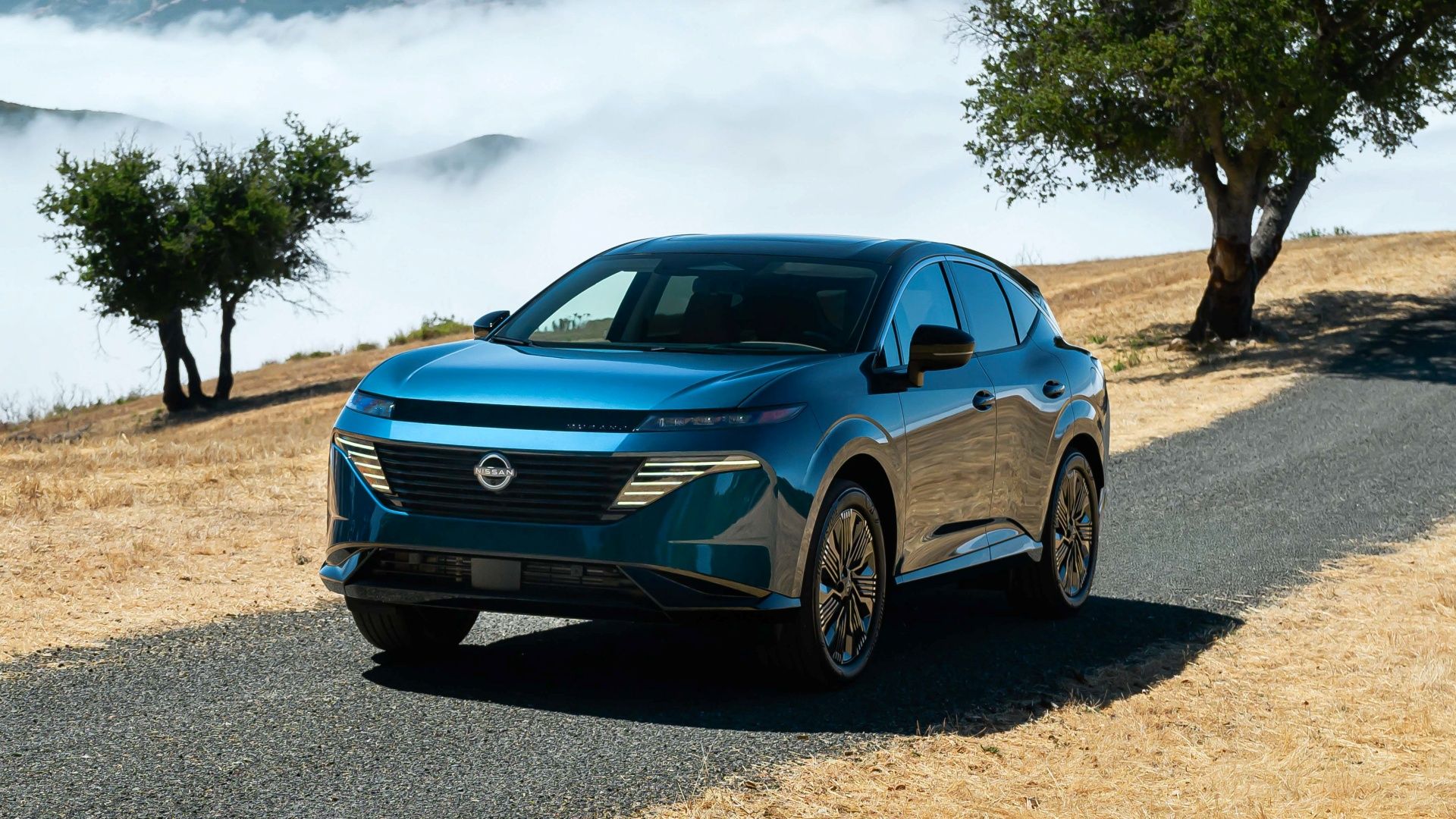
3. Nissan Murano
The Nissan Murano starts with a reputation for style and smooth driving dynamics, but it often fails to maintain its comfort levels over prolonged ownership. One of the key areas where the Murano struggles is with its suspension system.
While initially tuned for a smooth and compliant ride, many owners report that the suspension components wear relatively quickly, leading to increased harshness and less effective shock absorption.
This degradation makes the vehicle feel more jittery over rough roads and can contribute to fatigue on longer trips. The front suspension and steering components in particular are prone to wear, which may result in loose or vague handling and detract from the sense of controlled comfort.
Seating comfort also diminishes more rapidly than expected in the Murano. Although the seats are initially plush and supportive, the cushioning tends to break down faster, causing noticeable sagging and reduced lumbar support.
Leather upholstery, while attractive, can crack and fade with exposure to sunlight and use, which further reduces the feeling of luxury inside the cabin.
Rear seats also come under criticism for a lack of legroom and minimal support, which may cause discomfort on extended drives. For a vehicle marketed as a premium crossover, these issues can be disappointing for buyers who expect lasting comfort from their investment.
Noise insulation is another aspect where the Murano tends to lose its appeal over time. Early models often receive praise for quiet cabins, but as years pass, road and wind noise become more intrusive. Door seals can wear, and the fitment of interior panels may loosen, leading to increased rattling or buzzing sounds during acceleration or while driving over rough surfaces.
Engine noise can also become more noticeable, especially in older models with higher mileage. This increase in noise undermines the vehicle’s initial serenity, making the driving experience less pleasant and less comfortable for occupants who value peace on the road.
Finally, interior features and electronics in the Murano show signs of aging that negatively affect comfort. The infotainment system, while user-friendly initially, is prone to slowdowns, freezing, or connection issues over time. Climate controls may lose their responsiveness or accuracy, resulting in uneven cabin temperatures.
Power accessories, such as windows and seat adjustments, can become sluggish or intermittently fail. These malfunctions can be frustrating and detract from the ease of use that is essential for comfort. The combination of these issues means the Murano’s cabin comfort, once a highlight, tends to degrade noticeably as the vehicle ages and accumulates miles.
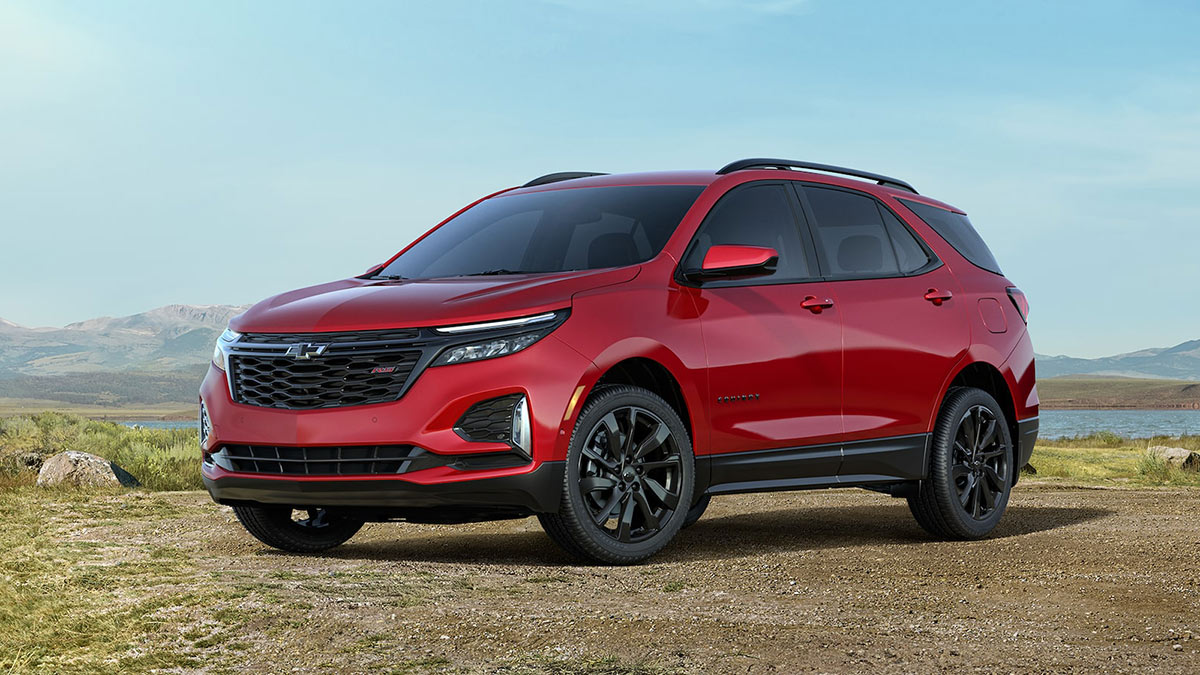
4. Chevrolet Equinox
The Chevrolet Equinox is a popular compact SUV with solid initial comfort, but it often falls short in maintaining that comfort over time. One of the most frequently cited problems is the suspension system, which tends to develop harshness and noise with use.
The Equinox’s suspension components, especially on earlier models, have a tendency to wear out more quickly than competitors, resulting in a ride that feels less refined and more jarring on uneven or rough surfaces. This issue can become especially pronounced on models with sportier suspension setups, where the initial comfort advantage is sacrificed for handling but not regained as parts age and loosen.
Seating comfort in the Equinox also shows signs of decline after extended use. The seats, which begin as fairly supportive and well-cushioned, often experience premature sagging in the foam padding. Upholstery, whether cloth or leather, can show signs of wear such as cracking, fading, or pilling.
This deterioration reduces the comfort during long drives, and many owners report increased back discomfort after a few years of ownership. Rear passenger space and seat support are also not as generous as some competitors, making the vehicle less ideal for families who value comfort on longer trips.
Noise intrusion becomes more problematic with age in the Equinox. Road noise, wind noise, and vibrations become more noticeable, especially as door seals wear and interior trim loosens. Many owners mention that rattles develop in the cabin, especially around the dashboard and door panels.
These noises can become a source of annoyance during daily commutes or road trips, reducing the sense of calm and quiet that contributes to passenger comfort. The Equinox struggles to maintain a serene cabin environment over the long term, which can detract from its appeal as a comfortable daily driver.
Finally, issues with interior electronics and climate control systems further contribute to the loss of comfort over time in the Equinox. Infotainment systems have been known to freeze or lag, and touchscreen responsiveness can deteriorate. HVAC systems may lose efficiency or develop uneven heating and cooling zones, which can make it difficult to maintain a pleasant cabin temperature.
Power accessories, such as windows and locks, sometimes become unreliable. These factors add frustration and reduce convenience, making the Equinox feel less comfortable and more problematic as it ages. For owners hoping for a long-lasting, comfortable SUV, the Equinox may fall short of expectations.
