
Visibility is one of the most important aspects of any vehicle, especially when it comes to SUVs. These vehicles sit higher than sedans and offer a commanding view of the road, but that doesn’t automatically mean they provide excellent visibility in all situations.
The size, shape, window design, pillar thickness, and even seating position can dramatically affect how well a driver can see their surroundings.
In modern vehicles, this issue is becoming more pronounced as safety and styling elements like thicker roof pillars and sloping rear windows compromise outward vision. That’s where camera systems and sensors have stepped in, but technology is not always a perfect substitute for natural sightlines.
For families, daily commuters, and outdoor adventurers who rely on SUVs, having a vehicle that offers excellent visibility can significantly reduce stress while driving, parking, or navigating tight city streets. A large windshield, wide side windows, and minimal blind spots can mean the difference between a confident drive and a frustrating one.
On the other hand, some SUVs, despite offering high-tech safety features, are plagued by poor rear or side visibility. These problems are often caused by design choices that prioritize aesthetics or aerodynamics over practical visibility. The consequences can be serious: missed pedestrians, difficulty merging onto highways, or even low-speed parking accidents.
This article compares ten SUVs, five known for their great visibility and five that have been commonly criticized for dangerous blind spots. The comparison is not based on technical specifications or camera systems, but rather the natural visibility drivers experience from behind the wheel.
That means how well someone can see out of the front, sides, and rear without the help of rearview cameras or blind-spot monitoring systems. This focus helps highlight how the shape and design of a vehicle play a major role in driver awareness and safety.
Each model mentioned will be discussed in terms of its visibility strengths or weaknesses, with four detailed paragraphs per section. Whether you’re shopping for a new SUV or simply curious about how your own vehicle stacks up, this guide aims to give a clear picture of how visibility can vary greatly between different models on the market.
5 SUVs With Great Visibility
1. Subaru Forester
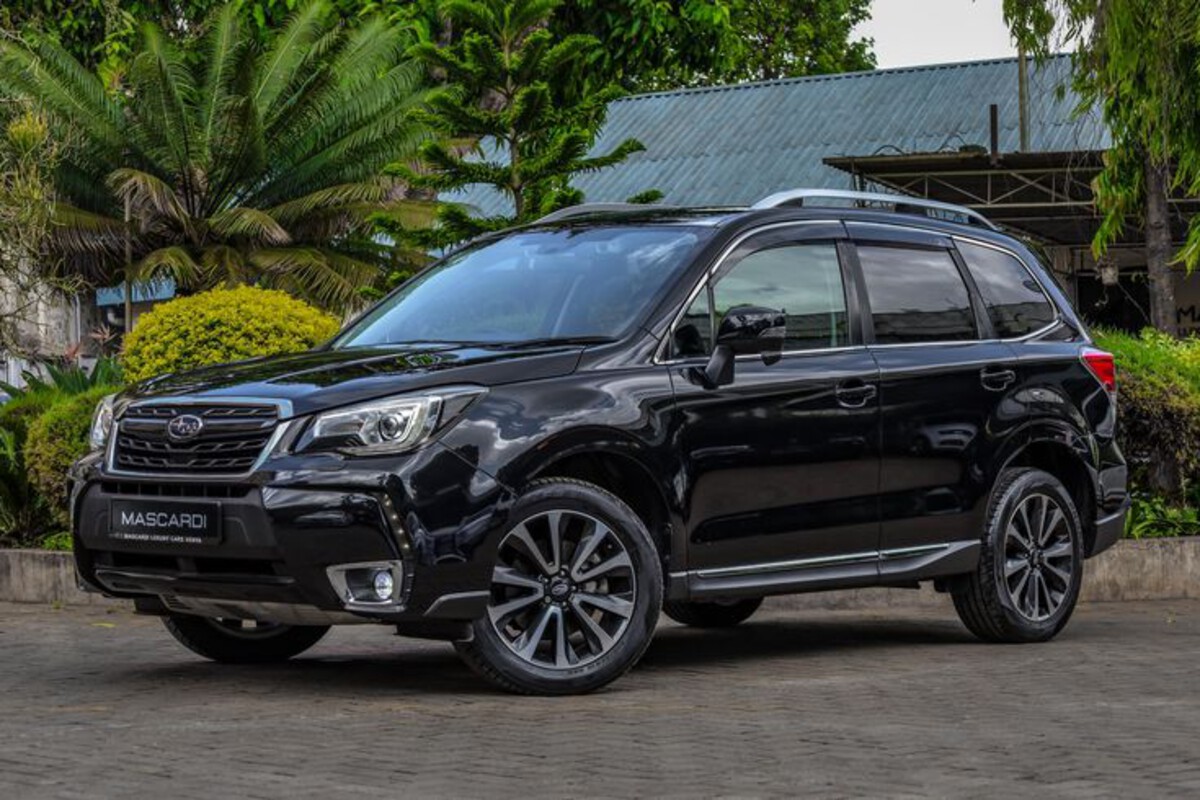
The Subaru Forester is one of the most visibility-friendly SUVs on the market, and that reputation hasn’t happened by accident. Subaru has long prioritized safety and practicality over aggressive styling, and it shows in the way the Forester is built.
The large windshield, combined with a relatively low dashboard, creates a clear and expansive view of the road ahead. Drivers often mention how the upright stance of the Forester helps them feel more in control, especially in urban traffic or poor weather.
The A-pillars, which often become a visibility issue in modern cars, are slimmer in the Forester than in many competing models. This reduces the chance of missing a pedestrian or cyclist when turning at intersections.
The glass design around the mirrors is also thoughtful, with minimal obstruction where the pillar meets the door, allowing for easier lane checks and a broader field of view. For people driving in crowded cities or narrow country roads, this small detail can make a big difference.
Side visibility is another strong point. The tall windows, especially in the rear passenger area, don’t taper off like many newer SUV designs. This means rear passengers can enjoy the view, but more importantly, it gives the driver a better reference point for lane changes and parking maneuvers.
The side mirrors are placed slightly lower on the door, giving a clearer view of the blind spots without requiring excessive head movement.
The rear visibility in the Forester is helped by its upright tailgate and low rear window line. Many modern SUVs slope dramatically toward the rear, which can make it feel like you’re looking through a mail slot when reversing. Subaru avoids that entirely.
The rear headrests are also positioned in a way that they don’t block too much of the view, and they can be folded down when not in use to further improve visibility.
Seating position also plays a key role. The Forester’s seating is higher than a sedan but not so high that it becomes difficult to judge the corners of the vehicle. This height helps drivers feel elevated and aware without feeling like they’re piloting a bus. Combined with large windows, thin pillars, and practical dimensions, the Forester makes it easy to stay aware of your surroundings in a way that builds confidence over time.
2. Honda CR-V
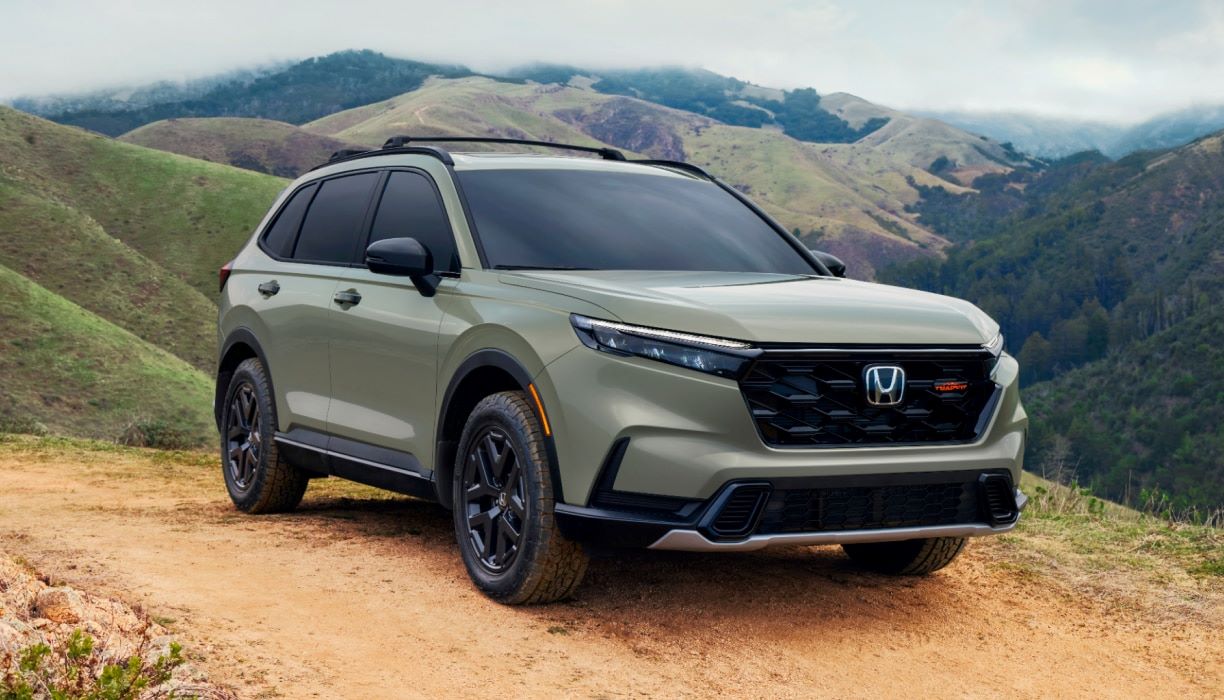
The Honda CR-V consistently ranks high when it comes to everyday usability, and visibility is one of the key reasons for that. It has always been designed as a practical family vehicle rather than a fashion-forward showpiece, and that results in a shape and layout that prioritize sightlines over flash.
The windshield is wide and tall, and the dashboard stays relatively low, making it easier for the driver to scan the road ahead. It’s a layout that reduces strain on the neck and eyes, especially during long drives.
One standout feature is the thoughtful mirror design. The side mirrors are mounted on the door panel rather than the base of the A-pillar, which creates a small triangle of glass between the mirror and the pillar.
This design decision opens up peripheral visibility near intersections and crosswalks, areas where hidden hazards often appear. The A-pillars themselves are not as bulky as those in many competitors, and that makes it easier to see around tight corners.
Looking down the sides of the vehicle, the CR-V offers wide windows that maintain their size from the front row to the rear. There is very little visual obstruction between the rows, making the vehicle feel more open inside while also helping with over-the-shoulder glances.
The CR-V doesn’t rely on sharply sloped body panels or thick door frames that can reduce visibility. It’s a clean, open layout that makes it easy to track approaching vehicles or check blind spots naturally.
Rear visibility is generally very good. The rear window is square-shaped and framed in a way that gives a clear view of what’s behind you. Many vehicles lose rearward visibility due to swooping rooflines or oversized rear headrests, but the CR-V maintains a flat roofline and manageable interior shapes. This becomes particularly helpful when parking, backing out of a driveway, or reversing in a crowded lot.
Lastly, the seating in the CR-V adds to its visibility advantage. The driver’s seat adjusts easily to accommodate a wide range of heights, and the beltline of the car (the line where the body meets the windows) stays low.
That means drivers of various sizes can all get a good look at their surroundings without needing to constantly adjust mirrors or rely on camera systems. The result is a calm, clear, and confident driving experience.
3. Toyota Highlander
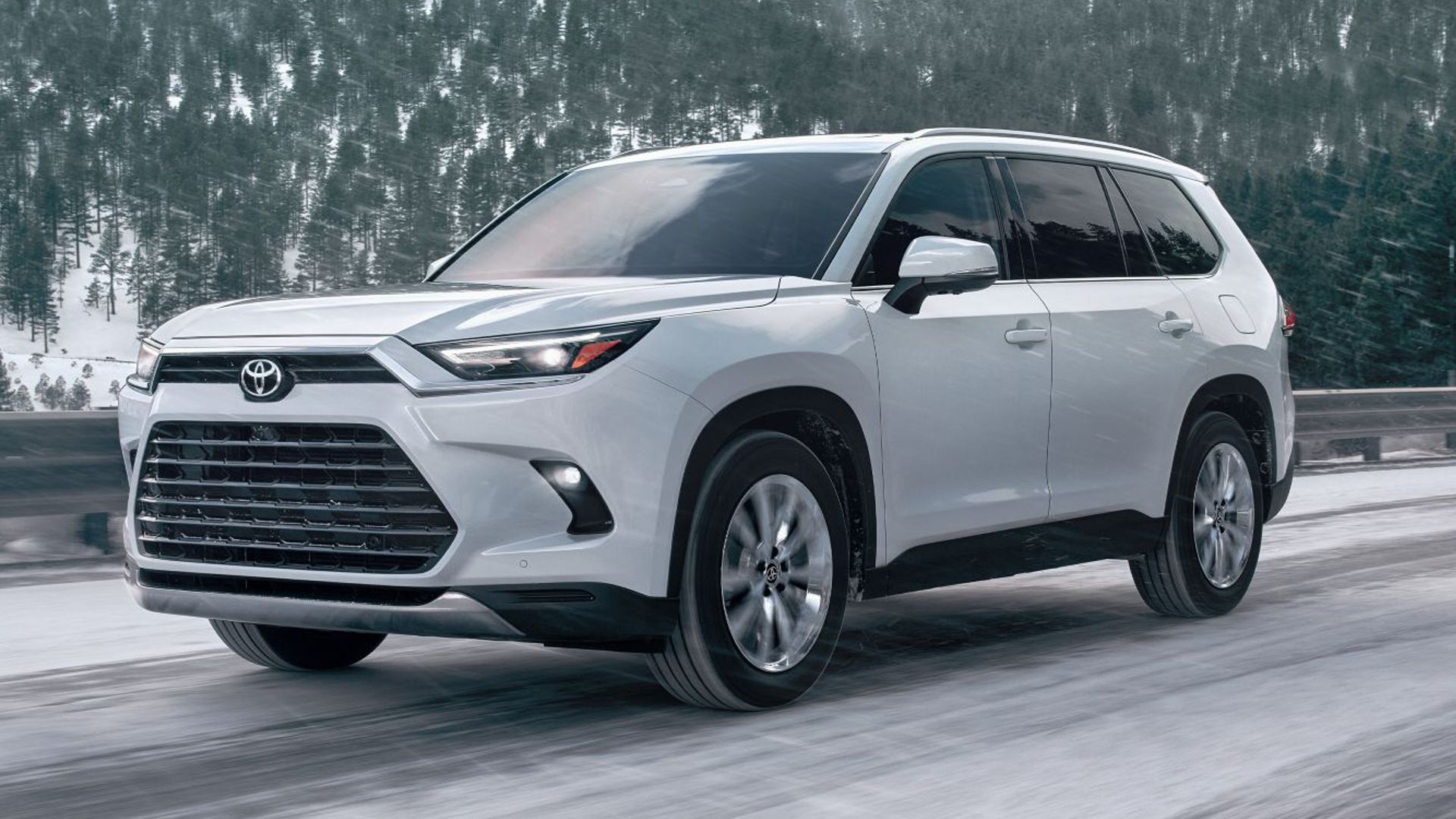
The Toyota Highlander strikes a strong balance between practicality and comfort, and one of the key advantages it brings to the table is its outward visibility. Though it’s a three-row midsize SUV, it doesn’t fall into the trap of sacrificing driver awareness for design.
The windshield is broad and angled in such a way that visibility doesn’t feel blocked or closed in. For taller and shorter drivers alike, the front view is unobstructed and easy to navigate through busy or unfamiliar roads.
The front pillars are reasonably sized, meaning they don’t block too much of your view at angles. Combined with the high seating position, this makes it easier to see pedestrians, bikers, and traffic lights, even in more complex city environments.
Toyota also does a good job keeping the dashboard layout simple and low-profile, which prevents additional blind spots from forming due to interior bulk.
Side visibility is solid, thanks to long windows and an interior that avoids excess padding or over-styled panels. Even in the third row, where many vehicles feature narrow glass, the Highlander keeps window size generous enough to help with visibility.
The door-mounted mirrors are large and offer decent coverage without being overly bulky. It’s easy to get a sense of your surroundings without relying solely on sensors or alerts.
Rearward vision in the Highlander is good for a vehicle of its size. The rear glass doesn’t taper too much and stays large enough to offer a helpful view when backing up. The rear seat headrests are low and foldable, which minimizes their interference with the driver’s line of sight. Combined with the relatively flat rear design, this makes reversing and parking far less stressful.
Another factor that helps visibility is the elevated, yet balanced driving position. While the Highlander gives the feeling of sitting higher than most cars, it doesn’t make the driver feel disconnected from the road.
This is crucial when gauging distances and maneuvering through tight spaces. Altogether, the Highlander proves that a large family SUV doesn’t have to compromise when it comes to giving drivers a good view of the world around them.
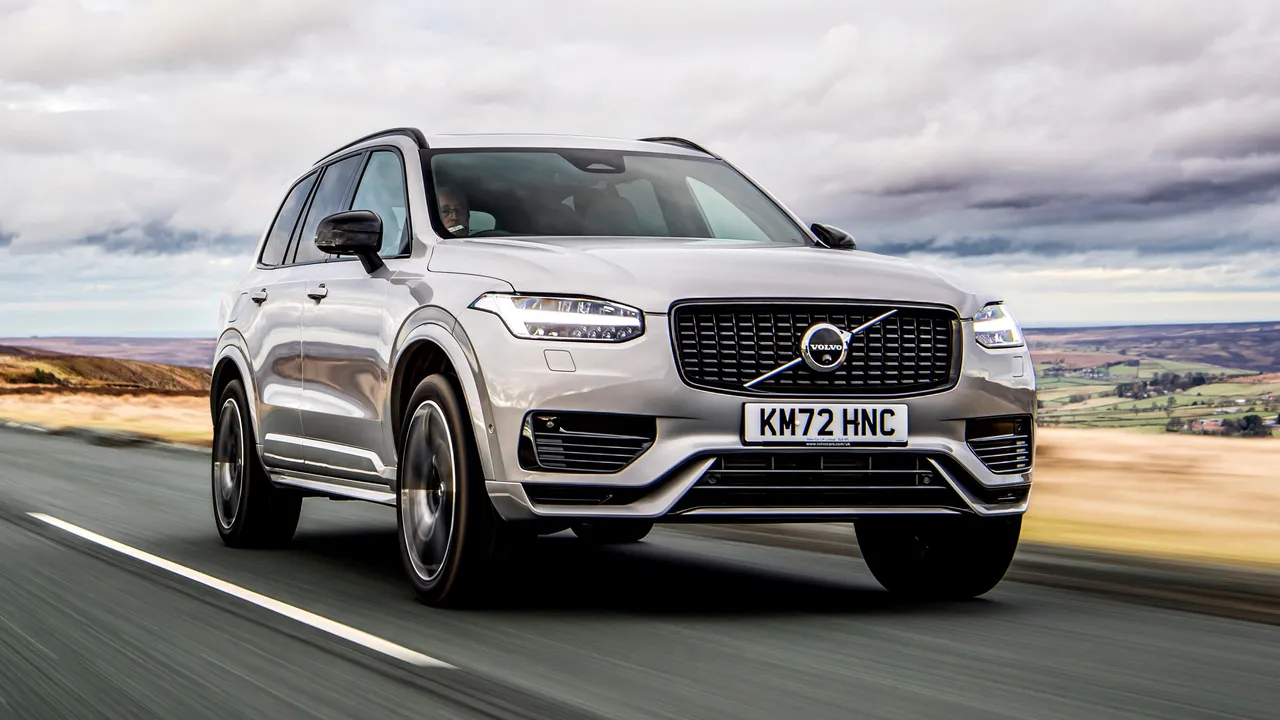
4. Volvo XC90
The Volvo XC90 is known for its focus on safety, and a big part of safety is visibility. From the first time you sit behind the wheel, it becomes apparent that Volvo has designed this SUV with visibility in mind. The front windshield is expansive and steeply raked in a way that gives the driver a wide field of view.
The dashboard sits low and away from the driver, which prevents any obstruction to the forward line of sight. Whether you’re on a highway or navigating a roundabout, the view ahead is clear and uninterrupted.
A strength of the XC90 is how it handles its roof pillars. The A-pillars are thinner than in many rival vehicles and are angled in a way that doesn’t block peripheral vision.
The design allows for better visibility at corners, where pedestrians or cyclists may suddenly appear. That attention to detail, while subtle, makes a difference in high-traffic areas where constant awareness is necessary.
The side windows are large and consistent from front to back, which is not always the case in luxury SUVs. Some automakers design smaller, tapered windows to create a sleeker look, but Volvo maintains taller glass areas for better sightlines.
This means that lane changes and merging onto highways feel more natural. The side mirrors are wide and mounted with care, giving a solid picture of your surroundings.
Looking out the rear, the XC90 performs well. The rear window is wide and only mildly angled, which helps maintain clarity when reversing. Headrests in the third row are low enough not to interfere too much with visibility, and if needed, they can be folded down. The rear glass is high-quality and distortion-free, which is another overlooked detail that enhances rearward awareness.
Finally, the driving posture of the XC90 adds to the sense of clarity. The seat is upright, supportive, and allows for easy head movement and mirror adjustment.
Unlike some sportier SUVs that wrap the driver in with high consoles and thick doors, the XC90 feels open and easy to see out of. This open design, combined with thoughtful window placement, helps drivers feel safer and more connected to their environment.
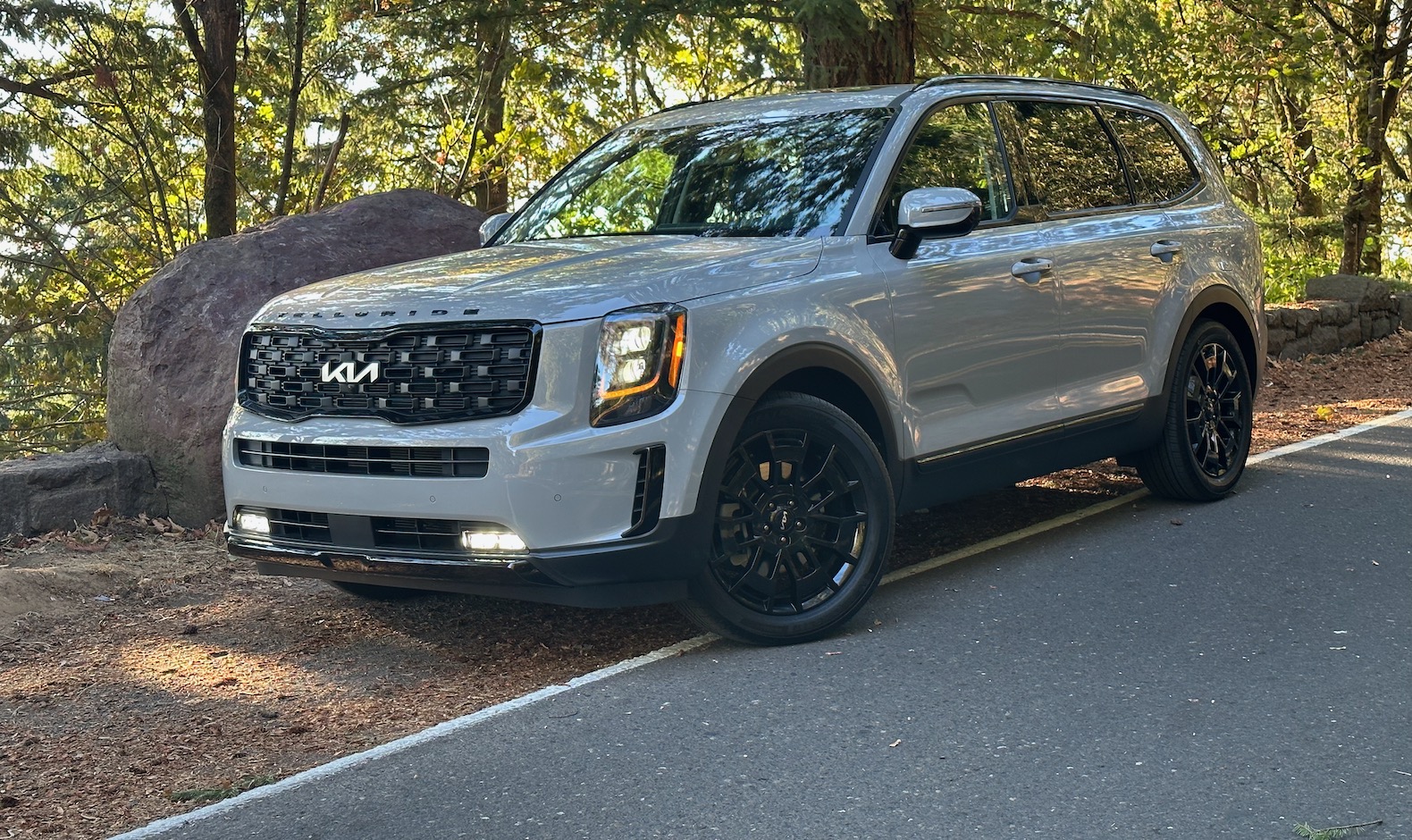
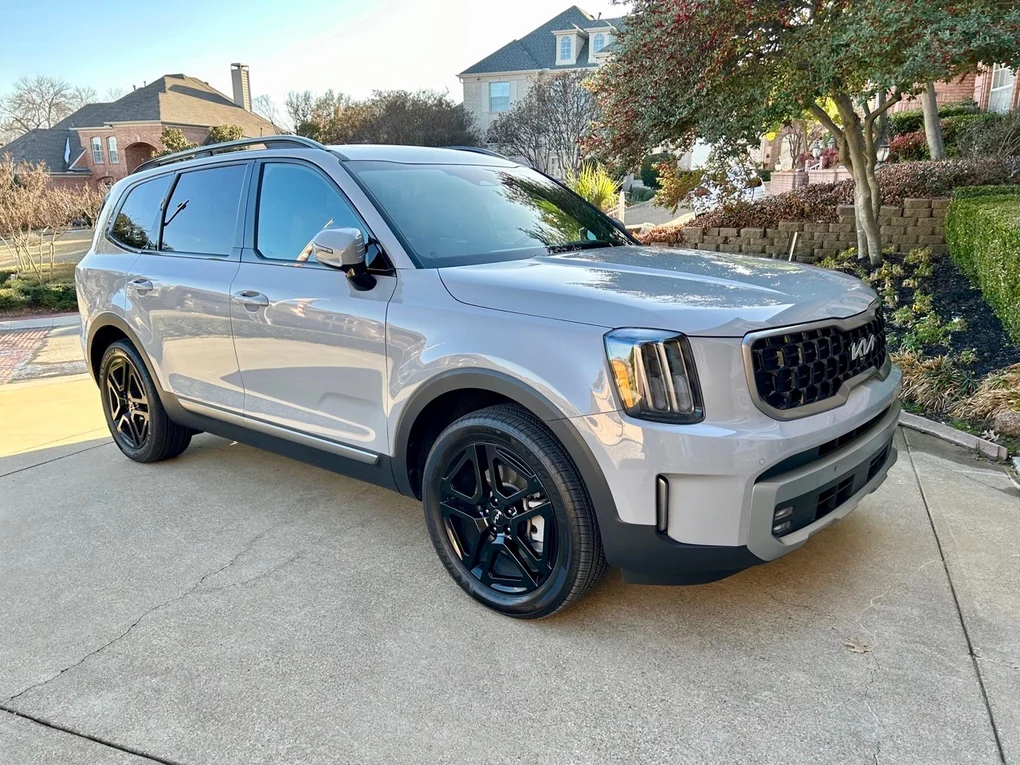
5. Kia Telluride
The Kia Telluride has earned a strong reputation for delivering quality, comfort, and value, but one of its underrated strengths is how well it handles visibility. Its boxy, squared-off design may not chase the same sleek silhouette as some rivals, but it pays off when it comes to sightlines.
The large windshield is almost vertical compared to many competitors, which provides an open and confident view of the road ahead. This is especially helpful when navigating hills, construction zones, or winding roads.
One of the best aspects of the Telluride’s visibility is its side windows. They are tall and remain a consistent size from the front all the way to the rear.
This prevents the tunnel vision effect that often happens in SUVs with sloped roofs and pinched rear glass. It also makes for a more comfortable experience for passengers, but more importantly, it gives the driver a clear picture of what’s happening in adjacent lanes. The side mirrors are wide and well-placed, offering helpful angles for blind-spot checks.
5 SUVs That Have Dangerous Blind Spots
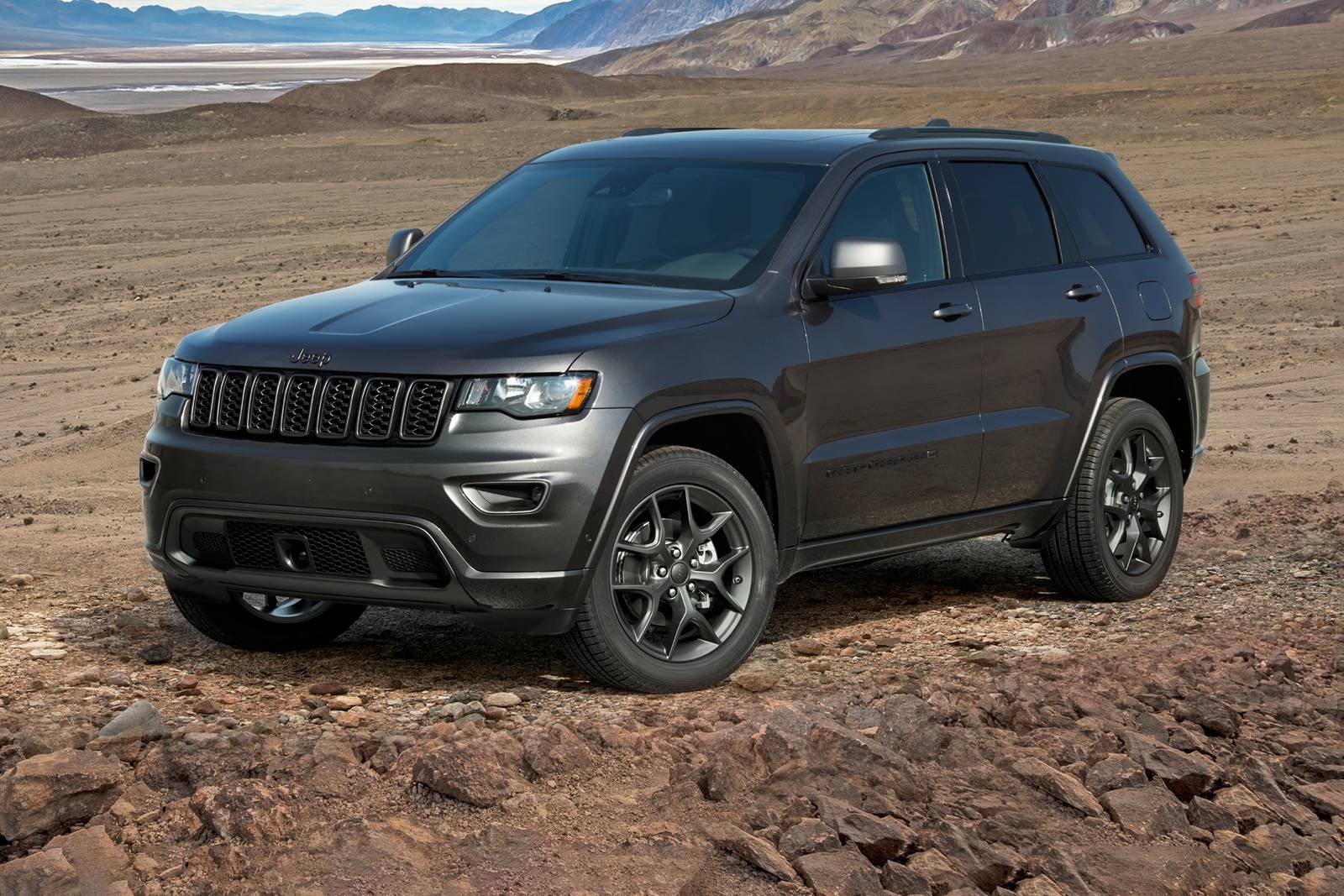
1. Jeep Grand Cherokee
The Jeep Grand Cherokee, while popular for its off-road capability and rugged styling, is known to suffer from significant blind spots that can compromise driver safety.
One major issue lies in the vehicle’s thick A-pillars, which are designed to meet crash safety standards but often create large blind zones on either side of the windshield. This can make it difficult to see pedestrians or cyclists when approaching intersections, especially in urban environments where such awareness is critical.
Side visibility also presents challenges. The Grand Cherokee’s design incorporates a high beltline and relatively narrow side windows, which limit the driver’s ability to see out to the sides.
The rear side windows taper sharply toward the back, creating a “tunnel effect” where it’s easy to lose track of other vehicles or obstacles alongside or behind the SUV. This is compounded by the bulky design of the door panels and thick C-pillars, which further restrict sightlines when changing lanes or backing up.
The rear visibility is arguably the biggest drawback of the Grand Cherokee. The rear window is small and sharply angled, while the rear pillars are thick and heavily angled inward.
This combination severely limits the driver’s ability to look directly behind the vehicle. In tight parking lots or crowded streets, the limited rear view can make reversing difficult and increases the reliance on backup cameras or parking sensors.
The large, heavy headrests on the rear seats add another layer of obstruction. They are thick and often block a significant portion of the rear window, making it even harder to get a clear line of sight.
While some drivers may choose to fold them down, this is not always practical or safe when carrying passengers. The cumulative effect is a rear visibility that many drivers find frustrating and potentially unsafe.
Finally, the seating position, while elevated, doesn’t fully compensate for the visibility issues caused by the vehicle’s design. The driver’s view is partially obstructed by thick roof pillars and a bulky dashboard, especially on the passenger side. This creates “blind zones” where other road users might go unnoticed until it’s too late. For an SUV that is often used in rugged or challenging environments, these visibility issues are a serious concern.
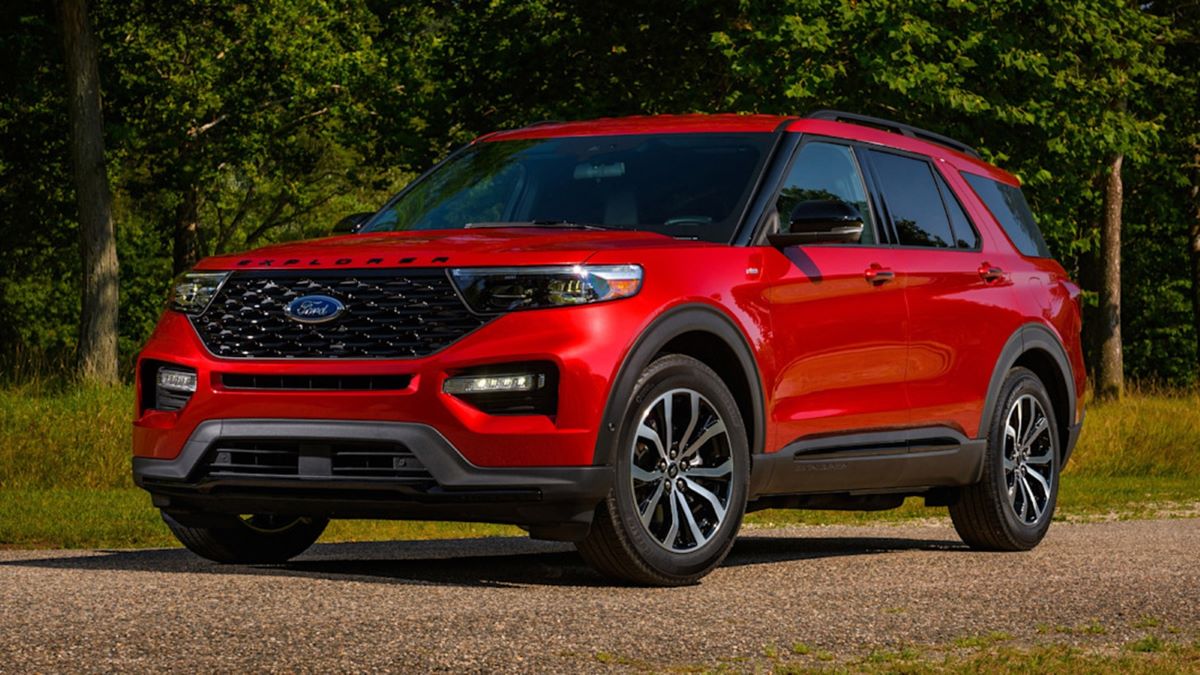
2. Ford Explorer
The Ford Explorer has been a staple in the SUV segment for decades, but its current design presents several visibility challenges that drivers should be aware of.
One of the primary problems is the thick A-pillars, which provide excellent rollover protection but create significant blind spots near intersections and tight corners. Drivers often report having to lean forward or adjust their seating position to see around these pillars, which can be distracting and unsafe.
The side visibility in the Explorer is also limited by the high beltline and small side windows. The rear side windows are particularly narrow and slope sharply, making it difficult to monitor adjacent lanes, especially when changing lanes on highways. The door panels are thick, and the mirrors, while large, cannot fully compensate for the loss of natural sightlines caused by the body design.
Rear visibility suffers due to the steeply raked rear window and thick rear pillars. The rear windshield is smaller than many competitors, and the pillars intrude into the rear line of sight, making it harder to judge distances when reversing. This is especially problematic in parking garages or tight urban spaces where precision is necessary.
The rear headrests are large and positioned in a way that obstructs much of the already limited rear window. Unlike some SUVs where headrests are designed to fold down easily or are low-profile, the Explorer’s rear headrests add to the rear visibility challenge. Drivers often have to rely heavily on backup cameras or sensors, which, while helpful, are no substitute for direct vision in many situations.
The driving position, though somewhat elevated, does not alleviate these issues sufficiently. The cabin feels enclosed, and thick pillars on both sides can obstruct peripheral vision. This can create hazardous situations, especially for new drivers or those unfamiliar with the vehicle’s blind spots. Awareness and caution are essential when driving the Explorer, particularly in dense traffic or congested areas.
3. Chevrolet Traverse
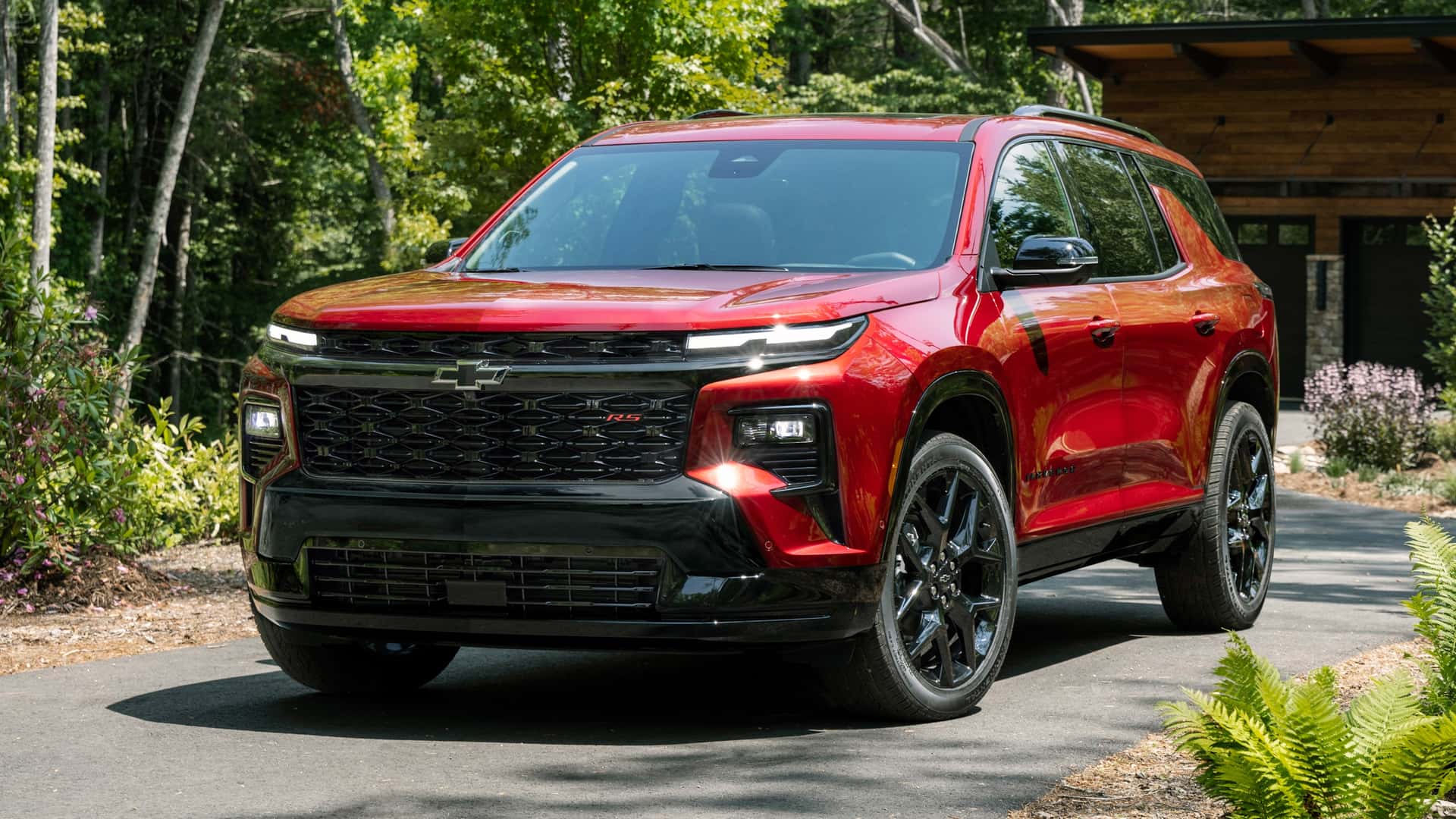
The Chevrolet Traverse, a popular three-row SUV, also faces criticism for its poor visibility, especially around its blind spots. One of the root causes is the design of its thick A-pillars, which are necessary for structural integrity but can obstruct the driver’s forward-side view significantly. This can lead to potential hazards at intersections where crossing pedestrians or cyclists may be hidden until the last moment.
On the sides, the Traverse has a high beltline that reduces the size of side windows and creates a “tunnel vision” effect inside the cabin. The rear side windows taper dramatically toward the back, limiting the driver’s ability to spot vehicles or obstacles when changing lanes. The door and roof pillars are also wide and intrusive, further cutting down the field of view from the driver’s seat.
Rear visibility is one of the weakest points in the Traverse’s design. The rear window is small, angled sharply, and framed by thick C-pillars that block much of the driver’s rearward vision.
This is particularly challenging when reversing or parking in tight spaces. Drivers must rely heavily on cameras or sensors, which while helpful, do not completely replace the ability to directly see behind the vehicle.
The rear headrests in the Traverse are bulky and positioned right in the middle of the rear window, causing additional obstructions. Even with them lowered, the design makes it difficult to get a clear, unobstructed view from the rearview mirror. This can make parking and backing up more stressful, especially for less experienced drivers.
Finally, the seating position and interior design don’t fully mitigate these visibility issues. The driver sits relatively high but inside a cabin that feels somewhat enclosed. Thick roof pillars and door frames block peripheral vision, requiring the driver to be extra cautious during lane changes and turns. For a vehicle that often carries families, this lack of natural visibility can be a major drawback.
4. BMW X5
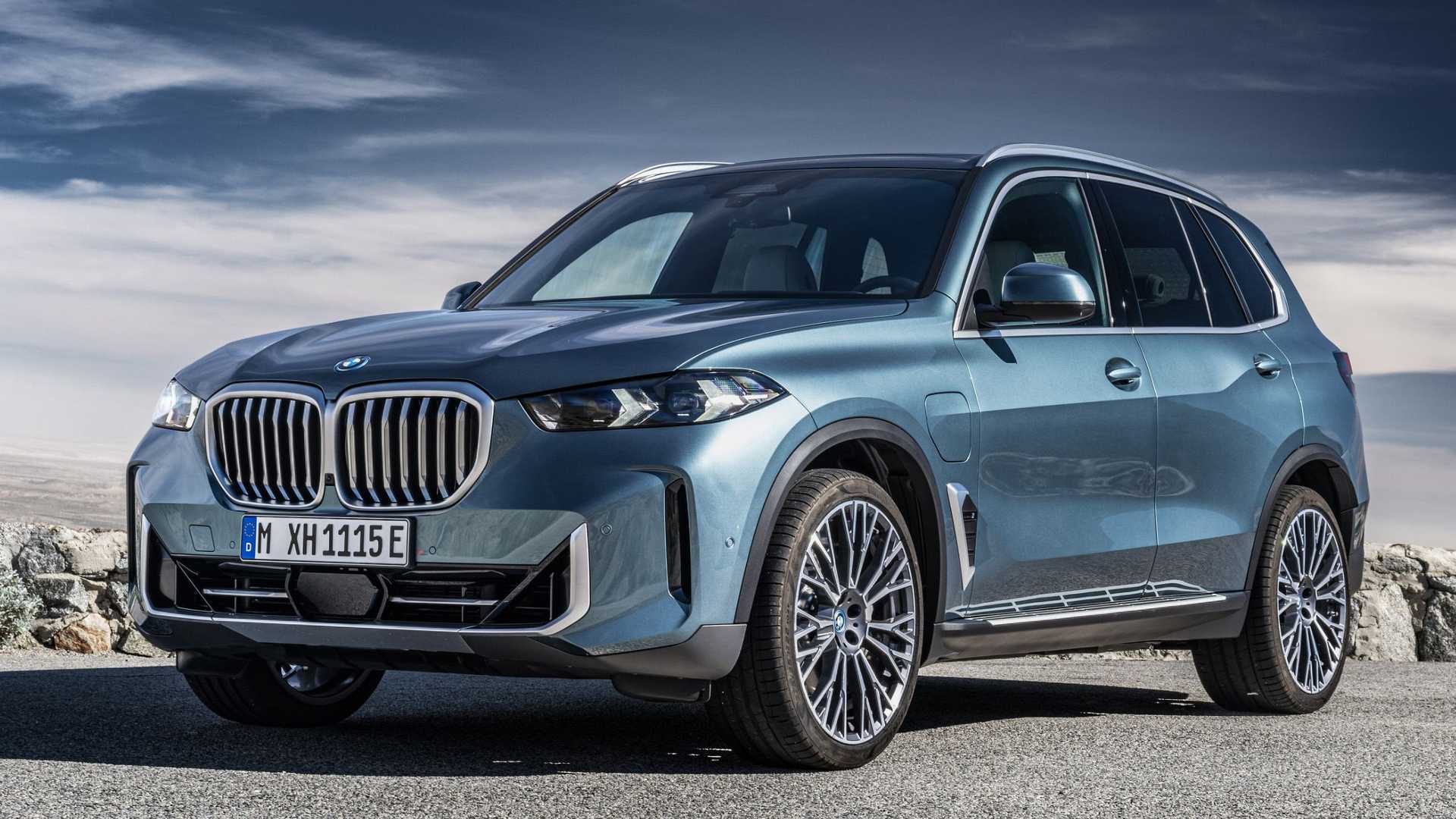
The BMW X5 is a luxury midsize SUV known for performance and style, but it is not without its visibility shortcomings. One of the biggest concerns is the thickness of the A-pillars, which, while designed to provide structural safety, create large blind spots at intersections or sharp turns. Drivers often find that the pillars block views of pedestrians or cyclists, increasing the risk of accidents in busy urban settings.
Side visibility is compromised by the vehicle’s sporty design, which features a high beltline and smaller windows compared to more traditional SUVs.
The rear side windows narrow significantly and slope toward the rear, restricting the driver’s ability to see vehicles approaching from behind. The thick door frames and heavy roof pillars further reduce sightlines, making lane changes and merging more challenging.
Rear visibility is limited by the fastback-like slope of the rear window and the thick C-pillars that frame it. This makes it difficult to get a clear rearward view, especially when reversing or parking. While the X5 comes equipped with cameras and sensors, the natural visibility from the driver’s seat is compromised, leading to a reliance on technology rather than direct sight.
The rear headrests add to the visibility problems by obstructing the view out the back window. Unlike some competitors that offer low-profile or foldable headrests, the BMW’s rear headrests tend to be large and bulky. This further limits the driver’s ability to see behind the vehicle without using electronic aids.
The driver’s seating position is sporty and lower than many SUVs, which reduces the commanding view that many expect from this vehicle class.
This lower seating combined with thick pillars and narrow windows creates more blind spots than some rivals, particularly for less experienced drivers. For an SUV positioned as a luxury and performance leader, these visibility drawbacks are important to consider.
5. Nissan Murano
The Nissan Murano, known for its distinctive styling and comfortable ride, unfortunately suffers from significant visibility issues due to its design choices.
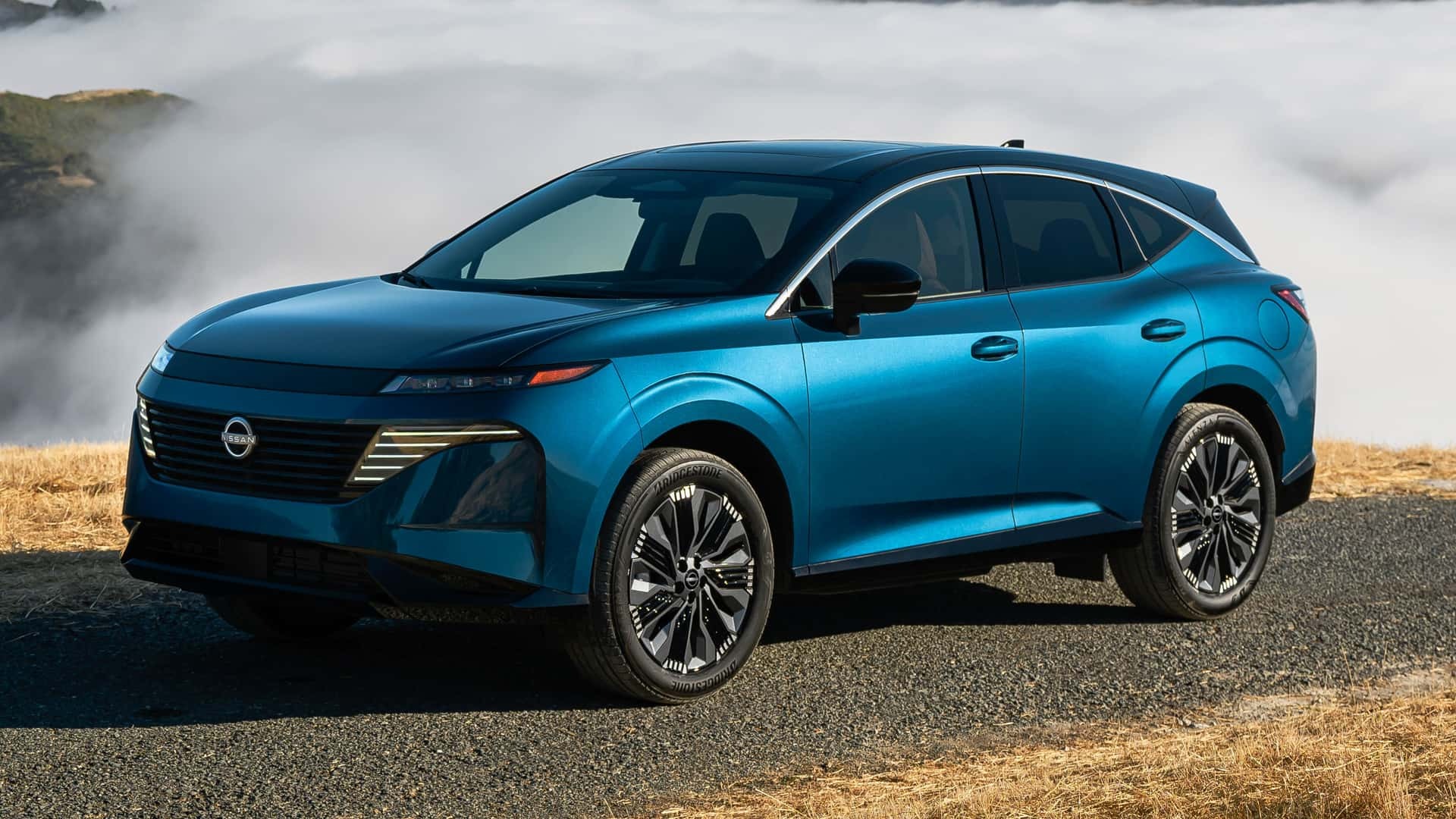
One of the most noticeable problems is the extremely thick A-pillars, which block much of the forward and side view from the driver’s seat. This creates blind spots that are particularly dangerous when approaching intersections or making tight turns.
The side windows are relatively small and set high, with a beltline that rises sharply toward the rear of the vehicle. This design results in narrow rear side windows that offer poor visibility, limiting the driver’s ability to see vehicles or cyclists approaching from behind or alongside. The thick door frames and roof pillars further reduce side sightlines.
Rearward visibility is limited by the Murano’s sloping roofline and small rear window. The rear pillars are wide and encroach on the driver’s rear view, making it difficult to see behind the vehicle without the assistance of cameras or sensors. The combination of a small rear window and thick C-pillars creates a challenging environment for reversing or parking.
The rear headrests exacerbate the problem by blocking part of the already limited rear window. Unlike other SUVs that design rear seats and headrests with visibility in mind, the Murano’s interior design obstructs the driver’s line of sight. This can make parking maneuvers more difficult and increase the risk of collisions with objects or pedestrians.
The seating position in the Murano, while elevated, does not fully compensate for these visibility issues. The driver sits behind thick pillars and inside a cabin with a high beltline, reducing the natural field of view. This makes awareness of surroundings harder and means the driver must rely heavily on electronic aids, which are not always foolproof.
