
Buying a car is more than a transaction; it’s a relationship. Whether someone is investing in their first ride or upgrading to something new, the emotional attachment that forms between driver and vehicle is real. For some, this connection grows stronger over time, leading to a strong sense of pride in ownership.
These are the vehicles that people wash on weekends, talk about at length with friends, and keep in pristine condition long after the loan is paid off. For others, the story is the opposite.
The car starts off with excitement but quickly fades into a source of regret, often due to reliability issues, outdated designs, or underwhelming performance. Pride of ownership can’t be forced. It comes from satisfaction over time and a vehicle’s ability to hold up to its promises.
There are cars that people hang onto longer than they need to, not because they can’t afford something new, but because they don’t want to let go. These cars earn a place in driveways and hearts because they continue to make their owners feel good.
Whether it’s the quiet satisfaction of a smooth ride, the aggressive lines of a great design, or the confidence of dependable performance, these vehicles maintain their charm year after year. On the other end, some vehicles quickly wear out their welcome.
The thrill of a new car smell turns into frustration at the dealership, breakdowns on the highway, or embarrassment in a parking lot. These cars fall short in ways that linger longer than their warranty coverage.
This article breaks down five vehicles that tend to hold their owners’ pride and five that often don’t. This isn’t about resale value or depreciation, though those factors sometimes overlap. It’s about how owners feel about their vehicles after the honeymoon phase fades. It’s about the difference between a car you love to see parked in your driveway and one you wish you’d never bought.
Vehicles That Retain Pride of Ownership
1. Toyota 4Runner
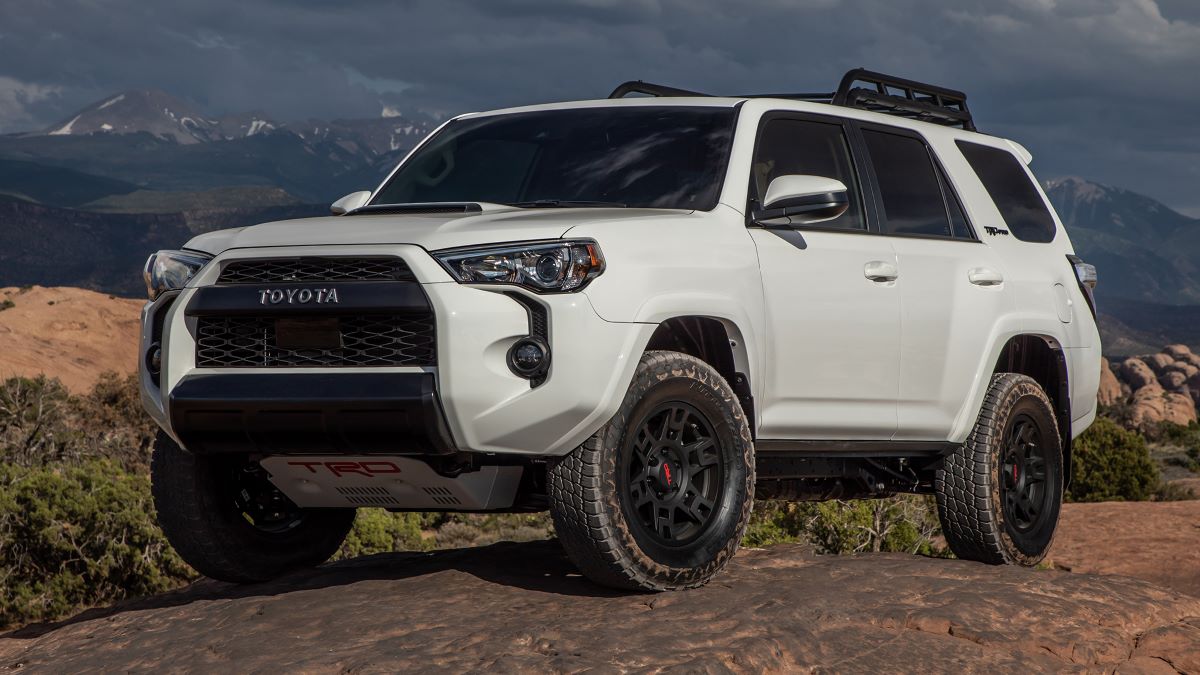
The Toyota 4Runner has earned its place as one of the most respected midsize SUVs in the world. Its owners don’t usually brag about cutting-edge features or ultra-luxurious interiors; instead, they talk about dependability, toughness, and consistency. The 4Runner’s truck-like build makes it a unique option in a sea of car-based crossovers.
It’s built to last, and that rugged reliability translates into a sense of pride for those who drive it. Owners often report that their 4Runner still runs like new after many years, with minimal issues and no major mechanical failures. For people who live in areas with extreme weather or off-road terrain, the 4Runner feels like a trustworthy companion more than just a vehicle.
What sets the 4Runner apart from many of its competitors is how it stays true to its roots. It doesn’t follow trends blindly. Instead, it maintains a focus on durability, simplicity, and utility.
The engine may not be the most fuel-efficient, and the ride can feel a bit stiff compared to more car-like SUVs, but owners tend to accept these trade-offs because of how much the vehicle delivers in other areas.
They appreciate the full-size spare, the proper 4WD system, and the solid rear axle, features that are disappearing from other vehicles in its class. These are not just technical choices; they’re characteristics that build a vehicle’s personality. The 4Runner doesn’t pretend to be something it’s not.
One of the strongest contributors to 4Runner pride is how well it holds its value. Many vehicles start losing thousands of dollars the moment they’re driven off the lot. The 4Runner, however, consistently ranks among the highest in retained value.
Even models that are nearly a decade old often fetch high resale prices. This isn’t just about money; it’s about confidence in your purchase. When an owner knows that their vehicle will still be respected years down the road, it reinforces the feeling that they made a smart, long-term choice.
Additionally, the community around the 4Runner adds to its long-lasting appeal. Owners often modify and customize their vehicles for overlanding, camping, or weekend getaways. Social media groups, forums, and local meetups create a sense of belonging.
This isn’t just a vehicle you drive, it’s a lifestyle you become part of. That sense of involvement amplifies pride, making the 4Runner more than just a practical machine. It becomes a reflection of the owner’s values: resilience, freedom, and adventure.
2. Honda Civic
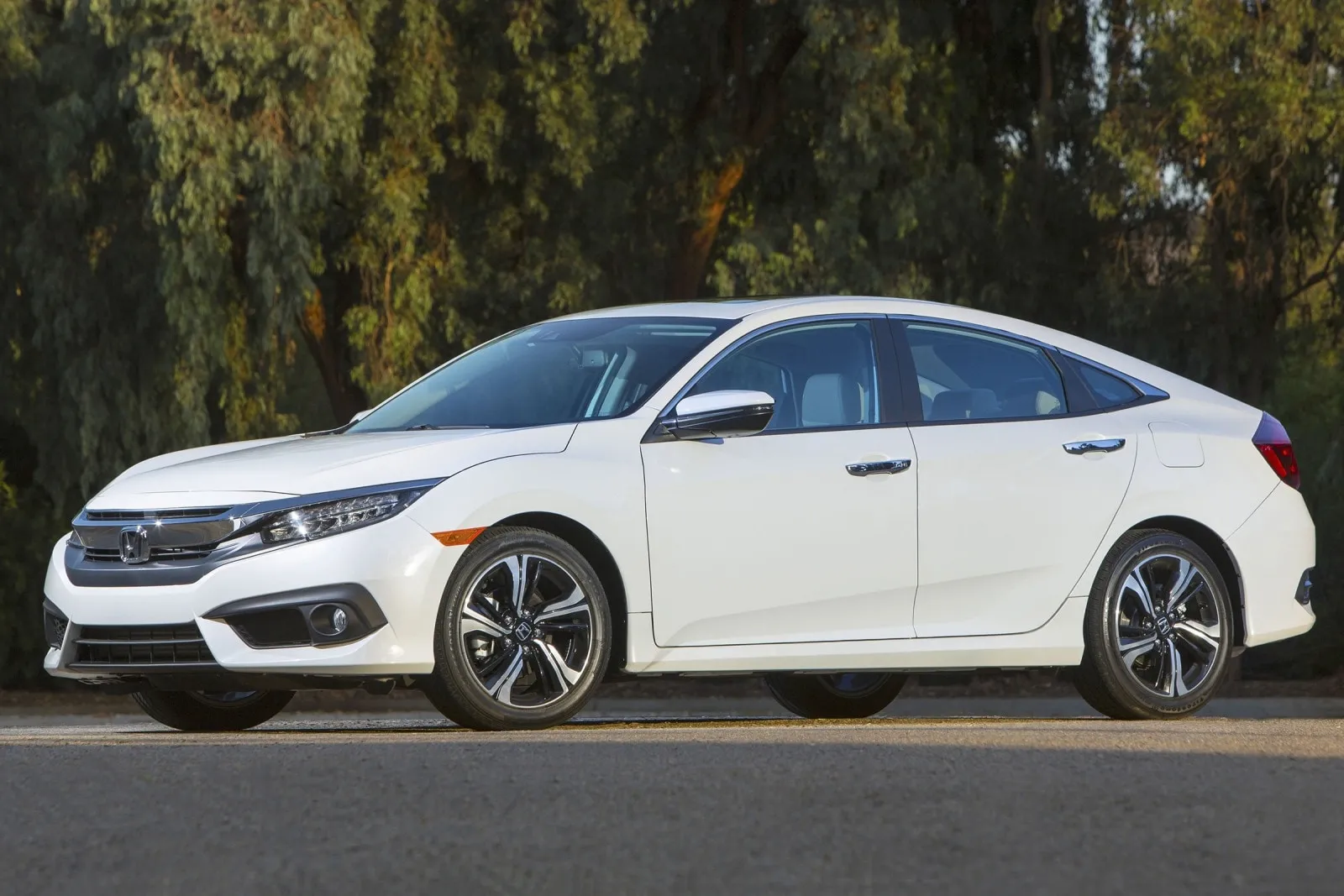
The Honda Civic has long been known as the go-to vehicle for drivers who want something affordable, reliable, and easy to maintain. But what’s often overlooked is how emotionally connected people become to their Civics.
This isn’t just a commuter car or a beginner’s ride, it’s often the car that sticks with someone for years, maybe even decades. The Civic carries a quiet dignity, and its consistent performance over time means that many owners come to view it with fondness and respect. There’s a reason so many people come back to the Civic when it’s time to buy again.
Mechanically, the Civic stands on a solid foundation. Honda’s engineering approach focuses on building vehicles that hold up over time without constant trips to the mechanic. The engines are smooth and efficient, the transmissions shift predictably, and the suspension manages to balance comfort with responsiveness.
There’s also a subtle sportiness to the Civic that adds to its appeal. In its latest generations, especially with trims like the Sport and Si, the Civic manages to be fun without being impractical. Sharp steering, a lightweight chassis, and an engaging manual transmission option all contribute to a driving experience that surprises many people.
It’s the kind of car that can be affordable and functional Monday through Friday but still offer a bit of joy on the weekend. This balance creates a personal connection between driver and car that goes beyond pure necessity.
Culturally, the Civic has built a lasting identity. Whether it’s featured in car shows, modified in street racing circles, or handed down within families, the Civic has roots that stretch across generations and lifestyles.
That familiarity and adaptability make it more than just a car, it’s often a symbol of reliability, smart decision-making, and even individuality. People take pride in their Civics not just because they’re dependable but because they’ve grown with them, customized them, and trusted them through different stages of life.
3. Ford Mustang
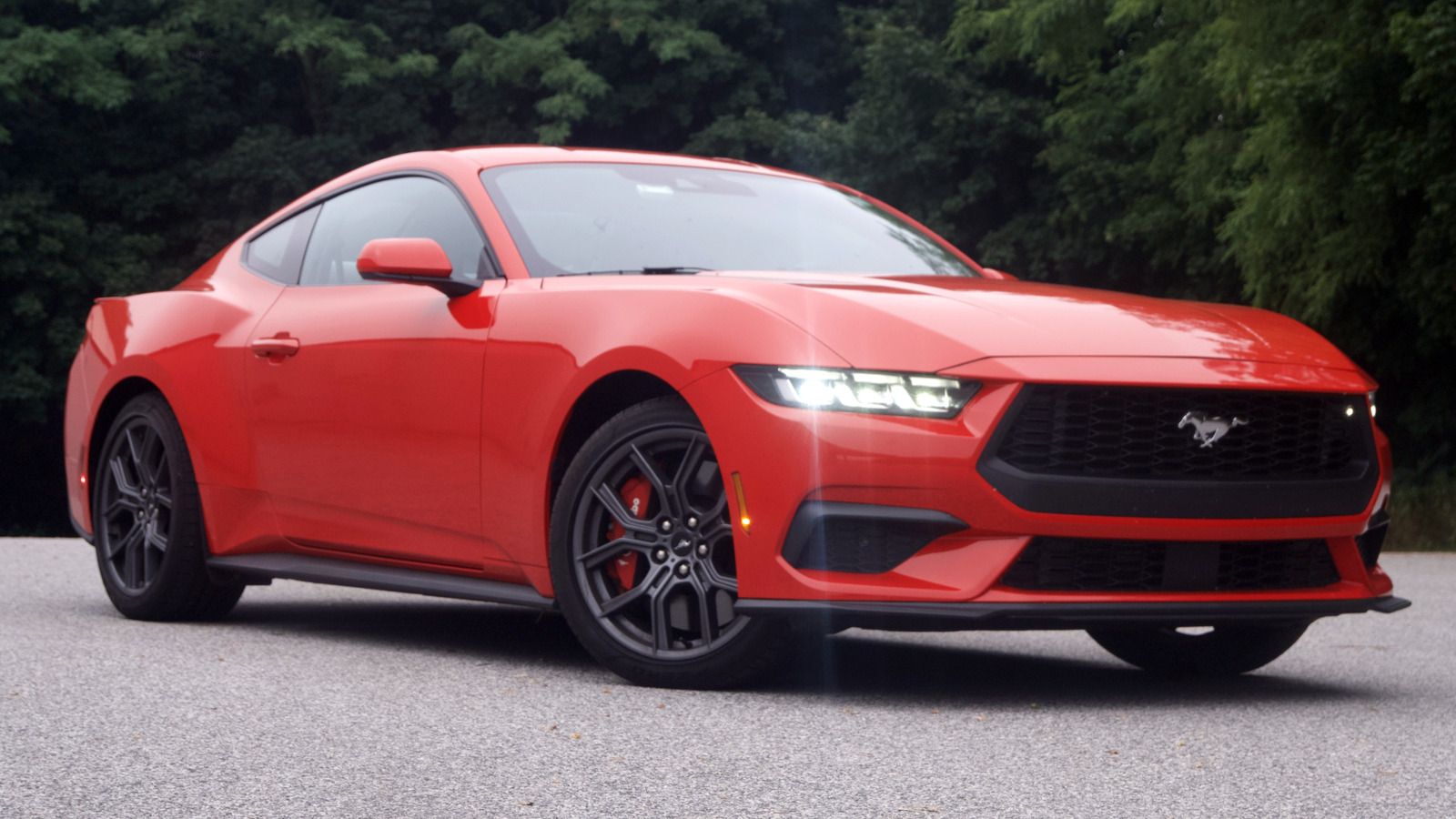
The Ford Mustang is one of the few cars on the market that can be recognized in silhouette alone. It carries a rich legacy, and that history creates a strong emotional tie between owners and their vehicles.
Whether it’s a brand-new model or a classic from decades ago, Mustangs command attention, and that’s part of what keeps pride of ownership so high. People don’t just buy Mustangs to get from point A to B. They buy them because they want the drive to mean something. When an owner starts the engine and hears that low, confident rumble, it’s more than sound, it’s a feeling.
Performance plays a big role in this pride. Even in base trims, the Mustang offers a fun, energetic driving experience. The V8 GT model adds another level entirely, delivering the kind of raw power that reminds people why they love driving in the first place.
The rear-wheel-drive layout, muscular stance, and fast acceleration all combine to make each trip feel like a special occasion. Owners of performance vehicles like the Mustang often feel a connection that’s hard to replicate in a more muted daily driver.
Beyond performance, design is another key factor in ownership pride. The Mustang has remained true to its visual identity through the years, evolving just enough to feel modern without losing what made it iconic. The long hood, short rear deck, and aggressive grille speak to the car’s character.
It has presence on the road, and people notice. For many owners, that attention reinforces the pride they already feel. It’s not about showing off, it’s about feeling good in something that reflects their personality.
Community is also a powerful aspect of Mustang ownership. Car meets, online forums, track days, and social events all bring Mustang owners together. There’s a deep well of shared knowledge, admiration, and mutual respect in the Mustang world.
For many people, owning a Mustang isn’t just about driving, it’s about joining a legacy. That combination of emotional connection, performance satisfaction, and social identity keeps the Mustang at the top of many enthusiasts’ lists when it comes to vehicles worth keeping and celebrating.
4. Subaru Outback
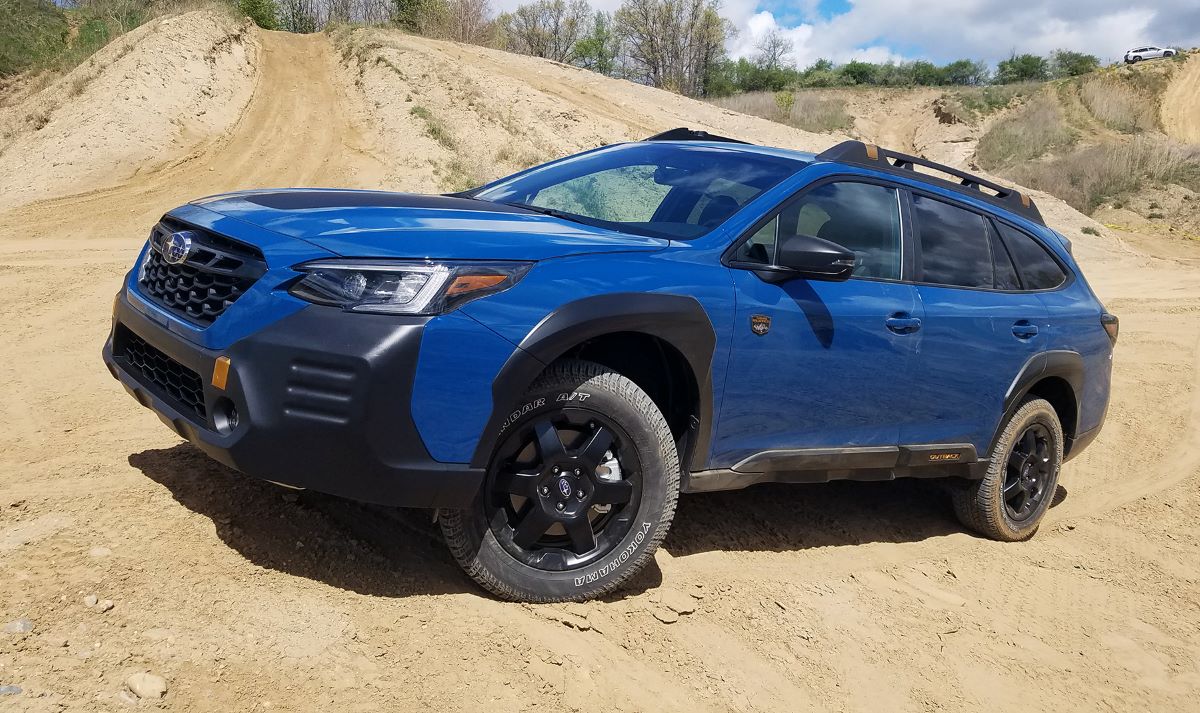
The Subaru Outback might not be the flashiest vehicle on the road, but its understated appeal is exactly why so many people come to love it. Owners often find themselves surprised at how attached they become to their Outback over the years.
It doesn’t shout for attention, but it consistently shows up and gets the job done, whether that’s tackling a snow-covered hill, hauling camping gear, or simply providing a comfortable and confident daily commute. The pride here is built on trust, and that trust grows stronger with every trip.
All-wheel drive is standard on every Outback, which is a major selling point for people living in regions with unpredictable weather or rough terrain. While other vehicles require a trim upgrade to access similar systems, the Outback delivers it across the board.
That consistency gives buyers a sense that Subaru prioritizes function over gimmicks. Owners know they’re getting a vehicle that’s built to handle real-world conditions without needing to pay a premium for capability. That kind of fairness in design earns long-term respect.
Another key element is how the Outback fits into people’s lifestyles. It’s a crossover, a wagon, and a utility vehicle all rolled into one. The cargo space is generous, the ride height is perfect for light off-roading, and the roof rails are ready for kayaks, bikes, or cargo boxes.
People who live active lives appreciate how easily the Outback adapts to whatever their plans may be. When a car supports your lifestyle without complaining, it becomes more than a machine, it becomes part of your identity.
Subaru also enjoys one of the most loyal customer bases in the auto industry, and the Outback is a big reason for that. The brand’s focus on safety, environmental consciousness, and customer satisfaction appeals to a specific mindset. Outback owners often feel aligned with those values, and that alignment turns into pride.
They see their purchase not just as a smart move for themselves, but as a reflection of thoughtful decision-making. It’s a car that represents practicality, reliability, and a little bit of rugged independence, all qualities people are proud to stand behind.
5. Lexus RX
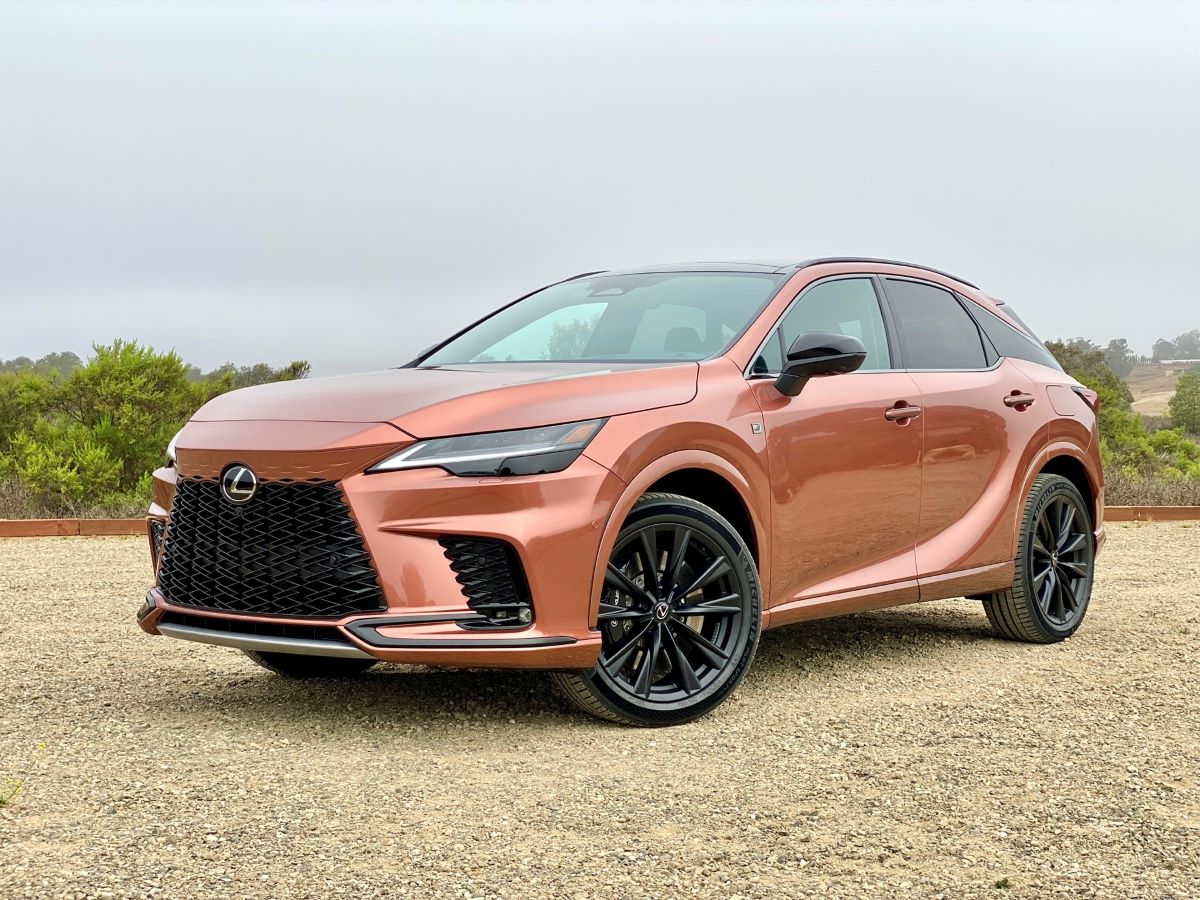
The Lexus RX has quietly built a reputation as the ideal luxury SUV for people who value comfort, reliability, and long-term satisfaction. It’s not a flashy car, and it doesn’t try to dominate conversations with wild styling or excessive horsepower.
Instead, it earns admiration the old-fashioned way, by providing an experience that meets or exceeds expectations every single day. Owners often describe the RX as the most “complete” vehicle they’ve owned, one that strikes a near-perfect balance between utility and refinement.
At the core of RX pride is Toyota’s commitment to dependability, wrapped in Lexus luxury. The RX inherits Toyota’s legendary build quality and combines it with upscale features and a smooth, quiet ride.
While some luxury brands struggle with complicated tech that breaks down or performance parts that need constant maintenance, the RX stays refreshingly consistent. It’s the kind of SUV that starts every morning without complaint and makes every drive feel effortless. That ease of ownership becomes something people truly appreciate.
Interior quality also plays a big role. The cabin in the RX is a place where everything just feels right. The seats are plush without being too soft, the controls are intuitive, and the materials feel built to last. Whether you’re stuck in traffic or on a long highway drive, the interior makes time pass comfortably.
For families, it offers safety and space. For professionals, it offers quiet and class. That versatility means owners rarely feel the need to trade it in for something else, they’re already driving what they want.
Long-term, the Lexus RX continues to reward owners with strong resale value and low maintenance costs, which aren’t always common in the luxury segment. That financial peace of mind only adds to the sense of pride.
It feels like a vehicle that was worth the investment, both emotionally and practically. When you combine luxury, reliability, and subtle sophistication, you get a vehicle that owners not only respect, but enjoy showing off, even in small ways.
Vehicles That Don’t Retain Pride of Ownership
1. Jeep Compass
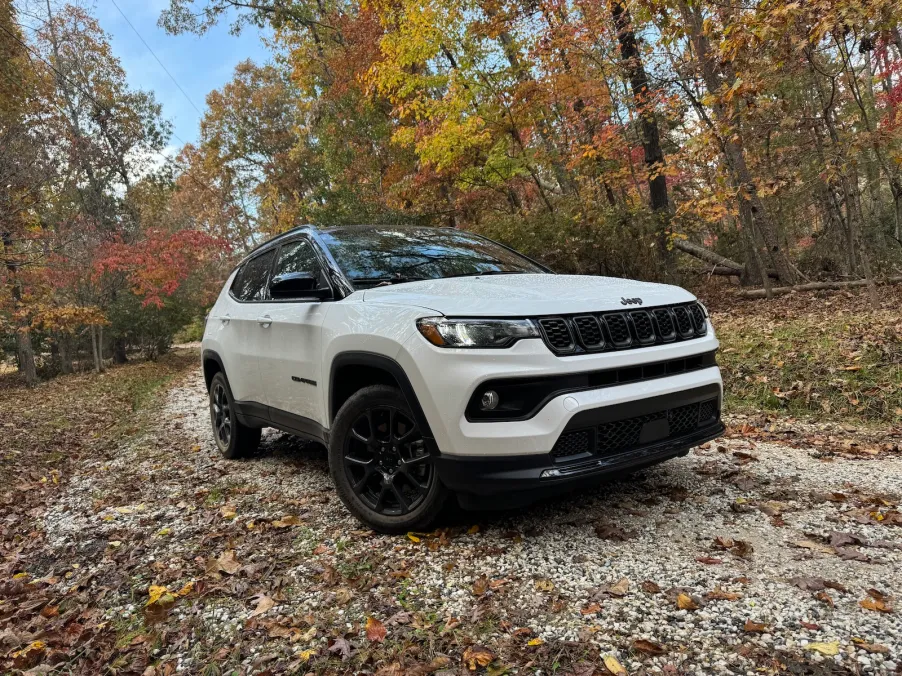
The Jeep Compass often finds itself in a difficult position. It carries the Jeep badge, which comes with expectations of rugged performance and off-road credibility, but it frequently fails to live up to those standards. Many owners go into the purchase hoping to get something that blends city comfort with trail capability.
Unfortunately, the Compass tends to underdeliver on both fronts. It doesn’t have the refinement of a good crossover nor the toughness of its Wrangler sibling, which often leads to regret after a few months of ownership.
The main area where the Compass struggles is with its drivetrain and transmission. The base engine lacks the power to move the vehicle with confidence, especially when fully loaded or climbing hills. The transmission can feel clunky, with rough shifts and delayed throttle response.
This affects everyday drivability, turning what should be a pleasant commute into a frustrating experience. Owners often report that the vehicle feels underpowered and inconsistent, which takes away from the initial excitement of buying a Jeep.
Interior quality is another sticking point. While recent models have improved slightly, the materials used in earlier versions of the Compass feel cheap and poorly assembled. Knobs and switches can wear out faster than expected, and cabin noise is unusually high for the segment.
This wears down the ownership experience, especially over long distances. When a vehicle doesn’t feel comfortable or well-built, it becomes harder to enjoy and easier to criticize. Buyers who were hoping for that signature Jeep character often end up feeling like they bought a budget car with a famous badge.
Over time, dissatisfaction with the Compass becomes more pronounced. It depreciates quickly, which hurts trade-in value, and it doesn’t inspire much loyalty. Many owners switch to a different brand entirely after owning one.
The disappointment isn’t always immediate, it builds slowly as the car fails to deliver enjoyment or reliability. That gradual letdown leaves little room for pride and makes the Compass a vehicle that many wouldn’t recommend to others or purchase again.
2. Nissan Sentra
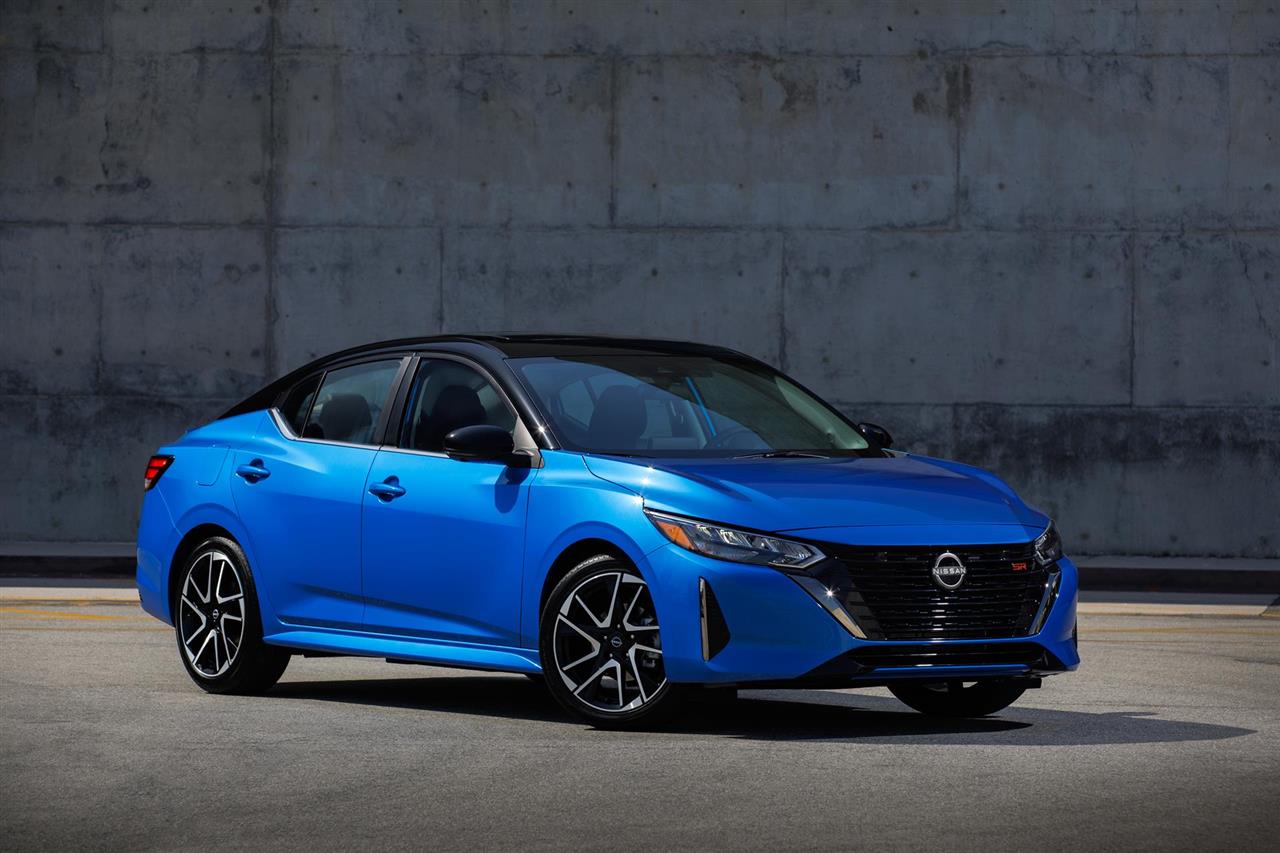
The Nissan Sentra has been around for a long time, but its reputation hasn’t aged as well as some of its competitors. While it’s marketed as an affordable compact sedan, many owners find themselves underwhelmed shortly after driving it off the lot.
It lacks the personality, performance, and polish that cars like the Honda Civic or Mazda3 bring to the same segment. That absence of identity makes the Sentra forgettable, and owning a forgettable car rarely results in long-term pride.
Performance is one of the first places where the Sentra falls short. The engine is functional but not inspiring. Acceleration feels sluggish, and the continuously variable transmission (CVT) saps much of the driving experience.
For people who enjoy any level of feedback or connection with the road, the Sentra offers very little in return. It gets the job done, but it does so in a dull, detached way. That sense of “just enough” becomes disappointing when you realize that similarly priced cars offer a more refined and engaging experience.
Interior design and materials also contribute to the lack of enthusiasm. While recent generations have improved, earlier models suffer from low-quality plastics, dated infotainment systems, and uninspired layouts. Seats can feel flat and unsupportive, especially during longer drives.
Over time, the cabin feels more like a place you tolerate rather than enjoy. This matters, because a car’s interior is where the ownership experience happens day in and day out. If the space doesn’t make you feel good, the experience takes a hit.
Many Sentra owners report wishing they had spent just a little more money on something more substantial. The lack of pride comes not from catastrophic failures, but from a slow realization that better options were available. It’s not an offensive car, it’s just underwhelming in ways that build up over time.
When a vehicle doesn’t spark joy or confidence, even if it’s mechanically reliable, it becomes easy to view it as a mistake. That’s why the Sentra often ranks low in owner satisfaction compared to its competition.
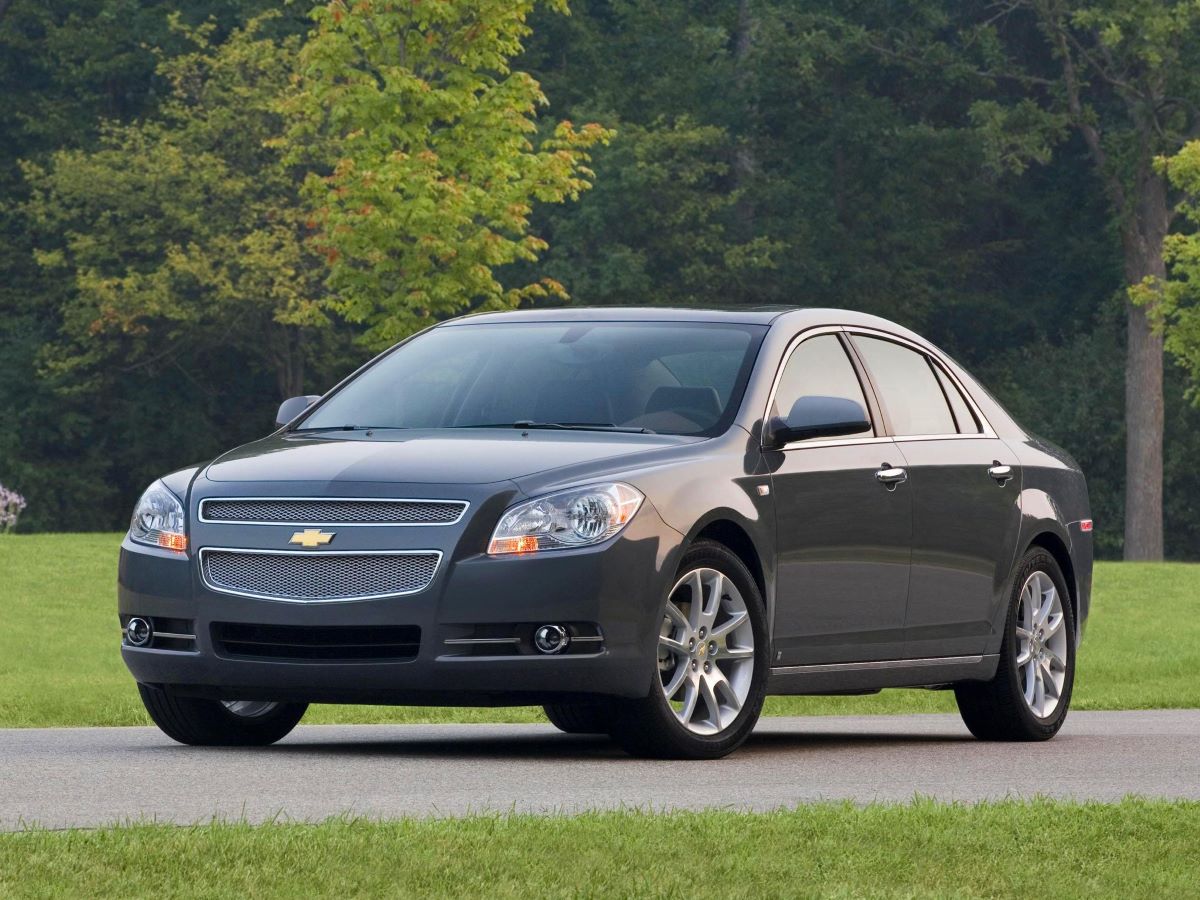
3. Chevrolet Malibu
The Chevrolet Malibu once held a stronger position in the midsize sedan market, but more recent generations have failed to inspire lasting pride. While the car does offer decent space and a smooth ride in some trims, the experience tends to feel dated and uninspired.
It lacks the sharp styling, driving dynamics, and interior refinement of rivals like the Honda Accord or Toyota Camry. As a result, many owners find themselves disinterested in their Malibu not long after buying it.
One of the core issues lies in how quickly the Malibu feels out of step with the market. Its design tends to lag behind newer competitors, with styling cues that can feel bland or overly conservative. Even though it may look clean at first glance, the car lacks a strong visual identity.
Owners often grow tired of the exterior styling within a couple of years. That matters more than people think, a car’s appearance affects how owners feel when walking up to it every day. If it doesn’t make you feel good to look at, pride naturally declines.
Interior materials and tech also fall short, especially in base trims. There’s a noticeable lack of quality compared to similarly priced sedans, with hard plastics and basic displays that feel more suited to entry-level compacts.
The infotainment system can be slow to respond, and features that are standard in other vehicles are either optional or missing entirely. That kind of value discrepancy adds up quickly. As expectations increase and the vehicle doesn’t keep pace, owners start seeing the car as a poor deal rather than a smart buy.
Long-term reliability has also been inconsistent. While some Malibus run well past 100,000 miles with minimal issues, others have suffered from drivetrain problems, electrical glitches, or transmission failures.
This inconsistency adds anxiety to the ownership experience. When you’re not sure how your car will hold up, it becomes harder to enjoy it. Add in steep depreciation, and it’s easy to see why many Malibu owners don’t look back fondly on their purchase. It’s not that it’s a terrible car, it just lacks the strengths needed to make people feel proud to own it.
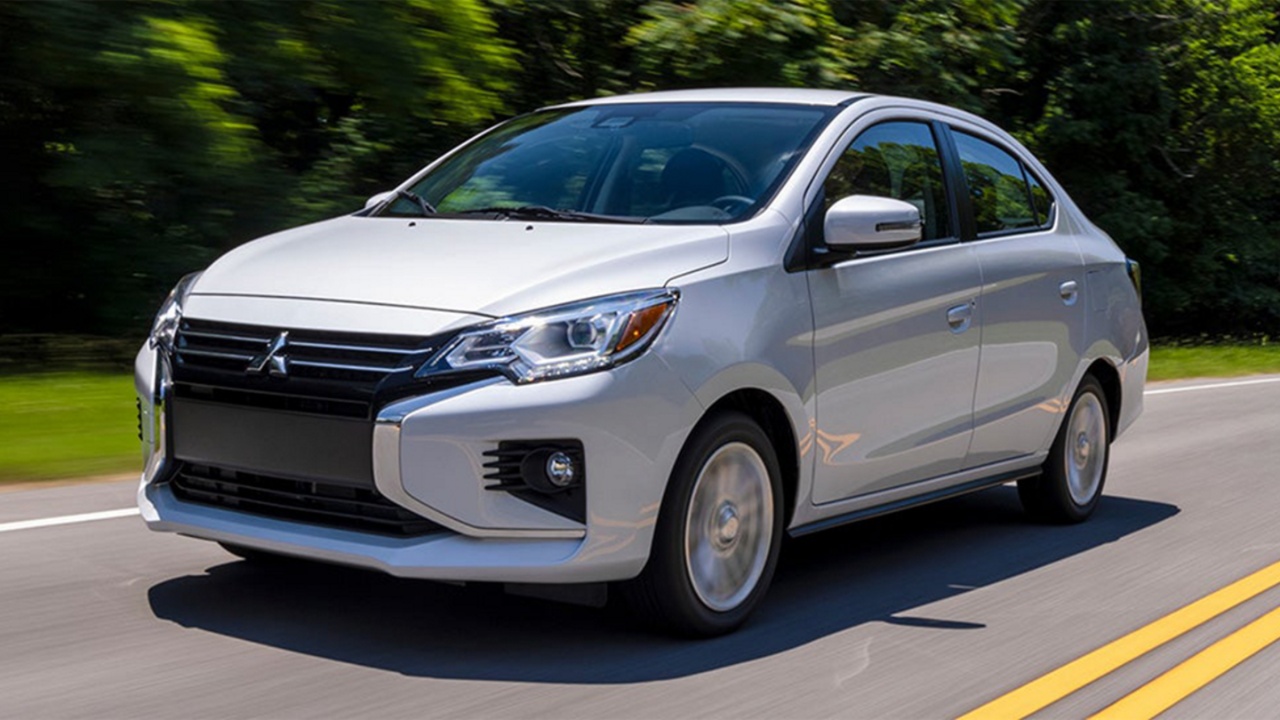
4. Mitsubishi Mirage
The Mitsubishi Mirage is often chosen by budget-conscious buyers looking for the cheapest new car they can find. On paper, it makes sense: low purchase price, excellent fuel economy, and a warranty that seems competitive.
But in reality, the Mirage is one of the least satisfying vehicles to own in the modern market. Its low price comes with significant compromises in quality, comfort, and performance, so much so that many owners end up wishing they had opted for a used car from a more reputable brand instead.
The Mirage’s biggest flaw is its lackluster performance. The small engine produces very little horsepower, making acceleration painfully slow. On highways, merging and passing become stressful, and the constant engine noise becomes exhausting.
The CVT transmission doesn’t help the situation, often amplifying the sense that the car is struggling to keep up. Driving should at least feel effortless, even in a budget vehicle. With the Mirage, it often feels like a chore, and that kills much of the joy associated with owning a new car.
Build quality is another major concern. The interior feels extremely spartan, with thin plastic panels, minimal sound insulation, and uncomfortable seating. Road noise and engine buzz fill the cabin, especially at higher speeds. Even new, the car doesn’t feel new, it feels cheap.
Over time, that initial impression only worsens as the materials show wear, and minor issues crop up. A car that feels flimsy from the beginning rarely earns affection down the road.
Finally, the Mirage lacks any kind of personality. It doesn’t offer style, performance, or comfort. It exists solely to meet a price point, and that becomes painfully obvious once the novelty of having a new car wears off.
Pride in ownership comes from believing you made a good decision, from enjoying the drive, or from appreciating the design. The Mirage doesn’t deliver on any of these fronts. Most owners see it as a compromise, not a prize and that’s exactly why so few are enthusiastic about keeping it long-term.
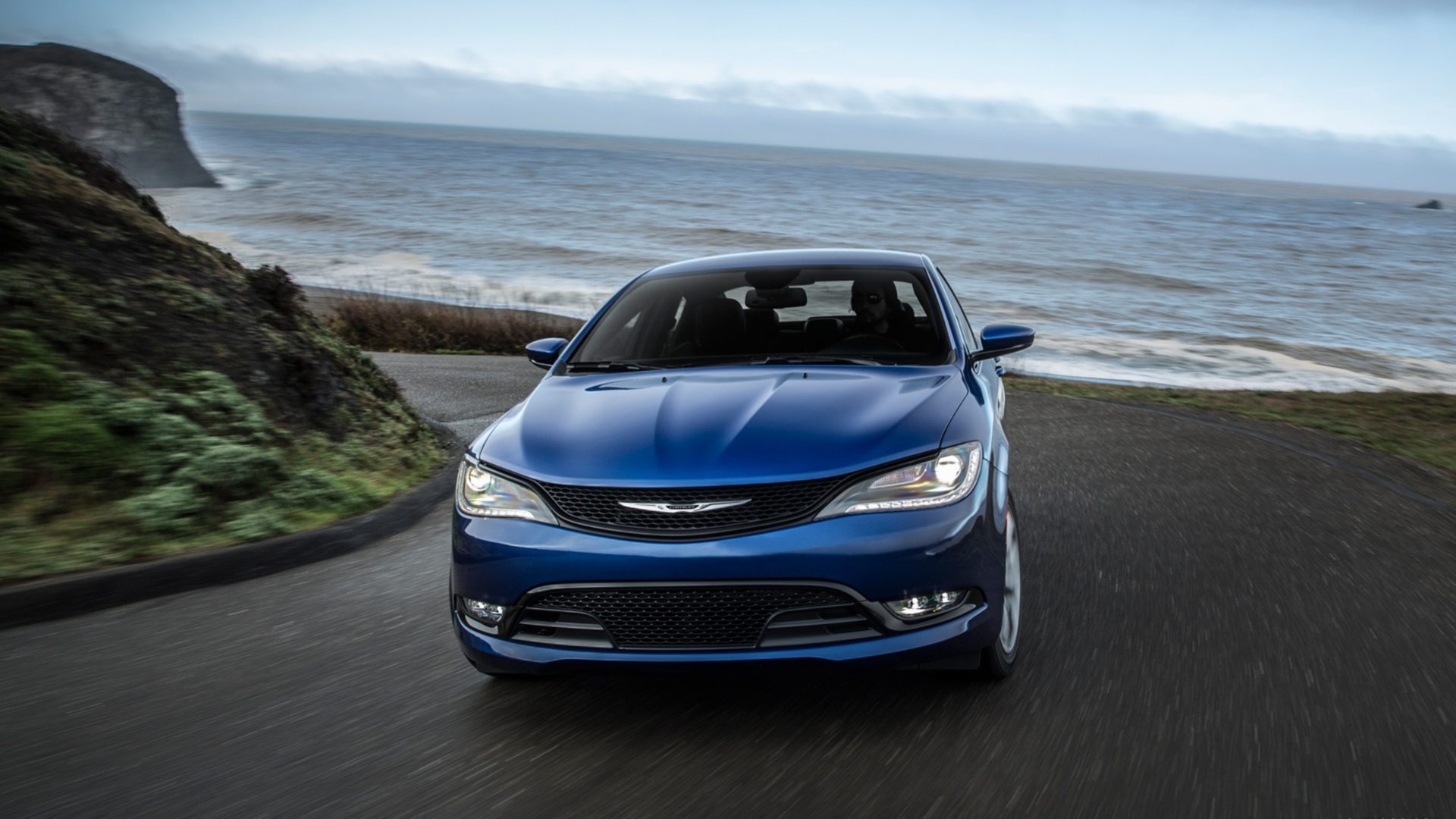
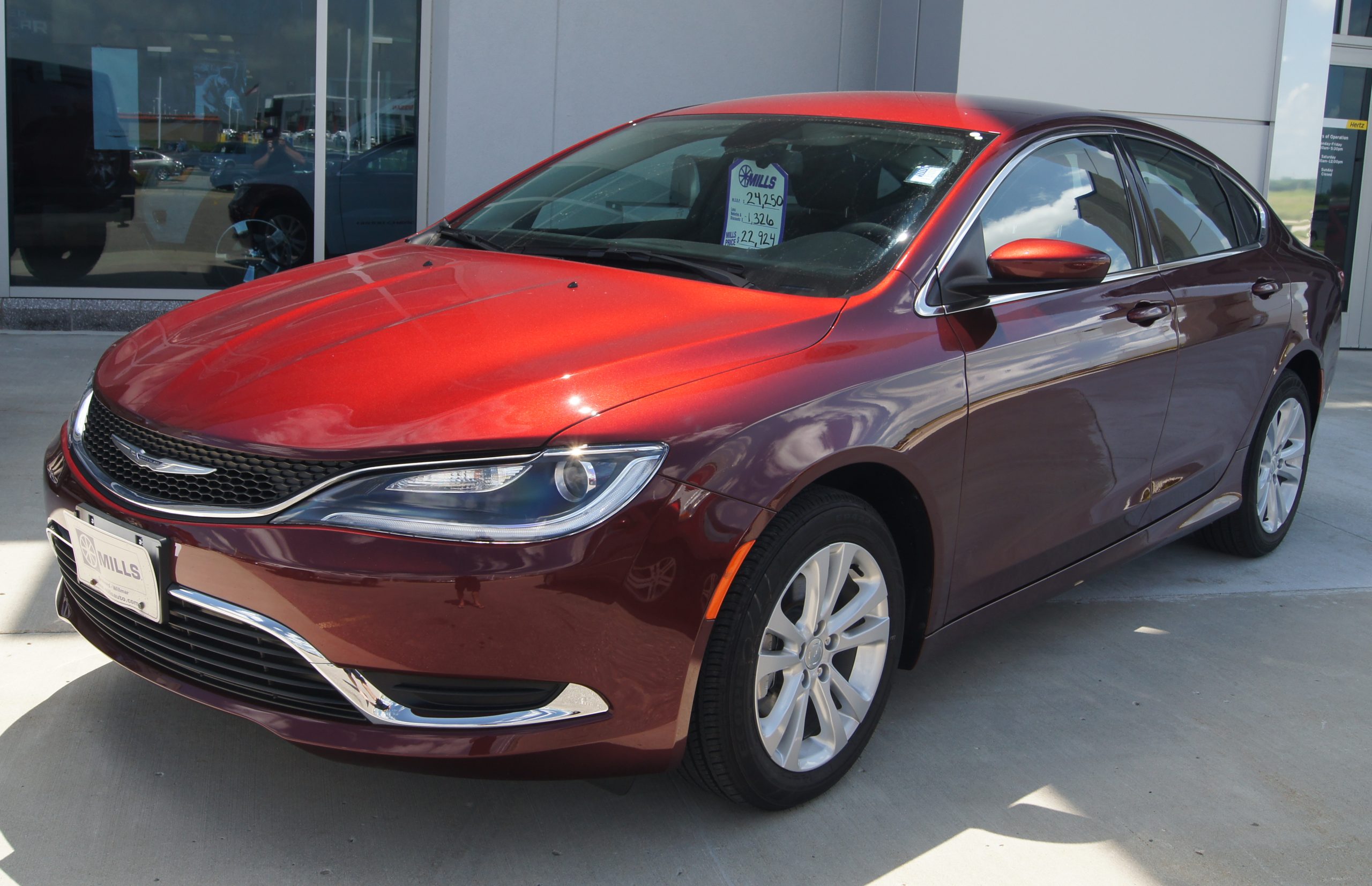
5. Chrysler 200
The Chrysler 200 had a brief run in the midsize sedan segment, and while it aimed to modernize Chrysler’s lineup, it ended up being one of the brand’s more forgettable offerings. While the car was marketed as stylish and sophisticated, many owners quickly realized it lacked the quality and execution to compete with other sedans in its class.
From awkward proportions to poor visibility and drivetrain concerns, the 200 left many buyers feeling let down rather than impressed.
One of the most glaring issues with the Chrysler 200 is its cramped interior, especially in the rear. For a midsize sedan, the back seat feels unusually tight, and taller passengers often struggle with headroom due to the sloped roofline.
This design choice, aimed at giving the car a sleek profile, ends up sacrificing practicality, something crucial in this segment. Owners expecting a family-friendly sedan often found themselves frustrated by the lack of usable space, particularly when compared to roomier alternatives like the Honda Accord or Ford Fusion.
Performance and reliability are also weak points. While the V6 option was powerful on paper, the 9-speed automatic transmission was frequently criticized for jerky shifts and poor calibration. Many drivers experienced hesitation, especially during acceleration or while shifting at lower speeds.
On top of that, reports of early mechanical problems hurt confidence. When a new car already feels unreliable, it’s nearly impossible to develop any long-term loyalty or pride.
The final blow to the Chrysler 200’s reputation came when the model was abruptly discontinued. While this isn’t always a reflection of a vehicle’s quality, in the case of the 200, it felt like an admission of failure. Dealerships moved leftover inventory at steep discounts, which undercut resale value and signaled to existing owners that their cars had little future support.
It’s difficult to feel proud of a car when the brand itself seems to have lost faith in it. Many former owners describe their experience as disappointing, making the 200 a clear example of a vehicle that did not inspire lasting satisfaction.
