

Trucks have long been the backbone of industries that require strength, reliability, and endurance. Whether used on construction sites, farms, delivery routes, or rugged off-road environments, trucks are designed to carry heavy loads, endure tough conditions, and keep going when lesser vehicles might falter.
The market is filled with countless truck models, each promising power and reliability, but in reality, some stand out significantly while others fall short, leaving drivers frustrated and productivity hindered.
This article will examine five trucks that consistently outwork their competition, earning reputations for toughness and dependability, as well as five trucks known for their frequent mechanical failures, poor build quality, or performance shortcomings.
Understanding the differences between these vehicles is crucial for anyone who depends on trucks daily, whether for business or personal use. Trucks that perform well often combine strong engines, durable construction, efficient designs, and a solid track record of dependability.
In contrast, trucks that frequently fail can drain resources, cause delays, and demand costly repairs, undermining the very purpose of owning a heavy-duty vehicle. By identifying which trucks stand out positively and which tend to fall behind, buyers can make informed choices that protect their investment and meet their specific needs.
5 Trucks That Outwork the Competition
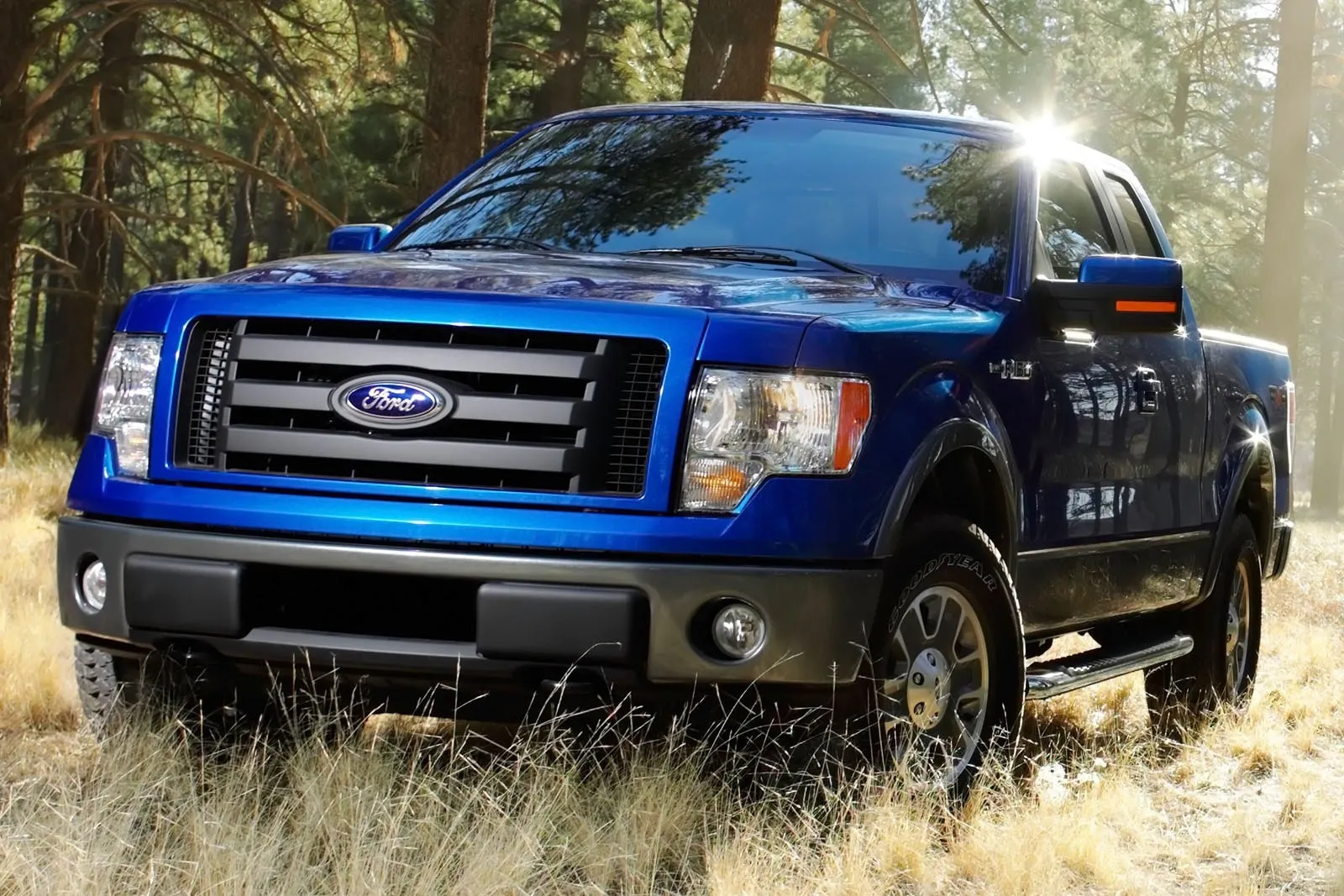
Ford F-150
The Ford F-150 has been a benchmark in the pickup truck market for decades, largely due to its exceptional blend of power, durability, and versatility. One of the primary reasons for its ongoing popularity is the diverse range of engine options it offers, catering to different needs.
Whether a buyer wants a fuel-efficient turbocharged V6, a high-output V8, or even a hybrid powertrain that balances power and economy, the F-150 delivers. These engines are paired with advanced transmissions that optimize power delivery for towing or hauling.
In addition, the F-150’s towing capacity often exceeds expectations, with some models capable of pulling over 13,000 pounds, which is crucial for professionals who depend on their trucks to transport heavy trailers, equipment, or supplies. This capability is backed up by integrated trailer brake controllers and smart towing features that enhance safety and control.
The Ford F-150’s construction reflects a careful balance between strength and efficiency. Its body is made primarily from military-grade aluminum alloy, which significantly reduces the truck’s weight without compromising structural integrity.
This innovation allows the truck to carry heavier payloads and tow larger trailers while maintaining better fuel economy than heavier steel-bodied rivals. The frame itself is made from high-strength steel, engineered to withstand the stresses of daily work and rough conditions.
The suspension system, including coil springs and advanced shock absorbers, provides impressive ride comfort even when the truck is fully loaded or navigating uneven terrain. This balance of strength and comfort allows the F-150 to serve a wide range of roles—from construction site workhorse to family vehicle—with equal ease.
Technological advancements further enhance the F-150’s capability and user experience. Features such as Pro Trailer Backup Assist simplify the difficult task of reversing a trailer, while onboard diagnostics and maintenance alerts help prevent unexpected breakdowns.
The truck also comes equipped with a suite of driver assistance technologies, including adaptive cruise control, blind-spot monitoring, and lane-keeping assistance, which increase safety during long hauls or busy workdays. The infotainment system supports smartphone integration, allowing drivers to stay connected without distraction.
This combination of rugged performance and modern technology makes the F-150 a truck that not only performs hard work but also adapts to the needs of modern drivers.
Beyond the technical specifications, the Ford F-150 benefits from an extensive service network and strong resale value, which are important for commercial buyers. The widespread availability of parts means repairs and maintenance can be handled quickly and affordably.
Additionally, Ford’s long-standing reputation for producing tough, reliable trucks ensures that many F-150s stay on the road for years, often surpassing the 200,000-mile mark. For business owners and workers who rely on their trucks daily, this reliability reduces downtime and keeps operations running smoothly.
The combination of durability, performance, and advanced features makes the Ford F-150 a standout choice in the competitive pickup truck market.
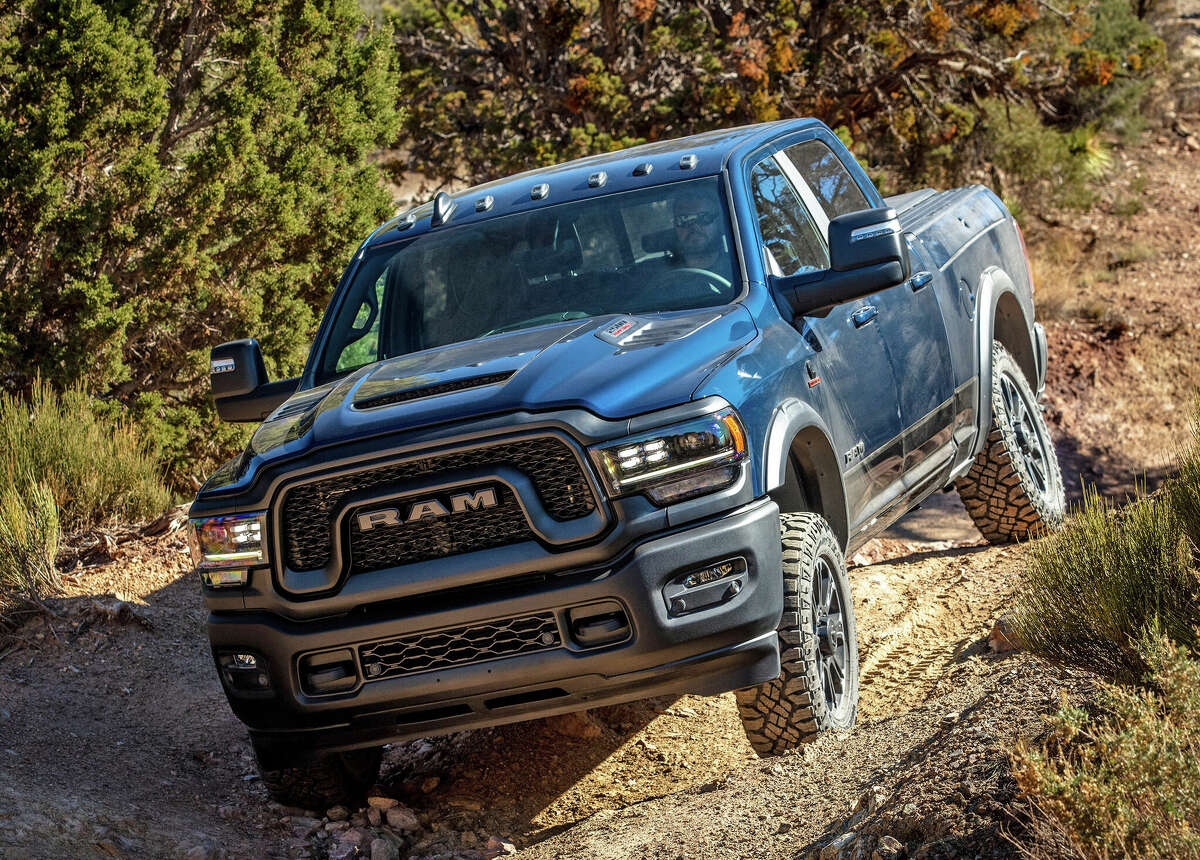
Ram 2500 Heavy Duty
The Ram 2500 Heavy Duty truck represents the epitome of strength and endurance in the heavy-duty segment, particularly favored by those who demand top-tier towing and hauling capabilities. One of the defining features of the Ram 2500 is its powerful engine lineup, especially the renowned Cummins turbo-diesel engine option.
This engine delivers extraordinary torque, often exceeding 900 lb-ft, which translates into exceptional towing strength, enabling the Ram 2500 to haul massive trailers, heavy machinery, or livestock with relative ease. The gas-powered HEMI V8 also provides solid performance for users who prefer gasoline engines, offering a balance of power and smoothness. These engines are matched to transmissions designed to handle high stress while delivering consistent power over long distances.
The truck’s rugged construction plays a crucial role in its ability to withstand demanding work conditions. The frame is built with reinforced high-strength steel, which enhances rigidity and helps resist bending or twisting when under heavy loads.
Ram also integrates innovative suspension designs, such as the available air suspension system, which allows drivers to adjust the ride height depending on load conditions. This feature can increase ground clearance for off-road tasks or lower the truck for easier loading and improved aerodynamics during highway travel.
The suspension system also contributes to improved ride comfort and handling, which is important for drivers spending long hours behind the wheel. This combination of strength and adaptability ensures the Ram 2500 is not only tough but also versatile.
Inside the cabin, the Ram 2500 balances utility with comfort, recognizing that many drivers spend more time in their trucks than at home. The interior features durable materials designed to withstand dirt and wear, while also providing amenities like spacious seating, advanced infotainment systems, and user-friendly controls.
This focus on ergonomics reduces driver fatigue and increases productivity. Furthermore, Ram has invested in advanced safety technologies, including forward collision warning, automatic emergency braking, and trailer sway control, which help prevent accidents when towing or driving in challenging conditions.
One of the Ram 2500’s strongest points is its reputation for long-term reliability and reduced maintenance needs. Many commercial operators report that their Ram trucks continue to perform well even after years of rigorous use, with fewer breakdowns compared to competitors.
The truck’s proven engine and drivetrain durability reduce costly downtime, which is critical in sectors where productivity depends on vehicle availability. Additionally, Ram offers a comprehensive warranty and extensive support network, giving buyers confidence that their investment is protected. The Ram 2500 Heavy Duty is a truck that meets and often exceeds the demanding expectations of professional users.
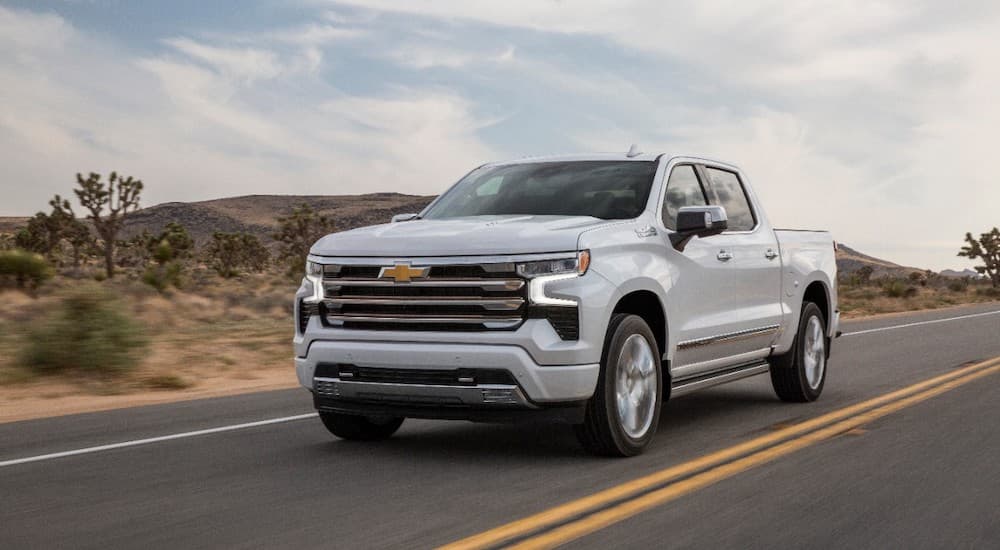
Chevrolet Silverado 1500
The Chevrolet Silverado 1500 is a standout model that combines power, adaptability, and durability, making it a reliable choice for many who rely on trucks for work and recreation. Its broad range of engine options allows users to find the right balance between fuel efficiency and power.
Buyers can choose from a turbocharged four-cylinder engine that offers improved fuel economy for lighter tasks, a V6 for a bit more punch, or several V8 engines capable of hauling heavy payloads and towing sizeable trailers. This engine’s flexibility means the Silverado can be tailored to a variety of needs, whether that’s daily commuting, weekend projects, or full-time heavy-duty use.
The truck’s frame and body construction are designed to withstand harsh conditions. Chevrolet uses high-strength steel in key areas to increase rigidity and durability without adding excessive weight. The suspension system is engineered to provide a smooth ride, even when the truck is fully loaded or traveling off-road.
This means drivers benefit from a comfortable and controlled driving experience, which is critical when long hours on the road are involved. The Silverado also offers a variety of cab and bed configurations, making it highly adaptable for different work requirements, whether carrying tools, equipment, or passengers.
Chevrolet has placed a strong emphasis on improving reliability in recent years. The Silverado’s components, including engine, transmission, and drivetrain, have been refined to reduce failures and maintenance issues.
This focus on quality means many owners report fewer unexpected repairs and better satisfaction compared to previous models. The truck also incorporates helpful technology such as trailer sway control and hill start assist, which aid in maintaining control during tough towing situations. These features enhance the truck’s ability to perform demanding work safely and efficiently.
Comfort and convenience are also important considerations in the Silverado’s design. The interior is well-appointed with materials that are both durable and visually appealing. Advanced infotainment systems with touchscreen interfaces and smartphone integration keep drivers connected and entertained without distraction.
Additionally, Chevrolet offers a suite of driver-assist technologies that contribute to safer driving conditions, including forward collision alert and lane departure warnings. Together, these elements make the Silverado 1500 a well-rounded vehicle that consistently meets the expectations of those needing a capable, dependable truck.
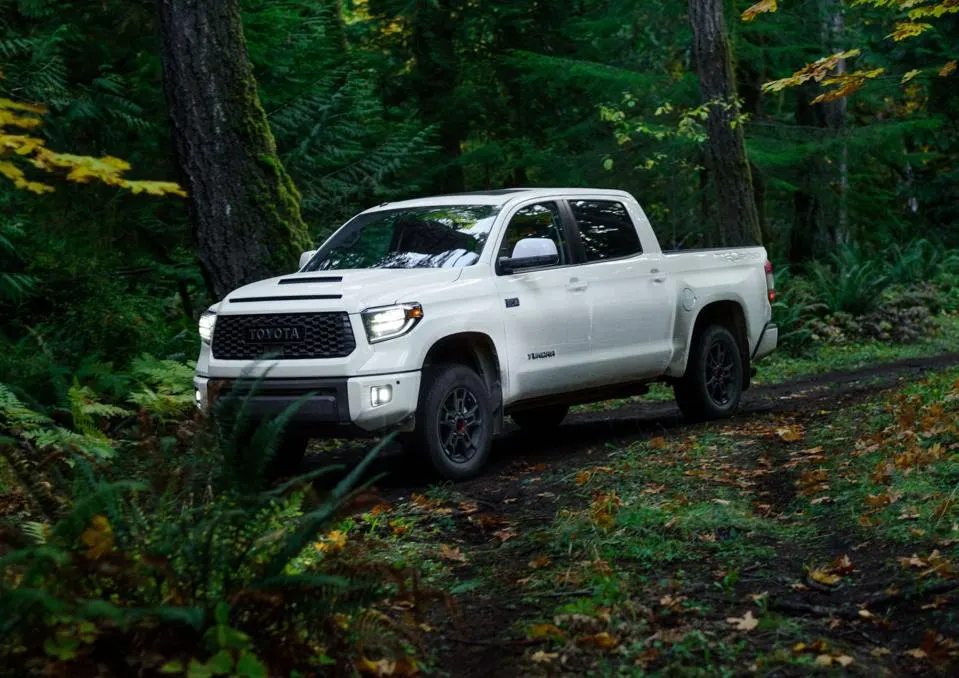
Toyota Tundra
The Toyota Tundra has built a reputation over the years for being one of the most reliable trucks available, especially valued by those who prioritize long-term dependability over flashy specs.
While the Tundra may not boast the highest towing or payload capacities compared to some American trucks, its powertrain is designed to be consistent and durable, making it ideal for users who require a truck that can endure heavy use with minimal mechanical issues.
The Tundra’s V8 engine is known for producing steady power and torque, providing sufficient capability for most hauling and towing needs without the complexity or maintenance issues associated with turbocharged or diesel engines.
One of the Tundra’s most significant advantages is its engineering quality and attention to detail during production. Toyota’s manufacturing standards emphasize reliability, and as a result, the Tundra suffers fewer mechanical failures than many competitors.
The truck’s frame and suspension are robust, built to handle rough terrain and demanding work conditions with confidence. It’s a truck that is often chosen by owners who want a vehicle that will last for many years and high mileage without significant repairs. This durability makes the Tundra a favorite among those who use their trucks daily in tough environments.
In terms of comfort and features, the Tundra offers a solid blend of functionality and ease of use. The interior is spacious and thoughtfully designed, with durable materials that withstand wear and tear from work clothes and equipment.
The truck also provides a range of modern conveniences such as touchscreen infotainment, navigation, and driver assistance systems. Although the Tundra may not have the latest high-tech features found in some newer trucks, it includes enough to satisfy most users who prioritize a straightforward, reliable driving experience.
Resale value is another strong point for the Toyota Tundra. Its reputation for reliability keeps demand high in the used truck market, which is beneficial for owners looking to upgrade or sell their trucks.
The combination of dependable performance, solid construction, and practical features makes the Tundra a wise investment for anyone seeking a truck that can handle the hard work while minimizing ownership headaches over time.
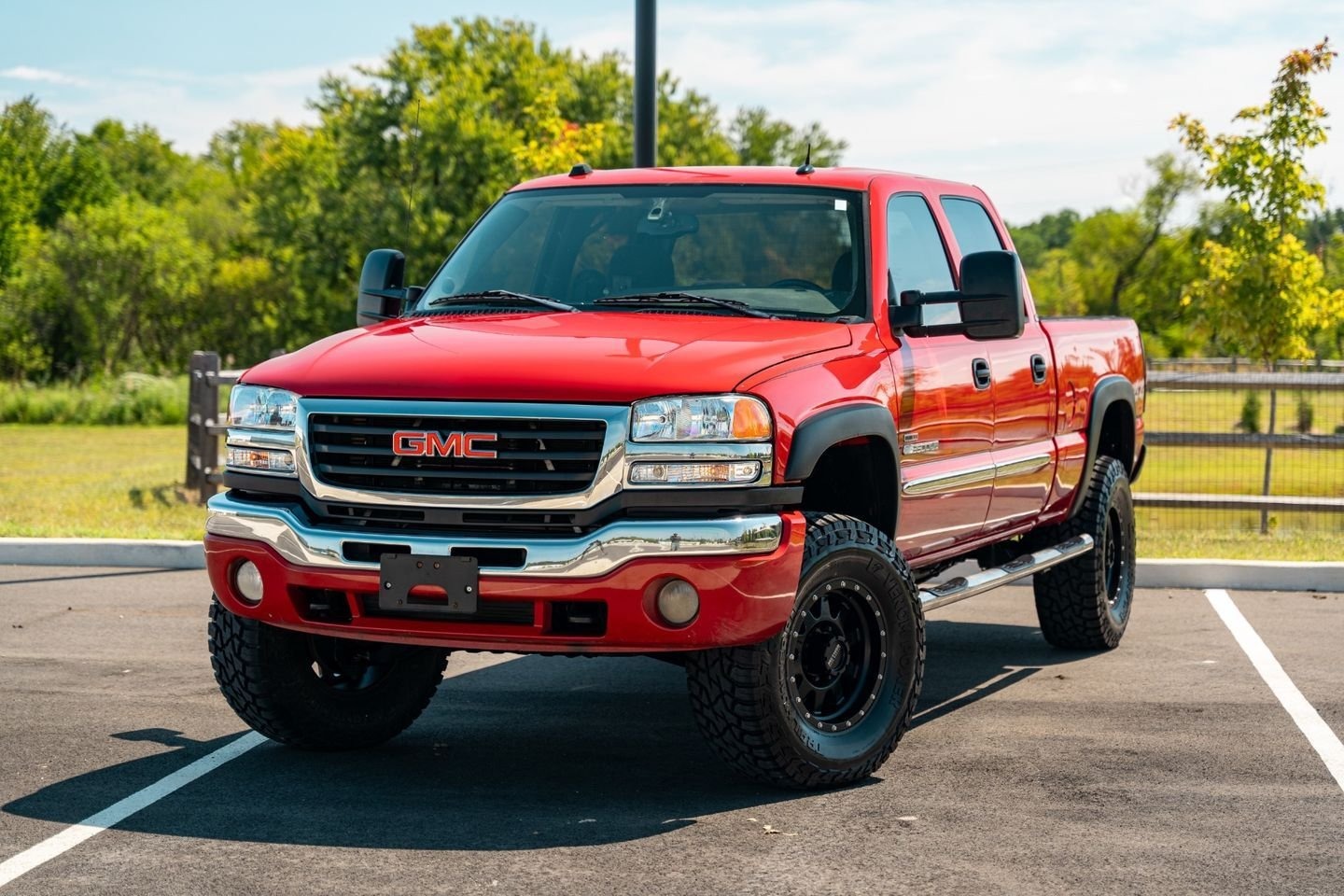
GMC Sierra 2500HD
The GMC Sierra 2500HD is recognized as a premium heavy-duty truck that balances immense power with sophisticated design and comfort. It shares many mechanical components with its Chevrolet Silverado counterpart but adds a higher level of refinement and upscale features aimed at professionals who want both capability and luxury.
The Duramax diesel engine option is a highlight, delivering robust torque and horsepower that enable the truck to tow some of the heaviest loads in its class. This engine is paired with a smooth and responsive transmission designed to handle extreme towing demands without overheating or slipping.
The Sierra 2500HD’s frame is built to handle tough jobs. Constructed from high-strength steel, it provides a rigid foundation that resists bending and twisting even under the most strenuous conditions. Its suspension system is engineered for strength and comfort, featuring heavy-duty shocks and springs that absorb bumps and vibrations during off-road or heavy-load driving.
The truck’s ability to maintain stability and control under pressure is enhanced by technologies such as trailer sway control and hill descent assist. These features increase confidence for drivers managing large trailers or navigating difficult terrain.
Inside, the GMC Sierra 2500HD stands out for its premium cabin materials and advanced features. It offers spacious seating with high-quality leather options, a quiet interior, and a user-friendly infotainment system with smartphone integration.
The truck also includes a variety of driver assistance technologies designed to improve safety and ease of use during long trips or heavy-duty work. This attention to driver comfort and convenience means professionals can remain productive without fatigue, even on demanding jobs.
Reliability is another key factor in the Sierra 2500HD’s appeal. It benefits from General Motors’ commitment to producing durable engines and drivetrains, and its components are tested extensively to ensure they can withstand prolonged heavy use.
Owners report fewer breakdowns and lower maintenance costs compared to some other heavy-duty trucks, which is crucial for those who depend on their vehicles to minimize downtime. The combination of rugged capability, premium comfort, and dependable performance makes the GMC Sierra 2500HD a preferred choice for many professionals needing a truck that works as hard as they do.
5 Trucks That Constantly Fail
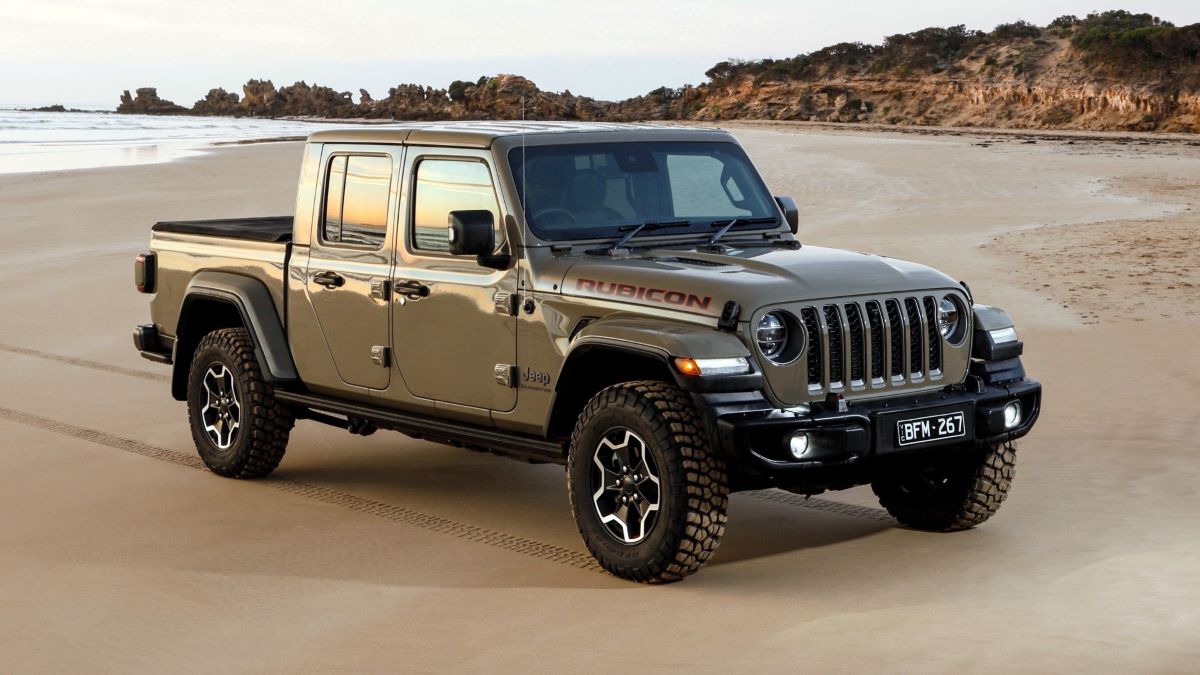
Jeep Gladiator
The Jeep Gladiator, despite its bold and rugged design, has often disappointed owners and industry experts alike due to recurring reliability and mechanical problems. Though it borrows much of its off-road capability from Jeep’s renowned Wrangler platform, the Gladiator struggles to translate that toughness into everyday dependability.
One of the most frequently reported issues involves the transmission system, which owners say suffers from jerky shifts, delays in acceleration, and in some cases, complete failures requiring costly repairs or replacements. These transmission problems are particularly troublesome for those who use the Gladiator as a work truck, where consistent power delivery is essential for towing or hauling.
Electrical system failures are another major concern that plague the Gladiator. From faulty sensors to malfunctioning onboard electronics, drivers often face issues that cause dashboard warning lights to appear unexpectedly, or worse, lead to systems shutting down mid-drive.
Problems with the wiring harness and control modules have been reported, which not only affect vehicle performance but also increase repair complexity and costs. Such reliability problems result in frequent trips to service centers and downtime that disrupts productivity, frustrating users who expected a dependable truck for tough jobs.
The Gladiator’s engine options, including a V6 and a turbocharged diesel variant, do not consistently live up to the needs of heavy-duty work either. Many drivers note that the power output, while adequate for casual driving or off-road recreation, is insufficient for hauling large loads or towing heavy trailers regularly.
Fuel economy also tends to suffer under load, and the engine can feel strained during demanding tasks, leading to accelerated wear and tear. This mismatch between the vehicle’s rugged image and its actual performance adds to owners’ dissatisfaction.
Inside, the Gladiator falls short on comfort and usability compared to competitors. The cabin, while styled to evoke Jeep’s adventurous heritage, can feel cramped and less insulated from road and engine noise, making long workdays uncomfortable.
Materials used in the interior sometimes wear quickly or feel less durable, especially for those who work in dirty or rough environments. Taken together, these mechanical and build quality shortcomings place the Gladiator firmly among trucks that frequently fail to deliver on their promises, frustrating users who rely on their vehicles for hard, consistent work.
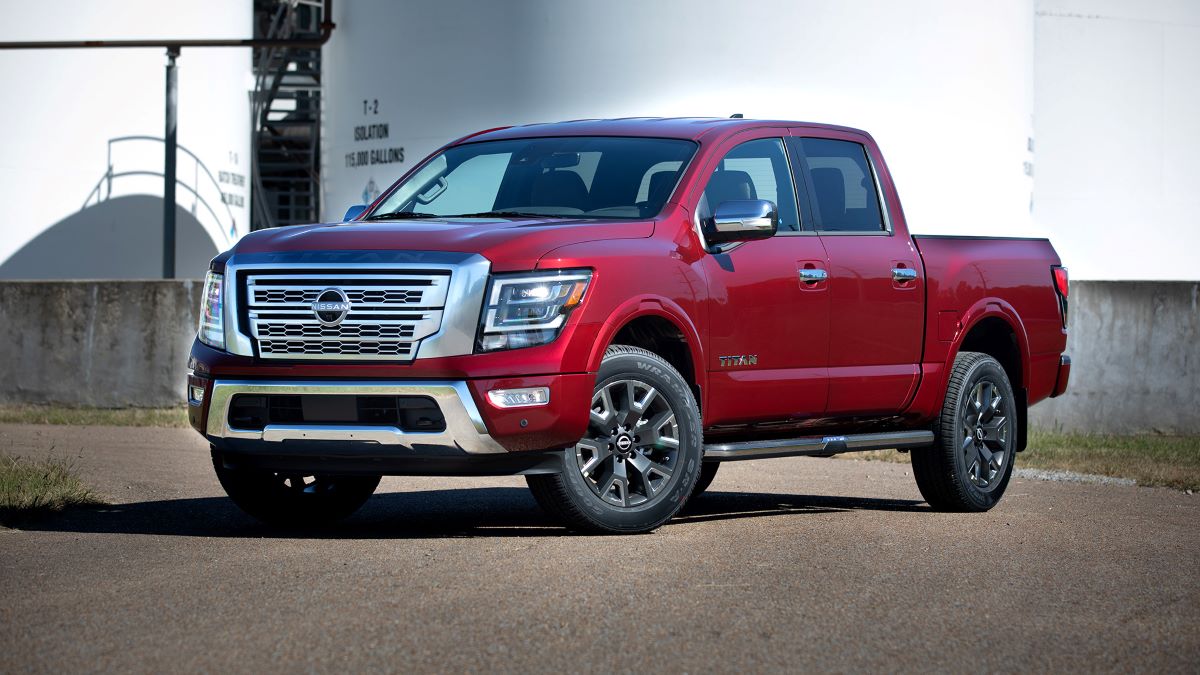
Nissan Titan
The Nissan Titan has faced a long-standing challenge in competing with more established full-size trucks, largely due to a history riddled with performance and reliability concerns.
While the Titan offers a powerful V8 engine capable of decent towing and hauling, many owners report that the truck struggles with drivetrain issues, especially concerning the transmission and transfer case.
These components have been known to fail prematurely, leading to expensive repairs that can keep the vehicle out of service for extended periods. For users relying on their trucks for heavy-duty work, these failures translate to costly disruptions and diminished trust in the vehicle’s capability.
In addition to mechanical issues, the Titan’s build quality has frequently come under scrutiny. Premature rust formation on the frame and body panels is a common complaint, particularly in regions with harsh winters or high humidity. Rust not only affects the truck’s appearance but also compromises structural integrity, potentially making it unsafe for heavy work.
Electrical problems are also widespread, with faulty wiring and malfunctioning electronic modules causing erratic behavior in key systems such as lighting, power accessories, and the onboard computer. These defects contribute to increased maintenance requirements and inconvenience for owners.
The Titan’s performance metrics often lag behind competitors in the same class. Its fuel economy is generally poorer, and its towing and payload capacities fall short of rivals like the Ford F-150 or Ram 1500.
Additionally, the suspension and chassis design do not hold up as well under sustained heavy loads or rough road conditions, which can result in premature wear of shocks, springs, and other vital components. This lack of robustness makes the Titan less appealing for those who need a truck to reliably handle tough jobs day after day.
Nissan has attempted to update and improve the Titan over the years, but its reputation for frequent repairs and lower resale value continues to impact its market position.
While some newer models show promise, the legacy of issues related to reliability and build quality remains a significant concern for buyers, placing the Titan among trucks that commonly fail to meet the high demands of work truck users.
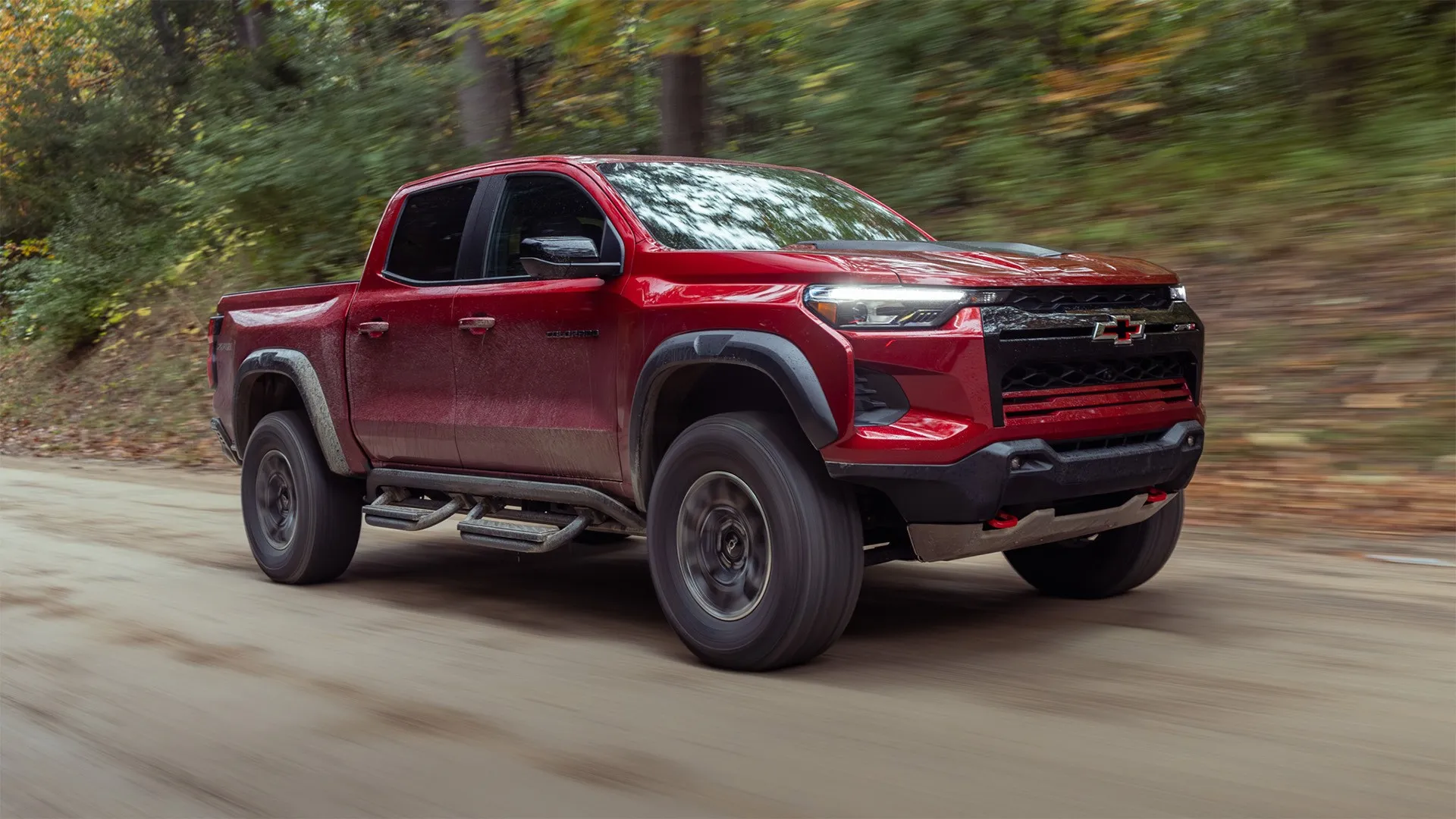
Chevrolet Colorado
The Chevrolet Colorado, a popular midsize pickup, has had a history of reliability issues that undermine its suitability for heavy or consistent work use. One of the most troublesome problems reported involves the transmission, especially in models equipped with the diesel engine.
The transmission has been known to exhibit harsh shifting, slipping, and even complete failure in some cases, requiring expensive repairs or replacements. For users relying on the Colorado for towing trailers or carrying heavy payloads, these transmission faults can cause significant operational interruptions.
Beyond transmission woes, the Colorado’s suspension and chassis components have raised concerns regarding durability. While the truck performs adequately for light-duty tasks, many owners find that it struggles under heavier loads or rough terrain conditions.
Premature wear of shocks, bushings, and springs is a common complaint, which leads to more frequent maintenance and decreased reliability. The truck’s frame, while sturdy enough for many purposes, does not offer the same level of robustness found in full-size pickups, limiting its ability to endure the most demanding work environments.
Interior issues compound the Colorado’s problems. The infotainment system has been criticized for frequent glitches, freezing, or failing to connect properly to devices, which can distract drivers or frustrate users during long workdays.
The quality of cabin materials also tends to be below what is expected in higher-end trucks, with some drivers reporting that surfaces wear or stain quickly when exposed to work-related dirt and grime. Such shortcomings affect driver satisfaction and, in some cases, the resale value of the vehicle.
Taken together, these factors place the Chevrolet Colorado on the list of trucks that frequently fail to meet the expectations of heavy-duty or professional users. While it may serve well as a lighter-duty or recreational vehicle, those requiring a dependable work truck often find the Colorado’s mechanical weaknesses and build quality issues to be significant drawbacks.
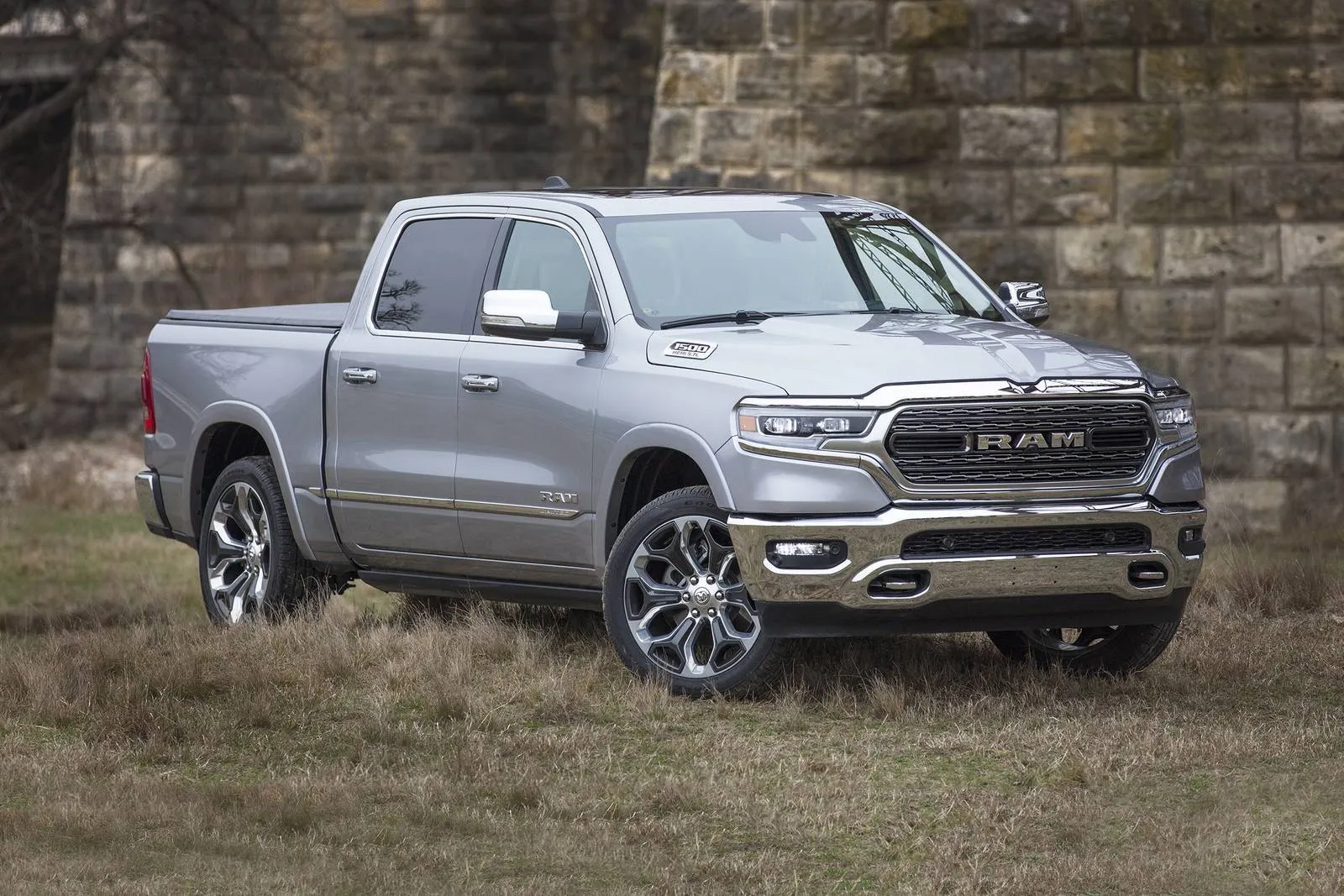
Ram 1500 (Earlier Models)
The earlier generation Ram 1500 trucks have earned a reputation for a range of mechanical and build quality problems that undermine their reliability as work vehicles. A particular issue involves the air suspension system, which was designed to improve ride comfort but often failed prematurely.
Repairs to this system can be costly, and when it fails, it drastically affects the vehicle’s handling and load-bearing capabilities. This is a significant concern for owners who rely on their trucks to carry heavy loads or tow trailers regularly.
Transmission problems have also been widely reported in older Ram 1500 models. Owners frequently cite rough shifting, slipping, and even total transmission failures that result in expensive repairs or replacements.
These issues are particularly problematic during demanding work, where consistent and smooth power delivery is crucial. The engine, while generally powerful, sometimes exhibits premature wear or performance problems in these earlier models, further impacting dependability.
Electrical system malfunctions compound these issues. Sensors, onboard computers, and wiring harnesses have shown tendencies to fail or malfunction, causing warning lights, drivability problems, and erratic behavior.
These problems often require diagnostic work and multiple repairs, increasing downtime and costs for truck owners. The combined effect of these mechanical and electrical problems reduces confidence in the vehicle’s ability to perform under consistent hard use.
Additionally, corrosion and rust have been reported as common problems with earlier Ram 1500s, especially in regions where road salt is prevalent.
This premature deterioration of body panels and chassis components affects both the truck’s aesthetics and its structural integrity. While newer Ram 1500 models have addressed many of these issues, the legacy of reliability problems in earlier models has left a lasting impact on the truck’s reputation among buyers and industry professionals.
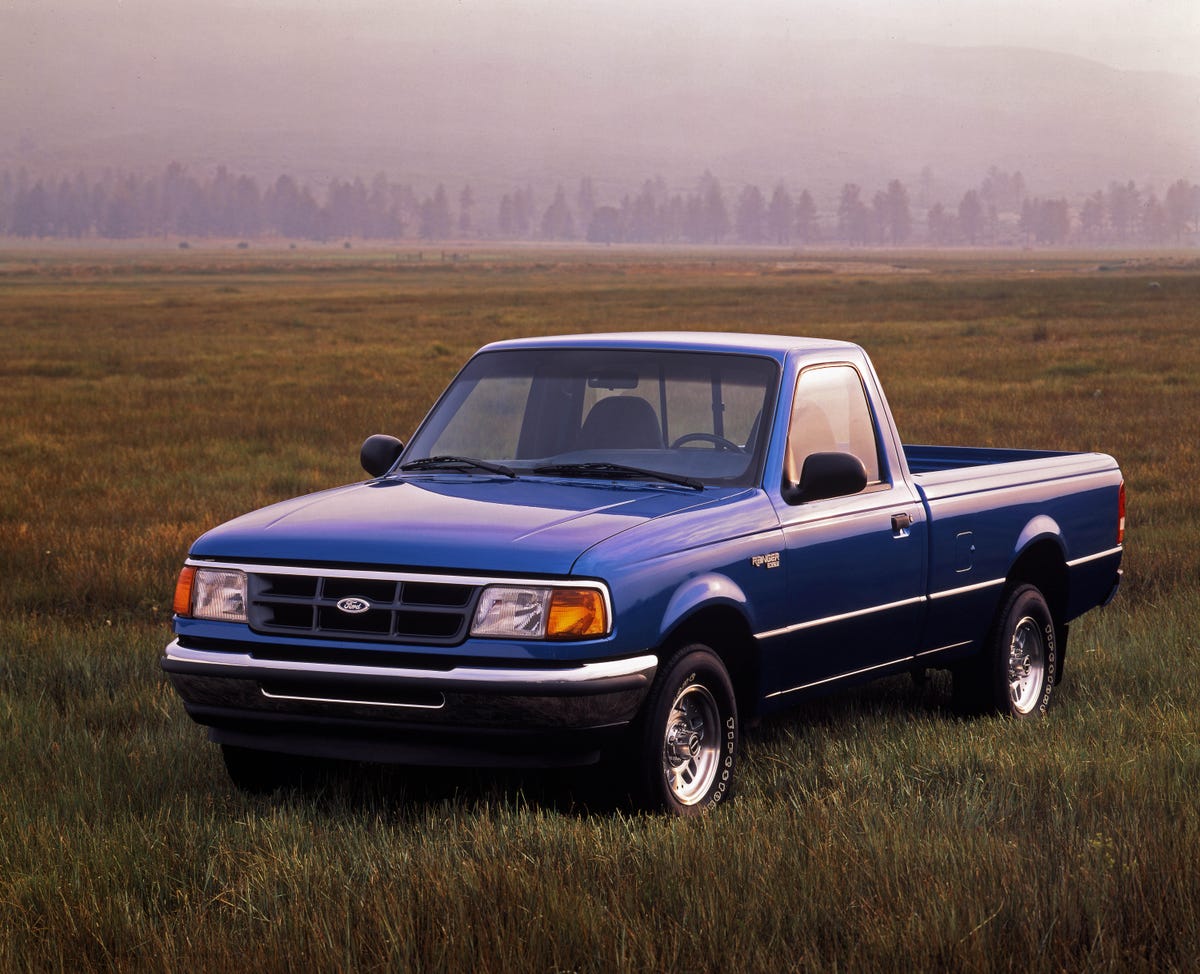
Ford Ranger (Previous Generation)
The previous generation of the Ford Ranger, before its recent redesign, had a mixed record when it came to reliability and mechanical durability. Many owners experienced persistent engine problems, such as timing chain failures and overheating issues, which required frequent repairs and maintenance.
These engine troubles were not only costly but also led to reduced performance and occasional breakdowns, making the Ranger less dependable for heavy-duty work or long-term use.
Transmission concerns were also prevalent, with many drivers reporting slipping gears, harsh shifts, and premature transmission failure. This caused unreliable power delivery and made towing or hauling heavy loads more challenging and stressful.
Repairs to the transmission were often expensive and time-consuming, which undermined the Ranger’s appeal as a work truck capable of handling demanding tasks consistently.
The truck’s suspension and chassis components were another weak point. The design and materials used in earlier models did not stand up well to rough terrain or heavy loads, resulting in worn shocks, broken springs, and frame fatigue. These durability issues required more frequent maintenance and reduced the vehicle’s lifespan in demanding conditions.
Finally, the interior quality of the previous-generation Ranger left much to be desired. Many owners noted that the cabin materials felt cheap and wore quickly, while noise levels inside the vehicle were higher than in competing models.
This lack of comfort, combined with the mechanical issues, made long drives and workdays more taxing. Collectively, these shortcomings contributed to the Ranger’s placement among trucks that commonly fail to meet the durability and reliability expectations of work truck users.
