
Electric SUVs have rapidly become one of the most talked-about segments in the automotive industry. What was once a niche category limited to a few premium automakers has now turned into a major battleground for nearly every manufacturer trying to balance innovation, performance, practicality, and affordability.
The rise of electric mobility has encouraged carmakers to rethink their design philosophies, battery strategies, and even the way they approach consumer expectations. Yet, not every electric SUV being released aligns with what drivers actually need.
Some models are carefully designed to meet real-world demands with solid range, charging capability, interior practicality, and competitive pricing. Others seem to exist merely to fill a lineup slot or make a marketing statement, with features that do not justify their cost or purpose.
For many consumers, an electric SUV has to make sense both logically and emotionally. It needs to have usable range, comfort for families, efficient power delivery, and accessible technology that makes daily life easier, not more complicated.
It must also offer genuine value, meaning the cost of ownership should be justified by performance, reliability, and long-term sustainability.
Yet, there are still models that seem disconnected from the purpose of electric mobility. These vehicles may look futuristic, but they compromise on practicality or depend too heavily on luxury branding without delivering functional superiority.
This article separates the two sides of that conversation by highlighting five new electric SUVs that make sense and five that simply do not. Each model is examined from a broad standpoint: how it serves consumers, how it justifies its place in the market, and what lessons it teaches about the transition to electric vehicles.
These examples show that success in this category depends on more than just powerful motors or flashy designs. It relies on careful integration of technology, real driving usability, and honest engineering.
As electric mobility continues to evolve, understanding what works and what doesn’t helps consumers make smarter choices and encourages automakers to refine their strategies for the next generation of vehicles.
Five New Electric SUVs That Make Sense
1. Tesla Model Y
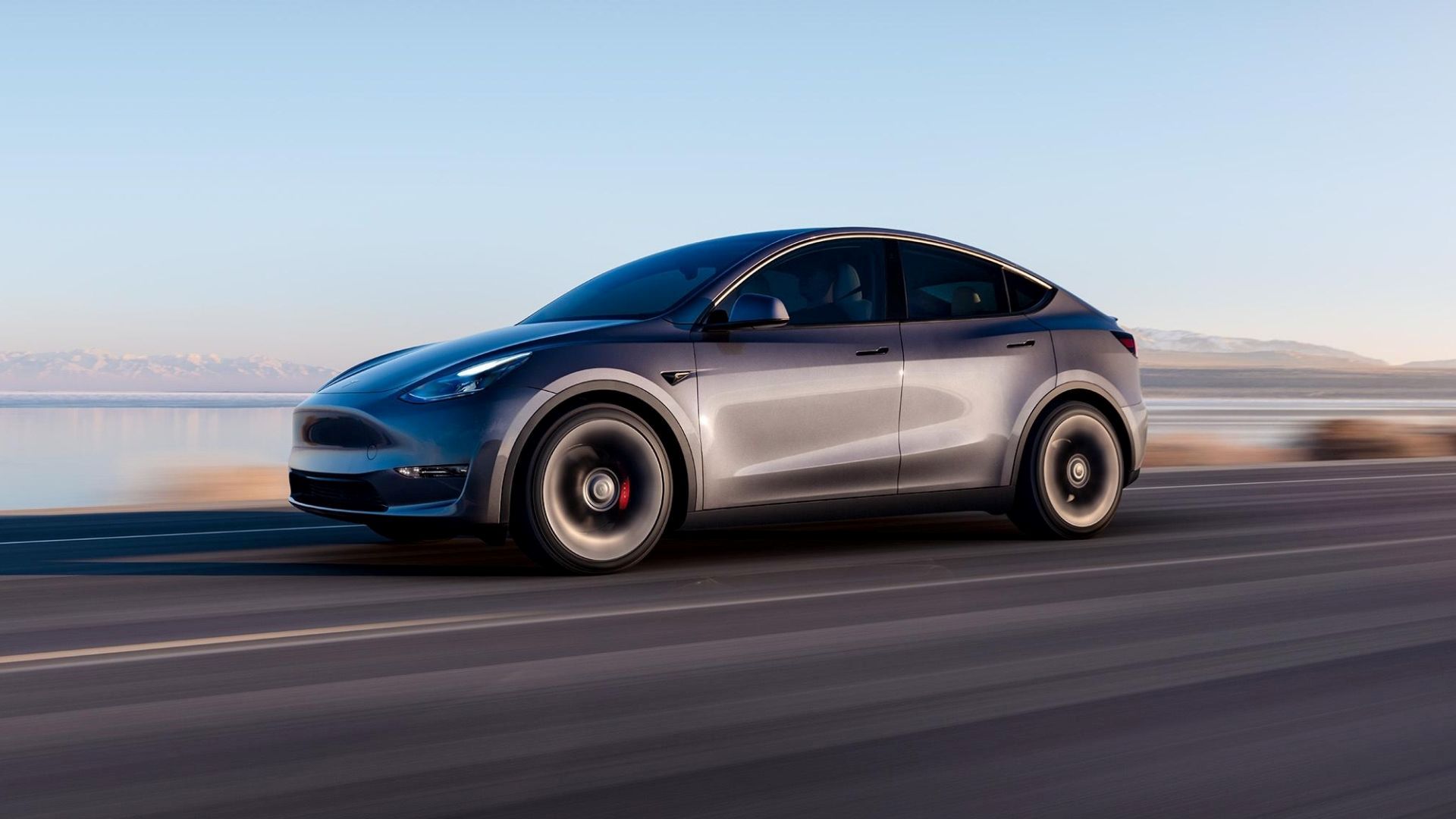
The Tesla Model Y has become one of the most balanced electric SUVs available. Its design builds upon the proven strengths of the Model 3 while adding the utility and versatility families expect from a crossover.
What makes the Model Y so sensible is its combination of performance, range, and practicality in a single package. The driving experience feels familiar yet futuristic, offering instant acceleration and smooth handling that outclasses many traditional gas-powered SUVs.
Its range capabilities, which can exceed 300 miles on certain trims, make it suitable for daily commutes and long road trips alike.
Inside, the Model Y prioritizes space efficiency. The cabin feels airy due to the minimalist design and panoramic glass roof, and the flat floor architecture provides generous legroom in both rows.
The infotainment system is central to the experience, giving drivers access to everything from navigation to entertainment on a large touchscreen interface.
While some criticize the reliance on a single control screen, many find it intuitive after a short adjustment period. Tesla’s over-the-air software updates add real long-term value, allowing the vehicle to gain features and improvements over time without visiting a dealership.
The charging infrastructure also makes the Model Y stand out. Tesla’s Supercharger network remains one of the strongest assets in the electric vehicle ecosystem, giving owners the confidence to travel across long distances without worrying about where to recharge.
This network is often the deciding factor for many buyers who are hesitant about range anxiety. With more Superchargers being opened to non-Tesla vehicles, the Model Y’s advantage may narrow, but for now, it remains a key part of the ownership experience.
When balancing cost, usability, and innovation, the Model Y clearly makes sense. It is not the cheapest electric SUV, but it offers a consistent, proven track record that appeals to both first-time EV buyers and long-time enthusiasts. Its success shows that when technology, range, and practicality align, the result is a vehicle that truly fits modern lifestyles.
2. Hyundai Ioniq 5
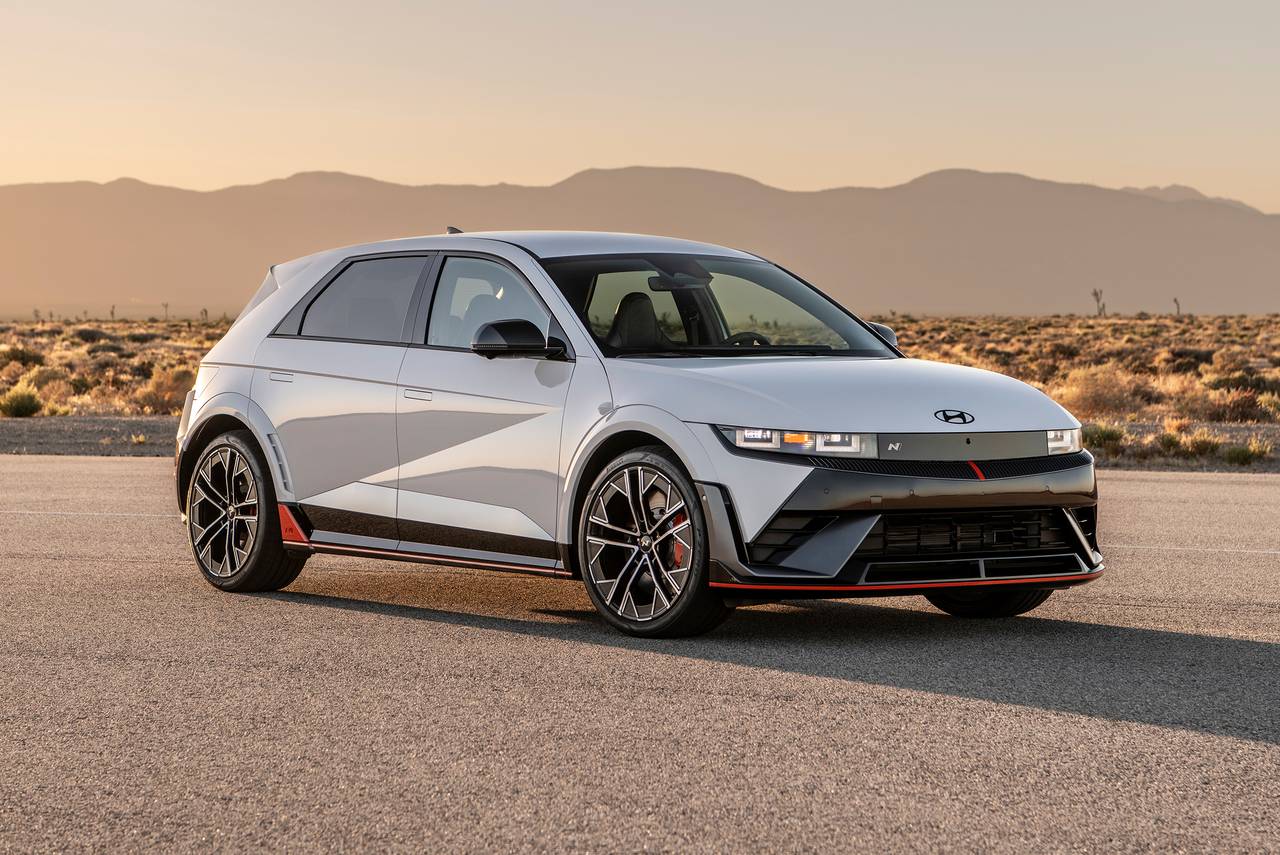
The Hyundai Ioniq 5 is a showcase of smart engineering and forward-thinking design. It breaks away from the traditional SUV silhouette by adopting a futuristic hatchback profile that still manages to provide substantial interior space. What makes it sensible is the way Hyundai has balanced innovation with usability.
The Ioniq 5 offers ultra-fast charging, with its 800-volt system capable of regaining over 200 miles of range in under 20 minutes when connected to the right charger. This level of convenience dramatically reduces downtime and enhances its practicality for both short and long trips.
Inside, the Ioniq 5 feels like a well-thought-out living space. The flat floor architecture maximizes roominess, while the sliding center console allows passengers to adjust space as needed.
Materials used throughout the cabin are modern and sustainable, aligning with the environmental goals of electric mobility. Hyundai’s user interface is also approachable, blending physical buttons with touch controls to create a more intuitive experience than some competitors that rely solely on screens.
Another key factor is the vehicle’s pricing and warranty coverage. Hyundai has managed to position the Ioniq 5 competitively against both premium and mainstream rivals, making it one of the best-value electric SUVs on the market.
Its long warranty terms for both the powertrain and battery give buyers extra confidence, especially those transitioning from traditional fuel vehicles. This balance of affordability and technology strengthens the Ioniq 5’s position as a realistic choice rather than a luxury experiment.
Hyundai’s growing charging partnerships and software improvements further cement its practicality. As infrastructure expands, the Ioniq 5 stands ready to make full use of these advantages.
It is a rare example of an electric SUV that feels futuristic yet grounded in the realities of everyday ownership. The combination of thoughtful design, rapid charging, and balanced pricing makes it one of the smartest options currently available.
3. Ford Mustang Mach-E
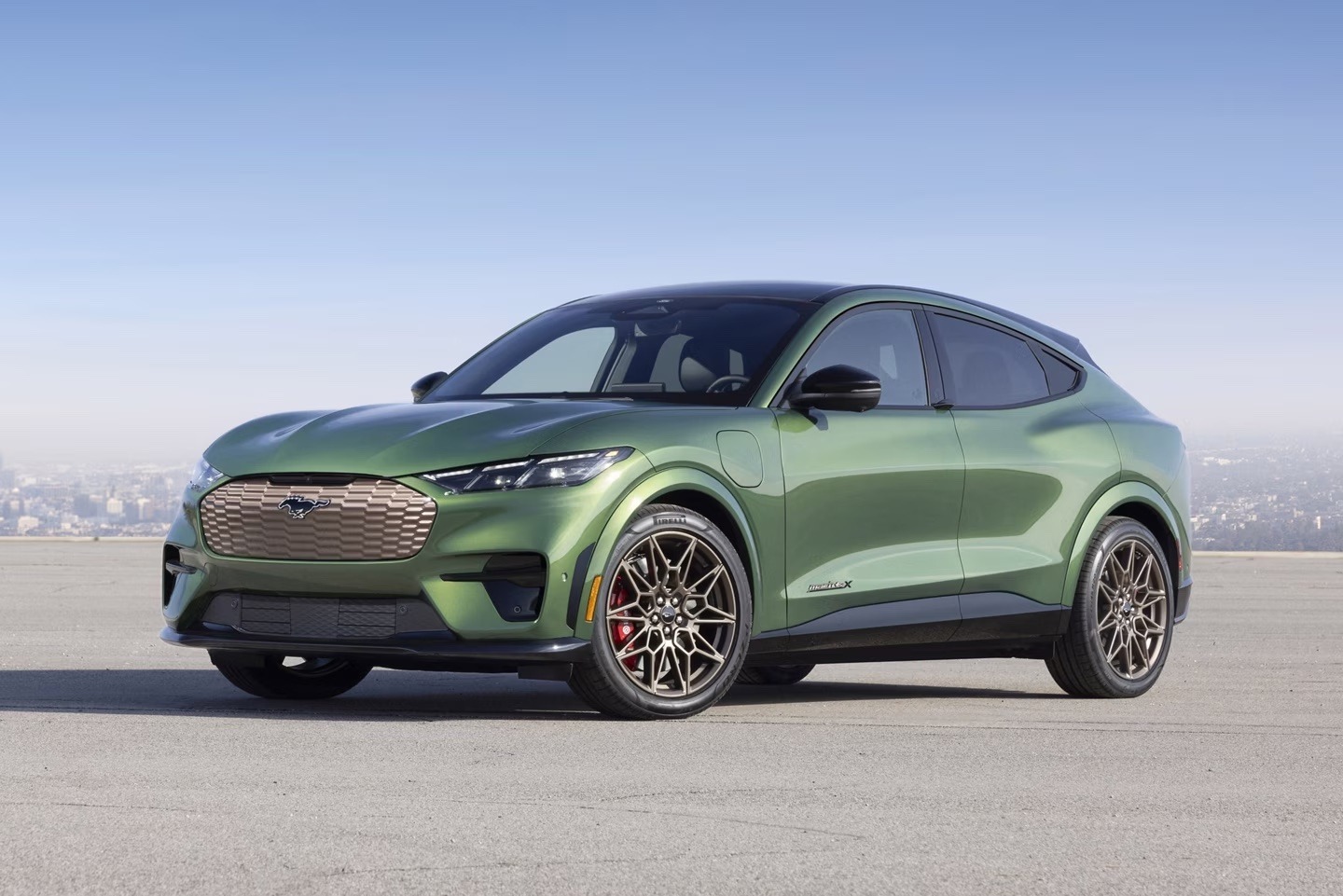
Ford’s decision to use the Mustang name for an electric SUV initially stirred controversy, but the Mach-E has proven to be one of the more balanced and desirable electric vehicles in the mainstream market. Its success lies in the way it blends performance heritage with electric practicality.
The Mach-E delivers brisk acceleration, agile handling, and a driving character that feels genuinely engaging. At the same time, it offers the range, interior comfort, and storage space that families expect from a modern SUV.
Inside, the Mach-E’s interior is well executed with quality materials and a large vertical touchscreen that houses Ford’s SYNC software. The layout feels contemporary yet practical, offering easy access to key functions without excessive complexity.
The driving position feels commanding, and visibility is good for both city driving and highway cruising. Ford has also paid attention to comfort, with supportive seats and effective climate control that help preserve range by managing power usage efficiently.
Charging infrastructure is another aspect where Ford has made progress. Through its partnerships with multiple charging networks, the Mach-E gives drivers access to a wide array of charging stations across the country.
The vehicle’s navigation system can plan routes based on available chargers, reducing anxiety during longer journeys. While charging speeds are not the fastest in the segment, they are competitive enough to support real-world needs.
The Mach-E also benefits from Ford’s established service network and brand familiarity. For many consumers hesitant about switching to electric, this reassurance makes a difference.
The Mach-E stands as proof that legacy automakers can adapt effectively to electric mobility when they focus on creating vehicles that feel complete and well-integrated. It is not just an experiment; it is a real contender that provides practicality, excitement, and confidence in one package.
4. Kia EV9
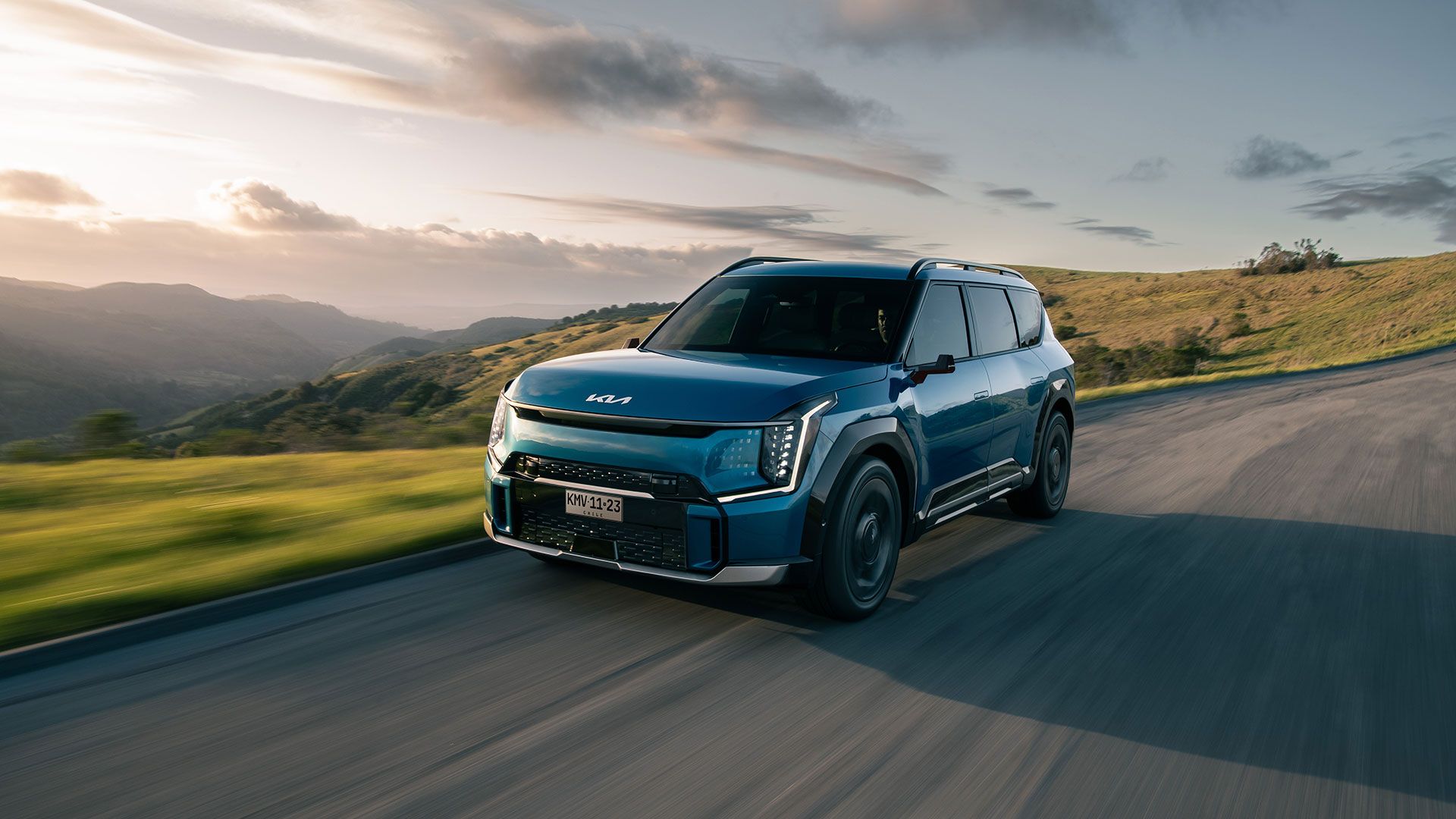
The Kia EV9 represents the next stage of what electric SUVs can achieve. It targets families who want maximum space and comfort without sacrificing electric efficiency.
The EV9’s three-row configuration sets it apart from most competitors, which often compromise on interior flexibility. Kia’s engineers designed it to handle the needs of larger households, with generous legroom, adaptable seating, and a user-friendly layout that prioritizes convenience.
A key reason the EV9 makes sense is its blend of range and charging efficiency. Built on the same advanced E-GMP platform as the Ioniq 5, it supports high-voltage fast charging that restores significant range in a short period.
This capability makes long-distance travel realistic for a full-size electric SUV, a challenge many others have struggled to solve. The available battery configurations allow buyers to choose between affordability and maximum range, giving flexibility that matches real consumer priorities.
Inside, the EV9 reflects Kia’s focus on comfort and sustainability. Many surfaces use recycled materials, and the technology suite includes large dual displays that integrate navigation, entertainment, and driving data seamlessly.
The vehicle’s quiet operation enhances the sense of refinement, making highway drives especially comfortable. Kia has also focused on driver-assistance features, integrating systems that enhance safety without being intrusive.
Beyond the specs, the EV9 embodies a sense of maturity in electric SUV development. It shows that electric family vehicles can be practical, desirable, and environmentally responsible at the same time.
It proves that EVs no longer have to be compromises or luxury toys; they can be the logical next step for anyone who needs a dependable, comfortable, and spacious family vehicle.
5. Volkswagen ID.4
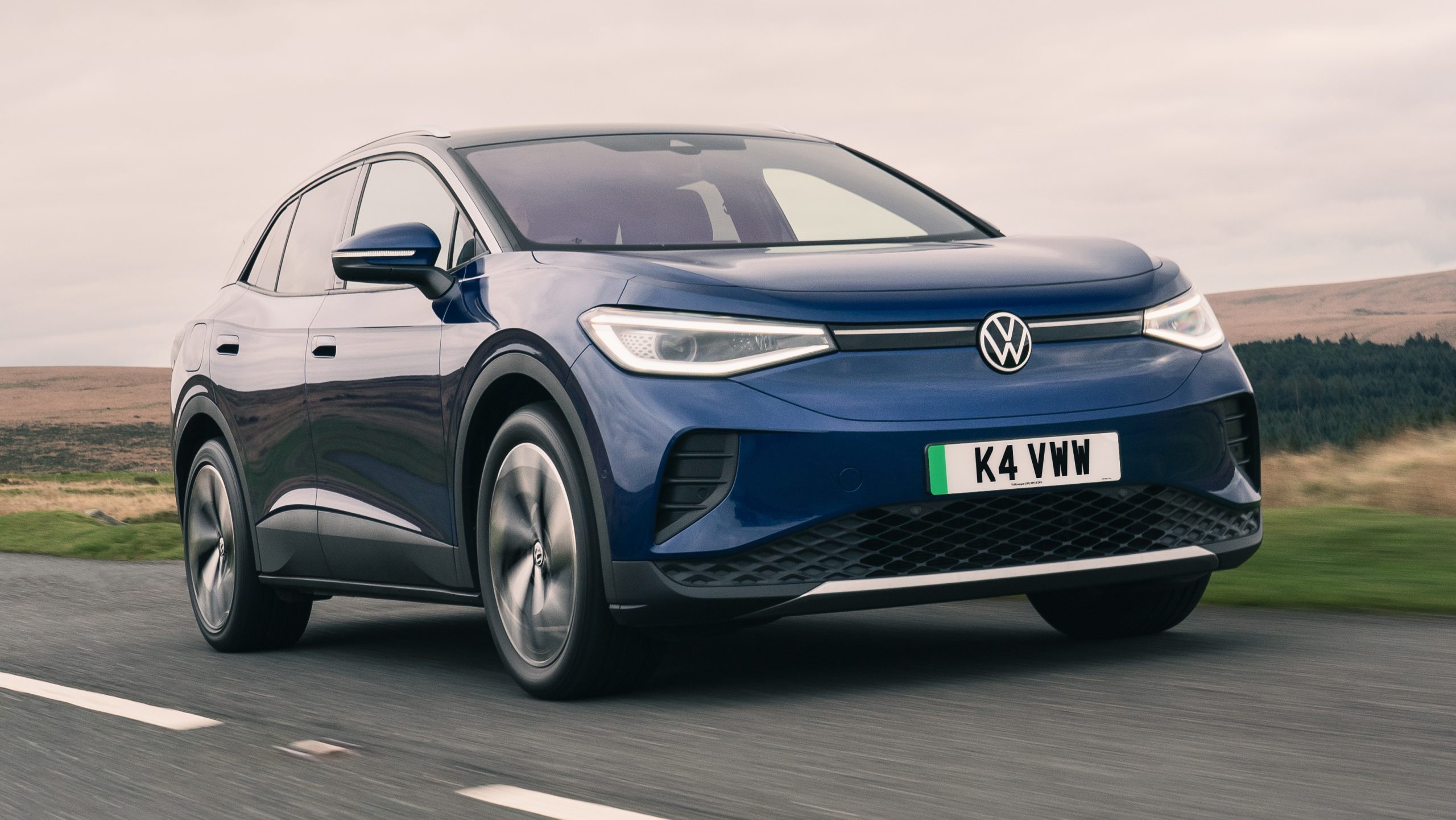
The Volkswagen ID.4 earns its place on the sensible list because of its balance of affordability, solid range, and comfort. It does not chase extreme performance or luxury but instead focuses on what everyday drivers truly need.
Volkswagen designed it as a global electric SUV that could appeal to a broad audience. Its driving dynamics feel composed and predictable, offering a stable and reassuring experience that makes it easy for new EV drivers to adapt.
Inside, the ID.4 provides a comfortable cabin with straightforward ergonomics. The minimalist design emphasizes space efficiency, and the seats are supportive enough for long drives.
The infotainment system has improved through software updates, and while it still lacks the refinement of Tesla’s interface, it remains functional and well integrated with smartphone connectivity. Cargo space is generous, which adds to its practicality for families and travelers alike.
Range and efficiency are where the ID.4 performs well for its price bracket. It delivers respectable mileage on a single charge, often exceeding 250 miles under normal conditions. The availability of both rear-wheel-drive and all-wheel-drive versions gives buyers more choice depending on their driving habits.
Volkswagen’s growing network of partnerships for charging access helps make ownership more convenient, and the brand continues to refine battery management for better longevity.
What solidifies the ID.4’s practicality is its approachability. It feels like a normal SUV that just happens to be electric, rather than a radical technological showcase.
That familiarity makes it easy to recommend to drivers transitioning from gasoline vehicles. It may not be the flashiest option on the market, but its reliability, usability, and sensible pricing make it one of the most logical electric SUVs currently available.
Five New Electric SUVs That Don’t Make Sense
1. GMC Hummer EV SUV
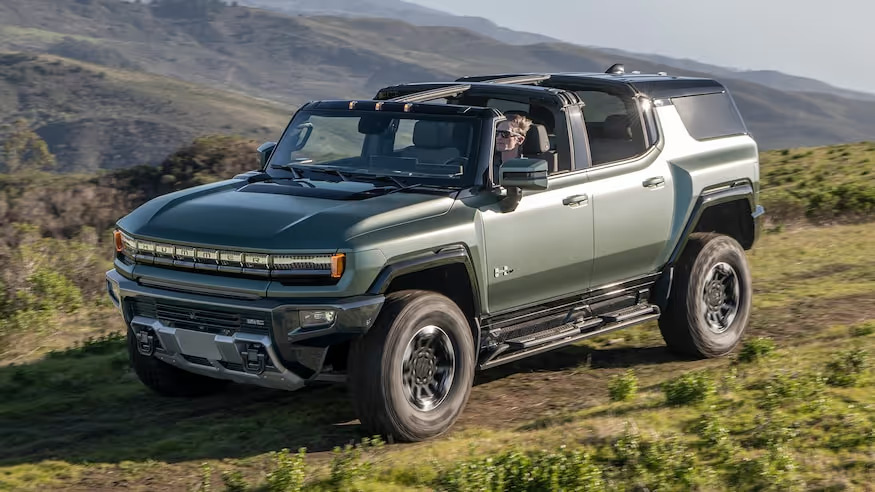
The GMC Hummer EV SUV stands as a contradiction to the principles of electric mobility. Its massive weight, oversized proportions, and power-hungry performance undermine the efficiency benefits that EVs are meant to deliver.
While it showcases impressive engineering with features like CrabWalk and extreme off-road capability, it prioritizes spectacle over practicality. The battery pack is enormous, giving it significant range, but the energy consumption per mile is alarmingly high, making it one of the least efficient EVs on the road.
Inside, the Hummer EV feels more like a high-end off-road toy than a family vehicle. The materials and design are luxurious, but the sheer bulk of the vehicle makes it impractical for daily driving in tight urban spaces.
Parking is a challenge, and maneuvering through city traffic feels cumbersome. Its price tag places it far beyond reach for most consumers, positioning it more as a status symbol than a genuine solution for sustainable transportation.
Charging the Hummer EV also highlights its inefficiency. Due to its large battery, even high-speed chargers require a significant amount of time to restore full range.
The environmental benefits of driving such a large electric vehicle are debatable, as its energy footprint and production costs counteract much of the progress electric mobility aims to achieve. For an electric SUV, efficiency should be central, but the Hummer EV seems to reject that notion entirely.
While it may appeal to enthusiasts seeking extreme capability, it fails to align with the broader purpose of EVs: to create a cleaner, more efficient, and accessible mode of transportation.
As impressive as its technology may be, the Hummer EV SUV simply does not make sense for anyone seeking practicality or environmental responsibility.
2. Maserati Grecale Folgore
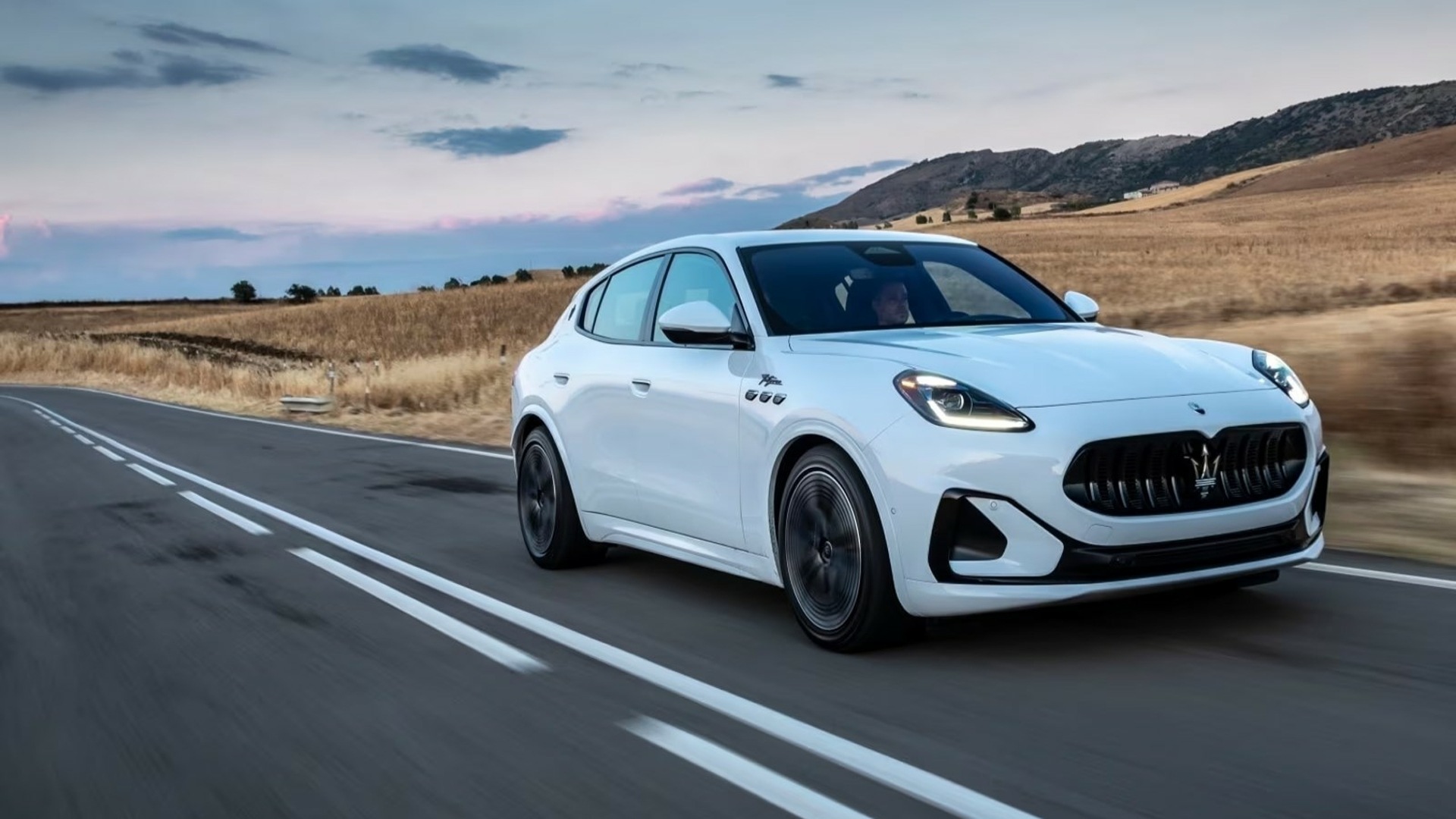
The Maserati Grecale Folgore is a luxurious and technically advanced vehicle, yet it struggles to justify itself as a practical electric SUV. Maserati’s intent was to blend its brand prestige with the growing demand for electrified mobility, but the outcome feels like a project that prioritizes image over real-world utility.
The Folgore delivers strong acceleration and elegant styling, yet its efficiency and usability fall short of what most electric SUV buyers expect.
It is priced firmly in the luxury category but does not offer a distinct advantage that separates it from more affordable models that perform better in range, comfort, and charging speed.
Inside, the Grecale Folgore is beautifully appointed with fine materials and a sophisticated interior layout. Maserati has always excelled at craftsmanship, and this SUV continues that tradition. However, luxury design alone cannot disguise its shortcomings in everyday practicality.
The rear seats are somewhat cramped for an SUV of its size, and the cargo area is less generous than many competitors in the same class. This lack of functional space makes it more of a prestige vehicle than a true family car, which is an odd direction for an SUV meant to represent the brand’s electric future.
The Folgore’s driving dynamics also reveal an imbalance between power and efficiency. Its weight and performance tuning create a driving experience that feels overly firm at low speeds yet lacks the dynamic thrill that defines Maserati’s heritage.
The electric drivetrain provides instant torque, but that advantage fades when compared with rivals that achieve both speed and efficiency with more refinement. The result is a vehicle that feels caught between two worlds, unable to fully commit to being either a performance icon or a practical EV for daily life.
Charging and range figures further limit its appeal. The Folgore’s real-world range trails behind many competitors, which undermines confidence for long-distance driving. Charging speeds are decent but not class-leading, which is disappointing for a luxury vehicle at its price point.
The Grecale Folgore may impress at first glance, but beneath the glamour, it lacks the thoughtful engineering that defines electric SUVs that genuinely make sense. It feels more like a branding exercise than a breakthrough product.
3. BMW iX
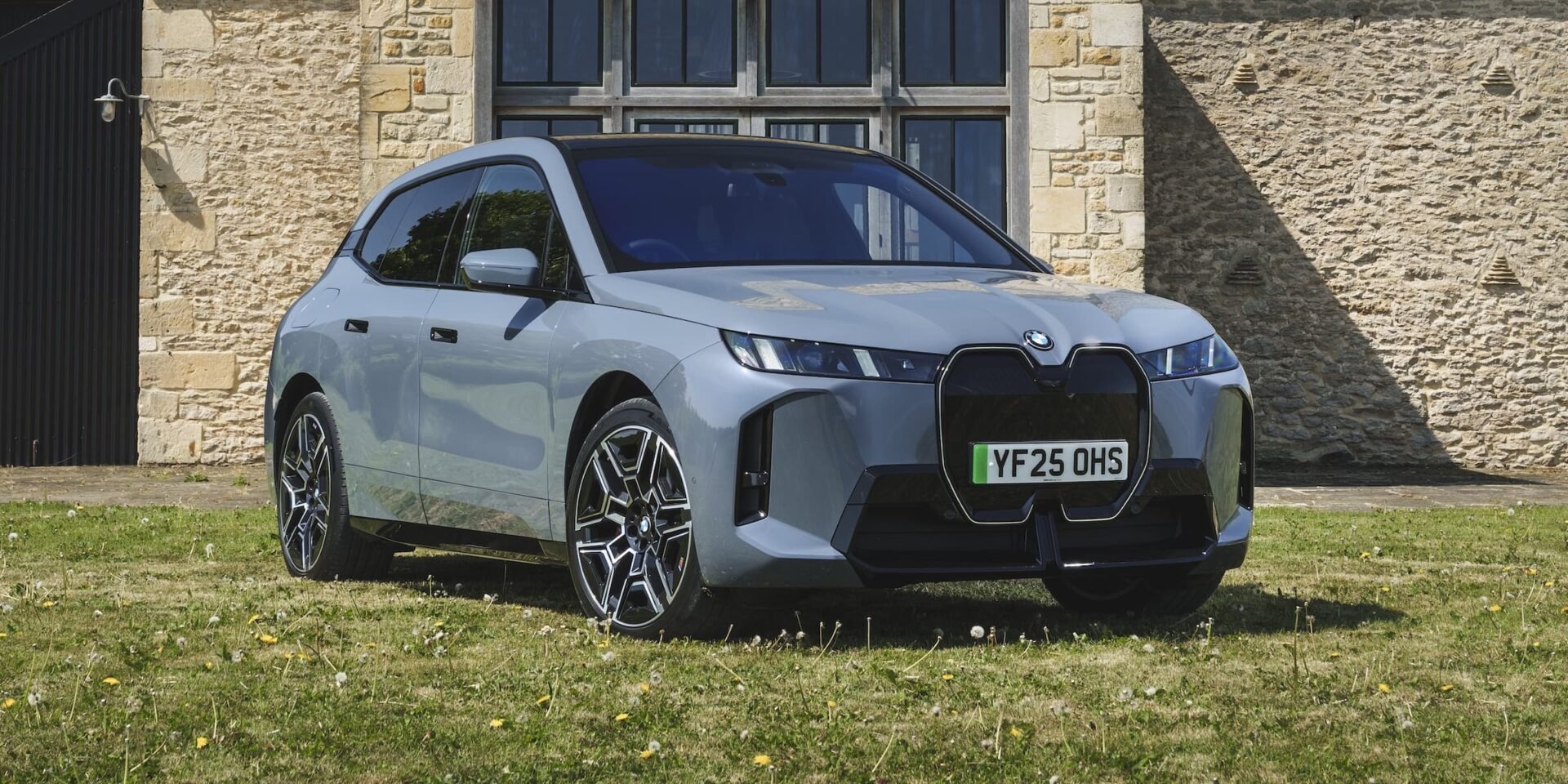
The BMW iX presents a curious case. On paper, it is packed with advanced technology, premium materials, and an extensive feature list. Yet when one examines its practicality, design, and pricing, it becomes difficult to see how it fits logically within the electric SUV industry.
Its design has divided opinion, with a front fascia that many find polarizing. Beyond aesthetics, the iX suffers from a price structure that stretches far beyond what its benefits justify. While it delivers exceptional performance and a comfortable ride, the experience feels more about excess than efficiency.
Inside, the iX does stand out for its futuristic materials and cabin design. It uses recycled elements and offers high-quality craftsmanship, showing that BMW is serious about sustainability and innovation. However, the infotainment system is complex to operate, often requiring several steps to perform simple functions.
This goes against the simplicity that many EV owners appreciate. The layout also feels overly focused on technology at the expense of intuitiveness. For a vehicle that aims to represent progress, the user experience feels unnecessarily complicated.
In terms of range and efficiency, the iX performs adequately but not exceptionally. Competing electric SUVs in lower price ranges deliver similar or better results without compromising on practicality. The iX’s sheer size and weight work against its efficiency, and its charging speeds, while competitive, do not offset the high energy demands of such a large platform.
For a vehicle marketed as a flagship, these trade-offs limit its real-world usability and diminish the value proposition for potential buyers.
Perhaps the greatest issue is its price relative to its competitors. While luxury buyers may accept the cost, many will find that other electric SUVs offer similar technology, range, and comfort for significantly less money.
The iX tries to be both a technological statement and a luxury vehicle, but the two identities often clash rather than complement each other. It represents ambition without sufficient restraint, leading to a product that struggles to make sense for anyone seeking a balanced electric SUV experience.
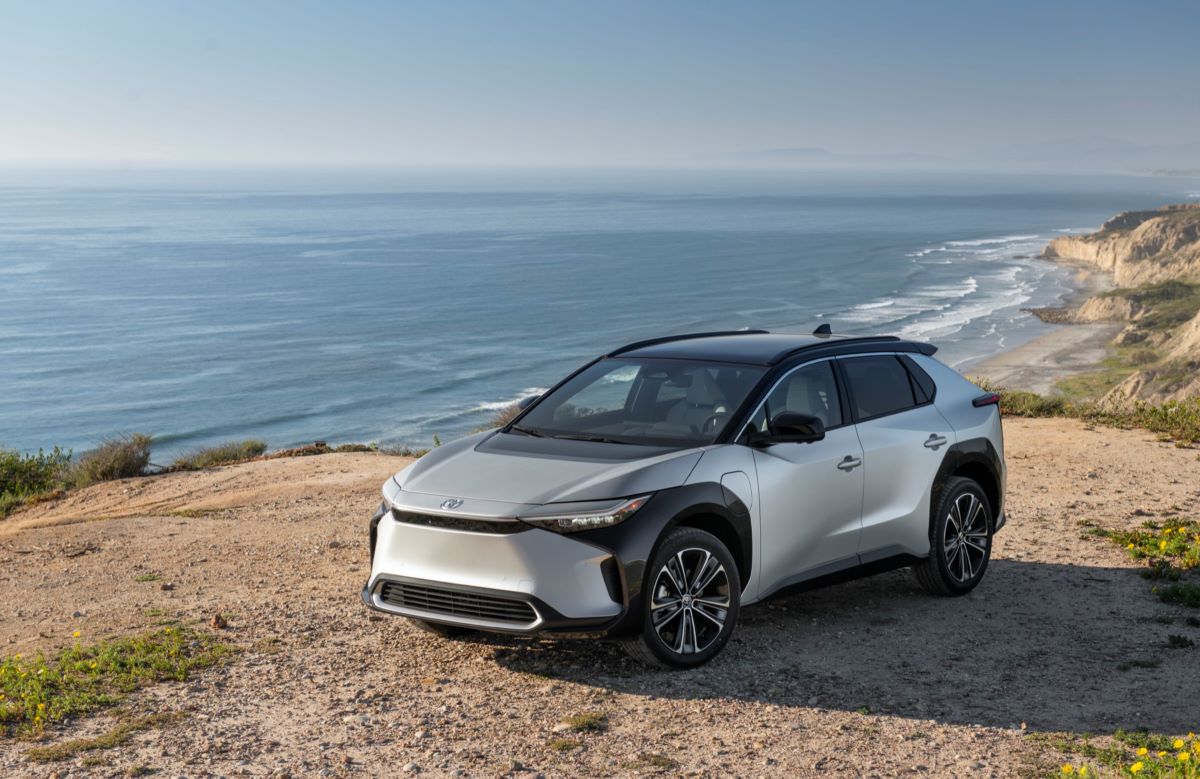
4. Toyota bZ4X
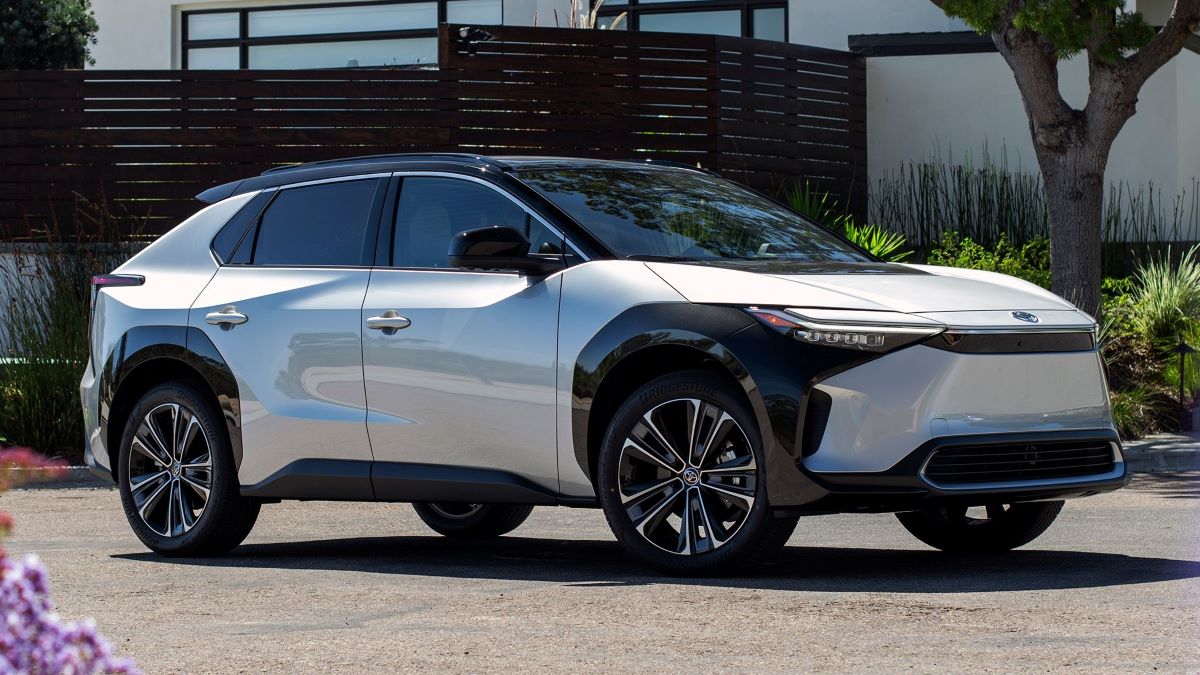
The Toyota bZ4X carries a respected badge and the backing of a company that pioneered hybrid technology, yet it disappoints as a first attempt at a full electric SUV.
Toyota has spent decades building a reputation for reliability and efficiency, but the bZ4X feels underdeveloped compared to what consumers expect from a modern EV.
Its range is modest, its charging speeds are slow, and its design lacks the excitement or practicality needed to stand out. For a brand that once led the charge in electrification through hybrids, this model feels like a cautious step rather than a confident stride forward.
The driving experience of the bZ4X is underwhelming. While it offers a smooth and quiet ride typical of electric vehicles, it lacks the dynamic engagement or strong performance found in many of its rivals.
Acceleration is mild, and the regenerative braking feels inconsistent, which reduces the sense of refinement. The vehicle’s all-wheel-drive system performs adequately, but there is little about its handling that inspires confidence or excitement. Toyota seems to have prioritized simplicity and safety, but the result is a vehicle that feels uninspired.
Interior quality is mixed. The materials are decent, but the layout feels somewhat dated and lacks the premium touch that has become common even in non-luxury electric SUVs. The infotainment system is functional but unremarkable, and the cabin space, though comfortable, does not maximize the flat-floor advantages of an EV platform.
There is a sense that Toyota approached the bZ4X with excessive caution, trying to appeal to everyone while ending up pleasing very few.
Charging performance is another area of weakness. Its DC fast-charging capability lags behind nearly all of its competitors, and real-world range can drop significantly in colder climates. This reduces the sense of freedom that many EV buyers seek.
For a company with Toyota’s resources and history of innovation, the bZ4X should have been a leader in the affordable EV segment. Instead, it comes across as a hesitant effort that fails to make a strong case for itself.
5. VinFast VF 9
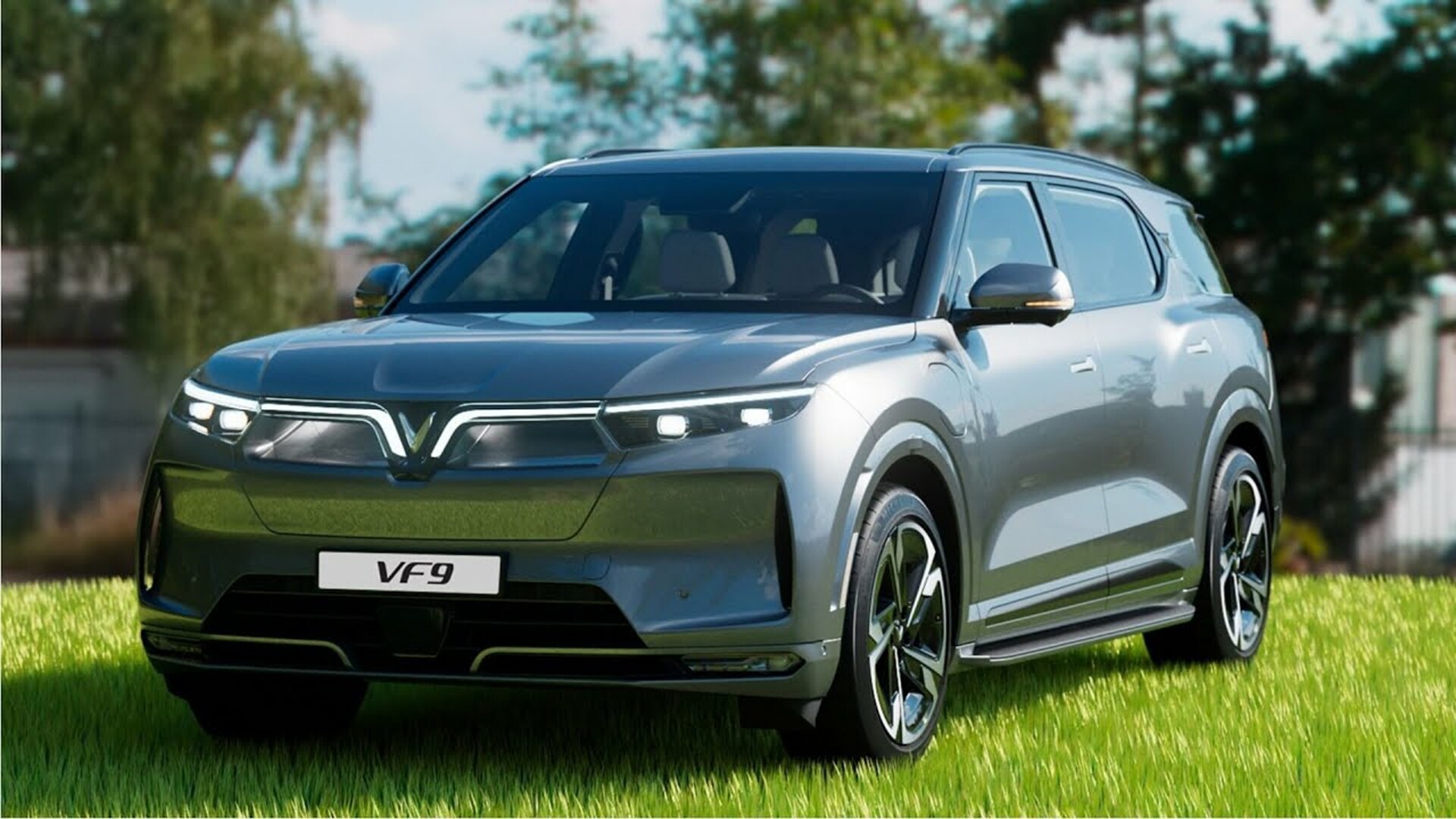
The VinFast VF 9 represents an ambitious attempt by a new automaker to compete on a global stage, but it highlights the challenges of launching an unproven brand in such a competitive segment. VinFast’s entry into the electric SUV market came with bold promises about design, range, and technology.
However, early impressions suggest that the VF 9 struggles to deliver a cohesive experience. Its design looks appealing at first, but its proportions and finish quality do not yet meet the consistency expected from established automakers. The result is a vehicle that feels more experimental than ready for mass-market adoption.
Inside, the VF 9 aims for luxury with large screens, soft materials, and advanced driver-assistance features. Yet, many aspects of the interior feel unfinished or poorly integrated. Software responsiveness is inconsistent, and some functions are either overly complicated or unreliable.
For buyers considering their first electric SUV, this lack of polish can create uncertainty about long-term reliability and support. The brand’s newness compounds that hesitation, as service networks and parts availability are still developing in most regions.
Performance-wise, the VF 9 delivers strong power numbers, but its efficiency and range estimates have proven optimistic under real conditions. The vehicle’s heavy weight and software management issues lead to noticeable range reductions, especially during highway driving.
Charging speeds are also below the standards set by established competitors, which undermines confidence for road trips or daily commuting flexibility. While VinFast has shown determination to improve through updates, the current version of the VF 9 still feels like an early prototype rather than a polished consumer-ready product.
Pricing further complicates its position. The VF 9 costs nearly as much as established models from brands with proven track records, yet it cannot match them in refinement, efficiency, or customer assurance. Ambition is commendable, but execution determines success.
Until VinFast improves its consistency, reliability, and support infrastructure, the VF 9 remains an electric SUV that does not make much sense for buyers seeking stability and value.
The contrast between electric SUVs that make sense and those that do not is striking because it highlights how intention and execution can determine a vehicle’s success.
The sensible models, such as the Tesla Model Y, Hyundai Ioniq 5, Ford Mustang Mach-E, Kia EV9, and Volkswagen ID.4, succeed not because they are perfect, but because they offer balanced, thoughtful design that matches consumer needs.
They combine usable range, comfort, affordability, and technology without losing sight of real-world practicality.
Each of these vehicles understands that electric mobility is about improving daily life, not just showcasing futuristic design or excessive performance. Their success stems from a grounded approach that values reliability, efficiency, and driver confidence above spectacle.
On the other hand, the models that fail to make sense often share a common flaw: misplaced priorities. The GMC Hummer EV, Maserati Grecale Folgore, BMW iX, Toyota bZ4X, and VinFast VF 9 all reveal what happens when an automaker focuses too much on image, performance, or speed to market without balancing those elements against practicality and consumer trust.
Some of these SUVs overpromise and underdeliver, while others ignore efficiency in pursuit of size and power. The result is vehicles that may attract attention but fail to resonate with everyday drivers who want usability and dependability from their purchase.
The electric SUV market is expanding quickly, and competition is forcing automakers to think carefully about what truly matters. The models that succeed will be those that combine technology with purpose, vehicles that solve problems rather than create new ones.
Range, charging convenience, interior usability, and cost of ownership will continue to define the difference between smart engineering and short-sighted ambition. Consumers are becoming more knowledgeable, and as they gain experience with electric vehicles, they will recognize which manufacturers have taken their needs seriously.
Electric mobility is not simply a trend; it is a long-term transformation in how transportation is designed, produced, and experienced.
The SUVs that make sense today set the foundation for how the industry will progress in the years to come. They prove that sustainability and practicality can coexist when engineering decisions are made with intention and care.
Conversely, the models that miss the mark remind us that progress without balance often leads to excess. The electric future will belong to the automakers that understand both the technology and the people who depend on it every day.
