

Maintaining a vehicle can be one of the most significant ongoing expenses for many car owners. While the initial cost of buying a car is important, what often surprises owners is the difference in repair and maintenance costs down the road.
Some vehicles are renowned for their affordability when it comes to repairs and parts replacement, making them friendly to budgets, especially for people who want to keep their cars running without spending a fortune.
On the other hand, certain cars come with notoriously high repair bills, often due to the complexity of their engineering, the cost of parts, or limited availability of replacements. Choosing a car that is cheap to fix can save hundreds, if not thousands, of dollars over its lifetime.
Several factors contribute to how expensive or cheap a car is to repair. One major factor is the availability of parts. Cars that share common parts with many other models or have a long production run tend to have more affordable and easier-to-find components.
When looking at cars that are cheap to fix, a few brands and models consistently appear. These cars are often favored by budget-conscious drivers, first-time car buyers, or those who rely on their vehicle for daily commuting and want something reliable but easy on the wallet.
Conversely, luxury brands and high-performance sports cars frequently end up on the list of expensive-to-fix vehicles. Their sophisticated technology, rare parts, and specialized mechanics all add layers of cost that can quickly pile up, sometimes making repairs a significant financial burden.
This article will present five cars widely regarded as inexpensive to maintain and repair, as well as five cars that tend to be costly when it comes to fixing issues. Understanding these differences can help consumers make informed choices, whether they’re buying new or used.
Beyond just the purchase price, thinking about future repair costs is a smart move for anyone who wants to avoid unexpected financial headaches down the road. Let’s start by examining the cars that are known for their budget-friendly repair costs.
5 Cars That Are Cheap to Fix
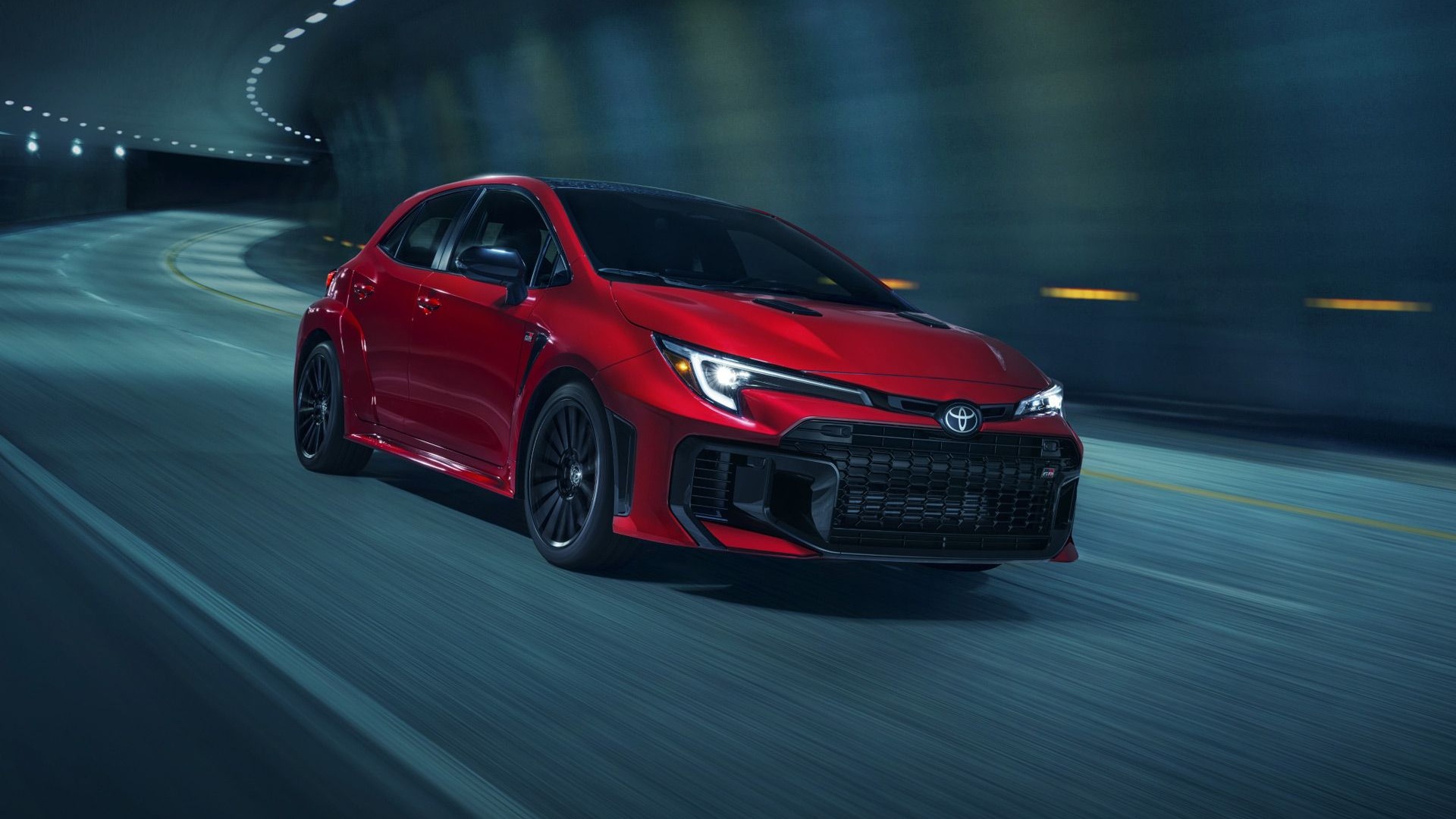
Toyota Corolla
The Toyota Corolla is often regarded as the benchmark for affordable and reliable cars, especially when it comes to repairs and maintenance. One of the biggest reasons the Corolla remains cheap to fix is its enormous global presence.
Because Toyota has been producing the Corolla for decades and it has been one of the best-selling cars worldwide, parts for it are abundant.
From dealerships to local junkyards, replacement components are plentiful and affordable. This widespread availability means owners rarely have to wait long or pay a premium to get parts shipped or sourced.
Mechanics, in turn, are extremely familiar with the model, which translates into lower labor costs and faster repair times. When a repair job is routine and predictable, shops can price it competitively, knowing that it won’t take extra time or involve complicated diagnostics.
The Corolla’s design philosophy also emphasizes durability and simplicity. Rather than packing the car with the latest bells and whistles that might increase repair complexity, Toyota focuses on tried-and-true engineering.
The engines used in the Corolla are usually naturally aspirated, simple inline-four cylinders that have been refined over the years for maximum reliability.
Transmission systems, whether manual or automatic, follow similarly conservative designs. These choices reduce the number of potential failure points and make it easier to replace or repair parts without pulling apart other components.
For example, routine maintenance items like spark plugs, brake pads, and filters are inexpensive and straightforward to service. Even when larger repairs are needed, the Corolla tends to avoid catastrophic failures common in more complex vehicles.
Another advantage is the Corolla’s body and interior components. Due to its age and popularity, many used parts like doors, headlights, bumpers, and mirrors are widely available and cheap.
The design allows for easy replacement, and many parts are shared across different model years, which further drives down costs.
This means collision repairs or cosmetic fixes are often far less expensive than on newer or more specialized vehicles.
Additionally, because the Corolla is common, many shops keep frequently needed parts in stock, speeding up the repair process and lowering labor fees. Owners also benefit from a huge community of DIY enthusiasts and online forums that provide guidance on repairs, allowing many to perform basic fixes themselves.
Lastly, the Corolla’s consistent reliability means owners generally encounter fewer major repairs. Toyota’s reputation for building long-lasting engines and transmissions means that with proper routine maintenance, the car will rarely develop severe problems that require costly engine rebuilds or transmission replacements.
This reliability contributes to a lower total cost of ownership, as owners spend more on maintenance than on emergency repairs.
Combined with fuel efficiency and insurance costs that are also generally reasonable, the Corolla remains a favorite for budget-conscious drivers who want peace of mind without breaking the bank when repairs arise.
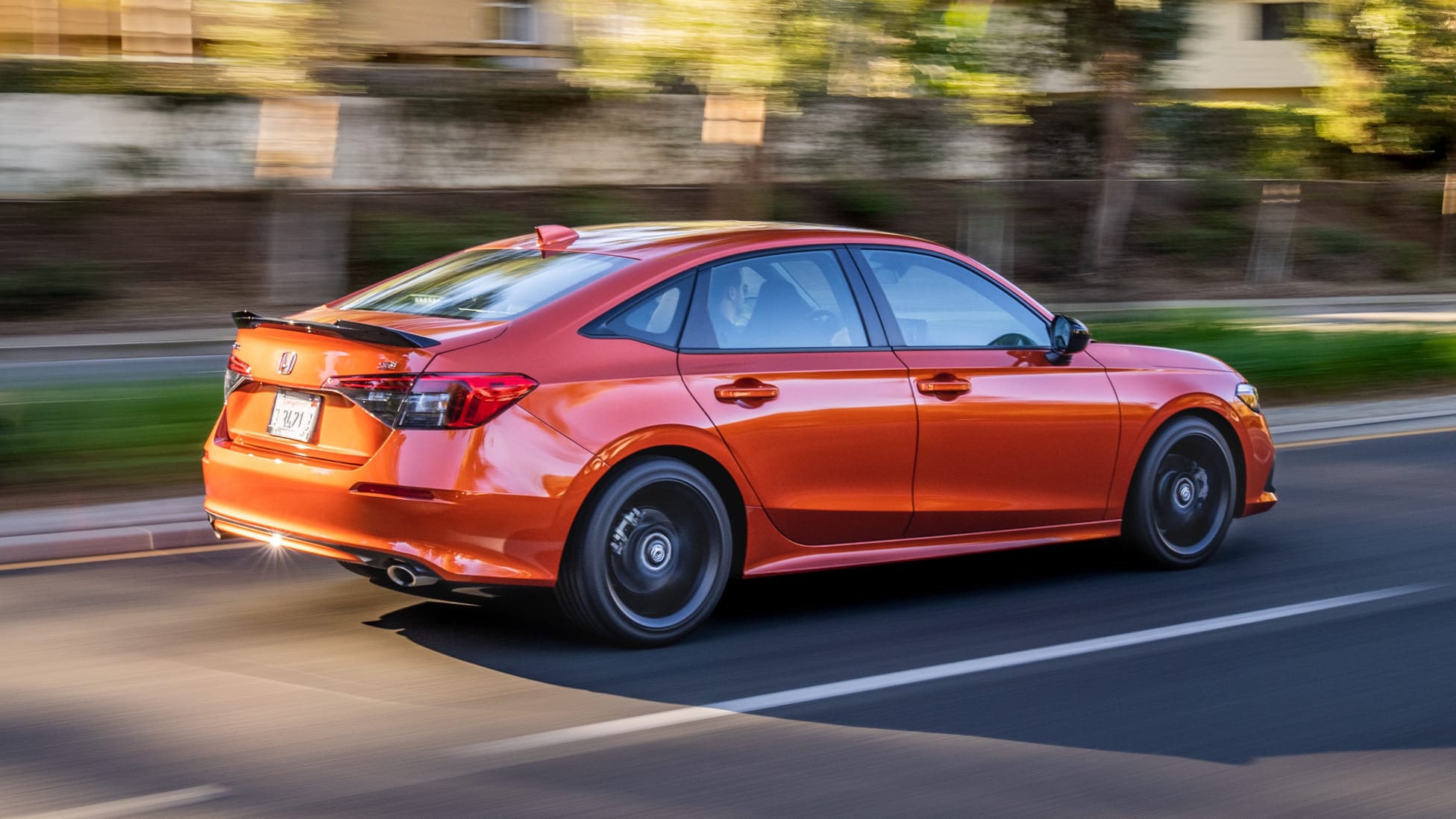
Honda Civic
The Honda Civic stands out as one of the most affordable cars to maintain and repair, thanks to its smart design and proven track record for longevity.
Much like the Toyota Corolla, the Civic benefits immensely from its widespread popularity and long production history, which means there is a robust market for replacement parts.
Whether you need a new timing belt, suspension component, or brake rotor, you can find parts at a range of price points including OEM, aftermarket, and used parts. This availability helps keep repair bills manageable and provides flexibility for owners who may want to save money by opting for less expensive but reliable parts.
Furthermore, because the Civic has been one of the most popular cars in North America and globally for decades, almost every mechanic will be familiar with the model and capable of performing repairs efficiently.
Mechanically, the Civic is known for its efficient and reliable engines that tend to run smoothly for hundreds of thousands of miles if serviced regularly. The layout of the engine bay and other components is designed to allow easy access for repairs and maintenance, which helps reduce labor times and costs.
For example, many of the car’s key service parts such as oil filters, air filters, and spark plugs are placed in accessible locations, simplifying routine maintenance.
Additionally, Honda has maintained a certain level of consistency in engine designs over the years, which means many parts are interchangeable across several model years, increasing the chances that used parts will fit and further lowering repair costs.
Even more complex repairs such as clutch replacement or transmission repairs tend to be less expensive than on cars with more intricate or less common systems.
The Civic’s reputation for reliability means owners are less likely to face unexpected breakdowns that could lead to costly repairs.
While some vehicles may develop problems with expensive systems such as electronic modules or turbochargers, the Civic’s engine options are often naturally aspirated and mechanically simple, reducing such risks.
Many owners find that with routine maintenance, their Civics can run reliably for well over 200,000 miles without major issues. This predictability lowers repair expenses and gives owners confidence that the car won’t become a financial burden over time.
Beyond mechanical reliability, the Civic’s suspension and brake systems are designed to be robust and easy to service, meaning common repairs and wear-and-tear replacements are affordable and straightforward.
Lastly, the cost of ownership for the Civic is further reduced by its fuel efficiency, good insurance rates, and relatively affordable tires and brakes.
Combined, these factors contribute to the Civic’s reputation as one of the cheapest cars to fix and maintain. For first-time buyers, young drivers, or anyone looking for a vehicle with predictable costs, the Civic represents a strong choice that balances affordability with dependability.
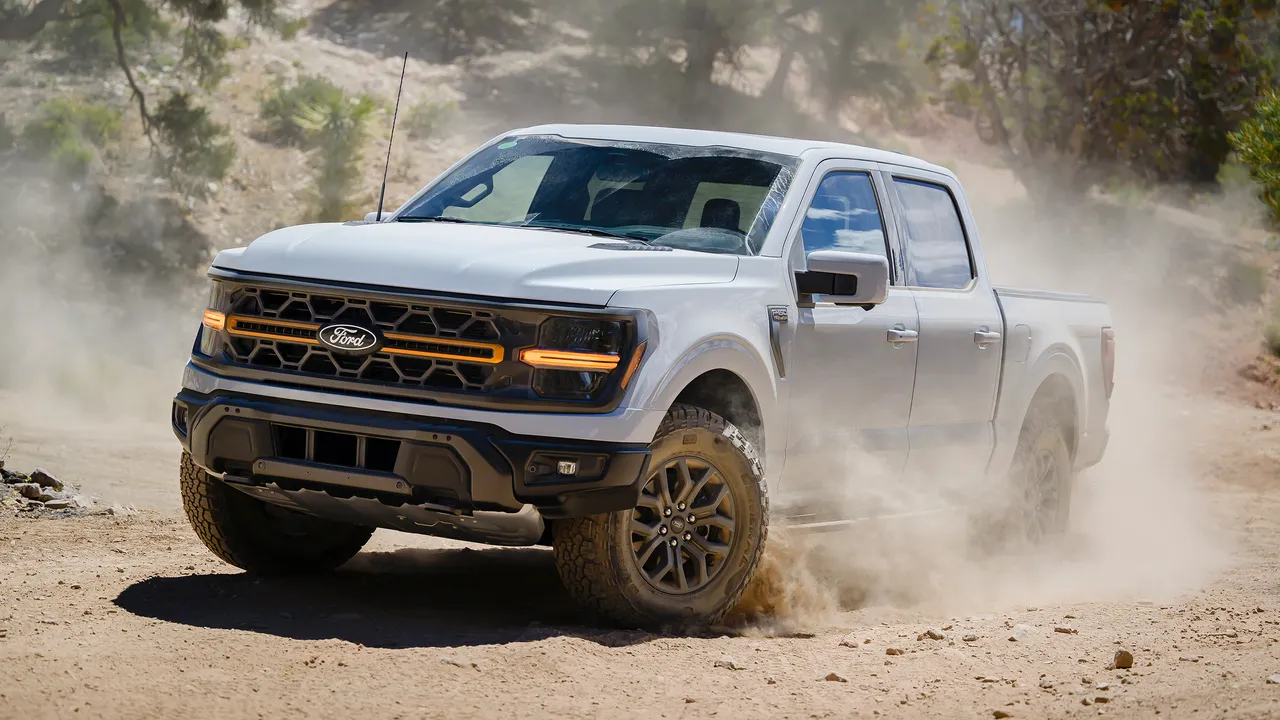
Ford F-150
The Ford F-150 is a different kind of vehicle on this list, being a full-size pickup truck, but it manages to offer surprisingly affordable repair costs relative to its class.
The reason starts with its sheer popularity, the F-150 has been America’s best-selling truck for decades, making it a common sight on roads, farms, and worksites across the country.
This popularity ensures a steady and plentiful supply of parts at competitive prices, whether they come from Ford directly or from third-party manufacturers producing aftermarket components.
Moreover, many independent mechanics and repair shops have extensive experience working on the F-150, which keeps labor costs down. The truck’s design prioritizes durability and ruggedness over complex technology, meaning fewer surprise failures and simpler fixes.
One of the F-150’s major strengths is its mechanical simplicity compared to many newer trucks. While modern trucks have added electronic features, the F-150 avoids excessive complexity, especially in its base and mid-level trims. The engines, often V6 or V8 with relatively straightforward construction, are known for their toughness and ease of maintenance.
Common repairs, such as replacing brakes, shocks, or spark plugs, are usually uncomplicated and quick to complete, which again saves money on labor.
Because the truck is often used in demanding environments, manufacturers design components to be easily accessible and robust, lowering the chances of extensive or expensive repairs.
Parts availability also plays a critical role in the F-150’s affordability. Because so many trucks are on the road, aftermarket parts producers are eager to supply components that meet or exceed factory standards at a fraction of the price. This competition helps keep parts prices down.
Also, salvage yards often have a strong supply of parts from older F-150s, allowing owners to source parts at reduced costs for older trucks.
For example, body panels, suspension parts, and engine components can frequently be found used but in good condition, which can significantly reduce the cost of accident repairs or mechanical replacements.
Finally, the Ford F-150 benefits from a wide service network. Because the truck is so common, many repair shops have the tools, parts, and experience to handle repairs efficiently, avoiding the need for specialized dealerships in many cases.
Routine maintenance is also affordable, with oil changes, tire rotations, and brake jobs being straightforward and inexpensive relative to many other vehicles in the same segment.
The combination of availability, simplicity, and mechanic familiarity makes the F-150 a wise choice for those seeking an affordable vehicle to repair and maintain, especially for truck buyers who want rugged capability without excessive maintenance costs.
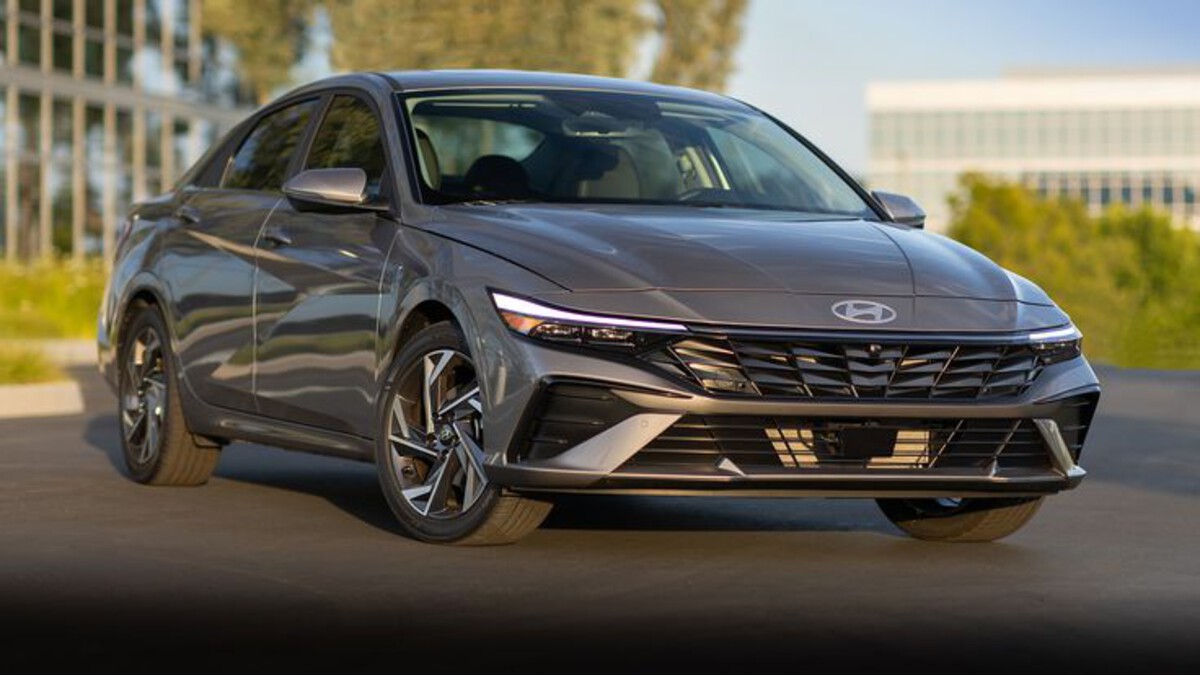
Hyundai Elantra
The Hyundai Elantra is a prime example of how a manufacturer’s focus on value and reliability can result in a vehicle that is inexpensive to repair. Over the years, Hyundai has worked hard to improve its reputation, offering vehicles that compete not only on price but also on quality.
When it comes to repairs, the Elantra is known for having affordable and readily available parts. Hyundai’s expansion globally has increased the production and distribution of components, allowing for competitive pricing on everything from filters and brake components to engine parts and body panels.
Many parts are shared across different Hyundai models, which further increases availability and lowers costs. The simplicity of the Elantra’s engine designs, often naturally aspirated four-cylinder engines with proven reliability, means fewer breakdowns and less expensive repairs when they do occur.
The Elantra’s mechanical systems are designed with serviceability in mind. Routine maintenance items such as oil changes, brake pad replacements, and tire rotations are inexpensive and easy to perform.
In addition to mechanical affordability, the Elantra’s bodywork and interior components tend to be cheap to repair or replace due to the vehicle’s popularity and commonality. Many repair shops keep Elantra parts in stock because the car is widespread, speeding up repairs and cutting labor time.
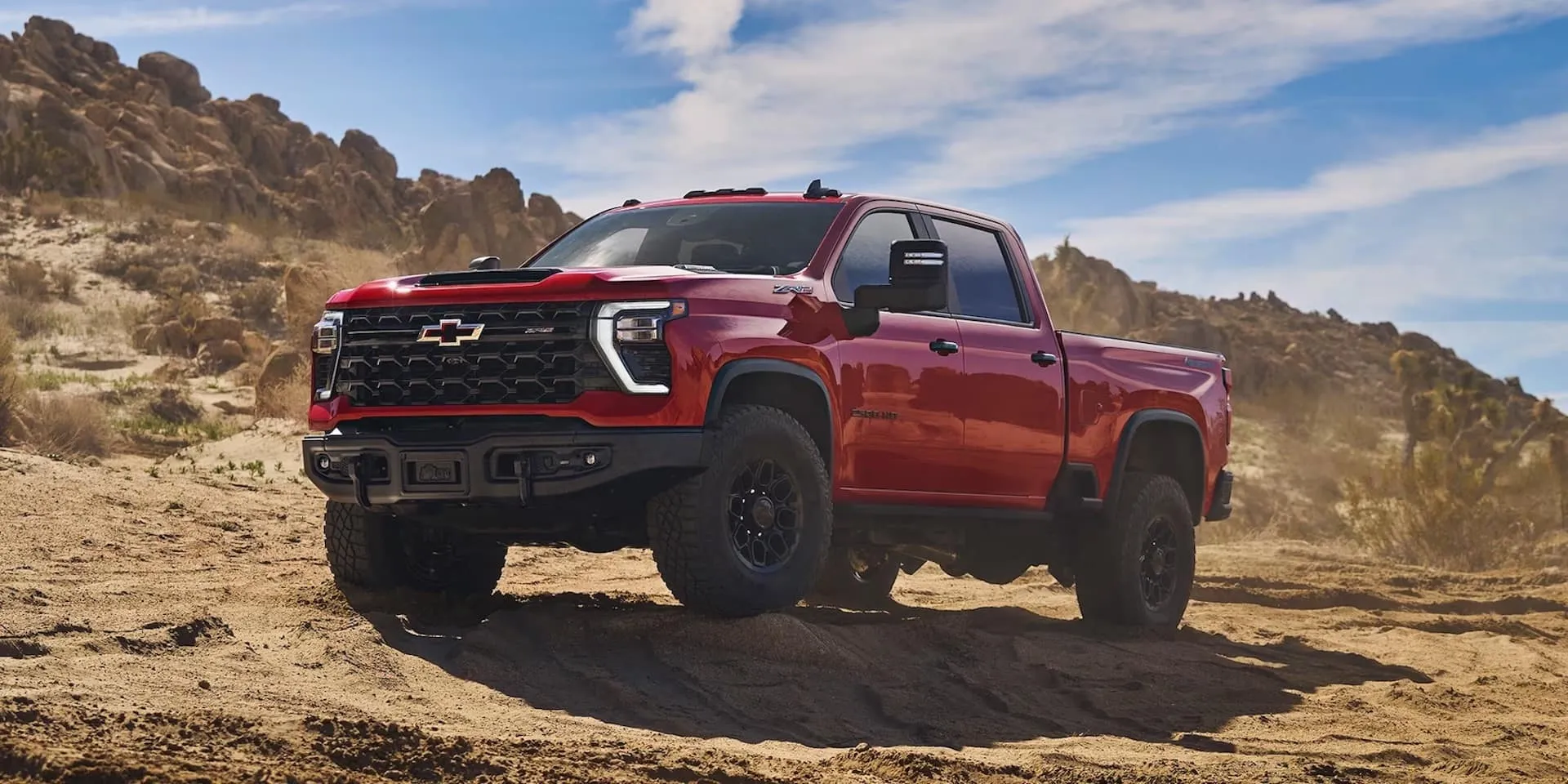
Chevrolet Silverado
The Chevrolet Silverado, like the Ford F-150, is a full-size pickup truck that stands out for its combination of capability and surprisingly reasonable repair costs.
The Silverado has been a staple in the American truck market for decades, and this long history has resulted in a broad availability of parts and a well-developed network of mechanics experienced with the model.
The truck’s design focuses on toughness and reliability, with fewer electronic systems than some competitors, which contributes to easier and more affordable repairs. Replacement parts, from engine components to body panels, are widely available and competitively priced due to the Silverado’s popularity.
Mechanically, the Silverado is built for work, meaning that components are designed to handle heavy use and are relatively simple to service. Its engines, typically V6 or V8 options with tried-and-tested technology, do not often require expensive repairs if maintained properly.
Routine maintenance such as oil changes, brake replacements, and suspension work is straightforward and can usually be done quickly, minimizing labor costs. This mechanical simplicity helps reduce the chances of complex failures that can drive up repair bills.
Parts availability is one of the Silverado’s biggest advantages in keeping repair costs low. The truck shares many components with other General Motors vehicles, which increases the availability of parts and helps keep prices down.
Additionally, a large aftermarket exists for Silverado parts, offering owners alternatives to pricier factory components. The availability of used parts from salvage yards also helps reduce repair costs for older models, especially for body repairs after collisions.
The wide availability of skilled mechanics and service centers familiar with the Silverado also contributes to affordable labor rates. Because the truck is so common, repairs rarely require specialized tools or dealer-only service, allowing owners to choose more cost-effective independent shops.
The Silverado combines ruggedness, popularity, and straightforward engineering to provide an ownership experience that is not only reliable but also economical when it comes to repairs and maintenance.
5 Cars That Are Expensive to Fix
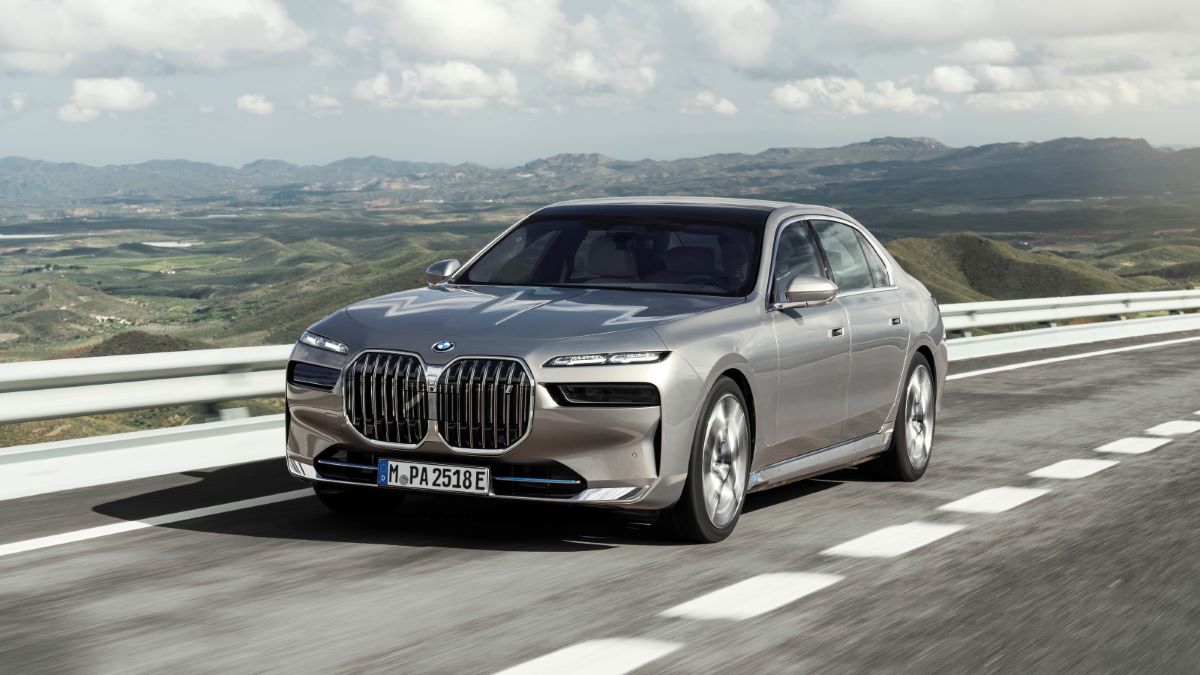
BMW 7 Series
The BMW 7 Series is known for luxury, advanced technology, and high performance, but these qualities often come with a significant downside: costly repairs.
The 7 Series is packed with sophisticated electronics, complex engine designs, and a wide array of luxury features that require specialized knowledge and equipment to service.
Unlike more straightforward vehicles, many repairs on the 7 Series cannot be performed at a typical independent mechanic but require specialized BMW dealerships or highly trained specialists.
The labor costs alone can be substantially higher because of the time and expertise needed to diagnose and fix problems, and the hourly rates at these shops are often elevated compared to standard garages.
Parts for the 7 Series are another major contributor to its expensive repair bills. BMW uses high-quality, often proprietary components that are engineered for performance and luxury rather than ease or affordability of replacement.
Replacement parts such as sensors, control modules, suspension components, and even engine internals tend to come with premium prices, sometimes costing several times more than equivalent parts on more common vehicles.
Because the 7 Series incorporates a lot of cutting-edge technology and electronics, many of its parts are unique and not shared with other models, limiting the availability of cheaper aftermarket options. This scarcity drives up parts costs and extends repair timelines due to longer wait times for specialized components.
Moreover, the 7 Series is known for its advanced suspension system, which includes features like air suspension and adaptive damping. While these systems provide an exceptionally smooth and controlled ride, they can be expensive to maintain and repair.
Components such as air springs, compressors, and electronic actuators can fail over time, and their replacements often involve intricate diagnostics and careful installation.
The complexity and cost of suspension repairs on the 7 Series can rival or exceed the cost of similar repairs on less luxurious vehicles. Even routine maintenance like brake pad replacement or oil changes may be more expensive due to the need for specific BMW-approved parts and procedures.
Another factor making the 7 Series expensive to repair is the age and depreciation of the vehicle. While the car itself depreciates rapidly, repair costs do not decrease accordingly, which can make ownership costly, especially as the vehicle ages past its warranty period.
As these cars age, more complex repairs on the engine, transmission, or electronics become more likely, and the cost of these repairs can easily run into thousands of dollars.
Additionally, many owners find that diagnostic equipment capable of interfacing with the 7 Series’ systems is expensive and requires specialized training to use effectively, which means repairs can be drawn out and costly simply due to the complexity of modern luxury car engineering.
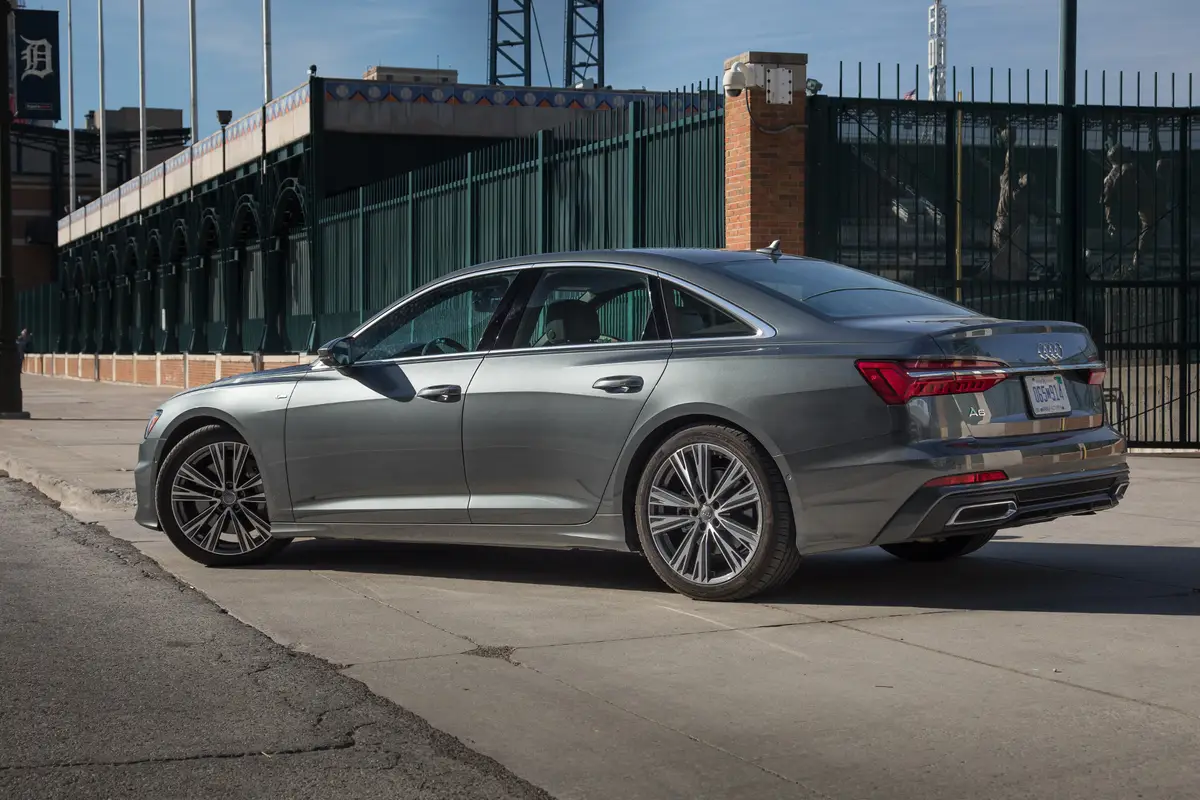
Audi A6
The Audi A6 is a popular luxury sedan celebrated for its stylish design and refined driving experience, but it is also well known for costly repairs and maintenance.
Audi vehicles often feature intricate all-wheel-drive systems, sophisticated electronics, and turbocharged engines that, while offering excellent performance, introduce numerous potential failure points.
These complexities increase the difficulty and cost of repairs. Many Audi parts are imported from Europe and priced at a premium, so when something breaks, replacement parts can be significantly more expensive compared to more common brands.
Also, the labor involved in repairing these vehicles can be extensive because the A6’s systems often require advanced diagnostic tools and expertise.
One of the most expensive components to repair or replace on the Audi A6 is the Quattro all-wheel-drive system. This system is complex and uses several differentials, transfer cases, and electronically controlled components that can wear out or malfunction over time.
When problems arise in the drivetrain, they often require extensive disassembly and specialized parts, driving up the repair bill.
Additionally, the turbocharged engines, while offering great power and efficiency, often come with issues such as turbo failures, oil leaks, or carbon buildup that necessitate costly repairs or replacements. These turbo engines are designed for performance, but this sometimes comes at the expense of long-term reliability and repair costs.
The Audi A6 also features a wide range of electronic systems and driver assistance technologies that add to its repair costs. Features like adaptive cruise control, lane-keeping assist, and advanced infotainment systems rely on numerous sensors and modules.
If one of these components malfunctions, repairs may involve replacing expensive sensors or control units, which can quickly add up.
Additionally, Audi’s use of advanced materials in interior and exterior trim can mean that even minor cosmetic repairs become expensive. For example, damage to LED lighting systems or leather seats can cost much more to fix than on a simpler, non-luxury car.
Lastly, Audi’s reputation for higher repair costs means that many owners face above-average expenses for routine maintenance items. Brake pads, tires, and fluids for the A6 are often premium-grade, and Audi service centers tend to charge higher prices for labor and parts.
Owners also need to be aware of the importance of regular maintenance to avoid more costly repairs down the road, but even with good care, some parts and systems are inherently expensive to maintain on a luxury vehicle like the A6.
This combination of advanced engineering, expensive parts, and specialized service makes the Audi A6 one of the more expensive cars to keep on the road.
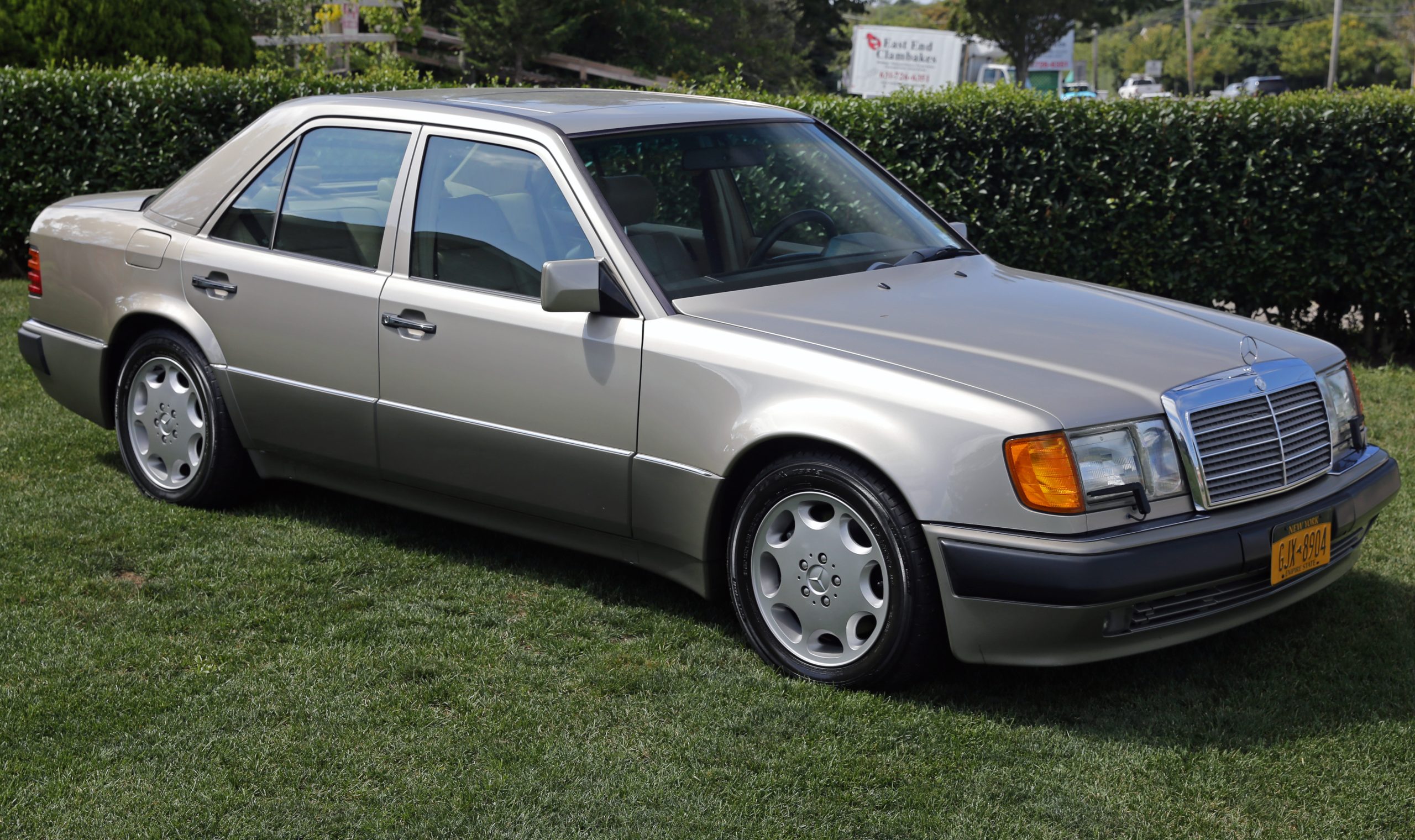
Mercedes-Benz E-Class
The Mercedes-Benz E-Class has long been a symbol of luxury and engineering excellence, but it is also infamous for high repair costs.
Like many luxury vehicles, the E-Class comes equipped with a wide array of advanced technology, including sophisticated suspension systems, cutting-edge safety features, and complex electronic controls.
These systems are designed to enhance comfort and performance but add layers of complexity that drive up repair costs.
Diagnosing issues can be time-consuming and require specialized diagnostic tools that are expensive and not widely available outside of authorized dealerships. Labor rates for Mercedes repairs are often significantly higher than average, reflecting the need for highly trained technicians.
Parts for the E-Class are generally pricey because Mercedes-Benz uses premium materials and components engineered for performance and durability. However, the cost of these parts reflects their complexity and the brand’s status, often making replacements prohibitively expensive.
Engine components, transmissions, and electronic modules can be particularly costly to replace. Even seemingly simple parts such as sensors, control switches, or trim pieces are often more expensive on a Mercedes compared to mainstream brands.
Additionally, many components in the E-Class are designed to work together in an integrated system, so a failure in one part can sometimes lead to damage or malfunction in others, multiplying repair costs.
One of the most common expensive repairs on the E-Class involves the air suspension system, which offers a smooth, adjustable ride but is prone to failure as the vehicle ages. Components like air springs, compressors, and valves can degrade and fail, leading to costly replacements and labor-intensive repairs.
Other systems, such as the complex braking and stability controls, also require specialized knowledge and tools to service properly. Furthermore, Mercedes vehicles often use high-grade synthetic oils, specialized fluids, and premium brake components that raise the price of routine maintenance compared to other cars.
Another factor contributing to the high cost of owning an E-Class is the advanced electronics used throughout the vehicle. Features such as COMAND infotainment, adaptive headlights, and numerous safety systems rely on a network of sensors and control units that can develop faults over time.
Repairing or replacing these electronic components often requires dealer-level diagnostic equipment and software updates, which adds to the time and expense involved.
The combination of expensive parts, advanced systems, and the need for specialist labor makes the Mercedes-Benz E-Class a costly vehicle to keep in optimal running condition over the long term.

Land Rover Range Rover
The Land Rover Range Rover is known for its off-road capabilities and luxury appointments, but it is equally known for its high repair and maintenance costs.
This vehicle’s design focuses on advanced technology and complex mechanical systems, including air suspension, full-time four-wheel drive, and a variety of electronically controlled features that require regular servicing by experts.
The Range Rover’s engineering incorporates many unique and bespoke parts that are not widely available, making replacements expensive and sometimes slow to source. Because many repairs require specialized tools and knowledge, labor costs can be significantly higher than on more conventional SUVs.
One of the main reasons Range Rover repairs are costly is the vehicle’s air suspension system. While it provides excellent ride quality and adjustable ride height for both on- and off-road driving, the system is prone to failures such as leaks, compressor malfunctions, and valve problems.
Repairing or replacing air suspension components is both labor-intensive and expensive due to the cost of parts and the precision required in reassembling the system.
In addition to suspension issues, Range Rovers often experience problems with their sophisticated drivetrain and transfer case components, which can develop faults after years of use or if subjected to tough driving conditions.
Electronics and software in the Range Rover also add to repair costs. The vehicle is equipped with numerous driver assistance and comfort features that depend on a network of sensors, modules, and computers. When one part fails, it can sometimes cause cascading problems, requiring multiple repairs to restore full functionality.
Some common electronic issues include problems with the infotainment system, climate control, and electronic locking differentials. Due to the proprietary nature of many of these systems, repairs often need to be done at authorized dealerships or specialist shops, which further inflates labor costs.
Lastly, the cost of routine maintenance on the Range Rover is also higher than average. Parts such as brake pads, filters, fluids, and tires are usually premium-grade to meet the vehicle’s performance and luxury standards. Combined with the need for regular software updates and system calibrations, maintenance expenses can be substantial.
Even simple repairs or part replacements often require advanced diagnostics and recalibration, extending labor time. These factors, along with the vehicle’s initial high purchase price, contribute to a total ownership cost that is significantly higher than many other SUVs.

Tesla Model S
The Tesla Model S is a revolutionary electric vehicle that offers cutting-edge technology and impressive performance, but its repair costs can be high for a number of reasons.
Repairs often require highly specialized knowledge and equipment, and because Tesla operates a limited number of service centers compared to conventional car brands, repair wait times and costs can be elevated.
One major factor contributing to high repair costs is the Model S’s battery pack. While batteries are designed to last many years, any damage or degradation that requires replacement or repair can cost thousands of dollars.
Battery management systems, cooling systems, and other battery-related components are highly technical and often expensive to replace.
Tesla’s proprietary technology means that parts are generally only available through Tesla’s official service channels, limiting third-party repair options and driving up prices. Even relatively minor repairs involving battery connectors or electrical modules can be costly due to the complexity and safety precautions required.
The Model S is also packed with advanced electronics and software features such as Autopilot, a large touchscreen interface, and numerous sensors for safety and performance.
While these systems offer an unparalleled driving experience, they are also prone to malfunctions or damage that require specialized diagnostics and parts.
Replacing or repairing components like cameras, radar sensors, or the central computer can be costly. Because Tesla continuously updates software and hardware, some parts may become obsolete quickly, necessitating upgrades that add to repair bills.
Additionally, body repairs on the Model S can be expensive. The vehicle’s aluminum frame and body panels require specialized tools and techniques for repair, and aluminum parts tend to cost more than steel alternatives.
Collision repairs often involve high labor costs due to the care needed to work with aluminum and the complexity of integrating body repairs with the vehicle’s electronic systems.
Tires and brakes, while less frequently replaced than on gas-powered cars due to regenerative braking, are still premium-grade parts that add to maintenance expenses. All these factors contribute to the Tesla Model S being a high-cost vehicle to repair despite its lower routine maintenance needs.
