
The idea of what makes a car a classic has evolved over the decades. Traditionally, classic cars were those that came from a distant past, vehicles from the 1950s, 1960s, or even earlier, often prized for their design, craftsmanship, and cultural significance.
However, as time moves forward, the definition of “classic” begins to include more modern vehicles that embody certain qualities, making them timeless or collectible.
In the modern automotive world, some cars stand out and show strong potential to become classics. These vehicles capture something special, be it groundbreaking engineering, design innovation, cultural impact, or sheer driving pleasure, that allows them to age gracefully and earn a coveted spot in car history.
Yet, for every modern car that looks destined for classic status, there are plenty more that simply won’t cut. Many modern cars are produced with a focus on cost-cutting, mass appeal, or trends that fade quickly. These vehicles often lack the soul, character, or significance that would make them valuable or desirable decades later.
Their appeal may be fleeting, overshadowed by newer models or innovations, or simply fail to inspire enough passion among enthusiasts. This divide between those modern cars becoming classics and those that never will provides an interesting lens through which to consider how we value cars beyond just utility or current trends.
In this article, we will look at five modern cars that are increasingly recognized as future classics, highlighting what qualities set them apart and why collectors and enthusiasts cherish them. Conversely, we will examine five other modern cars unlikely to reach classic status, exploring what holds them back from becoming timeless icons.
By comparing these two groups, we can better understand how certain vehicles achieve lasting appeal, while others fade into obscurity despite their initial popularity or presence on the road. This distinction is not just about nostalgia but also about engineering, design, cultural impact, and the emotional connection between a car and its drivers.
Understanding what makes a car a classic in today’s context offers insight into broader automotive trends and the enduring values that transcend fleeting fashions. Whether you are a car enthusiast, collector, or simply curious about automotive history in the making, this discussion provides a thought-provoking look at the future of classic cars as seen through the lens of the present.
5 Modern Cars Becoming Classics
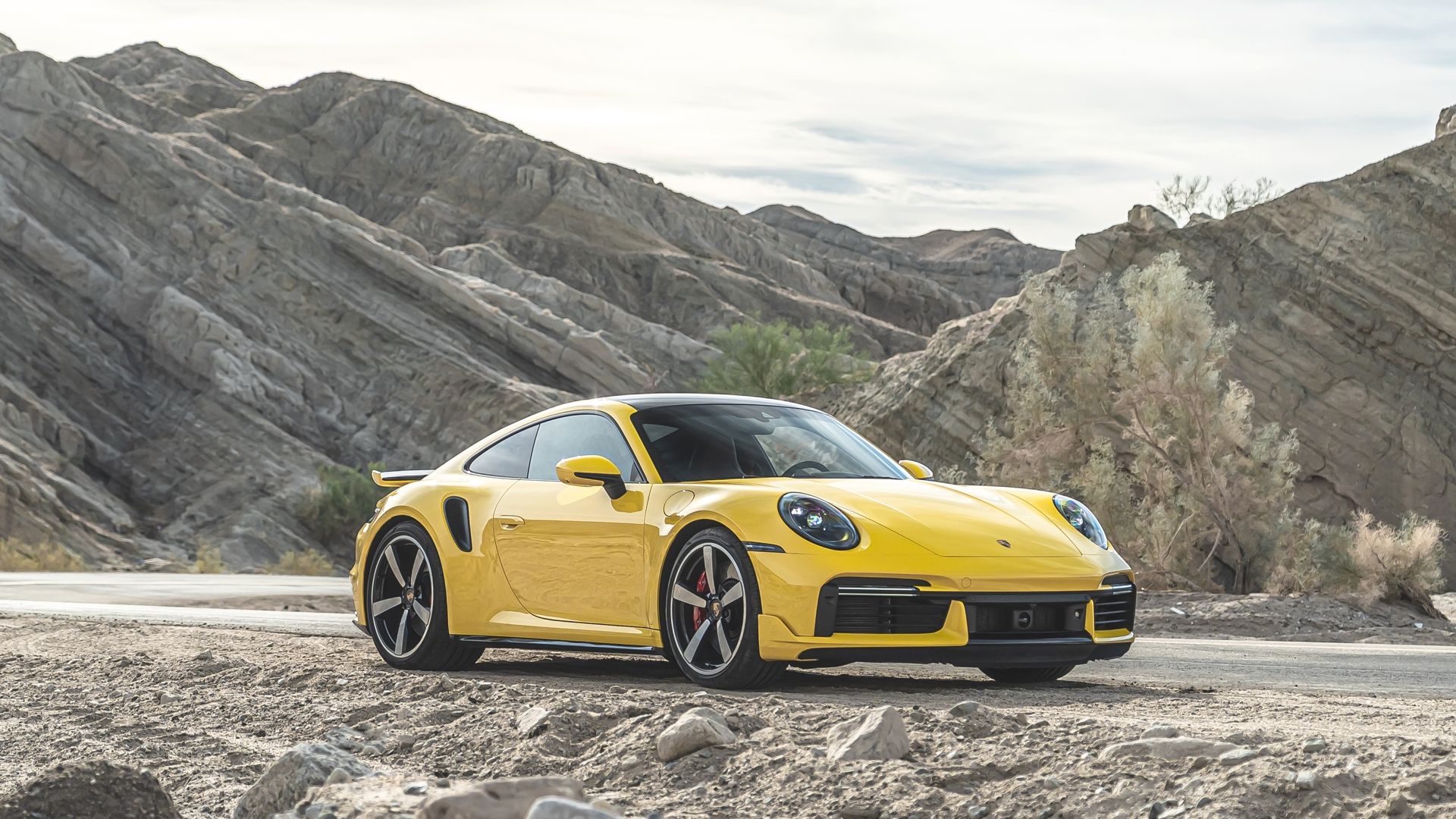
1. The Porsche 911 (997 and 991 Generations)
The Porsche 911 has long been a symbol of automotive excellence and engineering mastery. The 997 and 991 generations, spanning roughly from the mid-2000s to the late 2010s, embody a significant chapter in the 911’s evolution.
During this era, Porsche managed to balance the car’s iconic heritage with modern advancements, creating a vehicle that appeals to both purists and new enthusiasts. The 997 generation, especially, is often considered one of the last to retain much of the raw, visceral connection to driving that characterized earlier 911 models, without sacrificing reliability or comfort.
The 991 generation pushed the boundaries further, incorporating more advanced electronics and refined aerodynamics while still maintaining the distinctive 911 silhouette and rear-engine layout. This blending of tradition and innovation makes these cars stand out as modern classics in the making.
One of the key reasons these generations are becoming classics is their driver engagement. The 997, particularly in its earlier phases, featured a mechanical feel that many enthusiasts longed for in the era of increasing digital intervention. Its naturally aspirated flat-six engines offered a symphony of sound and power delivery that was both thrilling and predictable.
The handling was sharp but accessible, making the car enjoyable on both everyday roads and racetracks. When Porsche introduced turbocharged engines and electronic aids in later models, they did so carefully, ensuring these didn’t dilute the core experience.
The 991 generation continued this ethos with significant improvements in chassis rigidity and weight distribution, all while adding technological sophistication that enhanced performance without removing the driver’s sense of control.
Additionally, special editions and high-performance variants from these generations, such as the GT3 and Turbo S models, have gained cult status. These cars often featured limited production runs, unique tuning, and bespoke materials that elevated them beyond standard 911 models.
They offered enthusiasts a chance to own something truly special, combining extreme performance with exclusivity. This limited availability helps drive their desirability among collectors, ensuring that prices remain stable or even increase over time. These models also often hold their value better than many other sports cars from the same period, underscoring their appeal as future classics.
Beyond the engineering and performance, the cultural significance of the 911 during these generations cannot be overstated. Porsche’s ability to maintain the car’s essence while modernizing it speaks to a commitment to heritage that resonates deeply with the automotive community.
The 997 and 991 generations represent a bridge between the past and future, embodying the spirit of a car that has remained relevant through decades of change. This continuity, paired with the cars’ undeniable charm and capabilities, solidifies their place in history and guarantees their status as sought-after classics in the years to come.
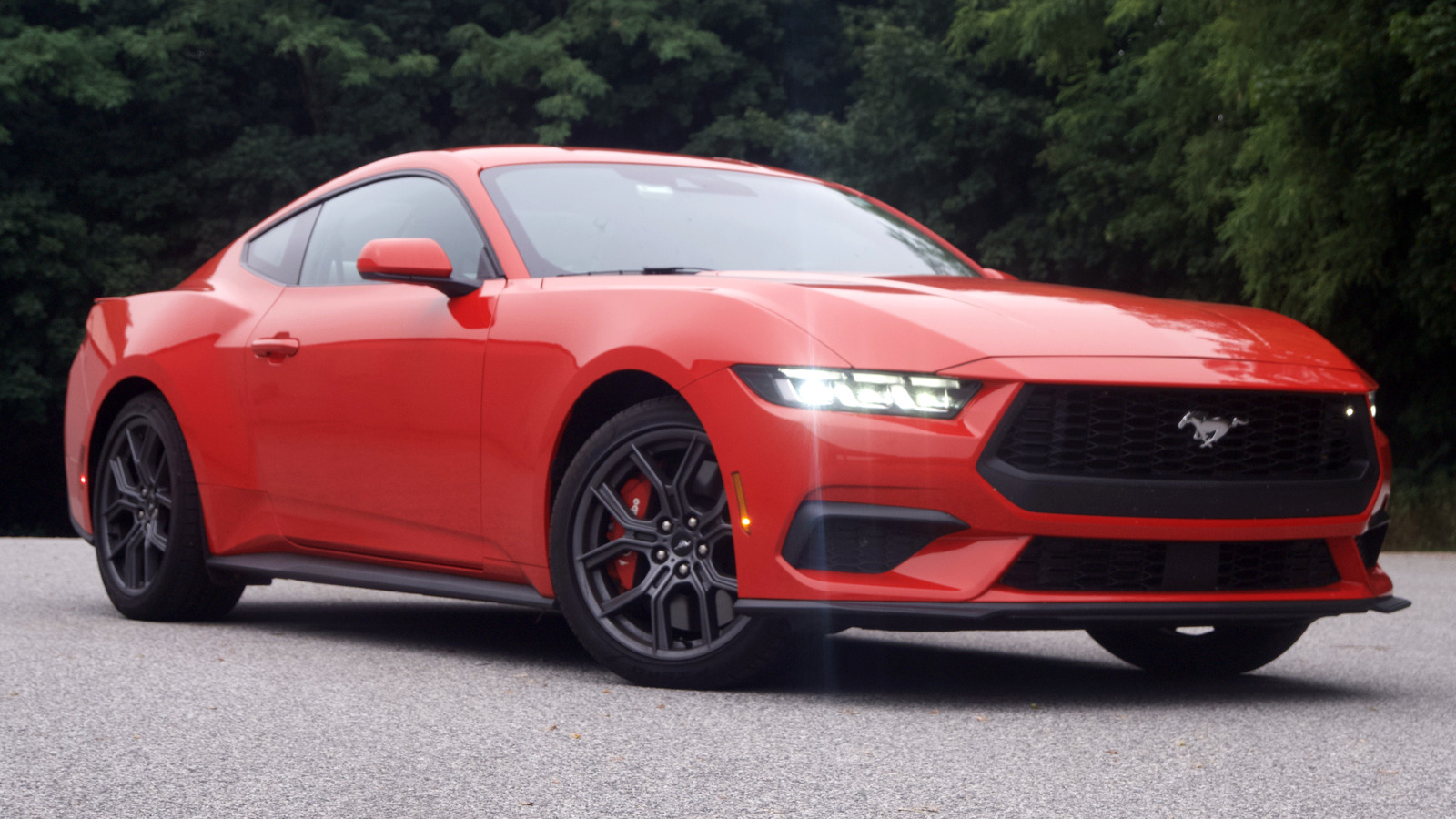
2. The Ford Mustang (S197 and S550 Generations)
The Ford Mustang has been an American icon since its inception in the 1960s, and the S197 and S550 generations have helped keep this legacy alive into the modern era. The S197, produced from 2005 to 2014, was crucial in reviving interest in the Mustang after a period of somewhat uninspired models.
This generation successfully combined retro styling cues with modern performance and handling, paying homage to the Mustang’s muscle car roots while updating it for contemporary drivers.
Its aggressive design, powerful V8 engine options, and improved chassis dynamics all contributed to making it a compelling choice for enthusiasts looking for an affordable yet exciting sports car.
The S550 generation, launched in 2015, took the Mustang even further by introducing independent rear suspension, a long-awaited upgrade that vastly improved handling and ride quality. This change brought the Mustang closer to the standards set by European sports cars, broadening its appeal.
The engine lineup was also modernized, offering a mix of turbocharged four-cylinder and naturally aspirated V8 options that delivered impressive performance and efficiency.
Beyond raw power, the S550 generation benefited from advances in technology and safety, making it a well-rounded package. Importantly, the Mustang managed to retain its distinct personality and connection to its heritage throughout these updates, which is key to its growing status as a future classic.
The cultural resonance of the Mustang remains strong, partly because it has always been more than just a car, it’s a symbol of American automotive freedom and muscle. The S197 and S550 generations continued to tap into this mythology, helping the Mustang appeal to a new generation of fans while satisfying long-time enthusiasts.
Special editions like the Shelby GT350 and GT500, which delivered track-ready performance and iconic styling, have helped cement the Mustang’s status in the modern collector’s market. These cars aren’t just powerful machines; they are statements of identity and passion for performance driving.
The Mustang’s versatility also adds to its classic potential. It can serve as a daily driver, a weekend racer, or a collectible showpiece. This adaptability ensures it remains relevant and desirable across different segments of the automotive world.
As the Mustang continues to evolve, the S197 and S550 generations stand out as models that captured the right blend of nostalgia, innovation, and excitement, setting them up to be cherished by enthusiasts for decades.
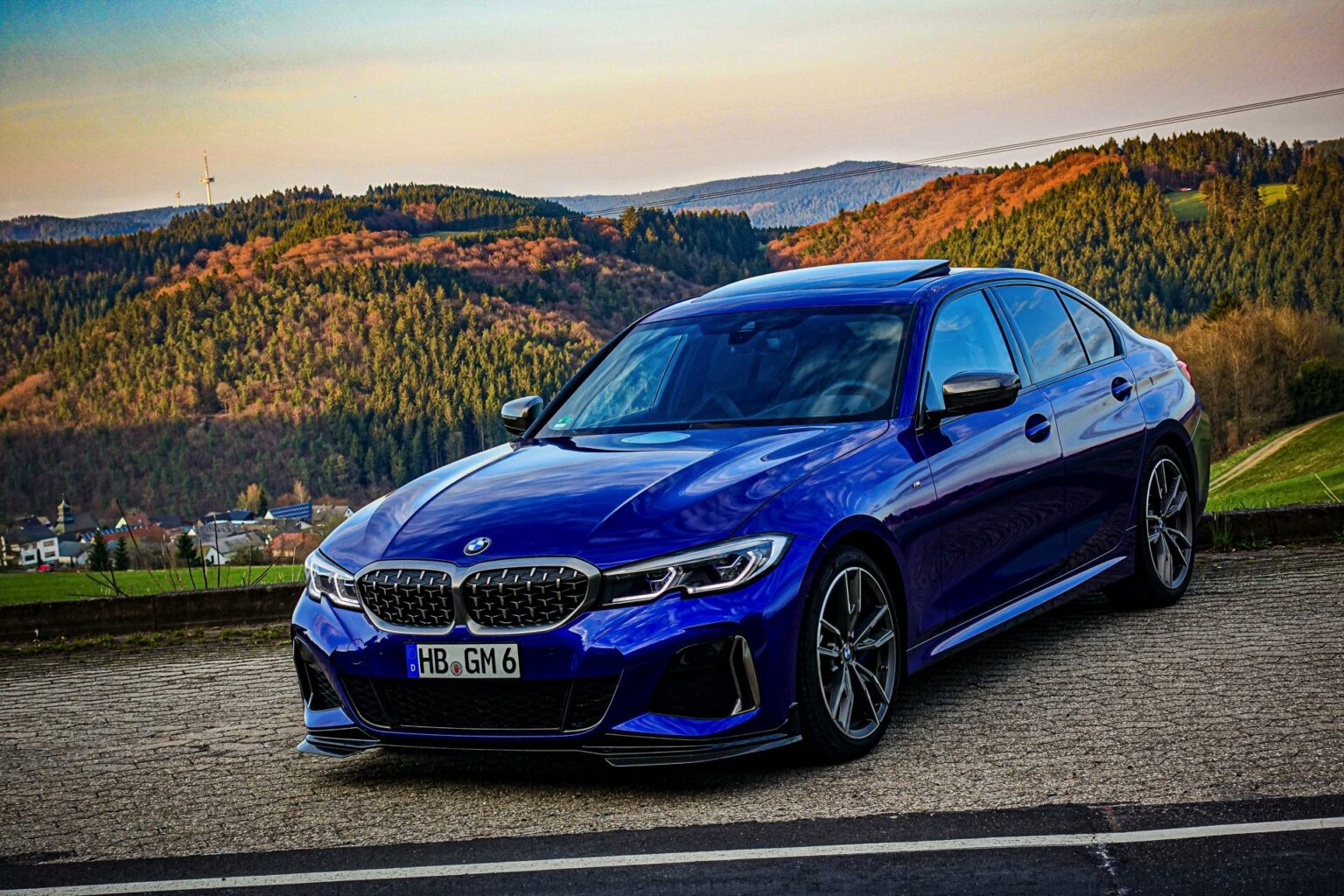
3. The BMW M3 (E46 and E92 Generations)
The BMW M3 has long been synonymous with high-performance driving and engineering excellence, and the E46 and E92 generations are often hailed as some of the best examples of this pedigree. The E46, produced from 2000 to 2006, is especially revered for its balance of power, handling, and design.
It featured a naturally aspirated inline-six engine known for its smooth power delivery and distinctive sound, combined with a lightweight chassis that allowed for nimble and precise handling.
This generation of M3 struck a perfect harmony between performance and everyday usability, making it a favorite among enthusiasts who wanted a car that was as thrilling on a track as it was practical on city streets.
The E92 generation, produced from 2007 to 2013, introduced a V8 engine that changed the character of the M3 somewhat. This engine brought increased power and a unique sound, giving the car a more aggressive edge while maintaining the excellent chassis dynamics that BMW was known for.
The E92 also featured modern conveniences and safety features that improved comfort without compromising performance. Both generations represent a period when BMW prioritized mechanical purity and driver engagement, with minimal electronic interference compared to later models. This approach resonates strongly with enthusiasts who value a genuine connection with their car, making these M3s highly desirable.
Beyond the raw performance and mechanical qualities, the design of these M3s plays a significant role in their classic potential. Both generations feature clean, timeless lines that have aged well, avoiding the overly aggressive or flashy styling trends seen in some modern cars.
This understated elegance adds to their appeal among collectors who appreciate a car that looks as good parked in a garage as it does on the road or track. The E46 and E92 M3s manage to look both modern and classic simultaneously, which helps ensure their desirability over time.
Finally, the cultural and historical significance of these M3s is undeniable. They represent a golden era for BMW’s M division, a time when performance was honed to a fine edge without losing sight of daily usability.
This combination has earned them a loyal following and growing appreciation in the collector community. As more time passes, it’s clear that the E46 and E92 M3s will not just be remembered but celebrated as classics that set a standard for sports sedans and coupes.
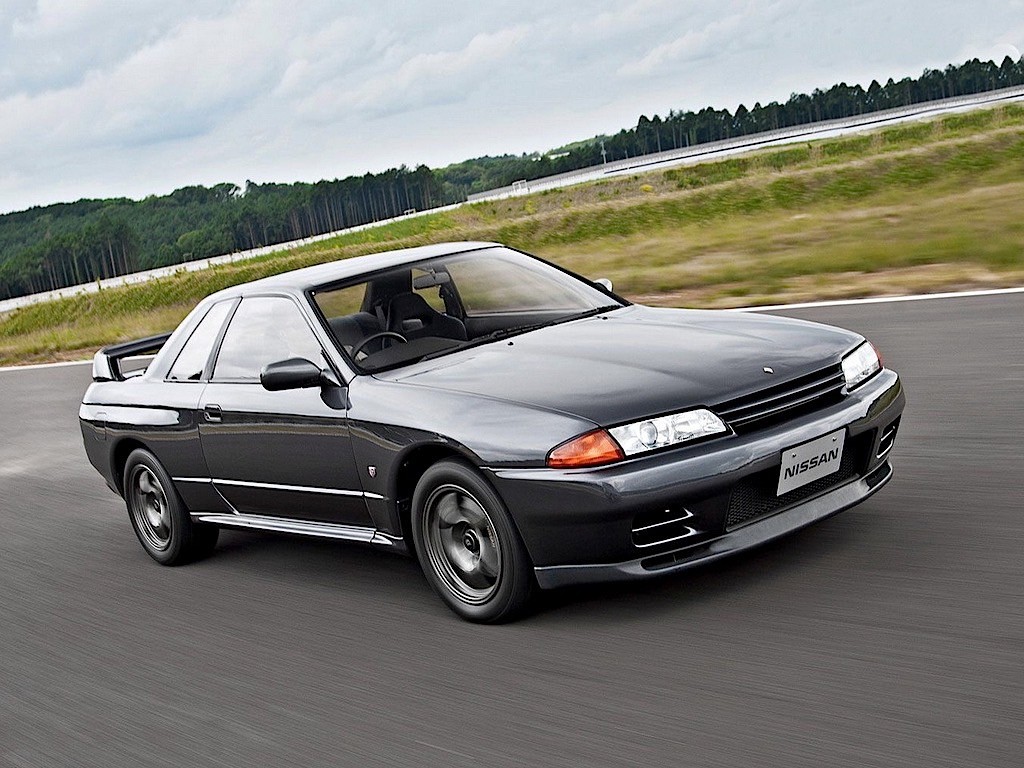
4. The Nissan GT-R (R35)
The Nissan GT-R R35, introduced in 2007, is one of the most remarkable modern sports cars in recent history. It took the legacy of the legendary Skyline GT-R and transformed it into a cutting-edge performance machine that could rival exotic supercars costing far more.
The R35’s combination of a powerful twin-turbo V6 engine, advanced all-wheel-drive system, and sophisticated electronics allowed it to deliver blistering acceleration, impressive handling, and exceptional traction in all conditions.
Its aggressive styling and muscular stance added to its presence on the road, making it instantly recognizable and highly respected among enthusiasts.
One of the defining traits of the R35 GT-R is its engineering philosophy. Nissan built the car with a focus on performance without sacrificing usability or affordability within the supercar segment. This approach made the GT-R accessible to a wider range of buyers, helping it gain a strong following quickly.
It was also known for its relentless development over the years, with Nissan continually updating and refining the car to keep it competitive. This dedication to improvement helped the GT-R maintain its relevance and desirability, something rare in modern cars where models often become outdated quickly.
The GT-R’s reputation extends beyond just numbers and specs. It earned the nickname “Godzilla” due to its monstrous performance and dominance in motorsport.
Its appearances in video games, movies, and popular culture cemented its legendary status among car fans around the world. This cultural impact adds an intangible but important layer to its future classic potential, as cars with stories and widespread recognition tend to be more sought after by collectors.
Despite its reliance on modern technology, the R35 retains a mechanical essence that appeals to purists. The way it communicates with the driver, its precise yet brutal acceleration, and its performance package make it stand apart from many other technologically advanced cars that feel overly sterile.
The Nissan GT-R R35 blends innovation with character, a combination that bodes well for its place in the pantheon of modern classics.
5. The Mazda MX-5 Miata (ND Generation)
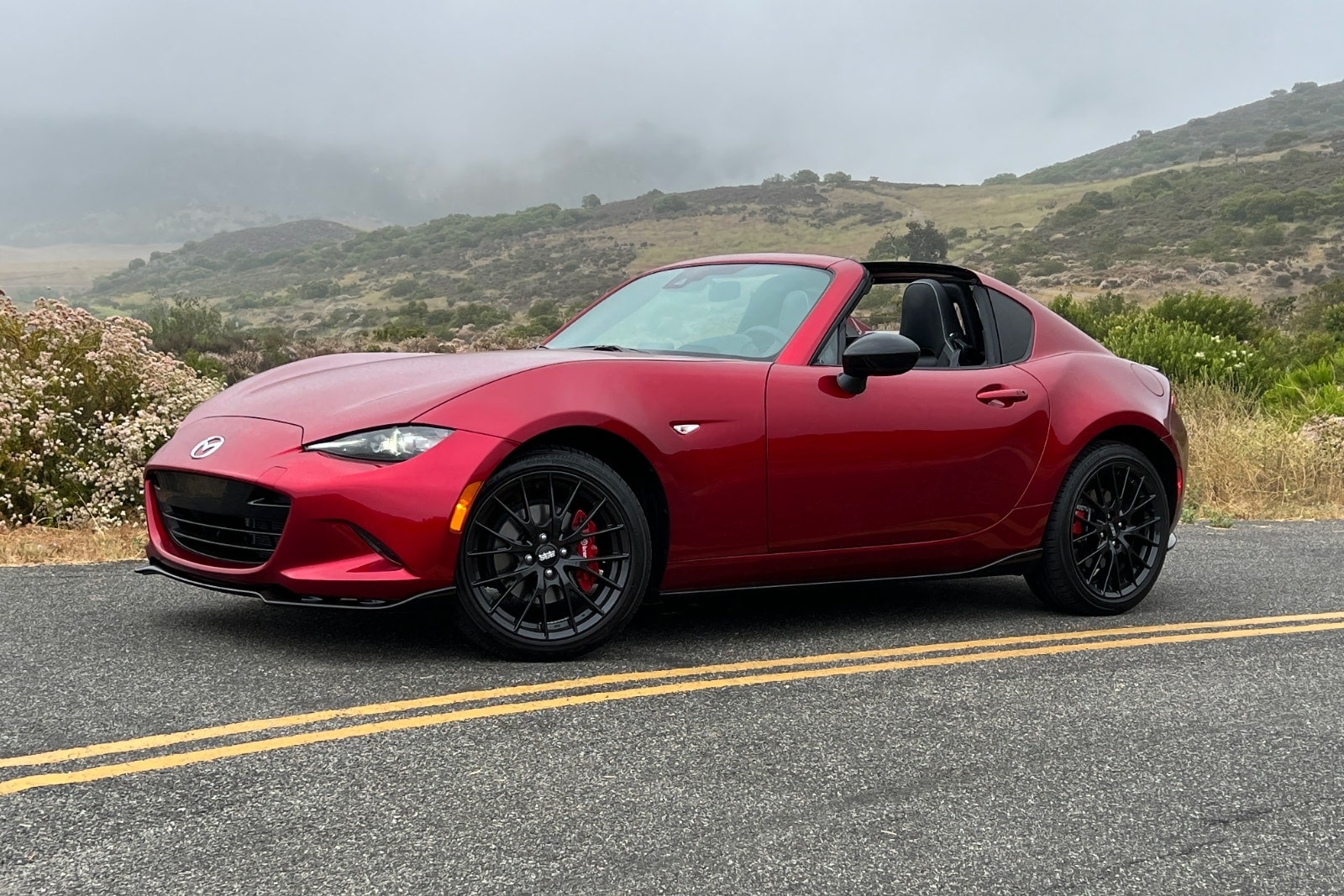
The Mazda MX-5 Miata has long been praised as the quintessential affordable sports car, celebrated for its light weight, balanced handling, and pure driving enjoyment. The ND generation, introduced in 2015, continues this tradition with a modern twist, refining the recipe while remaining true to the Miata’s roots.
Its compact size, rear-wheel drive, and responsive naturally aspirated four-cylinder engine combine to create a car that feels alive and engaging on every twist of the road.
The ND generation improved on weight savings and chassis rigidity, delivering even sharper handling and better driver feedback. This generation manages to blend classic sports car values with modern technology, ensuring the Miata remains relevant and exciting.
One of the most compelling aspects of the ND Miata is its dedication to simplicity and driver involvement. Unlike many modern sports cars that rely heavily on electronic aids and turbocharged engines, the Miata sticks with a naturally aspirated engine that offers linear power delivery and immediate throttle response.
The manual transmission remains the preferred option for enthusiasts, enhancing the connection between car and driver. The car’s lightweight construction not only improves performance but also creates a lively and communicative driving experience that feels organic and rewarding. This driver-centric focus resonates strongly with purists and collectors who value engagement over outright power.
In terms of design, the ND Miata strikes a fine balance between honoring the classic lines of the original Miata and incorporating modern styling cues. Its sleek, aerodynamic profile and sharp LED lighting give it a contemporary edge, while the car’s proportions recall the simplicity and charm of earlier models.
This visual harmony between past and present adds to the car’s timeless appeal. The interior, though compact, is ergonomically designed with quality materials and a driver-focused layout, enhancing comfort without detracting from the sporty feel. This careful blend of old-school charm and new-age refinement gives the ND Miata a distinctive place in automotive history.
Culturally, the MX-5 Miata is widely regarded as a symbol of pure sports car enjoyment accessible to the masses. The ND generation continues to build on this legacy, inspiring a new generation of drivers and enthusiasts who seek a fun, affordable, and reliable roadster.
Its growing reputation, combined with its enduring design and driving qualities, cements its position as a modern classic. As more time passes and the ND Miata becomes rarer on the roads, it is expected to appreciate in value and desirability, much like its predecessors. This ongoing popularity ensures that the ND Miata will be remembered as a standout sports car well into the future.
5 Modern Cars That Will Never Become Classics
1. The Fiat 500 (Modern Version)
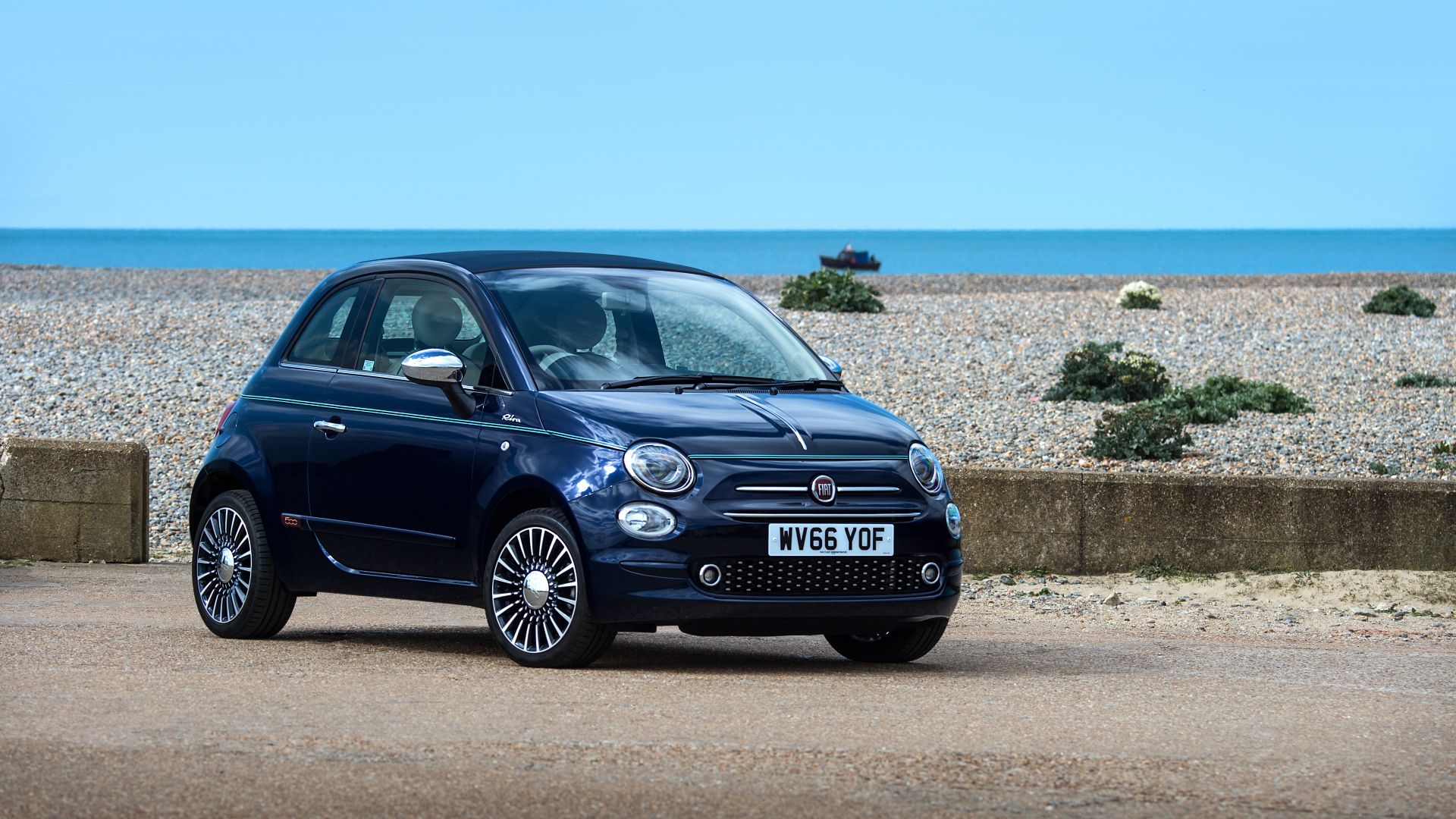
The modern Fiat 500, which reintroduced the classic styling in the late 2000s, has carved out a niche as a trendy, compact city car. While it evokes nostalgia with its retro-inspired design, the modern 500 lacks the substance to elevate it to classic status.
Its appeal mostly rests on its size and style, serving as a cute, convenient vehicle for urban environments where parking space is limited and fuel efficiency is a priority.
However, it does not offer much in terms of driving excitement, mechanical innovation, or emotional engagement. The car is predominantly a practical solution for city dwellers, and while it has a dedicated fan base, this is not enough to secure its legacy as a classic in automotive history.
From a mechanical standpoint, the modern Fiat 500 is built on a platform optimized for cost efficiency and fuel economy rather than performance or longevity. It uses small, modest engines that provide adequate power for city driving but fail to excite anyone looking for spirited driving.
The car’s suspension and handling are tuned for comfort and simplicity, not for sharpness or agility. The interiors, while styled to look retro, rely heavily on plastic materials and budget-friendly construction.
This focus on affordability and trendiness over mechanical or design excellence means the Fiat 500 is unlikely to gain the lasting respect or desirability that collectors seek in a classic.
Another factor working against the Fiat 500’s classic potential is its mass-market availability and high production numbers. Classic cars tend to be rare or produced in limited numbers, which makes them more desirable and collectible over time. The Fiat 500, however, is a widely available vehicle designed to appeal to a broad audience.
This ubiquity dilutes its exclusivity, which is crucial in establishing a car’s collectible status. Without rarity or exceptional features that distinguish it from the competition, the modern 500 risks being seen as just another practical small car rather than a vehicle worthy of preservation or admiration.
Stylistically, while the 500’s design may attract attention today, its retro charm is more about nostalgia than genuine innovation or timelessness. It is a pastiche of the original, lacking the original’s historical context and cultural significance. The car’s design does not push boundaries or establish new trends that could inspire future generations.
Instead, it serves as a fashion statement for a certain moment in time rather than a beacon of automotive progress. For these reasons, the Fiat 500, despite its popularity and charm, will likely remain a quirky city car and not ascend to classic status.
2. The Toyota Camry (Current Generations)
The Toyota Camry has been the poster child for reliability and practicality for decades, earning a reputation as a no-nonsense family sedan that gets the job done without fuss. While this reputation has helped it become one of the best-selling cars worldwide, it simultaneously hinders the Camry’s chances of becoming a classic.
Mechanically, the Camry offers smooth, reliable powertrains that are designed to be fuss-free and long-lasting rather than thrilling or engaging. Its suspension setup prioritizes ride comfort and noise reduction, making it an excellent commuter car but one that fails to spark enthusiasm from the driver.
Even with available hybrid versions, which add an eco-friendly angle, the car does not offer a driving experience that would excite or inspire. This mechanical conservatism, while effective for its target market, limits its appeal among car enthusiasts and collectors who typically look for vehicles with a unique or special driving dynamic.
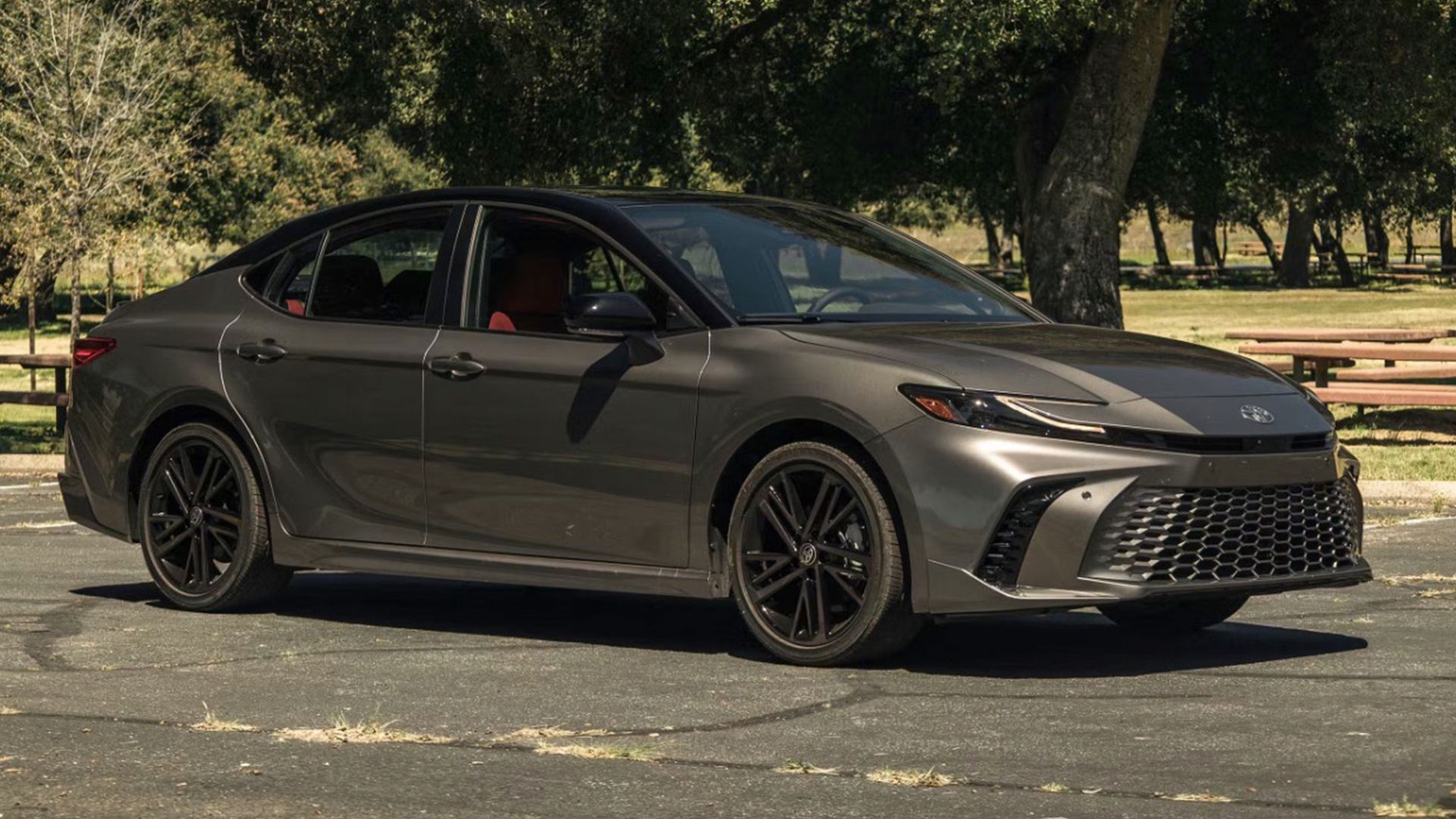
Another major obstacle for the Camry’s classic status is its design and brand positioning. Its styling is deliberately restrained and generic, intended to appeal to the widest possible audience rather than to stand out. This lack of distinctive design or personality makes it easy to forget and even easier to replace.
Unlike cars that push design boundaries or express a bold identity, the Camry fits seamlessly into suburban driveways without drawing much attention. While this approach makes it highly practical, it also ensures the car remains forgettable in the context of automotive history.
Finally, the Camry’s sheer ubiquity works against it as well. It is produced in massive numbers and is a fixture in rental fleets, taxi services, and corporate fleets worldwide. While this success story is a testament to its reliability, it also means the car will rarely command attention or enthusiasm from collectors.
Classic cars often owe part of their value to rarity or exclusivity, which the Camry lacks completely. This broad, practical appeal cements its place as a dependable vehicle rather than a collectible classic.
3. The Nissan Altima (Recent Models)
The Nissan Altima occupies a similar position in the midsize sedan market as the Camry does in the larger family sedan segment. It is a practical, affordable car designed primarily to meet the needs of commuters and families.
While recent models have improved in terms of technology and efficiency, the Altima remains a functional but uninspired vehicle when it comes to personality, driving dynamics, or design innovation. This lack of character means it is unlikely to gain classic status, as cars with bland or generic qualities rarely inspire long-term admiration or enthusiasm.
Under the hood, the Altima offers engines that prioritize fuel efficiency and smoothness rather than excitement. Its handling and ride quality are designed to be comfortable and predictable, not engaging or sporty.
Even with the introduction of variable compression engines in some trims, which represent an interesting technical development, the car’s driving experience remains tame. For many buyers, this is precisely what makes the Altima attractive, but for those seeking a future classic, the car simply does not deliver the emotional or performance aspects that matter.
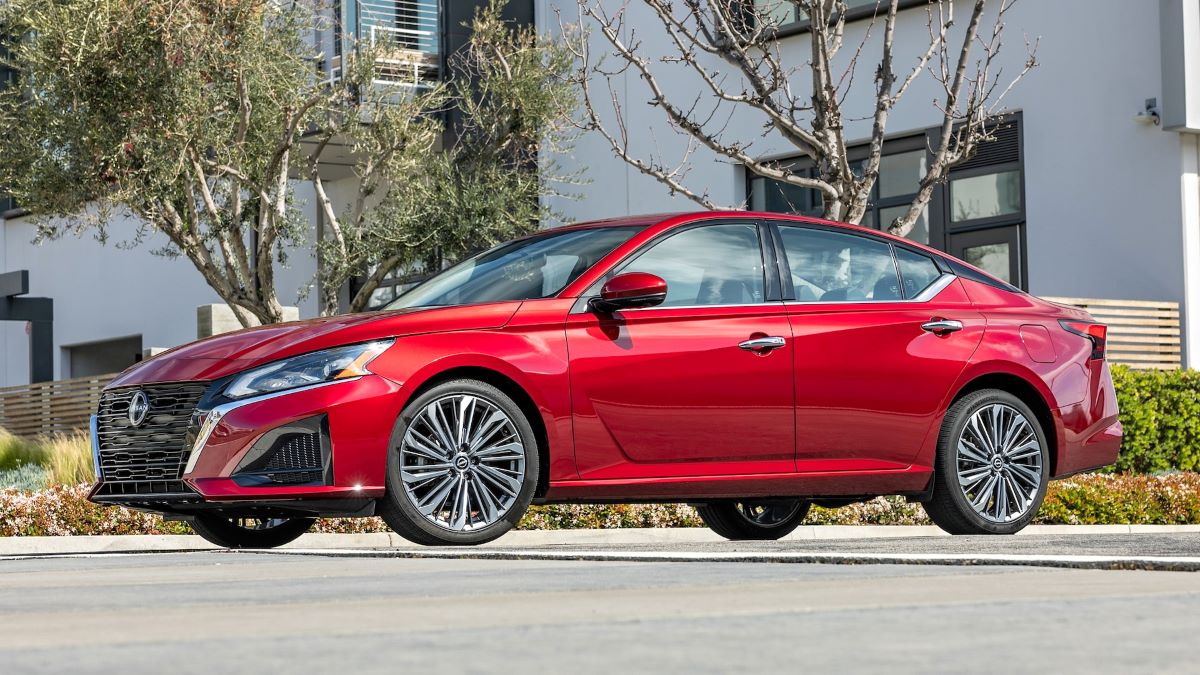
From a design perspective, the Altima is more about blending in than standing out. Its styling has evolved to be more modern and sleek, but it remains fairly conventional and safe. It lacks the bold lines, distinctive features, or design risks that often mark vehicles destined for classic status.
The car’s appearance is aimed at broad appeal rather than making a statement, which, while good for sales, limits its lasting impact. The Altima is a competent midsize sedan, but it does not excite or inspire.
Lastly, much like the Camry, the Altima is produced in large volumes and is commonly seen on the roads, contributing to a sense of familiarity that reduces desirability among collectors.
It is considered a practical choice rather than a vehicle with emotional or historical significance. This combination of ubiquity, practicality, and unremarkable design means the Nissan Altima will likely remain a sensible but forgettable car, not a classic in the making.
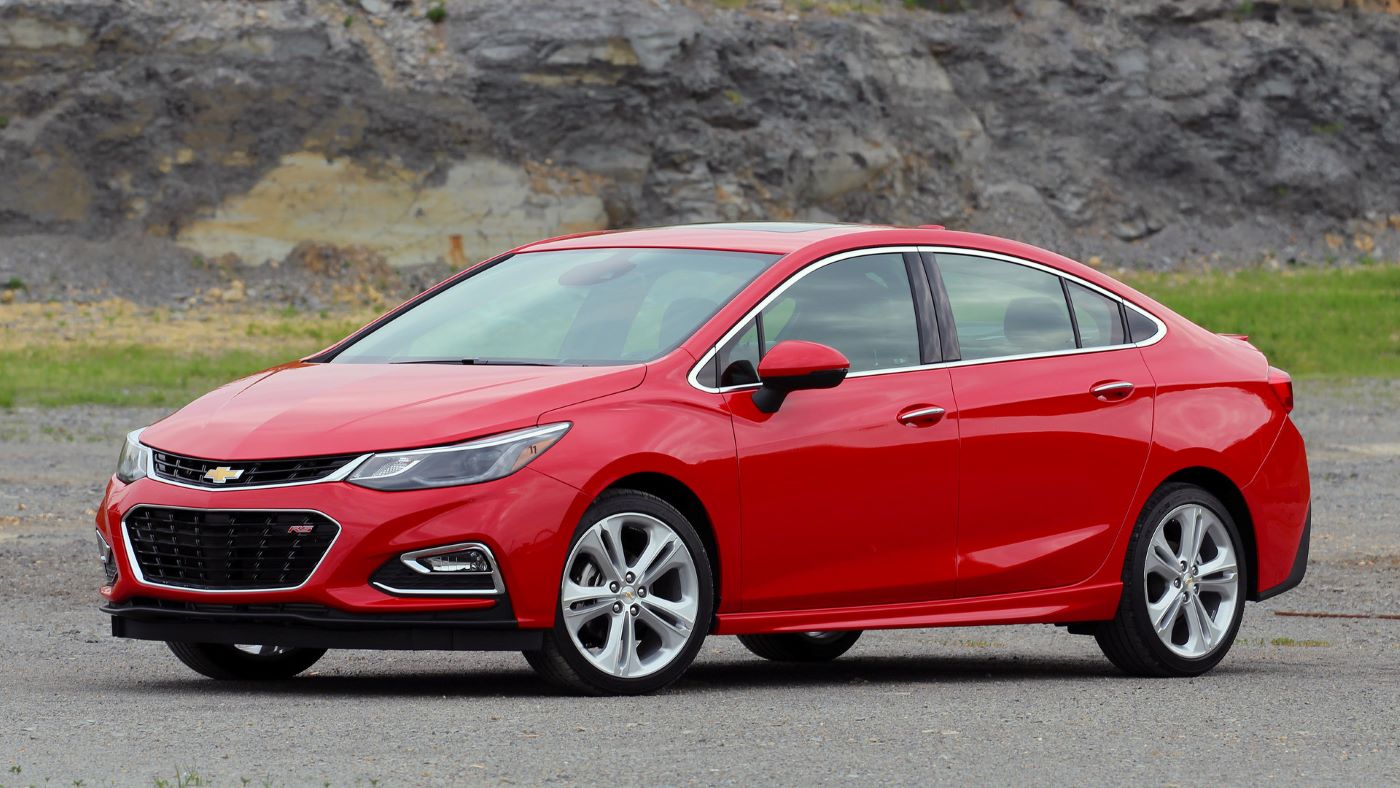
4. The Chevrolet Cruze
The Chevrolet Cruze was introduced in the late 2000s as an entry-level compact sedan aimed at competing with popular models like the Honda Civic and Toyota Corolla. While it served as a practical and economical option for many buyers, it did not stand out in any meaningful way that would help it achieve classic status.
The Cruze was built to be affordable, fuel-efficient, and easy to drive rather than innovative, exciting, or iconic. It filled a specific market niche but failed to create a lasting impression or emotional connection with drivers or collectors.
Performance-wise, the Cruze offered a range of small engines and transmissions that prioritized economy and smoothness. The car’s handling was competent but uninspired, lacking the agility or sharpness that might have made it appealing to enthusiasts.
The suspension was tuned for comfort and predictability, making the car a good daily commuter but not a rewarding drive. While it was praised in some markets for its value and features, it did not deliver the dynamic qualities often associated with classic cars.
Styling was another factor that limited the Cruze’s potential for classic status. Its design was conservative and mainstream, intended to appeal to the largest possible audience rather than to make a bold statement.
The Cruze looked like many other compact sedans on the market, and it lacked unique design elements that might have helped it stand out over time. Without a distinctive identity or personality, it was easy for the Cruze to be overshadowed by competitors with stronger brand recognition or more striking designs.
Finally, the Cruze’s market positioning as a mass-produced, affordable compact car meant it was widely available and heavily marketed to practical buyers. Its ubiquity, combined with its lack of standout features or heritage, ensured it would be forgotten once newer models arrived.
Classic cars tend to be rare or have some unique attribute that captures the imagination of collectors, and the Cruze simply does not meet these criteria. While it served its purpose well, it is unlikely to be remembered as anything more than a practical, everyday car.
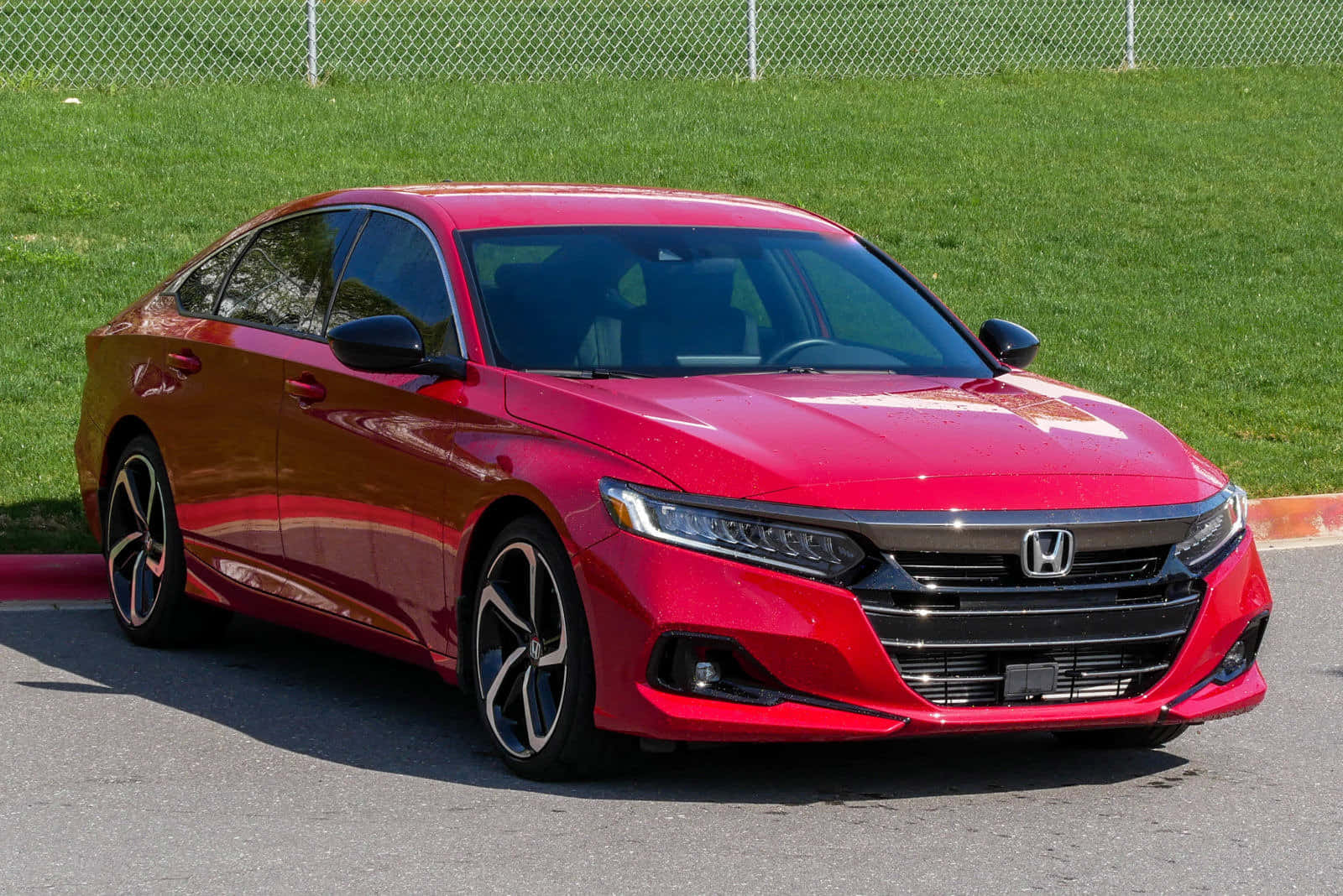
5. The Honda Accord (Recent Generations)
The Honda Accord has been a stalwart in the midsize sedan segment for decades, known for its reliability, practicality, and value. However, recent generations of the Accord, while excellent at fulfilling their role as dependable family sedans, lack the qualities that typically lead to classic status.
These models prioritize refinement, fuel efficiency, and technology over driving excitement or unique character. As a result, they are admired for their utility but unlikely to inspire long-term enthusiasm or collector interest. The Accord’s success in the marketplace ironically works against it when considering its future as a classic, as ubiquity often reduces exclusivity and appeal among enthusiasts.
From a mechanical perspective, recent Accords focus on smoothness, quietness, and fuel economy. The engines are efficient and reliable but lack the personality or excitement that makes a car stand out. Handling is tuned for comfort and stability rather than sharpness or sportiness.
Advanced transmissions and hybrid powertrains enhance efficiency but contribute to a driving experience that is largely uninspiring. While these factors make the Accord a highly practical choice for many drivers, they also mean it is unlikely to generate the passion or emotional connection that fuels classic car status.
Design-wise, the recent Accord models have evolved toward a conservative, modern aesthetic aimed at appealing to broad buyer demographics. The styling is clean and attractive but not daring or distinctive. It lacks the kind of boldness or unique design cues that often elevate a car’s status over time.
The interiors, though well-appointed and technologically advanced, prioritize comfort and convenience rather than creating an emotional response. The Accord’s design philosophy centers on being a dependable, modern sedan rather than an icon of style or innovation.
Finally, the Accord’s wide availability and common presence on roads globally contribute to its image as a practical, everyday vehicle rather than a collectible classic. Its role as a reliable, affordable sedan used by millions worldwide means it rarely stands out in any enthusiast circles.
Classic cars tend to be rare, unique, or culturally significant, and while the Accord excels in practical terms, it does not fulfill these criteria. Its legacy is that of a successful family car, not a future classic destined for museums or collector garages.
