
The SUV segment has grown tremendously over the last few decades, transforming from rugged, off-road-focused vehicles into versatile family-friendly machines that often serve as daily drivers. One of the most significant changes in this evolution is how SUVs handle the road and deliver comfort to passengers.
Ride quality is a crucial factor for many buyers because it directly influences the driving experience, especially for long trips or urban commutes.
Some SUVs feel light and plush, effortlessly absorbing bumps and imperfections, making every journey feel relaxing. Others, however, exhibit a firmer, more utilitarian ride that some might describe as “wagon-like” due to their more connected but less cushioned road feel.
The distinction between a smooth-riding SUV and one that feels more like a wagon comes down to various engineering choices, suspension design, chassis tuning, tire selection, and even weight distribution. A smooth-riding SUV prioritizes comfort, often featuring advanced suspension systems like adaptive dampers or air springs to soften the impact of rough roads.
In contrast, SUVs that feel like wagons tend to focus more on handling precision or cargo versatility, which can mean a stiffer ride with less absorption of road irregularities. This comparison isn’t about labeling one category as better or worse; it’s about understanding what different vehicles bring to the table and what type of driving experience they offer.
This article will provide a detailed look at five SUVs known for their smooth rides and five SUVs that feel more like wagons. The smooth-riding SUVs prioritize comfort, delivering a cushioned, controlled ride that minimizes fatigue.
On the other hand, the SUVs with wagon-like characteristics offer a more connected, sometimes firmer ride that can be preferred by those who enjoy a more grounded feel behind the wheel. By breaking down the traits of these SUVs, you can get a clearer sense of what might suit your preferences or lifestyle best.
5 SUVs With Smooth Rides
1. Lexus RX
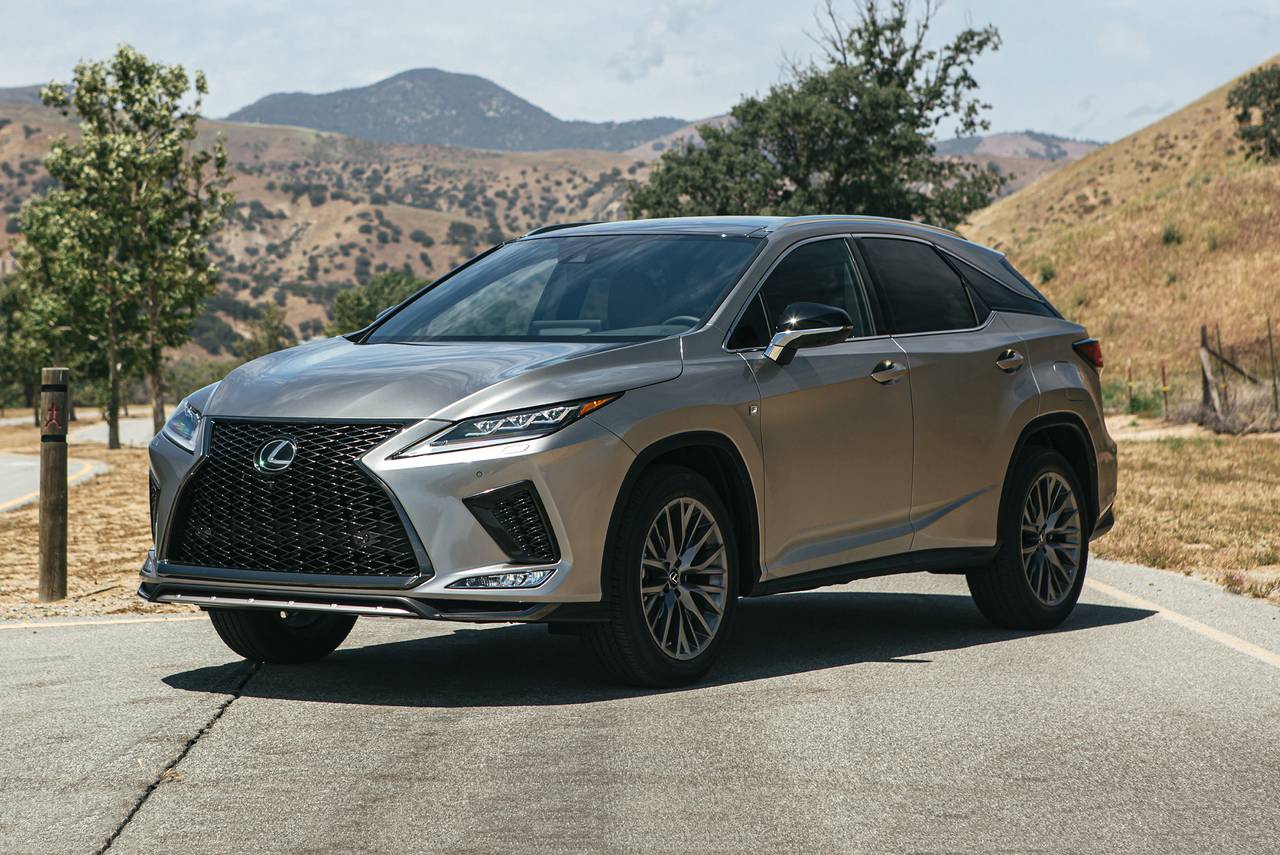
The Lexus RX has long been recognized as the benchmark for comfort in the midsize luxury SUV category. For years, Lexus engineers have focused on perfecting suspension tuning that prioritizes serenity over sportiness, and the result is a vehicle that glides across pavement as though it were designed for relaxation alone.
The RX’s front strut and rear multilink suspension system are optimized to absorb uneven surfaces gracefully, reducing the harshness that many other SUVs transmit into the cabin.
Even on older or rougher roads, the RX maintains its composure, keeping passengers insulated from the jolts that make long drives unpleasant. It doesn’t rely solely on hardware either; Lexus also tunes the chassis for a sense of calm stability, minimizing vibration and secondary motion when the wheels encounter bumps.
A major contributor to the RX’s smoothness is its commitment to refinement through sound insulation and interior comfort. The cabin is packed with materials specifically designed to suppress noise and vibration. Thicker door glass, underbody soundproofing, and soft interior trim create an environment that feels almost detached from the outside world.
The steering effort is deliberately light, and the transmission is calibrated to shift gears seamlessly, which complements the tranquil driving experience. For urban commutes or slow-moving traffic, these features combine to deliver an effortless and composed ride, one that consistently feels luxurious without needing to prove anything through performance metrics.
In longer journeys, the RX’s comfort becomes even more apparent. The supportive seats, tuned suspension, and calm power delivery make it a top choice for highway cruising. The vehicle feels planted at high speeds without transmitting vibrations to the steering wheel or seats.
Even the smallest details, like how the body settles after a bump or how the suspension handles expansion joints, reflect the brand’s dedication to smoothness. Rather than feeling like an SUV that occasionally offers comfort, the RX behaves like a refined grand tourer wrapped in a practical crossover body.
Drivers who value a calm and predictable ride over sharp handling will appreciate what Lexus has achieved here. The RX’s charm lies in its ability to turn every trip into a quiet, stress-free experience.
The plush suspension, combined with intelligent engineering, transforms even ordinary drives into something that feels refined and deliberate. For anyone who measures driving satisfaction by peace rather than power, the RX remains a standout example of how smoothness can define an SUV’s personality.
2. Mercedes-Benz GLE
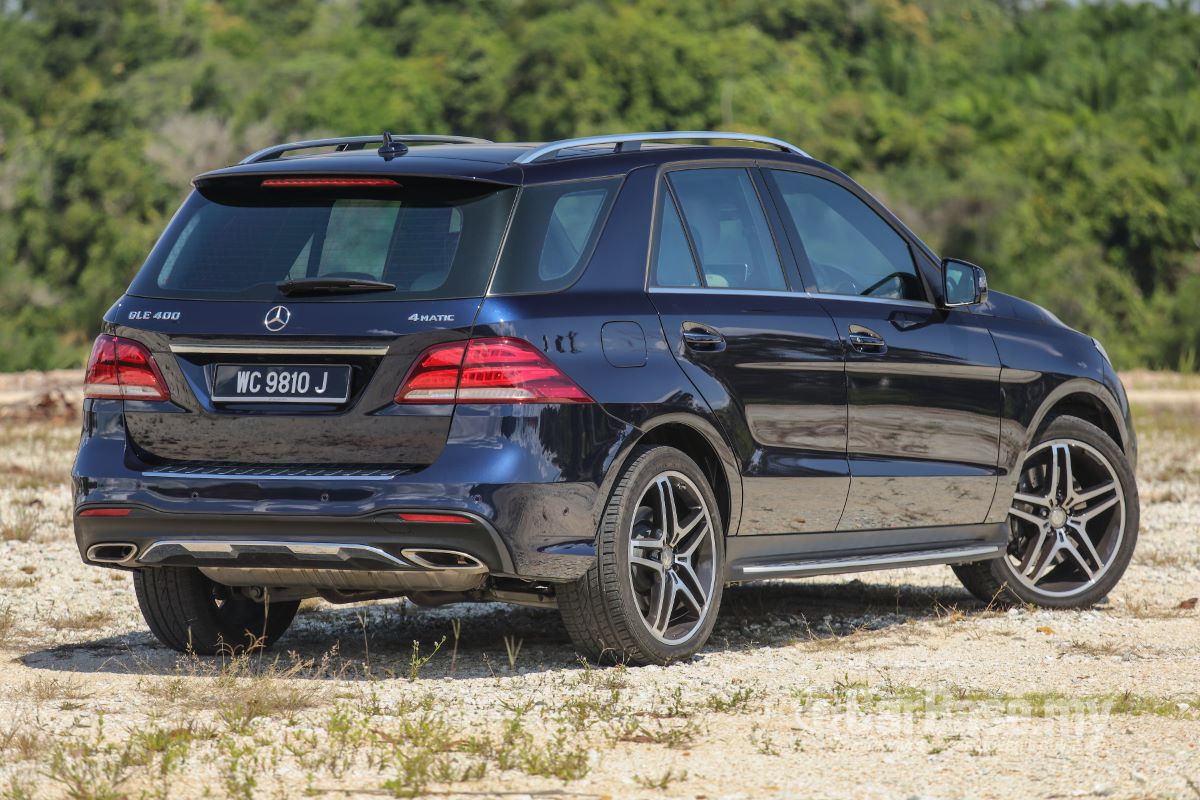
The Mercedes-Benz GLE is one of the most advanced SUVs when it comes to balancing luxury and comfort. At the core of its smooth ride is the optional air suspension system, which automatically adjusts the vehicle’s height and damping levels depending on the surface.
This technology allows the GLE to glide over imperfections that would otherwise disturb the cabin experience. Whether it’s uneven city pavement, gravel country roads, or cracked highways, the GLE’s suspension absorbs most disturbances before they can be felt by passengers. The result is a ride that remains steady and composed even when conditions change rapidly.
Another crucial factor in the GLE’s ride quality is its strong and well-engineered chassis. Mercedes invests heavily in structural rigidity, which minimizes flex and vibration. This solid foundation allows the suspension to operate more precisely, reducing unwanted movement.
Inside the cabin, the combination of dense insulation materials and precise assembly work ensures that wind and road noise remain barely noticeable, even at high speeds.
Every surface you touch feels damped and deliberate, reinforcing the sense that this SUV is built to cocoon its occupants in calm isolation. The steering, while accurate, is designed with a smooth and fluid response that doesn’t jar the driver during transitions.
What further enhances the smoothness of the GLE is how seamlessly it integrates its drivetrain with the suspension system. Acceleration and braking feel progressive, never abrupt, and the gear shifts from its transmission are almost imperceptible.
The powertrain’s refinement complements the suspension tuning to create a sensation of effortless movement, as though the vehicle anticipates the road’s imperfections before they arrive. Passengers feel as if the SUV is gliding rather than rolling, an effect that few competitors achieve consistently. Even when fully loaded with passengers or cargo, the GLE maintains the same poise and calmness.
For long-distance journeys or daily commutes, this level of composure makes a difference. Drivers who spend hours on the road often notice less fatigue thanks to the way the GLE isolates them from vibration and noise. It’s not just comfortable, it’s intelligently comfortable, adapting constantly to keep its passengers relaxed.
Mercedes-Benz has long been known for building vehicles that feel substantial yet supple, and the GLE continues this legacy as one of the smoothest and most refined SUVs available.
3. Volvo XC90
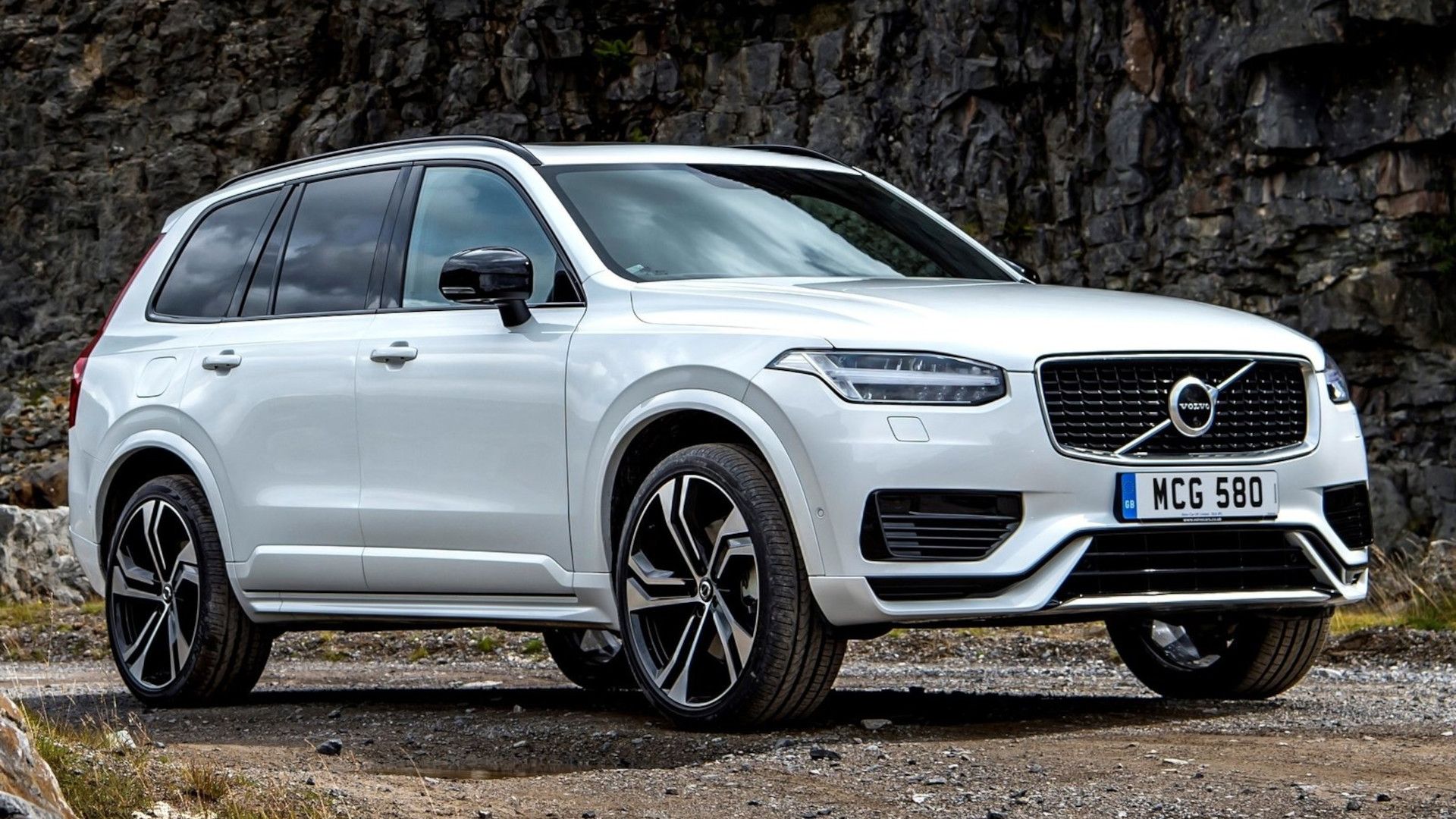
The Volvo XC90 combines Scandinavian design sensibilities with a ride quality that emphasizes calmness and control. Volvo’s engineers have fine-tuned the XC90’s suspension to handle imperfections with subtle precision rather than brute force. The result is a vehicle that smooths out bumps without losing the tactile sense of the road beneath it.
The multilink rear suspension and carefully calibrated dampers allow it to absorb vibrations gracefully, while the steering remains steady and predictable. Drivers immediately notice how composed the XC90 feels when transitioning between different surfaces, never feeling unsettled or overly soft.
One defining trait of the XC90’s ride is its ability to maintain composure through varying conditions without becoming disconnected from the driving experience. Many luxury SUVs achieve smoothness by isolating the driver completely, but Volvo aims for a different balance.
It allows just enough feedback to let the driver feel engaged, while still keeping the cabin relaxed and comfortable. This sense of natural stability is complemented by Volvo’s seat design, which is among the best in the industry. The ergonomic, supportive seats keep occupants at ease even on extended journeys, helping to prevent fatigue.
Sound insulation also plays a vital role in creating the XC90’s sense of refinement. Volvo uses thick laminations on the glass, extensive sealing, and acoustic materials to create a serene cabin atmosphere. Even at highway speeds, noise intrusion is minimal, allowing for clear conversation or quiet music listening.
Combined with smooth acceleration from its efficient engines, this attention to detail reinforces the impression that every journey is meant to be stress-free and controlled.
Volvo’s approach to ride quality reflects its broader philosophy of comfort through balance. The XC90 doesn’t chase exaggerated softness or sporty sharpness; instead, it feels natural and well-rounded.
It’s the kind of SUV that seems to absorb chaos from the outside world and convert it into calm momentum. For families or professionals who value safety, serenity, and subtle luxury, the XC90’s smoothness contributes directly to its reputation as one of the most composed vehicles on the market.
4. Audi Q7
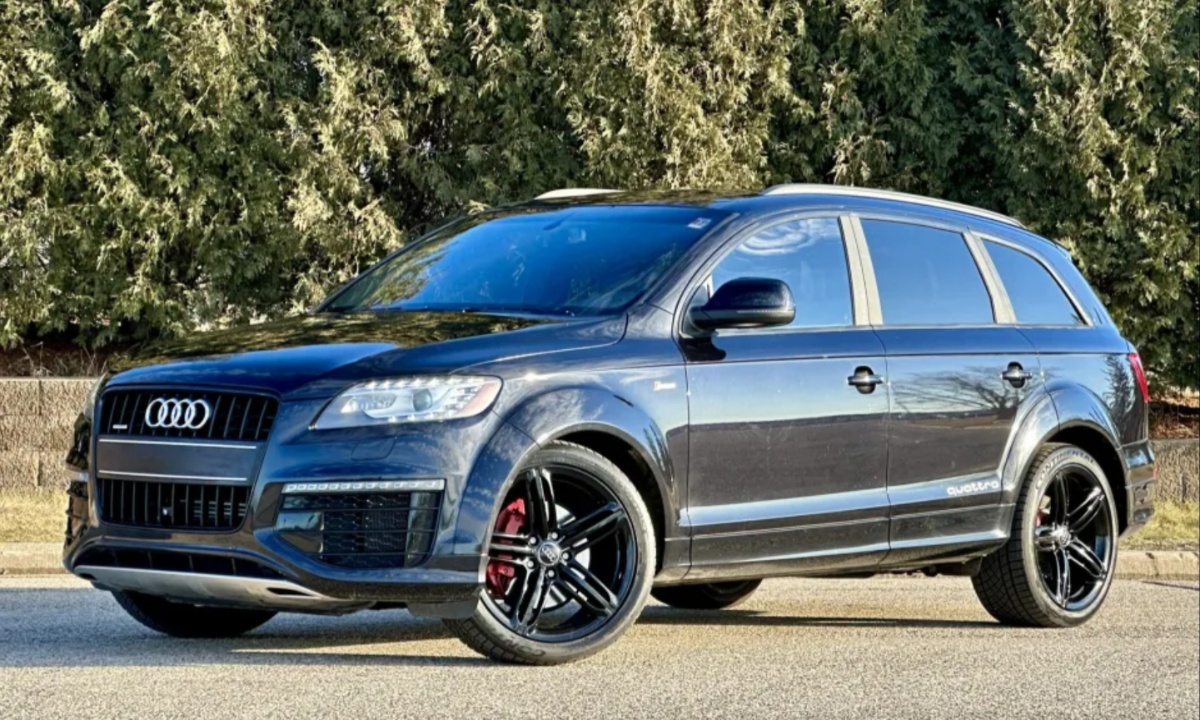
Audi’s Q7 stands out for its combination of refinement, stability, and adaptability. The optional adaptive air suspension system is central to its smooth ride, constantly adjusting the damping and height to accommodate changing road conditions. This allows the Q7 to glide over rough surfaces while maintaining control and composure.
On city streets, it feels supple and well-cushioned; on highways, it remains firm enough to avoid any floaty sensation. Audi’s engineering precision ensures that the transitions between these states happen seamlessly, with the driver rarely noticing the system’s operation.
The Q7’s ride quality is further enhanced by its well-balanced chassis and sophisticated all-wheel-drive system. Together, they provide confidence and security, even in challenging conditions like rain or uneven terrain. The steering is light but direct, which complements the SUV’s smooth dynamics by eliminating abrupt inputs.
This combination of composure and grace gives the Q7 a unique ability to handle diverse environments without compromising comfort. Whether it’s gliding over expansion joints or coasting through winding roads, the Q7 maintains a sense of fluid movement that few competitors can match.
Inside, the Q7’s cabin design contributes heavily to the sensation of smoothness. High-quality materials, precise assembly, and acoustic insulation create a space that feels detached from the outside world. The seats are engineered to absorb subtle vibrations, and the climate control operates quietly, maintaining consistent comfort without intrusive fan noise.
The Q7 is an excellent example of how engineering and design come together to create harmony. Rather than relying solely on advanced technology, Audi integrates it with careful tuning and attention to detail.
The result is an SUV that feels effortlessly smooth without losing its sense of control or purpose. For those seeking an all-around refined ride that balances comfort and capability, the Q7 represents one of the finest interpretations of modern SUV sophistication.
5. BMW X5
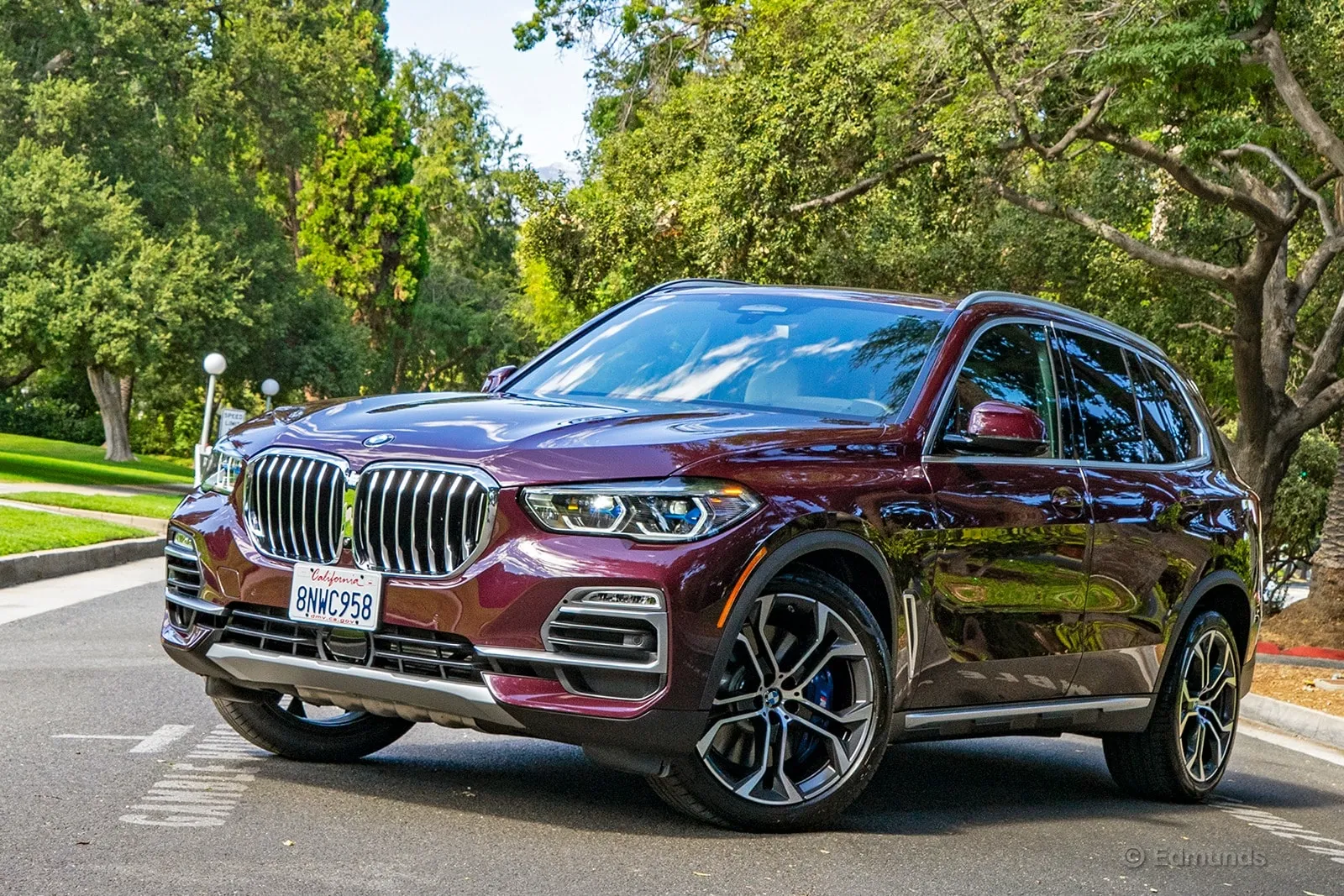
The BMW X5 achieves a rare combination of agility and comfort, proving that smoothness doesn’t have to come at the expense of driver engagement. When equipped with its adaptive air suspension, the X5 can transform from a confident, sporty performer to a relaxed highway cruiser at the touch of a button.
The suspension continuously adjusts damping rates based on road conditions and driving inputs, providing a composed ride that feels both controlled and forgiving. Over rough pavement, the X5’s suspension absorbs impacts efficiently, keeping the cabin calm and free of unwanted vibrations.
Unlike some competitors that focus exclusively on softness, the X5 provides a balanced type of smoothness, one that feels taut but still comfortable. Its suspension tuning is sophisticated enough to handle undulating roads without body roll, yet gentle enough to make potholes and cracks feel like minor disturbances.
The steering is another highlight: it’s precise but not heavy, giving drivers a sense of confidence while maintaining easy maneuverability. Combined with the smooth power delivery from its engines, this makes the X5 feel refined even when accelerating briskly or cornering with intent.
Inside, BMW has crafted a cabin that reinforces the impression of calmness and precision. The seats provide outstanding support, which contributes to long-term comfort, while extensive sound insulation ensures that wind and road noise remain subdued.
The materials used throughout the interior add to the sense of refinement, with soft-touch surfaces and subtle lighting that create an atmosphere of understated luxury. Every touchpoint feels substantial, as though it were engineered to provide a tactile sense of quality that complements the smooth ride.
The X5’s ability to balance smoothness and sportiness sets it apart in a segment where many vehicles choose one over the other. It’s ideal for those who appreciate a refined driving experience but don’t want to sacrifice handling or responsiveness.
The SUV’s engineering precision results in a ride that feels cohesive and predictable, offering comfort for passengers while still engaging the driver. For many, the X5 represents the perfect middle ground between performance and serenity, a true testament to how modern suspension systems and thoughtful design can create an SUV that feels both smooth and alive.
5 SUVs That Feel Like Wagons
1. Subaru Outback
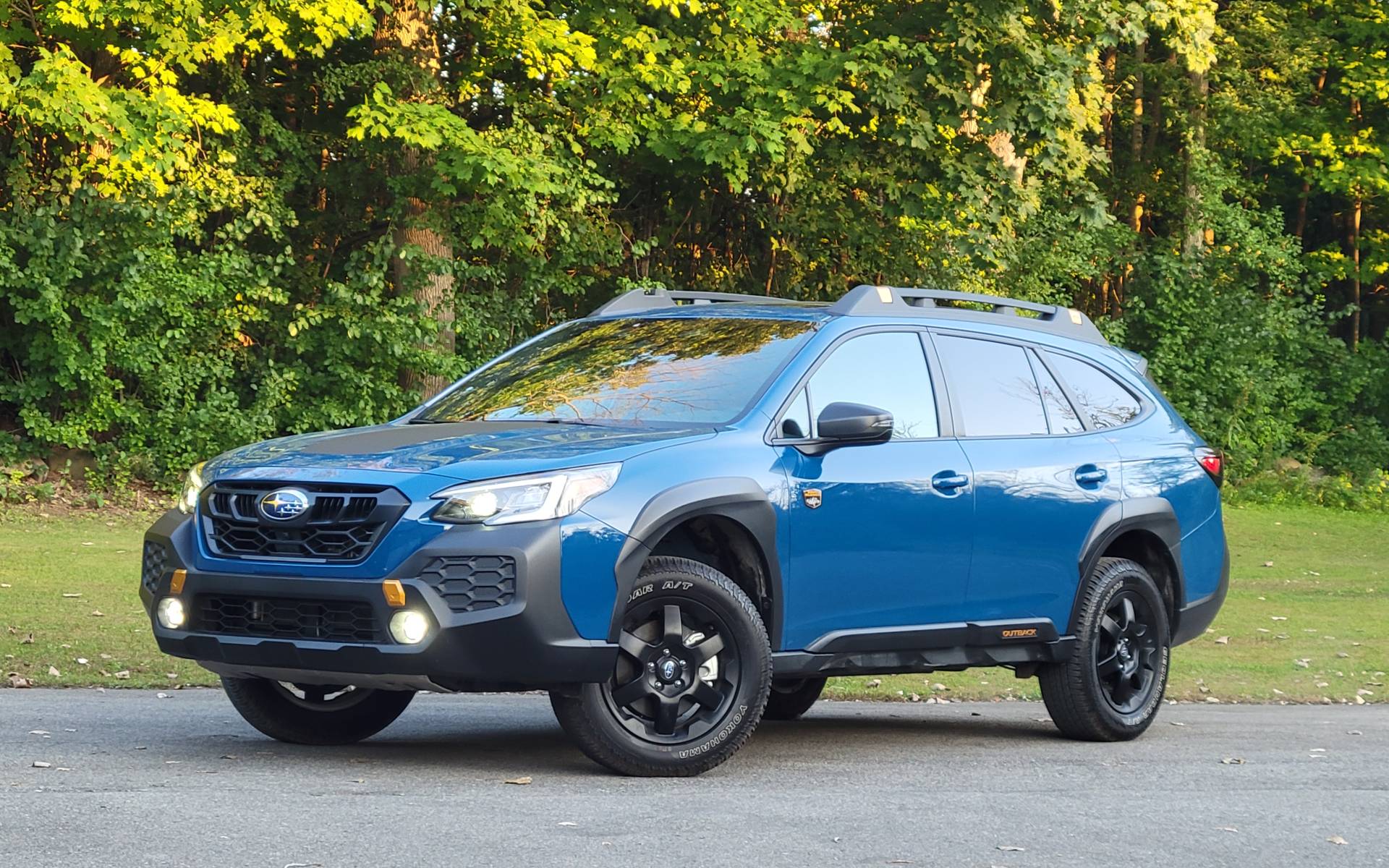
The Subaru Outback has long straddled the line between an SUV and a wagon, both in design and driving feel. Its lower stance compared to traditional SUVs gives it a more car-like demeanor, while its suspension tuning is designed for practicality and control rather than luxury.
The ride is firm enough to give the driver a direct connection to the road, which makes it responsive and predictable in various conditions.
This firmness, however, translates into a ride that is less plush than many of its SUV counterparts. When traveling over potholes or uneven terrain, the Outback tends to transmit some of that energy to the cabin, resulting in a tactile but busier experience.
One of the reasons the Outback rides more like a wagon is its focus on versatility and utility rather than pure comfort. Subaru engineers tune the suspension to handle rough gravel roads, snow, and light off-roading, which means it prioritizes durability and capability.
The longer travel suspension is robust enough to absorb large bumps, but its rebound can feel taut on smoother pavement.
Drivers who prefer a soft, floating ride may find the Outback firmer than expected, though many owners appreciate the confident stability that comes from this setup. It feels planted and secure, even when the pavement quality declines, and this balance contributes to its reputation for dependability in all seasons.
The Outback’s interior design and seating also reinforce its functional character. The seats are supportive and upright, providing excellent visibility and a sense of control rather than indulgent softness. Road noise is moderate, and while Subaru has improved insulation in newer generations, the Outback still conveys more of the road’s texture than most luxury SUVs.
The combination of a sturdy structure and firm suspension makes it feel like a tool built for a purpose rather than pure relaxation. Passengers may notice some bounce on bumpy roads, but that is part of the Outback’s rugged charm, it feels built to handle whatever the road throws at it.
The Subaru Outback appeals to drivers who appreciate a connection between vehicle and terrain. It feels solid, predictable, and composed, even if it doesn’t offer the same smoothness as larger or more luxurious SUVs.
Its wagon-like ride quality is a trade-off that benefits those who prioritize control and adventure over a plush highway experience. For many, that character defines the Outback’s personality and is precisely what makes it distinctive in a market full of over-insulated crossovers.

2. Jeep Grand Cherokee
The Jeep Grand Cherokee has always carried its heritage of rugged capability, and that identity shows through in its ride quality. While recent versions have grown more refined, the Grand Cherokee still feels more mechanical and firm than comfort-oriented luxury SUVs.
The suspension is tuned to handle off-road challenges and heavy towing loads, resulting in a setup that favors strength and stability over softness.
On smooth highways, the ride is steady but noticeably stiffer than more comfort-focused models. When the pavement becomes cracked or uneven, the feedback through the chassis reminds drivers that this SUV was engineered to endure rather than pamper.
A key reason the Grand Cherokee feels more wagon-like lies in its body-on-frame-like sturdiness. Even though most models now use a unibody structure, Jeep retains a tuning philosophy rooted in toughness. The result is a vehicle that can handle dirt trails, deep snow, or rocky surfaces with ease, but this same strength can translate into a less forgiving feel on city roads.
Its weight distribution and suspension geometry create a sense of groundedness, yet the firmness can make long trips slightly more tiring for passengers used to cushioned rides. The trade-off, however, is control, drivers have confidence that the vehicle will remain composed no matter how rough the conditions get.
Inside the Grand Cherokee, Jeep has made significant strides in luxury and insulation, yet its personality remains tied to its utilitarian nature. Even with plush seats and quiet cabins, there’s a subtle firmness in how the suspension reacts to bumps. Road noise is better suppressed than in past models, but vibrations from sharp impacts still find their way through.
This wagon-like firmness doesn’t make the ride harsh; instead, it reinforces the Grand Cherokee’s sense of strength. It feels secure, grounded, and unshakable, a trait many off-road enthusiasts admire. The steering is solid and weighty, which suits its character but can make it less nimble in tight urban settings.
For buyers who value authenticity and capability, the Grand Cherokee’s wagon-like ride is a feature, not a flaw. It connects the driver to the machine in a way that more isolated vehicles do not.
While it may not float over imperfections, it feels purposeful and confident. Jeep has built it to endure years of demanding use, and the resulting firmness serves as a reminder that this SUV’s heart still belongs on the trail as much as the highway.
3. Honda CR-V
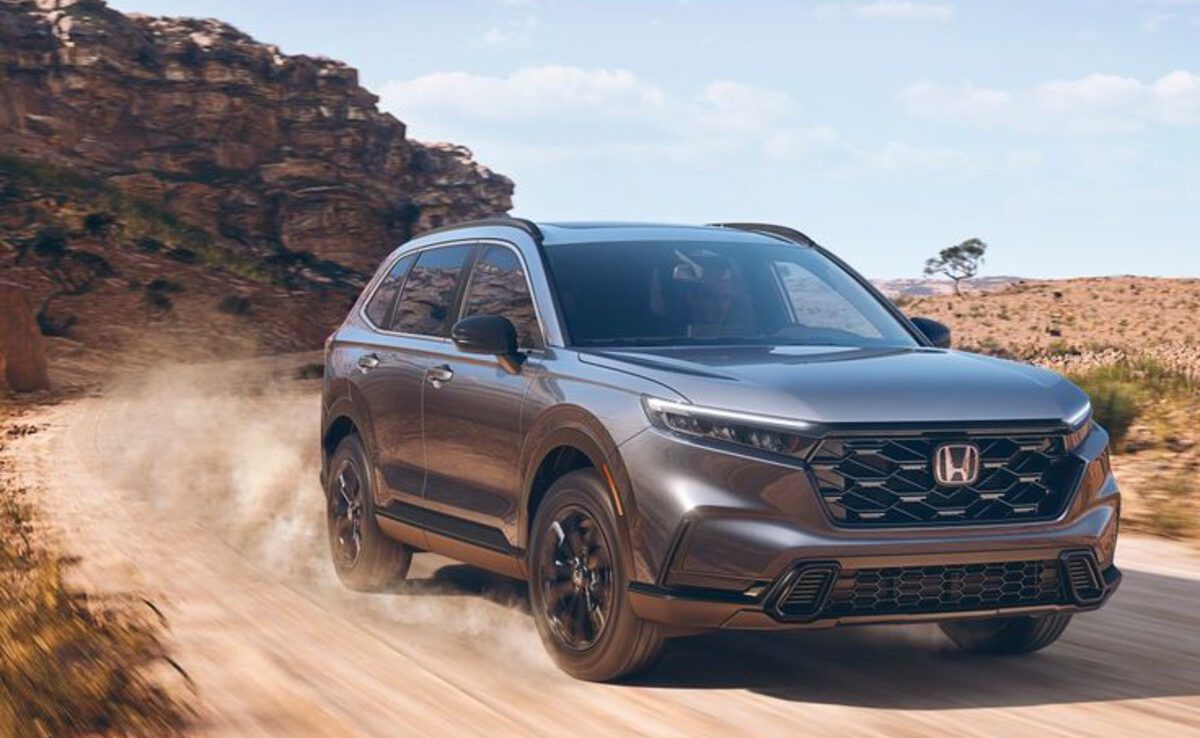
The Honda CR-V’s ride character sits in a middle ground between comfort and control, but it leans closer to a wagon-like firmness than a cushioned SUV plushness. Honda has engineered the CR-V to feel stable, predictable, and efficient, which means its suspension tuning prioritizes composure over softness.
The result is a compact SUV that delivers crisp handling and minimal body roll but transmits more feedback from the road than some might expect. When encountering potholes or expansion joints, the suspension communicates the impact rather than filtering it out completely.
Part of this feel comes from the CR-V’s relatively light weight and car-based platform. Because it shares its underpinnings with sedan-style vehicles, it behaves more like a tall wagon than a truck-based SUV. The suspension is firm enough to keep the body controlled through corners, making it easy to maneuver and confidence-inspiring at higher speeds.
However, this firmness can make the ride feel jittery on rougher pavement, especially for rear passengers. On long trips, the combination of light steering and responsive suspension provides a sense of agility, though not necessarily a plush experience.
Honda’s approach to interior comfort focuses on practicality and space rather than indulgence. The cabin is roomy and well-built, with excellent visibility, but the materials and seat cushioning lean toward durability instead of softness.
Road and wind noise are well-managed, yet some vibration from the tires and suspension still enters the cabin on less-than-perfect roads. This keeps the driving feel connected but sacrifices a degree of smoothness. Drivers who prefer a more luxurious feel may find the CR-V a bit rigid, while others will appreciate its straightforward, functional ride character.
In essence, the CR-V rides like a well-engineered wagon, firm, responsive, and composed. It’s not designed to isolate the driver from the road but to provide confidence and predictability.
Families who value dependability and control may actually prefer this balance, as it contributes to a sense of stability in everyday driving. The CR-V’s wagon-like firmness is part of its DNA and aligns perfectly with Honda’s philosophy of building vehicles that emphasize precision, simplicity, and practicality.
4. Volkswagen Tiguan
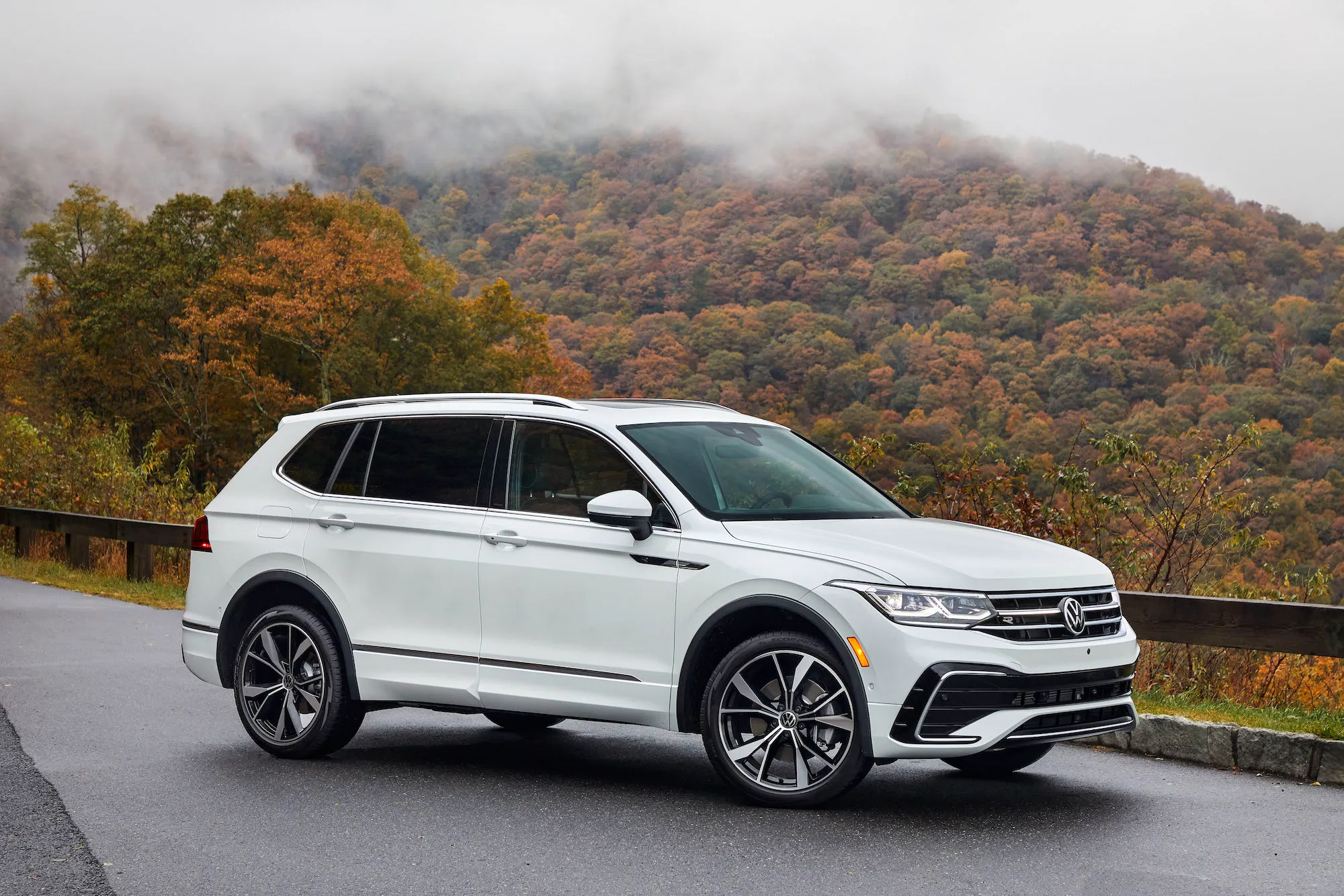
The Volkswagen Tiguan’s European roots are evident in the way it handles and rides. It has a distinctly firm suspension setup that prioritizes precision over softness, giving it a wagon-like feel rather than the typical SUV plushness.
The Tiguan’s chassis tuning reflects Volkswagen’s long-standing commitment to dynamic control, which means it corners confidently and maintains excellent body stability. However, this comes at the cost of a slightly firmer and more communicative ride. Over rough pavement or uneven city streets, passengers will notice the firmness, as the suspension doesn’t fully absorb sharper imperfections.
One of the reasons the Tiguan rides this way is its focus on driving involvement. The steering is direct and weighted, and the suspension reacts quickly to inputs, making it a joy to drive on winding roads. But for those expecting a soft, isolated ride, it might come across as more wagon-like, responsive, controlled, but somewhat rigid.
The benefit of this approach is composure; the Tiguan feels grounded and predictable, even in quick maneuvers or sudden lane changes. It’s built to handle European highways where stability at higher speeds matters more than soft cushioning.
Inside the Tiguan, the cabin mirrors this personality. The materials are well-finished and solid, and the seats are firm yet supportive. The interior design exudes precision, but it doesn’t disguise the vehicle’s taut nature. Road noise is well-contained, but the sensation of firmness remains part of the experience.
When driven on smooth asphalt, the Tiguan feels refined and composed; when the pavement deteriorates, the stiffness becomes noticeable. This gives the vehicle a mechanical honesty that appeals to drivers who value feedback and control over pure softness.
For those accustomed to European-style ride tuning, the Tiguan’s wagon-like behavior feels natural and even desirable. It provides confidence, especially at higher speeds, and avoids the overly isolated feel that some SUVs produce. However, for drivers seeking a completely cushioned ride, it might feel less forgiving.
The Tiguan’s strength lies in its balance between responsiveness and stability, giving it a character that feels more like a capable long-distance touring wagon than a plush family crossover.
5. Mazda CX-5
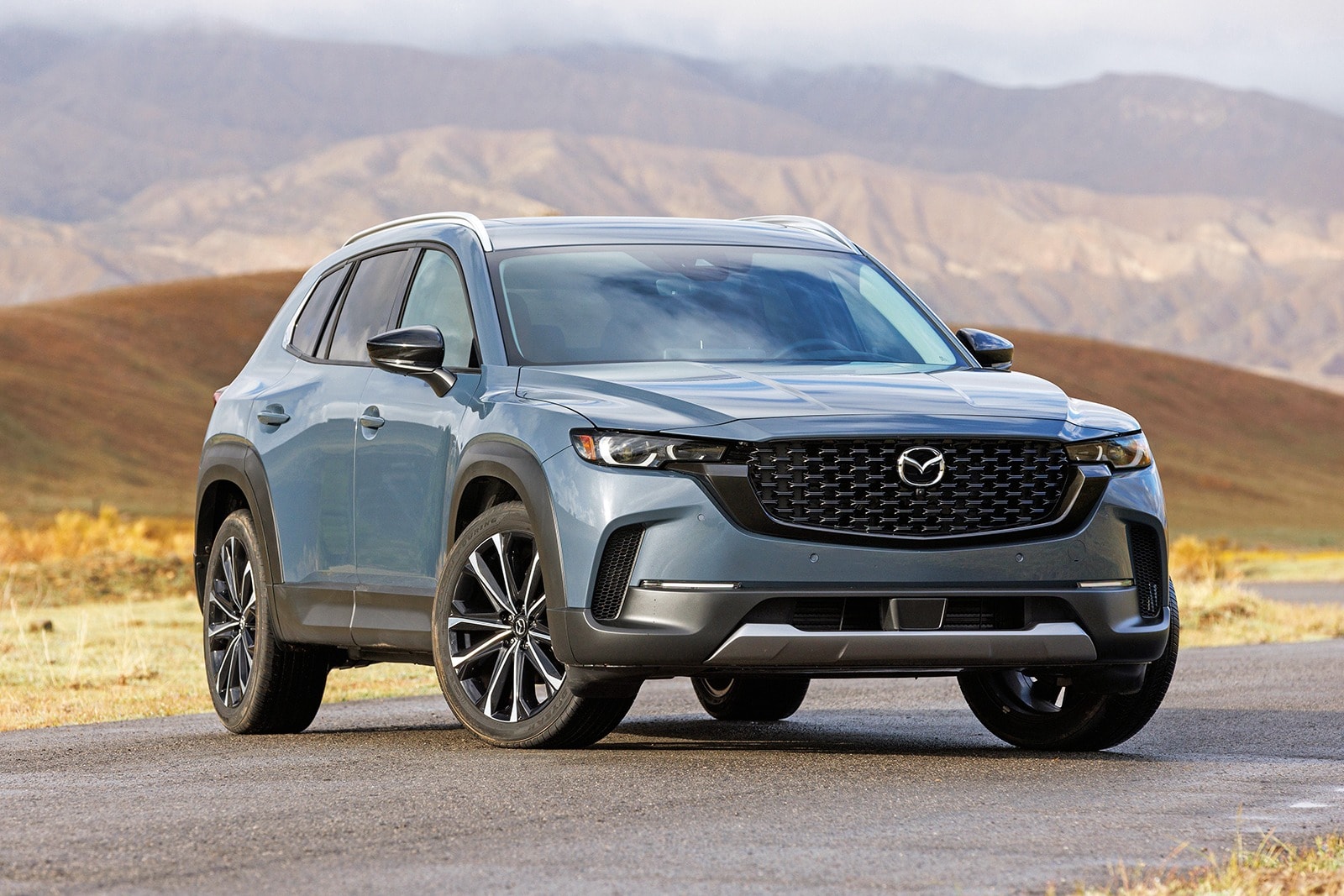
The Mazda CX-5 is often praised for its engaging driving feel, and that dynamic quality directly contributes to its wagon-like ride. Mazda engineers deliberately tune the suspension to deliver responsiveness and precision, which means the ride is firmer than many of its rivals.
Rather than prioritizing softness, the CX-5 focuses on maintaining consistent control and communication between the driver and the road. This gives it a sense of agility that’s rare in compact SUVs, but it also means passengers will feel more of the road texture through the seats and steering wheel.
This approach to ride tuning reflects Mazda’s commitment to its philosophy of “Jinba Ittai”, the harmony between driver and machine. The suspension, steering, and chassis all work together to create a responsive and confident driving experience. While this produces an engaging ride on smooth or winding roads, it can feel taut on rougher surfaces.
Small imperfections that luxury-oriented SUVs might absorb are more noticeable in the CX-5, reinforcing its wagon-like nature. It feels solid and controlled rather than plush, which appeals to those who enjoy precision behind the wheel.
Inside, the CX-5 offers a cabin that feels upscale and thoughtfully designed, but the firmness of the ride remains noticeable. The seats are well-contoured and supportive, yet they convey some of the vibrations from the road.
Mazda has improved insulation in newer models, making it quieter than earlier generations, but the sporty suspension tuning keeps the feel connected. The steering response is sharp, and the body stays remarkably flat through corners, giving the impression that the vehicle moves with purpose and intention. The result is an SUV that behaves more like a sport wagon than a soft family crossover.
Drivers who enjoy a communicative and controlled driving experience often find the CX-5’s firmness to be a strength rather than a drawback. It provides excellent feedback, a sense of unity between driver and road, and confidence that encourages spirited driving.
For those who want a vehicle that blends practicality with genuine driving pleasure, the CX-5 offers exactly that. Its wagon-like firmness isn’t a flaw, it’s an intentional design choice that makes it stand out as one of the most engaging compact SUVs on the road today.
