
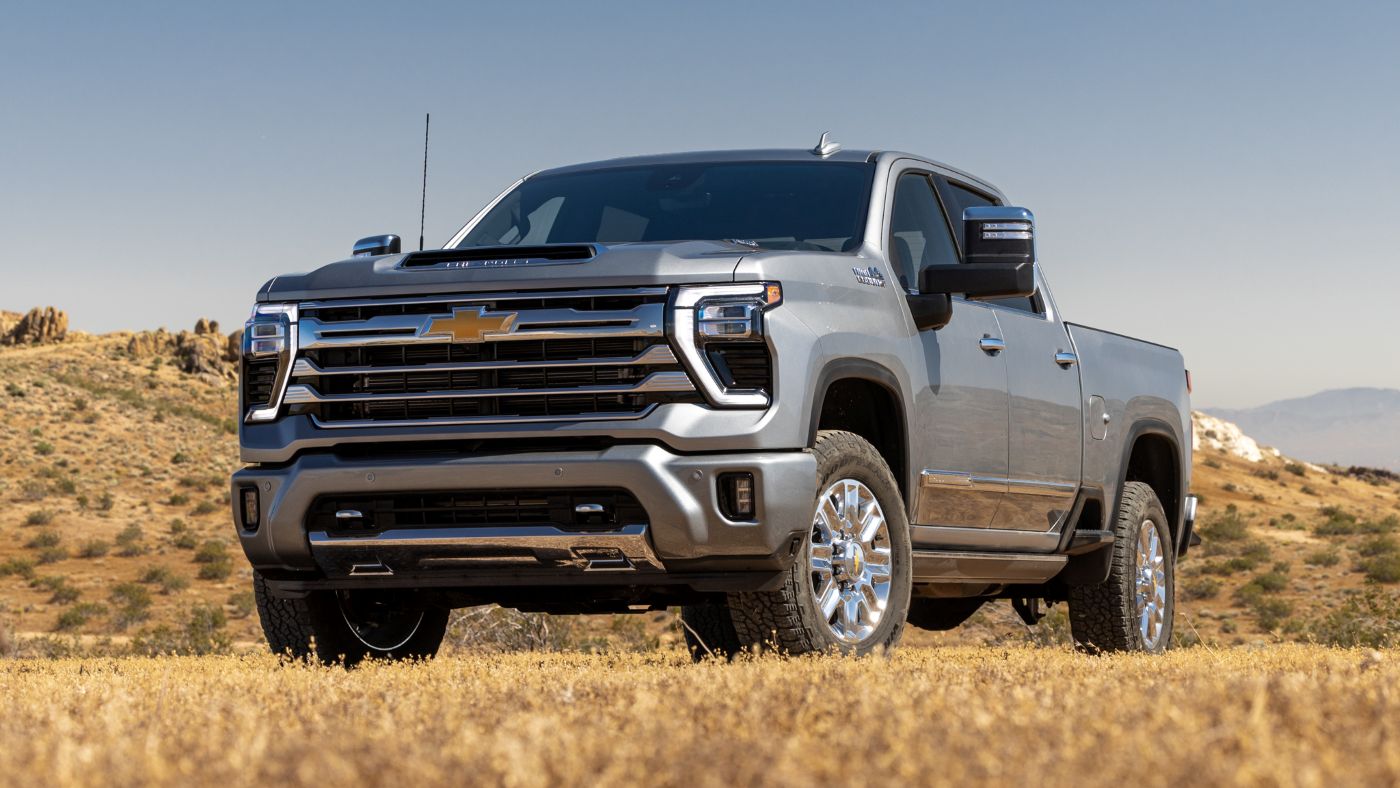
Trucks have always represented more than just utility and power. They have become symbols of freedom, endurance, and capability. Over time, some trucks gain legendary status because they represent a turning point in design, performance, or culture.
Others fade into the background as forgotten workhorses that fail to stand out. As the automotive market changes with electric powertrains, advanced technology, and shifting buyer priorities, certain models are beginning to show early signs of future collectibility.
Collectors tend to look for trucks that combine rarity, emotional appeal, strong performance, and a connection to an important moment in automotive history. Those that meet these criteria tend to grow in value once production ends or once they age into nostalgia status.
What makes a truck collectible often depends on how it captures its era’s character. Some represent the final chapter of a design philosophy, while others are the first to introduce innovation that later defines the segment. Rarity also plays a large role; limited production runs, special editions, or trucks with unique engines or configurations attract collectors because of their exclusivity.
Additionally, public sentiment and pop culture exposure can dramatically increase a truck’s appeal. A vehicle featured in popular movies, tied to significant historical events, or remembered fondly by enthusiasts often sees a sharp rise in demand years later.
However, not every truck will experience this fate. Many modern trucks, while capable and efficient, lack the distinct character or story that collectors value. Mass production, generic styling, and an abundance of similar models often prevent certain trucks from gaining long-term desirability.
Some may sell well during their production years but will eventually depreciate into obscurity once newer models overshadow them. Understanding which trucks fall into each category requires looking beyond horsepower and towing numbers.
It involves assessing their influence, engineering significance, and emotional pull. Below, we’ll look at five trucks that are poised to become valuable collectibles and five that are likely to remain common, affordable machines of their time.
Trucks That Will Be Collectibles Soon
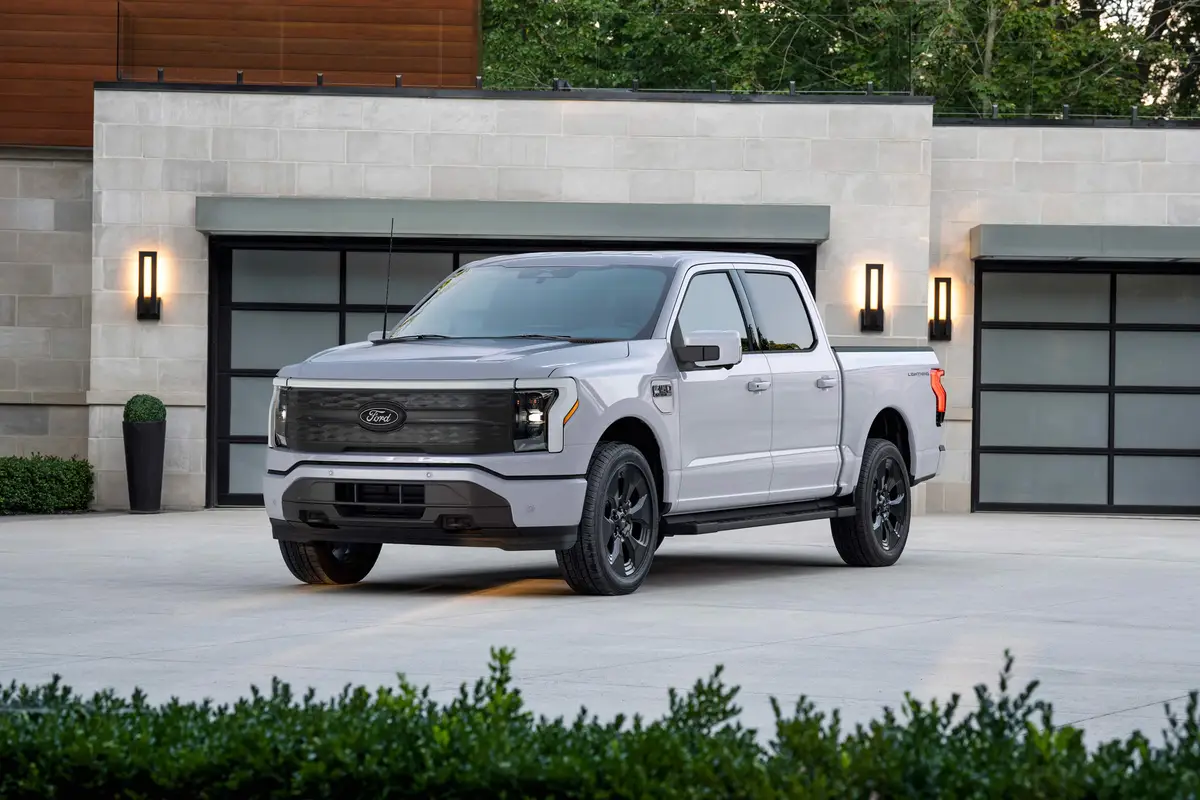
1. Ford F-150 Lightning (Gas-Powered SVT Model)
The Ford F-150 Lightning of the early 2000s stands as a perfect example of how bold experimentation can create lasting appeal. At a time when most trucks were focused solely on towing and durability, Ford’s Special Vehicle Team reimagined what a pickup could be by giving it the heart of a sports car.
Beneath its hood sat a supercharged 5.4-liter V8 that produced 380 horsepower and 450 pound-feet of torque, figures that were astonishing for a truck of that era. This combination of brute power and traditional truck practicality immediately set it apart.
It was the kind of machine that challenged expectations, showing that speed and strength could coexist in one package. That daring philosophy gives it a permanent place in performance history and explains why collectors are already chasing clean examples.
Beyond its engine, the Lightning represented a moment when automakers were willing to take risks to create personality in their vehicles. It was not a truck born from focus groups or spreadsheets; it was born from passion and mechanical curiosity.
The design reflected that same mindset, with aggressive body lines, unique wheels, and a lowered stance that made it look ready to pounce. It was unapologetically bold and proud of it.
That kind of design honesty is rare today, where aerodynamic efficiency and safety regulations often dilute visual character. As time passes, this visual boldness will stand as a reminder of an era when automotive design favored muscle and confidence over subtlety.
Collectors also appreciate the Lightning because it represents the last of a certain breed of performance trucks. Later versions of the Lightning went electric, completely changing the character of the nameplate. While the new electric Lightning may prove technologically impressive, it lacks the visceral appeal of the original.
The mechanical growl, the sensation of the supercharger whine, and the simplicity of rear-wheel drive are all aspects that belong to a bygone era. When fuel-driven performance becomes a memory, the analog thrill of the SVT Lightning will carry even greater nostalgic value, giving collectors a tangible connection to a time before silence replaced sound.
Finally, the Lightning’s limited production numbers and the growing difficulty of finding unmodified examples will only fuel demand. Many owners used their trucks for drag racing or street performance, meaning stock units are disappearing.
Clean, low-mileage examples are already climbing in value because they offer something few modern vehicles can replicate, unfiltered emotion in a usable, everyday package. The Lightning was not built to be practical, it was built to be exciting, and that alone ensures it will be remembered as a collectible that defined its era.
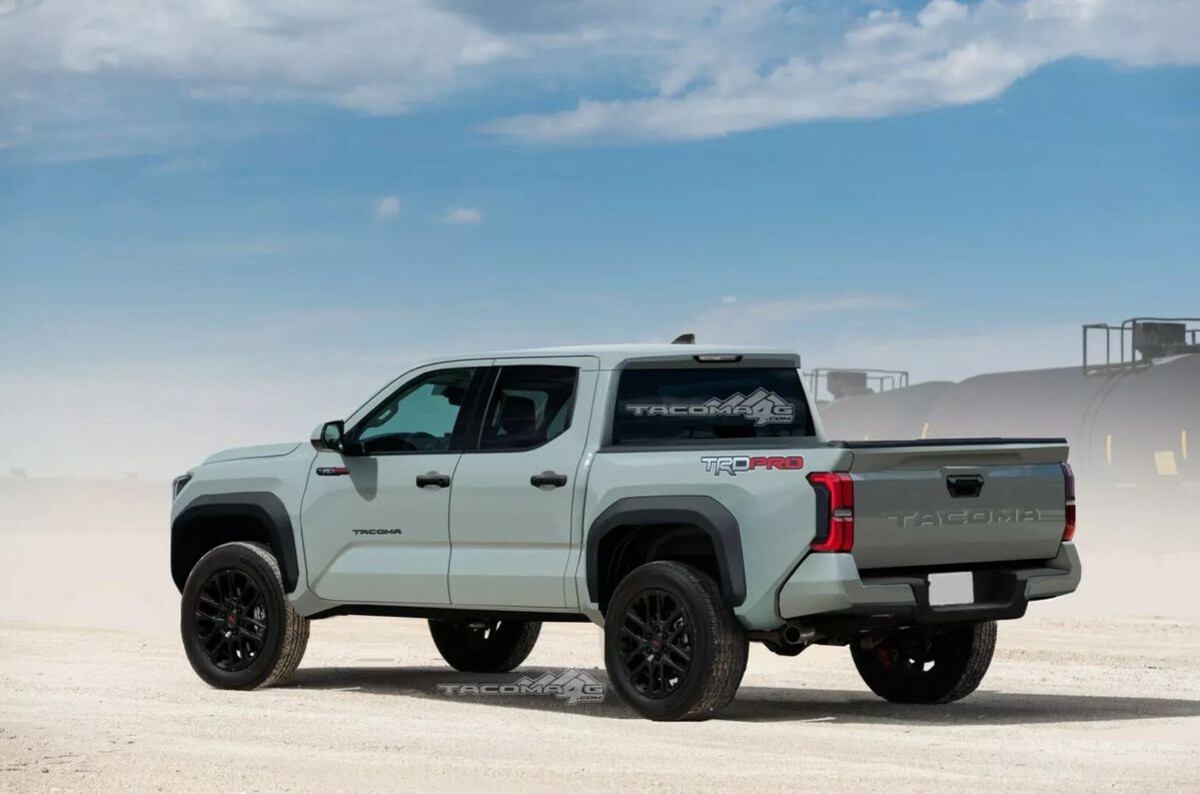
2. Toyota Tacoma TRD Pro
The Toyota Tacoma TRD Pro is a modern truck that has already started earning legendary status. Built on Toyota’s proven midsize platform, it combines off-road capability with mechanical dependability in a way that few trucks manage. Where most modern pickups chase comfort or luxury, the TRD Pro remains focused on function.
Equipped with features like Bilstein or Fox shocks, reinforced skid plates, and all-terrain tires, it feels engineered for challenge rather than convenience. This focus on purposeful performance gives it a sense of integrity that resonates with enthusiasts and collectors alike. People see it not just as a vehicle but as an embodiment of adventure and freedom.
What makes the TRD Pro particularly compelling is its connection to Toyota’s long-standing reputation for reliability. The Tacoma nameplate has long been associated with durability, and the TRD Pro elevates that legacy into a performance realm.
Owners routinely report Tacomas lasting hundreds of thousands of miles with minimal maintenance, a fact that builds an almost mythic aura around the model.
Collectors value vehicles that inspire confidence and loyalty, and few trucks have built that level of trust. When reliability meets authentic off-road engineering, it creates a lasting recipe for collectibility. The TRD Pro manages to be both dependable and desirable, which is a rare combination in any vehicle class.
Its design also contributes to its future appeal. Unlike many competitors that adopt flashy styling or chrome-heavy aesthetics, the TRD Pro exudes quiet toughness. Its body lines are muscular but purposeful, and its proportions emphasize strength rather than luxury.
Toyota’s decision to keep the Tacoma visually consistent over the years has preserved its identity, making the truck instantly recognizable. This consistency of design helps it build emotional continuity across generations, which is something collectors deeply value. A truck that looks timeless today will look iconic tomorrow, and the TRD Pro achieves that balance effortlessly.
As electric and hybrid powertrains dominate the future, the TRD Pro will be remembered as one of the last authentic, gasoline-powered off-road icons. The fact that it still offers a manual transmission in some configurations only adds to its nostalgic charm.
Collectors love vehicles that represent “the last of their kind,” and the TRD Pro checks that box in more ways than one. It is the final expression of a traditional 4×4 spirit before the industry moves into an entirely new era. Decades from now, when trucks become digital machines, the TRD Pro will be a mechanical relic worth celebrating.
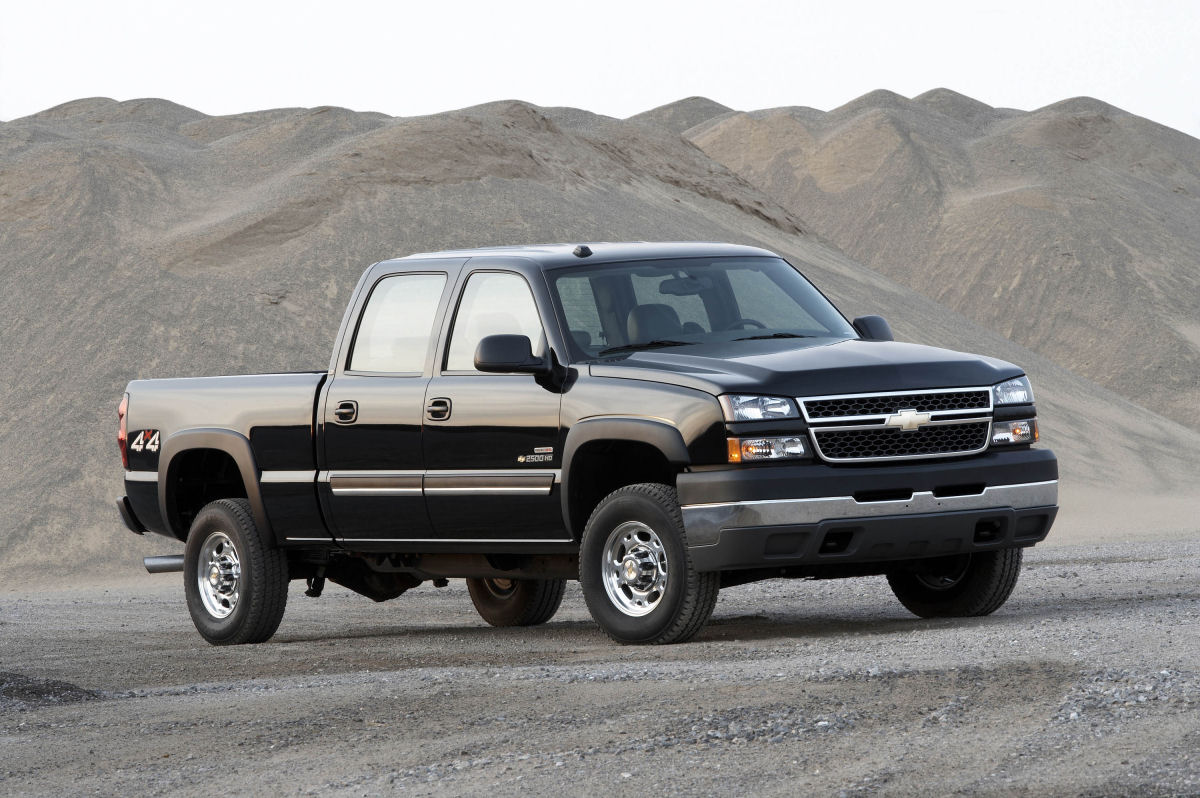
3. Chevrolet Silverado SS (2003–2006)
The Chevrolet Silverado SS is one of those models that went underappreciated when new but has slowly earned respect with time. Built during the early 2000s, it was Chevrolet’s confident response to the growing demand for high-performance trucks.
Its combination of a 6.0-liter V8, all-wheel drive, and sleek design created a balanced machine that could handle daily life with surprising speed and poise. While it may not have captured headlines like the Ford Lightning, its understated character has aged beautifully. Today, collectors are starting to view it as one of the most refined performance pickups of its generation.
Part of its growing appeal lies in its design restraint. Unlike the loud, flashy designs that dominated the 2000s, the Silverado SS carried itself with confidence rather than arrogance. Its body-colored bumpers, subtle badging, and clean lines gave it a performance-oriented look without crossing into excess.
That subtle styling is now part of its charm, as automotive design has grown increasingly busy over time. Modern trucks often overwhelm with aggressive grilles and oversized bodies, but the SS feels proportioned and tasteful. It captures the era’s aesthetics without becoming dated, which is exactly the kind of visual quality that ensures long-term appreciation.
From a performance standpoint, the Silverado SS offered a distinct driving experience. Its 6.0-liter V8 was tuned to deliver smooth, linear power rather than sheer brute force. Combined with its all-wheel-drive system, the truck provided confident traction and stability, making it enjoyable year-round. It was fast without feeling unmanageable, refined without being dull.
These balanced dynamics make it appealing to collectors who want something practical yet special, a truck that can be enjoyed rather than just displayed. The SS blends performance and livability in a way that few trucks have managed since.
In the broader context of automotive history, the Silverado SS symbolizes a transitional moment. It was built before fuel economy regulations and digital interfaces began to reshape vehicle design, allowing it to retain an old-school simplicity with modern capability.
As time passes, this combination will feel increasingly rare. Enthusiasts who once overlooked the SS are beginning to recognize its importance as one of the last truly mechanical, driver-focused trucks. Its appreciation in the collector market will continue to grow as nostalgia for early-2000s performance vehicles deepens.
4. Dodge Ram SRT-10
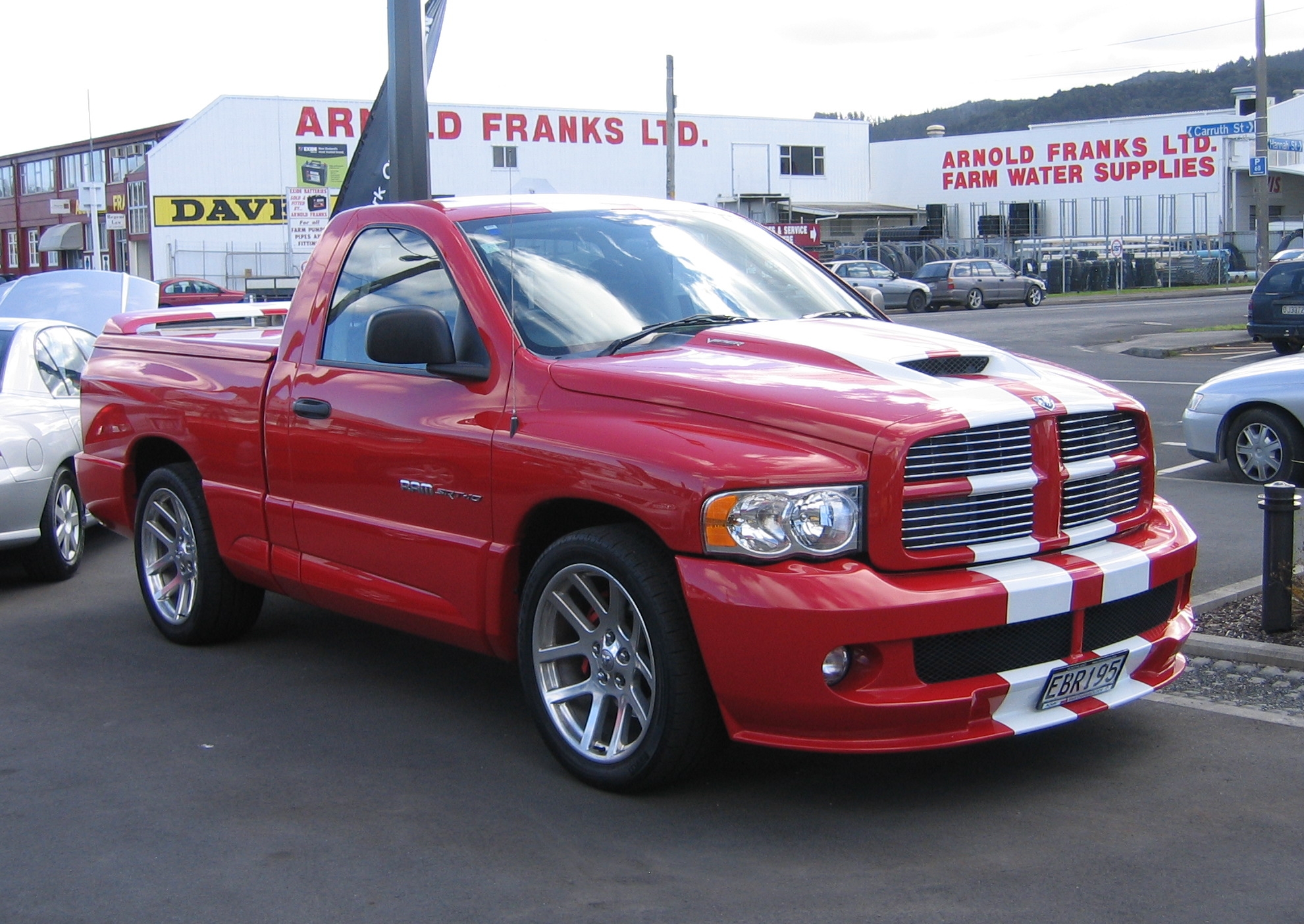
Few trucks embody excess and enthusiasm like the Dodge Ram SRT-10. This machine was a statement of defiance against practicality, equipped with a massive 8.3-liter V10 engine borrowed directly from the Dodge Viper.
That engine alone gave it more than 500 horsepower, allowing it to outperform many sports cars of its time. Yet, it came wrapped in the body of a full-size pickup, creating an absurd and exhilarating combination that instantly made it legendary. The SRT-10 was never about logic, it was about passion, and that is exactly why collectors cherish it.
Beyond sheer power, the SRT-10 was an engineering marvel. Dodge’s performance division did not simply drop the engine into a standard Ram and call it a day. The suspension, brakes, and aerodynamics were all reworked to handle the immense output.
A manual transmission further enhanced the driving experience, giving the truck a level of engagement unmatched by most performance vehicles, let alone pickups. It was a purist’s machine, raw and demanding, but also immensely rewarding. The level of mechanical audacity that went into its creation is something modern vehicles rarely attempt.
Visually, the Ram SRT-10 made no effort to blend in. Its aggressive hood scoop, bold stance, and unique wheels made it instantly recognizable. It looked fast even when standing still, and that dramatic presence continues to capture attention today.
Limited production numbers make it even more special, especially as unmodified examples become increasingly scarce. Many owners treated the SRT-10 as a toy rather than a collector piece, meaning that surviving examples in factory condition are prized among enthusiasts.
In an era dominated by electric performance vehicles and digital control systems, the Ram SRT-10 stands as a monument to mechanical freedom. It represents a moment when automakers were willing to chase extremes purely for excitement.
Its combination of absurd power, manual control, and muscular design ensures that it will remain one of the most memorable trucks ever built. As fuel-powered legends become rarer, the SRT-10 will only become more revered for daring to be outrageous.
5. Jeep Gladiator Rubicon
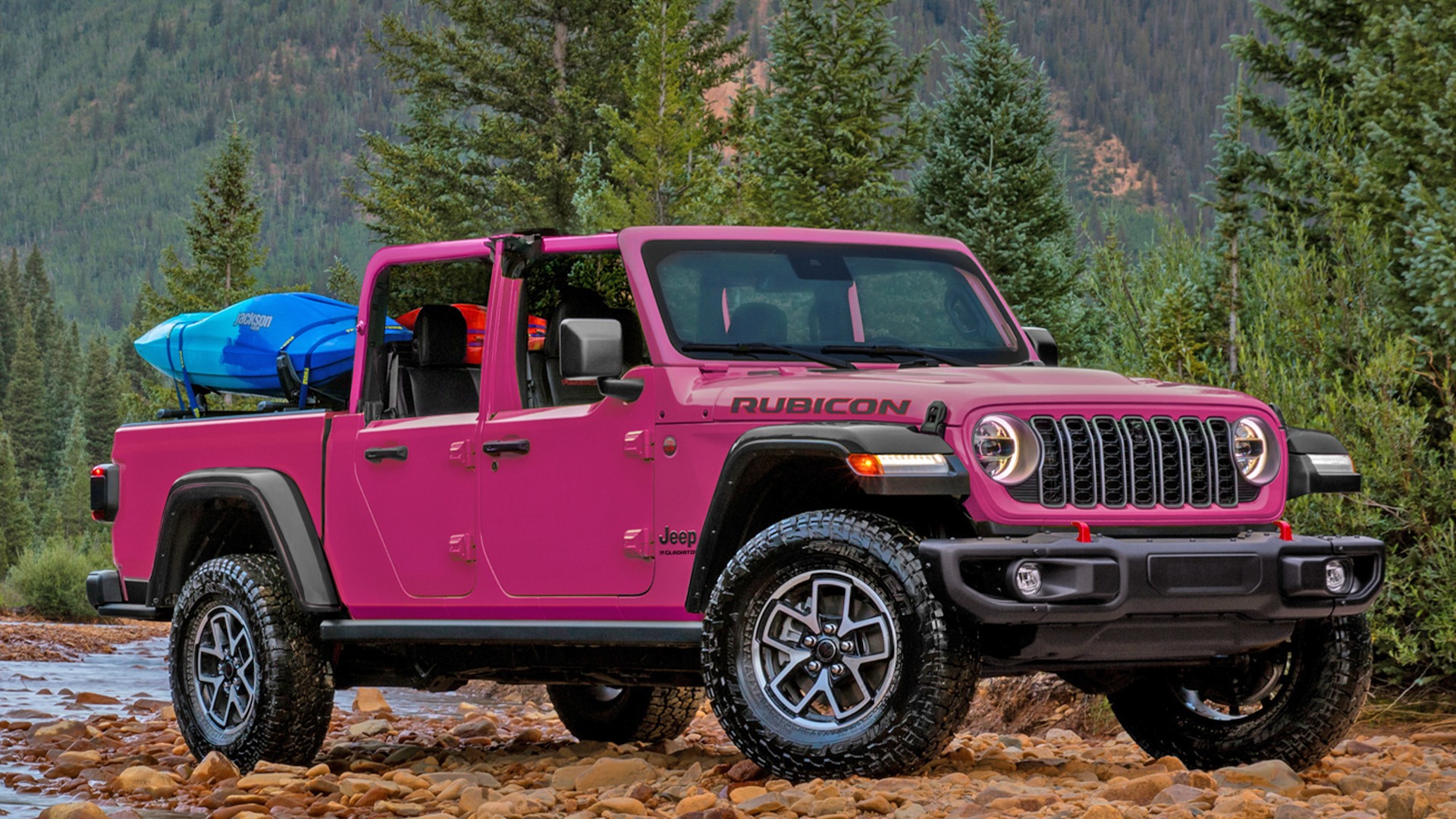
The Jeep Gladiator Rubicon occupies a fascinating position in modern truck history. When Jeep decided to bring back a pickup to its lineup, expectations were high, and the company succeeded by creating something that stayed true to its heritage while offering real utility.
The Rubicon trim, in particular, demonstrates Jeep’s dedication to function over flash. It is built to conquer rugged terrain with locking differentials, rock rails, and an electronically disconnecting sway bar. These features give it authentic off-road credibility that resonates strongly with Jeep’s core following.
Its collectibility potential lies in its authenticity. The Gladiator Rubicon does not try to imitate luxury trucks or chase trends, it fully embraces Jeep’s traditional off-road spirit. That authenticity creates emotional attachment.
For many enthusiasts, it represents the ideal fusion of past and present, combining the adventurous essence of classic Jeeps with the modern comfort expected today. This blend of capability and tradition ensures the Gladiator Rubicon stands apart from competitors that rely more on image than substance.
Another factor enhancing its future appeal is its cultural connection. Jeep has built one of the most loyal communities in the automotive world, and vehicles that strengthen that bond tend to gain collector value. The Gladiator has expanded that loyalty by appealing to truck owners who previously admired Jeep’s off-road heritage but needed more utility.
Special editions, such as those with unique color schemes or manual transmissions, will likely become sought after as production evolves. Limited availability of specific configurations gives collectors the sense of exclusivity they desire.
Over time, the Gladiator Rubicon will likely be remembered as a turning point for Jeep, a model that successfully blended the brand’s adventurous DNA with practicality. It marks an era when off-road authenticity still mattered and when mechanical capability took precedence over digital sophistication.
As future vehicles become more automated, the Gladiator’s manual engagement and rugged construction will seem increasingly valuable. Its legacy is already forming, and collectors will continue to recognize it as one of the last true adventure trucks built with heart rather than software.
Trucks That Won’t Be Collectibles
1. Nissan Frontier (Recent Models)
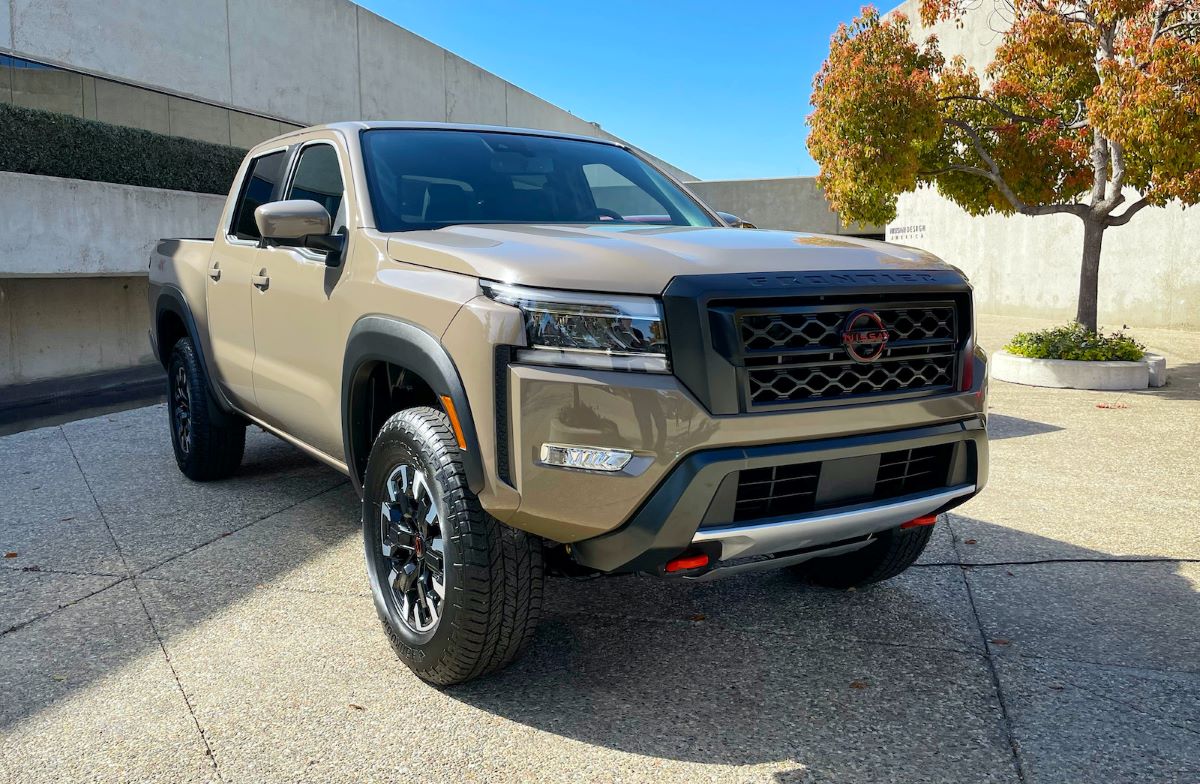
The Nissan Frontier, particularly in its most recent generations, has struggled to capture much enthusiasm beyond its loyal, practical customer base. While it serves as a dependable midsize truck with reasonable off-road capability and decent utility, it lacks the spark that usually ignites collector interest.
Nissan has historically been conservative with this model, opting for incremental updates rather than bold innovations or special editions that stand out.
This pragmatic approach has resulted in a truck that performs its intended function well but fails to inspire passion or emotional attachment. The design is functional but uninspired, and this lack of distinctive character is often a critical factor in determining whether a vehicle becomes collectible.
One of the main issues working against the Frontier’s collectible potential is its market positioning. It occupies a crowded midsize segment alongside more exciting competitors like the Toyota Tacoma and Chevrolet Colorado, which offer stronger reputations for reliability, off-road prowess, and enthusiast appeal.
While the Frontier is competent, it does not have a niche or standout feature that differentiates it enough to build a collector following. Without that unique selling point, it risks becoming just another used truck in a sea of similar options.
Collectors typically seek vehicles that either pushed boundaries or defined an era, and the Frontier’s conservative evolution doesn’t quite fit that mold.
From a mechanical perspective, the Frontier also lacks any performance versions or limited editions that would create scarcity and desirability in the future. Unlike trucks with special trims, powerful engines, or performance-focused features, the Frontier’s offerings remain largely utilitarian and accessible.
This broad availability and lack of rare variants mean it will likely be seen as a practical daily driver rather than a collector’s treasure. In addition, the reliance on older platform architecture for many years further distances it from modern innovation, making it less appealing to those who value cutting-edge engineering in collectible vehicles.
Lastly, the resale market reflects the Frontier’s standing as a practical but unremarkable truck. While it may hold value better than some due to Nissan’s reputation for reliability, the prices rarely appreciate beyond normal depreciation curves.
This financial aspect plays a significant role in collector interest; trucks that hold or increase their value over time attract more attention from enthusiasts and speculators.
Without compelling performance, unique styling, or historic significance, the Nissan Frontier remains unlikely to rise above the status of a reliable, everyday truck that meets buyers’ needs without becoming a sought-after collectible.
2. Ram 1500 (Current Generation)
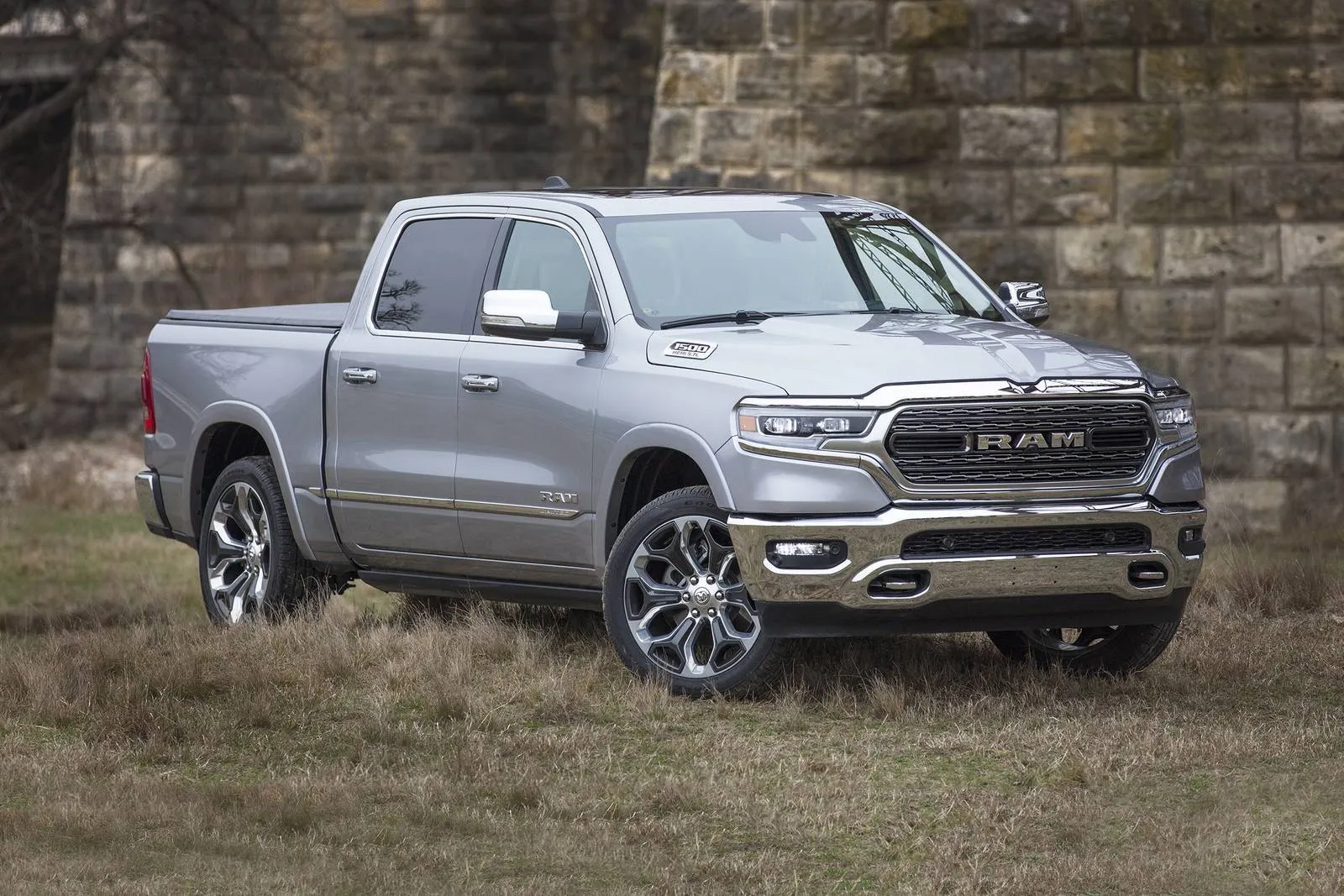
The current generation of the Ram 1500 is an example of a truck that prioritizes comfort, technology, and luxury, which, while appealing to modern buyers, does not necessarily translate into collectible status.
Ram has put tremendous effort into making the 1500 a refined and comfortable vehicle, boasting advanced infotainment systems, high-quality interior materials, and a suite of driver-assist features.
However, this focus on creature comforts and convenience often means the truck lacks a distinct character or rawness that typically excites collectors. The smooth, quiet ride and abundance of tech make it an excellent daily driver but not a symbol of mechanical purity or spirited performance.
Another factor limiting the current Ram 1500’s collectible potential is the prevalence of many different trims and configurations. With everything from luxury-focused Limited editions to mild off-road trims like the Rebel, the model’s broad appeal actually dilutes the distinctiveness of any single variant.
Collectors tend to gravitate toward vehicles that have clear identity and rarity. When a truck offers so many different options, it’s harder for one specific model to stand out as a true icon. The widespread popularity and high sales volume also mean that many examples exist, which often reduces scarcity value and collectible appeal.
The Ram 1500’s engineering approach also plays a role. While the powertrains are efficient and competent, they are generally designed for smoothness and fuel economy rather than performance thrills.
The absence of a factory-built high-performance model or limited-run special edition means fewer versions would attract attention from enthusiasts or collectors. Additionally, as the truck moves toward more hybrid and electrified variants, the traditional V8-powered Ram 1500 could lose its classic appeal, making it less likely to be treasured as a last of its kind.
Finally, the current generation’s styling, while attractive and modern, does not have the timeless or aggressive edge that tends to age well. Its sleek lines and large grille blend into a broader trend of trucks prioritizing aerodynamics and aesthetics aimed at mass-market acceptance.
As automotive design becomes more homogenized, vehicles without bold, defining features often fade into obscurity. While the Ram 1500 will likely remain popular and practical for years to come, it lacks the distinctiveness or historical significance to become a collectible in the future.
3. GMC Canyon (Mid-2010s)
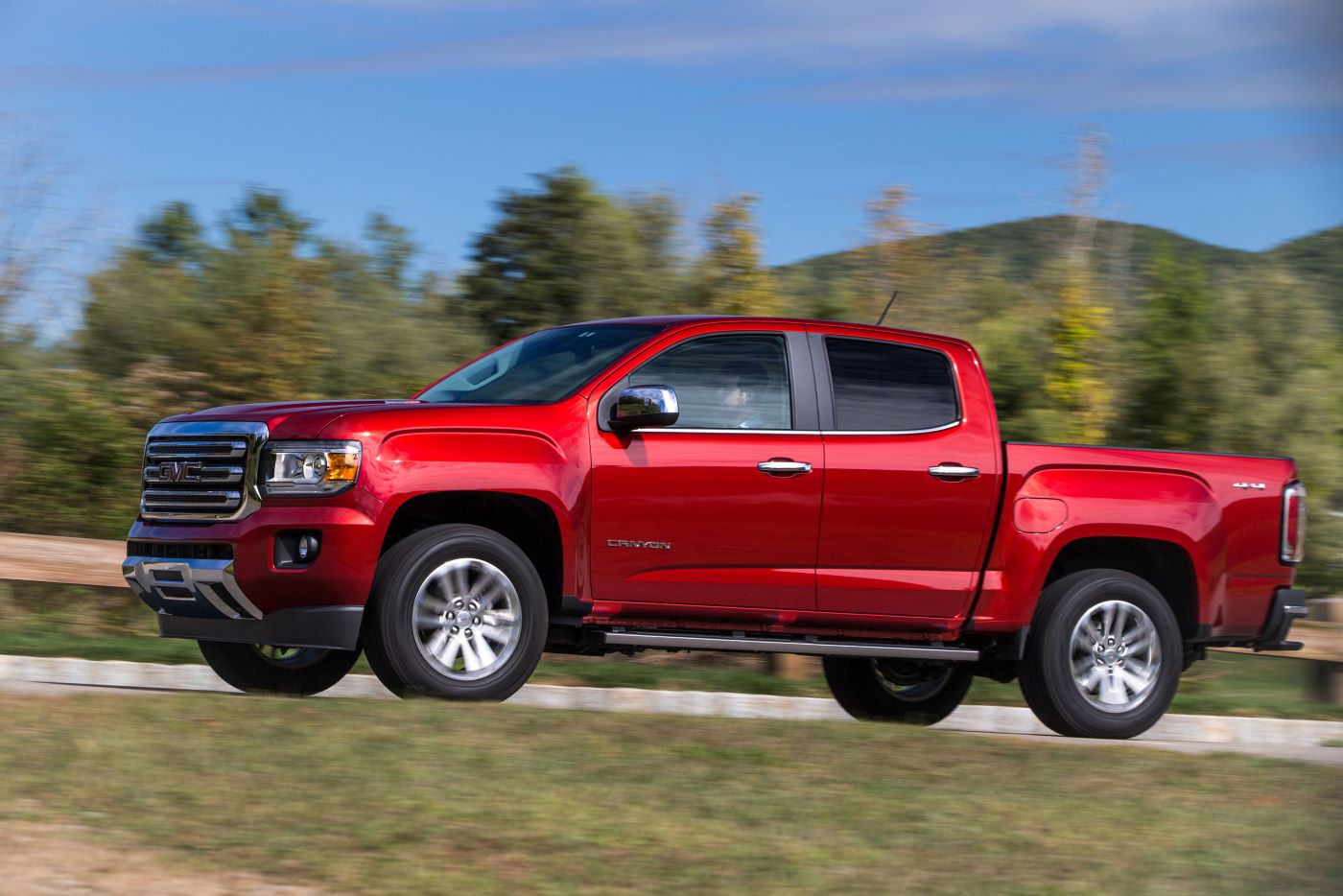
The GMC Canyon from the mid-2010s represents a competent but forgettable entry into the midsize truck segment. While it shares much of its underpinnings with the Chevrolet Colorado, the Canyon has often been viewed as more of a corporate cousin than a truly standout model.
Its appeal rests mainly in its practicality and slightly upscale branding rather than unique mechanical or design qualities that would make it a future collectible. The lack of compelling performance variants or editions further limits its ability to capture the imagination of collectors who typically seek rare or powerful machines.
One major hurdle for the Canyon’s collectible potential is its market reception. The truck did not generate strong enthusiast excitement or establish a loyal fan base that would push it into iconic territory. Without a cult following or distinctive character, it risks being overshadowed by more legendary competitors.
Toyota’s Tacoma and Jeep’s Gladiator, for example, have much clearer identities and enthusiast support, making them more likely to be preserved and valued over time. The Canyon, meanwhile, has largely been viewed as a practical vehicle designed to meet everyday needs rather than one to inspire admiration or preservation.
Mechanically, the Canyon was never offered with an engine or performance package that would stand out in the collector market. While it provides solid V6 power and acceptable towing capacity, it lacks the kind of visceral appeal found in sportier or off-road-focused trucks.
Enthusiasts tend to value vehicles that offer something beyond basic utility, whether it’s raw horsepower, specialized suspension, or unique drivetrain features. The Canyon’s conservative approach to performance means it does not have this kind of edge, limiting its long-term desirability among collectors.
The styling of the GMC Canyon is also rather generic, reflecting broader industry trends toward safe, mass-market designs. Its aesthetics do not possess the boldness or distinctive traits that often become hallmarks of collectible vehicles.
Over time, trucks with such subdued styling tend to blend into the background as more visually striking models attract attention. Without a defining personality or memorable design cues, the Canyon is unlikely to be remembered as a significant or sought-after truck in automotive history.
4. Ford Ranger (2019–Present, U.S. Market)
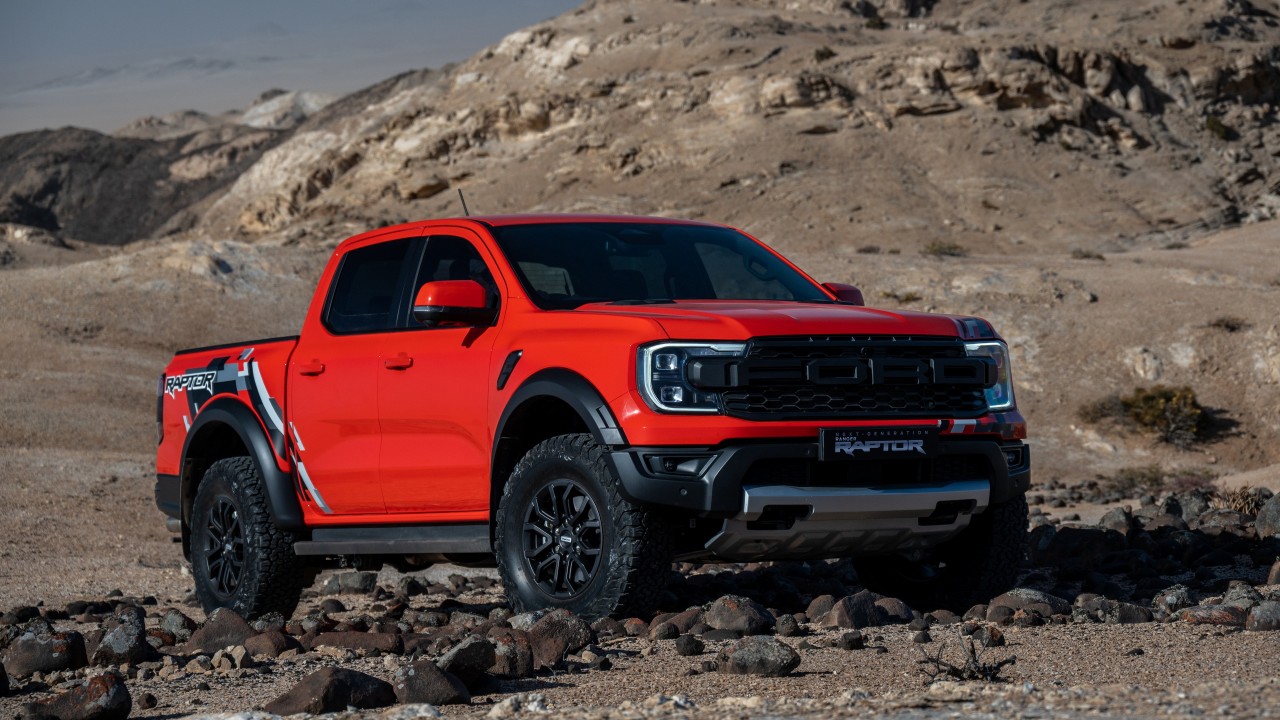
The reintroduced Ford Ranger for the U.S. market in 2019 has proven itself as a solid midsize pickup, but it is unlikely to gain much traction as a collectible. While the Ranger nameplate carries historical weight, this latest generation lacks the standout features or emotional connection that inspire long-term collector interest.
It performs well for work and daily driving, offering modern technology and respectable capability, but it doesn’t deliver the kind of mechanical or design excitement that typically elevates a truck’s status in the collector realm.
One challenge for this Ranger’s collectible potential is its positioning in a highly competitive segment packed with strong alternatives. Buyers have numerous choices in midsize trucks that offer more aggressive styling, unique off-road packages, or more powerful engine options.
The Ranger remains somewhat restrained in its approach, favoring practicality over personality. This focus limits the truck’s ability to develop a passionate following or to be viewed as more than just a functional vehicle. Collectors usually seek models that break new ground or represent a peak in a brand’s performance or design evolution, and the current Ranger doesn’t quite fit that bill.
Additionally, the current Ranger does not feature any limited editions or special trims that create scarcity or increase desirability. Without unique variants to distinguish certain models, the truck risks becoming just another common pickup in the used market.
This abundance of similar examples further reduces its chances of becoming a sought-after collectible. While the Ranger may hold appeal for practical buyers, its lack of exclusivity means it won’t generate significant collector enthusiasm in the future.
From a styling standpoint, the Ranger adopts a contemporary but safe design language that blends with many other modern trucks. It lacks the aggressive flair or distinctive features that tend to age well and capture collector interest.
As tastes evolve, vehicles with bold or unique styling elements tend to retain their charm longer, while those with subdued or generic looks often fade. The current Ranger’s clean but unremarkable aesthetics suggest it will be appreciated for its utility but unlikely to be revered or sought out by collectors down the line.
5. Chevrolet Silverado (Recent Models, 2019–Present)
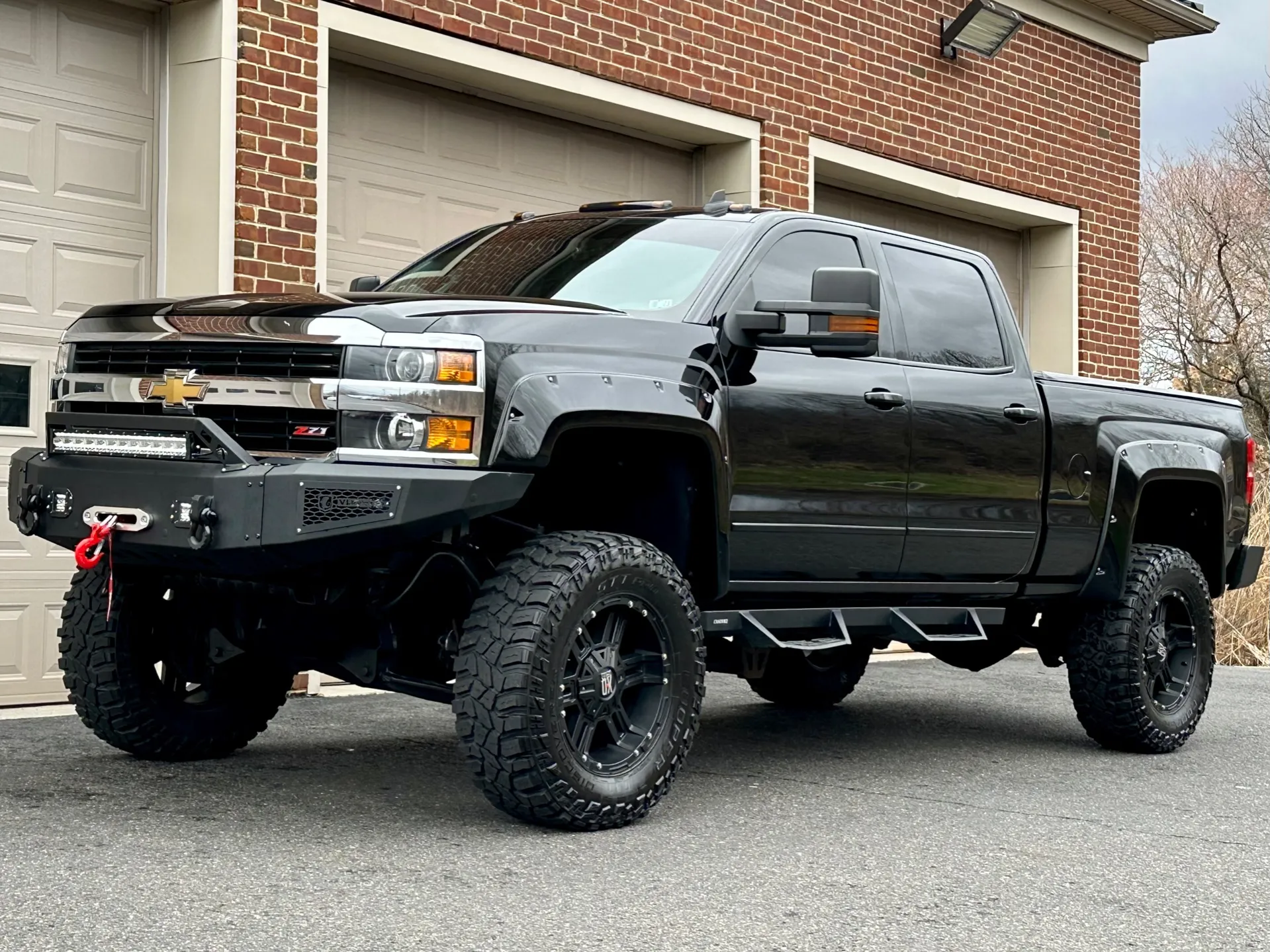
The latest generation of the Chevrolet Silverado is an immensely popular and capable full-size pickup, but its collectible prospects are limited. The Silverado has long been a staple in the American truck market, and the newest models continue to impress with advanced technology, comfort, and powertrain options.
However, popularity and capability alone do not guarantee collectible status. Without standout performance variants, rare trims, or historical significance, the Silverado risks being viewed as a mainstream, utilitarian truck rather than an automotive icon.
One factor working against the Silverado’s collectibility is its broad market availability and high production volumes. These trucks are everywhere, making them common and accessible rather than rare and exclusive.
Collectors tend to seek scarcity and unique features that differentiate vehicles from the masses. While the Silverado’s quality and appeal are undeniable, the absence of limited-production versions or special editions with unique performance or styling attributes reduces the likelihood it will achieve lasting collectible status.
From an engineering standpoint, the Silverado favors versatility and efficiency over extreme performance or innovation that excites enthusiasts. The powertrains are capable and refined but do not push the envelope in ways that create excitement or historical importance.
Without a high-performance model or special engineering milestone, it’s difficult for a vehicle to stand out in the crowded truck market. This practical but unremarkable mechanical approach places the Silverado more in the realm of everyday workhorse than prized collectible.
While this makes it an appealing vehicle for many buyers, it does not provide the kind of unique visual identity that becomes cherished in the collector world. Over time, trucks with such generalized designs often lose prominence in favor of those with more distinctive character.
