
Hybrid vehicles have become a significant part of the automotive industry, representing a blend of traditional internal combustion engines and electric powertrains. As concerns over fuel efficiency, emissions, and environmental impact grow, hybrids have often been praised for bridging the gap between conventional gasoline cars and fully electric vehicles.
However, while many hybrids were initially welcomed for their innovative technology and eco-friendly appeal, not all models have stood the test of time equally well.
Some have proven to be reliable, efficient, and enjoyable even years after their release, while others have shown weaknesses in durability, performance, or maintenance costs, causing owners to face frustration as these cars age.
Evaluating how well a hybrid ages involves looking beyond initial specifications and features. The longevity of the battery, the durability of the hybrid system, mechanical reliability, and the availability of replacement parts play a crucial role in determining whether a hybrid remains a practical option long after its launch.
Consumer experiences, maintenance histories, and even design philosophies come into play when judging the lasting value of hybrid models. It is not uncommon for some hybrids, despite being technically advanced, to require expensive repairs or suffer from issues that diminish their appeal after several years.
On the other hand, certain models continue to maintain their performance, comfort, and efficiency, becoming favored choices for long-term ownership.
This article examines five hybrid vehicles known for aging gracefully, maintaining their value and reliability well into the later years of ownership. It also looks at five hybrids that, despite early promise, have shown signs of aging poorly.
The goal is to highlight what makes some hybrids good long-term investments and why others may struggle as time goes on. These insights can help current owners, potential buyers, or anyone interested in hybrid technology make more informed decisions.
Whether the focus is on battery longevity, mechanical soundness, or ownership experience, understanding how hybrids fare with age sheds light on the true benefits and potential pitfalls of this evolving automotive category.
5 Hybrids That Age Gracefully
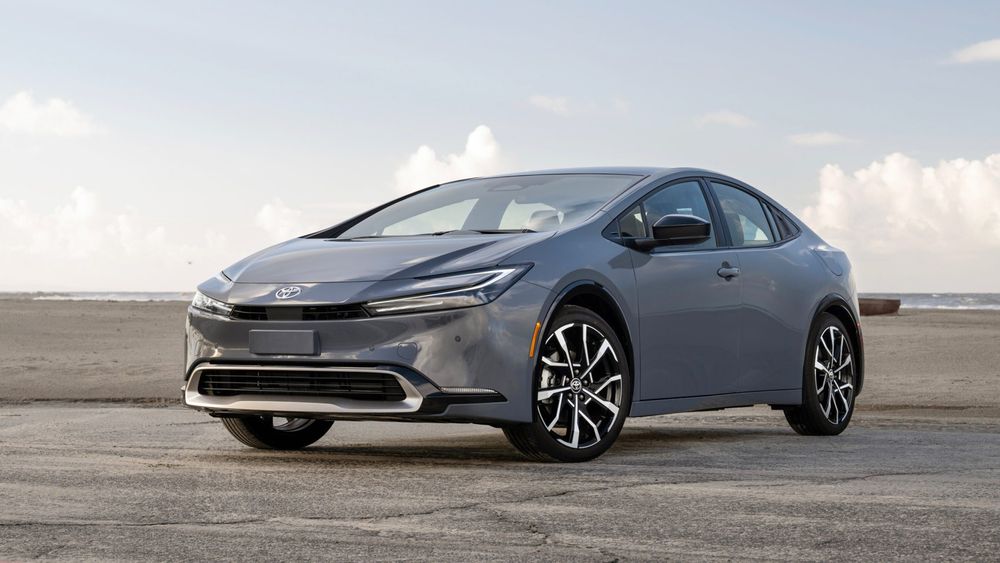
Toyota Prius
The Toyota Prius has earned a legendary reputation in the hybrid market, not only for being one of the first mass-produced hybrids but also for its outstanding ability to withstand the wear and tear of time. The Prius’s hybrid system is built around a reliable and proven combination of a gasoline engine and electric motor, paired with a durable nickel-metal hydride (NiMH) or lithium-ion battery, depending on the model year.
This system’s durability is a crucial factor in the Prius’s longevity. Unlike some other hybrids that experiment with newer or more complicated battery technologies, the Prius sticks to battery chemistry and management systems that have proven effective in extending battery life.
Many Prius owners report that their vehicles continue to operate efficiently even after more than 200,000 miles, with the battery pack showing only minimal degradation, which is a significant reason why the Prius remains a top choice for hybrid longevity.
Mechanically, the Prius benefits from Toyota’s conservative yet robust engineering philosophy. The hybrid synergy drive system is designed to minimize stress on the engine and transmission by intelligently switching between electric power and gasoline, as well as using regenerative braking to reduce wear on brake components.
This careful balance reduces mechanical wear, making the vehicle less prone to major repairs. Toyota’s reputation for reliability extends to all aspects of the Prius, from the engine and transmission to suspension and electrical systems.
Additionally, the availability of replacement parts and a vast network of technicians familiar with Prius technology make servicing relatively affordable and hassle-free. This support system adds an extra layer of confidence for owners considering keeping their Prius for many years.
The interior and exterior of the Prius are designed with longevity in mind as well. Materials used inside the cabin, such as durable plastics and upholstery, tend to resist fading and cracking, even after years of sun exposure and daily use.
The car’s simple but functional dashboard layout also means fewer electronic glitches as time passes, and minor updates over the years have improved user interfaces without adding unnecessary complexity. Externally, the Prius’s aerodynamic design helps reduce environmental wear, and paint quality tends to hold up well, preventing rust or fading.
Together, these elements ensure that the Prius doesn’t just function well mechanically but also remains visually and practically appealing long after purchase.
Another key aspect of the Prius’s graceful aging is its consistent fuel economy performance. Even as the vehicle ages, it typically maintains impressive miles per gallon, which keeps running costs low and supports its reputation as an economical choice for long-term ownership.
Software updates and minor improvements over successive model years have helped fine-tune the powertrain and battery management, keeping older models competitive. For drivers looking for a reliable hybrid with a proven track record, the Toyota Prius is often seen as the gold standard, standing strong against the challenges that cause many other hybrids to falter with age.
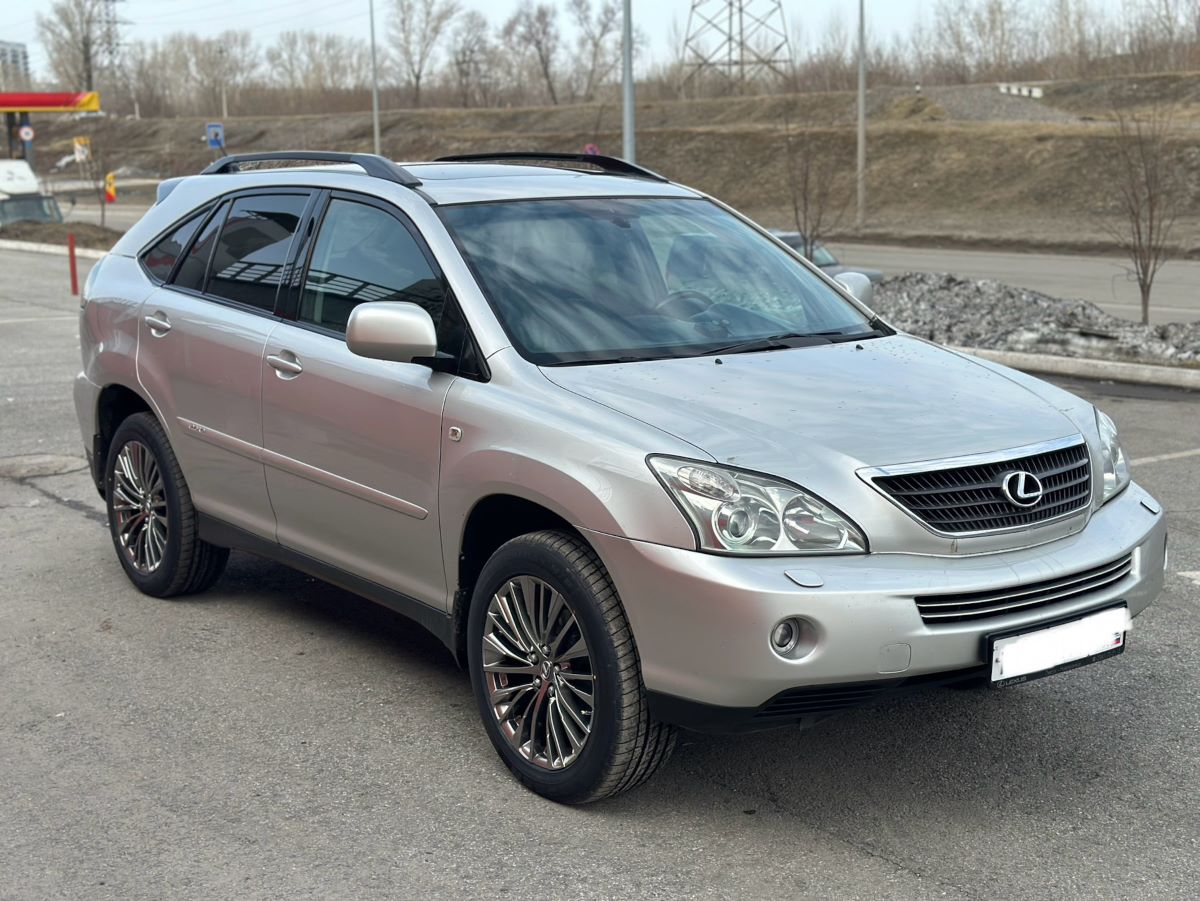
Lexus RX 400h / RX 450h
The Lexus RX hybrids, particularly the RX 400h and RX 450h, have distinguished themselves in the luxury hybrid SUV segment by combining refinement with reliable hybrid technology. These models inherit Toyota’s hybrid expertise but add a layer of premium craftsmanship and comfort that enhances their long-term appeal.
The hybrid system uses a sophisticated yet proven combination of a gasoline V6 engine and electric motors, paired with a battery pack that, while advanced, is engineered for durability. This hybrid setup offers seamless transitions between electric and gasoline power, reducing strain on the drivetrain and enabling consistent performance even after extensive use.
Owners frequently praise these vehicles for maintaining smooth acceleration and strong power delivery, attributes that contribute to a satisfying driving experience well into the vehicle’s later years.
The construction quality of the RX hybrids supports their longevity. Lexus applies higher-grade materials and finishes throughout the vehicle, resulting in an interior that resists the usual wear and tear associated with aging cars. Leather seats, soft-touch plastics, and carefully crafted trim pieces tend to hold up better than comparable materials in non-luxury hybrids.
In addition to physical durability, Lexus provides excellent service support, including detailed maintenance schedules and specialized training for technicians, which helps ensure that the hybrid components remain in optimal condition.
The reliability of mechanical parts such as the V6 engine and transmission also bolsters the RX’s reputation, as these components have been used successfully in other Lexus and Toyota models known for longevity.
Battery longevity is a critical factor in how the RX hybrids age, and these vehicles generally fare well in this area. The RX 450h, for example, employs lithium-ion battery packs that have demonstrated solid resilience and slower degradation compared to many competitors.
This means the hybrid system continues to provide effective electric assistance without significant loss of capacity for many years. Coupled with the hybrid system’s ability to reduce wear on traditional components, this contributes to fewer costly repairs as the vehicle ages.
Additionally, Lexus hybrids have seen improvements in battery management technology over successive generations, which benefits both newer and older models through better charging algorithms and temperature regulation.
Beyond mechanical durability, the RX hybrids offer a ride quality and cabin comfort that often inspire owners to keep the vehicle longer. The SUV’s spacious and well-appointed interior, combined with smooth handling and a quiet cabin, creates a driving environment that remains enjoyable even after many years on the road.
This combination of luxury, performance, and hybrid efficiency makes the RX hybrids attractive to owners who want a vehicle that continues to deliver value and satisfaction throughout its lifespan.
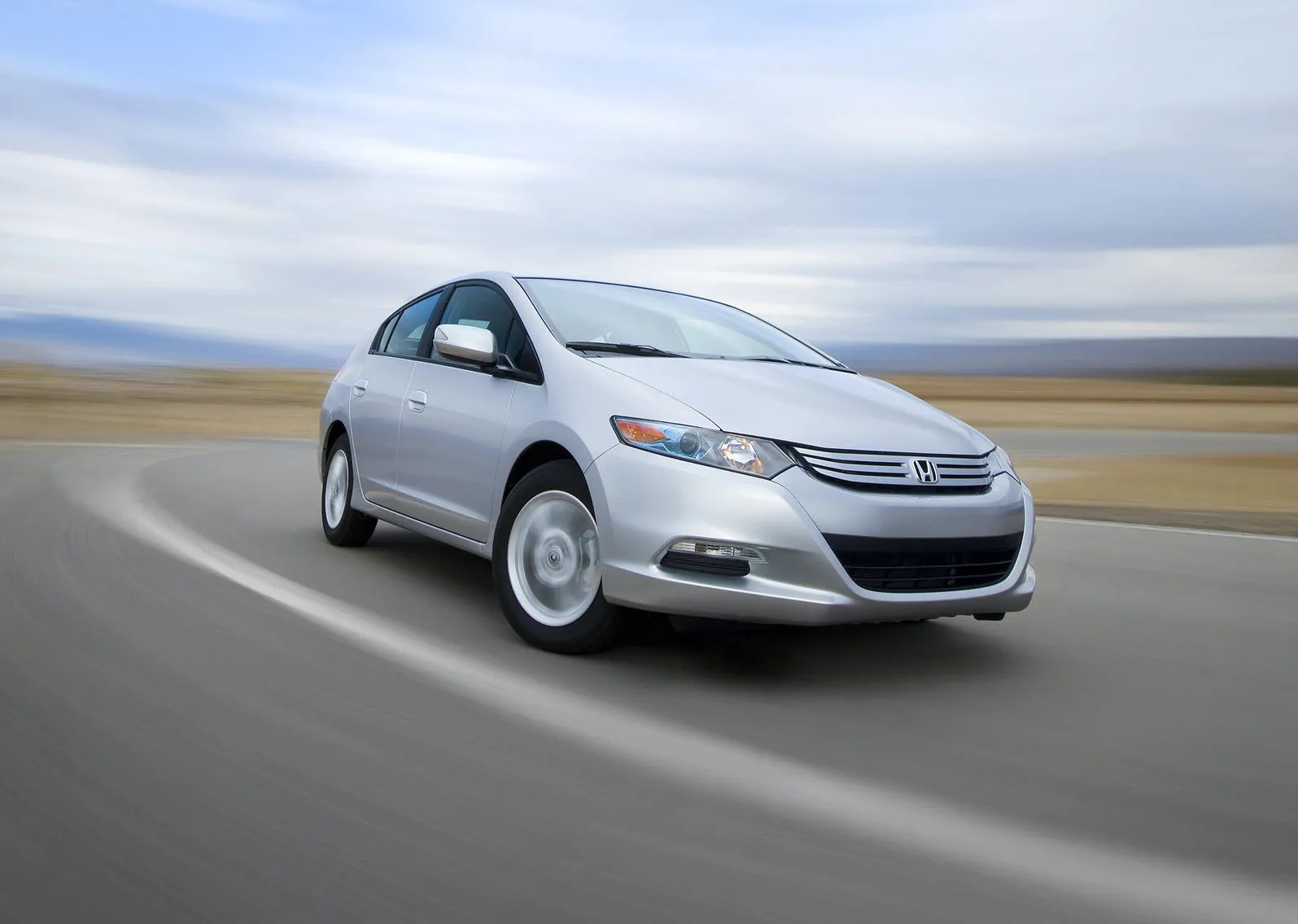
Honda Insight (Second Generation)
The second-generation Honda Insight, produced from 2009 to 2014, stands out as a hybrid known for its straightforward engineering and impressive longevity.
Unlike some hybrids that adopt complex or heavy battery systems, the Insight keeps things relatively simple, pairing a small but efficient gasoline engine with an integrated motor assist system and a relatively lightweight battery pack.
This simplicity translates into fewer components that can fail over time, which is a major factor behind the Insight’s reputation for durability. Many owners have reported that their vehicles continue to deliver solid fuel economy and reliable performance well past 150,000 miles, often without needing expensive repairs to the hybrid system or the engine.
The integrated motor assist system, which is less complex than full hybrid systems, provides electric boost when needed without causing additional strain on the gasoline engine. This design philosophy focuses on efficiency and reliability rather than maximum electric range or performance, which resonates with drivers who value consistent and trouble-free operation over many years.
Inside, the Insight’s cabin is functional and thoughtfully laid out, with durable materials that resist the fading and cracking common in many compact cars. The dashboard’s minimalist design and straightforward controls reduce the risk of electrical issues that sometimes plague more feature-laden vehicles.
Seating materials and trim also tend to maintain their condition well, helping to preserve the vehicle’s resale value and owner satisfaction. While the interior isn’t as luxurious as some higher-end hybrids, it offers a clean and comfortable environment that holds up under daily use.
Maintenance costs for the Insight remain relatively low compared to other hybrids. Its mechanical components are well-proven, and replacement parts are generally affordable and readily available. The battery technology, typically lithium-ion in later models, has demonstrated resilience in real-world use, showing less degradation than might be expected.
Taken together, these factors make the second-generation Honda Insight a hybrid that owners can depend on for long-term use without worrying excessively about costly repairs or performance decline.
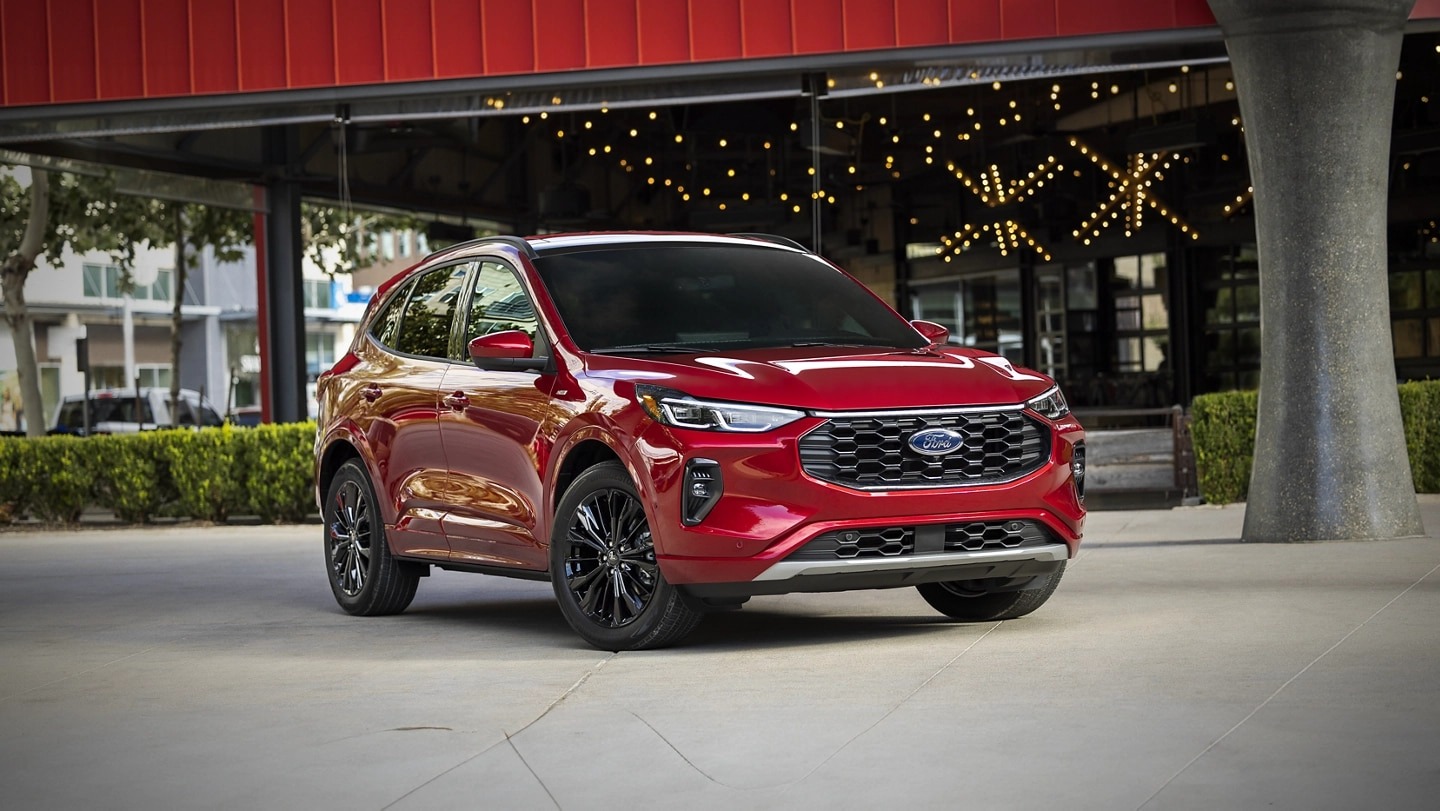
Ford Escape Hybrid (First Generation)
The first-generation Ford Escape Hybrid, which appeared in the mid-2000s, broke new ground by offering hybrid technology in a compact SUV package. Unlike many hybrids aimed solely at sedans or smaller vehicles, the Escape Hybrid combined fuel efficiency with the utility and space of an SUV.
This model’s hybrid system, which uses nickel-metal hydride batteries and a gasoline engine, was designed with durability in mind. Many owners have reported that their Escape Hybrids continue to operate reliably after many years and high mileage, a testament to the solid engineering behind the drivetrain and battery system.
One of the reasons the Escape Hybrid ages well is due to its relatively simple but effective hybrid architecture. The system manages electric and gasoline power seamlessly, reducing wear on traditional components by using regenerative braking and efficient power distribution.
The battery packs, though not as advanced as later lithium-ion types, have proven to be more durable than initially expected. With proper maintenance, these batteries rarely fail prematurely, and even when replacements are necessary, the parts are widely available and relatively affordable.
The Escape Hybrid’s engine is also robust, designed to handle the demands of an SUV without compromising reliability, contributing to its long service life.
The SUV’s frame and suspension components have proven resilient over time, able to withstand the varied driving conditions often experienced by SUV owners. This durability extends the vehicle’s lifespan, making it a practical choice for those who need a combination of hybrid efficiency and vehicle capability.
The interior materials, while functional, hold up reasonably well, with durable upholstery and plastics that resist cracking or fading despite years of use. The Escape’s cabin offers space and comfort that remain appealing to owners, encouraging them to keep the vehicle for the long term.
In addition to mechanical durability, the Escape Hybrid’s combination of fuel savings and versatility keeps it relevant even as it ages. The vehicle continues to provide good mileage and cargo space, allowing it to compete with newer models in terms of utility and cost-effectiveness.
This blend of practicality, hybrid efficiency, and solid engineering makes the first-generation Ford Escape Hybrid a standout example of a hybrid SUV that ages gracefully and remains a sensible choice for extended ownership.
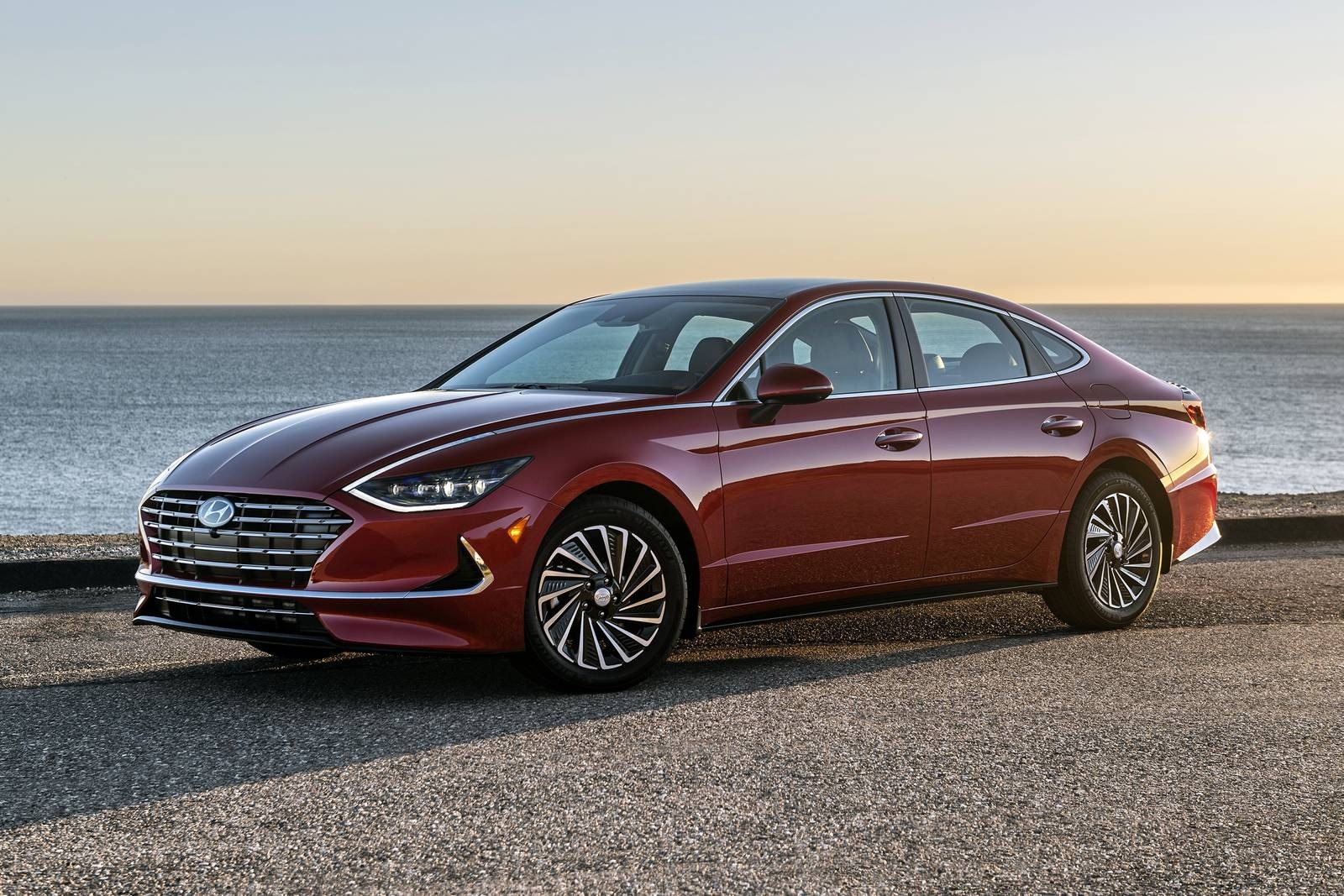
Hyundai Sonata Hybrid (First Generation)
The first-generation Hyundai Sonata Hybrid, introduced in the early 2010s, marked Hyundai’s serious entry into the hybrid market, combining conventional sedan comfort with hybrid efficiency. The hybrid system, which pairs a gasoline engine with an electric motor and a lithium-ion polymer battery, was designed to be both efficient and durable.
Early reports from owners and service technicians suggest that this setup ages well, maintaining fuel economy and power delivery over many years with routine maintenance.
The battery pack technology, in particular, has shown promising longevity, often retaining much of its capacity well beyond the warranty period, which is a strong indicator of the vehicle’s ability to remain functional and economical in the long run.
Mechanically, the Sonata Hybrid benefits from Hyundai’s focus on reliability and cost-effectiveness. The gasoline engine is based on a proven design that is known for consistent performance and fewer mechanical issues. The transmission system is engineered to work smoothly with the electric motor, minimizing wear and tear on moving parts.
This integration reduces the likelihood of costly repairs related to hybrid components and helps maintain the vehicle’s drivability as it accumulates miles. Hyundai’s expanding network of service centers and trained technicians further supports owners by making hybrid maintenance accessible and efficient.
The interior of the Sonata Hybrid is another area where it shines in terms of aging. Hyundai opted for quality materials that endure well, such as durable fabrics, soft-touch plastics, and well-constructed trim pieces. The cabin layout remains ergonomic and user-friendly, with controls that resist premature wear.
Many owners note that the seats, dashboard, and door panels retain their appearance and functionality even after several years of use, which contributes to higher owner satisfaction and better resale values. The comfort and quiet ride of the Sonata Hybrid also contribute to its longevity as a practical everyday vehicle.
From an ownership perspective, the Sonata Hybrid’s combination of affordable maintenance, durable components, and steady fuel efficiency makes it a sensible choice for those looking for a hybrid that will not only perform well initially but continue to do so as it ages.
The first-generation Sonata Hybrid strikes a balance between innovation and reliability, showing that with thoughtful design and execution, hybrids can remain relevant and dependable long after their introduction.
5 Hybrids That Don’t Age Gracefully
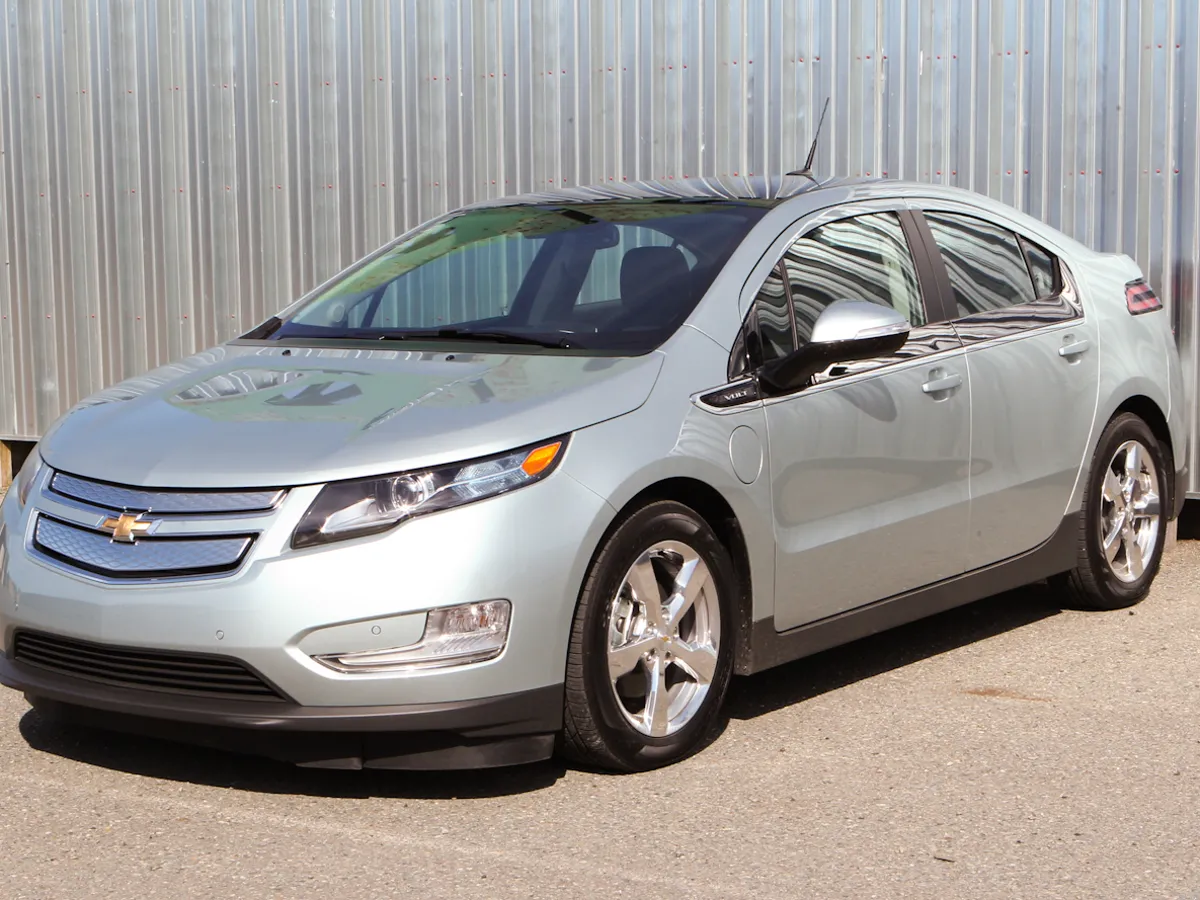
Chevrolet Volt (First Generation)
The Chevrolet Volt was a groundbreaking plug-in hybrid when it debuted, offering an impressive electric-only range and an innovative powertrain. However, despite its initial popularity and technological advancements, the first-generation Volt has faced several issues that affect its long-term reliability and aging process.
One of the primary concerns with the Volt is its complex battery system. The Volt’s battery pack is larger and more intricate than traditional hybrids, and while designed to deliver extended electric driving, it has shown a higher rate of capacity degradation over time compared to some other hybrids.
Owners have reported that after several years of use, the battery’s ability to hold a charge diminishes more quickly, leading to reduced electric range and increased reliance on the gasoline engine, which undermines one of the vehicle’s key selling points.
The Volt’s powertrain, while innovative, involves a series of components that require careful management and maintenance. The combination of an electric motor, gasoline engine, and complex electronics makes the vehicle more prone to mechanical and software issues as it ages.
Reports of cooling system failures, inverter problems, and occasional software glitches have surfaced among owners who have kept their Volts for extended periods.
These issues can lead to costly repairs, which often deter owners from retaining their vehicles beyond the warranty period. Furthermore, the complexity of the Volt’s systems means that routine maintenance is not as straightforward or inexpensive as with simpler hybrids, adding to the challenges of long-term ownership.
From a build quality perspective, the first-generation Volt doesn’t quite measure up to the longevity standards set by other hybrids. Interior materials, while initially modern and attractive, tend to show wear more rapidly, with issues such as fading plastics, worn upholstery, and minor rattles becoming common complaints.
The cabin’s technology interfaces, which were advanced for their time, can feel outdated and occasionally glitch as the vehicle ages, reflecting a lack of ongoing refinement in user experience design.
Exterior durability is also a concern, with some owners noting paint chipping and premature corrosion in areas exposed to harsh weather, which can detract from the car’s appeal after several years.
Another factor impacting the Volt’s aging process is the limited aftermarket and service support for its specialized components. Since the vehicle’s technology was ahead of its time and relatively unique in the market, finding affordable and knowledgeable repair options outside of authorized dealerships can be difficult.
This limits the vehicle’s appeal as a long-term hold, particularly as it ages past warranty coverage. While the Volt remains a significant step forward in hybrid technology and electric vehicle design, its first-generation model does not quite age with the same grace and reliability as more conventional hybrids, making it a less desirable choice for owners seeking a hybrid that will stand the test of time.
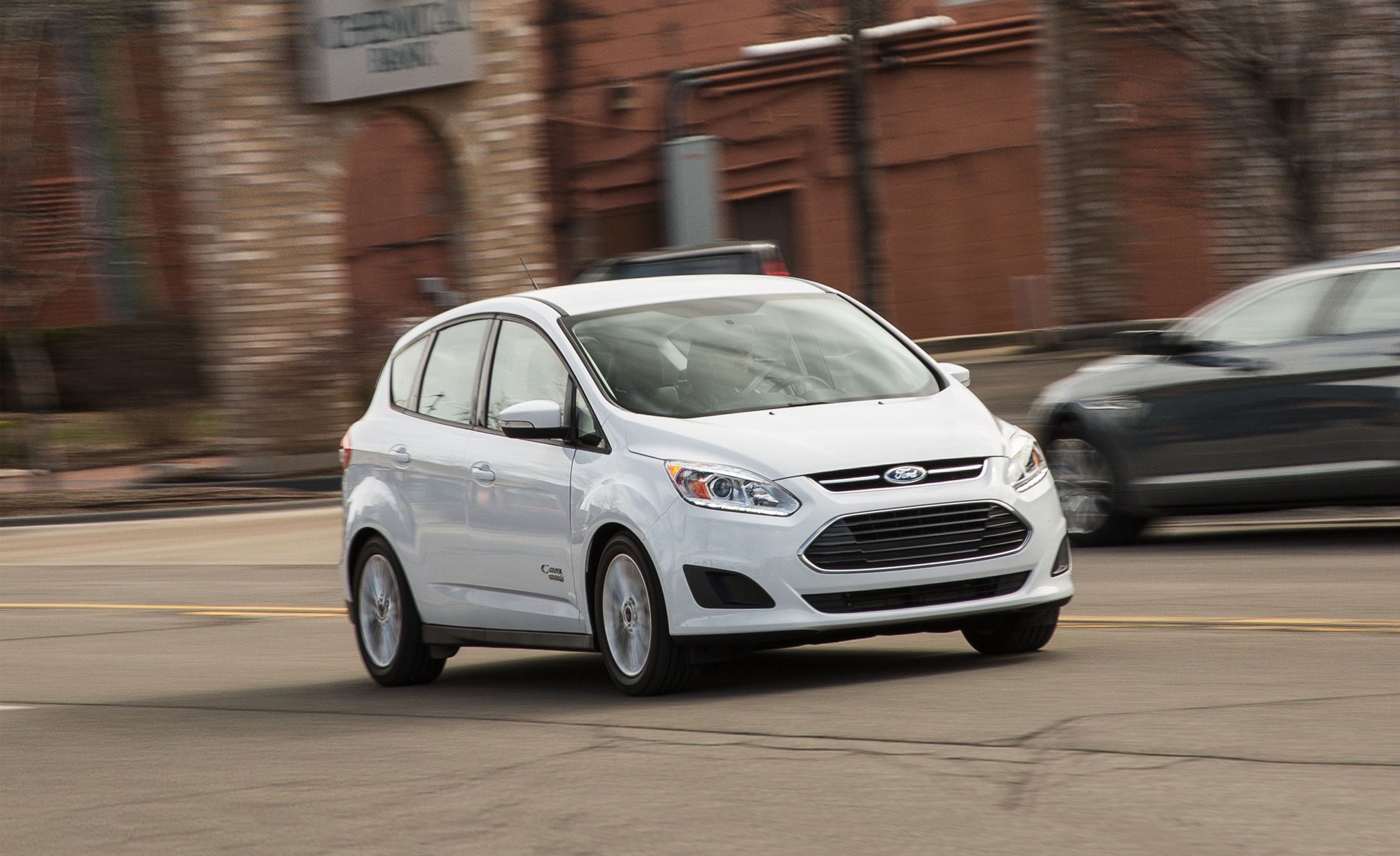
Ford C-Max Hybrid (First Generation)
The Ford C-Max Hybrid entered the market as an attractive compact hybrid wagon, promising fuel efficiency and spaciousness with Ford’s hybrid technology. However, despite these appealing features, the first-generation C-Max Hybrid has encountered numerous reliability problems that impact its long-term usability.
A major issue relates to the vehicle’s battery system and hybrid components, which have been known to degrade faster than expected. Owners frequently report diminished fuel economy and electric assistance after just a few years of use, often accompanied by warning lights and error codes linked to the battery and hybrid control systems.
The cost of replacing or repairing these battery components can be significant, which discourages many from maintaining the vehicle beyond its early life.
Mechanically, the C-Max Hybrid has suffered from transmission-related issues that affect its drivability and reliability over time. The hybrid’s continuously variable transmission (CVT) is integral to its performance, but problems such as shuddering, slipping, and eventual transmission failure have been reported, sometimes even under relatively low mileage.
This is a serious concern, as the transmission repair or replacement can be very costly. Additionally, the complexity of the hybrid system complicates diagnosis and repair, making routine maintenance more expensive and less straightforward compared to non-hybrid or simpler hybrid models.
These mechanical reliability issues have contributed to a reputation for higher-than-average maintenance costs and frequent trips to the service center as the vehicle ages.
Inside the cabin, the C-Max Hybrid’s materials and build quality do not inspire confidence in its long-term durability. Many owners note that plastics tend to crack or fade with exposure to sunlight, and fabric upholstery shows wear more rapidly than expected in this vehicle class.
In terms of ownership experience, the Ford C-Max Hybrid struggles to offer a worry-free long-term option. The combination of battery wear, transmission troubles, and interior degradation leads many owners to replace their vehicles sooner than they might have hoped.
While the C-Max offers good fuel economy and utility in its early years, its difficulties with aging gracefully limit its reputation and desirability among hybrid vehicles, making it a less ideal choice for buyers seeking longevity and reliability.
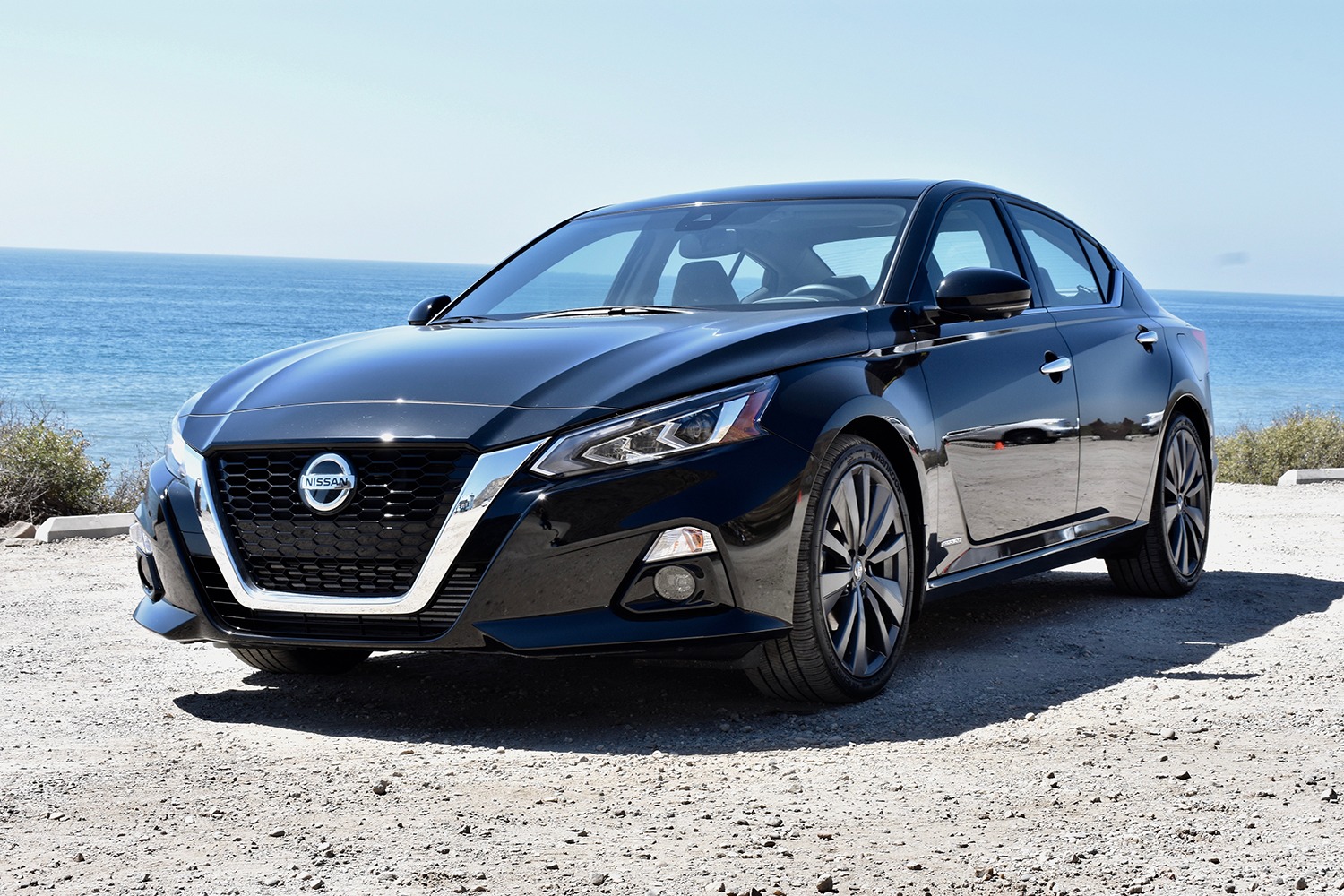
Nissan Altima Hybrid (Second Generation)
The second-generation Nissan Altima Hybrid, introduced in the early 2010s, attempted to blend the practicality of a midsize sedan with hybrid fuel savings. While Nissan’s hybrid system was innovative for its time, the Altima Hybrid has struggled with aging-related problems that limit its appeal as a long-term vehicle.
One of the key concerns involves the hybrid battery pack, which uses nickel-metal hydride technology that tends to degrade more quickly than lithium-ion packs found in some competitors. This accelerated battery wear results in decreased electric motor assistance, causing owners to experience reduced fuel economy and increased gasoline consumption as the vehicle ages.
The powertrain of the Altima Hybrid has also been reported to exhibit reliability problems after several years. The combination of a four-cylinder engine paired with the hybrid system demands precise management, and owners have noted issues with the transmission and hybrid control modules leading to jerky acceleration, hesitation, and in some cases, complete failure of hybrid functionality.
Repairing these components can be expensive and complicated, especially as the vehicle surpasses its warranty coverage. Moreover, the complexity of the hybrid system means that diagnosis and servicing require specialized knowledge, limiting repair options and increasing maintenance costs.
The interior of the Altima Hybrid has not been immune to aging problems either. While the vehicle offers a comfortable and spacious cabin, materials used in its construction tend to show wear prematurely.
Finally, the resale value and demand for used Nissan Altima Hybrids tend to be lower compared to conventional Altima models and other hybrids in the same class. The combination of battery wear, mechanical issues, and interior degradation makes the Altima Hybrid less attractive as a long-term investment.
Buyers looking for a hybrid sedan that will perform reliably over many years might find this model less appealing due to these durability concerns, affecting its standing in the hybrid market.
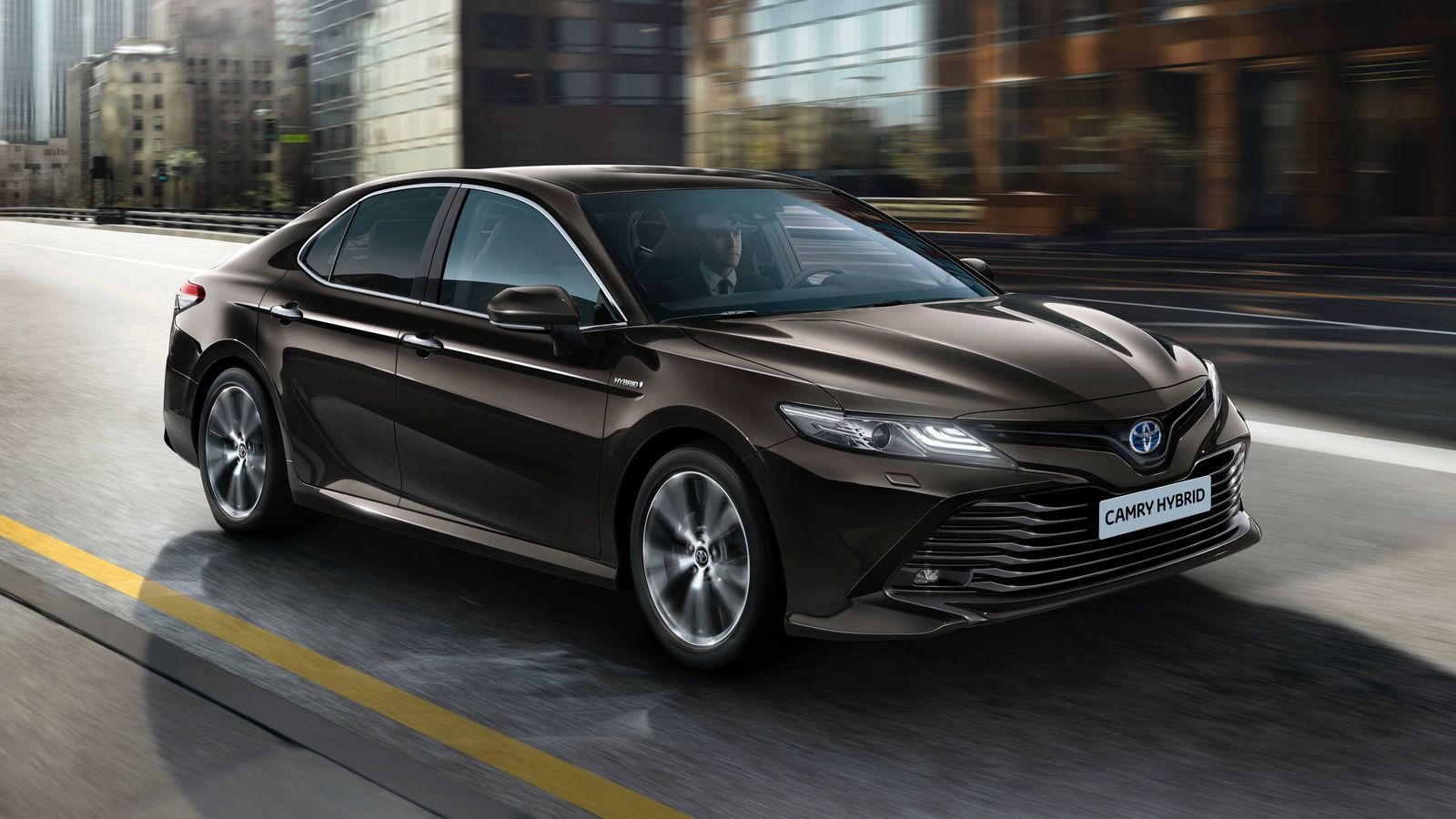
Toyota Camry Hybrid (Early Generations)
While the Toyota Camry is widely celebrated for its reliability, the early generation Camry Hybrids (particularly those produced in the mid-2000s) have shown some issues that prevent them from aging as gracefully as their conventional counterparts.
One of the primary problems involves the hybrid battery packs, which in early models were more prone to premature failure and capacity loss. Many owners have reported that the nickel-metal hydride batteries in these early Camry Hybrids often require replacement after about 8 to 10 years, sometimes sooner, which can be a significant expense.
Although Toyota’s hybrid system is fundamentally robust, early battery technology limitations reduce the longevity of these hybrid models.
Another factor contributing to the Camry Hybrid’s aging challenges is the added complexity of the hybrid powertrain. Early models sometimes experience issues with the inverter cooling system, which is vital for maintaining the hybrid components’ proper functioning.
Failure or reduced efficiency in this cooling system can lead to overheating and damage to critical electronics, resulting in costly repairs. Additionally, some owners have encountered problems with the electric motor and transmission system, which can develop faults or lose efficiency over time.
These issues are less common in more recent Camry Hybrid models, which have benefitted from technological improvements, but they are important considerations when evaluating the early hybrids.
The interior of the early Camry Hybrid typically reflects the same quality as the non-hybrid Camry models of the era, which is generally good. However, some owners note that hybrid-specific displays and electronic features are prone to glitches or failure over time.
In addition, while the materials themselves are durable, certain wear patterns related to higher weight from hybrid components can contribute to quicker suspension and brake wear, impacting ride quality and maintenance costs as the vehicle ages. These factors can affect the vehicle’s perceived value and ownership experience.
Owners considering an older Camry Hybrid should be prepared for potential battery replacement and other hybrid-specific maintenance, which may impact the vehicle’s long-term cost-effectiveness.
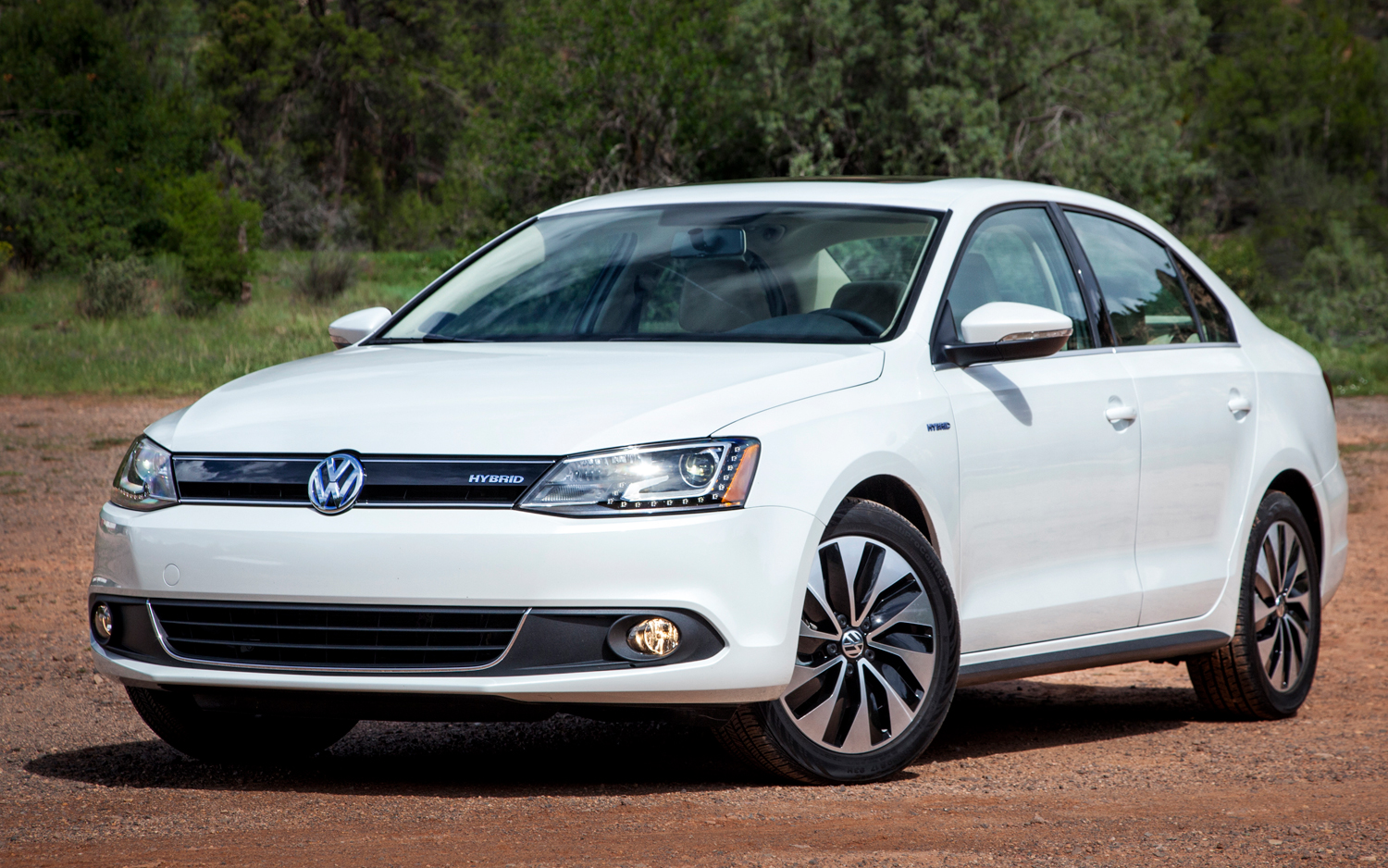
Volkswagen Jetta Hybrid (First Generation)
The first-generation Volkswagen Jetta Hybrid, introduced in the early 2010s, aimed to combine European styling and driving dynamics with hybrid fuel economy.
Unfortunately, this model has experienced challenges that limit its long-term appeal. One of the major issues with the Jetta Hybrid involves its complex hybrid powertrain and battery system, which have shown signs of early degradation and mechanical problems.
Owners have reported that the lithium-ion battery packs often lose capacity faster than expected, diminishing electric assistance and reducing the car’s fuel efficiency as it ages. The battery replacement process is also expensive, and due to the specialized nature of the components, repairs can be difficult and costly.
The Jetta Hybrid’s drivetrain has encountered other reliability issues, such as transmission malfunctions and hybrid system faults. These problems can cause the vehicle to operate less smoothly, with occasional hesitation, loss of power, or warning lights that require immediate attention.
The cost and complexity of repairing these systems are significant drawbacks for owners hoping to keep the car for many years.
The hybrid’s cooling system, crucial for maintaining battery and inverter health, is another point of concern, with failures leading to overheating and further damage. These issues often emerge after the warranty expires, increasing the financial burden on the owner.
While the Jetta offers a refined driving experience initially, these problems can reduce owner satisfaction over time. Additionally, the infotainment and climate control systems may become sluggish or unresponsive, further impacting comfort and convenience.
The first-generation Volkswagen Jetta Hybrid struggles to maintain its initial promise of combining style, performance, and efficiency in a reliable package. Its aging process is marked by mechanical and electrical issues, as well as interior wear, which reduces its attractiveness for long-term ownership.
Buyers looking for a hybrid vehicle with proven durability might find this model less compelling compared to rivals that age more gracefully.
