
Owning a car is one of the most significant financial commitments many people make, extending far beyond the initial purchase price.
While the sticker cost of a vehicle is important, the long-term expenses associated with ownership, maintenance, fuel efficiency, insurance, repairs, and depreciation, often play a more critical role in determining whether a car is truly affordable.
Sedans, in particular, are popular for their balance of comfort, efficiency, and practicality, making them a staple choice for families, commuters, and anyone seeking a reliable daily driver. However, not all sedans are created equal when it comes to cost of ownership.
The reasons for these differences are numerous. Reliability ratings, parts availability, and the frequency of major repairs all influence how expensive a car becomes over the years.
Additionally, fuel efficiency, insurance premiums, and the potential for costly recalls or frequent breakdowns can turn what seems like an affordable vehicle into a financial burden.
Consumers often overlook these factors when choosing a car, focusing instead on upfront cost or appearance, only to face unwelcome surprises later.
Understanding which sedans remain affordable to own and which tend to drain finances can help buyers make more informed decisions, potentially saving thousands of dollars over the life of the car.
This article categorizes sedans into two groups: those that stay cheap to own and those that gradually, or suddenly, become expensive to maintain. It draws on patterns of reliability, maintenance costs, and long-term ownership experiences reported by drivers and automotive analysts.
While individual experiences may vary, these observations provide a practical framework for anyone considering a sedan, whether as a first car, a family vehicle, or a replacement for an aging model.
By examining the characteristics that contribute to low and high ownership costs, prospective buyers can better align their choice with their financial priorities, ensuring that their sedan provides both mobility and peace of mind without unexpected financial strain.
5 Sedans That Stay Cheap to Own
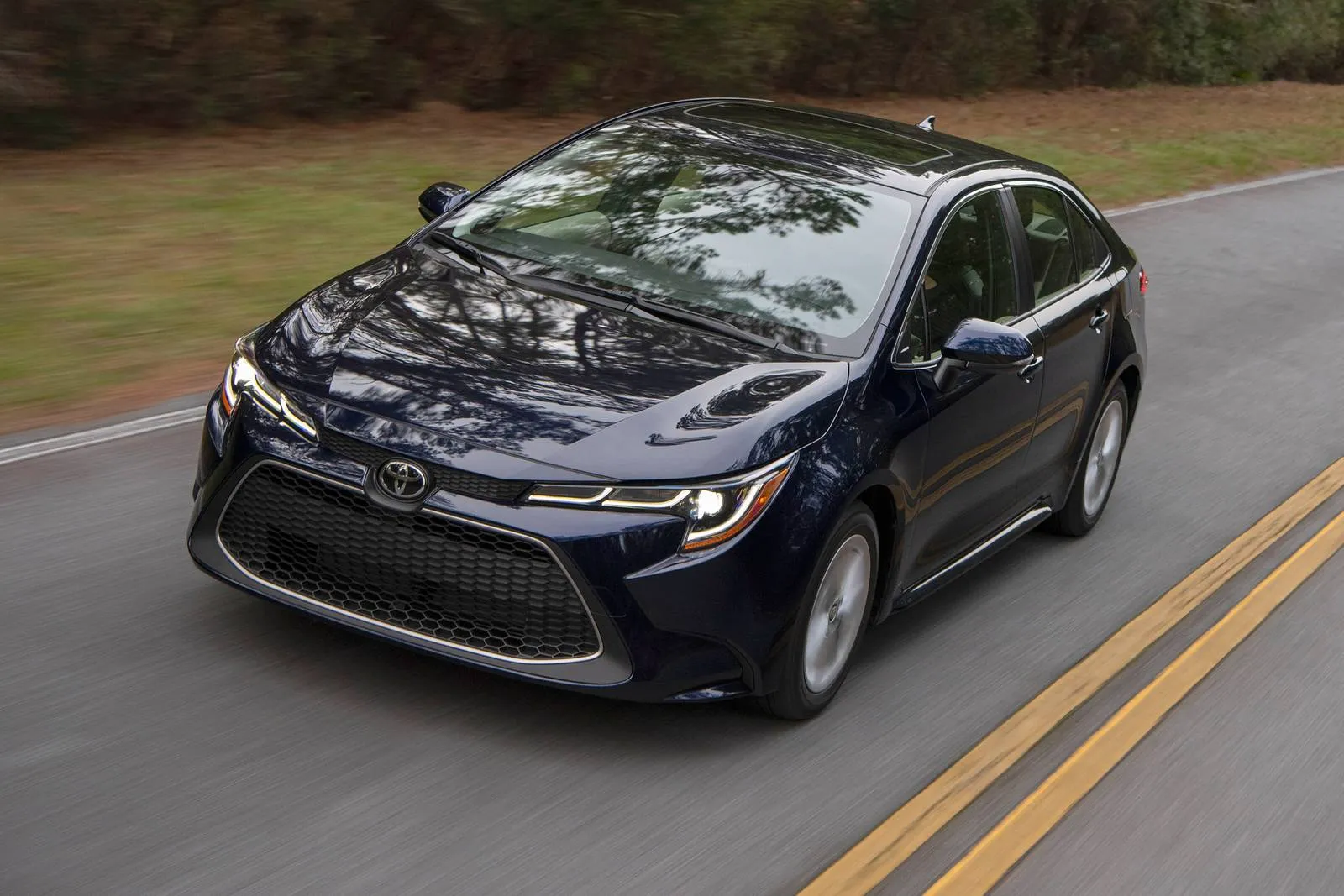
Toyota Corolla
The Toyota Corolla has long been synonymous with reliability and cost efficiency. One of the main reasons it remains inexpensive to own is its well-established reputation for durability, which often translates to fewer major repairs over the lifespan of the vehicle.
Owners consistently report that Corollas can easily surpass 200,000 miles with basic maintenance, which is a testament to Toyota’s focus on long-term dependability rather than flashy features.
Parts are widely available and inexpensive, and even dealerships typically charge reasonable rates for routine services. Components such as brakes, tires, and oil filters are easy to replace, reducing the need for expensive labor or specialized tools.
The vehicle’s fuel efficiency further reduces monthly operating costs, which is particularly advantageous for commuters or those driving long distances daily. Insurance rates tend to be moderate, partly because the Corolla is classified as a safe, low-risk vehicle with high crash-test ratings.
Its predictable maintenance costs make it easier for owners to plan a budget without the risk of unexpected financial surprises. For those seeking a no-nonsense sedan that prioritizes practicality, the Corolla remains an ideal choice.
Another factor contributing to the Corolla’s affordability is its strong resale value. Even older models maintain a reasonable market price because buyers recognize the car’s reliability and low maintenance needs.
This means that when an owner decides to sell or trade in a Corolla, the financial loss is less severe than with vehicles that depreciate faster.
Toyota’s engineering philosophy emphasizes simplicity and longevity over overly complex mechanical systems, which reduces the likelihood of costly failures.
Additionally, Toyota has a large service network in most countries, which ensures that repairs and maintenance can be performed quickly, efficiently, and at reasonable costs.
The combination of reliable engineering, widespread service availability, and durable components has solidified the Corolla’s position as a vehicle that remains affordable to own over the long term, making it a dependable option for families, young drivers, and retirees alike.
The Corolla’s engine and transmission options are designed with durability in mind, avoiding the high-performance configurations that often increase maintenance costs.
The engines are reliable, with components such as timing belts, water pumps, and alternators designed to last longer than those found in many competing sedans.
Because of this straightforward engineering, diagnostics and repairs are simpler and less expensive, meaning fewer visits to the mechanic and lower labor costs. Even when minor issues arise, they are usually resolved quickly without the need for specialized tools or expensive parts.
For drivers who prioritize practicality and financial predictability, the Corolla’s engineering ensures that ownership is a relatively stress-free experience.
Furthermore, its efficiency and durability help owners avoid the common financial pitfalls associated with aging vehicles, such as unexpected breakdowns or extensive engine repairs.
Finally, the Corolla benefits from a culture of proactive maintenance and widespread consumer knowledge. Many owners adhere to recommended maintenance schedules and address small issues before they escalate, preventing costly repairs later.
Additionally, the vast online and mechanic communities offer guidance for troubleshooting and inexpensive maintenance, ensuring owners have access to tips and advice that further minimize costs. Its proven track record of reliability, combined with an extensive parts network and accessible repair knowledge, reinforces its status as one of the most affordable sedans to own over time.
The Corolla’s combination of practicality, efficiency, and reliability ensures that it remains a financially sound choice, delivering consistent performance without excessive costs for years.
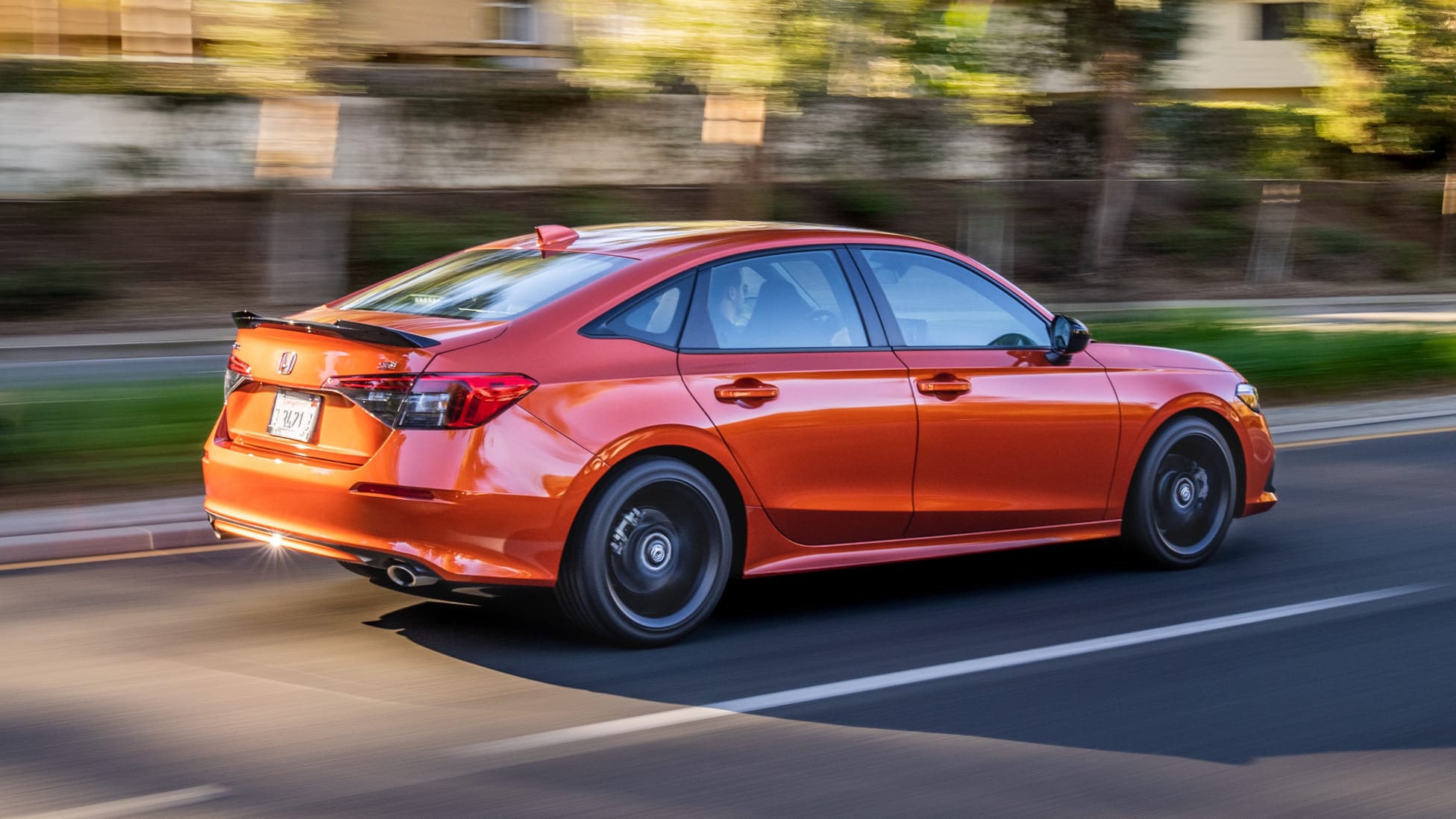
Honda Civic
The Honda Civic is another cornerstone of affordable sedan ownership, renowned for its longevity and low maintenance costs. Its engines are designed to withstand high mileage, often surpassing 200,000 miles with routine maintenance.
Routine services such as oil changes, brake replacements, and tire rotations are generally inexpensive, and replacement parts are widely available due to the Civic’s popularity.
Insurance premiums are usually lower than for sportier or luxury sedans, partly because it is perceived as a safe, moderately powered vehicle with a solid reliability record.
Drivers can expect predictable performance with minimal mechanical surprises, making it an ideal choice for both new drivers and those seeking a long-term daily driver.
Its practical design and thoughtful engineering contribute to a stable, low-cost ownership experience, allowing families and individuals to budget effectively over the life of the vehicle.
The Civic also retains strong resale value, making it a financially wise investment. Well-maintained Civics remain in demand in the used car market, often fetching competitive prices even after several years of ownership.
Honda’s focus on reliability and simplicity in engineering means the car avoids many of the expensive repairs that plague vehicles with complex systems or high-performance engines.
The availability of mechanics familiar with the Civic ensures that service and repairs are performed efficiently, further reducing costs and time spent at the repair shop.
For owners seeking both longevity and affordability, the Civic offers a practical solution, delivering dependable transportation without the financial burdens associated with many other sedans.
Fuel efficiency is a key factor in the Civic’s low ownership costs. Its engines, including both naturally aspirated and turbocharged variants, provide excellent mileage for both city and highway driving.
This efficiency translates to significant savings in fuel over time, particularly for commuters or drivers who cover long distances.
Combined with dependable transmissions and engine reliability, the Civic maintains a predictable and affordable operating profile. Even when parts need replacement, the costs are typically manageable, making it easier to avoid unexpected financial strain.
For drivers who prioritize practicality and low operating costs, the Civic remains one of the most cost-effective sedans on the market, balancing performance and efficiency in a reliable package.
Finally, the Civic’s practical engineering and design philosophy contribute to its affordability. It avoids unnecessary complexity in electronic systems and high-strung mechanical components, reducing the risk of failures that can escalate into expensive repairs.
Its straightforward mechanical layout allows many repairs to be performed by independent mechanics at lower costs than dealership service centers.
The car’s reliability, combined with moderate insurance costs and excellent fuel economy, ensures that the Civic continues to be a smart financial choice for long-term ownership. Its ability to remain dependable while maintaining low operating costs makes it a standout in the realm of economical sedans.
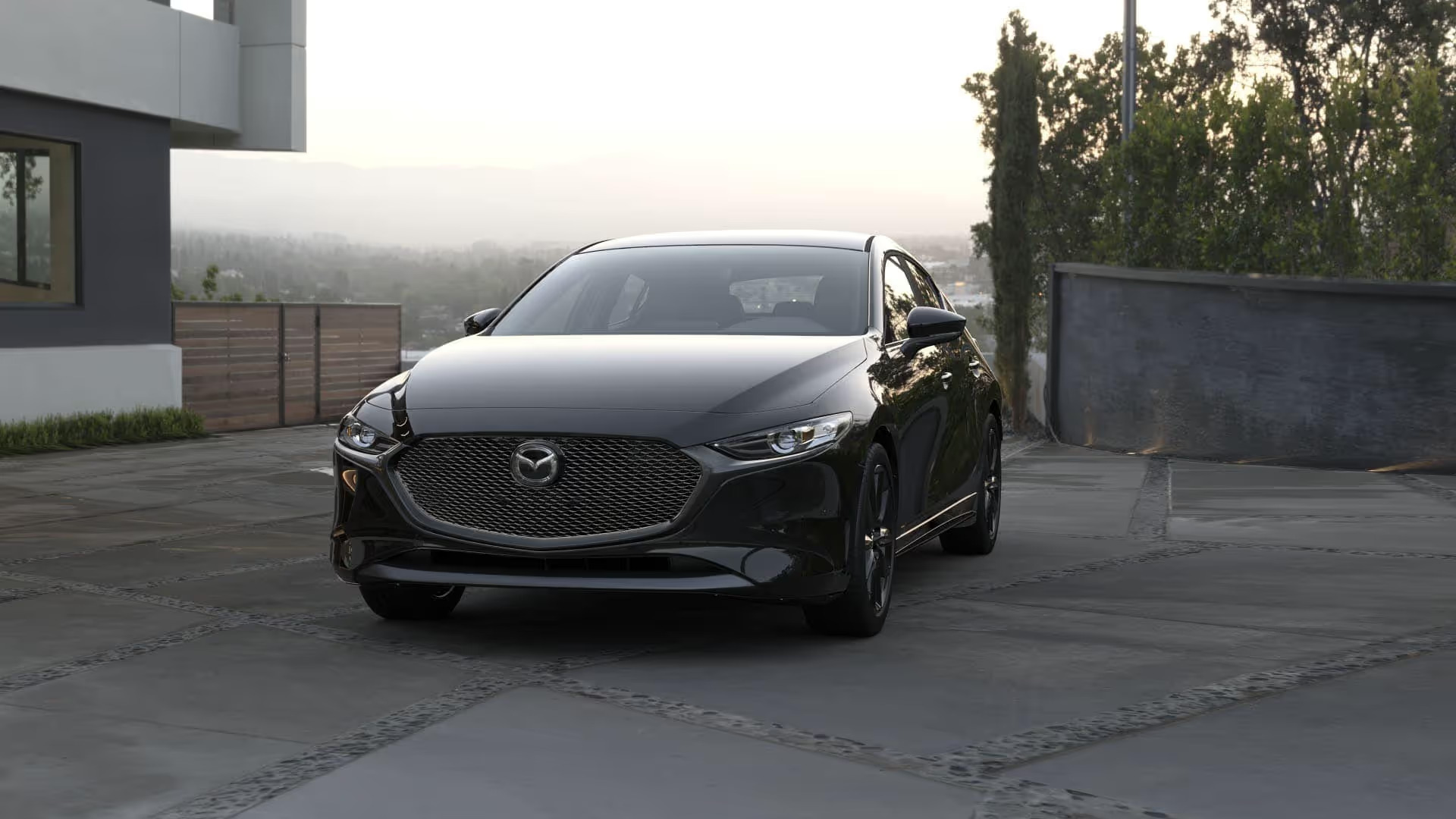
Mazda3
The Mazda3 is known for combining stylish design with driving enjoyment and affordable ownership. Its engines are generally robust, fuel-efficient, and engineered for long-term durability.
Routine maintenance such as oil changes, brake servicing, and tire replacement remains affordable, while repairs tend to be less frequent than many competitors.
Insurance rates are moderate, reflecting the car’s safety features and relatively low repair costs. Despite its sporty driving characteristics, the Mazda3 does not carry the high maintenance burden typically associated with performance-oriented vehicles.
Its combination of reliability, cost-effective parts, and strong fuel efficiency makes it a practical choice for those who want both an engaging driving experience and low ownership costs.
Mazda emphasizes engineering that balances performance with long-term dependability. The Mazda3’s engines and transmissions are simple enough to avoid frequent, costly repairs but sophisticated enough to provide smooth, reliable performance.
Owners report that the car maintains excellent handling and comfort without sacrificing affordability in maintenance or repairs. Basic upkeep is straightforward, and major mechanical failures are relatively rare.
This reliability ensures that the Mazda3 offers a financially predictable experience for owners, helping them avoid the high expenses associated with complex or luxury vehicles. Its combination of style, comfort, and dependability contributes to its reputation as an affordable, practical sedan.
The Mazda3 also benefits from solid resale value. Well-maintained models retain a reasonable portion of their original cost, allowing owners to recover some of their investment when upgrading.
The vehicle’s compact design reduces wear on tires, brakes, and suspension components compared with heavier or larger sedans, further lowering maintenance costs.
Affordable replacement parts and widely available mechanics allow repairs to be completed efficiently without high labor costs. These factors make the Mazda3 a standout option for drivers who want both fun and financial predictability, providing a well-rounded ownership experience.
Finally, the Mazda3’s community of owners and brand loyalty contribute to its low-cost appeal. Enthusiast forums and online resources offer advice on cost-effective maintenance practices, troubleshooting, and parts sourcing.
Its straightforward engineering ensures that repairs are manageable, and many independent mechanics are familiar with its common issues, reducing labor costs.
By combining reliability, efficiency, and ease of maintenance, the Mazda3 offers a balanced sedan ownership experience that is both enjoyable and economical, making it a highly practical choice for long-term ownership.
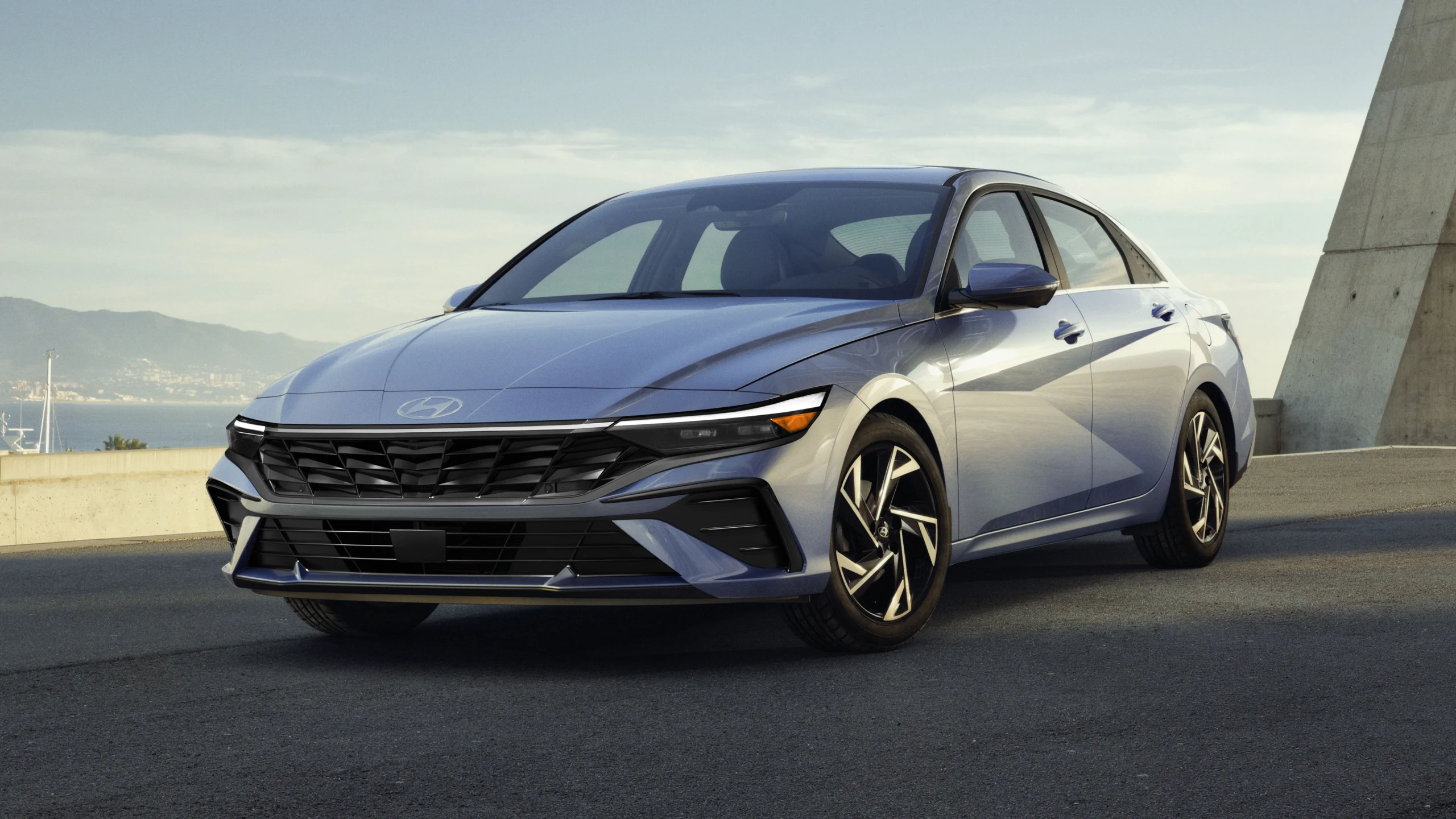
Hyundai Elantra
The Hyundai Elantra has significantly improved in reliability and affordability over the past decade, making it a strong contender for budget-conscious drivers. The car combines a low purchase price with reasonable maintenance costs and solid fuel efficiency.
Hyundai offers long warranties that cover major repairs for several years, reducing early ownership risks. Parts are widely available, and routine services such as brake replacements, oil changes, and tire rotations are relatively inexpensive.
Insurance rates are moderate, reflecting its strong safety ratings and low repair costs. For drivers seeking a dependable and economical sedan, the Elantra offers a balance of affordability, comfort, and practicality.
The Elantra’s value proposition extends beyond its initial cost. Its engineering focuses on minimizing mechanical failures and simplifying maintenance, resulting in a dependable vehicle that is easy to budget for over time.
Early-generation models occasionally had reliability issues, but newer iterations have benefited from significant improvements, making them highly dependable for long-term use.
Its fuel economy is consistently competitive, helping drivers save on operating costs. These factors combine to create a vehicle that is accessible, practical, and economical, appealing to both first-time buyers and families seeking low-cost transportation.
Fuel efficiency is a major contributor to the Elantra’s low total cost of ownership. Its engines are designed to achieve high miles per gallon in both city and highway driving, reducing fuel expenses over time.
Additionally, Hyundai’s durable engineering ensures that components last longer, limiting the need for costly repairs.
The Elantra’s affordability is further enhanced by its moderate insurance premiums and generally simple maintenance needs. These advantages make it easy for owners to predict costs and maintain financial stability while enjoying reliable transportation.
Finally, the Elantra’s practical design simplifies ownership. Its engine bay layout is accessible, electronics are straightforward, and replacement parts are common and inexpensive.
Labor costs for repairs are lower because independent mechanics are familiar with the model, allowing for efficient service.
Combined with strong fuel efficiency, reliability, and warranty coverage, the Elantra provides a practical, low-cost ownership experience, making it a solid choice for anyone looking for an affordable and dependable sedan.
Kia Forte
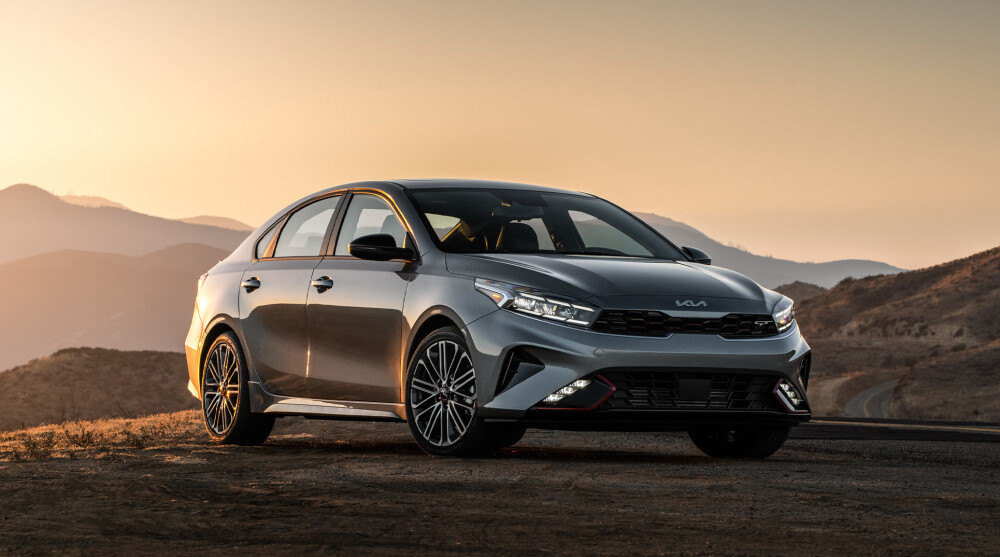
The Kia Forte is widely recognized for combining affordability, reliability, and low total cost of ownership. Its engines are fuel-efficient and durable, while routine maintenance remains moderate compared with many other vehicles in its class. Insurance rates are reasonable due to its classification as a safe, mid-size sedan with strong safety ratings.
Kia’s extensive warranties provide peace of mind for owners, covering many potential repairs during the initial years of ownership. The Forte’s straightforward mechanical design reduces the risk of unexpected failures, ensuring that costs remain manageable even as the vehicle ages.
Parts for the Forte are widely available, making repairs more accessible and affordable. Routine maintenance such as brake replacement, tire rotation, and oil changes remains cost-effective, while the vehicle’s simple design allows independent mechanics to perform most repairs efficiently.
Its engines and transmissions are designed for reliability rather than high-performance extremes, minimizing the likelihood of expensive failures.
For drivers who prioritize low operating costs and predictability, the Forte offers a balanced solution that avoids the financial surprises common in other sedans.
Fuel efficiency is another key factor in the Forte’s affordability. Both city and highway driving yield competitive mileage, reducing monthly fuel expenses for daily commuters. Owners report that even after years of use, the vehicle continues to perform reliably with minimal costly repairs.
Its combination of reliability, low maintenance, and fuel economy ensures that the Forte remains an accessible and practical choice for a wide range of drivers.
Finally, the Forte’s resale value, while slightly lower than some Japanese competitors, remains reasonable. When combined with low maintenance costs, moderate insurance premiums, and fuel efficiency, it provides a dependable, low-cost ownership experience.
The Forte’s straightforward engineering, affordability, and practicality make it a reliable choice for anyone seeking a sedan that delivers both comfort and financial predictability, proving itself as one of the most economical sedans available.
5 Sedans That Drain Your Wallet
BMW 3 Series
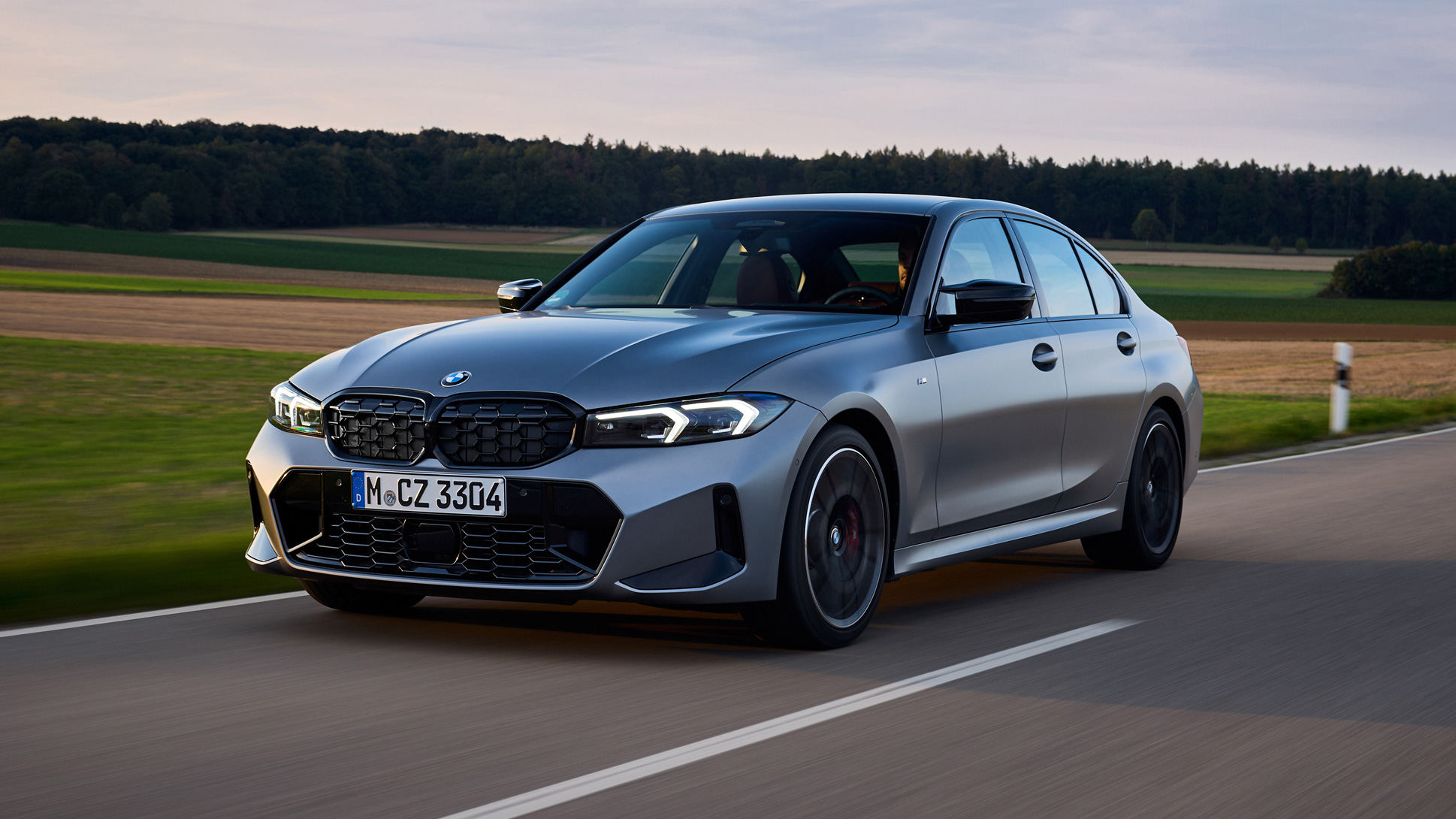
The BMW 3 Series is often praised for its driving dynamics, luxury features, and brand prestige, but these advantages come at a steep cost for owners.
Maintenance and repair costs are significantly higher than those for mainstream sedans, largely because BMW uses specialized parts and engineering that require trained technicians to service.
Even routine items such as brake pads, filters, and fluids are more expensive than average, and labor rates at dealerships can be substantial. Additionally, the 3 Series often comes with complex electronics and performance-focused engine components, which can fail and trigger costly repairs.
Owners frequently report that issues with turbocharged engines, electronic modules, or suspension components can quickly escalate into bills of several thousand dollars.
While it delivers a pleasurable driving experience, the financial demands of ownership can be unexpectedly high, making it a challenging vehicle for those prioritizing affordability.
Another factor that drives up costs is depreciation combined with repair expense. BMWs tend to lose value rapidly, especially after the initial warranty period expires, meaning owners may face both high maintenance bills and a lower resale value.
This creates a scenario where the vehicle becomes expensive to maintain relative to its market worth.
Insurance premiums are also higher for the 3 Series due to its classification as a luxury, high-performance vehicle, further adding to the monthly financial burden.
The combination of maintenance, repairs, insurance, and depreciation makes it one of the more expensive sedans to own over time. For drivers who value performance and luxury, the car delivers, but it requires a strong budget for both routine and unexpected expenses.
Fuel economy can also be a hidden cost in the 3 Series, especially for models with turbocharged or larger engines. While BMW markets these vehicles as efficient for their class, real-world driving often results in higher fuel consumption than mainstream sedans.
This adds to the total cost of ownership, particularly for drivers with long commutes or frequent highway travel. Even basic maintenance like tire rotations and oil changes is more expensive due to BMW’s unique engineering, which often requires premium parts and fluids.
The financial demands of keeping the 3 Series in top condition are consistent throughout ownership, and small repairs can escalate quickly if ignored, reinforcing its reputation as an expensive car to maintain.
Finally, the 3 Series’ complexity can be intimidating for DIY maintenance. Unlike more mainstream vehicles, the intricate systems and electronic modules make self-repairs challenging and risky. This means owners are almost always dependent on specialized mechanics or dealerships, both of which charge premium labor rates.
Audi A4
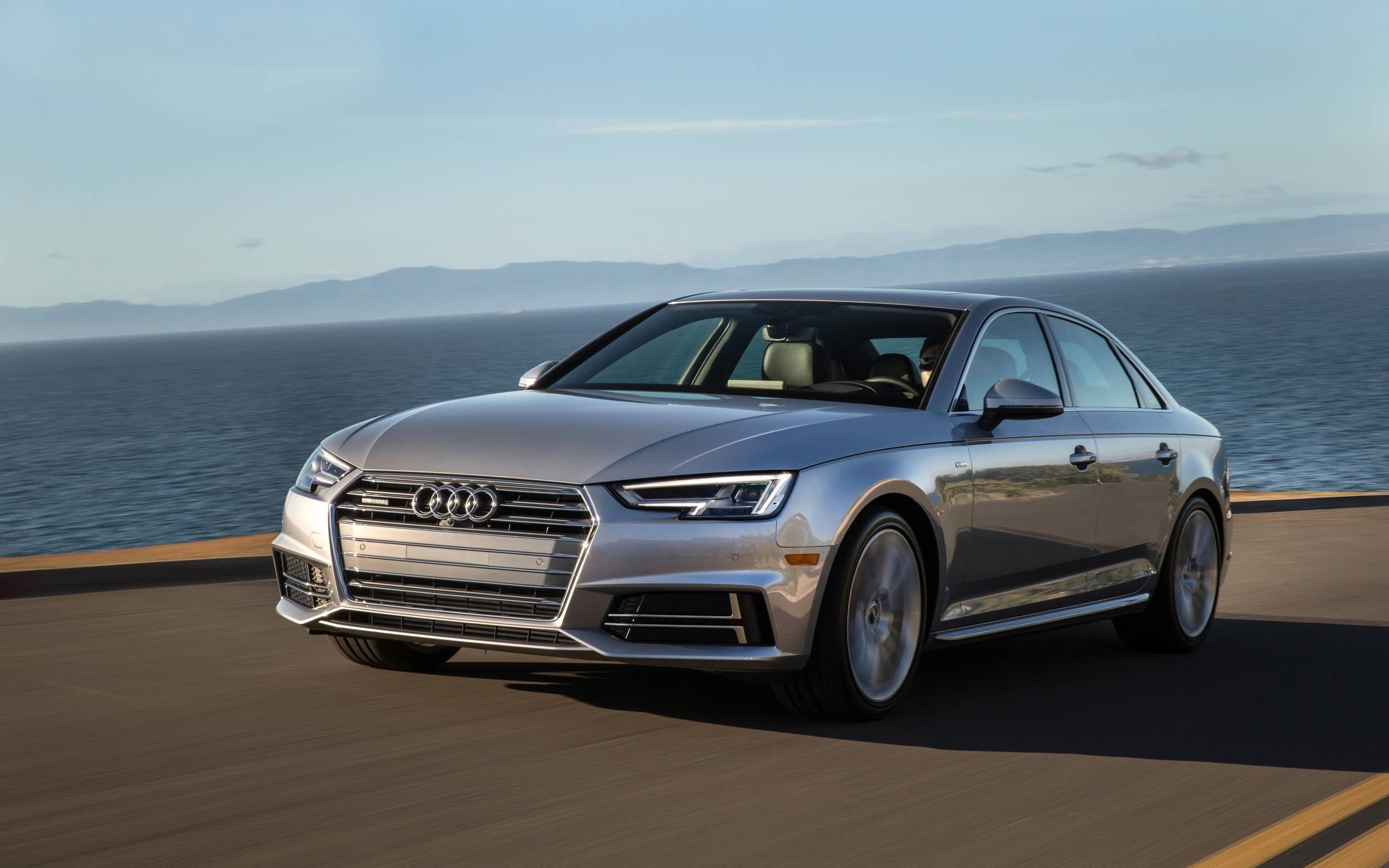
The Audi A4 offers premium styling, advanced technology, and a refined driving experience, but the costs associated with ownership can be substantial. Repair and maintenance costs are consistently higher than average, largely due to the use of high-performance engines and intricate electronics.
Insurance premiums for the A4 are also higher than average due to its luxury status and high replacement costs. A combination of expensive parts, complex systems, and higher market value makes insurers classify it as a higher-risk vehicle.
Additionally, depreciation can impact the financial equation, as older A4 models lose value quickly once the warranty expires, leaving owners to cover costly repairs without the buffer of resale value.
Fuel economy, while reasonable for its class, is not as efficient as budget-friendly sedans, particularly in turbocharged or quattro-equipped models. This further adds to the total cost of ownership over time.
The Audi A4’s technology and electronics, which are often key selling points, can also be sources of expensive repairs. Infotainment systems, sensors, and driver assistance features may fail and require specialized diagnostics, often at a premium cost.
Even minor electronic malfunctions can become costly if they affect critical systems like adaptive cruise control or safety modules.
Owners often report that maintenance is not only expensive but also time-consuming, as finding a qualified service center familiar with the intricacies of the A4 can be necessary to avoid further complications.
Finally, the combination of luxury, performance, and complexity makes the A4 a sedan that demands careful financial planning.
While the car provides an enjoyable driving experience with high-quality interiors and smooth handling, owners must anticipate above-average maintenance, repair, and insurance costs.
The total cost of ownership is high compared to mainstream sedans, and even minor issues can become expensive quickly, reinforcing the notion that the Audi A4 is better suited for those prepared to accept significant ongoing expenses in exchange for comfort and prestige.
Mercedes-Benz C-Class
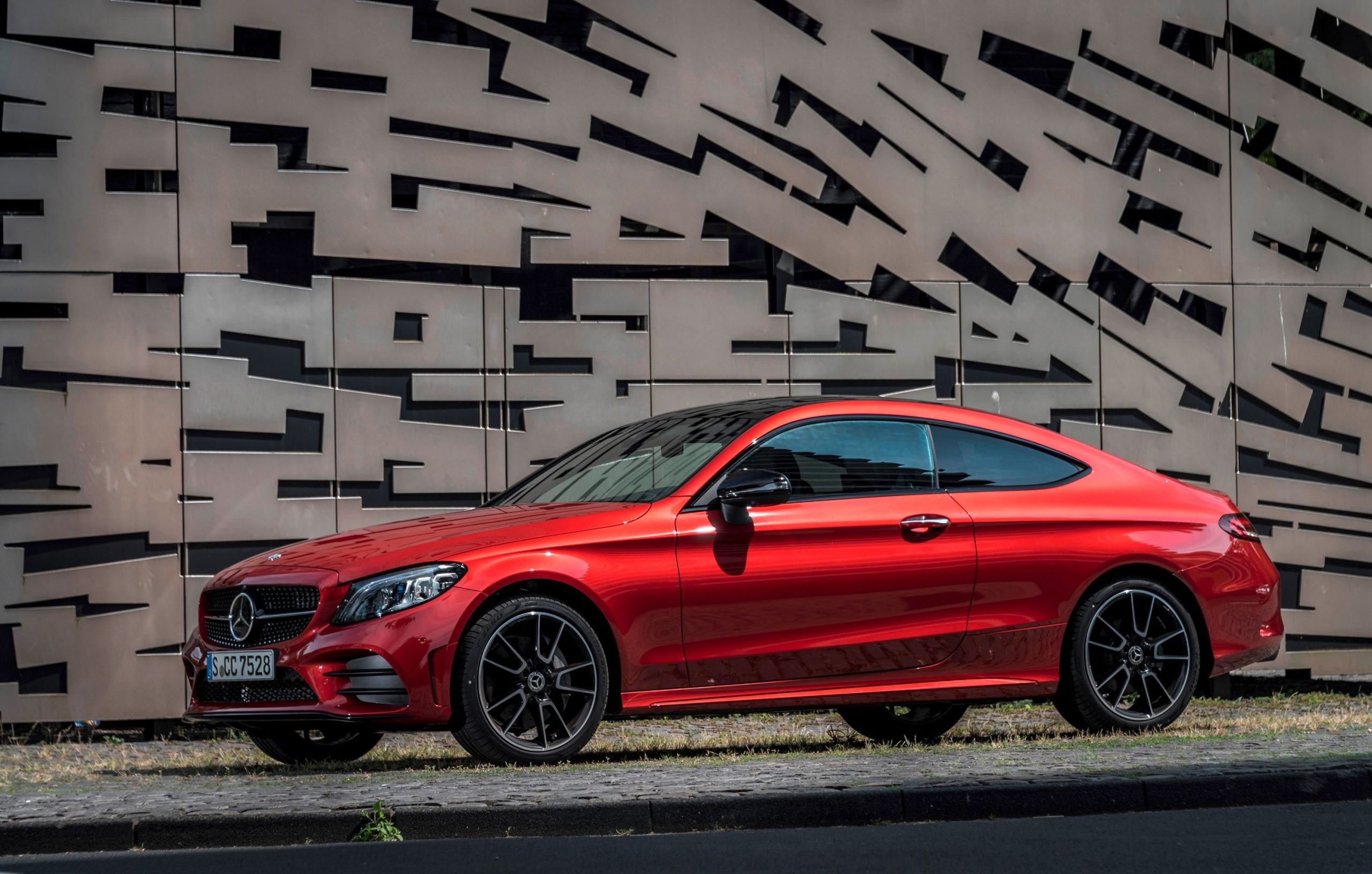
The Mercedes-Benz C-Class is renowned for its luxurious interiors, smooth ride, and advanced technology, but it comes with substantial ownership costs.
Routine maintenance, including oil changes, brake servicing, and tire replacements, is more expensive than average due to the brand’s use of premium parts and highly trained technicians.
Depreciation also contributes to the high cost of ownership. While the C-Class is considered a status symbol and luxury vehicle, it loses value rapidly after the first few years, leaving owners responsible for repairs without the benefit of significant resale value.
Insurance premiums are elevated due to the car’s classification as a luxury, high-performance vehicle, further increasing the financial burden.
Fuel costs are another consideration, as the C-Class’s turbocharged engines, while powerful and smooth, consume more fuel than smaller, more economical sedans. Over time, these expenses accumulate, making the C-Class an expensive vehicle to maintain and operate for the average owner.
Technology and electronics, while attractive features, are frequently cited as sources of costly maintenance. Infotainment systems, advanced safety modules, and electronic suspension systems may fail, often requiring expensive diagnostics and replacement parts.
Owners can experience recurring issues with sensors, wiring, and control units, which necessitate professional intervention at significant expense. Even routine diagnostics can become costly due to the brand’s complexity, emphasizing the high price of ownership beyond just fuel and basic maintenance.
Finally, the C-Class demands a financial commitment that extends beyond the purchase price. Owners must budget for higher-than-average maintenance, repairs, and insurance while factoring in accelerated depreciation.
The vehicle provides luxury, comfort, and driving refinement, but these benefits come at a cost. Anyone considering a C-Class should anticipate these financial demands, as they are an inherent part of owning a premium sedan with complex engineering and high-performance features.
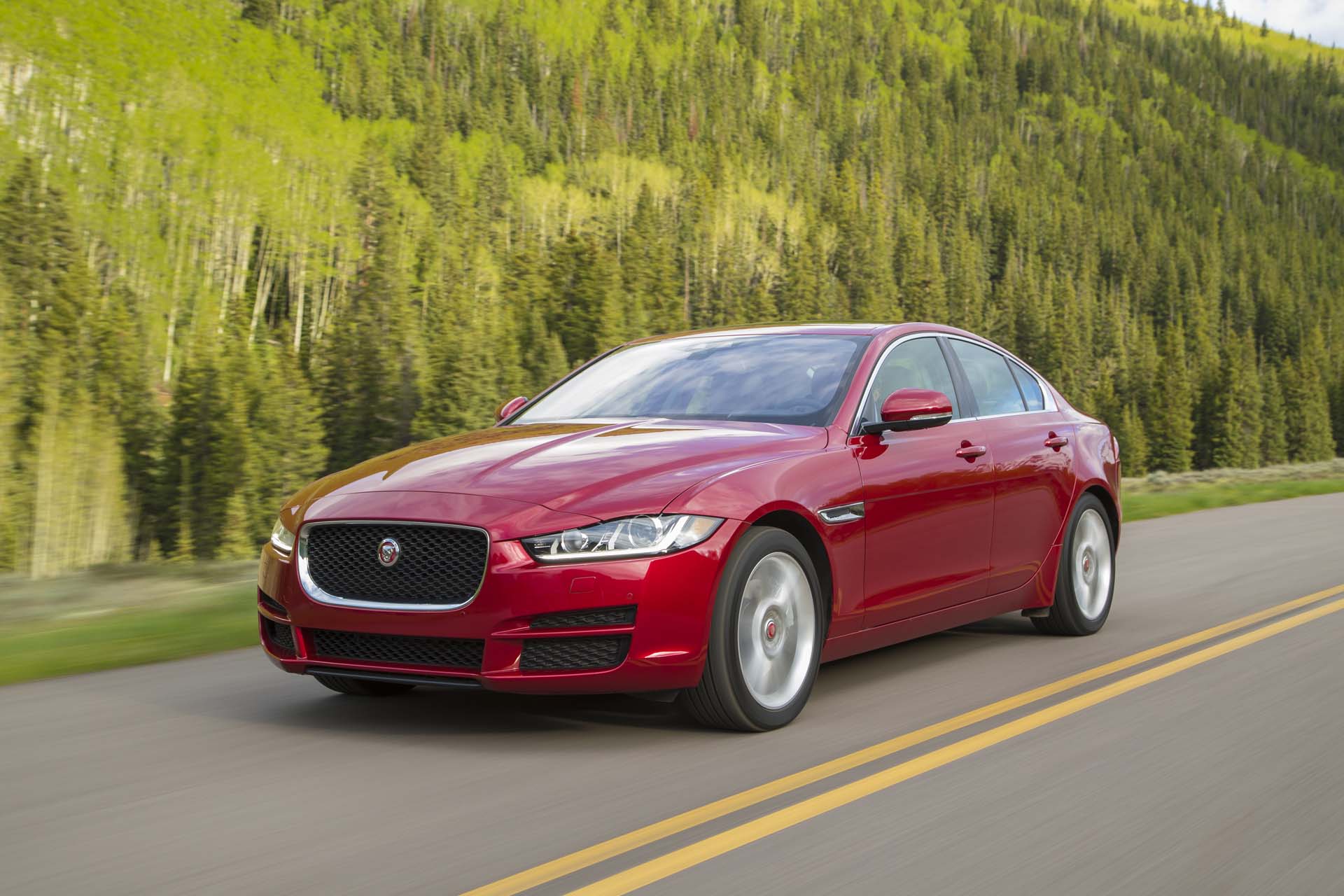
Jaguar XE
The Jaguar XE combines British styling, refined handling, and luxury features, but these qualities come with substantial costs.
Maintenance and repair expenses are significantly higher than average due to Jaguar’s use of specialized components and premium materials.
Routine services such as brake replacements, fluid changes, and minor mechanical repairs can cost two to three times more than comparable mainstream sedans.
Engine and transmission components, especially turbocharged engines, are prone to issues that require specialized diagnostics and expensive replacement parts.
Owners frequently report that unexpected repairs, particularly with electronics or suspension systems, can lead to bills of several thousand dollars.
Depreciation is another financial challenge with the Jaguar XE. While the car offers luxury and brand prestige, it loses value rapidly once it leaves the showroom, often faster than German competitors.
This steep depreciation leaves owners responsible for costly repairs without the mitigating factor of strong resale value. Insurance rates are also high due to its luxury and performance classification, further adding to ongoing costs.
Additionally, fuel economy is modest compared with mainstream sedans, meaning drivers spend more on gasoline over time.
The XE’s electronic and infotainment systems, while offering advanced functionality, are also sources of potential expense. Failures in navigation systems, touchscreens, and driver-assist features can be costly to fix due to the need for Jaguar-certified diagnostics and parts.
Even minor electronic glitches often require professional intervention, emphasizing the high cost of ownership compared with simpler vehicles. Maintenance intervals are typically shorter than mainstream sedans, requiring more frequent visits to a service center to keep the vehicle in optimal condition.
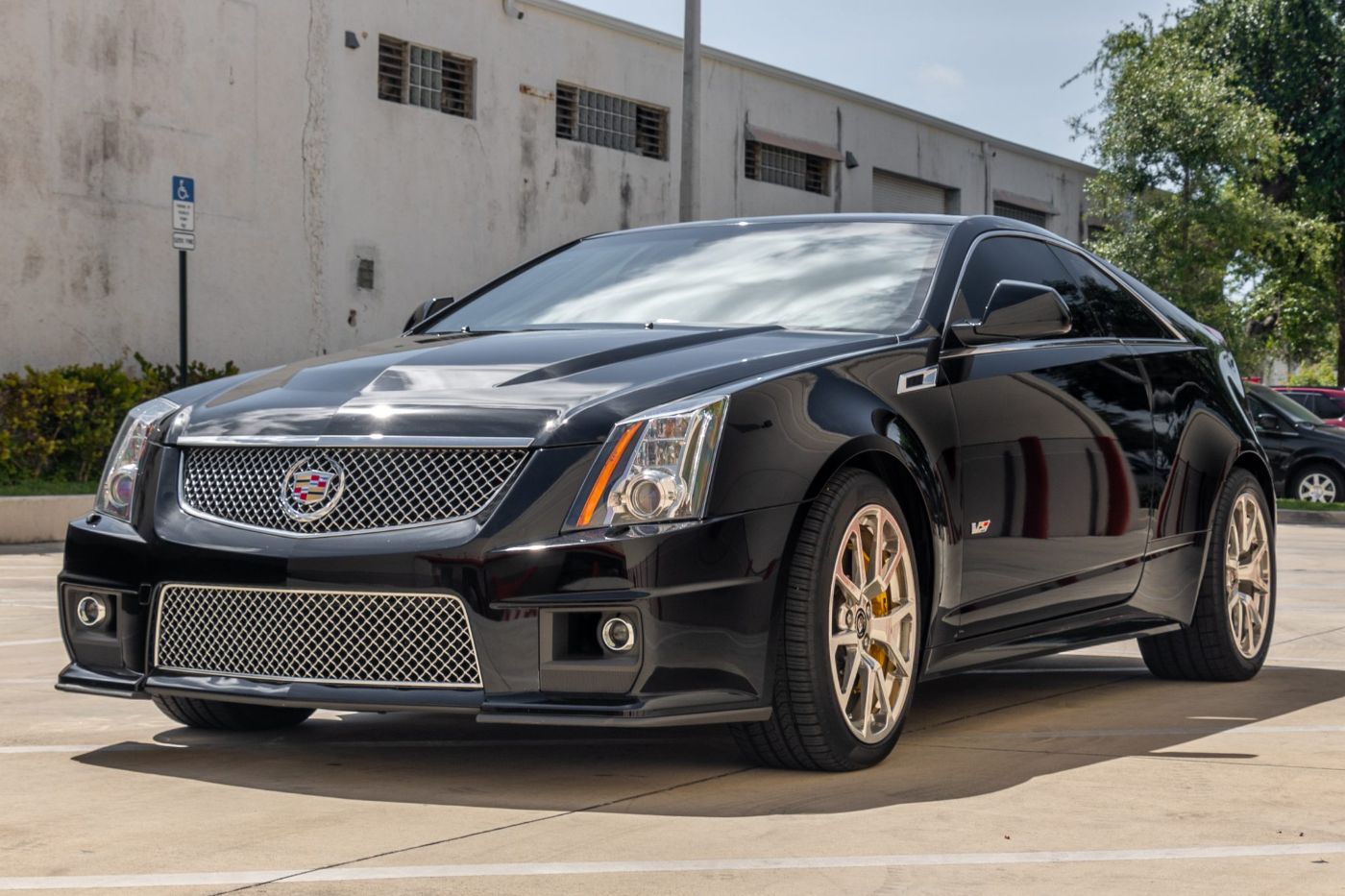
Cadillac CTS
The Cadillac CTS offers American luxury, powerful engine options, and a comfortable ride, but these advantages come with steep ownership costs. Maintenance and repair expenses are higher than those for mainstream sedans due to the use of premium parts and complex engineering.
Even basic services like brake replacements, oil changes, and tire rotations are more expensive compared with typical sedans. Engine components, especially in turbocharged or V6 variants, may require costly repairs as the vehicle ages.
Electrical systems, suspension parts, and other advanced features can also fail, leading to bills that quickly add up for owners who do not adhere to proactive maintenance schedules.
Depreciation contributes to the CTS’s financial burden. While it provides luxury and advanced features, the car loses value quickly after leaving the lot, leaving owners responsible for repairs without much recouped value in the used market.
Insurance premiums are higher due to its status as a luxury vehicle, and fuel economy, particularly in V6 models, is below average for sedans.
These factors collectively increase the total cost of ownership, requiring owners to allocate a substantial budget for operating and maintaining the vehicle over time.
The CTS’s electronics and technology, including infotainment systems, safety modules, and driver-assistance features, are frequent sources of expensive repairs. Malfunctions in these systems often require specialized diagnostics and certified parts to correct, making even minor problems costly.
Finally, the Cadillac CTS demands a commitment to high ongoing costs. Owners enjoy luxury, comfort, and performance, but these benefits come at the expense of predictable, low-cost ownership.
From maintenance and repairs to insurance and depreciation, the CTS consistently ranks as an expensive sedan to maintain. Anyone considering ownership should be prepared to invest time, money, and effort to keep the car in optimal condition, as the luxury and refinement come at a steep price.
