
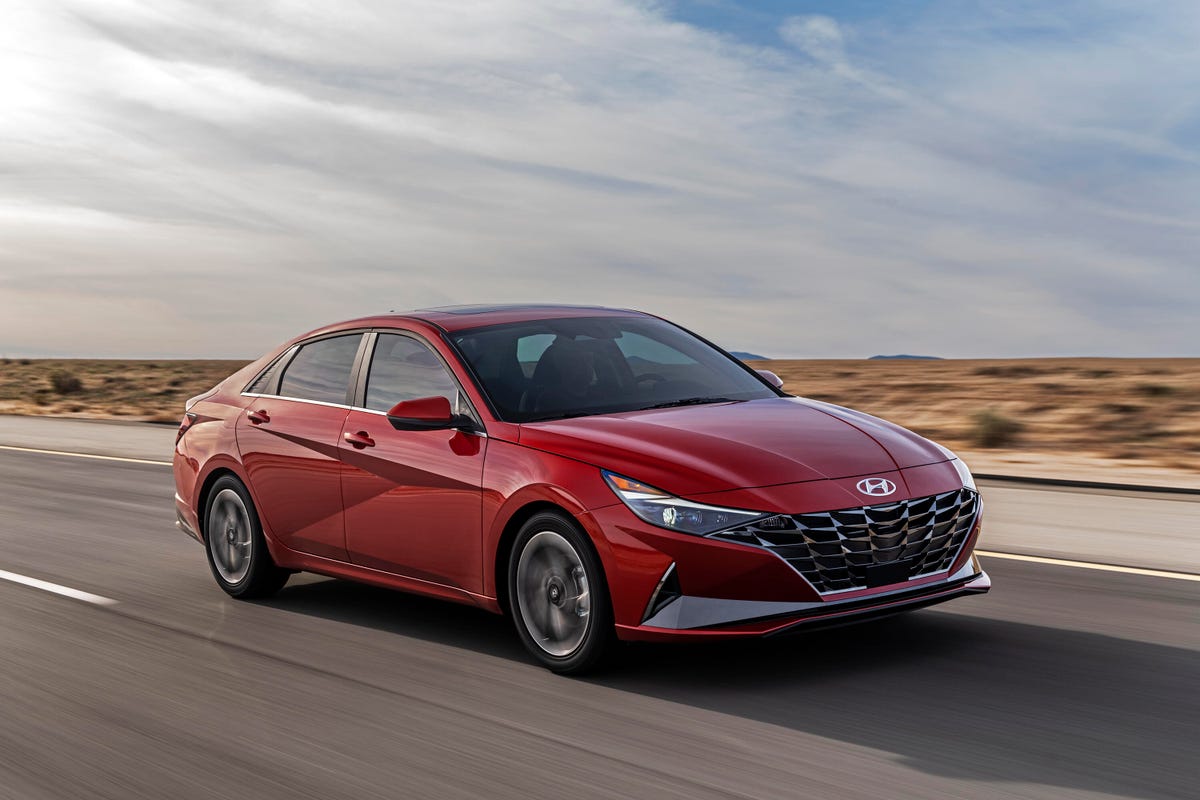
When it comes to buying a car, many people focus on upfront costs, performance, or style, often overlooking one of the most significant factors in long-term ownership: maintenance.
Over a decade, even a car that seems affordable initially can become expensive due to frequent repairs, parts replacement, and routine upkeep.
For drivers who want a vehicle that is reliable, practical, and economical over an extended period, selecting a car with low 10-year maintenance costs can make a huge difference.
Not only does this reduce the financial burden of unexpected repairs, but it also ensures that the car remains dependable and safe on the road.
Cars with low maintenance costs typically feature durable engines, widely available parts, and a history of reliability across different model years.
Automakers that have invested in engineering longevity often produce vehicles that require fewer major repairs and less frequent replacement of components like brakes, suspension parts, or transmissions.
Additionally, maintenance-friendly designs simplify routine tasks, from oil changes to filter replacements, which can save both time and money.
Many of the vehicles that fit this category are sedans, compact cars, and certain SUVs, known for balancing efficiency, reliability, and practicality.
These vehicles are often favored by families, commuters, and anyone seeking a long-term investment in transportation without the stress of high repair bills.
The following list highlights 11 cars widely recognized for having some of the lowest maintenance costs over ten years in the U.S.
Each of these vehicles has earned a reputation for durability, reliability, and accessibility of parts, making them ideal for drivers who value consistent performance without the surprise of major expenses.
Understanding these models can help prospective buyers make informed decisions that save money and stress over the long run.
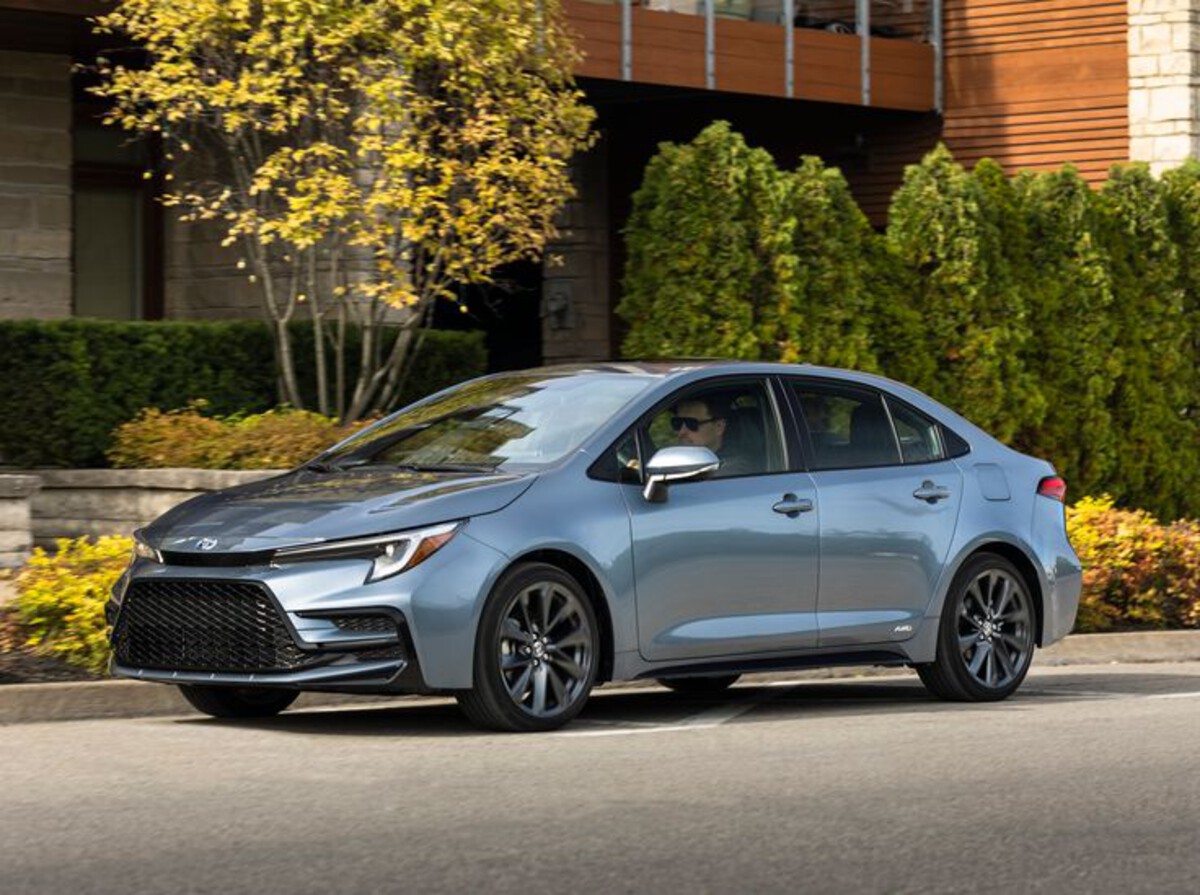
1. Toyota Corolla
The Toyota Corolla has long been recognized as one of the most reliable compact cars available in the U.S. market. Its reputation stems from decades of consistent engineering and a commitment to producing a vehicle that prioritizes longevity and simplicity.
The Corolla’s engines, whether in the base models or higher trims, are designed to run efficiently over extended periods, often exceeding 200,000 miles without major repairs. Transmission systems, particularly the automatic variants, have been engineered to reduce wear and tear, contributing to the vehicle’s enduring performance.
This reliability is not only a matter of the engine or drivetrain but also the careful selection of materials and assembly processes, ensuring that the mechanical systems remain resilient under a variety of driving conditions.
Routine maintenance is another factor that contributes to the Corolla’s low long-term costs. Basic services such as oil changes, tire rotations, brake inspections, and fluid checks are straightforward, inexpensive, and widely supported.
Unlike many vehicles that incorporate complex electronic or hybrid systems, the Corolla keeps its design simple, which reduces the chances of component failures that can result in costly repairs. For drivers, this means fewer unexpected service visits and more predictable expenses.
Even when minor issues arise, the vehicle’s simplicity allows mechanics to address problems efficiently, reducing both labor costs and time spent in the shop.
Parts availability further reinforces the Corolla’s cost-effectiveness. Because it is one of the most popular vehicles in the U.S., replacement parts are widely stocked, and both OEM and aftermarket options are reasonably priced.
Independent mechanics are well-versed in Corolla repairs, meaning that labor is typically less expensive than for vehicles with more complex or rare components.
This combination of readily available parts, skilled labor, and mechanical simplicity creates a vehicle that is not only reliable but also highly affordable to maintain over a decade of ownership.
The Corolla’s interior and design also contribute to its longevity. Materials are durable, and the layout is practical, helping to prevent premature wear and tear. Minimalist interior features mean that electronics are less likely to fail, reducing potential repair costs.
The car’s reliability, combined with its affordability in both parts and service, makes it a top choice for individuals seeking a vehicle that remains dependable and economical for ten years or more.
Its long-standing track record, practical design, and proven engineering make the Corolla a benchmark in low-maintenance compact cars.
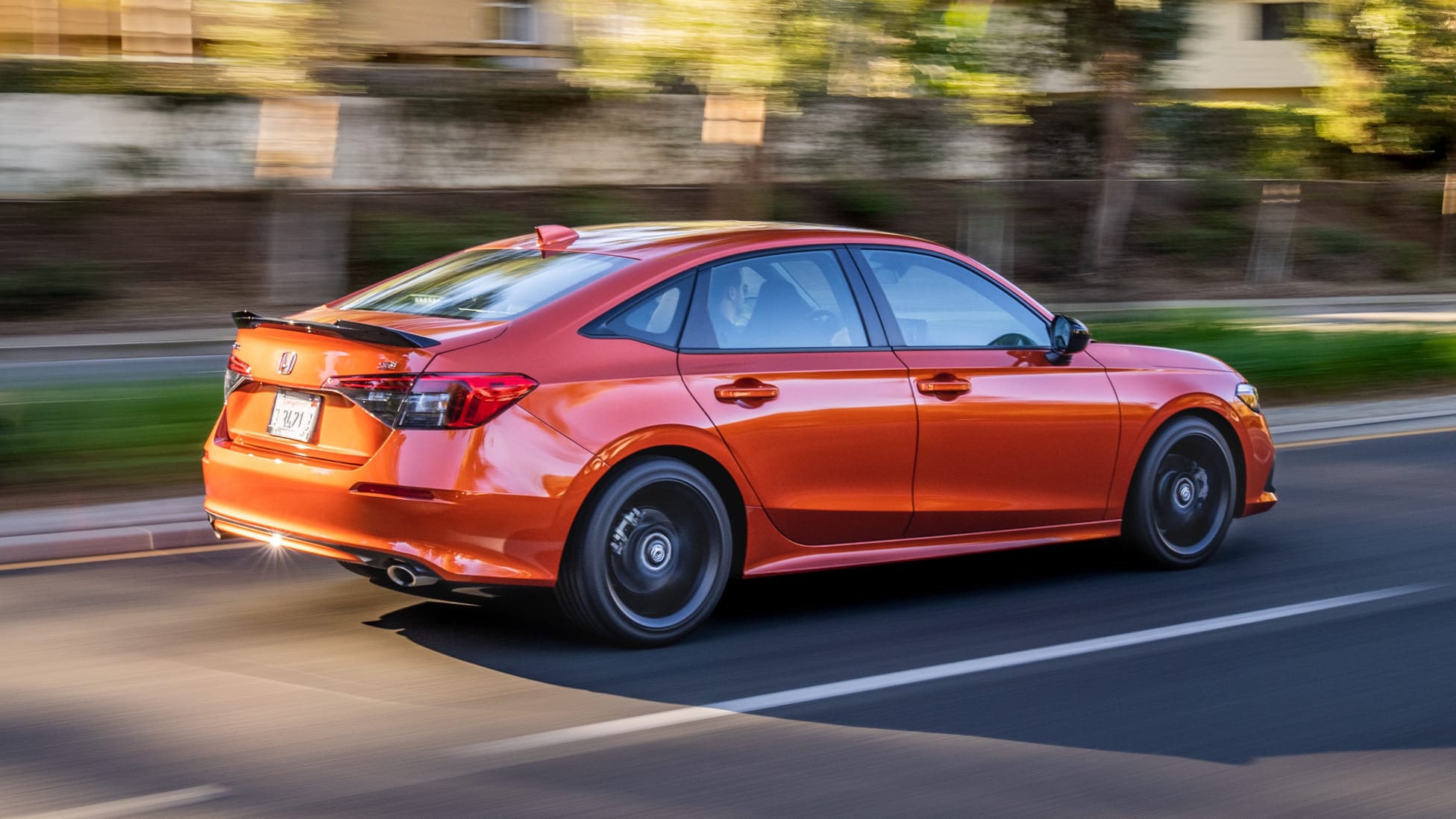
2. Honda Civic
The Honda Civic is widely regarded as a benchmark for reliability among compact cars in the U.S. Its engine and transmission systems are designed with longevity in mind, allowing many Civics to reach well beyond 200,000 miles with routine maintenance.
Honda’s engineering approach emphasizes efficiency and durability, ensuring that the vehicle maintains consistent performance over the years.
In addition to mechanical resilience, the Civic’s design focuses on simplicity and practicality, which minimizes the likelihood of breakdowns and reduces the total cost of ownership over an extended period.
Drivers often appreciate that the vehicle balances performance, fuel efficiency, and maintenance ease in a way few other compact cars achieve.
Maintenance for the Civic is generally straightforward, making it one of the most cost-effective vehicles to own over ten years. Standard servicing tasks, including oil changes, brake inspections, tire rotations, and coolant replacements, are inexpensive and simple to perform.
The vehicle avoids overly complex electronic systems that can fail prematurely, which means owners rarely encounter expensive repairs.
Even when minor mechanical issues occur, the familiarity of the Civic among mechanics ensures that problems can be diagnosed and resolved quickly and efficiently, keeping labor costs low.
Parts availability and repair support also play a significant role in minimizing maintenance expenses. Replacement components are widely available both through dealerships and aftermarket suppliers, and independent mechanics are typically well-versed in the vehicle’s systems.
This accessibility ensures that owners are not dependent on costly dealership services for routine or minor repairs.
The combination of affordable parts and knowledgeable mechanics makes the Civic a practical choice for those seeking long-term reliability without incurring high maintenance bills.
In addition to mechanical reliability, the Civic’s interior and exterior design contribute to its low upkeep costs. The cabin materials are durable, and controls are designed to withstand daily use without malfunctioning.
The body structure resists wear from minor bumps and environmental exposure, while the engine and transmission remain resilient over years of operation.
By blending mechanical strength, service accessibility, and durable design, the Honda Civic emerges as a highly practical choice for long-term ownership, maintaining low maintenance costs for a decade or more.
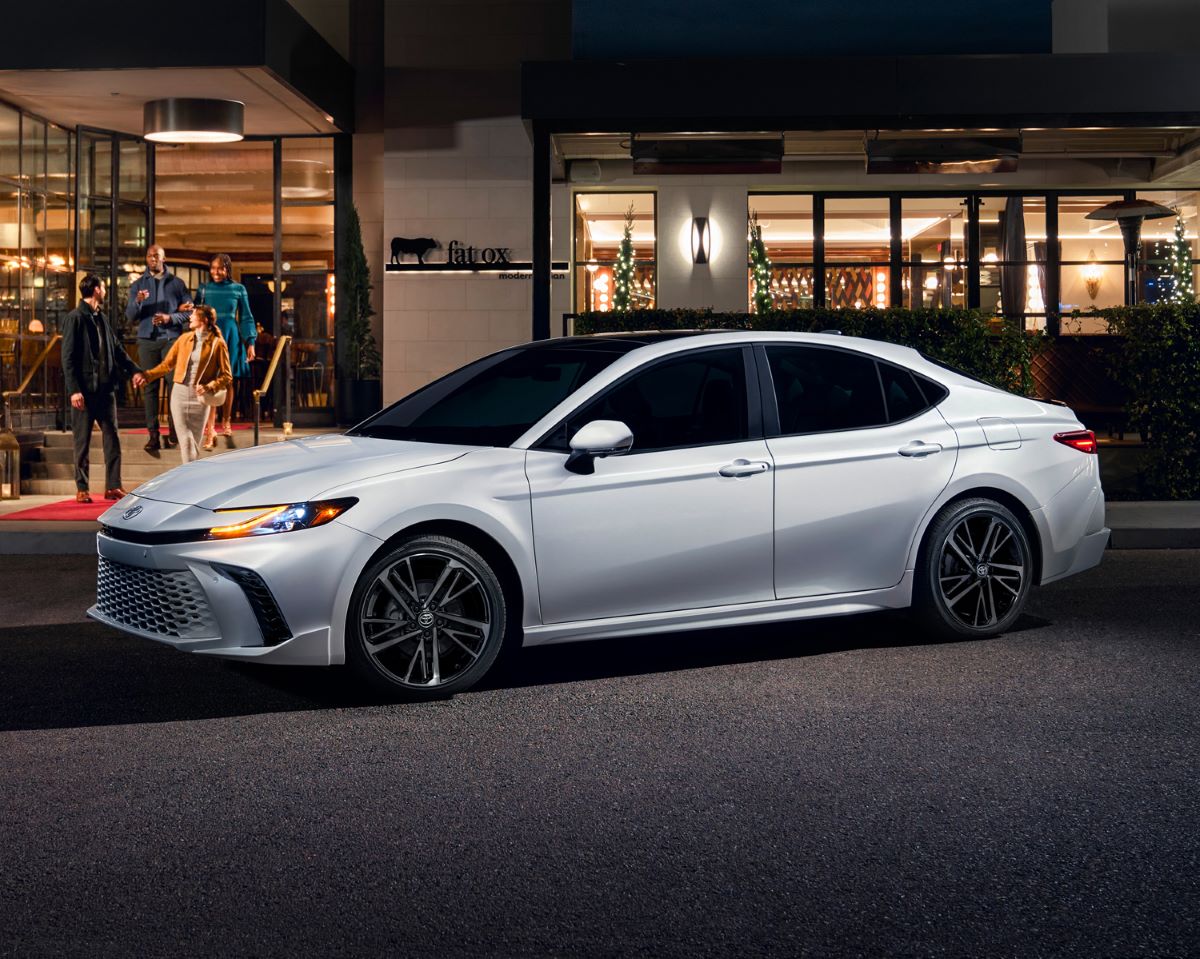
3. Toyota Camry
The Toyota Camry has earned its reputation as one of the most dependable midsize sedans in the United States. Over multiple generations, the Camry has consistently demonstrated reliability, with engines and transmission systems capable of surpassing 200,000 miles without major issues.
Toyota’s attention to engineering quality ensures that the vehicle’s components are robust, and the vehicle as a whole is designed for longevity.
Its consistent performance, coupled with a history of minimal mechanical failures, positions the Camry as a low-maintenance option for long-term owners. The combination of durable powertrains and high-quality construction reduces the likelihood of expensive repairs over ten years.
Routine maintenance for the Camry is predictable and cost-effective. Tasks such as oil changes, brake servicing, fluid inspections, and tire rotations are easy to perform and do not require specialized knowledge or expensive tools.
Toyota’s design philosophy avoids unnecessary complexity, which helps prevent failures in electronic or mechanical systems. Even after years of driving, the Camry often retains smooth operation and reliability, allowing owners to enjoy the benefits of predictable and manageable maintenance expenses.
Parts availability also contributes significantly to the Camry’s affordability. Replacement components are widely stocked and relatively inexpensive due to the model’s popularity in the U.S. Independent mechanics are familiar with Camry systems, reducing labor costs and the need for specialized dealership visits.
This availability of parts and expertise ensures that even older models remain economical to maintain, making the vehicle a practical long-term investment for drivers seeking reliability and cost efficiency.
The Camry’s interior design and materials further enhance its low-maintenance reputation. Durable fabrics, high-quality plastics, and well-constructed seating help the cabin resist wear over time. The layout is practical and intuitive, reducing the likelihood of damage to electronic controls or mechanical switches.
With a combination of durable engineering, predictable maintenance, and accessible repair options, the Toyota Camry remains an outstanding choice for those seeking a midsize sedan that balances comfort, performance, and low long-term maintenance costs.
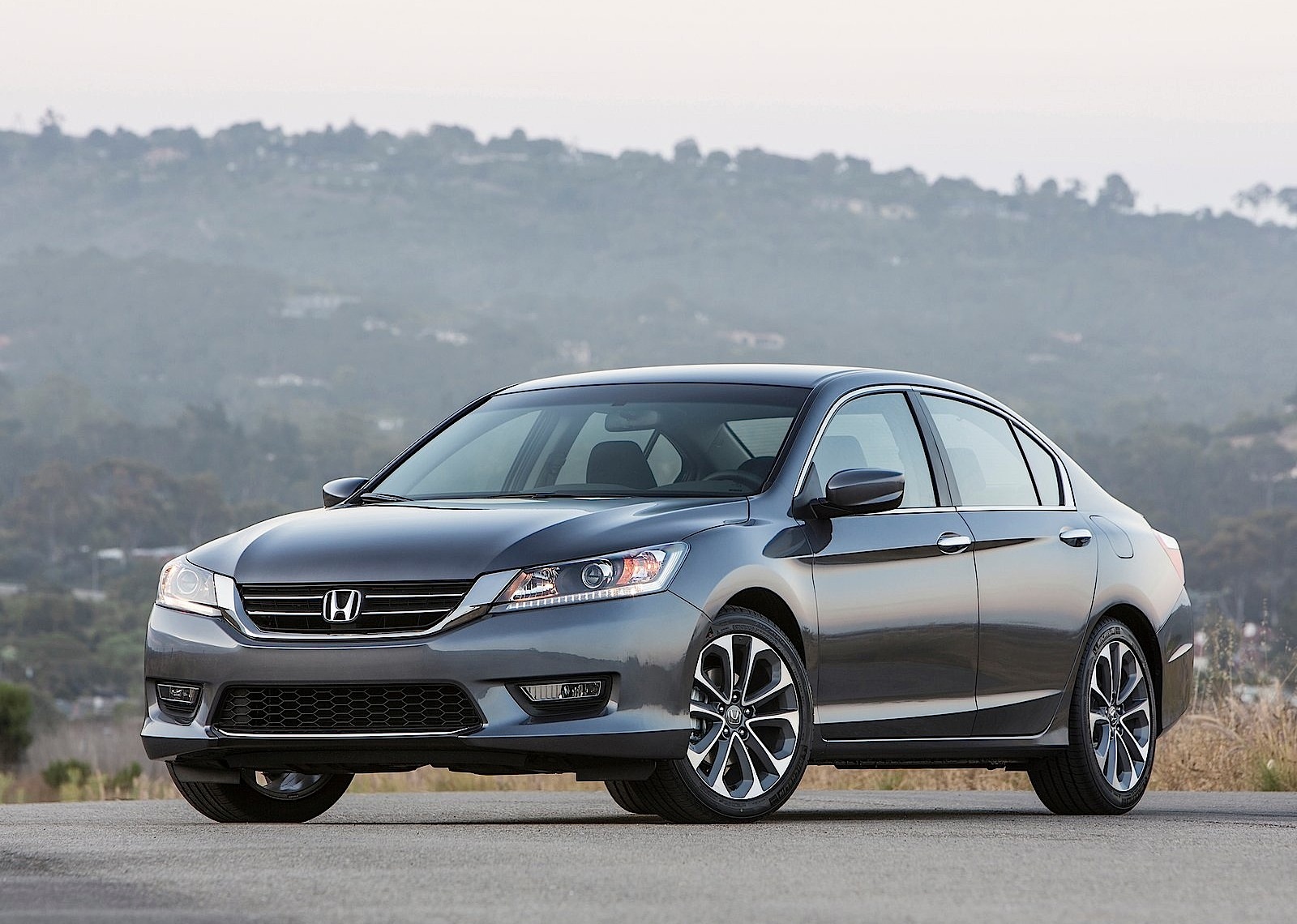
4. Honda Accord
The Honda Accord is a midsize sedan that has consistently ranked among the most reliable vehicles in the U.S. market. Its engines and transmission systems are engineered to endure extended use, with many Accords achieving well over 200,000 miles with proper care.
Honda emphasizes durable construction and simplicity in design, which helps prevent the common mechanical failures that can increase ownership costs.
The Accord’s focus on reliability is evident in its long-term performance record, making it an excellent option for drivers seeking minimal maintenance expenses over ten years.
Routine maintenance for the Accord is straightforward and affordable. Oil changes, brake inspections, fluid replacements, and tire rotations are predictable in both frequency and cost.
The vehicle avoids overly complex electronic systems that are prone to failure, which reduces the likelihood of expensive repairs.
When minor mechanical issues arise, the widespread familiarity of the Accord among mechanics ensures quick, efficient, and reasonably priced service. This predictability of maintenance schedules helps owners plan for expenses and minimizes surprises over the long term.
Parts availability is another factor that helps keep maintenance costs low. Because the Accord has been a popular model for decades, replacement components are abundant and reasonably priced.
Independent mechanics are knowledgeable about Honda systems, reducing labor costs and the need to rely exclusively on dealerships for repairs.
This accessibility ensures that both minor and more significant maintenance tasks can be completed efficiently and economically, supporting the vehicle’s long-term affordability.
The interior and exterior design of the Accord also contribute to its durability and cost-effectiveness. The cabin features materials chosen for longevity, while seating, controls, and surfaces are built to resist wear from daily use.
Exterior components, including body panels and trim, are engineered to withstand environmental exposure and minor impacts.
Combined with its mechanical reliability and accessible maintenance, the Honda Accord continues to be one of the most cost-efficient midsize sedans for long-term ownership in the U.S.
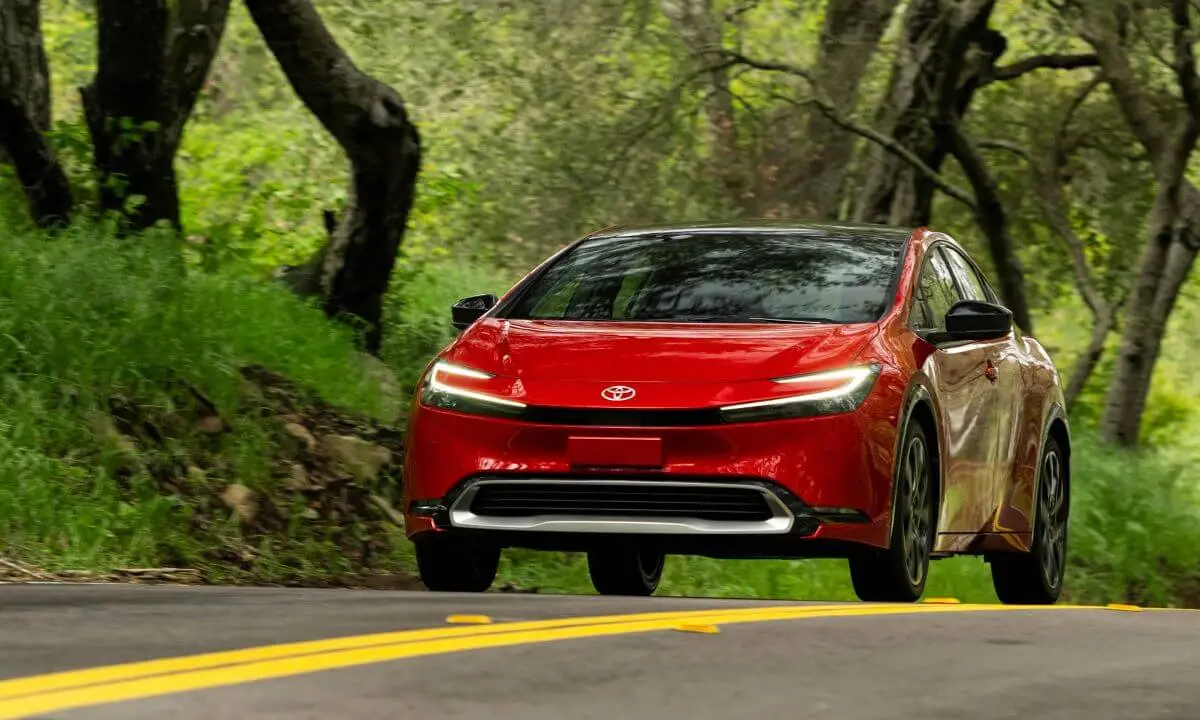
5. Toyota Prius
The Toyota Prius is widely regarded as one of the most reliable and low-maintenance hybrid vehicles available. Its hybrid powertrain, which combines a gasoline engine with an electric motor, is engineered to reduce wear on internal components and extend the life of the vehicle.
The hybrid battery packs are durable, often lasting well over ten years with minimal issues, which eliminates one of the most expensive potential repairs associated with hybrid technology.
This focus on durability and efficiency helps make the Prius an affordable option for long-term ownership, particularly for drivers who prioritize fuel economy and minimal maintenance.
Routine maintenance for the Prius is straightforward and relatively inexpensive. Oil changes, brake inspections, tire rotations, and fluid replacements are simple and predictable.
The regenerative braking system reduces wear on traditional brake components, meaning that owners often experience longer intervals between brake replacements.
This reduced component wear translates directly into lower long-term maintenance costs, making the Prius one of the most economical hybrid options available.
Parts availability and mechanic expertise further support the Prius’s low ownership costs. Due to its long-standing presence in the U.S. market, replacement parts are widely available and reasonably priced.
Independent mechanics are familiar with both the mechanical and hybrid systems, which reduces labor costs and prevents owners from relying exclusively on dealerships for repairs.
This accessibility ensures that even major components can be serviced affordably over a decade of ownership.
The Prius’s interior design and engineering contribute to its reputation for durability. High-quality materials and a practical layout minimize wear and tear over time, while the hybrid electronics are robust and reliable.
The vehicle combines fuel efficiency, predictable maintenance, and durable engineering, making it an excellent choice for drivers seeking a low-maintenance, cost-effective vehicle that remains dependable over ten years or more.
The Prius’s balance of innovation, practicality, and durability ensures it continues to be a standout in the low-maintenance vehicle category.
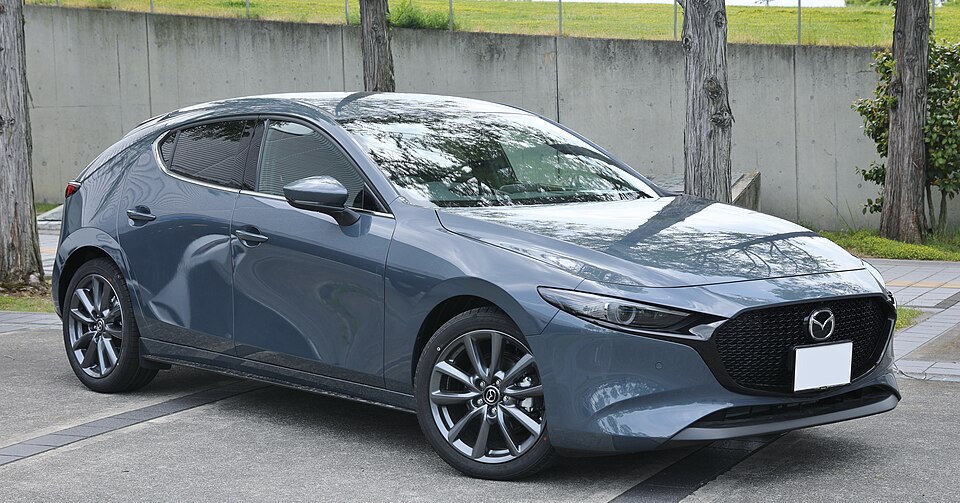
6. Mazda3
The Mazda3 has consistently earned praise for combining sporty handling with long-term reliability, making it a popular choice in the compact car segment.
Its engines, including both naturally aspirated and turbocharged options, are designed for durability, allowing many Mazda3s to surpass 200,000 miles with proper maintenance.
The transmission systems, whether manual or automatic, are engineered to be resilient, handling daily driving stresses without frequent failure.
This focus on long-lasting mechanical components ensures that the Mazda3 maintains predictable performance over a decade, making it a cost-effective choice for drivers who want both a responsive driving experience and a vehicle that remains reliable for years.
Routine maintenance for the Mazda3 is straightforward and typically inexpensive. Standard services such as oil changes, brake inspections, tire rotations, and coolant checks are simple to perform and do not require specialized tools.
Unlike some competitors, the Mazda3 avoids excessive electronic complexity, reducing the chances of component failures that could lead to costly repairs.
Even minor issues can often be resolved quickly by experienced mechanics, which keeps labor costs down and ensures that maintenance remains manageable over a ten-year ownership period.
Parts availability and repair support contribute significantly to the Mazda3’s affordability. Replacement components are widely stocked due to the vehicle’s popularity, and both OEM and aftermarket options are reasonably priced.
Independent mechanics are familiar with Mazda systems, meaning that routine maintenance or minor repairs rarely require dealership visits. This accessibility allows owners to maintain the vehicle efficiently, ensuring that long-term costs remain predictable and affordable.
The interior and exterior design of the Mazda3 also enhance its low-maintenance profile. Materials are durable and built to withstand years of regular use, while the cabin layout minimizes the potential for wear on frequently used controls.
Exterior components, such as body panels and paint finishes, are designed to resist environmental exposure, further reducing maintenance needs.
With reliable engineering, predictable upkeep, and accessible parts, the Mazda3 remains an attractive, low-cost option for drivers seeking a dependable compact car over ten years.
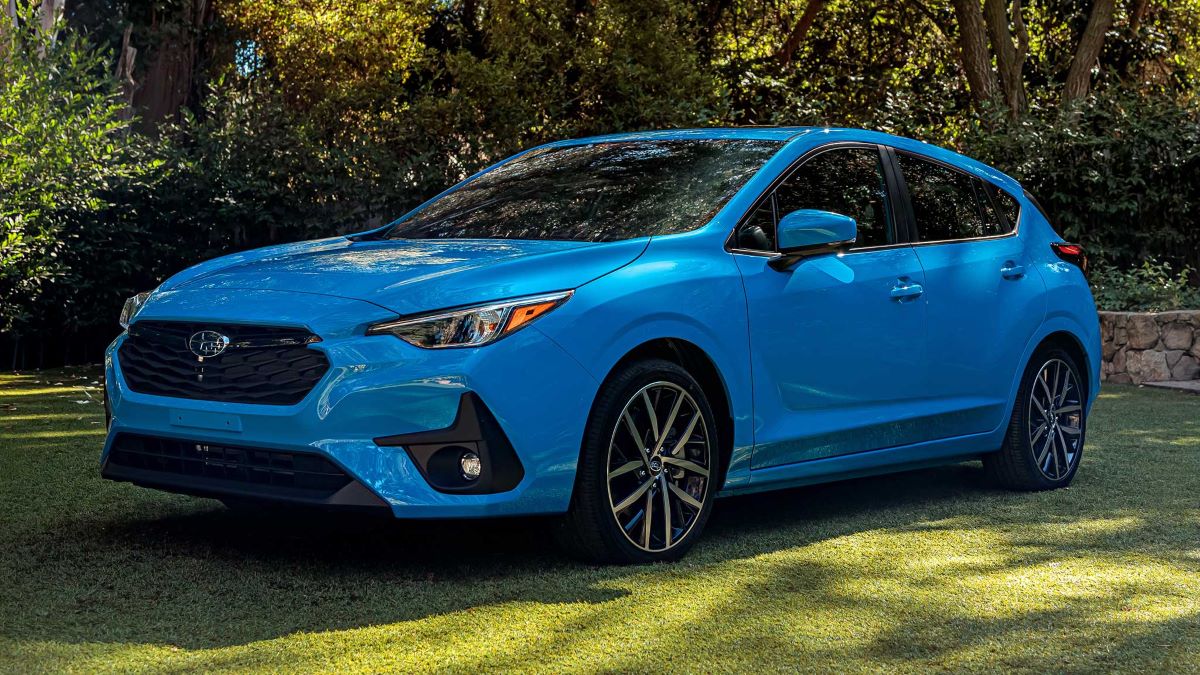
7. Subaru Impreza
The Subaru Impreza stands out for offering standard all-wheel drive along with proven reliability, making it a practical choice for drivers in a variety of conditions. Subaru’s four-cylinder boxer engines are known for longevity, often running well past 200,000 miles with regular maintenance.
These engines distribute weight evenly and operate with minimal stress, which reduces wear and improves mechanical life.
Combined with robust transmission systems, the Impreza provides consistent performance over the years, minimizing the likelihood of major repairs that can drive up ownership costs.
Routine maintenance for the Impreza is predictable and affordable. Oil changes, brake servicing, tire rotations, and inspections of the all-wheel-drive system are all straightforward procedures.
While AWD adds slightly more mechanical complexity compared to front-wheel-drive vehicles, Subaru has engineered the system to be durable and resilient.
Regular inspections and standard maintenance are usually sufficient to prevent significant failures, making the Impreza an economical choice for long-term ownership.
Parts availability and mechanic expertise also help keep maintenance costs low. Subaru has a strong presence in the U.S., meaning replacement parts are abundant and reasonably priced.
Independent mechanics are experienced with Subaru vehicles, ensuring that labor costs remain competitive and repairs can often be completed efficiently without relying solely on dealerships. This accessibility supports predictable long-term costs and reduces the risk of unexpected, high-priced repairs.
The interior and exterior design of the Impreza further support its reputation for reliability. Durable cabin materials and a simple, functional layout help the interior resist wear and tear over time.
Exterior panels and trim are designed to withstand exposure to weather and minor impacts, and the vehicle avoids overly complex electronics that could fail with age.
These combined factors, mechanical reliability, accessible service, and practical design, make the Subaru Impreza a low-maintenance vehicle that remains cost-effective over ten years or more.
8. Lexus ES
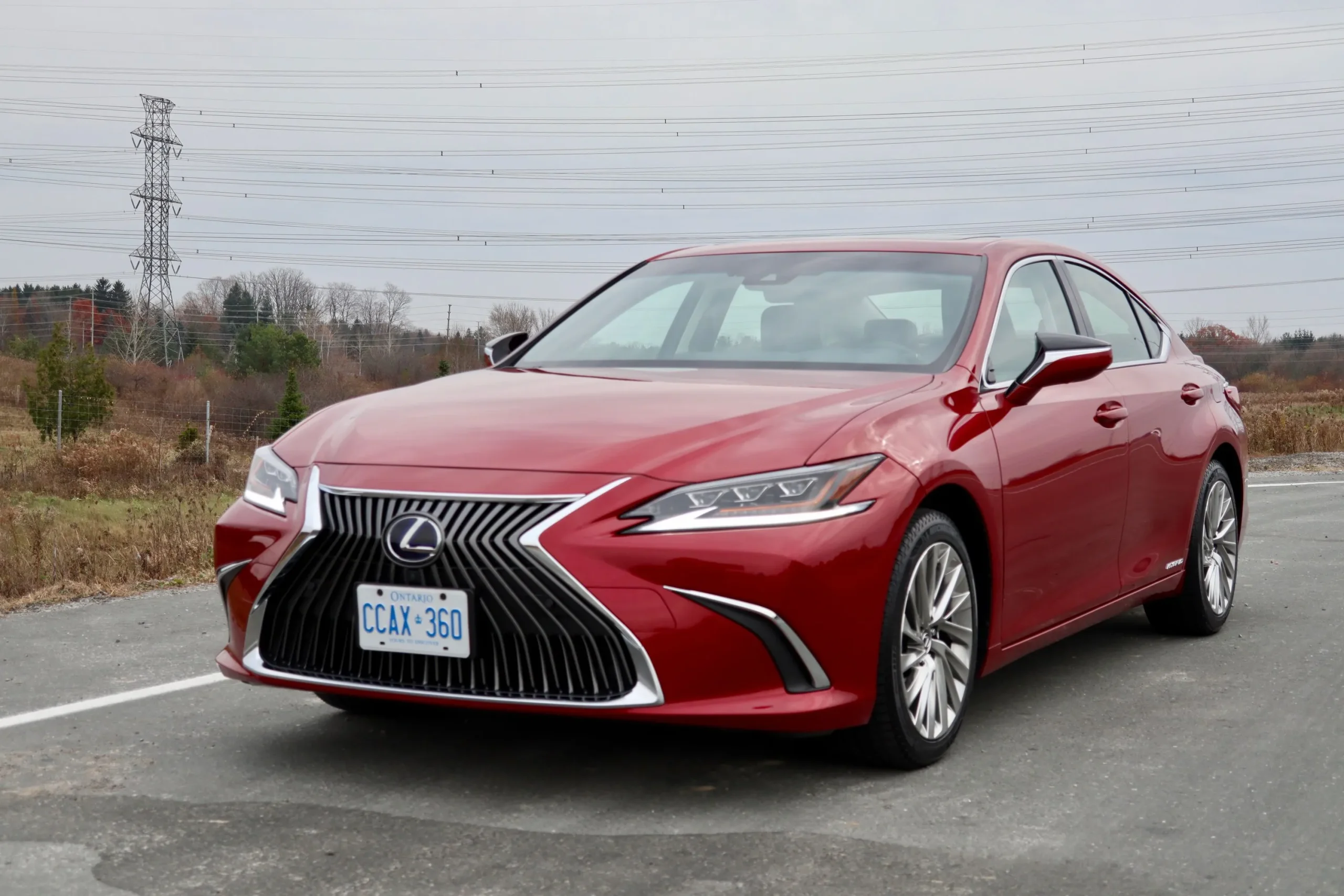
The Lexus ES is a midsize luxury sedan that stands out for its ability to combine premium comfort with surprisingly low long-term maintenance costs. Lexus, as Toyota’s luxury division, benefits from the same focus on reliability and durability found in Toyota models.
The ES’s engines and transmissions are robust, with many vehicles lasting well over 200,000 miles without major repairs.
This reliability is especially among luxury cars, where complex features and electronics often increase maintenance costs. The Lexus ES demonstrates that a premium vehicle can still offer predictable, manageable maintenance over an extended period.
Routine maintenance for the Lexus ES is relatively simple and affordable compared to other luxury sedans. Oil changes, brake inspections, tire rotations, and fluid replacements follow standard intervals and are straightforward for mechanics to perform.
The vehicle’s components are built to last, avoiding unnecessary complexity that can lead to expensive repairs. Owners benefit from a predictable maintenance schedule and fewer surprises, which is especially valuable in a luxury vehicle where typical service costs can be much higher.
Parts availability and service support further reduce ownership costs for the Lexus ES. Many components are shared with Toyota models, meaning that replacement parts are widely available and priced competitively.
Mechanics with experience in Toyota and Lexus systems can perform routine maintenance efficiently, reducing labor costs and minimizing reliance on dealerships.
This combination of parts accessibility and skilled service ensures that maintaining a Lexus ES over ten years is far more affordable than many other luxury cars on the market.
The interior and design of the Lexus ES contribute to both durability and a low-maintenance profile. The cabin features high-quality materials that resist wear and tear, while controls and electronics are engineered for long-term reliability.
The exterior is built to withstand environmental exposure, minimizing cosmetic repairs. By blending reliable engineering, accessible service, and durable design, the Lexus ES offers a luxury driving experience without the typical high maintenance costs, making it a sensible choice for long-term ownership.
9. Hyundai Elantra
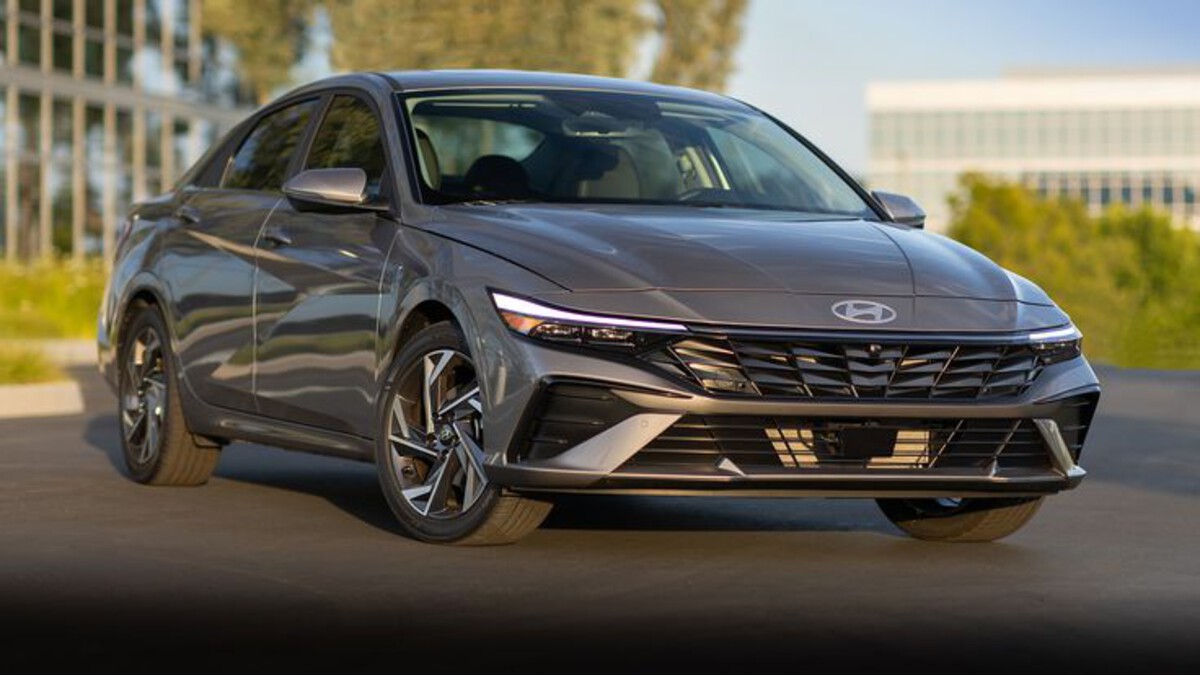
The Hyundai Elantra has grown in reputation as a dependable compact sedan that combines modern features with low long-term maintenance costs.
Hyundai’s recent engineering improvements have resulted in engines and transmissions that are reliable and capable of exceeding 200,000 miles with proper care.
The vehicle emphasizes durability and simplicity, avoiding overly complex systems that could increase repair costs. This focus on long-lasting performance ensures that drivers experience minimal issues over a ten-year ownership period, making the Elantra an economical choice for daily commuting and long-term use.
Routine maintenance for the Elantra is straightforward and affordable. Standard services such as oil changes, brake inspections, tire rotations, and fluid replacements are simple to perform and do not require specialized tools.
Hyundai designs its vehicles with longevity in mind, ensuring that mechanical components are durable and resistant to premature wear. This predictability allows owners to maintain the vehicle with minimal stress and expense, keeping long-term costs low and ownership experience hassle-free.
Parts availability and repair accessibility are strong points for the Elantra. Replacement components are widely available both through dealerships and aftermarket suppliers, and independent mechanics are experienced with Hyundai vehicles.
This accessibility ensures that repairs can often be completed at lower cost than vehicles with rarer or more complex components. Owners benefit from competitive labor costs and reduced reliance on dealerships, further supporting the vehicle’s long-term affordability.
The Elantra’s interior and exterior design also support its low-maintenance reputation. Durable cabin materials and a functional layout minimize wear and tear, while exterior panels and trim are engineered to resist environmental damage.
By combining mechanical reliability, accessible service, and thoughtful interior design, the Hyundai Elantra remains an excellent choice for drivers seeking a practical, low-maintenance vehicle for ten years or more. Its balance of affordability, dependability, and modern features makes it a standout among compact sedans.
10. Kia Soul
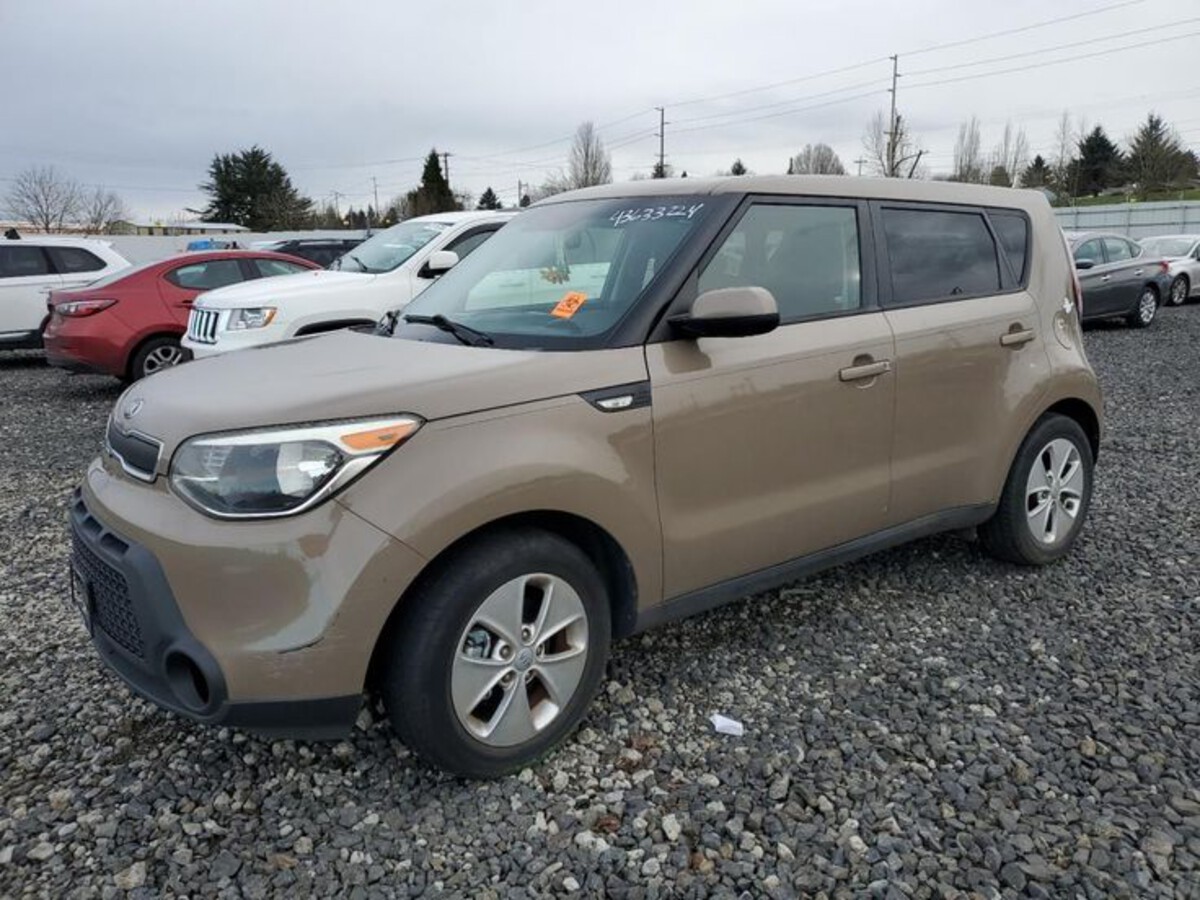
The Kia Soul is a unique compact crossover that combines distinctive styling with solid reliability and low maintenance costs. Kia has focused on durability and resilience, with engines and transmissions that perform consistently over time and often surpass 200,000 miles with routine care.
The vehicle’s design prioritizes mechanical simplicity and long-term dependability, which helps keep repair frequency and expenses low.
This combination of engineering strength and practicality makes the Soul an appealing choice for drivers who want a vehicle that remains reliable over a decade or more.
Routine maintenance for the Kia Soul is predictable and inexpensive. Oil changes, brake inspections, tire rotations, and fluid replacements are simple procedures that are easy for both dealerships and independent mechanics to perform.
The mechanical systems are straightforward, reducing the likelihood of unexpected failures that could result in costly repairs. Owners generally report few issues beyond standard servicing, which makes the vehicle economical to maintain over ten years.
Parts availability and service support are key contributors to the Soul’s affordability. Replacement components are widely stocked, and independent mechanics are familiar with Kia vehicles, which reduces labor costs.
The combination of affordable parts and accessible service ensures that even repairs on older models can be completed efficiently and economically. This practical approach to ownership helps maintain the vehicle’s low total cost of ownership over time.
The interior and exterior design of the Kia Soul further enhance its low-maintenance profile. Durable materials are used throughout the cabin, and the layout minimizes wear on frequently used surfaces and controls.
The exterior is built to withstand minor impacts and environmental exposure, reducing the likelihood of cosmetic repairs.
Together with reliable mechanical engineering and accessible service, the Kia Soul remains a cost-effective option for drivers seeking a compact vehicle with low long-term maintenance costs.
11. Ford Fusion
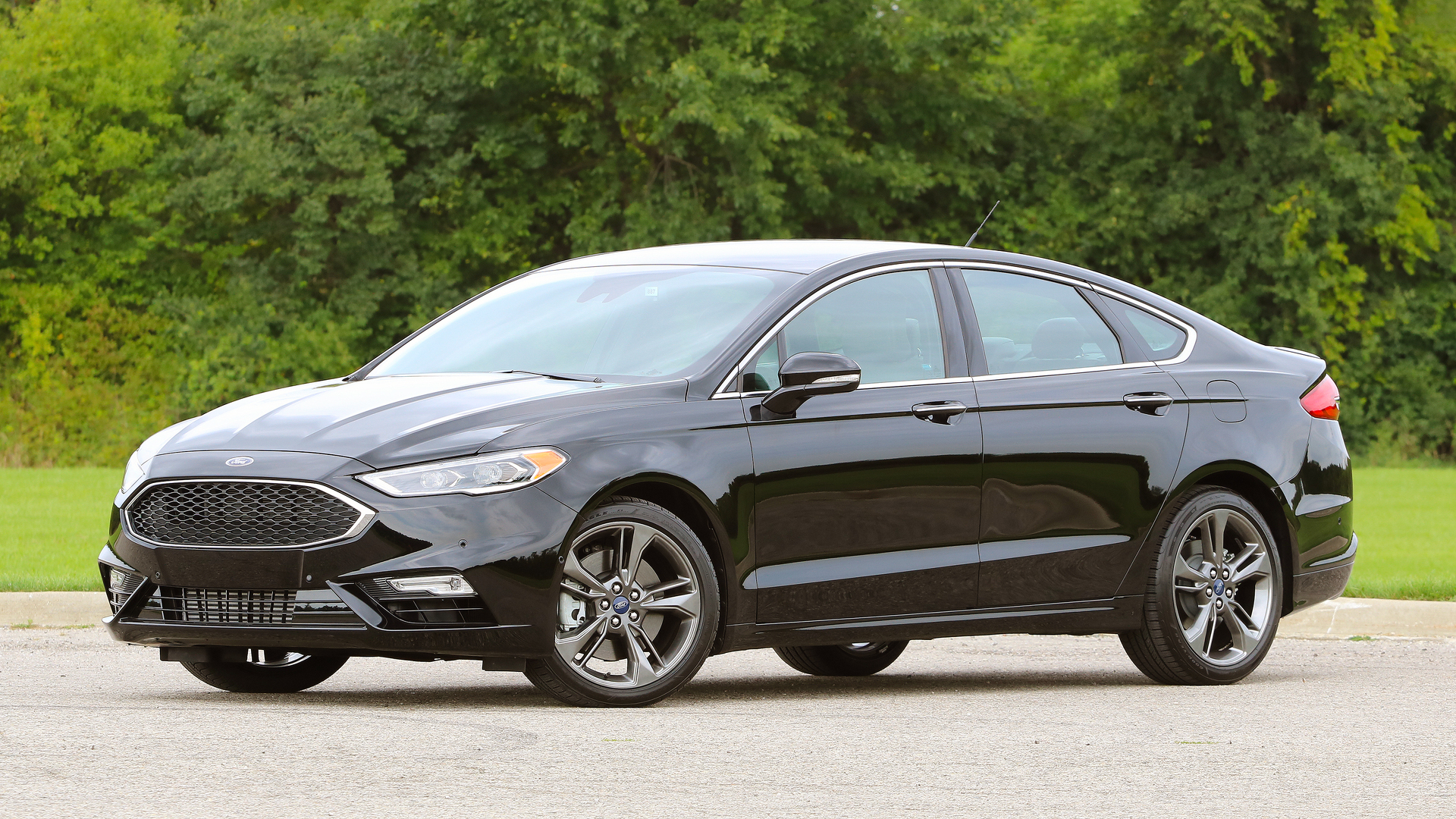
The Ford Fusion has earned a reputation as a reliable midsize sedan that offers a comfortable ride and reasonably long-term maintenance costs.
Its engines, whether the standard four-cylinder or the more powerful V6, are designed to endure extensive use, with many Fusion models reaching 200,000 miles or more when properly maintained.
The transmission systems, including automatic options, are generally robust and built to handle daily driving stress without frequent failure.
The combination of durable mechanical components and solid build quality ensures that the Fusion can remain dependable over a ten-year ownership period, providing both reliability and peace of mind.
Routine maintenance for the Fusion is straightforward and predictable. Standard services like oil changes, brake inspections, tire rotations, and fluid checks are easy for mechanics to perform and relatively inexpensive.
The vehicle avoids excessive complexity in areas like electronics and drivetrain components, reducing the likelihood of expensive repairs.
Even if minor issues occur, the Fusion’s popularity means mechanics are familiar with its systems, making repairs quick, efficient, and cost-effective.
This practical approach to maintenance helps owners plan for expenses without facing unexpected surprises over the long term.
Parts availability and service support are additional advantages for Fusion owners. Because it has been a popular midsize sedan in the U.S., replacement parts are readily available and affordably priced. Independent mechanics are well-versed in Ford vehicles, allowing repairs to be completed without relying solely on dealership service centers.
This accessibility ensures that both minor and more significant repairs can be handled efficiently, contributing to the Fusion’s reputation as a low-maintenance vehicle suitable for extended ownership.
The interior and exterior of the Fusion also contribute to its low-maintenance profile. Durable cabin materials, including well-constructed seating and controls, resist wear from daily use.
The body panels and trim are designed to withstand environmental exposure and minor impacts, reducing cosmetic repair needs.
With a combination of reliable engineering, accessible service, and practical design, the Ford Fusion is a sensible choice for drivers seeking a dependable midsize sedan with low long-term maintenance costs.
