
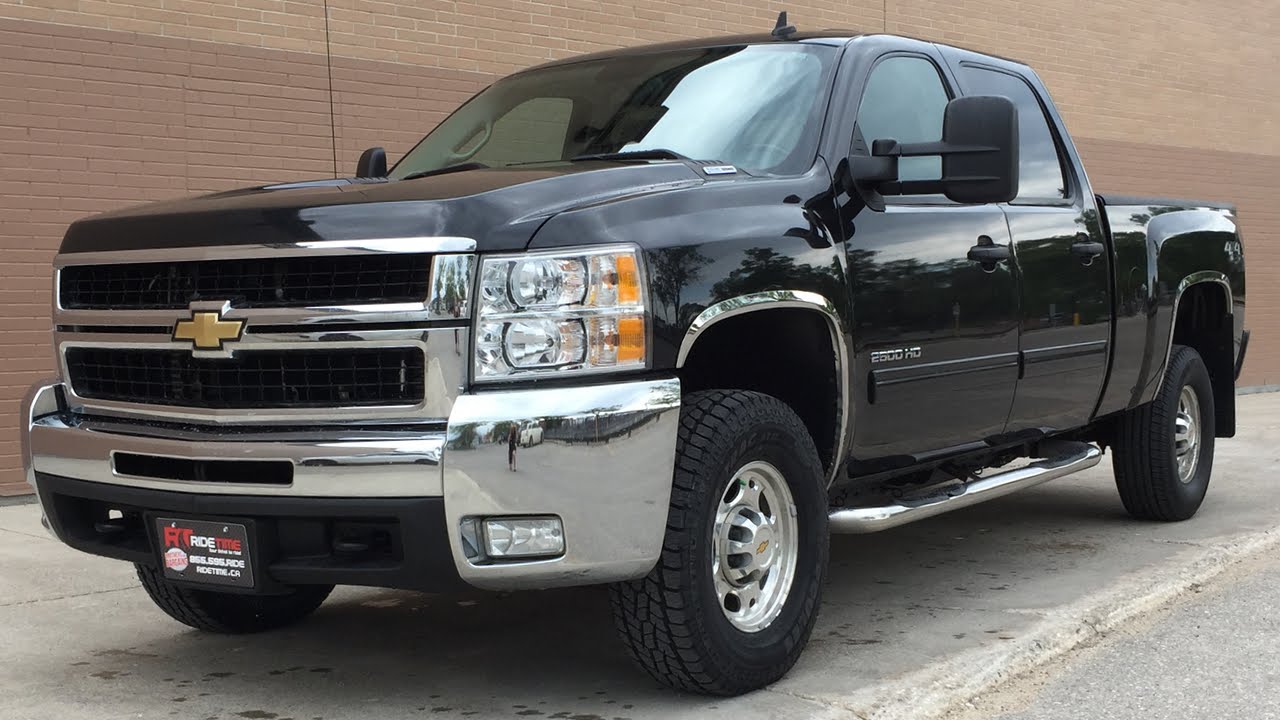
Reaching 400,000 miles on any engine is often considered a monumental achievement. While modern vehicles are built to last longer than ever, only certain engines have consistently proven that they can endure hundreds of thousands of miles without catastrophic failure when properly maintained.
Routine maintenance is critical to achieving this level of durability. Oil changes, timing belt or chain replacements, coolant flushes, and attention to transmission health are just a few examples of maintenance practices that extend engine life. Engine longevity is influenced not only by maintenance but also by design quality, the materials used, and how the vehicle is driven.
Some engines are simply engineered with tolerances, robust components, and simpler designs that allow them to endure extreme mileage more reliably than others. Over the years, mechanics and automotive enthusiasts have observed patterns, noting which engines repeatedly surpass the 400,000-mile mark.
Reaching such milestones requires consistent care rather than sporadic attention. Drivers who follow manufacturer recommendations and address minor issues before they become major problems typically see the best results. Additionally, fuel quality, driving habits, and climate can all affect longevity, but some engines stand out due to their inherent durability.
Many of these engines are found in trucks, SUVs, or cars designed for long-term utility, and they often have straightforward designs that are easier to maintain and repair. While not every engine will reach this kind of mileage, these ten examples show that with proper attention and routine maintenance, a vehicle can provide decades of reliable service.
In this article, each engine will be discussed in terms of design, common maintenance practices, strengths, and why it is capable of achieving such extraordinary mileage. These engines are celebrated among mechanics and automotive enthusiasts for their reliability, and their longevity demonstrates the intersection of engineering excellence and diligent maintenance.
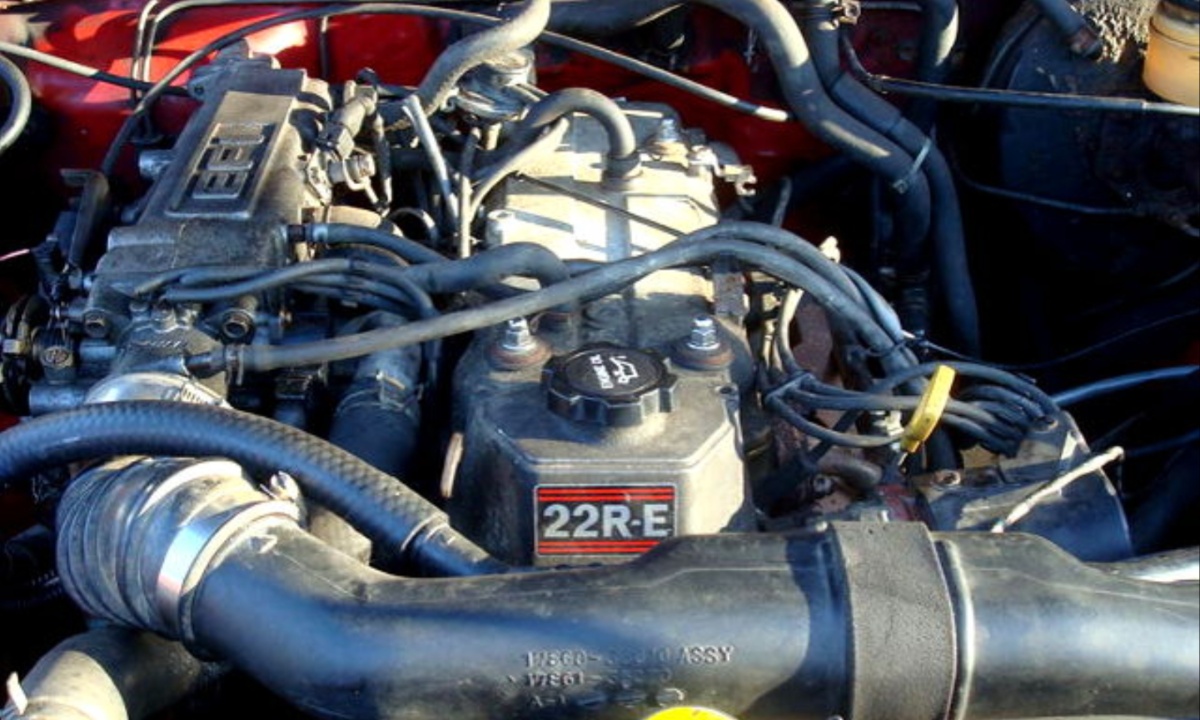
1. Toyota 22R/22RE (1980s–1995)
The Toyota 22R and its fuel-injected version, the 22RE, are legendary for their reliability. These engines were most commonly installed in the Toyota Pickup and 4Runner models and earned a reputation for surviving hundreds of thousands of miles with minimal problems.
One of the reasons for their longevity is the simplicity of their design. Unlike modern engines with complex electronics and turbocharging, the 22R series relied on straightforward mechanical components that could be easily repaired or replaced. This simplicity reduces the chances of catastrophic failure and makes routine maintenance easier to perform.
Common maintenance for the 22R includes regular oil changes, replacing the timing chain tensioner, adjusting the valve clearances when necessary, and monitoring the cooling system.
Another key factor in the 22R/22RE’s endurance is the durability of the materials used in its construction. The engine block is cast iron, which is highly resistant to warping and cracking over time. The cylinder heads and pistons are also built to withstand high mileage, and the fuel injection system on the 22RE improves efficiency and reduces internal stress compared to older carbureted models.
Many owners report these engines running smoothly beyond 400,000 miles, often requiring only basic maintenance rather than major rebuilds. Keeping the engine clean and avoiding overheating are critical steps, as prolonged high temperatures can still compromise the head gasket or other components over time.
Owners who achieve these high mileages often emphasize consistent preventive care. Timing chain tensioners and water pumps may need replacement as mileage climbs, but these are relatively inexpensive repairs that prevent more significant failures.
Additionally, using quality engine oil and replacing it on schedule ensures that the internal components remain lubricated and reduces wear on the crankshaft, camshaft, and bearings. The robust design also tolerates occasional neglect better than many modern engines, which may suffer severe damage from a single lapse in maintenance.
Finally, the Toyota 22R/22RE remains a benchmark for reliability because it combines mechanical simplicity with thoughtful engineering. Enthusiasts often keep these engines running with original components or rebuild them using factory-spec parts, further extending their life.
The combination of design durability, ease of maintenance, and owner diligence makes it common to see these engines surpassing 400,000 miles, proving that a well-built engine with routine care can achieve extraordinary longevity.
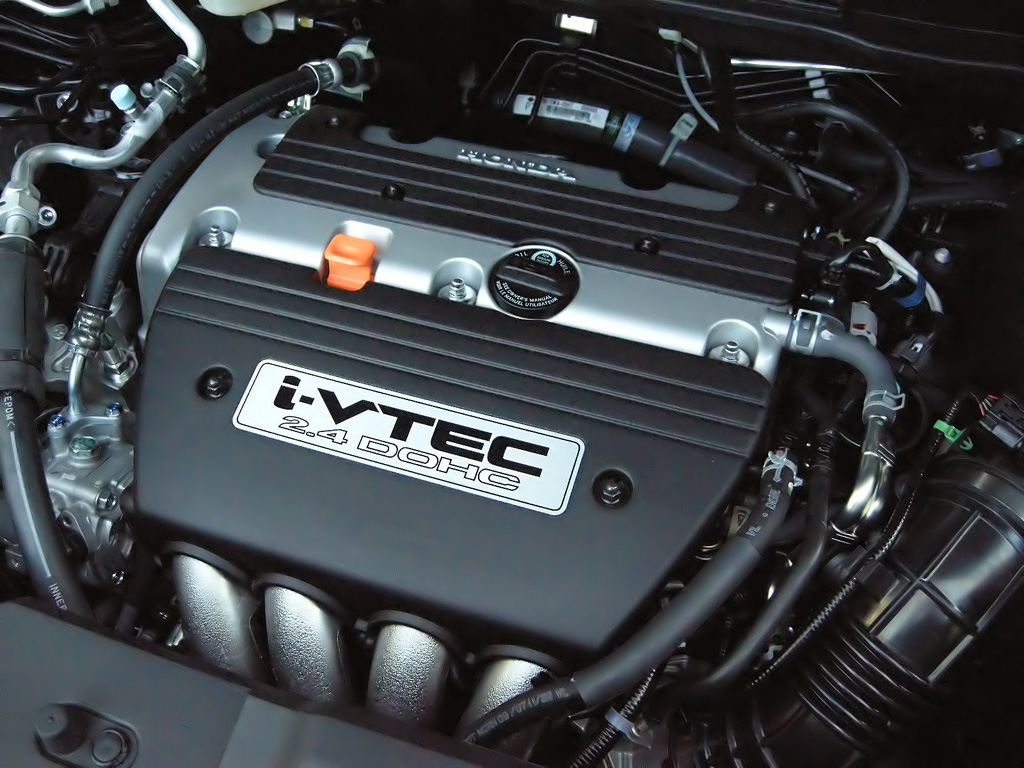
2. Honda K-Series (2001–Present)
The Honda K-Series engines, introduced in the early 2000s, are widely praised for their performance and reliability. Found in models such as the Honda Civic Si, Accord, and CR-V, these engines are known for high-revving efficiency and longevity.
One reason the K-Series engines last so long is the use of strong internal components, such as forged connecting rods and durable pistons in certain variants.
Additionally, the timing chain, rather than a belt, reduces the risk of sudden failure and extends intervals between maintenance. Routine maintenance includes regular oil changes, timing chain inspections, coolant changes, and valve adjustments for specific models.
Another factor contributing to the K-Series durability is Honda’s engineering philosophy. Honda engines are often overbuilt relative to their intended power output, meaning that most components are not stressed to their limits. This provides a safety margin that allows engines to operate effectively for hundreds of thousands of miles.
Many owners report engines exceeding 400,000 miles with nothing more than routine oil changes and occasional attention to sensors or ignition components. Fuel system cleanliness is also critical, as high mileage can lead to carbon buildup, especially in direct injection variants. Regular fuel system cleaning or using high-quality fuel reduces this risk.
The K-Series engines also benefit from precise manufacturing tolerances. The balanced crankshaft and well-designed lubrication system ensure even wear across critical components. Over time, engines with proper maintenance rarely experience significant oil consumption or catastrophic failures.
Cooling system health remains a critical point, as overheating can compromise the head gasket, but proper radiator and coolant care mitigate these risks. Additionally, Honda engines are known for their reliability even in high-stress applications, such as turbocharged versions, provided that maintenance intervals are strictly followed.
Finally, the K-Series engines demonstrate that a combination of high-quality engineering, strong materials, and routine care produces remarkable longevity. Enthusiasts who respect Honda’s maintenance schedules often achieve 400,000 miles or more.
These engines showcase how modern designs, when built robustly and cared for properly, can rival older, simpler engines in lifespan. Their continued popularity in tuning communities also highlights their enduring mechanical resilience.
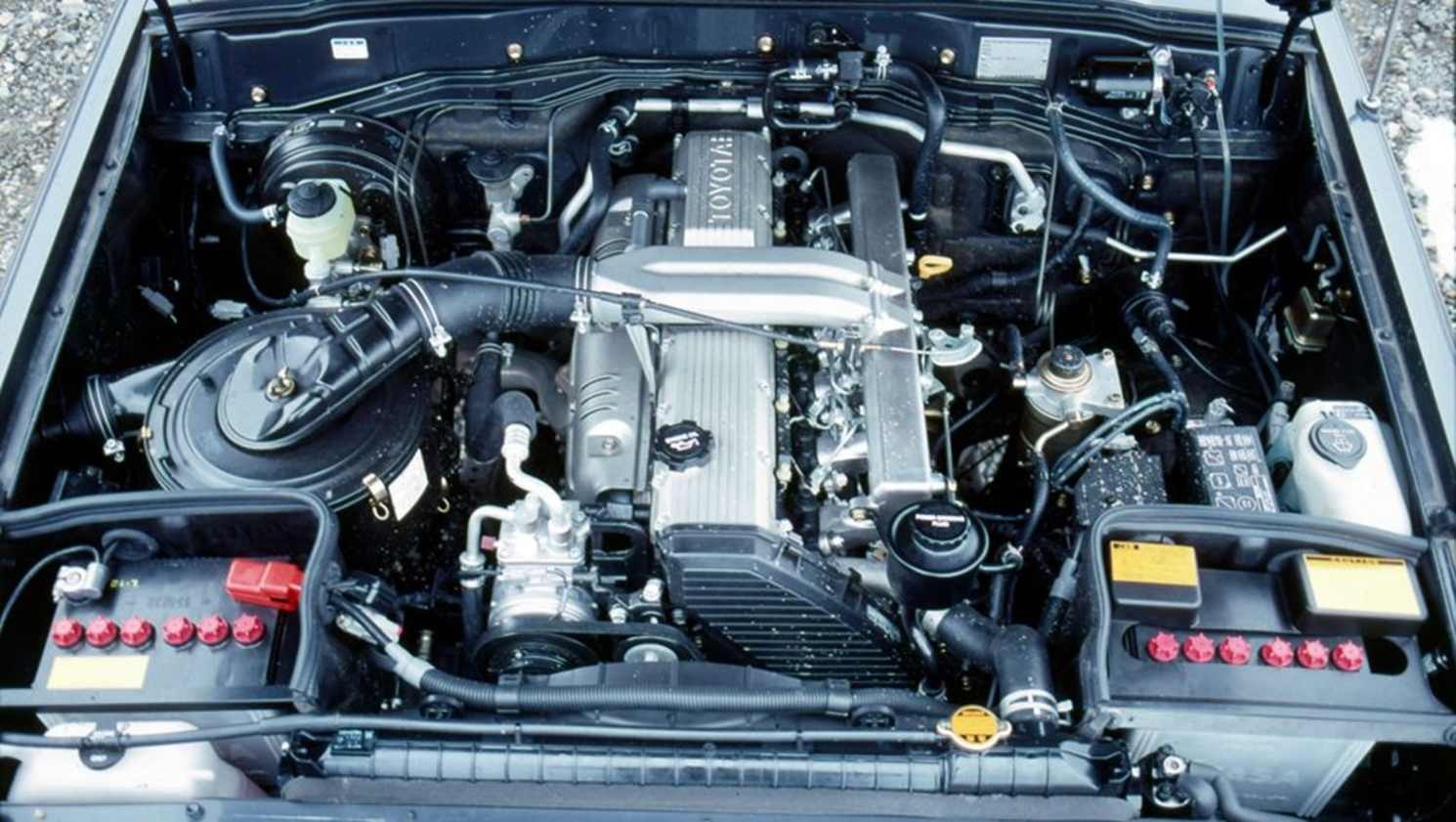
3. Toyota 1HZ Diesel (1990s–Present)
The Toyota 1HZ diesel engine is often regarded as one of the most reliable diesel engines ever produced. It is an inline-six naturally aspirated diesel found in vehicles like the Land Cruiser 70 and 80 series. Its reputation for longevity is based on its extremely simple and robust construction.
Unlike modern diesels that rely heavily on electronics, the 1HZ uses mechanical injection, reducing failure points and simplifying maintenance. Routine maintenance includes timely oil and filter changes, fuel filter replacements, injector cleaning, and coolant system care.
The engine’s cast-iron block and head provide resistance to warping and cracking, and its slow-revving design reduces internal stress, contributing to extended engine life. Diesel engines in general tend to last longer than gasoline engines because they operate at lower RPMs and generate heat more gradually.
The 1HZ is no exception, with many examples still in use beyond 500,000 miles. Proper maintenance of the fuel system is essential, as poor-quality diesel can cause premature wear, clog injectors, and reduce engine efficiency.
Another reason for the 1HZ’s endurance is the overbuilt nature of its components. Pistons, crankshafts, and connecting rods are designed to handle high torque loads over extended periods.
This means that even under heavy loads, such as towing or off-road use, the engine can continue performing reliably. Owners emphasize keeping the cooling system in top condition and ensuring that the engine is not run with excessively low oil levels, which can significantly shorten its life.
Finally, the Toyota 1HZ demonstrates that simplicity and durability often outweigh technological sophistication when it comes to longevity.
Mechanical fuel injection, robust construction, and careful maintenance routines allow these engines to exceed 400,000 miles with minimal intervention. For long-term reliability, this engine remains a favorite among those who need vehicles that withstand both harsh environments and high mileage.
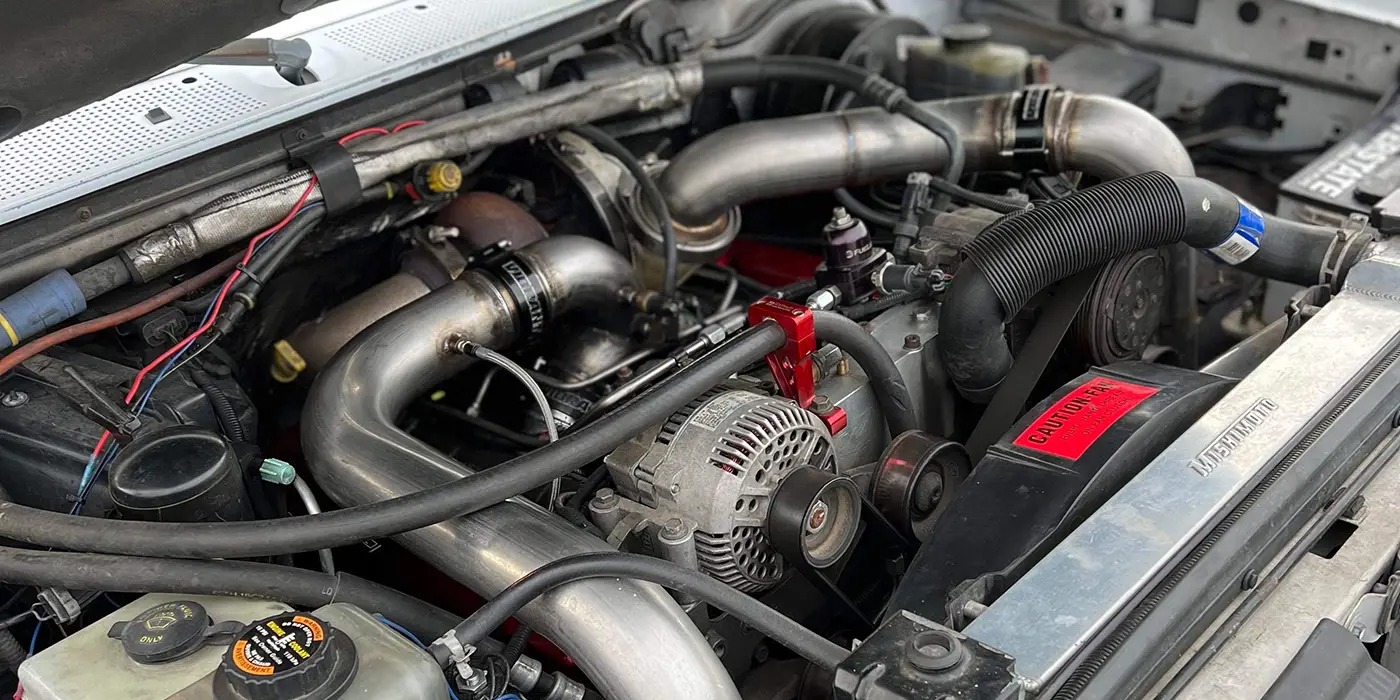
4. Ford 7.3L Power Stroke Diesel (1994–2003)
The Ford 7.3L Power Stroke diesel engine is widely regarded as one of the most durable diesel engines ever produced for consumer trucks. Found primarily in the Ford F-Series Super Duty trucks, the 7.3L Power Stroke was designed to withstand heavy loads, long hours, and harsh conditions, making it an ideal candidate for high-mileage longevity.
Its strength lies in a combination of robust engineering and conservative tuning. Unlike later turbo diesel engines with high-pressure common rail systems, the 7.3L uses a mechanically simpler electronic injector pump that is both serviceable and reliable.
Routine maintenance for this engine includes regular oil and filter changes, fuel filter replacements, coolant maintenance, and injector inspections. For many owners, adhering to these basic maintenance tasks is enough to keep the engine running beyond 400,000 miles without major repairs.
Another reason for the 7.3L’s longevity is the durability of its internal components. The engine features a forged steel crankshaft, robust connecting rods, and high-strength pistons designed to handle significant torque and prolonged high-RPM operation.
The naturally aspirated design in early models, combined with a low-stress turbocharged system in later models, allows the engine to operate efficiently without pushing its components to the breaking point.
Even under heavy towing conditions, these engines often demonstrate exceptional resilience. Owners frequently report trucks exceeding 500,000 miles with nothing more than routine maintenance and occasional injector or fuel system servicing, showcasing the engine’s reliability under real-world conditions.
Cooling system management is another critical factor in the 7.3L’s long life. Overheating can lead to head gasket issues or warping, but with regular radiator flushes and attention to coolant levels, the engine remains robust even in extreme climates.
Ford’s decision to prioritize durability over performance meant that the 7.3L rarely suffers from catastrophic failures that plague more modern diesel designs. Additionally, its relatively straightforward design allows for DIY repairs, helping owners address small issues before they escalate into serious problems. This ease of maintenance contributes significantly to achieving extremely high mileage.
Finally, the Ford 7.3L Power Stroke has earned its reputation due to the combination of mechanical simplicity, heavy-duty materials, and conservative engineering.
It demonstrates that a well-built diesel engine with careful maintenance can outlast many gasoline counterparts. Its legacy is not only in the raw mileage it can achieve but also in the community of enthusiasts who continue to maintain these engines meticulously, proving that the 7.3L remains a benchmark for long-lasting performance in trucks.
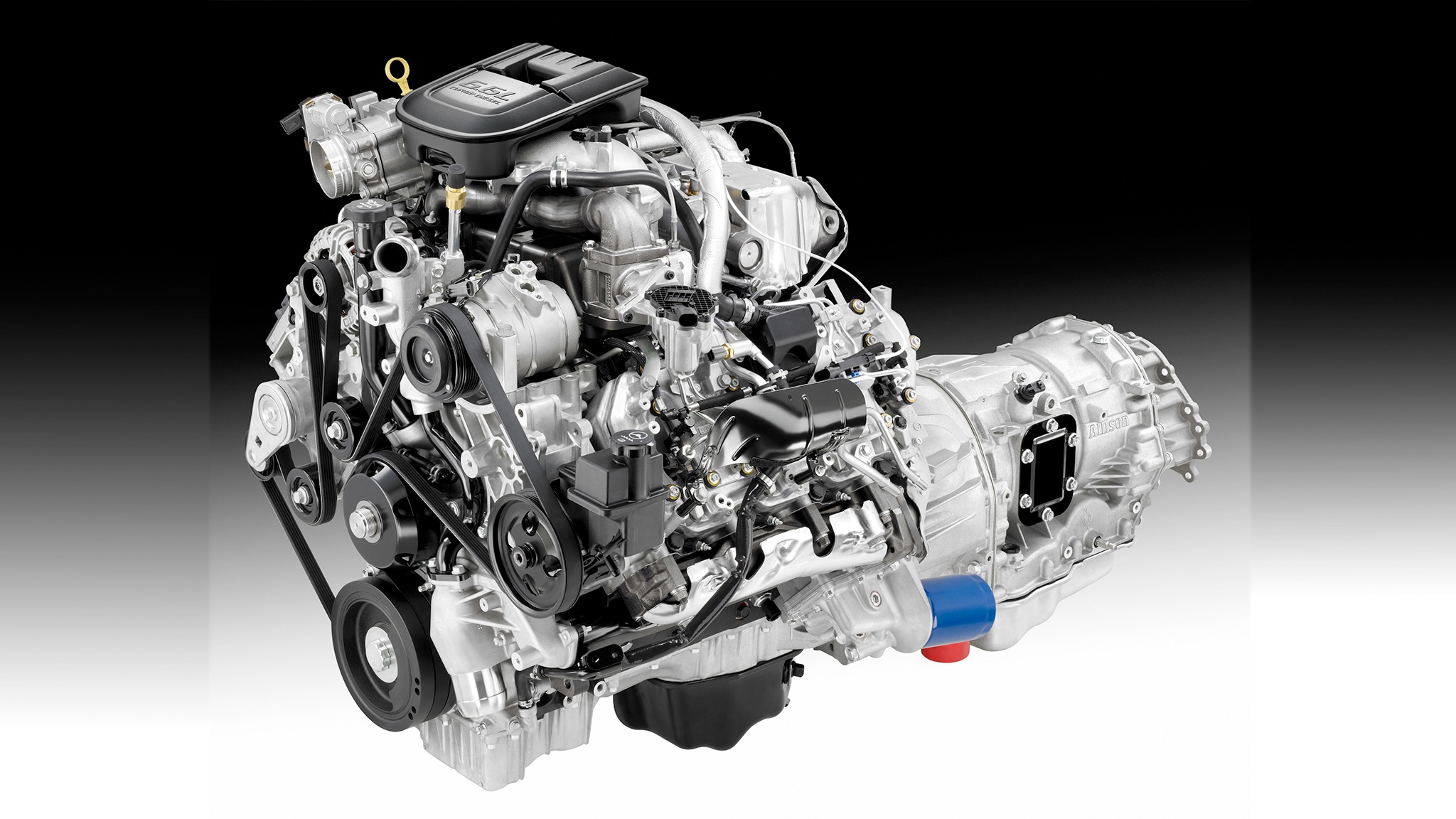
5. Chevrolet 6.6L Duramax Diesel LB7 (2001–2004)
The Chevrolet 6.6L Duramax LB7 is another diesel engine celebrated for its high mileage potential. Introduced in 2001 for Chevrolet and GMC heavy-duty trucks, this engine quickly gained recognition for its reliability and durability.
Unlike many modern diesel engines that depend on complex emission systems, the early Duramax LB7 models used relatively simple mechanical and electronic components that reduced failure points.
Routine maintenance includes regular oil changes, fuel filter replacements, coolant system care, and careful monitoring of the turbocharger. Many owners who adhere to these basic practices report trucks surpassing 400,000 miles with minimal engine-related repairs.
The LB7’s internal design contributes greatly to its longevity. With a forged steel crankshaft, robust connecting rods, and high-quality pistons, the engine can endure significant torque loads without suffering stress-related failures. The electronic control module provides precise fuel management, but it does so without overly complicating the system.
Unlike later Duramax variants, the LB7 avoids high-pressure common rail injectors that can be expensive and difficult to repair. This simplicity, combined with solid engineering, makes it easier to maintain the engine over long periods.
Diesel fuel quality remains important, but the LB7 is known to tolerate a range of diesel grades without major issues when basic maintenance is observed.
Another factor in the LB7’s longevity is the effective turbocharging system. Unlike more aggressive designs, the LB7’s turbocharger operates within conservative parameters, providing efficient power without overloading the engine components. Cooling system maintenance is critical, as overheating can stress the cylinder heads or lead to gasket failures.
Owners who perform regular radiator flushes, monitor coolant levels, and replace worn hoses consistently find that their engines continue running reliably even after 400,000 miles. Oil consumption remains minimal when high-quality lubricants are used and replaced on schedule, further extending the engine’s life.
Finally, the Duramax LB7 stands out because it balances power, reliability, and serviceability. Its robust components, conservative tuning, and manageable electronic systems ensure that routine maintenance is sufficient to achieve extraordinary mileage.
For truck owners seeking long-term reliability, the LB7 demonstrates that a diesel engine built with durability as a priority can surpass 400,000 miles, sometimes even reaching 600,000 miles with careful care and attention.
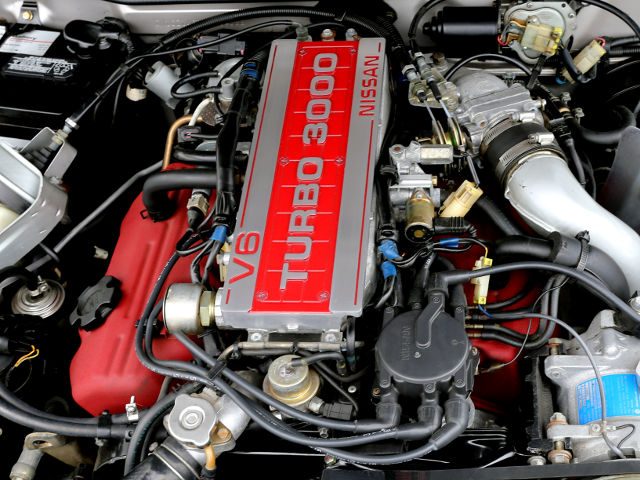
6. Nissan VG30E/VG30DE (1980s–1990s)
The Nissan VG30 series of V6 engines, including the VG30E and VG30DE, have proven to be remarkably durable with routine maintenance. Found in vehicles such as the Nissan 300ZX, Maxima, and Pathfinder, these engines were designed with a balance of performance and longevity in mind.
One of the key factors in the VG30’s durability is the use of a cast-iron engine block combined with aluminum heads, which ensures strength while maintaining manageable weight.
Routine maintenance for these engines includes regular oil changes, timing belt replacements, coolant system care, and periodic inspections of the valve lifters and timing components. When these steps are followed, many VG30 engines are capable of exceeding 400,000 miles without requiring a full rebuild.
The VG30 series benefits from a relatively low-compression design, which reduces internal stress on the pistons, rods, and crankshaft. This makes the engines less prone to premature wear, even under regular commuting or light towing conditions.
The VG30DE, with its dual overhead camshaft design, offers higher efficiency and better airflow but retains the same reliability characteristics as the base VG30E. Owners frequently report that these engines run smoothly well beyond 300,000 miles, with proper attention to timing belt intervals being the most critical factor for long-term survival.
Another aspect of the VG30’s longevity is its straightforward fuel and ignition systems. Carbureted or early fuel-injected variants are mechanically simple, while later electronic fuel injection provides precise fuel delivery without introducing unnecessary complexity.
Cooling system management is essential for the VG30 series, as overheating can damage the aluminum heads or warp the block. Regular coolant flushing, thermostat replacements, and attention to radiator health are necessary precautions that owners take to ensure the engines reach high mileage milestones.
Finally, the Nissan VG30 demonstrates that thoughtful engineering, coupled with attentive maintenance, can result in impressive engine longevity. Its combination of durable materials, low-stress design, and manageable service requirements makes it possible for vehicles equipped with this engine to exceed 400,000 miles.
Enthusiasts continue to keep these engines running for decades, attesting to their reliability and resilience under consistent maintenance routines.
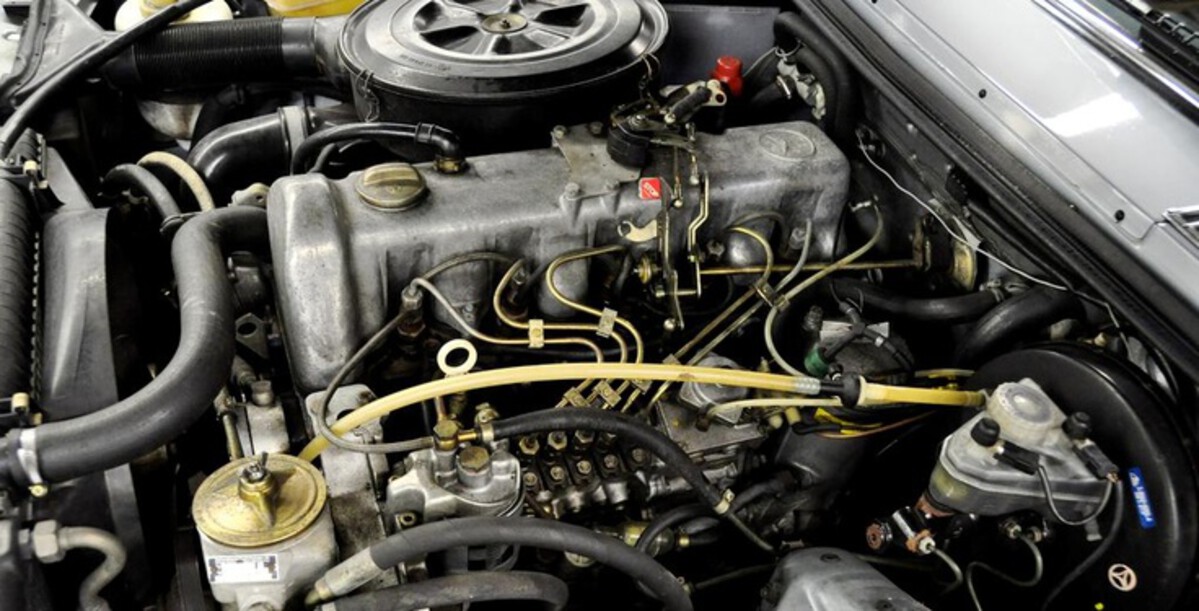
7. Mercedes-Benz OM617 Diesel (1970s–1980s)
The Mercedes-Benz OM617 diesel engine is often cited as one of the longest-lived engines ever produced. This inline-five diesel was used in a variety of Mercedes vehicles, including the W123 and W126 series, and earned a reputation for extreme durability. Its longevity is largely due to its simple, overbuilt design.
The engine features a cast-iron block, robust head bolts, and a mechanical fuel injection system that can be serviced or repaired without specialized equipment.
Routine maintenance involves regular oil and filter changes, injector servicing, timing adjustments, and cooling system care. Many examples are still running beyond 500,000 miles, demonstrating the exceptional endurance of this engine.
The OM617’s slow-revving nature contributes to its longevity. Diesel engines inherently operate at lower RPMs than gasoline engines, which reduces stress on the pistons, crankshaft, and valve train. The OM617 takes this principle further with conservative turbocharging in later variants and naturally aspirated designs in earlier ones.
Its internal components are generously sized, providing a safety margin that helps prevent catastrophic failure even after decades of use. Owners often emphasize the importance of maintaining clean fuel, as diesel impurities can damage injectors, which are critical to keeping the engine running efficiently over high mileage.
Another factor in the OM617’s longevity is the simplicity of its systems. Unlike modern diesels, which require complex emissions and electronic control systems, this engine relies on mechanical precision and straightforward engineering.
This allows mechanics to diagnose and repair issues quickly, reducing downtime and the risk of overlooked problems leading to engine failure. Cooling system management is still critical, and owners often replace radiators, hoses, and water pumps preemptively to ensure consistent temperature control.
Finally, the OM617 is celebrated because it combines durability, simplicity, and reliability in a single package. It demonstrates that careful engineering and routine maintenance can result in extraordinary longevity.
Even today, vehicles with this engine are sought after by collectors and enthusiasts precisely because they are capable of reaching and surpassing 400,000 miles, often with the original engine intact.
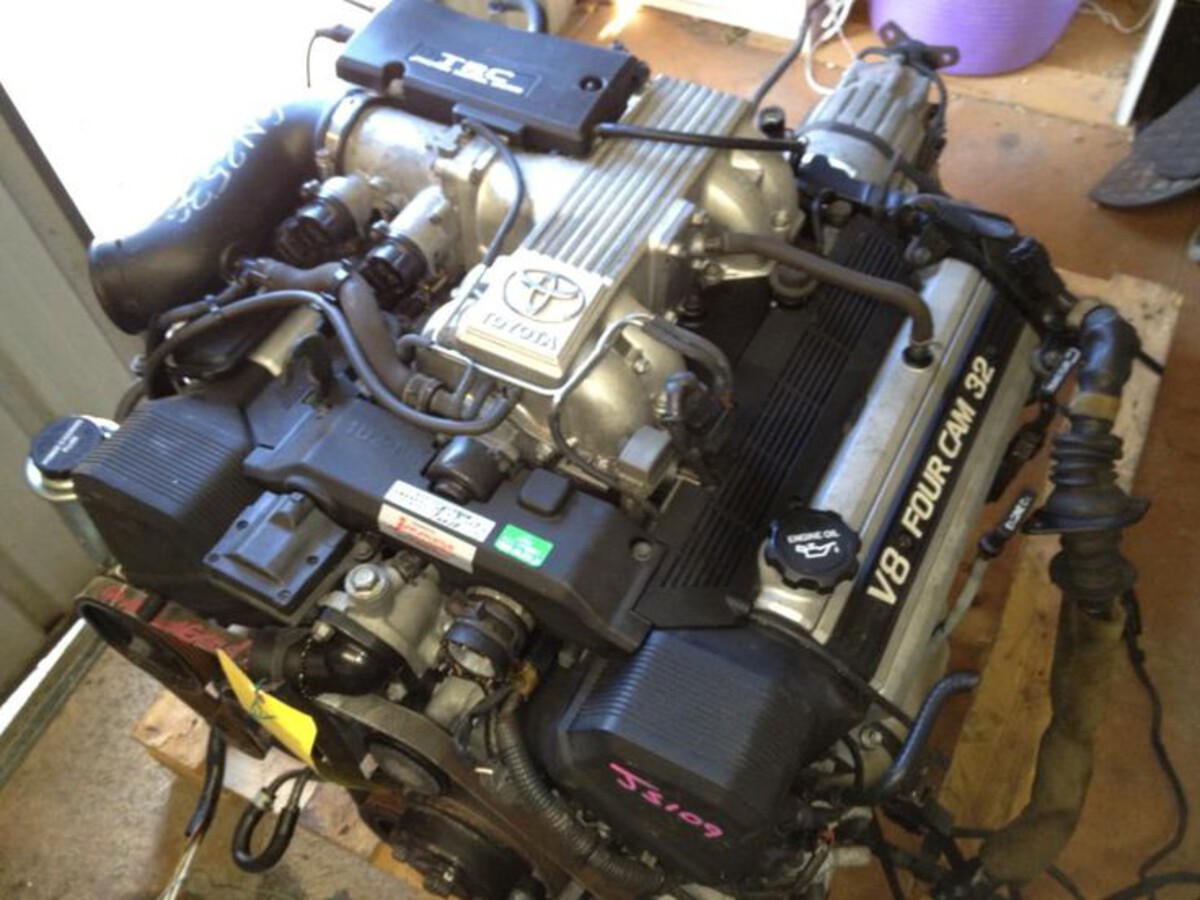
8. Lexus/Toyota 1UZ-FE (1989–2002)
The Lexus 1UZ-FE engine is a 4.0-liter V8 that was groundbreaking for its time in terms of reliability and engineering precision. Found in vehicles like the Lexus LS400 and SC400, the 1UZ-FE combined smoothness, refinement, and durability in a package that could comfortably surpass 400,000 miles with consistent maintenance.
One of the primary reasons for its longevity is the combination of a cast-iron block and aluminum cylinder heads, which provided strength and heat dissipation without excessive weight.
Routine maintenance includes regular oil changes using high-quality lubricants, timing belt and water pump replacement, and careful attention to the cooling system. Many owners report engines still performing well after 400,000 miles, often requiring only minor valve adjustments or replacement of high-mileage wear items.
The 1UZ-FE engine was also designed with robust internal components. Its crankshaft, connecting rods, and pistons were engineered to withstand long-term stress while operating at relatively low RPMs, which reduced wear over time. The valvetrain was precise yet forgiving, meaning that minor variations in adjustment would not result in catastrophic engine damage.
The engine’s lubrication system, including a high-capacity oil pump and well-placed oil passages, ensures even distribution of oil to critical components, reducing the risk of premature wear. Regular attention to oil changes and filter replacements is often the difference between a long-lasting engine and one that suffers from early bearing or camshaft issues.
Another reason for the 1UZ-FE’s extended lifespan is the engine’s conservative tuning. Designed for smooth power delivery rather than high-revving performance, this engine avoids unnecessary stress on internal components.
The cooling system is similarly overbuilt, with large radiators and thermostats designed to maintain consistent operating temperatures under all conditions.
Owners who monitor coolant health and maintain proper fluid levels often find that the engine continues to perform reliably even after decades of use. Fuel system maintenance, including injector cleaning, also contributes to the engine’s remarkable longevity.
Finally, the 1UZ-FE demonstrates that meticulous engineering combined with routine care can produce extraordinary results. Its combination of high-quality materials, conservative design, and serviceable components means that engines are often seen with 400,000 miles or more on the odometer.
The engine’s reputation continues to attract enthusiasts and long-term owners who value reliability as much as refinement, proving that a well-built V8 can achieve exceptional mileage when treated properly.
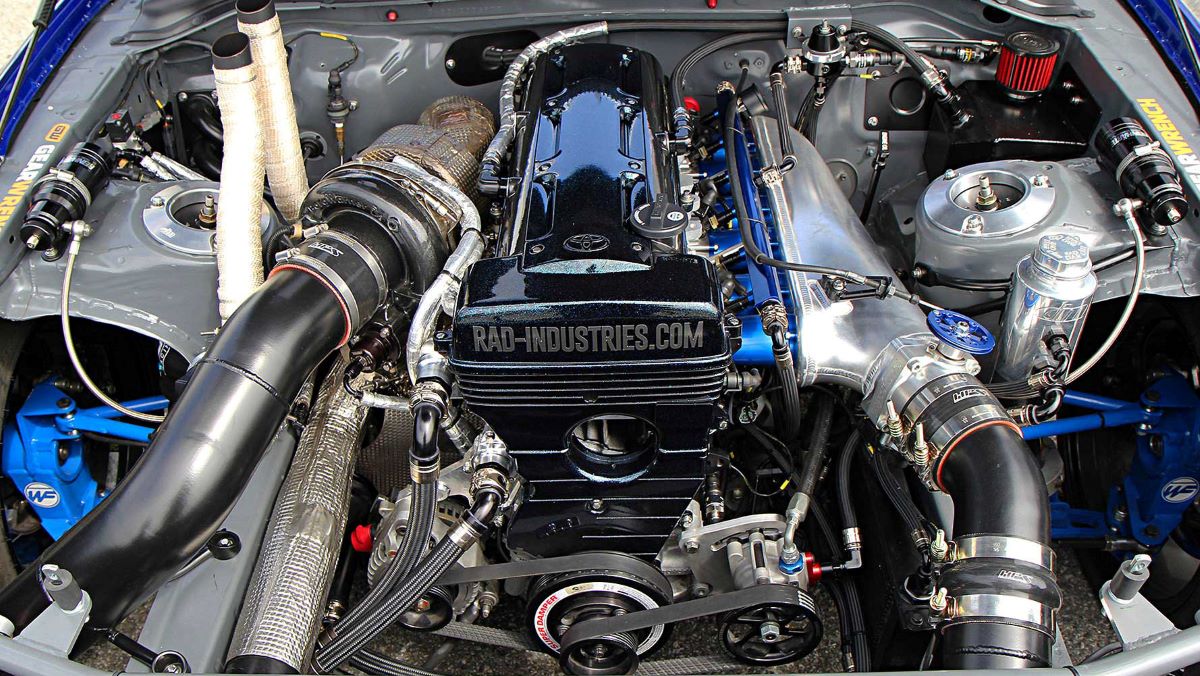
9. Toyota 2JZ-GE and 2JZ-GTE (1991–2002)
The Toyota 2JZ series, including the naturally aspirated 2JZ-GE and the turbocharged 2JZ-GTE, is one of the most famous examples of engine longevity combined with performance. These inline-six engines powered the Toyota Supra and other high-performance models and are well-known for surviving extreme mileage with consistent maintenance.
The durability of the 2JZ stems from its cast-iron block, robust forged internals in the turbocharged versions, and precision engineering that reduces stress on moving parts.
Routine maintenance includes oil and filter changes, timing belt and water pump replacements, cooling system care, and attention to the turbocharger on GTE variants. Many owners report exceeding 400,000 miles on stock components, a testament to Toyota’s focus on reliability alongside performance.
The 2JZ series’ ability to reach extreme mileage is also a result of its well-designed lubrication and cooling systems. Oil passages are carefully routed to provide critical components with continuous lubrication, reducing wear on the crankshaft, camshafts, and pistons.
Cooling system integrity is essential, particularly for the turbocharged GTE engine, which generates higher heat levels under load. Regular coolant changes and radiator maintenance prevent overheating and help preserve head gaskets, a common failure point in older engines. Even under spirited driving conditions, the 2JZ maintains its durability, provided maintenance schedules are strictly followed.
Another factor in the 2JZ’s longevity is the robust construction of the engine’s internal components. The forged pistons, crankshaft, and connecting rods in the turbocharged variants were overbuilt for stock power levels, allowing engines to endure high stress without premature failure.
The naturally aspirated 2JZ-GE, while less powerful, benefits from similar design strengths, meaning that both versions can exceed 400,000 miles with proper care. Regular valve adjustments, spark plug replacement, and monitoring fuel quality ensure that the engine continues to operate efficiently over time.
Finally, the 2JZ engines highlight the importance of engineering foresight and routine maintenance. Their combination of strong materials, conservative tolerances, and high-quality manufacturing makes them capable of extreme longevity.
Enthusiasts continue to preserve and even rebuild these engines to original specifications, and many daily-driven examples have crossed 400,000 miles. The 2JZ demonstrates that an engine can offer both performance and durability, bridging the gap between reliability and excitement when maintained properly.
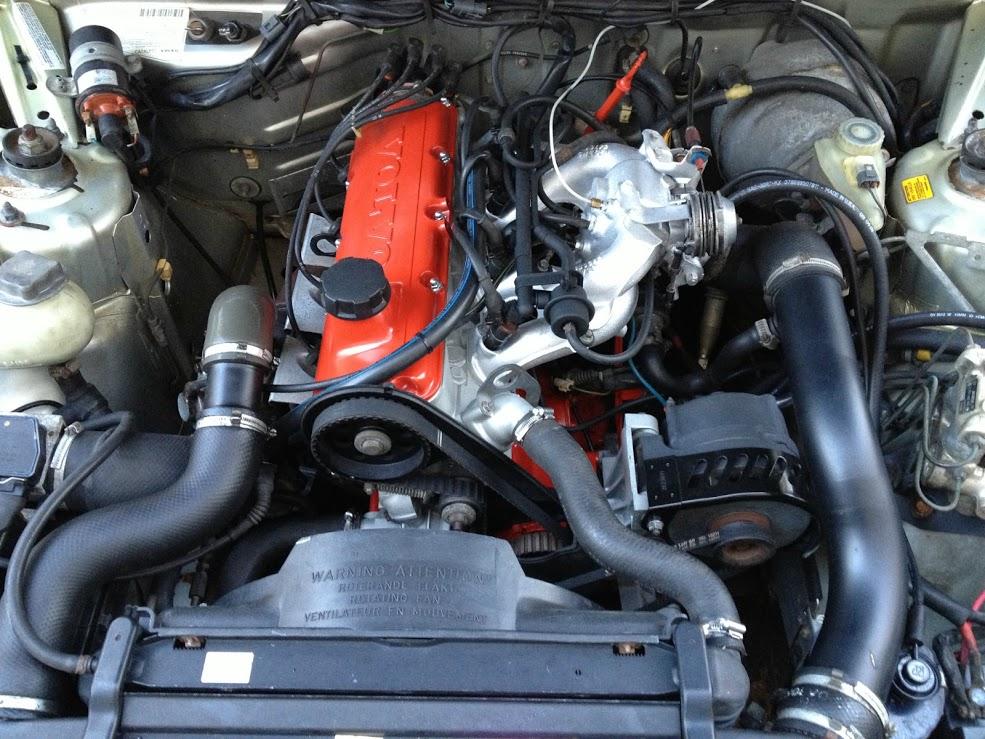
10. Volvo B230/B234 (1980s–1990s)
The Volvo B230 and its slightly updated B234 engines are four-cylinder powerplants that have gained a reputation for incredible longevity. Found in vehicles such as the Volvo 240, 740, and 940, these engines were engineered with reliability and robustness in mind.
The cast-iron block combined with an aluminum cylinder head allows for durability and effective heat dissipation, making them resistant to warping or cracking even under extreme mileage.
Routine maintenance includes timely oil and filter changes, timing belt replacements, valve adjustments, and coolant system maintenance. With proper care, many B230 and B234 engines have surpassed 400,000 miles, with some reports of engines still running beyond 500,000 miles without requiring a full rebuild.
The B230/B234 engines’ longevity is largely due to conservative tuning and a low-stress design. These engines were designed to run at moderate RPMs and generate power efficiently without overloading the internal components. The valvetrain and timing belt system, while requiring periodic attention, are designed to be serviceable and reliable.
Owners who replace belts and tensioners at recommended intervals often find their engines remain strong and smooth for hundreds of thousands of miles. The engines also feature robust internal components, including durable pistons, rods, and crankshafts, which contribute to their high-mileage potential.
Another factor in the B230/B234’s long life is Volvo’s focus on longevity in cooling and lubrication systems. The engines maintain consistent operating temperatures even under heavy loads, provided the radiator, hoses, and water pump are maintained properly.
Proper oil selection and regular changes reduce wear on critical internal components, ensuring the crankshaft, camshafts, and bearings remain in optimal condition over extended mileage.
Fuel system maintenance, including injector and fuel filter attention, further supports reliable operation. These engines are forgiving of minor lapses in maintenance, but consistent care dramatically improves their chances of reaching 400,000 miles or more.
Finally, the Volvo B230 and B234 engines exemplify the principle that thoughtful engineering combined with attentive maintenance produces exceptional longevity. The combination of durable materials, straightforward design, and conservative operation allows these engines to achieve high-mileage milestones regularly.
They continue to be celebrated among enthusiasts and mechanics alike for their ability to endure decades of use, proving that even four-cylinder engines can reach 400,000 miles when properly maintained.
