
Honda has built a reputation that few automakers can rival when it comes to long-term dependability. For decades, the brand has produced vehicles that remain firm, smooth, and well-composed even after the odometer rolls past the 200,000-mile mark.
Drivers around the world have grown to associate Honda with engines that keep running cleanly, transmissions that resist wear, and cabins that retain their solid feel.
The company’s commitment to precision engineering and quality materials has allowed its vehicles to age gracefully without the rattles, squeaks, or performance losses that often plague older cars. A Honda that is maintained properly can stay tight on the road, delivering a composed ride that feels remarkably close to when it was new.
What makes these vehicles impressive is not only their ability to last, but also how well they maintain structural integrity over time. Many cars can technically survive high mileage, but only a handful continue to feel solid.
Honda’s manufacturing philosophy emphasizes balance between practicality and refinement, and that attention to detail shows in the suspension systems, engine mounts, and interior construction that keep these cars free of looseness or fatigue. Owners who follow regular maintenance schedules find that these vehicles continue to track straight, resist vibrations, and keep a quiet cabin even with years of hard use.
Another factor behind Honda’s long-lived models is the simplicity of design. The brand avoids excessive complexity that could lead to mechanical weaknesses. Instead, it focuses on efficient engineering that allows every part to complement the next.
From the Civic’s responsive steering to the Accord’s steady suspension and the CR-V’s confident handling, each vehicle is built with precision that endures. When paired with Honda’s reliable powertrains, it creates cars that not only perform well when new but continue to handle daily driving with composure decades later.
This article highlights ten Honda cars that have earned their place as long-distance champions. These models have proven their ability to stay tight past 200,000 miles, resisting the wear that usually softens a vehicle’s character over time.
Each one offers something distinct, from the efficiency of compact sedans to the toughness of crossovers and the reliability of family minivans, yet all share the same foundation of durability that keeps them running strong well past expectations.
1. Honda Accord
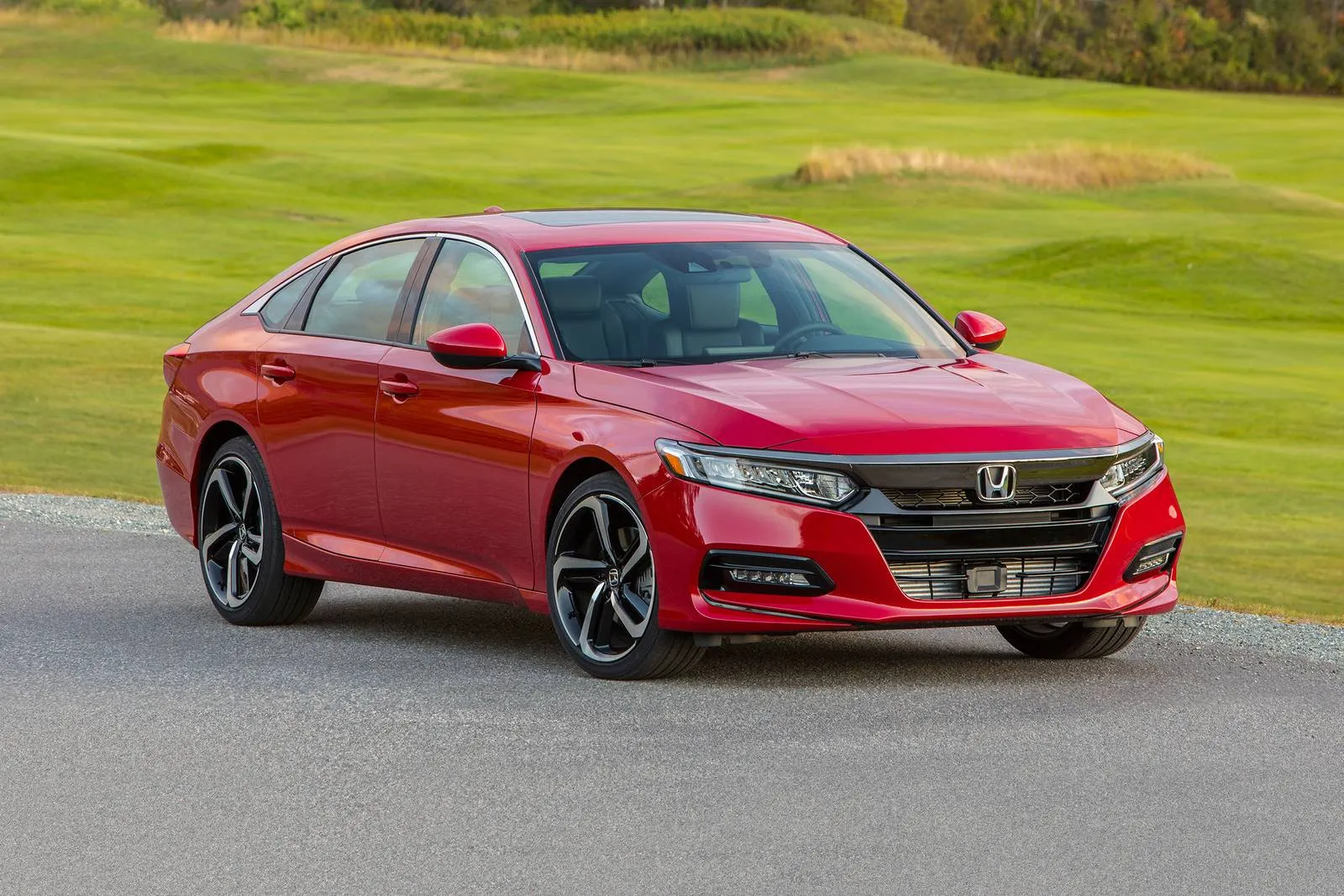
Few vehicles symbolize longevity like the Honda Accord. Since its introduction, it has remained a favorite among drivers seeking a blend of comfort, reliability, and endurance. Many Accords are known to exceed 200,000 miles with minimal issues, and what stands out most is how composed the car feels even at high mileage.
The steering remains accurate, the body feels solid, and the suspension retains its confidence on rough pavement. This comes from Honda’s commitment to tight manufacturing tolerances and robust chassis design, which ensures that age and use do not easily loosen the car’s feel.
The Accord’s engines are engineered for both performance and durability. Honda’s four-cylinder and V6 options have long been praised for smoothness and efficiency. Even after years of use, the power delivery stays steady, and the car rarely develops the vibrations or rough idling that often appear in aging sedans.
Owners who perform routine oil changes and use quality fluids often find their engines running smoothly well beyond 200,000 miles. The transmissions, both automatic and manual, also maintain crisp operation if serviced properly, contributing to a cohesive driving experience.
Inside, the Accord holds its shape remarkably well. The cabin materials resist wear, the seats stay firm, and the interior panels remain quiet without developing rattles. This level of durability is not accidental. Honda carefully designs its interiors to endure sunlight, humidity, and years of constant use without degradation. The result is a car that feels structurally strong even after long service. Drivers often remark that their decade-old Accord still shuts its doors with the same reassuring sound it had when new.
Another reason for the Accord’s enduring tightness is its suspension geometry. The double-wishbone setup used in earlier generations and the refined MacPherson strut system in later models both provide consistent ride quality.
When maintained with quality components, the Accord continues to track smoothly through turns and absorb bumps with control. This harmony between mechanical and structural design allows the Accord to remain one of Honda’s most reliable cars well past the 200,000-mile mark.
2. Honda Civic
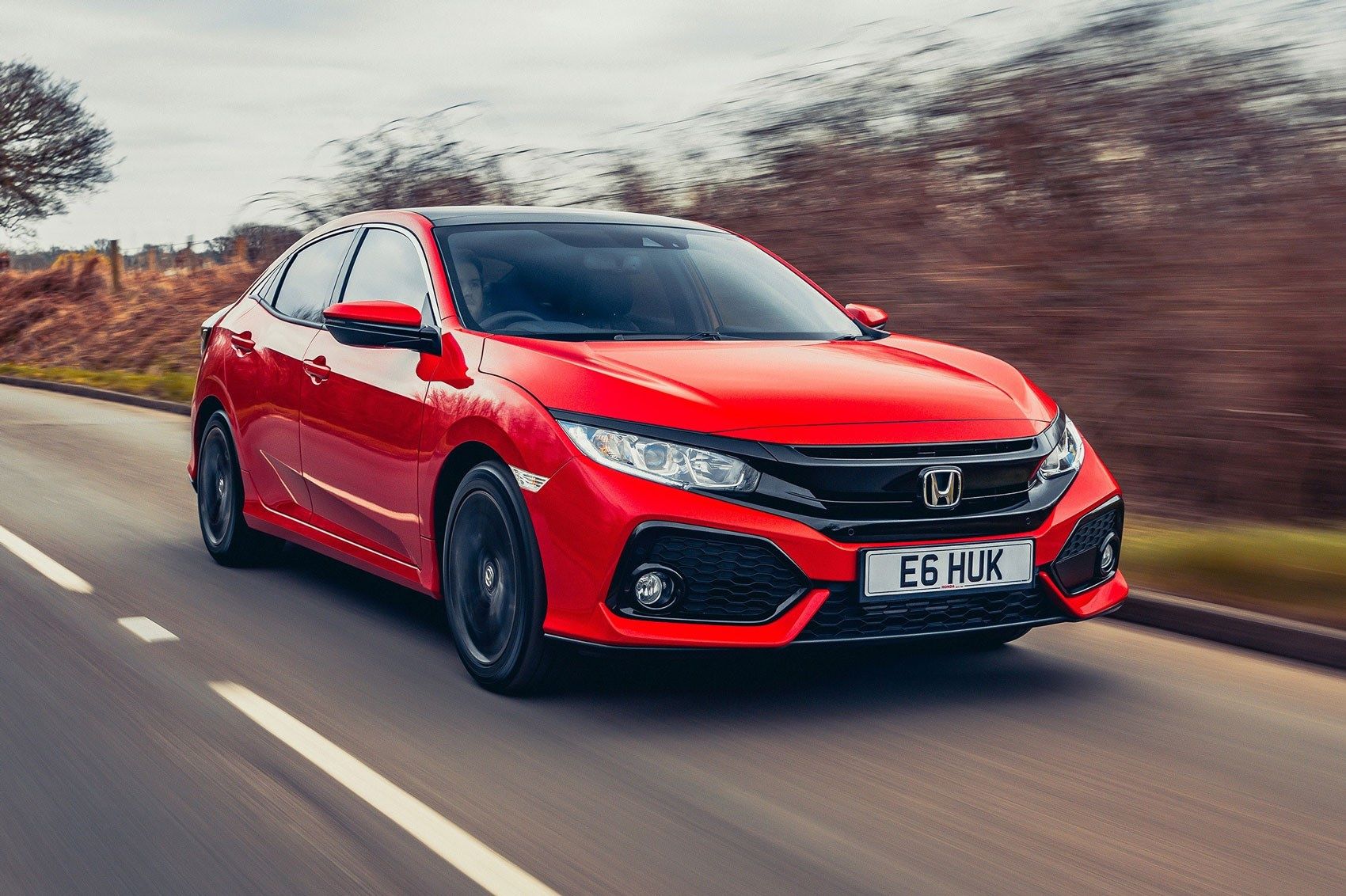
The Honda Civic has long been the symbol of practical endurance. Compact, efficient, and surprisingly robust, the Civic manages to stay composed after hundreds of thousands of miles.
Drivers often report that their Civics maintain tight handling and a solid ride even as mileage climbs. This is largely due to Honda’s engineering precision, which focuses on structural stiffness and lightweight strength. The Civic’s unibody frame resists flexing, keeping the car firm and responsive on the road no matter its age.
The engines found in the Civic lineup are some of Honda’s most reliable. Whether it is the simple and efficient D-series or the later i-VTEC units, these engines are known for clean combustion, minimal oil consumption, and exceptional balance.
The smoothness of the powertrain helps the car age gracefully, as reduced vibration prevents interior components and suspension mounts from wearing out prematurely. Owners who maintain their timing belts, filters, and fluids find that their Civics continue to deliver steady power far beyond 200,000 miles.
Another aspect of the Civic’s long-term tightness is its suspension design. Honda engineers have always prioritized predictable handling, and the Civic’s suspension geometry provides both comfort and control.
Even after years of daily driving, the car maintains stable alignment and consistent steering response. Replacement parts are affordable and widely available, allowing owners to keep their vehicles running like new without excessive expense. This accessibility plays a major role in helping Civics remain tight and dependable for decades.
Inside, the Civic avoids unnecessary complexity, which contributes to its long life. Simple dashboards, firm seating, and durable plastics mean fewer rattles and creaks as the car ages. The Civic’s compact form also reduces stress on joints and mounts, so it doesn’t loosen over time like heavier vehicles might. As a result, Civics from the early 2000s and even the 1990s can still feel surprisingly fresh on the road today, making them one of the best examples of Honda’s craftsmanship.
3. Honda CR-V
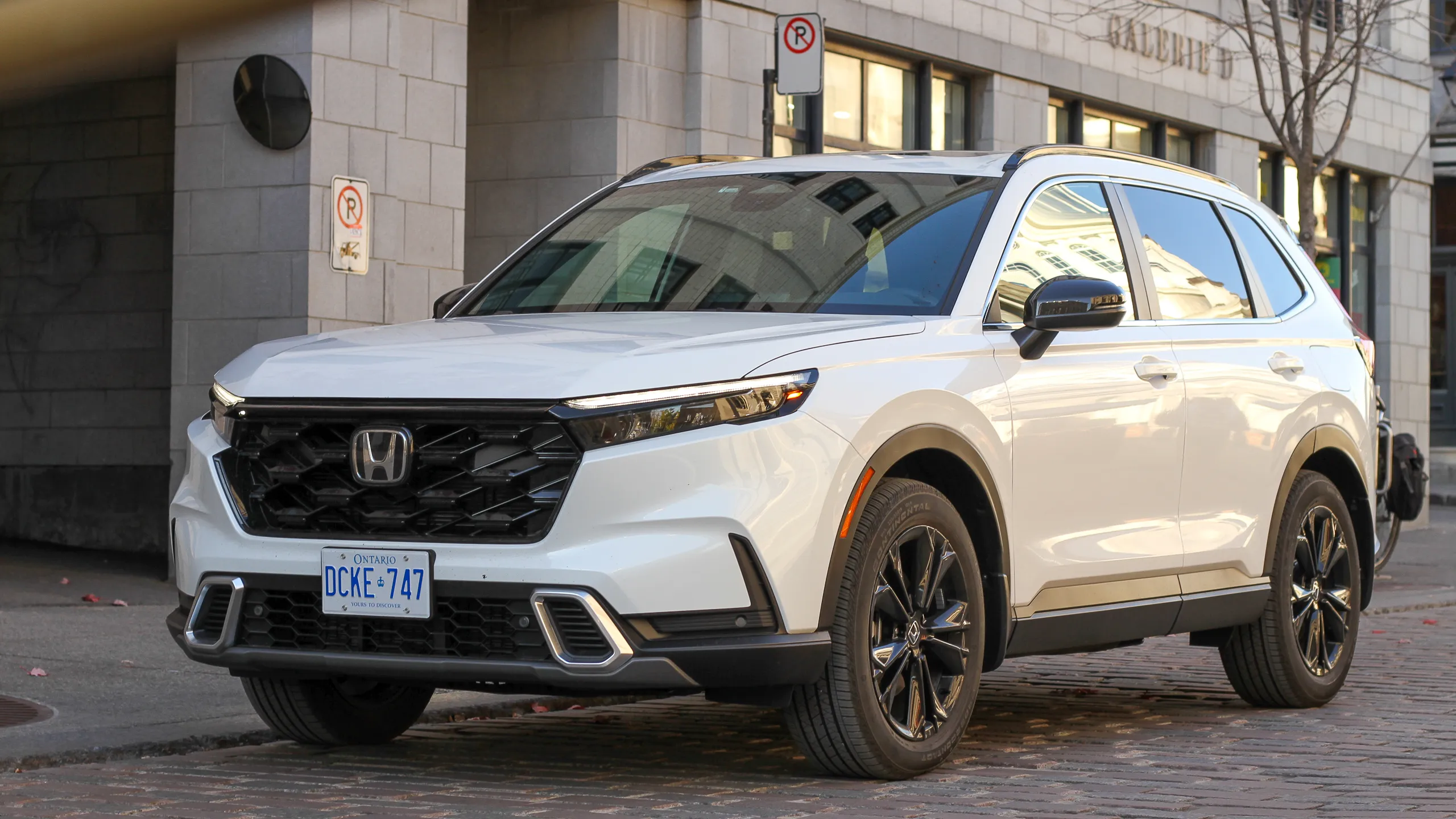
The CR-V blends practicality with durability in a way few compact SUVs can match. Its combination of a sturdy chassis, reliable engines, and smooth driveline make it a top choice for drivers who need both comfort and endurance.
Many CR-Vs continue to handle firmly and steer precisely after surpassing 200,000 miles. The vehicle’s structure is reinforced to handle the extra load of an SUV body while still maintaining tight panel alignment and minimal flexing. This keeps the ride quiet and composed, even with age.
The CR-V’s engine lineup has been one of its strongest assets. Honda’s four-cylinder engines, particularly the K24 and later Earth Dreams series, are built for long life. They offer efficient combustion, strong torque, and consistent reliability.
Regular maintenance keeps them running smoothly, with many owners reporting engines that start instantly and idle cleanly even after two decades. The automatic transmissions, when serviced regularly, maintain steady shifting and continue to match the engine’s performance well beyond 200,000 miles.
Inside, the CR-V’s durability shows through the quality of its materials and assembly. The seats retain firmness, and the dashboard panels resist cracking or separating over time. Honda’s attention to ergonomics ensures that even older models feel solid when driving over rough surfaces.
The suspension design, while tuned for comfort, uses bushings and mounts designed to handle long-term stress. Proper maintenance of these components allows the CR-V to remain stable and controlled over its lifetime.
The balance between a light steering feel and solid road feedback gives the CR-V a unique driving character that does not fade with age. Owners who use their vehicles for commuting, long trips, and light off-road driving find that the CR-V holds its composure. Its ability to stay tight past 200,000 miles is not an accident but the result of Honda’s consistent focus on reliability and structural soundness in every generation.
4. Honda Odyssey
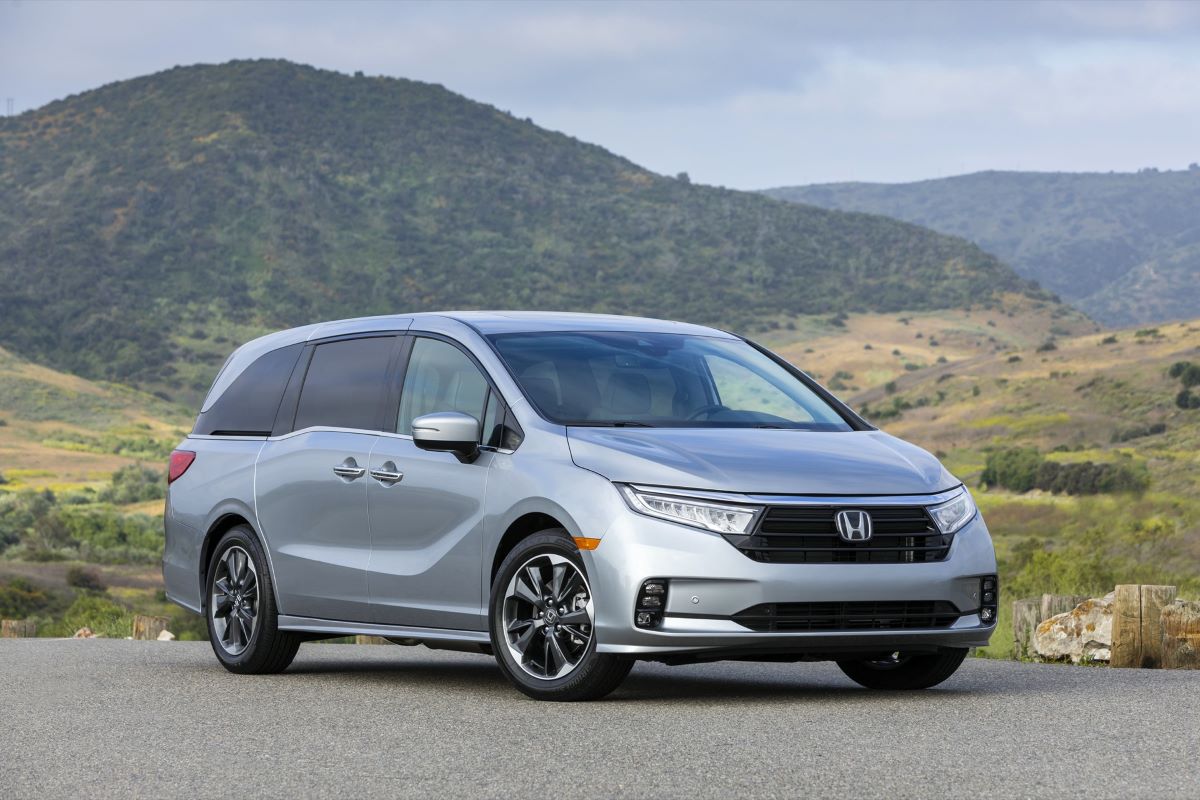
The Honda Odyssey has long been recognized as one of the most dependable minivans on the road. Families rely on it for years of travel, and its reputation for reaching and surpassing 200,000 miles is well deserved. What stands out about the Odyssey is not just its ability to keep running, but how well it continues to feel sturdy after extensive use.
Many vehicles of its size begin to show signs of looseness over time, yet the Odyssey often maintains tight steering, quiet operation, and a stable chassis long after others begin to creak. Honda designed the Odyssey to handle the strain of heavy loads, passenger traffic, and constant motion without losing its composure.
The Odyssey’s V6 engines, particularly the 3.5-liter models, have proven exceptionally strong. They deliver smooth acceleration and remarkable longevity when serviced regularly. The key to their endurance lies in Honda’s precise engineering, which minimizes internal friction and ensures that vital components like timing belts, valve seals, and pistons remain reliable over time.
Even when an Odyssey has seen two decades of use, it often retains the same fluid engine note and predictable throttle response that drivers remember from new. Combined with a transmission that has been refined in later generations to improve durability, the result is a powertrain that continues to operate cohesively through high mileage.
Interior durability plays a major role in how tight the Odyssey feels as it ages. The cabin materials are designed to handle heavy daily use, including the sliding doors, seating mechanisms, and climate systems. Honda has consistently used thicker insulation and high-quality fasteners to prevent squeaks and rattles.
Parents and long-term owners frequently comment that their older Odysseys still feel solid, with no looseness in the door panels or steering wheel. Proper care and periodic lubrication of moving components can keep the Odyssey feeling remarkably youthful even at high mileage.
The suspension and chassis construction further contribute to the Odyssey’s reputation. Honda employs a robust unibody design that resists twisting and flexing, ensuring tight handling even with age. The suspension geometry offers both comfort and stability, helping the minivan remain balanced even when fully loaded.
This engineering foresight makes the Odyssey more than just a family vehicle, it becomes a long-term partner capable of maintaining structural precision through hundreds of thousands of miles.
5. Honda Pilot
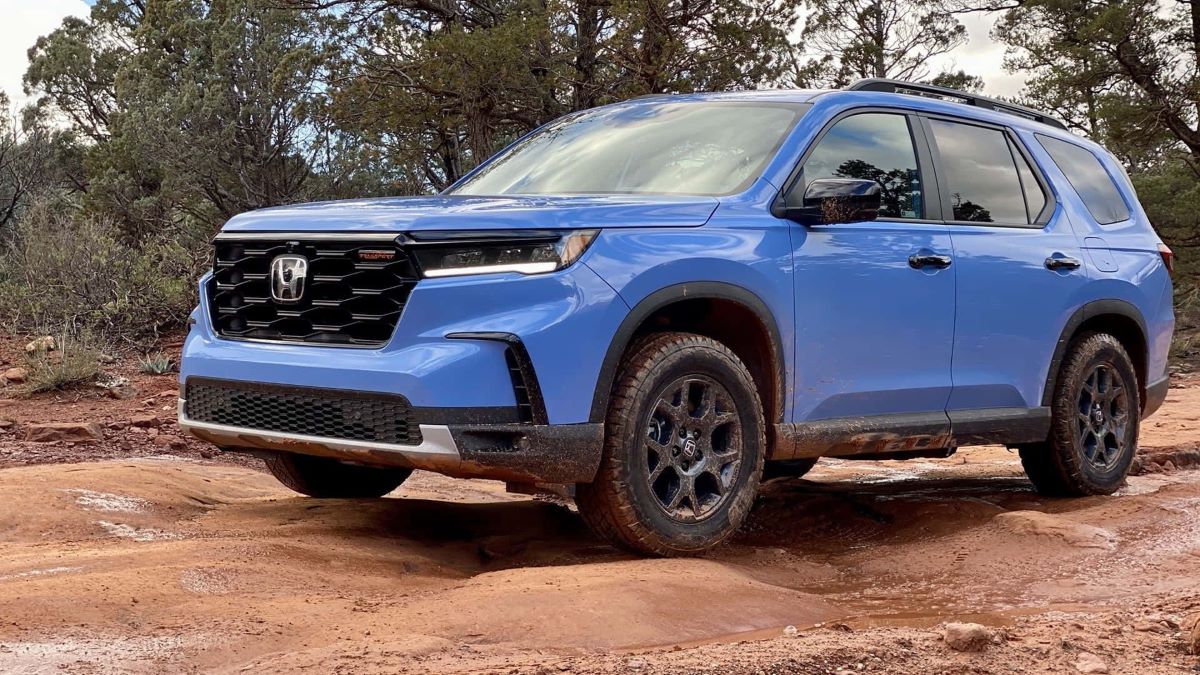
The Honda Pilot is often described as a vehicle that combines the toughness of an SUV with the reliability of a sedan. Built on a strong platform shared with the Odyssey and Accord, the Pilot manages to retain tight body control well beyond 200,000 miles.
Its large frame and all-wheel-drive capability might suggest that it would loosen up with age, but many owners find that their Pilots still handle with surprising firmness. The reason lies in Honda’s attention to chassis design and component quality. Heavy-duty subframes, precision welds, and carefully tuned suspension mounts ensure that the Pilot’s structure remains cohesive over time.
The engine is another reason the Pilot endures. The 3.5-liter V6 used in most generations is engineered to handle high loads with minimal wear. It features a sturdy block, durable valves, and balanced components that reduce vibration and stress.
Even with long-distance driving and varied weather conditions, the engine maintains smoothness and consistent performance. Regular oil changes and transmission servicing extend its lifespan easily beyond the 200,000-mile mark. When well maintained, a Pilot not only continues to run but also retains its refined, tight driving feel.
Honda designed the cabin to handle family life, and as a result, the materials are thick, resilient, and resistant to stretching or cracking. The layout is simple and functional, minimizing the potential for loosened parts or rattling panels as the vehicle ages.
The steering system and suspension bushings, when replaced at proper intervals, keep the Pilot tracking straight and firm. Unlike some large SUVs that begin to wander or feel vague after years of use, the Pilot maintains a direct and responsive character that drivers appreciate.
Finally, the Pilot’s reputation for staying tight owes much to how its suspension and drivetrain were tested under load. Honda engineered the vehicle to handle towing, rough roads, and long-distance travel without compromising its structure.
Even after years of work, the frame and suspension retain their integrity. That combination of durability, smooth operation, and structural solidity makes the Honda Pilot one of the few midsize SUVs that feels confident and composed past 200,000 miles.
6. Honda Fit
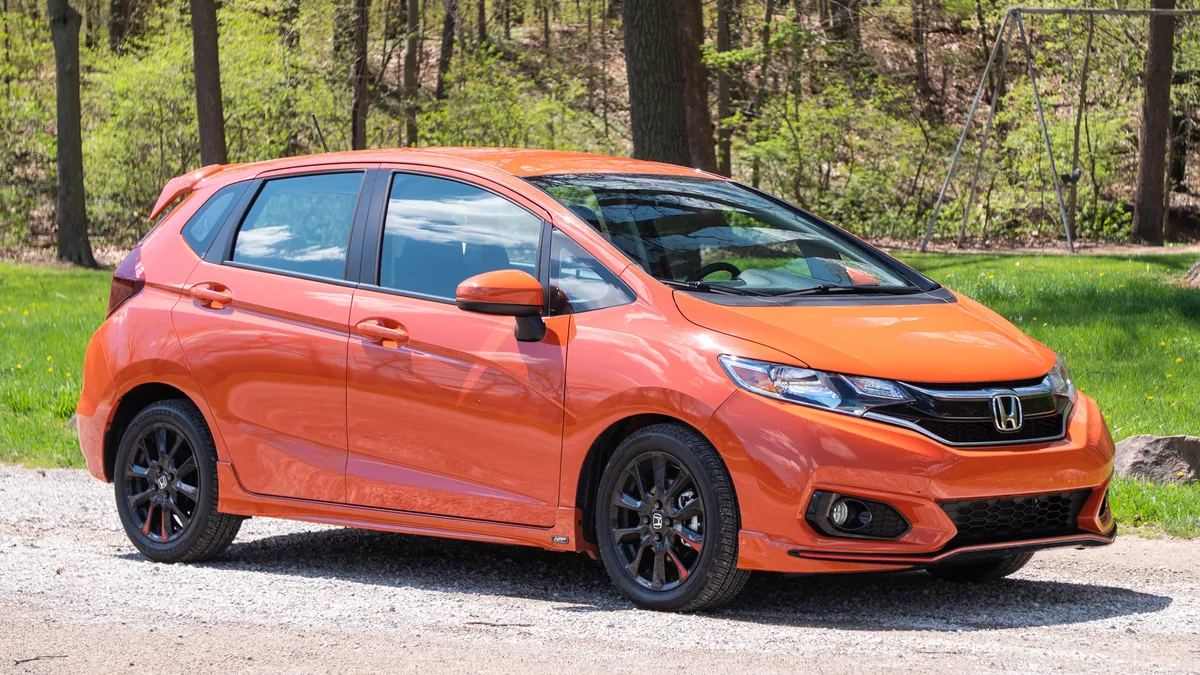
The Honda Fit is a small car with a big reputation for durability. Despite its size, it delivers a surprisingly tight and solid driving experience that remains consistent even after extensive mileage. Owners often note that their Fits maintain excellent handling precision, quiet cabins, and stable suspension responses long after 200,000 miles.
Much of this comes from the car’s lightweight but rigid body design, which Honda engineered to resist flexing. The Fit’s compact frame actually helps it remain tight because there are fewer stress points compared to larger vehicles.
Its small but efficient engines are known to be nearly indestructible with proper care. The 1.5-liter i-VTEC powerplant is a prime example of Honda’s efficiency-driven design. It delivers strong low-end torque while remaining smooth and vibration-free.
Routine maintenance such as timely oil changes and valve adjustments ensures the engine continues running cleanly for decades. Many Fits are used in city environments where stop-and-go driving can wear down other cars, yet this model continues to deliver reliable performance and stable handling even in demanding conditions.
The Fit’s interior is a triumph of simplicity and solid construction. The dashboard, door panels, and seating are built with high-quality materials that resist squeaks or loose fittings. Even after years of daily commutes, the interior remains tight and free of the looseness often found in aging compact cars.
Honda’s attention to ergonomics ensures that the controls and mechanisms remain precise, further enhancing the car’s reputation for staying solid through high mileage.
Another factor contributing to the Fit’s durability is its suspension system. Though tuned for comfort, it is reinforced to handle sharp corners and rough roads with minimal flex. The short wheelbase aids rigidity, and replacement parts are inexpensive and widely available, which encourages owners to maintain their vehicles properly.
This combination of affordability, strong engineering, and mechanical balance makes the Honda Fit a small car that feels far more substantial than its size would suggest, remaining firm and dependable well past 200,000 miles.
7. Honda Element
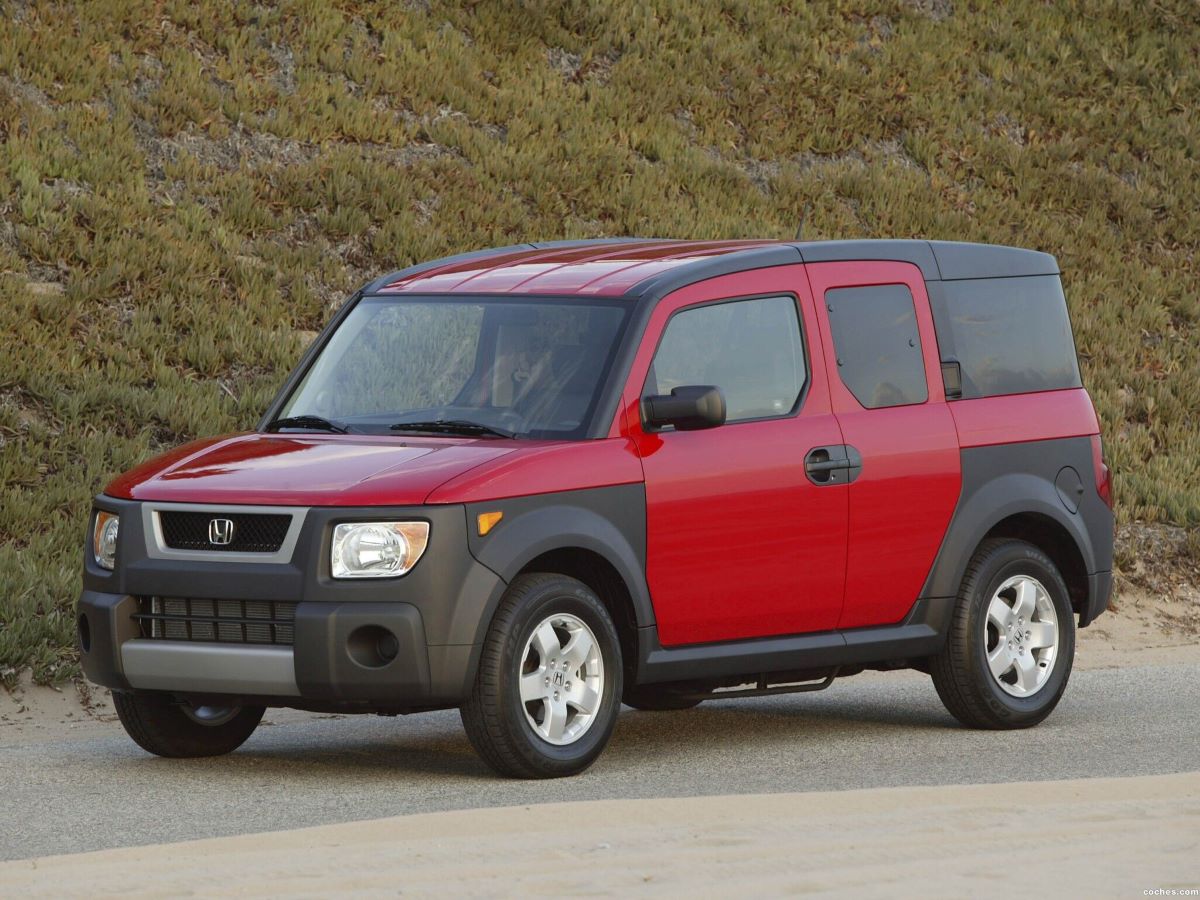
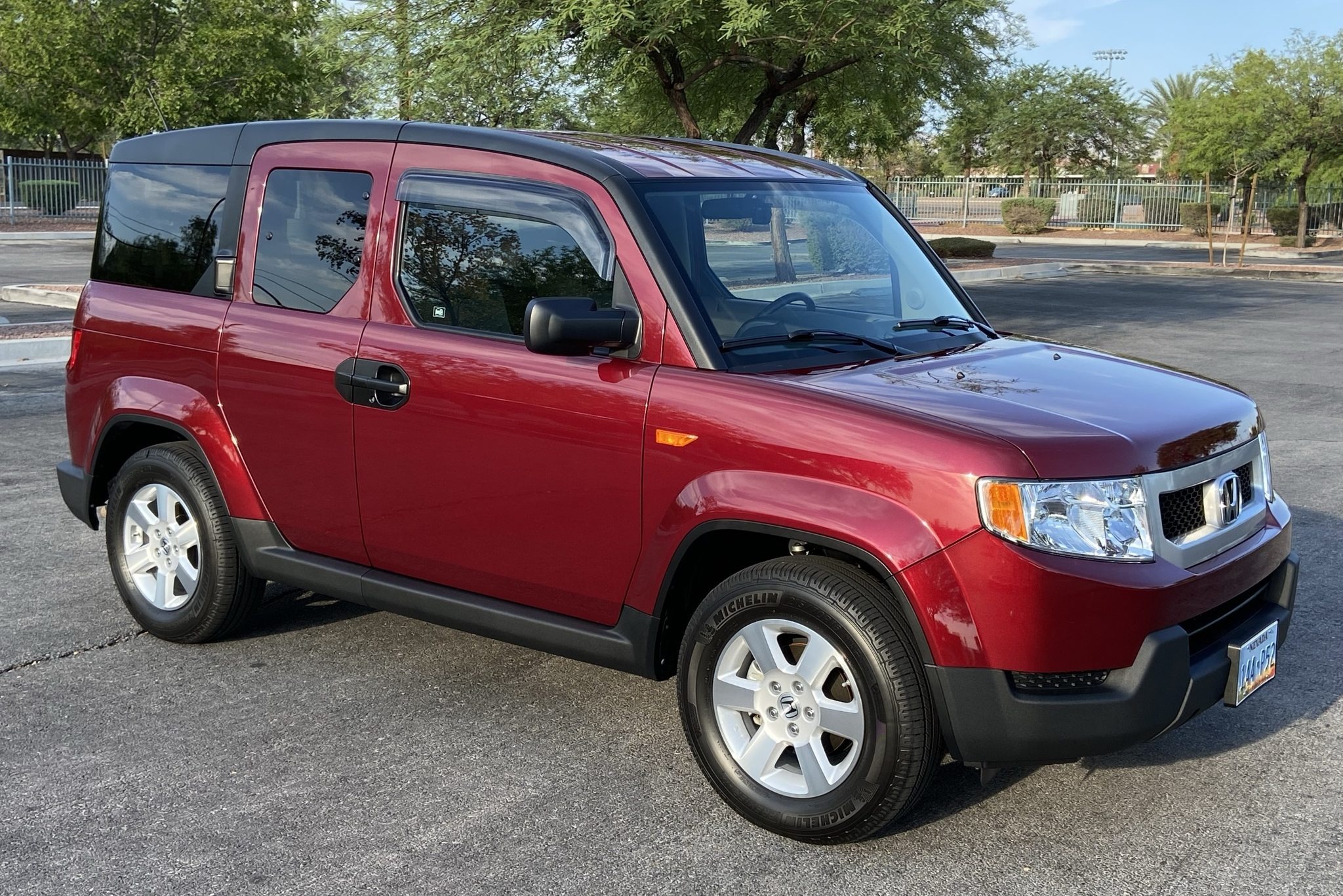
The Honda Element stands out as one of the brand’s most unique and practical designs. Its boxy body, wide stance, and utilitarian interior were crafted for durability.
The vehicle’s structure is unusually stiff for a compact SUV, and this rigidity helps it stay tight after years of hard use. Many Elements are still on the road today with over 200,000 miles, and they continue to drive as if they have half that mileage. The reason is clear: Honda engineered the Element with simplicity and toughness in mind.
Under the hood, the Element features the same K24 four-cylinder engine found in the CR-V, a motor famous for its balance and reliability. With regular maintenance, it can easily last for decades.
The powertrain components were designed to handle frequent load changes, making the Element especially resistant to the fatigue that can loosen a car’s feel over time. The transmission, whether automatic or manual, remains consistent when serviced regularly, and the drivetrain delivers a smooth, confident response at any speed.
The Element’s interior is built for resilience. Its washable flooring, hard-wearing plastics, and strong seat frames can endure years of use without developing rattles or squeaks. Many owners have used their Elements for camping, hauling, and pet transport, yet the vehicles maintain their structural integrity. The doors shut solidly, the dashboard stays firm, and the cabin remains largely rattle-free even after extensive mileage. This is a direct result of Honda’s deliberate focus on durability over luxury.
The Element’s suspension also contributes significantly to its longevity. Its independent setup provides comfort while maintaining excellent control, and the wide stance gives it a stable ride that resists body roll.
Proper maintenance of suspension components keeps the vehicle driving tight even after long-term use. The Element’s unique design, combined with Honda’s proven engineering, makes it one of the most enduring compact SUVs ever built, staying composed and confident well past 200,000 miles.
8. Honda Ridgeline
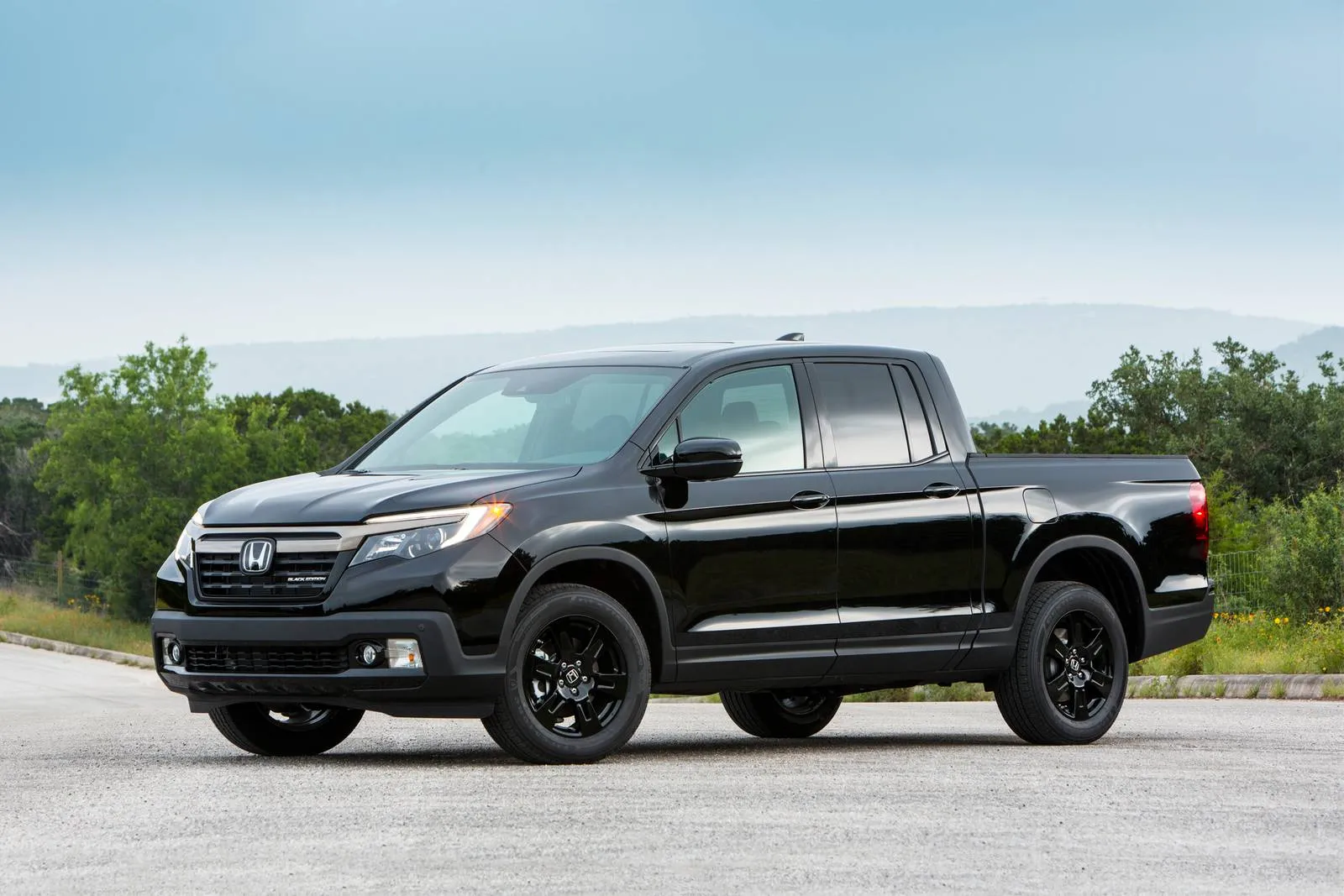
The Honda Ridgeline is one of the most impressive examples of how durability and comfort can coexist in a pickup truck. While traditional trucks often rely on body-on-frame construction, Honda chose a unibody design for the Ridgeline, giving it car-like handling and exceptional rigidity.
This decision is one of the main reasons the Ridgeline stays tight past 200,000 miles. The structure resists flexing, keeping the body panels and suspension components firmly in place even after years of hauling, towing, and rough use. Owners who take care of their Ridgelines often remark that the truck feels almost as solid at 250,000 miles as it did when new.
Honda’s V6 engine, the same reliable 3.5-liter unit used in the Pilot and Odyssey, powers the Ridgeline with smoothness and consistency. This engine’s balance, combined with Honda’s precise fuel delivery and cooling systems, allows it to handle heavy workloads without stress.
Regular oil changes, transmission fluid service, and cooling system maintenance are typically all it takes to keep the Ridgeline’s powertrain performing flawlessly. The transmission, known for its well-spaced gear ratios, contributes to a cohesive driving experience that does not degrade with age. Even when towing or climbing steep grades, the Ridgeline’s drivetrain remains composed and responsive.
Inside, the Ridgeline feels more like a high-quality SUV than a work truck. The interior materials are built to endure rough use but remain comfortable for long drives. The seats stay supportive, the dashboard remains free of looseness, and the doors close with a reassuring firmness.
This tightness continues even after years of use because Honda engineered the Ridgeline’s cabin with reinforcements and sound-deadening materials that resist fatigue. Many owners are surprised at how little cabin noise their truck produces after high mileage, a testament to Honda’s structural integrity.
The Ridgeline’s suspension is one of its standout features. It uses a fully independent setup, giving the truck an unusually smooth and controlled ride for its class. Unlike body-on-frame trucks that develop squeaks and vibrations as they age, the Ridgeline maintains composure over uneven terrain.
With regular attention to bushings, struts, and ball joints, the suspension stays tight and responsive for years. This combination of comfort, strength, and structural refinement makes the Honda Ridgeline one of the longest-lasting and most composed pickup trucks available.
9. Honda HR-V
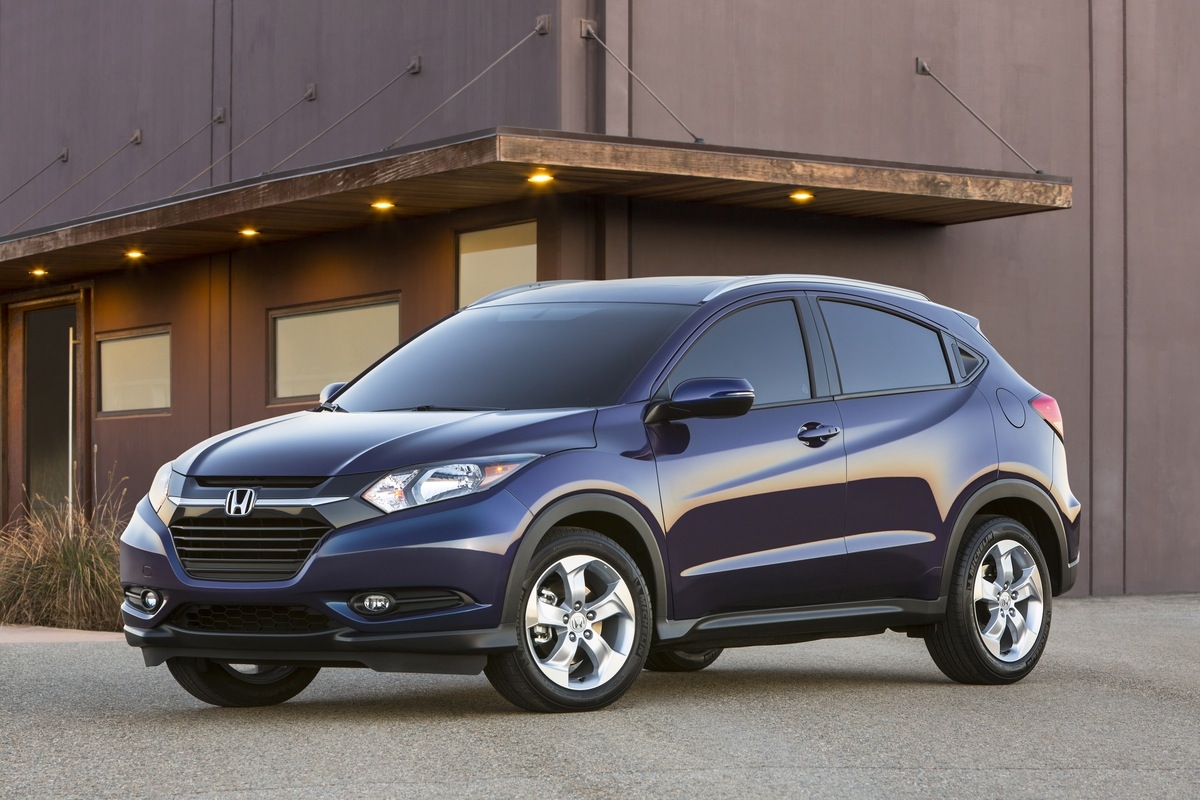
The Honda HR-V has become a favorite among compact crossover buyers thanks to its efficiency, practicality, and surprising durability. Despite its smaller size, the HR-V is engineered with the same structural philosophy as larger Honda vehicles.
Its unibody frame is built to resist bending or twisting, giving it a tight and solid feel that persists well beyond 200,000 miles. The result is a small SUV that handles daily use, long road trips, and urban driving with confidence while maintaining its original composure over time.
The HR-V’s engine lineup, particularly the 1.8-liter and 2.0-liter i-VTEC engines, delivers a perfect balance of power and longevity. These engines are known for running cleanly and efficiently with minimal wear. Even after extensive driving, the powertrain remains smooth, the idle steady, and the throttle response sharp.
Routine maintenance ensures these engines stay in peak condition, and their simple design reduces the likelihood of mechanical issues. The continuously variable transmission (CVT), when serviced with proper fluid at recommended intervals, also contributes to a smooth, consistent drive that does not deteriorate with mileage.
Honda’s interior construction standards are clearly visible in the HR-V. The seats, hinges, and dash materials are built to last, resisting the loosening and rattling that often occur in compact vehicles.
The “Magic Seat” system, which allows flexible cargo arrangements, is designed with strong hardware that rarely wears out. Even after years of use, the interior panels maintain tight alignment, and the doors close securely. The HR-V’s solid assembly helps it retain that reassuring feel of quality no matter how old it becomes.
Suspension durability is another strong point for the HR-V. Its design provides a good balance between comfort and control, and its compact proportions mean less structural strain during cornering or over rough pavement. Proper maintenance of the suspension components, such as control arms, bushings, and shocks, keeps the HR-V riding firmly even past the 200,000-mile mark.
Many owners appreciate how the vehicle continues to feel nimble and balanced even after years of use. This consistent performance makes the HR-V a standout example of Honda’s ability to combine small size with lasting quality.
10. Honda Insight
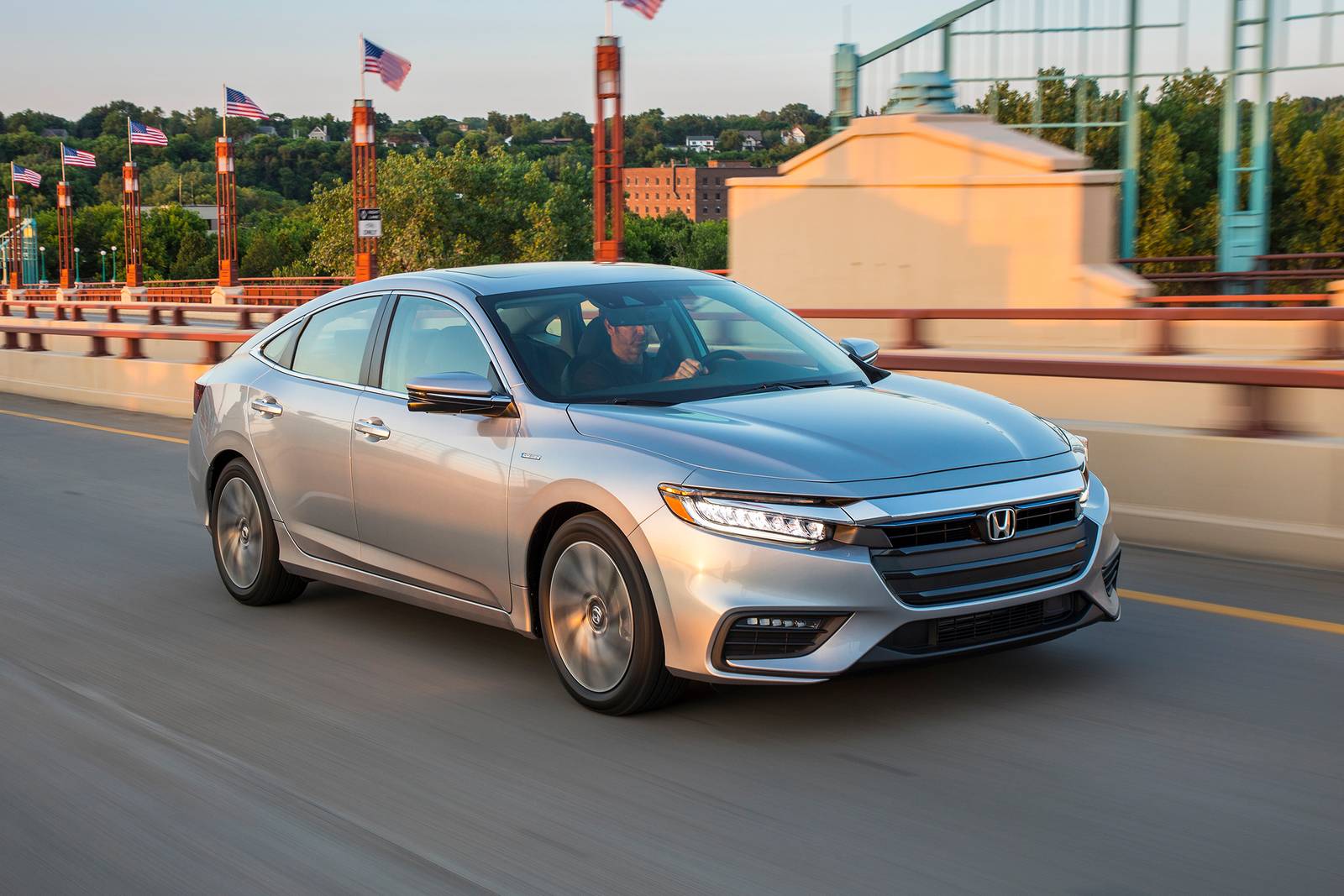
The Honda Insight represents one of the most refined combinations of technology and reliability in Honda’s lineup. From its early hybrid versions to modern iterations, the Insight proves that efficiency and longevity can go hand in hand.
Its hybrid systems are engineered with remarkable precision, and the car’s solid structure ensures that even after 200,000 miles, it retains a composed, well-connected feel on the road. The electric and gasoline systems work in harmony, minimizing stress on the engine and transmission while maintaining a quiet and smooth ride.
The gasoline engine in the Insight benefits from Honda’s long-standing expertise in building durable, fuel-efficient powerplants. The 1.5-liter engine found in most models uses advanced friction-reduction techniques, ensuring it operates cleanly for hundreds of thousands of miles.
Because the electric motor assists with acceleration, the engine endures less mechanical strain, which contributes to its longevity. Battery packs, when maintained and cooled properly, have also shown excellent lifespan, often lasting the entire life of the car. Owners who keep up with fluid changes and regular checkups often report that their Insights feel just as tight after years of use as they did at much lower mileage.
Inside, the Insight’s build quality exceeds expectations for a fuel-efficient vehicle. The materials are firm and well secured, giving the cabin a quiet, premium-like feel. The doors, console, and panels resist vibration and looseness, even after years of commuting and long trips.
Honda paid particular attention to the weight distribution and rigidity of the frame, ensuring that the hybrid system’s extra components did not compromise structural balance. This engineering allows the Insight to stay smooth and steady even as other hybrids begin to show signs of age.
The Insight’s suspension and steering contribute greatly to its tightness over time. The steering system maintains accuracy without developing slack, and the suspension design provides both comfort and composure. Drivers often mention that their high-mileage Insights still feel planted, with little sign of wear in handling or road feedback.
This consistency is what defines the car’s endurance: a sense of mechanical precision that remains long after most cars would have softened. The Insight proves that advanced technology and traditional Honda reliability can coexist to produce a hybrid that stays tight and confident well past 200,000 miles.
