
Mercedes-Benz has long been a symbol of automotive engineering, combining luxury, performance, and durability in ways few other manufacturers can match. Over the decades, the brand has produced vehicles that not only offer immediate driving pleasure but also retain value and functionality long after their initial release.
While all cars deteriorate over time, some models have proven that, with consistent maintenance, they can age gracefully, remaining reliable and stylish for many years.
This longevity is often attributed to the brand’s engineering philosophy, which prioritizes robust mechanical systems, high-quality materials, and advanced design that resists the wear of both time and environment.
The appeal of older Mercedes vehicles goes beyond their mechanical reliability. Many models gain a certain charm as they age, combining classic styling with a sense of prestige that newer cars sometimes struggle to convey. Leather interiors, wood trims, and carefully crafted dashboards often maintain their aesthetic appeal decades after the vehicle leaves the showroom.
Moreover, certain engines and chassis configurations have demonstrated remarkable resilience, especially when owners adhere to recommended maintenance schedules and use high-quality fluids and parts.
The careful attention that Mercedes encourages among its owners has created a culture of longevity, where a car is not just a tool for transport but an investment in engineering excellence.
Another factor contributing to the graceful aging of certain Mercedes models is the balance between technological sophistication and simplicity. While newer vehicles can sometimes suffer from electronic gremlins, older models with well-designed mechanical systems are often easier to maintain and troubleshoot.
This combination of thoughtful engineering and serviceability has allowed many vehicles to remain functional even decades after their production.
Collectors, enthusiasts, and everyday drivers alike have recognized that investing in regular maintenance, including oil changes, suspension care, and proper storage, can allow a Mercedes to continue delivering smooth performance and safety over time.
Finally, the long-term appeal of aging Mercedes vehicles is also shaped by the brand’s commitment to versatility. From sedans and coupes to SUVs and roadsters, Mercedes has produced models that cater to a wide range of driving needs while maintaining their durability.
This adaptability ensures that even older vehicles can remain relevant, comfortable, and enjoyable to drive despite changing automotive trends. The combination of timeless design, mechanical strength, and a focus on driver experience ensures that many Mercedes models not only survive but thrive as they age, rewarding owners who invest time and care in their upkeep.
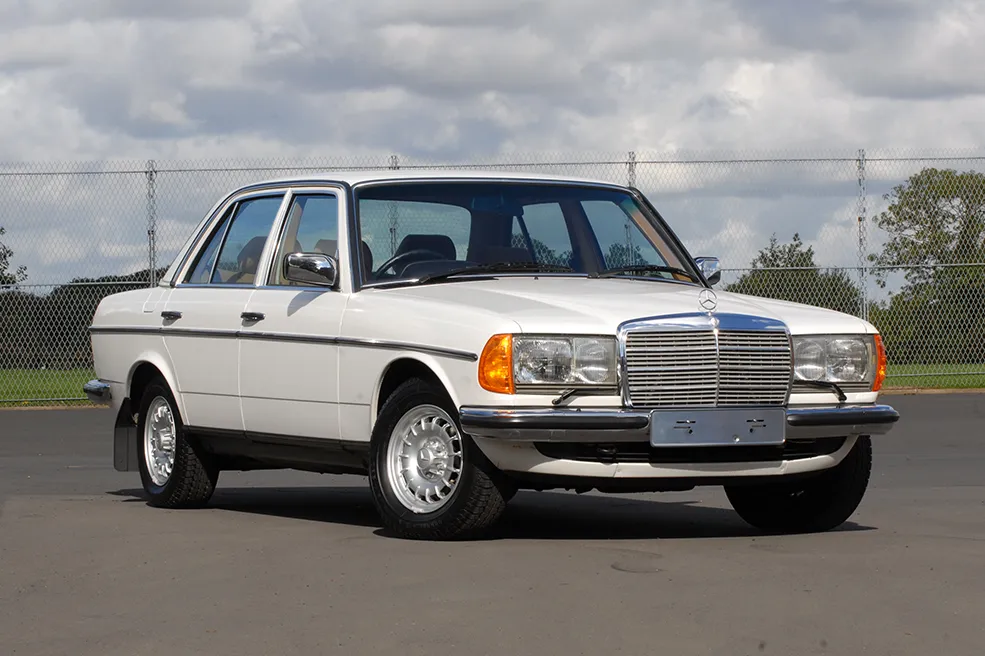
1. Mercedes-Benz W123 (1976–1985)
The W123 is often celebrated as one of the most durable Mercedes models ever produced. Its engineering focuses on simplicity and reliability, with engines designed to withstand heavy use and high mileage.
These vehicles were built during a period when Mercedes emphasized mechanical robustness over cutting-edge electronics, which often makes them easier to maintain today. Owners who regularly attend to oil changes, suspension inspections, and timing adjustments can find W123 models running smoothly even after four decades.
The design of the W123 contributes to its enduring appeal. Its angular body lines, large chrome bumpers, and understated interior convey a sense of timeless elegance.
Unlike some modern cars that may appear dated quickly, the W123 maintains a classic aesthetic that commands respect on the road. Inside, the use of high-quality materials such as leather, solid wood, and durable plastics ensures that the cabin ages well, often retaining its original charm with minimal intervention.
From a mechanical perspective, the W123 benefited from engines that were overbuilt by today’s standards. Diesel variants, in particular, became legendary for longevity, capable of surpassing half a million miles with proper care.
The suspension system, while simple, offers a comfortable ride and is resilient against wear when serviced regularly. These features make the W123 a favorite among enthusiasts who appreciate vehicles that reward patience and maintenance rather than rapid technological upgrades.
Even today, spare parts for the W123 are widely available, making restoration and upkeep relatively straightforward. The combination of solid engineering, timeless styling, and an enthusiastic owner community has ensured that the W123 continues to be a desirable vehicle.
Collectors and everyday drivers alike appreciate how a well-maintained W123 can offer both a nostalgic driving experience and a reliable means of transportation.
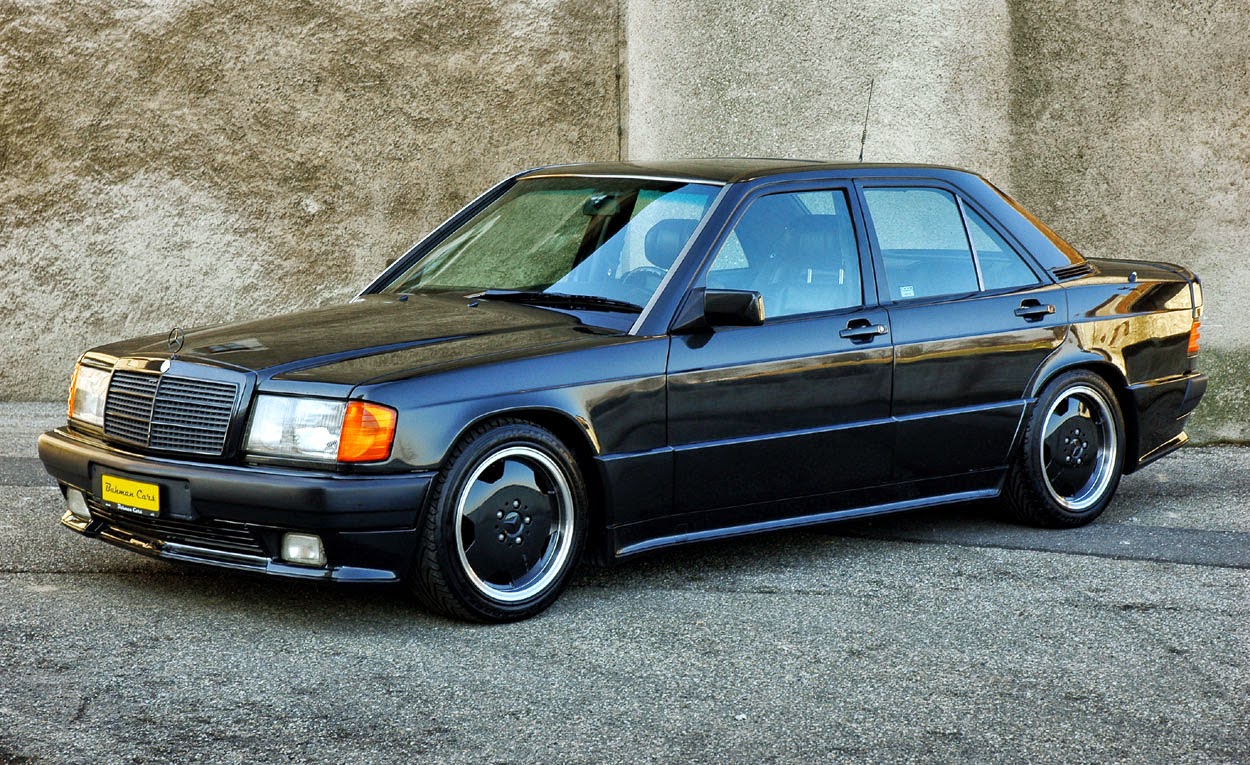
2. Mercedes-Benz 190E (W201, 1982–1993)
The 190E represents a turning point in Mercedes design, offering a more compact and agile option compared to the larger sedans of the time. It quickly earned a reputation for reliability and excellent build quality.
The W201 chassis was engineered for rigidity and durability, allowing these vehicles to maintain their structural integrity decades later. Regular servicing, especially of the engine and suspension components, can extend the life of the 190E significantly.
The styling of the 190E was understated yet sophisticated, featuring clean lines and a proportionate body that has aged remarkably well. Even after thirty or forty years, these sedans retain a refined presence on the road.
The interiors, often equipped with high-quality cloth or leather and straightforward controls, have proven to withstand wear. Maintenance of the upholstery and dashboard components can keep a 190E feeling almost contemporary in its comfort and usability.
The engines available in the 190E lineup, particularly the four-cylinder units, are renowned for their resilience. Many examples have achieved high mileage without major overhauls, provided owners maintain proper oil schedules and monitor timing components.
The suspension and braking systems were designed to endure daily use, and with timely replacement of worn bushings or brake components, the driving dynamics remain solid, offering a composed ride even after decades.
Owners and collectors appreciate the 190E not only for its reliability but also for its historical significance. It was one of the first Mercedes to incorporate fuel injection and modern safety features like crumple zones and airbags in a compact sedan.
These features, combined with meticulous engineering, ensure that a well-maintained 190E remains a practical and enjoyable vehicle long past its production years.
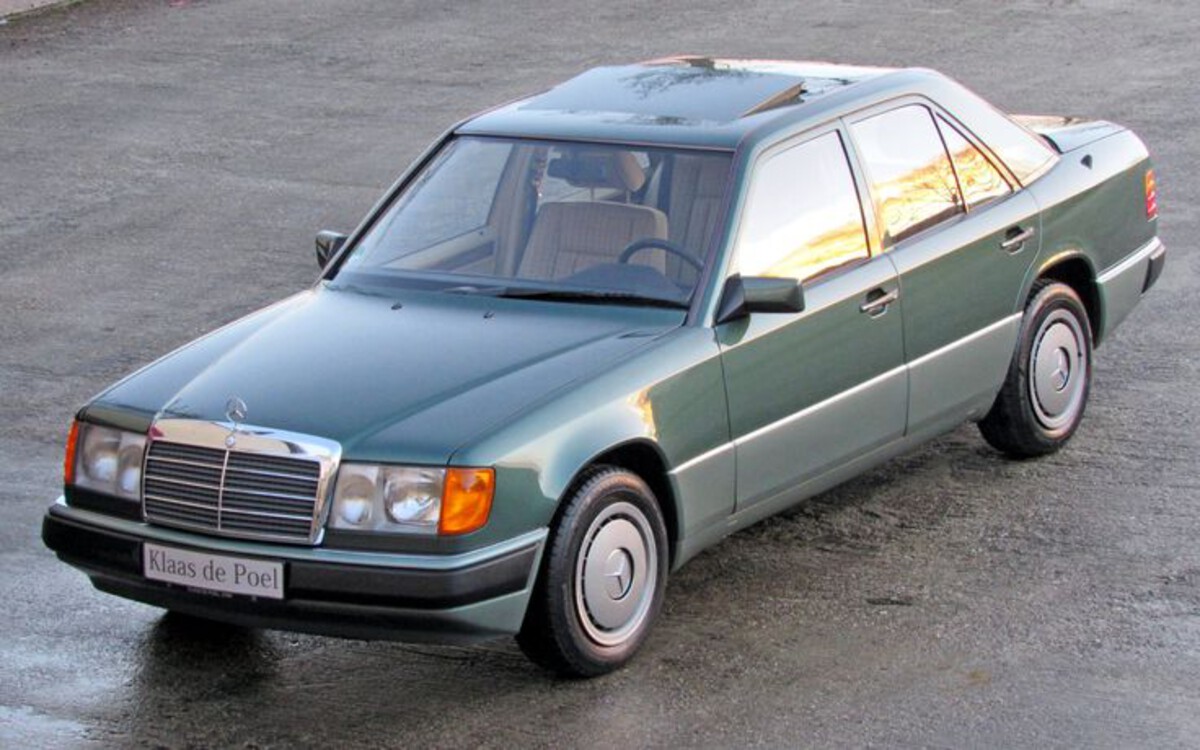
3. Mercedes-Benz W124 (1984–1995)
The W124 is often described as the pinnacle of Mercedes’ engineering during the 1980s and 1990s. Known for its exceptional build quality, these vehicles were designed to endure both time and usage.
With proper maintenance, W124 sedans and wagons can continue to deliver performance and comfort decades after production. Attention to routine tasks, including fluid changes, suspension service, and drivetrain inspections, is critical for preserving these vehicles’ longevity.
Stylistically, the W124 strikes a balance between elegance and restraint. Its aerodynamic yet classic design has aged well, avoiding the awkwardness that sometimes plagues older vehicles.
Inside, the cabin features quality materials such as leather seats, sturdy plastics, and wooden trim that often remain intact even after years of use. This attention to interior durability adds to the model’s reputation for aging gracefully.
Mechanically, the W124 benefitted from over-engineered components. Engines like the M103 and M104 six-cylinder variants have proven extremely robust, often running smoothly past 300,000 miles with proper care.
The transmission systems, whether manual or automatic, were designed for longevity, and timely servicing of the cooling system, clutch, or transmission fluid helps prevent major issues. The suspension design balances comfort with durability, maintaining a controlled ride for many years.
The W124 also earned praise for its versatility and safety. Many owners have found these vehicles adaptable for both city driving and long-distance travel. Advanced safety engineering for the time, including crumple zones and reinforced cabins, contributes to the model’s enduring value. With attention to routine care, a W124 can remain a reliable, stylish, and enjoyable vehicle decades after it first left the factory.
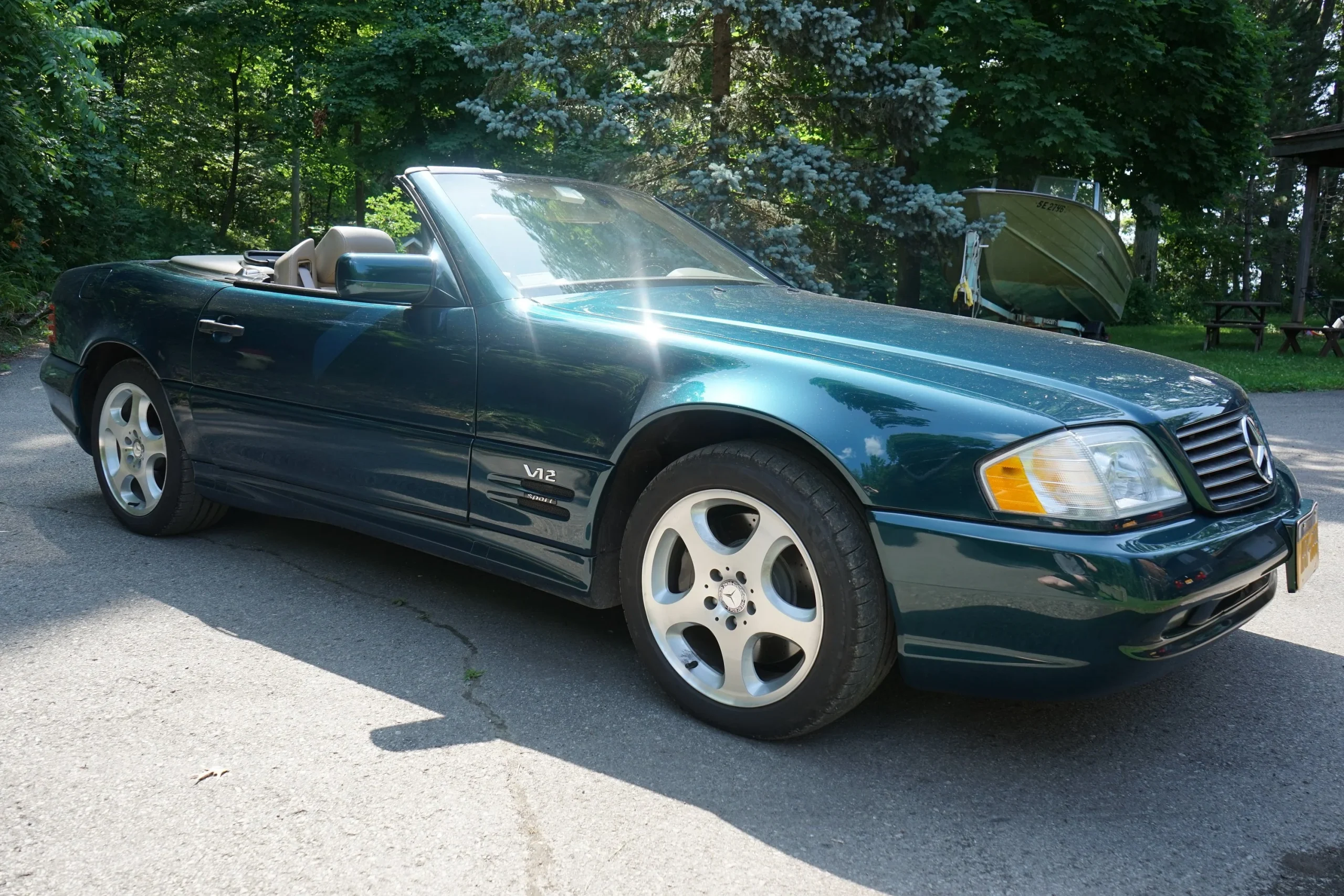
4. Mercedes-Benz SL (R107, 1971–1989)
The R107 SL is one of Mercedes’ most iconic roadsters, known for both its style and durability. Its solid body construction, combined with reliable mechanical systems, allows these vehicles to age remarkably well when maintained properly.
Unlike many convertibles of the era, the R107 features corrosion-resistant panels and a strong chassis that resists the common rust issues often seen in older cars.
Routine maintenance such as oil changes, transmission fluid servicing, and regular inspection of suspension and steering components ensures that this roadster continues to perform as intended, even decades after its initial release.
The design of the R107 contributes to its timeless appeal. With clean, flowing lines and an understated elegance, the roadster maintains a commanding presence on the road even against modern vehicles. The combination of chrome accents, elongated hood, and minimalist yet functional interior design creates a sense of sophistication that does not fade over time.
Inside, the seats and dashboard, crafted with high-quality leather and wood, age gracefully, requiring only standard care to maintain their appearance. For enthusiasts who prioritize both form and function, the R107 offers a rare balance that few vehicles can match.
Mechanically, the SL’s engines, ranging from inline-sixes to V8s, were designed to be overbuilt, ensuring longevity under consistent maintenance. The fuel-injected systems, while modern for their time, are relatively simple to service and less prone to the electronic issues that affect later models.
Suspension and braking components are durable and, when properly maintained, provide a comfortable and safe driving experience even on older road surfaces. Additionally, the convertible top mechanism, while sometimes requiring attention, can be preserved effectively through careful upkeep, adding to the longevity of the vehicle.
Collectors and classic car enthusiasts highly value the R107 SL not just for its aesthetics, but also for its reliability and ability to retain value. Many owners report decades of enjoyable driving with minimal major repairs, demonstrating that consistent care can allow this model to remain functional, stylish, and comfortable over an extended period.
Its combination of engineering excellence, classic design, and practical maintenance requirements makes it one of the Mercedes models that truly age gracefully.
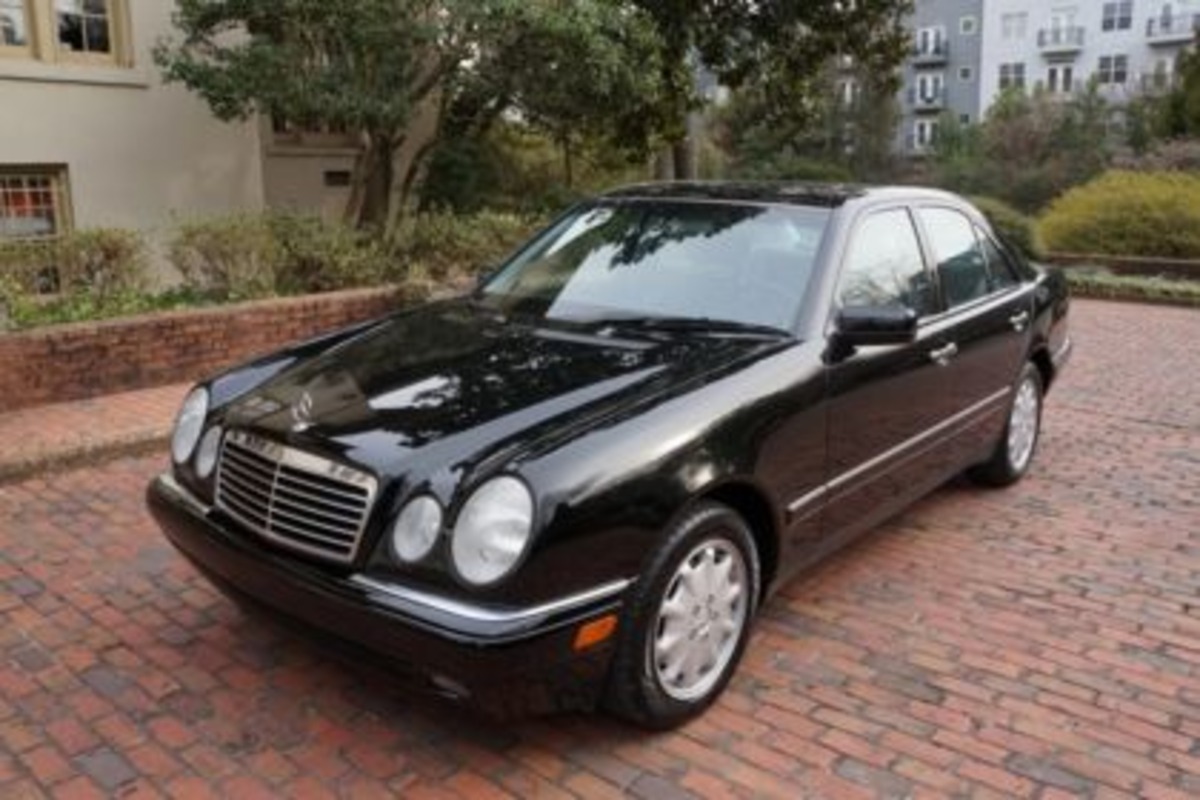
5. Mercedes-Benz E-Class (W210, 1995–2003)
The W210 E-Class marked a significant evolution for Mercedes, combining advanced engineering with a focus on comfort and safety. While some critics note the styling’s initial divisiveness, its rounded shapes have aged into a distinctive look that retains character today.
These vehicles were engineered for long-term use, and with proper maintenance, they can remain reliable and smooth-running well beyond the typical lifespan of modern sedans. Regular attention to engine health, suspension, and electronics helps owners preserve performance and comfort.
Inside, the W210 features a thoughtfully designed cabin, blending quality materials with functional ergonomics. Leather seats, durable plastics, and solid dashboard components often survive years of use with minimal signs of wear.
Owners who maintain climate control systems and address minor interior issues promptly find that the car’s environment remains comfortable and visually appealing. The combination of practicality and luxury ensures that even as the model ages, it continues to feel cohesive and well-engineered.
Under the hood, engines like the M112 V6 and OM611 diesel units offer both performance and resilience. These powertrains respond well to regular oil changes, timing chain inspections, and fuel system maintenance, allowing the cars to reach high mileage with minimal issues.
Suspension components, including the multi-link rear and front setup, provide a balance between ride comfort and durability. Attentive maintenance ensures that the handling characteristics remain stable and predictable over time.
The W210 also introduced modern safety features such as side airbags and enhanced braking systems, which contribute to its longevity as a functional vehicle. Owners who service these systems regularly benefit from a car that continues to meet both comfort and safety standards long after its production ended.
Collectors and long-term owners often highlight how well the W210 withstands time, offering a combination of performance, reliability, and interior quality that exemplifies Mercedes’ enduring appeal.
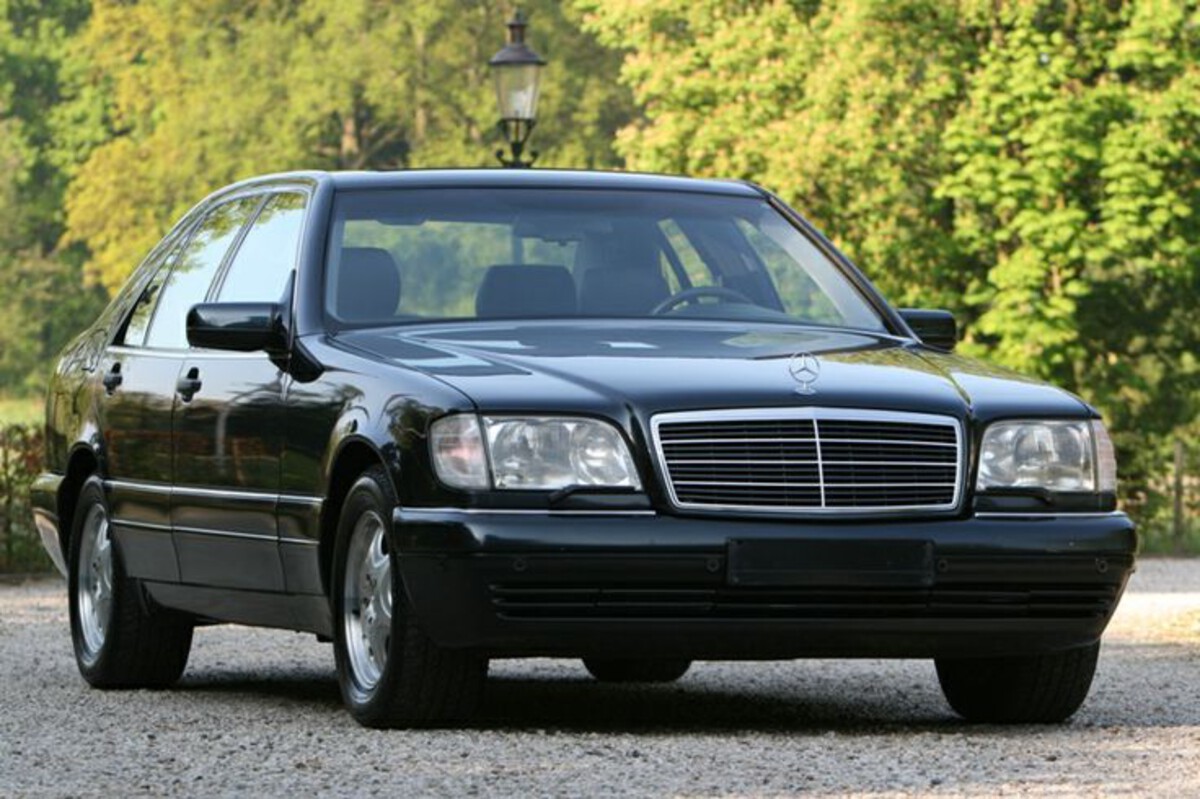
6. Mercedes-Benz S-Class (W140, 1991–1998)
The W140 S-Class represents one of the most impressive achievements in Mercedes engineering, known for its massive presence and over-engineered components. Often described as “the tank” among luxury sedans, the W140 was built to last, with thick steel panels, robust chassis construction, and sophisticated suspension systems.
These features, combined with routine servicing, allow the W140 to remain mechanically sound and visually imposing even decades after production. Regular oil changes, coolant servicing, and inspection of electronic components are crucial to maintaining these vehicles in prime condition.
The styling of the W140 emphasizes luxury and authority. Its imposing size, squared-off lines, and commanding grille convey a sense of presence that has aged remarkably well. Inside, the cabin features sumptuous materials, including supple leather, polished wood, and advanced comfort systems that remain functional when properly maintained.
Seats with electronic adjustments, climate control, and sound insulation continue to provide a high-quality experience even after years of use. Preservation of these interior elements through careful care adds to the vehicle’s timeless feel.
Underneath, the W140’s engineering is equally impressive. Engines ranging from the M119 inline-six to the massive V12 units were designed for durability, capable of high-mileage operation when serviced regularly.
Transmission systems, though complex, are resilient with appropriate fluid changes and careful attention to clutch or torque converter components. The sophisticated multi-link suspension and robust braking systems provide both comfort and control, demonstrating that Mercedes engineering prioritized longevity alongside luxury.
Long-term ownership of the W140 rewards diligence. Many enthusiasts report decades of dependable driving, with vehicles retaining structural integrity, safety features, and interior quality.
This combination of solid engineering, enduring style, and comprehensive safety makes the W140 S-Class an excellent example of a Mercedes model that ages gracefully with attentive maintenance. Its reputation as a reliable, luxurious, and long-lasting sedan has cemented its place in automotive history.
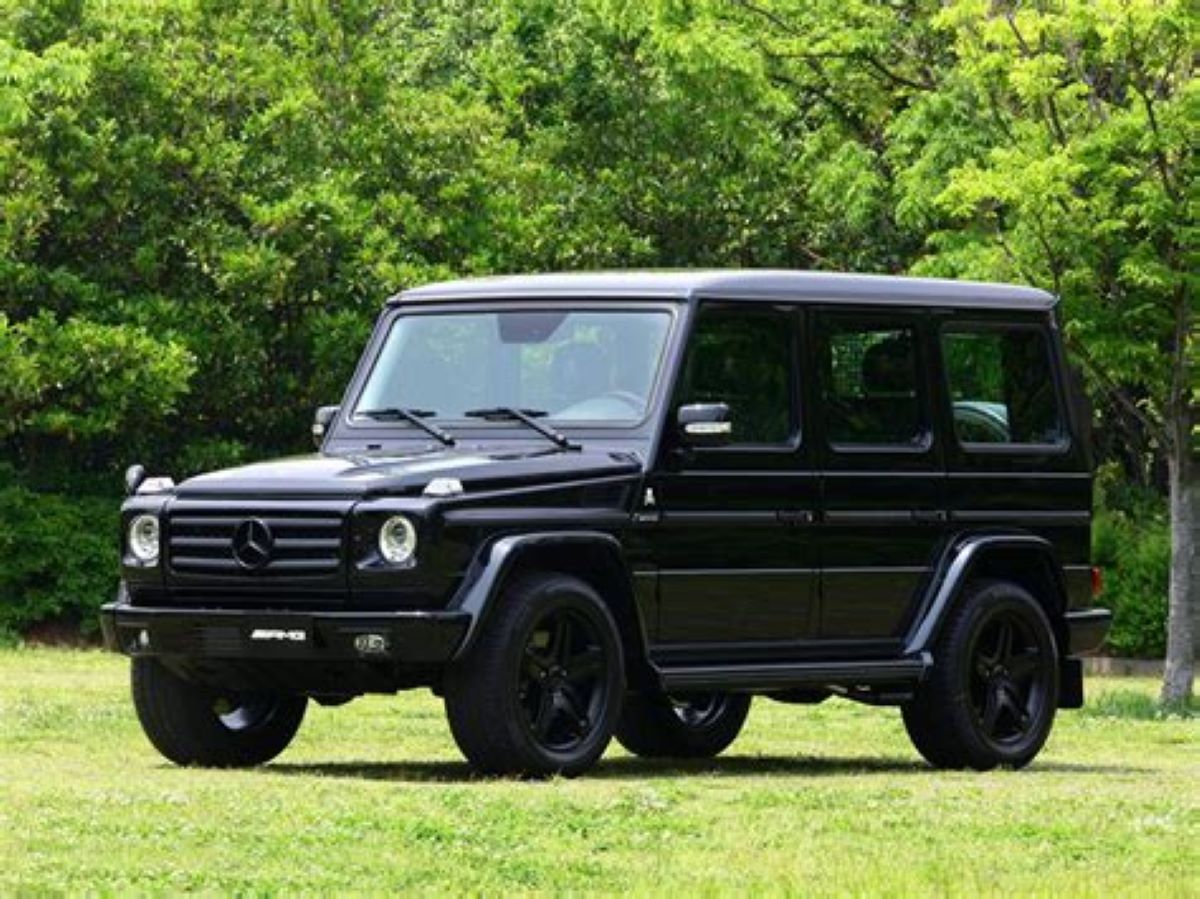
7. Mercedes-Benz G-Class (W463, 1990–present)
The G-Class, also known as the G-Wagon, stands out for its distinctive boxy design and exceptional durability. Built originally as a military vehicle, the G-Class was designed to withstand harsh environments and heavy use, making it one of the most long-lasting Mercedes models.
With consistent maintenance, including oil changes, drivetrain inspections, and suspension servicing, these vehicles can remain highly functional and capable well past typical automotive lifespans.
The G-Class retains its original rugged styling, which has changed very little over decades. Its upright lines, flat panels, and utilitarian aesthetic have a timeless quality, often admired by enthusiasts and collectors.
Inside, the combination of leather, durable plastics, and thoughtful ergonomic design ensures that the cabin remains comfortable and functional, even under long-term use. Routine care of electronic systems, climate control, and interior finishes helps preserve both appearance and utility.
Mechanically, the G-Class benefits from overbuilt engines and transmissions. Inline-six, V8, and later V12 engines are renowned for durability, while the full-time all-wheel-drive system provides unmatched traction and stability.
Components like solid axles, portal gears, and ladder-frame construction contribute to the vehicle’s resilience, allowing it to endure rough terrain and everyday driving alike. Regular inspection and maintenance ensure that these systems continue to perform reliably over decades.
The G-Class has developed a strong following for its longevity and versatility. Owners appreciate that a properly maintained G-Wagon not only remains operational but also retains significant value due to its iconic status.
Whether used as a luxury SUV or off-road vehicle, the W463 demonstrates how Mercedes engineering can combine toughness, style, and long-term reliability in a single model that ages gracefully.
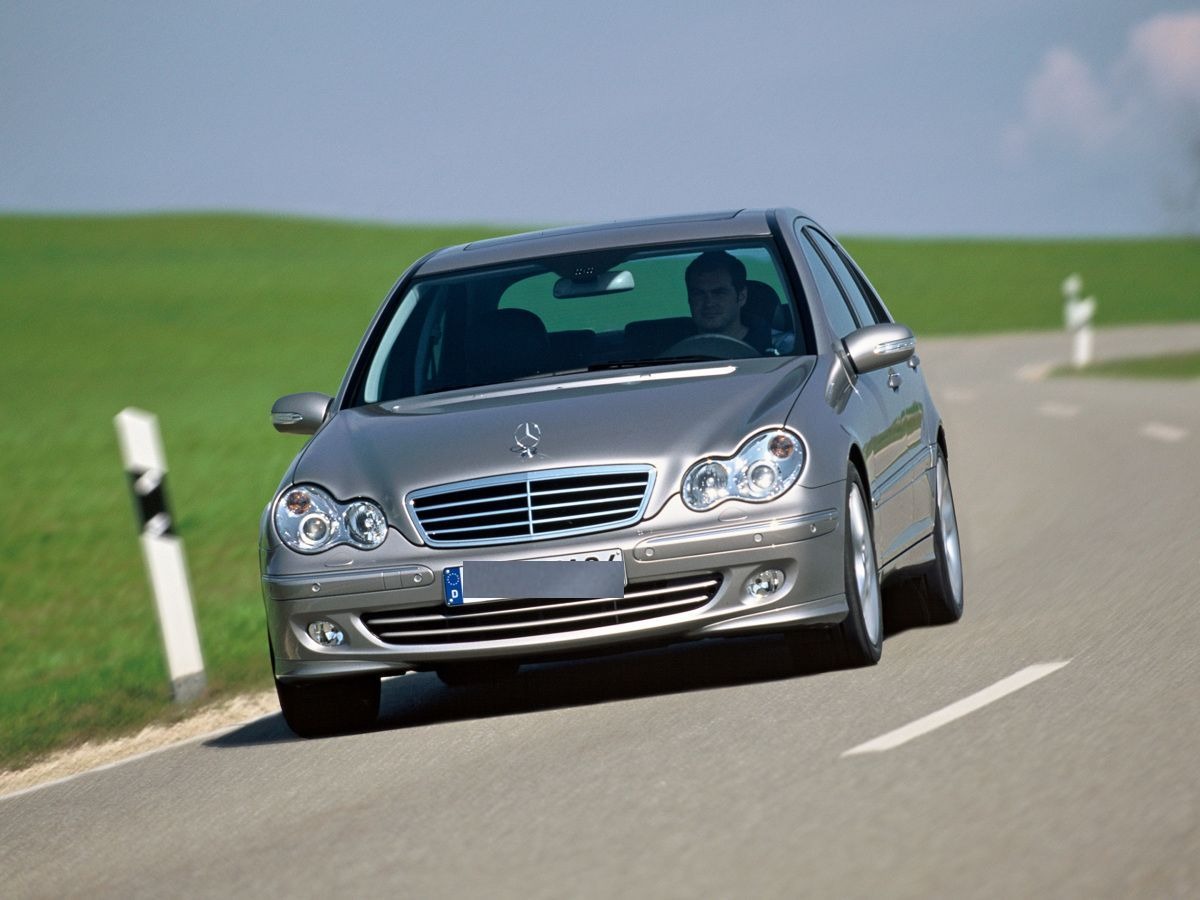
8. Mercedes-Benz C-Class (W203, 2000–2007)
The W203 C-Class is a model that demonstrates Mercedes’ commitment to creating compact luxury sedans with long-term reliability. Although smaller than the E-Class or S-Class, the W203 offers many of the same engineering principles, including robust engines, strong chassis construction, and durable interiors.
With regular maintenance, such as oil changes, brake inspections, and suspension servicing, these vehicles can remain functional and visually appealing for well over a decade. Proper attention to electronics and cooling systems is also essential, as they are among the components most likely to require service over time.
The exterior styling of the W203 has aged gracefully. Its rounded edges and balanced proportions avoid the blocky appearance of earlier compact sedans, giving it a presence that still feels modern in many ways. Chrome accents, clean lines, and Mercedes’ characteristic grille provide a subtle elegance that does not easily date.
Inside, the cabin offers high-quality materials such as soft-touch plastics, durable leather, and well-finished trim pieces. Regular cleaning and conditioning of these elements ensure that the interior remains inviting, comfortable, and free of significant wear, even after years of use.
Mechanically, the W203 benefited from resilient engine options, ranging from four-cylinder units to six-cylinder engines. Diesel variants, in particular, are renowned for their longevity when serviced correctly.
Transmission systems, including both manual and automatic options, are capable of extended service life provided that fluid changes and routine maintenance are observed. The suspension system balances comfort and durability, offering predictable handling that persists over time. Attention to wear-prone components, such as bushings and shock absorbers, ensures continued smooth driving.
Owners of W203 C-Class vehicles frequently praise their ability to maintain performance, safety, and comfort over long periods. Its combination of a compact size, classic styling, and robust engineering makes it a practical choice for those seeking a luxury vehicle capable of aging well.
When maintained consistently, the W203 demonstrates that Mercedes can deliver reliability, elegance, and driver satisfaction even in the entry-level luxury segment.
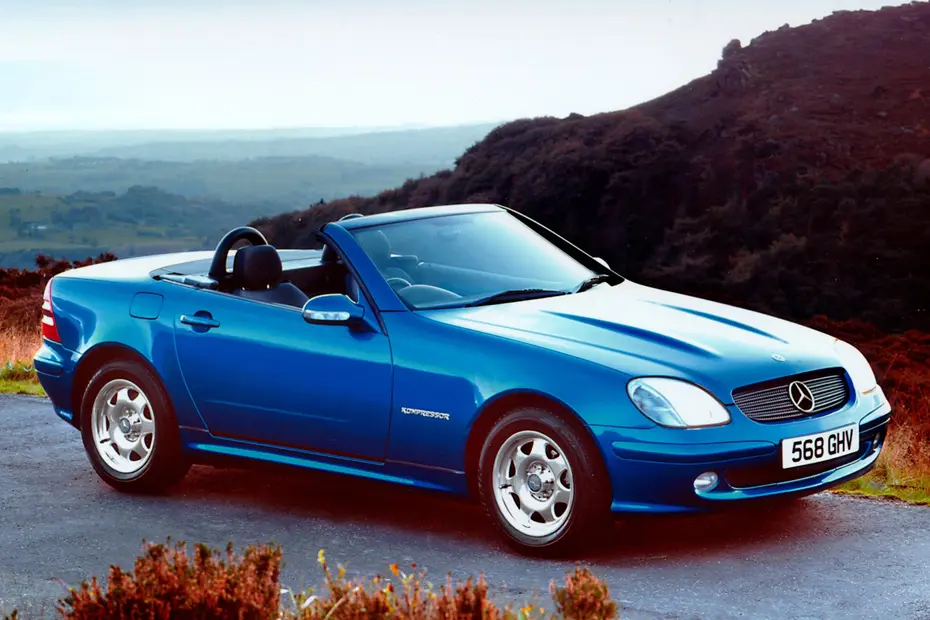
9. Mercedes-Benz SLK (R170, 1996–2004)
The R170 SLK is a compact roadster that combines sporty driving dynamics with Mercedes’ trademark engineering durability. Known for its folding hardtop roof, this model introduced an accessible luxury roadster segment that emphasized both style and longevity.
With attentive care, including oil changes, roof mechanism inspections, and suspension maintenance, the R170 can remain reliable and enjoyable long after its original production. Preventative attention to rust-prone areas and electronics also helps ensure the vehicle retains both functionality and value over time.
The styling of the R170 is understated but attractive, with proportions that remain balanced decades later. Its retractable hardtop adds versatility, allowing it to serve as both a coupe and a convertible, which is still appealing to modern enthusiasts.
Inside, the cabin features high-quality leather, durable plastics, and ergonomic controls that withstand frequent use. Regular interior care, including conditioning leather seats and cleaning mechanisms for the top, ensures that the SLK continues to feel refined and comfortable even after many years.
Mechanically, the R170 SLK was offered with a range of engines, including four-cylinder and V6 options. These powertrains are known for longevity, particularly when the cooling system, timing components, and fuel system are properly maintained.
Suspension and steering components were designed for sporty handling yet durability, ensuring a responsive and enjoyable driving experience even after extensive use. Maintenance of these systems allows the roadster to preserve both ride quality and safety.
The R170 SLK’s appeal lies not only in its compact size and sporty character but also in its reliability and practicality. Many owners report decades of problem-free driving when they adhere to regular servicing schedules.
The combination of versatile design, durable engineering, and comfortable interior makes the R170 SLK an excellent example of a Mercedes model that ages gracefully, providing both enjoyment and peace of mind for its owners.
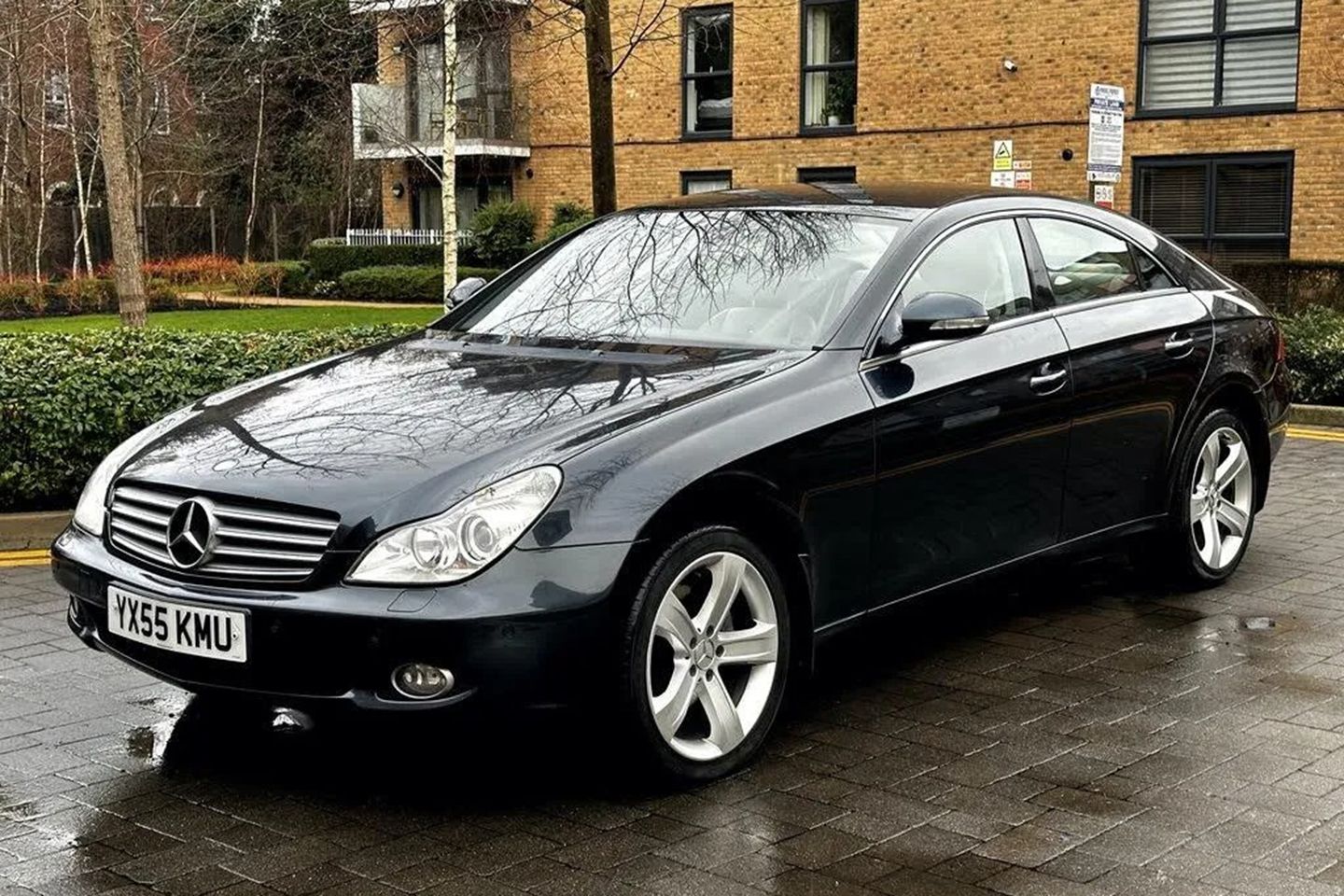
10. Mercedes-Benz CLS (C219, 2004–2010)
The first-generation CLS, or C219, represented a bold departure from traditional Mercedes sedan styling, introducing the four-door coupe concept. Despite its innovative design, the CLS maintains the engineering quality and longevity typical of the brand.
With attentive maintenance, including regular servicing of engines, transmissions, and suspension components, the C219 can remain highly reliable and aesthetically appealing long after its initial release.
Attention to electronics, which can be complex on this model, ensures that features such as adaptive headlights, air suspension, and multimedia systems continue to function properly.
The CLS stands out for its sleek, low-slung design, which still looks modern today. Its aerodynamic profile, flowing roofline, and minimalistic grille combine to create a sophisticated, sporty appearance that has aged extremely well.
The interior features high-quality leather, polished wood, and intuitive controls, all of which can be maintained with regular care to preserve comfort and functionality. Even after years of driving, the cabin can remain a luxurious and enjoyable space, providing both driver and passengers with a premium experience.
Under the hood, the CLS offers a variety of engines, from inline-sixes to V8s, all built with durability in mind. Diesel variants are particularly long-lasting when serviced correctly, and regular attention to transmission, cooling, and suspension components helps ensure longevity.
The adaptive air suspension, while sophisticated, can endure decades if properly inspected and maintained, offering a smooth and controlled ride even in older vehicles.
The CLS’s combination of innovative design, high-quality construction, and robust mechanical systems makes it a Mercedes model that rewards attentive ownership.
Many drivers have found that, with careful maintenance, the vehicle retains its performance, comfort, and visual appeal for decades. Its blend of style, practicality, and engineering excellence demonstrates that even newer Mercedes models can age gracefully when cared for properly, rounding out a list of ten vehicles known for longevity and timeless appeal.
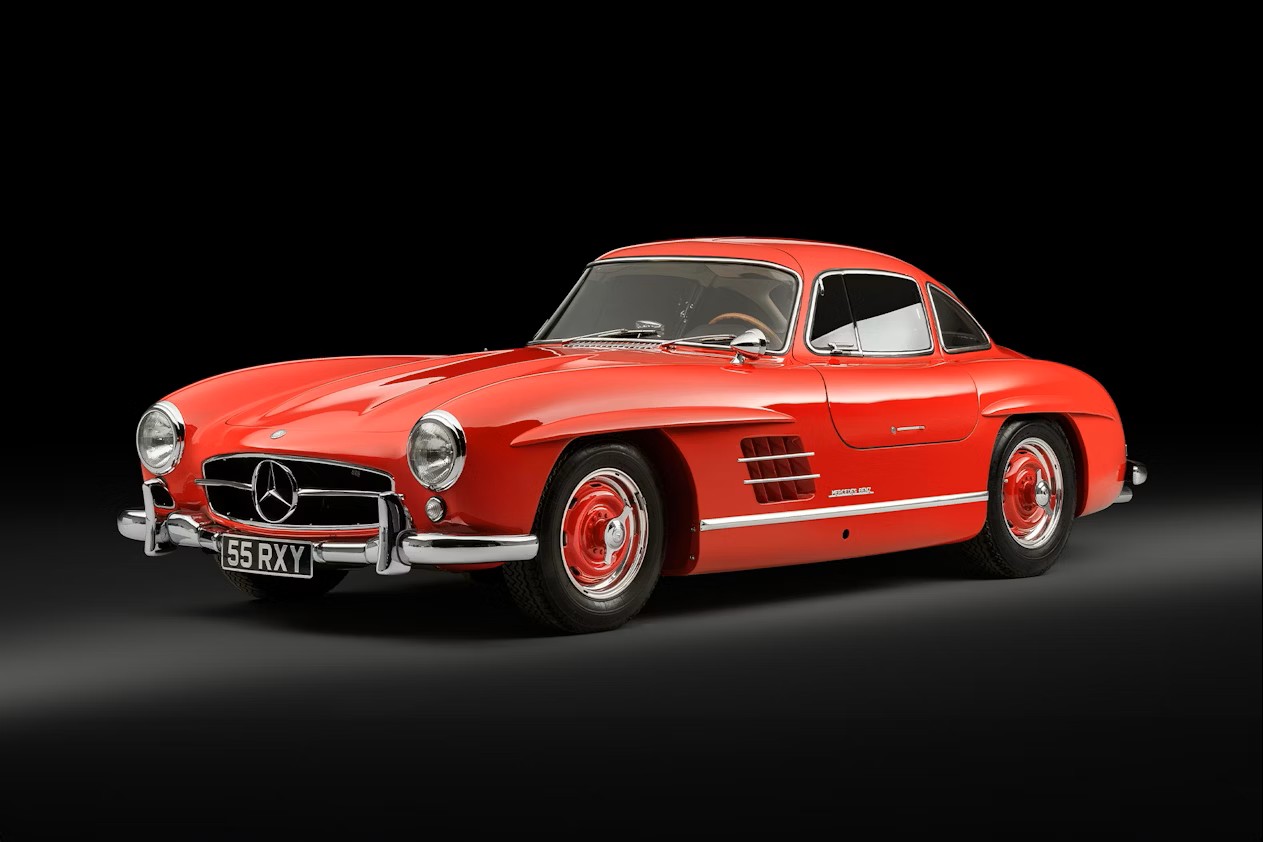
11. Mercedes-Benz 300SL (W198, 1954–1963)
The 300SL is one of Mercedes’ most legendary models, famous for its iconic gullwing doors and racing-inspired engineering. Despite being a high-performance sports car, the 300SL is built with exceptional durability.
The robust inline-six engine, precision suspension, and strong chassis construction allow this model to remain mechanically sound for decades when meticulously maintained. Regular attention to oil changes, cooling system inspections, and brake servicing ensures the car continues to operate smoothly, while preventative care against corrosion preserves the body’s structural integrity.
The 300SL’s design has become timeless, often considered one of the most beautiful cars ever made. Its unique gullwing doors and low-slung, aerodynamic body retain elegance and presence, even alongside modern vehicles.
Inside, the cabin features minimalist yet high-quality materials, including leather upholstery and durable metal finishes, which can last decades with proper conditioning and cleaning. Preservation of interior components ensures that the car remains visually striking while maintaining functionality.
Mechanically, the 300SL’s fuel-injected engine was advanced for its time yet built to last. With consistent maintenance, it offers smooth power delivery and reliability rare in mid-century sports cars.
Suspension components, though designed for performance, are resilient and can endure extensive driving with routine service. Steering and braking systems, when maintained, continue to provide precise control, ensuring both safety and driving pleasure even after decades.
Collectors highly value the 300SL not only for its aesthetic appeal but also for its engineering resilience. Many original examples remain operational today, demonstrating that meticulous care can preserve both performance and style. This combination of rarity, beauty, and durability makes the 300SL an enduring example of a Mercedes that ages gracefully with dedicated attention.
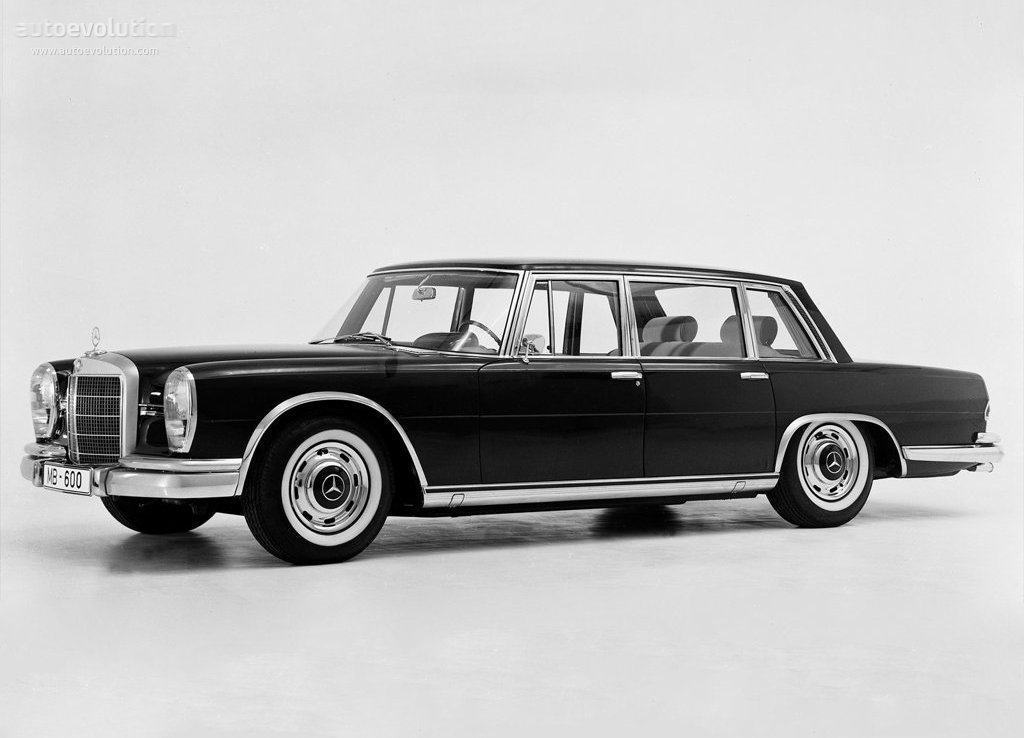
12. Mercedes-Benz 600 (W100, 1963–1981)
The W100 600 is a limousine that epitomizes Mercedes’ engineering sophistication and durability. Designed for heads of state, celebrities, and elite clients, the 600 was overbuilt to an extraordinary degree.
Hydraulic systems control everything from windows to seats and even the suspension, all of which can remain functional decades later with proper maintenance. Regular servicing of hydraulics, engines, and the cooling system is essential, ensuring the vehicle continues to operate smoothly while maintaining its luxurious character.
Styling of the 600 conveys authority and elegance. Its long, stately lines and large chrome accents remain visually impressive even by today’s standards. Inside, the cabin features plush leather, extensive wood trim, and advanced for its time comfort systems.
When interiors are cared for through conditioning, cleaning, and attention to the hydraulic components, they continue to exude luxury and sophistication. This quality ensures that the 600 ages with dignity rather than showing the passage of time.
The W100’s mechanical systems are extraordinarily robust. Engines range from inline-six to V8 and V12 configurations, all designed to handle high loads and long-distance travel.
The air suspension system, combined with the hydraulic aids, provides unmatched ride comfort while remaining reliable under consistent maintenance. Even after decades, properly cared-for 600s can offer smooth and quiet operation, preserving both performance and comfort for owners.
Long-term ownership of the 600 is a testament to the engineering skill of Mercedes-Benz. Enthusiasts and collectors have maintained these vehicles for decades, demonstrating their potential for longevity when properly serviced. Its combination of power, luxury, and durability ensures that the W100 remains a symbol of graceful aging in the automotive world.
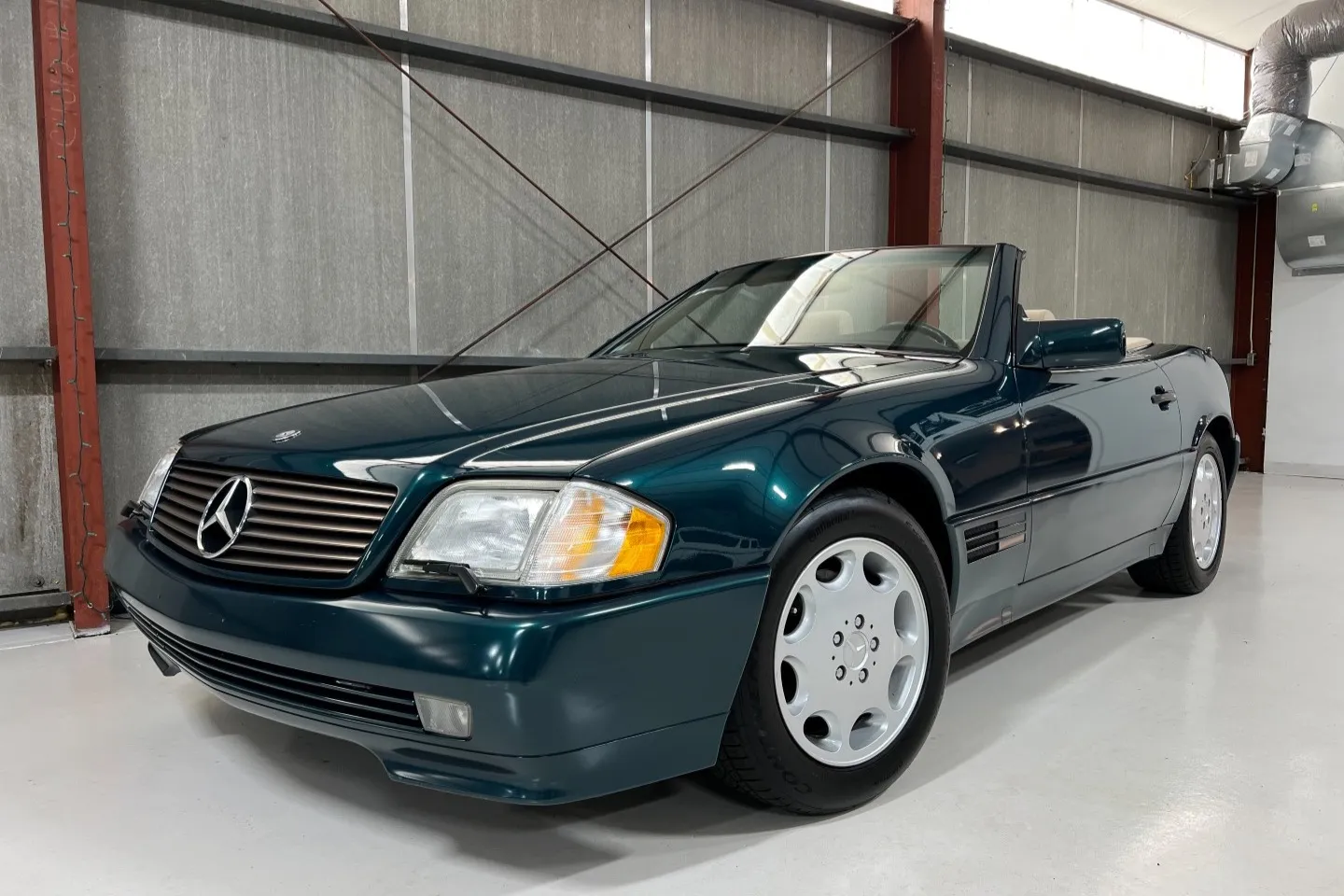
13. Mercedes-Benz SL (R129, 1989–2001)
The R129 SL represents the evolution of Mercedes roadsters with a focus on modernity and durability. Introduced with advanced features such as fully automatic soft and hardtops, electronically controlled suspension, and a range of powerful engines, the R129 combines luxury with engineering reliability.
Regular maintenance, including servicing the electronic systems, engines, and hydraulic suspension, ensures that the vehicle remains mechanically sound and enjoyable for decades. Attention to storage and rust prevention further extends its lifespan.
The R129’s design has aged remarkably well, with sleek yet understated lines that convey both elegance and sportiness. Its low-profile hood, refined front fascia, and flowing roofline make it timeless, while the interior features high-quality leather, wood trim, and ergonomically designed controls.
Proper conditioning of leather and care of electronic mechanisms ensures the cabin remains comfortable and functional even decades later.
Mechanically, the R129 engines, particularly the inline-sixes, V8s, and V12s, are renowned for resilience. They respond well to regular servicing, including oil changes, cooling system checks, and timing belt inspections.
The suspension, combining comfort and sporty handling, maintains its performance when regularly inspected and maintained. Steering and braking systems continue to provide precise control, making long-term ownership enjoyable and reliable.
Collectors and enthusiasts value the R129 SL for its combination of style, comfort, and mechanical durability. Many examples remain in daily use today, illustrating how careful maintenance can preserve both performance and aesthetics. Its blend of engineering excellence, luxury features, and timeless design make the R129 SL one of the Mercedes models that truly ages gracefully.
