
For decades, the V8 engine has symbolized power, endurance, and craftsmanship. Many enthusiasts associate these engines with strong torque, unmistakable sound, and a driving experience that feels both raw and refined.
Yet, not all V8s are created equal. Some roar gloriously for a few years before mechanical fatigue sets in, while others run for hundreds of thousands of miles with only routine care.
The cars that use these reliable V8 engines often become legends for their toughness, gaining reputations that transcend model years and generations. They become the kind of machines people proudly pass down, confident that the next owner will still find life in every piston stroke.
Longevity in a V8 car does not come from raw displacement or horsepower alone. It stems from solid engineering, conservative tuning, and the kind of manufacturing precision that prevents internal wear even under stress. It also depends on how accessible and affordable maintenance is.
Cars that survive long distances without major rebuilds tend to have engines designed with simplicity, sturdy internal components, and a heritage of dependability proven by real-world owners. Many of them have become the backbone of loyal fan communities that share tips, stories, and data about how long these cars last when properly cared for.
This article looks at 12 V8-powered cars that are known to keep going strong without the need for major engine overhauls. Each one combines reliability with character, whether it’s a luxury sedan, muscle car, or workhorse SUV. They represent different eras and philosophies but share one crucial trait: a robust mechanical heart that can clock high mileage and still pull hard.
These vehicles prove that power and reliability can coexist when engineering integrity meets thoughtful design. Their stories stretch across continents, from American muscle to European refinement and Japanese precision.
Whether your passion lies in raw acceleration or the subtle hum of a well-balanced cruiser, these ten cars remind us that some engines are built not just for performance but for endurance.
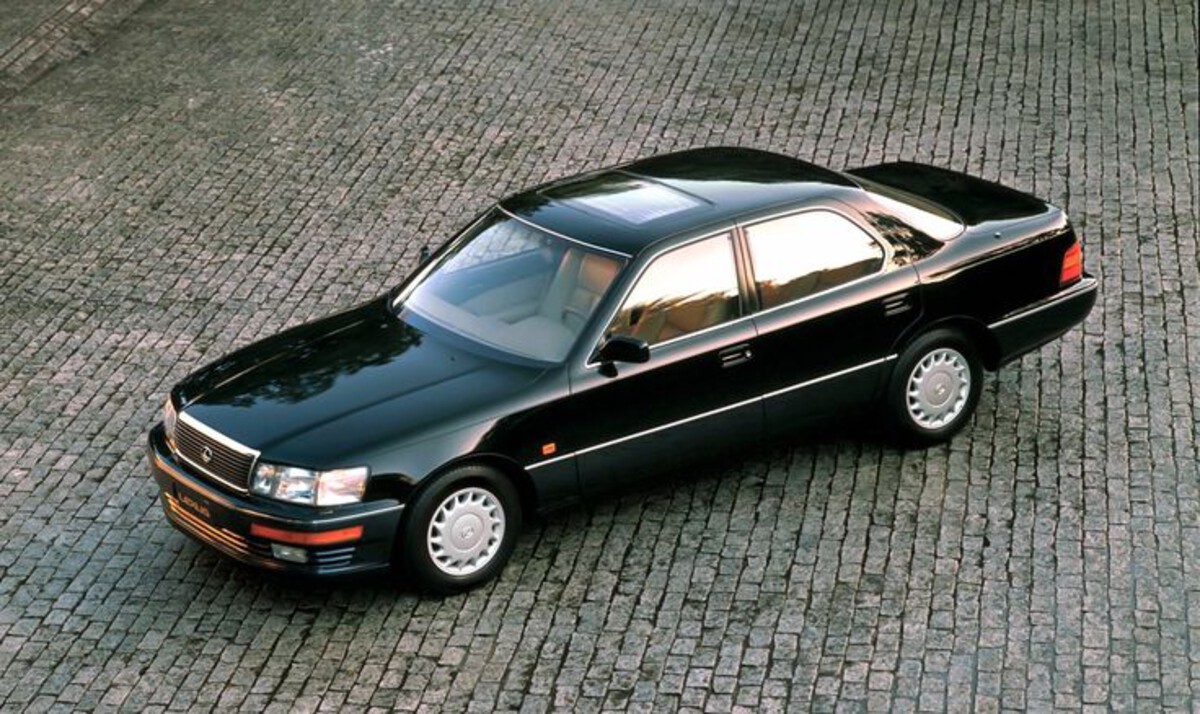
1. Lexus LS400
When the Lexus LS400 arrived in 1989, it didn’t just mark Toyota’s entry into the luxury segment; it redefined what reliability in a luxury car could mean. Powered by the 1UZ-FE 4.0-liter V8, this sedan was engineered with the kind of precision rarely seen in mass-produced vehicles.
The team behind its creation was given near-unlimited resources and time to achieve smoothness, durability, and quietness that would surpass every benchmark.
The result was an engine capable of spinning effortlessly at high speeds while maintaining perfect balance. Many LS400s still run on their original engines and transmissions, clocking more than 400,000 miles without internal repairs. For a car that blends performance and refinement, that longevity remains extraordinary.
The heart of the LS400’s endurance lies in its 1UZ-FE V8 design. Built with a forged steel crankshaft, six-bolt main bearing caps, and aluminum cylinder heads, it was overbuilt in every sense. The use of lightweight forged pistons and tight tolerances ensured minimal friction losses and consistent compression even after years of use.
The timing belt setup, though requiring replacement every 90,000 miles, was engineered to operate in near silence. The cooling and oiling systems were designed with redundancy in mind, ensuring that temperature fluctuations and oil starvation were practically impossible under normal driving conditions.
Engineers reportedly tested prototypes at extreme temperatures and sustained high speeds for thousands of hours to confirm their durability targets.
What made the LS400 special wasn’t only its mechanical toughness but the philosophy behind it. Lexus engineers believed that long-term refinement depended on both material quality and design simplicity.
Combined with a strong automatic transmission and robust drivetrain, the LS400 feels as solid after 20 years as it did new. Its reputation became so strong that taxi services and chauffeurs around the world began using it, trusting it to deliver flawless operation over endless hours.
Today, it remains one of the best examples of what can be achieved when a car is built with reliability as the foundation, not an afterthought.
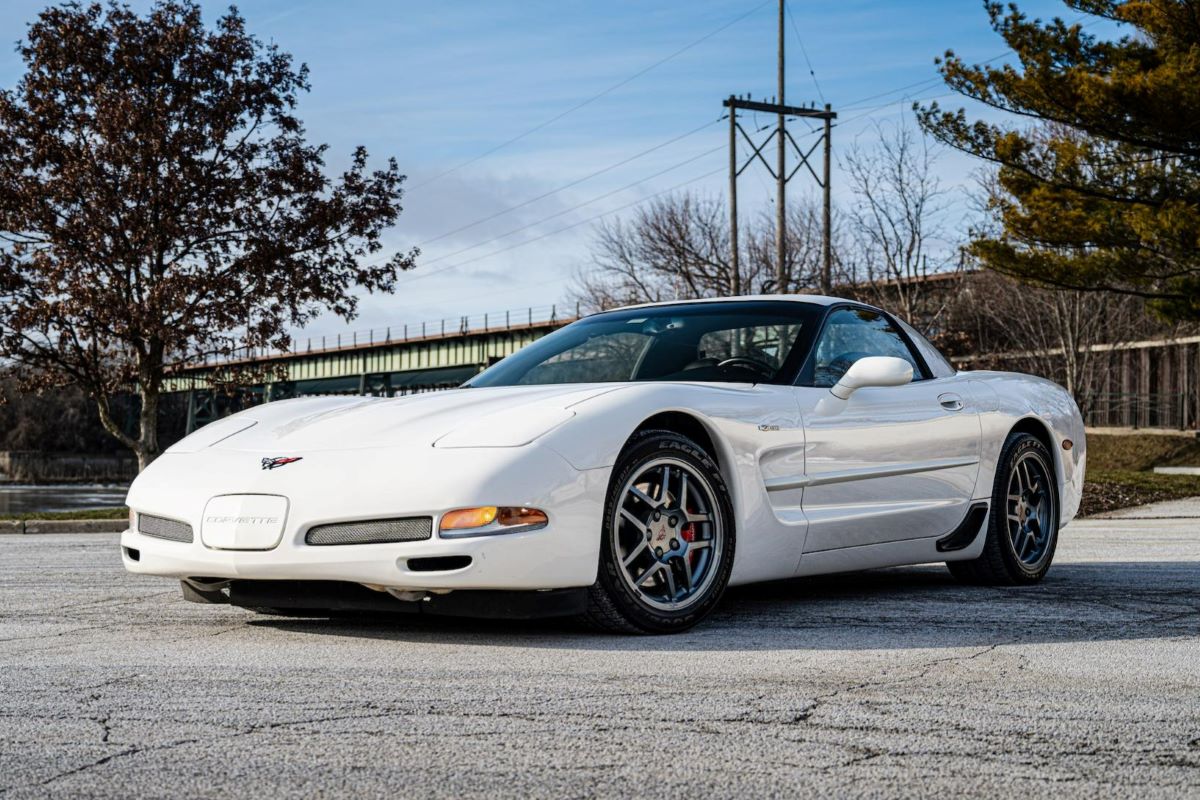
2. Chevrolet Corvette C5
The fifth-generation Corvette, produced from 1997 to 2004, represented a major leap in both engineering and durability for America’s sports car. At the heart of this transformation was the LS1 V8, a 5.7-liter masterpiece that combined strength, efficiency, and simplicity.
Unlike earlier small-block designs, the LS1 used an all-aluminum construction that reduced weight while maintaining rigidity. It was built to last, and real-world examples have proven it, with many C5 Corvettes surpassing 250,000 miles while still producing factory-rated power.
The car’s long-distance reliability, even under spirited driving, made it one of the most respected performance machines of its era.
The LS1 was not simply powerful; it was thoughtfully engineered to minimize wear and maximize consistency. It used cathedral-port cylinder heads that allowed for efficient airflow and stable combustion, while a well-designed oiling system ensured lubrication even during hard cornering or high-rev operation.
The engine’s pushrod design, though simple, reduced moving parts and friction, which contributed to its long life. Cooling efficiency was another strength, aided by lightweight aluminum radiators and high-flow thermostats that kept operating temperatures steady.
Owners frequently report minimal oil consumption and compression losses even after decades of use, a rarity among high-performance engines.
The Corvette’s lightweight yet rigid chassis also contributes to its longevity. The hydroformed frame resists flexing, which reduces mechanical stress on the drivetrain. Suspension components, made from composite materials, resist corrosion and wear better than traditional steel setups.
Even after years of daily use, C5s often remain tight and responsive, thanks to their low curb weight and balanced design. The simplicity of the rear transaxle layout also means fewer mechanical losses and less heat buildup, further improving durability.
The combination of accessible maintenance, strong aftermarket support, and bulletproof engine design makes the Corvette C5 one of the best long-term sports car investments.
It is a car that invites spirited driving yet demands little in return beyond basic maintenance. For anyone who values performance that lasts, the C5 is living proof that American engineering can deliver both excitement and endurance in a single package.
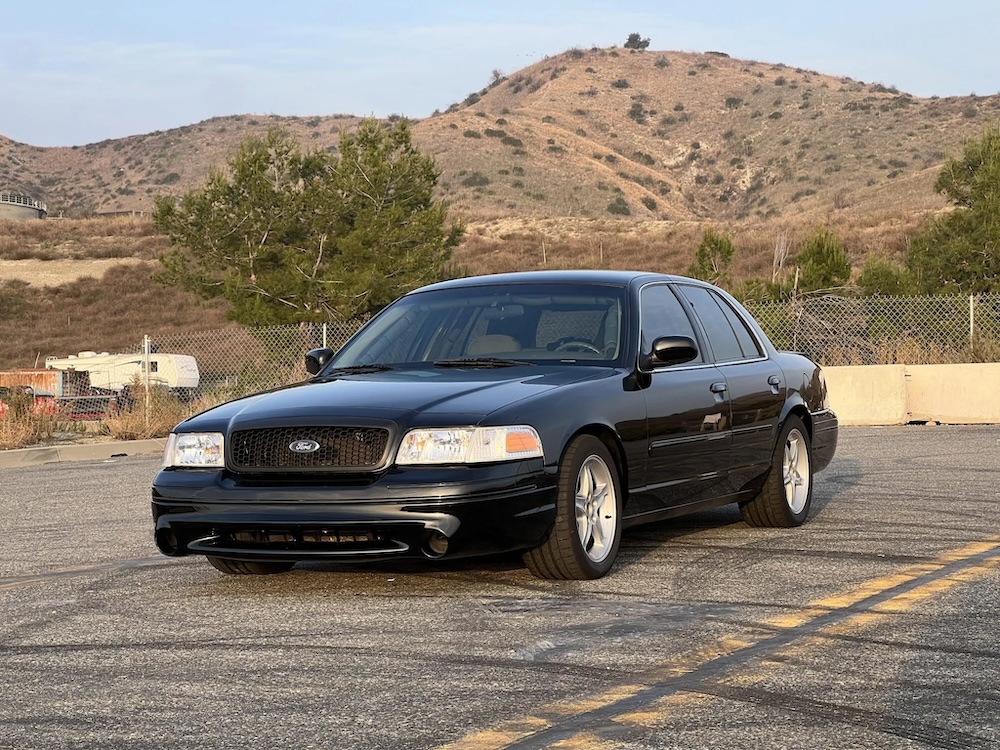
3. Ford Crown Victoria
The Ford Crown Victoria has become synonymous with toughness. Whether serving as a police interceptor, taxi, or private vehicle, it has earned its reputation through decades of relentless service. Under its broad hood sits the 4.6-liter Modular V8, a workhorse engine that prioritizes reliability over flash.
This engine has powered fleets across the nation, racking up hundreds of thousands of miles in stop-and-go traffic and still performing reliably. Stories of Crown Victorias surpassing 500,000 miles without internal rebuilds are common, a testament to Ford’s conservative and robust design philosophy.
The Modular V8 was designed to handle abuse. Its cast-iron block and aluminum heads were built to manage continuous operation under heat and stress. The overhead camshaft layout allowed for smoother operation and more precise valve control than older pushrod designs, which reduced wear and improved fuel efficiency.
Part of the car’s legendary reliability comes from its simplicity and ease of maintenance. The rear-wheel-drive platform provides excellent access to major components, making repairs straightforward.
The automatic transmissions used in these cars are equally durable, especially the 4R70W and later 4R75E, which were built to handle torque with minimal issues. Because the Crown Victoria was used so extensively in fleets, replacement parts are plentiful and inexpensive, keeping maintenance costs manageable for decades.
Beyond the mechanics, the body-on-frame construction adds another layer of durability. Unlike unibody sedans, the frame absorbs much of the stress from impacts and rough roads, protecting the drivetrain and suspension components. This structural toughness makes the Crown Victoria feel solid even after years of heavy use.
For anyone seeking a full-size sedan that can outlast almost anything else on the road, few vehicles match its blend of simplicity, durability, and proven performance.
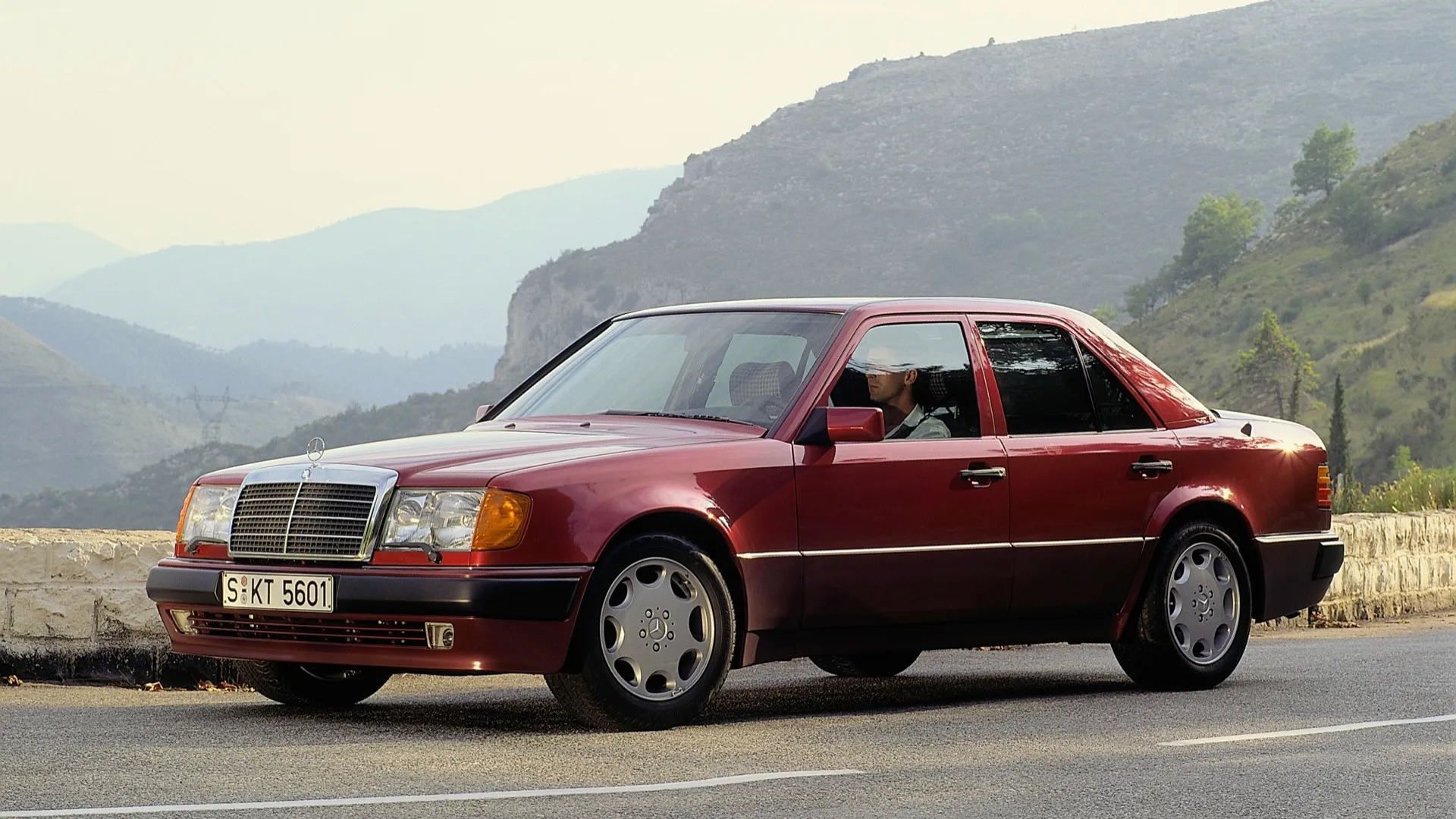
4. Mercedes-Benz W124 400E / E420
The Mercedes-Benz W124 400E and E420 models represent an era when Mercedes engineers built cars with longevity as their main objective.
Produced in the early 1990s, these sedans combined understated luxury with near-industrial durability. Their 4.2-liter M119 V8 engine is often cited as one of the most robust powerplants Mercedes ever produced. Known for running smoothly even after hundreds of thousands of miles, it stands as proof that thoughtful mechanical design can create vehicles that seem to resist aging.
The M119 engine was a technical achievement. It used dual overhead camshafts, four valves per cylinder, and a sophisticated fuel management system that optimized both efficiency and reliability. Its aluminum block and heads were carefully engineered to handle heat expansion without warping, and it used a duplex timing chain instead of a belt for long-term consistency.
Hydraulic lifters reduced the need for valve adjustments, making maintenance easier for owners. Every major component was built to tight tolerances, allowing the engine to deliver consistent performance year after year.
Durability extends beyond the engine. The W124’s chassis is built from thick-gauge steel, with rust protection that was ahead of its time. The suspension components are designed to be rebuilt rather than replaced, which keeps these cars roadworthy for decades.
The transmission and differential are equally strong, capable of handling torque with ease. Even the electrical systems, often a weak point in luxury cars, are remarkably stable in these models thanks to straightforward design and high-quality connectors.
Driving a W124 400E or E420 today reveals just how well these cars have aged. The steering remains precise, the ride quality refined, and the engine pulls effortlessly without vibration.
Many enthusiasts describe them as the last truly overbuilt Mercedes sedans, a statement supported by the number of examples still in regular use around the world. For those who appreciate cars that feel carved from solid metal and engineered for eternity, the W124 V8 models are a timeless choice.
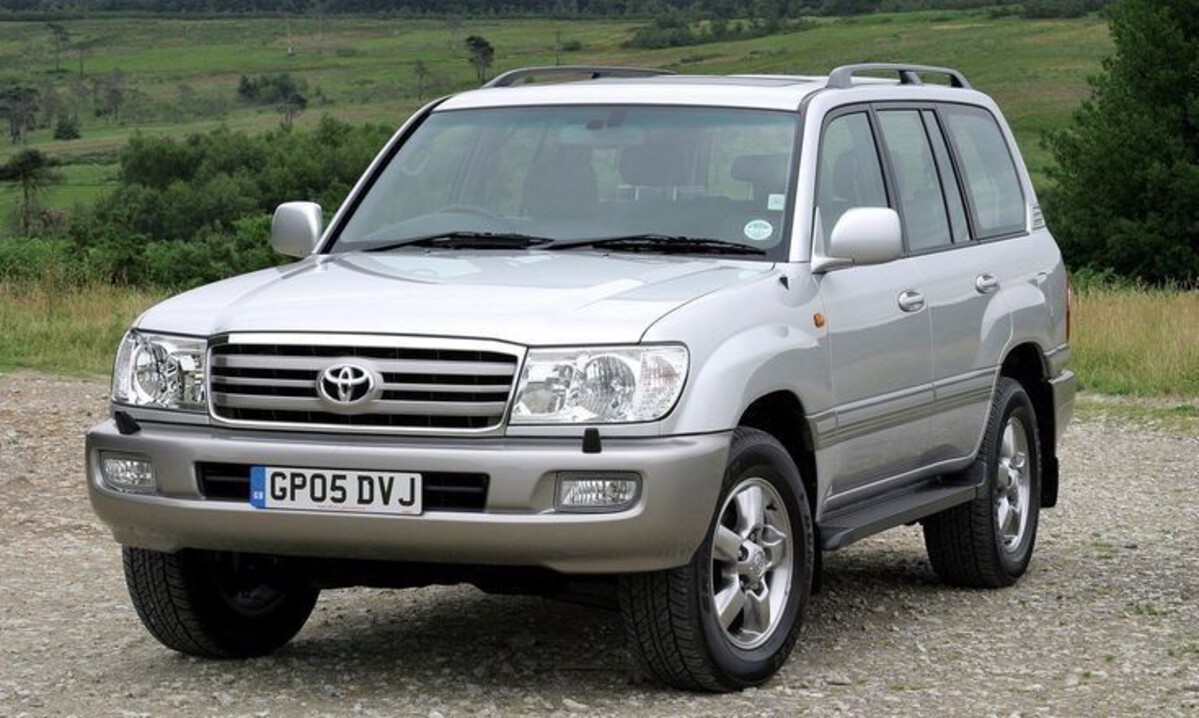
5. Toyota Land Cruiser 100 Series
Few vehicles carry a legacy of reliability as strong as the Toyota Land Cruiser, and the 100 Series continues that tradition with the 2UZ-FE 4.7-liter V8. Built for durability in extreme conditions, this engine and chassis combination is known to operate for hundreds of thousands of miles without needing a rebuild.
The Land Cruiser was designed to endure harsh climates, poor roads, and heavy loads, making it a favorite among adventurers, government agencies, and families alike. Many examples are still running flawlessly after 20 years of hard use, often on their original engines and transmissions.
The 2UZ-FE V8 differs from its Lexus cousin by using a cast-iron block rather than aluminum, increasing its strength and resistance to thermal stress. Its aluminum cylinder heads improve weight distribution and cooling efficiency.
The engine’s conservative compression ratio allows it to handle lower-grade fuel, a critical advantage in remote regions where premium gasoline is unavailable.
The camshaft and valve designs focus on torque delivery at low RPMs, reducing strain during towing or off-road climbing. Properly maintained with regular oil changes, this engine easily surpasses 300,000 miles of dependable operation.
Supporting systems in the Land Cruiser 100 Series are equally durable. The automatic transmission is engineered for smooth torque delivery, with a large cooling system to prevent overheating during off-road or towing use. The full-time four-wheel-drive system employs robust differentials and transfer cases that can withstand years of heavy use without failure.
Suspension components are built with strength and rebuildability in mind, ensuring long service life even under punishing conditions.
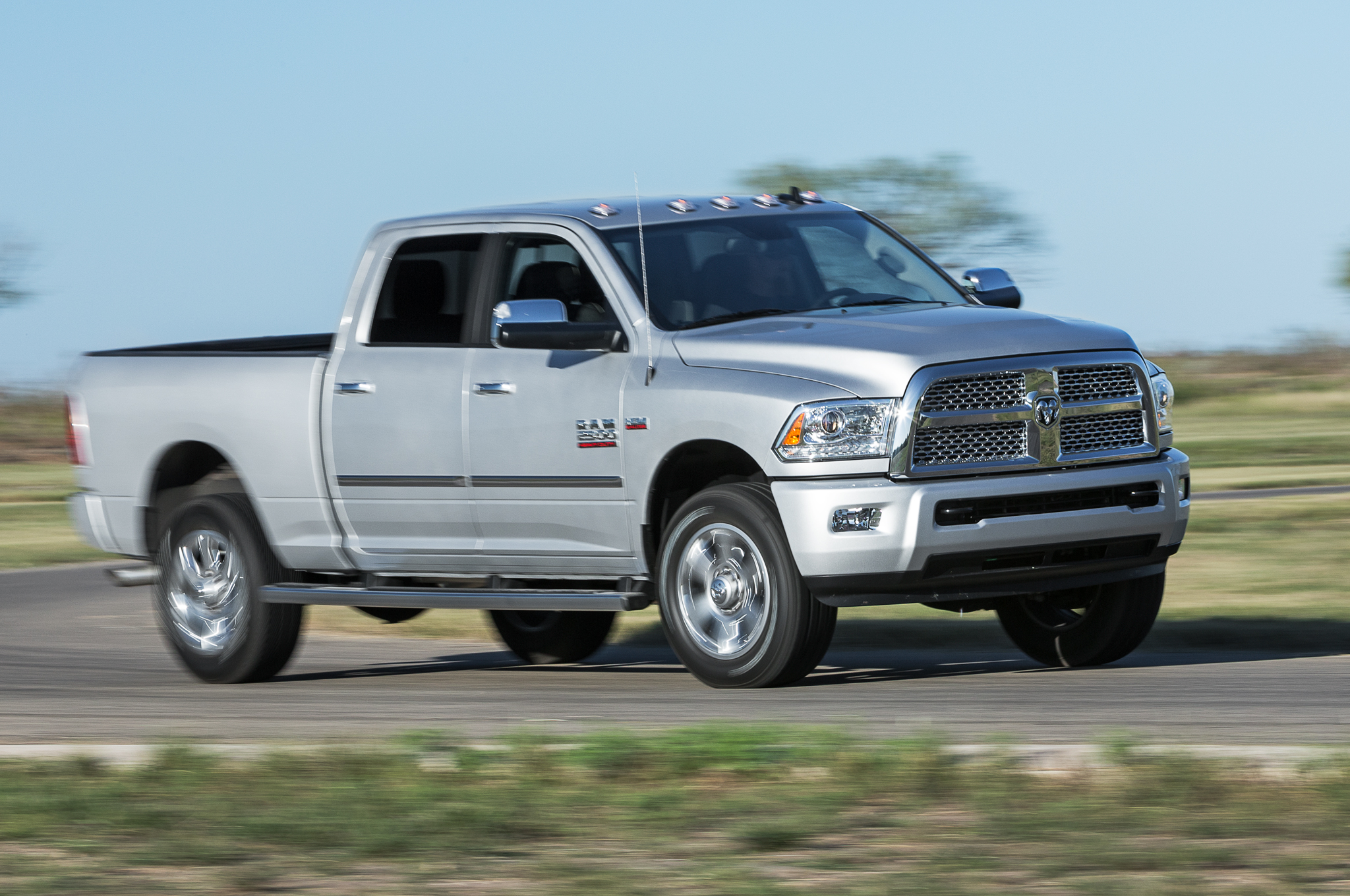
6. Dodge Ram 2500/3500 with 5.9L Cummins
The Dodge Ram 2500 and 3500 trucks equipped with the 5.9-liter Cummins inline-six diesel engine have earned legendary status for their reliability. Produced from 1989 to 2007, these engines were built to withstand extreme loads, long-haul driving, and continuous high-torque operation.
Unlike many gasoline-powered V8s, the Cummins is a diesel powerhouse designed for longevity, with many trucks surpassing 500,000 miles on the original engine. Its simplicity, with fewer moving parts and robust components, allows owners to drive for decades without major internal rebuilds.
The engine’s strength comes from its industrial-grade construction. Cast-iron blocks, forged steel crankshafts, and durable pistons ensure it can handle heavy towing and extreme heat without cracking or warping.
The fuel injection system, originally mechanical and later electronically controlled, is precise and capable of delivering consistent performance for hundreds of thousands of miles.
The Cummins also features a reliable cooling system and robust oil circulation, preventing overheating or lubrication failures even under extreme working conditions. These features combine to make it a favorite among fleet operators, farmers, and long-haul drivers.
Maintenance is straightforward, another factor contributing to the engine’s longevity. Regular oil and filter changes, along with occasional injector adjustments, are typically all that is required for continued performance.
The engine’s simplicity also makes it easy for mechanics and owners to diagnose and repair potential issues without expensive specialized tools. Its durable head gasket and valve train design further minimize failure risks, allowing these engines to continue performing long after most other trucks would need a major overhaul.
Beyond the engine itself, the truck’s chassis, drivetrain, and suspension were built for endurance. Frame strength, heavy-duty axles, and high-torque transmissions match the engine’s capabilities, allowing owners to tow, haul, and off-road without worrying about early wear.
The combination of rugged mechanical engineering and a practical design philosophy makes the Cummins-equipped Dodge Ram 2500/3500 a go-to choice for anyone who requires a truck that will keep running under demanding conditions for decades.
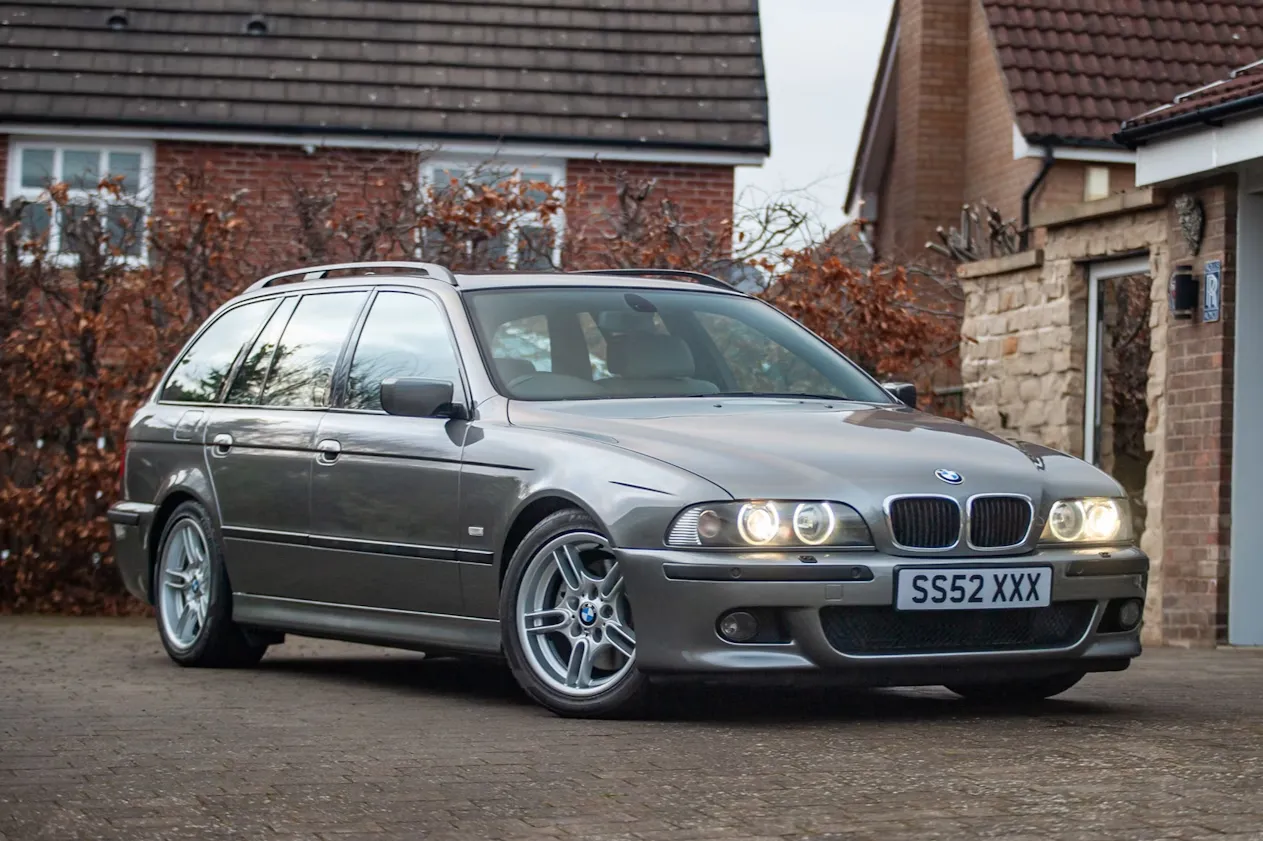
7. BMW E39 540i
The BMW E39 540i, produced from 1996 to 2003, is widely regarded as one of the best-engineered V8 sedans of its time. Its 4.4-liter M62 V8 delivers smooth, linear power while remaining remarkably durable when properly maintained.
The engine uses a combination of aluminum construction, precise engineering, and well-designed cooling systems to resist the wear and tear that often afflicts performance engines. Many E39 540is have exceeded 250,000 miles without requiring major internal repairs, a testament to BMW’s commitment to building both performance and longevity into the same package.
The M62 engine benefits from a carefully thought-out valvetrain and lubrication system. With dual overhead camshafts and hydraulic lifters, valve adjustments are minimal, reducing long-term maintenance concerns.
BMW engineered the cooling system to be highly effective, using a robust aluminum radiator and water pump, ensuring the engine operates at optimal temperatures even under heavy load or hot climates.
Its forged crankshaft and durable bearings further enhance the ability to withstand years of spirited driving without premature wear. The overall engineering is precise, allowing for smooth power delivery and long-term reliability if routine maintenance is observed.
Chassis and suspension design also play a role in the E39 540i’s enduring reputation. The car’s rigid frame, advanced multi-link suspension, and balanced weight distribution minimize stress on the drivetrain and suspension components.
This careful balance of engineering and handling reduces premature wear and contributes to a stable and predictable driving experience even at high mileage. Many owners report that with timely servicing of cooling, suspension, and electronic systems, the E39 can perform reliably well past 300,000 miles.
The car’s strong aftermarket support and availability of replacement parts also help maintain its reliability. Items like cooling components, suspension bushings, and minor electronics can be serviced or replaced relatively easily, preventing small issues from escalating.
The E39 540i demonstrates that a sports-luxury sedan can deliver both performance and long-term dependability when built with engineering precision, thoughtful materials, and practical design philosophy.
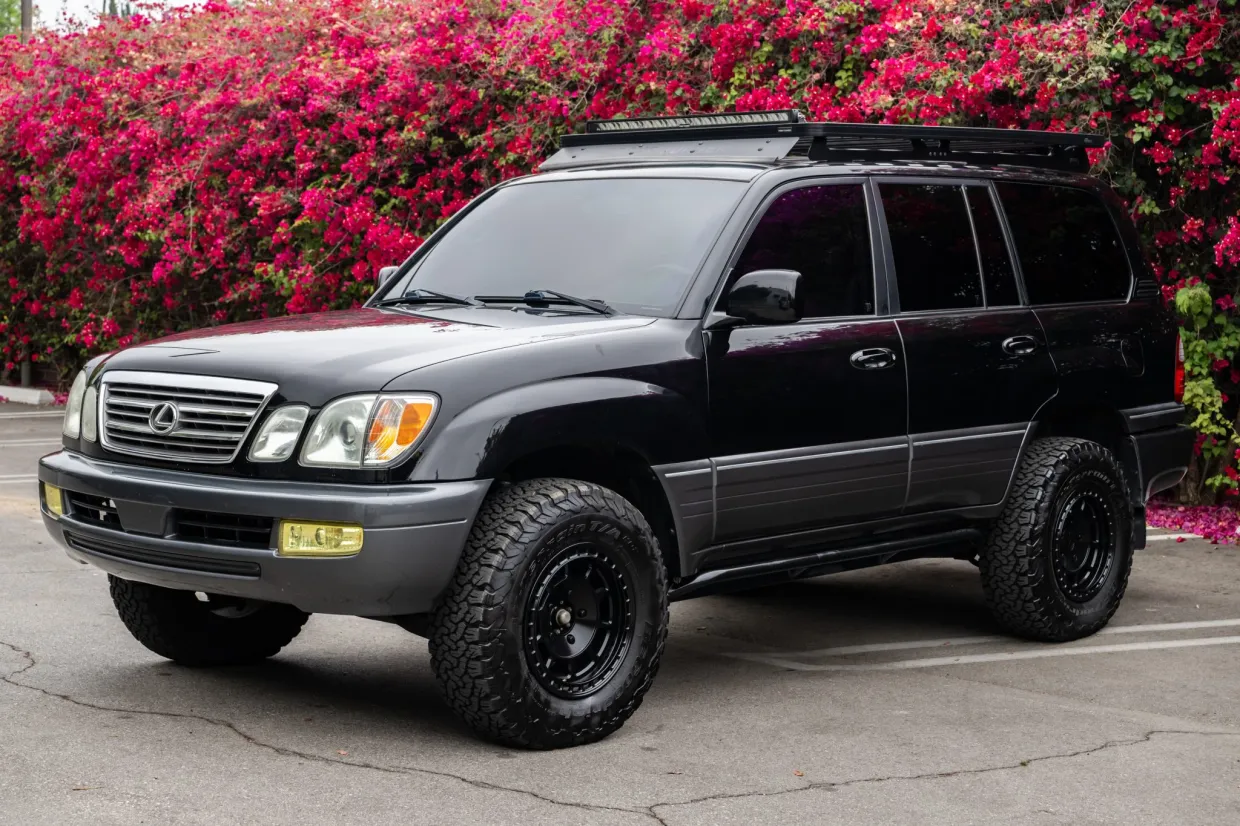
8. Lexus LX470
The Lexus LX470, built between 1998 and 2007, combines Toyota durability with luxury SUV comfort. Its 4.7-liter 2UZ-FE V8, shared with the Toyota Land Cruiser 100 Series, is legendary for its ability to operate reliably for hundreds of thousands of miles.
Designed for off-road ruggedness and long-distance touring, the LX470 delivers low-end torque, smooth operation, and resilience even under extreme conditions. The engine, when maintained with regular oil changes and periodic inspections, rarely requires a full rebuild, making it a top choice for those who need a dependable large SUV.
The V8’s design emphasizes longevity over high-revving performance. A cast-iron block and aluminum heads ensure both strength and efficient heat dissipation, while forged steel components inside the engine provide durability under continuous strain.
The engine’s cooling system, combined with a robust oiling system, helps prevent overheating and wear during towing or off-road excursions. Many LX470s used for long-distance travel or off-road applications have reached 300,000 miles or more without significant internal work.
The chassis and drivetrain complement the engine’s reliability. Full-time four-wheel-drive systems, solid axles, and a strong automatic transmission make the LX470 capable of handling heavy loads and uneven terrain with minimal stress.
Suspension components are designed for durability, using double-wishbone setups and reinforced bushings that tolerate harsh driving environments. The combination of durable drivetrain, heavy-duty suspension, and reliable V8 makes the LX470 an SUV that can survive decades of heavy use while remaining comfortable and controlled.
Interior and ancillary systems are also noteworthy. Lexus used high-quality materials, robust electrical components, and attention to ergonomics to minimize wear and tear.
Seats, switches, and trim pieces age gracefully, and the simplicity of critical mechanical systems reduces the risk of major failures. The LX470 remains a favorite among enthusiasts seeking a luxury SUV capable of high mileage and rugged service without compromising comfort or usability.
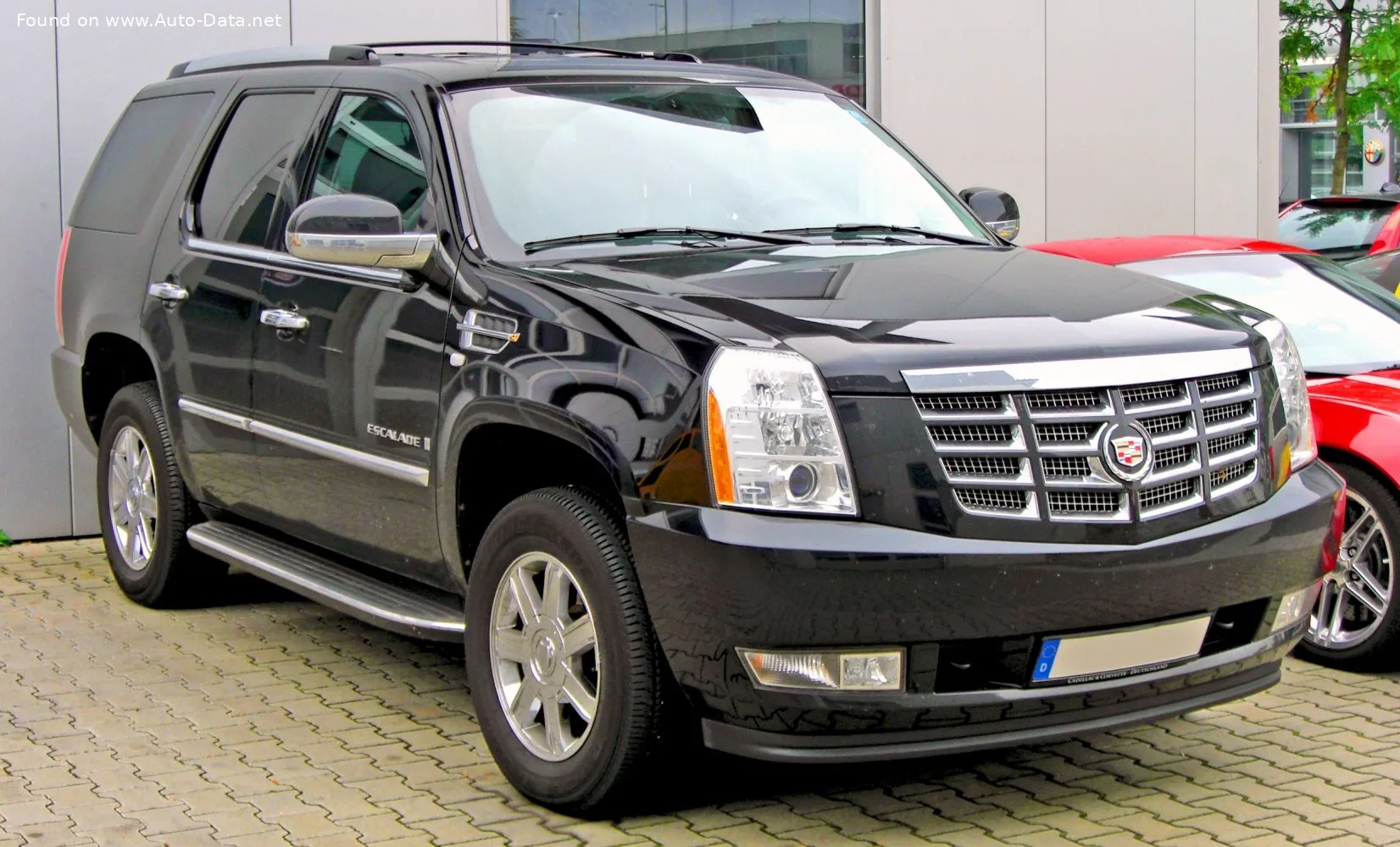
9. Cadillac Escalade (first generation)
The first-generation Cadillac Escalade, introduced in 1999, took the concept of a luxury SUV and paired it with the tried-and-tested 5.7-liter Vortec V8. Based on GM’s truck platform, the engine emphasizes reliability, low maintenance, and smooth power delivery.
Unlike many high-output luxury engines of the era, the Vortec V8 prioritizes durability over extreme performance, which has allowed many Escalades to surpass 250,000 miles without major engine work. Its combination of toughness and refinement made it a standout among early full-size luxury SUVs.
The Vortec V8’s design is conservative yet effective. With a cast-iron block and simple pushrod valvetrain, it resists many common forms of engine wear. Cooling and lubrication systems are robust, ensuring consistent operation even under heavy loads or long periods of idling.
GM engineers focused on minimizing weak points, resulting in an engine that can tolerate high mileage, towing, and city driving without compromising reliability. Owners report that regular oil changes and periodic transmission service are usually the only major maintenance items required to keep these engines running smoothly.
Durability extends beyond the engine. The Escalade’s truck-based platform, heavy-duty suspension, and four-wheel-drive system were engineered for longevity.
Frame construction and drivetrain robustness ensure that the SUV can carry heavy loads and survive rough terrain without early structural or mechanical failures. Interior components were also designed with a mix of comfort and longevity, using durable materials that withstand years of use without significant deterioration.
The first-generation Escalade demonstrates that a luxury SUV can offer both high-mileage reliability and upscale features without compromise. It appeals to those who value long-term ownership, dependable performance, and the combination of luxury with truck-based ruggedness.
For buyers interested in a vehicle that can endure decades of use without requiring extensive rebuilds, the original Escalade remains a compelling choice.
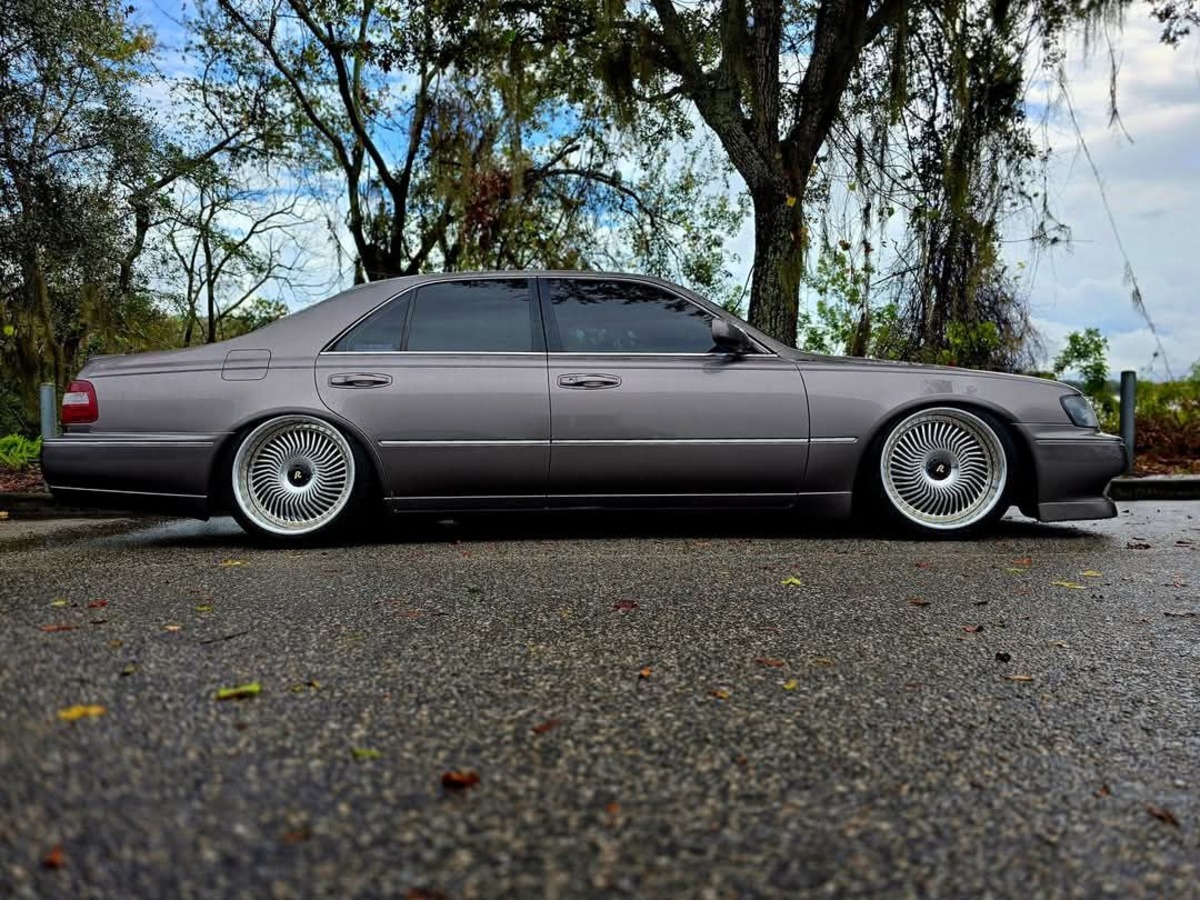
10. Infiniti Q45 (Second Generation)
The Infiniti Q45, particularly the second generation produced from 1997 to 2000, offers a reliable 4.1-liter VH45DE V8 capable of lasting hundreds of thousands of miles.
This engine combines smooth power delivery, precise engineering, and a strong build to provide a luxury sedan that can go the distance without frequent major repairs. Infiniti’s focus on durability means that, with regular maintenance, the Q45’s V8 can remain in peak condition for decades, even under daily driving conditions.
The VH45DE V8 uses dual overhead cams, aluminum construction, and a robust oiling system to maintain longevity and performance. Hydraulic lifters reduce the need for constant valve adjustments, while the engine’s internal balance minimizes vibration and wear on bearings and mounts.
Cooling efficiency was also prioritized, helping prevent overheating and extending the lifespan of the engine. Many second-generation Q45s still operate reliably with minimal engine intervention, even after reaching 200,000 to 250,000 miles.
The drivetrain complements the V8’s longevity. The automatic transmission used in these models is designed to handle torque consistently while maintaining smooth shifts. Suspension and chassis components were engineered to balance comfort with durability, ensuring that the car remains stable and responsive without excessive wear over time.
The overall design reflects a focus on longevity, with straightforward maintenance procedures that allow owners to keep the car running smoothly for decades.
The Q45’s appeal lies in its combination of luxury, reliability, and understated performance. Owners enjoy a V8 sedan that does not demand constant attention yet provides confident driving and a refined experience.
As a high-mileage vehicle, it remains one of the lesser-known but highly dependable choices in the late 1990s luxury sedan segment, offering both longevity and a high-quality driving experience.
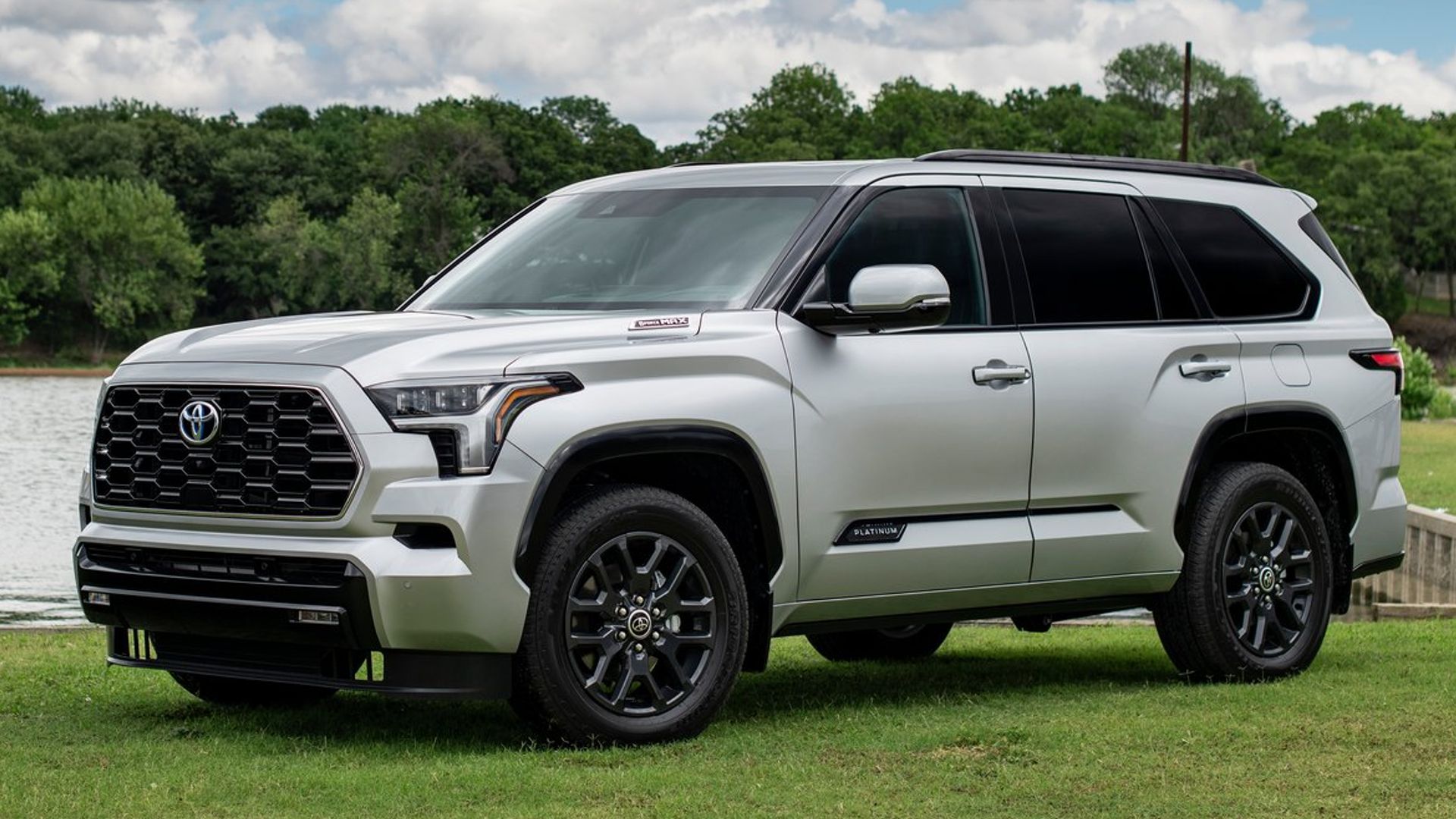
11. Toyota Sequoia (First Generation)
The first-generation Toyota Sequoia, launched in 2000, is a full-size SUV built around Toyota’s proven V8 technology. Initially equipped with the 4.7-liter 2UZ-FE V8, the same engine used in the Land Cruiser 100 Series and Lexus LX470, the Sequoia combined durability with family-friendly utility.
The engine delivers strong low-end torque, smooth power delivery, and remarkable reliability, making it capable of exceeding 300,000 miles without major rebuilds when properly maintained. Many Sequoia owners report minimal issues even after years of heavy use, whether in city driving, towing, or off-road excursions.
The 2UZ-FE V8 benefits from a cast-iron block, aluminum heads, and forged internal components, which provide excellent strength and heat resistance. Its conservative tuning helps reduce wear on the engine’s moving parts, while the robust cooling and lubrication systems prevent overheating and oil starvation even under demanding conditions.
Timing chains, durable bearings, and low-friction pistons contribute to its ability to operate smoothly for hundreds of thousands of miles. With only routine maintenance such as oil changes, transmission service, and occasional spark plug replacement, the engine maintains factory-level performance for decades.
The Sequoia’s chassis and drivetrain are equally durable. Built on a truck-based platform, the SUV has strong suspension components, heavy-duty axles, and a reliable automatic transmission designed to withstand both daily driving and extreme loads.
Four-wheel-drive models feature solid transfer cases and differentials that handle off-road use without excessive wear, while the rear-wheel-drive variant is equally resilient for highway and towing applications. These engineering decisions ensure that the vehicle can handle long-term stress without frequent repairs.
Inside and out, the Sequoia also emphasizes durability. High-quality interior materials resist wear over time, while the body and frame are designed to endure harsh weather and road conditions.
The combination of a robust V8 engine, reliable drivetrain, and practical design makes the Sequoia a full-size SUV that continues to deliver dependable service for owners who prioritize longevity and low-maintenance operation.
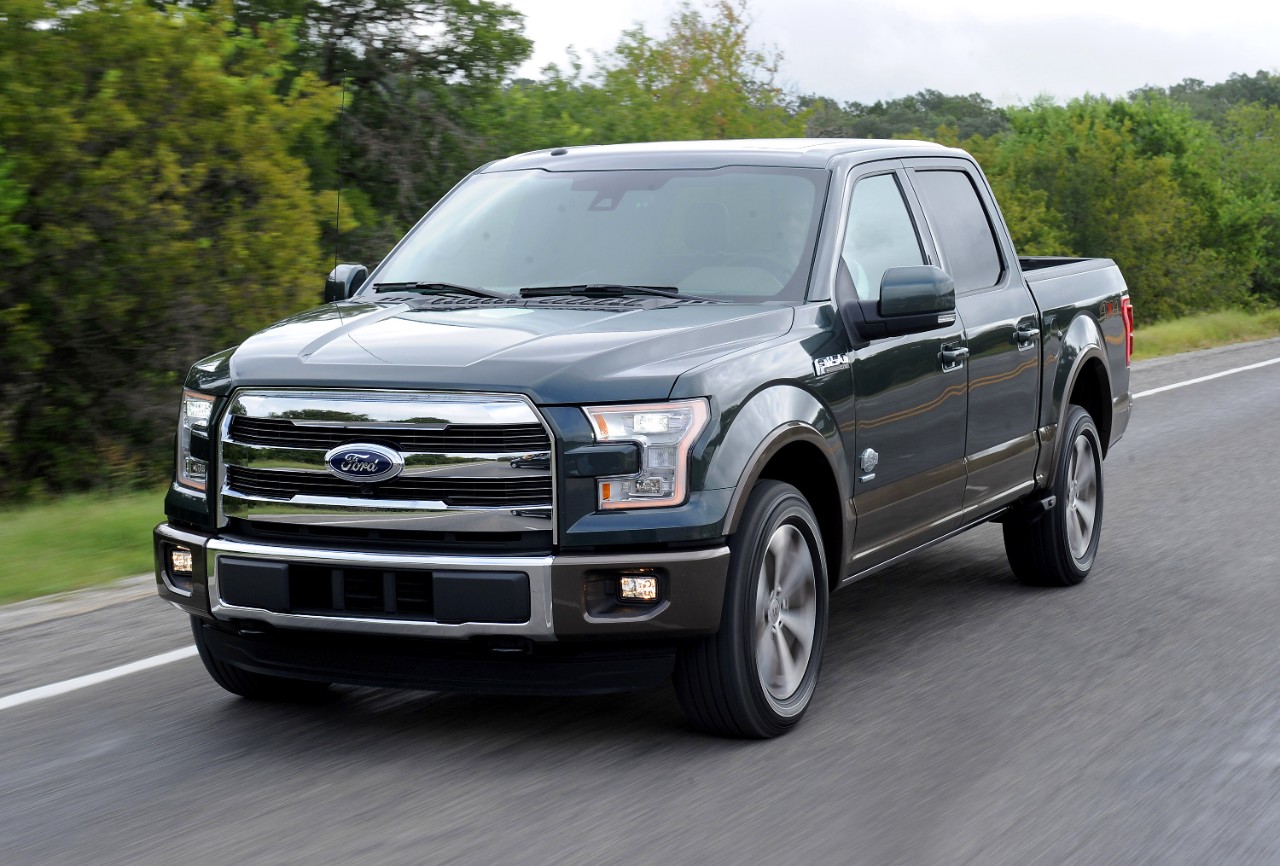
12. Ford F-150 with 5.0L Coyote V8 (2011–Present)
The Ford F-150 equipped with the 5.0-liter Coyote V8 represents a modern approach to long-term durability in a high-performance pickup. Introduced in 2011, the Coyote engine features an all-aluminum block and heads, dual overhead cams, and variable valve timing for efficiency, smoothness, and reliability.
Despite its performance-oriented design, the 5.0 V8 has proven capable of running hundreds of thousands of miles with minimal issues when maintained properly. Its robust design has made it a favorite among owners who need a capable daily driver, towing vehicle, or long-haul work truck.
The Coyote V8’s engineering emphasizes both strength and resilience. Forged steel crankshafts, high-strength pistons, and a carefully balanced valvetrain reduce wear and vibration, even during sustained high-speed driving or heavy towing.
Advanced cooling and lubrication systems ensure that the engine operates efficiently under stress, and the variable cam timing helps reduce strain on moving parts. Many owners have reported high-mileage examples surpassing 250,000 miles without significant internal work, making it one of the more dependable modern V8s.
The F-150 platform complements the Coyote engine’s longevity. Heavy-duty chassis components, strong suspension arms, and durable rear axles allow the truck to handle heavy loads and off-road conditions without major wear.
Transmissions paired with the 5.0 V8, whether automatic or manual, are engineered to manage torque efficiently, further contributing to long-term reliability. The combination of modern V8 technology and rugged truck construction ensures that the vehicle maintains excellent performance and endurance over its lifetime.
Routine maintenance is straightforward, enhancing the Coyote’s longevity. Regular oil changes, spark plug replacement, and periodic inspection of cooling and drive systems are typically all that is needed to maintain reliable performance.
The 5.0 V8 also benefits from a strong aftermarket parts network and widespread familiarity among mechanics, allowing owners to service the engine effectively without excessive costs. This combination of performance, durability, and serviceability ensures the F-150 Coyote V8 remains a modern classic in the category of long-lasting, reliable V8 vehicles.
