
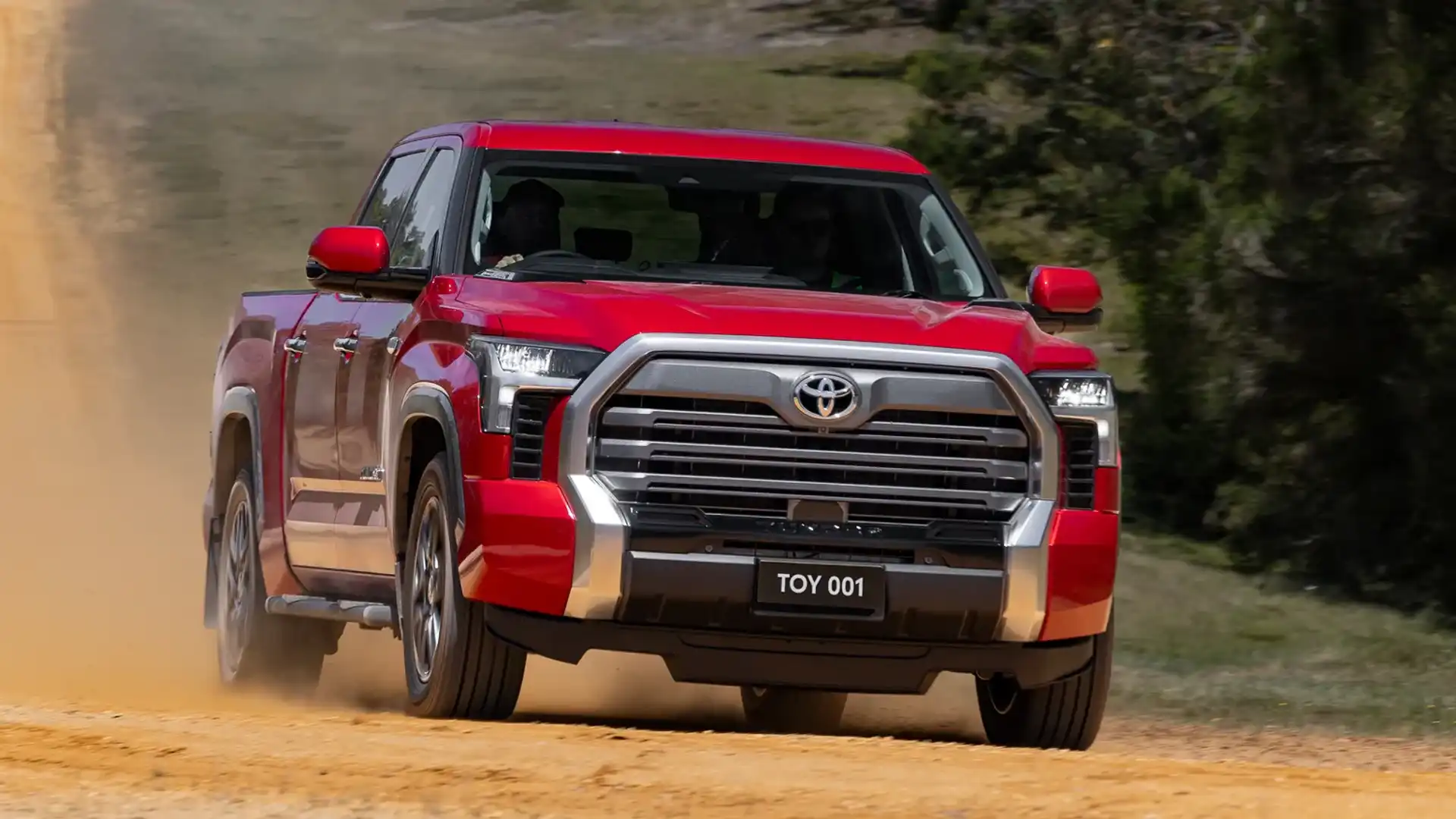
Toyota has long been recognized for its dependability and practical engineering. Many people buy these vehicles knowing they can last for decades with proper care. Among all the car brands on the road, Toyota stands out for producing models that can pass 300,000 miles without draining an owner’s wallet.
The combination of well-tested engines, conservative design, and consistent build quality has made Toyota a byword for reliability. While other manufacturers may chase aggressive styling or complicated electronics, Toyota tends to focus on parts that last and maintenance schedules that anyone can follow.
This consistency explains why used Toyotas often command higher resale prices and why taxi fleets, rural communities, and long-distance commuters continue to trust them.
Reaching 300,000 miles requires a car that is built with the right balance of strength and simplicity. The vehicles on this list have proven over time that they can endure tough conditions, whether that means heavy city traffic, rugged mountain roads, or years of temperature swings.
Each of them has engines known for low oil consumption, transmissions that rarely fail, and suspension components that stay tight for far longer than average.
Beyond that, Toyota engineers have historically favored conservative power levels that prevent stress on key components.
It might not make for record-setting performance, but it pays off in longevity. Many owners report that their vehicles continue to run smoothly even when the odometer reaches levels that would retire most competitors.
Another key factor behind Toyota’s long-lasting reputation is the ease of upkeep. Replacement parts are widely available and often inexpensive compared with competitors. Independent mechanics are familiar with Toyota layouts, and even do-it-yourself owners can handle many routine tasks with simple tools.
By following the maintenance schedule and addressing small issues promptly, an owner can push these vehicles past the 300,000-mile milestone without major repairs. These cars also retain value well, which means owners can often sell or trade them while still getting a reasonable price, even at very high mileage.
Toyota’s design philosophy emphasizes conservative engineering choices that favor longevity over short-term excitement.
The company’s vehicles are often overbuilt in key areas, from the engine block to suspension mounts, and they avoid unnecessary complications.
This approach ensures that each model can handle wear and tear for years. The following ten Toyota models demonstrate what can be achieved when durability is valued as highly as innovation.
Each one represents a slightly different need, from compact efficiency to heavy-duty hauling, yet all share a similar story of reliability and low cost of ownership.
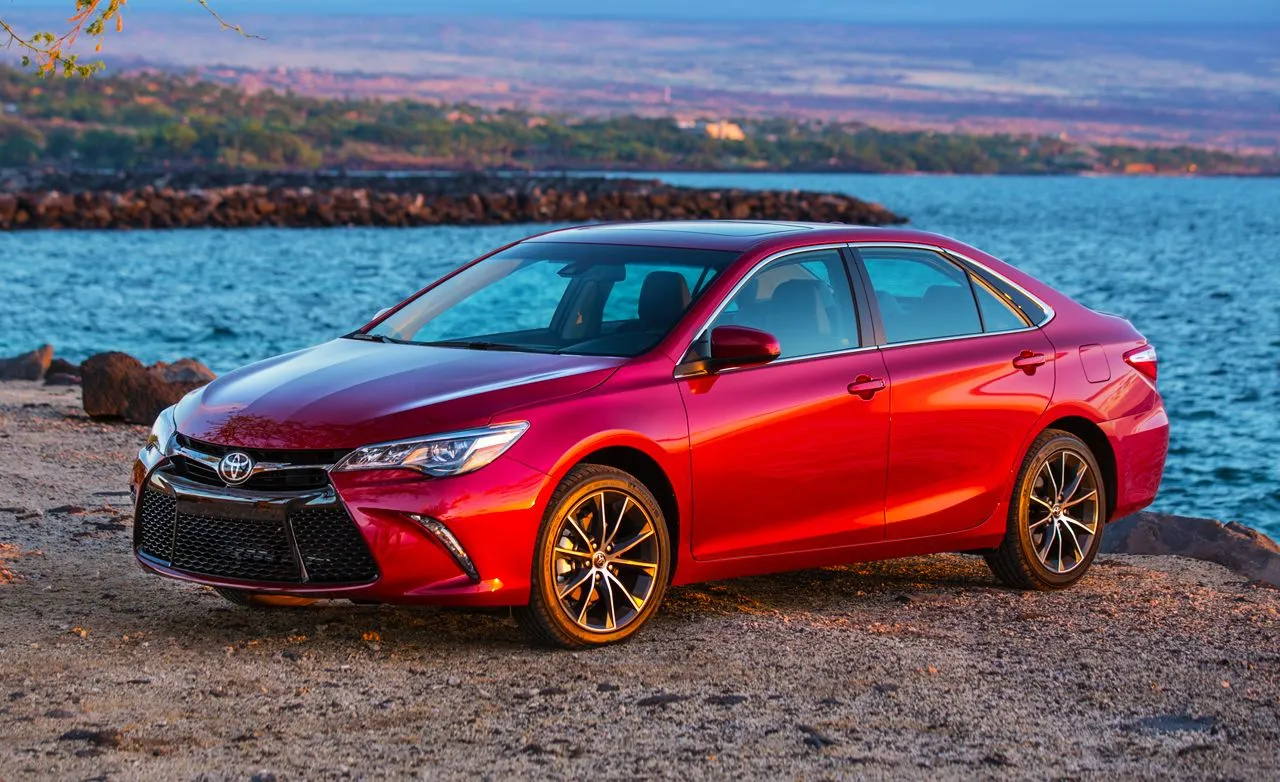
1. Toyota Camry
The Toyota Camry has long been a standard-bearer for midsize sedan reliability. Its reputation was earned through decades of consistent quality and conservative engineering.
Rather than chasing every new trend in automotive design, Toyota refined the same basic formula: smooth four- or six-cylinder engines, front-wheel drive simplicity, and a well-tuned suspension that prioritizes comfort over aggressive handling.
Many Camrys have been known to reach well past 300,000 miles when owners perform regular maintenance such as oil changes, timing belt replacements, and fluid checks.
The engines are designed to operate without excessive stress, which prevents premature wear and keeps the drivetrain reliable over long periods.
It is common to see older Camrys still quietly running in taxi services, delivery fleets, and private ownership alike, demonstrating their ability to withstand constant use.
Maintenance costs for the Camry remain relatively low because of its straightforward mechanical layout.
Parts such as brake pads, spark plugs, filters, and belts are readily available and inexpensive, making routine service manageable for most owners.
The engine bay is designed to allow relatively easy access to key components, and automatic transmissions are noted for their longevity when fluids are replaced according to schedule.
Even the suspension components, which can be a weak point in other sedans, tend to last longer due to the Camry’s comfort-oriented tuning. This combination of durability and simplicity ensures that long-term ownership is not only possible but also financially reasonable.
Comfort and interior design also contribute indirectly to the Camry’s extended lifespan. Vehicles that ride smoothly and remain stable over time encourage owners to maintain them rather than trade them for newer models prematurely.
The interior materials, while not luxurious, are designed to withstand years of regular use. Cloth seats, plastics, and dashboard components age well, resisting cracking and fading.
This practical approach extends to fuel economy as well, as the Camry offers consistent efficiency that reduces the strain on the engine and transmission. A car that is both pleasant to drive and inexpensive to maintain naturally stays on the road longer.
For anyone seeking a dependable daily driver that can operate reliably beyond 300,000 miles with minimal spending, the Camry is difficult to surpass. Its long-standing reputation for durability stems from disciplined engineering and predictable maintenance rather than advanced technology or flashy features.
Owners can expect a vehicle that not only survives but also continues to perform comfortably and efficiently, rewarding patience and routine care with decades of reliable service.
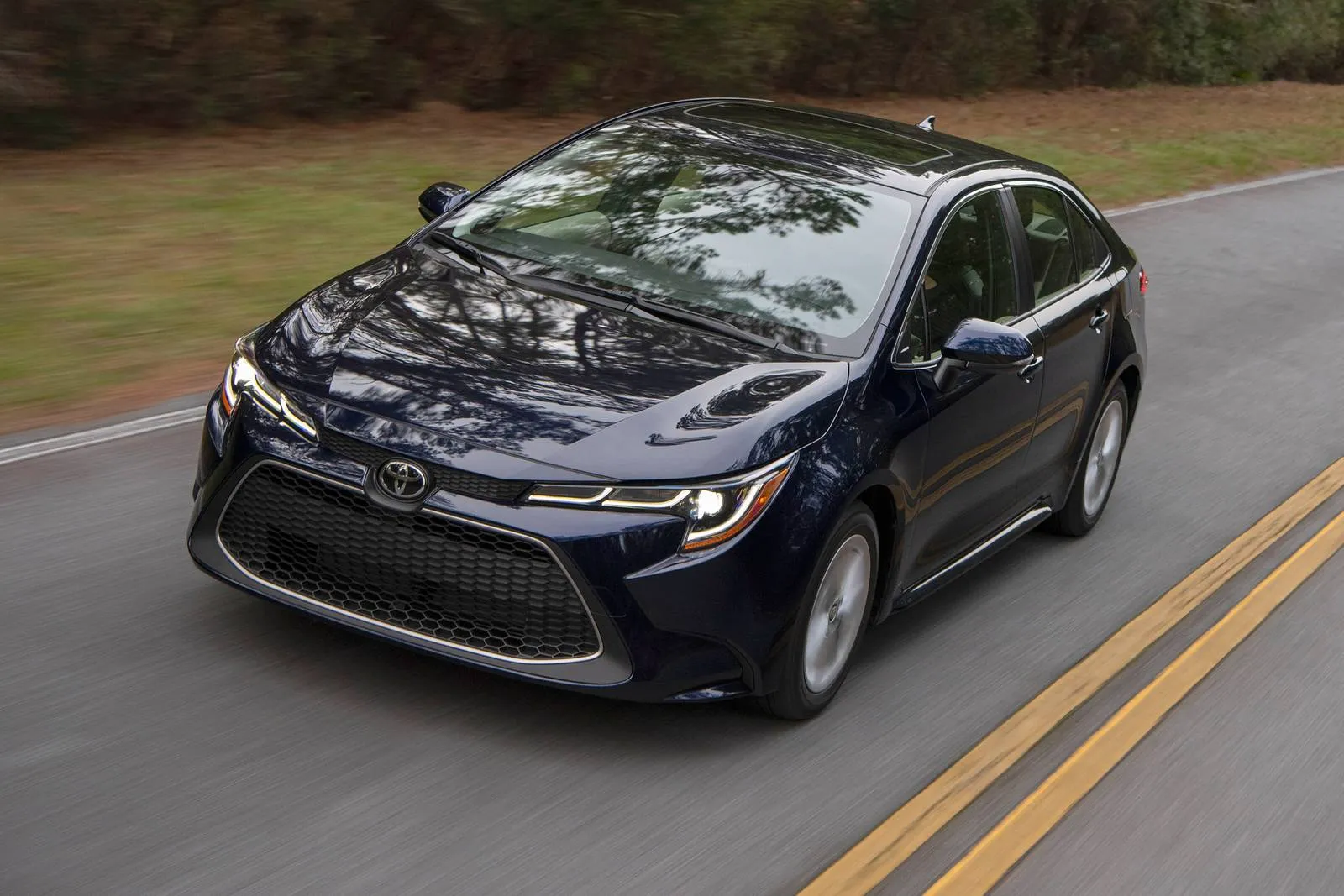
2. Toyota Corolla
The Toyota Corolla is a staple of compact car reliability. It has consistently offered a balance of affordability, fuel efficiency, and long-term durability that appeals to commuters and first-time buyers alike.
The Corolla’s small but reliable engine has proven itself capable of running hundreds of thousands of miles without significant issues.
Its conservative design limits strain on key components, and regular maintenance, such as oil changes, brake inspections, and fluid replacements, is usually all that is required to keep the vehicle running smoothly.
Countless Corollas have survived decades of daily commuting, proving that even a modestly powered engine can endure extreme mileage when properly cared for.
Corollas are exceptionally inexpensive to service, and the availability of parts is nearly unmatched. Because the model has been produced in enormous quantities globally, aftermarket and used components are easy to find, which helps keep repair costs low.
Independent mechanics are highly familiar with these vehicles, and even novice DIY enthusiasts can handle most basic maintenance tasks.
Unlike compact cars from other brands that may rely on turbocharging or complex electronics, the Corolla remains relatively simple, which minimizes the risk of expensive failures as the car ages.
Fuel efficiency plays a major role in the Corolla’s long-term appeal. Its small engine consumes very little gasoline, making it affordable to run even for drivers who cover high mileage each year.
Lower operational costs reduce financial pressure on the owner, allowing routine maintenance to be performed consistently.
Many Corollas serve as primary family vehicles or commuter cars for decades because the total cost of ownership remains low.
Owners often report that even at high mileage, the engine still performs reliably, the transmission shifts smoothly, and the suspension continues to provide a comfortable ride.
The Corolla’s forgiving nature is another reason for its longevity. Its simple engineering can tolerate occasional neglect, and minor repairs often restore it to excellent working condition.
This practicality has made it a favorite for people who require a dependable vehicle that is unlikely to leave them stranded.
Long-term owners value the Corolla not only for its affordability but also for its proven track record of consistently reaching high mileage while remaining reliable, efficient, and easy to maintain.
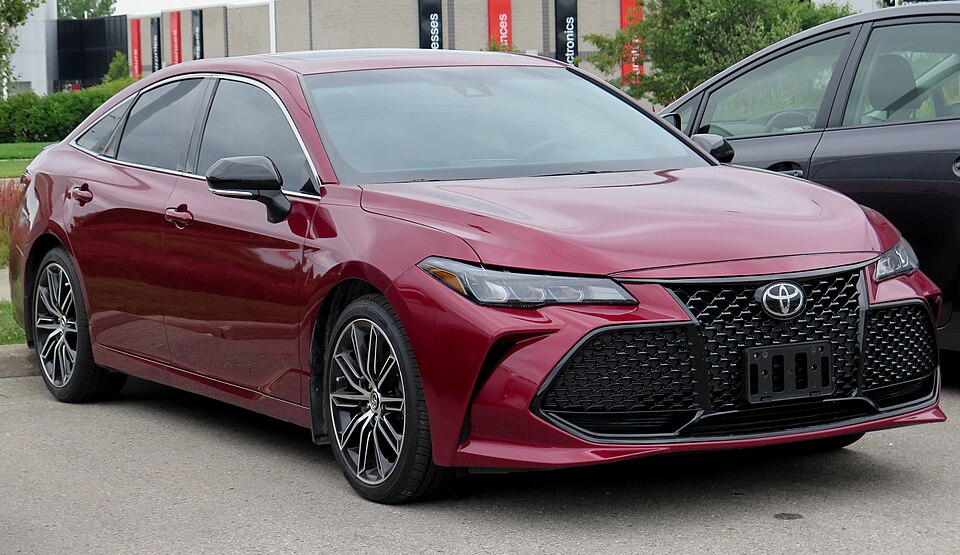
3. Toyota Avalon
The Toyota Avalon offers a combination of larger sedan comfort and Toyota’s hallmark reliability. Despite its heavier weight and more powerful V6 engines, Avalons maintain remarkable durability, often reaching 300,000 miles or more.
The engines are robust, smooth, and designed to operate efficiently under daily driving conditions.
Regular oil changes, cooling system checks, and timing belt replacements are usually sufficient to maintain the engine’s performance.
The Avalon’s suspension is tuned to prioritize ride comfort, which reduces stress on bushings, joints, and other components, helping the car endure years of use without major mechanical failures.
Inside, the Avalon is built with high-quality materials designed to last. Leather seating, plush carpeting, and solid dashboard construction all contribute to the vehicle’s ability to maintain comfort and usability over long periods.
Many of the mechanical components are shared with the Camry, which simplifies repairs and keeps replacement costs manageable.
This parts commonality also ensures that experienced mechanics can service the vehicle efficiently, reducing both labor costs and downtime. Owners often find that even after decades of use, the Avalon continues to perform with a quiet, smooth ride.
The demographic of typical Avalon owners also contributes to its longevity. Many are careful drivers who adhere to service schedules and avoid aggressive driving habits, which results in vehicles that remain mechanically healthy far longer than average.
Avalons often come with complete service histories, increasing the likelihood that high-mileage models are in excellent working condition.
Even in older vehicles, the engine, transmission, and suspension frequently perform as well as they did when the car was new.
Despite being a larger, more premium sedan, the Avalon avoids excessive complexity. Its electronics are straightforward, and the drivetrain is built conservatively to ensure long-term durability.
The car’s combination of comfort, reliability, and moderate maintenance costs makes it an excellent choice for buyers seeking a sedan that can exceed 300,000 miles. With routine care and attention to maintenance, the Avalon remains a practical, dependable vehicle for long-term ownership.
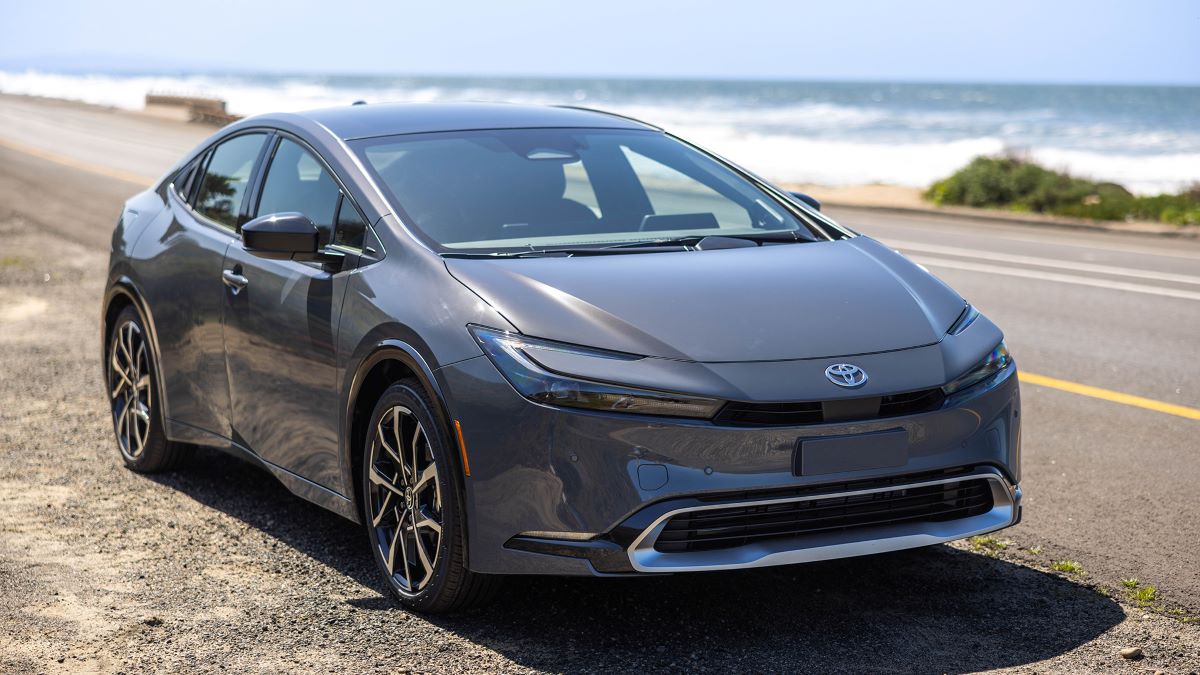
4. Toyota Prius
The Toyota Prius revolutionized hybrid driving and has proven itself capable of extreme longevity. Early Prius models raised questions about hybrid reliability, but many have now surpassed 300,000 miles with original engines and batteries still functioning.
The hybrid system reduces engine strain by using electric motors to assist in propulsion, which minimizes wear on the gasoline engine. This approach not only improves fuel economy but also extends the life of mechanical components that might otherwise fail sooner in conventional cars.
Maintenance costs for the Prius are generally modest. Brake systems, for example, experience less wear because regenerative braking reduces friction on traditional brake pads. Routine oil changes, filter replacements, and inspections are similar to those of conventional cars.
Hybrid batteries, once a significant concern, have proven remarkably durable, and their replacement costs have decreased over time. This combination of reliability and low operational expense makes the Prius a sensible choice for long-term ownership.
The design of the Prius contributes to its longevity. Its suspension and interior components are durable, and the hybrid system is sealed and protected against environmental damage.
The cabin remains quiet and functional even after years of heavy use, and the engine continues to operate efficiently under normal driving conditions.
Many owners report that their high-mileage Prius vehicles continue to provide smooth acceleration, excellent fuel economy, and low maintenance demands.
For commuters or ride-share drivers who cover hundreds of miles each week, the Prius provides one of the lowest total costs of ownership among modern vehicles.
Its combination of fuel efficiency, low repair frequency, and durable hybrid components enables many examples to exceed 300,000 miles.
The vehicle’s proven reliability demonstrates that advanced technology can coexist with long-term durability, rewarding owners who adhere to proper maintenance practices.
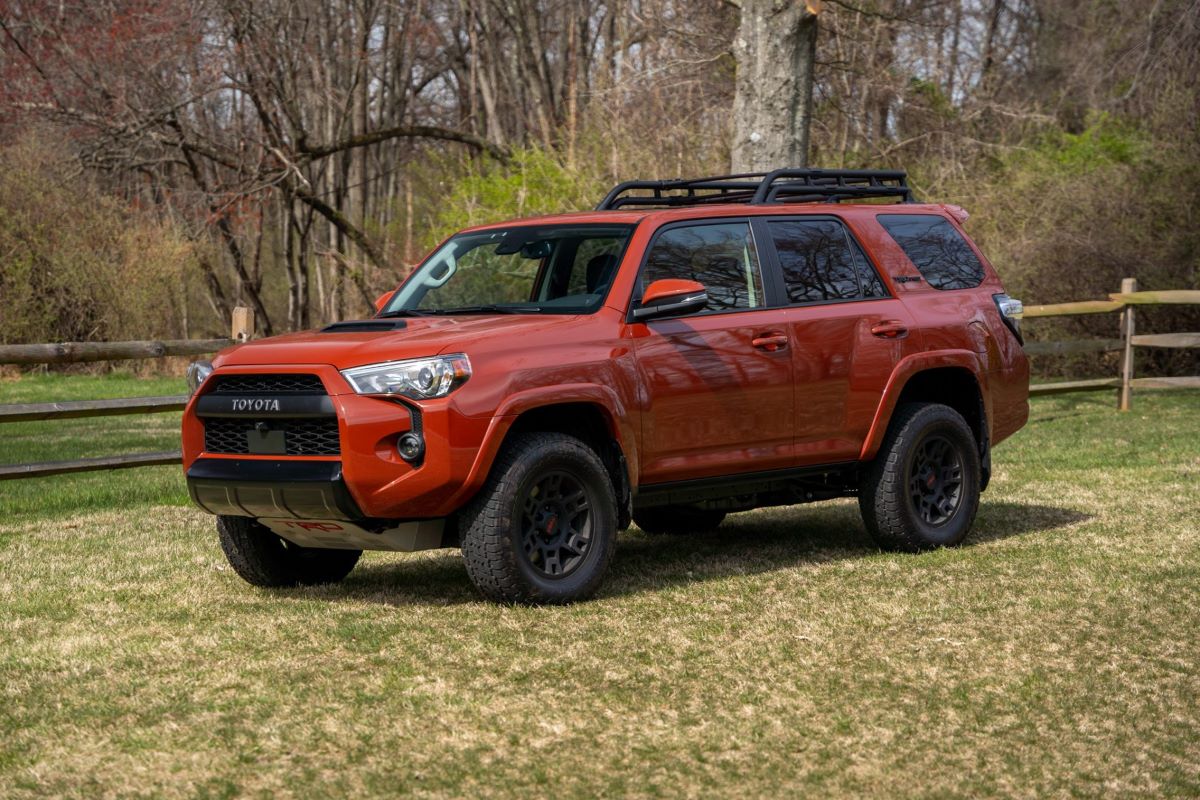
5. Toyota 4Runner
The Toyota 4Runner is a rugged SUV designed to endure years of off-road and everyday use. Built on a truck-like frame, it is engineered to handle heavy loads, rough terrain, and long-term driving stress. Many 4Runners still operate smoothly after surpassing 300,000 miles, even when subjected to harsh environments or demanding work.
The V6 engines, in particular, are known for their durability, with robust internal components that resist premature wear. The combination of body-on-frame construction, a strong suspension, and reliable drivetrain parts ensures that the 4Runner remains dependable over extended use.
Routine maintenance for the 4Runner is relatively simple. The four-wheel-drive system is straightforward and well-protected, allowing owners to replace fluids, inspect joints, and service the drivetrain without extraordinary expense.
Many parts are shared with other Toyota trucks, which helps keep both labor and replacement costs reasonable. The SUV’s design also allows for easy repairs, which adds to its long-term practicality and makes it popular among off-road enthusiasts who place high demands on their vehicles.
The 4Runner’s interior is built for durability rather than luxury. Controls, seats, and surfaces resist wear and tear, allowing the vehicle to remain functional even after years of heavy use.
This attention to practicality reduces the likelihood of mechanical or cosmetic failures that might otherwise lead owners to replace their vehicles prematurely.
The simplicity of the electronics and mechanical systems also contributes to lower maintenance costs, ensuring that long-term ownership remains financially feasible.
From a cost perspective, the 4Runner may consume more fuel than smaller vehicles, but its durability makes up for the expense. Owners often report minimal unexpected repairs, even when vehicles have endured rigorous conditions.
For drivers who require a dependable SUV capable of lasting decades, the 4Runner stands out as a model that combines ruggedness, practicality, and a proven track record of surpassing 300,000 miles with moderate maintenance.
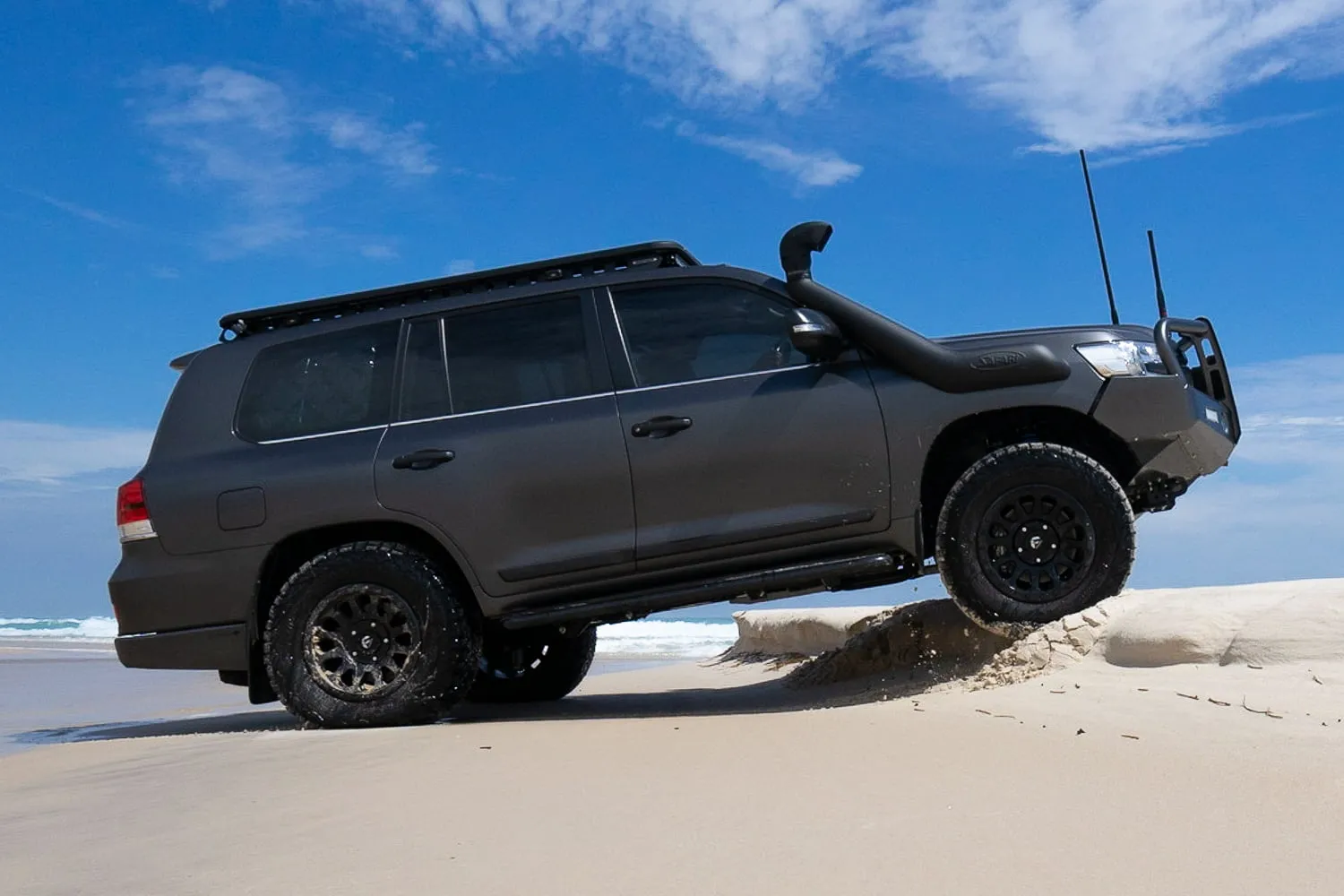
6. Toyota Land Cruiser
The Toyota Land Cruiser is synonymous with rugged durability and long-term reliability. This full-size SUV has a reputation for performing exceptionally well under harsh conditions, from desert heat to arctic cold, and its reputation for longevity is unmatched in the SUV world.
The Land Cruiser’s engine and drivetrain are engineered to withstand heavy loads, extended periods of off-road driving, and continuous high mileage.
Owners frequently report vehicles surpassing 300,000 miles without major repairs, attributing the longevity to the careful design and conservative engineering that prioritizes strength and endurance over flashy technology.
Unlike many modern SUVs, the Land Cruiser is built with mechanical simplicity in critical areas, ensuring that it can continue to operate even when subjected to extreme stress.
Maintenance on the Land Cruiser is straightforward for a vehicle of its size. Routine oil changes, filter replacements, brake inspections, and fluid checks are generally all that is required to maintain engine and drivetrain health.
Parts availability is excellent, both from Toyota and the aftermarket, which helps keep maintenance costs reasonable.
The vehicle’s suspension is built with heavy-duty components designed to endure rough terrain and high mileage, reducing the likelihood of frequent replacement.
Its reliability is further enhanced by Toyota’s commitment to conservative power delivery, which prevents excessive wear on the engine, transmission, and transfer case.
The Land Cruiser’s interior is designed for both comfort and longevity. High-quality leather seats, durable plastics, and a thoughtfully engineered dashboard ensure that the cabin remains functional and pleasant even after hundreds of thousands of miles.
The interior layout prioritizes ergonomics and driver convenience, reducing wear on frequently used controls. Additionally, the SUV’s robust construction minimizes squeaks, rattles, and other signs of aging that can appear in lesser vehicles.
This attention to durability in both mechanical and interior design ensures that owners can maintain the vehicle over long periods with minimal expenditure.
Another factor contributing to the Land Cruiser’s longevity is its active community of owners and the vehicle’s reputation among enthusiasts and professionals alike. Many Land Cruisers serve in humanitarian, military, and expedition roles where reliability is critical, proving their ability to withstand extreme stress and mileage.
Owners who maintain the vehicle according to Toyota’s recommended schedule often find that it continues to operate efficiently, safely, and comfortably well past the 300,000-mile mark.
This combination of rugged engineering, manageable maintenance, and timeless design makes the Land Cruiser a standout among SUVs for those seeking long-term durability.
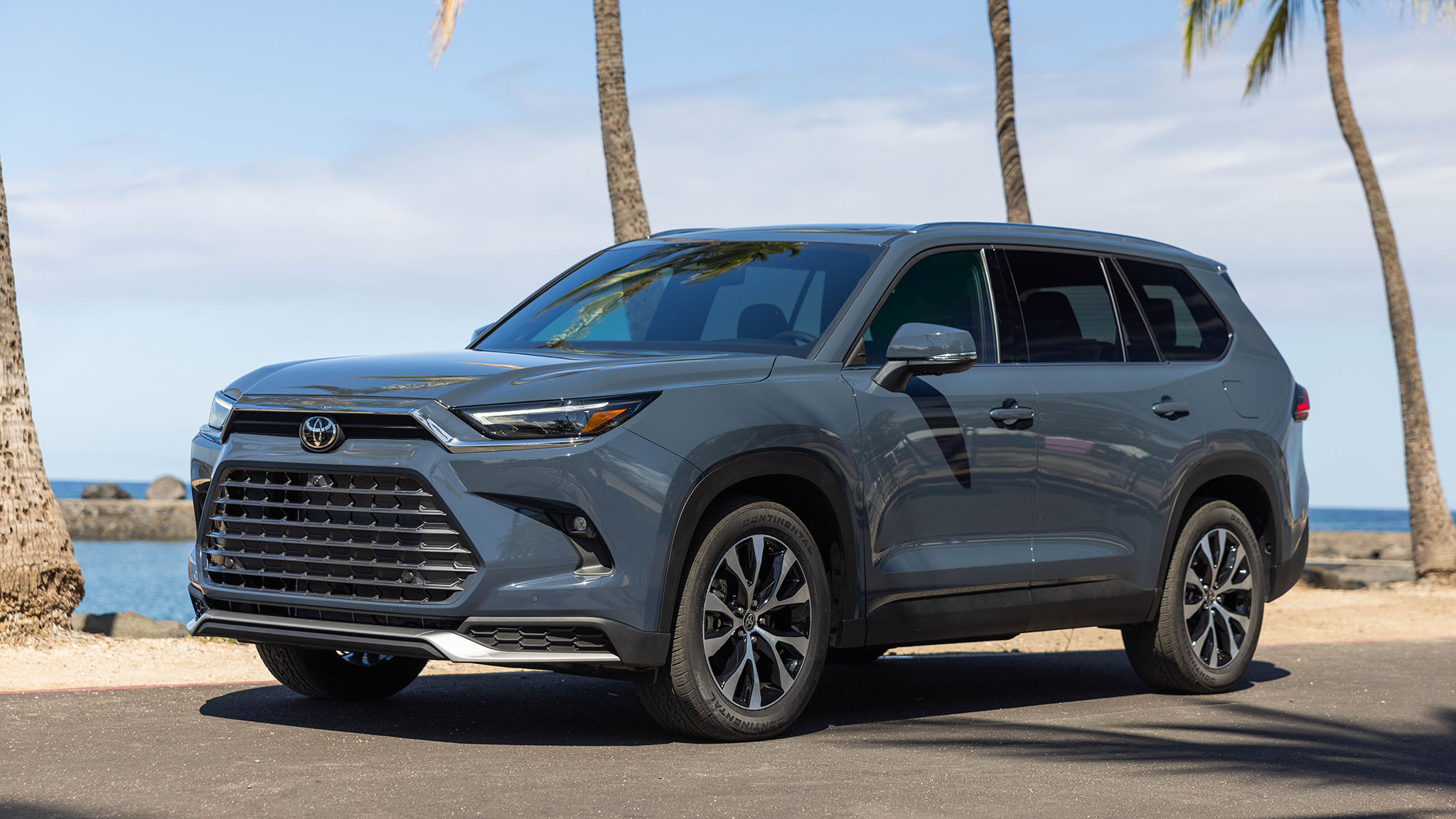
7. Toyota Highlander
The Toyota Highlander is a midsize SUV that combines practicality, comfort, and Toyota’s hallmark reliability. While it is lighter and less rugged than the Land Cruiser, it has proven itself capable of enduring high mileage without excessive repairs.
The Highlander’s engine options, primarily four- and six-cylinder units, are known for smooth operation and longevity when maintained properly.
Routine maintenance, such as oil changes, transmission fluid replacements, and timing belt or chain inspections, is usually sufficient to keep these engines running efficiently for decades.
Many Highlanders continue to serve families, commuters, and adventure seekers long after their peers have been retired or replaced.
One of the Highlander’s key advantages is the relatively low cost of maintenance compared with other SUVs in its class.
Brake pads, filters, and suspension components are widely available and reasonably priced. Independent mechanics and dealerships alike are familiar with the vehicle’s design, making servicing efficient and cost-effective.
The Highlander’s drivetrain is built to handle a range of driving conditions, including light towing, mountain roads, and urban commuting, without placing excessive strain on mechanical components. This durability allows owners to enjoy the convenience and comfort of a midsize SUV without the concern of frequent or expensive repairs.
The interior design of the Highlander emphasizes functionality and comfort, which indirectly contributes to the vehicle’s longevity. Seats, panels, and controls are constructed to resist wear, and the cabin layout encourages careful usage.
Drivers who maintain the Highlander’s interior and mechanical systems benefit from a vehicle that not only performs well mechanically but also retains comfort and usability over long periods.
Fuel economy is consistent, and the powertrain’s efficiency reduces strain, further prolonging the vehicle’s life. This balance of comfort, performance, and reliability makes the Highlander appealing for both families and individual owners seeking a dependable vehicle.
Highlanders also benefit from Toyota’s conservative engineering philosophy. Features are introduced gradually, avoiding unnecessary complexity that could compromise long-term reliability.
The combination of straightforward mechanics, durable materials, and a reputation for dependable performance means that many Highlanders exceed 300,000 miles without major investment.
For anyone seeking a midsize SUV with a proven track record of endurance, the Highlander provides a compelling option that blends modern amenities with traditional Toyota durability.
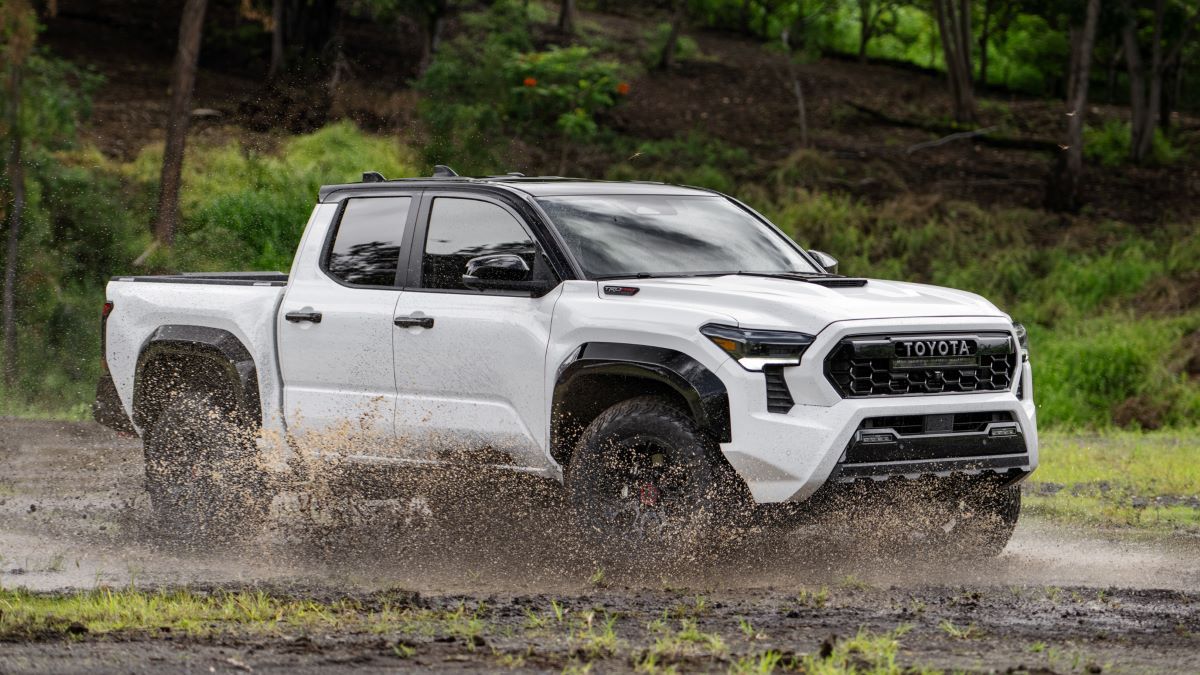
8. Toyota Tacoma
The Toyota Tacoma is one of the most durable compact/midsize pickups ever produced. Its reputation for longevity is built on robust construction, reliable engines, and a drivetrain that tolerates heavy use.
The Tacoma’s four- and six-cylinder engines, paired with either manual or automatic transmissions, are designed to endure high mileage when maintained correctly.
Countless Tacomas are still in active use at 300,000 miles or more, often performing tasks that demand frequent towing, hauling, or off-road capability. The truck’s simplicity, combined with a rugged frame and suspension, ensures that it can survive conditions that would prematurely retire other vehicles in its class.
Maintenance costs for the Tacoma are generally reasonable, especially given its capabilities. Brake components, suspension parts, and filters are all widely available and relatively inexpensive.
The vehicle’s design allows mechanics to access critical components easily, and the straightforward layout reduces the likelihood of hidden or complicated failures.
Owners often report that regular oil changes, coolant maintenance, and occasional transmission service are enough to keep the vehicle operating efficiently for years.
The Tacoma’s durability extends to its exterior and chassis, which resist rust and corrosion better than many competitors, further supporting long-term reliability.
The Tacoma’s cabin and interior materials are also built to withstand prolonged use. Seats, dashboard panels, and controls maintain functionality even under heavy daily use.
While it may not offer luxury-level comfort, the interior is designed for practicality, and many owners find that the combination of durable materials and thoughtful ergonomics contributes to the truck’s long-term usability.
Even after high mileage, Tacomas continue to provide a reliable driving experience, with consistent engine performance, stable handling, and effective brakes.
The Tacoma’s popularity is not accidental; it is the result of deliberate engineering focused on endurance and low-cost maintenance. Its design accommodates both everyday commuting and off-road adventures, making it a versatile vehicle for a variety of users.
With routine maintenance and attention to key components, a Tacoma can reach or surpass 300,000 miles without the need for significant expenditure. This balance of rugged construction, reliability, and practicality makes it one of the most trusted pickups for long-term ownership.
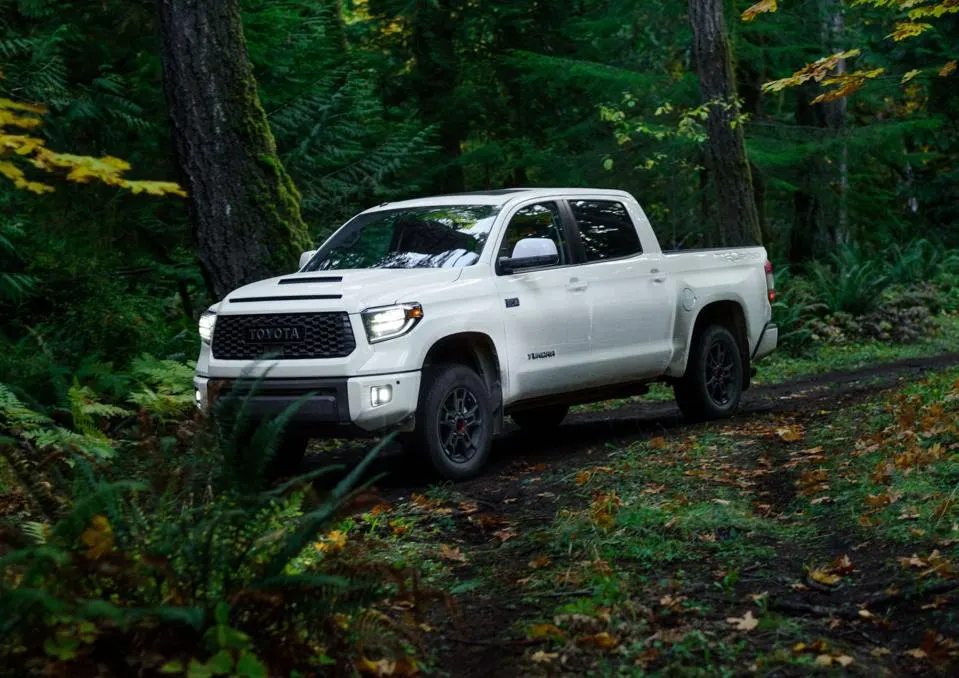
9. Toyota Tundra
The Toyota Tundra is a full-size pickup known for its reliability and ability to endure high mileage with minimal upkeep. Its large V8 engines are built to deliver power without placing excessive stress on the drivetrain, and the vehicle’s frame and suspension are engineered for durability under heavy loads and challenging conditions.
Many Tundras continue to serve faithfully at 300,000 miles or more, often in fleet, construction, or heavy-duty roles. The combination of conservative design choices and Toyota’s attention to quality ensures that even vehicles subjected to rigorous daily use can remain operational for decades.
Routine maintenance for the Tundra is manageable, especially considering the vehicle’s size and capabilities. Oil changes, brake inspections, tire rotations, and coolant checks are usually sufficient to maintain engine health. Parts are widely available, both from Toyota and aftermarket sources, keeping repair costs reasonable.
The truck’s drivetrain and suspension are robust, with components designed to withstand prolonged stress. Even with heavy towing or frequent off-road use, the Tundra remains mechanically reliable, making it a popular choice among drivers who require both performance and longevity.
The interior of the Tundra is practical and durable, supporting the vehicle’s reputation for long-term reliability. Seats, controls, and panels are designed to endure years of regular use without significant wear. The cabin offers comfort for long drives while maintaining materials that can survive daily work demands.
Ergonomics are well thought out, allowing drivers and passengers to remain comfortable even during extended periods on the road. This combination of practicality and durability helps ensure that the vehicle continues to meet its owner’s needs long after the odometer passes high mileage milestones.
Toyota’s approach to designing the Tundra prioritizes dependability over unnecessary complexity. Electronics are straightforward, engine components are robust, and the drivetrain is engineered to endure both urban and heavy-duty applications.
The Tundra’s reliability extends to both mechanical and structural components, ensuring that high-mileage examples continue to perform safely and efficiently. For anyone needing a full-size pickup capable of lasting past 300,000 miles with moderate maintenance costs, the Tundra remains a leading option.
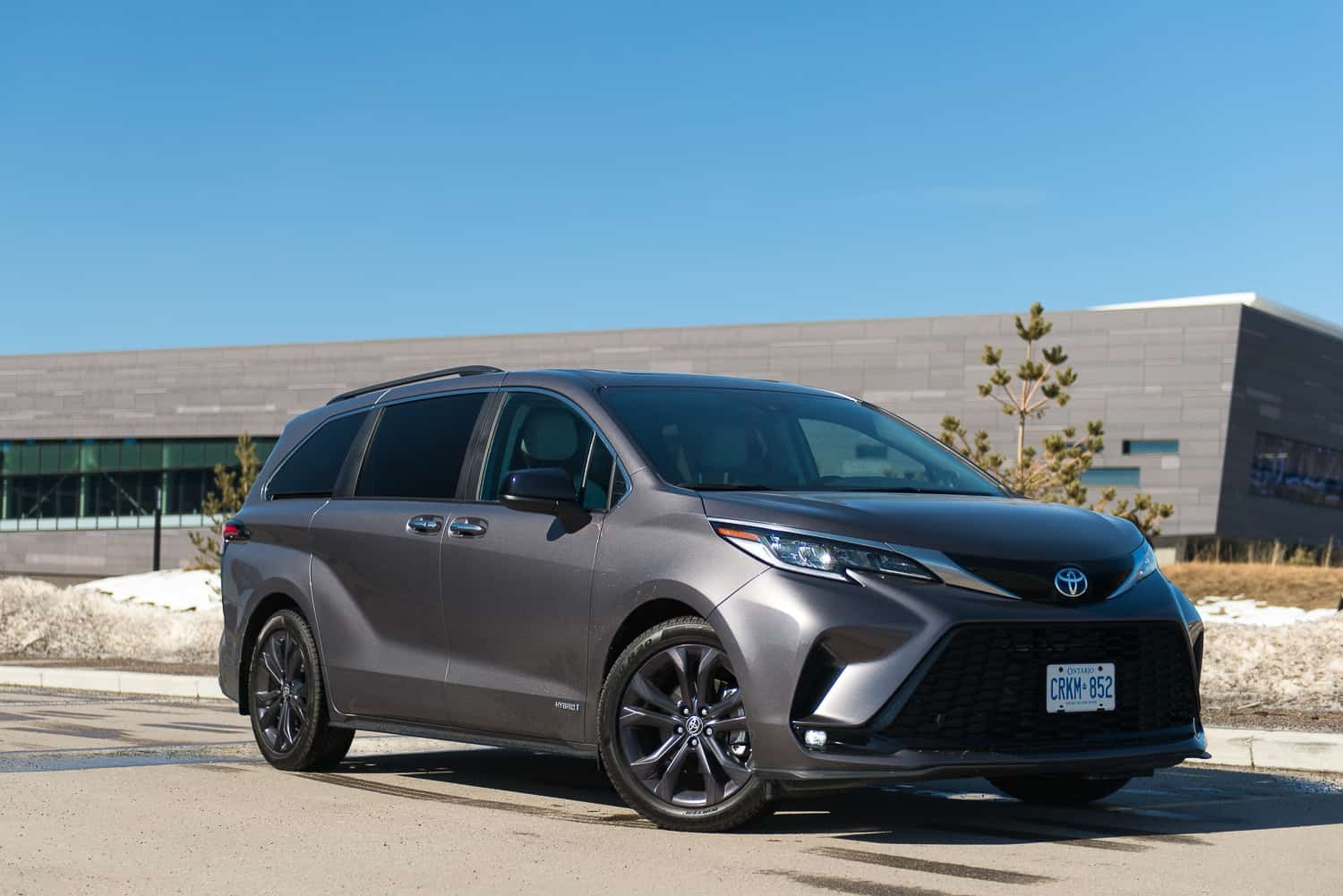
10. Toyota Sienna
The Toyota Sienna is a minivan that combines family-friendly features with Toyota’s commitment to durability. It is engineered to provide long-term service, with engines and transmissions that are capable of lasting hundreds of thousands of miles when maintained properly.
Many Siennas remain in operation well past 300,000 miles, often serving multiple families or acting as fleet vehicles. The vehicle’s suspension and chassis are designed to handle heavy loads, frequent passenger transport, and long-distance driving without suffering premature wear.
Maintenance for the Sienna is straightforward and cost-effective. Routine tasks such as oil changes, brake inspections, tire rotations, and fluid replacements are typically sufficient to maintain reliability.
Parts are widely available, and the vehicle’s design allows easy access for repairs, making it accessible for both professional mechanics and DIY owners. The drivetrain, including the automatic transmission, is known for longevity, and many Sienna owners report trouble-free operation even at high mileage.
The Sienna’s interior is designed to withstand heavy use while remaining comfortable for passengers. Seats, controls, and trim materials are durable, ensuring that years of daily use do not degrade the cabin experience.
The minivan also offers consistent handling and ride quality, even when fully loaded, reducing strain on mechanical components. Its reliability extends to safety features and electronics, which tend to function well long-term when maintained according to Toyota’s schedule.
The Sienna exemplifies Toyota’s philosophy of producing practical, reliable vehicles that last. Families and fleet operators value its combination of spaciousness, comfort, and durability.
With routine maintenance and moderate care, the Sienna can easily surpass 300,000 miles, proving itself to be a cost-effective and dependable choice for long-term ownership.
