
Sports cars have always captured the imagination of automobile enthusiasts, representing the perfect balance of performance, style, and driving pleasure.
While modern supercars and hypercars often dominate headlines with their blistering speed and futuristic technology, countless remarkable vehicles from the past have slipped quietly into obscurity.
These cars, once symbols of innovation and ambition, now linger in memories, photographs, and the collections of dedicated fans.
Many of them were ahead of their time, offering unique designs, advanced engineering, or driving experiences that set them apart from the competition.
Despite their merits, factors such as limited production numbers, economic downturns, or the rise of more commercially successful models caused them to fade from public consciousness.
Reviving these forgotten sports cars would not only honor automotive history but also provide a refreshing alternative to the predictable trends of modern performance vehicles.
Each model on this list embodies characteristics that could easily appeal to today’s drivers if reintroduced with updated technology, safety, and efficiency.
Some of these cars offered radical styling that would still turn heads on city streets or scenic highways, while others boasted mechanical ingenuity that could inspire new generations of engineers.
Their absence from the current market leaves a gap that modern sports car manufacturers might be able to fill, creating a bridge between the nostalgic past and contemporary automotive innovation.
Beyond nostalgia, bringing these vehicles back could stimulate interest in unique driving experiences that modern cars sometimes lack. Many were designed not just for speed, but for engagement, requiring skill, attention, and a sense of connection between driver and machine.
Today’s enthusiasts often seek that type of experience, which goes beyond raw performance numbers. Reintroducing these cars could offer a blend of heritage and modern capability, creating vehicles that feel both familiar and excitingly new.
The following list highlights fifteen such sports cars that have been largely forgotten over the years but deserve renewed attention and a chance to reclaim their place on the road.
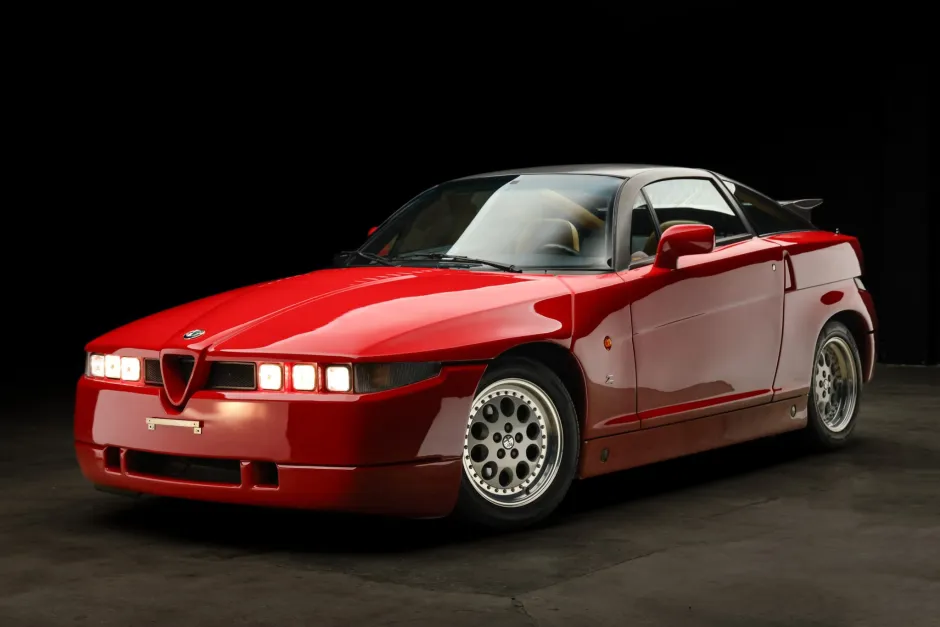
1. Alfa Romeo SZ
The Alfa Romeo SZ was an unconventional sports car that emerged in the late 1980s, showcasing a design that challenged traditional aesthetics. Its angular body, crafted in collaboration with a renowned design studio, was polarizing at the time but has since earned admiration for its boldness.
The SZ combined performance with a striking visual identity, making it a vehicle that could stand out in any era. Its rarity adds to the allure, as only a limited number were produced, making it a collectible today.
Mechanically, the SZ was powered by a turbocharged V6 engine that delivered spirited performance for its era. Its chassis and suspension were tuned to provide an engaging driving experience, balancing agility with stability.
Drivers reported that the car required focus and skill, rewarding those who could master its dynamics. In a modern context, updating the SZ with contemporary safety features and engine efficiency could make it both thrilling and practical for today’s roads.
The interior of the SZ reflected a driver-focused approach, with ergonomics designed to maximize control and comfort during spirited driving sessions.
While it lacked the luxury touches of some competitors, it made up for this with a sense of purpose and directness that modern sports cars often struggle to replicate.
A revival could retain this focus while integrating updated infotainment and convenience systems, bridging the gap between heritage and contemporary expectations.
Reviving the Alfa Romeo SZ would celebrate one of the most daring designs of its time. Its combination of distinctive styling, driver engagement, and engineering quality offers a strong foundation for a modern reinterpretation.
A contemporary SZ could appeal to both collectors who remember the original and younger enthusiasts seeking a sports car that stands apart from the crowd.
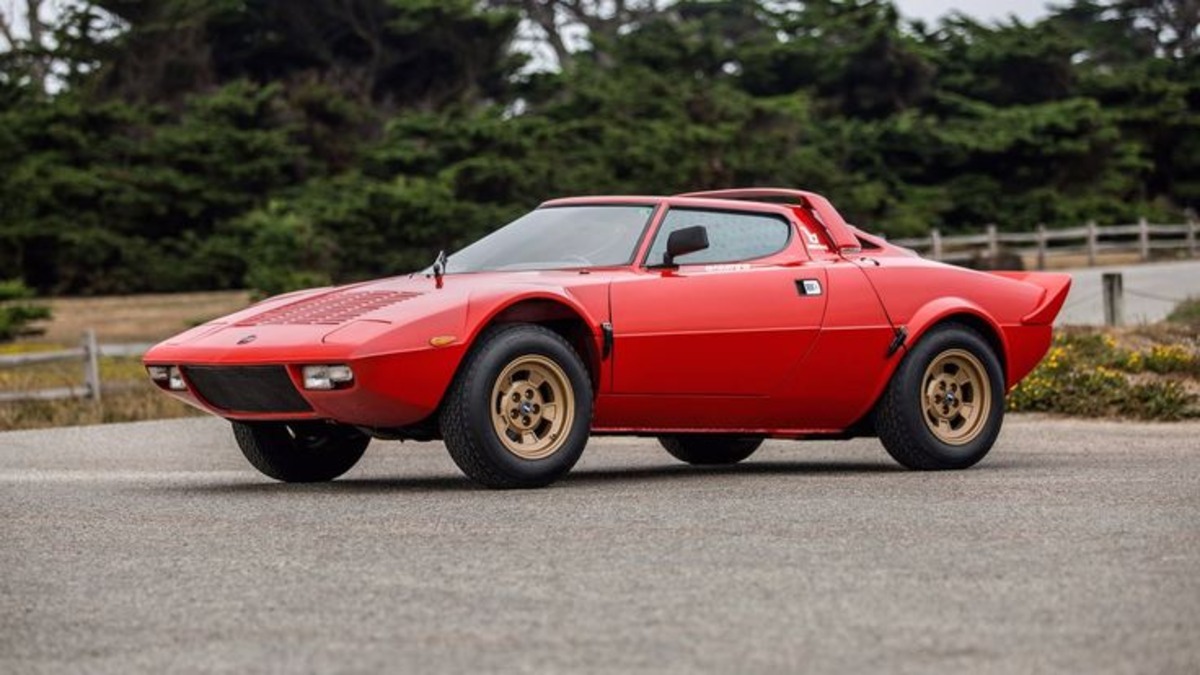
2. Lancia Stratos
The Lancia Stratos remains an icon of rallying history, yet it is surprisingly absent from today’s sports car lineup. Originally designed for competition, it featured a short wheelbase, lightweight construction, and a mid-mounted V6 engine that provided remarkable performance on both tarmac and gravel.
Its aggressive stance and wedge-shaped design were unmistakable, capturing the excitement of the rally circuits and influencing automotive styling for years to come.
The Stratos was not merely about aesthetics; it excelled in agility and responsiveness. Its compact size allowed drivers to maneuver with precision, and the suspension was engineered to handle the rigorous demands of rally racing.
Even on regular roads, the Stratos offered an exhilarating driving experience that emphasized skill and connection with the vehicle. Modern materials and safety improvements could enhance its practicality without diluting the essence of the car.
Inside, the cockpit was minimalistic yet functional, designed to keep the driver focused on the task at hand. While it lacked the luxurious interiors of contemporary sports cars, the simplicity contributed to the driving experience.
A modern revival could integrate comfort features and technology discreetly, maintaining the purity of its design while appealing to today’s buyers.
Bringing back the Lancia Stratos would not only celebrate its rallying heritage but also provide a unique alternative in a market dominated by more conventional sports cars.
Its combination of historical significance, distinctive appearance, and driver-focused engineering makes it a prime candidate for a comeback. A carefully reimagined Stratos could capture the imagination of enthusiasts and collectors alike.
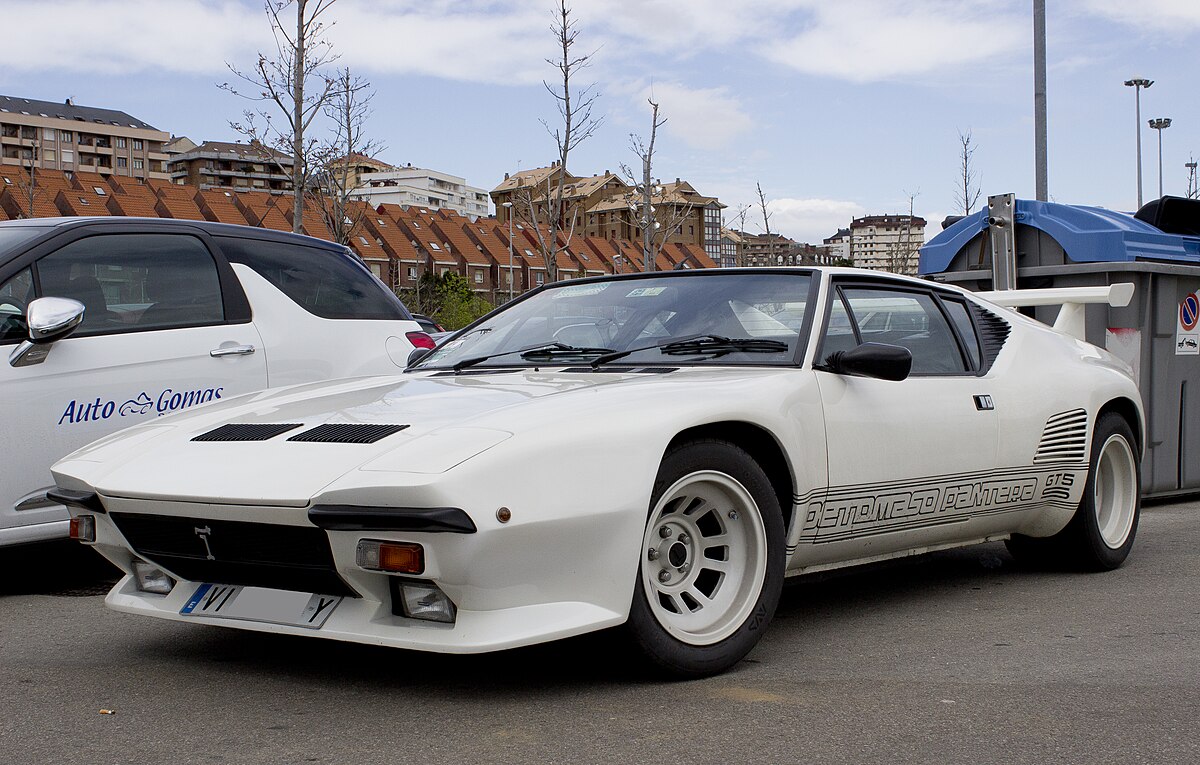
3. De Tomaso Pantera
The De Tomaso Pantera, a striking Italian-American sports car from the 1970s, embodied a rare blend of raw power and distinctive design.
Powered by a mid-mounted V8 engine sourced from a well-known American manufacturer, it combined European styling with muscle car performance. Its wedge-shaped body and sharp lines made it stand out in an era dominated by more conventional sports car designs.
Driving a Pantera offered a visceral experience that few cars could match. The engine delivered a satisfying roar, while the chassis provided precise handling and a connected feel to the road.
While it may not have matched the refinement of some Italian contemporaries, its character and performance made it unforgettable. A modern iteration could retain this intensity while incorporating modern reliability and emissions standards, appealing to enthusiasts seeking an authentic experience.
The interior of the Pantera focused on the essentials for driving enjoyment. Instrumentation was clear and functional, though it lacked the comfort-oriented amenities of modern vehicles. A revival could preserve this driver-centered philosophy while integrating contemporary materials and technology subtly.
Reviving the De Tomaso Pantera would reintroduce a bold alternative to current sports cars, combining heritage with modern performance standards.
Its unique identity, historical significance, and blend of European and American characteristics provide ample reason for a comeback, potentially capturing the interest of collectors and performance enthusiasts alike.
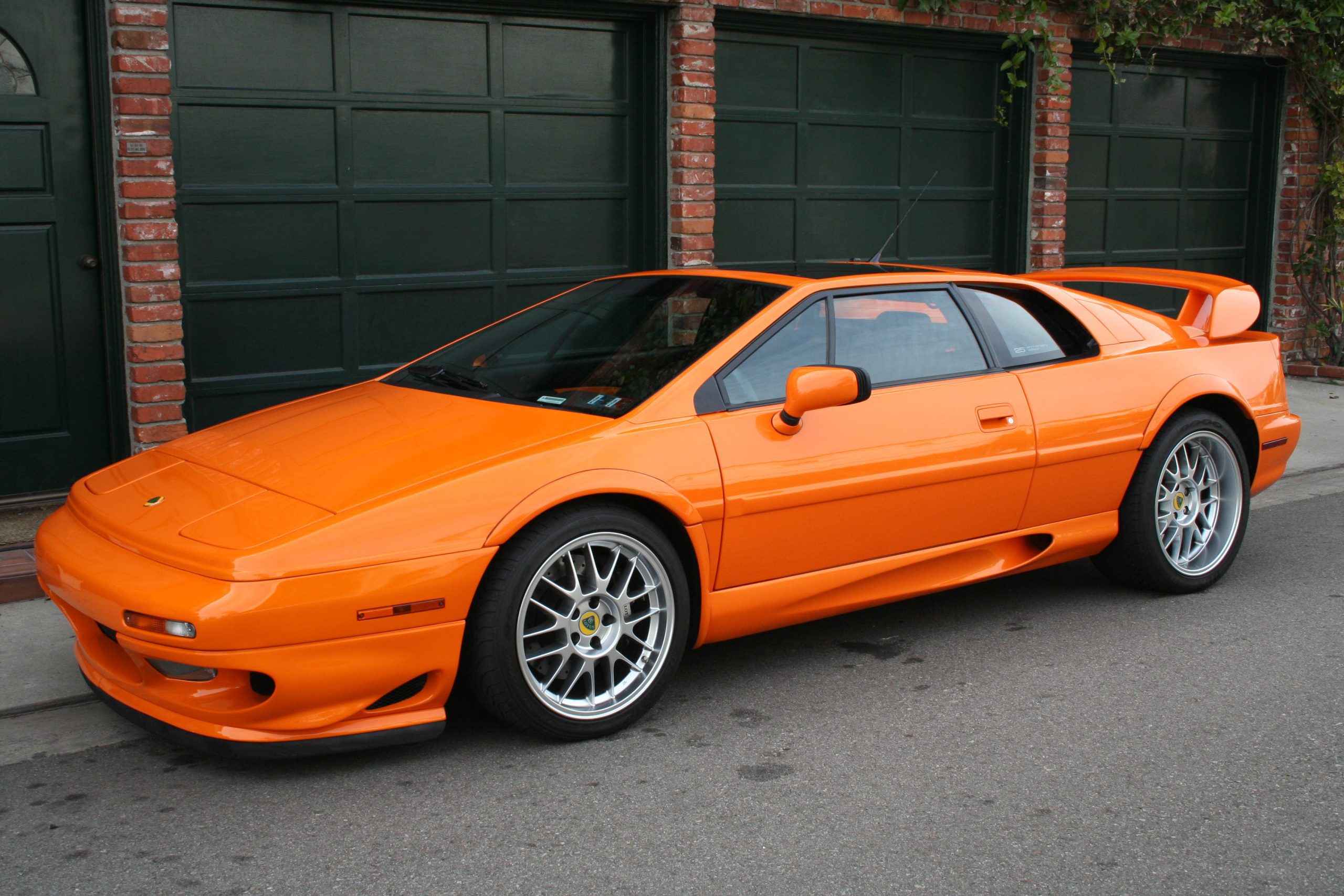
4. Lotus Esprit (Series 1–3)
The early generations of the Lotus Esprit remain some of the most memorable sports cars of the late 20th century. With sharp, geometric lines and lightweight construction, these models emphasized driving dynamics and innovation.
The Series 1–3 cars combined mid-engine layouts with agile handling, making them highly responsive on twisty roads. Their design, while once considered radical, has aged with a sense of purpose and distinction.
Mechanically, the early Esprits offered a balance of performance and control. Although their engines did not always deliver blistering speed compared to modern standards, the lightweight chassis made them feel faster than the numbers suggested.
This focus on driving enjoyment over raw power is a philosophy that could resonate strongly in today’s market.
The interiors reflected a minimalistic approach, emphasizing functionality and driver engagement. While lacking luxury features, the Esprit’s cockpit provided a sense of connection with the car that modern vehicles often dilute.
A modern reinterpretation could blend this intimacy with updated comfort, infotainment, and safety systems, creating a compelling sports car experience.
Reintroducing the Lotus Esprit would honor the brand’s heritage while offering a distinct alternative to homogenized sports cars. Its timeless design, driver-focused engineering, and potential for modern updates make it an excellent candidate for revival, appealing to enthusiasts who value handling, style, and authenticity.
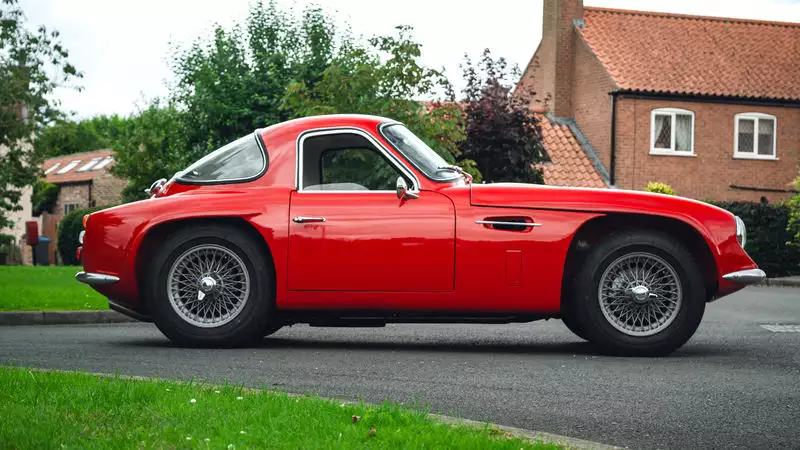
5. TVR Griffith
The TVR Griffith is an example of British sports car ingenuity that has largely faded from collective memory. Produced in the late 1990s and early 2000s, it showcased a raw and uncompromising approach to driving.
Unlike many modern cars, it avoided electronic driver aids, creating a machine that demanded attention and skill. Its lightweight construction, combined with a potent straight-six engine, offered a level of engagement that few contemporary vehicles can match. Every input from the driver is translated directly to motion, making the Griffith a pure, visceral sports car.
One of the most striking aspects of the Griffith was its performance relative to its size and weight. Acceleration felt instantaneous, and the chassis allowed for confident cornering while maintaining a degree of unpredictability that made every drive exhilarating.
The absence of stability controls meant that the car could be driven at the limit, rewarding drivers who understood its behavior and punishing those who overestimated their abilities. Modern safety systems could be integrated subtly, preserving the thrill while ensuring it meets today’s standards.
Aesthetically, the Griffith carried TVR’s signature styling, with sweeping lines and an aggressive stance that reflected its performance capabilities. Its design was distinct from competitors, neither bland nor derivative, giving it a sense of identity that modern cars often lack.
A revival could retain these visual cues while refining aerodynamics, materials, and build quality to appeal to contemporary enthusiasts without losing its character.
The interior of the Griffith emphasized simplicity and driver focus. While it lacked the luxury of German rivals, every control was positioned for efficiency, reinforcing the connection between man and machine.
A modern version could carefully integrate comfort features without diluting the raw driving experience. Bringing back the TVR Griffith would give enthusiasts a rare opportunity to own a car that embodies unfiltered driving pleasure, bridging nostalgia with the excitement of modern engineering.
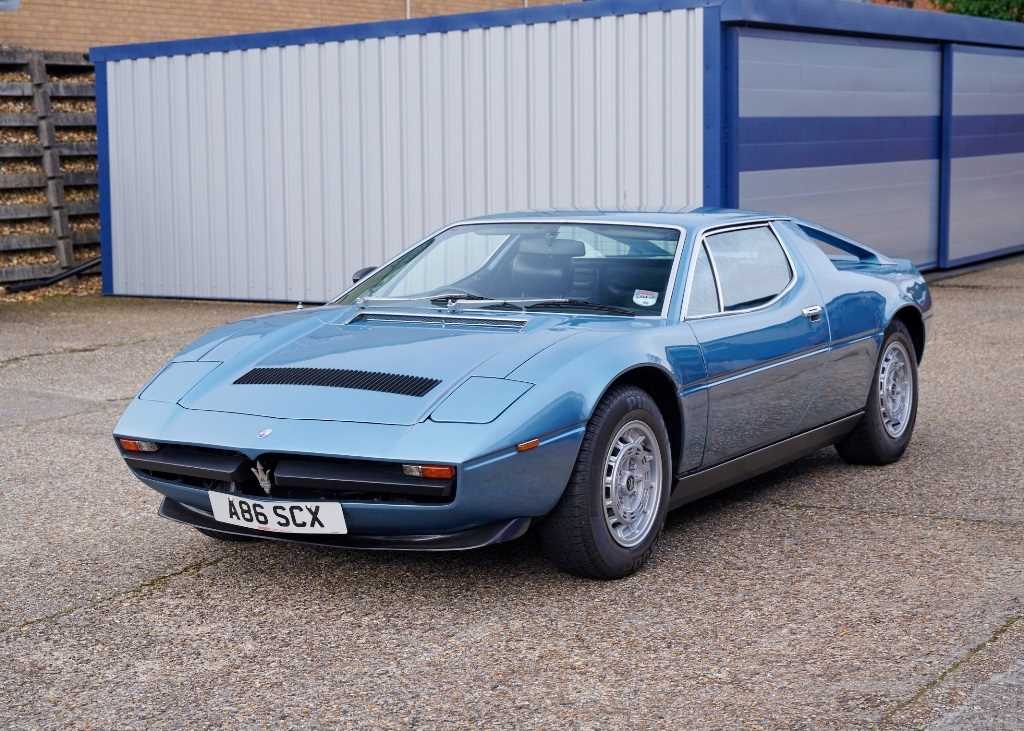
6. Maserati Merak
The Maserati Merak was conceived as a more affordable alternative to the brand’s flagship Bora, yet it retained much of the Italian flair and performance expected from Maserati.
Introduced in the 1970s, the Merak featured a mid-engine layout, striking wedge-shaped design, and an engine that balanced smoothness with responsive power delivery.
While it never reached the same fame as other Maserati models, the Merak offered an exciting blend of style, performance, and exclusivity.
Performance was one of the Merak’s defining characteristics. The car’s lightweight construction and balanced chassis allowed it to corner with precision while delivering a satisfying exhaust note that reinforced its Italian heritage.
Unlike some modern sports cars, the Merak emphasized driving engagement over electronic aids, providing drivers with a pure connection to the road. A contemporary update could retain this essence while incorporating modern engines and safety features, ensuring the car appeals to today’s buyers.
The design of the Merak was compact yet muscular, with flowing lines and distinctive proportions that still turn heads decades later. Its understated elegance distinguished it from flashier contemporaries, yet it retained a sense of aggression and purpose.
A revival could embrace these design elements, enhancing them with modern lighting, materials, and aerodynamic improvements while preserving the original character.
Inside, the Merak combined Italian craftsmanship with driver-focused ergonomics. Controls were logically placed, and the seating position reinforced the sensation of control and immediacy.
Updating the cabin for modern comfort, infotainment, and climate systems would make the Merak a practical option without compromising its driving identity.
Reintroducing this forgotten Maserati would allow enthusiasts to experience a unique blend of Italian style, mid-engine performance, and historical significance that remains rare in today’s market.
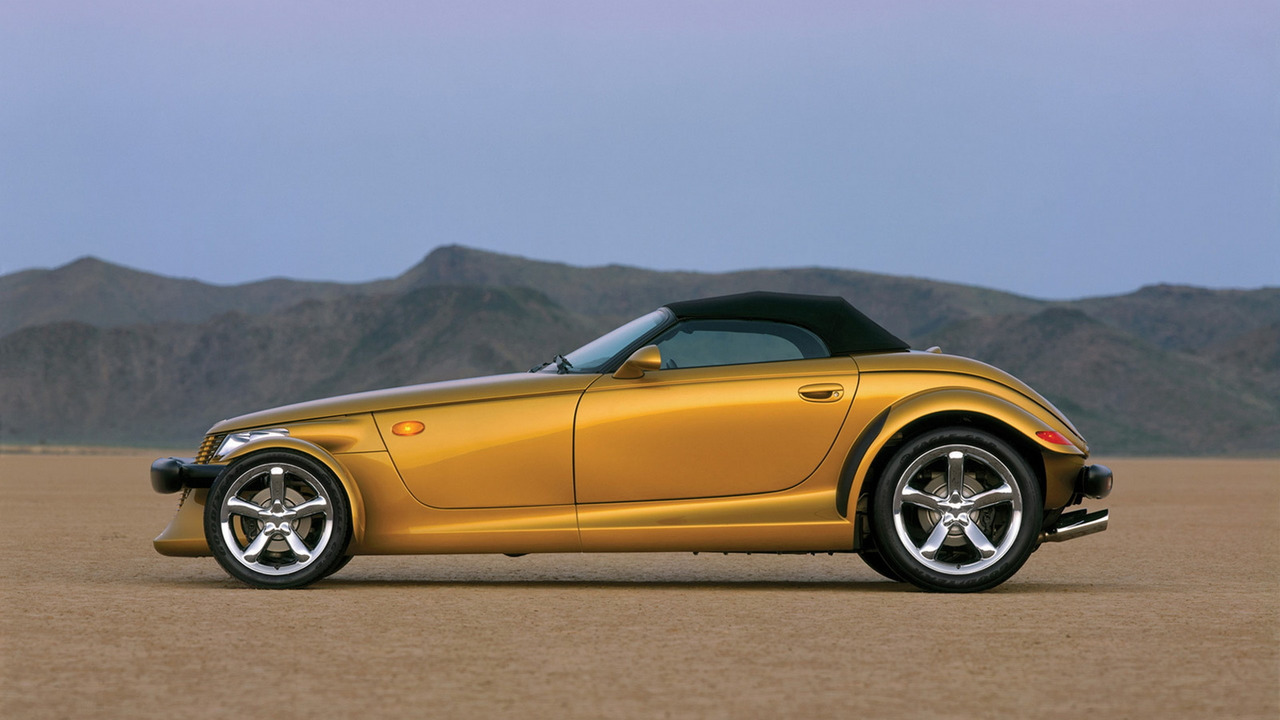
7. Plymouth Prowler
The Plymouth Prowler stands out as one of the most visually distinctive cars of the late 1990s. Its retro-inspired design drew cues from hot rods, featuring open front wheels, a long hood, and a compact cabin.
While some initially criticized its appearance, the Prowler has grown in appreciation for its boldness and individuality. It was a car designed to make a statement, attracting attention wherever it appeared, and this uniqueness could translate well in a modern revival.
Performance-wise, the Prowler combined a lightweight frame with a V6 engine, producing respectable acceleration and handling dynamics. The rear-wheel-drive layout encouraged spirited driving, particularly on curvy roads where its balanced chassis could shine.
While it was never meant to compete with pure sports cars, the Prowler offered an enjoyable, driver-oriented experience that emphasized fun over sheer speed. Modern powertrains could elevate its performance to meet contemporary expectations while retaining the playful character that made it memorable.
The styling of the Prowler was unconventional yet elegant in its own way. The exposed front suspension and fender design emphasized individuality, while the sleek lines of the rear created a sense of motion even at rest.
A comeback version could preserve these signature elements while integrating aerodynamic enhancements, modern lighting, and updated materials to make the car safe and appealing for today’s roads.
The interior reflected the Prowler’s purpose as a driver-focused yet stylish machine. While minimalist compared to modern luxury vehicles, it delivered comfort and control, keeping the focus on the driving experience.
Reintroducing the Prowler would give enthusiasts a chance to enjoy a modern sports car that prioritizes fun, style, and individuality, bridging the gap between nostalgic design and contemporary technology.
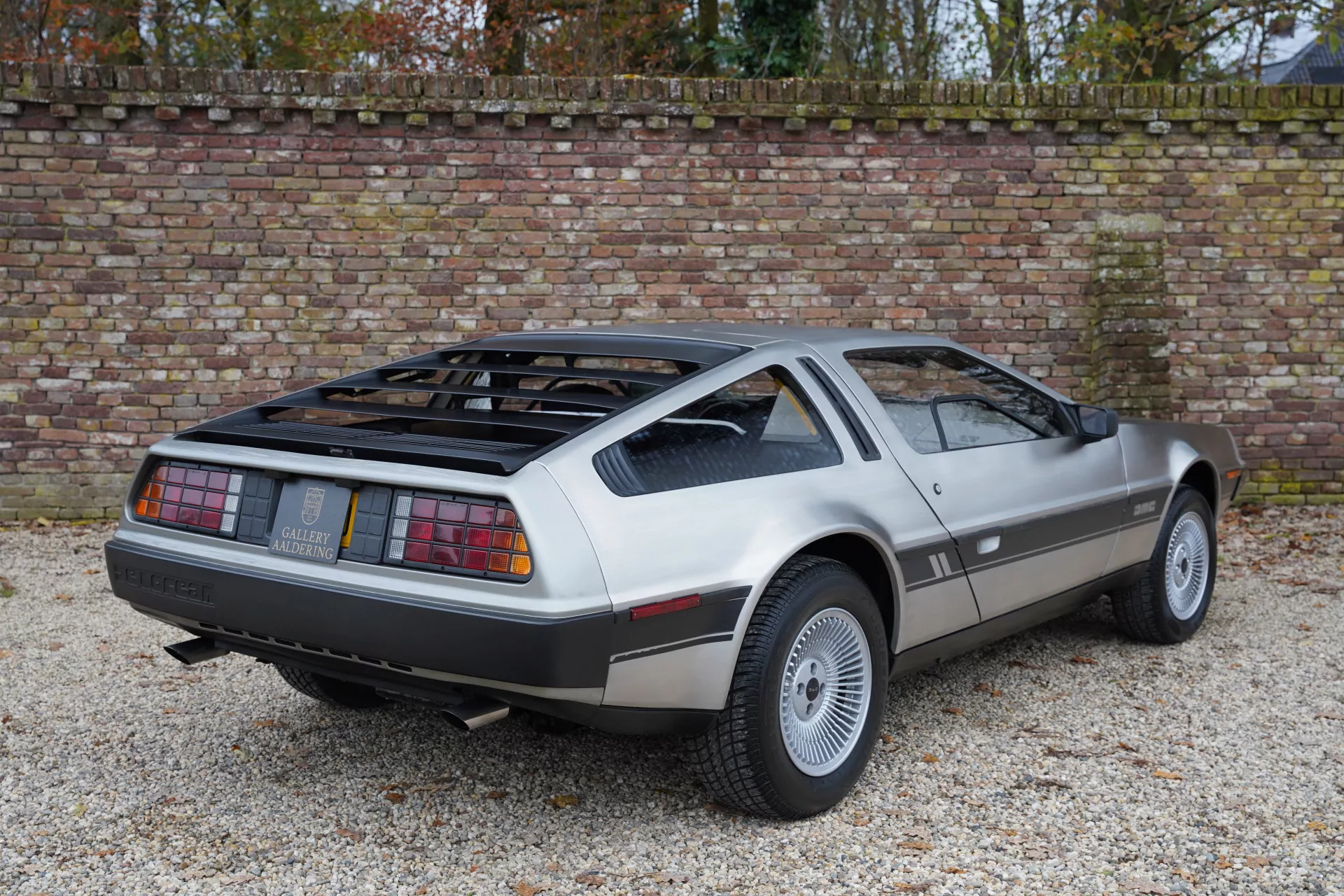
8. DeLorean DMC-12
The DeLorean DMC-12 is arguably one of the most iconic vehicles of the 1980s, largely due to its stainless steel body and gull-wing doors.
Beyond its pop culture fame, the DMC-12 offered an intriguing sports car experience, combining unique styling with a mid-engine layout. While it was never the fastest car of its time, its design ingenuity and cultural significance make it a prime candidate for a modern revival.
Driving the DeLorean was unlike many other sports cars. Its mid-mounted engine and lightweight frame created a driving dynamic that was responsive and engaging.
Early criticisms often focused on the engine’s modest power, but in modern hands, an updated powertrain could bring it closer to contemporary expectations without losing the original charm. Its handling characteristics, while understated, could be enhanced with modern suspension and braking systems.
The exterior remains its defining feature. The brushed stainless steel panels, gull-wing doors, and futuristic lines gave it a presence unmatched by most cars of its era. These design elements are timeless, and a modern iteration could carefully preserve them while incorporating improvements in aerodynamics, lighting, and build quality.
Inside, the DMC-12 prioritized a clean, futuristic cabin. While basic by modern standards, the interior conveyed a sense of innovation and purpose.
Updating the cabin with contemporary technology, safety features, and comfort systems would make it a practical daily driver while retaining the retro-futuristic appeal that makes the DeLorean memorable. Bringing this car back would satisfy collectors, enthusiasts, and fans of automotive history, combining nostalgia with functional, modern performance.
9. Jaguar XJ220
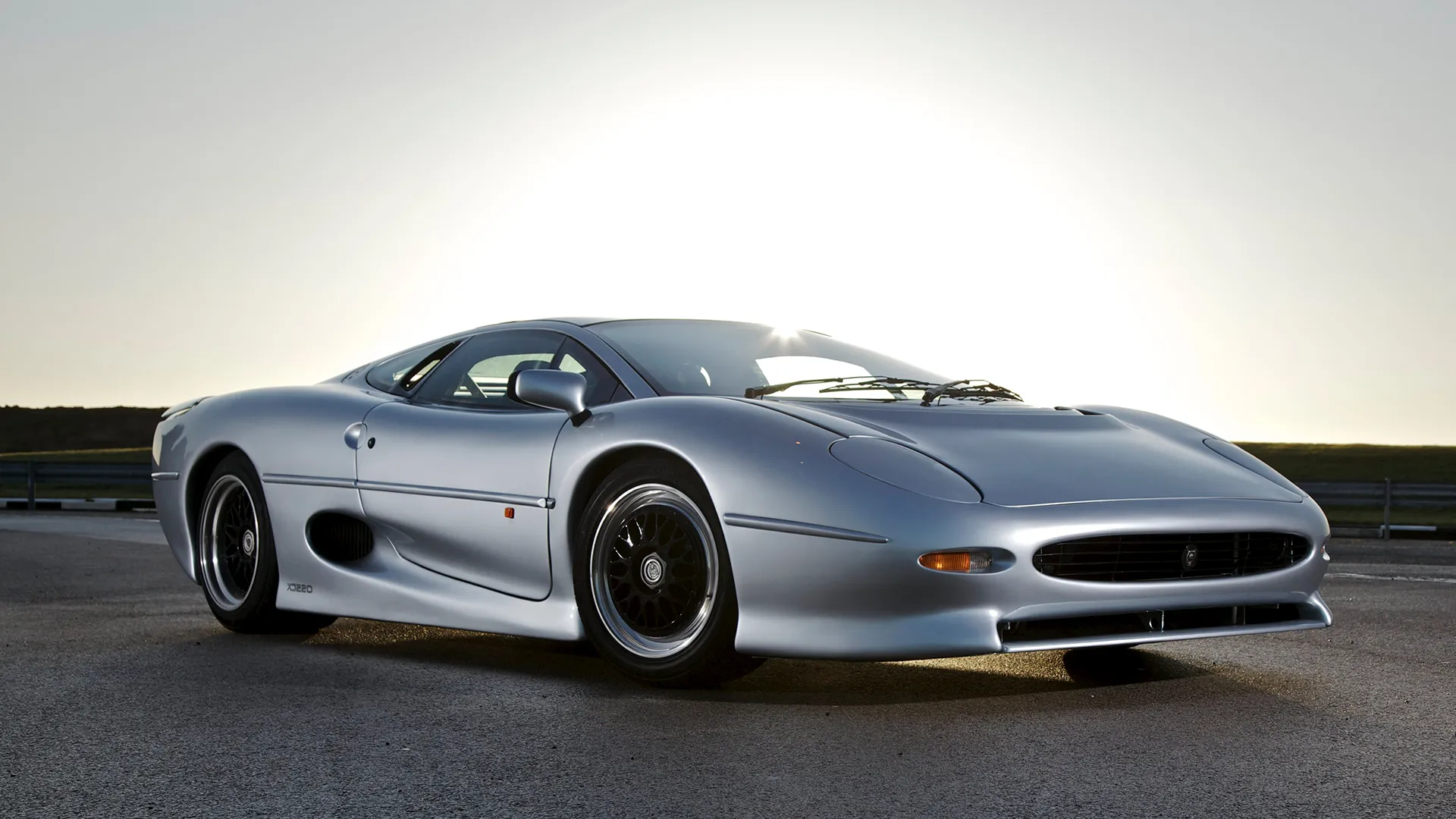
The Jaguar XJ220 emerged in the early 1990s as one of the fastest production cars of its time. Its sleek, aerodynamic body was designed to cut through the air with minimal resistance, emphasizing high-speed stability and elegance.
While overshadowed by other supercars in terms of popularity, the XJ220 remains a technical marvel, combining a twin-turbocharged V6 engine with lightweight construction that allowed it to achieve breathtaking speed. Its understated design contrasts sharply with more flamboyant contemporaries, giving it a refined and purposeful presence on the road.
Performance was where the XJ220 truly shined. With rapid acceleration, responsive handling, and impressive top-end speed, it delivered an experience that demanded respect from drivers.
The suspension was tuned to provide balance at high speeds, while the chassis maintained composure through corners, blending raw power with finesse.
Modern technologies such as adaptive suspension and traction control could enhance drivability while preserving the car’s essence, making it approachable for enthusiasts who seek performance without compromise.
The design language of the XJ220 remains timeless. Smooth lines, a low stance, and carefully considered proportions make it a standout even decades after its debut.
Updating this design with subtle aerodynamic improvements, lightweight materials, and contemporary lighting could make a modern XJ220 both visually appealing and highly functional.
The original elegance and purpose-driven approach would provide a strong foundation for a comeback, differentiating it from flashier, overstyled sports cars.
Inside, the cabin was focused on performance rather than luxury. Drivers enjoyed a clear layout, excellent visibility, and a sense of connection with the car. Modern reinterpretation could integrate advanced controls, driver assistance features, and comfort upgrades, ensuring usability without compromising engagement.
A revived Jaguar XJ220 would provide a rare blend of speed, sophistication, and driver-centric engineering, making it a worthy candidate for renewed attention.
10. Ford RS200
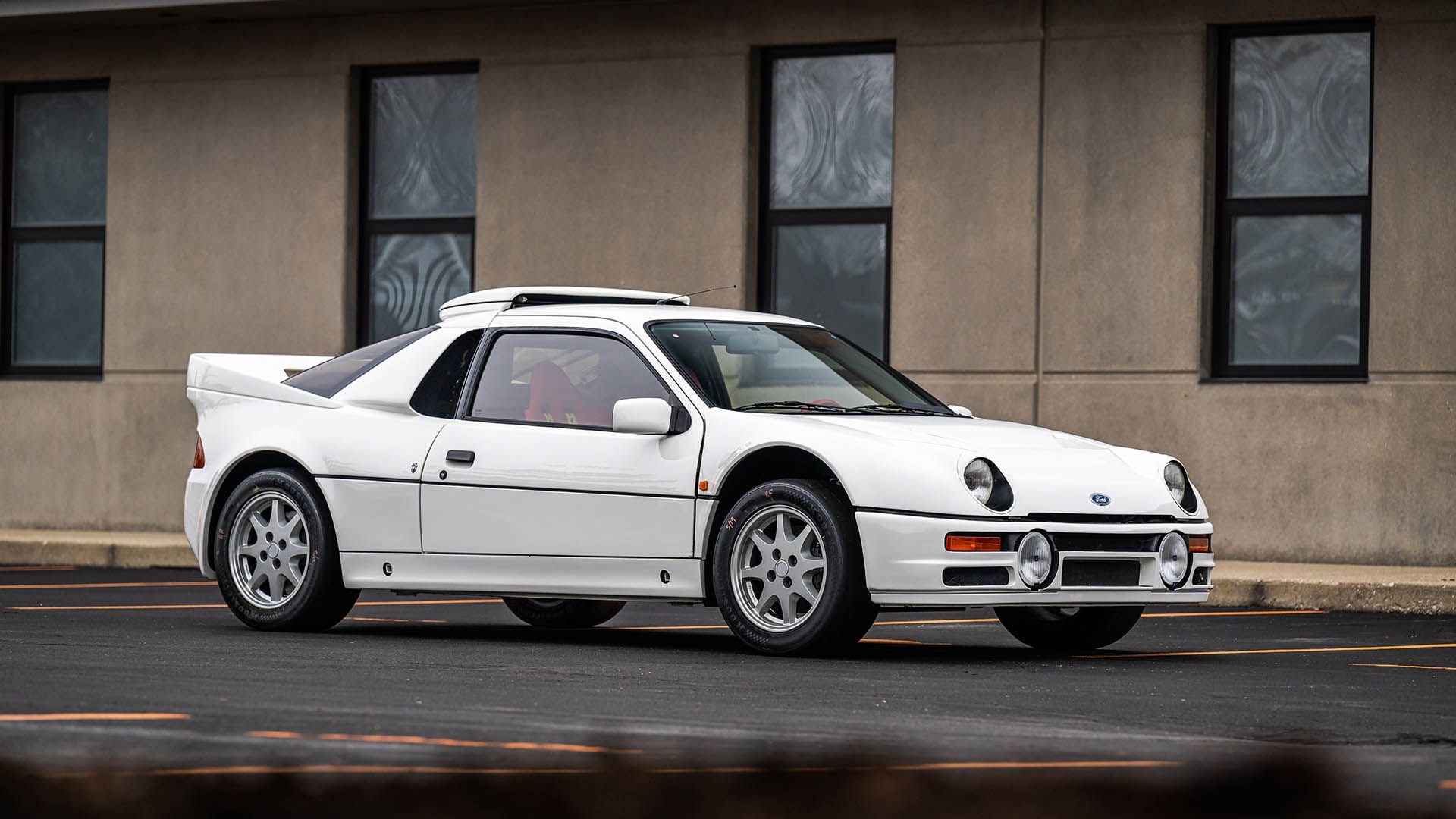
The Ford RS200 was a rally-inspired sports car produced for homologation purposes in the 1980s. Its design was dominated by functional requirements, featuring a mid-engine layout, four-wheel drive, and a lightweight chassis optimized for racing performance.
While it never became a mainstream road car, its engineering ingenuity and connection to motorsport make it a vehicle that deserves a modern interpretation.
Performance in the RS200 was extraordinary for its era. Turbocharged engines delivered impressive power, while the four-wheel-drive system ensured traction on both tarmac and loose surfaces.
The handling was sharp and precise, rewarding skilled drivers and creating an experience that modern enthusiasts would find thrilling. Bringing this car back with updated engines and electronics could maintain the intense engagement while making it safer and more reliable for contemporary roads.
Aesthetically, the RS200 reflected function-driven beauty. Its aggressive lines, flared arches, and aerodynamic bodywork communicated performance without unnecessary embellishments.
A modern design could honor these cues while refining proportions and incorporating lightweight materials, creating a car that looks purposeful and modern while maintaining its rally-inspired character.
The interior of the RS200 was spartan, designed to minimize weight and maximize driver control. While not luxurious, the cockpit was highly functional, giving drivers direct feedback from the chassis and controls.
Updating the interior with modern amenities, safety systems, and ergonomics could enhance comfort and usability without losing the essence of its driver-focused philosophy. A contemporary RS200 would offer a compelling mix of motorsport heritage and modern technology, making it a standout in today’s performance car market.
11. Pontiac Fiero GT
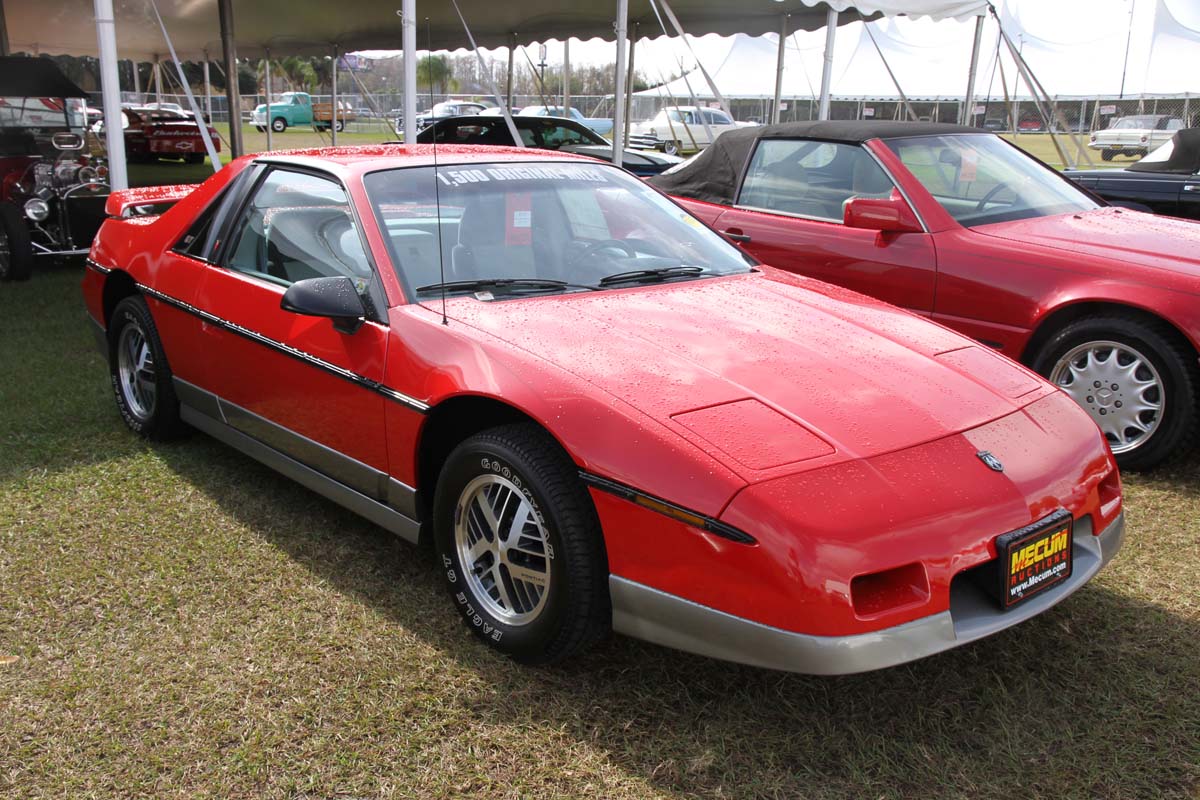
The Pontiac Fiero GT was an American mid-engine sports car produced in the 1980s, representing a bold experiment in design and engineering.
Its combination of affordability, unique layout, and spirited performance made it a favorite among enthusiasts who appreciated driving engagement over flashiness. Despite its strengths, the Fiero was largely overlooked, leaving a gap that a modern revival could easily fill.
Driving the Fiero GT offered a distinct experience. Its mid-engine configuration provided balance and handling that belied its modest power output. Enthusiasts often praised the car’s nimbleness, which allowed it to tackle corners with agility uncommon for American cars of the era.
A contemporary reinterpretation could enhance performance with modern engines, improved suspension, and braking systems while retaining the accessible, enjoyable driving dynamics that made the original appealing.
The design of the Fiero GT, while simple by modern standards, carried a sense of purpose. Low proportions, clean lines, and aerodynamic considerations contributed to both performance and style.
Updating the design with modern materials and details could create a car that feels contemporary while honoring its distinctive heritage, standing out among modern sports cars dominated by generic shapes.
Inside, the Fiero GT offered a functional and driver-oriented cabin. Though modest, the interior provided a direct connection to the car’s controls, emphasizing engagement over luxury.
A modern version could integrate comfort, infotainment, and advanced safety systems without compromising the sense of driving involvement. Reviving the Fiero GT would celebrate a unique chapter in American sports car history, offering a vehicle that combines accessibility, fun, and style.
12. Alfa Romeo GTV6
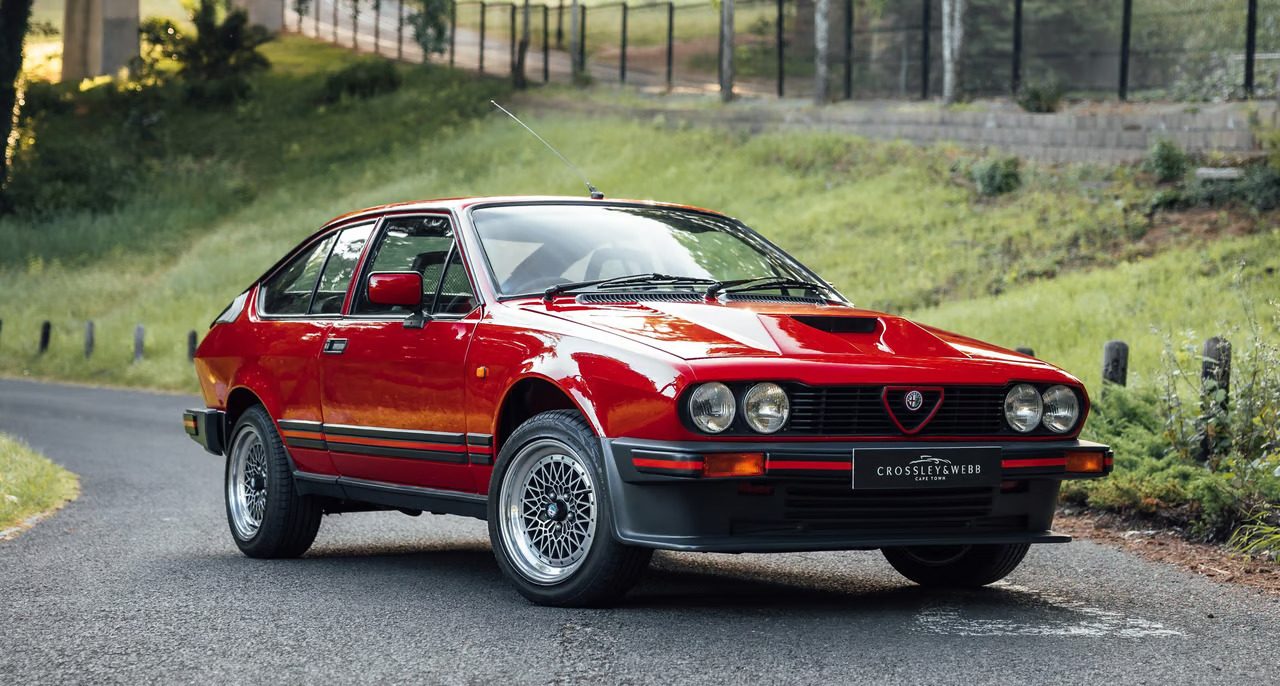
The Alfa Romeo GTV6 combined Italian styling, mechanical sophistication, and sporting performance in a compact package during the 1980s.
With a V6 engine positioned at the front and a rear-wheel-drive layout, the car offered spirited performance, responsive handling, and a sense of elegance that set it apart from other sports cars of the time. Despite being overshadowed by larger or more powerful vehicles, the GTV6 remains a symbol of driver-focused engineering.
Performance in the GTV6 was engaging and balanced. Its naturally aspirated V6 engine provided smooth, linear power delivery, while the chassis allowed for precise cornering and responsive handling.
Unlike many modern cars that rely heavily on electronic aids, the GTV6 encouraged skillful driving, rewarding drivers who understood the dynamics of the car. Updating it with modern engines, suspension technology, and safety systems could create a sports car that feels both nostalgic and relevant for contemporary enthusiasts.
The styling of the GTV6 has aged gracefully. Its wedge-shaped proportions, clean lines, and distinctive front fascia reflect classic Italian design principles, creating a sense of sophistication that remains appealing today.
A revival could retain these visual elements while introducing subtle modern touches, ensuring the car is contemporary without losing its heritage.
Inside, the cabin prioritized driver engagement. Instrumentation was clear, and controls were positioned for accessibility and ergonomics. While it lacked some modern comforts, its simplicity reinforced the connection between car and driver.
A modern reinterpretation could integrate technology and comfort features in a manner that preserves the car’s character. Bringing back the Alfa Romeo GTV6 would reintroduce a classic blend of performance, style, and Italian charm that remains largely absent from today’s sports car market.
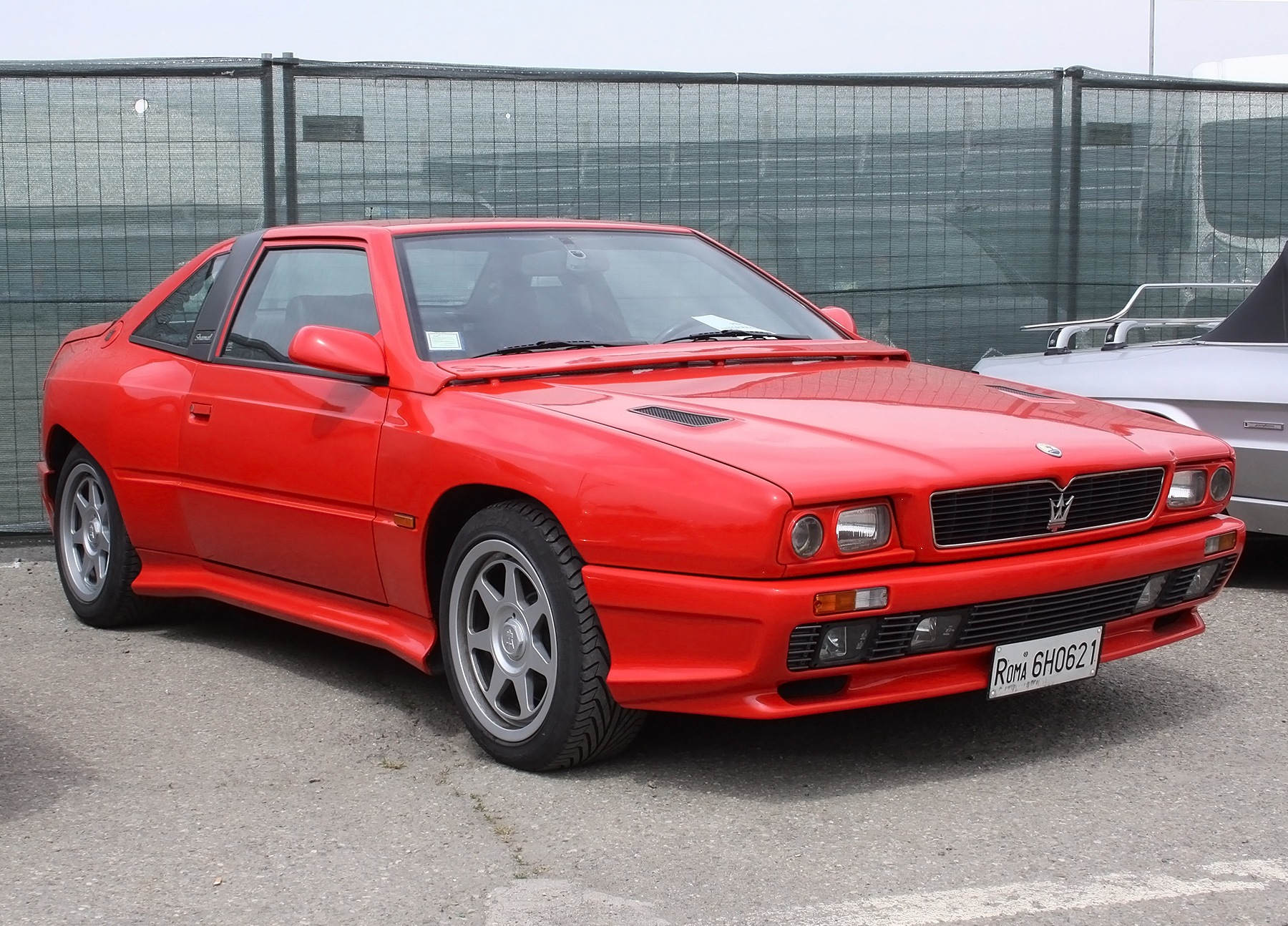
13. Maserati Shamal
The Maserati Shamal was a bold attempt to combine luxury, performance, and Italian flair in the 1990s. Its aggressive design, powered by a V8 engine, made it one of the fastest and most distinctive cars Maserati produced during that period.
Despite its capabilities, it has largely faded from public memory, overshadowed by other supercars and luxury sports cars.
Performance was a key strength of the Shamal. The V8 delivered thrilling acceleration, while the chassis allowed for competent handling, making it a capable grand tourer that could also reward spirited driving.
While some critics noted that it lacked the refinement of modern supercars, its character and rawness are precisely what could appeal to enthusiasts today. A modern update could enhance performance, reliability, and emissions compliance without losing its original spirit.
The Shamal’s styling was daring, with sharp lines, wide arches, and a purposeful stance. Its visual aggression reflected performance ambitions, creating a car that could command attention even decades later.
Updating the design with contemporary materials, lighting, and aerodynamic improvements could yield a car that is modern yet unmistakably Maserati.
Inside, the Shamal balanced luxury and function. While focused on driver engagement, it provided comfort and amenities that supported longer journeys. A revival could integrate contemporary technology, infotainment, and safety systems, enhancing usability while preserving the character of the original.
Bringing the Shamal back would offer a combination of Italian style, V8 performance, and rarity that could capture the imagination of collectors and enthusiasts.
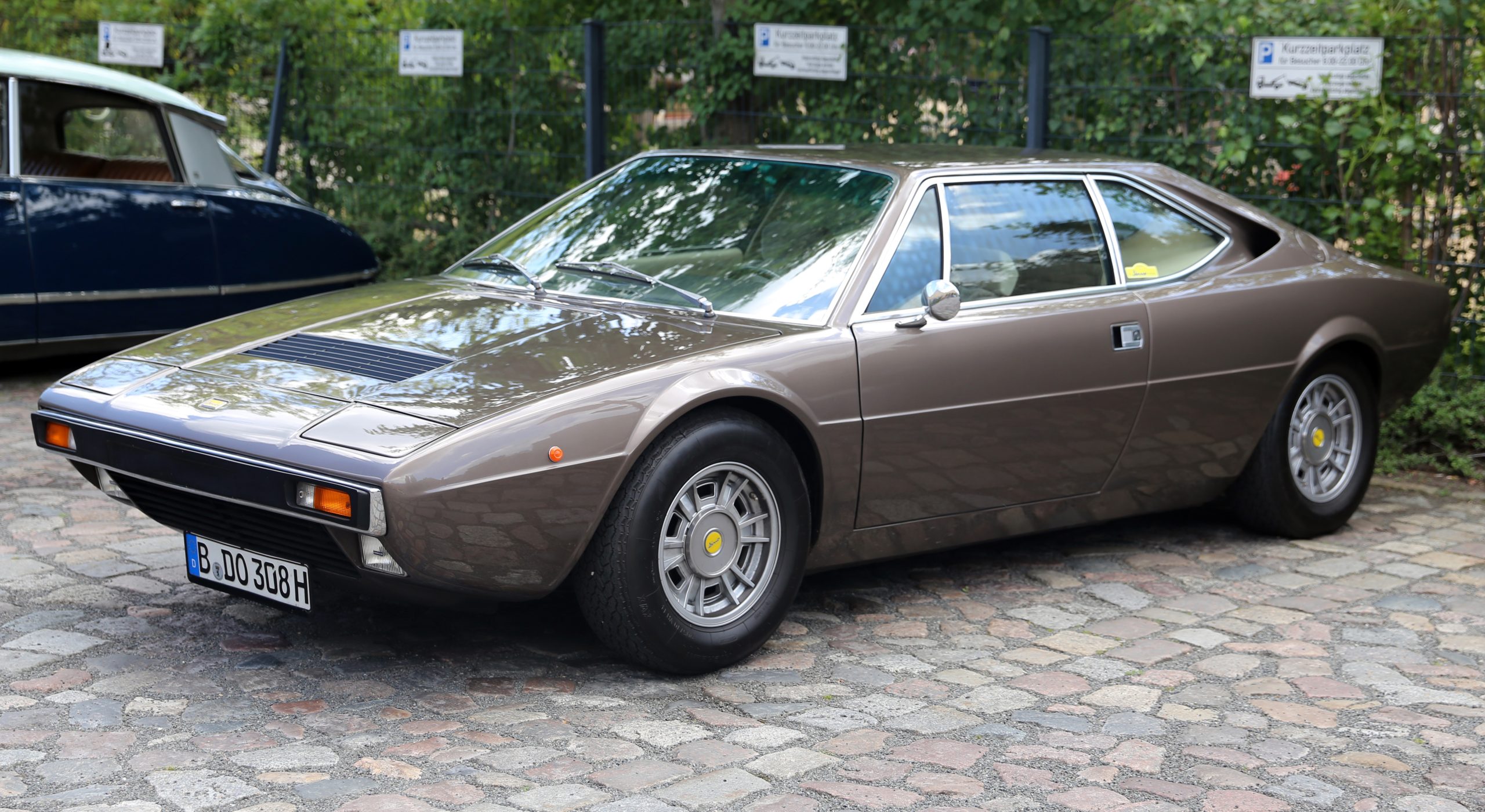
14. Ferrari 308 GT4
The Ferrari 308 GT4 was a departure from Ferrari’s traditional two-seater V8 layout, featuring a mid-engine V8 and a 2+2 configuration that blended performance with practicality. Its sharp, angular styling, created in collaboration with Bertone, was controversial at the time but remains unique in Ferrari’s history.
The 308 GT4 combined sporting performance with Italian elegance, yet it has largely been overlooked in favor of other Ferrari classics.
Driving the 308 GT4 offered a distinctive experience. The mid-engine layout provided balanced handling, while the naturally aspirated V8 delivered smooth yet engaging performance.
Unlike modern cars dominated by electronic aids, the GT4 emphasized skill, requiring drivers to respect its dynamics and rewarding careful handling with pure driving satisfaction. A modern version could retain this engaging character while adding contemporary safety and efficiency improvements.
The exterior design of the 308 GT4 was angular and purposeful, a significant departure from Ferrari’s flowing curves. Its unique stance, wedge profile, and compact proportions made it stand out among competitors and remain visually appealing today.
A modern revival could honor these styling cues while refining them for aerodynamics and modern aesthetics, maintaining the car’s identity while updating its presence.
Inside, the 308 GT4’s cabin was functional and driver-focused. Seating for four added practicality, while controls were positioned to prioritize engagement. A modern reinterpretation could integrate luxury, technology, and comfort systems without compromising the driver’s connection to the car.
Reviving the 308 GT4 would offer a rare opportunity to combine Ferrari performance, unusual design, and practicality in a package that remains largely absent from today’s market.
