
Electric vehicles have captured massive attention for their promise of zero-emission driving, but the reality of owning one is often more complicated than it appears.
Charging infrastructure is still patchy in many regions, charging times can disrupt travel schedules, and range anxiety continues to haunt those who drive long distances.
For many drivers, the practical solution lies not in going fully electric but in adopting a vehicle that offers the best of both worlds.
Plug-in hybrid electric vehicles, or PHEVs, bridge the gap between traditional combustion and pure electric technology by providing an electric-only range for short daily drives, combined with the security of a gasoline engine for longer trips.
This balance between efficiency and convenience makes them a smart choice for those who want lower emissions without compromising flexibility.
Plug-in hybrids are evolving fast. Their electric ranges are extending, their charging times are improving, and their performance often exceeds expectations. Many of them can handle a typical commute on electric power alone, which means that for much of the week, they behave like an EV.
Yet when a long road trip or an unexpected detour arises, the gasoline engine takes over without stress or delay. This freedom to choose how to power the car has turned plug-in hybrids into a compelling middle ground for many households.
Another advantage of PHEVs is their familiarity. They require no special lifestyle changes, no new charging habits beyond plugging in overnight, and no dependence on public chargers that might be occupied or broken.
Drivers simply fill the tank when needed, just like any conventional car, while enjoying the cost savings of electric driving whenever possible. Maintenance is typically simpler than it is with traditional engines, as the electric system reduces strain on mechanical components.
For those seeking an efficient, realistic step toward cleaner transportation, several plug-in hybrids stand out as more sensible options than full EVs. These 10 models balance performance, practicality, and affordability in ways that make everyday driving easier and more satisfying.
1. Toyota RAV4 Prime
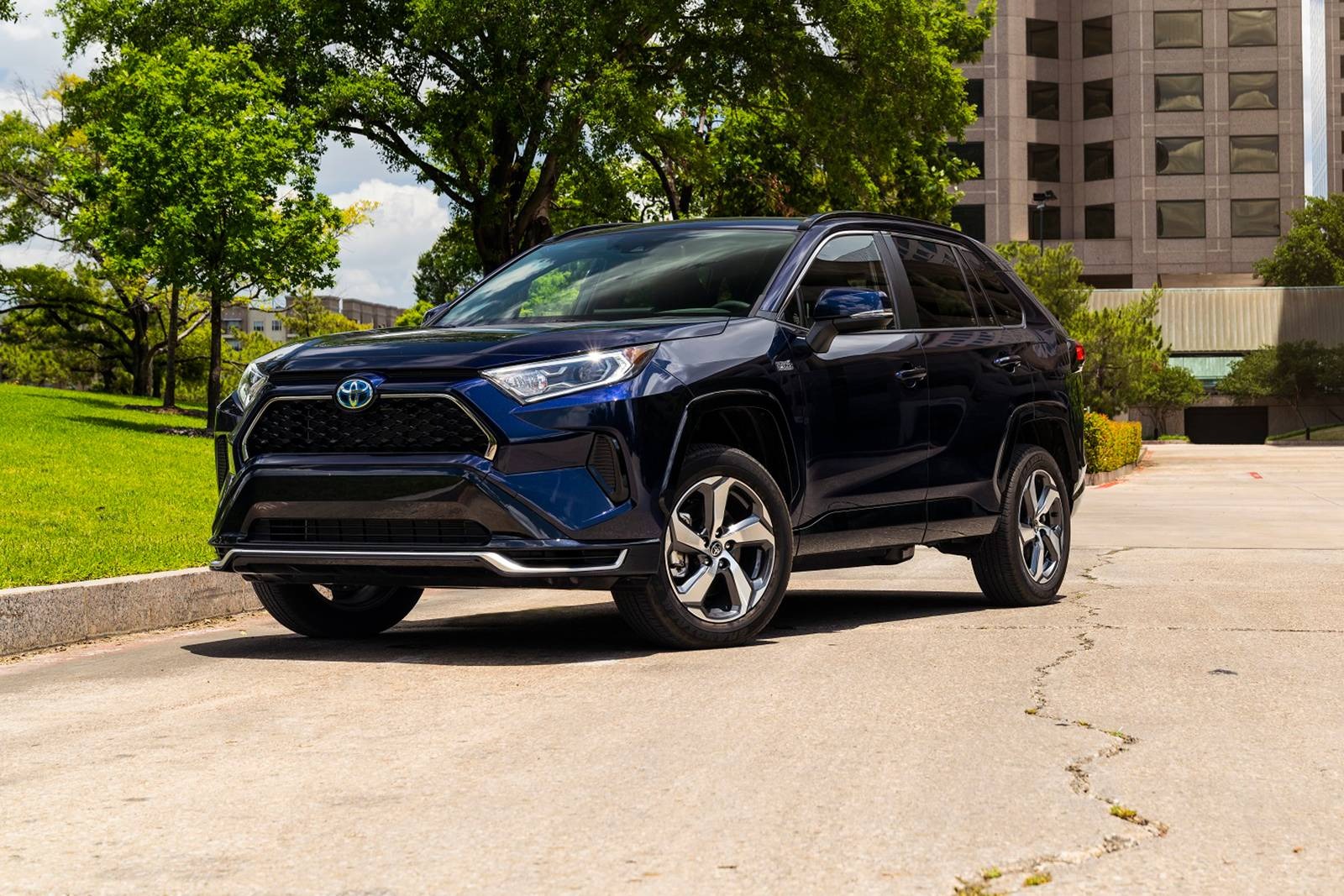
Toyota’s RAV4 Prime is widely regarded as one of the most compelling plug-in hybrids available today. Its combination of electric efficiency, gasoline reliability, and SUV practicality makes it a rare example of a vehicle that satisfies multiple needs simultaneously.
With an estimated 42 miles of all-electric range, it is well-suited for commuters who drive daily errands, school runs, or short city trips entirely on electricity.
Once the electric range is depleted, the RAV4 Prime seamlessly transitions to hybrid mode, achieving roughly 38 miles per gallon combined.
This efficiency makes it competitive with smaller cars, despite being a mid-size SUV. Many drivers appreciate that it combines Toyota’s proven hybrid reliability with SUV versatility, allowing access to family-friendly features like roof rails, generous cargo space, and a towing capacity that exceeds many compact alternatives.
Performance is another area where the RAV4 Prime impresses. Its combined 302 horsepower from the electric motor and gasoline engine produces brisk acceleration, reaching sixty miles per hour in under six seconds, which is unusual for a hybrid SUV.
The instant torque from the electric motor gives the vehicle a lively feel in city driving, providing smooth merges and responsive overtaking.
Despite its power, the driving experience remains refined, with well-tuned suspension and quiet cabin insulation.
The hybrid system also integrates regenerative braking effectively, allowing drivers to recapture energy during deceleration and extend electric range in stop-and-go traffic, which adds a layer of efficiency without requiring constant attention or effort.
Inside, the RAV4 Prime balances modern design with practicality. The cabin uses durable yet stylish materials, while the seats offer support for long drives. The infotainment system is intuitive, featuring a large touchscreen with smartphone integration and hybrid-specific energy monitoring.
Toyota also includes numerous driver-assistance features, such as adaptive cruise control, lane-keeping assist, and pre-collision warning, which are particularly useful in urban and suburban environments.
The combination of technology and comfort ensures that drivers experience both convenience and reassurance, making daily commutes more enjoyable and less stressful.
Finally, the RAV4 Prime is for its real-world flexibility. Unlike full EVs that require careful planning around charging stations, this SUV provides peace of mind with its gasoline engine. Long road trips are practical without extended stops, and the electric-only range allows for low-cost, low-emission city driving during the week.
It also offers financial incentives in many regions, which can reduce the upfront cost compared to conventional hybrids or gas-only SUVs. The RAV4 Prime demonstrates that a plug-in hybrid can be a fun, practical, and responsible choice without forcing drivers to sacrifice performance or convenience.
2. Hyundai Tucson Plug-In Hybrid
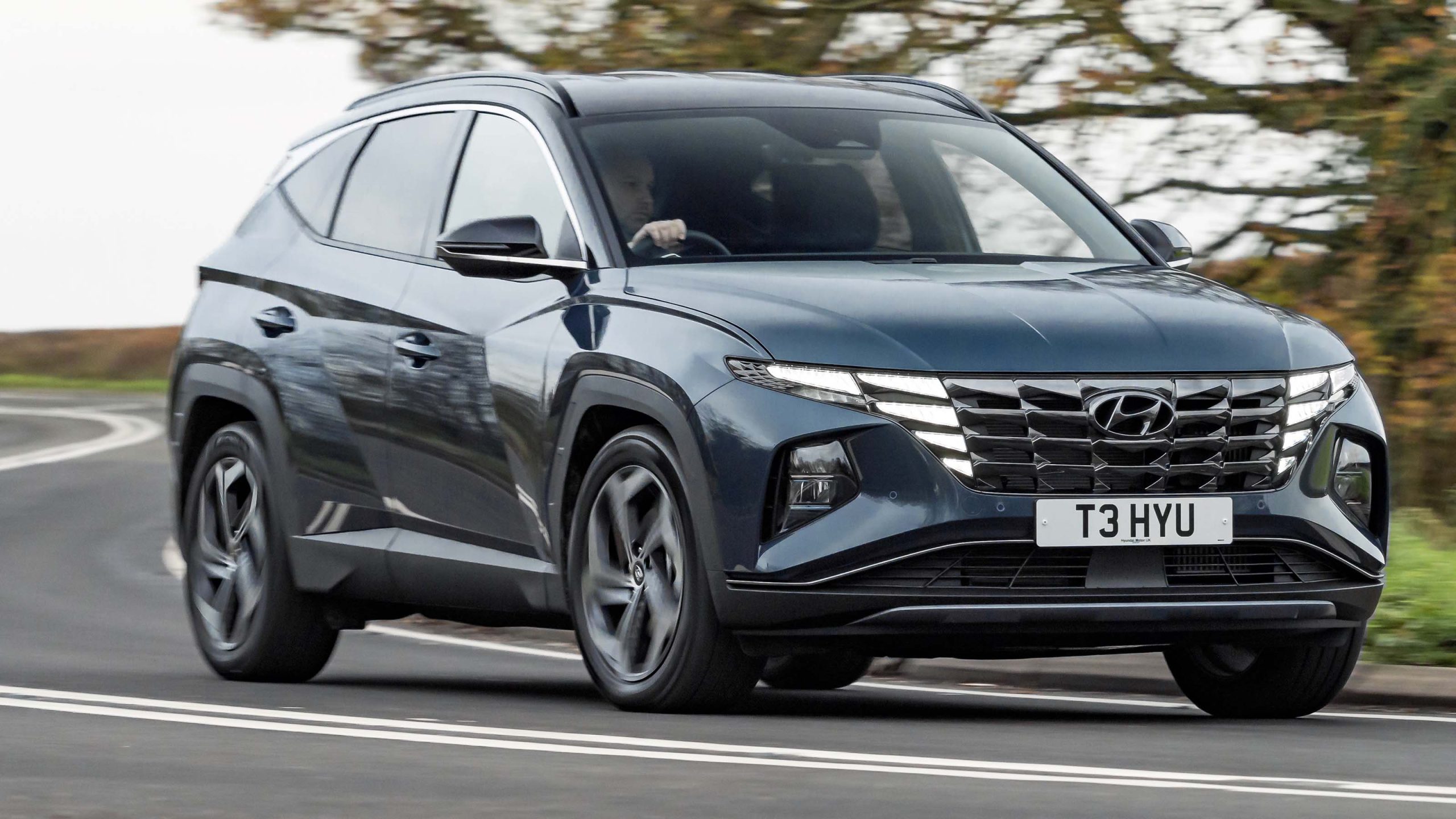
The Hyundai Tucson Plug-In Hybrid represents a mature and competitive approach to the compact SUV market. It features a 1.6-liter turbocharged engine paired with a robust electric motor to produce a combined output of approximately 261 horsepower.
The vehicle offers an electric range of around 33 miles, which is sufficient for most daily driving, including commutes, grocery runs, or local errands.
Beyond the electric range, the hybrid system seamlessly blends gasoline and electric power to maintain high fuel efficiency, often achieving more than 38 miles per gallon combined.
This performance allows the Tucson PHEV to balance environmental responsibility with practicality, making it appealing for those who want to minimize fuel usage without dealing with the limitations of a full electric vehicle.
The interior of the Tucson Plug-In Hybrid emphasizes user comfort and technology integration. The cabin layout is modern and uncluttered, providing easy access to controls and clear visibility for the driver.
Hyundai has included multiple displays to show battery charge, energy flow, and efficiency, enabling drivers to maximize the use of electric power effectively.
Passenger space is generous, with sufficient headroom and legroom for adults in both the front and rear seats. Cargo capacity is competitive, and the rear seats can fold flat to accommodate larger items, ensuring that utility is not compromised by hybrid components beneath the floor.
Driving the Tucson Plug-In Hybrid offers a refined and calm experience. Electric-only operation is nearly silent, allowing for smooth acceleration in city traffic, while the gasoline engine engages seamlessly on highways or longer trips.
The suspension is tuned to absorb imperfections without sacrificing stability, providing a comfortable ride even over rough surfaces.
Steering is responsive and intuitive, and regenerative braking can be adjusted for driver preference, allowing for some one-pedal driving. The Tucson strikes a balance between efficiency, comfort, and enjoyable dynamics, making it a versatile daily driver.
The Tucson also offers advantages in ownership and cost savings. Charging at home is straightforward, with Level 1 or Level 2 chargers reducing the need for public stations. Regular electric operation can substantially lower fuel bills, while Hyundai’s warranty and reliability record provide additional peace of mind.
For environmentally conscious buyers who also value performance and flexibility, the Tucson Plug-In Hybrid is a strong contender that shows how traditional automakers can successfully integrate hybrid technology into popular SUV platforms.
3. Ford Escape Plug-In Hybrid
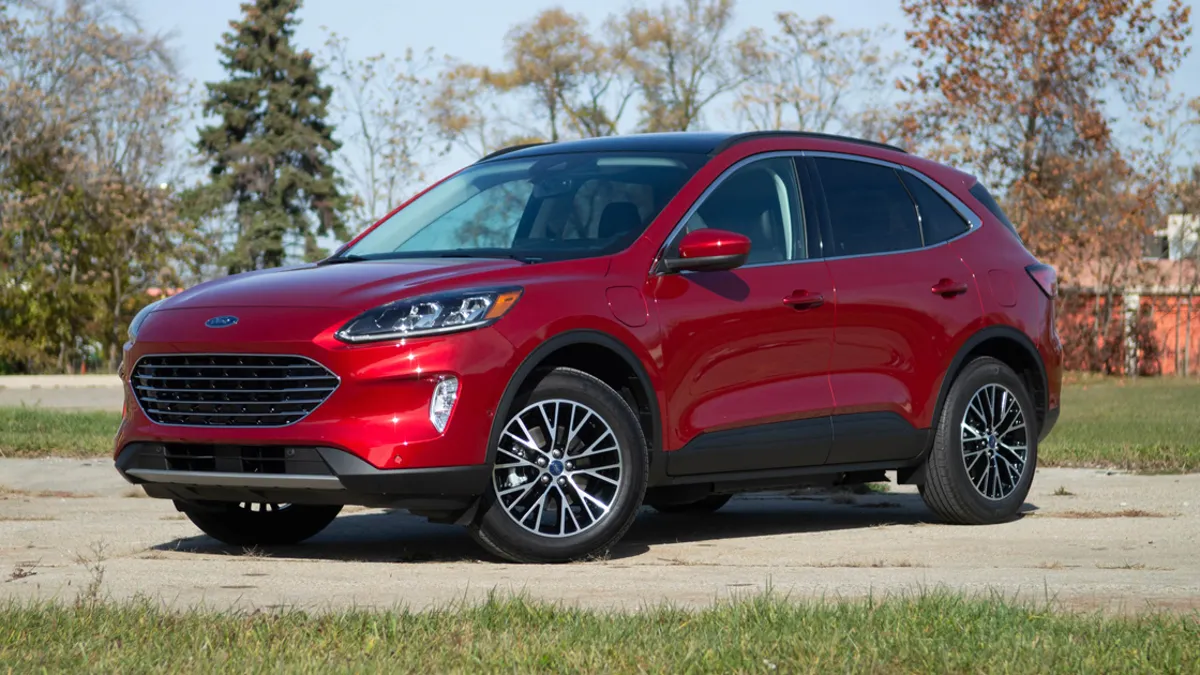
The Ford Escape Plug-In Hybrid builds on the success of Ford’s Escape lineup by introducing a plug-in system that balances everyday convenience with efficiency. It offers approximately 37 miles of electric-only range, which is enough to handle most local driving needs without consuming gasoline.
Beyond this range, the Escape operates as a hybrid, achieving impressive fuel economy that reduces costs for drivers over time. The combination of a 2.5-liter four-cylinder engine and an electric motor provides smooth acceleration, responsive handling, and quiet operation, giving it an advantage over many non-hybrid compact SUVs.
The interior of the Escape Plug-In Hybrid is functional and comfortable, with a driver-oriented layout and well-placed controls. The touchscreen infotainment system is easy to use, offering connectivity with smartphones, real-time traffic updates, and hybrid-specific metrics like energy consumption and electric range.
The cabin is spacious enough to accommodate passengers comfortably, while cargo space remains sufficient for groceries, luggage, or recreational equipment. The design emphasizes practicality, ensuring that hybrid technology does not intrude on everyday usability.
On the road, the Escape Plug-In Hybrid maintains a composed and pleasant driving experience. Electric power delivers smooth low-speed acceleration, ideal for stop-and-go traffic, while the hybrid system maintains efficiency on longer journeys.
Regenerative braking captures energy effectively, and the transition between electric and gasoline operation is seamless. Suspension tuning provides a balanced ride, absorbing bumps while keeping body roll in check, making it suitable for both city streets and highways.
Ford has also ensured that the Escape PHEV offers ease of ownership. Home charging is straightforward, with overnight recharge sufficient for most daily driving. Hybrid operation reduces dependence on fuel and helps lower emissions.
Additionally, government incentives and rebates make the Escape financially attractive for buyers considering greener transportation. This combination of convenience, efficiency, and versatility makes it a practical choice for those who want hybrid benefits without fully committing to electric infrastructure.
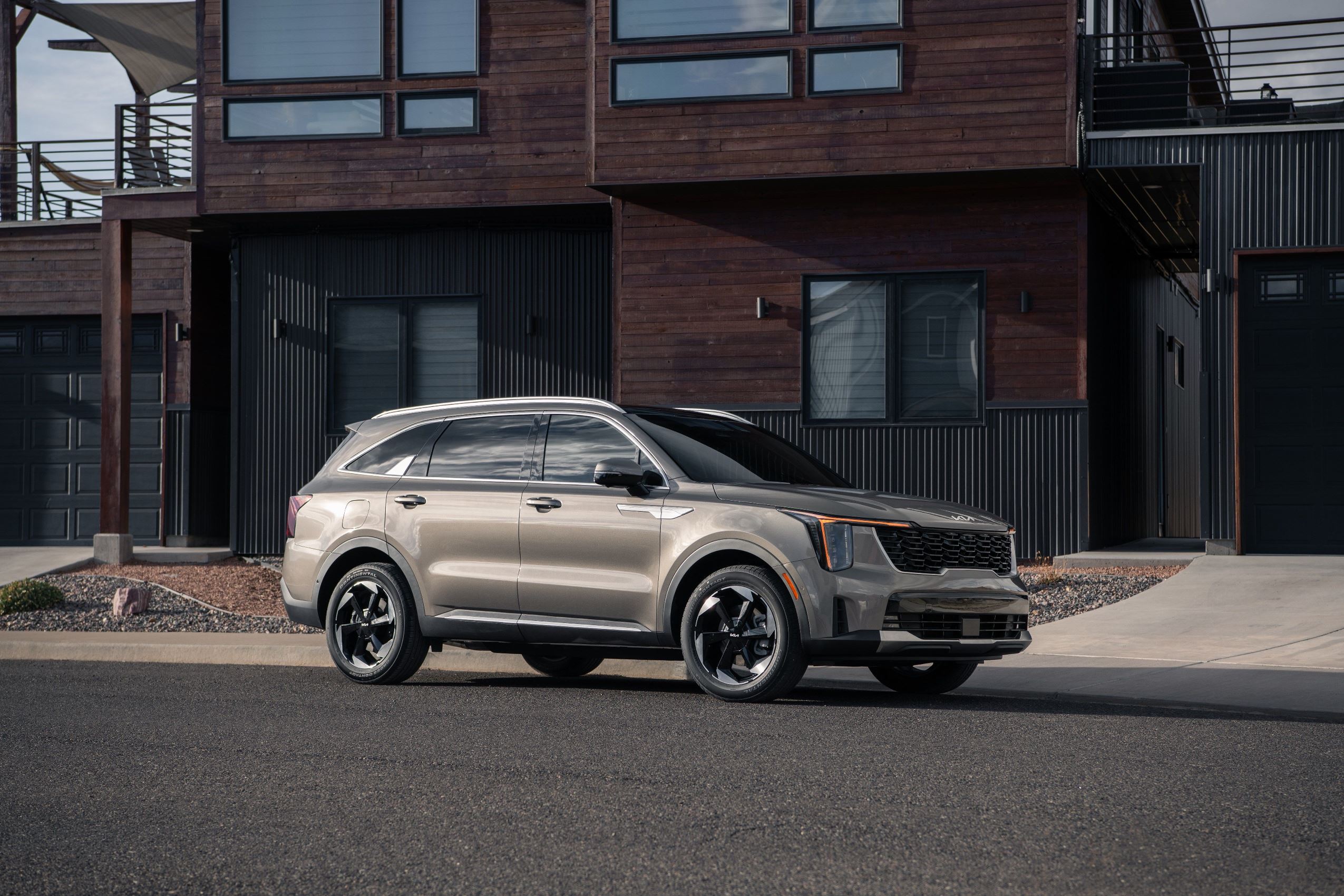
4. Kia Sorento Plug-In Hybrid
The Kia Sorento Plug-In Hybrid offers an uncommon combination of three-row SUV practicality and electric efficiency. Its electric range is about 32 miles, covering many local trips without using gasoline. When the battery is depleted, the vehicle continues operating in hybrid mode, providing a reliable and efficient alternative for longer drives.
The system produces a combined output of around 261 horsepower, offering confident acceleration and towing capacity, which is important for families with trailers or larger recreational gear.
This balance of performance and utility positions the Sorento PHEV as a strong choice for those seeking a versatile SUV without sacrificing efficiency.
The interior of the Sorento Plug-In Hybrid is thoughtfully designed with family comfort and usability in mind. Soft-touch materials, supportive seats, and adjustable climate zones ensure a pleasant cabin environment.
The infotainment system includes navigation, hybrid operation displays, and smartphone connectivity, while the digital instrument cluster clearly shows battery and energy flow information.
With seating for up to seven passengers, the Sorento retains practicality even with the added hybrid components, while the cargo area remains spacious and adaptable for luggage or gear.
Driving the Sorento Plug-In Hybrid is smooth and composed. Electric mode provides quiet acceleration for city driving, while the hybrid engine delivers steady power for highway cruising.
Regenerative braking helps extend electric range, and the hybrid system’s transitions are seamless. The suspension is tuned to balance ride comfort with handling, ensuring the vehicle feels stable and responsive regardless of load or road condition. This makes it a suitable vehicle for both everyday commuting and long family trips.
Financial and practical considerations enhance the Sorento’s appeal. Charging at home is straightforward, and many users find that their daily drives can be handled entirely on electricity for much of the week.
Fuel savings can be significant, particularly for households with frequent short trips. Incentives and warranty coverage further reduce the cost of ownership.
For families needing space, performance, and flexibility, the Sorento Plug-In Hybrid represents a pragmatic and forward-looking solution that bridges traditional SUV design with modern electrification.

5. Jeep Wrangler 4xe
The Jeep Wrangler 4xe demonstrates that electrification can coexist with rugged, off-road capability. It combines a turbocharged 2.0-liter engine with dual electric motors to produce a total output of around 375 horsepower.
Although its electric-only range is approximately 21 miles, the torque delivered by the electric system is immediate, enhancing low-speed control on challenging terrain.
This makes rock crawling, steep climbs, and technical off-road maneuvers smoother and more controlled. When the battery is depleted, the gasoline engine seamlessly maintains power, ensuring the Wrangler’s legendary capability remains intact regardless of charging access.
The interior balances ruggedness with comfort. Jeep has incorporated hybrid-specific displays that show battery status, electric range, and energy distribution, while retaining the familiar, utilitarian design of the Wrangler cabin.
Seats are supportive and adjustable, and the vehicle retains the removable doors and roof that define the Wrangler experience. Despite the complexity of the hybrid system, the layout remains intuitive and easy to operate, with minimal impact on passenger space or cargo capacity.
Off-road driving benefits significantly from the hybrid system. Electric torque enhances traction, particularly during low-speed maneuvers, and the regenerative braking system provides controlled deceleration on slopes.
The hybrid battery is fully sealed to protect against mud, water, and debris, preserving reliability in extreme conditions. This setup allows the Wrangler 4xe to tackle challenging terrain without sacrificing efficiency, offering an environmentally conscious option for off-road enthusiasts.
The Wrangler 4xe also works well for everyday driving. Electric-only operation is quiet and suitable for city commutes, while the hybrid system ensures fuel efficiency during longer journeys.
For adventurous drivers who value capability, style, and sustainability, the 4xe demonstrates that plug-in hybrids can enhance rather than limit vehicle performance. It proves that electrification is not confined to sedans or SUVs but can be adapted to vehicles designed for exploration and rugged outdoor use.
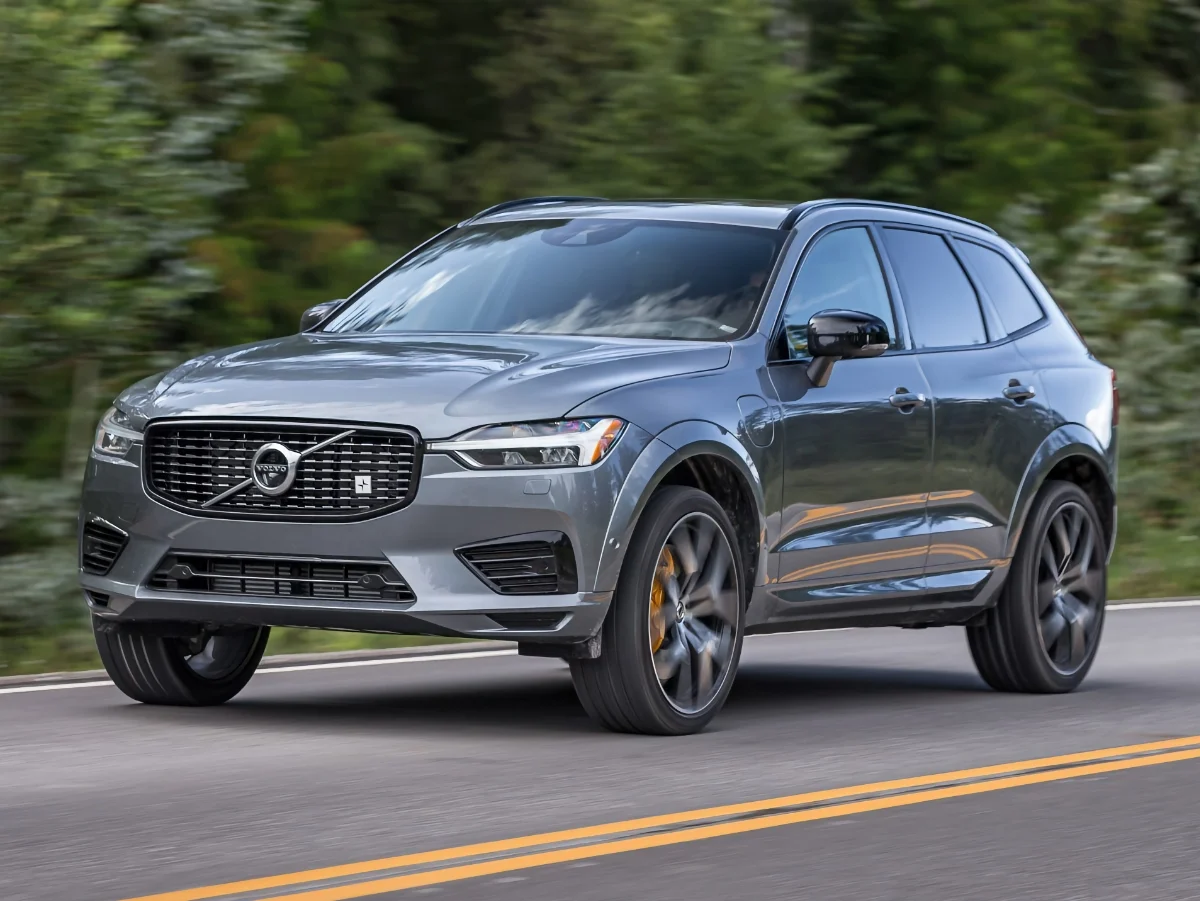
6. Volvo XC60 Recharge
The Volvo XC60 Recharge represents Volvo’s commitment to blending Scandinavian luxury with electrification. As a plug-in hybrid, it pairs a turbocharged and supercharged four-cylinder engine with an electric motor, delivering a combined 415 horsepower in higher trims.
This combination allows the XC60 Recharge to accelerate briskly while maintaining impressive composure and control, providing a driving experience that balances performance with eco-consciousness.
Its estimated electric-only range of 19–21 miles is well-suited for city commutes or short errands, and the hybrid system continues to optimize fuel efficiency for longer trips. The XC60 Recharge is a prime example of a premium SUV that allows owners to reduce emissions without compromising on style or capability.
Inside, the XC60 Recharge maintains Volvo’s signature minimalist design philosophy, emphasizing both elegance and functionality. The cabin features high-quality materials, soft leather, and real wood or metal accents, creating a modern and inviting atmosphere.
The large portrait-oriented touchscreen integrates all infotainment and hybrid system controls, including energy flow and battery charge monitoring. The driver and passengers benefit from comfortable, supportive seating, with ample legroom and headroom in both rows.
Volvo also offers an array of safety features, including adaptive cruise control, lane centering, and collision mitigation systems, which are particularly valuable when driving in urban traffic or on longer journeys.
On the road, the XC60 Recharge offers a refined and smooth driving experience. The electric motor provides instant torque, making city driving effortless and quiet, while the gasoline engine ensures that acceleration on highways remains strong and responsive.
Regenerative braking is effective yet unobtrusive, capturing energy without disrupting ride quality. Suspension tuning is balanced, providing comfort over bumps while retaining confidence in corners, making the XC60 Recharge one of the more composed and capable plug-in hybrid SUVs available.
Drivers will notice that the system manages transitions between electric and hybrid modes seamlessly, creating a consistent and predictable driving feel.
The XC60 Recharge is also practical in everyday ownership. Home charging is straightforward, with most users able to complete a full charge overnight. Driving primarily on electricity reduces fuel costs significantly, and the hybrid functionality ensures no range anxiety for longer road trips.
Additionally, various incentives and tax credits for plug-in hybrids make the vehicle financially attractive. For buyers seeking a luxury SUV that combines high performance, comfort, and electrification, the Volvo XC60 Recharge stands out as an elegant and capable choice that proves environmental responsibility can coexist with premium refinement.
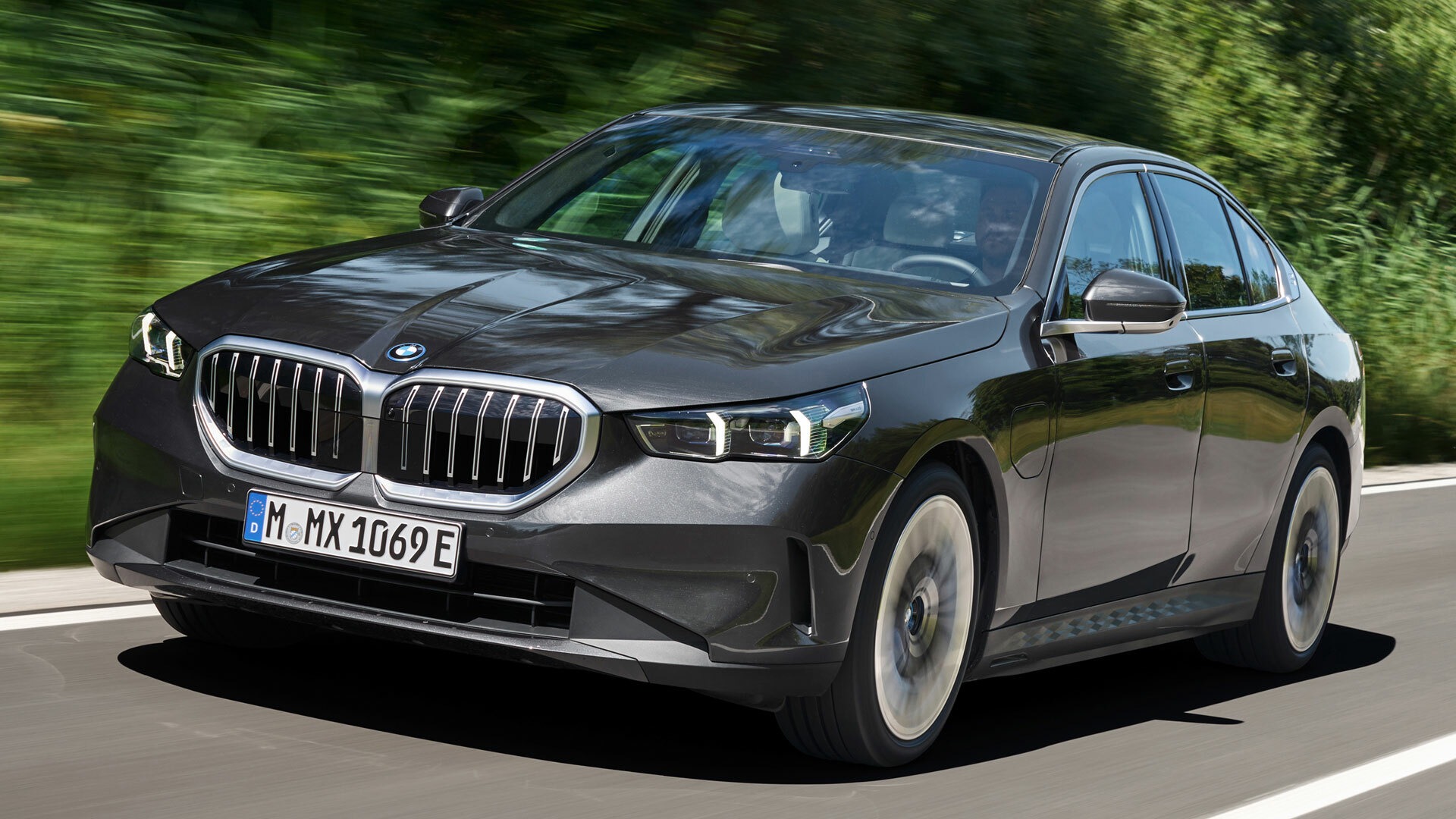
7. BMW 530e
The BMW 530e brings plug-in hybrid technology to the executive sedan segment, combining performance, comfort, and efficiency. It pairs a turbocharged four-cylinder engine with an electric motor, producing a combined output of roughly 288–323 horsepower depending on the trim.
The electric-only range is approximately 21–23 miles, suitable for daily commutes, shopping trips, or short urban drives. Beyond electric mode, the 530e operates as a highly efficient hybrid, providing the fuel economy expected from a modern luxury sedan while retaining BMW’s hallmark driving dynamics.
The integration of electric and gasoline power allows drivers to experience brisk acceleration, smooth cruising, and an engaging yet environmentally conscious driving experience.
Inside, the 530e reflects BMW’s attention to detail and luxury. Materials are top-notch, with high-grade leather, wood trims, and metal accents creating a refined cabin environment. The infotainment system combines navigation, connectivity, and hybrid energy displays, allowing drivers to monitor electric usage and fuel efficiency easily.
Seating is spacious and supportive, with adjustable lumbar support and climate control ensuring comfort over long journeys. Rear passengers also benefit from generous legroom and amenities such as USB ports and optional rear climate zones, making the 530e a practical choice for executives, families, or anyone seeking comfort and style.
Driving the 530e is where BMW’s DNA truly shines. The electric motor delivers smooth and silent acceleration at low speeds, ideal for urban commuting, while the gasoline engine provides consistent power on highways or during spirited driving.
Regenerative braking captures energy efficiently without being intrusive, and driving modes allow customization of throttle response, suspension stiffness, and steering feel.
This adaptability ensures the car can operate in a quiet, fuel-efficient manner or offer a more dynamic, performance-oriented experience, depending on driver preference. The 530e thus proves that plug-in hybrids do not need to compromise the luxury sedan experience in terms of both comfort and excitement.
Ownership of the BMW 530e is equally practical. Charging at home or at public stations is straightforward, and many drivers find that their typical daily commute can be handled almost entirely on electric power.
Fuel savings, combined with potential government incentives for plug-in hybrids, make the 530e more economical than a comparable purely gasoline-powered model.
Additionally, BMW’s reputation for quality and reliability provides assurance, making the 530e an attractive choice for those seeking a vehicle that blends modern efficiency with the traditional luxury sedan experience.
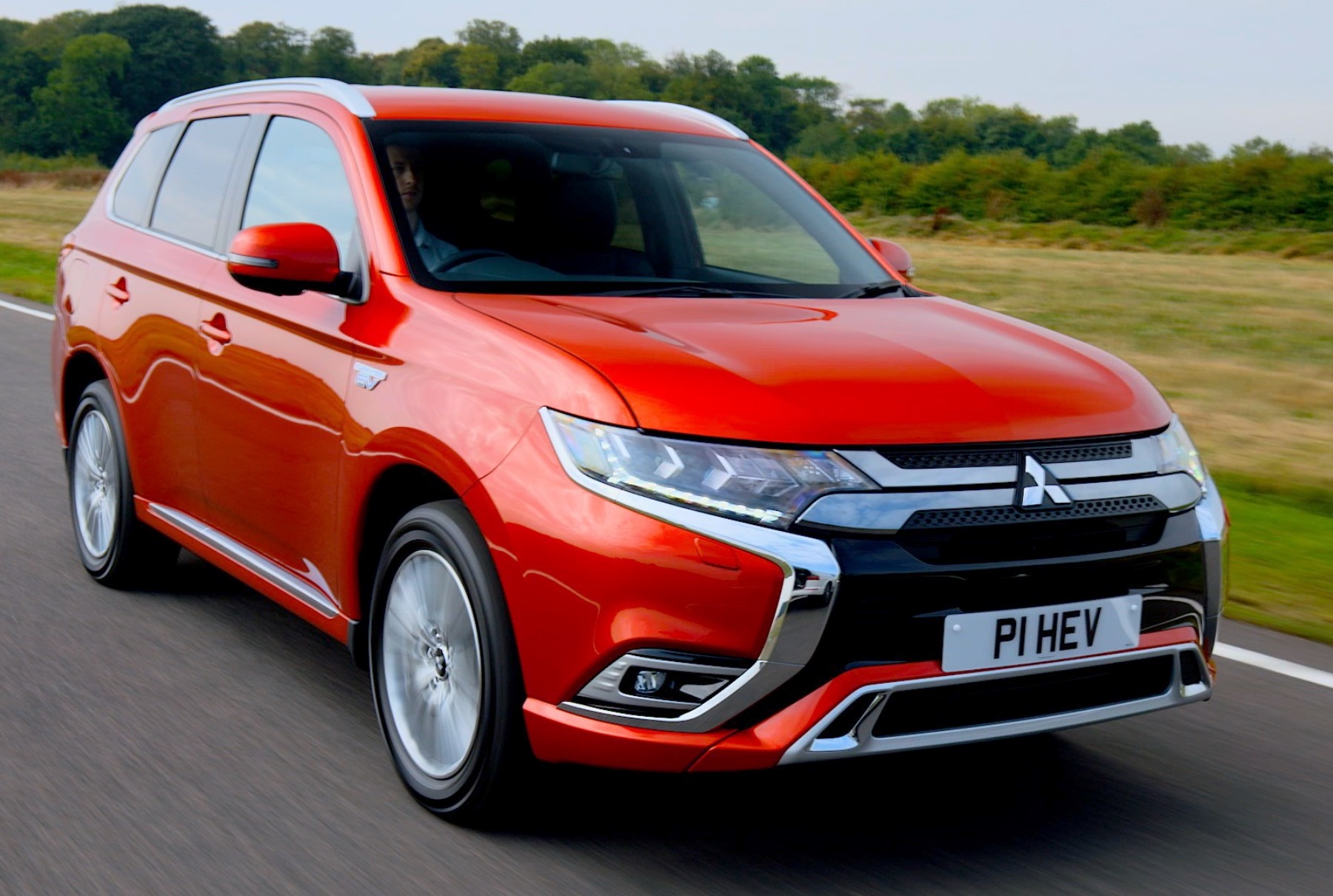
8. Mitsubishi Outlander PHEV
The Mitsubishi Outlander PHEV is one of the longest-standing and most practical plug-in hybrids available, particularly for families and those who need SUV functionality. Its twin electric motors and 2.4-liter gasoline engine combine to produce approximately 221 horsepower.
The vehicle provides an electric-only range of roughly 24 miles, which is sufficient for daily commutes or local errands without consuming gasoline. Beyond that, the Outlander continues operating efficiently in hybrid mode, maintaining respectable fuel economy for a mid-size SUV.
Its versatile powertrain allows drivers to enjoy the benefits of electrification without sacrificing utility, space, or all-weather capability, making it a compelling option for those who need practicality above all.
Inside, the Outlander PHEV emphasizes functionality and ease of use. The cabin offers comfortable seating for five passengers, with ample headroom and legroom for adults. The infotainment system provides essential connectivity and energy monitoring features, though the focus remains on practicality rather than luxury.
Rear seats fold flat to expand cargo capacity, and storage solutions throughout the cabin accommodate everyday needs, from groceries to sports equipment. The layout is straightforward, ensuring that hybrid technology does not complicate daily life.
On the road, the Outlander PHEV delivers a calm and controlled driving experience. Electric-only mode is quiet and ideal for city driving, while hybrid mode ensures adequate power for highways and longer journeys.
Regenerative braking is effective, and the vehicle’s suspension is tuned to provide a comfortable ride even on uneven surfaces. While it is not designed for sporty handling, the Outlander’s performance is sufficient for family use, commuting, and light off-road capability, especially in regions with rough roads or inclement weather.
Practicality extends beyond driving dynamics to ownership and cost-effectiveness. Home charging is straightforward, and electric driving can cover much of a typical daily routine, reducing fuel consumption and emissions. Mitsubishi also emphasizes reliability and low maintenance costs, further enhancing the appeal of the Outlander PHEV for cost-conscious buyers.
For individuals or families who prioritize versatility, everyday usability, and a balance of efficiency and capability, the Mitsubishi Outlander PHEV demonstrates that a plug-in hybrid can be both environmentally friendly and eminently practical.
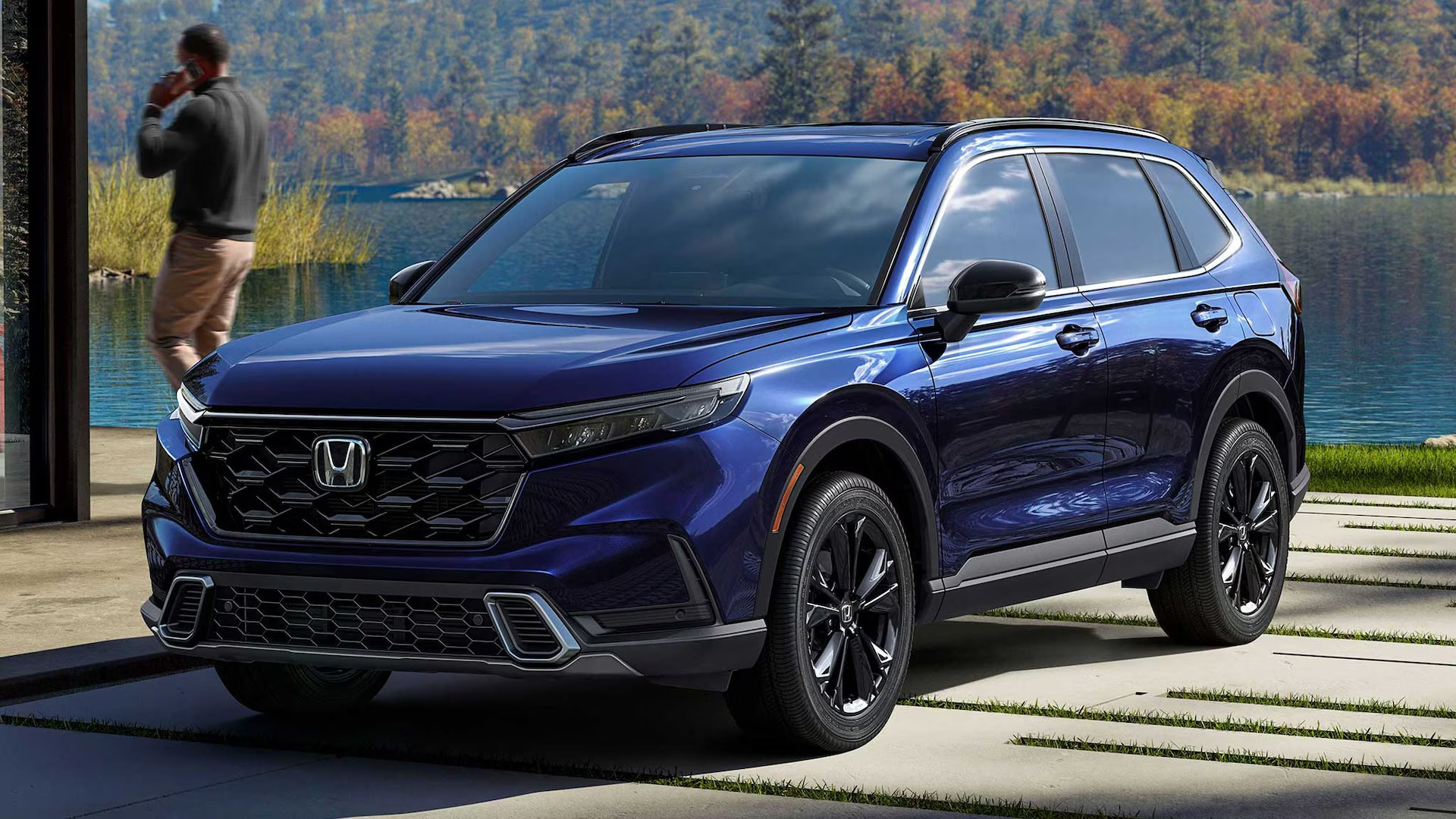
9. Honda CR-V Hybrid PHEV
The Honda CR-V Hybrid PHEV combines Honda’s reputation for reliability with a practical plug-in hybrid setup, making it an excellent option for families and commuters alike. Its electric-only range is estimated at around 30 miles, which is sufficient for most daily errands, school runs, or short city commutes without using gasoline.
Once the electric range is depleted, the hybrid system seamlessly engages the 2.0-liter four-cylinder engine and electric motor to provide strong fuel efficiency, often exceeding 35 miles per gallon combined.
The CR-V Hybrid PHEV also balances performance and comfort, offering smooth acceleration, a quiet cabin, and stable handling, which is particularly appealing for suburban driving or longer road trips.
Inside, the CR-V Hybrid PHEV features a thoughtful, user-friendly layout. The cabin is spacious and comfortable, with supportive seats and ample legroom for both front and rear passengers.
Honda’s infotainment system integrates hybrid information, including battery charge, electric range, and energy flow, alongside smartphone connectivity and navigation.
Practical storage solutions abound, from cupholders to underfloor compartments, while the rear seats can fold flat to expand cargo space. The emphasis on functionality ensures that hybrid components do not compromise the vehicle’s utility, making it a family-friendly choice for daily use.
On the road, the CR-V Hybrid PHEV delivers a composed and predictable driving experience. Electric-only driving provides quiet and efficient city operation, while the hybrid system ensures that longer journeys remain fuel-efficient without compromising power.
Regenerative braking helps extend electric range and provides smooth deceleration. Suspension tuning strikes a balance between comfort and stability, absorbing bumps while keeping body control tight around corners.
The result is a versatile vehicle capable of handling urban streets, highways, and even occasional light off-road driving with confidence.
Ownership is straightforward and cost-effective. Home charging is simple, and many users find that the vehicle can handle the majority of daily commuting on electric power alone. Fuel savings can be significant, particularly for households that frequently drive short distances.
Honda’s reputation for durability, combined with its competitive warranty coverage, adds peace of mind. For buyers looking for a reliable, practical, and efficient SUV, the CR-V Hybrid PHEV demonstrates that a plug-in hybrid can meet the needs of families and commuters better than many full-electric alternatives.
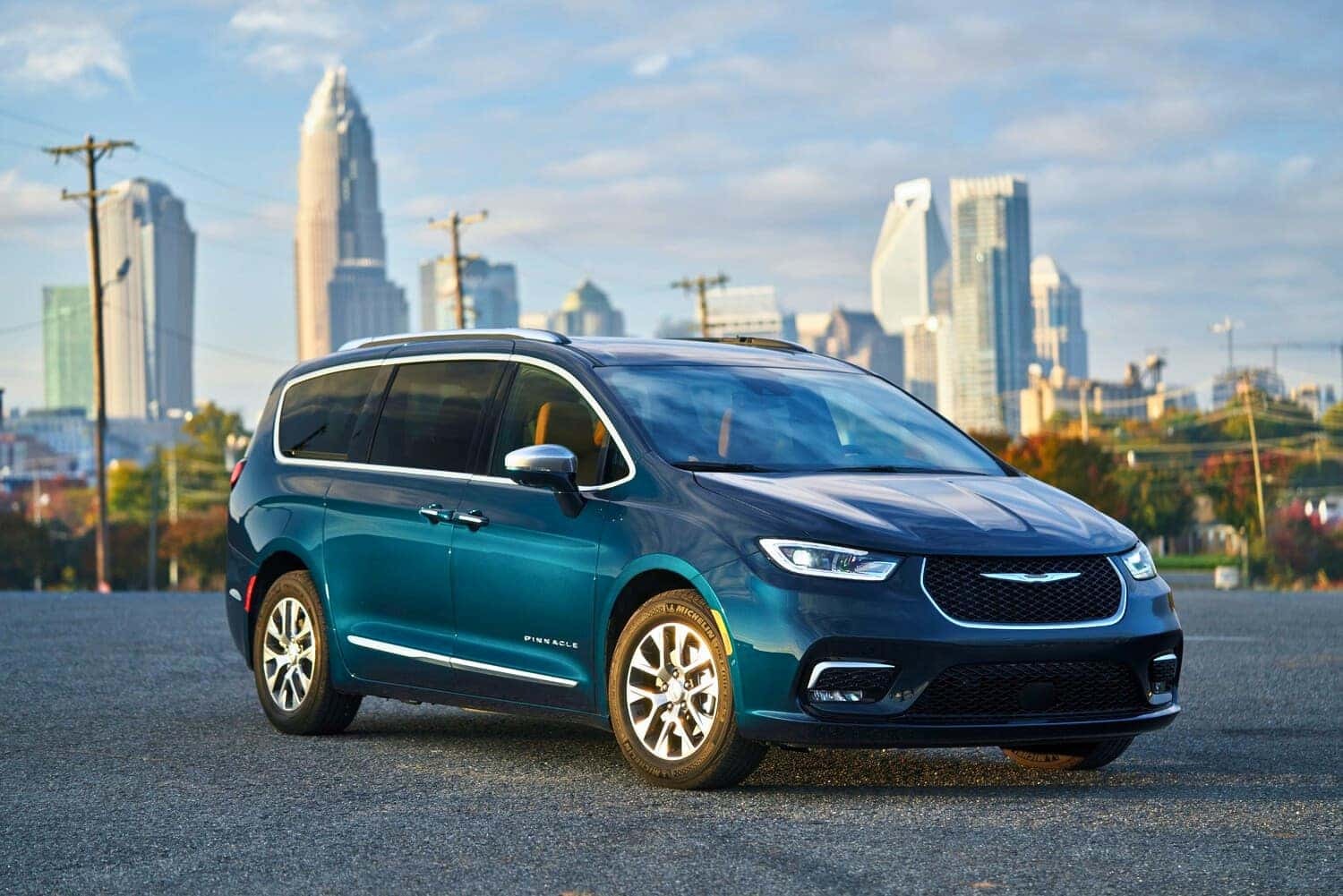
10. Chrysler Pacifica Hybrid
The Chrysler Pacifica Hybrid is one of the few plug-in hybrid minivans on the market, offering exceptional versatility for families who need space and practicality while still wanting electrified efficiency. It features a 3.6-liter V6 engine paired with an electric motor, delivering a combined 260 horsepower.
The vehicle provides an electric-only range of around 32 miles, which covers most daily trips for families, including school runs, errands, or commuting to work.
Beyond electric mode, the Pacifica continues in hybrid operation with excellent fuel economy for a minivan, allowing longer road trips without frequent stops at charging stations. This combination of range, performance, and utility makes it a uniquely practical choice for larger households.
The interior is designed for comfort and functionality, with seating for up to seven passengers and multiple storage compartments throughout. Stow-and-go seating allows the second and third rows to fold flat into the floor, expanding cargo space for luggage, sports gear, or groceries.
The infotainment system includes hybrid monitoring, navigation, and entertainment options to keep passengers engaged on long trips.
The cabin is quiet, with high-quality materials and thoughtful design features such as USB charging ports, rear climate controls, and integrated sunshades, creating a comfortable environment for both drivers and passengers.
Driving the Pacifica Hybrid is smooth and responsive, with electric-only mode providing quiet acceleration in urban settings. The hybrid system provides additional power for highway merging or passing, while regenerative braking captures energy to extend electric range.
Despite being a larger vehicle, the Pacifica handles with surprising composure, aided by adaptive suspension that balances comfort and stability. Its plug-in hybrid setup allows families to enjoy low-emission driving for daily use without sacrificing performance, space, or convenience.
From an ownership perspective, the Pacifica Hybrid is highly practical. Overnight charging is sufficient for most daily commutes, and families can significantly reduce gasoline use by operating primarily on electricity.
Federal and state incentives for plug-in hybrids make the Pacifica more financially attractive, while Chrysler’s warranty and service coverage provide reassurance for long-term ownership.
For larger households seeking a spacious, versatile vehicle that combines utility with eco-consciousness, the Pacifica Hybrid proves that plug-in technology can enhance practicality without requiring a full electric infrastructure.
