
Winter conditions can be hard on any vehicle, but trucks bear the brunt of it. Salted roads, moisture, and freezing temperatures combine to test every part of a braking system, especially calipers. The brake caliper is the component that applies pressure to the pads against the rotor, and when it seizes, braking efficiency drops drastically.
Drivers may notice dragging, uneven pad wear, or even a dangerous loss of control during stopping. What makes one truck’s calipers last for years while another suffers repeated failures often comes down to a blend of design, materials, and maintenance accessibility.
Some manufacturers engineer calipers with stainless hardware, sealed slide pins, or protective coatings that stand up to harsh winters. Others, however, use open designs or cheaper materials that allow corrosion to form, leading to seizing after only a few cold seasons.
This comparison looks at ten popular trucks that represent both sides of this issue. Five models are known for having calipers that stay free and responsive even after several winters. They often use high-grade materials, better piston seals, and improved water drainage that resists corrosion. The other five are examples where owners frequently experience dragging or seized calipers after exposure to winter road salt and moisture.
These trucks might still be dependable in other respects, but their braking components tend to show weakness under repeated freeze-thaw cycles. Understanding these differences helps buyers and mechanics make smarter decisions when maintaining or purchasing a truck for cold-weather use.
Calipers are often overlooked during maintenance, yet they are one of the most crucial components for safety and performance. Choosing a truck with a solid caliper design saves money, reduces downtime, and improves confidence during icy conditions.
On the other hand, ignoring this detail can lead to costly repairs, brake fade, or premature rotor damage. The following sections examine each group closely, focusing on how material selection, engineering design, and exposure to winter conditions shape their long-term performance.
Trucks with Reliable, Non-Seizing Calipers
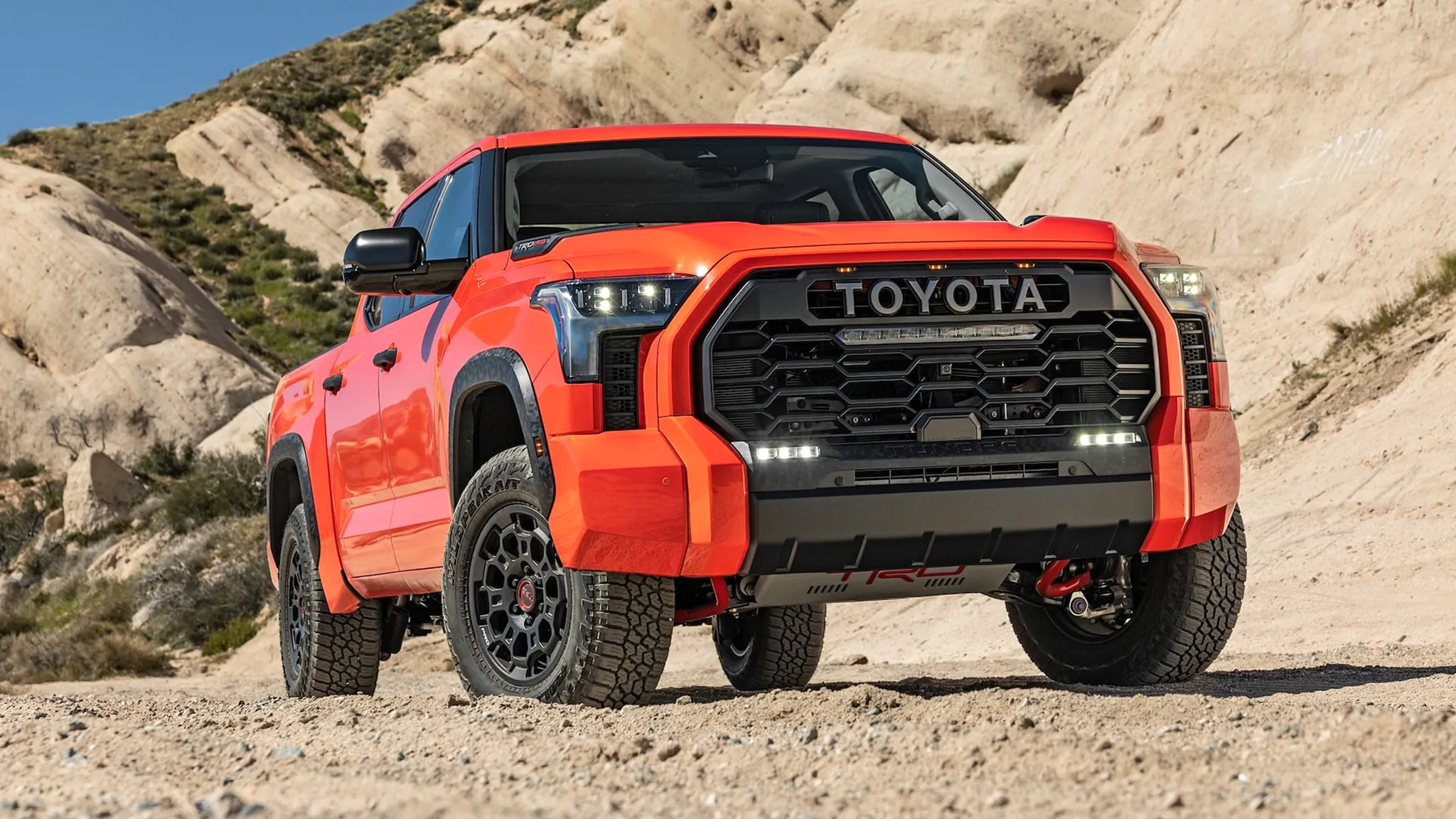
1. Toyota Tundra
The Toyota Tundra has consistently been praised for its rugged dependability, and its braking system follows that same pattern. One of the main reasons its calipers rarely seize is Toyota’s attention to material quality. The caliper housings are built from high-strength alloys designed to resist corrosion and heat. Each slide pin is coated with a protective layer that prevents rust from forming even when exposed to heavy salt and water.
The pins also fit snugly inside rubber boots that remain flexible during freezing temperatures. Many trucks suffer when rubber seals harden or crack in the cold, allowing moisture to enter, but the Tundra’s boots maintain elasticity, which helps keep contaminants out. This careful balance of materials ensures smooth braking operation long after lesser systems would begin sticking.
Beyond materials, the Tundra benefits from intelligent design. The brake calipers are mounted in a position that minimizes direct exposure to road spray and salt buildup. The front brakes, in particular, are slightly recessed, allowing the wheel and fender liner to act as partial shields against slush.
Drainage paths in the wheel assembly also allow water to escape quickly, preventing freezing inside the brake area. This attention to detail helps the Tundra avoid the moisture retention that causes many calipers to seize during thaw cycles. Toyota engineers also prioritized easy maintenance. Grease points are accessible, and caliper brackets can be removed without major disassembly, encouraging owners to perform preventive lubrication before each winter.
By choosing phenolic pistons, Toyota prevents rust flakes from forming and damaging the rubber boots. This not only extends caliper life but also maintains consistent braking pressure. Many Tundra owners report even pad wear and stable pedal feel even after years of exposure to road salt, which speaks to the system’s resilience.
The long-term reliability of the Tundra’s braking components reflects Toyota’s conservative engineering philosophy. Instead of chasing short-term cost savings, they focus on components that last through real-world conditions. Even when Tundras are used for heavy hauling or towing, their calipers rarely show signs of sticking or overheating.
Routine maintenance, such as flushing brake fluid every few years and cleaning slide pins annually, is usually all that’s needed to keep them in near-new condition. As a result, the Tundra is widely respected among mechanics as one of the few full-size trucks whose calipers can handle years of winter driving without seizing.
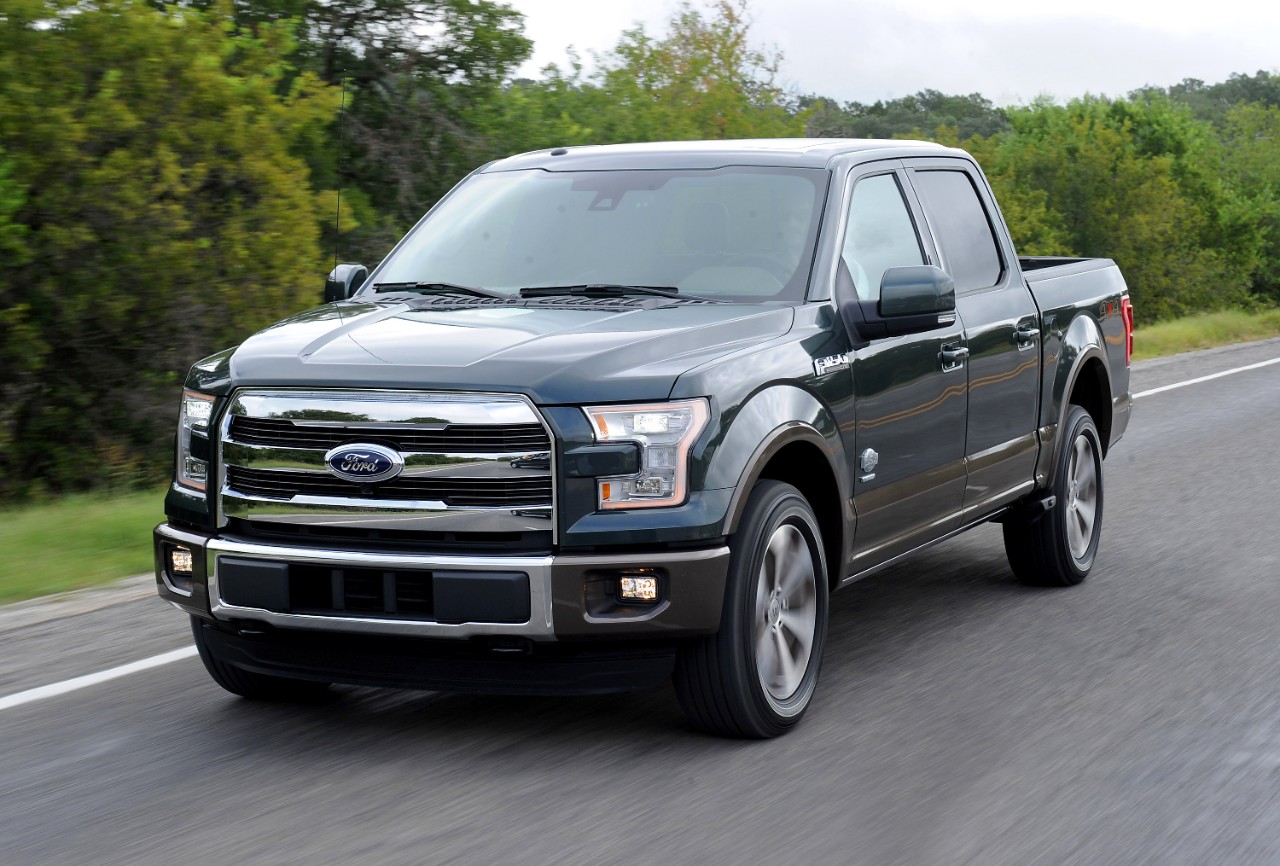
2. Ford F-150 (Newer Generations)
The modern Ford F-150 represents a major leap forward in braking reliability compared to its earlier generations. Ford made deliberate design improvements to combat the corrosion and seizing issues that once plagued its calipers. The newer calipers are often aluminum, which resists rust far better than cast iron or untreated steel.
Aluminum also helps shed heat more efficiently, preventing moisture from condensing inside the braking assembly after extended use in cold conditions. In addition, Ford upgraded the coating on the slide pins and redesigned the rubber seals to create a tighter, longer-lasting fit. These combined factors make the calipers less vulnerable to salt contamination and significantly reduce the likelihood of dragging after winter.
A key advantage of the newer F-150 calipers lies in their improved heat and pressure management. When braking generates high temperatures, older calipers sometimes trap expanding air or fluid, causing partial pressure retention and pad drag. Ford’s updated system uses precision-machined pistons that retract smoothly once hydraulic pressure drops.
This eliminates most instances of minor post-braking drag that can wear pads unevenly. The seals are designed to flex just enough to retract the piston, a detail that helps ensure the calipers stay free-moving year-round. These subtle refinements show how incremental engineering updates can dramatically improve real-world reliability in freezing and wet conditions.
Maintenance access is another strength. The F-150’s modern caliper setup makes it easy for technicians or owners to inspect and service components. The slide pins are positioned for quick lubrication, and the rubber boots can be replaced without removing the entire caliper assembly.
Drivers who rely on the F-150 for heavy-duty work notice the difference immediately. Even after plowing, towing, or prolonged off-road driving, the calipers tend to remain consistent and responsive. Owners report fewer cases of pad drag or uneven braking forces.
The braking system’s predictable feel contributes to confidence during slippery winter driving, making newer F-150 models a benchmark for reliability among full-size trucks. With their enhanced protection, precise machining, and better sealing materials, these calipers stand as a clear example of how thoughtful design can overcome long-standing winter reliability challenges.
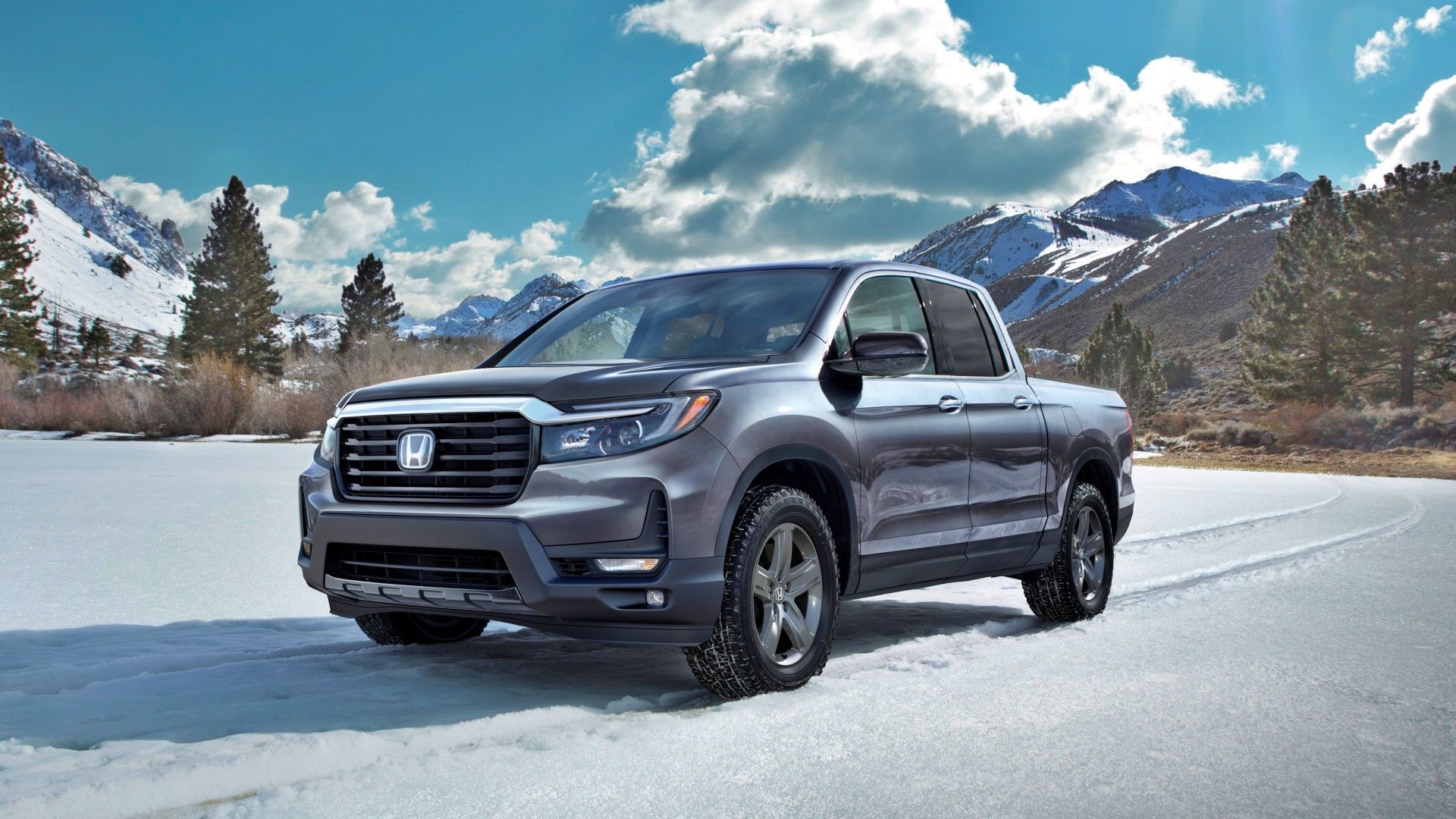
3. Honda Ridgeline
Although the Honda Ridgeline isn’t built like a traditional body-on-frame truck, its braking system shows remarkable endurance in winter conditions. Honda’s engineers gave particular attention to corrosion prevention, knowing that many Ridgeline owners live in regions with severe winters. The calipers are made from lightweight alloys that resist oxidation, and their pistons are often coated or made of composite materials to prevent rust.
Each sliding pin receives a high-grade silicone-based lubricant during assembly, which remains effective even in subzero temperatures. The caliper brackets are also shaped to allow snow and slush to fall away instead of collecting around the pins, further reducing the risk of freezing.
Another reason for the Ridgeline’s strong performance is its advanced sealing system. Honda designed its dust boots and seals to maintain flexibility and airtightness over time. This prevents the entry of road salt, moisture, and tiny debris that commonly lead to seizing.
The seals also keep the brake grease from drying out or being washed away by water spray. As a result, even Ridgelines driven year-round in northern climates experience few braking issues related to caliper sticking. Many long-term owners report original calipers lasting well over 150,000 miles, a figure that would be unusual for most other trucks subjected to similar conditions.
The Ridgeline’s suspension and brake placement also play a role in keeping the calipers free. The vehicle’s unibody design allows Honda to position the calipers higher and more protected than those on many body-on-frame pickups.
From a practical standpoint, the Ridgeline’s calipers are also easy to maintain. Their compact size and open wheel design make inspection simple during tire rotations. Replacing pads or lubricating pins can be done quickly, encouraging owners to perform seasonal upkeep.
Because the truck is often used for family or light-duty purposes, the calipers aren’t exposed to extreme loads as frequently, allowing them to stay clean and functional longer. The combination of smart design, durable materials, and accessible maintenance makes the Ridgeline one of the few trucks that can handle repeated winters without suffering from stuck or dragging calipers.
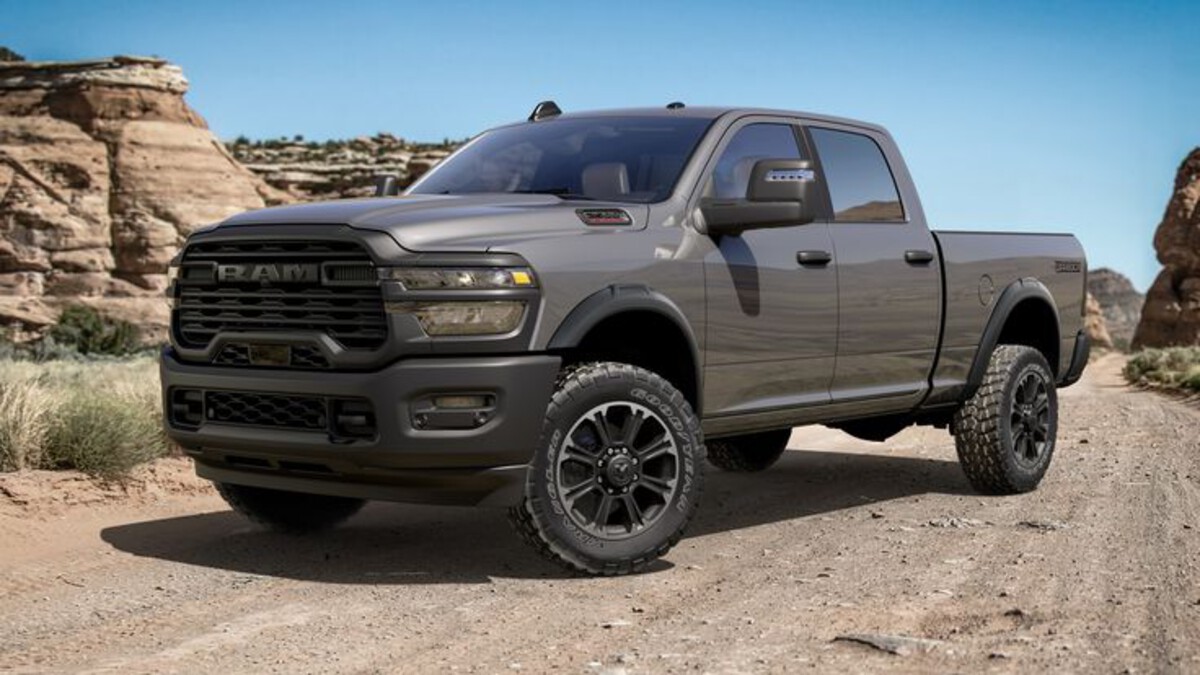
4. Ram 2500 (Heavy-Duty Models)
The Ram 2500 has become a go-to choice for those who need a strong work truck that can withstand demanding conditions. One of its often-overlooked strengths is the quality of its braking system. Ram’s heavy-duty calipers are designed to handle enormous stopping forces while maintaining resistance to corrosion.
The large dual-piston layout distributes pressure evenly across the brake pad surface, reducing the heat that typically accelerates corrosion and seal wear. Each piston is fitted with thick, high-quality rubber boots that keep out grit and salt. Even after years of plowing, towing, and hauling through snowy conditions, these calipers tend to remain operational without significant sticking.
A major advantage of the Ram 2500 braking system is its use of reinforced materials. The calipers are built from a heavy cast alloy that has been treated with protective coatings. These coatings help prevent surface rust, even when small chips form from road debris.
The brackets are also designed with slightly larger clearances between the pads and the rotor, allowing for small amounts of debris or corrosion without causing drag. This design is particularly beneficial in winter, when rust can form overnight in the presence of moisture. The result is a caliper that continues to retract and function properly, even after multiple freeze-thaw cycles.
Serviceability is another area where the Ram 2500 stands out. The calipers are positioned for easy access, allowing quick replacement or lubrication of pins and seals. The bleeder screws are also easy to reach, making fluid maintenance simple.
The calipers’ size also contributes to reliability. Larger pistons generate more even pressure and experience less localized stress, which minimizes the risk of seal cracking. Combined with regular lubrication and protective coatings, the system resists both mechanical wear and chemical corrosion.
Owners who live in snow-heavy regions consistently find that the Ram’s braking system needs far less attention than expected, provided that it receives routine inspections. The combination of strength, accessibility, and weather resistance ensures that the Ram 2500 can handle years of harsh winter exposure without suffering from seized or dragging calipers.
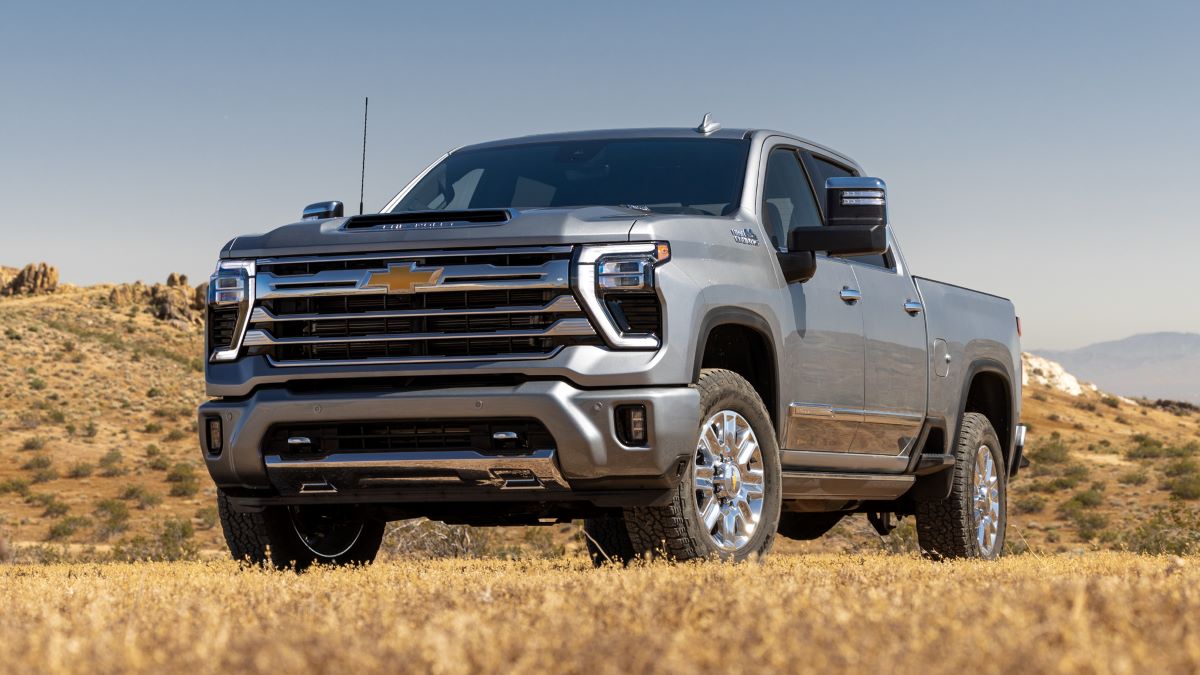
5. Chevrolet Silverado (Modern Generations)
Chevrolet made major strides in brake reliability when redesigning the Silverado in the mid-2010s and onward. The company responded directly to long-standing issues with rusted pins and seizing pistons that plagued earlier versions. The latest calipers feature improved metal alloys, thicker protective coatings, and seals made from more resilient rubber compounds.
These changes address the root causes of winter-related failures. The aluminum components also reduce unsprung weight, improving both fuel efficiency and brake cooling. This combination not only makes the Silverado more responsive but also significantly extends the life of its calipers in cold, salty environments.
One of the most effective improvements was the redesign of the caliper bracket and slide pin system. The modern Silverado uses larger, more robust pins treated with corrosion-resistant coatings. These pins are paired with boots that fit tightly but flex easily in cold weather, keeping moisture out while allowing smooth caliper movement.
GM also altered the bracket geometry to improve drainage, ensuring that melted snow and salt solution don’t pool near the braking surfaces. This simple change prevents the slow buildup of rust that can cause drag during the first few stops on a freezing morning.
The piston design also deserves attention. The Silverado’s modern calipers feature either composite or coated pistons that resist both rust and heat-related warping. When a truck experiences repeated heating and cooling cycles, uncoated steel pistons tend to corrode and expand unevenly, causing the pads to stick.
By switching to better materials, GM eliminated one of the main sources of caliper failure in older trucks. The piston seals are also shaped to retract the piston slightly when pressure is released, ensuring that the pads don’t remain in light contact with the rotors. This small design detail has a big impact on reducing brake drag and improving pad longevity.
Combined with the vehicle’s improved wheel well design, which keeps slush from splashing directly onto the brakes, the Silverado’s modern calipers are among the most reliable of any full-size truck. For owners in areas that experience repeated freeze-thaw cycles, this improvement means fewer repairs, consistent braking, and confidence during every winter season.
Trucks Known for Calipers That Drag or Seize After Winter
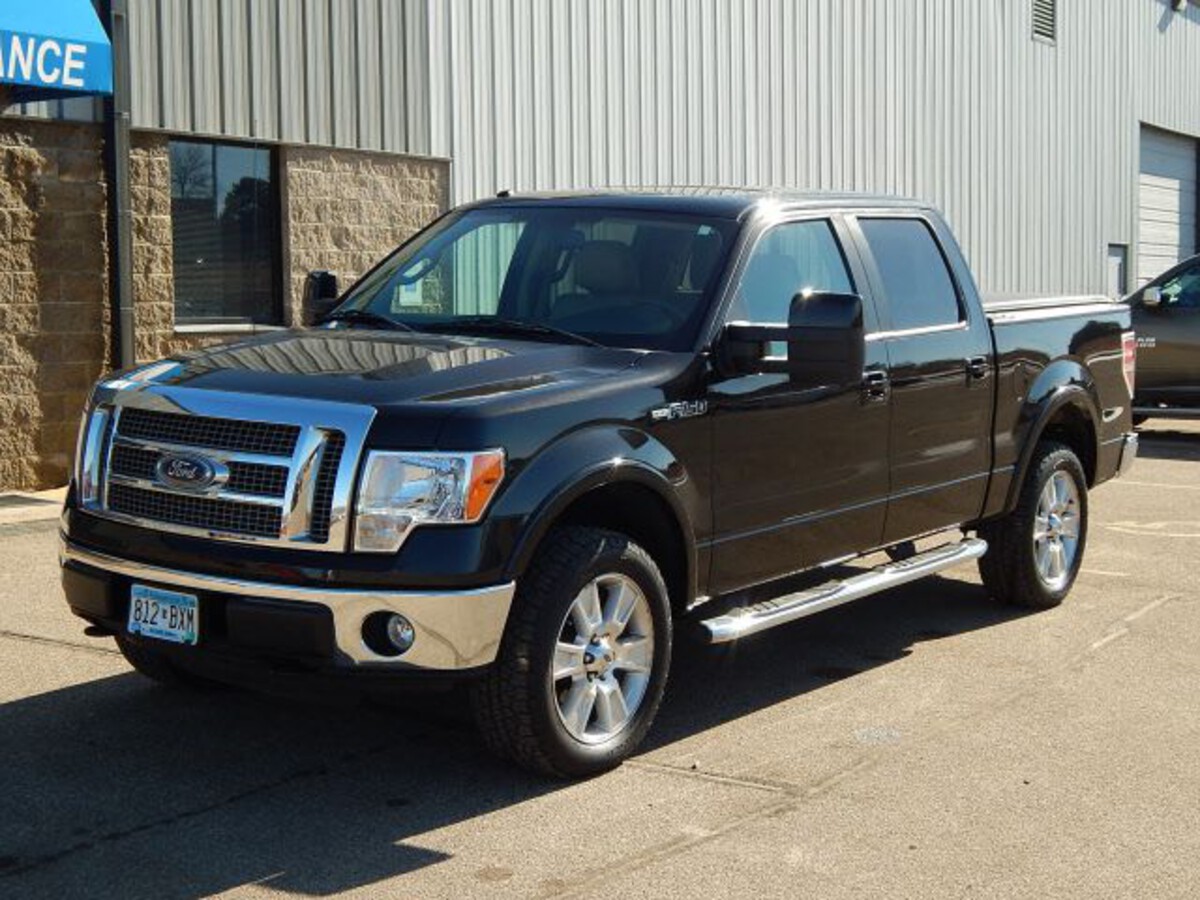
1. Older Ford F-150 Models (Pre-2010)
Earlier generations of the Ford F-150, particularly those from the late 1990s to around 2009, were notorious among mechanics for their caliper issues. The fundamental problem was the combination of steel pistons, minimal corrosion protection, and inexpensive rubber components that quickly degraded in cold climates.
The design of the older calipers also contributed to their vulnerability. The slide pins sat horizontally and were not well shielded from direct exposure to slush and salt. This meant that every winter drive splashed corrosive material straight onto the pins.
Even regular maintenance wasn’t always enough to prevent the issue. Many owners who diligently cleaned and greased their pins every autumn still found them frozen solid by spring. The combination of inferior materials and exposure meant that once corrosion started, it continued beneath the surface, slowly destroying the caliper from within.
In some cases, the pistons themselves would seize due to internal rust inside the cylinder bore, causing one side of the rotor to overheat while the other remained cool. The result was a persistent dragging sensation and reduced braking performance that worsened with each freeze-thaw cycle.
Mechanics eventually learned to preemptively replace calipers on these older F-150s every few years, especially in northern states and provinces. Aftermarket suppliers introduced improved versions with stainless pins and better coatings, which helped mitigate the problem but didn’t fully solve it.
The design itself left little margin for corrosion before binding occurred. These older F-150s serve as a cautionary tale: even trucks with strong engines and durable frames can develop chronic winter issues if the caliper materials and sealing systems aren’t designed for harsh climates.
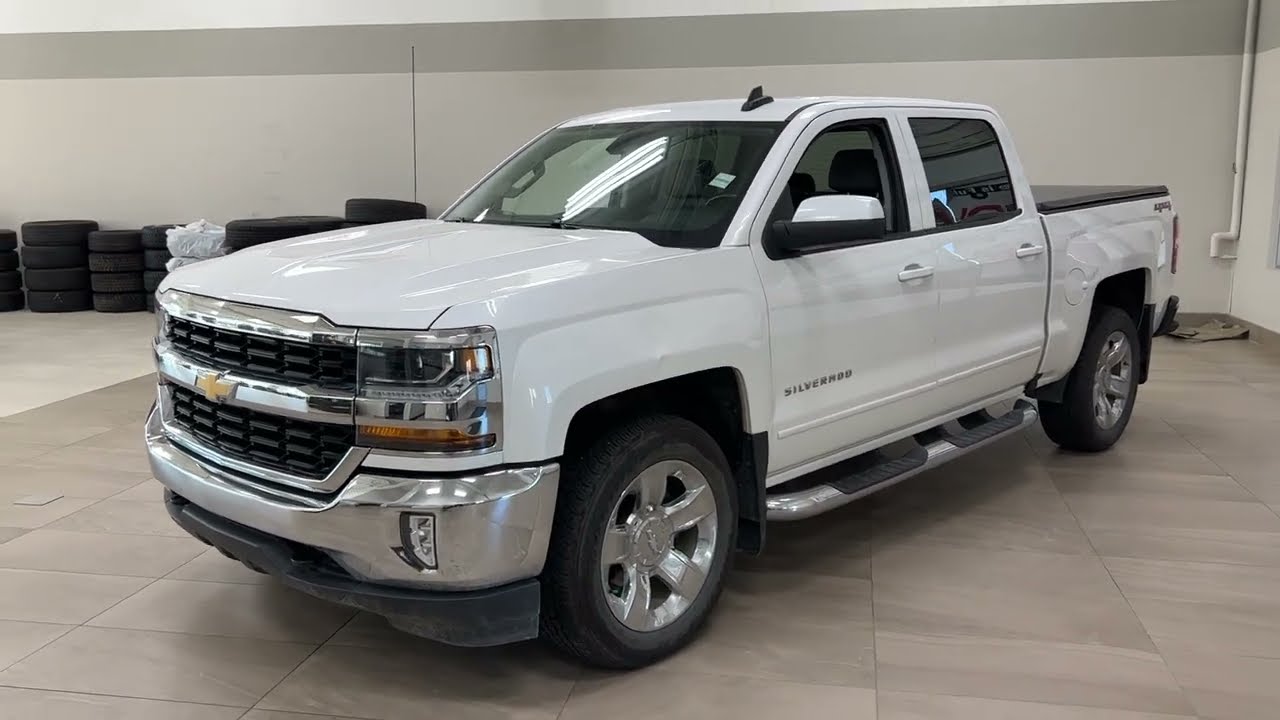
2. Chevrolet Silverado (Early 2000s Models)
The early 2000s Chevrolet Silverado models, while praised for their robust drivetrains, often suffered from caliper and braking issues that became evident after several winters. GM’s caliper design at the time relied heavily on steel components and limited protective finishes.
The position of the calipers and pins made things worse. The design trapped moisture between the caliper bracket and the dust boot, turning that area into a miniature corrosion chamber. Once saltwater entered, it rarely dried completely, especially in cold temperatures.
Over time, the pins would seize so tightly that removing them required heat and mechanical force. Some mechanics resorted to drilling out frozen pins, as they would fuse with the bracket. This problem was especially severe on trucks used for towing or carrying heavy loads because the increased brake temperatures accelerated corrosion once the protective coatings failed.
Piston design was another weak link in these older Silverados. The pistons were typically steel and were prone to pitting once moisture entered the caliper bore. As pitting increased, the rubber seal around the piston lost its ability to hold hydraulic pressure evenly, causing either dragging or weak retraction.
This led to constant light contact between the pads and rotors, reducing fuel efficiency and wearing out components prematurely. Owners in snowy regions often had to replace rotors and pads every winter, not because of poor material quality but because the calipers wouldn’t fully release.
While many drivers found success with aftermarket upgrades, the original GM setup from that era was never truly winter-resistant. The calipers’ poor sealing and exposed pin layout made them ill-suited for salted roads.
Some owners attempted to combat the issue by applying synthetic greases and rust inhibitors before each winter, but that only delayed the inevitable. Eventually, GM addressed the problem in later designs, but these early-2000s Silverados remain known for chronic caliper sticking and dragging when subjected to repeated winter cycles.
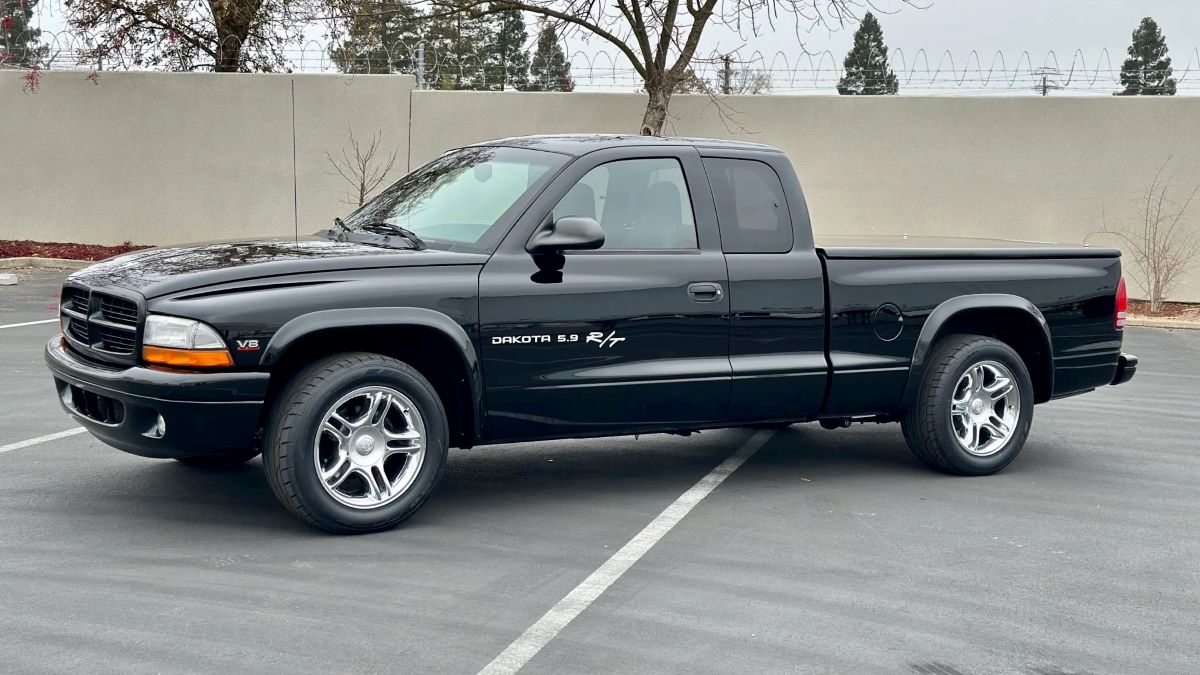
3. Dodge Dakota
The Dodge Dakota, particularly in its later years before discontinuation, developed a reputation for brake caliper issues in cold weather. The main problem was the combination of small piston diameters and narrow slide pins housed within brackets that trapped water and debris.
Once rust began forming in those confined spaces, the caliper lost its ability to retract smoothly. The Dakotas’ braking system was adequate in mild climates, but exposure to salted roads quickly revealed its weaknesses. Mechanics often found that the pins would seize inside the bracket, making pad replacement difficult and leading to dragging brakes that overheated the rotors.
Another major issue with the Dakota calipers was the type of metal used for both the caliper body and the piston. Dodge employed cast-iron calipers paired with steel pistons, both of which corrode aggressively when exposed to salt. The rubber boots that were supposed to keep moisture out often split or hardened in freezing conditions.
The Dakota’s braking setup also lacked proper drainage paths around the calipers, meaning that slush could collect and refreeze overnight. This led to situations where drivers would start their trucks on cold mornings only to find their brakes partially locked.
Even when the ice melted during the drive, the residual corrosion from repeated freezing cycles worsened the binding issue over time. The combination of poor drainage and inadequate protective coatings made the Dakota’s calipers particularly susceptible to seizing in regions with fluctuating winter temperatures.
Many owners turned to aftermarket solutions, such as switching to calipers with stainless steel pistons or upgraded boots, but by that point, the damage to the original hardware was often irreversible. Mechanics familiar with Dakotas learned that regular disassembly and cleaning were the only ways to prevent seizing.
Without that level of attention, the brakes often dragged by midwinter, reducing performance and fuel economy. Despite its strong engine and practical size, the Dakota’s brake system never gained a reputation for winter reliability, largely because its calipers couldn’t withstand prolonged exposure to moisture and salt.
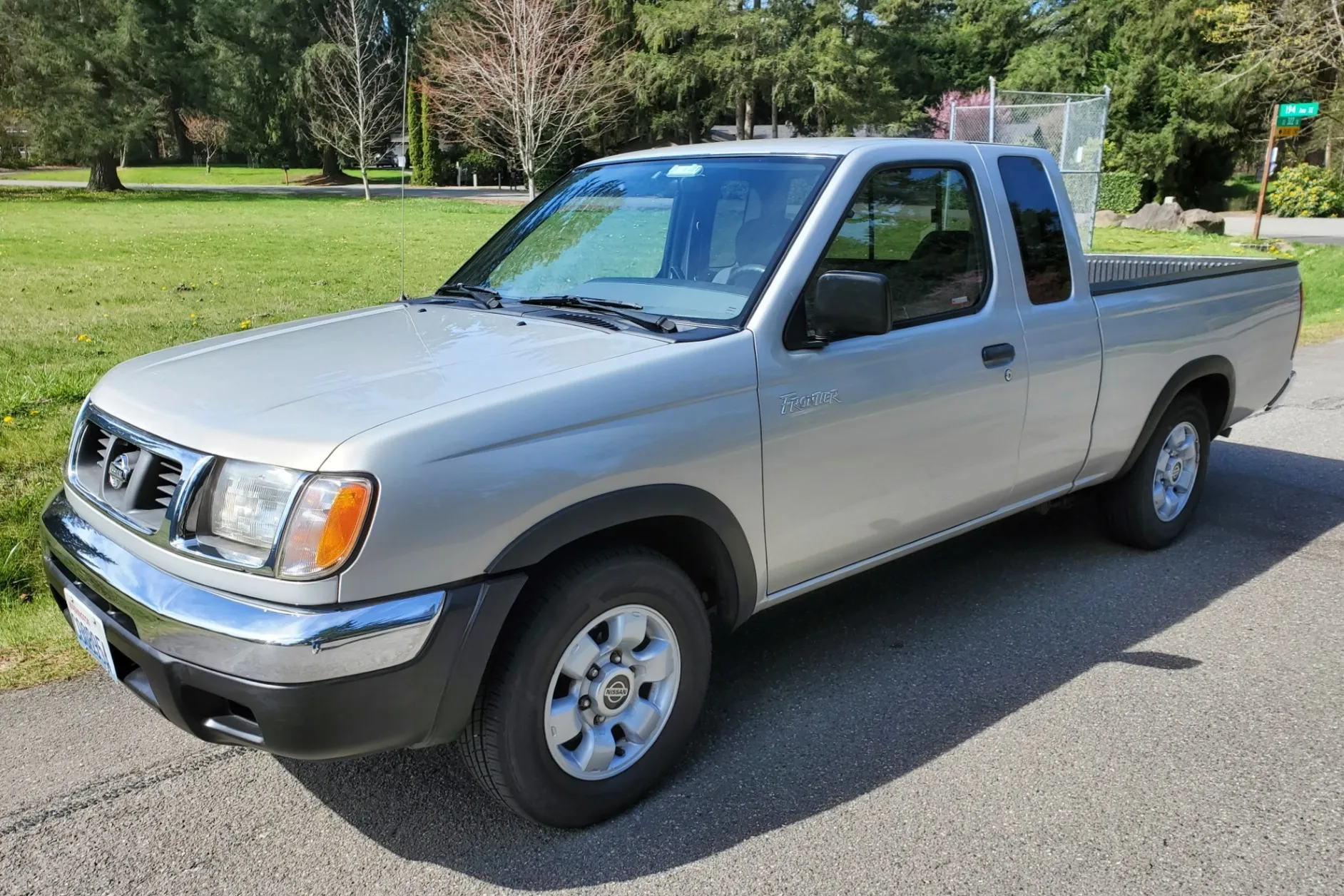
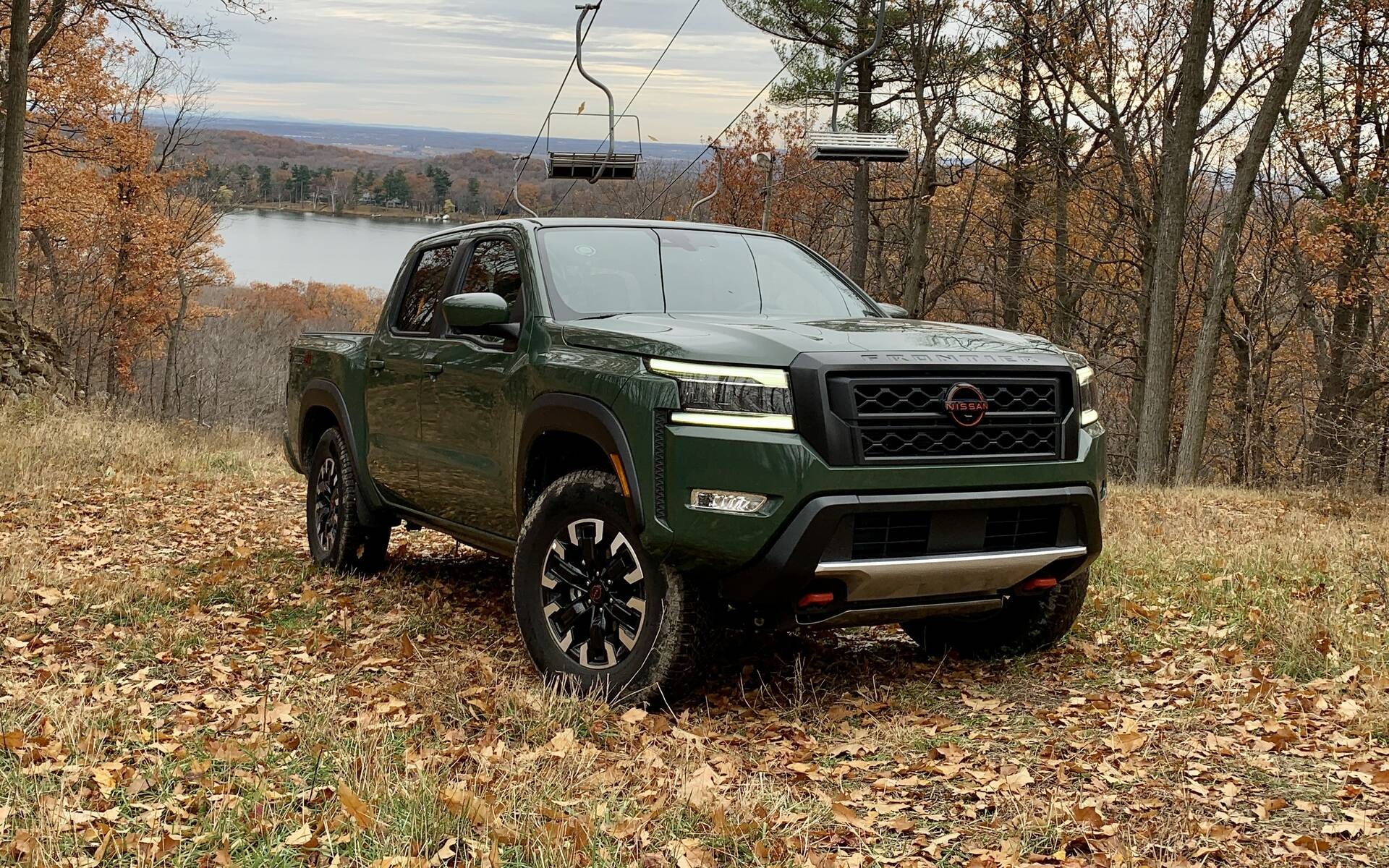
4. Nissan Frontier (Older Generations)
Older generations of the Nissan Frontier, especially those produced before the mid-2010s, exhibited recurring caliper problems when exposed to winter conditions. Nissan’s calipers during this period were functional but not well protected against corrosion.
The slide pins used a narrow sealing boot that tended to crack as it aged. Once the boots deteriorated, road salt and grit worked their way into the pin channels, causing stiffness and eventual seizure. The pistons themselves were made of steel with minimal protective coating, meaning they corroded quickly once the seals lost integrity. As a result, Frontiers driven in northern regions often suffered from dragging brakes that reduced stopping consistency.
Unlike some full-size trucks that had ample clearance for air circulation, the Frontier’s compact design allowed snow and slush to accumulate tightly around the wheels. This trapped moisture against the caliper body, particularly near the lower pin. As the water froze and thawed repeatedly, small amounts would infiltrate the seals, slowly corroding the pins.
The slide pin grease also tended to dry out faster in freezing conditions because of the limited amount applied at the factory. Without regular reapplication, the lubrication would lose effectiveness, leading to metal-on-metal friction and binding movement that caused uneven pad wear.
Nissan eventually improved the caliper designs in newer models by enhancing the boot materials and coating the pins, but for many years the Frontier remained a prime example of how small oversights in design could translate to large maintenance costs. Regular servicing and the use of high-quality synthetic grease could extend the lifespan somewhat, but most older Frontiers still required frequent caliper replacements once they experienced a few harsh winters.
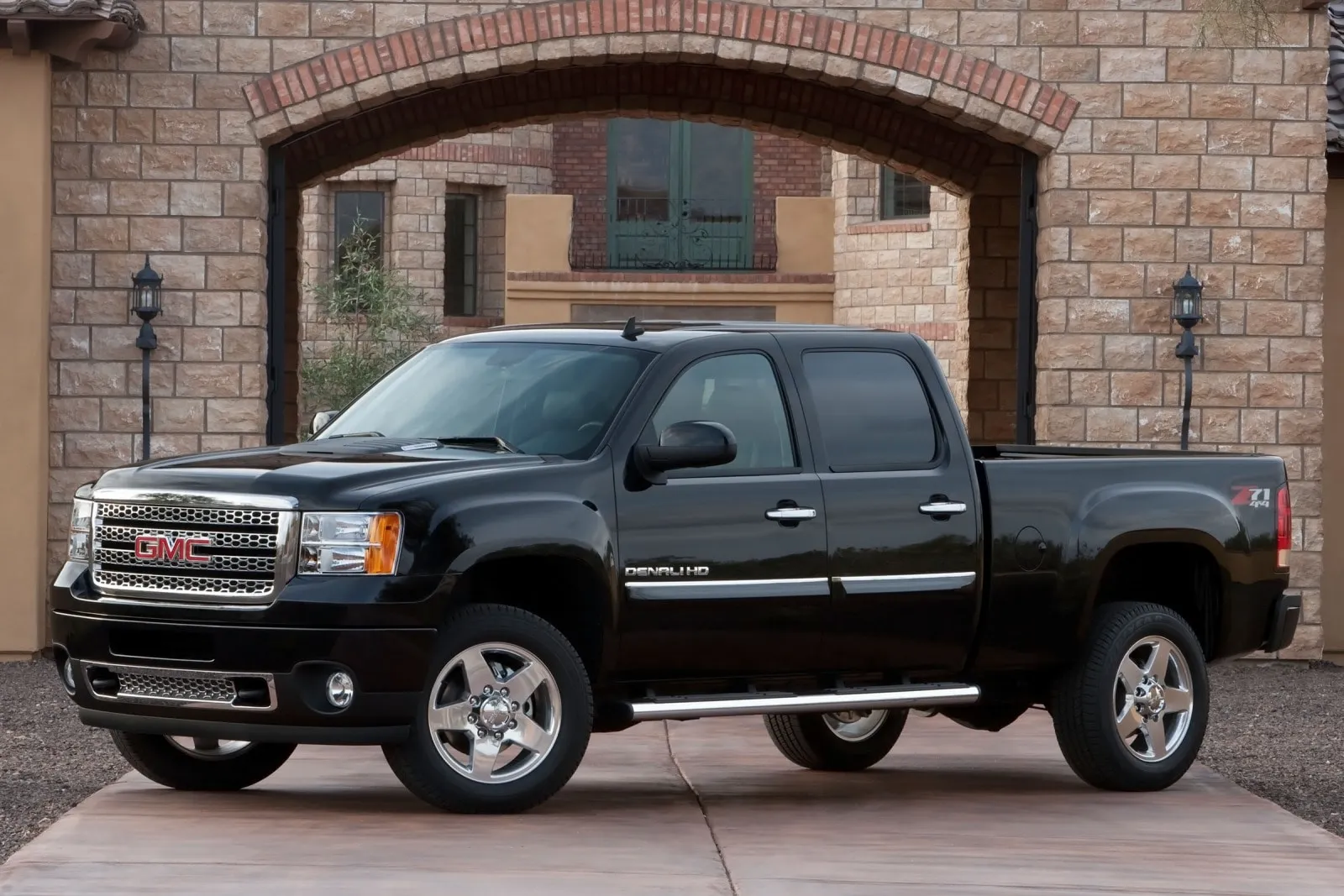
5. GMC Sierra (Mid-2000s Models)
The GMC Sierra from the mid-2000s shared many of its mechanical components with the Chevrolet Silverado of the same era, including its brake caliper design. Unfortunately, this meant it also inherited the same winter-related reliability problems. The calipers used basic steel slide pins that were coated only lightly against corrosion.
Once the protective layer wore off, salt and moisture quickly initiated rust formation. Because the pins operated inside tight bores with little clearance, even minor corrosion caused them to seize. Once seized, the pads could not retract properly, creating a dragging sensation and overheating the rotors during extended drives.
The piston design added to the problem. Many Sierras used steel pistons in cast iron caliper bodies, which expanded at different rates during heating and cooling cycles. This mismatch sometimes led to piston sticking, especially in cold conditions where the metal contracted unevenly.
Moisture trapped in the caliper bore then froze, locking the piston partially extended. Drivers would notice their trucks pulling slightly to one side or producing a burning odor after highway trips. These were clear signs of a caliper that was no longer retracting correctly due to winter corrosion.
Mechanics servicing these trucks often found that the pad ears and brackets were so corroded that they needed to be filed smooth before reassembly. Even new pads would drag if this step was skipped. This problem made brake service on older Sierras particularly frustrating and time-consuming.
While many of these issues could be mitigated through consistent maintenance and upgraded parts, the Sierra’s original design simply wasn’t optimized for northern climates. Without stainless steel hardware or improved coatings, the braking components degraded rapidly in the presence of salt.
Owners who failed to clean their brakes frequently during winter found themselves facing seized calipers, warped rotors, and declining braking performance year after year. The Sierra’s powertrain might have been strong and dependable, but its braking reliability under winter conditions left much to be desired.
