
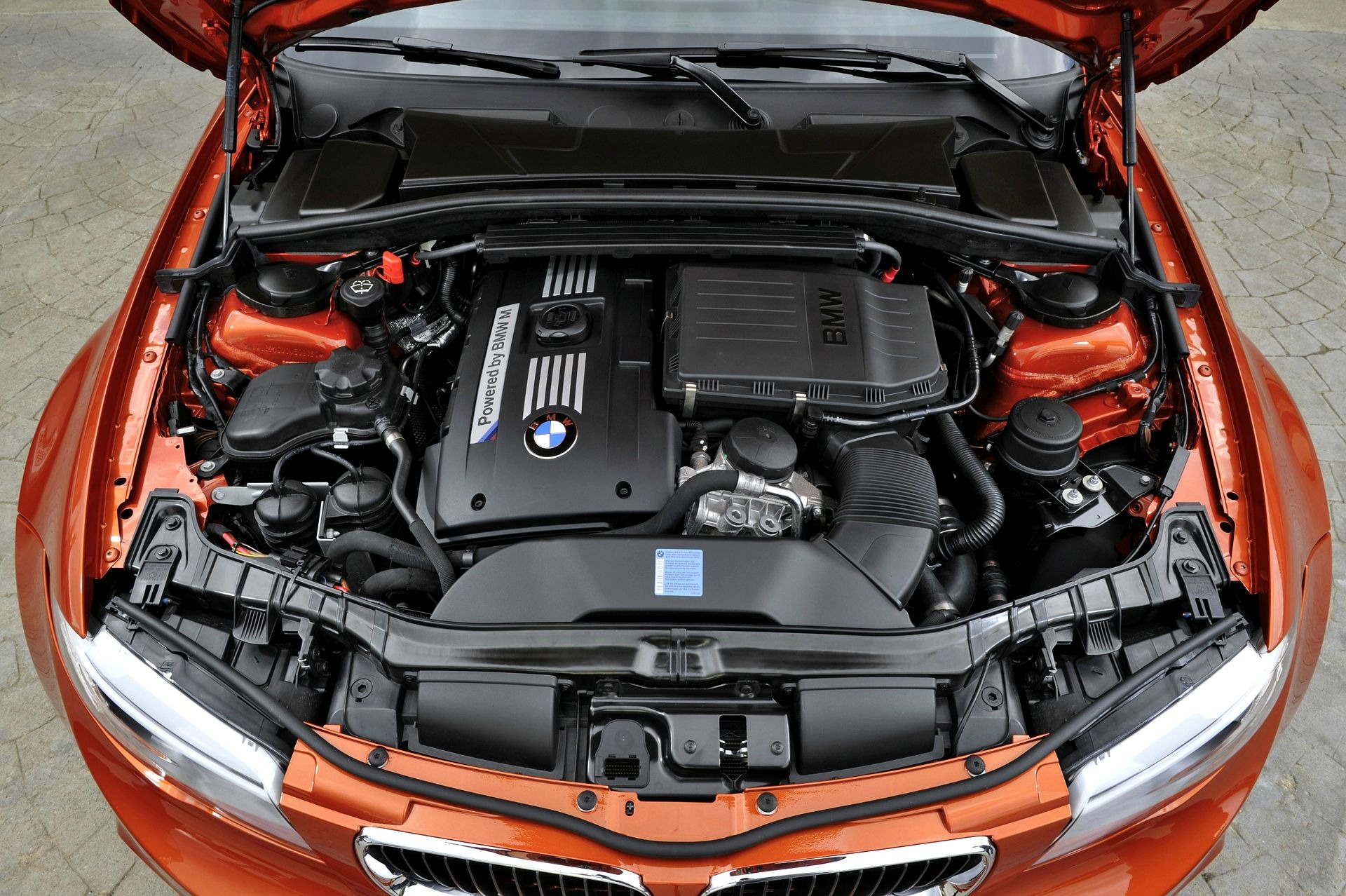
Internal combustion engines operate under conditions of extreme heat and pressure, and over time, they tend to accumulate deposits of carbon on critical components. These deposits generally form on intake valves, combustion chambers, and the tops of pistons.
The primary sources of this carbon buildup are unburned fuel, oil vapors, and fuel additives. While some engines are designed in a way that minimizes the accumulation of carbon, others are more prone to it, often requiring routine cleaning through specialized procedures like walnut blasting.
The problem has become more common with modern direct-injection engines, which inject fuel directly into the combustion chamber rather than the intake tract.
While this design improves efficiency and power, it reduces the natural cleaning effect of fuel washing over intake valves, allowing carbon to accumulate more readily.
Carbon buildup affects engine performance, fuel economy, and emissions. Symptoms include rough idling, hesitation during acceleration, misfires, and decreased power output.
For drivers who neglect maintenance or operate their vehicles primarily in stop-and-go traffic, the buildup can become severe, leading to costly repairs or even engine replacement.
Automakers have developed various strategies to resist carbon accumulation, such as using port fuel injection, optimizing combustion chamber geometry, implementing higher-quality coatings on valves, and improving intake airflow patterns.
At the same time, certain engines, particularly high-compression turbocharged engines or those with gasoline direct injection, are known for requiring walnut blasting to clean intake valves.
Understanding which engines resist carbon buildup versus which need regular cleaning can help vehicle owners make informed decisions about maintenance and longevity. This article will provide examples of engines in both categories, highlighting their design features and maintenance considerations.
Engines Resistant to Carbon Buildup
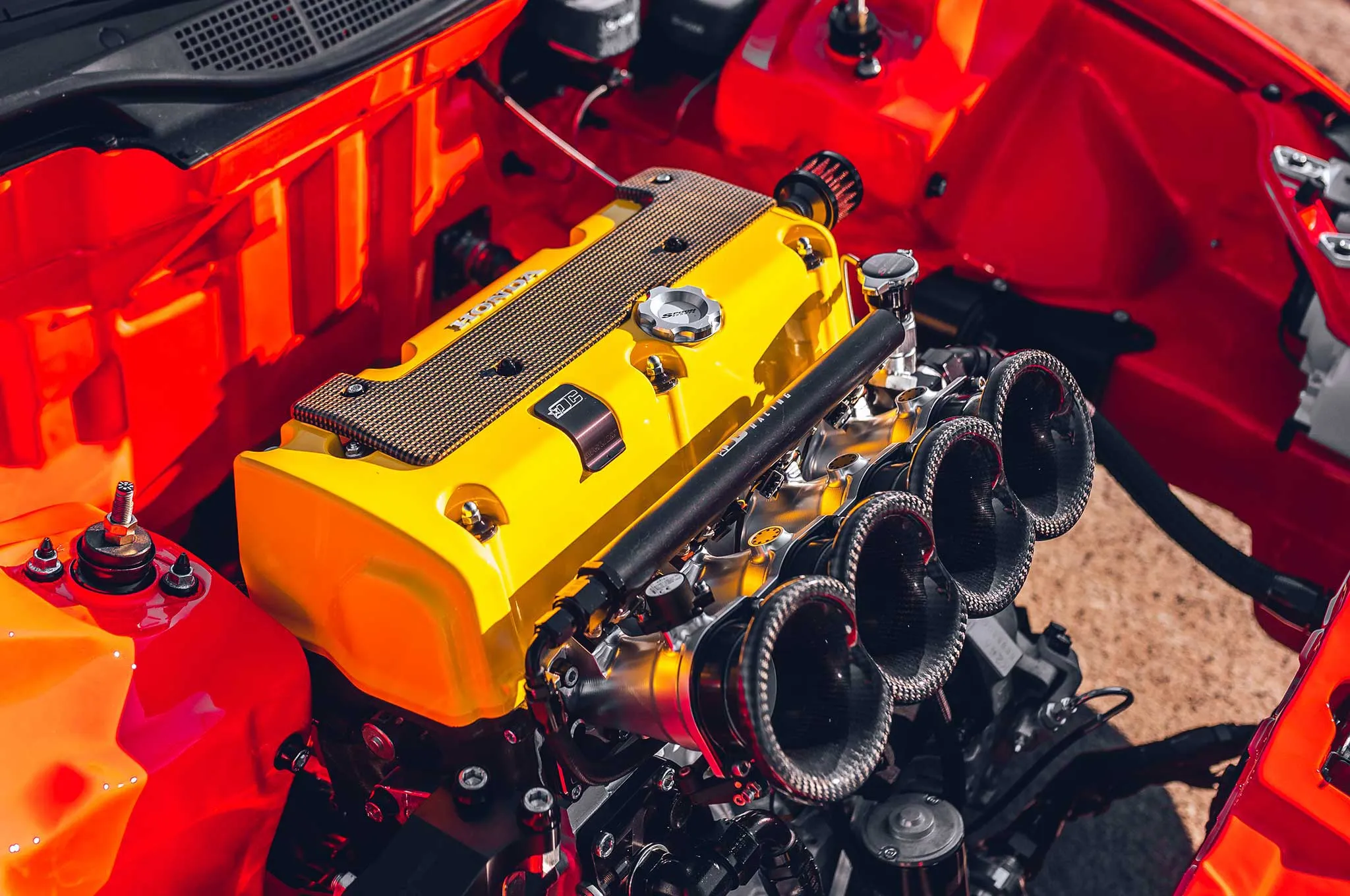
1. Honda K-Series Engines
Honda’s K-series engines are celebrated for their long-term reliability and consistent performance, and one of the primary reasons they resist carbon buildup is their use of port fuel injection.
Unlike direct injection systems, which spray fuel directly into the combustion chamber, port injection sprays fuel into the intake ports just before the intake valves.
This process not only improves fuel atomization for efficient combustion but also allows the fuel to act as a cleaning agent, washing away small deposits before they can adhere to valve surfaces.
The engine’s intake ports and valves are also designed with careful attention to airflow dynamics, ensuring smooth air movement that minimizes turbulent pockets where carbon particles can accumulate.
Furthermore, Honda has implemented high-quality coatings and materials on the intake valves, making them less prone to sticky carbon adherence.
These engineering strategies, combined with proper maintenance practices, make K-series engines naturally resistant to the kinds of intake valve issues that plague many modern engines, particularly those with direct injection.
In addition to fuel delivery strategies, K-series engines feature sophisticated variable valve timing systems, which adjust both intake and exhaust timing depending on engine speed and load.
This adaptive mechanism ensures that combustion occurs efficiently across a wide range of operating conditions, preventing incomplete combustion and the creation of carbon precursors.
The engine also incorporates precise combustion chamber geometry that directs airflow to minimize hotspots and low-velocity areas, which are the typical breeding grounds for carbon buildup.
By controlling these thermal and mechanical variables, the K-series can maintain clean intake valves and consistent engine performance over tens of thousands of miles. These design choices demonstrate Honda’s commitment to reducing long-term maintenance issues without requiring specialized cleaning procedures.
Another factor that contributes to the K-series engines’ resistance is their relatively moderate compression ratio compared with some modern high-performance turbocharged engines. Lower compression reduces the formation of extremely high-temperature zones inside the combustion chamber, which are conducive to carbon formation.
Oil control and crankcase ventilation systems in these engines are also optimized to limit the amount of oil vapor reaching the intake system. By reducing the introduction of hydrocarbon-rich vapors into the intake ports, Honda further minimizes the potential for sticky carbon deposits on the valves.
As a result, owners experience fewer symptoms such as rough idling, hesitation, or misfires, which are often associated with engines requiring walnut blasting or other intake valve cleaning methods.
Finally, the K-series benefits from widespread owner and enthusiast knowledge, which reinforces its resistance to carbon buildup through preventive maintenance practices. These engines are supported by detailed service recommendations, emphasizing regular oil changes with high-quality synthetic oils, clean air filters, and periodic inspection of the intake system.
Even when driven under challenging conditions like stop-and-go traffic or short trips, K-series engines rarely exhibit serious carbon-related problems, which is why they are often considered ideal for both performance applications and daily commuting.
Their naturally low tendency to accumulate carbon, combined with practical maintenance routines, makes them an exemplary case of how thoughtful engineering can extend the life and efficiency of a gasoline engine without resorting to intensive cleaning methods.
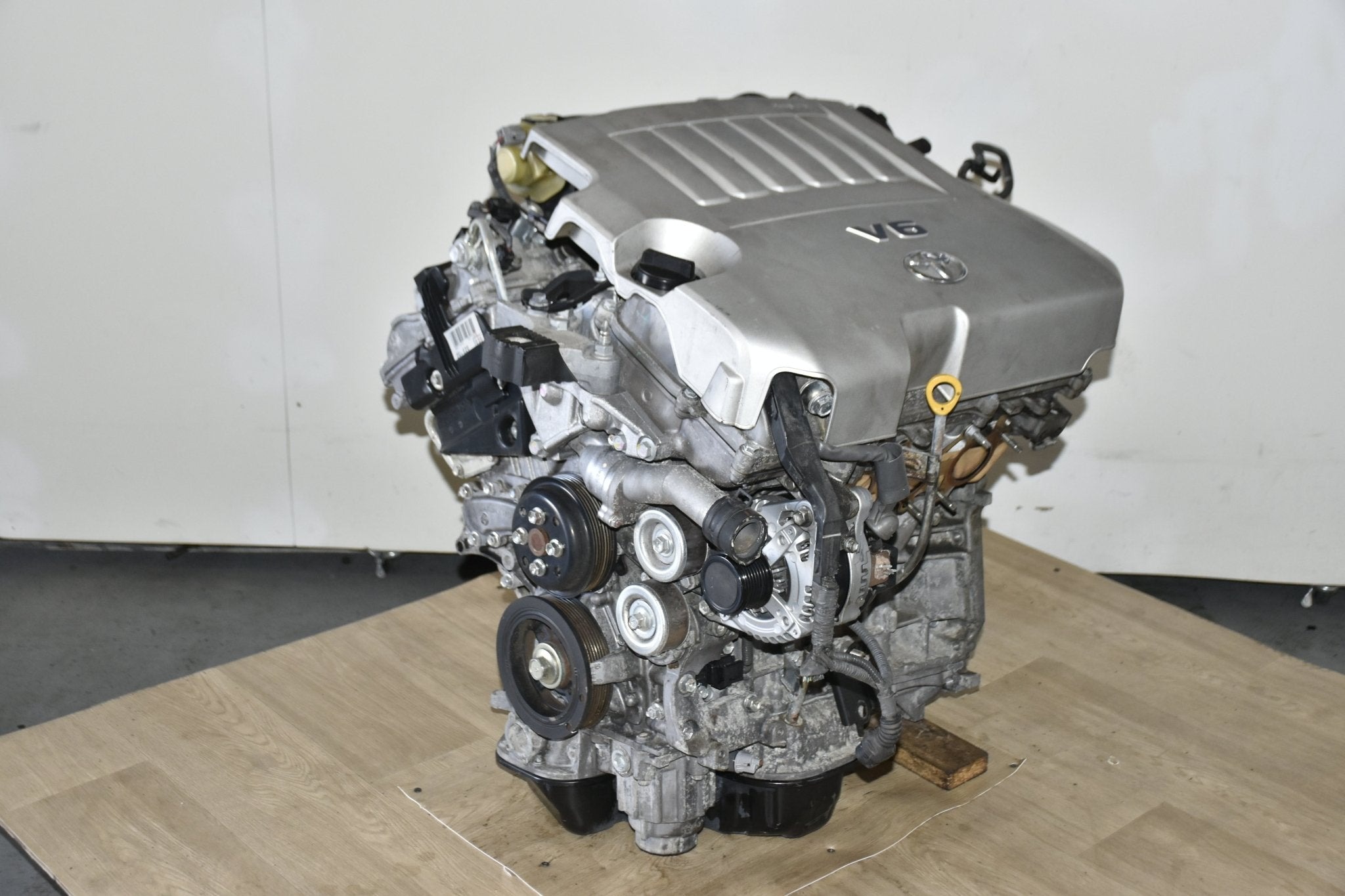
2. Toyota 2GR-FE V6
The Toyota 2GR-FE engine, widely used in both Toyota and Lexus models, is another example of an engine that effectively resists carbon buildup, primarily due to its port fuel injection system.
By spraying fuel into the intake ports instead of directly into the combustion chamber, the system ensures that each intake valve receives a continual washing effect from fuel, which prevents carbon particles from adhering to the valve surfaces.
The engine’s intake valves are constructed from high-quality materials designed to withstand heat and reduce the accumulation of carbon over time. Additionally, the engine’s combustion chambers are carefully shaped to promote complete and uniform combustion, preventing hotspots where carbon is likely to form.
Toyota also calibrates the engine’s air-fuel ratios meticulously across various operating conditions, further reducing the likelihood of incomplete combustion and subsequent deposit formation.
These measures make the 2GR-FE one of the cleaner and longer-lasting engines in Toyota’s lineup, especially compared with modern direct-injection turbocharged engines, which are more prone to carbon issues.
The 2GR-FE engine is also designed to ensure smooth and consistent airflow through the intake manifold, which minimizes stagnant zones that can trap fuel vapors and encourage carbon buildup.
Its variable valve timing technology adjusts intake and exhaust valve operation based on engine load and speed, optimizing both combustion efficiency and thermal distribution throughout the cylinder head.
By preventing localized overheating and uneven airflow, the engine avoids areas of concentrated carbon formation.
Coupled with Toyota’s recommendations for high-quality synthetic oils and consistent maintenance schedules, this engine demonstrates long-term reliability even in high-mileage applications.
Drivers can typically reach hundreds of thousands of miles without experiencing significant carbon-related symptoms, such as hesitation or misfires.
By avoiding these aggressive designs, Toyota ensures that the 2GR-FE maintains cleaner intake valves and combustion chambers over the life of the engine.
The combination of materials, design geometry, and careful calibration ensures that this engine remains one of the few mainstream engines capable of resisting the need for frequent walnut blasting or other intensive cleaning procedures.
Finally, years of reliability data support the 2GR-FE’s resistance to carbon buildup. Owners frequently report smooth operation and minimal maintenance concerns regarding intake deposits, even after high mileage use.
The relatively conservative engineering choices, combined with precise fuel delivery and advanced valve control, allow the 2GR-FE to maintain efficiency, power, and emissions compliance without requiring aggressive cleaning methods.
These characteristics make it not only practical but also a reliable choice for drivers seeking long-lasting, low-maintenance engines, highlighting Toyota’s focus on durability and everyday performance.
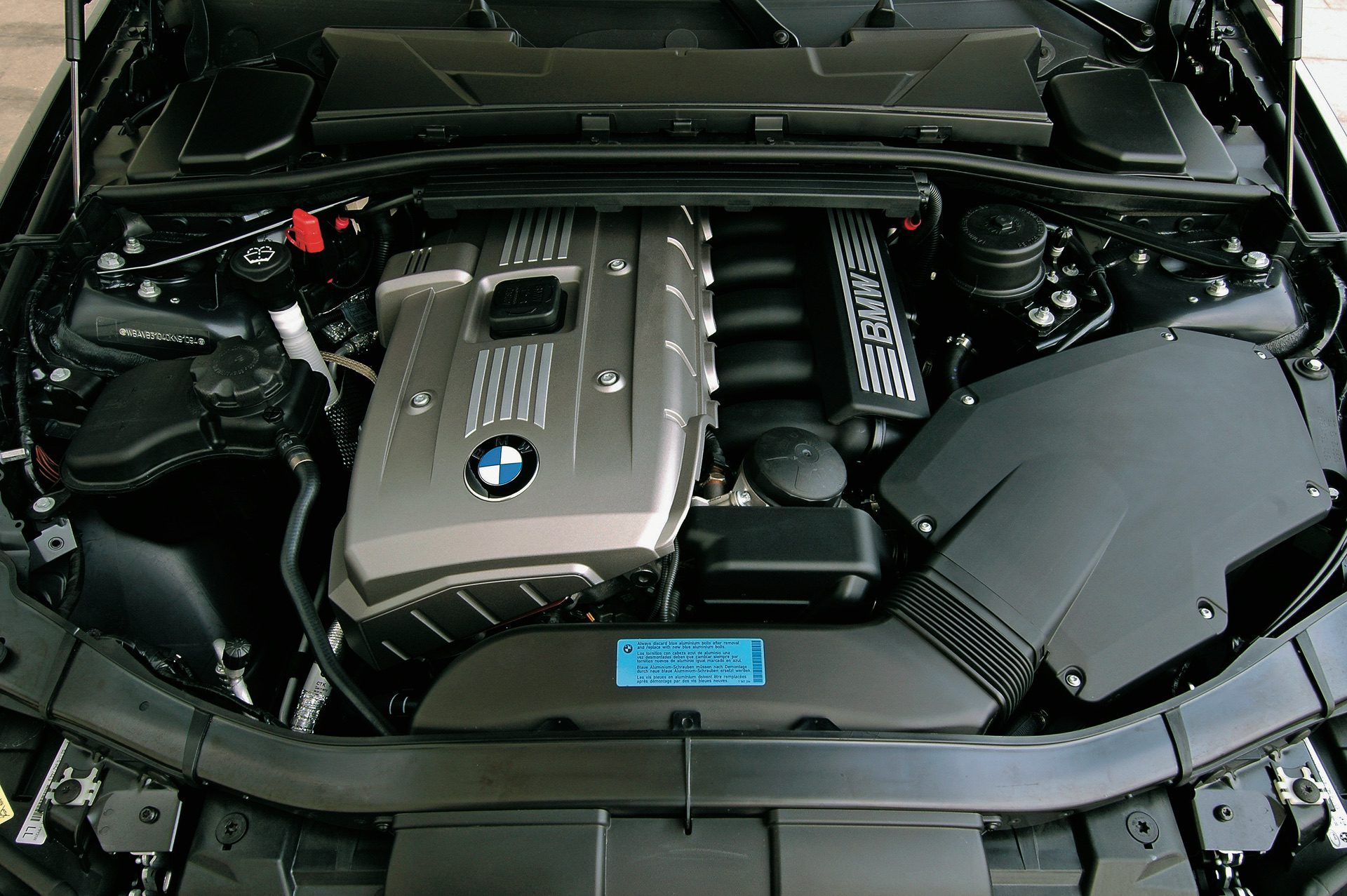
3. BMW N52 Inline-Six
BMW’s N52 engine series, commonly found in 3-series and 5-series models, is another example of engineering that resists carbon buildup.
Its naturally aspirated design relies on port fuel injection rather than direct injection, which enables the fuel to wash over the intake valves and prevent sticky deposits from forming.
The intake ports are carefully shaped to optimize airflow and reduce turbulence, preventing low-velocity pockets that could lead to carbon accumulation. BMW also uses high-quality materials for the intake valves and combustion chambers, which resist heat-induced adhesion of carbon compounds.
In combination with the precise calibration of the engine management system, which controls fuel delivery, spark timing, and airflow, these design choices create an environment where carbon buildup is minimal, even over extended periods of high-mileage operation.
Another aspect of the N52 engine that contributes to its resistance is its advanced variable valve timing and Valvetronic system.
By adjusting intake and exhaust valve operation continuously based on engine load, speed, and throttle input, BMW ensures more uniform combustion and prevents hotspots from developing in the cylinders.
Combined, these features make the N52 highly resistant to intake valve deposits, even when compared with direct-injection engines under similar driving conditions.
Maintenance practices further enhance the N52’s resistance to carbon issues. BMW recommends high-quality synthetic oils, regular oil changes, and periodic inspection of the intake system to prevent any minor deposits from developing into larger problems.
Finally, the N52’s design philosophy emphasizes naturally aspirated operation with moderate compression ratios, rather than high-pressure turbocharging. This approach reduces the thermal and mechanical stress that can accelerate carbon formation, while still delivering satisfying power and performance.
As a result, the engine combines BMW’s characteristic driving experience with long-term reliability and minimal maintenance.
The N52 demonstrates that careful engineering, quality materials, and attention to airflow and combustion dynamics can significantly reduce the need for intensive carbon removal procedures, setting it apart from many modern turbocharged engines.

4. Subaru EJ25 Naturally Aspirated Engines
The naturally aspirated EJ25 engine from Subaru, widely used in Legacy, Outback, and Forester models, is designed for reliability and minimal carbon buildup. Unlike turbocharged variants, these engines employ port fuel injection, which ensures that fuel washes over the intake valves during every intake stroke.
This prevents deposits from forming on the valves and limits the accumulation of carbon over time. The intake manifold and combustion chamber are carefully designed to encourage smooth airflow and efficient combustion, minimizing hotspots where carbon might otherwise develop.
Additionally, the engine management system is calibrated to maintain proper air-fuel ratios and combustion efficiency under a variety of operating conditions, further reducing the likelihood of deposit formation.
Subaru also focused on temperature management within the EJ25 naturally aspirated engines. By keeping operating temperatures balanced and avoiding extreme pressures associated with turbocharging, the engine reduces the creation of carbon precursors in the combustion chamber.
The EJ25’s variable valve timing system further enhances airflow control and combustion stability, ensuring that the engine avoids low-velocity regions and uneven combustion that can contribute to carbon buildup.
By maintaining consistent fuel washing of the intake valves and balanced combustion, Subaru ensures long-term reliability and consistent engine performance.
The naturally aspirated design also reduces the occurrence of high soot production, which is a common issue in turbocharged direct-injection engines that often require frequent intake cleaning.
Finally, the EJ25 benefits from a robust owner and service community, guiding preventive maintenance practices such as regular oil changes, air filter replacements, and occasional throttle body cleaning. When these practices are followed, the engine maintains clean intake valves and combustion chambers without any major interventions.
This combination of smart design, careful material selection, and preventive maintenance makes the EJ25 naturally aspirated engine an excellent example of how an engine can resist carbon buildup over long periods, offering reliability and performance with minimal ongoing maintenance requirements.

5. Lexus 3.5L V6 (2GR-FKS / 2GR-FSE)
The Lexus 3.5L V6 engines, including the 2GR-FKS and 2GR-FSE variants, are renowned for their durability and remarkable resistance to carbon buildup.
These engines primarily rely on port fuel injection, which sprays fuel directly into the intake ports rather than the combustion chamber. This approach allows fuel to continuously wash over the intake valves, preventing carbon deposits from adhering to the surfaces.
The 2GR-FKS variant combines port injection with direct injection in a dual-injection system, which optimizes both performance and fuel efficiency while still maintaining the cleaning benefits of port injection.
This hybrid approach reduces the risk of carbon accumulation compared to engines that rely solely on direct injection. The intake valves are constructed from durable, heat-resistant materials, further reducing the potential for stubborn carbon deposits.
The engine’s variable valve timing system plays a crucial role in maintaining clean intake valves. By adjusting intake and exhaust timing based on engine load, speed, and throttle input, the engine ensures efficient combustion throughout a wide range of operating conditions.
This efficiency prevents incomplete combustion, which is a major contributor to carbon formation. Additionally, the combustion chambers are carefully shaped to promote smooth airflow and prevent turbulence, which minimizes areas where carbon might otherwise adhere.
Thermal management is also optimized, with careful attention to heat distribution around the cylinder head and valves, reducing hotspots that could accelerate carbon buildup.
These combined engineering strategies make the Lexus 3.5L V6 extremely resistant to the types of intake valve issues that often plague high-performance direct-injection engines.
Oil control and PCV systems in the 2GR engines are designed to minimize oil vapor entering the intake, which further reduces the risk of sticky carbon deposits forming. The engines are also equipped with high-quality spark plugs and precise fuel delivery systems that contribute to consistent and complete combustion.
Regular maintenance, such as high-quality oil changes and air filter replacements, complements the engine’s engineering to maintain long-term performance.
Lexus owners frequently report that these engines remain free of carbon-related symptoms like rough idle, hesitation, or reduced fuel efficiency even after 150,000 miles or more, demonstrating their reliability under a variety of driving conditions.
Finally, the reputation of the Lexus 3.5L V6 engines is supported by decades of real-world performance and maintenance data. These engines exemplify how thoughtful engineering, advanced fuel delivery strategies, and precise combustion control can reduce maintenance burdens while providing long-term efficiency and durability.
Engines That Often Require Walnut Blasting
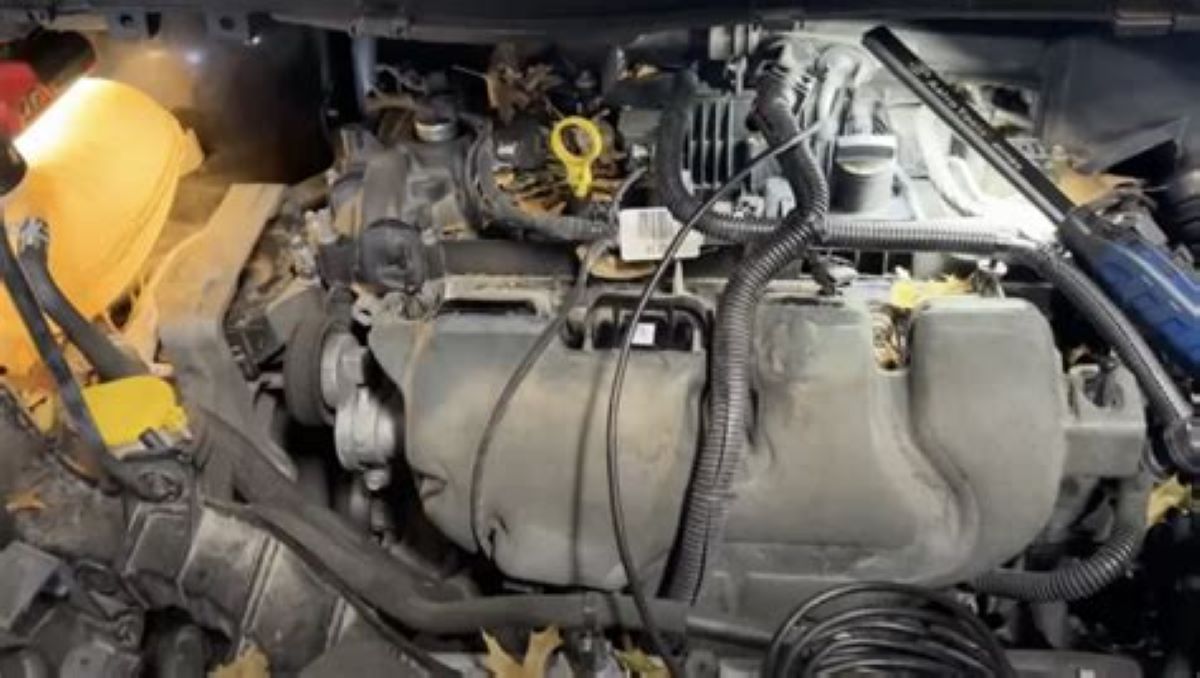
1. Ford EcoBoost 2.0L Turbocharged Engines
The 2.0L EcoBoost engine from Ford, used in various models such as the Focus ST, Fusion, and Escape, is known for its strong performance and efficiency but also for its susceptibility to carbon buildup.
This engine uses direct fuel injection, which sprays fuel directly into the combustion chamber rather than into the intake ports.
Over time, owners may notice rough idling, hesitation during acceleration, and occasional misfires if the intake valves are heavily coated in carbon. These symptoms indicate that walnut blasting, a process using crushed walnut shells to mechanically remove carbon from intake valves, is often necessary to restore proper airflow and performance.
The EcoBoost engines also rely on sophisticated variable valve timing systems, which, while optimizing combustion and power delivery, do not fully prevent carbon formation on intake valves.
The intake valves in turbocharged direct-injection engines are particularly vulnerable because they do not receive fuel washing and operate under high-temperature conditions.
Even with routine maintenance such as oil changes and air filter replacement, carbon can accumulate over tens of thousands of miles.
Regular use of top-tier fuel and additives may help slow the buildup, but it cannot eliminate it entirely. As a result, many EcoBoost owners eventually require walnut blasting to remove deposits and restore engine efficiency.
Another contributing factor to carbon buildup in the 2.0L EcoBoost is the engine’s high compression ratio and the design of the intake manifold. High compression increases the formation of soot and other carbon precursors during combustion, while the intake manifold can create low-velocity zones where deposits preferentially adhere.
Finally, carbon buildup in EcoBoost engines can lead to noticeable performance degradation. Owners may experience reduced throttle response, uneven power delivery, and decreased fuel economy.
Because the valves cannot breathe freely when coated in carbon, the engine’s efficiency is compromised, placing additional stress on turbo components and exhaust systems.
Walnut blasting has become a widely accepted preventive and corrective measure for these engines, as it effectively restores valve cleanliness without the need for more invasive engine disassembly.
While the EcoBoost 2.0L provides impressive performance, it also serves as a clear example of how direct injection and turbocharging can accelerate carbon buildup if not periodically addressed.
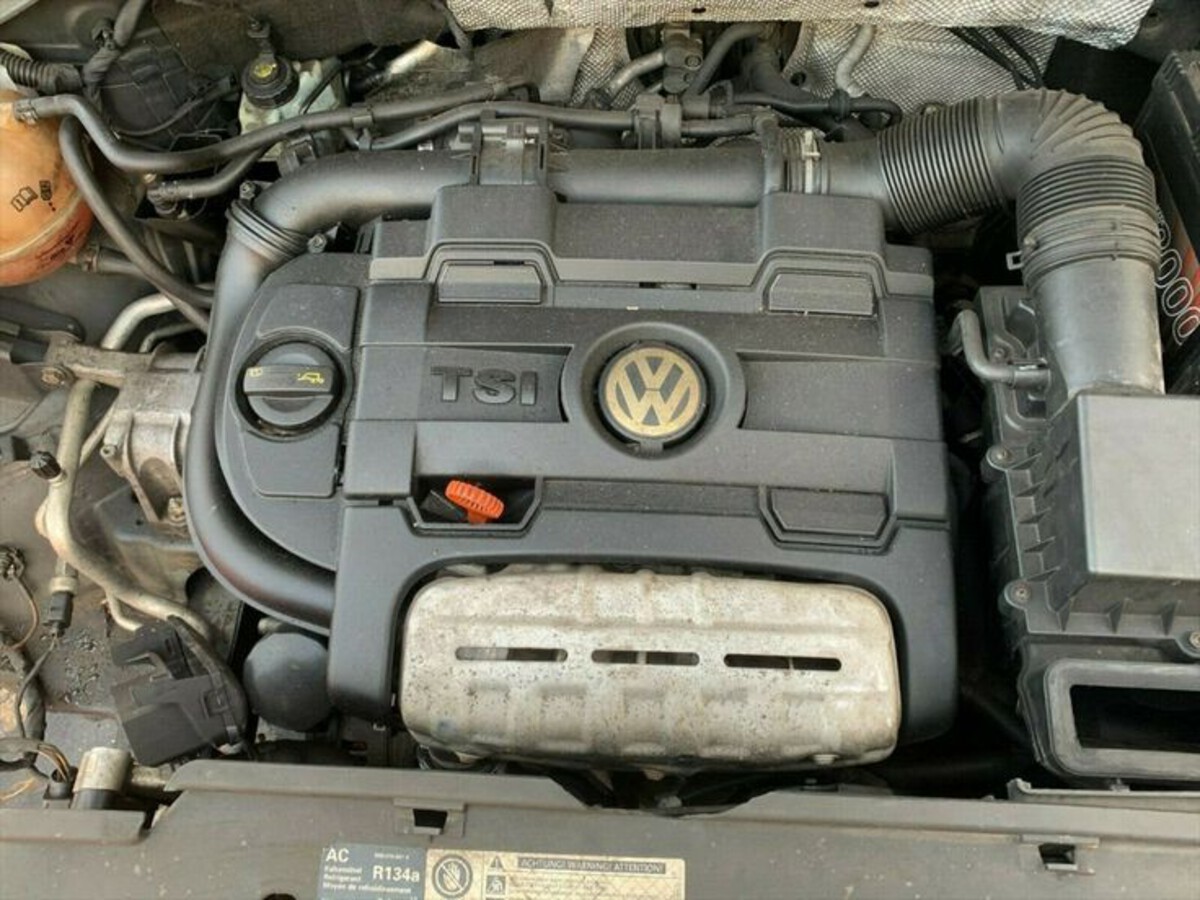
2. Volkswagen 2.0T FSI/TFSI Engines
Volkswagen’s 2.0T FSI and TFSI engines, featured in models like the Golf GTI, Jetta, and Passat, also demonstrate a strong tendency for carbon accumulation. Like the EcoBoost, these engines use direct fuel injection, delivering fuel directly into the combustion chamber.
The intake valves do not receive the cleansing effect of fuel, and over time, carbon deposits can form on both the valves and intake ports. Turbocharging adds another layer of complexity by increasing combustion temperatures and pressure, which promotes carbon formation.
Symptoms such as rough idling, hesitation under load, and occasional misfires often indicate the need for walnut blasting to remove deposits and restore optimal performance.
Volkswagen owners frequently report that walnut blasting is required between 60,000 and 100,000 miles, depending on driving conditions and fuel quality.
The FSI/TFSI engines are further complicated by their high-pressure fuel systems and complex valve timing mechanisms. Variable valve timing and turbo boost management optimize power and efficiency, but they do not prevent carbon accumulation on the intake valves.
The design of the intake manifold can also contribute to stagnant zones where carbon adheres, especially in engines with long intake runners designed to maximize torque at low RPM.
Despite routine maintenance such as oil changes and air filter replacement, carbon buildup is often inevitable, making walnut blasting a necessary procedure for long-term reliability.
High compression ratios and direct-injection design increase the production of soot and hydrocarbon residues that adhere to the intake valves. Over time, these deposits can become thick enough to restrict airflow and disrupt fuel atomization, further compounding combustion inefficiency.
Finally, the performance impact of carbon accumulation in these engines can be significant. Reduced airflow across the intake valves lowers efficiency and responsiveness, while misfires may trigger the check engine light and compromise emissions compliance.
Walnut blasting effectively addresses this problem by mechanically removing the carbon without damaging the valves or surrounding components.
Volkswagen owners often view this procedure as essential preventive maintenance for long-term engine health, particularly in high-mileage or enthusiast-driven vehicles. The 2.0T FSI/TFSI engines illustrate how high-performance direct-injection engines benefit from proactive cleaning to maintain peak performance.
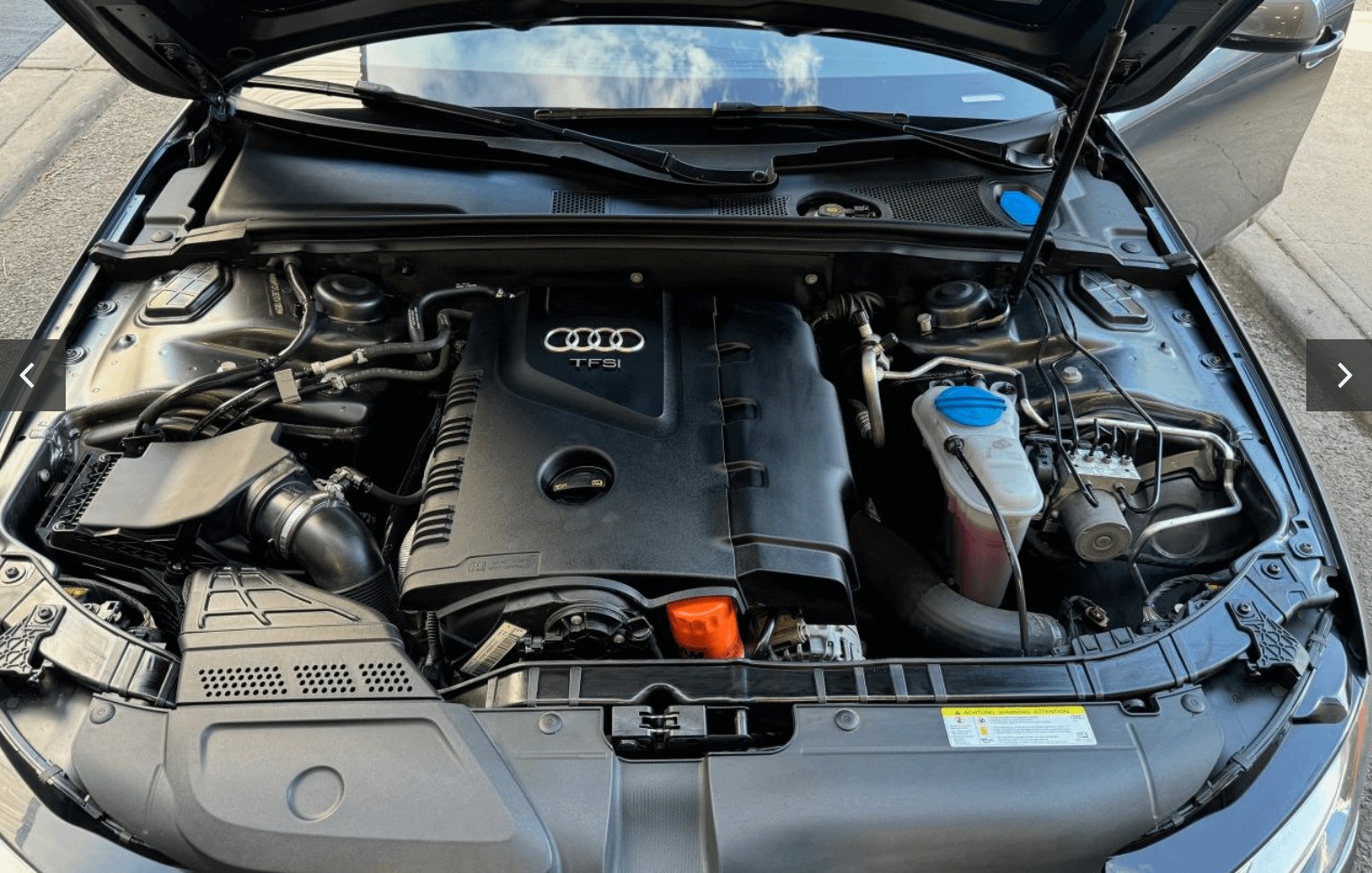
3. Audi 2.5L TFSI Five-Cylinder
Audi’s 2.5L TFSI five-cylinder engine, used in models such as the RS3 and TT RS, is another example of a direct-injection turbocharged engine prone to carbon buildup. Its high-performance design prioritizes power output and efficiency, but these attributes increase the likelihood of deposits forming on the intake valves.
Direct injection delivers fuel directly to the combustion chamber, preventing the natural cleaning effect on intake valves.
The combination of high boost levels, high compression, and elevated operating temperatures accelerates the accumulation of carbon, often leading to rough idle, hesitation, and misfires if the intake valves are not cleaned. Walnut blasting is commonly recommended for this engine to restore airflow and maintain consistent performance.
The five-cylinder layout and high-output turbocharging introduce complex airflow patterns in the intake manifold. Some regions of the manifold and intake valves experience reduced air movement, which encourages carbon adhesion.
The variable valve timing system and precise fuel management optimize performance but do not eliminate the problem.
As a result, even with meticulous maintenance, carbon buildup is common in these engines. Walnut blasting has become a standard procedure for Audi RS3 and TT RS owners, typically performed every 50,000 to 70,000 miles depending on driving habits.
The Audi 2.5L TFSI serves as a clear illustration of the trade-offs in modern high-performance engine design. While direct injection and turbocharging improve efficiency and power, they also make intake valves more susceptible to carbon accumulation.
Walnut blasting is an effective solution that balances performance preservation with maintenance practicality. Engine longevity, responsiveness, and fuel economy all improve following a proper cleaning, emphasizing the need for regular intake valve inspection in turbocharged direct-injection engines.
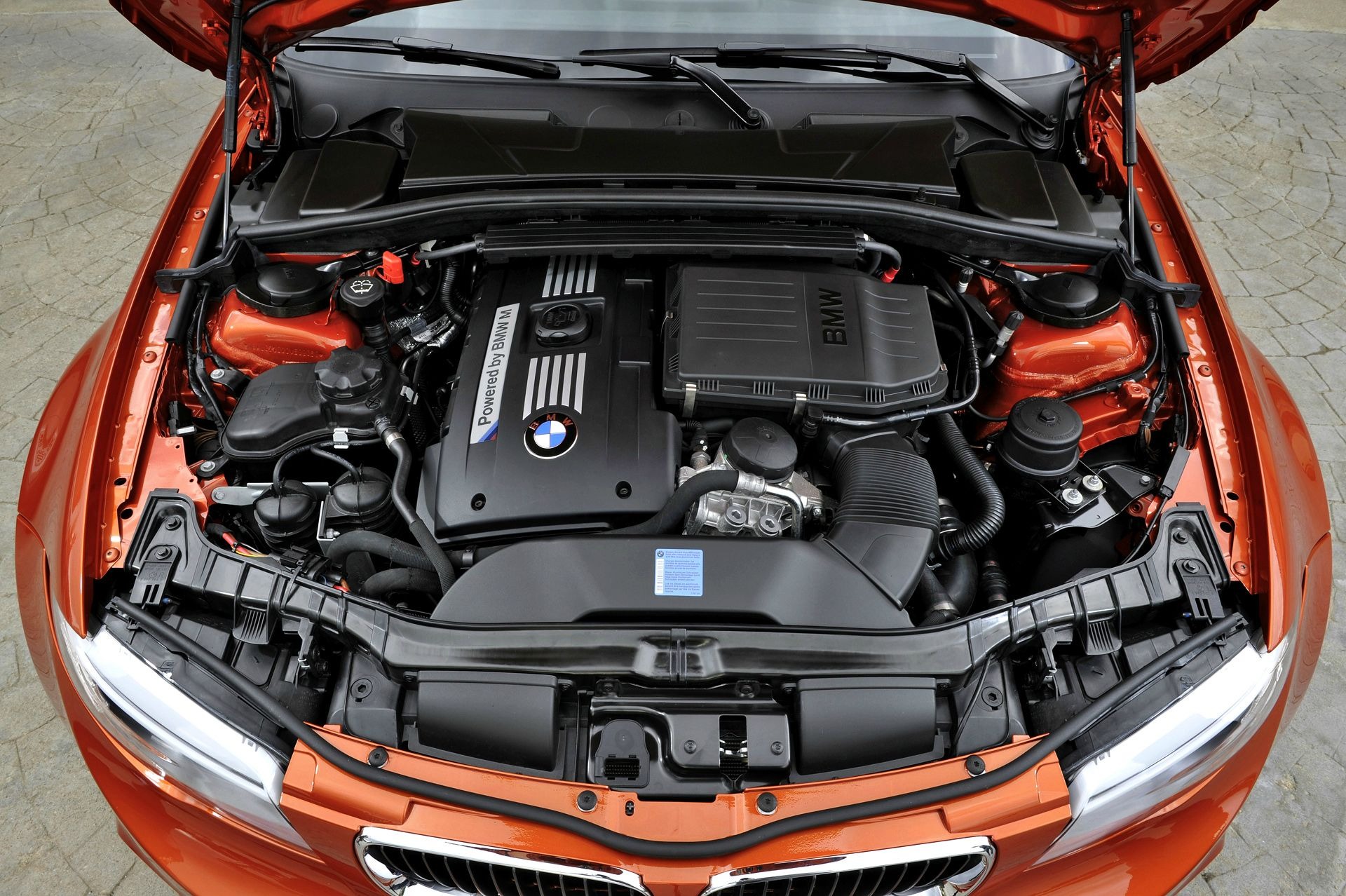
4. BMW N54 Inline-Six
BMW’s N54 3.0L twin-turbo inline-six engine is another well-known example of an engine that often requires walnut blasting. This high-performance engine, used in models such as the 335i, Z4, and 1M Coupe, utilizes direct fuel injection combined with twin turbochargers to deliver impressive power.
However, the intake valves in these engines do not receive fuel washing, allowing carbon deposits to accumulate over time. Twin turbo operation increases cylinder pressure and temperature, accelerating carbon formation.
Owners frequently report symptoms such as rough idling, reduced throttle response, and hesitation during acceleration, all of which indicate the need for intake valve cleaning. Walnut blasting has become a common maintenance procedure to address these issues.
The N54 engine’s design includes a complex intake system and variable valve timing mechanisms that optimize performance but do not prevent carbon deposition. Carbon tends to build in areas of low airflow within the intake ports, where deposits gradually accumulate and restrict airflow.
Even with diligent maintenance, including frequent oil changes and premium fuel, carbon accumulation occurs over tens of thousands of miles. Many N54 owners schedule walnut blasting every 50,000 to 80,000 miles to maintain engine performance and prevent more serious issues.
High compression, turbocharging, and direct injection combine to make the N54 particularly prone to intake valve deposits. These factors produce carbon precursors that adhere to the intake surfaces, eventually affecting combustion efficiency and engine responsiveness.
Ignoring these deposits can lead to more significant problems, including misfires and uneven power delivery. Regular walnut blasting restores the proper airflow and ensures the engine continues to operate at its intended performance level.
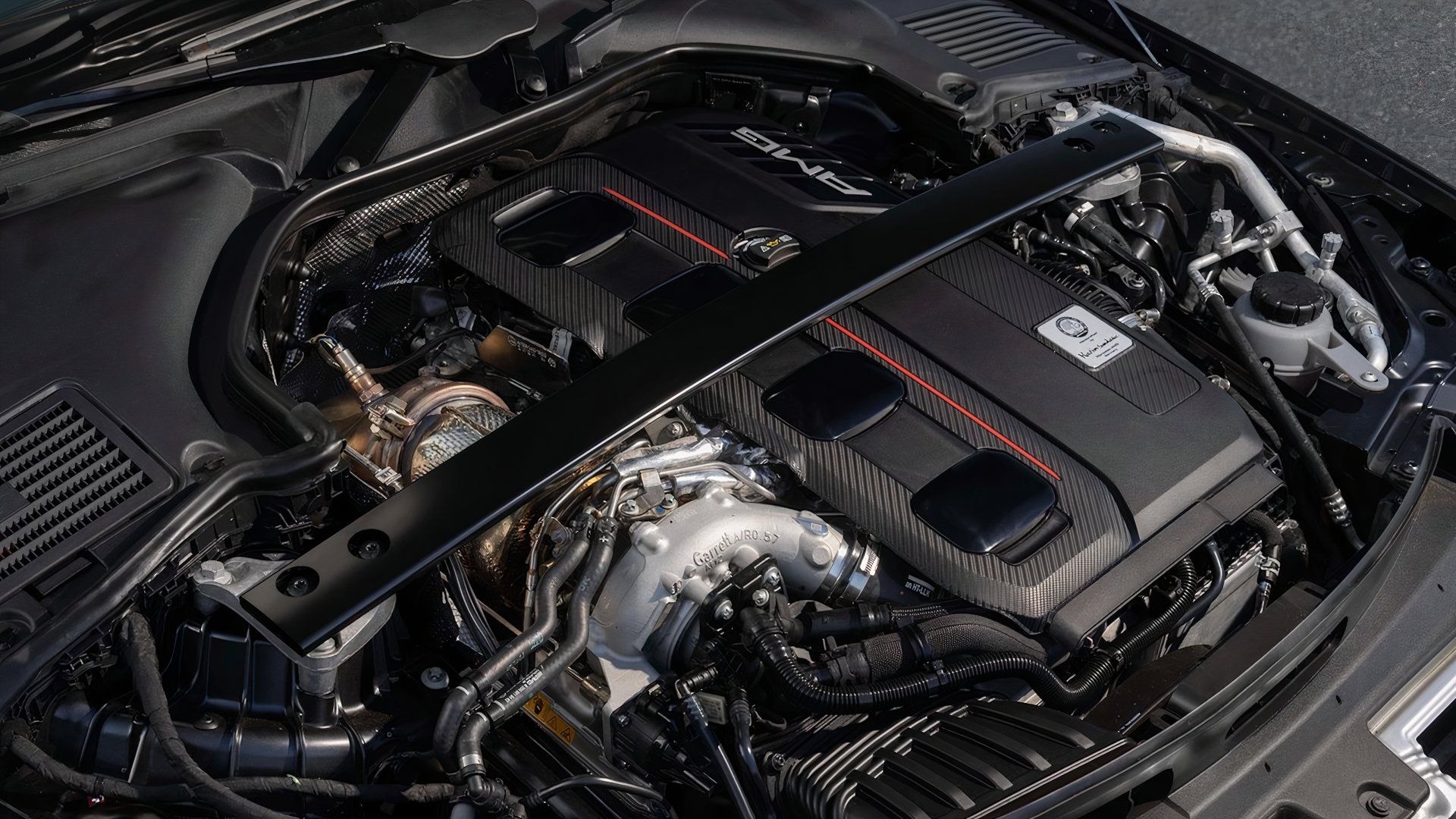
5. Mercedes-Benz M271/M274 Inline-Four Turbo Engines
Mercedes-Benz M271 and M274 1.8L and 2.0L turbocharged engines, used in models such as the C-Class and A-Class, are also prone to carbon buildup due to their direct injection design.
Direct fuel injection delivers fuel straight into the combustion chamber, bypassing the intake valves and preventing the natural cleaning effect that port-injected engines enjoy.
The design of the intake manifold and valve arrangement in these engines creates low-velocity zones where carbon can accumulate more readily. Even with regular maintenance, including oil changes and use of high-quality fuel, deposits tend to form over time.
Variable valve timing improves efficiency and performance but does not prevent carbon adhesion on intake valves. As a result, walnut blasting is often required as a preventive or corrective maintenance measure to maintain engine performance, smooth operation, and fuel efficiency.
Direct injection, turbocharging, and high compression create an environment where hydrocarbon residues and soot easily adhere to intake surfaces. Over time, this affects airflow, combustion efficiency, and engine responsiveness.
Walnut blasting effectively restores the proper valve surface condition, removing hardened deposits and enabling the engine to breathe and perform as designed.
Many Mercedes owners consider this procedure essential for long-term reliability, especially for vehicles that experience frequent short trips or city driving, which accelerate carbon formation.
Finally, the M271 and M274 engines illustrate the balance between efficiency, performance, and maintenance requirements in modern turbocharged engines.
While the engines deliver strong performance and fuel economy, the direct injection system and turbocharging make them susceptible to carbon buildup, requiring proactive maintenance to preserve longevity.
