
Car door locks are often taken for granted until they fail. They are one of the most important aspects of vehicle safety and convenience, protecting passengers and belongings while providing ease of access.
A properly functioning door lock system gives the driver peace of mind, allowing them to lock and unlock doors reliably either through a key, a remote fob, or an internal switch.
While modern vehicles have incorporated more electronic components for locking mechanisms, this advancement has introduced both benefits and vulnerabilities.
In many cases, a simple mechanical lock might be less prone to failure than a fully electronic system.
Over the years, certain vehicles have developed reputations for either having consistently reliable door locks or suffering from frequent actuator problems, which can lead to frustration, inconvenience, and expensive repairs.
Door lock actuators are small electric motors inside the door that physically move the lock mechanism when a signal is sent from a key fob, switch, or central locking system.
When these actuators fail, the door may refuse to lock or unlock, the lock might move inconsistently, or it could make loud grinding noises while attempting to operate.
Problems often occur in older vehicles or those with actuator designs that are sensitive to moisture, dirt, or wear. Some manufacturers have focused on durability and quality, resulting in vehicles where door locks perform reliably for many years.
Other vehicles, due to design flaws or cost-cutting measures, frequently experience actuator failure, leading owners to face repeated repairs.
Knowing which models are generally reliable and which tend to have actuator issues allows prospective buyers to make informed decisions. This comparison is particularly relevant for people purchasing used vehicles, where prior maintenance and known issues play a significant role in long-term satisfaction.
The following sections will categorize ten vehicles into two groups: five models known for their reliable door locks and five models frequently affected by actuator problems.
Each vehicle is discussed in terms of its locking system performance, reliability history, and general owner feedback. By understanding the patterns of durability and failure, car buyers and owners can better navigate the challenges of electronic and mechanical lock systems.
Vehicles with Reliable Door Locks
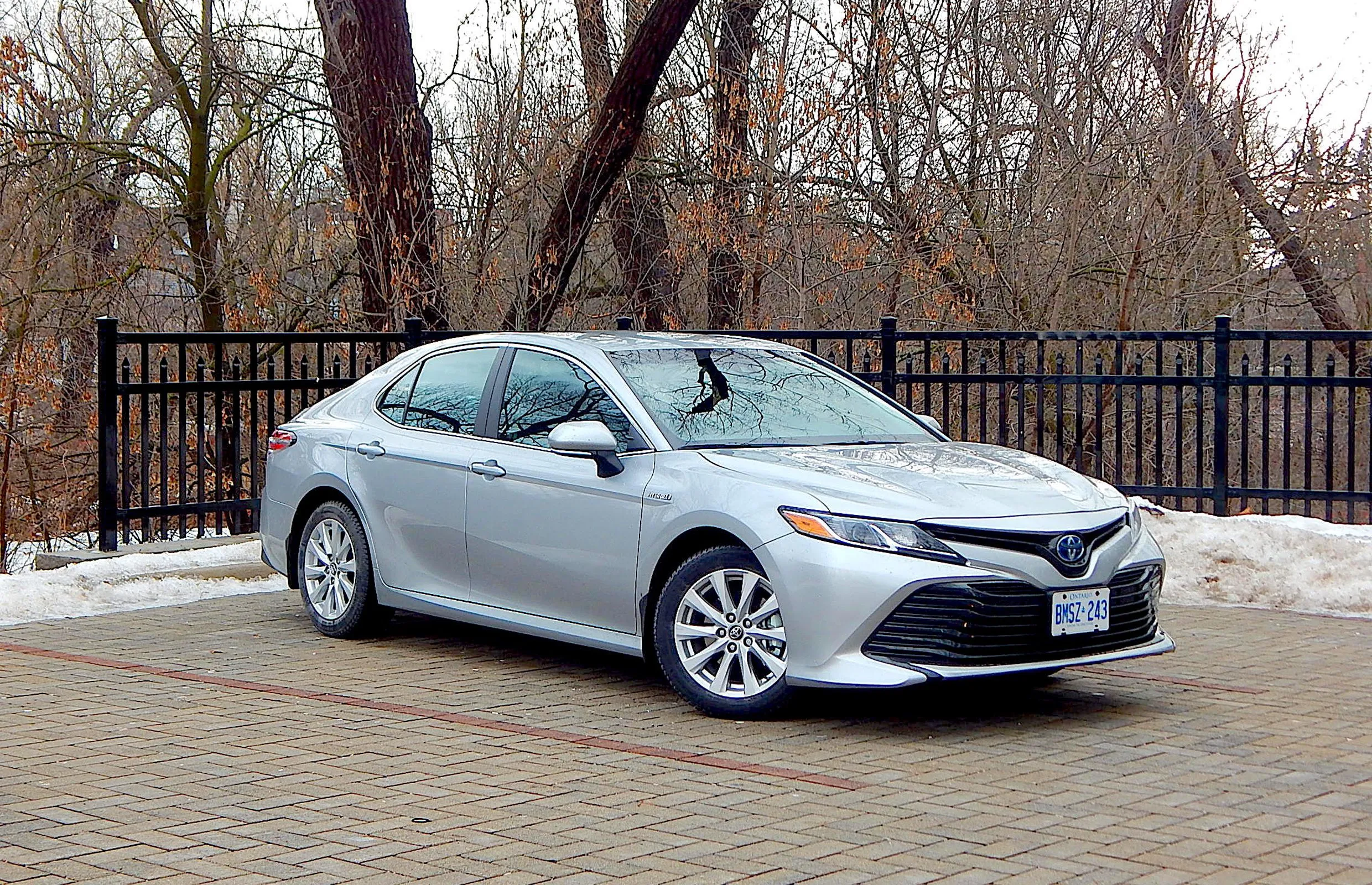
Toyota Camry
The Toyota Camry has long been recognized for its reliability, and this reliability extends directly to its door locking system. The Camry’s actuators are engineered to withstand years of consistent use, with design and material choices that significantly reduce the risk of failure.
The mechanical components within the locking system, such as gears, levers, and the central locking rods, are made of durable materials that resist wear, fatigue, and corrosion.
The electronic components, including sensors and wiring connections, are designed to provide precise control over the actuators while maintaining minimal susceptibility to environmental damage.
Many owners report that even vehicles with high mileage continue to exhibit smooth and consistent lock and unlock performance, both manually and via remote fob.
This reliability reduces owner stress, allowing drivers to trust that their doors will function properly under a variety of conditions without constant maintenance.
Another factor contributing to the Camry’s dependable locks is Toyota’s rigorous quality control and testing standards. Each actuator assembly undergoes careful inspection to ensure proper alignment, electrical conductivity, and mechanical strength.
Rubber seals and protective casings are used strategically to prevent moisture, dirt, and dust from compromising the actuator motor or internal gears.
In addition, the actuator design minimizes the need for excessive lubrication, which can degrade over time, allowing the system to maintain smooth operation with minimal maintenance.
Even in extreme weather conditions, such as freezing winters or humid summers, the Camry’s locks continue to perform effectively, reflecting a thoughtful balance between mechanical durability and electronic sophistication.
Owner experience further illustrates the Camry’s reliability. The feedback when using the key fob or interior lock switch is consistently smooth and predictable, with no abnormal noises or hesitation.
Many drivers note that they rarely have to manually engage locks, unlike in other vehicles where electronic systems often malfunction or operate erratically.
This consistency improves the sense of security for drivers and passengers, ensuring that doors lock and unlock as expected every time.
Additionally, the Camry’s locks integrate seamlessly with other vehicle safety systems, such as automatic relocking when the vehicle is started or parked, enhancing both convenience and safety.
Finally, the long-term maintenance perspective demonstrates the Camry’s durability. Replacement actuators are affordable and easy to source, and repair or replacement is straightforward due to the vehicle’s standardized design and accessible door assembly.
The low frequency of failures also reduces the likelihood of cascading problems, such as damage to electrical wiring or misalignment caused by repeated attempts to operate faulty locks.
This combination of design integrity, material quality, and proven performance over time makes the Toyota Camry a benchmark for reliability in door locking systems, providing peace of mind for drivers seeking a vehicle with dependable security and minimal maintenance concerns.
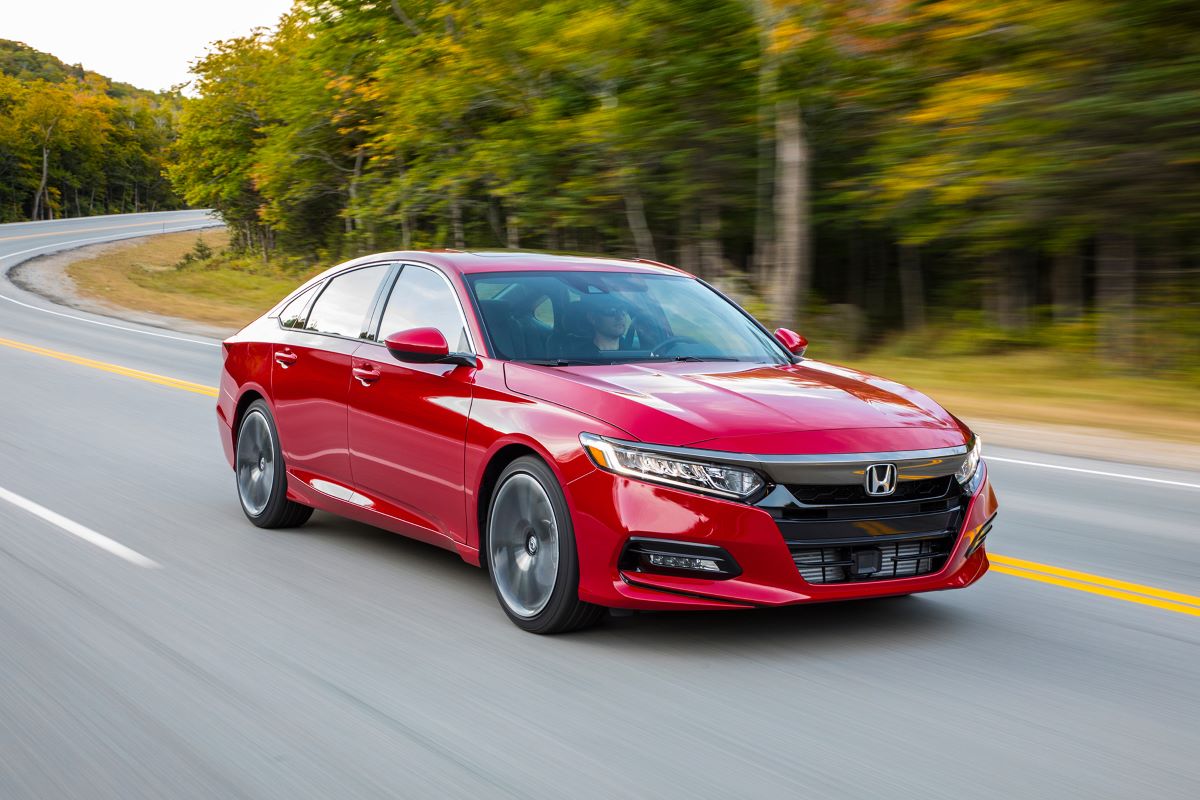
Honda Accord
The Honda Accord consistently demonstrates dependable performance in its door locking mechanisms, making it a standout among mid-size sedans. The design philosophy emphasizes durability, with actuators constructed to endure frequent and repeated use throughout the vehicle’s life.
Honda has historically focused on building actuators with reinforced gears, long-lasting motors, and reliable electrical components. This approach minimizes the risk of mechanical wear or electrical failure over time.
Many owners report that both manual and electronic lock operations remain functional and consistent even in high-mileage vehicles, highlighting the long-term resilience of the system.
Compared to other vehicles in its class, the Accord’s door locks are less prone to random failures, providing owners with dependable functionality for years.
The actuator design in the Accord also benefits from attention to environmental protection. Components are sealed against moisture and dust, which are common causes of corrosion and electrical shorts.
Lubrication is applied to reduce friction in mechanical parts, but in a manner that does not attract excessive dirt or debris.
Electrical connectors are carefully engineered to maintain solid contact over time, minimizing the likelihood of intermittent issues that can plague other vehicles.
Door alignment is another critical factor in the Accord, with precise assembly that ensures actuators operate without excessive strain, reducing the risk of premature wear or malfunction. This thoughtful engineering contributes directly to the vehicle’s reputation for long-lasting reliability.
The user experience of the Accord’s locking system reinforces its reputation. Remote and manual operations are smooth, and the locks respond predictably under various conditions, including extreme temperatures.
Owners note that interior switches are highly responsive, and the feedback from the actuator is consistently silent and efficient.
Unlike vehicles where locks may grind, hesitate, or fail intermittently, the Accord offers a sense of confidence and security, ensuring that doors will operate properly even after many years of use.
This dependability extends to integrated safety features, such as automatic relocking and child lock systems, which function without the frustration associated with less reliable actuators.
Maintenance and repair considerations further illustrate the benefits of Honda’s approach. Replacement actuators are widely available and reasonably priced, and the modular design of the doors simplifies servicing when necessary. Failures are infrequent enough that many owners may never need to replace an actuator in the life of the vehicle.
This longevity reduces both the cost and inconvenience of ownership, reinforcing the Accord’s appeal as a dependable, low-maintenance choice.
The combination of robust mechanical engineering, durable materials, and well-protected electronics ensures that the Accord’s door locks remain a strong asset in terms of reliability, convenience, and peace of mind for drivers.
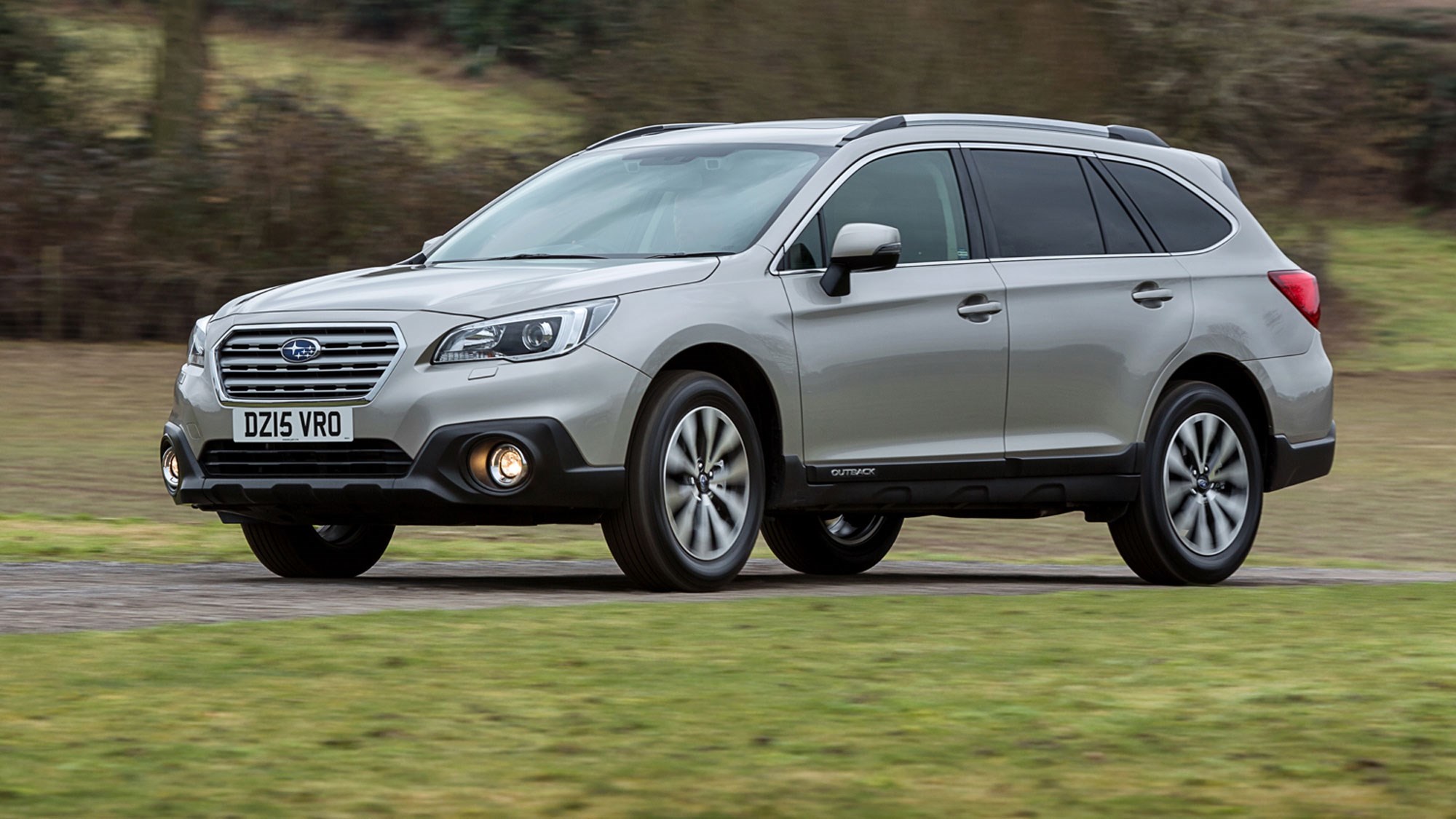
Subaru Outback
The Subaru Outback is designed with utility and durability in mind, and its door locking system reflects the brand’s emphasis on reliable performance. Actuators are built to withstand repeated use, with mechanical and electronic components that resist wear, corrosion, and environmental damage.
The Outback’s doors are engineered to handle body flex and off-road use, reducing the risk of misalignment that can strain actuators and lead to failure.
Owners consistently report that locking and unlocking mechanisms function smoothly, whether operated manually or electronically, even under the stresses of outdoor use or long-term ownership.
The combination of rugged construction and precise engineering ensures that the Outback’s locks remain dependable across a wide range of conditions.
A key factor in the Outback’s actuator reliability is weatherproofing. Moisture intrusion is minimized through seals, gaskets, and protective casings, preventing corrosion and electrical short circuits that commonly cause failure in other vehicles.
Internal gears are reinforced and lubricated to maintain smooth operation over time, and motors are designed to provide consistent force without overheating or overworking.
These design considerations ensure that actuators remain functional even in heavy rain, snow, or muddy conditions, making the Outback particularly well-suited for owners in climates with challenging weather.
The practical experience of operating the Outback’s locks further highlights their reliability. Owners report that the remote fob, interior switches, and manual locking mechanisms all respond predictably and efficiently. Noise during operation is minimal, and the locks rarely require multiple attempts to function correctly.
Long-term maintenance is straightforward, as replacement actuators are relatively easy to access and install. Failures are infrequent, and when repairs are necessary, parts are durable and reliable, minimizing the likelihood of repeated breakdowns.
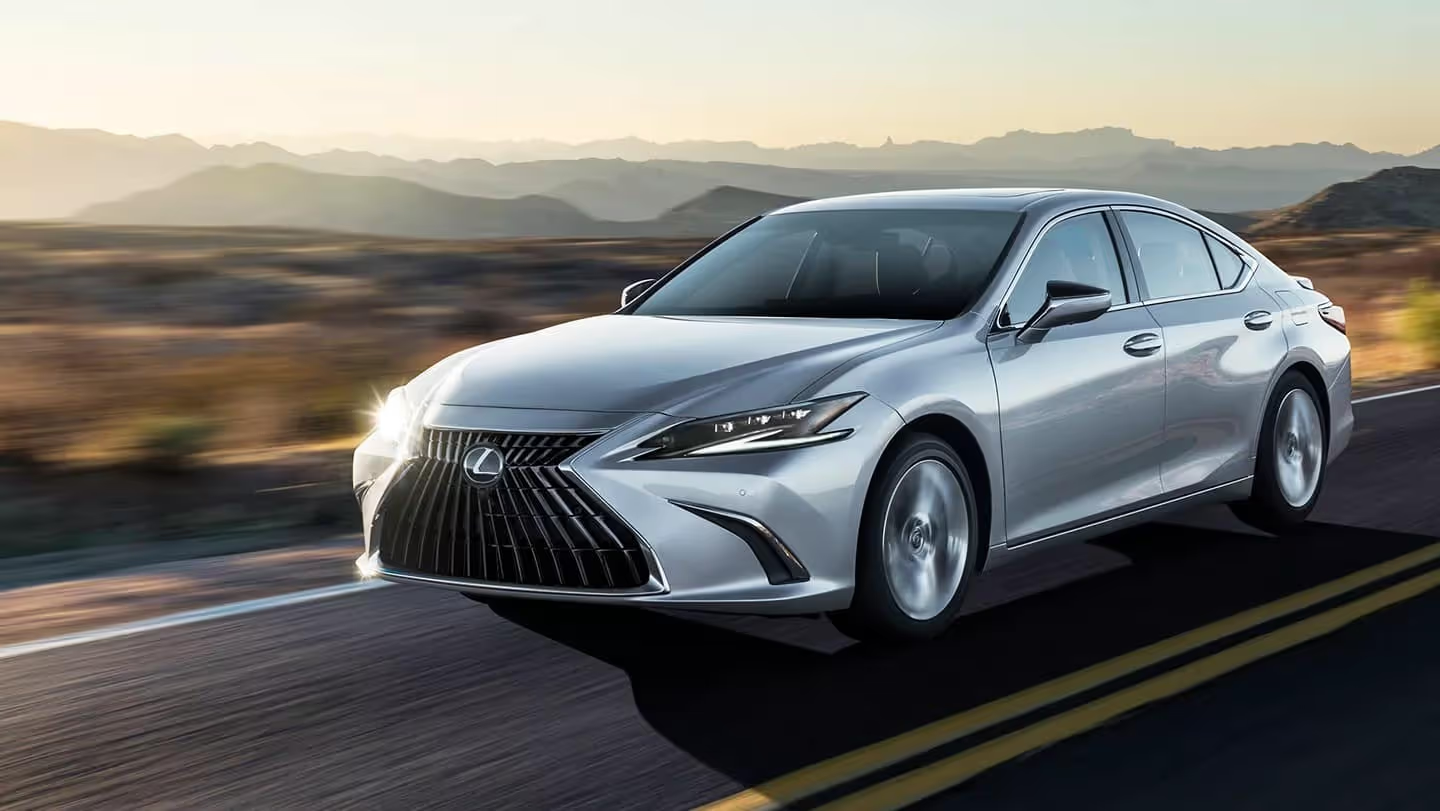
Lexus ES
The Lexus ES, a luxury sedan produced by Toyota, benefits from meticulous engineering and premium materials, resulting in a highly reliable door locking system. Actuators in the ES are constructed to operate smoothly and consistently, with a focus on both mechanical strength and electronic reliability.
The materials and manufacturing standards in the Lexus ES further enhance reliability. Actuator motors are sealed and reinforced, preventing moisture and dust from interfering with operation.
Door panels and internal components are precisely aligned, ensuring that actuators do not experience unnecessary stress or friction.
Electrical wiring is insulated and routed carefully, minimizing exposure to potential shorts or wear points. This combination of high-quality materials, precise engineering, and robust design ensures that the door locks remain functional over long periods, even in vehicles with high mileage or heavy usage.
Owners of the ES experience smooth, quiet operation when locking and unlocking doors. Actuators operate without the grinding noises or hesitations commonly found in vehicles with weaker designs. The consistent feedback provides peace of mind, as drivers can trust that doors will respond correctly every time.
Integrated features such as automatic relocking and child safety locks also function reliably, further enhancing the convenience and security of the vehicle. This level of consistent performance is a major reason why Lexus maintains a strong reputation for long-term reliability in luxury vehicles.
Maintenance and repair are simplified by the high-quality engineering and accessibility of components. While failures are rare, replacement actuators are available and designed to last, reducing both cost and inconvenience for owners.
The ES demonstrates that premium vehicles, when designed with attention to detail and durability, can combine advanced features with long-term reliability.
The dependable operation of door locks contributes to the vehicle’s ownership experience, reinforcing Lexus’s commitment to quality and customer satisfaction.
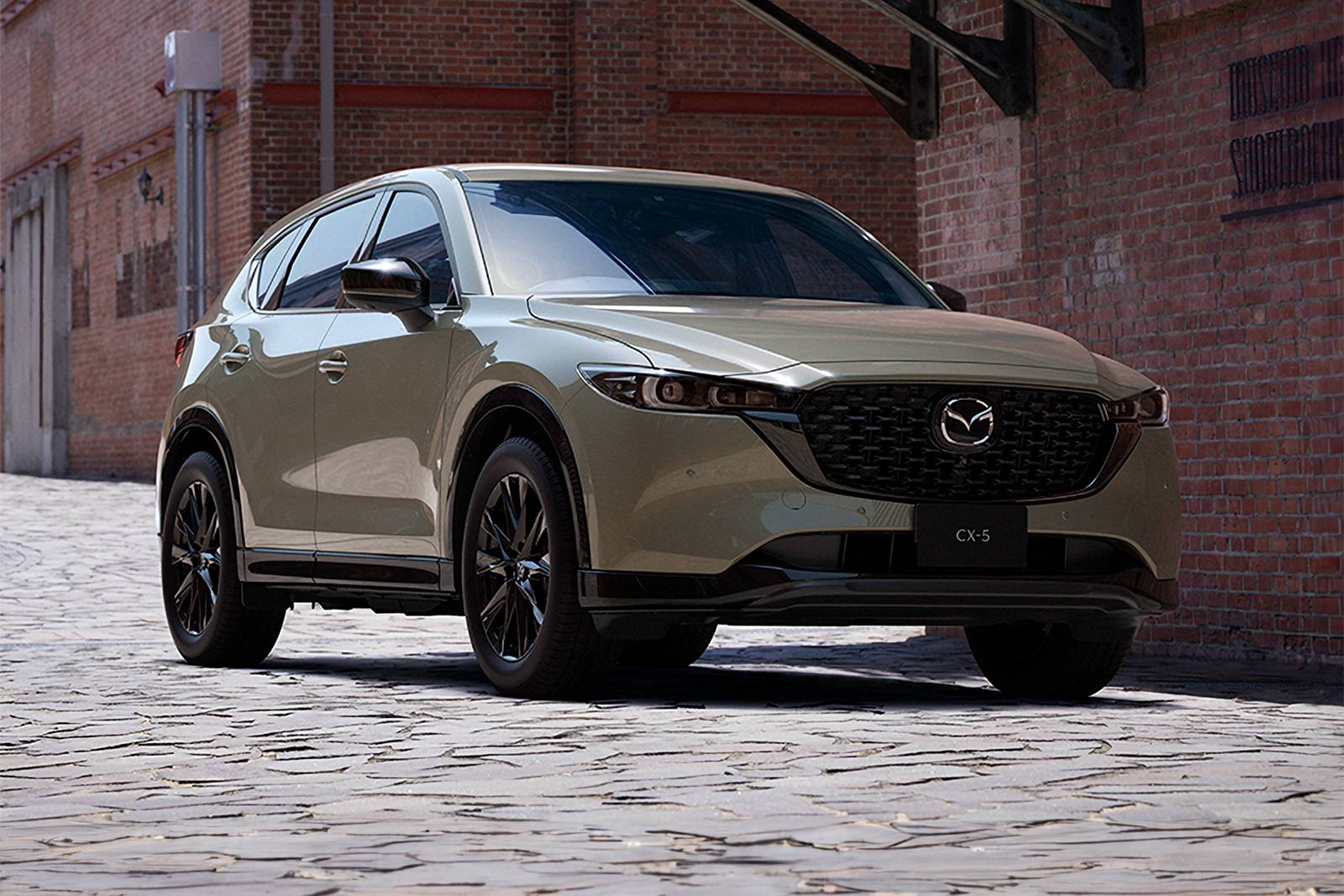
Mazda CX-5
The Mazda CX-5, a compact SUV known for sporty handling and practicality, is also recognized for reliable door locks.
Mazda’s actuators are engineered for durability, with careful attention to both mechanical and electronic design. Gears are reinforced, motors are long-lasting, and electrical connections are secure, minimizing the risk of failure.
Owners often report consistent operation over the life of the vehicle, with both remote and manual locking mechanisms performing reliably even after years of use. The combination of thoughtful design and durable components makes the CX-5’s locks a standout feature in its class.
Environmental protection contributes significantly to the CX-5’s actuator reliability. Moisture, dirt, and debris are prevented from entering the actuator mechanism through seals and protective casings.
Lubrication is applied where needed to reduce friction and wear, but not in a way that attracts contaminants. Wiring and electrical connections are insulated and securely mounted, minimizing the risk of corrosion or intermittent failure.
The doors themselves are designed with precise alignment, reducing strain on mechanical components and helping to ensure long-term operation. These features together create a robust locking system that maintains performance in diverse driving conditions.
User experience emphasizes the practical benefits of the CX-5’s reliability. Locks operate smoothly, quietly, and predictably, whether using a key fob, interior switch, or manual key. Drivers report minimal frustration, as the system responds consistently under all typical operating conditions.
This predictability enhances both convenience and security, as owners can trust that doors will lock and unlock as intended. The CX-5’s reliability in this area sets it apart from many competing SUVs, where actuator issues can cause repeated inconvenience and repair costs.
From a maintenance perspective, the CX-5’s door locks are easy to service when needed. Replacement actuators are accessible and built to last, reducing the likelihood of repeated failures.
Vehicles Commonly Plagued by Actuator Failures
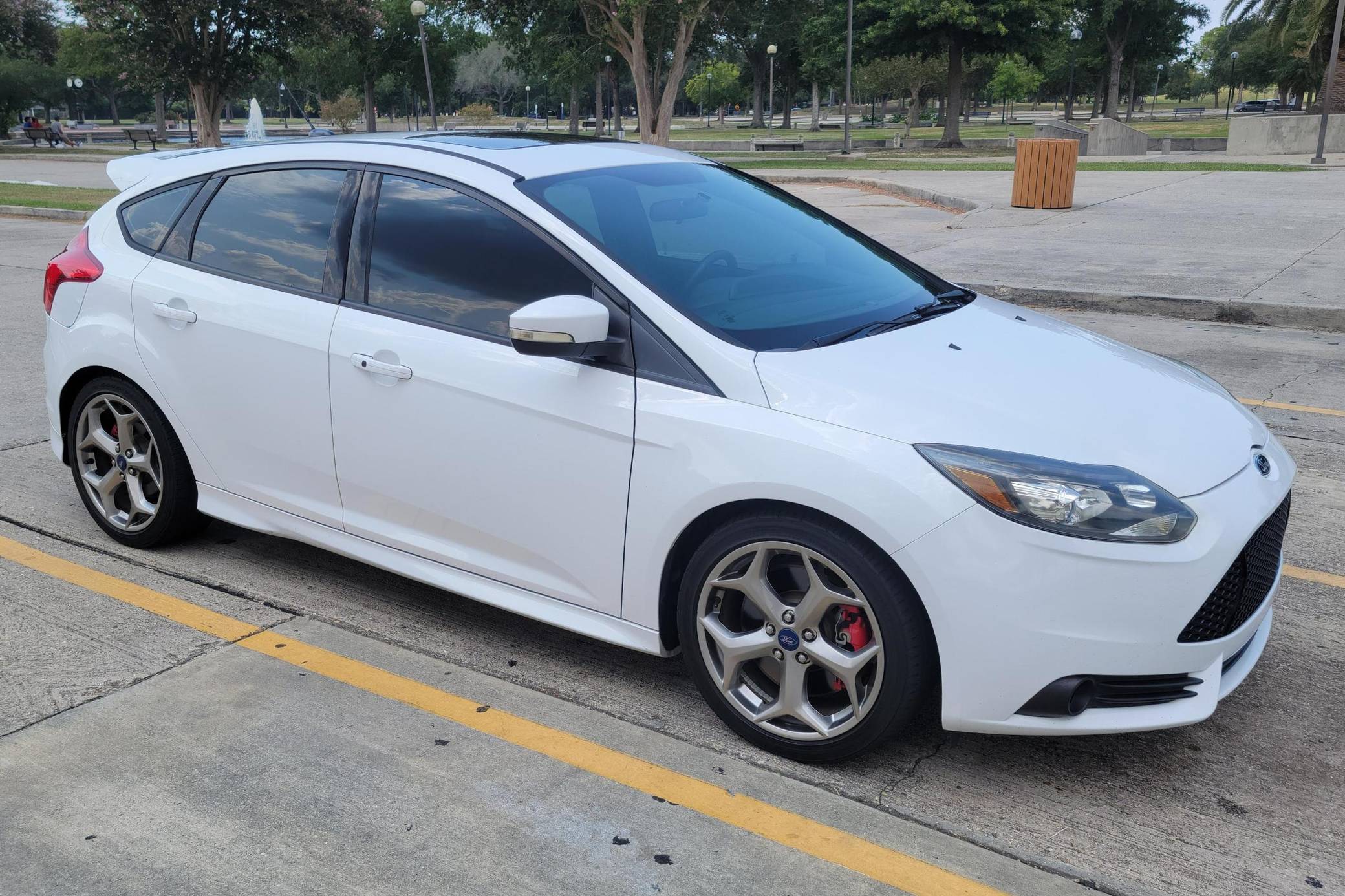
Ford Focus
The Ford Focus, while generally praised for its affordability and driving performance, has long been reported to experience issues with its door locking actuators. Many owners have encountered early failures in both front and rear door actuators, with symptoms ranging from intermittent operation to complete lock failure.
These problems often stem from mechanical components that are prone to wear and breakage, particularly the internal gears of the actuator motor. Additionally, electrical connections in the door assembly can degrade over time, causing erratic behavior in remote or interior switch operations.
While the vehicle’s other systems perform adequately, the door locks are a frequent source of frustration and unexpected repair costs for owners, highlighting a weak point in the vehicle’s reliability.
Environmental factors further exacerbate these issues in the Ford Focus. The actuator housing and seals have been criticized for insufficient protection against moisture, dirt, and debris, which can enter the mechanism and accelerate wear.
Owner experiences reflect the practical challenges of these actuator failures. Many report that the locks respond slowly or inconsistently, often requiring multiple attempts to secure a door using either the key fob or interior switch.
In some cases, actuators fail, forcing owners to rely on manual operation or undergo potentially costly repairs.
This inconsistent performance undermines confidence in vehicle security and can be particularly inconvenient in urgent situations, such as locking a vehicle on a busy street or ensuring child safety features are properly engaged. The repetitive nature of these issues has contributed to negative perceptions of the Focus’s door lock reliability.
Maintenance and repair considerations in the Ford Focus further illustrate the challenges posed by its actuator issues. While replacement actuators are available, accessing the door assembly can be time-consuming and may require specialized tools, making repairs more labor-intensive than in vehicles with more reliable designs.
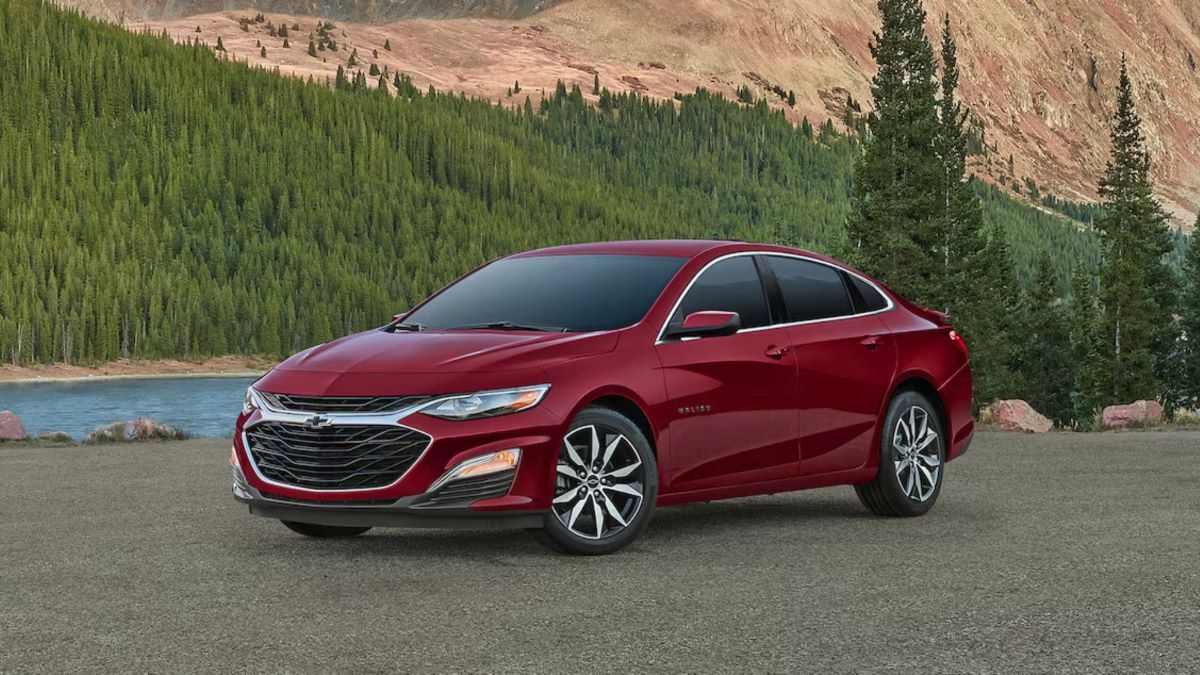
Chevrolet Malibu
The Chevrolet Malibu, particularly in model years around the early 2010s, has been noted for frequent door actuator failures.
The mechanical components within the actuator are prone to wear, with gears and levers breaking under repeated use. Electrical components can also fail due to intermittent contact or degradation of wiring within the door panel.
This combination of mechanical and electronic weaknesses often leads to erratic lock behavior, where doors may lock or unlock unpredictably, or fail to respond entirely to remote commands.
Many owners have reported that these failures occur even in relatively low-mileage vehicles, indicating a systemic issue with actuator design and assembly rather than normal wear and tear.
Environmental susceptibility compounds the problem in Malibu. Seals around the actuator and door assembly often fail to adequately prevent moisture from entering the mechanism, leading to corrosion in the actuator motor or electrical connectors. Dirt and debris can also accumulate over time, interfering with smooth operation and causing gear jamming.
User experiences with Malibu door locks often include frustration and uncertainty. Many drivers report delayed or incomplete lock engagement when using the key fob or interior switches, forcing repeated attempts or temporary manual operation. In some cases, the actuator may stop responding entirely, requiring replacement to restore functionality.
This inconsistent behavior can compromise vehicle security, as owners cannot always trust that doors are properly locked or unlocked. Additionally, the audible clicking or grinding noises associated with failing actuators can be irritating, further affecting user perception of vehicle quality.
From a repair standpoint, the Malibu’s actuator issues are both inconvenient and costly. Replacement requires removal of door panels and careful attention to wiring connections, which can be challenging for the average vehicle owner.
Because actuator failures are common, owners may face repeated repairs over the life of the vehicle, increasing maintenance costs and reducing ownership satisfaction.
The combination of mechanical vulnerability, electronic sensitivity, and exposure to environmental stressors has made the Chevrolet Malibu one of the vehicles frequently criticized for unreliable door locking mechanisms.
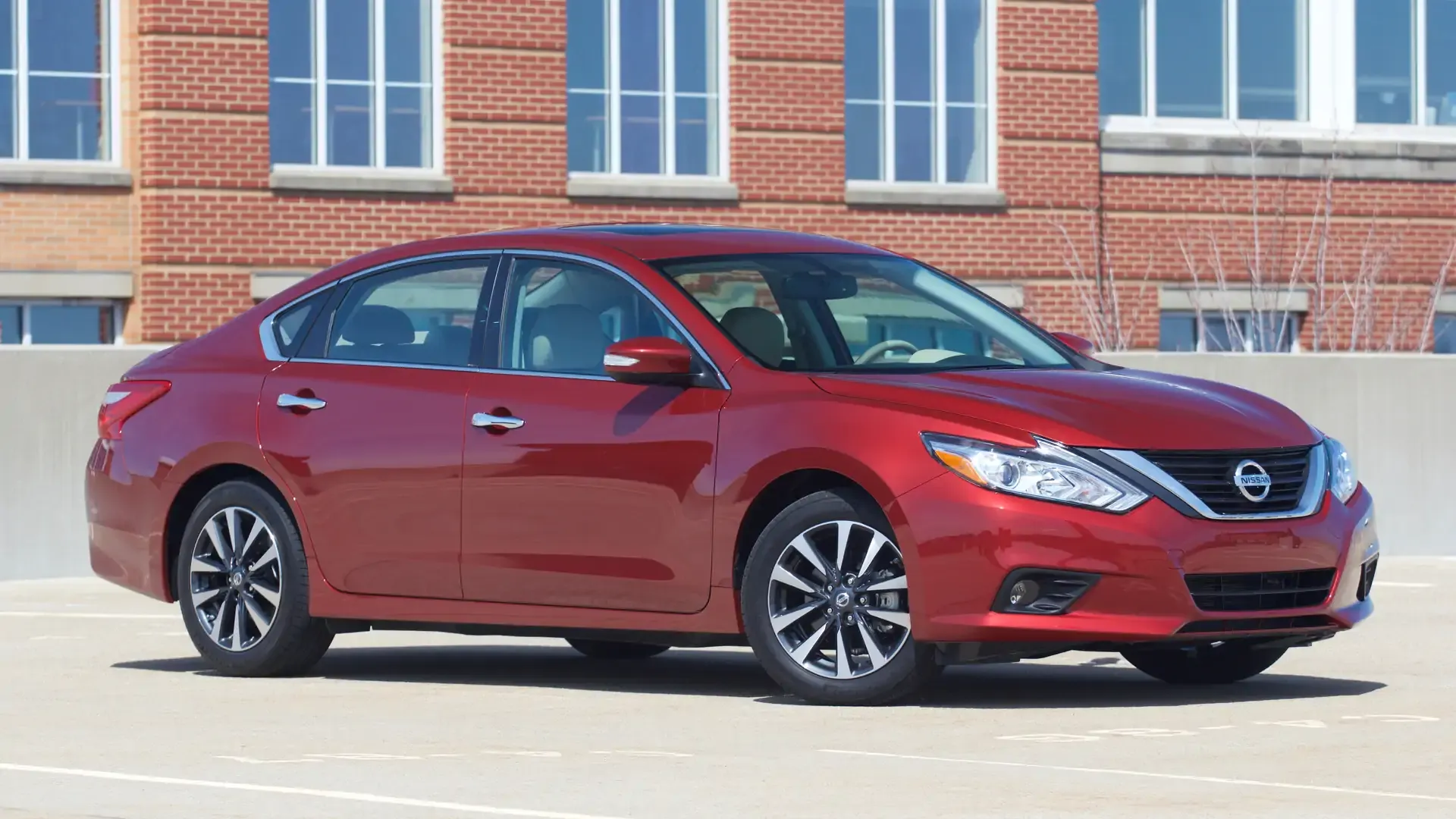
Nissan Altima
The Nissan Altima has experienced widespread reports of door actuator failures, particularly in models from the mid-2000s to mid-2010s. The actuators often suffer from worn internal gears, weak motor components, and electrical connection issues that compromise lock functionality.
Owners frequently report inconsistent operation, including delays in locking or unlocking, repeated failure to respond to key fobs, and, in severe cases, total actuator breakdown.
These issues not only reduce convenience but also affect the sense of security and trust in the vehicle, making the Altima’s door locks a well-known weak point in otherwise reliable vehicles.
Environmental factors play a significant role in actuator failure in the Altima. Door assemblies in these models can allow moisture to enter the actuator housing, leading to corrosion of both mechanical and electrical components.
Dust and other debris can further hinder smooth operation, causing excessive wear on gears and motor components.
In climates with extreme heat, cold, or precipitation, these vulnerabilities are amplified, causing early failure even in vehicles with moderate usage. These environmental sensitivities make the Altima’s locks less resilient than many of its competitors and contribute to frequent owner complaints.
Owner experiences highlight the practical consequences of actuator failure in the Altima. Many drivers report the need for multiple attempts to lock or unlock doors, audible clicking or grinding from the actuator, and occasional complete inoperability.
This erratic behavior undermines vehicle security, creates daily inconvenience, and can be particularly problematic in urgent situations.
The inconsistency of the system means that even responsible maintenance cannot always prevent unexpected failures, resulting in frustration and potential safety concerns.
Repair and maintenance of Altima door locks can be challenging. Accessing the actuator requires careful disassembly of the door panel and attention to electrical connectors, which may be delicate or difficult to route correctly.
Because actuator failure is a recurring issue, owners may face repeated replacements, increasing both cost and inconvenience over time.
The combination of weak mechanical components, exposed electronics, and sensitivity to environmental factors ensures that the Nissan Altima remains a commonly cited example of vehicles plagued by door actuator failures.
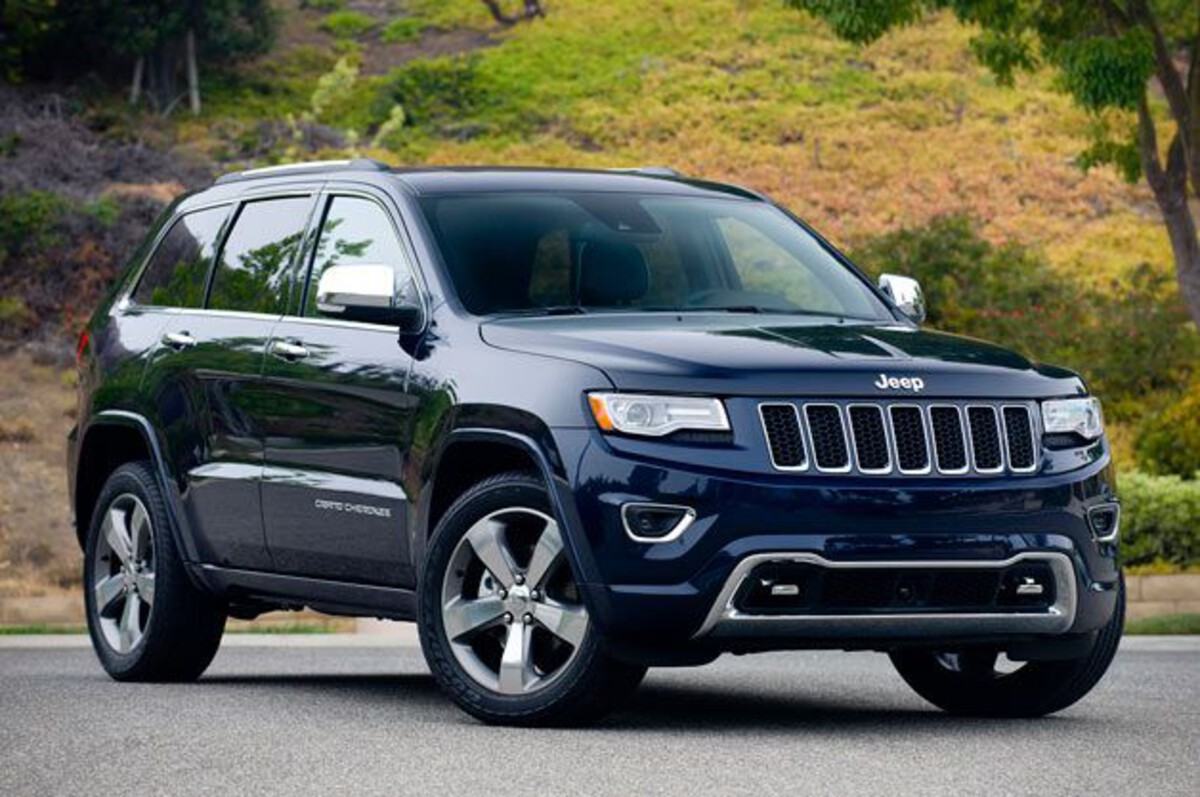
Jeep Grand Cherokee
The Jeep Grand Cherokee is known for its off-road capability and robust performance, but it has also been criticized for door actuator failures in several model years. The complexity of the door locking system, which integrates mechanical gears with electronic control modules, makes it susceptible to failure over time.
Mechanical components may wear prematurely, while motors and electrical connectors can fail intermittently or completely. Owners often report doors failing to lock or unlock with the key fob, requiring repeated attempts or manual intervention.
The combination of mechanical stress from frequent door use and electronic sensitivity makes the Grand Cherokee particularly prone to actuator-related problems.
Environmental exposure exacerbates these issues. The Grand Cherokee’s design allows for potential moisture ingress, which can corrode gears, weaken motor function, or short-circuit electrical components.
Dust, dirt, and mud from off-road driving further stress the actuator, leading to accelerated wear and occasional binding.
Temperature extremes can strain the motor and electronics, reducing operational reliability and causing failures in climates with hot summers or freezing winters.
The susceptibility to environmental damage makes actuator failure a common and recurring problem for many owners, despite the vehicle’s rugged design.
For families or off-road enthusiasts, such failures can be inconvenient and concerning, as consistent door operation is a critical aspect of vehicle reliability. The combination of mechanical and electronic weaknesses creates a recurring source of dissatisfaction among owners.
Repairing or replacing door actuators in the Grand Cherokee can be time-consuming and costly. The assembly may require extensive disassembly of the door, careful handling of electronic components, and proper calibration after installation.
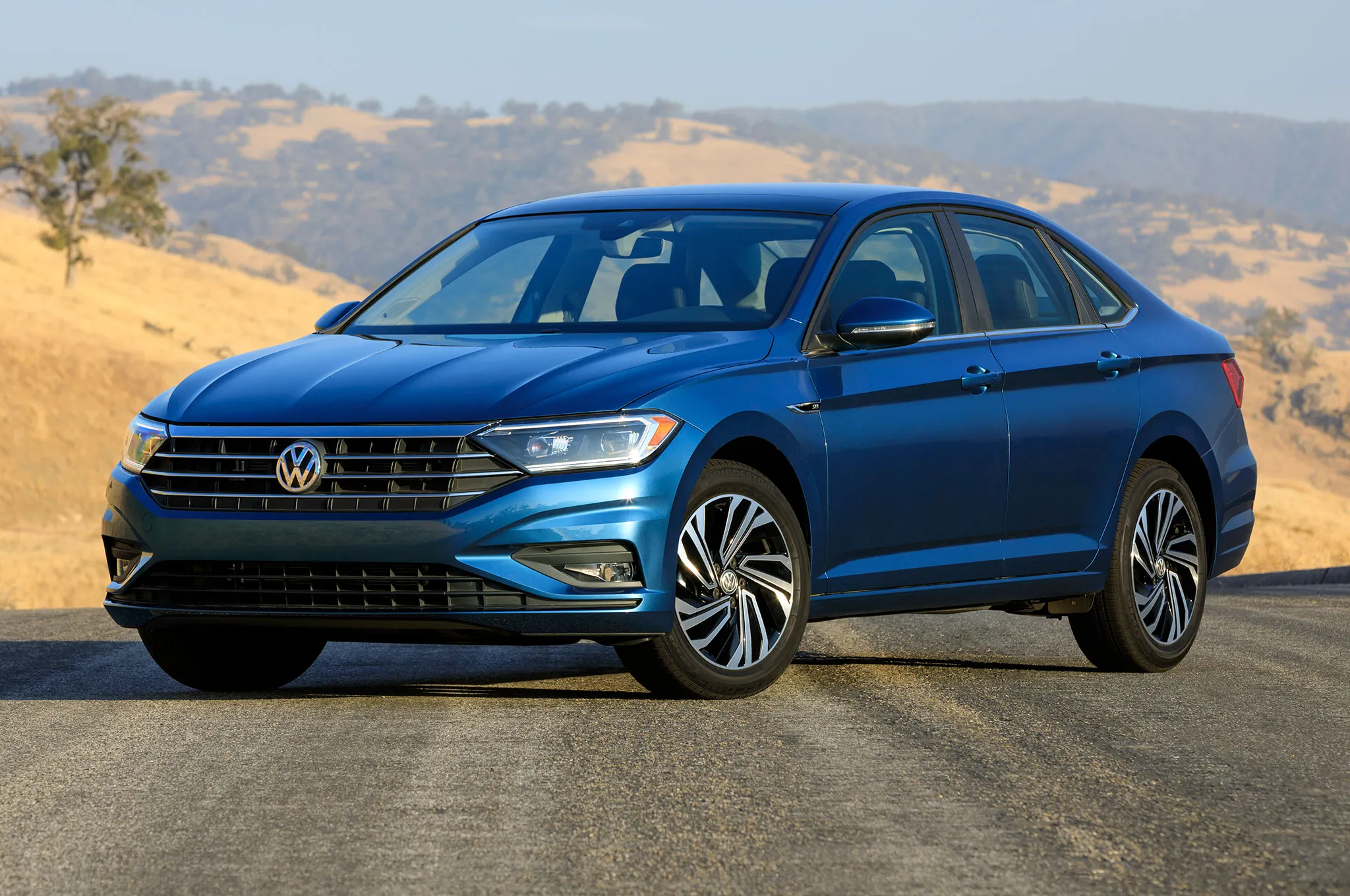
Volkswagen Jetta
The Volkswagen Jetta has been reported to have frequent door actuator problems, particularly in models from the late 2000s and early 2010s. Internal gear wear, motor fatigue, and electrical connection issues contribute to erratic lock behavior, including doors that fail to lock or unlock properly.
Owners have often noted delays in remote or interior switch operation, multiple attempts required to engage locks, or complete actuator failure. This inconsistency reduces convenience and security, making door lock reliability a drawback of these Jetta models.
Environmental exposure further contributes to actuator issues in the Jetta. Seals and housings are sometimes insufficient to prevent moisture intrusion, leading to corrosion of electrical contacts and mechanical components.
Dust and debris may accumulate in the actuator mechanism, further impeding operation and causing premature wear.
Vehicles operated in areas with cold winters, heavy rain, or high humidity are particularly susceptible to failures, highlighting the vulnerability of the design to everyday environmental stresses.
Repair and maintenance are challenging in the Jetta due to the need to remove door panels, disconnect electrical components, and carefully install replacements. Because actuator failure is relatively common, repeated servicing may be necessary, increasing ownership costs and inconvenience.
The combination of mechanical weaknesses, electronic sensitivity, and environmental vulnerability ensures that the Volkswagen Jetta remains frequently cited among vehicles plagued by door lock actuator failures.
