
Plug-in hybrid electric vehicles have emerged as one of the most flexible solutions in modern transportation, bridging the gap between fully electric vehicles and traditional internal combustion engines.
By combining an electric motor with a gasoline engine, PHEVs allow drivers to enjoy the efficiency of electric propulsion for shorter trips while retaining the range and convenience of gasoline power for longer journeys.
However, the performance, reliability, and longevity of these vehicles depend heavily on how effectively they manage heat and power distribution.
Thermal management, which involves controlling the temperature of the battery, motor, and power electronics, is a critical aspect of maintaining efficiency, avoiding degradation, and ensuring driver comfort.
PHEVs with strong thermal management can sustain high performance during repeated acceleration, long drives, or extreme weather conditions without significant power loss, while poor thermal management can lead to overheating, battery wear, and throttled performance to prevent damage.
Another important consideration is the way PHEVs handle power delivery. Some vehicles are engineered to offer a balanced blend of electric and gasoline power, ensuring smooth acceleration without overstressing any system component.
Others tend to over-throttle, meaning they push the motor and battery beyond optimal levels, either due to aggressive software tuning or limited thermal design, which can reduce efficiency, shorten component lifespan, and create inconsistent driving experiences.
Understanding these differences helps prospective buyers, fleet operators, and automotive enthusiasts make informed choices, not just based on fuel economy or acceleration figures but on reliability and long-term usability.
This article highlights ten PHEVs, divided into two categories: five that maintain strong thermal management and five that over-throttle power. The first group demonstrates engineering strategies that protect the battery, inverter, and engine from overheating, enabling sustained performance and longevity.
The second group illustrates common pitfalls when thermal control or power modulation is inadequate, resulting in temporary power limitations or rapid degradation of key components.
By examining these vehicles in detail, it becomes possible to appreciate the subtle balance between power, efficiency, and reliability that defines a successful plug-in hybrid system, and to recognize the trade-offs when systems are pushed too far.
5 PHEVs That Keep Thermal Management Strong

1. Toyota RAV4 Prime
The Toyota RAV4 Prime is widely regarded for its well-balanced approach to thermal management, combining reliability, efficiency, and consistent performance.
Its liquid-cooled battery pack is engineered to maintain a stable temperature range under varied driving conditions, which is critical for preserving both short-term performance and long-term battery health.
The battery is composed of high-capacity lithium-ion cells that are actively monitored by multiple sensors, allowing the vehicle’s control system to adjust coolant flow rates to prevent any cell from overheating.
This careful engineering ensures that even when the driver pushes the vehicle in electric-only mode at high speeds or during repeated acceleration, the battery remains within an optimal thermal envelope.
The inverter and electric motor also benefit from targeted cooling channels, which maintain consistent operation without sudden power reductions.
The RAV4 Prime also uses software-based energy management strategies that optimize torque distribution between the electric motor and gasoline engine based on thermal conditions.
Unlike PHEVs with simple cut-off mechanisms that throttle power abruptly when temperatures rise, the RAV4 Prime can gradually shift torque to the engine while maintaining smooth acceleration.
This means that drivers rarely notice any performance drop, even during extended highway trips or in stop-and-go traffic, where repeated regenerative braking can generate additional heat in the battery.
Additionally, preconditioning systems allow the vehicle to bring the battery to ideal operating temperatures before the driver begins their journey, which is particularly beneficial in cold climates. This feature enhances both efficiency and the lifespan of the battery.
From a packaging perspective, the RAV4 Prime benefits from having its battery located beneath the passenger compartment, which provides natural protection from external temperature extremes while taking advantage of airflow beneath the chassis for additional passive cooling.
The design also minimizes hotspots, ensuring that the entire battery pack remains evenly conditioned. This layout, combined with active liquid cooling, allows for consistent performance during a variety of driving scenarios, whether it involves city commuting or long-distance travel.
Finally, Toyota’s attention to monitoring and diagnostics enhances the vehicle’s thermal stability. A network of sensors constantly tracks the temperature of individual battery cells, the inverter, and the electric motor.
The vehicle’s control system uses this data to dynamically adjust cooling rates, regenerative braking intensity, and torque split, optimizing both performance and durability.
This proactive approach ensures that the RAV4 Prime remains one of the most dependable PHEVs on the market, offering a blend of strong thermal management, driver comfort, and long-term reliability that few competitors match.

2. Mitsubishi Outlander PHEV
The Mitsubishi Outlander PHEV is engineered with a comprehensive approach to thermal management, combining liquid cooling, redundant pathways, and software intelligence.
Its battery is actively cooled through a dedicated liquid circuit, which helps maintain stable temperatures even during sustained high-load driving.
The motor and inverter are also equipped with targeted cooling solutions, ensuring that heat generated by electric propulsion does not lead to throttled performance or excessive wear.
This is particularly important for an SUV like the Outlander, which is often used for long-distance trips and mixed urban-highway driving, where repeated acceleration and regenerative braking cycles could otherwise cause overheating.
Redundancy is a key feature of the Outlander’s thermal design. If the primary cooling loop reaches its capacity, secondary channels divert heat away from critical components to prevent thermal spikes.
This dual-path approach ensures that the battery and power electronics remain within safe operating limits, even when the vehicle is pushed to its performance limits in challenging conditions, such as towing or driving uphill on hot days.
These features allow drivers to rely on the electric system without worrying about sudden drops in performance or forced throttle reductions, which are common in less robust PHEVs.
Mitsubishi has also integrated cabin climate control with battery thermal management, allowing heat to be drawn from the interior or released strategically to maintain the battery’s temperature
. This synergy between passenger comfort and energy management enhances efficiency, ensuring that the vehicle performs consistently in both summer heat and winter cold.
Furthermore, the regenerative braking system is modulated based on temperature readings, preventing excessive heat buildup while maximizing energy recovery. This careful coordination ensures that the battery remains healthy, even in stop-and-go traffic or hilly terrain.
Finally, the Outlander PHEV’s software-based energy distribution system prioritizes thermal stability without compromising driving experience. Torque is smoothly adjusted based on battery temperature, allowing the driver to experience reliable performance without noticing any intervention from the system.
This highlights Mitsubishi’s commitment to balancing performance, efficiency, and long-term component protection, making the Outlander PHEV a strong example of a plug-in hybrid that prioritizes thermal management at every level.
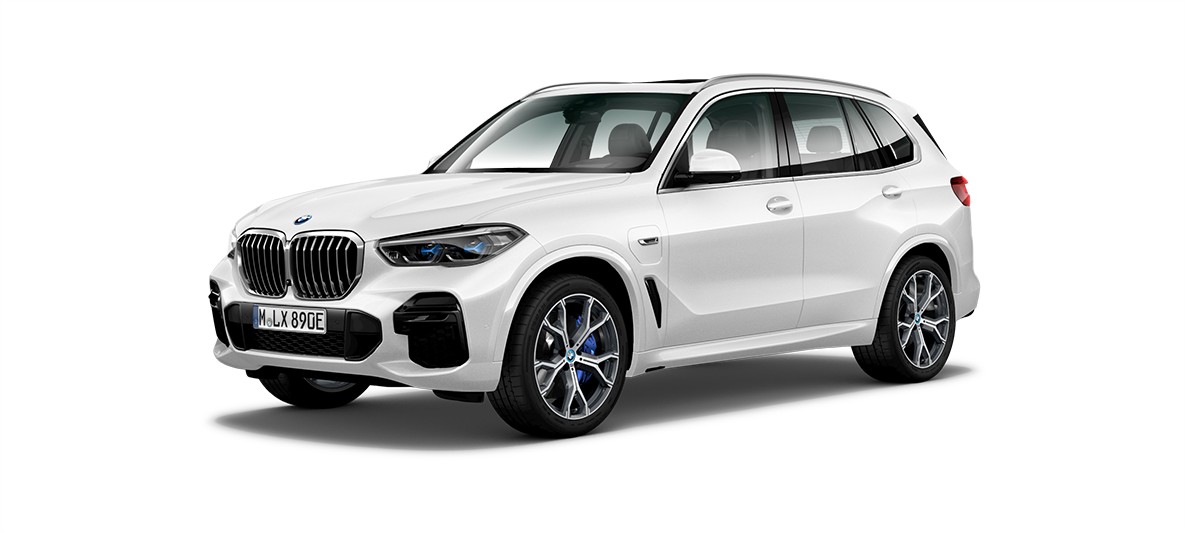
3. BMW X5 xDrive45e
The BMW X5 xDrive45e is a high-performance plug-in hybrid that demonstrates the importance of integrated thermal management in large luxury SUVs.
Its battery, inverter, and motor are cooled by an intricate network of liquid circuits, heat exchangers, and pumps, which efficiently transfer heat away from critical components.
This allows the vehicle to sustain repeated bursts of acceleration, high-speed highway driving, and towing without triggering power restrictions.
The liquid-cooled battery is particularly effective at maintaining uniform temperatures across all cells, reducing the risk of thermal hotspots that can degrade performance or shorten battery life.
Predictive thermal management is another highlight of the X5 xDrive45e. Using data from sensors and real-time software modeling, the system anticipates temperature spikes and adjusts coolant flow proactively.
This forward-looking approach allows the vehicle to maintain optimal performance under demanding driving conditions without abrupt throttling. Even during spirited driving sessions, the battery and inverter temperatures remain within safe limits, ensuring consistent electric power delivery alongside the gasoline engine.
Thermal management is also tightly integrated with the driving strategy. The hybrid control software dynamically shifts torque between the engine and electric motor, balancing performance and battery stress.
In situations of heavy load, such as overtaking on highways or ascending steep grades, the system can rely more heavily on the engine to reduce electrical load, while maintaining smooth and responsive acceleration. This seamless interaction between thermal control and power distribution illustrates BMW’s sophisticated approach to hybrid vehicle engineering.
Finally, the long-term reliability of the X5 xDrive45e is enhanced by continuous monitoring. Sensors track temperatures across the battery, inverter, and motor, providing real-time data to the control unit, which adjusts cooling, regenerative braking, and torque distribution.
This layered approach ensures that the vehicle can sustain both daily commuting and occasional performance-intensive driving, making it one of the best PHEVs in terms of thermal management for luxury SUVs.

4. Volvo XC90 Recharge
The Volvo XC90 Recharge uses a multi-layered thermal management system to safeguard both battery life and drivetrain performance. Its liquid-cooled battery pack is complemented by air channels and dedicated heat exchangers, allowing heat to dissipate efficiently even under demanding conditions.
This combination prevents the performance-limiting throttling seen in many plug-in hybrids when batteries become too hot during continuous acceleration or extended highway travel.
The system also ensures that regenerative braking operates effectively without adding unnecessary thermal load to the battery.
Software-based temperature monitoring is a key component of Volvo’s approach. By constantly analyzing the battery, motor, and inverter temperatures, the vehicle dynamically adjusts torque split and energy distribution to maintain stability.
This prevents abrupt reductions in electric power while protecting the battery from degradation. The system is calibrated to balance maximum performance with safe thermal limits, resulting in smooth, predictable acceleration and efficient energy recovery across a wide range of driving scenarios.
Volvo also integrates cabin climate control into the thermal management strategy. Heat generated by the battery can be redirected to warm the interior in colder conditions, while excess heat can be efficiently dissipated in warmer weather.
This dual-purpose approach enhances passenger comfort while keeping battery temperatures within ideal ranges, maximizing efficiency and reliability. Additionally, preconditioning allows the battery to reach optimal temperatures before driving begins, ensuring consistent electric performance even in extreme climates.
Long-term reliability is further reinforced through continuous thermal monitoring. By preventing overheating before it becomes a performance issue, the XC90 Recharge maintains both peak performance and battery longevity.
Drivers benefit from consistent acceleration, predictable hybrid behavior, and efficient energy management, making the XC90 Recharge an exemplary plug-in hybrid in terms of thermal control.

5. Ford Escape PHEV
The Ford Escape PHEV employs an effective combination of liquid cooling, airflow management, and software optimization to maintain battery and motor temperatures within safe limits.
Its cooling system circulates liquid through the battery pack and inverter, while airflow around the motor helps dissipate heat generated during prolonged driving.
This ensures that the vehicle can deliver predictable performance during city commutes, highway driving, or mixed-use scenarios without triggering sudden power reductions.
Ford also incorporates a battery management system that actively monitors cell temperatures and balances charge levels across the pack. By regulating the flow of energy to and from individual cells, the system prevents localized overheating and ensures uniform thermal conditions.
This is particularly important during aggressive acceleration, repeated regenerative braking, or long trips where thermal stress can accumulate quickly.
Regenerative braking is integrated into the thermal strategy. The vehicle modulates energy recovery based on battery temperature, preventing excessive heat buildup while maximizing efficiency.
This approach protects the battery from stress while preserving a smooth and responsive driving experience. By balancing performance, energy recovery, and thermal stability, the Escape PHEV delivers consistent hybrid behavior across a variety of real-world driving conditions.
Additionally, the Escape’s cabin climate system works in concert with the battery cooling system. Excess heat can be redistributed to maintain battery temperature, and climate preconditioning ensures the battery is at an optimal operating point before driving begins.
This integration demonstrates a holistic approach to thermal management, resulting in a reliable, efficient, and comfortable plug-in hybrid that meets the demands of both city and highway driving.
5 PHEVs That Over-Throttle Power

1. Volvo S60 Recharge
The Volvo S60 Recharge, while a luxury plug-in hybrid, tends to exhibit conservative thermal management strategies that result in noticeable power throttling under moderate to high load.
Its battery pack is liquid-cooled, but the system is designed with a high safety margin, which often triggers early intervention when the battery temperature rises slightly.
During extended highway driving or aggressive acceleration, the S60 Recharge will limit electric motor output to prevent overheating, causing the vehicle to feel less responsive than expected from a car of its size and performance rating.
While this approach protects battery longevity, it comes at the cost of a diminished driving experience, particularly for drivers who expect consistent acceleration from a performance-oriented PHEV.
This throttling behavior becomes particularly evident in stop-and-go traffic or hilly terrain. When the battery detects increased internal temperature from repeated regenerative braking or high power draws, the vehicle reduces torque from the electric motor almost preemptively.
The gasoline engine compensates, but the transition can feel abrupt, creating a sensation that the vehicle is struggling to deliver smooth, predictable power.
This over-cautious approach to thermal management prioritizes component protection over real-world performance, resulting in slower acceleration responses and less driving satisfaction compared to PHEVs with more dynamic thermal systems.
Additionally, the S60 Recharge’s regenerative braking system is heavily modulated based on temperature feedback. While this protects the battery, it reduces energy recovery efficiency and can lead to inconsistent braking feel during repeated stop-and-go cycles.
In extreme cases, drivers may notice that the battery’s state-of-charge drops faster than anticipated, even under moderate use, because the system intentionally throttles electric power to maintain thermal safety margins.
This contributes to a perception of the PHEV being “underpowered” at times when it theoretically should have enough energy to perform optimally.
Lastly, Volvo’s software prioritizes long-term battery health over immediate performance, meaning the S60 Recharge frequently intervenes before the battery reaches temperatures that other PHEVs would consider safe for short bursts of high power.
While this strategy reduces the risk of permanent battery degradation, it comes with the tradeoff of compromised responsiveness and reduced electric-only range during demanding driving scenarios.
Drivers who prioritize immediate performance may find this approach frustrating, highlighting a key distinction between overly conservative thermal management and more balanced systems found in other PHEVs.

2. Ford Fusion Energi
The Ford Fusion Energi demonstrates a tendency to throttle electric motor output under even moderate thermal stress, limiting performance during longer drives or heavy acceleration.
The Fusion Energi’s liquid-cooled battery system is functional but lacks the advanced predictive algorithms seen in more modern PHEVs.
As a result, when temperatures rise, the system quickly reduces electric power to prevent overheating, often before it is strictly necessary. This protective approach can make acceleration feel less responsive and occasionally jerky, especially when transitioning between electric and gasoline power.
This over-throttling is particularly noticeable in urban driving conditions with frequent stops and starts. The battery experiences repeated heating from regenerative braking cycles, prompting the vehicle to scale back electric output more aggressively than needed.
While the gasoline engine compensates, the shift between power sources can feel inconsistent, reducing the smoothness and predictability of the driving experience.
Drivers may notice delays in throttle response, particularly when attempting overtakes or quick lane changes, which can be frustrating in everyday traffic scenarios.
Moreover, the Fusion Energi’s thermal management strategy extends to its energy recovery system. Regenerative braking is modulated more conservatively than necessary, reducing efficiency and slightly increasing energy waste.
This prevents the battery from experiencing excessive stress but comes at the cost of reduced electric range and efficiency. Over time, the cumulative effect of this throttling strategy can make the Fusion Energi feel less dynamic than competitors that balance thermal protection with performance more effectively.
Finally, the Fusion Energi’s design emphasizes battery longevity and reliability, but at the expense of performance consistency. While conservative thermal interventions reduce the risk of long-term degradation, drivers often perceive the vehicle as underpowered or hesitant in situations that require sustained electric output.
This makes it a clear example of a PHEV that prioritizes thermal safety to the point of reducing everyday usability and driving enjoyment, highlighting the tradeoff between protection and performance.
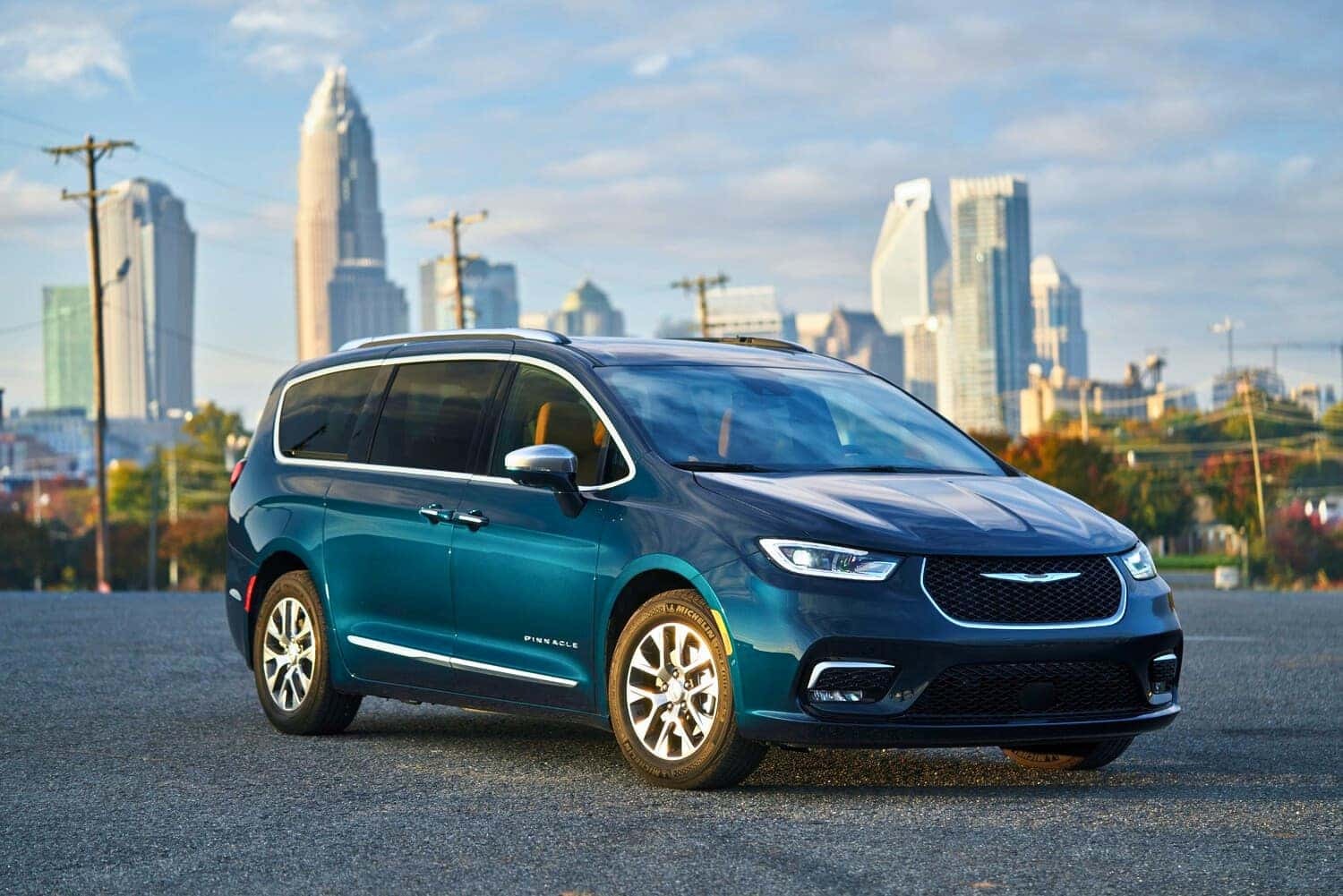
3. Chrysler Pacifica Hybrid
The Chrysler Pacifica Hybrid, a plug-in minivan popular for family use, also exhibits power throttling tendencies when the battery reaches moderate temperatures.
The vehicle’s thermal management system is adequate for typical city driving, but during extended highway trips or repeated heavy acceleration, the battery’s temperature can trigger early intervention.
This throttling manifests as a reduction in available electric torque, resulting in less immediate responsiveness and slower acceleration. For a minivan designed to carry multiple passengers and luggage, this can make overtaking on highways or merging into fast-moving traffic feel less confident than expected.
Thermal throttling in the Pacifica Hybrid is compounded by the interaction between its battery and motor systems. Regenerative braking, which contributes to battery heating in stop-and-go traffic, is automatically reduced when the system detects rising temperatures.
While this is intended to protect the battery, it can lead to inconsistent braking feel and less energy recovery, further limiting range and performance. Drivers may notice that the vehicle’s hybrid mode feels less capable at times, even though sufficient battery capacity remains.
The Pacifica’s throttling behavior is a result of a design philosophy that prioritizes battery preservation over performance. This conservative approach reduces the risk of degradation but introduces tradeoffs in real-world drivability.
Families relying on the vehicle for long-distance travel may encounter situations where the vehicle intentionally reduces electric power during acceleration, creating a disconnect between driver expectations and actual performance.
Additionally, the Pacifica Hybrid’s cabin climate system, while integrated with battery thermal management, does not always compensate efficiently for thermal stress.
The vehicle may limit electric power rather than adjusting heating or cooling strategies to protect the battery, leading to frequent interventions even under moderate conditions.
These combined factors make the Pacifica Hybrid an example of a PHEV that over-throttles power to maintain thermal safety, sometimes at the expense of a smooth and engaging driving experience.
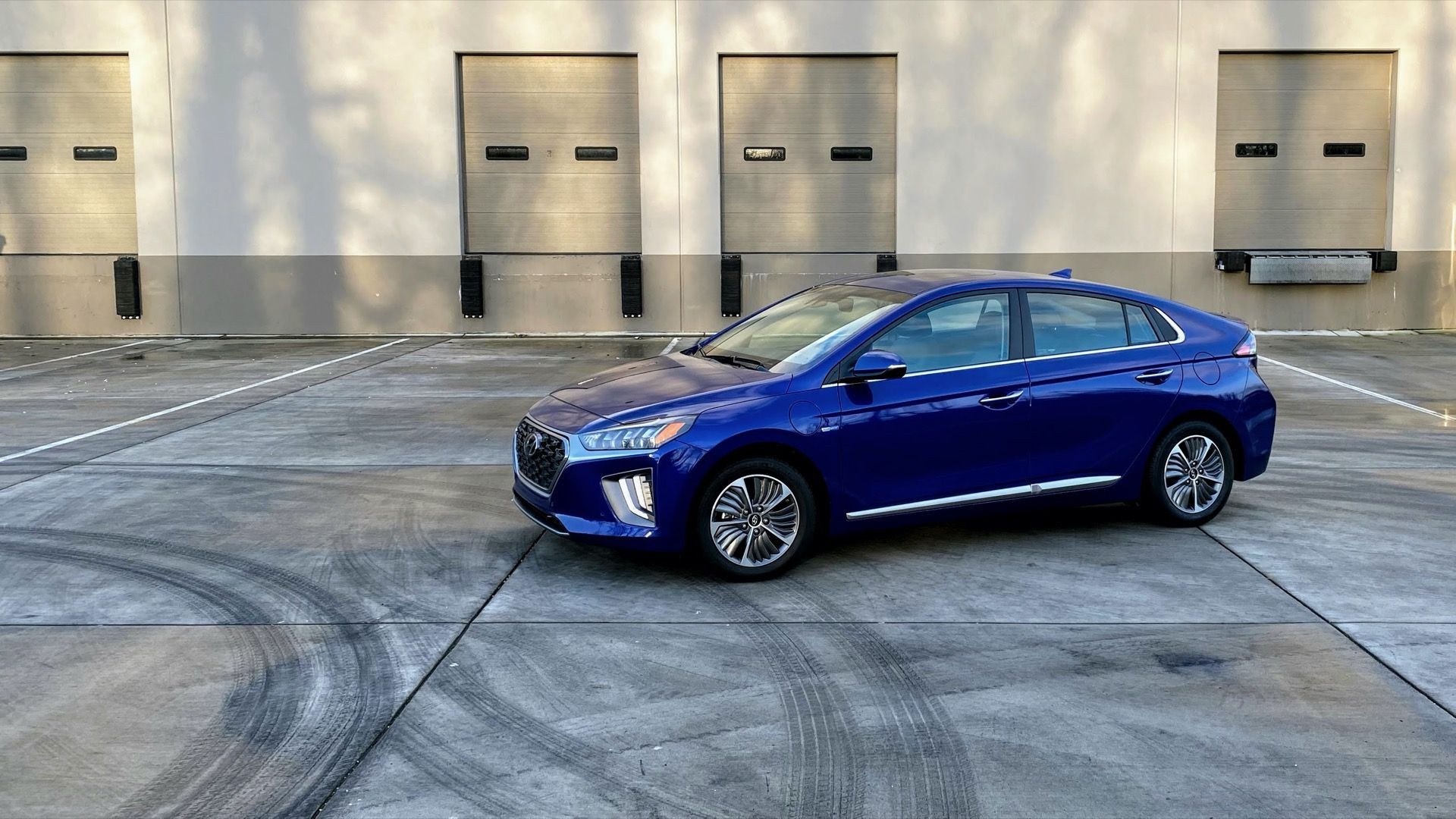
4. Hyundai Ioniq Plug-In Hybrid
The Hyundai Ioniq Plug-In Hybrid is known for its efficiency, but its thermal management system leans heavily toward conservative operation, resulting in frequent throttling of electric motor output under mild thermal stress.
The battery is cooled with a liquid system, yet the vehicle’s software is designed to intervene early, reducing power output before temperatures reach levels that would pose a real risk.
Drivers may experience noticeable performance reduction during longer commutes or when sustaining high-speed travel, even if the vehicle is still capable of handling the demand physically.
Urban stop-and-go driving exacerbates this issue. The repeated engagement of regenerative braking generates heat in the battery cells, prompting the system to limit electric torque to protect longevity.
While the gasoline engine maintains performance, transitions between power sources can feel abrupt and reduce the perception of smoothness.
This conservative approach also reduces the vehicle’s ability to deliver consistent electric-only acceleration, making the Ioniq feel less responsive compared to competitors that manage thermal stress more dynamically.
The Ioniq’s energy recovery system is similarly affected. Regenerative braking is scaled back as temperatures rise, reducing energy recapture efficiency and slightly increasing the reliance on the engine.
Over time, this can result in reduced electric range, even when the battery has an adequate charge, because the vehicle is intentionally throttling output to maintain safety margins.
Finally, while Hyundai’s approach maximizes battery life and minimizes risk of overheating, it limits performance flexibility. Drivers may feel that the Ioniq’s electric system is overly cautious, reducing its ability to deliver peak acceleration consistently.
This conservative thermal management strategy illustrates the tradeoff between component protection and real-world drivability, marking the Ioniq Plug-In Hybrid as a PHEV that over-throttles power more than necessary.
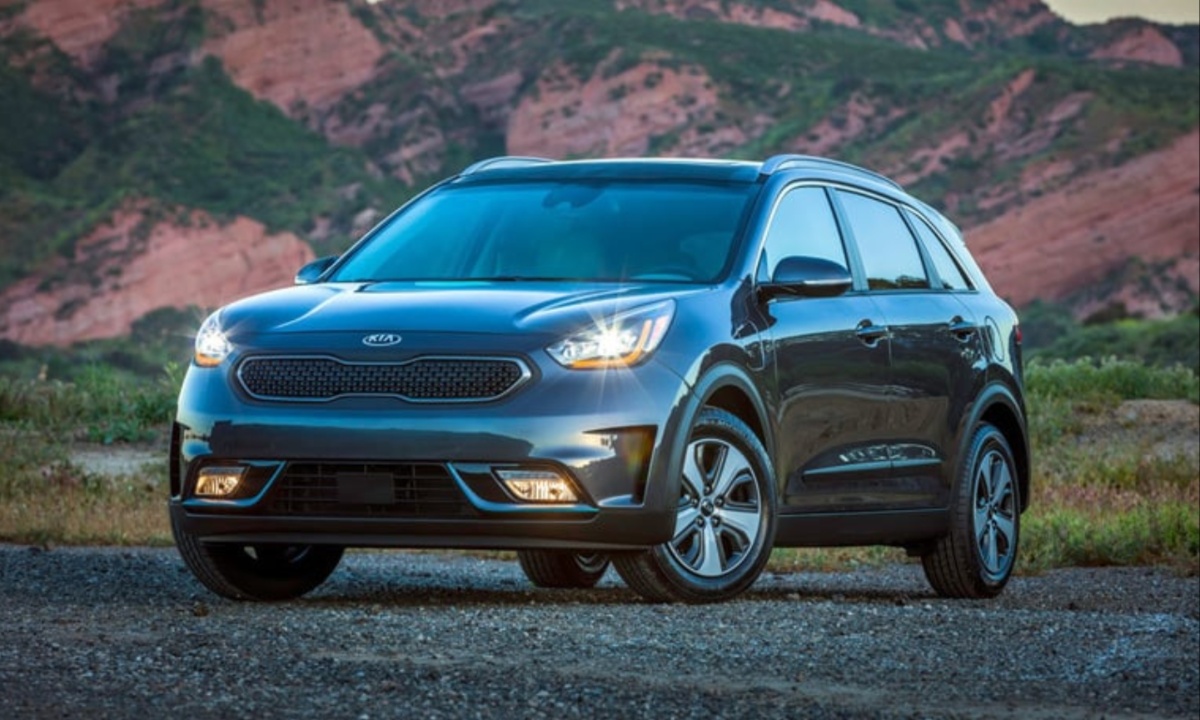
5. Kia Niro Plug-In Hybrid
The Kia Niro Plug-In Hybrid exhibits similar over-throttling tendencies as the Ioniq, prioritizing battery safety over consistent performance.
Its liquid-cooled battery system is effective at preventing overheating, but the vehicle’s software aggressively limits electric motor output once the battery temperature rises slightly.
This results in noticeable reductions in acceleration during long drives or when repeated regenerative braking generates heat in the battery pack. While this ensures long-term battery health, it often diminishes driving enjoyment and reduces the sense of responsiveness that drivers expect from a hybrid vehicle.
The throttling effect becomes particularly evident during aggressive driving or steep inclines. The vehicle detects rising temperatures in the battery or inverter and immediately reduces electric torque.
The gasoline engine supplements power, but the transition is sometimes abrupt, leading to a perceptible drop in smoothness and responsiveness. This over-cautious approach can make the Niro feel less capable than competitors that balance thermal management with driver demand more effectively.
Regenerative braking in the Niro is also heavily modulated based on thermal conditions. When the battery warms, energy recovery is reduced, which limits efficiency and electric-only range.
Drivers may notice that the system prioritizes maintaining thermal safety margins over maximizing hybrid efficiency, particularly during extended commutes or hilly terrain.
Finally, the Kia Niro’s cabin climate integration is less aggressive than in some competitors, meaning the vehicle often resorts to throttling electric power rather than actively using cabin heat or cooling to manage battery temperature.
This contributes to frequent reductions in electric power even when the battery is capable of supporting higher output. The result is a PHEV that over-throttles power more than necessary, illustrating a cautious but sometimes frustrating approach to hybrid thermal management.
