
For many drivers, the prospect of owning a car with a continuously variable transmission, or CVT, can be both appealing and intimidating. CVTs promise smoother acceleration, better fuel efficiency, and a driving experience that often feels more refined than traditional automatic transmissions.
Despite these advantages, some people remain cautious about CVTs because of their reputation for being prone to failure or requiring expensive repairs. While this caution is understandable, it is important to recognize that not all CVTs are created equal.
Over the years, several manufacturers have refined their CVT technology, improving durability, reliability, and performance. This means that for buyers who are careful and informed, owning a CVT car does not necessarily involve the risk of frequent breakdowns.
In fact, some models consistently demonstrate strong reliability and low maintenance issues, making them safe choices for long-term ownership. Reliability in CVT-equipped cars is influenced by multiple factors including the quality of the transmission design, the manufacturer’s engineering standards, the type of maintenance performed, and even driving habits.
Some cars have CVTs that are engineered to handle higher torque, while others benefit from robust cooling systems and advanced transmission fluids that reduce wear over time. For buyers seeking a combination of efficiency, comfort, and peace of mind, understanding which CVT cars rarely fail is key.
By focusing on models that have a proven track record, it is possible to enjoy the benefits of modern CVT technology without worrying about costly repairs. This article highlights ten CVT-equipped cars that have demonstrated exceptional reliability, offering practical insights for buyers who want a transmission that lasts and a driving experience that remains consistent over the years.
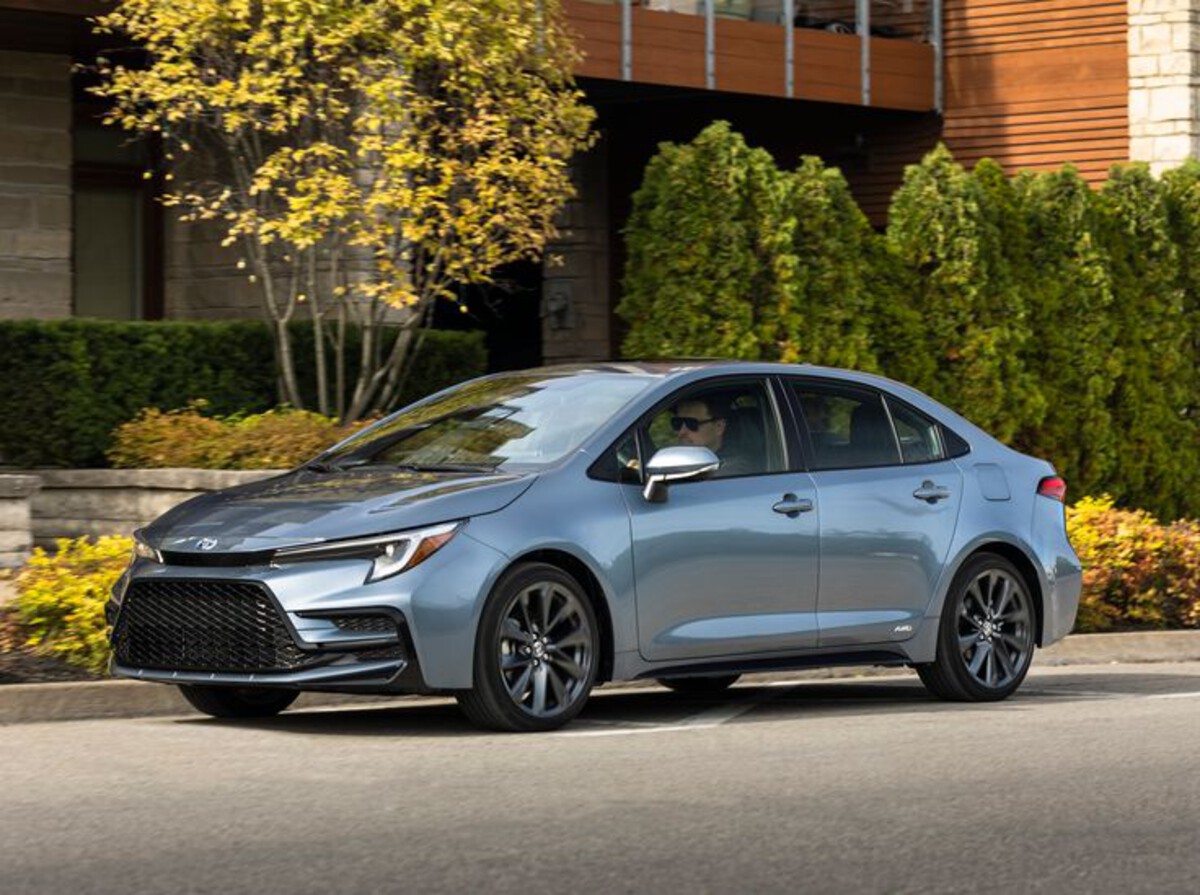
1. Toyota Corolla
The Toyota Corolla has long been celebrated as one of the most dependable compact cars on the market, and its CVT-equipped models continue this legacy. The CVT in the Corolla is designed with precision, providing smooth transitions between gear ratios and reducing stress on engine components.
This contributes to the durability of the vehicle and helps maintain consistent performance over time. Drivers often praise the Corolla’s CVT for its ability to handle city driving, stop-and-go traffic, and highway cruising without exhibiting the hesitation or jerking that can plague less refined transmissions.
Regular maintenance, such as fluid changes and proper driving habits, further extends the lifespan of the CVT. Toyota has also invested heavily in engineering CVTs that resist overheating and excessive wear, a common weakness in older CVT designs.
Over the years, reliability data and owner reports have shown that Corollas rarely experience catastrophic CVT failures, which makes them a particularly attractive option for first-time buyers and those seeking long-term ownership.
Finally, Toyota’s approach to CVT design in the Corolla focuses on minimizing risk through conservative engineering and rigorous testing. Unlike some manufacturers who have introduced CVTs that are prone to overheating under heavy loads, Toyota emphasizes reliability and consistency.
This philosophy ensures that even in demanding driving conditions, the CVT maintains optimal performance without major issues. The result is a compact car that not only meets fuel economy and performance expectations but also maintains a reputation for durability.
For buyers concerned about the longevity of CVTs, the Corolla demonstrates that careful design, proper maintenance, and a balanced approach to performance can produce a transmission that lasts. This combination of attributes solidifies the Corolla’s status as a buyer-safe option in the CVT market.
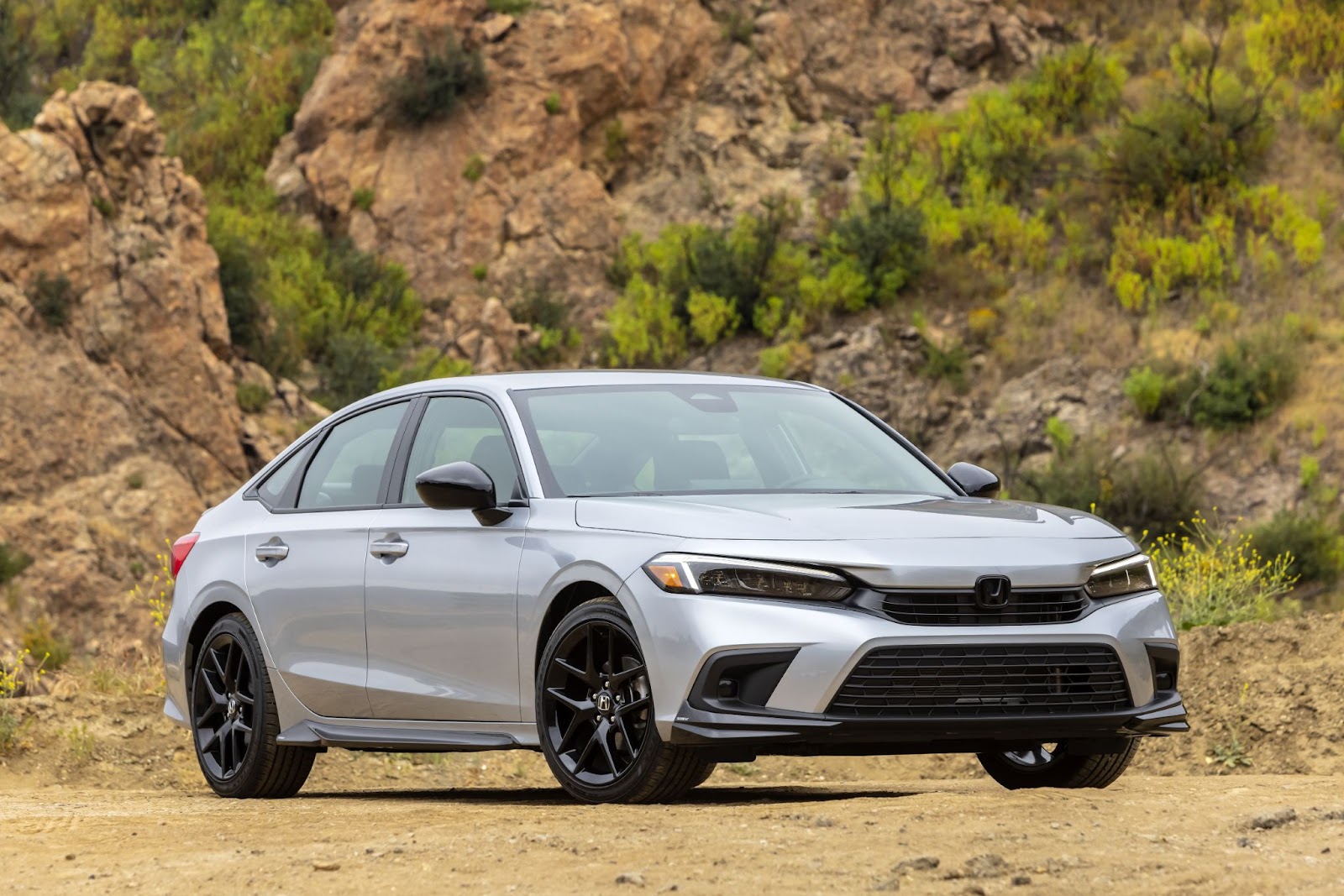
2. Honda Civic
The Honda Civic is widely recognized for its reliability, and its CVT-equipped models maintain this reputation with remarkable consistency. The CVT in the Civic is engineered to provide smooth, seamless acceleration, reducing the common “rubber-band” feeling often associated with lesser CVTs.
Honda’s approach to transmission design emphasizes durability, and their CVTs are known to endure extensive city and highway driving without significant issues. Many owners report that the Civic’s CVT continues to perform well beyond 150,000 miles, provided that fluid changes and standard maintenance are observed.
The engine is well-matched to the CVT, avoiding excessive stress that could lead to premature wear. Unlike some cars that push CVTs with high-torque outputs, Honda balances engine performance with transmission longevity, making the Civic a dependable choice for daily commuting, long trips, and urban driving.
Beyond its engineering, the Civic’s CVT benefits from consistent improvements over the years. Honda has refined the control software and mechanical design to reduce overheating and ensure smooth power delivery. Owners often note the quiet, comfortable operation of the transmission, which enhances drivability.
Another factor contributing to the Civic’s reliability is its relatively simple yet robust CVT design. The belt-and-pulley system used in the Civic is reinforced to handle everyday driving conditions without excessive wear. Honda also employs advanced cooling techniques to prevent overheating, a common failure point in many transmissions.
Drivers who follow routine service intervals, including fluid replacements and system inspections, often report that their Civic CVTs continue to operate smoothly for more than a decade.
This combination of thoughtful engineering, moderate engine stress, and attention to maintenance creates a vehicle that feels consistent and dependable across a wide range of driving environments. For a buyer seeking a CVT car that rarely encounters problems, the Civic provides both confidence and comfort in equal measure.
The interior and ergonomics of the Civic further complement the reliability of the CVT. The transmission responds predictably, providing smooth acceleration in traffic and highway conditions without noticeable lag.
This predictable performance reduces driver frustration and contributes to vehicle longevity by preventing aggressive driving behaviors that could stress the system. Furthermore, Honda’s focus on quality manufacturing ensures that components supporting the CVT, such as sensors and cooling channels, are engineered to last.
Owners consistently note that the Civic maintains its drivability and reliability even after many years of service. For those prioritizing a dependable CVT car that will remain trouble-free for long-term use, the Honda Civic stands out as one of the most practical and resilient options in the compact car segment.
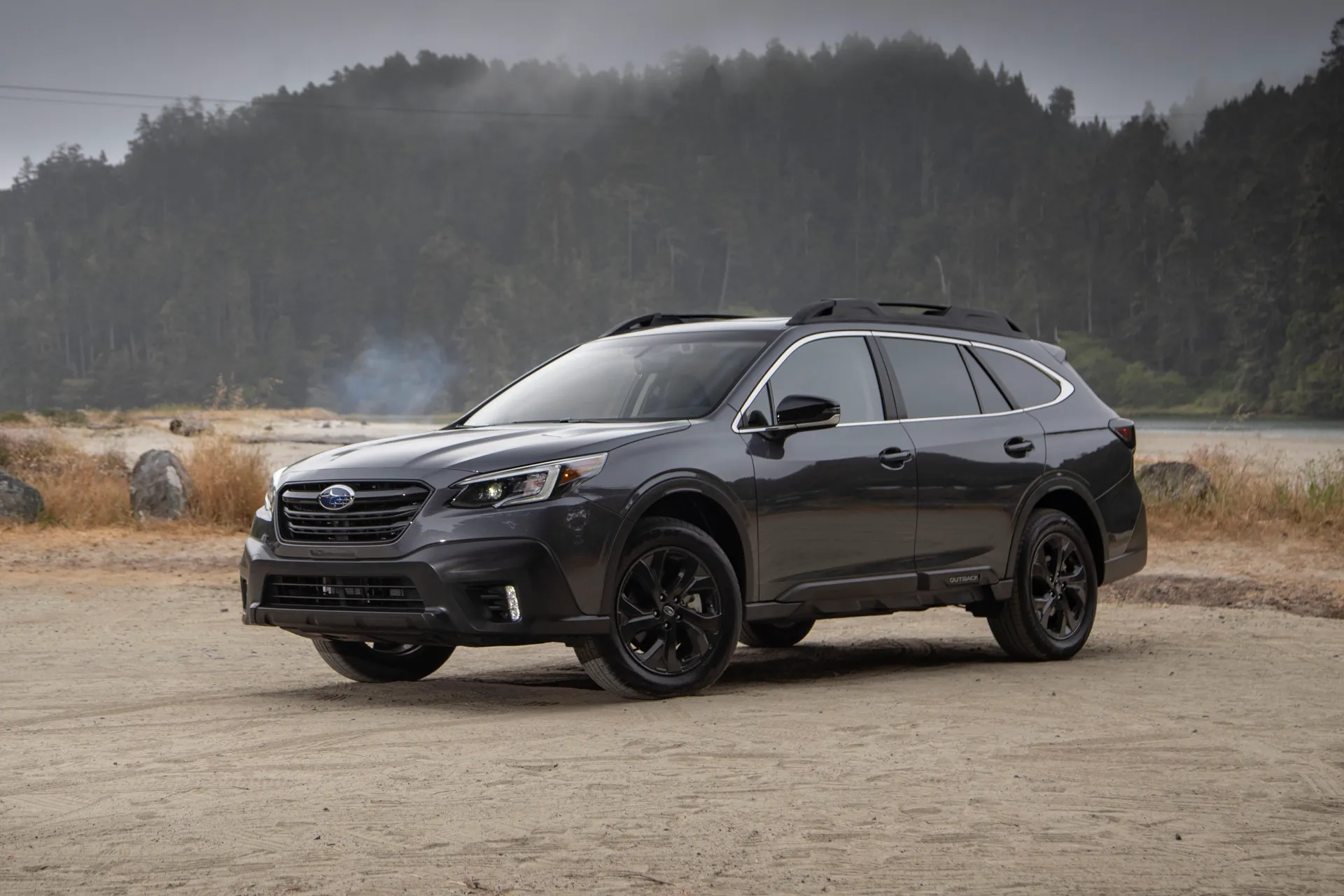
3. Subaru Outback
The Subaru Outback has earned a reputation as a rugged and reliable all-wheel-drive vehicle, and its CVT-equipped models have also proven dependable over time. Subaru’s Lineartronic CVT is designed to handle both urban and off-road conditions, providing smooth power delivery without the sudden jerks associated with older transmission designs.
The transmission is paired with Subaru’s boxer engine, which keeps the center of gravity low and reduces stress on the CVT system. Many Outback owners report trouble-free CVT performance for well over 150,000 miles, making it a solid choice for buyers who want a combination of utility, comfort, and reliability. The CVT also contributes to the Outback’s fuel efficiency, particularly important in a vehicle that is often used for longer trips and outdoor adventures.
Subaru’s CVT design emphasizes durability through reinforced belts and advanced cooling systems. These features allow the Outback to withstand repeated acceleration demands, heavy loads, and variable terrain without significant wear.
Drivers appreciate the smoothness of the transmission, which maintains consistent performance whether navigating steep inclines, towing, or driving in stop-and-go traffic. The CVT also integrates adaptive software that adjusts the response based on driving conditions, ensuring a comfortable and controlled experience.
By combining these technical refinements with the inherent reliability of Subaru’s engineering, the Outback demonstrates a CVT that is both robust and long-lasting.
Maintenance plays a crucial role in the long-term reliability of the Outback’s CVT. Subaru recommends regular fluid changes and inspections, which many owners find simple. Because the vehicle is designed for diverse driving environments, the transmission is built to tolerate a higher range of temperatures and loads than typical compact cars.
This rugged design philosophy reduces the likelihood of premature failures and ensures that owners can depend on the CVT even in demanding situations. Many owners have reported minimal issues despite extensive use, making the Outback a strong choice for those prioritizing both reliability and versatility.
The driving experience in the Outback is enhanced by the CVT’s responsiveness and refinement. Drivers experience smooth acceleration without abrupt shifts, which not only improves comfort but also reduces wear on drivetrain components.
Subaru’s commitment to long-term reliability extends beyond the CVT, with strong chassis and drivetrain components that complement the transmission’s durability.
For buyers seeking a practical all-wheel-drive vehicle with a CVT that rarely fails, the Subaru Outback offers a well-rounded solution that combines dependable engineering, comfort, and utility. It remains one of the most respected CVT-equipped vehicles for drivers who demand longevity and consistent performance.
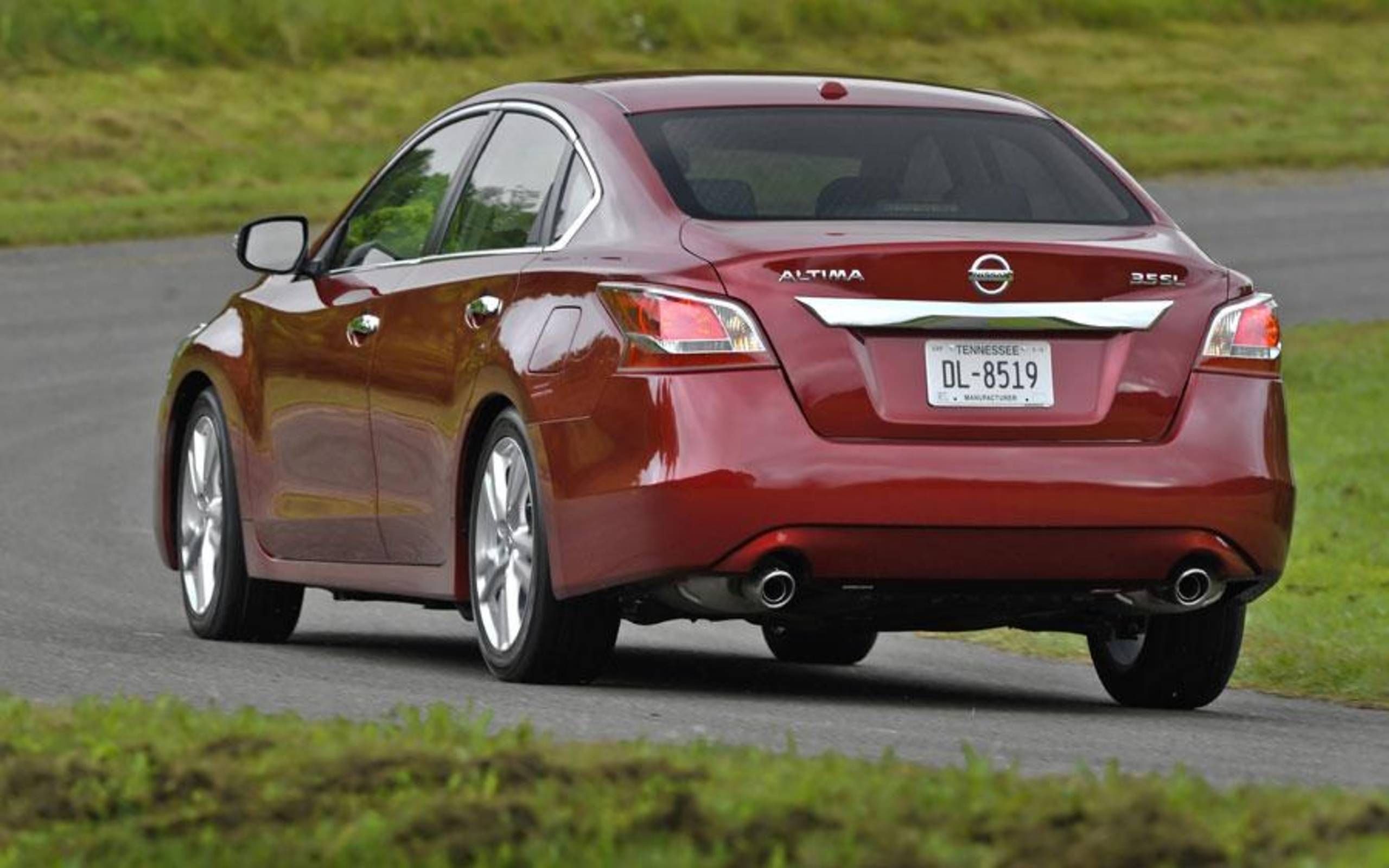
4. Nissan Altima
The Nissan Altima has been a popular midsize sedan for many years, and its CVT models have grown increasingly reliable over time. Nissan’s Xtronic CVT provides smooth acceleration and fuel efficiency, two key features for those prioritizing long-term dependability.
The transmission has undergone several refinements, improving durability and reducing early issues seen in older models. Many Altima owners report high-mileage vehicles with CVTs that continue to function well beyond 150,000 miles when proper maintenance is observed.
Nissan balances engine output and transmission design carefully, avoiding excessive stress that could lead to premature wear. The Altima’s CVT provides a quiet, comfortable driving experience, which is particularly appreciated during long highway commutes or frequent urban driving.
One of the standout aspects of the Altima’s CVT is its ability to handle different driving conditions without significant strain. The transmission adjusts seamlessly to traffic changes, inclines, and sudden acceleration demands. Nissan has also improved the thermal management of the CVT, reducing the risk of overheating that can compromise longevity.
Owners report that the Altima’s CVT performs consistently, even in hot climates and stop-and-go traffic, which historically posed challenges for some CVT designs. Combined with Nissan’s focus on reliability and long-term engineering, the Altima’s CVT becomes a practical choice for buyers seeking a sedan that can handle everyday life without frequent repair concerns.
Routine maintenance is key to ensuring the Altima’s CVT remains reliable over time. Regular fluid replacements, inspections, and careful driving habits significantly extend the lifespan of the transmission. Many owners find that adherence to service schedules results in CVTs that continue to operate smoothly for more than a decade.
Nissan has also designed the transmission to integrate seamlessly with the vehicle’s electronic controls, providing predictable performance and minimizing the likelihood of sudden failures. This careful engineering ensures that the Altima remains a safe option for buyers who want a CVT vehicle without the anxiety of costly repairs.
The driving experience in the Altima is further enhanced by the CVT’s responsive behavior. Acceleration is smooth and predictable, making the vehicle comfortable for long trips or daily commutes. Drivers benefit from a transmission that adapts to different speeds and traffic conditions, reducing fatigue and enhancing confidence on the road.
The combination of proven engineering, practical design, and reliability-focused features makes the Nissan Altima one of the most buyer-safe CVT cars in the midsize sedan segment. Its consistent performance, coupled with fuel efficiency and comfort, ensures that owners can enjoy the advantages of CVT technology with minimal risk.
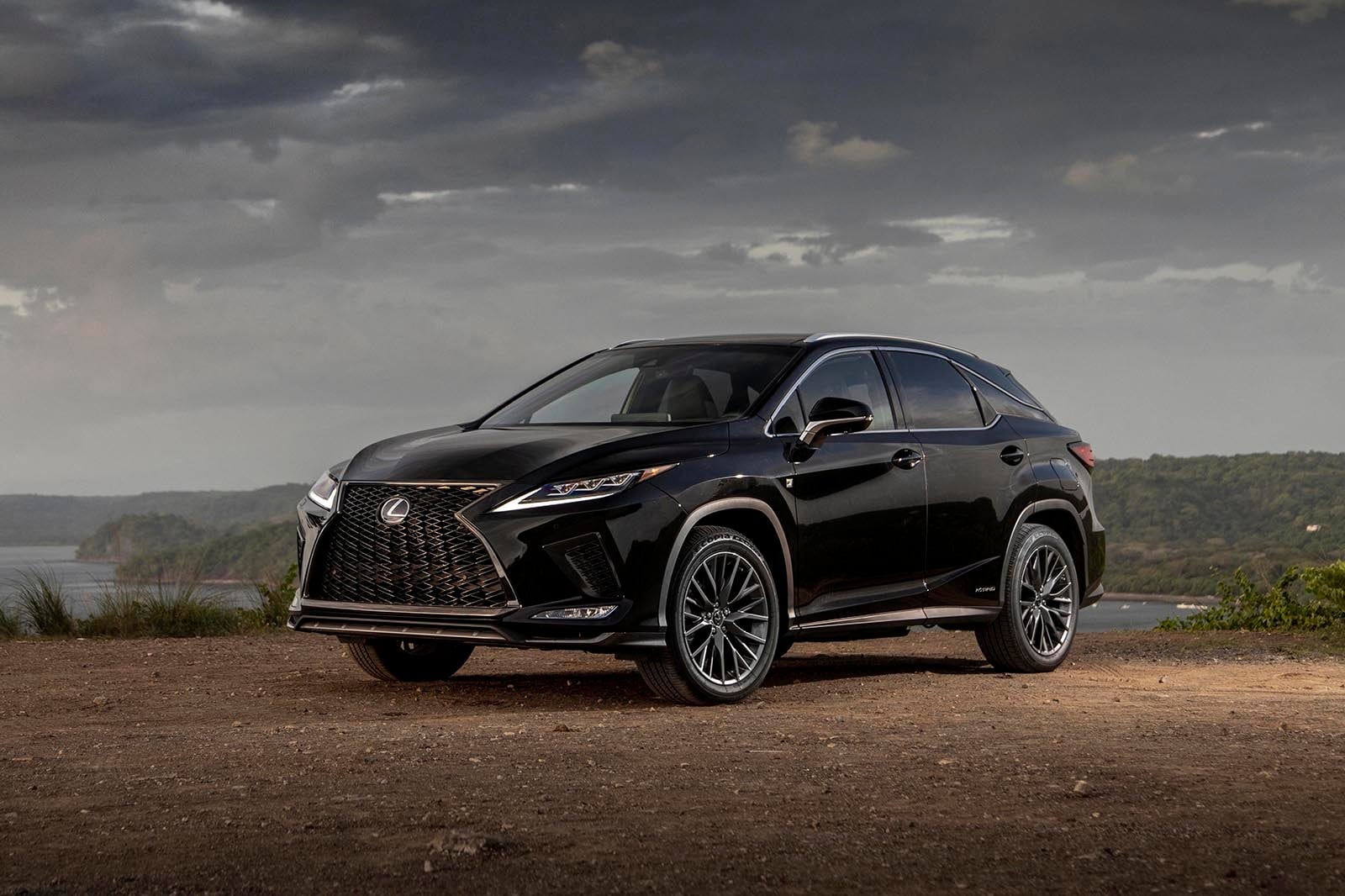
5. Lexus RX
The Lexus RX stands out in the luxury SUV market for its combination of comfort, refinement, and reliability, and its CVT-equipped models maintain a strong reputation for durability. Lexus, known for meticulous engineering, has developed a CVT that delivers smooth acceleration without the common rubber-band effect seen in less refined transmissions.
The transmission is engineered to handle higher horsepower engines, which is particularly important in a luxury SUV where performance and responsiveness are expected. Many owners report trouble-free operation of the CVT beyond 150,000 miles, demonstrating Lexus’s commitment to long-term reliability. This makes the RX an attractive choice for buyers seeking a premium vehicle that offers both luxury and dependability.
One of the defining aspects of the RX’s CVT is its seamless integration with the vehicle’s performance. The transmission adapts intelligently to driving conditions, offering both smooth low-speed operation and efficient highway cruising. Lexus also incorporates advanced thermal management systems to prevent overheating, which is a common weak point in many CVTs.
The result is a transmission that remains consistent under diverse driving conditions, whether commuting in the city, carrying passengers, or driving on hilly terrain. Lexus’s focus on engineering excellence ensures that the CVT maintains its durability without sacrificing the smooth and responsive driving experience expected in a luxury SUV.
Maintenance is straightforward and manageable, which further enhances the RX’s long-term reliability. Lexus recommends routine fluid changes and inspections, and following these guidelines helps the CVT sustain performance over time.
The driving experience in the Lexus RX is enhanced by the smoothness of the CVT. The transmission eliminates abrupt shifts, delivering predictable and controlled acceleration that complements the SUV’s quiet and comfortable cabin. This refinement reduces wear on mechanical components and improves longevity.
Drivers appreciate the responsiveness of the CVT, especially in stop-and-go traffic or during long road trips. Lexus’s attention to detail ensures that the RX provides a worry-free driving experience, making it one of the most reliable luxury SUVs with a CVT on the market. For buyers seeking a combination of premium comfort, strong engineering, and a CVT that rarely fails, the Lexus RX consistently delivers.
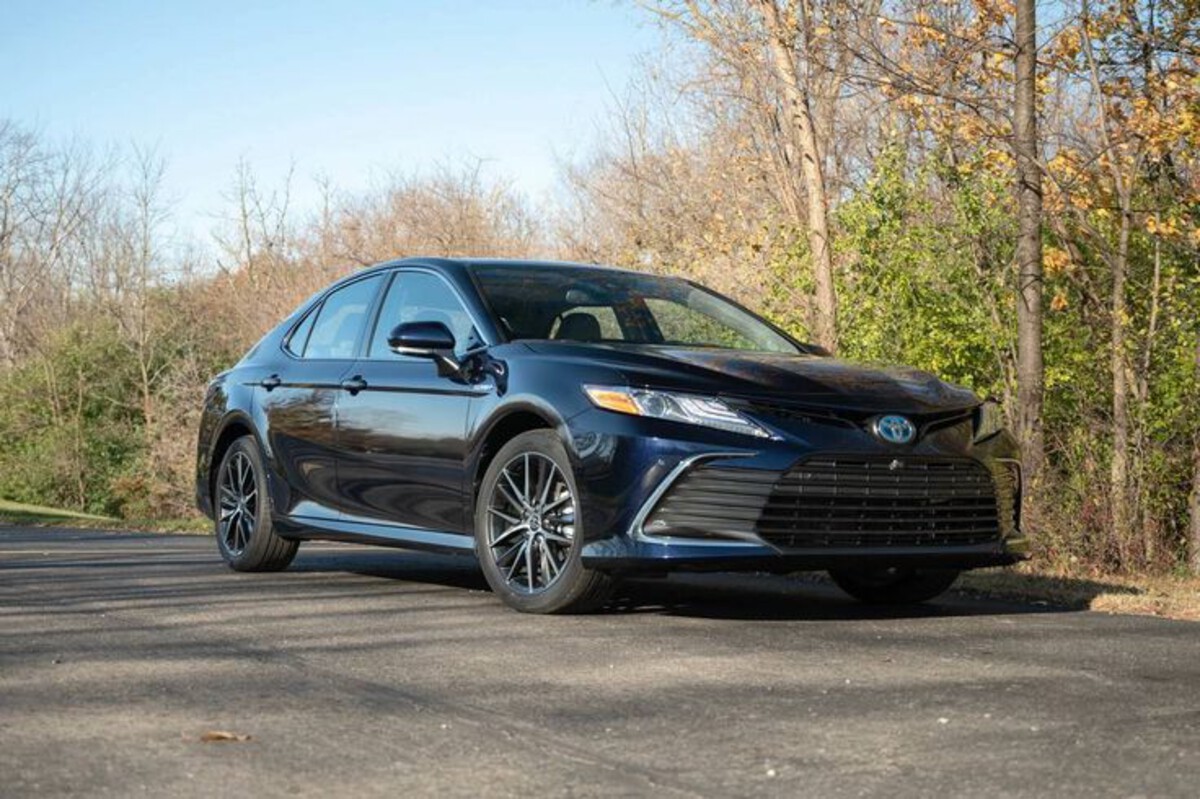
6. Toyota Camry
The Toyota Camry has been a benchmark in the midsize sedan category for decades, and its CVT models are no exception in terms of reliability. Toyota’s CVT technology in the Camry focuses on durability, smoothness, and fuel efficiency. The transmission handles city driving, highway cruising, and heavy loads with minimal wear.
Many owners report that their CVT-equipped Camrys continue to function effectively well beyond 200,000 miles, provided maintenance schedules are followed. The engine and CVT pairing is particularly well-balanced, avoiding excessive stress that could lead to early failures. This combination of robust design and careful engineering makes the Camry a highly dependable choice for long-term ownership.
The CVT in the Camry offers seamless acceleration, which contributes to both driver comfort and mechanical longevity. Toyota has refined the transmission control system to reduce unnecessary strain and maintain consistent performance in diverse driving conditions.
Heat management and fluid quality play a crucial role in prolonging CVT life, and Toyota has implemented advanced systems to ensure the transmission remains cool and well-lubricated. Owners consistently note that the Camry’s CVT is quiet, responsive, and capable of handling both city and highway conditions without issues. This reliability extends Toyota’s reputation for low-maintenance vehicles and makes the Camry a safe choice for buyers concerned about CVT longevity.
Routine maintenance is essential to maximize the Camry’s CVT lifespan. Fluid replacements and periodic inspections help prevent premature wear and ensure that the transmission continues to perform optimally.
The driving experience in a CVT-equipped Camry is smooth and predictable, enhancing comfort and reducing driver fatigue. The transmission responds consistently to acceleration demands, offering a seamless driving experience in various traffic conditions.
This reliability allows owners to enjoy the benefits of modern CVT technology without fear of sudden failures or costly repairs. With its combination of fuel efficiency, low maintenance costs, and proven performance history, the Camry remains one of the most buyer-safe CVT cars available, appealing to commuters, families, and long-term owners alike.
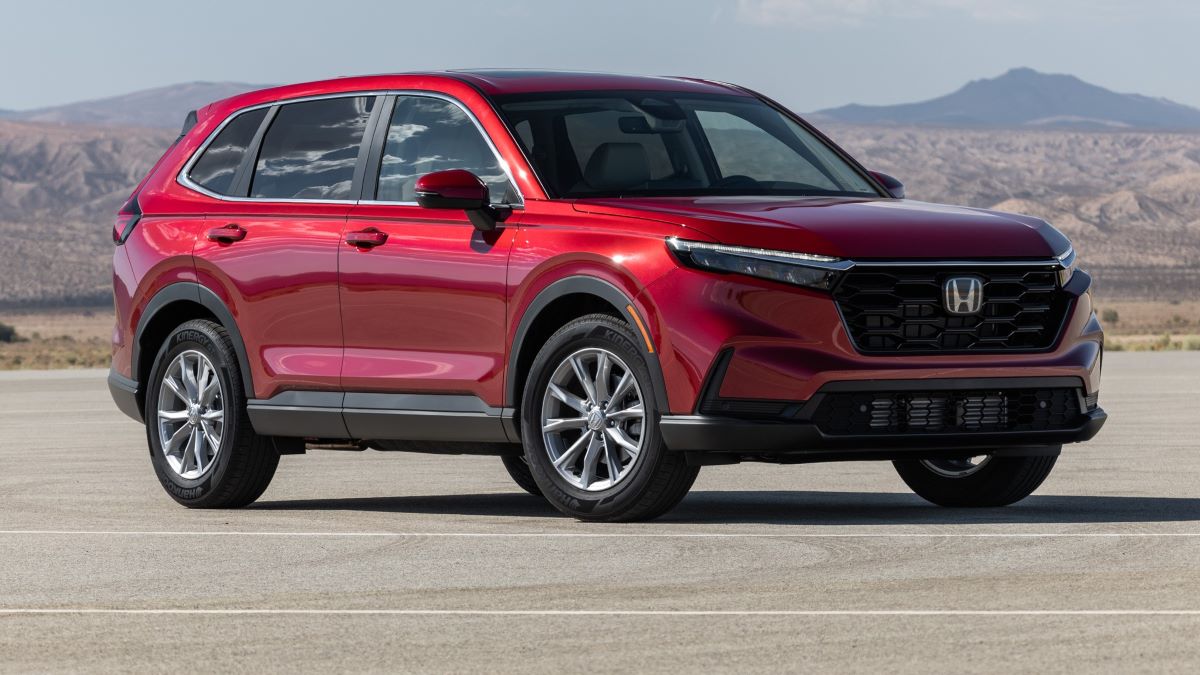
7. Honda CR-V
The Honda CR-V is a highly popular compact SUV known for its versatility and reliability, and its CVT-equipped models continue to impress in terms of durability. The CVT in the CR-V is designed to deliver smooth acceleration and consistent power delivery under various driving conditions.
Honda’s engineering ensures that the transmission handles the demands of city commuting, highway driving, and light towing without excessive stress. Many owners report minimal issues even after high-mileage use, often exceeding 150,000 miles. The combination of reliable CVT design and a robust engine makes the CR-V a dependable choice for buyers seeking a practical, long-lasting compact SUV.
One of the CR-V’s strengths is the intelligent integration of the CVT with the vehicle’s drivetrain. The transmission responds smoothly to throttle inputs, adjusts seamlessly to different driving environments, and minimizes the rubber-band effect that can make other CVTs feel unnatural.
Routine maintenance significantly contributes to the longevity of the CR-V’s CVT. Regular fluid replacements and inspections help preserve transmission health and prevent minor issues from developing into costly repairs. Owners find that the CR-V’s CVT is straightforward to maintain, and Honda’s extensive service network ensures that parts and support are readily available.
Many drivers report that the CR-V maintains a smooth, quiet, and responsive transmission for many years, demonstrating that a CVT-equipped SUV can be both practical and reliable. Honda’s conservative approach to power delivery and transmission stress helps the CR-V avoid the common pitfalls of some other CVT vehicles.
The driving experience in the CR-V is enhanced by the CVT’s smooth and predictable operation. Acceleration is controlled and comfortable, particularly in traffic-heavy urban environments. The transmission’s reliability complements the vehicle’s practical design, spacious interior, and fuel efficiency, making it a complete package for daily driving.
For buyers seeking a compact SUV with a CVT that rarely fails, the Honda CR-V consistently ranks among the safest and most dependable options, combining long-term durability with comfort, efficiency, and practical performance.
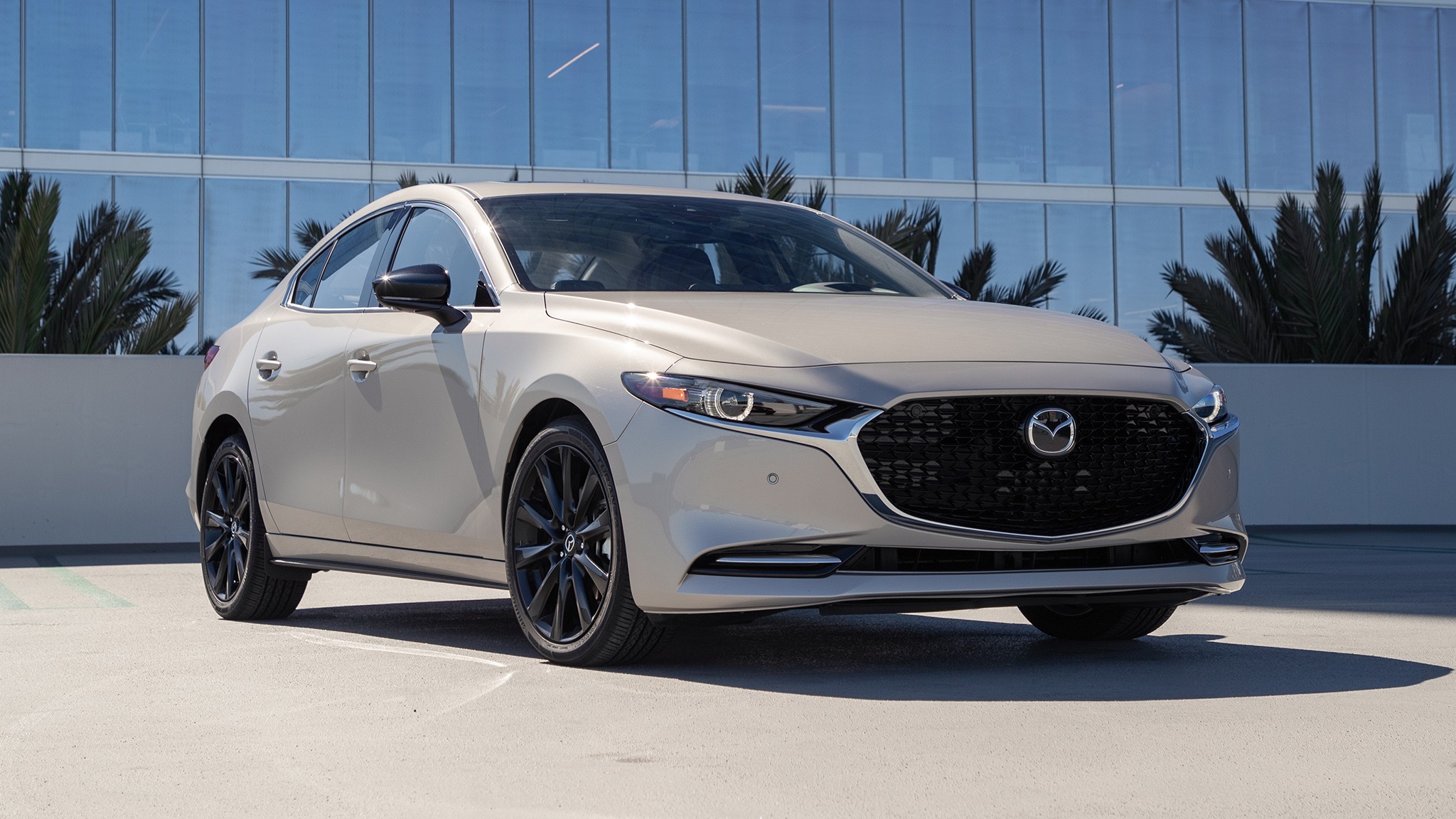
8. Mazda3
The Mazda3 is a compact car praised for its sporty handling and reliability, and its CVT-equipped models maintain a strong reputation for durability. Mazda has focused on refining CVT technology to provide smooth acceleration and responsive driving characteristics.
The transmission is engineered to work efficiently with the car’s engine output, ensuring minimal stress and wear over time. Owners often report consistent performance for well over 150,000 miles with routine maintenance.
The Mazda3’s CVT complements the car’s balanced chassis and fuel-efficient engine, offering a reliable, low-maintenance option for buyers seeking both performance and longevity.
Mazda’s CVT design emphasizes smoothness and durability. The transmission adapts effectively to city driving, highway cruising, and occasional spirited acceleration, providing a comfortable and predictable driving experience. The control software and belt-and-pulley system are engineered to reduce heat buildup and wear, extending the CVT’s service life.
Many Mazda3 owners appreciate the quiet operation and lack of noticeable lag, which is particularly important for drivers who spend significant time in stop-and-go traffic. These design choices make the Mazda3 a practical and dependable compact car for everyday driving.
Routine maintenance is crucial to maximizing the Mazda3’s CVT lifespan. Regular fluid changes, inspections, and proper driving habits help ensure the transmission remains reliable over time. Mazda has emphasized conservative engineering and durability, making the CVT less susceptible to failures that are common in earlier-generation systems.
Owners who follow recommended maintenance schedules often experience minimal issues, further reinforcing the Mazda3’s reputation as a dependable and buyer-safe choice in the compact car segment.
The driving experience in a CVT-equipped Mazda3 combines efficiency with responsiveness. The transmission provides smooth acceleration, seamless integration with the engine, and predictable performance in various driving conditions.
This reliability, coupled with the car’s sporty handling and efficient design, makes the Mazda3 a solid choice for buyers seeking a CVT car that delivers both enjoyment and long-term durability. For those prioritizing a low-maintenance, reliable vehicle, the Mazda3 stands out as one of the most practical and trustworthy options.
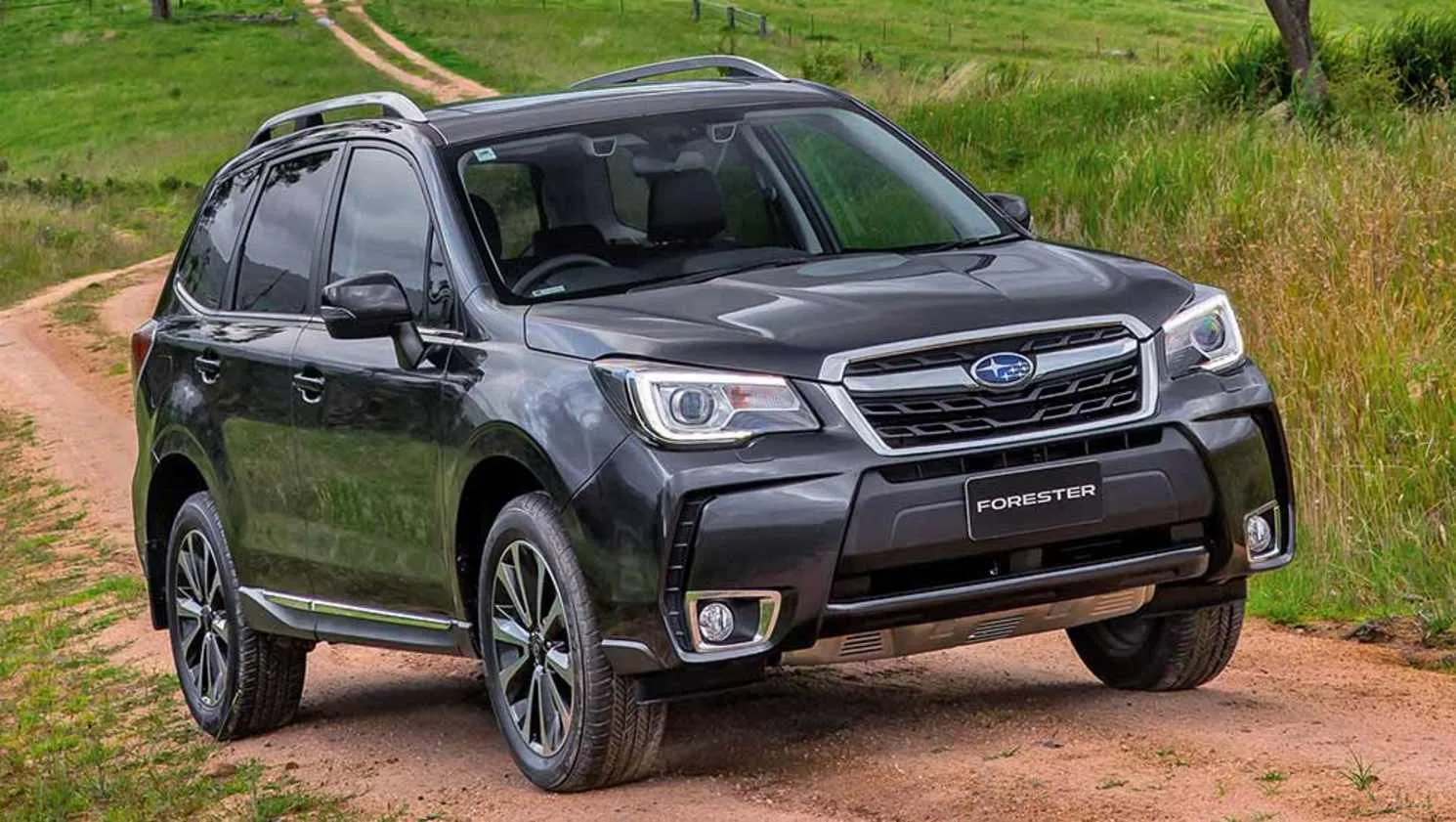
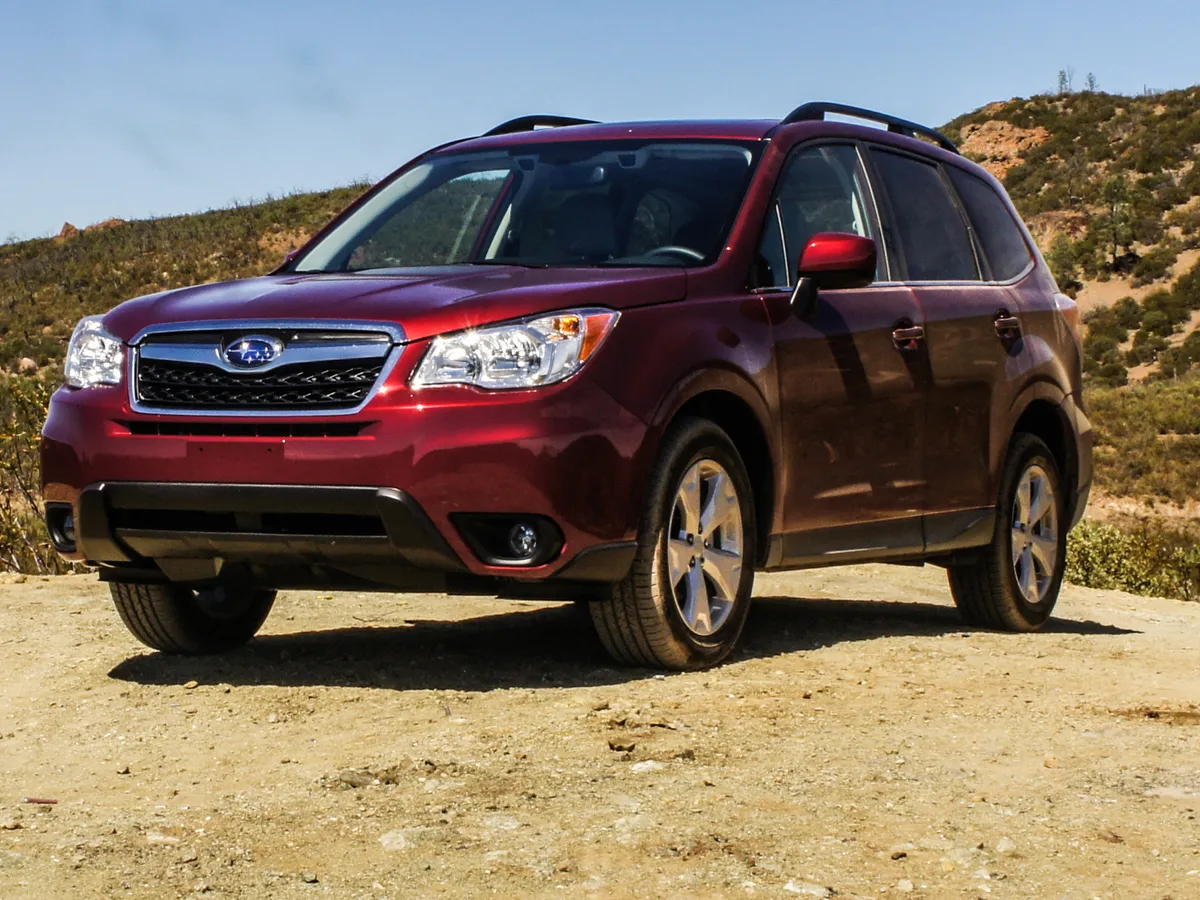
9. Subaru Forester
The Subaru Forester is a compact SUV renowned for its all-wheel-drive system, practicality, and reliability. Its CVT-equipped models, featuring Subaru’s Lineartronic CVT, have proven durable and reliable over many years. The transmission is designed to handle varying terrains, including city streets, highways, and light off-road conditions.
Many owners report trouble-free CVT performance beyond 150,000 miles, emphasizing the vehicle’s long-term dependability. The Forester’s CVT is paired with Subaru’s boxer engine, which reduces vibration and stress, contributing to smoother operation and prolonged transmission life.
Subaru emphasizes durability and thermal management in its CVT design. The reinforced belt system and advanced cooling technology allow the Forester to endure frequent acceleration, inclines, and heavy loads without experiencing excessive wear.
The transmission adapts intelligently to different driving conditions, delivering smooth acceleration and consistent performance. These engineering refinements reduce the likelihood of failure and enhance the longevity of the vehicle. Owners consistently report satisfaction with the CVT’s reliability, particularly in climates with extreme temperatures or in stop-and-go traffic conditions.
Routine maintenance is essential for maintaining the Forester’s CVT reliability. Subaru recommends regular fluid changes and periodic inspections, which are straightforward for most owners to perform. These measures help prevent premature wear and ensure that the transmission continues to operate smoothly for many years.
The vehicle’s robust chassis and drivetrain complement the CVT, providing an system designed for reliability and longevity. Many high-mileage Forester owners report minimal transmission issues, further highlighting the vehicle’s status as a buyer-safe option.
The driving experience in the Forester benefits greatly from the CVT’s smooth and consistent operation. Acceleration is predictable and controlled, making the vehicle comfortable for both city commuting and long-distance travel.
The CVT integrates seamlessly with the Forester’s all-wheel-drive system, providing dependable performance in diverse conditions. For buyers seeking a compact SUV with a CVT that rarely fails, the Subaru Forester offers a combination of reliability, practicality, and versatility, making it a top choice in its segment.
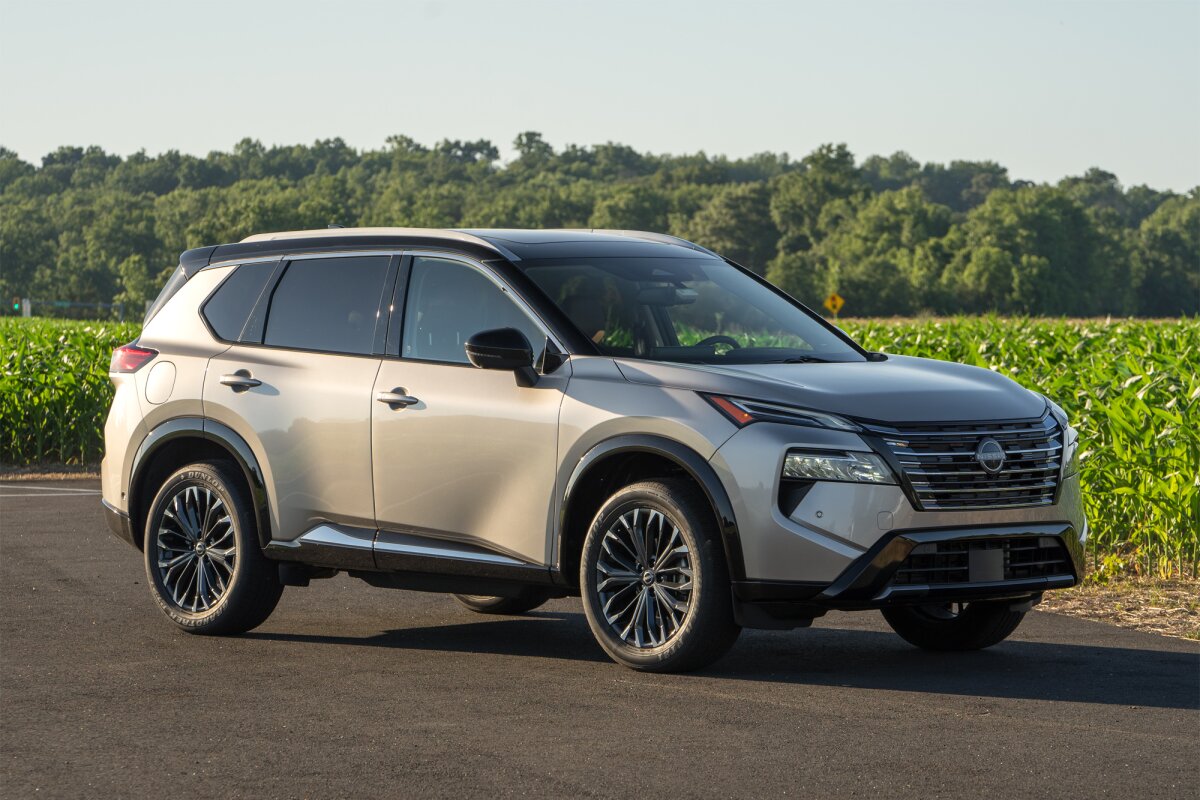
10. Nissan Rogue
The Nissan Rogue is a compact SUV that combines practicality, comfort, and reliable CVT performance. Its Xtronic CVT is designed to deliver smooth, fuel-efficient acceleration across a variety of driving conditions. Many Rogue owners report consistent, trouble-free CVT operation for well over 150,000 miles, provided maintenance schedules are followed.
The transmission is paired with an engine that balances performance and efficiency, reducing strain and minimizing the risk of premature wear. These factors make the Rogue an appealing choice for buyers seeking a dependable CVT SUV suitable for daily commuting, family trips, and light towing.
The Rogue’s CVT benefits from advanced thermal management, reinforced belts, and precise control software. These design elements allow the transmission to handle stop-and-go traffic, highway driving, and varying loads without excessive wear.
Drivers frequently praise the CVT for its smooth operation and quiet performance, which contributes to a more comfortable and controlled driving experience. Nissan’s careful engineering ensures that the Rogue’s CVT remains durable over time, reducing concerns about costly or unexpected repairs.
Routine maintenance plays a critical role in maintaining the Rogue’s CVT reliability. Regular fluid changes, inspections, and adherence to recommended driving practices extend the life of the transmission and prevent minor issues from becoming major problems.
Nissan also supports a wide service network and readily available parts, making any necessary maintenance straightforward. Owners who follow service schedules often find that the Rogue remains dependable for many years, further reinforcing its reputation as a buyer-safe option.
The driving experience in the Rogue is enhanced by the CVT’s responsive and consistent behavior. The transmission adjusts smoothly to acceleration demands, providing a comfortable and predictable driving experience.
This reliability, combined with the vehicle’s fuel efficiency, interior space, and practical design, makes the Nissan Rogue one of the most dependable CVT-equipped compact SUVs on the market. Buyers seeking a low-maintenance, long-lasting CVT vehicle can feel confident choosing the Rogue for both everyday driving and long-term ownership.
