
Compact cars have long been a popular choice for drivers who seek a balance between efficiency, affordability, and maneuverability. They are generally lighter than midsize and full-size vehicles, which contributes to lower fuel consumption and easier handling in urban environments.
While initial cost and fuel economy are often the first considerations for buyers, longevity is equally important. A car that can maintain reliability well past 120,000 miles provides immense value over time, reducing repair costs and extending ownership satisfaction. Choosing a compact car that continues to perform at a high level after extensive use requires attention to build quality, engineering design, and maintenance history.
Certain manufacturers have earned reputations for producing vehicles that withstand long-term wear, with engines and transmissions designed to endure sustained use without frequent breakdowns. These vehicles often feature components sourced from reliable suppliers and benefit from thoughtful engineering that minimizes stress on critical parts.
Reliability at high mileage is not just about a sturdy engine. Suspension components, steering systems, brakes, and electronics all play a role in a car’s longevity. Compact cars that remain tight after 120,000 miles typically include a combination of durable materials, conservative powertrain tuning, and serviceable mechanical layouts.
Owners of these vehicles often report minimal problems even as the odometer climbs well past the six-figure mark. Regular maintenance such as oil changes, timing belt replacement, brake servicing, and suspension checks, remains essential, but vehicles built with longevity in mind tend to tolerate occasional lapses in upkeep better than less robust designs.
In addition to mechanical resilience, some compact cars maintain their structural integrity and interior condition over many years. Rust-resistant body panels, high-quality paint, and well-designed interiors contribute to a feeling of solidity even as mileage rises. This long-lasting quality enhances safety and comfort while preserving resale value for those who eventually choose to sell or trade their vehicles.
The combination of efficient operation, reliable performance, and lasting comfort makes certain compact cars a wise choice for those seeking extended use without excessive maintenance headaches. For drivers who prioritize both economy and endurance, understanding which compact models consistently prove themselves over time is invaluable.
This article presents ten compact cars that are known to stay tight and reliable past 120,000 miles. Each entry highlights the vehicle’s design features, known mechanical strengths, and factors that contribute to its long-term durability.
The focus is on models that balance performance, comfort, and minimal long-term issues, providing insight for buyers who intend to keep a vehicle for many years. While no car is immune to wear, these ten models demonstrate a combination of engineering excellence, owner satisfaction, and consistent performance that allows them to endure far beyond the typical lifespan of many other compact cars.
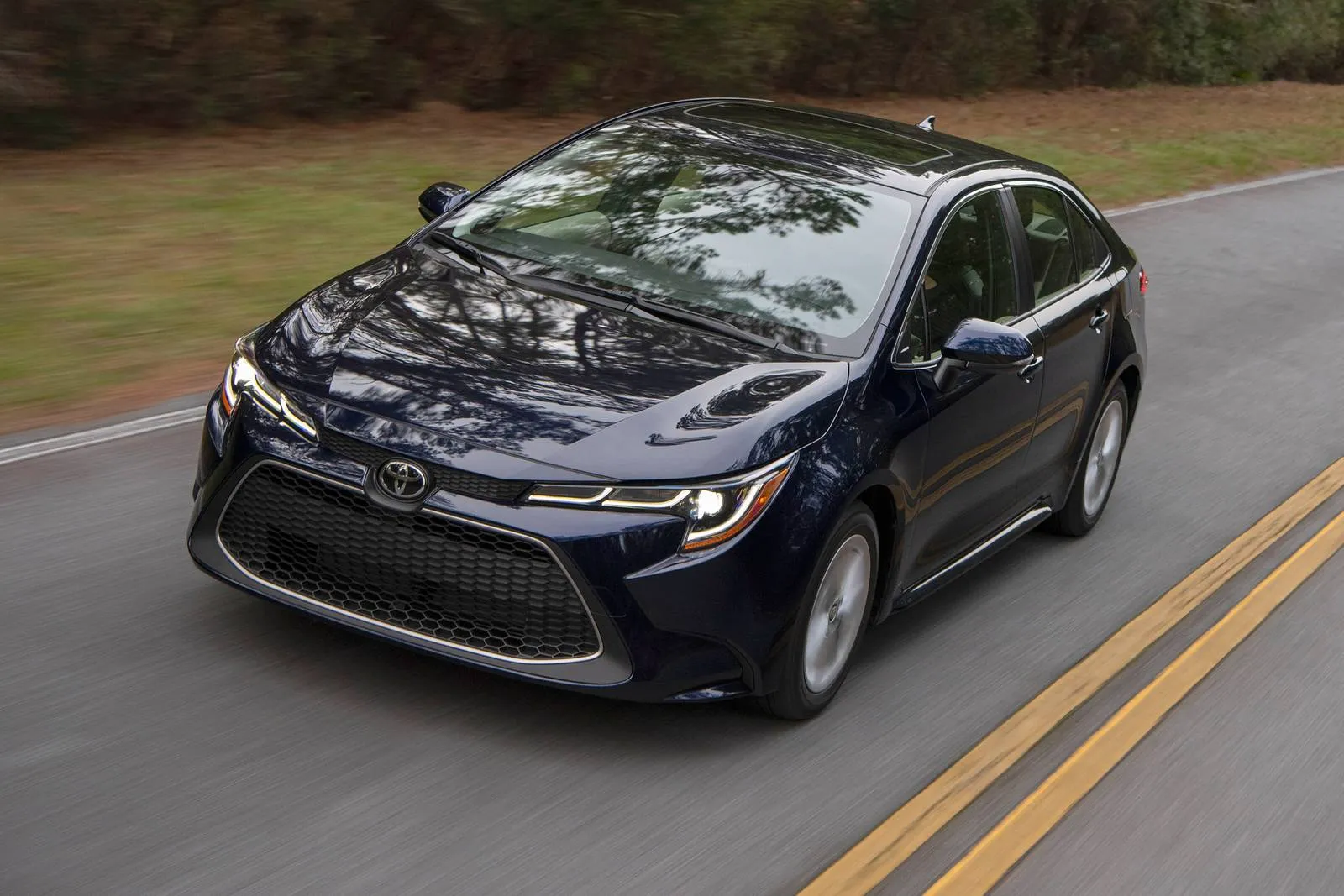
1. Toyota Corolla
The Toyota Corolla has earned a reputation as one of the most dependable compact cars on the road. With decades of production experience, Toyota has refined the Corolla’s engine, transmission, and suspension systems to provide consistent performance over long periods.
Its naturally aspirated four-cylinder engines are known for smooth operation and minimal mechanical issues when properly maintained. Timing chains or belts in various model years are designed for longevity, and replacement intervals are straightforward for mechanics to follow. Many owners report that their Corollas exceed 200,000 miles without major engine or transmission problems.
Structurally, the Corolla is built with a focus on durability. The body panels resist corrosion, and the chassis maintains alignment even after years of use. Suspension components, while simple, provide a balance of comfort and reliability. Many used Corollas display little sag or excessive wear after reaching 120,000 miles.
The compact design makes repairs accessible, and parts availability remains high, which reduces the cost and effort associated with upkeep. This accessibility contributes to the Corolla’s reputation as a vehicle that remains “tight” even after extensive use.
Inside the cabin, the Corolla has long emphasized functionality over complexity. Controls are straightforward, electronics are reliable, and interior materials age well when maintained. Seats, dashboard panels, and trim pieces tend to remain in solid condition, minimizing rattles and squeaks as mileage increases.
This contributes to the perception of a well-built vehicle even as the car accumulates miles. Comfort features such as air conditioning and basic infotainment systems remain operational with minimal issues in most cases.
From a mechanical perspective, Toyota’s conservative engineering philosophy plays a critical role in longevity. Engines are not overstressed, transmissions are built for smooth operation under various conditions, and all major mechanical components are designed to be serviceable.
Regular maintenance schedules recommended by Toyota are easy to follow, and the vehicle’s reliability has been documented in numerous consumer surveys. The Corolla remains a benchmark for compact cars that combine affordability, efficiency, and durability past 120,000 miles.
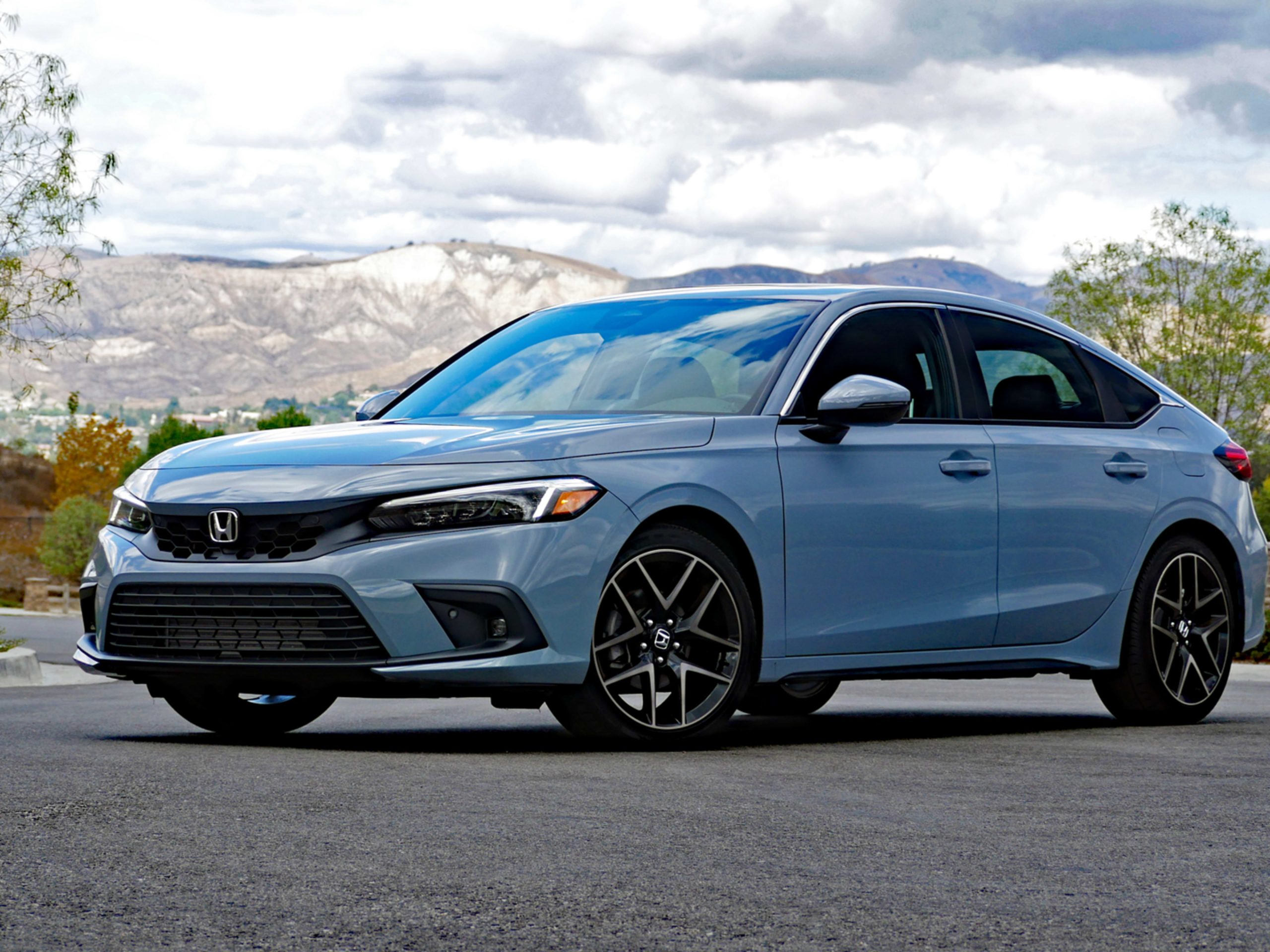
2. Honda Civic
The Honda Civic is widely recognized for its long-term reliability and efficiency. Civic engines, particularly the naturally aspirated four-cylinder models, are engineered to handle extensive mileage without significant degradation.
Many Civics surpass 200,000 miles with basic maintenance routines such as oil changes, valve adjustments, and timing belt replacements. Honda’s attention to precision engineering reduces the likelihood of premature engine wear and ensures smooth power delivery over time.
Civic chassis and suspension systems are designed with longevity in mind. The vehicle’s compact size and lightweight construction reduce stress on critical components. Struts, control arms, and bushings are built from durable materials that resist wear under normal driving conditions.
Even after 120,000 miles, Civics generally maintain tight handling, steering precision, and minimal suspension noise, contributing to a sense of stability and reliability.
The interior of the Civic demonstrates similar attention to long-term usability. Dashboard layouts remain functional, and seating materials resist sagging and wear.
Electronics in Civics from recent decades tend to be uncomplicated, reducing the chance of failures in components such as climate control, lighting, and basic infotainment systems. This simplicity enhances longevity and ensures that the car continues to feel dependable even after extensive use.
Maintenance and parts availability further contribute to the Civic’s durability. Replacement parts are plentiful and often affordable, making it easier to address issues before they become serious.
Honda’s engineering philosophy emphasizes ease of maintenance and mechanical reliability, which ensures that owners can keep their vehicles in strong condition for many years. As a result, the Civic remains a top choice for drivers seeking a compact car that stays reliable past 120,000 miles.
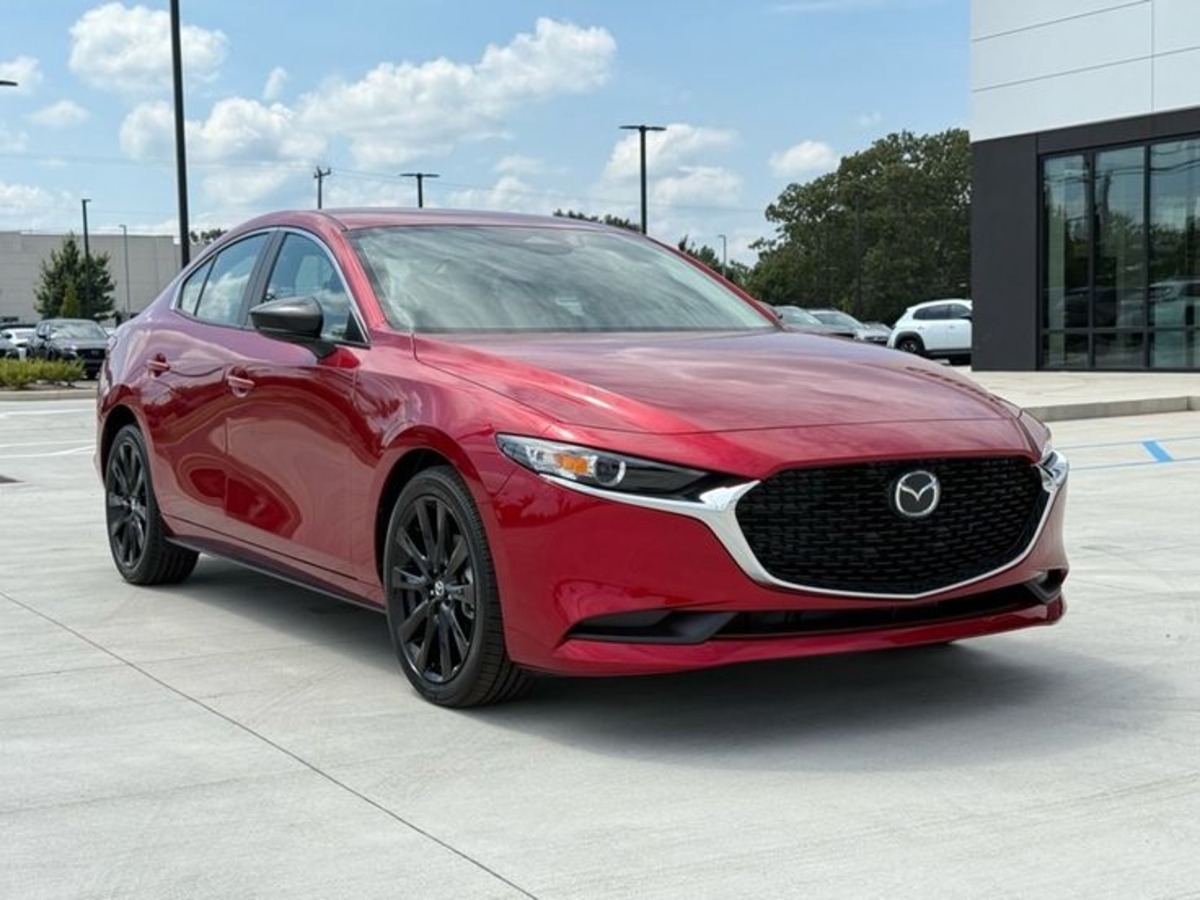
3. Mazda3
The Mazda3 is known for combining sporty handling with long-term reliability. Its engines, particularly the Skyactiv-G four-cylinder models, are engineered for efficiency and durability. Many Mazda3 owners report minimal engine or transmission issues even after surpassing 150,000 miles. Regular maintenance, including oil changes and periodic inspection of belts and fluids, helps maintain engine performance and mechanical integrity over time.
The Mazda3’s chassis and suspension are tuned for responsive handling without compromising durability. Struts, shocks, and bushings are made from robust materials that withstand years of normal driving. Even with higher mileage, the Mazda3 retains its composed handling and tight ride quality. Its relatively simple mechanical layout makes servicing straightforward, reducing repair costs and complexity for owners looking to maintain a vehicle beyond 120,000 miles.
Interior materials in the Mazda3 tend to hold up well under regular use. Seating surfaces, dashboards, and trim remain functional and comfortable even after years of exposure to sunlight and daily wear.
Electronics are generally reliable, and features such as power windows and infotainment controls continue to operate effectively. This combination of durable materials and mechanical reliability makes the Mazda3 a compact car that remains satisfying to drive after extensive mileage.
Routine maintenance is key to extending the Mazda3’s life, but the car’s inherent engineering makes it forgiving of minor lapses. Oil changes, brake servicing, and timing belt inspections are straightforward, and parts are readily available from dealerships or aftermarket suppliers.
This makes the Mazda3 a practical choice for those seeking a compact car that combines enjoyable driving dynamics with lasting durability past 120,000 miles.
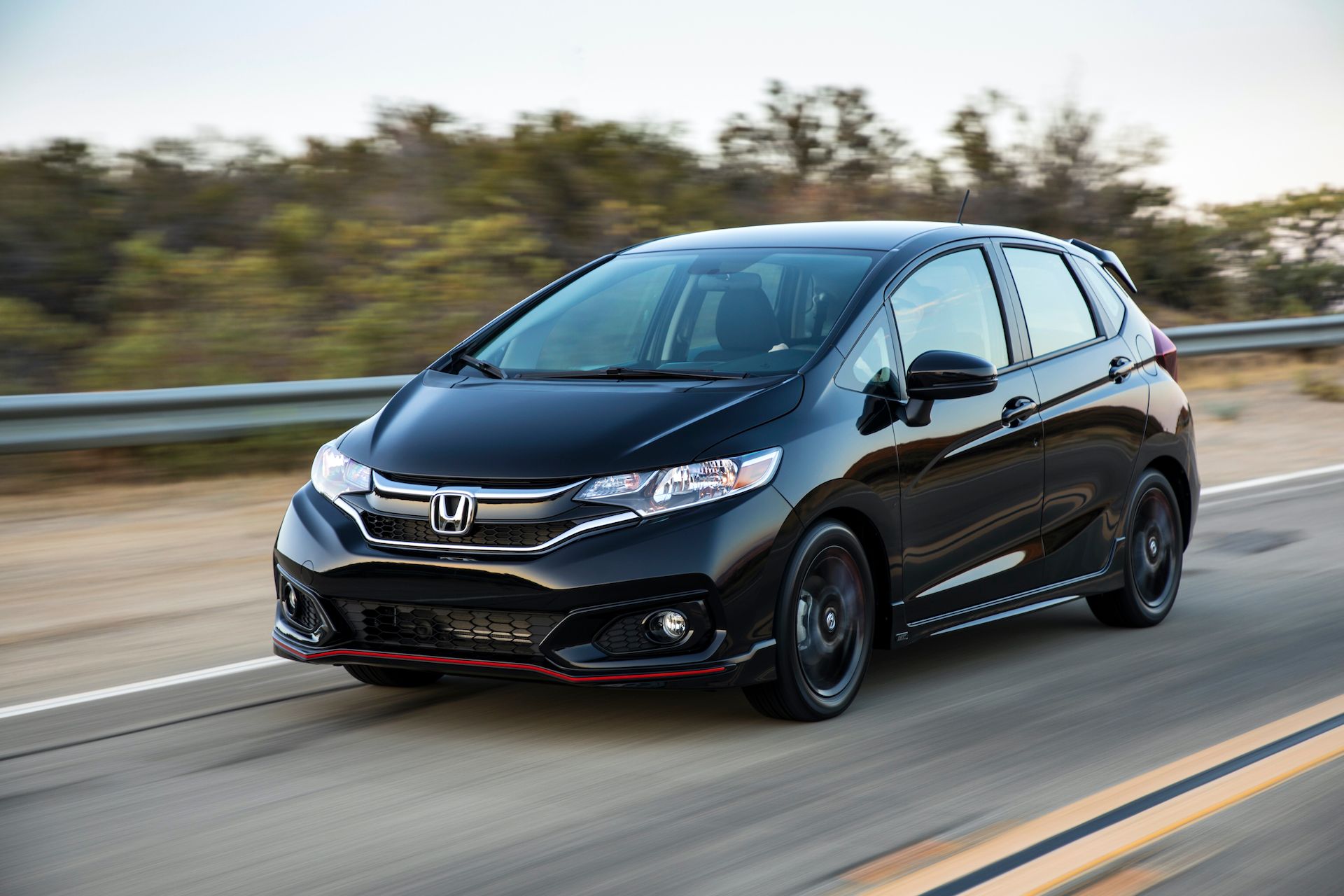
4. Honda Fit
The Honda Fit is a compact vehicle that surprises many with its long-term reliability and versatility. One of its defining features is the robust 1.5-liter engine, which consistently delivers reliable performance even after high mileage. Owners frequently report that Fits surpass 150,000 miles without major engine or transmission issues.
Honda’s engineering ensures that the engine does not operate under extreme stress, which reduces the risk of overheating, timing chain wear, or excessive oil consumption. Routine maintenance, such as oil changes, spark plug replacements, and air filter cleaning, is straightforward and keeps the vehicle running smoothly for years.
The Fit’s mechanical simplicity contributes greatly to its longevity. Suspension components, including struts and control arms, are durable and maintain ride quality even after extended use.
The car’s light frame reduces strain on the brakes and drivetrain, while the carefully tuned steering system continues to provide precision and control even after extensive mileage. Many owners note that their Fits handle tight corners and city driving well, and that road vibrations or rattles remain minimal, a testament to the vehicle’s robust build quality.
Inside, the Fit offers practicality without compromising durability. The seats and interior panels are constructed from materials that resist wear, sagging, and fading. The “Magic Seat” configuration, which allows rear seats to fold in multiple ways, is both functional and sturdy, maintaining its mechanism reliability after years of use.
Electronics and controls in the Fit are simple, reducing the likelihood of failures in air conditioning, infotainment, or lighting systems. Even after 120,000 miles, the cabin feels solid and reliable, reflecting Honda’s focus on long-term user satisfaction.
Another factor that makes the Fit for longevity is the ease of maintenance and affordability of parts. Routine service items such as brakes, belts, and filters are widely available, and repairs are generally cost-effective.
The simplicity of its design means fewer complicated systems that can fail, allowing owners to keep the car running with minimal stress and cost. For those seeking a compact car that remains mechanically tight, economical, and highly functional even past 120,000 miles, the Honda Fit stands out as a highly reliable choice.
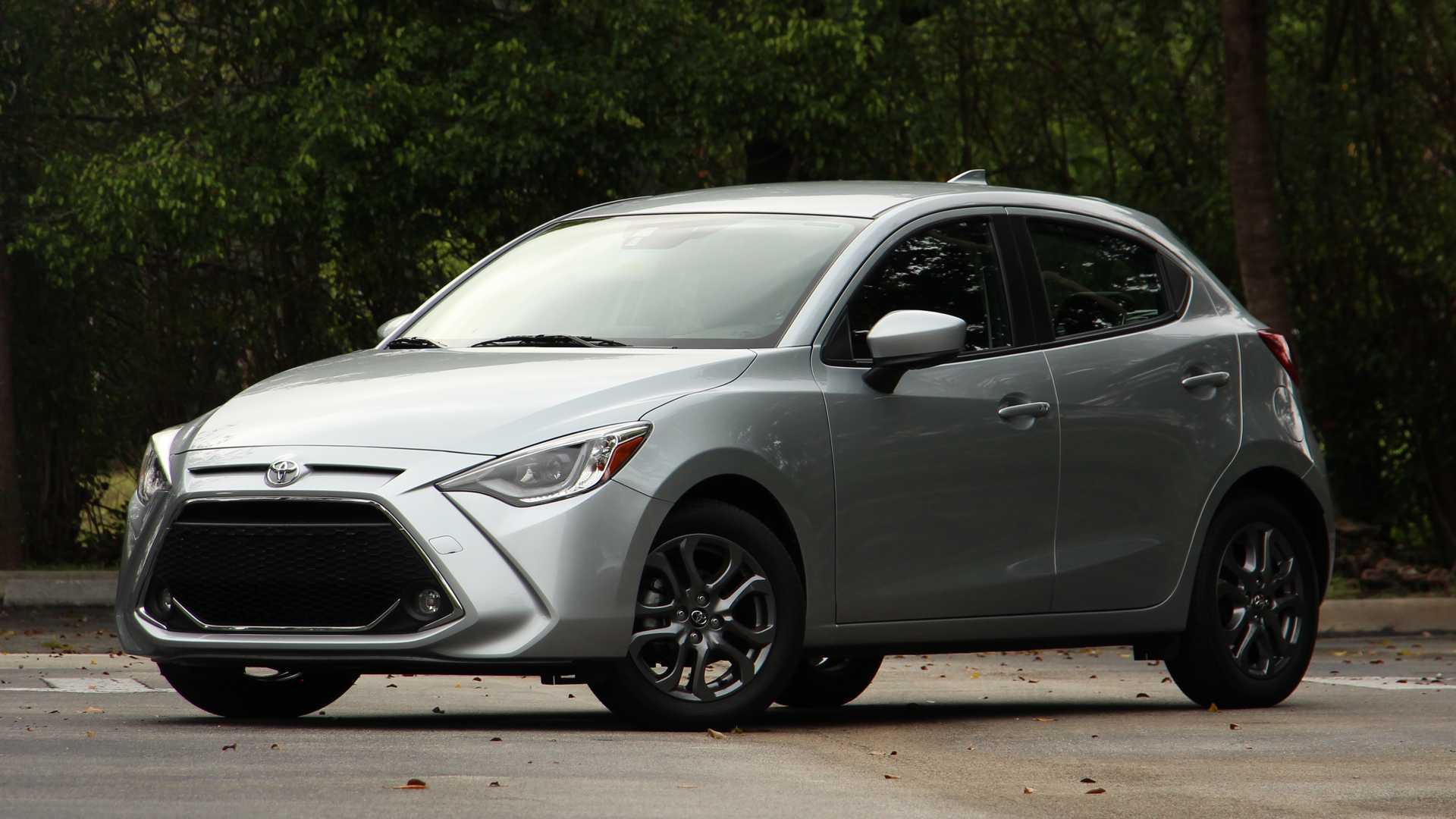
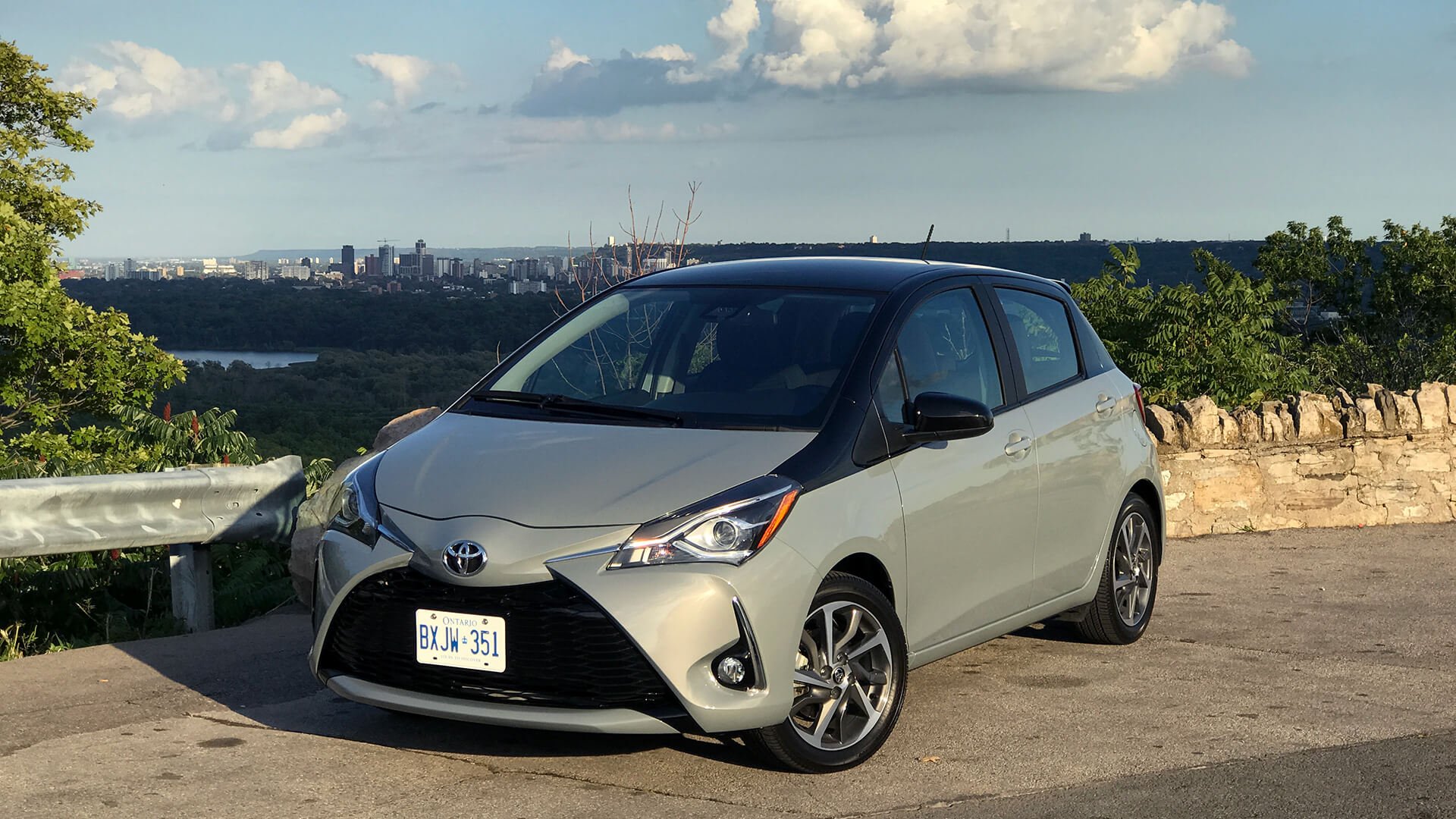
5. Toyota Yaris
The Toyota Yaris combines efficiency, low ownership cost, and impressive long-term durability. Its small, reliable four-cylinder engine is designed to operate efficiently without undue strain, allowing it to reach high mileage milestones with minimal problems.
Many Yaris owners report surpassing 150,000 miles without major engine or transmission replacements. The timing chain or belt, depending on the model year, is engineered for long intervals between replacements, which helps reduce maintenance stress over time. Toyota’s conservative tuning ensures that the engine performs reliably under various driving conditions, from city commutes to highway travel.
Structurally, the Yaris is built with attention to durability and simplicity. Its suspension system is straightforward, making it resistant to premature wear. Struts, bushings, and control arms often last well past 120,000 miles if maintained, while the car’s compact size reduces stress on components during cornering or braking.
The braking system is similarly robust, with pads and rotors that wear predictably and are easy to service. Many owners praise the Yaris for its tight handling and stability even at higher mileages, reflecting Toyota’s commitment to long-lasting engineering.
Inside, the Yaris offers a practical and resilient cabin. Seating materials, dashboard panels, and interior trim withstand years of daily use without significant deterioration. Controls are simple and durable, and basic electronics such as the audio system, power windows, and climate controls are less likely to fail compared with more complex, feature-heavy vehicles.
This simplicity in design ensures that the interior remains functional and comfortable even after the vehicle has accumulated significant mileage.
Maintenance convenience is another strong point for the Yaris. Replacement parts are widely available, and repairs are generally affordable and easy for most mechanics. Oil changes, brake servicing, and other routine maintenance are straightforward, helping owners maintain the vehicle in good condition for years.
Combined with its reputation for long-term reliability, low operating costs, and tight performance, the Toyota Yaris remains a practical choice for drivers who expect their compact car to last well past 120,000 miles.
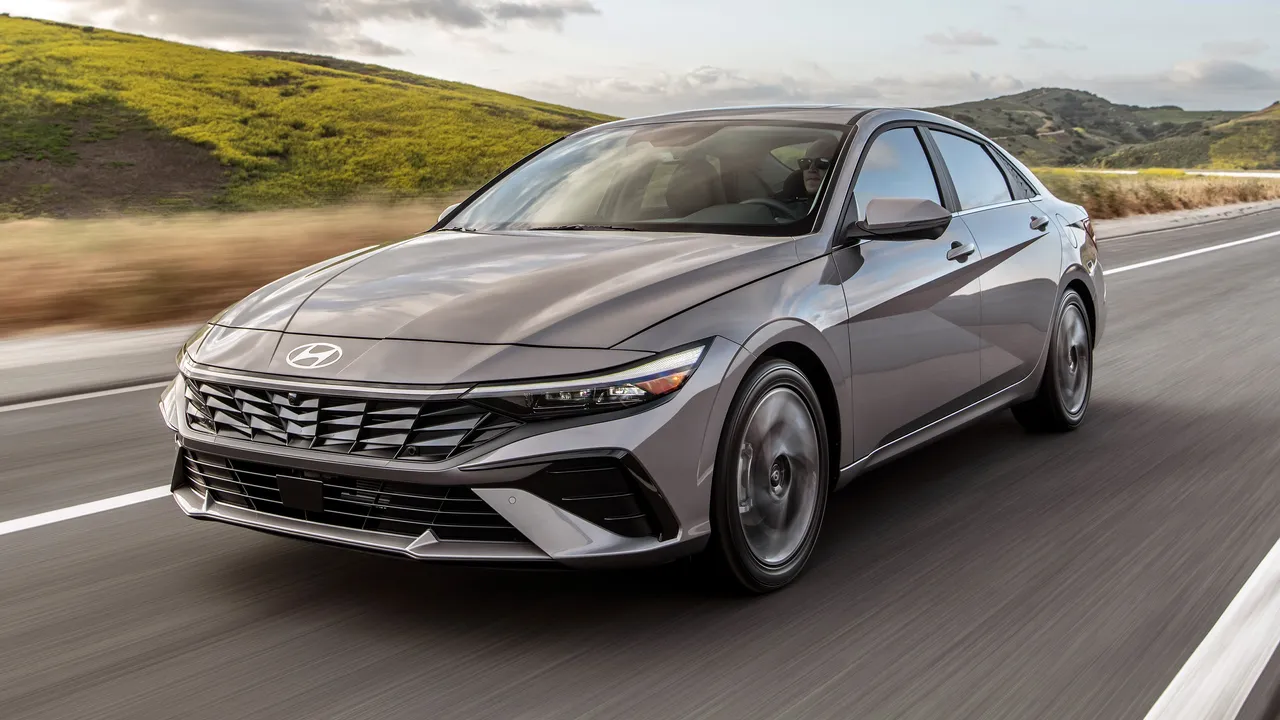
6. Hyundai Elantra
The Hyundai Elantra has developed a reputation for reliability and longevity over the past two decades. Modern Elantra models are equipped with engines designed for durability, including naturally aspirated four-cylinder units that handle high mileage with minimal problems.
With proper care, Elantras regularly exceed 120,000 miles and often reach 200,000. Hyundai’s engineering prioritizes conservative tuning and robust components, reducing the likelihood of engine overheating, oil consumption, or transmission issues. Routine maintenance, such as fluid changes, belt inspections, and brake servicing, is simple and contributes significantly to the car’s long-term performance.
The Elantra’s suspension and chassis are engineered to provide stability while remaining durable under prolonged use. Struts, shocks, control arms, and bushings maintain road-holding capabilities and ride comfort even after years of service.
Owners frequently report that their Elantras continue to feel tight, with steering precision and handling responsiveness preserved beyond 120,000 miles. The compact dimensions of the car further reduce mechanical stress, helping brakes, tires, and drivetrain components last longer than heavier vehicles.
Inside, the Hyundai Elantra demonstrates attention to long-term usability. Seats remain supportive, and dashboard and door materials are designed to resist fading and wear. Electronics, while increasingly sophisticated in newer models, are typically reliable, with audio systems, climate control, and infotainment functioning well even after many years of use. The car’s construction contributes to a solid and quiet ride, which enhances the perception of quality and reliability.
Another factor supporting the Elantra’s durability is Hyundai’s commitment to serviceability. Replacement parts are plentiful and relatively inexpensive, and the vehicle’s mechanical layout is designed to simplify routine maintenance and repairs.
With basic preventative care, an Elantra can provide consistent performance, minimal mechanical issues, and a tight driving experience beyond 120,000 miles, making it a strong option for compact car buyers seeking long-term reliability.
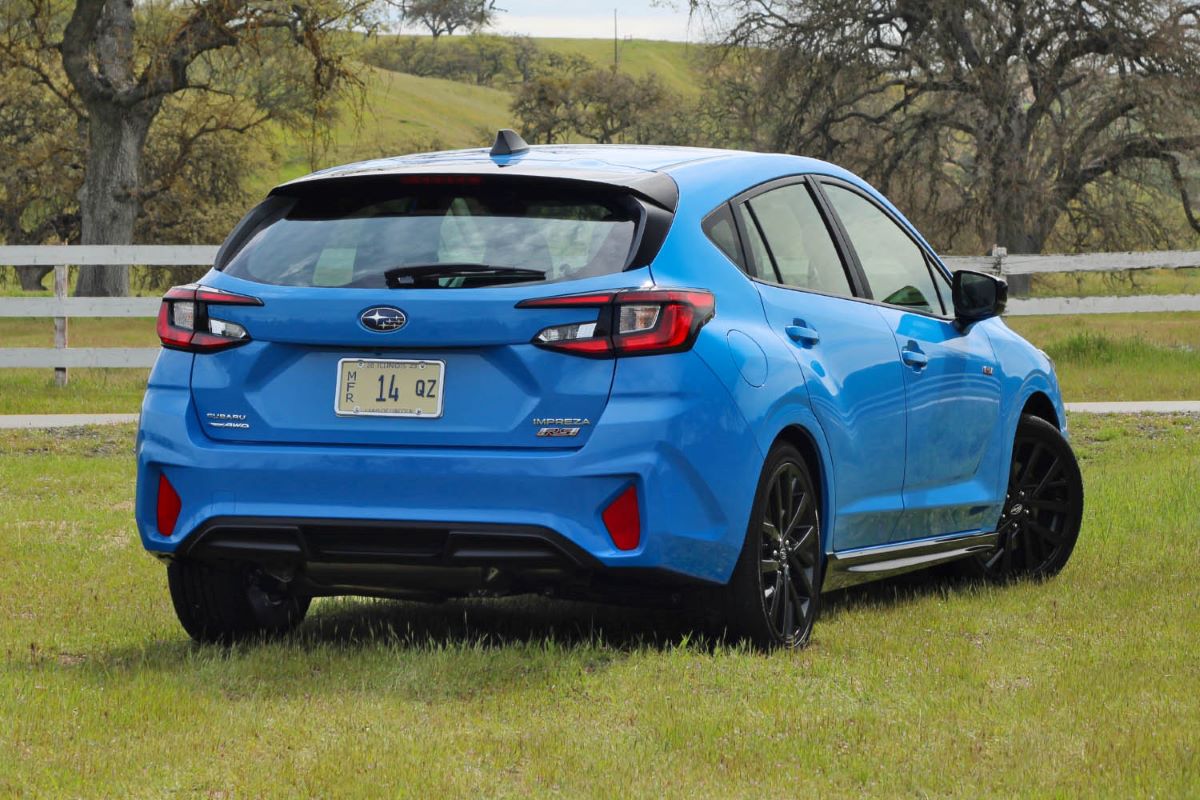
7. Subaru Impreza
The Subaru Impreza offers a unique combination of compact size and all-wheel-drive capability, which has earned it a loyal following among drivers who prioritize durability and traction. Its boxer engine is known for smooth performance and long-term reliability, provided that owners adhere to regular maintenance schedules.
Oil changes, timing belt replacements, and head gasket inspections are critical to keeping the Impreza performing well over time. Many vehicles in this model line surpass 150,000 miles without major engine or transmission issues.
Subaru’s all-wheel-drive system adds complexity but is generally built to last. Proper maintenance ensures that drivetrain components, including the differential, transfer case, and axles, remain reliable over many miles. Suspension components are durable, and the car maintains composure over rough roads and higher mileage conditions.
Owners frequently note that the Impreza’s handling remains tight and predictable, which contributes to a sense of safety and reliability even after significant use.
The interior of the Impreza is constructed to withstand wear and tear. Seats, dashboard panels, and door trim remain functional and aesthetically acceptable after years of use. Controls and electronics are generally robust, and features such as the audio system, climate controls, and infotainment units maintain reliable operation. The practical interior design emphasizes longevity and function, supporting the vehicle’s reputation for reliability.
Maintenance and parts accessibility are crucial for the Impreza’s long-term viability. While the AWD system adds some complexity, replacement parts and service procedures are well-documented and manageable for most owners.
Routine preventative care keeps the engine, suspension, and drivetrain tight, allowing the Impreza to remain a dependable compact car past 120,000 miles. Its combination of mechanical resilience, AWD stability, and functional interior makes it a unique choice for drivers seeking longevity without sacrificing handling.
8. Toyota Matrix
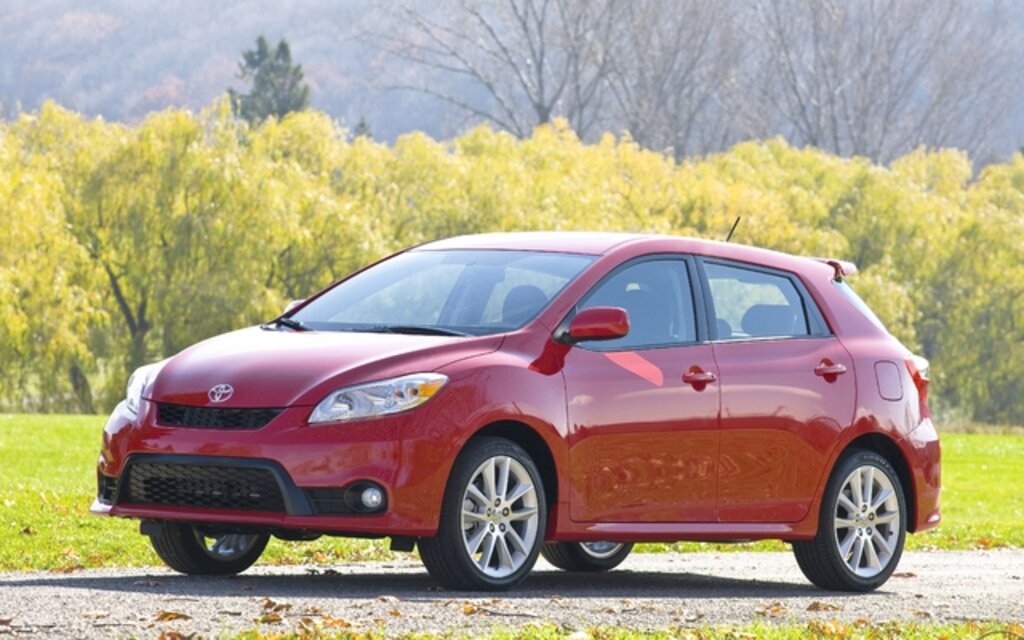
The Toyota Matrix is a versatile compact car that shares much of its engineering with the Toyota Corolla, which contributes to its long-term reliability. Its engines, typically four-cylinder models, are known for enduring performance and longevity.
With proper maintenance, many Matrix vehicles surpass 150,000 miles while maintaining strong engine performance and minimal issues with transmission or drivetrain components. Toyota’s engineering emphasizes smooth operation without placing unnecessary strain on the engine, which contributes to its durability over long periods of use.
Regular oil changes, air filter replacements, and timing chain inspections are straightforward and effective in preserving engine health.
Structurally, the Matrix is built to withstand extended use. Its chassis is rigid, suspension components are durable, and the compact dimensions reduce stress on critical parts. Control arms, struts, and shocks maintain alignment and ride quality even after prolonged driving, while brakes wear predictably and are easy to service.
Many owners report that the Matrix retains its tight handling, responsive steering, and composed ride even as mileage climbs past 120,000. Its combination of simple mechanical systems and thoughtful design makes servicing and part replacement relatively easy and affordable, further extending its functional lifespan.
The interior of the Toyota Matrix is designed for practicality and longevity. Seating surfaces are resilient, dashboards resist warping, and trim pieces remain intact even after years of exposure to sunlight and daily wear.
Electronics are uncomplicated, which minimizes failures in systems such as the climate control, audio, and power accessories. Storage compartments, folding seats, and other functional elements maintain usability over time. The cabin continues to feel solid, providing a sense of reliability and durability that complements the car’s mechanical strengths.
Toyota’s focus on long-term ownership is reflected in the Matrix’s serviceability. Replacement parts are widely available and relatively affordable, while routine maintenance is easy to perform for both professional mechanics and knowledgeable owners.
With basic preventative care, the Matrix remains mechanically tight, handles predictably, and continues to deliver dependable performance past 120,000 miles. For buyers who value practicality, reliability, and longevity, the Toyota Matrix stands out as a compact car that consistently performs well over time.
9. Ford Focus
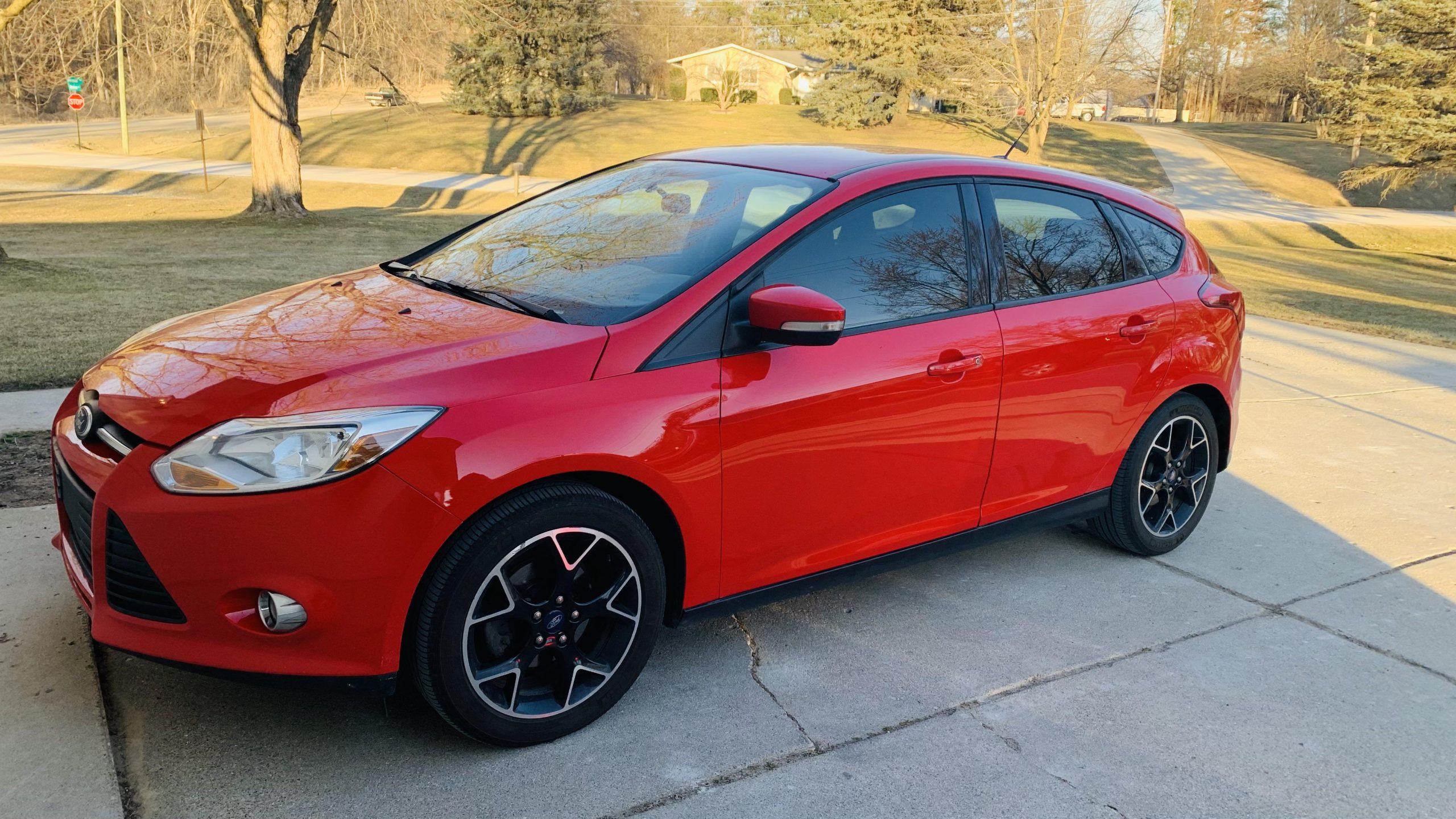
The Ford Focus combines affordability, compact dimensions, and strong mechanical reliability in many model years. Its naturally aspirated four-cylinder engines are known to endure high mileage, particularly the engines in second-generation models.
Proper maintenance, including oil changes, timing belt or chain inspections, and fluid replacements, helps ensure that the engine and transmission continue to operate reliably past 120,000 miles. Many Focus vehicles maintain strong performance and fuel efficiency even after years of daily use.
The Focus chassis and suspension are engineered to provide tight handling while remaining durable. Struts, shocks, bushings, and control arms are built to resist wear under normal driving conditions.
Owners frequently report that the Focus maintains precise steering response, composed cornering, and minimal suspension noise even after long-term use. Its relatively light weight reduces strain on drivetrain and braking components, contributing to a long service life. The Focus is also designed with accessible mechanical layouts, which simplify routine maintenance and repairs.
Inside, the Ford Focus provides a functional and enduring cabin environment. Seats remain supportive, and interior trim resists fading or cracking with proper care. Controls are intuitive, and basic electronics such as climate control, infotainment, and lighting systems remain operational after many miles.
This focus on durability and straightforward design ensures that the cabin continues to feel solid and dependable even as mileage accumulates. Practical storage solutions and user-friendly ergonomics enhance its long-term appeal.
Another advantage of the Focus is the accessibility of parts and service. Components are widely available, and routine repairs are manageable for most owners. Whether replacing brake components, suspension parts, or engine filters, the Focus remains a cost-effective vehicle to maintain over the long term.
These factors combine to make the Ford Focus a compact car that not only handles well and drives efficiently but also continues to stay mechanically tight and reliable past 120,000 miles, making it a dependable choice for budget-conscious buyers who plan to keep their car for years.
10. Volkswagen Golf
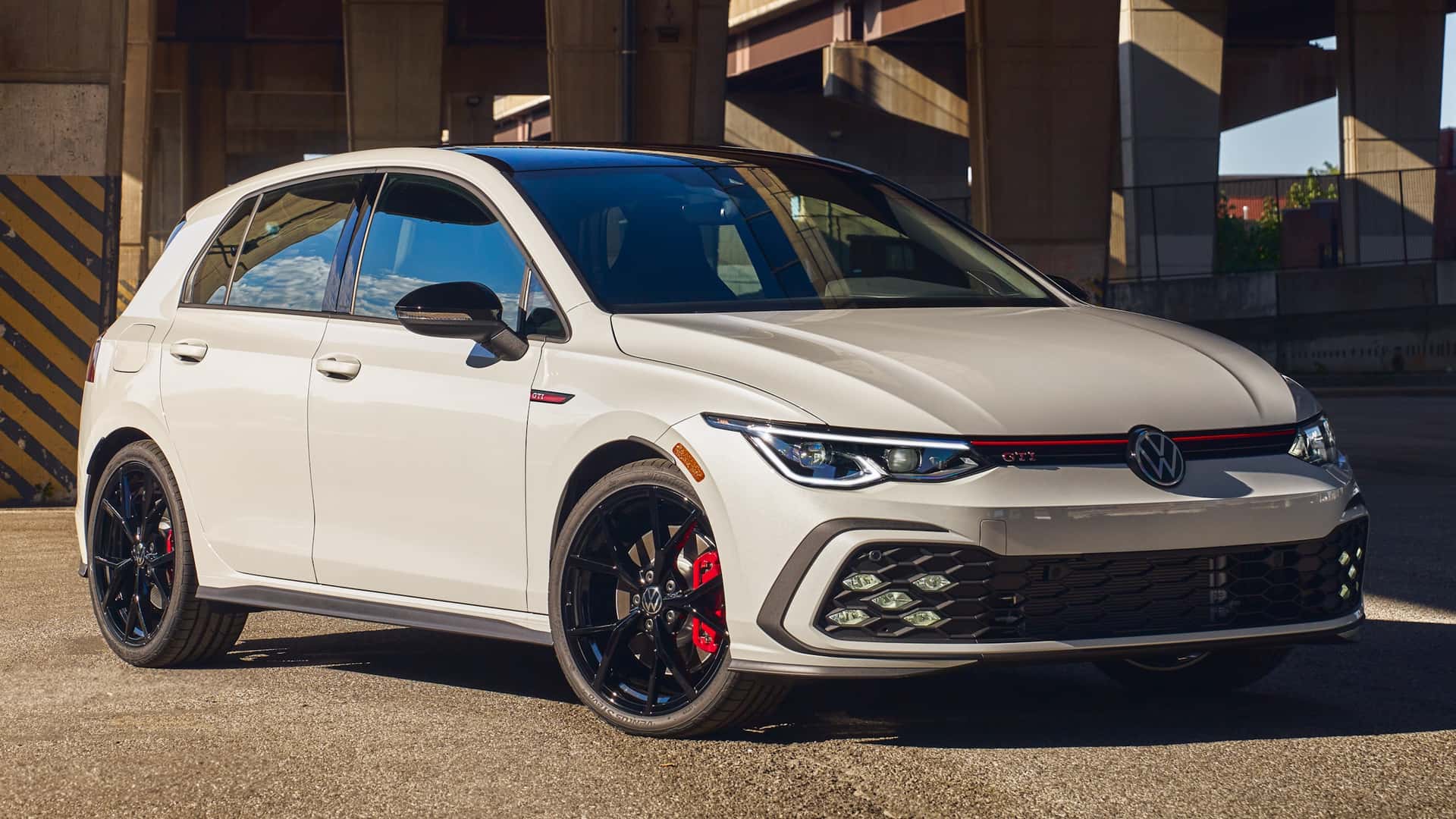
The Volkswagen Golf is a compact car renowned for its solid build quality and European engineering. Its four-cylinder engines, particularly the naturally aspirated and TSI turbocharged units, are known for longevity when maintained carefully.
Many Golfs exceed 150,000 miles with regular oil changes, timing belt replacements, and routine fluid inspections. While the turbocharged engines require slightly more diligent maintenance, the mechanical design prioritizes durability and efficiency, making the Golf a long-lasting choice in the compact segment.
The Golf’s suspension and chassis contribute significantly to its high-mileage performance. The vehicle maintains precise steering response, composed handling, and ride quality even as mileage accumulates. Struts, shocks, and control arms are made from durable materials, and the suspension geometry is designed to preserve alignment over time.
Road noise remains minimal, and the car feels tight and stable even after years of use. This combination of mechanical reliability and responsive handling allows the Golf to maintain a premium driving experience long after its initial years on the road.
Inside, the Volkswagen Golf offers a cabin built to withstand wear and tear. Seats retain support, materials resist fading or cracking, and interior trim remains functional and aesthetically pleasing. Electronics, while slightly more complex than some other compact cars, are generally reliable in well-maintained vehicles.
Climate control, infotainment, and other key systems continue to operate effectively, contributing to an feeling of quality and longevity. Ergonomic design, ample storage, and thoughtful controls enhance the practicality and durability of the cabin for drivers with high-mileage vehicles.
Maintenance and serviceability are key to ensuring the Golf continues to perform well past 120,000 miles. Parts are readily available, and routine servicing such as brake replacements, fluid changes, and timing belt inspections are manageable for professional mechanics and knowledgeable owners alike.
When properly maintained, the Golf remains mechanically tight, drives confidently, and provides a lasting sense of quality that few other compact cars can match. Its combination of engineering precision, solid build, and enduring performance makes it a standout choice for those seeking long-term reliability in the compact segment.
