
The transition from internal combustion engines to electric vehicles has brought a remarkable shift in automotive engineering. Unlike traditional vehicles, electric cars have fewer moving parts in the drivetrain, which can result in greater reliability and reduced maintenance needs.
Despite this, not all electric vehicles maintain consistent performance over time. Some models have earned reputations for their long-lasting drivetrains, offering owners peace of mind and impressive longevity, while others struggle with recurring mechanical or software-related faults that can impact the driving experience and maintenance costs.
Understanding these differences is critical for potential buyers, fleet managers, and automotive enthusiasts who prioritize reliability and long-term value.
Durable electric drivetrains are the result of precise engineering, quality materials, and comprehensive testing. These vehicles often feature robust electric motors, well-designed transmissions, and efficient thermal management systems that prevent overheating or premature wear.
When properly maintained, such drivetrains can last well beyond 200,000 miles with minimal performance degradation. Manufacturers of these vehicles tend to incorporate high-quality components, including advanced bearings, reinforced axles, and reliable power electronics.
The result is a vehicle that maintains smooth acceleration, consistent energy efficiency, and predictable handling over years of use. For drivers, this reliability translates to confidence and fewer unexpected expenses.
On the other hand, some electric cars face challenges that stem from design compromises, cost-cutting measures, or early-stage technology. Repeated drivetrain faults may include motor failures, inverter issues, or problems with gear reduction units.
These recurring faults can create a frustrating ownership experience, forcing repeated visits to service centers and sometimes requiring costly replacements.
Vehicles in this category may initially appear appealing due to price or features, but over time, the reliability issues become a significant concern, especially for those seeking long-term value. Understanding which models tend to encounter these problems can save consumers time, money, and stress.
This article will compare five electric cars known for durable drivetrains with five that have recurring faults. By examining the technical features, common issues, and owner experiences of each model, a clearer picture emerges of which vehicles stand out for reliability and which may pose challenges for long-term ownership.
The goal is to provide a balanced view based on engineering characteristics, real-world reports, and observed patterns over time.
By the end, readers should have a deeper appreciation for the importance of drivetrain durability in electric cars, and the factors that differentiate consistently reliable models from those with persistent mechanical problems.
5 Electric Cars with Durable Drivetrains
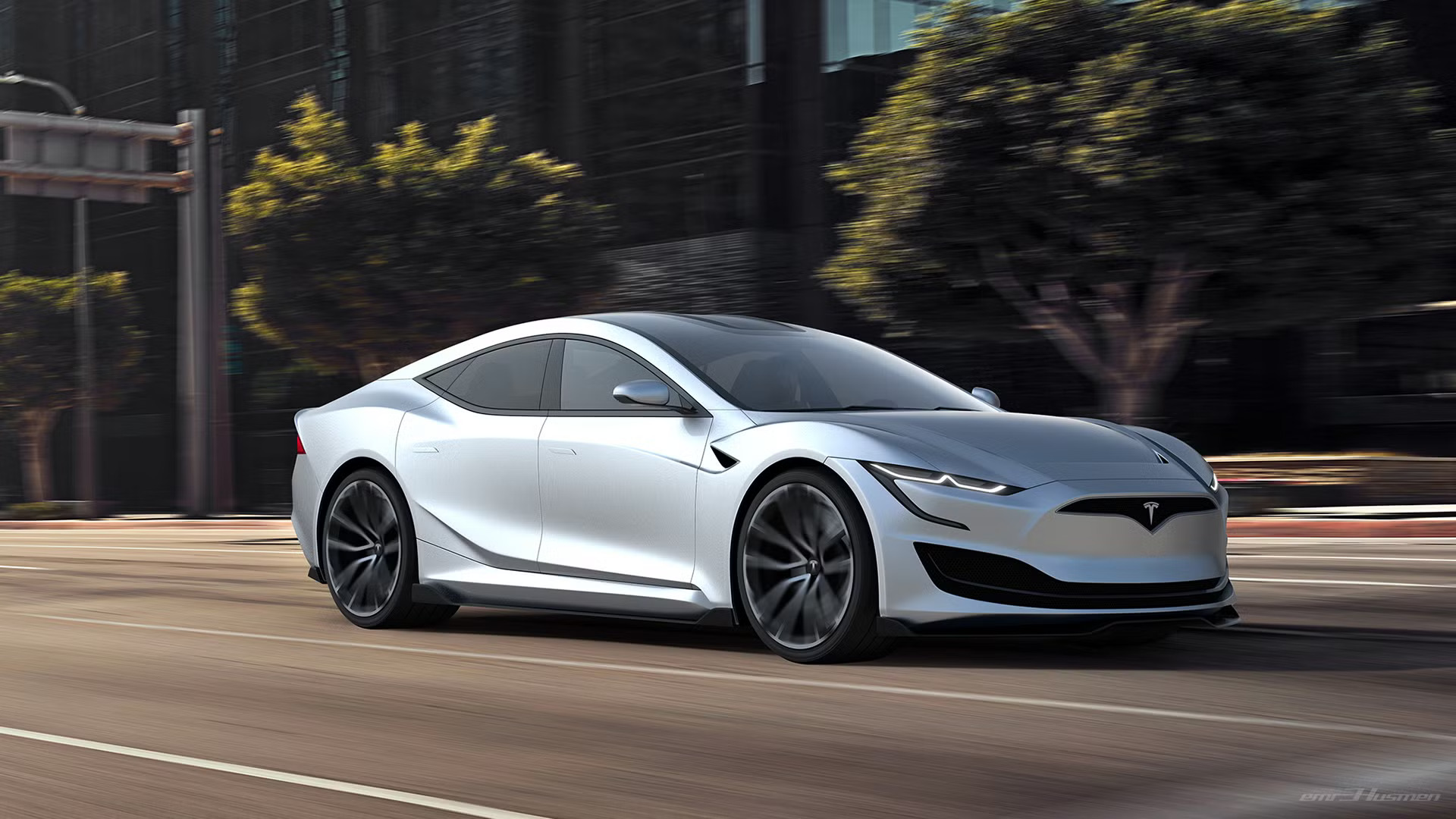
1. Tesla Model S
The Tesla Model S has long been recognized as a benchmark for electric drivetrain durability, particularly for its dual-motor all-wheel-drive versions. The electric motors are designed to handle high torque output while maintaining low mechanical wear, which is critical for long-term reliability.
Many owners have reported surpassing 200,000 miles without experiencing significant motor or gearbox issues, which is a remarkable achievement for any vehicle.
The drivetrain’s robustness is partly due to Tesla’s use of high-quality materials, including precision-engineered bearings, reinforced axles, and robust gear reduction units that minimize stress and wear during acceleration or regenerative braking.
Furthermore, Tesla continuously updates the vehicle’s software to improve torque distribution, motor efficiency, and drivetrain longevity, ensuring that vehicles improve over time rather than degrade.
Thermal management is a crucial factor in the Model S’s durability. Its liquid-cooled motors and battery system prevent overheating during long-distance travel or repeated high-speed acceleration.
This system efficiently regulates the temperature of the inverter and other power electronics, preventing stress-induced failures that could compromise drivetrain reliability.
Even under heavy usage, the Tesla Model S maintains consistent performance, and the cooling system ensures that the electric motors operate within safe thermal limits. This approach helps prevent premature wear of bearings, gear sets, and the motor windings, which is often the weak point in less robust electric vehicles.
The Model S also benefits significantly from Tesla’s regenerative braking system, which converts kinetic energy back into electricity while simultaneously reducing mechanical strain. By relying on the motor to slow the vehicle, physical components such as wheel bearings, gear assemblies, and brake rotors experience less wear and tear.
This regenerative system, combined with precise torque delivery, ensures a smoother driving experience and contributes to long-term drivetrain durability. Additionally, Tesla’s modular motor design allows relatively straightforward replacement or servicing of motor components, which is a major advantage for long-term ownership.
Finally, the consistent and smooth power delivery of the Tesla Model S enhances both performance and longevity. Owners frequently note the absence of common drivetrain issues, such as unusual gear noises, motor whine, or inverter failures, which often plague other electric vehicles.
This reliability translates into reduced maintenance costs, improved resale value, and a driving experience that remains dependable even after years of use. The combination of advanced engineering, high-quality materials, and software optimization makes the Model S one of the most durable electric vehicles currently available.
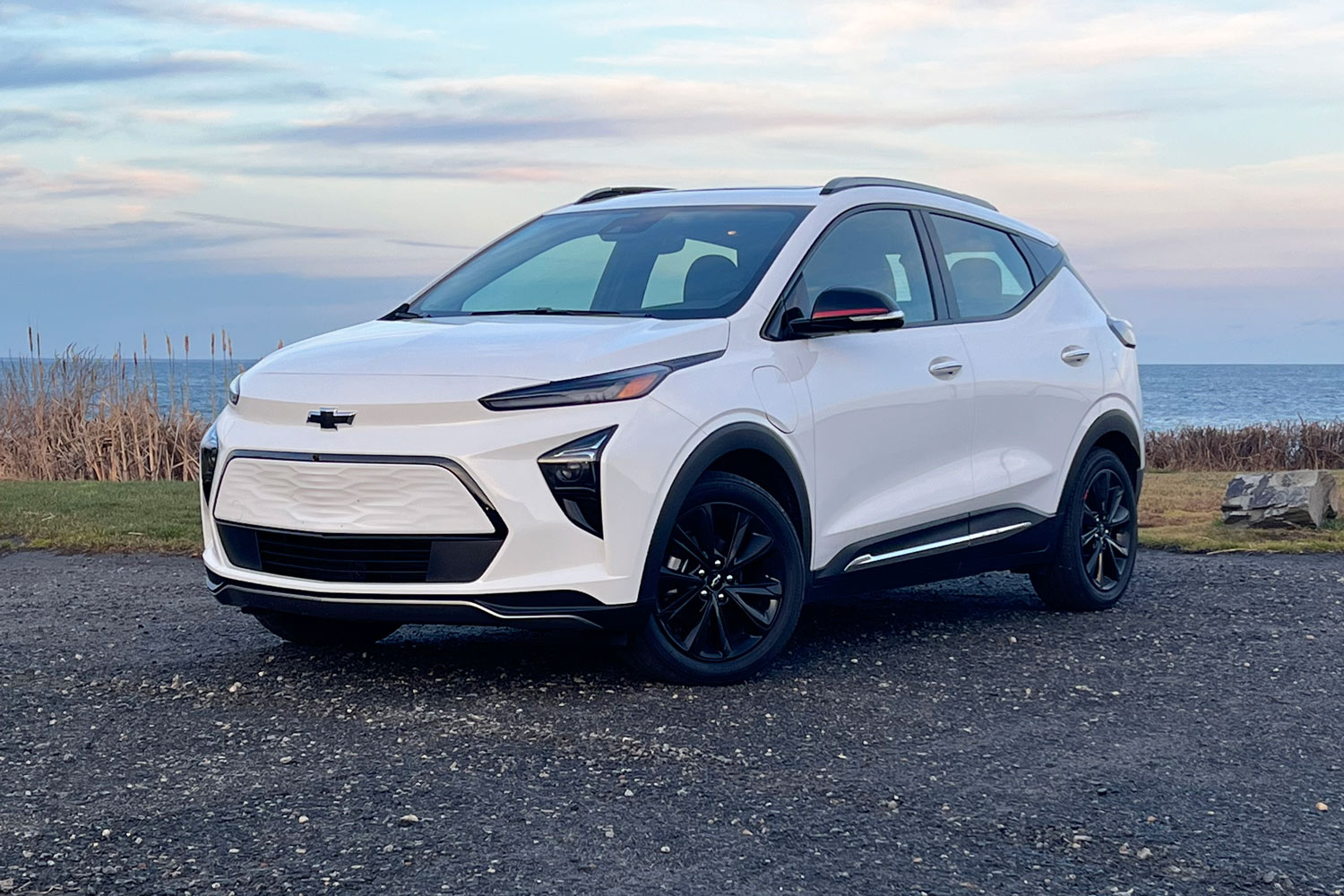
2. Chevrolet Bolt EV
The Chevrolet Bolt EV is widely regarded as one of the most reliable compact electric vehicles, particularly due to its simple yet robust single-motor drivetrain. The Bolt’s front-wheel-drive system utilizes a permanent magnet motor coupled with a single reduction gear, significantly reducing the number of moving parts compared to dual-motor systems.
This simplicity translates into lower stress on components, fewer potential points of failure, and long-term durability. Many Bolt owners report thousands of miles of trouble-free operation, demonstrating the effectiveness of this straightforward drivetrain design in real-world usage.
Thermal management in the Bolt EV also contributes to its drivetrain reliability. While early models experienced some battery temperature challenges, improvements in coolant circulation, battery software, and motor management have helped mitigate the risk of overheating.
These enhancements prevent the electric motor and inverter from reaching damaging temperatures, even during sustained acceleration or high-speed highway travel. By maintaining optimal operating temperatures, the drivetrain components experience less mechanical stress and longer service life.
The compact and straightforward design of the Bolt’s drivetrain also plays a role in reducing mechanical strain. With fewer moving parts and a simplified transmission design, the front-wheel-drive system is less susceptible to wear and tear.
Bearings, gears, and motor assemblies are subjected to more predictable loads, which enhances long-term reliability. Combined with careful material selection and efficient software control of torque and regenerative braking, the Bolt EV consistently performs without recurring mechanical problems.
Finally, Chevrolet’s commitment to ongoing software updates strengthens drivetrain durability. Updates address minor performance inefficiencies, optimize motor torque delivery, and improve battery-motor interactions, all of which indirectly extend drivetrain longevity.
Owners benefit from a low-maintenance electric vehicle that delivers predictable performance over the years. This combination of engineering simplicity, quality components, and software management ensures that the Bolt EV remains a dependable choice for drivers seeking a reliable, long-lasting electric vehicle.
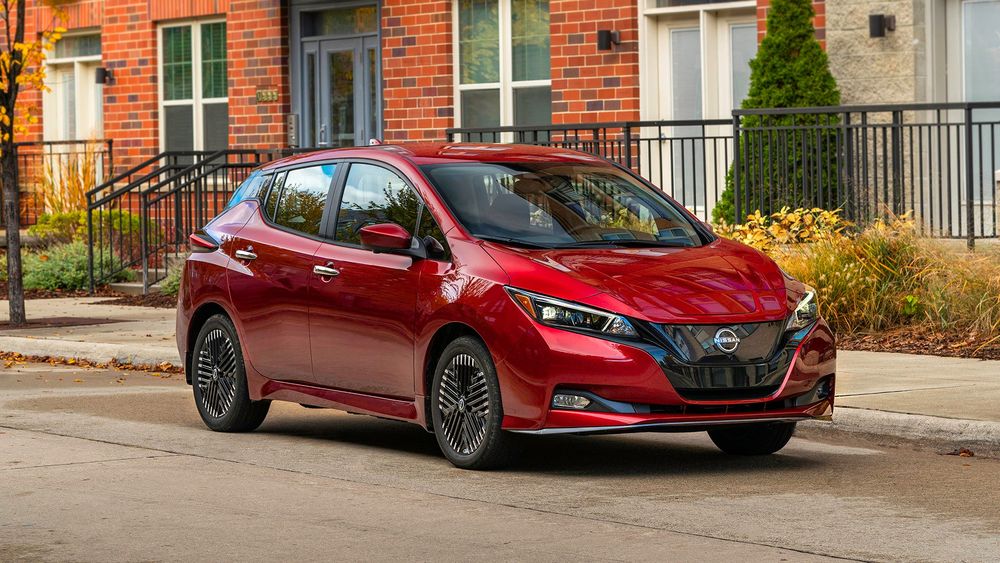
3. Nissan Leaf
The Nissan Leaf has been a trailblazer in the electric vehicle market and is widely praised for its durable drivetrain, particularly in its front-wheel-drive configuration.
The Leaf uses a permanent magnet synchronous motor coupled with a single-speed reduction gear, providing a highly efficient and reliable system with minimal mechanical complexity.
Over the years, numerous Leaf owners have reported smooth, trouble-free drivetrain operation, even after accumulating significant mileage. This reliability stems from the vehicle’s straightforward design, high-quality components, and the careful balancing of motor power with long-term durability.
Regenerative braking is another key contributor to the Leaf’s drivetrain longevity. By converting kinetic energy back into electricity during deceleration, the system reduces mechanical stress on the motor, gearbox, and wheel assemblies. This not only improves energy efficiency but also lowers the likelihood of component wear.
The Leaf’s simple drivetrain architecture ensures that fewer parts are exposed to high torque stress, and this contributes to the vehicle’s long-term reliability, particularly in urban stop-and-go driving environments where other electric cars might experience increased wear.
Thermal management in the Leaf has been carefully designed to protect the motor and inverter. Early models had limited battery thermal control, but the motor system itself remains robust and less prone to overheating, especially in temperate climates.
Software controls actively monitor motor temperature and adjust torque delivery to maintain safe operating conditions. This ensures that critical drivetrain components, including bearings and reduction gears, remain in optimal condition for extended periods, even during frequent acceleration or sustained driving.
Finally, Nissan has consistently prioritized durability over raw performance in the Leaf’s drivetrain design. While it may not offer the extreme acceleration of high-performance electric vehicles, the Leaf delivers a smooth, consistent, and reliable driving experience.
Owners rarely report motor failures or significant gearbox issues, and maintenance requirements remain minimal throughout the vehicle’s life. This combination of engineering simplicity, regenerative braking benefits, and effective thermal management makes the Leaf a strong example of a durable electric drivetrain.
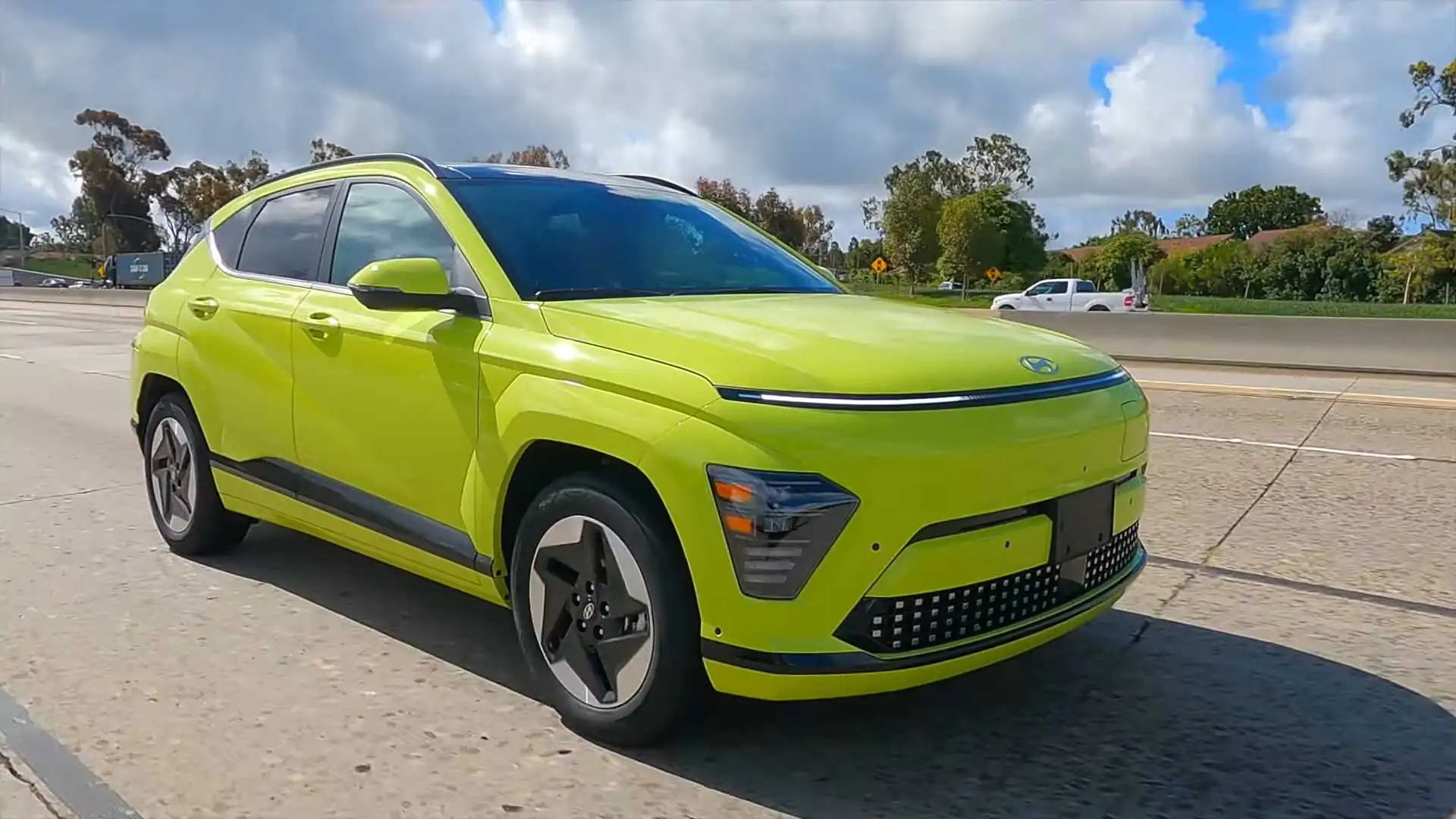
4. Hyundai Kona Electric
The Hyundai Kona Electric stands out for its dependable drivetrain, featuring a front-wheel-drive system paired with a permanent magnet synchronous motor. The compact single-speed reduction gear design reduces mechanical complexity, which enhances reliability and long-term durability.
Owners frequently report minimal drivetrain issues, even under extended use and varying environmental conditions. The combination of robust components, effective thermal management, and precise torque delivery allows the Kona Electric to maintain consistent performance over time.
The vehicle’s thermal management system plays a crucial role in protecting the motor and inverter. The battery and motor are actively cooled through liquid circulation, preventing overheating that could lead to motor failure or reduced drivetrain efficiency.
This system allows the Kona to perform reliably in hot climates, during sustained highway driving, and under conditions of repeated acceleration. Software control further enhances durability by optimizing torque delivery and limiting stress on critical drivetrain components.
Material quality and engineering standards are additional factors contributing to drivetrain reliability. High-quality bearings, reinforced motor mounts, and well-sealed components prevent premature wear and reduce susceptibility to environmental damage.
These engineering choices minimize noise, vibration, and mechanical stress over time, allowing the drivetrain to operate smoothly for tens of thousands of miles. Combined with Hyundai’s consistent quality control, the Kona Electric demonstrates a well-rounded approach to long-term reliability.
Finally, regenerative braking further extends the life of the Kona’s drivetrain by reducing reliance on mechanical braking and minimizing stress on the motor and reduction gears.
This system ensures smoother deceleration, improved energy efficiency, and lower maintenance costs. Owners frequently report a quiet, responsive, and dependable driving experience, reinforcing the Kona Electric’s reputation as one of the more durable and practical electric vehicles in its segment.
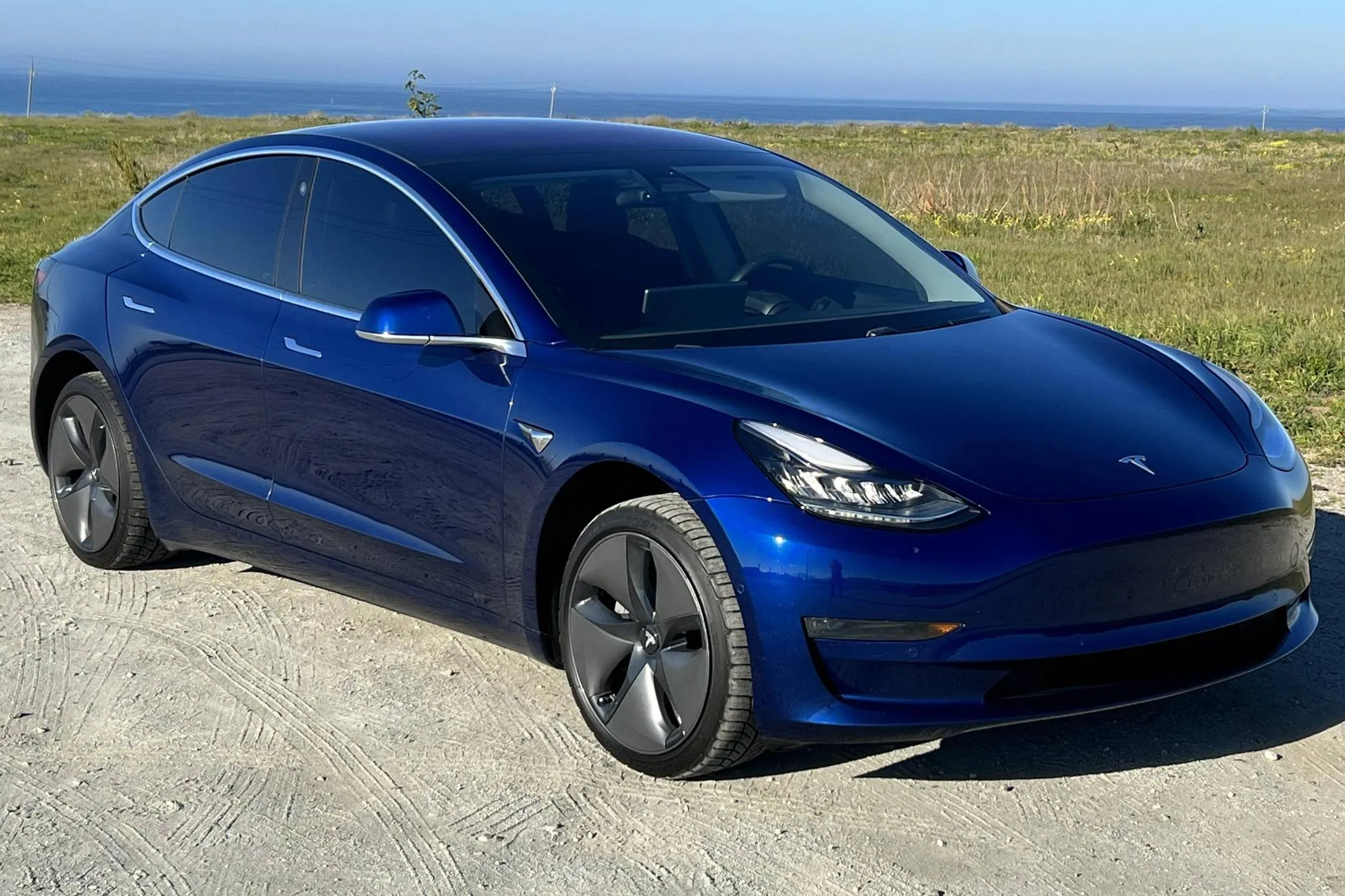
5. Tesla Model 3
The Tesla Model 3 combines many of the strengths of the Model S into a more compact and cost-effective package, yet it retains remarkable drivetrain durability. The dual-motor all-wheel-drive variant distributes torque efficiently between the front and rear motors, reducing strain on individual components and extending service life.
Many Model 3 owners report exceeding 150,000 miles without encountering significant motor, inverter, or gearbox issues. High-quality materials, reinforced gear sets, and precision-engineered bearings ensure that the drivetrain remains robust under both normal and aggressive driving conditions.
Thermal management is one of the Model 3’s standout features, with liquid cooling for the motors and battery maintaining optimal temperatures under a wide range of conditions.
This system prevents overheating during prolonged acceleration, heavy loads, or high-speed travel, protecting both the inverter and reduction gears from stress.
The vehicle’s software actively monitors temperatures and adjusts power delivery when necessary, reducing the risk of component failure and prolonging drivetrain life.
Regenerative braking also contributes significantly to the Model 3’s drivetrain durability. By capturing kinetic energy during deceleration, the system reduces mechanical stress on the motor and associated components, decreasing wear and enhancing efficiency.
Tesla’s modular motor design simplifies maintenance and replacement when required, allowing for relatively straightforward servicing even in high-mileage vehicles.
Finally, the Model 3 offers smooth and consistent power delivery, minimizing vibrations, unusual noises, or irregular torque that could compromise drivetrain longevity. Owners frequently praise its reliability, even under heavy daily use or spirited driving conditions.
The combination of advanced engineering, thermal control, and software optimization makes the Model 3 a compact electric car with a drivetrain designed for long-term durability, making it a benchmark in its segment for both performance and reliability.
5 Electric Cars with Recurring Drivetrain Faults

1. BMW i3
The BMW i3, known for its distinctive design and urban-friendly proportions, has faced drivetrain challenges that have persisted across various production years.
Central to these issues are the electric motor and associated power electronics. Some owners reported sudden motor shutdowns or unexpected power reductions, which could occur without warning during city driving or highway acceleration.
These faults were occasionally attributed to the inverter or motor control software, which struggled to manage the high torque output delivered by the i3’s compact electric motor.
While BMW issued updates to address certain software-related issues, hardware variability in early production units meant that some vehicles continued to experience intermittent failures, highlighting the sensitivity of the drivetrain to thermal and mechanical stresses.
The gearbox, though simplified as a single-speed reduction unit, also experienced wear-related problems. Bearings within the gearbox were reported to make unusual noises or degrade prematurely, particularly in vehicles that were regularly subjected to stop-and-go urban driving or frequent rapid acceleration.
The i3’s high-torque motor exacerbates stress on these components, causing the system to wear faster than in larger, more heavily engineered electric drivetrains.
Repairing or replacing the motor or gearbox components can be costly, and the compact packaging of the drivetrain complicates access, requiring more extensive service than one might expect for a city car.
Thermal management is another factor that contributed to recurring drivetrain faults in the i3. The liquid cooling system for the motor and inverter was less advanced in early models, meaning that high ambient temperatures or sustained high-speed driving could lead to overheating warnings or temporary power reductions.
This not only diminished performance but also placed additional stress on the mechanical components, accelerating wear and occasionally causing repeat service visits.
Owners who used the i3 for longer commutes often reported experiencing these limitations more frequently than those using the car exclusively for short city trips.
Finally, while BMW is generally recognized for engineering quality, the i3’s drivetrain issues reveal the challenges of early-generation electric vehicle design, where balancing innovation, performance, and durability can result in unexpected weaknesses.
Components may fail sporadically, yet those failures are often repeated in certain model batches, suggesting variations in production quality or materials. Prospective owners need to be mindful of these factors, particularly when considering a used i3 with limited service history.
The combination of thermal sensitivity, gearbox wear, and occasional inverter faults makes this car a clear example of an electric vehicle with a drivetrain that requires careful maintenance and attention to detail.
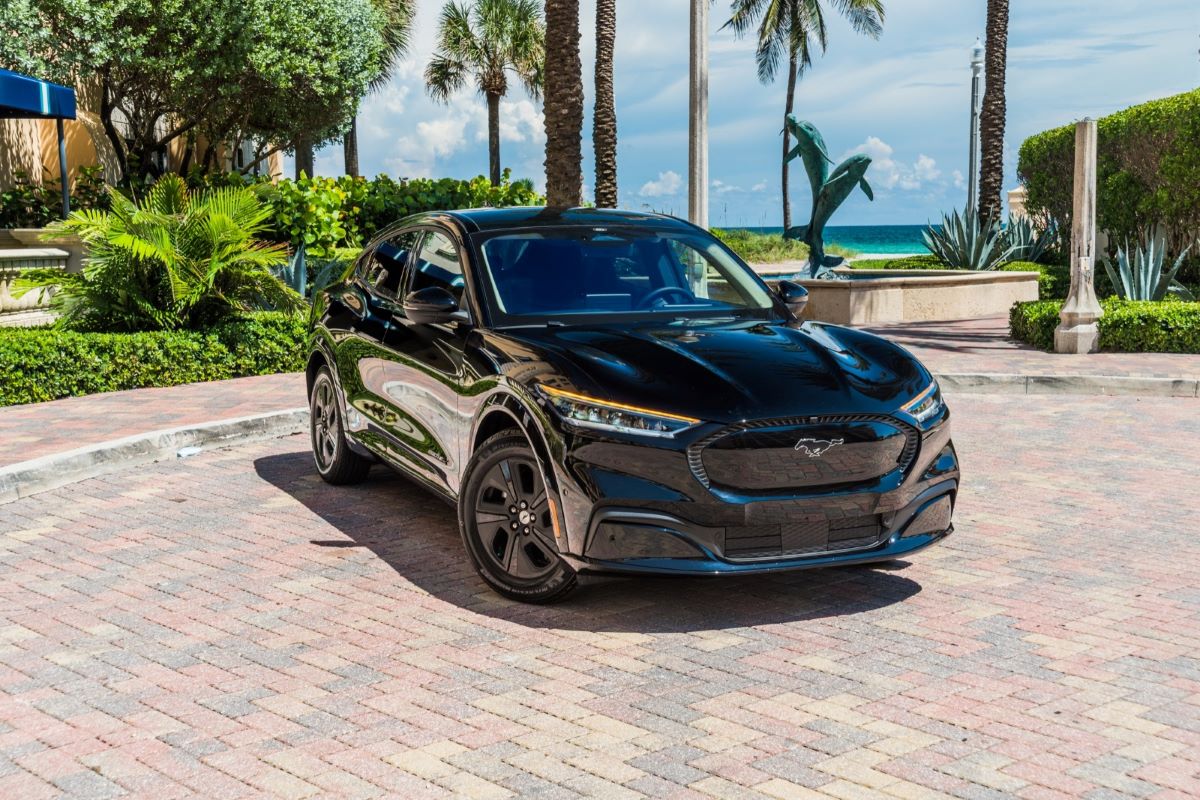
2. Ford Mustang Mach-E (early production models)
The Ford Mustang Mach-E, Ford’s first fully electric performance SUV, impressed with acceleration and handling but experienced significant drivetrain reliability issues in its early production runs.
Many owners reported motor control module failures, sudden torque reductions, and intermittent inverter malfunctions, which often triggered dashboard warnings or caused temporary loss of power. These problems were sometimes difficult to diagnose, as they could appear sporadically, depending on driving conditions or environmental factors.
The dual-motor all-wheel-drive configuration, while capable of delivering rapid acceleration, introduced additional mechanical complexity, which increased the potential for faults compared to single-motor electric vehicles.
Thermal management also emerged as a recurring weak point in early Mach-E models. The cooling system for the motors and inverter occasionally allowed components to reach temperatures that triggered automatic power reductions to prevent damage.
Drivers in hotter climates or those who frequently used the SUV for spirited highway driving were more likely to encounter these thermal-related drivetrain warnings.
Although software updates improved some aspects of thermal regulation and motor control, the fact that early vehicles were susceptible to repeated faults left a noticeable impression on customer satisfaction and reliability perception.
The dual-motor system’s differential and gear assemblies also showed recurring problems. Many owners reported clunking noises or vibrations under moderate acceleration, which were often linked to uneven wear or slight misalignments in the gearbox.
While not necessarily dangerous, these issues caused concern for drivers and required multiple visits to service centers to monitor or correct. In some cases, motors or gear components had to be replaced prematurely, indicating that the drivetrain’s durability was lower than expected for a vehicle in this performance and price class.
Finally, Ford’s response to these issues, through software patches and warranty coverage, mitigated some of the recurring faults but could not fully eliminate them for early adopters. The Mach-E’s drivetrain demonstrates the challenges of combining high performance with new electric vehicle technology under production constraints.
Owners of early Mach-E models were advised to monitor their vehicle closely for drivetrain anomalies, and even with proper maintenance, some faults were likely to recur, highlighting a contrast with more proven and robust electric drivetrains in other vehicles.
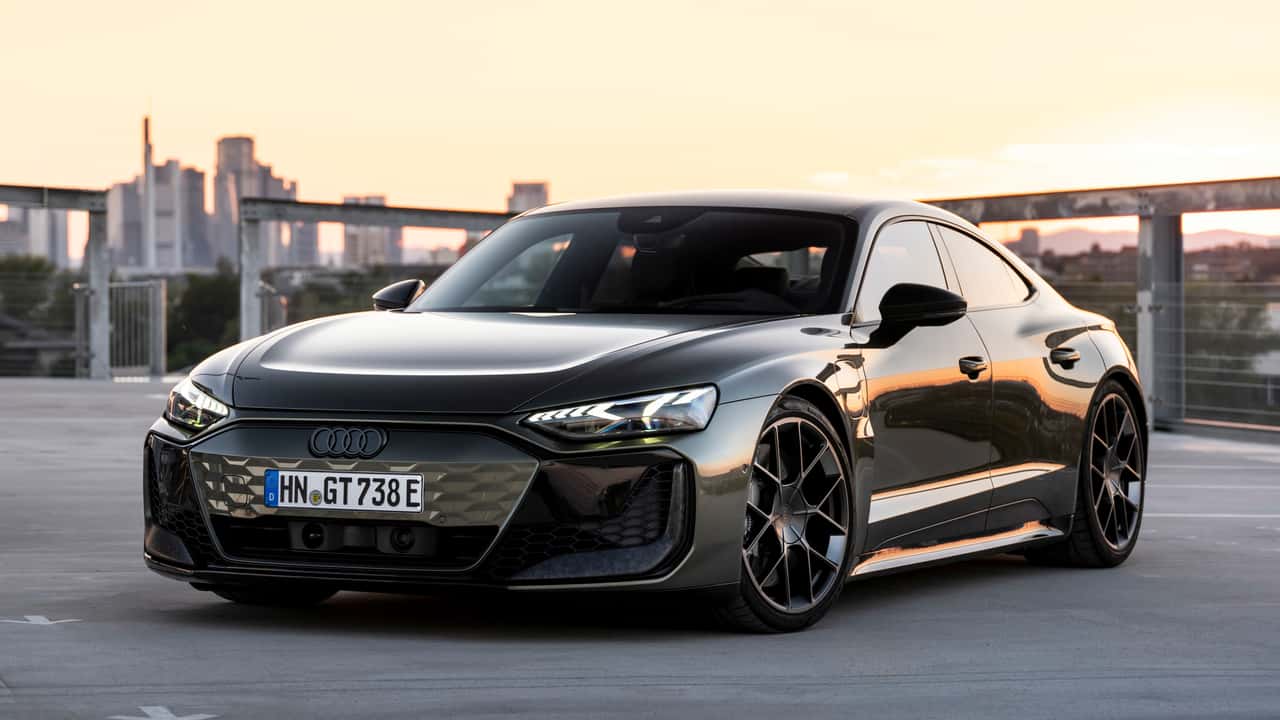
3. Audi e-tron (first-generation)
The first-generation Audi e-tron is a luxurious and technologically advanced electric SUV, yet it has been plagued with recurring drivetrain issues in certain production years.
Its dual-motor all-wheel-drive system, designed to deliver both power and traction, has been associated with intermittent motor failures, inverter errors, and occasional loss of regenerative braking function.
These issues often appear unpredictably, sometimes occurring after months of normal driving, which makes diagnosis challenging.
The high torque output inherent in the e-tron’s dual motors places significant stress on bearings, gear assemblies, and reduction units, contributing to the recurrence of mechanical issues over time.
Thermal stress further complicates the e-tron’s drivetrain reliability. While the vehicle employs liquid cooling for both battery and motor systems, prolonged high-speed driving or operation in hot climates occasionally caused overheating warnings or temporary motor deactivation.
One motor may be reduced in power or shut down entirely to protect internal components, resulting in diminished performance until temperatures normalize.
These thermal limitations highlight the gap between theoretical engineering tolerances and real-world driving conditions, particularly under high-load usage.
The drivetrain’s complexity also introduces multiple potential points of failure. The interconnected dual-motor system relies on coordinated control of inverters, power electronics, and reduction gears. A minor fault in one component can cascade, triggering warning lights, loss of regenerative braking, or torque imbalances.
Diagnosis often requires specialized service equipment and trained technicians, meaning that repairs are time-consuming and costly. Recurrent issues, even when not catastrophic, reduce driver confidence and raise concerns about long-term ownership.
Finally, while Audi provides extensive warranty coverage and service support, the recurrence of drivetrain faults in early e-tron models illustrates the challenges of pioneering new electric vehicle architectures.
The combination of high-performance motors, thermal sensitivity, and complex electronic control means that reliability can vary between units, making first-generation e-tron ownership less predictable than that of vehicles with simpler or more proven drivetrains.
Owners often report multiple service visits over the life of the vehicle to manage recurring issues, emphasizing the importance of thorough inspection when purchasing these models.
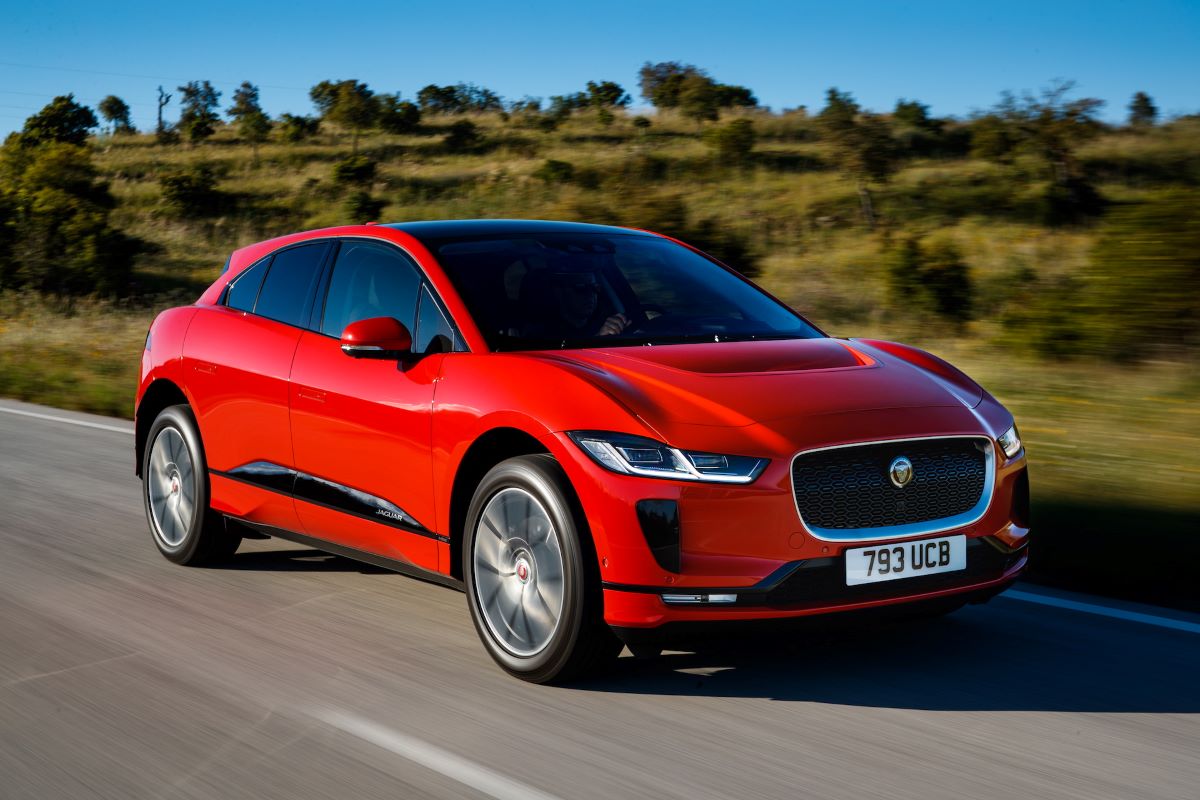
4. Jaguar I-Pace
The Jaguar I-Pace, Jaguar’s first mass-market electric SUV, has faced repeated drivetrain challenges, particularly with early production units. Owners reported issues with motor and inverter components, including unexpected loss of power, reduced acceleration, and intermittent fault warnings.
Both the front and rear motors in the dual-motor all-wheel-drive system have been affected, with faults sometimes requiring multiple service visits to fully diagnose and resolve.
These issues reflect the strain that high-performance electric powertrains can place on mechanical and electronic components, particularly in vehicles designed to compete with high-end luxury electric SUVs.
Thermal management in the I-Pace is critical due to its high-output motors, yet early models experienced challenges in maintaining optimal operating temperatures under sustained high-speed driving or repeated acceleration.
Overheating warnings could temporarily disable one of the motors, reducing power delivery and affecting driving dynamics.
While Jaguar has improved software algorithms and cooling system management over time, the combination of high torque, dual-motor complexity, and thermal sensitivity contributed to recurring drivetrain faults that frustrated some early adopters.
Gearbox and bearing wear has also been reported in the I-Pace. High torque output and repeated aggressive driving can accelerate wear on reduction gears, bearings, and motor mounts, leading to unusual noises, vibrations, or degraded efficiency.
Some owners experienced multiple service visits for motor or gearbox maintenance, highlighting the challenges of balancing performance with durability in a relatively small electric SUV chassis. This emphasizes that even premium electric vehicles are not immune to drivetrain reliability issues.
Finally, Jaguar’s sophisticated electronics and dual-motor system, while advanced, introduce additional points of failure. Faults in one motor, inverter, or control module can affect the drivetrain, resulting in performance reduction or intermittent errors.
While the I-Pace remains an appealing vehicle in terms of luxury and technology, recurring drivetrain faults in early models underscore the importance of careful maintenance, service history review, and awareness of thermal and mechanical stress factors when considering ownership.
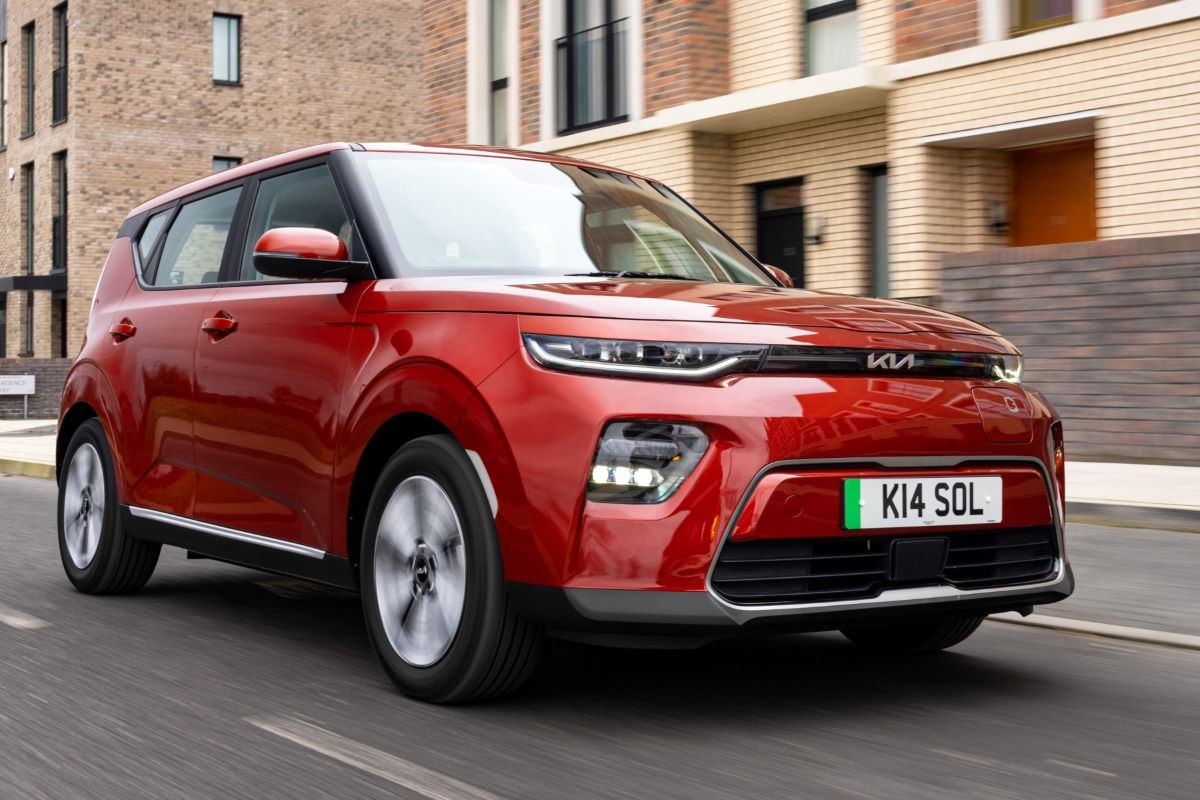
5. Kia Soul EV (early models)
The early-generation Kia Soul EV has generally proven reliable in terms of battery performance and general drivability, yet certain model years exhibited recurring drivetrain issues. Common problems included motor stalling, inverter faults, and inconsistencies in regenerative braking performance.
While these issues did not affect all vehicles, their recurrence in some production batches created frustration among owners who expected the Soul EV to provide a low-maintenance and dependable driving experience. These faults were sometimes linked to production variability or thermal stress affecting power electronics.
Thermal management limitations contributed to drivetrain faults in early Soul EV models. Sustained high-load operation or driving in hot climates occasionally resulted in inverter overheating or temporary motor output reductions.
While the battery and cooling system were designed to handle moderate usage, the motor and inverter could be pushed beyond their thermal comfort zone during extended city or highway driving, leading to repeated alerts or service visits. This highlighted the importance of both thermal design and real-world validation in electric vehicle drivetrains.
Gearbox and motor assembly wear has also been observed in early Soul EVs. Reports include unusual noises during acceleration, reduction in smoothness, and, in some cases, the need for premature motor replacement.
These problems were often linked to the compact design of the drivetrain and the stress placed on components during high-torque operation. Unlike larger or more robust electric vehicles, the Soul EV’s drivetrain is sensitive to repeated heavy use, which can accelerate wear and lead to recurring maintenance requirements.
Finally, while Kia responded to early drivetrain issues with software updates, recalls, and warranty support, some owners experienced repeated faults despite these interventions.
This makes early Soul EVs a cautionary example for buyers seeking consistent long-term reliability. Prospective owners are generally advised to focus on later production models, which incorporate design improvements and software refinements to reduce drivetrain faults and improve durability.
