
The used truck market has always been a cornerstone of the automotive business. Dealers rely heavily on trade-ins to maintain a steady flow of inventory that appeals to both retail buyers and commercial customers.
The trade-in process is more than just taking in a vehicle and putting it on the lot; it is a strategic decision guided by resale demand, reputation for durability, and the ease of preparing the vehicle for sale. Dealers must evaluate each truck carefully to determine whether it is worth retailing on their own lot or sending straight to auction or wholesale channels. The difference between these two decisions can make or break the profitability of a dealership’s used inventory operations.
When evaluating trade-ins, dealers consider a mix of mechanical condition, mileage, brand reliability, market perception, and the cost of reconditioning. Some trucks hold their value remarkably well because they appeal to a broad audience of work-focused buyers, contractors, and everyday drivers who appreciate their balance of strength and comfort.
Other trucks, though functional, tend to sit on lots too long or require extensive work to meet retail standards. This makes them better suited for quick disposal through wholesale routes.
Dealers also rely on historical sales data and local market preferences. For example, a truck that sells well in rural areas might not attract much attention in urban markets.
Similarly, a model with a solid mechanical reputation may still be hard to retail if its design feels outdated or its interior does not meet modern expectations. Every truck that enters the lot presents a choice: either invest in reconditioning and retail it, or move it quickly to preserve cash flow.
Understanding which trucks dealers want to keep versus those they prefer to offload helps explain broader market behavior. It highlights what consumers value most and what vehicles consistently prove their worth in a demanding resale environment.
5 Used Trucks Dealers Want on Trade-Ins
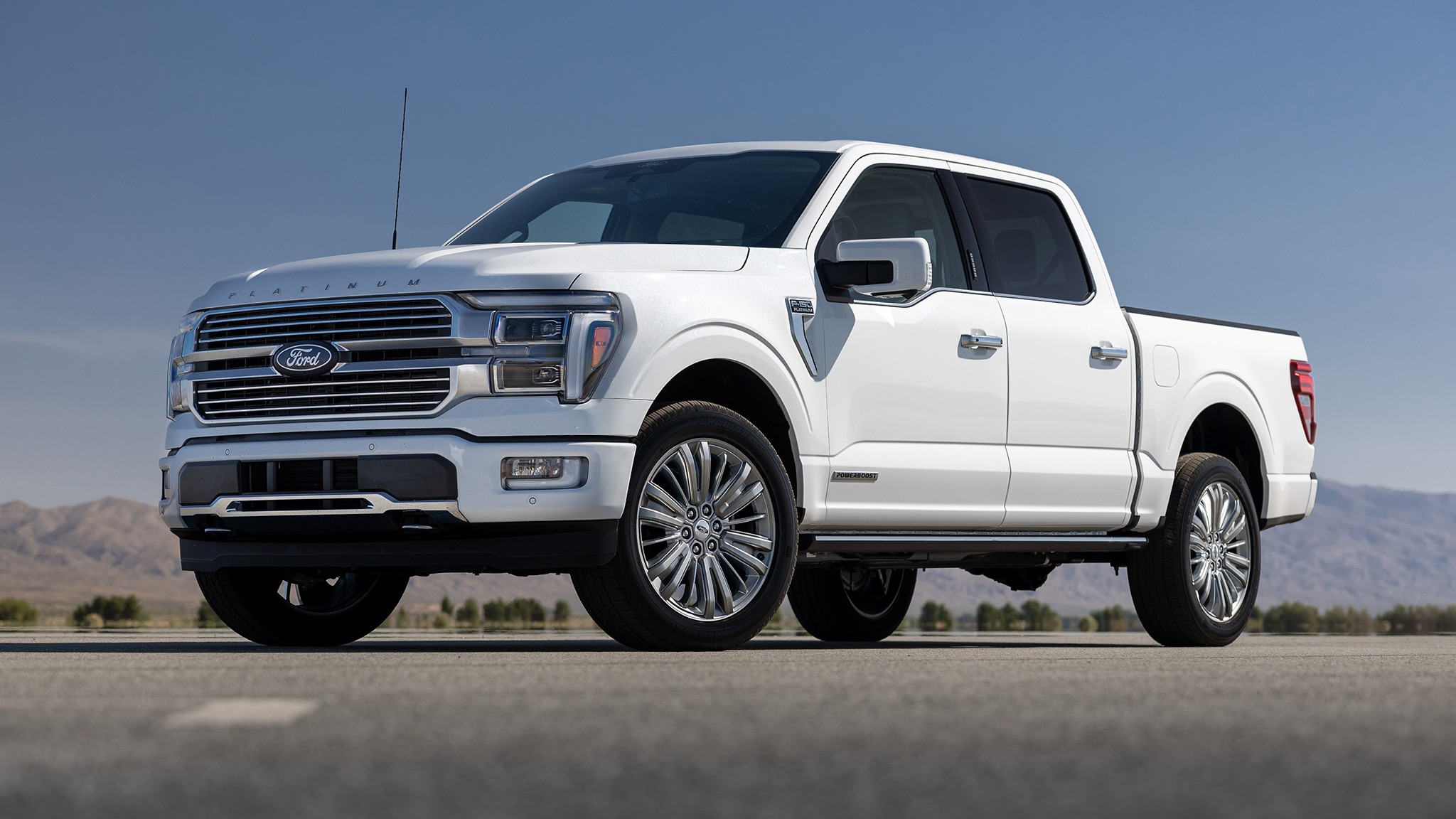
1. Ford F-150
Dealers are consistently enthusiastic when an F-150 appears as a trade-in, and this is not without reason. The F-150 has a long-standing reputation as a versatile and dependable full-size truck that appeals to a broad spectrum of buyers.
From commercial contractors needing a reliable work vehicle to families seeking a durable vehicle for daily driving and weekend adventures, the F-150’s appeal is nearly universal. Dealers recognize that even with higher mileage or older models, there is a significant pool of potential buyers who trust the name and value its proven track record.
This trust translates into quicker turnover on the lot and reduced risk, which is a critical consideration in the used-truck business where inventory costs are a constant concern. Furthermore, dealers know that customers are willing to pay a premium for an F-150 in good condition, making it a profitable trade-in that is worth reconditioning if minor work is needed.
Another reason for the F-150’s strong desirability lies in its wide variety of trims and engine options. From base models designed for heavy-duty work to higher-end trims with advanced technology and luxury features, the F-150 has something for nearly every buyer.
Dealers find this variety valuable because it allows them to market the truck to multiple demographics without needing to acquire additional inventory. The presence of multiple trim levels means that dealers can match the trade-in to local demand trends and target buyers with specific preferences, whether they are looking for a rugged, no-frills pickup or a more refined vehicle with creature comforts. This adaptability helps ensure the truck spends minimal time on the lot, which is a crucial factor in dealership profitability.
Reconditioning is another factor that makes the F-150 appealing to dealers. Parts are widely available, repair costs are reasonable, and service technicians are generally very familiar with these trucks. This familiarity allows dealerships to bring a trade-in up to retail standard quickly and at a predictable cost.
Even high-mileage F-150s retain strong market value because buyers recognize that they are built to endure heavy use, making them less sensitive to wear and tear compared to other trucks. This reliability ensures that dealers can confidently accept trade-ins knowing that the investment required to prepare the vehicle for sale is relatively low compared to the potential return.
Finally, the F-150’s long-standing position as one of America’s best-selling trucks adds a level of predictability to the retail process. Customers often arrive at dealerships with the expectation of seeing an F-150 on the lot, and many make inquiries specifically about this model.
This built-in demand gives dealers confidence that a trade-in will not sit idle. The combination of name recognition, reliability, and widespread popularity makes the F-150 an almost automatic choice for trade-ins, providing a consistent revenue stream and a reliable product for resale in nearly any market across the country.
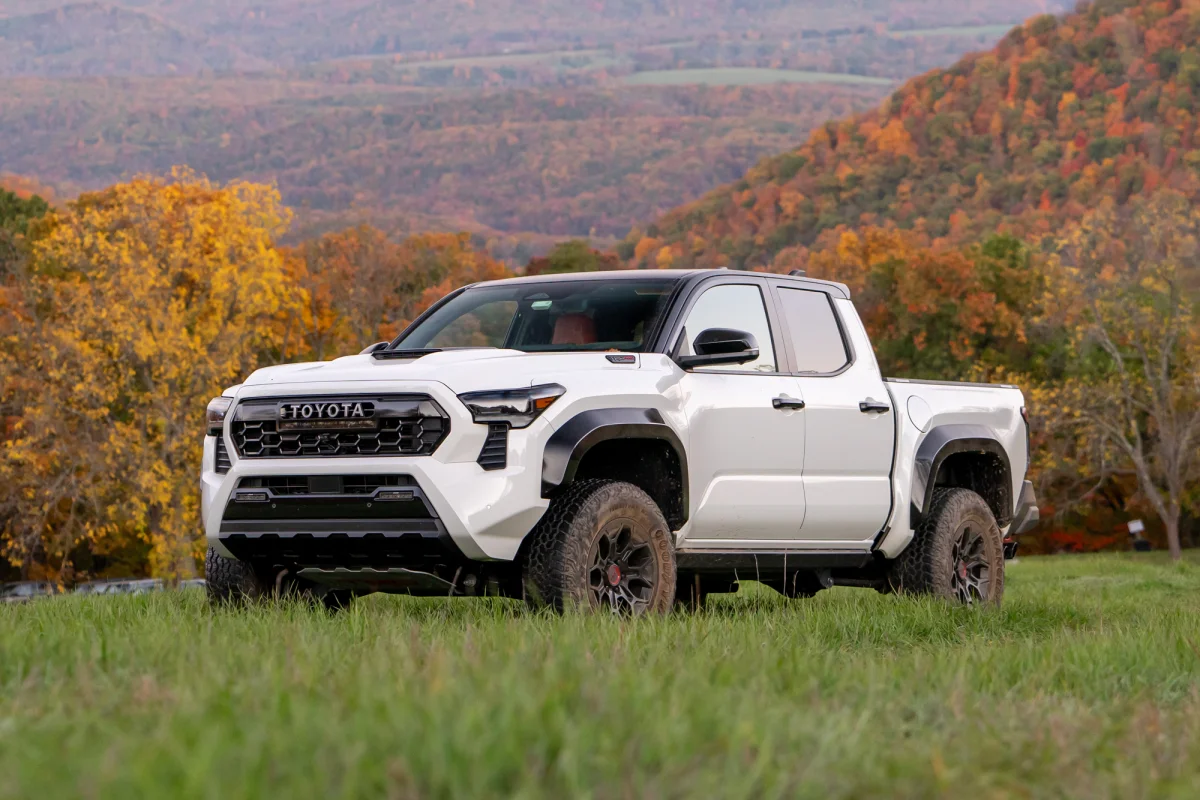
2. Toyota Tacoma
The Toyota Tacoma is another truck that dealers are eager to accept as a trade-in, largely due to its enduring reputation for reliability and strong resale value. Tacomas have cultivated a devoted following over decades, appealing to buyers who prioritize durability, off-road capability, and long-term ownership value.
Dealers know that even older models with higher mileage can retain a substantial portion of their original value because Toyota trucks are widely trusted to last far longer than average vehicles. This allows dealers to accept these vehicles without hesitation, knowing that they can prepare them for resale with relatively minor maintenance and cosmetic improvements.
The Tacoma’s reputation also means that dealerships face less uncertainty in pricing, as historical data provides a clear benchmark for what buyers are willing to pay.
The midsize size of the Tacoma adds to its appeal from a retail standpoint. It caters to buyers who want a capable vehicle without the bulk of a full-size truck, striking a balance between practicality and manageability. This versatility broadens the customer base, attracting young professionals, suburban families, outdoor enthusiasts, and small-business owners alike.
Dealers find this range of appeal valuable because it increases the likelihood of a quick sale, reduces the risk of prolonged lot occupancy, and allows them to market the truck to multiple audiences with confidence. The Tacoma’s size and design also contribute to fuel efficiency relative to larger trucks, which is an added selling point for buyers looking to minimize long-term operating costs.
Dealers also benefit from the fact that Tacomas are often well-maintained by their original owners. Many buyers of these trucks tend to follow manufacturer-recommended service intervals and maintain their vehicles carefully, recognizing the long-term benefits of proper maintenance.
This attention to care reduces the likelihood of hidden mechanical issues, allowing dealers to accept the vehicle on trade with lower risk and fewer surprises during inspection. Minor cosmetic issues, such as small scratches or interior wear, can often be addressed quickly, making the Tacoma ready for resale faster than many competing trucks in the midsize segment.
Finally, the Tacoma enjoys consistent demand across various geographic regions, from urban centers to rural areas and even mountainous terrain. Its strong off-road capabilities and durable construction make it a practical choice for outdoor enthusiasts, while its reliability and reputation attract urban buyers seeking a dependable daily driver.
This widespread appeal ensures that dealerships can confidently accept Tacomas as trade-ins, knowing they can sell them locally or redistribute them across different market locations if necessary. The combination of reliability, broad demographic appeal, and low reconditioning requirements makes the Tacoma a highly attractive and profitable trade-in option.
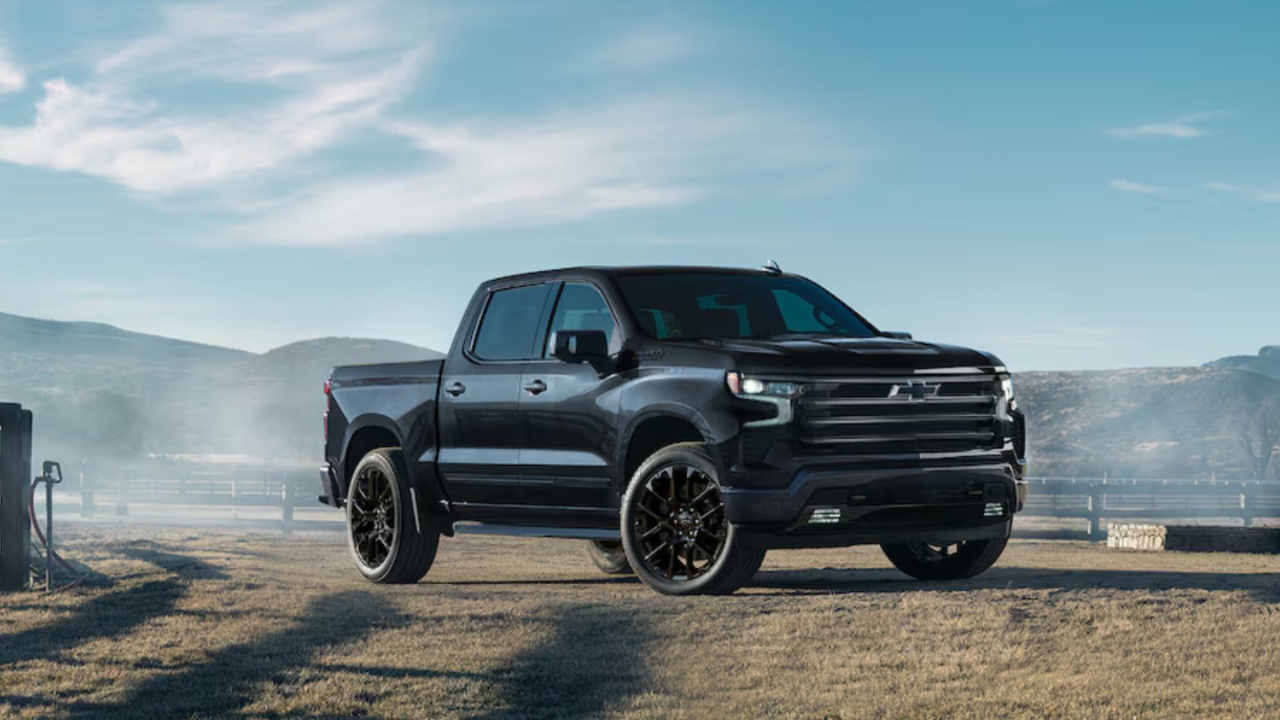
3. Chevrolet Silverado 1500
The Chevrolet Silverado 1500 is a full-size truck that dealers actively seek as a trade-in due to its strong market presence and wide recognition. It combines performance, durability, and comfort in a way that resonates with both individual buyers and commercial users.
Dealers know that customers looking for a reliable full-size pickup often start their search with the Silverado, which gives them confidence that a trade-in will attract attention quickly. Even used examples with higher mileage retain significant market value because the truck has a reputation for handling heavy workloads while maintaining mechanical integrity. This makes it an attractive addition to a dealership’s inventory, as it minimizes the risk of slow turnover.
The Silverado’s versatility is another major advantage. It appeals to buyers who require a truck for multiple purposes, such as daily commuting, towing, hauling, and recreation. This multi-functional capability broadens the pool of potential buyers and allows dealers to market it to diverse customer segments.
For example, a Silverado equipped with towing packages may attract buyers in construction or small business sectors, while a well-appointed crew cab might appeal to families seeking both utility and comfort. Dealers understand that trucks with multiple use cases are easier to sell and command higher prices, making them more profitable as trade-ins.
Reconditioning is also straightforward for the Silverado. Chevrolet’s extensive parts network and widespread service knowledge make repairs and maintenance affordable and efficient. Dealers can often address mechanical or cosmetic issues quickly without significant investment, reducing the time between acquisition and resale.
Even when cosmetic wear or minor mechanical repairs are needed, the costs are predictable, which allows dealers to maintain healthy profit margins. High resale value combined with manageable reconditioning costs ensures that the Silverado remains a strong candidate for trade-ins.
Finally, the Silverado benefits from brand loyalty and name recognition. Many buyers specifically request a Silverado because they have previous experience with Chevrolet trucks or perceive the brand as a symbol of dependability. This loyalty reduces marketing effort for the dealership and enhances the likelihood of a quick sale.
Dealers can accept a Silverado trade-in with confidence, knowing it meets a combination of market demand, resale potential, and operational feasibility that few other trucks can match. Its blend of reliability, comfort, versatility, and brand recognition positions it as a highly desirable trade-in vehicle.
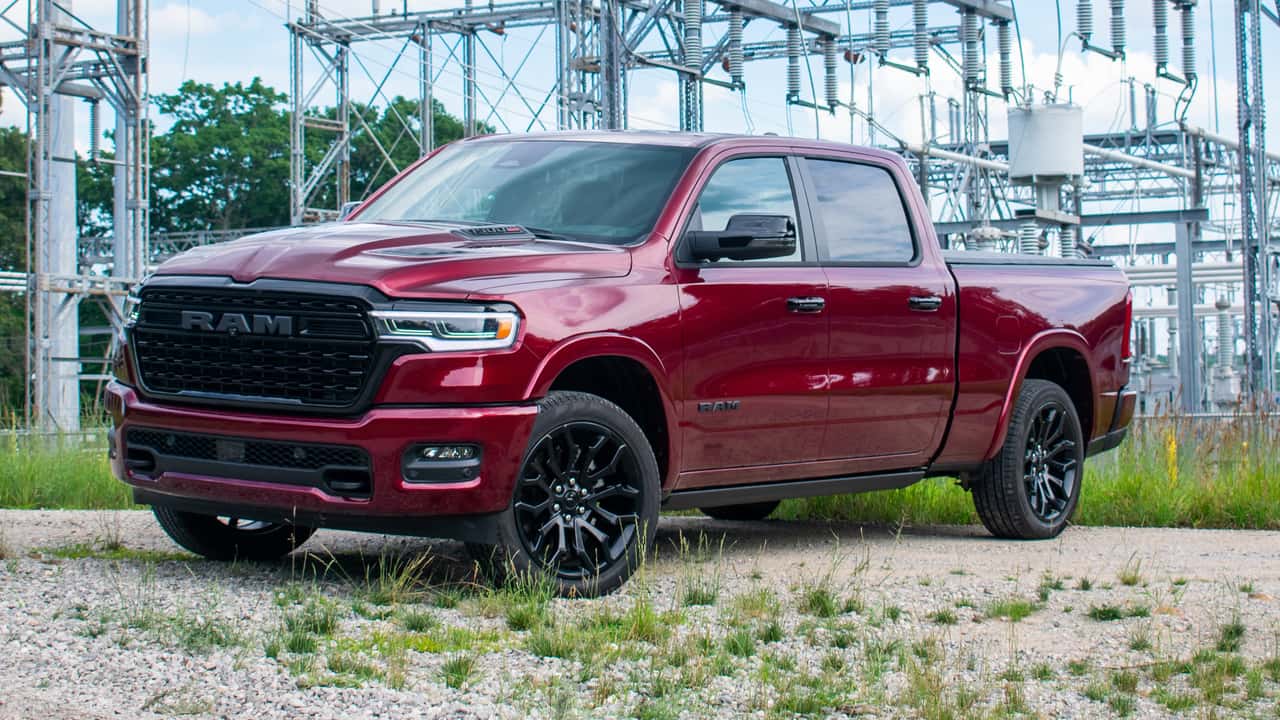
4. Ram 1500
The Ram 1500 has gained favor among dealers as a trade-in due to its impressive combination of performance, comfort, and durability. In recent years, the Ram 1500 has transformed from a basic work truck into a highly refined full-size pickup that appeals to a wide spectrum of buyers.
Dealers recognize that a Ram 1500 trade-in, especially newer models, can fetch strong prices because customers appreciate the truck’s modern ride quality, advanced features, and towing capabilities. This reputation allows dealerships to confidently accept these vehicles, knowing that they are likely to sell quickly and at a profitable margin.
One key factor that contributes to the Ram 1500’s desirability is the quality of its recent redesigns. Improvements to the interior, ride comfort, and technological offerings have positioned the Ram as a truck that rivals competitors not only in utility but also in refinement.
Even used models from the last decade retain a sense of modernity and sophistication, which helps dealers market them to a broader audience. A truck that combines the functionality of a full-size pickup with the comfort of a premium vehicle reduces the risk of lingering inventory on the lot.
Reconditioning costs for Ram 1500s are generally manageable, particularly because many trade-ins come from owners who have maintained their trucks carefully. Common maintenance tasks are straightforward, and parts availability has improved over time, making it easier for dealerships to prepare vehicles for resale. Trucks that require minimal mechanical work are particularly attractive because they allow dealers to reduce turnaround time while preserving profit margins.
Finally, the Ram 1500 benefits from customer loyalty. Owners who appreciate the brand often return to upgrade to a newer model, resulting in well-maintained trade-ins. These trucks are typically in better condition, both mechanically and cosmetically, than other vehicles in the same class.
Dealers see this loyalty as a major advantage because it lowers risk and increases the likelihood of a successful sale. Between strong resale demand, modern design features, and manageable reconditioning costs, the Ram 1500 stands out as a top choice for dealerships seeking reliable trade-ins.
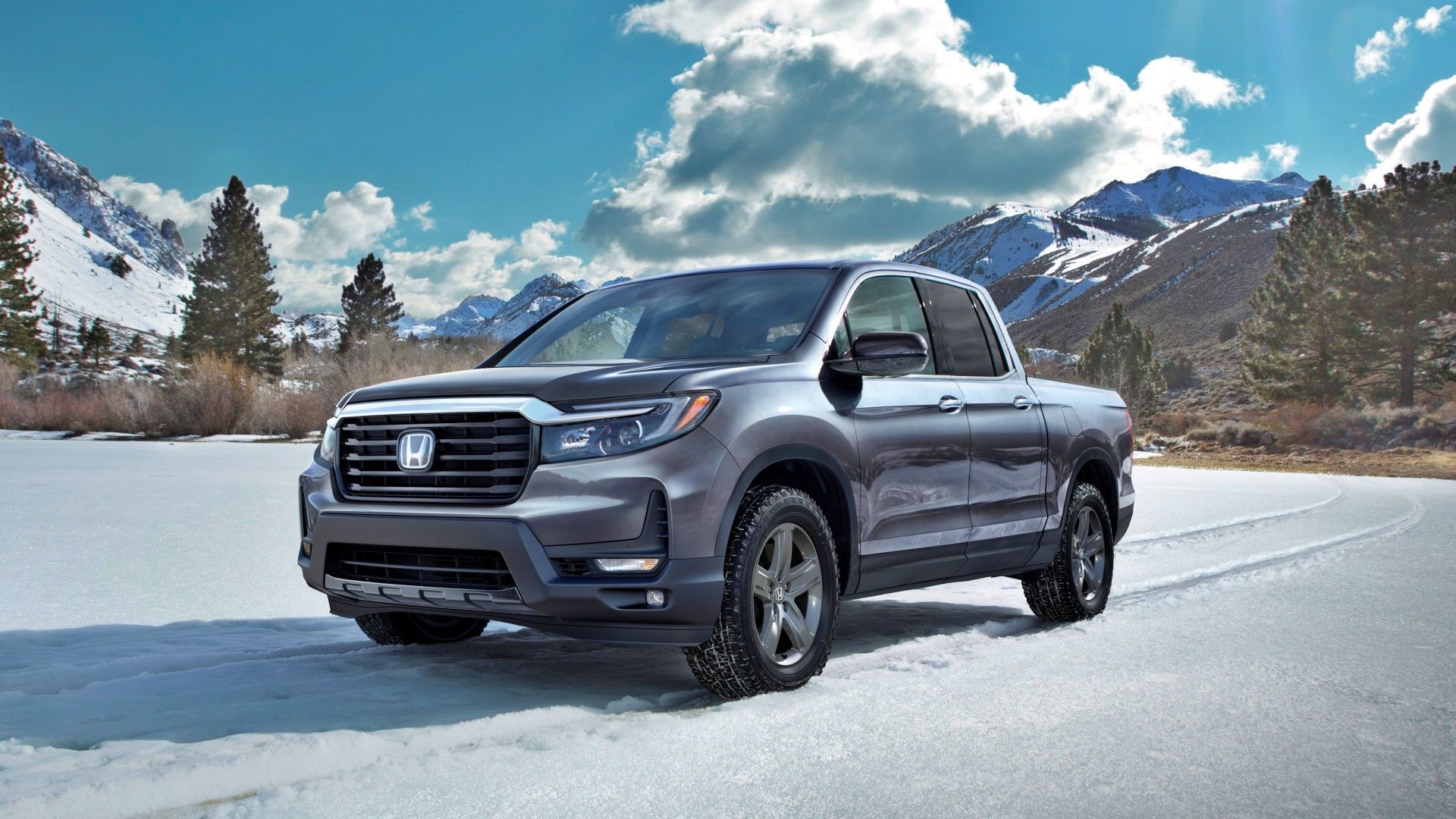
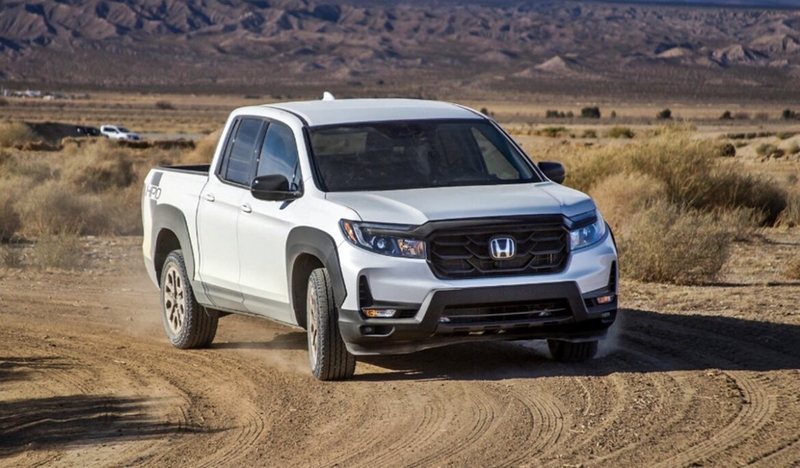
5. Honda Ridgeline
The Honda Ridgeline stands apart from traditional trucks, yet it is still highly desirable for dealers accepting trade-ins. Its unibody construction, car-like handling, and focus on comfort appeal to buyers who want the utility of a truck without the rough ride sometimes associated with body-on-frame designs.
Dealers recognize that the Ridgeline fills a niche market, attracting buyers who prioritize dependability, versatility, and practicality. Its reputation for reliability ensures that even older models maintain significant resale value, making it a profitable trade-in for dealerships.
One of the Ridgeline’s main advantages is its low-maintenance history. Honda owners often maintain their vehicles meticulously, following recommended service schedules and addressing issues proactively.
This careful ownership history results in trade-ins that require minimal reconditioning, which reduces costs for dealerships and allows them to place the truck on the lot quickly. Even cosmetic imperfections are often minor, reflecting the type of care Honda owners typically provide.
The Ridgeline appeals to a diverse buyer base. While it is not designed for heavy-duty hauling, its cargo bed, towing capacity, and innovative storage features attract families, outdoor enthusiasts, and urban buyers seeking utility in a more manageable package. Dealers see this broad appeal as a way to reach multiple market segments with a single vehicle, increasing the likelihood of a quick sale.
Finally, Honda’s reputation for durability and reliability reinforces the Ridgeline’s value as a trade-in. Dealers are confident that a well-maintained Ridgeline will satisfy buyers with minimal issues, reducing the risk of post-sale complaints or warranty claims. This combination of reliability, practicality, and ease of resale makes the Ridgeline an attractive vehicle for dealers to accept as a trade-in, particularly in markets where midsize trucks with comfort and convenience features are in high demand.
5 They Wholesale Immediately
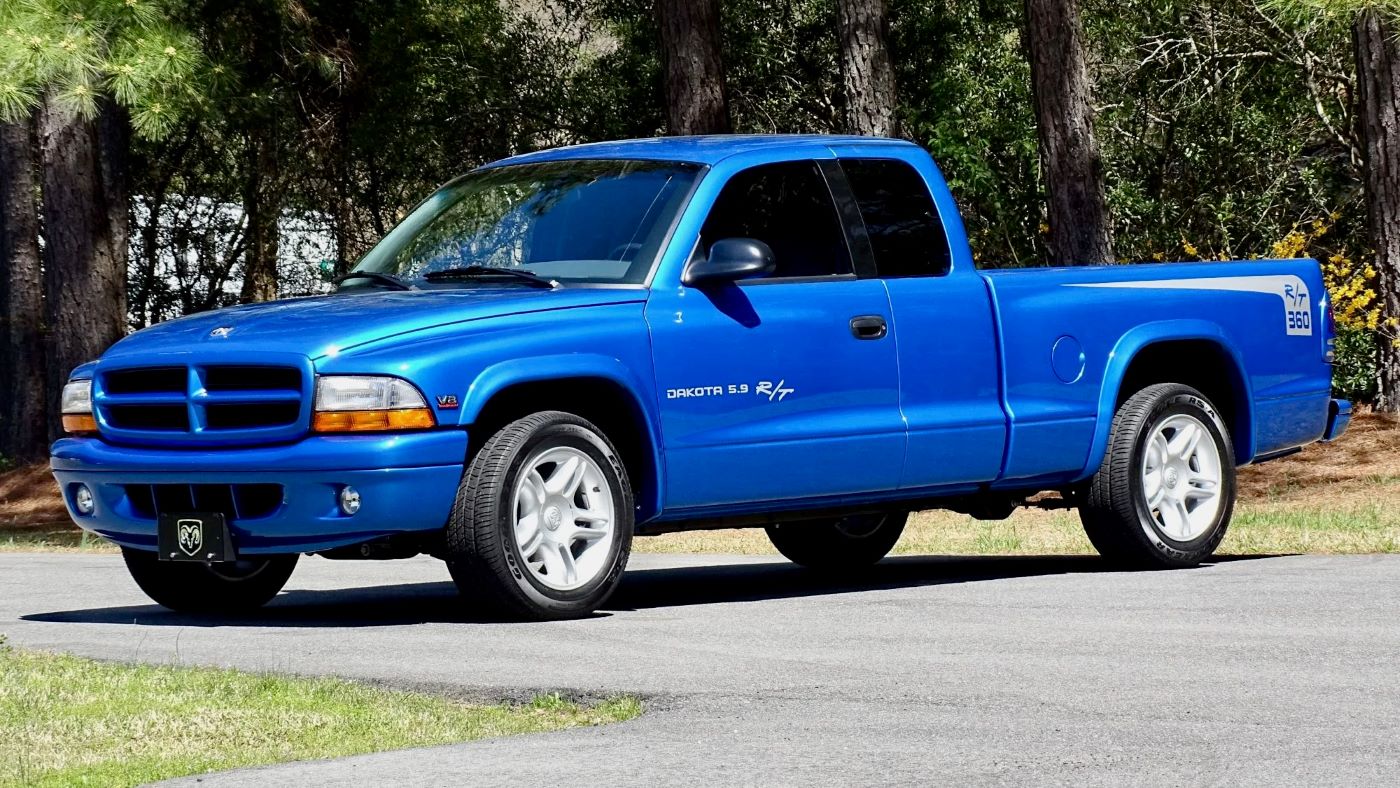
1. Dodge Dakota
The Dodge Dakota is a truck that dealers often move directly to wholesale rather than accepting as a trade-in because of its inconsistent market demand and limited long-term value. Unlike its full-size or midsize counterparts, the Dakota occupies a niche category that has seen declining popularity over the years.
Many buyers now prefer more modern midsize trucks like the Toyota Tacoma or Chevrolet Colorado, leaving older Dakotas with fewer potential retail customers. Dealers recognize that accepting a Dakota as a trade-in can result in slow turnover and increased lot costs, so wholesale options are often the most efficient way to handle these vehicles.
Another factor influencing the wholesale decision is the truck’s age and mechanical condition. Dakotas are no longer in production, which means parts can be harder to find and repairs may be more expensive or time-consuming. Many of these trucks have high mileage or wear from commercial or heavy-duty use, creating uncertainty about long-term reliability.
Dealers often prefer to avoid these complications by selling the vehicle at auction or to a wholesale buyer who specializes in older or high-mileage trucks. By doing so, they minimize financial risk and avoid investing in reconditioning that may not yield a profitable retail sale.
Aesthetic and cosmetic factors also contribute to wholesale decisions. The Dakota’s styling, while functional in its day, has become dated, making it less appealing to modern buyers. Trucks with noticeable wear, rust, or outdated interior features are particularly difficult to market at retail prices.
Dealers are aware that even after cleaning or minor repairs, a Dakota may not attract enough interest to justify the time and space on the lot. Wholesale sales allow dealerships to quickly recoup value without relying on uncertain consumer demand.
Finally, the Dakota’s limited trim and feature options reduce its versatility for resale. Unlike trucks with broad appeal or multiple trim levels, the Dakota cannot be marketed effectively to diverse buyer segments. Dealers face a narrow customer pool, which further discourages retail attempts.
By wholesaling the vehicle immediately, they free up valuable lot space for trucks that offer stronger demand and higher potential profit margins. The combination of aging design, mechanical challenges, and limited appeal positions the Dakota as a vehicle better suited for wholesale movement.
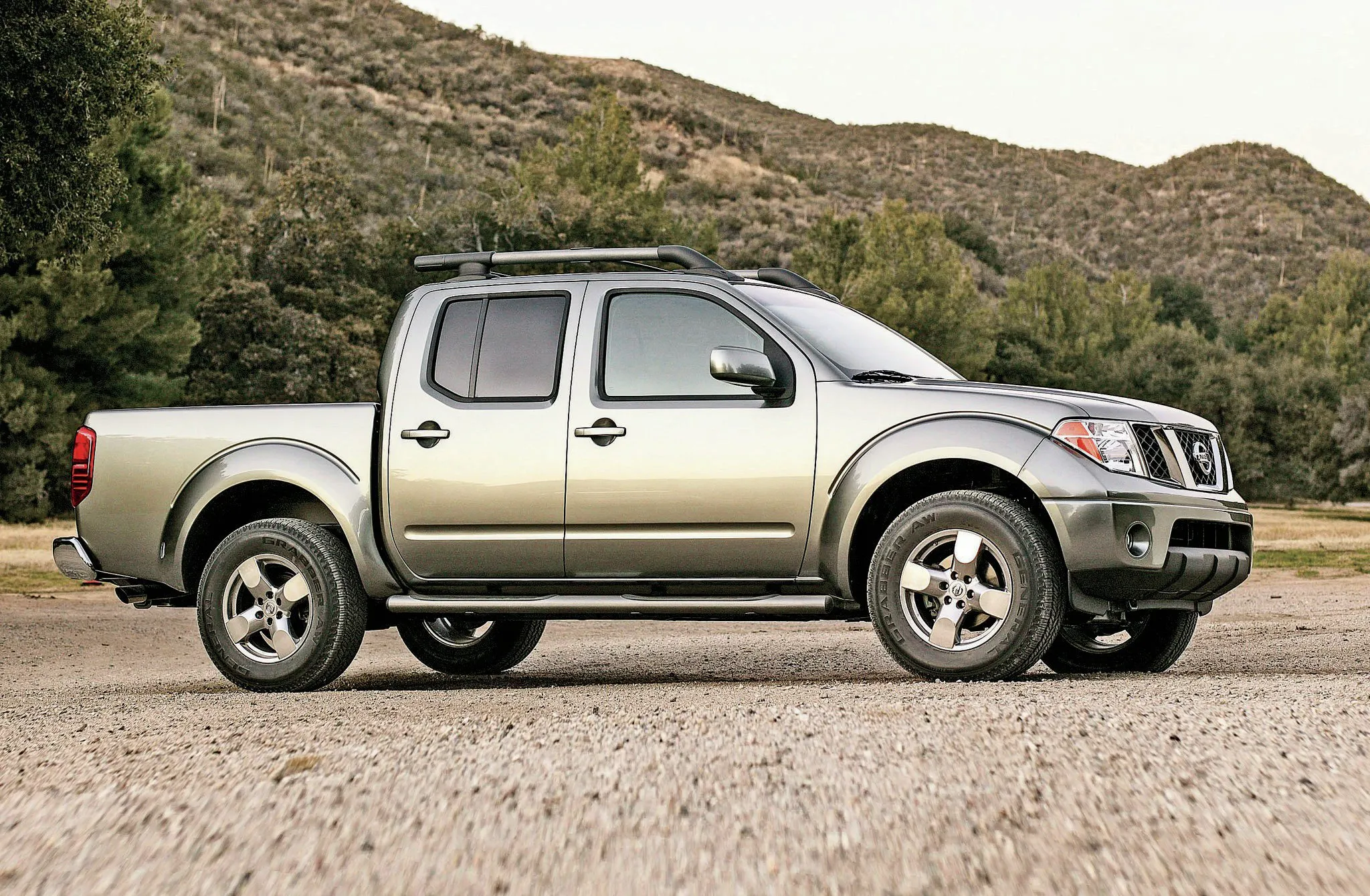
2. Nissan Frontier (Older Models)
Older Nissan Frontiers often go straight to wholesale because their resale value drops significantly as they age, and consumer preference has shifted toward newer midsize trucks. While recent models remain popular, older generations struggle to compete with competitors that offer improved reliability, technology, and fuel efficiency.
Dealers recognize that retail buyers are more likely to seek newer Frontiers or alternative brands, making older models difficult to sell at competitive prices. Wholesale sales provide a faster, more reliable method to recover value without holding the vehicle for extended periods.
Mechanical reliability is another concern with older Frontiers. While Nissan trucks are generally dependable, many older models have high mileage and may require costly repairs such as timing chain replacements, suspension work, or engine maintenance.
Dealers calculate that the investment required to bring these trucks up to retail standard may exceed potential resale profits. Wholesaling allows dealerships to avoid these risks, transferring responsibility for repairs and reconditioning to buyers who specialize in older vehicles or parts reselling.
Aesthetic issues also influence wholesale decisions. Older Frontiers often show the signs of long-term use, including faded paint, worn interiors, and outdated features that do not align with modern buyers’ expectations. These cosmetic shortcomings can dramatically reduce appeal in a retail setting. Dealers aiming to maintain a competitive and attractive lot may opt to wholesale such vehicles rather than spend time and money improving appearance for uncertain returns.
Finally, geographic demand plays a role in the wholesale strategy. In regions where midsize trucks are popular, newer models dominate retail sales, while older trucks are overlooked. Dealers anticipate that trying to retail an older Frontier may require aggressive price reductions or lengthy marketing efforts, both of which cut into profits.
By sending the vehicle to wholesale immediately, they can efficiently liquidate it, freeing up space and capital for more desirable inventory. The combination of mechanical risks, outdated design, and limited appeal reinforces the decision to wholesale older Nissan Frontiers.
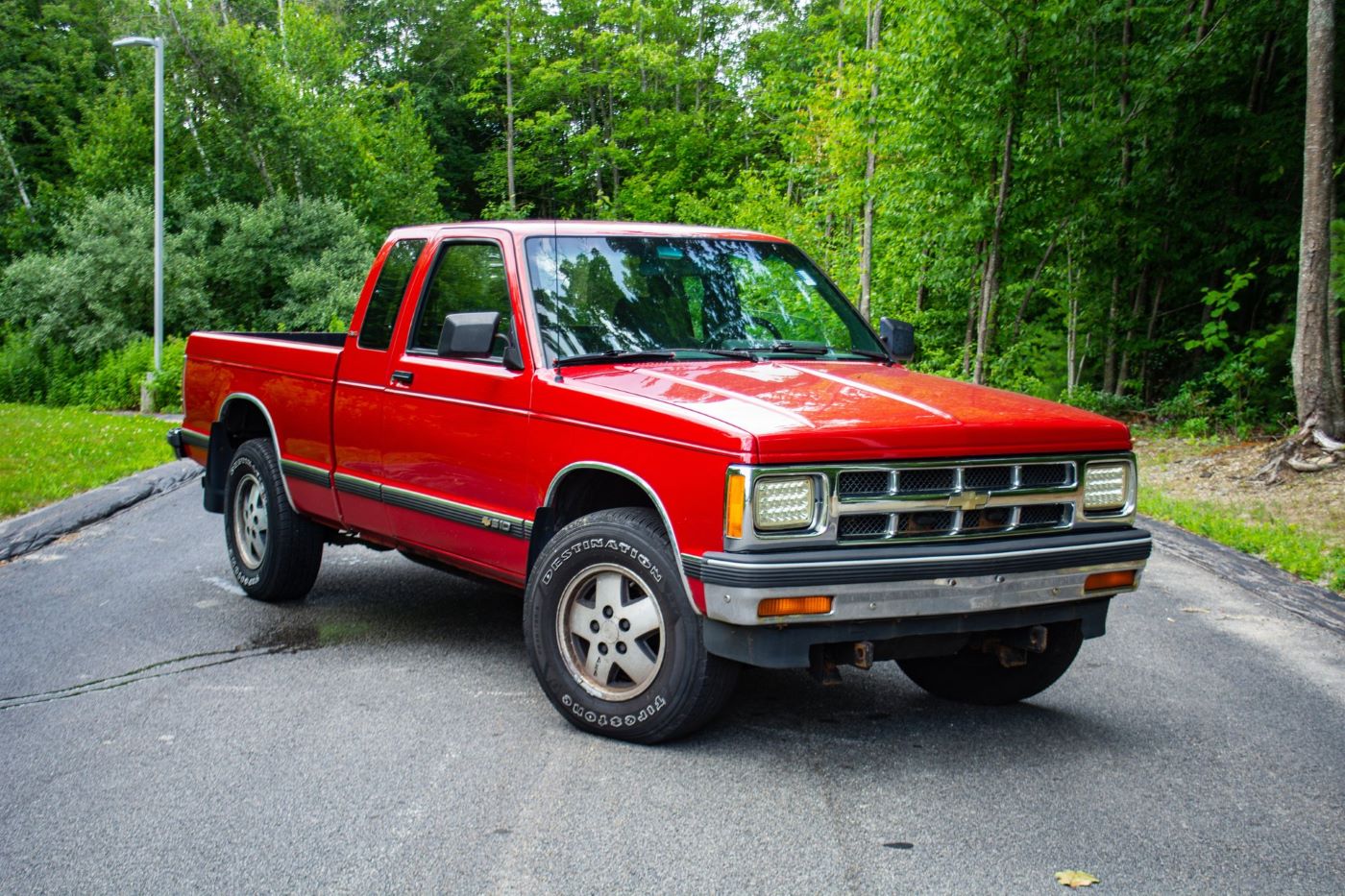
3. Chevrolet S-10
Dealers frequently wholesale Chevrolet S-10 trucks because the market for older compact or small trucks has narrowed considerably. While the S-10 was once a versatile and popular choice, changing consumer preferences for midsize or full-size trucks have reduced demand for these older models.
Dealers know that holding an S-10 for retail sale can result in extended lot occupancy and a reduced likelihood of a profitable transaction. Wholesale provides a faster route to recover the remaining value of the vehicle without risking slow turnover.
Mechanical condition is a significant factor in this decision. Many S-10s currently on the market have accumulated substantial mileage, often exceeding 150,000 or 200,000 miles. High-mileage trucks can present unpredictable maintenance costs, including potential engine, transmission, or suspension repairs.
Dealers prefer not to assume these risks when resale prospects are limited, and wholesale buyers often specialize in managing such vehicles efficiently. By selling to wholesalers immediately, dealerships reduce exposure to expensive repairs and avoid tying up capital in low-demand inventory.
Cosmetic and design considerations also drive wholesale choices. The S-10’s styling, interior, and feature set are dated compared to modern trucks, which discourages retail buyers.
Even minor cosmetic issues, such as faded paint, worn upholstery, or outdated cabin features, can significantly reduce appeal. Dealers recognize that investing in restoration may not yield a proportional increase in sale price, making wholesale a more financially sound option.
Finally, the availability of more desirable alternatives reinforces the wholesale decision. Buyers seeking compact or midsize trucks today have access to a range of modern, fuel-efficient options with updated technology, improved safety, and stronger resale value.
Dealers prioritize inventory that aligns with current market trends and can sell quickly at a profitable margin. In this context, the S-10 is considered a secondary option and is often wholesaled immediately to avoid cluttering the lot and consuming resources better used for high-demand vehicles.
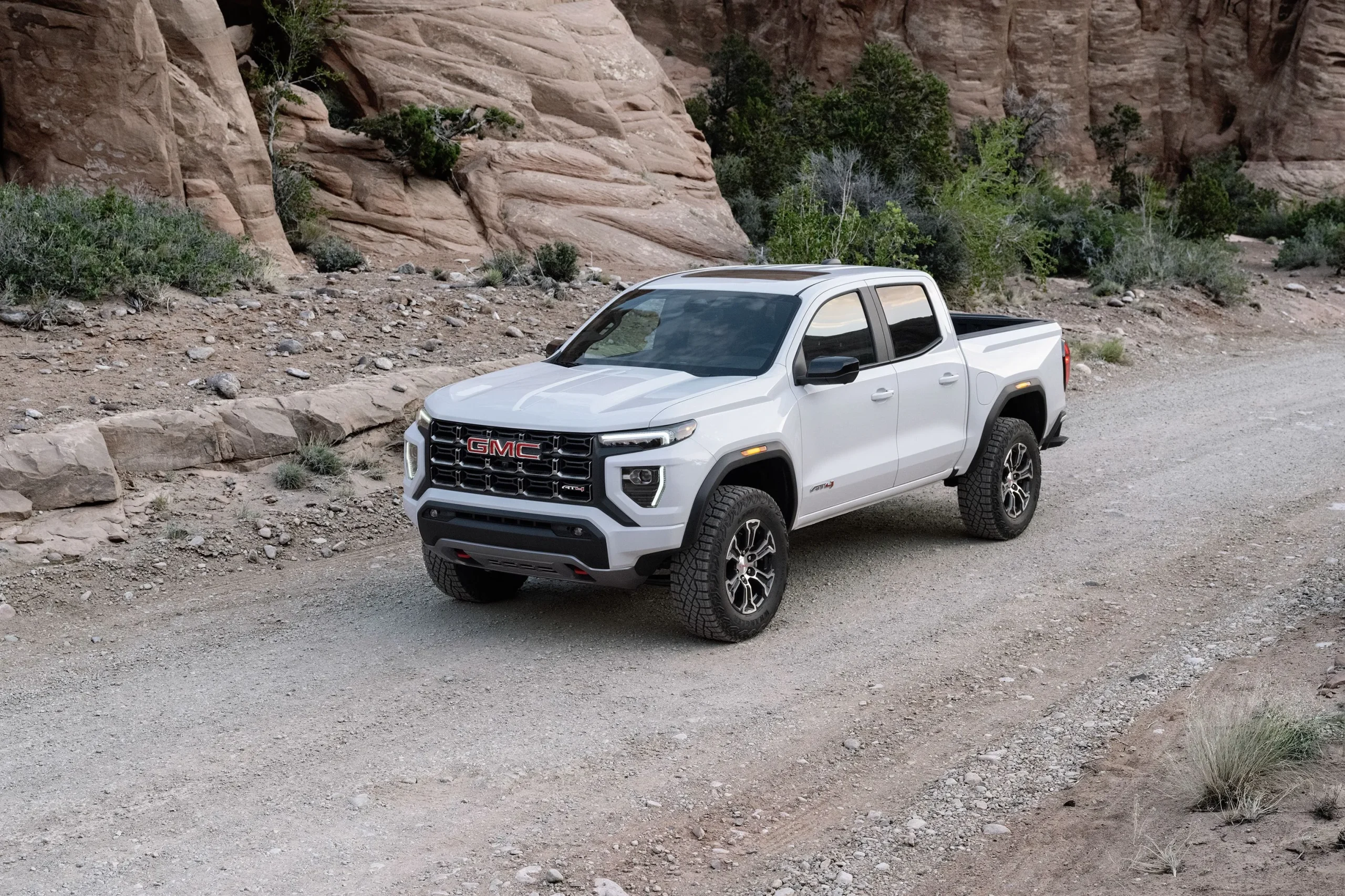
4. GMC Canyon (Older Models)
Older GMC Canyon trucks are frequently moved to wholesale immediately because dealers face similar market limitations as with older Frontiers or S-10s. While newer Canyons are desirable for their modern features and strong performance, older models often struggle to attract retail buyers.
Market interest in compact trucks has shifted, and dealers recognize that holding these vehicles risks tying up capital with little guarantee of a profitable sale. Wholesale transactions allow them to move inventory quickly while recovering residual value efficiently.
Mechanical factors are a primary consideration. Older Canyons may have high mileage or require maintenance that is costly relative to their retail potential. Components like the transmission, suspension, or engine may be nearing the end of their lifespan, and reconditioning expenses can exceed resale returns.
Dealers prefer to transfer these vehicles to wholesale buyers who have the resources and expertise to handle repairs economically, mitigating financial risk and operational burden.
Cosmetic appearance also affects resale strategy. Aging Canyons often display signs of wear such as faded paint, worn seats, or outdated technology, which diminishes their retail appeal. Unlike popular full-size trucks that can maintain value despite cosmetic flaws, older Canyons may not command significant buyer interest. Wholesaling ensures that dealerships do not waste time or money attempting to bring these vehicles to retail standard for uncertain returns.
Finally, demographic trends and geographic demand influence wholesale decisions. Older Canyons may not align with current buyer preferences in certain regions, especially areas where midsize trucks are less popular.
By moving these vehicles to wholesale channels, dealers can quickly liquidate inventory, freeing up space for trucks with stronger demand. The combination of mechanical risk, limited appeal, and changing market trends makes the older GMC Canyon an ideal candidate for wholesale immediately upon acquisition.
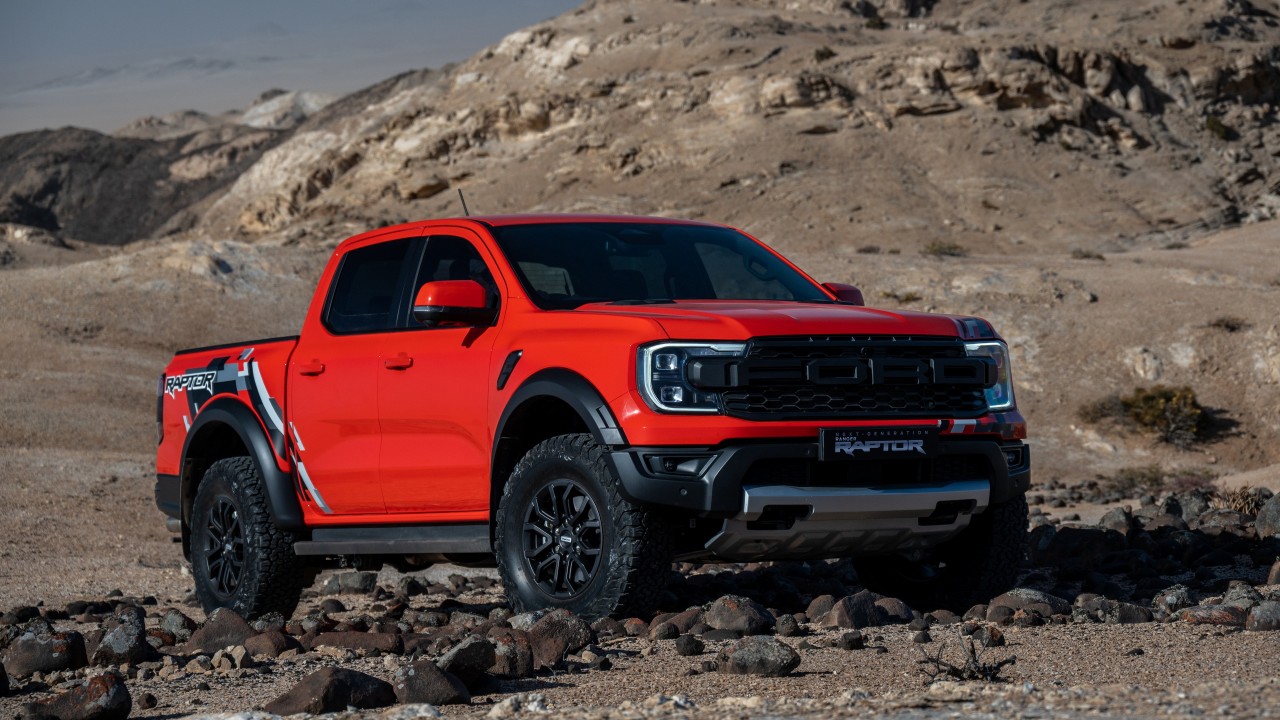
5. Ford Ranger (Older Generations)
Older generations of the Ford Ranger are commonly sent to wholesale rather than accepted as retail trade-ins because demand for compact or older trucks has shifted significantly over time. While Rangers once dominated the compact truck segment, modern buyers now prefer midsize or full-size options with updated technology, safety, and comfort features.
Dealers are aware that older Rangers often struggle to attract attention on the lot, making retail attempts time-consuming and potentially unprofitable. Wholesale offers a faster, more predictable way to recover value from these vehicles.
Mechanical considerations are critical in the wholesale strategy for older Rangers. Many of these trucks have been subjected to heavy use, accumulating high mileage and requiring attention to components such as engines, transmissions, or suspension systems.
Reconditioning costs may outweigh potential retail profit, especially if buyers expect modern reliability and technology features. Selling these vehicles wholesale transfers the risk and repair responsibility to specialized buyers who can manage older trucks efficiently.
Cosmetic and design issues also play a role. The aging interior, outdated styling, and visible wear on older Rangers make them less appealing to retail customers. While minor repairs may help, dealerships often conclude that the investment is not justified given the limited market interest. Wholesale provides a way to monetize the vehicle without incurring unnecessary expenses.
Finally, the availability of newer alternatives reinforces the wholesale approach. With the resurgence of the Ford Ranger in recent years and the widespread popularity of other midsize trucks, older generations occupy a shrinking niche.
Dealers prioritize space and resources for vehicles with higher resale potential and faster turnover. By sending older Rangers to wholesale immediately, they optimize inventory management while reducing the operational burden associated with low-demand trucks.
