
Modern vehicles have become marvels of technology, offering comfort, performance, and safety that were unimaginable just a few decades ago. However, this rapid evolution comes with a hidden cost. Electronics now govern almost every aspect of a car’s function, from engine management to infotainment systems.
While these features bring undeniable convenience, they also introduce complexity that can become a financial burden over time. Every new sensor, module, or electronic actuator is a potential point of failure.
When something goes wrong, repairs can be prohibitively expensive, particularly in crossovers where features such as all-wheel drive, adaptive cruise control, and advanced safety systems rely heavily on interconnected electronics.
For buyers who want the versatility and practicality of a crossover without the looming worry of costly electronic issues, certain models stand out.
These vehicles strike a balance between modern amenities and mechanical simplicity. They retain essential safety and comfort features but avoid overcomplicated systems that can lead to frequent repairs.
Choosing a reliable crossover is not just about minimizing repair costs; it also ensures a smoother ownership experience. Cars with fewer electronic problems tend to maintain value longer, require less time at the shop, and offer peace of mind for daily commuting and long trips alike.
Selecting a crossover free from recurring electronic headaches involves looking beyond marketing claims and focusing on real-world reliability data. Some models have established reputations for mechanical sturdiness and software simplicity.
Others achieve this balance by relying on proven components rather than introducing cutting-edge systems that may not have matured fully. By focusing on reliability and thoughtful design rather than flashy electronics, these crossovers demonstrate that practicality can coexist with modern expectations.
For drivers who want a dependable vehicle without frequent trips to the dealer for sensor recalibrations or module replacements, these crossovers provide a compelling alternative.
This article highlights ten crossovers that avoid expensive electronic gremlins, offering practicality, durability, and long-term reliability. Each choice has been selected based on its proven track record, thoughtful engineering, and avoidance of overly complicated electronic systems.
From compact models suited for urban commuting to larger options capable of handling family and cargo demands, these vehicles prove that it is possible to enjoy modern conveniences without the constant fear of expensive repairs.
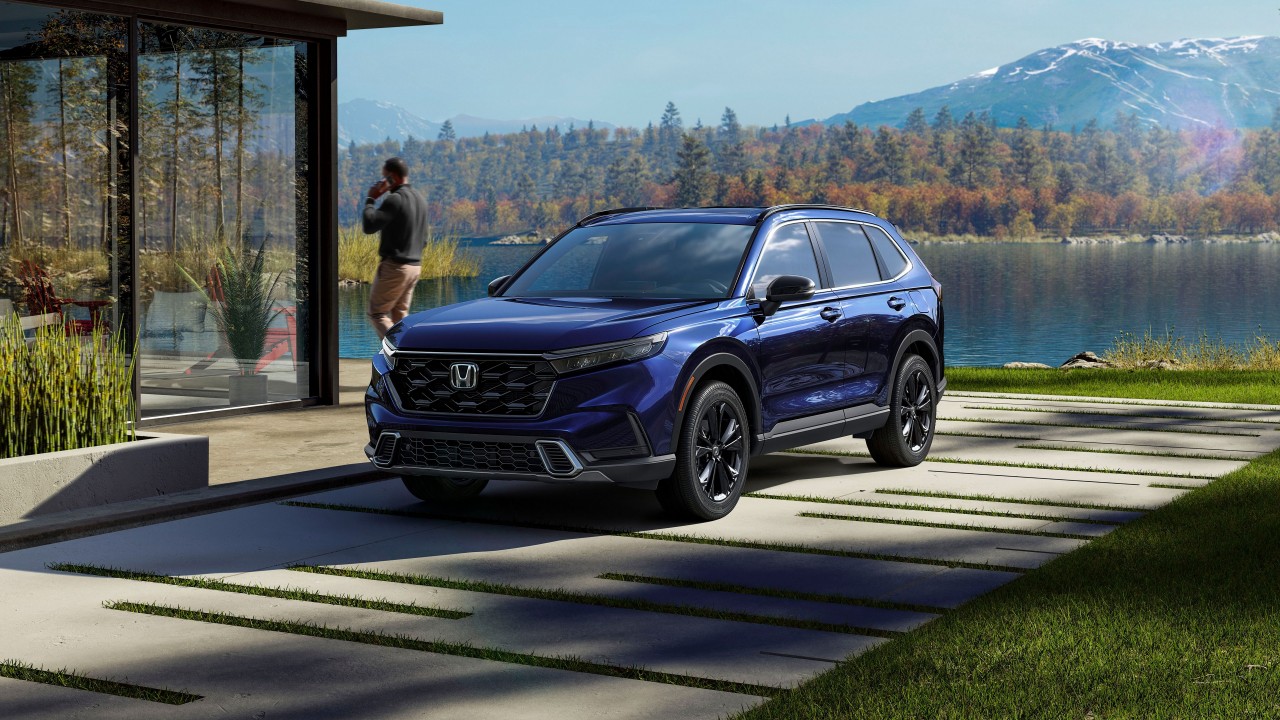
1. Honda CR-V
The Honda CR-V has long been recognized as a practical and reliable compact crossover. One of its key strengths lies in its straightforward engineering approach.
While modern iterations include standard features such as backup cameras and infotainment screens, the CR-V generally avoids unnecessary complexity in its powertrain and core systems.
The engine and transmission design have undergone gradual improvements rather than radical overhauls, which reduces the likelihood of electronic faults.
Honda’s reputation for reliability is reinforced by consistent performance in consumer reliability surveys and long-term ownership reports, making it a dependable choice for anyone wary of electronic malfunctions.
Maintenance and repair costs for the CR-V remain moderate, partly because most replacement parts are widely available and mechanically straightforward to install. Owners often report that routine servicing, such as oil changes, brake work, and suspension repairs, is straightforward and affordable.
The CR-V’s electronic components, such as sensors for stability control and anti-lock braking, are robust and rarely fail prematurely.
This contrasts sharply with vehicles that rely on intricate, interconnected modules that require dealer-level diagnostics and expensive replacements, helping the CR-V maintain its reputation as a practical, long-term investment.
Another advantage of the CR-V is its balance between comfort and simplicity. Infotainment and connectivity features are designed to be intuitive and reliable, avoiding systems that crash or require constant software updates.
Adaptive safety features, like lane-keeping assist or collision mitigation, are present in higher trims but are modular enough that failures in one system do not cascade into broader malfunctions.
This approach ensures that a minor electronic issue will not cripple the vehicle or require multiple expensive repairs, which is a common concern in more electronics-heavy crossovers.
Finally, the resale value of the Honda CR-V reflects its reputation for reliability and mechanical straightforwardness.
Buyers of used CR-Vs can expect a vehicle that has likely avoided major electronic headaches, making it a sensible choice for budget-conscious individuals or families seeking long-term reliability.
Combined with its fuel efficiency, spacious interior, and solid handling, the CR-V remains one of the few compact crossovers that successfully avoids the pitfalls of overcomplicated electronics while delivering modern comfort and convenience.
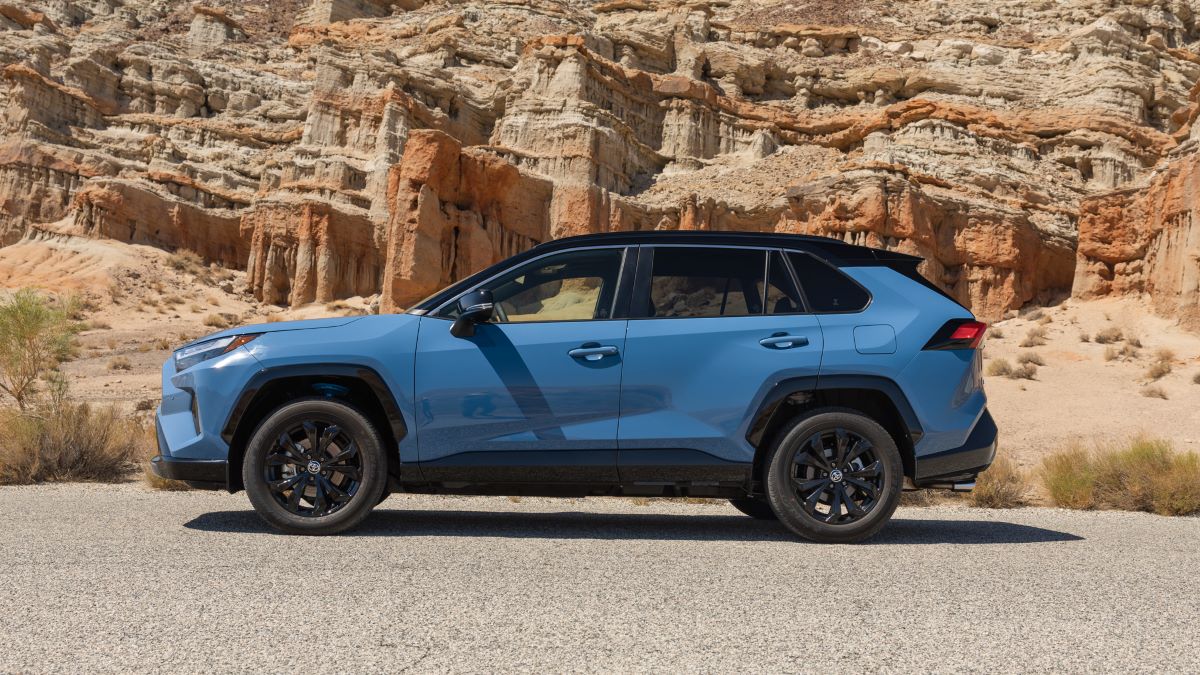
2. Toyota RAV4
The Toyota RAV4 is another compact crossover renowned for its long-term reliability. Toyota’s design philosophy emphasizes robustness and simplicity, resulting in fewer electronic failures compared to some competitors.
While newer RAV4 models incorporate advanced safety systems and infotainment options, the core drivetrain and mechanical systems are built to last.
Engines and transmissions are designed with a focus on proven reliability, and software is generally conservative, minimizing the chance of glitches or module failures. This makes the RAV4 a smart choice for buyers who prioritize dependable performance over the latest electronic innovations.
Owners frequently praise the RAV4 for its predictable maintenance costs. Routine servicing is generally inexpensive, and replacement parts are widely available, making repairs straightforward.
Electronic components, such as sensors for anti-lock brakes and stability control, tend to be robust, with minimal reports of premature failure.
Unlike vehicles with overly complex electronics that can generate cascading problems, the RAV4 keeps most systems modular, meaning a single malfunction rarely affects unrelated components. This approach contributes to a smoother ownership experience and fewer unexpected repair bills.
The RAV4 also strikes a balance between comfort, efficiency, and practical technology. Infotainment systems are user-friendly and generally reliable, avoiding the frustration of touchscreen glitches or software crashes common in other crossovers.
While safety features like adaptive cruise control and lane departure warnings are included in modern models, they are implemented in a way that does not overburden the vehicle’s electronic infrastructure.
This careful integration ensures that critical systems remain functional even if minor electronics need service.
Resale value and long-term satisfaction are further enhanced by Toyota’s reputation for durability. The RAV4 consistently ranks high in reliability surveys, reflecting its ability to avoid costly electronic problems while delivering dependable performance.
For families or individuals seeking a crossover that balances modern amenities with practical design, the RAV4 offers a sensible solution. Its combination of mechanical simplicity, thoughtful technology integration, and long-term reliability makes it one of the safest bets for avoiding expensive electronic gremlins.
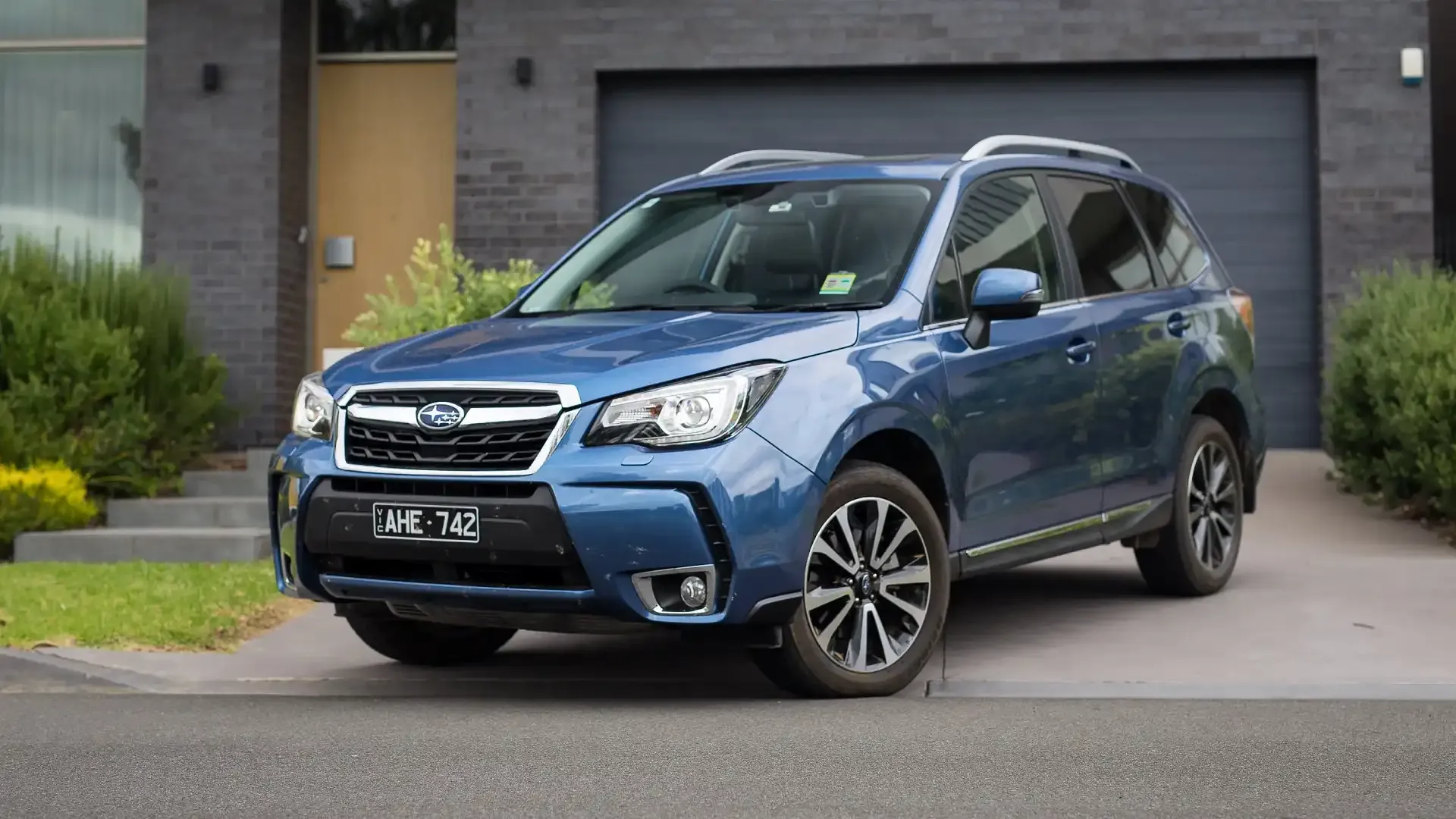
3. Subaru Forester
The Subaru Forester is widely recognized for its ruggedness and practical design. Its symmetrical all-wheel-drive system is a hallmark of the brand, offering excellent traction without relying on overly complex electronics.
While modern Foresters include safety features and infotainment technology, Subaru has a reputation for implementing these systems in a straightforward and reliable manner.
The powertrain, including the boxer engine and continuously variable transmission in newer models, is engineered for long-term dependability rather than experimental electronic control, which reduces the likelihood of expensive failures.
Routine maintenance and repairs for the Forester are generally manageable. Components such as brakes, suspension, and cooling systems are conventional and easy for mechanics to service. Electronic systems are robust, with sensors and modules designed to withstand typical wear and environmental conditions.
Subaru avoids the temptation to overload its vehicles with interconnected electronics, which in other brands often leads to cascading failures and high repair bills. This practical approach ensures that a Forester owner can enjoy modern features without the constant worry of malfunctioning systems.
The Forester also balances safety and usability. Advanced driver-assistance systems are available in higher trims, but their design ensures that failures in non-critical components do not disable the vehicle.
Infotainment is simple and responsive, prioritizing reliability over flashy features that may be prone to glitches. This focus on practical, well-tested technology contributes to the Forester’s reputation as one of the more dependable compact crossovers.
Finally, the resale value of the Forester benefits from its reputation for mechanical durability. Buyers of used Foresters can expect a vehicle that has generally avoided electronic complications, making it a sound investment for families, commuters, and outdoor enthusiasts alike.
With its balance of capability, simplicity, and reliability, the Subaru Forester demonstrates that a practical crossover does not have to compromise modern safety and convenience to remain free from expensive electronic issues.
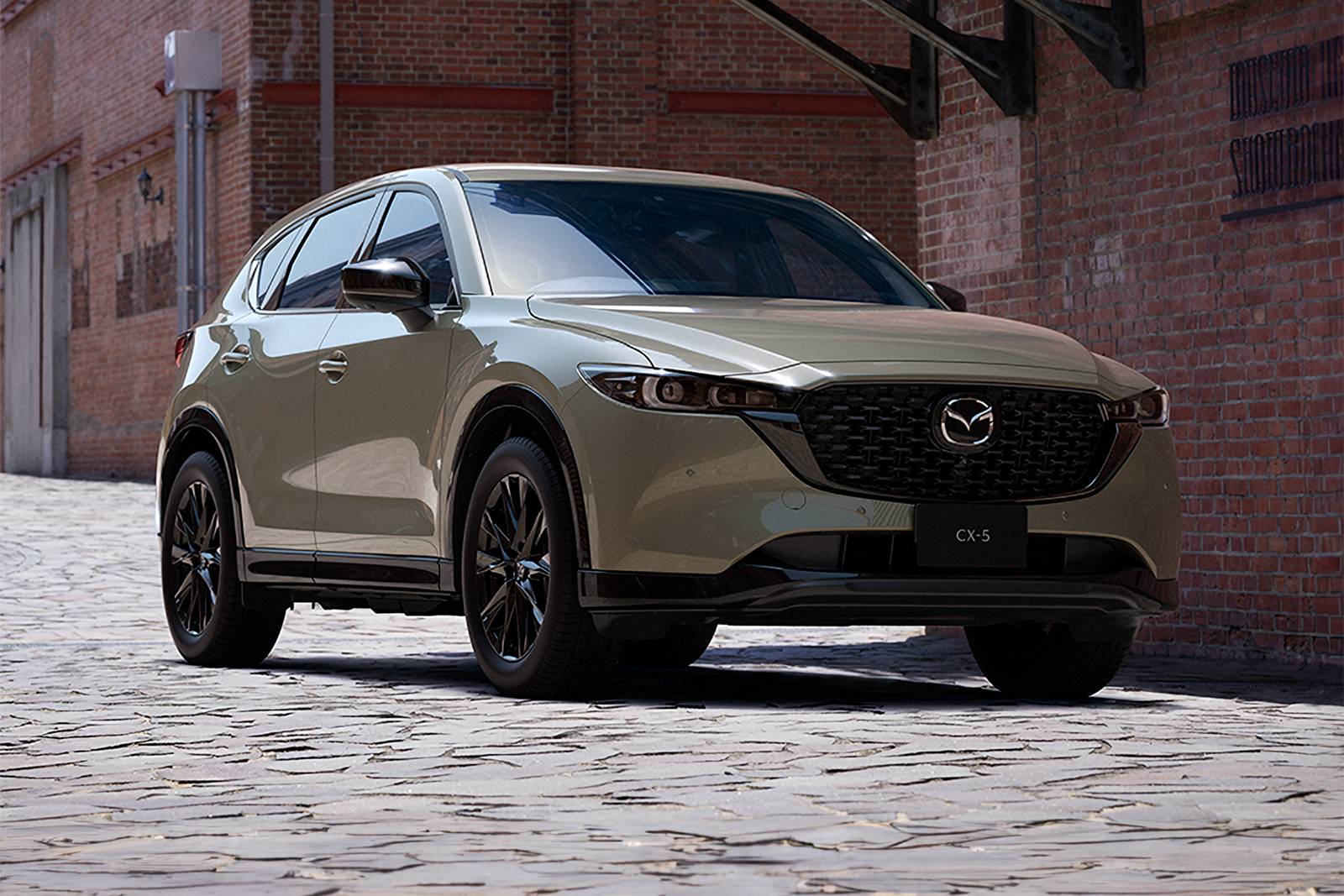
4. Mazda CX-5
The Mazda CX-5 is a standout among compact crossovers for combining an engaging driving experience with reliable engineering. One of its strengths lies in Mazda’s philosophy of refining proven mechanical systems rather than introducing untested electronic solutions.
The CX-5’s engine and transmission are designed to operate smoothly without an overreliance on complex software control, which helps minimize the chances of electronic failure.
While the vehicle includes modern conveniences such as touchscreen infotainment and safety systems, these technologies are implemented in a straightforward, modular way.
This ensures that when an issue does occur, it is generally isolated and easier to fix without triggering a cascade of problems throughout the vehicle.
Maintenance on the CX-5 tends to be straightforward, with parts widely available and service procedures familiar to most mechanics. Routine maintenance, including oil changes, brake service, and suspension repairs, is typically affordable, which makes the vehicle less intimidating for long-term ownership.
Electronic components, such as sensors for stability control and collision prevention, have demonstrated robustness in real-world use. Mazda emphasizes simplicity and durability in its software and electronics, which translates into fewer error codes, less downtime at the service center, and lower repair bills.
Owners often report that the vehicle performs reliably for years without significant electronic issues, reinforcing Mazda’s reputation for dependability.
The CX-5 also achieves a balance between comfort and practical technology. Its infotainment system, while featuring modern connectivity options, avoids excessive complexity that can lead to software glitches or touchscreen failures.
Safety features, including adaptive cruise control and blind-spot monitoring, are designed to operate independently so that a failure in one system does not compromise others.
This careful integration of electronics ensures that drivers enjoy modern features without sacrificing long-term reliability, a critical consideration for buyers who value peace of mind over flashy, unproven technology.
Finally, the resale value of the Mazda CX-5 is buoyed by its reputation for mechanical simplicity and reliability. Prospective buyers recognize that a well-maintained CX-5 is unlikely to require expensive electronic repairs, which makes it attractive in the used car market.
Combined with responsive handling, a stylish interior, and efficient fuel economy, the CX-5 proves that a crossover can deliver driving enjoyment and modern features without the burden of frequent electronic malfunctions. Its thoughtful design and engineering philosophy make it a dependable option for families and individuals seeking a crossover built to last.
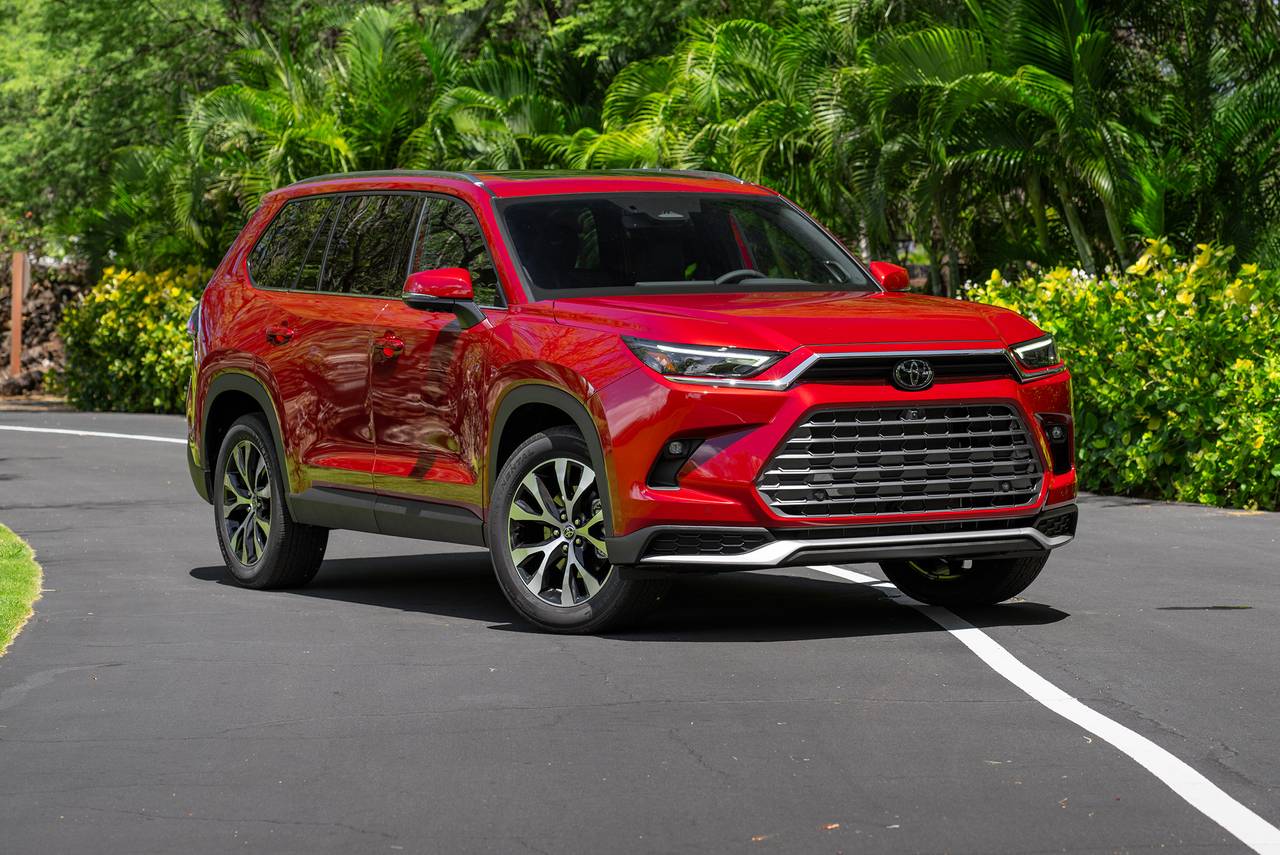
5. Toyota Highlander
The Toyota Highlander is a midsize crossover that has earned a reputation for longevity and practicality. One of the Highlander’s defining characteristics is its conservative approach to electronic systems.
While modern models offer features such as adaptive cruise control, automatic emergency braking, and touchscreen infotainment, the underlying mechanical systems remain traditional and reliable.
The engines and transmissions are based on proven designs refined over multiple generations, reducing the risk of electronic glitches or software-related failures. Toyota’s focus on reliability ensures that most repairs are predictable and manageable rather than unexpected and costly.
Owners appreciate the Highlander’s approachable maintenance profile. Routine servicing, including oil changes, brake repairs, and suspension work, is straightforward and widely supported by mechanics across the country.
Electronics such as parking sensors, stability control, and airbag systems are designed to operate independently of one another, meaning a single malfunction does not compromise the entire vehicle.
This modular approach allows owners to address minor electronic issues without risking cascading failures that can occur in more heavily computerized vehicles. Consequently, the Highlander provides an ownership experience that emphasizes predictability, reliability, and reduced repair expenses.
Comfort and usability are also key strengths of the Highlander. Infotainment systems are user-friendly and generally stable, avoiding touchscreen freezes or software glitches that can frustrate drivers.
Advanced safety systems are thoughtfully integrated, offering modern assistance without creating an intricate electronic network that could fail unexpectedly.
These features allow drivers to enjoy convenience and safety while maintaining confidence in the vehicle’s long-term durability. By prioritizing functionality and simplicity, Toyota ensures that the Highlander avoids the most common sources of expensive electronic problems, even as it incorporates modern technology.
The Highlander’s resale value reflects its reputation for dependability. Buyers recognize that this crossover is likely to remain reliable for many years, avoiding frequent trips to the service center for complex electronic repairs.
Its combination of mechanical stability, practical electronics, and versatile interior space makes it an ideal choice for families seeking a dependable vehicle.
The Highlander demonstrates that a larger crossover can provide comfort, capability, and modern amenities while remaining free from the expensive electronic gremlins that plague many competitors.

6. Honda Passport
The Honda Passport is a midsize crossover designed with rugged practicality in mind. Its engineering emphasizes mechanical durability and simplicity, which significantly reduces the likelihood of electronic failures.
While modern models include necessary safety and convenience features, such as collision mitigation and lane-keeping assist, the Passport does not overwhelm drivers with complex electronic systems.
The engine, transmission, and all-wheel-drive system are robust, proven designs that minimize software intervention. This approach allows the Passport to deliver dependable performance without burdening owners with excessive electronic maintenance.
Routine maintenance and repairs are generally straightforward and affordable. Most parts are widely available, and service procedures for the Passport are familiar to many mechanics, reducing both cost and downtime.
Electronic components are resilient, and minor faults rarely trigger a chain reaction that affects multiple systems.
This practical approach to electronics ensures that ownership is largely stress-free and predictable, a major advantage for individuals who need a reliable vehicle for commuting, family duties, or outdoor adventures.
The Passport also provides a comfortable and functional interior while keeping technology simple and reliable. Infotainment systems are intuitive and responsive, avoiding the glitches or freezes that plague many modern crossovers.
Safety systems are designed to operate independently, so a single failure does not compromise other features. This modular integration ensures that owners enjoy modern convenience without sacrificing reliability, an important consideration for buyers who prefer low-maintenance vehicles with long-term value.
Finally, the Honda Passport holds its resale value well, reflecting its reputation for mechanical reliability and sensible electronics.
Buyers of used Passports can expect a vehicle that has largely avoided costly electronic issues, which makes it an appealing option for families and individuals seeking a midsize crossover with a combination of capability, comfort, and durability.
By emphasizing proven mechanics and thoughtful electronic integration, the Passport provides a worry-free ownership experience that is increasingly rare in the modern vehicle market.
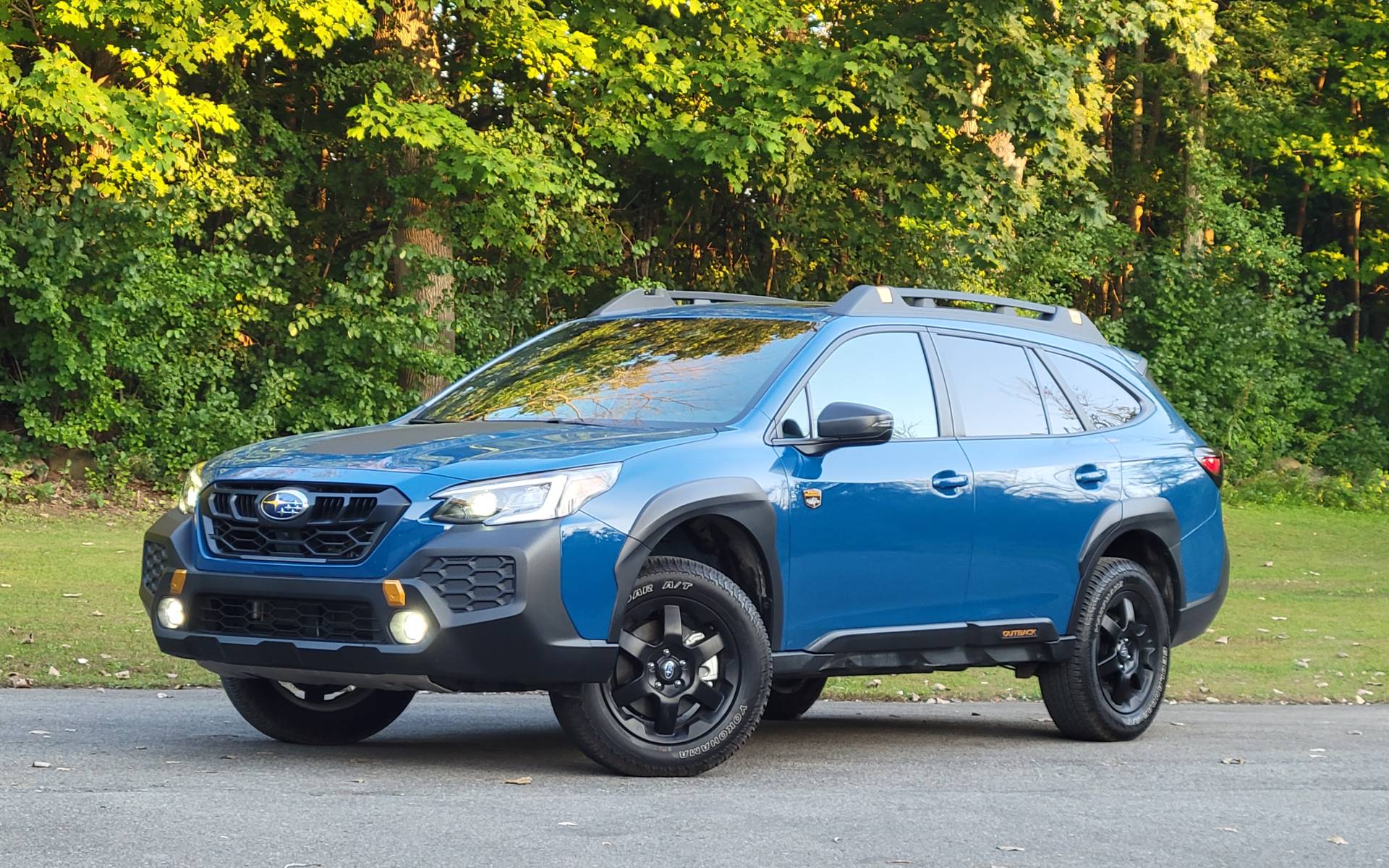
7. Subaru Outback
The Subaru Outback combines the versatility of a crossover with the simplicity of proven engineering. Its symmetrical all-wheel-drive system and dependable powertrain are engineered for reliability, avoiding unnecessary electronic complexity.
While modern Outbacks include safety features such as adaptive cruise control, lane departure warning, and infotainment options, these systems are designed to complement the vehicle’s mechanical core rather than overcomplicate it.
This approach reduces the potential for electronic failures and keeps maintenance manageable for long-term owners.
Owners of the Outback often highlight its durability and practicality. Routine maintenance, including brakes, oil changes, and suspension work, is straightforward and cost-effective. Electronic components, including stability control, airbag sensors, and backup cameras, are reliable and rarely fail prematurely.
Unlike vehicles that rely heavily on interconnected electronics, the Outback ensures that a malfunction in one system does not affect the operation of unrelated components, helping owners avoid expensive cascading repairs.
This reliability makes the Outback an appealing choice for buyers seeking a dependable crossover capable of handling diverse driving conditions.
The vehicle also balances modern safety and convenience features with simplicity. Infotainment systems are generally intuitive and stable, avoiding the common frustrations of unresponsive screens or software glitches. Advanced safety systems operate in a modular fashion, reducing the risk of widespread electronic failure.
Drivers can enjoy peace of mind knowing that the Outback’s features enhance comfort and safety without introducing hidden repair costs, which is a rare combination among crossovers in its class.
Finally, the resale value of the Subaru Outback is strengthened by its reputation for reliability. Buyers recognize that the vehicle is likely to remain free from major electronic problems over time, making it a smart long-term investment.
Its combination of mechanical durability, thoughtful electronic integration, and practical versatility ensures that the Outback remains a dependable option for individuals and families who prioritize reliability without sacrificing essential modern features.
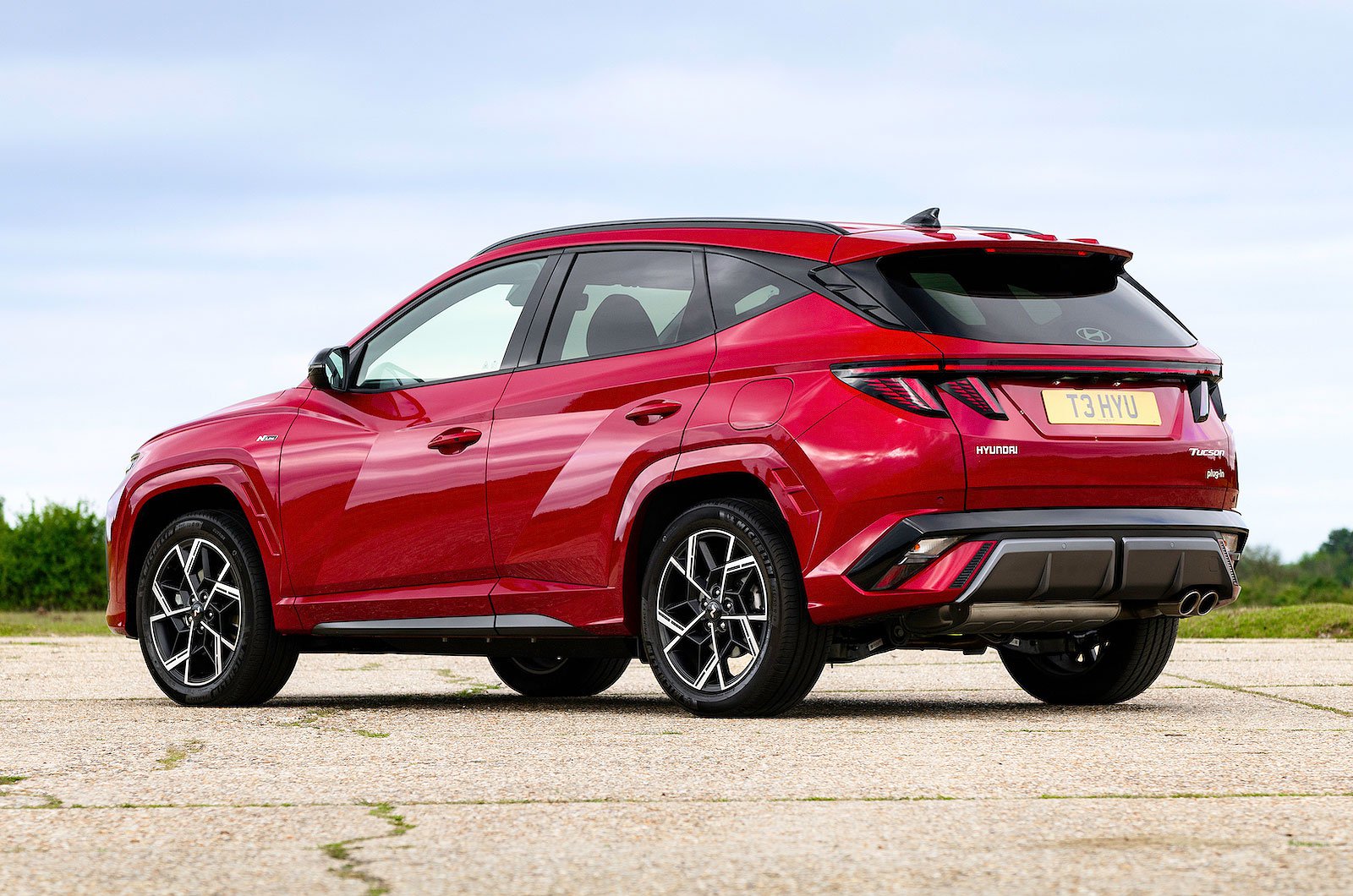
8. Hyundai Tucson
The Hyundai Tucson is a compact crossover that offers practicality without unnecessary electronic complexity. Hyundai has steadily improved its engineering over the years, focusing on reliability and long-term ownership rather than flashy technology that might fail prematurely.
Modern Tucson models include conveniences such as infotainment touchscreens, rearview cameras, and basic driver assistance features, but these systems are generally straightforward and designed to be easy to service.
The powertrain, including both gasoline and hybrid options, relies on proven mechanical principles, minimizing the likelihood of software-induced malfunctions. This focus on mechanical reliability makes the Tucson an appealing option for buyers who want modern features without the fear of expensive electronic problems.
Routine maintenance on the Tucson is relatively easy and affordable. Basic services such as oil changes, brake replacement, and suspension upkeep are straightforward for most mechanics, and replacement parts are widely available.
Electronic systems, including stability control, parking sensors, and tire pressure monitoring, are robust and rarely fail in a way that affects other systems.
Hyundai emphasizes modularity in its electronics, meaning that a single sensor or module failure does not usually compromise multiple vehicle functions.
This approach reduces the risk of cascading issues that often make electronic repairs prohibitively expensive. Owners can therefore enjoy a modern, safe vehicle with confidence in its long-term reliability.
The Tucson also balances comfort and user-friendly technology. Its infotainment system is designed to be intuitive and responsive, avoiding the glitches or software crashes that are common in some competitors. Safety features, including forward collision warning and lane keeping assist, are integrated in a way that maintains independent operation.
As a result, minor malfunctions do not compromise the safety or performance of the vehicle. This careful approach to technology ensures that drivers benefit from modern conveniences while minimizing repair headaches, making it a practical crossover for families, commuters, and budget-conscious buyers.
Finally, the resale value of the Tucson reflects its reliability and thoughtful design. Used models generally maintain their value because buyers recognize that they are less likely to encounter expensive electronic failures.
Coupled with a comfortable interior, smooth ride, and practical cargo space, the Tucson provides an attractive combination of features and dependability. For anyone seeking a compact crossover that avoids the pitfalls of overly complex electronics while still delivering modern comfort and safety, the Tucson is a strong contender.
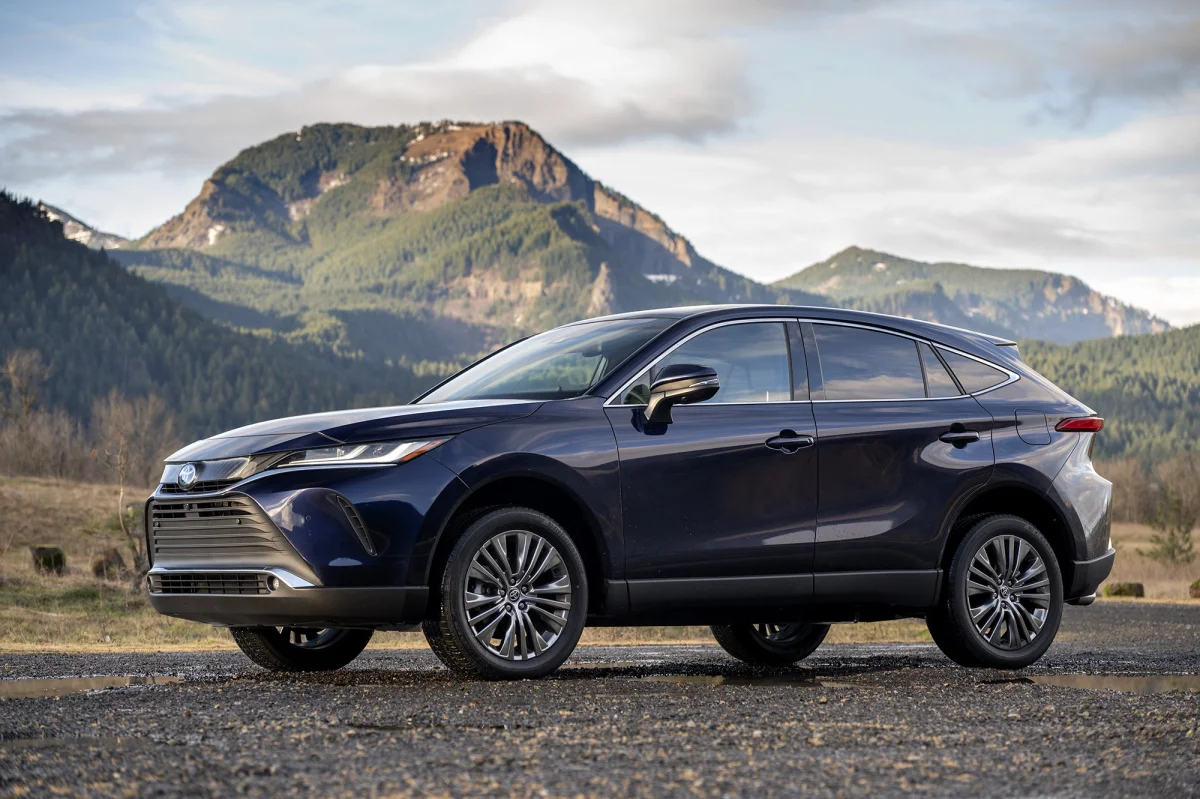
9. Toyota Venza
The Toyota Venza is a midsize crossover that emphasizes efficiency, reliability, and simplicity in its design. Unlike some competitors that overload vehicles with advanced electronic systems, the Venza’s approach is measured and deliberate.
Its hybrid powertrain, in particular, is engineered to be dependable, combining mechanical durability with an electronic control system that is both well-tested and robust.
Toyota avoids unnecessary electronic complexity in other areas of the Venza as well, including climate controls, infotainment, and driver assistance features. This results in a vehicle that delivers a modern experience without the constant risk of costly electronic malfunctions.
Owners frequently report that maintenance and repairs on the Venza are straightforward. Routine servicing, including oil changes, brake work, and suspension checks, is simple and widely supported by mechanics, making upkeep affordable.
The electronic systems, including sensors for stability control, backup cameras, and adaptive cruise control, are reliable and rarely fail. When minor electronic issues do occur, they tend to be isolated rather than triggering a chain reaction affecting unrelated systems.
This reliability contributes to lower long-term repair costs and a more predictable ownership experience, which is especially valuable in a hybrid vehicle where concerns about electronic failure can be heightened.
The Venza also excels in user-friendly technology. Its infotainment system is responsive and easy to navigate, avoiding the frustrating glitches that can plague more complicated setups.
Safety systems, including lane departure alerts and pre-collision braking, are implemented modularly so that a single malfunction does not compromise vehicle performance.
This careful integration allows drivers to enjoy advanced features without the stress of dealing with potentially expensive electronic repairs. By prioritizing practical, reliable technology, the Venza demonstrates that hybrids can be both modern and dependable.
Finally, the Toyota Venza holds its value well in the used car market. Buyers appreciate the combination of mechanical reliability, thoughtful electronic design, and practicality.
With efficient fuel economy, a comfortable interior, and a reputation for long-term dependability, the Venza is a crossover that balances modern expectations with a proven track record for reliability.
For drivers seeking a midsize vehicle with a low risk of electronic headaches, the Venza provides a compelling option that delivers both comfort and peace of mind.
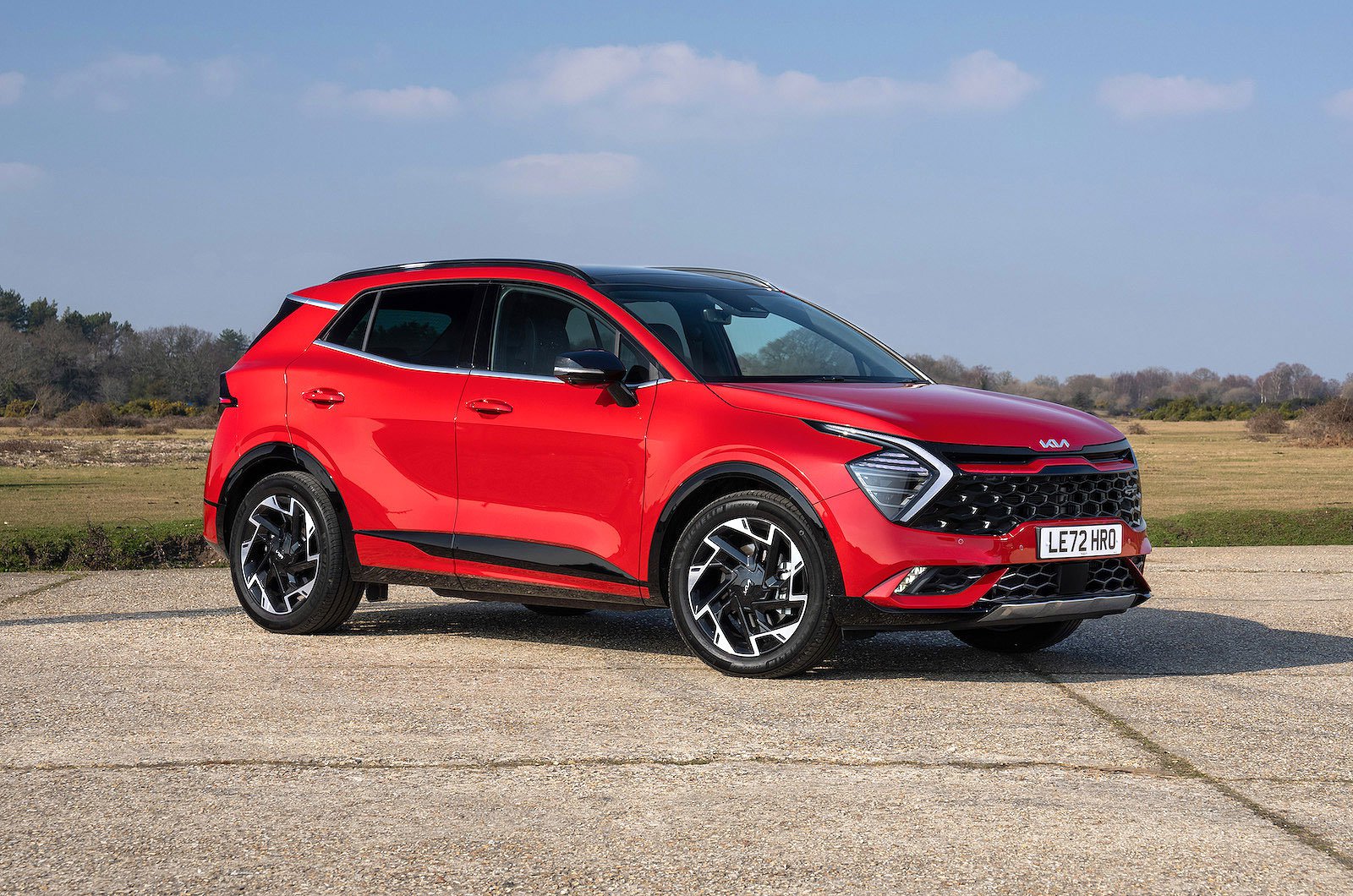
10. Kia Sportage
The Kia Sportage is a compact crossover that offers practicality, comfort, and reliability without an overreliance on complex electronics. Kia’s engineering approach emphasizes proven mechanical systems combined with user-friendly technology, ensuring that essential features function without frequent software failures.
Modern Sportage models include infotainment, rearview cameras, and basic driver assistance, but these systems are designed for durability and ease of service.
The powertrain and transmission are similarly robust, with minimal dependence on software-intensive components, which reduces the likelihood of expensive electronic malfunctions. This makes the Sportage an appealing choice for buyers who want modern amenities without the risks associated with overly complex electronics.
Maintenance and repair of the Sportage are generally manageable and cost-effective. Standard servicing, such as oil changes, brake replacements, and suspension work, is straightforward and widely supported by independent mechanics.
Electronic components, including stability control, backup sensors, and tire pressure monitoring, are resilient and rarely fail in a way that affects other systems.
Kia’s modular approach to electronics ensures that even when minor issues occur, they can often be resolved without costly repairs to multiple systems. This makes ownership predictable and reduces the stress associated with electronic failures.
The Sportage also emphasizes user-friendly technology and comfort. Infotainment systems are intuitive and responsive, minimizing software glitches or touchscreen failures. Safety features, including lane departure warning and forward collision alerts, are integrated in a way that allows independent operation.
This approach ensures that drivers can rely on key systems even if a single electronic component needs servicing. The Sportage successfully balances modern convenience with long-term reliability, providing a practical crossover solution for families and commuters alike.
Finally, the Kia Sportage maintains good resale value due to its reputation for reliability and practicality. Used models are attractive to buyers who want a dependable vehicle that will not burden them with frequent electronic repairs.
Coupled with a spacious interior, comfortable ride, and fuel efficiency, the Sportage demonstrates that a compact crossover can deliver modern features without the pitfalls of overcomplicated electronic systems. It stands as a practical, dependable, and affordable option for drivers seeking peace of mind and long-term durability.
