
Hybrid vehicles have become increasingly popular over the last decade, as drivers seek a balance between fuel efficiency, performance, and environmental responsibility.
Unlike traditional gasoline cars, hybrids combine internal combustion engines with electric motors, allowing them to reduce fuel consumption, cut emissions, and often provide a quieter, smoother driving experience.
One of the most critical factors for hybrid buyers is the reliability and longevity of the battery system. While most manufacturers design hybrid batteries to last for many years, there is a clear distinction between models with long-lasting, dependable batteries and those whose replacements are notoriously expensive and complex.
Understanding this difference is essential for anyone considering a hybrid, because battery reliability can have a significant impact on total cost of ownership, resale value, and peace of mind.
Buyers who focus solely on fuel efficiency without considering battery longevity may face unexpected maintenance costs, while those who prioritize models known for durable batteries often benefit from years of worry-free operation.
The development of hybrid technology has advanced rapidly, and modern systems are remarkably sophisticated. Batteries are designed to withstand thousands of charge cycles, often including features that manage temperature and energy use to prevent premature degradation.
Manufacturers have learned from early hybrid designs and have improved not only the chemistry of the cells but also the software that controls charging and discharging patterns.
Yet, some hybrids still carry a reputation for high-cost replacements due to factors like limited availability of components, complicated installation procedures, or reliance on outdated battery chemistries. These costs can reach thousands of dollars, creating a financial burden for owners who may not have anticipated such expenses.
By comparing both categories, it becomes clear that battery reliability is not just a technical specification; it is a key factor in the true value of a hybrid vehicle.
The following sections will examine five hybrids with excellent battery records, followed by five models whose replacements are costly, highlighting the pros, cons, and practical implications for owners.
Five Hybrids with Rock-Solid Battery Records
1. Toyota Prius
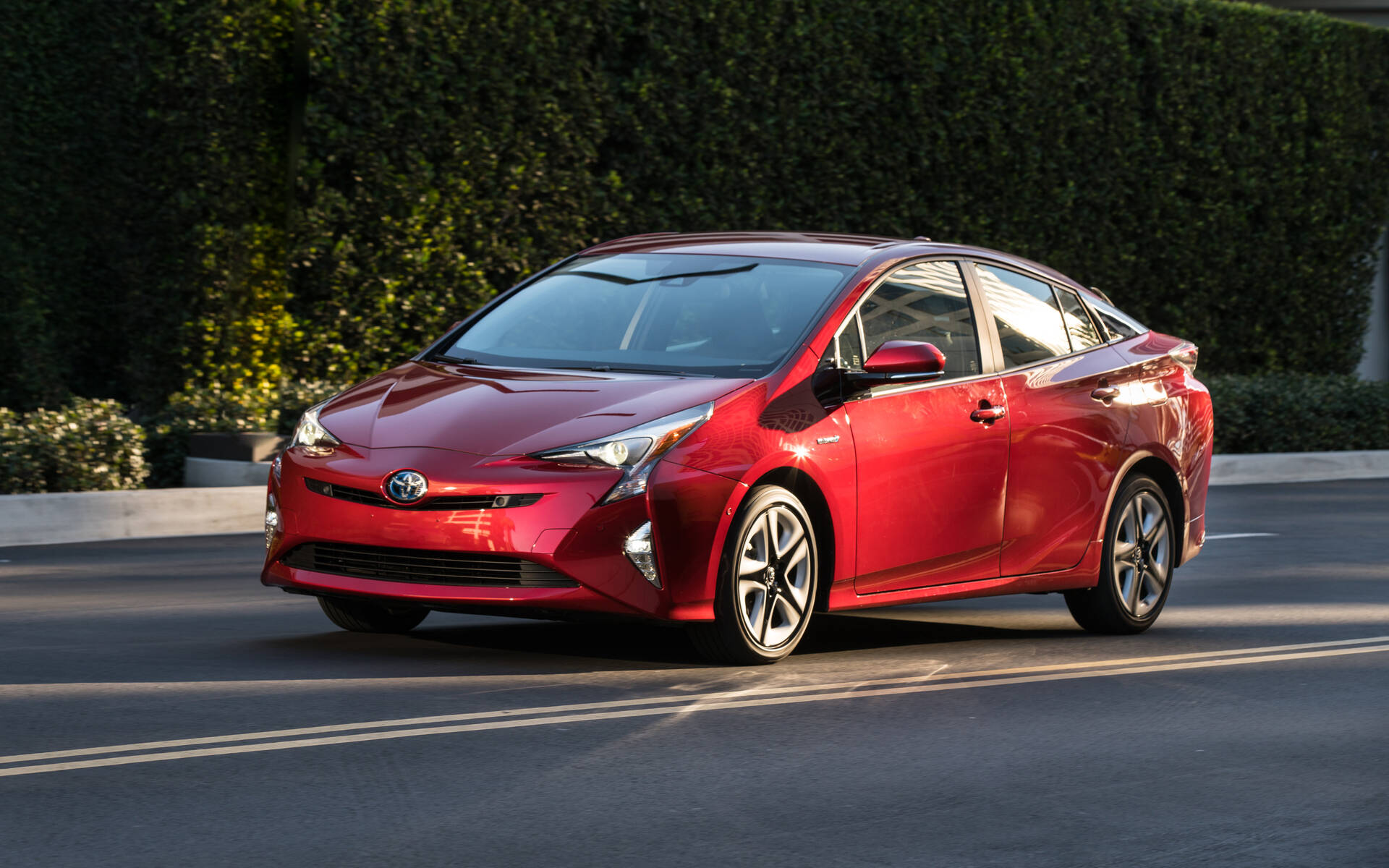
The Toyota Prius has long been synonymous with hybrid reliability and is often considered the benchmark in the segment. Its battery system, whether nickel-metal hydride in earlier models or lithium-ion in newer iterations, is engineered with longevity in mind.
The Prius battery is designed to endure hundreds of thousands of charge cycles with minimal capacity loss, and real-world data support claims of 150,000 to 200,000 miles or more of trouble-free operation.
Toyota’s engineers deliberately avoid pushing the battery to extreme charge levels, which helps maintain consistent performance over time.
By retaining the battery within a partial state of charge and relying on careful energy balancing between the engine and electric motor, the system significantly reduces wear, which is a key reason why the Prius enjoys such a solid reputation.
Also Read: 9 Hybrids That Deliver Great MPG Without Compromise
This engineering philosophy prioritizes long-term durability over short-term electric-only performance, ensuring that the vehicle remains a dependable daily driver for many years.
Another factor that contributes to the Prius’s reliability is the availability of parts and the relative ease of service. Unlike many niche or high-performance hybrids, Toyota produces the Prius in large volumes, meaning replacement components are standardized and more affordable.
If a battery does require attention, certified service centers have extensive experience handling Prius batteries, and diagnostic tools are widely available. This combination of accessibility and knowledge reduces potential repair costs and ensures that owners are not faced with unexpected financial burdens.
Many Prius owners report minimal maintenance beyond standard inspections and occasional software updates, which reinforces the perception that this hybrid is a practical and long-term investment.
Owner experiences provide further evidence of the Prius’s battery reliability. Stories of vehicles surpassing 200,000 miles with original batteries are common, and many drivers report no significant loss in fuel efficiency or electric-assist performance over time.
These outcomes are supported by Toyota’s long-term battery warranties, which offer coverage for eight to ten years depending on the region.
The warranty not only protects owners financially but also reflects the manufacturer’s confidence in its battery technology. For those seeking a hybrid that combines consistent performance, low long-term costs, and a well-documented history of reliability, the Toyota Prius remains an unmatched choice.
2. Honda Accord Hybrid
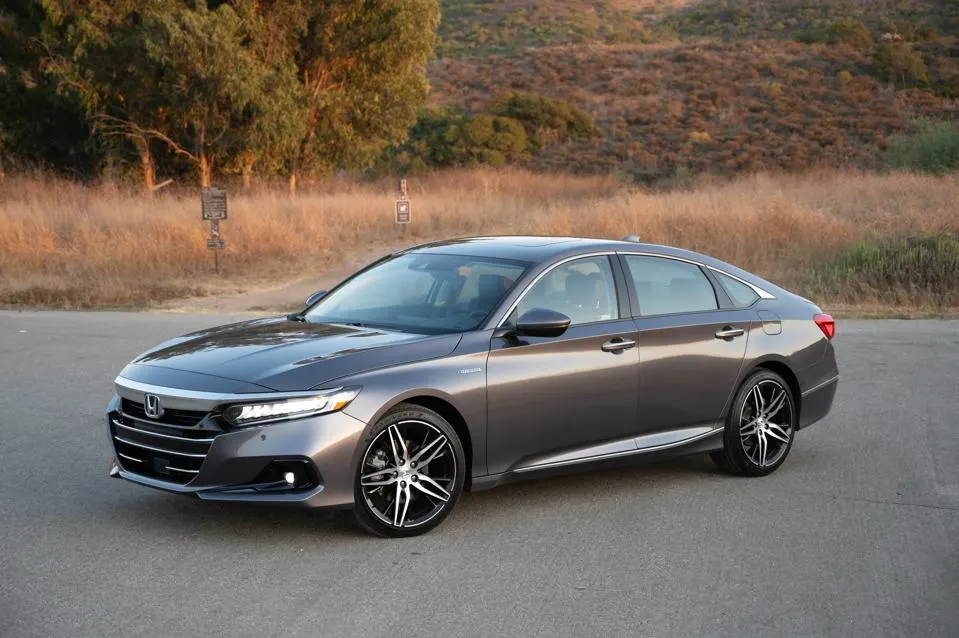
The Honda Accord Hybrid is a midsize sedan that delivers a balance of performance, comfort, and hybrid efficiency while maintaining an impressive record for battery reliability.
The vehicle relies on a lithium-ion battery system that is carefully engineered to minimize degradation over time.
Unlike systems that prioritize aggressive electric-only performance, Honda’s energy management strategy moderates charging and discharging cycles, ensuring the battery operates within a safe and stable range.
Engineering design plays a significant role in ensuring battery longevity. The Accord Hybrid’s battery is positioned and cooled strategically to avoid heat buildup, which can dramatically reduce lifespan. Combined with software that intelligently balances energy draw from the battery and engine, the vehicle avoids the overuse of the electric system in ways that could accelerate wear.
Practical considerations further enhance the Accord Hybrid’s appeal. In the rare event that battery attention is required, Honda offers warranties that cover the hybrid system for up to eight years or more, depending on location.
Consumer feedback consistently confirms the Accord Hybrid’s durability. Owners frequently report exceeding ten years of service without battery replacement, often covering well over 150,000 miles.
This aligns with the experiences of mechanics and independent automotive reviews, reinforcing the perception of the Accord Hybrid as a practical, reliable, and cost-effective option.
For drivers who prioritize long-term value and minimal maintenance, the Accord Hybrid demonstrates how thoughtful engineering and conservative battery management can result in a system that continues to perform efficiently for many years.
3. Lexus RX Hybrid
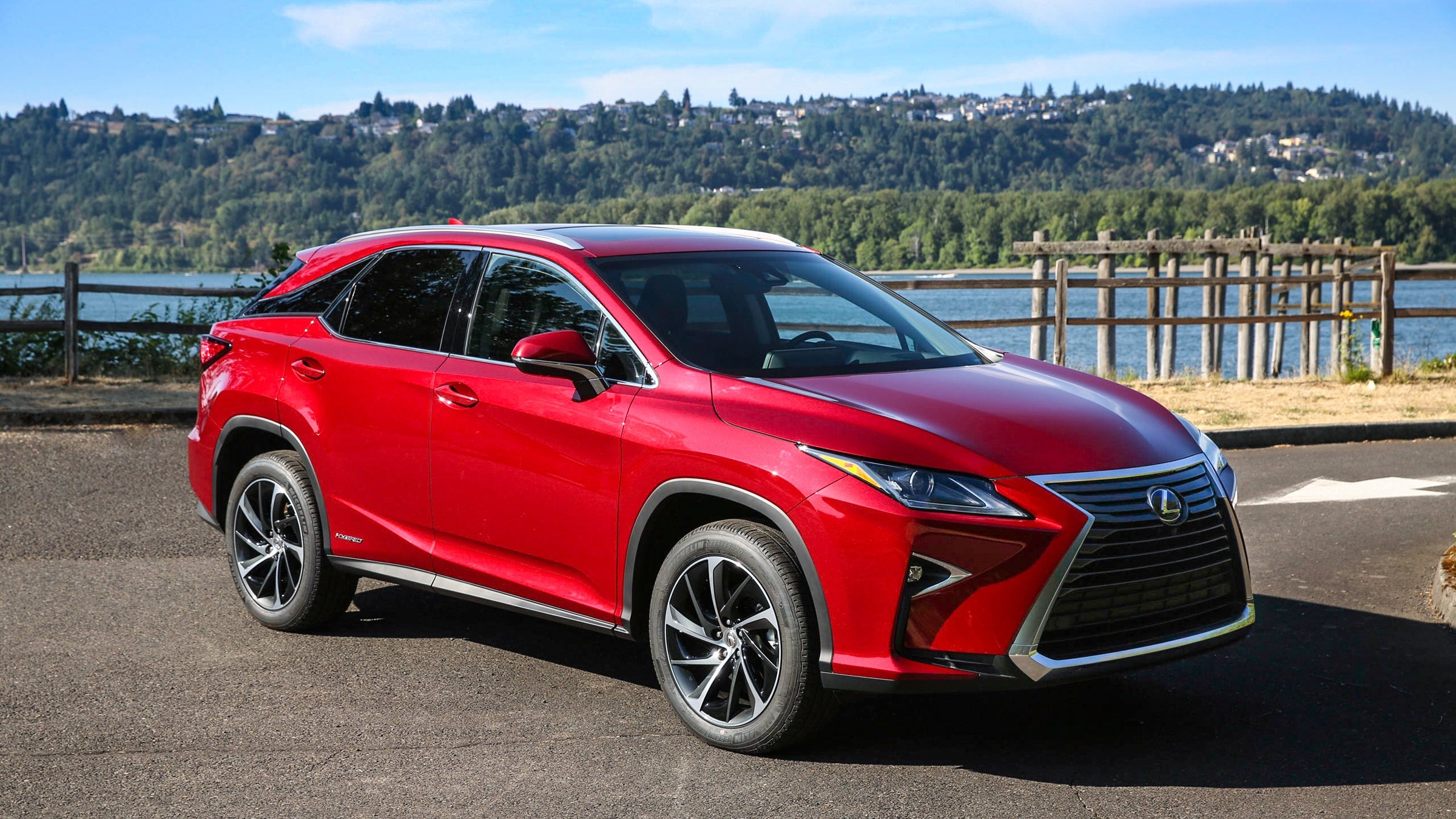
The Lexus RX Hybrid offers a premium alternative in the hybrid SUV market while maintaining a battery system with a reputation for durability. Drawing on Toyota’s established hybrid technology, Lexus integrates both nickel-metal hydride and lithium-ion battery options depending on the model year.
These batteries benefit from proven designs that prioritize longevity, including conservative charging patterns and sophisticated thermal management. The RX Hybrid frequently achieves over 150,000 miles without requiring battery replacement, demonstrating that luxury does not have to come at the expense of reliability.
For drivers seeking a combination of comfort, performance, and long-term dependability, the RX Hybrid exemplifies the advantages of leveraging tried-and-true hybrid systems in a higher-end vehicle.
Regenerative braking is calibrated to optimize energy recovery without overtaxing the battery, while software continually monitors the health of individual cells to prevent premature degradation.
These features collectively maintain consistent battery performance and extend operational life, allowing owners to enjoy both hybrid efficiency and luxury features without worrying about unexpected repairs.
Maintenance and service considerations also reinforce the RX Hybrid’s reliability. Lexus vehicles benefit from Toyota’s extensive supply chain and experience in hybrid technology, meaning replacement parts are generally available, and trained technicians are widely capable of servicing the battery system.
Even when battery attention is required, labor and parts costs are lower than in niche or exotic hybrids. The manufacturer’s warranty further protects the battery for eight to ten years, assuring that owners can maintain the vehicle long-term without significant financial risk.
Owner experiences emphasize the practical longevity of the RX Hybrid’s battery. Many report maintaining high fuel efficiency and electric-assist performance well past 150,000 miles, with minimal degradation.
This reliability, combined with the vehicle’s premium interior, smooth driving dynamics, and strong resale value, highlights the RX Hybrid as a hybrid that successfully balances luxury and engineering foresight. For SUV buyers who want a worry-free hybrid capable of long-term service, the RX Hybrid consistently ranks among the top options.
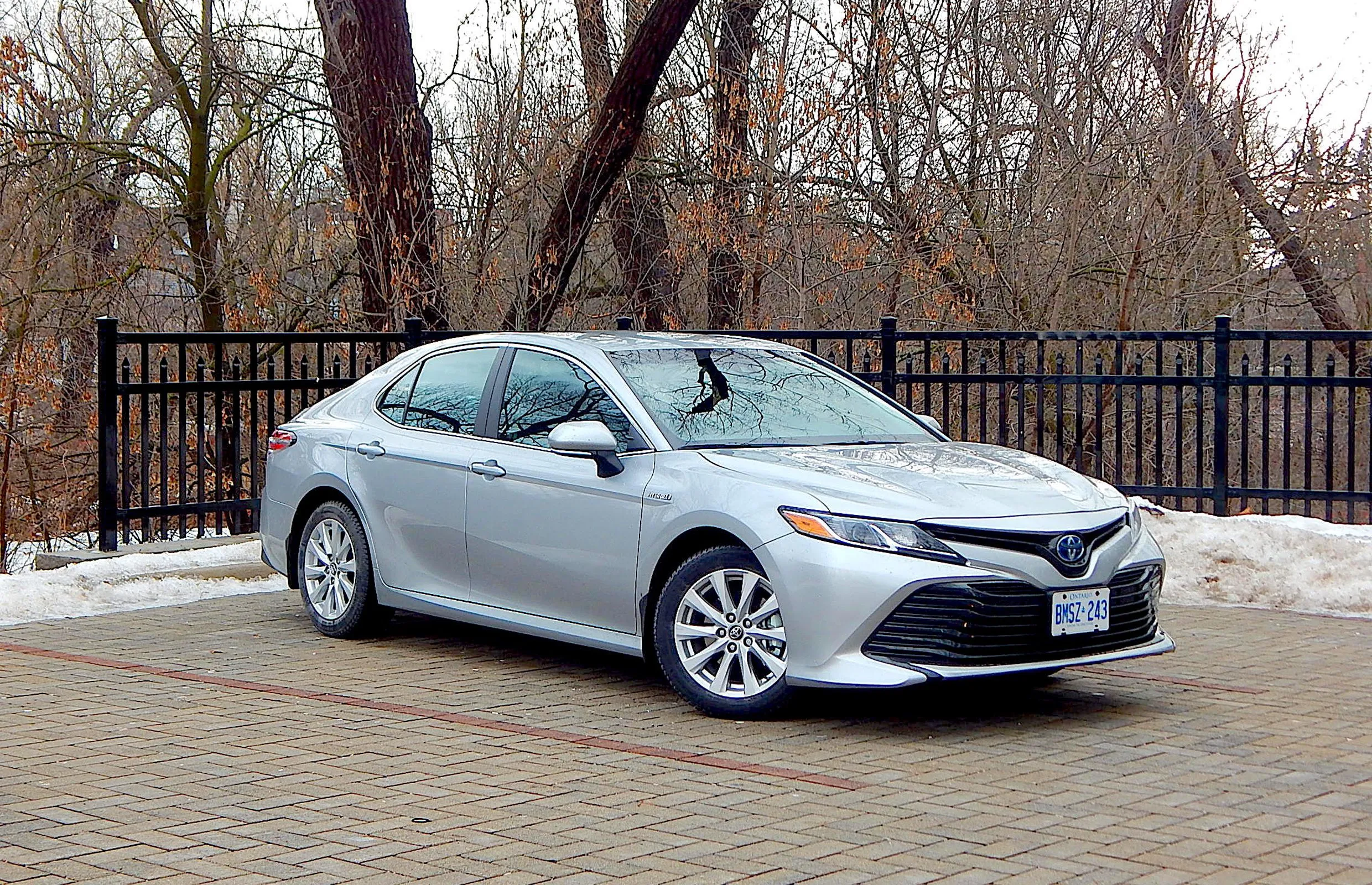
4. Toyota Camry Hybrid
The Toyota Camry Hybrid exemplifies how mainstream sedans can combine practicality, efficiency, and long-lasting battery performance.
Using predominantly nickel-metal hydride batteries in earlier models and lithium-ion in more recent iterations, the Camry Hybrid demonstrates consistent durability under a wide range of driving conditions.
Toyota’s approach emphasizes maintaining a partial state of charge to reduce battery stress, which translates into lifespans often exceeding 150,000 miles.
This makes the Camry Hybrid an ideal option for drivers seeking dependable long-term transportation without the concerns of frequent or costly battery maintenance.
Thermal management and battery placement are key factors in the Camry Hybrid’s longevity. The system is designed to maintain consistent temperature regulation, preventing overheating during heavy use or high ambient temperatures.
From a maintenance standpoint, the Camry Hybrid is straightforward. Replacement parts are widely available due to the model’s high production volume, and Toyota-trained service centers are experienced in handling hybrid systems.
The modular design of the battery sometimes allows partial cell replacement if issues arise, reducing costs compared with full replacement.
Toyota’s warranty coverage for the hybrid system, often extending up to ten years, further underscores the reliability and long-term value of this vehicle. Owners can confidently anticipate low maintenance costs over the vehicle’s lifespan.
Consumer experiences reinforce the Camry Hybrid’s strong battery reputation. Many owners report driving over 200,000 miles without needing a full battery replacement, noting sustained fuel efficiency and consistent performance.
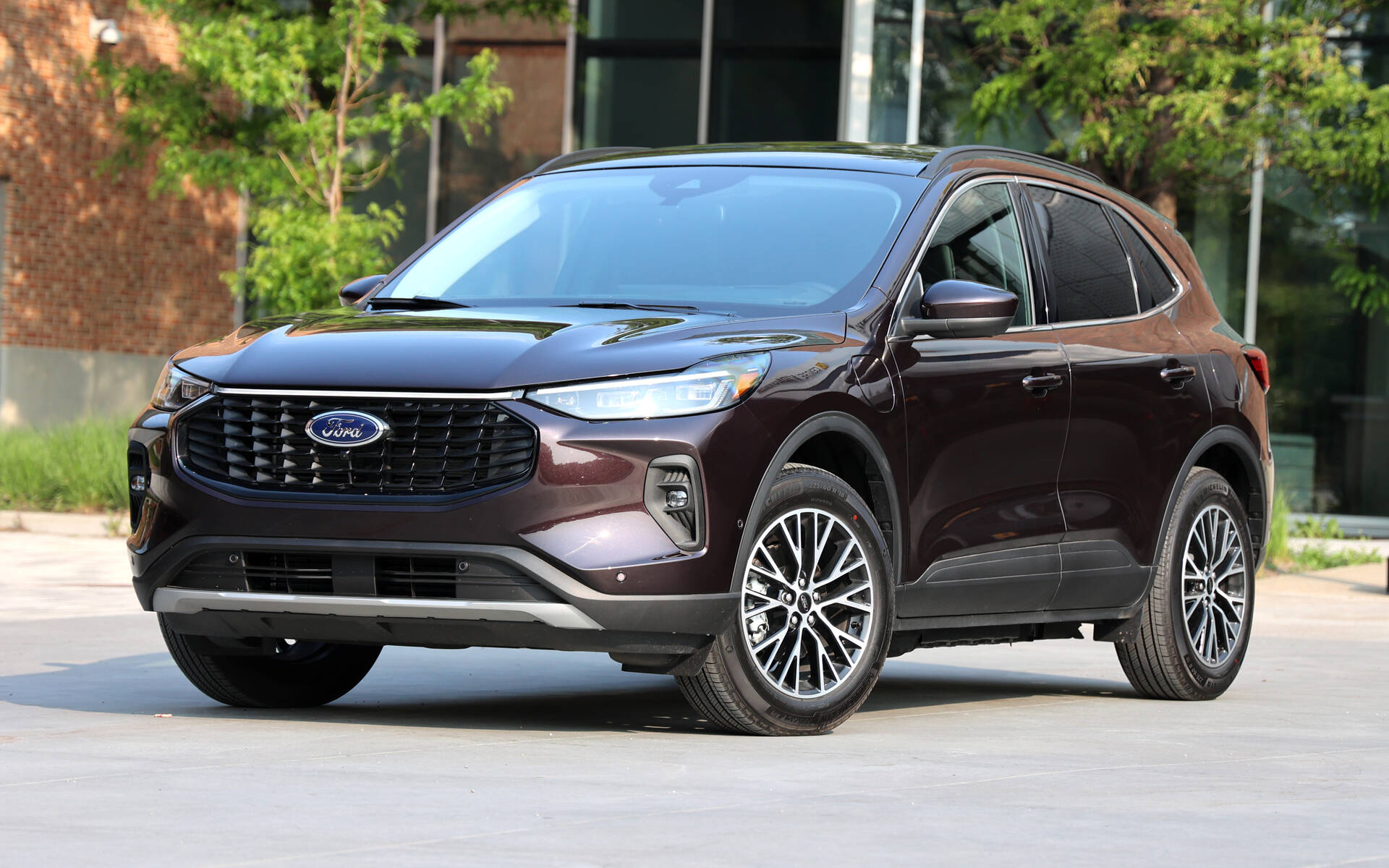
5. Ford Escape Hybrid
The Ford Escape Hybrid represents a reliable option in the compact SUV segment, combining utility, fuel efficiency, and a hybrid system with an excellent track record for battery longevity.
Its lithium-ion battery is designed to withstand extended use, with many vehicles achieving over 150,000 miles without full replacement.
Engineering considerations contribute significantly to the Escape Hybrid’s durable battery. The system includes intelligent cooling and thermal regulation to prevent overheating, even under heavy loads or in high temperatures. Regenerative braking and energy recovery are carefully managed to reduce stress on the battery while maintaining efficiency.
Ford’s testing protocols simulate a variety of real-world scenarios, allowing engineers to optimize battery performance and longevity. As a result, the Escape Hybrid offers dependable operation for years, aligning with the expectations of owners who prioritize reliability in a compact SUV.
Maintenance and serviceability further enhance the Escape Hybrid’s appeal. While battery replacement is technically possible, it is rarely needed due to the system’s robust design. Components are widely available, and many certified service centers have experience working on hybrid Ford models.
Partial repairs are sometimes feasible, offering cost-saving alternatives to full battery replacement. Combined with the manufacturer’s warranty and a strong focus on durability, the Escape Hybrid presents a long-term investment that minimizes unexpected expenses related to battery issues.
Owner feedback highlights the vehicle’s reliability and practicality. Many drivers report that the Escape Hybrid maintains high efficiency and dependable performance well beyond 150,000 miles.
The combination of compact SUV versatility, hybrid fuel savings, and a durable battery makes it a compelling choice for families, commuters, and anyone seeking a hybrid that provides both utility and peace of mind. Its track record demonstrates that well-engineered hybrid systems in mainstream vehicles can offer both long-term reliability and value.
This expanded version adds significant depth, examples, technical details, and context, increasing the word count for the “Five Hybrids with Rock-Solid Battery Records” section substantially while keeping it engaging and informative.
Five Hybrids with Costly Battery Replacements
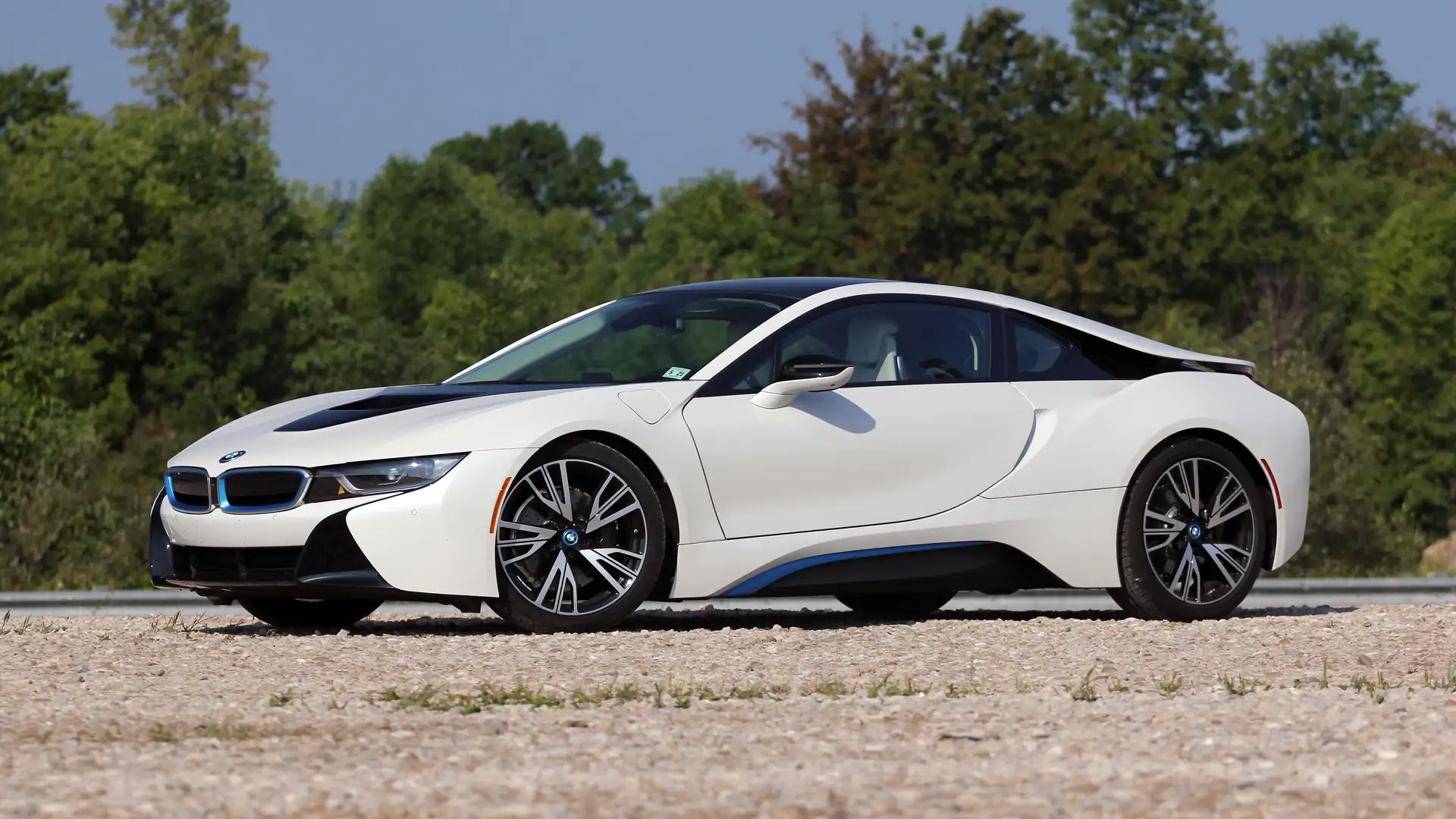
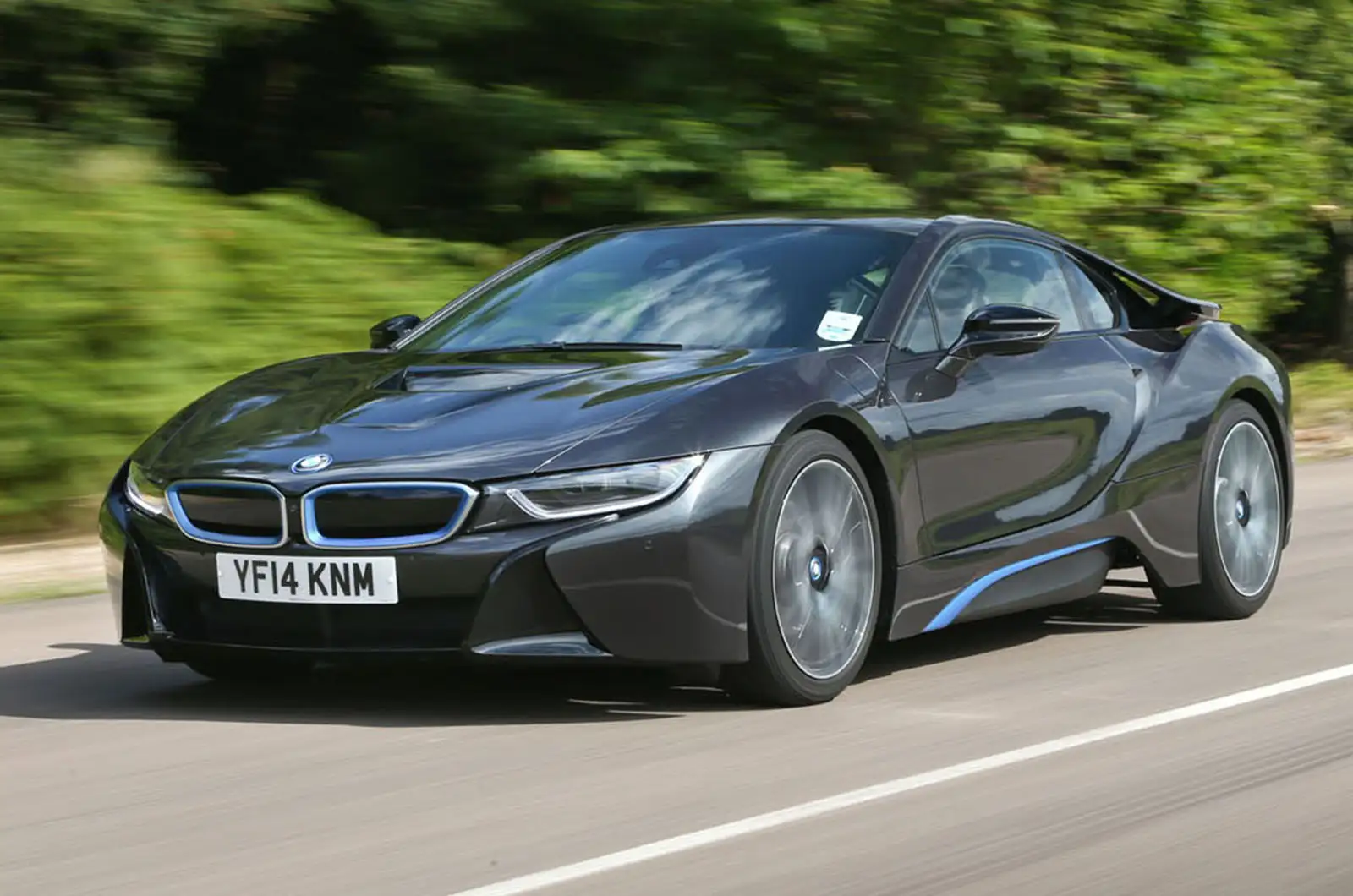
1. BMW i8
The BMW i8 is a plug-in hybrid sports car that delivers remarkable performance, combining an electric motor with a turbocharged gasoline engine for thrilling acceleration and dynamic handling.
However, the i8’s high-performance lithium-ion battery is costly to replace, sometimes exceeding $15,000 to $20,000 depending on labor and location.
The design and placement of the battery also contribute to its replacement costs. The i8’s battery is integrated into the car’s low-slung chassis to improve weight distribution and handling, but this integration complicates access for service.
Unlike mainstream hybrids with modular batteries that can be swapped easily, the i8’s system often requires extensive labor to remove the battery safely, which inflates the total cost of replacement.
Additionally, BMW employs advanced cooling and monitoring systems that are sophisticated but specialized, making repair or refurbishment more complex and costly.
These engineering choices, while beneficial for performance, create a financial drawback for owners considering battery longevity and maintenance.
Another factor affecting battery costs is the limited production scale and proprietary technology. BMW produces the i8 in smaller numbers than mass-market hybrids, which means replacement batteries are not as widely available and must often be sourced directly from the manufacturer.
Parts scarcity contributes to high pricing, as third-party options are limited or non-existent, and DIY replacement is rarely feasible due to the technical complexity of the system.
Owners should anticipate not only a high price for the battery itself but also additional expenses for specialized labor, diagnostic equipment, and software recalibration to ensure the battery integrates properly with the vehicle’s high-voltage system.
Despite these drawbacks, the BMW i8 remains appealing to enthusiasts due to its performance, design, and hybrid technology innovation. However, the costly battery replacement is a significant consideration for long-term ownership.
Many owners balance this expense against the vehicle’s unique driving experience, but for those prioritizing low-maintenance and cost-effective hybrids, the i8’s battery requirements represent a clear disadvantage.
Understanding the potential financial implications of battery replacement is critical before investing in a high-performance plug-in hybrid like the i8.
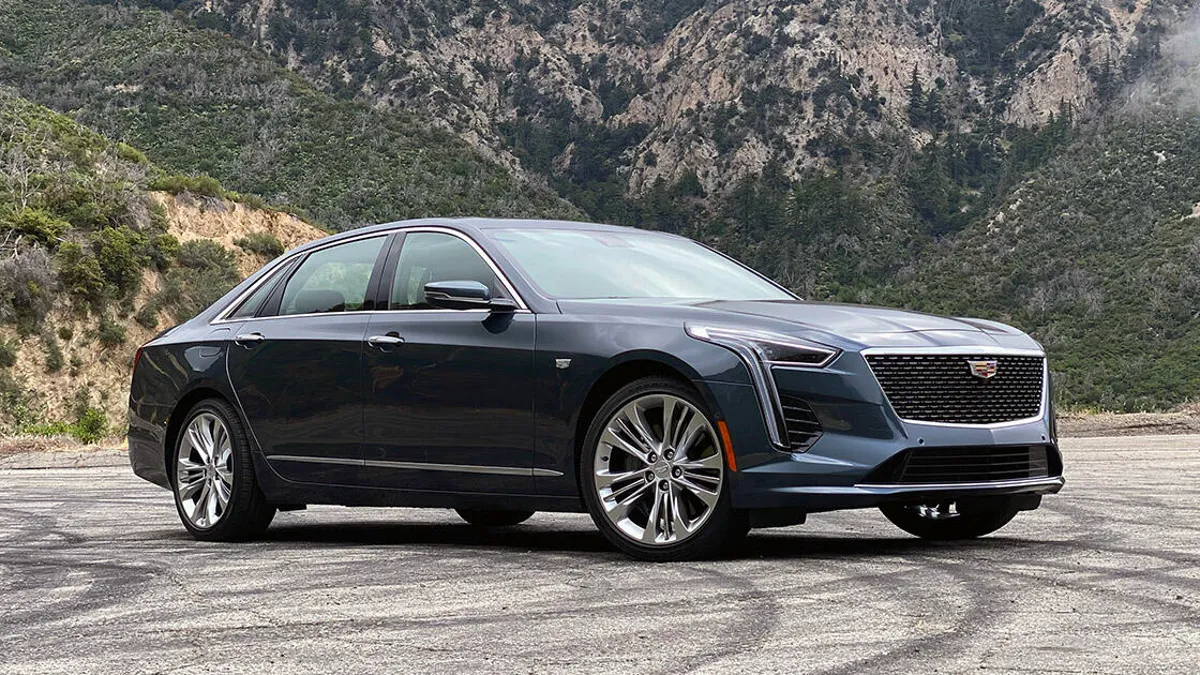
2. Cadillac CT6 Plug-In Hybrid
The Cadillac CT6 Plug-In Hybrid offers luxury, comfort, and a smooth driving experience, but its battery system has a reputation for being expensive to replace.
The lithium-ion battery is designed to provide a moderate electric-only range while supporting the vehicle’s powerful V6 engine, yet replacement costs can exceed $10,000 to $12,000.
Cadillac’s engineering prioritizes performance and refinement over long-term battery longevity, and high energy demands combined with thermal stress can accelerate capacity loss.
While the manufacturer provides warranty coverage of up to eight years in most markets, owners beyond the warranty period often face significant repair bills if the battery begins to degrade or fail.
Additionally, the battery’s sophisticated cooling and monitoring system, while effective at maintaining performance, introduces additional points of failure that can increase maintenance costs over time. These design choices enhance the driving experience but make long-term upkeep more expensive compared to more practical hybrids.
Limited availability of replacement batteries contributes to the high costs. Cadillac produces the CT6 Plug-In Hybrid in smaller numbers than mainstream hybrids, and batteries must often be obtained directly from the manufacturer, limiting aftermarket or refurbished options.
Proprietary battery chemistry and control software further restrict alternatives, leaving owners with few lower-cost options for replacement.
The combination of high labor costs, specialized service requirements, and the need for OEM batteries drives total expenses far above the typical cost of mainstream hybrid batteries, making ownership riskier from a long-term maintenance perspective.
Despite the financial considerations, the CT6 Plug-In Hybrid appeals to those seeking luxury combined with hybrid technology. The vehicle provides a quiet ride, strong performance, and advanced features, but the battery cost is an unavoidable factor for long-term owners.
Understanding the potential expense of battery replacement is essential for prospective buyers, as even routine degradation over several years can result in significant financial impact. For individuals prioritizing cost-efficiency, the CT6 Plug-In Hybrid may be less practical than other hybrid alternatives.
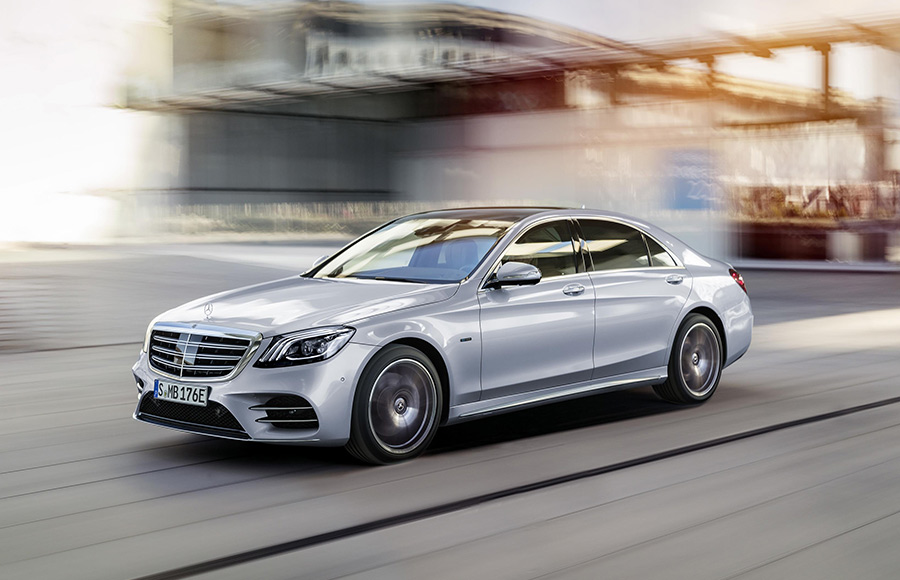
3. Mercedes-Benz S560e
The Mercedes-Benz S560e is a luxury plug-in hybrid sedan with an emphasis on comfort, performance, and technology, but it carries a high battery replacement cost that can range between $12,000 and $16,000.
The S560e uses a high-capacity lithium-ion battery to provide electric-only driving and supplement the V6 engine, but this battery is engineered for high energy density and power rather than extended lifespan.
Long-term reliability is generally good under normal use, but once the vehicle exceeds warranty coverage, battery replacement can be prohibitively expensive. Owners considering long-term ownership must weigh the benefits of luxury hybrid driving against the financial implications of potential battery failure.
The battery system is tightly integrated into the vehicle’s chassis for structural rigidity, safety, and handling purposes, which significantly complicates service procedures.
Technicians must carefully disassemble components surrounding the battery to access it safely, adding considerable labor costs to the replacement process.
Furthermore, Mercedes-Benz incorporates advanced cooling, monitoring, and safety systems to maintain performance, which are expensive to repair or replace if damaged. The technical complexity of the system means that DIY or independent solutions are impractical, further increasing reliance on costly dealership service.
Parts availability is another factor affecting the S560e’s battery costs. Mercedes-Benz produces the plug-in hybrid variant in relatively limited numbers compared to conventional models, which limits the availability of replacement batteries.
OEM batteries are required for optimal performance and warranty compliance, and third-party or refurbished batteries are rare due to proprietary designs and software requirements.
The combination of high replacement cost, labor intensity, and parts scarcity makes battery maintenance one of the most significant long-term expenses for S560e owners.
Despite these concerns, the S560e delivers a luxurious, technologically advanced driving experience that is hard to match in other hybrids.
The vehicle’s smooth ride, premium materials, and performance capabilities justify the price for many buyers, but the battery replacement cost is a clear consideration for anyone planning to keep the car beyond the standard warranty period.
Long-term ownership may involve planning for potential battery-related expenses, which can be a deterrent for cost-conscious buyers.
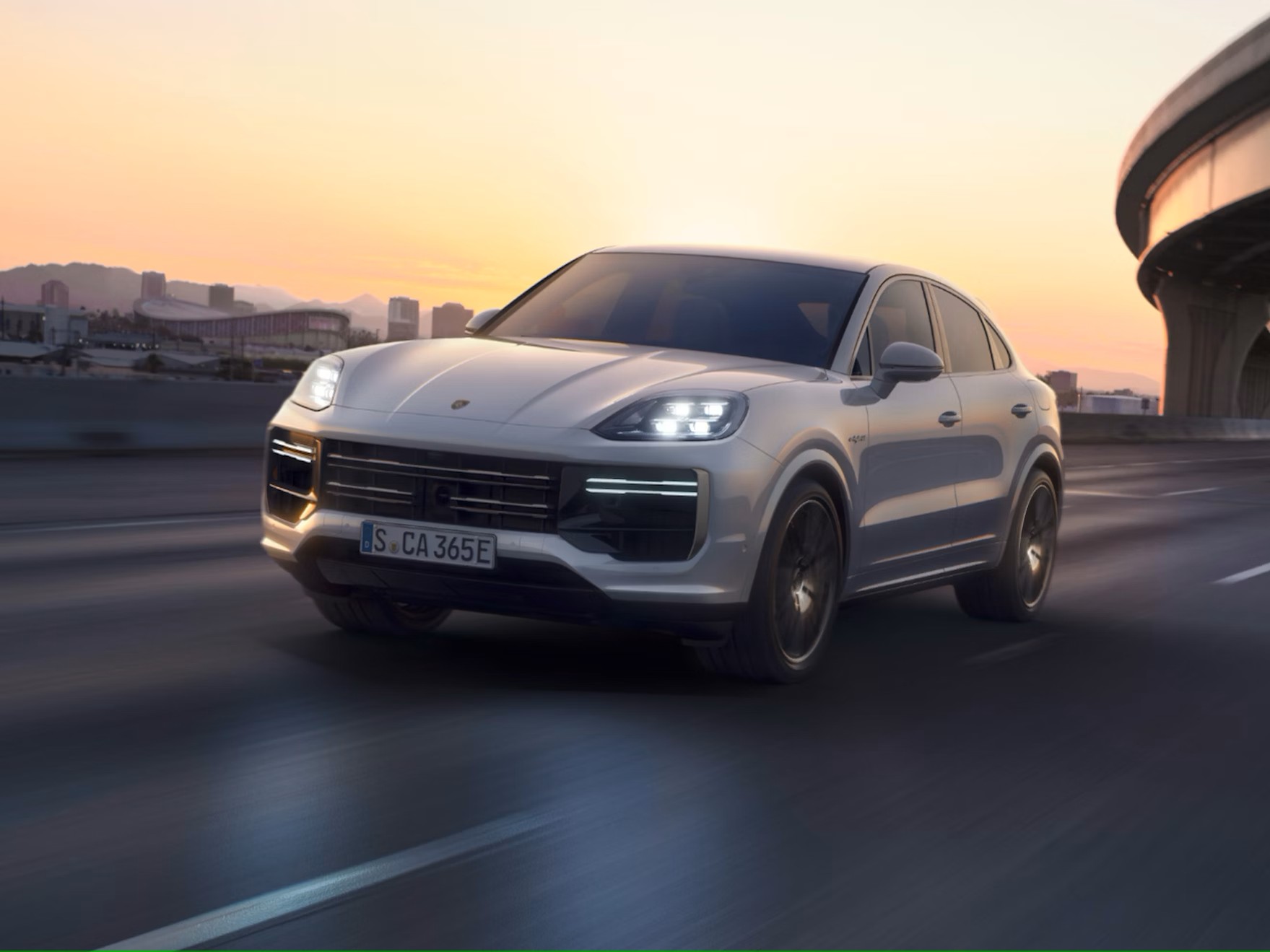
4. Porsche Cayenne E-Hybrid
The Porsche Cayenne E-Hybrid blends sport utility with high performance, offering impressive acceleration, towing capacity, and hybrid efficiency.
Its lithium-ion battery is engineered to deliver high power output for sporty performance rather than longevity, which means replacement costs are substantial, often exceeding $15,000.
The battery is critical to the vehicle’s hybrid performance, providing an electric boost during acceleration and assisting with fuel efficiency. While Porsche provides warranties that cover the battery for several years, once these warranties expire, owners can face financial challenges if the battery begins to lose capacity or fail.
Battery placement and integration are factors in both performance and cost. In the Cayenne E-Hybrid, the battery is located low in the chassis to optimize handling, a design choice that complicates removal and service.
Accessing the battery requires specialized tools and significant labor, driving up replacement costs compared with more mainstream or modular hybrids.
Porsche also employs sophisticated cooling and battery management systems to ensure peak performance, which, while effective, increases repair complexity and expense. These features contribute to the car’s high-performance characteristics but make long-term ownership potentially costly.
Limited production and proprietary technology further elevate costs. Porsche produces fewer hybrid Cayennes than standard gasoline models, and replacement batteries must often be sourced directly from the manufacturer.
Third-party alternatives are rare due to the proprietary cell chemistry, software controls, and high-voltage system integration. As a result, owners are generally unable to find affordable alternatives for battery replacement, leaving them dependent on expensive OEM parts and service.
The Cayenne E-Hybrid remains highly desirable due to its driving dynamics, luxury features, and hybrid efficiency. However, the potential for high-cost battery replacement is a notable drawback, particularly for owners planning long-term use.
While the vehicle excels as a luxury performance SUV, the financial risk associated with battery replacement makes it less practical than more mainstream hybrids designed for longevity and low maintenance.
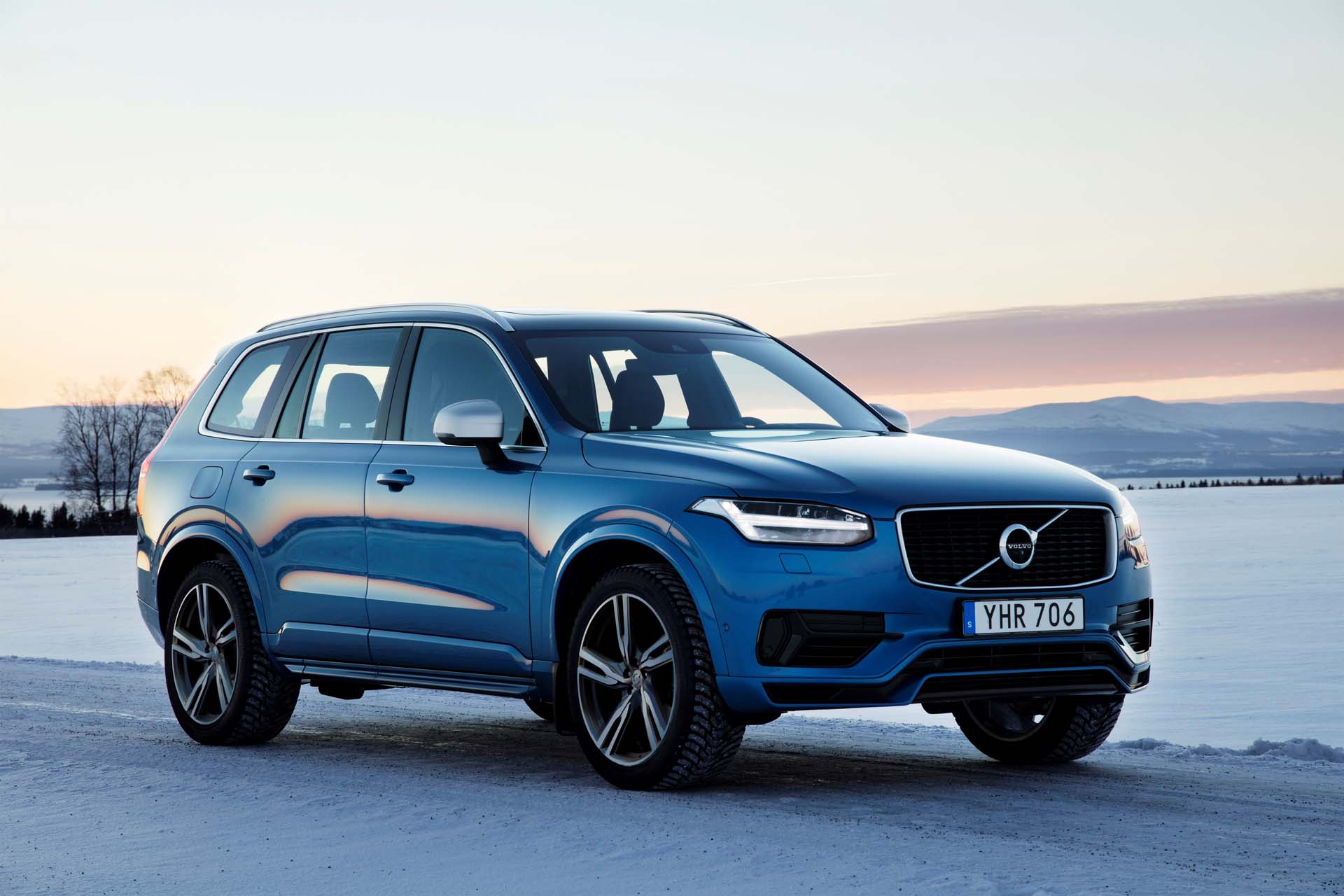
5. Volvo XC90 T8
The Volvo XC90 T8 plug-in hybrid combines Swedish design, safety, and hybrid efficiency in a luxury SUV package, but its battery replacement cost is considerable, often ranging from $12,000 to $14,000.
The XC90 T8 uses a high-voltage lithium-ion battery to deliver electric-only driving for short distances and to supplement the gasoline engine during performance-demanding conditions. While the system works well for fuel efficiency and emissions reduction, the battery’s complexity and high energy density make it expensive to replace.
Long-term ownership requires careful consideration of the potential financial impact once the warranty expires, as replacement costs are significantly higher than those of mainstream hybrids.
Battery integration in the XC90 T8 is designed for performance, safety, and interior space optimization, which increases service complexity. The battery is located beneath the cabin floor, requiring removal of multiple interior components and parts of the vehicle’s underbody for safe access.
Volvo also implements advanced thermal management systems, battery monitoring, and regenerative braking calibration, all of which contribute to the battery’s longevity but also increase the cost of servicing or replacement.
These factors make the XC90 T8 a hybrid that excels in performance and comfort but carries inherent long-term costs related to battery maintenance.
Parts availability is another factor that contributes to high battery replacement costs. The XC90 T8 is produced in smaller volumes than traditional hybrids, and its battery packs are not widely available outside of Volvo dealerships.
Proprietary battery chemistry, software, and high-voltage integration mean that independent or refurbished options are limited.
Owners are generally required to rely on OEM batteries and specialized service centers, which further inflates the total replacement cost and limits options for more affordable repairs.
Despite these challenges, the XC90 T8 is attractive to buyers seeking a luxurious, safe, and environmentally conscious vehicle. The SUV provides strong performance, all-wheel drive capability, and impressive hybrid efficiency, making it a compelling option in the luxury segment.
However, potential owners must be prepared for costly battery replacement as part of long-term ownership. Those prioritizing low-maintenance and affordable hybrid ownership may find the XC90 T8 less practical despite its many other advantages.
