

Diesel trucks have long been prized for their durability, towing capacity, and fuel efficiency, but one component consistently defines the ownership experience: the fuel injector. Injectors are responsible for delivering precise amounts of fuel to the engine at exactly the right moment.
This precision is critical, as even minor inconsistencies can lead to poor engine performance, reduced fuel economy, and expensive repairs. Over the past few decades, certain diesel trucks have gained reputations for either reliable injector performance or chronic injector problems.
Understanding the difference between these categories is essential for anyone considering a diesel truck purchase or looking to maintain an existing vehicle. For many owners, injector reliability is more than a convenience; it is a determinant of long-term cost of ownership and vehicle lifespan.
Trucks with proven injectors tend to maintain smoother performance under heavy loads, experience fewer unplanned repairs, and sustain higher resale values.
Conversely, models known for injector headaches often require frequent maintenance, can develop performance issues under stress, and may demand costly repairs, sometimes replacing multiple injectors at once.
The root of these differences often lies in design, manufacturing tolerances, and the quality of fuel used. Modern diesel engines rely on high-pressure common rail systems, which operate at extreme pressures to achieve fine atomization and complete combustion.
Trucks that handle this system well generally feature injectors made with superior materials, precise machining, and robust electronics. Trucks prone to injector issues may have injectors that are sensitive to fuel quality, prone to clogging, or susceptible to premature wear under high-stress conditions.
Additionally, maintenance habits, regional fuel variations, and usage patterns all contribute to injector longevity. Some trucks may perform flawlessly for decades in ideal conditions but become problematic in regions with poor fuel quality or heavy stop-and-go driving.
For prospective buyers, comparing trucks based on injector reliability can be as important as evaluating horsepower, torque, or towing capacity.
While horsepower numbers and towing ratings are often the first specifications examined, injector performance influences daily drivability, engine longevity, and ownership satisfaction.
Choosing a truck with proven injector reliability can save thousands in unexpected repairs and prevent downtime. On the other hand, understanding which models have recurring injector problems can inform maintenance schedules, fuel choices, and even long-term budgeting.
It is worth noting that no diesel truck is entirely immune to injector issues, but historical patterns and owner experiences clearly identify models that are more dependable than others.
This article will highlight five diesel trucks known for reliable injectors and five that have a history of injector headaches. Each list will include detailed explanations of why these trucks succeed or struggle with injectors, including design features, common issues, and real-world experiences.
By providing this comparison, potential buyers and current owners can make informed decisions that align with their expectations for performance, maintenance, and longevity.
Five Diesel Trucks with Proven Injectors

Ford Super Duty 6.7L Power Stroke (2011-Present)
The 6.7L Power Stroke engine has earned a strong reputation for injector reliability, largely due to its robust engineering and high-quality components. Ford’s collaboration with International Harvester ensured the engine design was capable of handling extreme stress while maintaining precision fuel delivery.
Unlike earlier models, which sometimes suffered from injector failure due to material weaknesses or excessive heat, the 6.7L system uses hardened components and advanced coatings that resist corrosion and erosion caused by biodiesel blends and low-quality fuel. This means that even under high-mileage conditions or heavy-duty towing, the injectors rarely fail.
The electronic control system continuously monitors fuel delivery, adjusting timing and pressure to compensate for minor deviations, which further enhances durability and helps prevent catastrophic injector failure.
The reliability of these injectors is not just anecdotal; it is supported by countless owner reports and fleet data showing consistent performance over hundreds of thousands of miles.
In heavy-duty use, such as towing large trailers, hauling heavy equipment, or prolonged highway driving, the 6.7L Power Stroke injectors maintain their precision and effectiveness. Many fleet operators choose this engine because it minimizes unplanned downtime, a key factor when the truck is a revenue-generating asset.
The injectors’ ability to maintain consistent spray patterns and fuel atomization under extreme pressure ensures efficient combustion, which protects the engine from carbon buildup, overheating, and premature wear.
Fuel additives can further enhance injector life, but even without constant attention, the injectors outperform many competitors in both longevity and reliability. This real-world dependability makes the 6.7L Power Stroke a standout choice for anyone needing a truck that can handle severe work conditions without frequent injector issues.
Another factor contributing to the engine’s injector reliability is Ford’s commitment to continuous improvement. Early 2011 models faced minor injector issues, primarily due to calibration and software controls, but these were quickly addressed in subsequent production runs.
This iterative approach demonstrates Ford’s dedication to reliability rather than merely producing high-performance numbers.
As a result, the injector system today has proven itself as both durable and user-friendly, with repairs or replacements being relatively straightforward and widely supported by dealerships and independent diesel shops.
Owners benefit from a combination of engineering excellence, availability of replacement parts, and an active community of users sharing best practices for injector care, making it easier to maintain peak performance over the truck’s lifespan.
Finally, the injector design itself is optimized for both efficiency and longevity. By delivering precise fuel atomization, these injectors ensure thorough combustion, reducing soot, smoke, and internal engine stress. Efficient combustion not only contributes to fuel economy but also minimizes the strain on internal components such as pistons, valves, and the turbocharger.
The design focuses on balancing performance with durability, allowing the truck to operate reliably in heavy-duty environments without suffering the chronic injector problems that plague some other diesel engines.
This combination of superior materials, smart engineering, and electronic monitoring places the 6.7L Power Stroke at the top of the list for trucks with proven injector reliability.

Chevrolet Silverado HD/GMC Sierra HD 6.6L Duramax LBZ/LMM (2006-2016)
The LBZ and LMM Duramax engines are widely recognized for their injector reliability, earning praise from both casual owners and commercial fleets. The LBZ, produced between 2006 and 2007, is especially valued for its mechanical injectors, which rarely fail when maintained properly.
These injectors are engineered to withstand high fuel pressures without distortion, cracking, or premature wear. The LMM, which followed from 2007 to 2010, introduced minor refinements, particularly in emissions compliance, while preserving the durability of the LBZ design.
Many owners report that these injectors remain functional well past 200,000 miles without requiring replacement, an impressive figure compared with other diesel trucks from the same period.
The injectors’ resilience is attributed to careful manufacturing tolerances, hardened materials, and design features that resist clogging and corrosion. For diesel enthusiasts, the LBZ and LMM engines are almost synonymous with “injector peace of mind.”
Maintenance is another factor that contributes to the injectors’ reliability. GM designed these engines to be service-friendly, meaning injectors can be inspected, cleaned, or replaced without excessive labor.
This accessibility reduces repair costs and downtime, which is critical for commercial operators or anyone using the truck for frequent towing or hauling.
Additionally, these engines are less sensitive to minor variations in fuel quality compared with many competitors, meaning that owners who use biodiesel blends or fuel from less-than-ideal sources are unlikely to encounter injector problems as quickly.
Long-term reliability is further enhanced by a fuel filtration system designed to remove contaminants before they can damage the injectors, providing an extra layer of protection for the fuel system.
Duramax injectors maintain consistent performance under stress, which is crucial for trucks frequently operating under heavy loads or in extreme temperatures.
The injectors’ spray pattern and timing remain precise, even after prolonged operation, ensuring efficient combustion and preventing issues like carbon buildup or misfires.
Many owners report that LBZ and LMM engines can handle towing trailers, plowing snow, or sustained highway speeds without any noticeable decline in injector performance.
This consistency contributes to the engine’s reputation for durability and long life, with many trucks surpassing 300,000 miles on their original injectors. For buyers seeking reliability and peace of mind, these engines offer a clear advantage over many other diesel options.
The underlying reason for the LBZ and LMM injectors’ success lies in GM’s engineering philosophy. Rather than focusing solely on maximum power output, GM prioritized fuel system durability and long-term reliability.
The injectors are designed to handle high pressures while minimizing wear, delivering precise fuel atomization that improves combustion and reduces stress on other engine components.
This approach ensures that the injectors can operate reliably under a variety of conditions, from heavy towing to everyday commuting.
Owners of these trucks often cite injector longevity as one of the main reasons for their loyalty to the Duramax platform, demonstrating how engineering choices can have a lasting impact on the ownership experience.
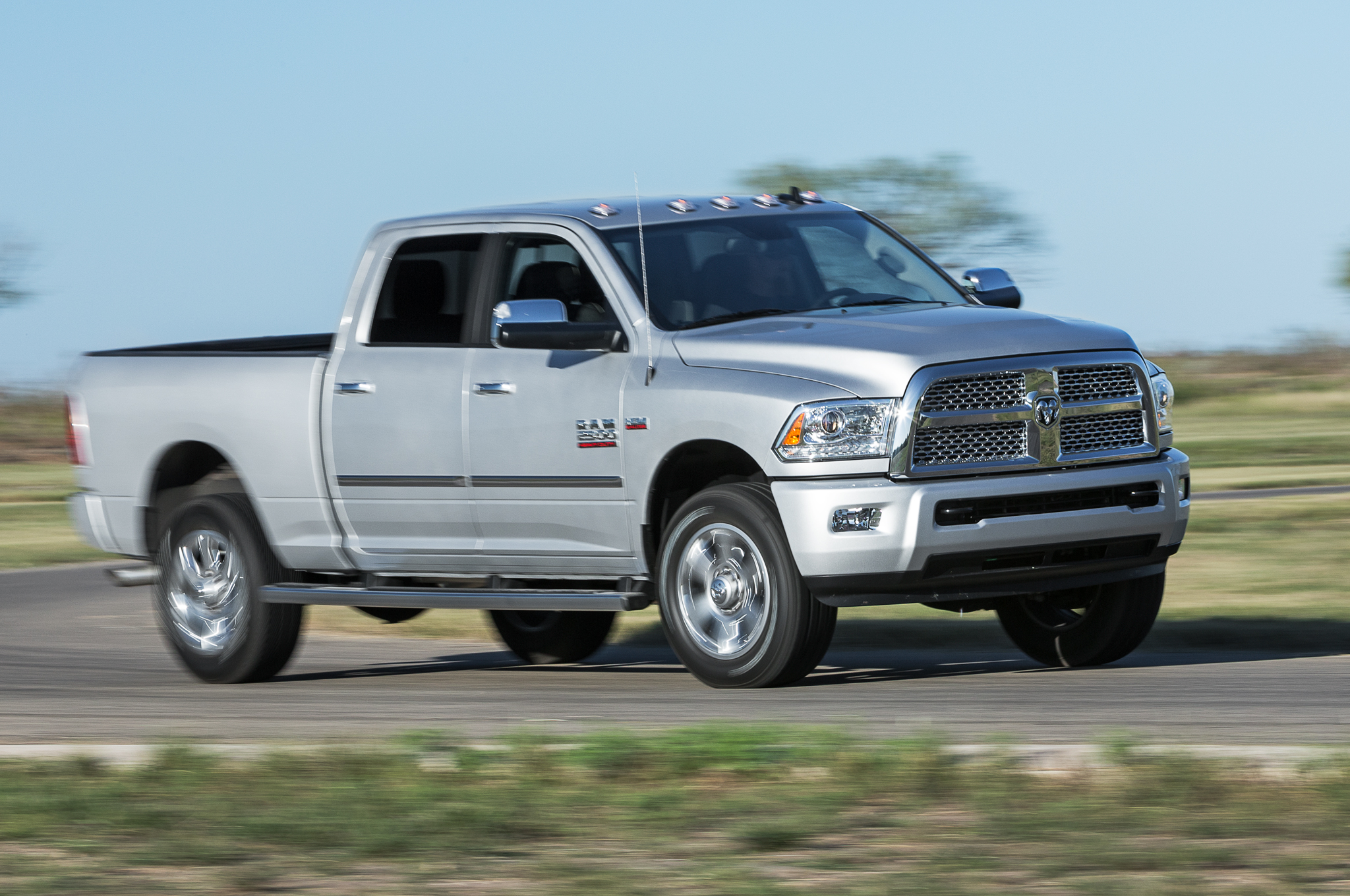
Ram 2500/3500 Cummins 6.7L (2007-Present)
The 6.7L Cummins engine, found in Ram 2500 and 3500 trucks, has built a strong reputation for injector reliability due to its mechanical robustness and simplicity. Cummins designed these injectors to endure high fuel pressures and extreme engine temperatures without failing prematurely.
Unlike some competitors, the 6.7L Cummins relies on a proven common rail system with injectors constructed from high-quality materials that resist corrosion and wear.
Owners frequently report low failure rates even under heavy-duty use such as long-haul towing, construction work, or agricultural applications.
The combination of mechanical durability and advanced fuel delivery management ensures that these injectors maintain their performance over hundreds of thousands of miles.
Maintenance and accessibility further contribute to the 6.7L Cummins’ reputation. The injectors are relatively easy to service or replace, reducing labor costs and simplifying upkeep.
Cummins also provides excellent aftermarket support and a wide availability of replacement parts, making injector care straightforward for both private owners and fleet operators.
Additionally, the injectors are less sensitive to variations in fuel quality, which reduces the risk of clogging or premature failure. Proper filtration and routine maintenance further enhance injector longevity, allowing owners to experience consistent performance even in regions with lower-quality diesel fuel.
Performance consistency under load is another hallmark of the 6.7L Cummins injectors. Whether the truck is towing a heavy trailer or operating in high-temperature environments, injectors maintain precise fuel delivery and spray patterns.
This precision ensures complete combustion, which helps prevent carbon buildup, reduces smoke, and improves engine efficiency. Many trucks equipped with these injectors exceed 300,000 miles without any injector-related issues, a testament to the engine’s robust design and the quality of the fuel system.
Finally, Cummins’ engineering philosophy emphasizes reliability over short-term performance gains. Injectors are built to last, with conservative tolerances that balance durability and efficiency.
This approach ensures that the injectors can withstand years of demanding operation without becoming a maintenance burden.
Combined with the engine’s strong mechanical design and electronic monitoring systems, the 6.7L Cummins delivers a level of injector reliability that makes it a benchmark in the diesel truck market.
Owners consistently report confidence in these engines, knowing that injector problems are unlikely to compromise their truck’s performance or longevity.
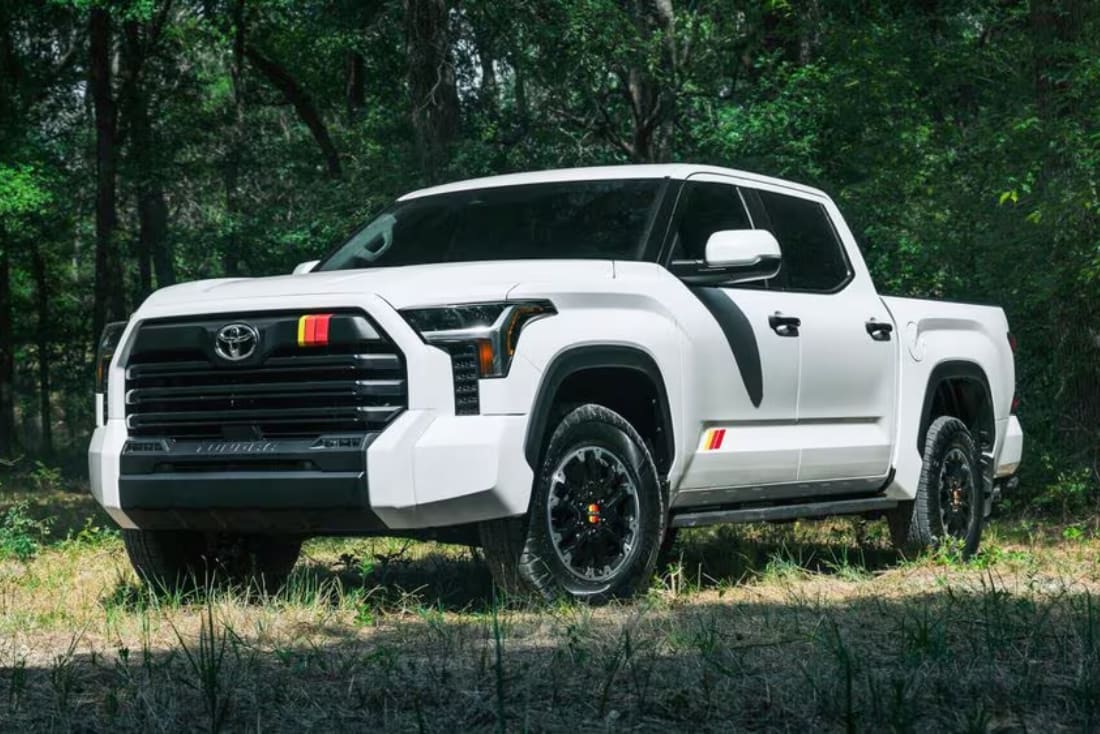
Toyota Tundra Diesel / Land Cruiser Diesel (Various International Models)
Though less common in the United States, Toyota’s diesel trucks, including Tundra and Land Cruiser diesel variants, are known globally for their injector reliability. Toyota’s approach focuses on simplicity and durability, emphasizing proven mechanical designs and precise manufacturing standards.
The injectors in these engines are constructed to resist corrosion, handle high pressures, and provide consistent fuel atomization over long lifespans.
Many owners report that injector failures are rare, even in harsh conditions such as off-road driving, extreme heat, or long-distance hauling. This reliability contributes to Toyota’s global reputation for dependable diesel engines, often outlasting competitors in terms of injector performance and engine longevity.
Maintenance is straightforward, with injectors designed for easy access and serviceability. Replacement parts are widely available, and the engines are less sensitive to poor fuel quality or inconsistent maintenance schedules.
These characteristics make Toyota diesel trucks popular in regions where service options may be limited, as owners can trust the injectors to perform reliably without frequent intervention.
Additionally, Toyota’s emphasis on mechanical simplicity reduces the number of components that could fail or cause injector problems, further enhancing reliability.
Under heavy-duty conditions, Toyota diesel injectors maintain precise fuel delivery, ensuring smooth engine operation and efficient combustion. This performance consistency prevents common issues such as carbon buildup, smoke, or misfires, which are often associated with injector degradation.
Even when operating in extreme environments or under sustained load, the injectors perform as expected, contributing to the truck’s longevity and reliability. Owners frequently report hundreds of thousands of miles of trouble-free operation, a testament to Toyota’s attention to detail in injector design.
The durability of Toyota diesel injectors is reinforced by the company’s commitment to quality and long-term reliability. Using high-quality materials, precise machining, and careful assembly, Toyota ensures that injectors function reliably over the life of the vehicle.
This emphasis on engineering integrity, combined with simple yet effective fuel delivery systems, allows Toyota diesel trucks to stand out as vehicles that require minimal injector maintenance.
For owners seeking a dependable diesel with long-term peace of mind, Toyota models provide an exceptional balance of durability, performance, and reliability.
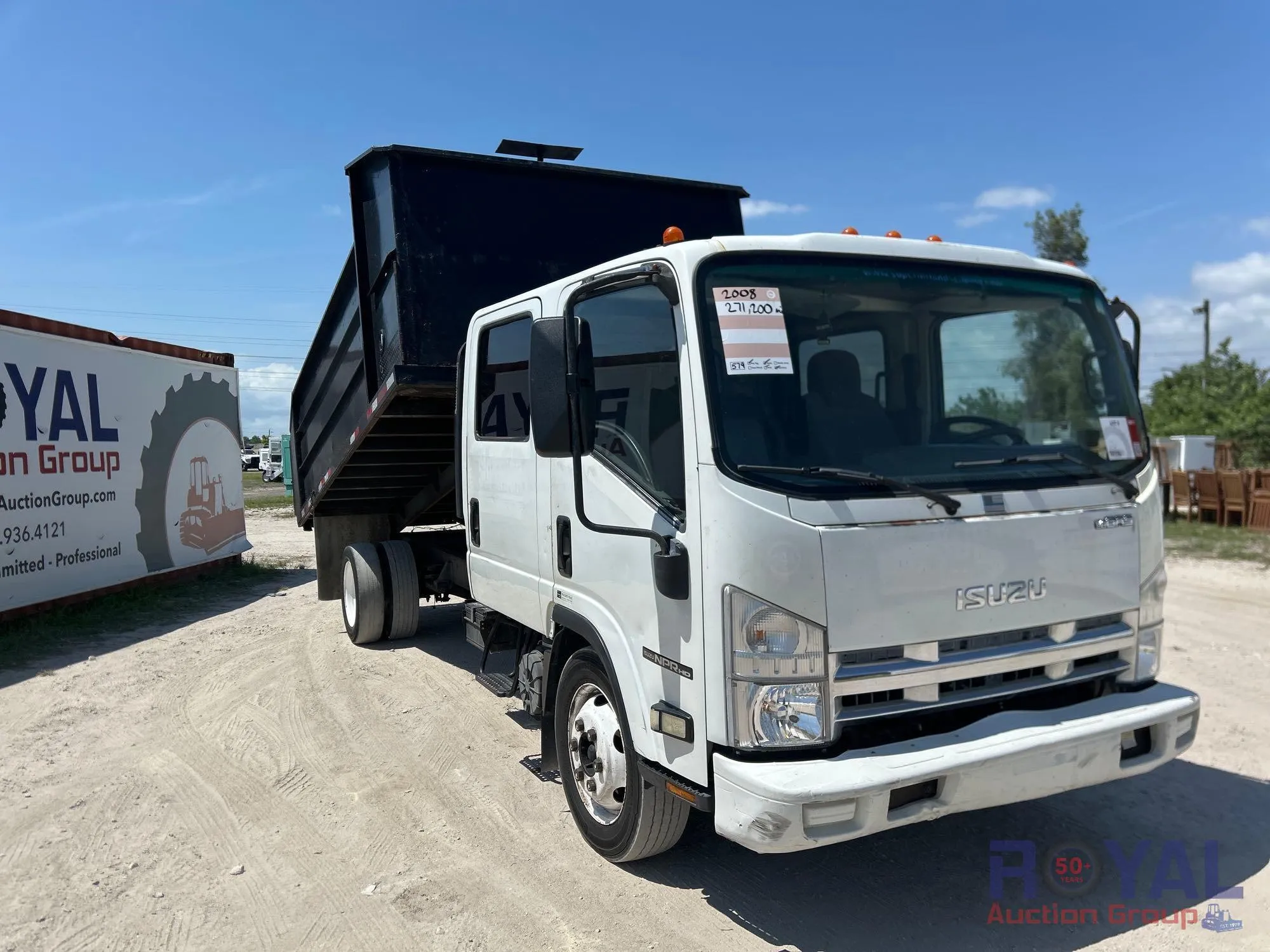
Isuzu NPR/FRR Diesel (Commercial Medium Duty Trucks)
Isuzu’s NPR and FRR series of medium-duty trucks are renowned in the commercial sector for their injector reliability. These trucks often operate in demanding environments, including delivery routes, construction sites, and municipal services.
The injectors in Isuzu diesel engines are engineered to withstand high fuel pressures, prolonged operation, and inconsistent fuel quality.
Their mechanical construction emphasizes durability and longevity, with precision machining and corrosion-resistant coatings that prevent premature wear. Many fleet operators report minimal injector issues even with high annual mileage, making these trucks highly dependable for commercial use.
Ease of maintenance contributes significantly to injector reliability in Isuzu trucks. Injectors are accessible, and parts are readily available in most regions, simplifying routine inspection and replacement when necessary.
The engines are less sensitive to low-quality diesel, meaning clogging or damage is rare even under challenging operating conditions. Fleet operators appreciate this reliability because it reduces downtime, lowers maintenance costs, and ensures consistent vehicle performance.
Under heavy loads and sustained operation, Isuzu injectors maintain consistent fuel delivery, ensuring efficient combustion and smooth engine operation.
These injectors are designed to resist common problems such as carbon buildup, leaking, or timing errors. Many commercial fleets report tens of thousands of miles of operation without injector-related failures, which is critical for businesses that rely on vehicle uptime for revenue.
Finally, Isuzu’s design philosophy prioritizes reliability and low operating costs over extreme performance. By focusing on durable injectors, robust fuel systems, and practical serviceability, Isuzu ensures that these medium-duty trucks can operate continuously with minimal interruptions.
Owners benefit from a combination of proven engineering, high-quality components, and consistent injector performance, solidifying the brand’s reputation for reliability in commercial diesel vehicles.
Five Diesel Trucks with Injector Headaches
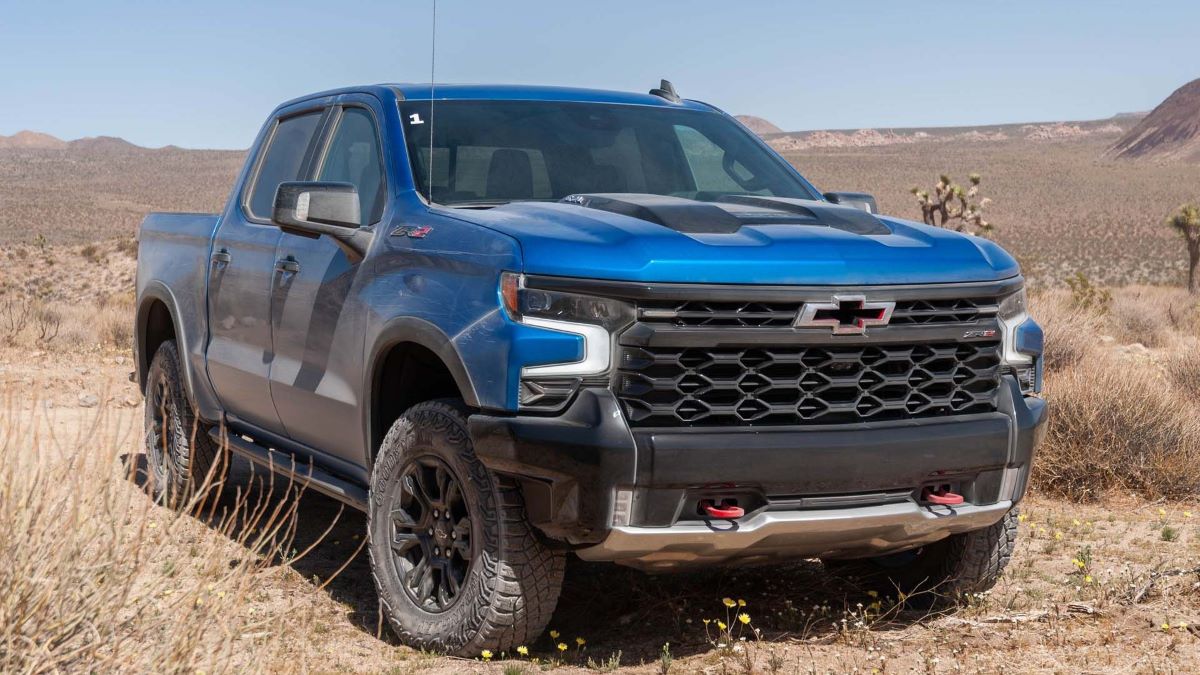
Chevrolet Silverado/GMC Sierra 6.6L Duramax LML (2011-2016)
While the LML Duramax represented GM’s efforts to meet stricter emissions standards, it quickly gained a reputation for injector problems compared with its LBZ and LMM predecessors.
The complexity of the LML’s high-pressure common rail system, combined with tighter tolerances and redesigned injectors, made the system more sensitive to fuel quality.
Owners frequently report injector failures as early as 80,000 to 120,000 miles, often accompanied by misfires, rough idling, and loss of fuel efficiency.
The injectors themselves, while technologically advanced, are prone to clogging from microscopic contaminants and may fail prematurely if filters are not meticulously maintained. Many owners discovered that even minor fuel quality issues could lead to significant injector wear, forcing costly replacements.
The LML injectors also proved sensitive to the use of biodiesel blends. While lower blends may be acceptable in other Duramax engines, in the LML, even moderate biodiesel usage could accelerate injector wear.
The high-precision design and tighter clearances made them less forgiving of fuel irregularities, creating headaches for owners in regions with inconsistent diesel quality.
Additionally, the LML fuel system relies heavily on electronic controls, meaning that injector performance issues are often accompanied by complex diagnostic codes that can be difficult and expensive to resolve.
This complexity results in extended repair times and higher costs compared with earlier Duramax engines, frustrating both fleet operators and private owners.
Under heavy-duty applications, such as towing or hauling, LML injectors are prone to accelerated degradation. The high-pressure system demands precise fuel atomization, and even minor inconsistencies can cause uneven spray patterns, carbon buildup, and internal engine stress.
Owners towing regularly report injector failures coinciding with high-mileage use, often forcing replacements of multiple injectors at once.
Unlike earlier Duramax engines, which could tolerate extreme loads with minimal injector issues, the LML’s injectors often require preemptive maintenance or replacement, which increases operating costs and reduces reliability for commercial use.
Lastly, design choices intended to improve emissions may have inadvertently contributed to injector headaches. The LML injectors are smaller, more electronically complex, and more sensitive to fuel additives than previous models. While emissions performance improved, real-world durability sometimes suffered.
For owners seeking long-term reliability and minimal injector maintenance, this generation of Duramax engines is considered one of the less dependable options.
These injector challenges highlight the tradeoff between emissions compliance and mechanical durability, showing how even minor design changes can have a profound impact on diesel injector longevity.
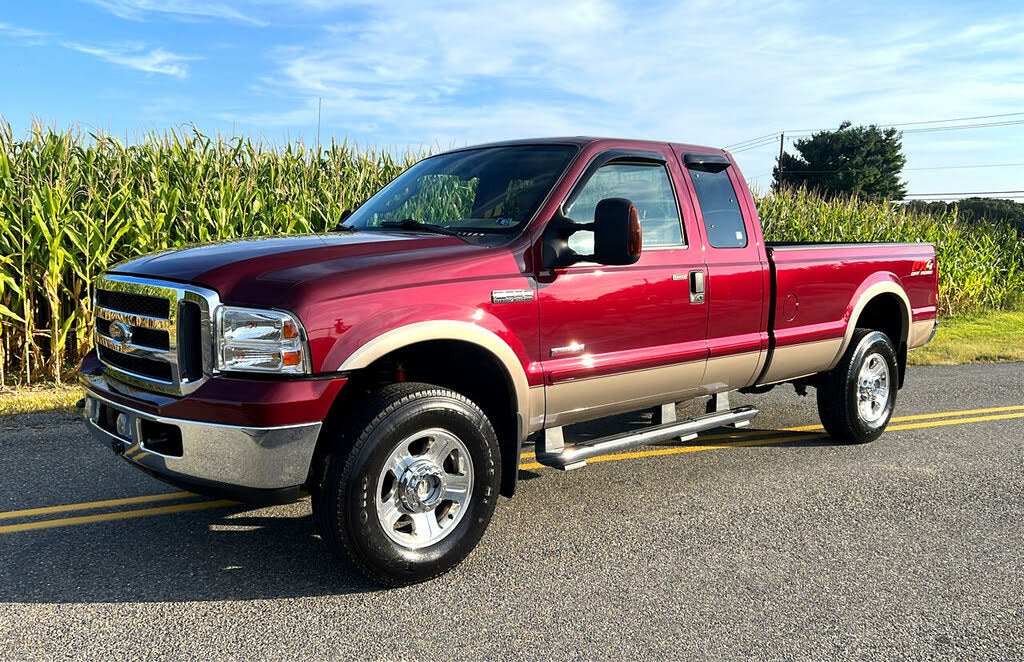
Ford Super Duty 6.0L Power Stroke (2003-2007)
The 6.0L Power Stroke has become infamous among diesel enthusiasts for injector and related fuel system problems. While the engine offered impressive performance for its time, early models suffered from design flaws that caused frequent injector failures.
The injectors in the 6.0L were prone to internal leaks, cracked tips, and wear on the pintle valves, often leading to rough idling, misfires, and excessive smoke.
Many owners found themselves replacing injectors multiple times over the lifespan of the truck, sometimes within 50,000 to 100,000 miles. These problems are compounded by the engine’s sensitivity to fuel quality and the precision required for proper injector calibration.
Maintenance requirements for the 6.0L injectors are demanding, with proper care often involving high-pressure fuel system cleaning, use of premium diesel, and monitoring of the engine’s electronic control module.
Many owners experienced injector failures triggered by seemingly minor issues such as clogged fuel filters, poor-quality diesel, or irregular maintenance schedules.
In addition, repair costs are high due to the labor-intensive process of removing and replacing injectors, which often involves disassembling the fuel system and performing precise recalibration.
This combination of sensitivity and high repair cost has cemented the 6.0L Power Stroke’s reputation as a truck prone to injector headaches.
Heavy-duty use further exacerbates the 6.0L injector problems. Towing or high-load operations increase fuel pressure and temperature, accelerating wear on the already sensitive injectors.
Owners operating in hot climates or under sustained load frequently report early injector failures, sometimes requiring multiple replacements in short periods.
The combination of mechanical complexity, high operating pressures, and tight tolerances means that these injectors are less forgiving than those in newer or more reliable diesel engines.
Without meticulous maintenance, the 6.0L Power Stroke injectors are almost guaranteed to cause problems during the truck’s service life.
Finally, the 6.0L Power Stroke’s injector issues are compounded by related engine design problems, such as EGR cooler failures and head gasket concerns. These issues often stress the fuel system, leading to secondary injector damage or accelerating wear.
The high failure rate of injectors in combination with other engine vulnerabilities contributes to a perception of unreliability. For owners, this translates into increased downtime, high repair bills, and the need for proactive monitoring and maintenance to keep the truck operational.
The 6.0L is a cautionary example of how injector design, materials, and integration with the fuel system can make or break long-term reliability.
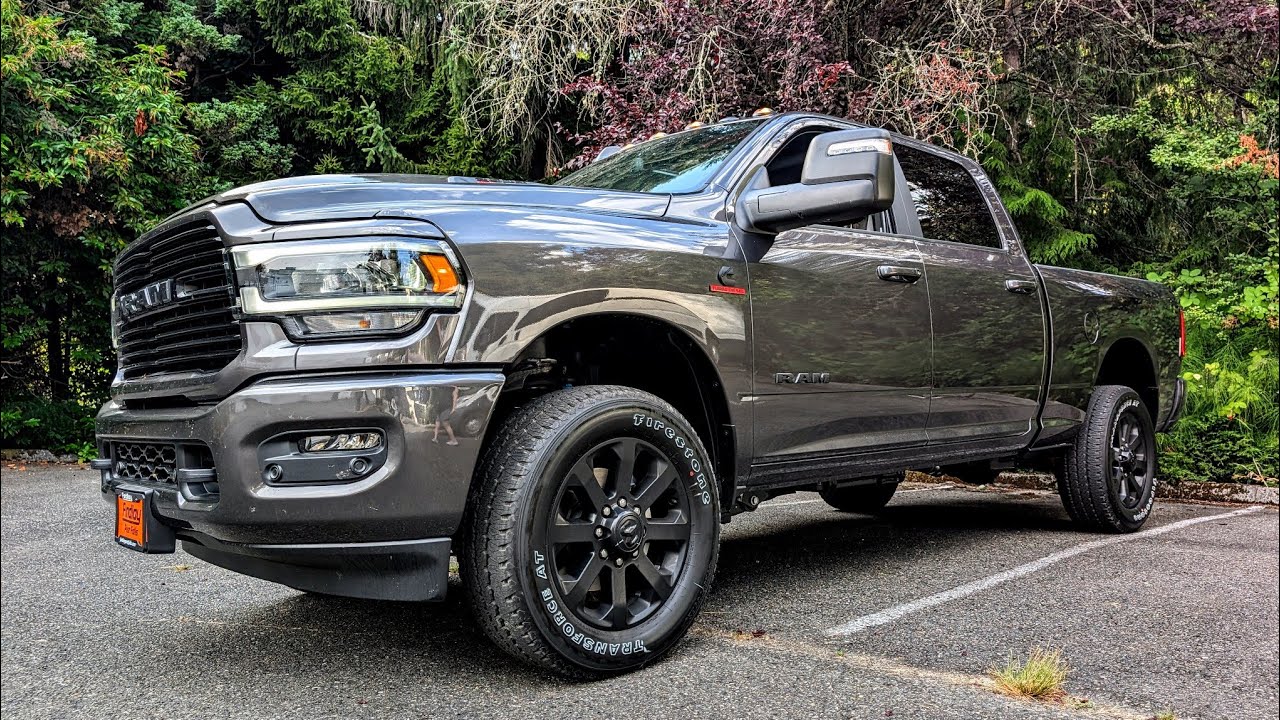
Ram 6.7L Cummins (2013-2018, Early Second Generation)
While the 6.7L Cummins in Ram trucks is generally reliable, early second-generation models experienced injector issues that frustrated owners. Some of these injectors exhibited early failure due to manufacturing inconsistencies and sensitivity to high-pressure fuel system fluctuations.
Owners reported symptoms such as rough running, decreased fuel economy, misfires, and check engine codes pointing to injector performance.
The injectors in these trucks also proved sensitive to diesel quality, with minor contamination leading to accelerated wear. Although later revisions addressed many of these issues, early second-generation trucks have a reputation for injector headaches in their first few years of operation.
Maintenance and repair for these injectors is also more complicated than in earlier Cummins engines. High-pressure common rail systems are less forgiving than older mechanical designs, meaning that any minor fault or wear can result in poor spray patterns and combustion inefficiencies.
Additionally, repairs often require precise calibration and specialized tools, increasing labor costs and downtime. Fleet owners and private operators alike reported frustration with the early second-generation injectors, which could fail unexpectedly and require replacement before reaching expected service intervals.
Heavy-duty usage further exposes these injectors’ vulnerabilities. Trucks used for towing, plowing, or continuous high-load operation were more likely to experience injector degradation sooner than trucks used for light commuting.
Misfires and rough running during towing sessions were common complaints among early users. While the design improvements in later models reduced injector failures, the early reputation for injector problems persists among owners who experienced these issues firsthand.
Lastly, design changes intended to improve emissions and fuel efficiency may have unintentionally contributed to early injector failures. The push for lower emissions and precise fuel atomization increased injector sensitivity, making them less tolerant of minor contaminants or inconsistencies in fuel pressure.
These factors highlight the tradeoff between emissions compliance and injector longevity, illustrating how even small engineering adjustments can significantly impact real-world reliability.
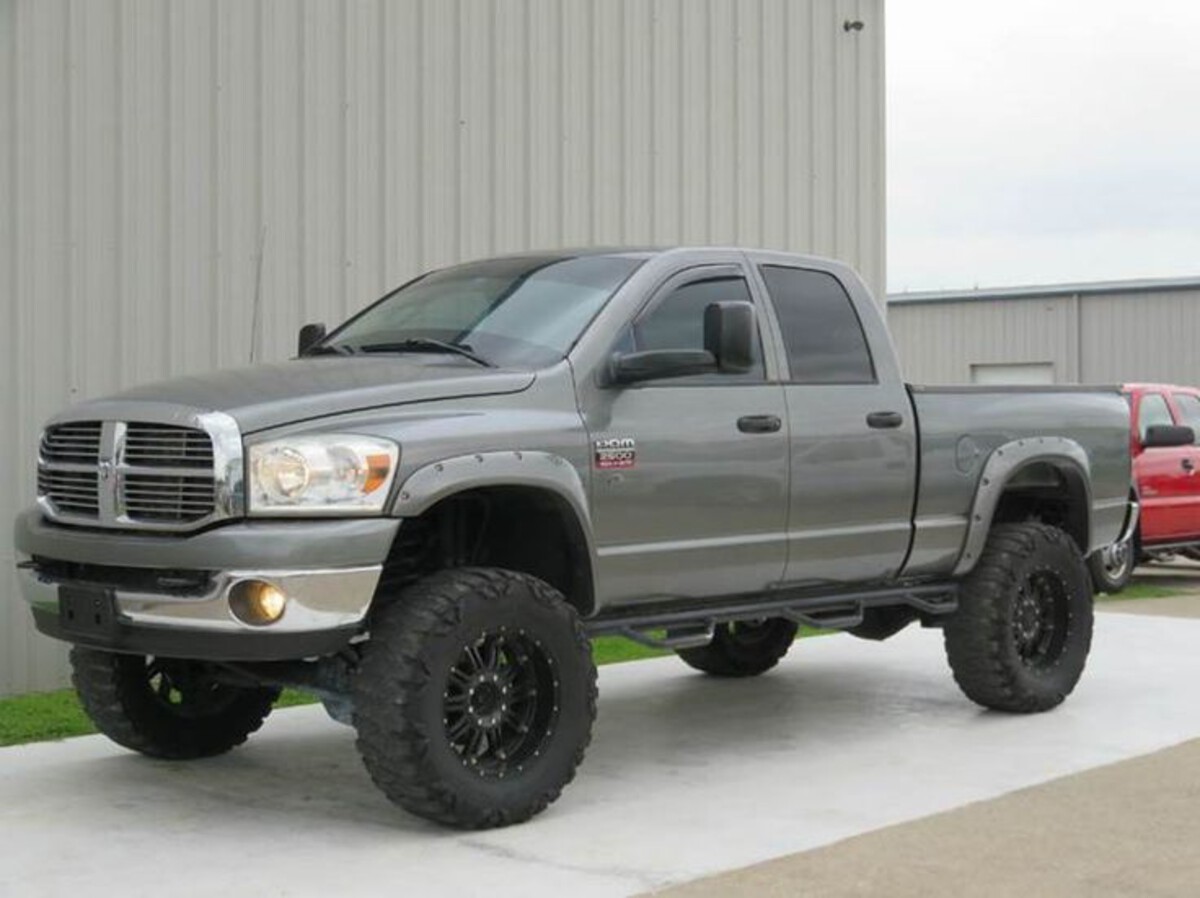
Dodge/Ram 5.9L Cummins (1998-2002, Late First Generation with P7100 Pump)
The 5.9L Cummins with the P7100 mechanical injection pump developed a reputation for injector challenges in late first-generation trucks. While the engine is otherwise robust, injector wear and clogging became issues under high-mileage use.
Many owners experienced problems with uneven fuel delivery, causing misfires, rough idling, and reduced performance. The injectors’ mechanical nature, combined with high operating pressures, made them vulnerable to wear and tear if maintenance schedules were inconsistent.
Though not catastrophic compared with newer high-pressure systems, the injector issues in these trucks were frequent enough to become a common talking point among diesel enthusiasts.
Maintaining these injectors requires careful attention to fuel quality, regular filter changes, and occasional pump calibration. Neglecting these maintenance tasks increases the risk of premature injector wear and uneven fuel distribution.
Owners using poor-quality diesel or failing to replace fuel filters on schedule often discovered injector issues earlier than expected. Additionally, injector replacement can be labor-intensive due to the integration with the P7100 pump, adding to the frustration for owners who encounter these problems.
Heavy-duty usage exacerbates injector wear in these trucks. While the 5.9L Cummins is known for durability, repeated high-load operations such as towing, hauling, or sustained highway speeds stress the mechanical injectors, accelerating wear and potentially creating misfires.
The mechanical pump system is less forgiving of minor inconsistencies in fuel delivery, meaning that injectors can fail prematurely if not meticulously maintained. Owners operating in regions with high temperatures or frequent stop-and-go traffic may encounter these injector challenges more frequently.
Lastly, the injector headaches in late first-generation 5.9L Cummins trucks highlight the limitations of older mechanical designs. While simpler than modern high-pressure systems, these injectors were highly dependent on regular maintenance and proper calibration.
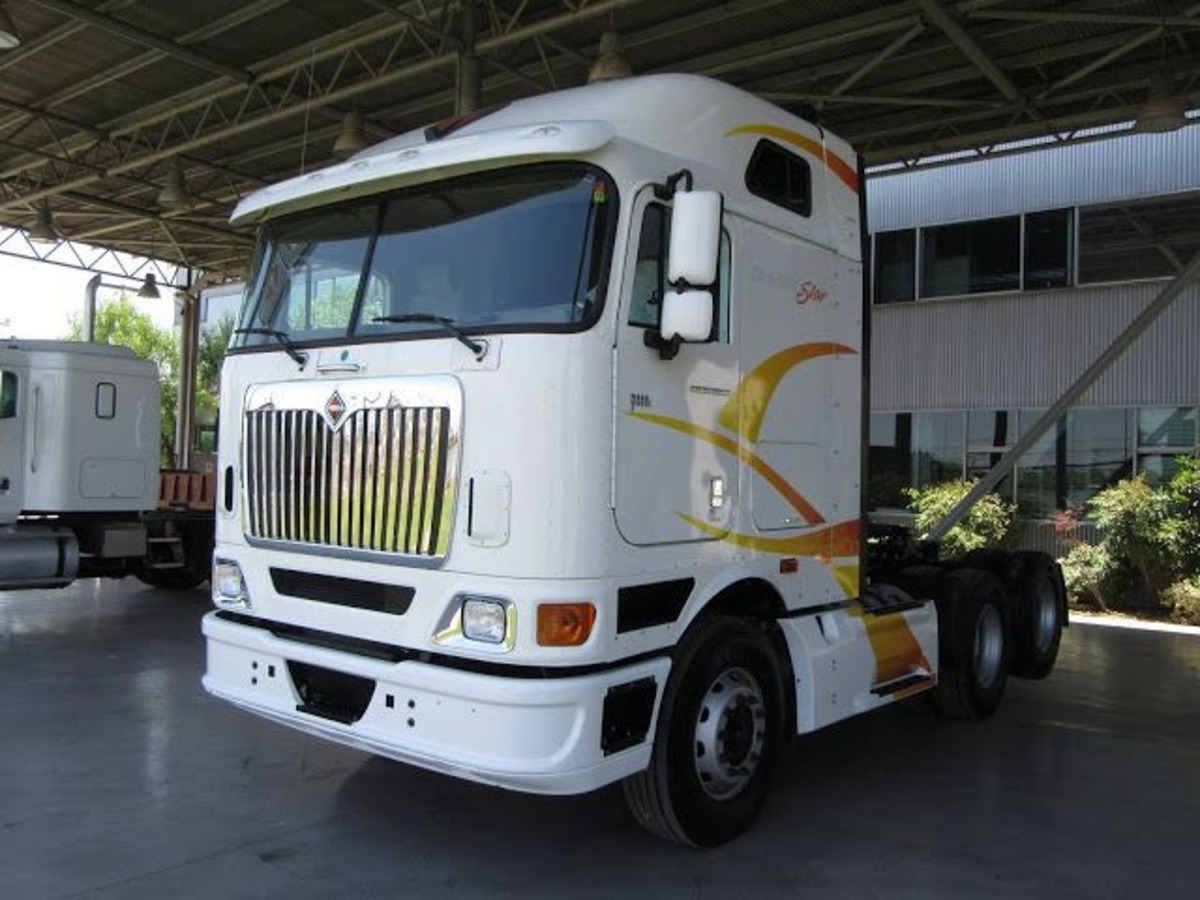
Navistar International DT466 Diesel (Medium-Duty Trucks, Various Years)
The DT466 series, while generally respected for engine longevity, has a documented history of injector issues in certain model years. Injectors in these trucks, particularly older versions with mechanical or early electronic systems, were prone to clogging, leaking, and internal wear.
Problems often manifest as rough idle, misfires, loss of power, and fuel efficiency reduction. Fleet operators frequently encountered injector failures before the engine reached high mileage, making injector maintenance a recurring concern for these trucks.
The complexity of the fuel system and sensitivity to fuel quality increased the likelihood of premature injector wear.
Maintenance and replacement of DT466 injectors can be time-consuming and expensive. Access to injectors often requires partial disassembly of the cylinder head and fuel system components, increasing labor costs.
Additionally, these injectors are sensitive to contaminants and require high-quality diesel and routine filtration to avoid damage.
Even when maintenance procedures are followed, some model years are notorious for early injector failures, forcing fleet operators to preemptively replace injectors to avoid operational disruptions.
High-duty cycles, such as continuous delivery operations or highway hauling, exacerbate injector issues in the DT466. Under prolonged high-load operation, injectors are subjected to extreme pressures and heat, accelerating wear and increasing the risk of internal failure.
Many operators report injector problems occurring within the first 150,000 miles in high-use scenarios, emphasizing the challenges these trucks present in commercial settings.
Finally, the injector issues in the DT466 highlight the tradeoff between engine durability and fuel system complexity. While the engines themselves are robust and capable of long life, the injectors are a known weak point in certain configurations.
