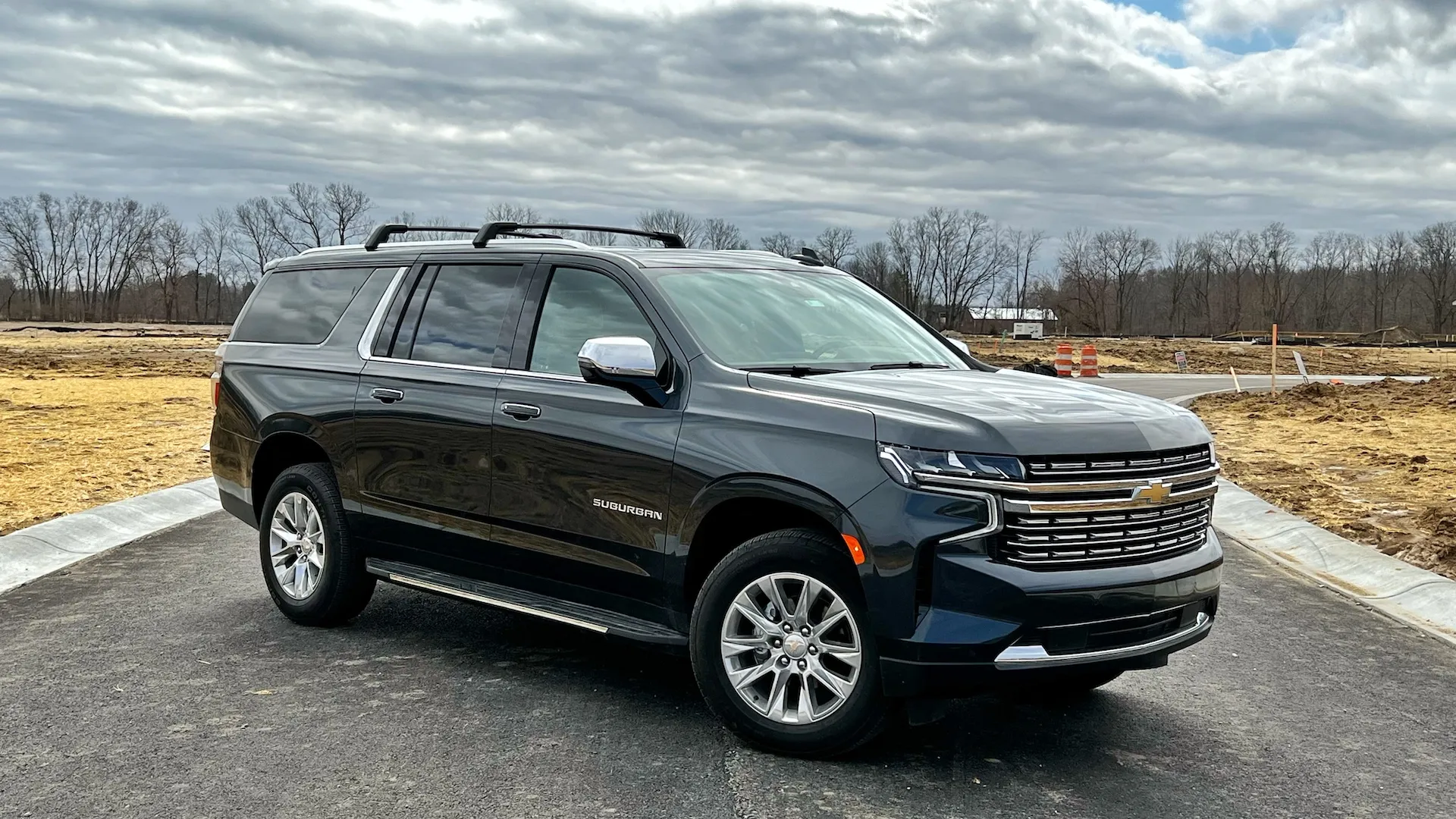
When most people think of off-road SUVs, they picture rugged machines built solely for dirt trails and steep climbs. However, many modern SUVs now combine the strength and durability needed for outdoor adventures with the comfort, technology, and efficiency suited for everyday life.
These vehicles prove that capability and convenience can go hand in hand, offering families and commuters an ideal mix of performance and practicality.
The 12 SUVs featured here redefine what it means to be both adventurous and versatile. From compact crossovers like the Mazda CX-50 and Honda CR-V to full-size icons such as the Chevrolet Suburban and Toyota Sequoia, each model offers a thoughtful balance of toughness, comfort, and reliability.
Whether traveling through city traffic or exploring remote areas, these SUVs deliver the confidence, comfort, and dependability that modern drivers expect in their daily lives.
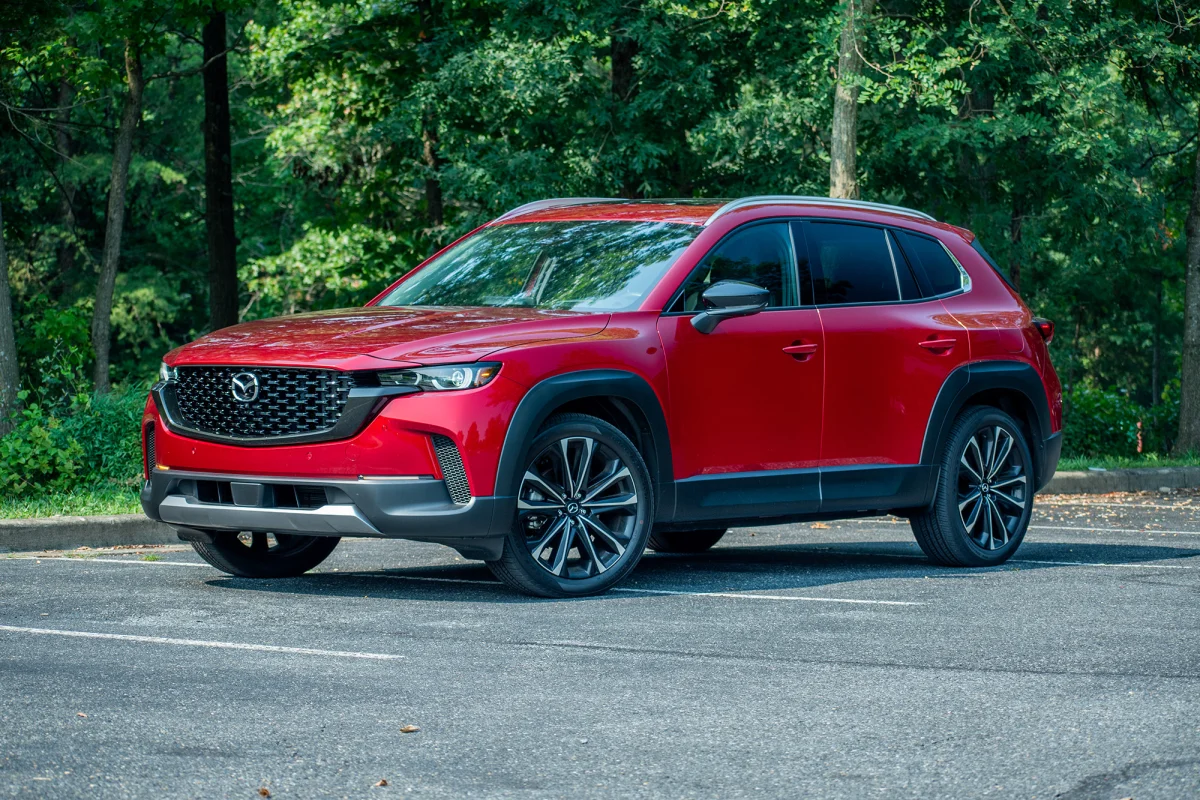
1. Mazda CX-50: A Refined and Sporty Compact SUV
The Mazda CX-50 blends athletic performance, upscale design, and dependable engineering, continuing Mazda’s tradition of crafting vehicles that are both enjoyable to drive and reliable to own.
Powered by a 2.5-liter Skyactiv engine, it delivers sharp steering and composed handling, giving it a more dynamic feel than most compact SUVs. Standard all-wheel drive provides excellent traction in poor weather or on uneven terrain, while its refined cabin elevates the experience with quality materials and thoughtful design touches.
While the CX-50 offers less passenger and cargo space than some rivals, it excels in build quality and driving engagement. RepairPal rates it 4.5 out of 5 for reliability, with an average annual repair cost of $447, making it one of the more affordable SUVs to maintain.
Performance is one of its strongest areas. The available turbocharged engine produces strong acceleration, reaching 60 mph in 7.2 seconds. Steering is precise and communicative, offering a sense of control uncommon in this segment.
The suspension leans toward firmness, contributing to its agile cornering but giving the ride a slightly stiffer feel than softer competitors. Cabin noise is minimal, and the engine quiets nicely once cruising speed is reached.
Inside, the front seats are well-padded and supportive, while the rear seats provide enough room for taller passengers. The layout is practical, with wide door openings and a straightforward climate control system that uses physical buttons rather than touchscreen-only inputs. Mazda’s ergonomic approach ensures all controls are easy to reach.
Technology is another strength. The CX-50 includes wireless Apple CarPlay, Android Auto, and multiple USB ports. The optional Bose premium sound system delivers crisp audio, while built-in navigation is simple and reliable. The only weak point is the inconsistent wireless charging pad.
Cargo space measures 31.4 cubic feet behind the rear seats and 56.3 cubic feet when folded slightly less than competitors but interior storage solutions, such as a deep center console and large door bins, make up for it.
Fuel economy is commendable, with the base engine returning 28 mpg combined and the turbo version averaging 25 mpg. Warranty coverage includes a three-year/36,000-mile basic and five-year/60,000-mile powertrain plan.
Stylish, agile, and well-built, the Mazda CX-50 stands out with its muscular design, premium interior, and spirited driving dynamics. It’s an ideal choice for drivers seeking a compact SUV that delivers sophistication and excitement in equal measure.
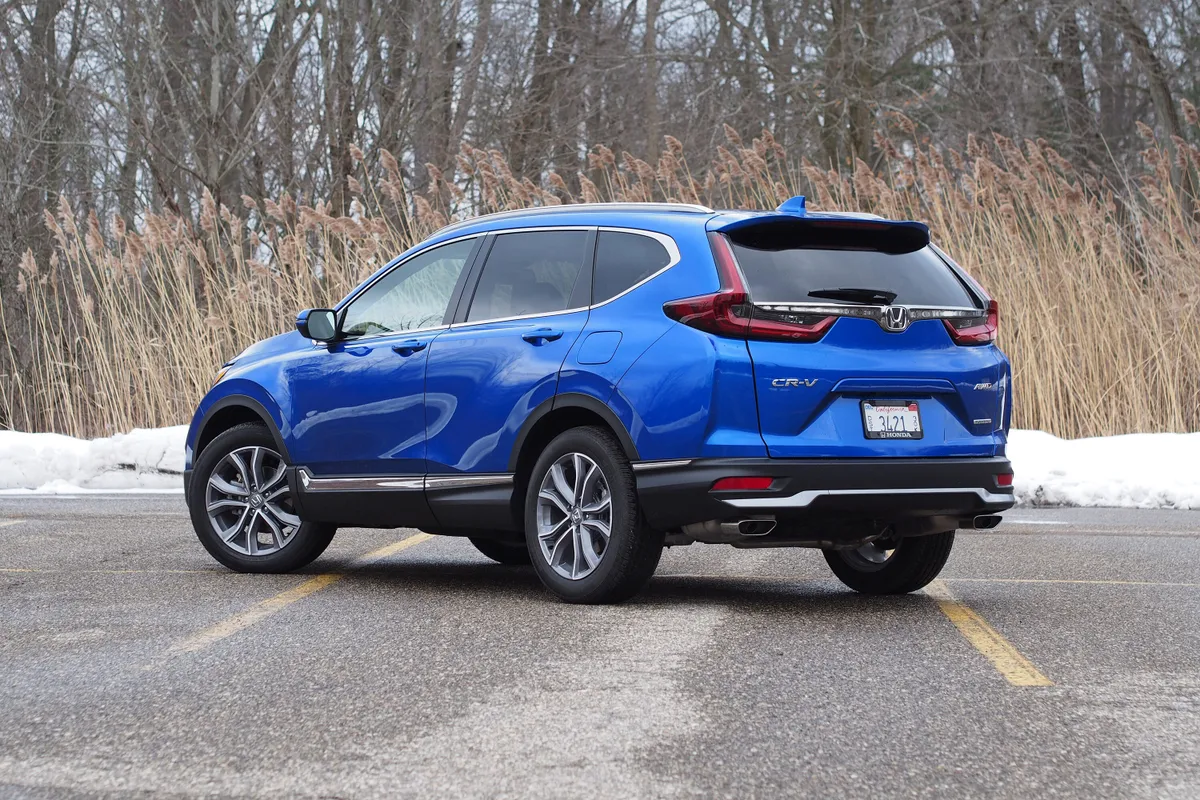
2. Honda CR-V: Dependable, Comfortable, and Efficient
The 2025 Honda CR-V continues to uphold its reputation as one of the most dependable and well-rounded compact SUVs available. Known for its longevity, practicality, and comfort, it remains a top pick for families and commuters seeking reliability with modern refinement.
With a refined hybrid powertrain, strong fuel economy, and spacious interior, the CR-V delivers an ideal balance of efficiency and comfort that few rivals can match.
The CR-V ranks highly in consumer confidence, earning an 83 out of 100 from J.D. Power and a 4.5 out of 5 reliability rating from RepairPal, which places it second among 26 compact SUVs. Average annual maintenance costs hover around $400, underscoring its affordability and long-term value.
On the road, the CR-V feels composed and capable. The hybrid Sport Touring model accelerates from 0 to 60 mph in about eight seconds, which is competitive within its class. Its 1.5-liter turbocharged engine and hybrid system both deliver smooth power with little noise or vibration.
Handling is predictable, with responsive steering and stable braking performance. The suspension provides a refined blend of comfort and control, making it ideal for both city commutes and highway travel. Visibility is aided by large front windows and effective cameras, while Honda’s suite of driver-assist technologies, including adaptive cruise control and lane-keeping assist, enhances safety and convenience.
Inside, the CR-V emphasizes space, simplicity, and comfort. Both front and rear seats offer excellent legroom and headroom, while wide door openings make entry and exit easy.
The front seats are well-padded and supportive, and the rear seats provide some of the best comfort and adjustability in the class. The layout is clean and functional, with physical buttons for climate and audio controls, promoting ease of use without unnecessary distraction.
Technology features include a 9-inch touchscreen, wireless Apple CarPlay and Android Auto, and a wireless charging pad. Multiple USB ports throughout the cabin ensure connectivity for all passengers. While the infotainment display is smaller than some competitors’, it’s intuitive and quick to respond.
Cargo space is another strong suit, offering ample room for luggage or groceries. The hybrid version sacrifices a small amount of storage due to the battery placement and lacks a spare tire, but in-cabin storage options such as large bins and cupholders remain generous.
Fuel efficiency remains one of the CR-V’s best attributes. The gas model averages 30 mpg combined, while the hybrid version reaches up to 40 mpg, dropping slightly to 37 mpg with all-wheel drive. These figures make it one of the most efficient SUVs in its class.
With its mature styling, smooth ride, and strong reliability, the Honda CR-V continues to define what a compact SUV should be: practical, comfortable, and built to last.
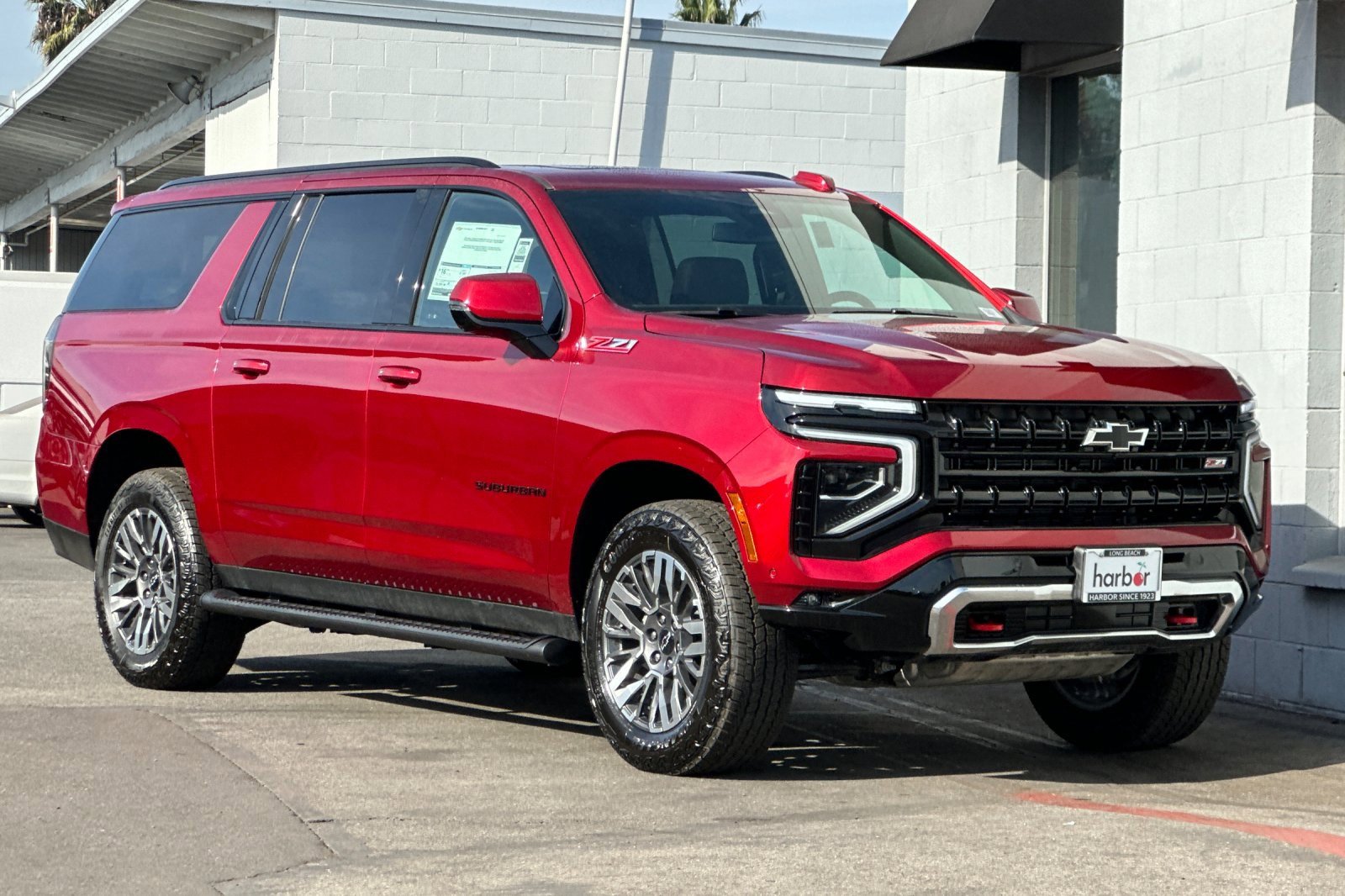
3. Chevrolet Suburban: Power, Space, and Legacy in One SUV
The Chevrolet Suburban holds the distinction of being the longest-running nameplate in automotive history, with nearly 90 years of continuous production. Its enduring appeal lies in its unmatched combination of space, durability, and capability.
Whether towing a trailer, hauling camping gear, or transporting a large family, the Suburban handles it all with ease. The 2025 model continues this legacy as the only SUV that can seat up to nine passengers, making it the ultimate choice for large families or those who value interior flexibility.
Owners often report exceptional longevity, with many Suburbans surpassing 250,000 miles. Maintenance costs average around $821 annually, which is higher than average but justifiable for a full-size SUV of this caliber. Most routine repairs fall within a reasonable $100–$200 range, reflecting its dependable engineering and rugged construction.
The Suburban delivers confident performance powered by an optional 6.2-liter V8 engine paired with a 10-speed automatic transmission. This setup provides ample power for towing and passing, accelerating from zero to sixty miles per hour in 6.7 seconds.
While it remains a large and heavy vehicle, it maintains composure and stability on the road. The steering feels light and relaxed, which is ideal for highway cruising but less engaging on winding roads.
Equipped with Magnetic Ride Control and adaptive air suspension, the Suburban offers a smoother, more refined ride than most vehicles in its class. These systems absorb road imperfections effectively, though the vehicle can occasionally feel “floaty.”
Braking performance is strong and consistent, inspiring confidence despite its size. Advanced driver-assistance features such as adaptive cruise control and lane-keeping assist enhance safety, though the control layout requires some familiarity.
The Suburban prioritizes space and practicality above all else. The leather front seats are wide and soft, with available lumbar support, though some may find them lacking in contour and long-distance comfort. Entry and exit can be challenging due to the SUV’s height, but power running boards simplify the process.
Once inside, the cabin’s massive dimensions stand out. There is abundant headroom and legroom in the first two rows, and even the third row comfortably seats adults, though the seating position is somewhat upright.
Large door openings and ample LATCH points make installing child seats easy. The only drawback is the distance between controls in the front row, which can feel excessive given the SUV’s size.
The 2025 Suburban introduces significant tech upgrades with a larger digital instrument cluster and central display featuring bright graphics and a clean, app-style interface. The system supports wireless Apple CarPlay and Android Auto, along with a wireless charging pad and multiple USB-C ports throughout the cabin.
While intuitive to use, the infotainment system experienced a software glitch during testing that required a full reset, showing that advanced features can come with occasional hiccups.
For a vehicle of its size, the Suburban’s fuel economy is surprisingly reasonable. The 6.2-liter V8 with four-wheel drive achieves an EPA-estimated 16 miles per gallon combined and managed 18.7 miles per gallon in testing under mixed driving conditions.
This strong performance is due to cylinder deactivation technology, which improves efficiency at cruising speeds. However, the use of premium fuel increases operating costs slightly.
The Suburban’s commanding size defines its character. It is undeniably large, yet its confident stance and bold styling project power and capability.
With strong towing capacity, expansive cargo space, and powerful engines, it remains the go-to SUV for families who value utility and endurance. The Suburban may demand space on the road, but it rewards drivers with decades of proven reliability and a legacy built on doing it all.
4. Toyota Sequoia: Rugged Strength with Lasting Reliability
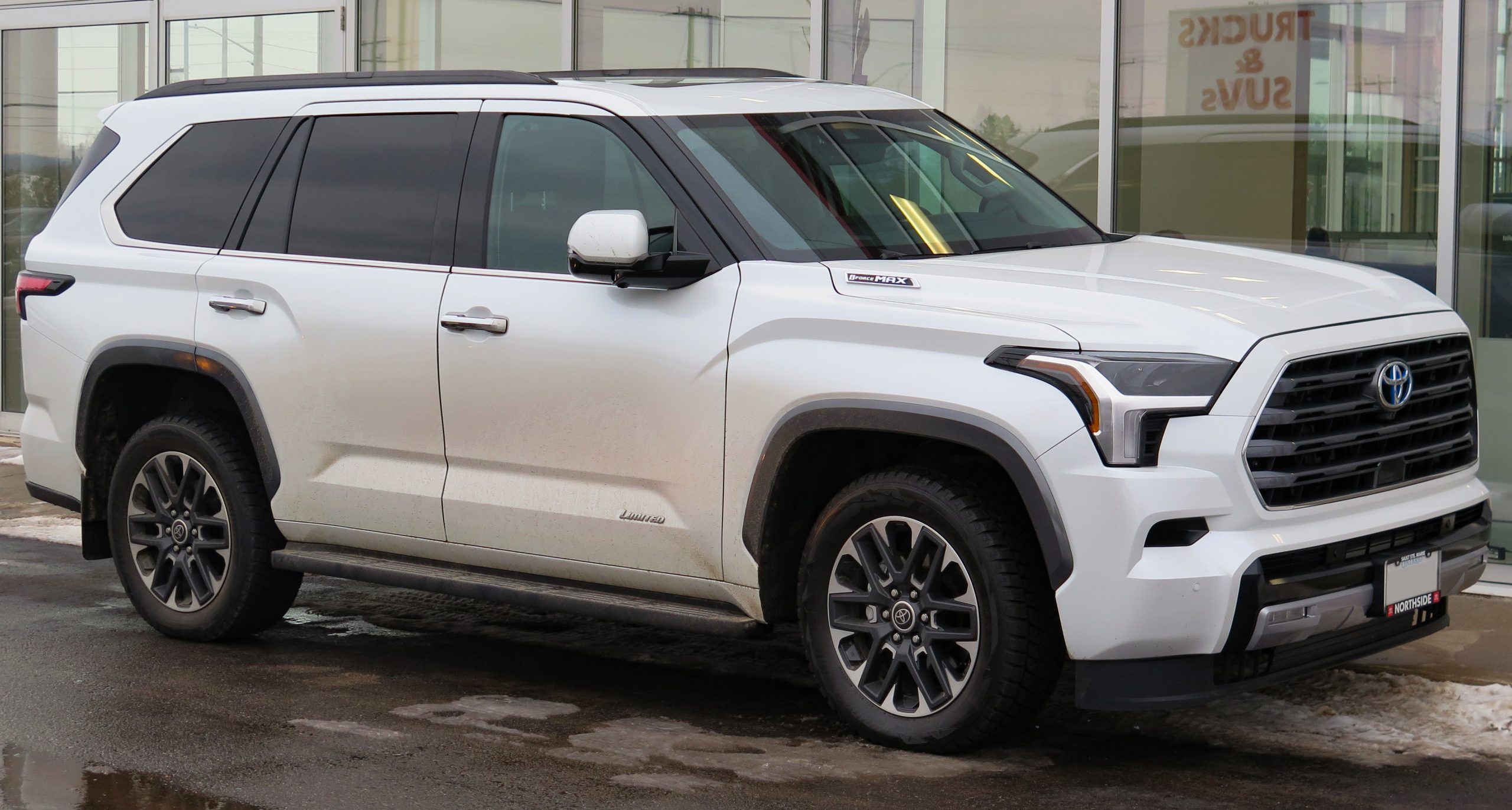
The 2025 Toyota Sequoia continues its legacy as one of the most durable and capable full-size SUVs available. Sharing its platform with the Toyota Tundra, it combines toughness with hybrid power, making it both powerful and efficient.
Its twin-turbocharged V6 hybrid engine produces strong performance while maintaining Toyota’s reputation for reliability. Many owners report Sequoias lasting beyond 300,000 miles with proper maintenance, reinforcing its status as a long-term investment.
The Sequoia’s hybrid powertrain delivers impressive strength for its size. The TRD Pro model accelerates from zero to sixty miles per hour in just six seconds, making it one of the quickest large SUVs in its class. The 10-speed automatic transmission shifts smoothly, and the engine provides strong torque for towing or off-road driving.
Braking feels confident, and stability remains solid even with heavy loads. The rear-axle suspension enhances towing ability and off-road durability, though it results in a firmer ride on city streets. Adaptive cruise control and lane-keeping assist perform smoothly, while the surround-view camera system improves maneuverability in tight spaces.
Inside, the Sequoia balances durability with comfort. The front seats are supportive and offer heating and ventilation functions, while second-row captain’s chairs provide easy access to the third row.
Rear seating sits low, which can reduce comfort on long trips, but large door openings and step rails make entry simple. The cabin layout is functional, using durable materials that reflect its rugged character. The driver’s seat offers extensive adjustments, and visibility is excellent thanks to tall windows and a squared-off design.
Technology is modern and easy to use. A 14-inch touchscreen supports Apple CarPlay, Android Auto, and multiple USB ports, though the system can occasionally experience connectivity issues. The wireless charger and premium sound system add convenience, though the audio lacks richness compared to some luxury competitors. Cabin noise is noticeable at times, especially from the engine and ventilated seat fans.
Cargo space behind the third row measures 22.3 cubic feet. Because the hybrid battery sits under the floor, the seats do not fold completely flat, limiting flexibility. However, with a towing capacity of up to 9,520 pounds, the Sequoia excels as a family hauler for road trips and outdoor adventures.
Fuel economy is rated at 20 miles per gallon combined, which is impressive for a large SUV. Maintenance costs average $642 annually, and Toyota’s comprehensive warranty, including a 10-year/150,000-mile hybrid battery guarantee, enhances peace of mind.
The 2025 Sequoia focuses on strength, dependability, and real-world usability. It may not be the most luxurious in its class, but its rugged build, hybrid efficiency, and proven reliability make it an excellent choice for families seeking a powerful and enduring full-size SUV.
5. Lexus GX: Premium Power Meets Proven Reliability
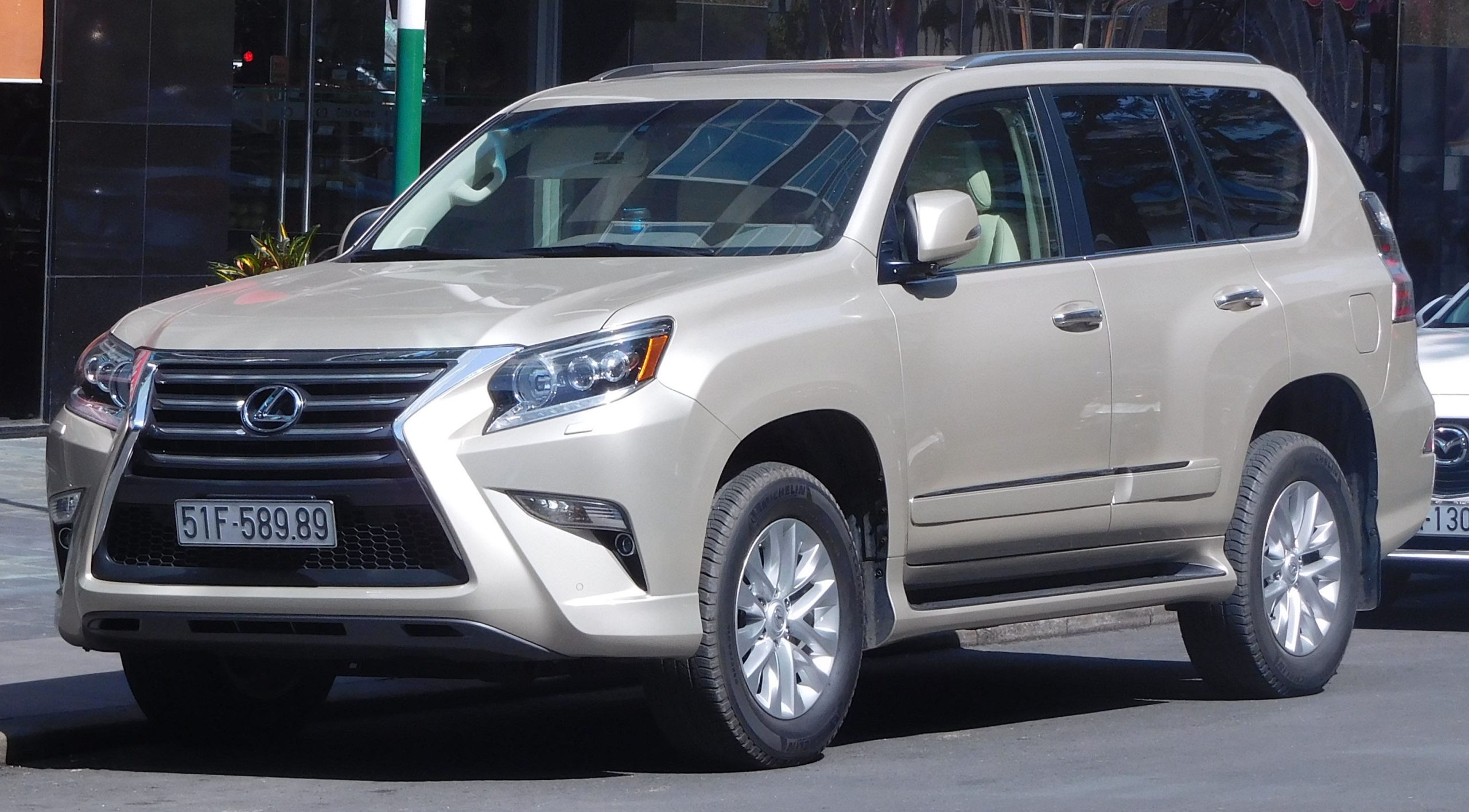
The 2025 Lexus GX combines traditional toughness with refined luxury, offering the durability of a Toyota Land Cruiser in a more sophisticated design. Built on a sturdy body-on-frame platform, it excels both on challenging terrain and smooth highways. Its twin-turbocharged V6 engine delivers strong, consistent power, while the cabin provides the comfort and craftsmanship expected from Lexus.
With a JD Power reliability score of 89 out of 100, the GX ranks among the most dependable luxury SUVs. Annual maintenance averages $550, making it more affordable to own than many rivals. The 2025 model successfully merges Lexus refinement with Toyota’s renowned toughness, appealing to drivers who value both capability and comfort.
The twin-turbo V6 paired with a 10-speed automatic transmission produces brisk acceleration, reaching 60 mph in 6.7 seconds. Power delivery is smooth, and the SUV feels composed in daily driving. Some body roll appears in corners due to its truck-based design, but stability remains strong.
Off-road ability is exceptional, especially in the Overtrail trim, which adds a locking rear differential and terrain controls that optimize traction on dirt, mud, or rock. Ride quality improves further in the Luxury trim, where road-oriented tires and suspension tuning enhance comfort.
Inside, the GX emphasizes quietness and thoughtful design. Wind and road noise are well-muted, and the front and second-row seats provide excellent cushioning for long drives.
The third row is smaller and best for children, though access is easy with wide doors and running boards. The driving position is commanding, offering clear visibility, and all controls are logically arranged with a mix of tactile buttons and touchscreen functions.
Technology features are extensive. The 14-inch touchscreen offers sharp graphics and fast response, though the interface could be more straightforward. Wireless Apple CarPlay and Android Auto come standard, while navigation requires a subscription after a three-year trial. Multiple USB-C ports and a wireless charging pad enhance convenience.
Cargo space varies by model: three-row versions offer 10.3 cubic feet behind the rear seats and 76.9 cubic feet with them folded. Two-row Overtrail trims provide greater utility. With a 9,000-pound towing capacity, the GX easily outperforms several luxury competitors such as the Cadillac Escalade and Infiniti QX80.
The Lexus GX delivers a rare combination of luxury, durability, and capability. Its proven reliability, strong towing power, and comfortable interior make it one of the most versatile and enduring luxury SUVs available today.
6. Toyota 4Runner: A Rugged Classic Reimagined for Modern Adventures
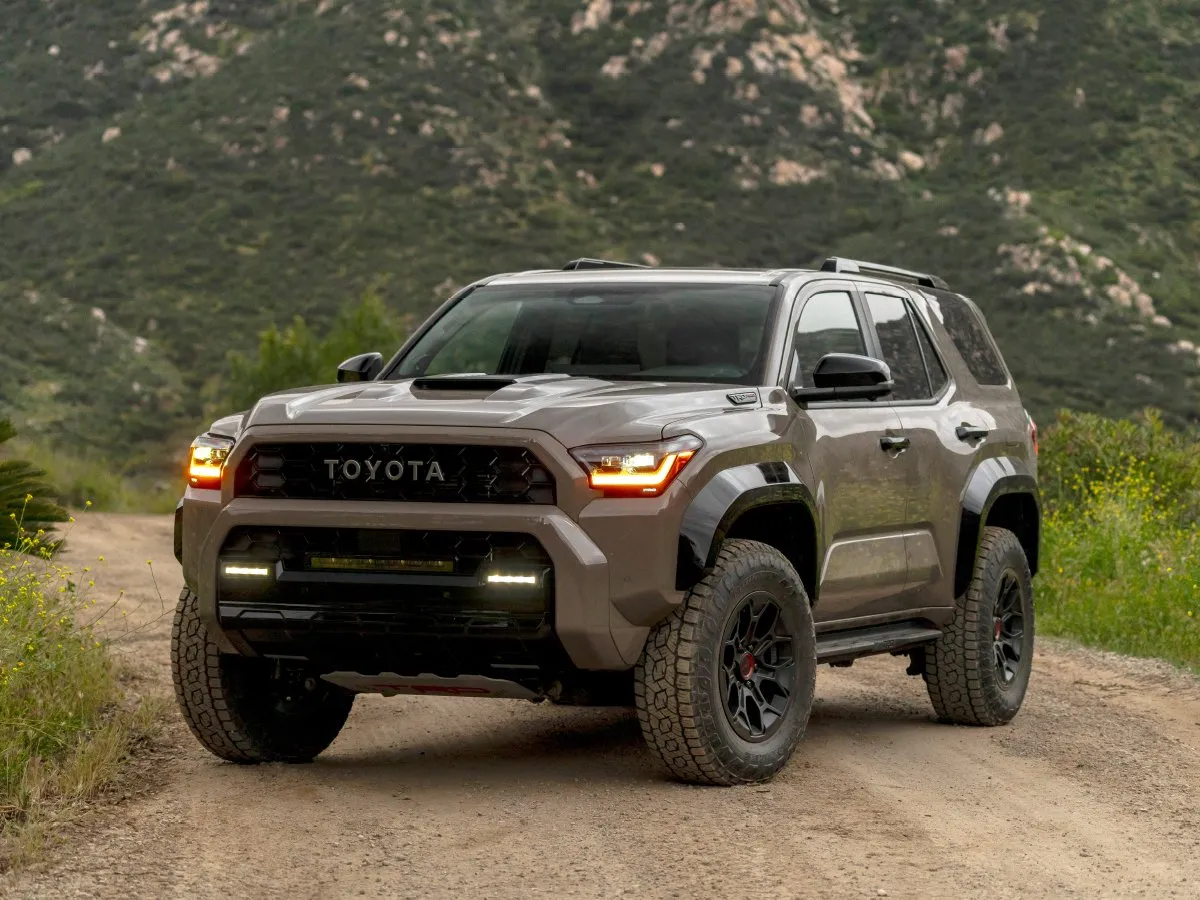
The 2025 Toyota 4Runner continues its tradition as one of the toughest and most dependable SUVs available, blending its signature off-road durability with updated technology and comfort. Built on the same body-on-frame platform as the new Tacoma, the 4Runner retains its rugged appeal while introducing modern engineering and a new hybrid powertrain that enhances both performance and fuel efficiency.
The 4Runner’s lineup includes two engines: a standard gas-powered version and a hybrid option that delivers stronger acceleration and improved economy. The hybrid reaches 60 mph in 7.7 seconds, slightly faster than the 8.2 seconds recorded by the gas model.
While handling remains truck-like, with mild body roll and a slightly restless rear suspension on paved roads, the 4Runner feels stable and capable in all conditions. Steering requires more input than in car-based SUVs but remains light and predictable. Ride comfort surpasses that of rivals like the Ford Bronco and Jeep Wrangler, though it trails softer crossovers such as the Honda Passport.
Toyota Safety Sense is standard across all trims, providing adaptive cruise control, lane keeping assist, and blind-spot monitoring. These systems operate smoothly and contribute to the SUV’s sense of security, both on and off the road.
Inside, the 4Runner combines functionality with thoughtful design. The front seats are supportive and comfortable for long trips, but the rear seats feel tighter, with limited headroom and flat cushions that reduce comfort during extended drives.
Rear door openings are narrow, making child seat installation more difficult. Cabin noise is moderate, and the four-cylinder engine becomes noticeable during heavy acceleration. The climate control system uses large, durable knobs for easy adjustments, and materials throughout the cabin feel built to last.
Depending on trim, the 4Runner offers either an 8-inch or 14-inch touchscreen with wireless Apple CarPlay and Android Auto. Multiple USB ports and an available wireless charging pad add convenience, though the phone holder could be sturdier. Built-in navigation is easy to operate but requires a paid subscription after the trial period.
Cargo space is generous, offering 48.4 cubic feet behind the second row and a towing capacity of 6,000 pounds. With the optional third row in place, storage drops to 12.1 cubic feet, suitable for occasional passengers. Numerous small storage compartments help keep essentials organized.
Fuel economy is respectable for a body-on-frame SUV, with the gas model achieving 22 mpg combined and the hybrid 4WD reaching 23 mpg. Pricing varies widely by trim, with premium TRD Pro and Trailhunter versions exceeding $60,000. Build quality remains excellent, free from squeaks or rattles even during off-road driving.
With its combination of strength, capability, and modern updates, the 2025 Toyota 4Runner stays true to its roots while embracing the future. It remains a dependable companion for adventurers who demand a vehicle that can handle both rugged terrain and everyday life with equal confidence.
7. Kia Telluride: Redefining Family Luxury and Reliability
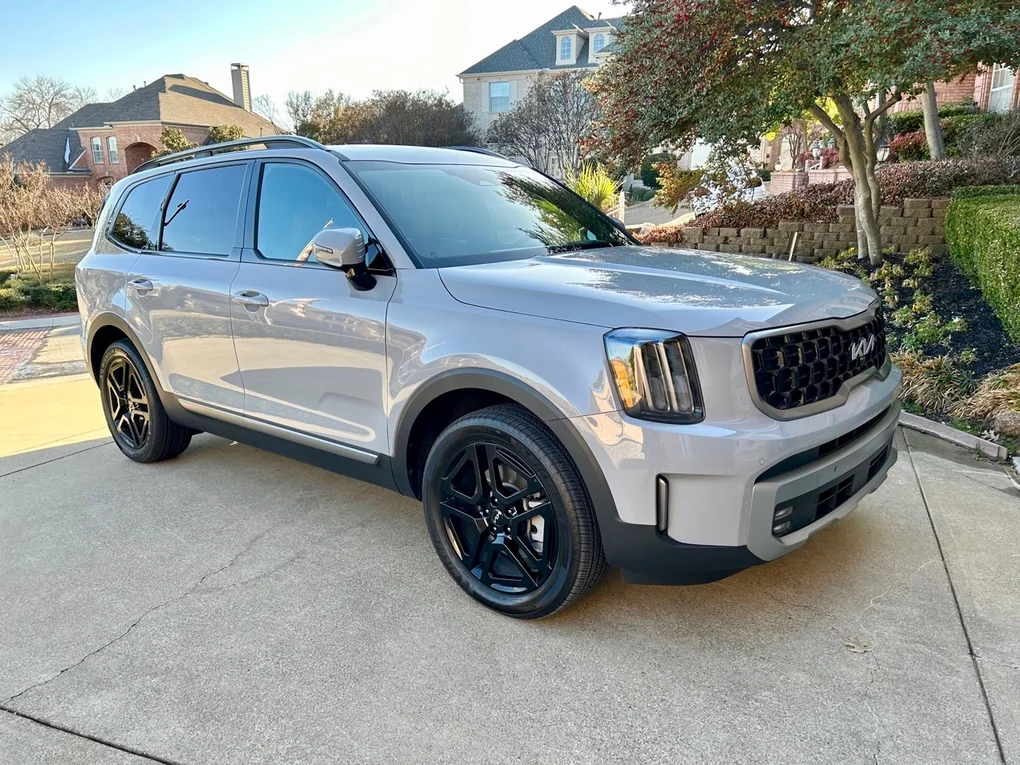
The Kia Telluride has risen to become one of the most respected midsize SUVs in today’s market. Once considered an underdog, it now stands alongside premium competitors while maintaining a far more accessible price. Its mix of comfort, capability, and long-term dependability has made it a favorite among families seeking a refined yet practical vehicle.
The Telluride’s 3.8-liter V6 engine provides smooth and consistent power delivery, giving it the confidence needed for both city driving and highway cruising. Acceleration feels steady, while braking is firm and predictable.
Steering remains light and effortless in tight spaces, gaining reassuring weight when cornering to maintain a stable and planted feel. Though gear shifts may hesitate slightly during quick throttle inputs or uphill climbs, they smooth out quickly.
The suspension tuning is one of the Telluride’s greatest strengths, delivering a calm and comfortable ride over uneven pavement. Visibility is exceptional, supported by surround-view cameras and driver aids such as adaptive cruise control with lane-change assist that make longer drives easier and safer.
Inside, the Telluride’s cabin rivals that of luxury SUVs, featuring impressive craftsmanship and excellent insulation that minimizes wind and road noise. The seats are wide, soft, and supportive, making them ideal for long trips.
The second-row captain’s chairs slide and recline easily, offering easy access to the third row. While the third row is better suited for children or shorter journeys, the configuration provides flexible seating for larger families.
The climate control system distributes air efficiently to all three rows through well-placed vents. Heated and ventilated seats are available for both the front and second rows, providing comfort in all weather conditions. The attention to material quality and layout gives the cabin a refined yet user-friendly feel.
The infotainment system, though not the newest in Kia’s lineup, is intuitive and easy to operate. Standard features include Apple CarPlay and Android Auto, which require a wired connection. Higher trims add multiple USB ports and a wireless charging pad, ensuring every passenger can stay connected.
The Telluride offers impressive versatility with 21 cubic feet of cargo space behind the third row and up to 87 cubic feet with the seats folded flat. An underfloor storage compartment adds convenience for smaller items, and its 5,500-pound towing capacity makes it suitable for trailers or small boats. Fuel economy averages 20 mpg combined for all-wheel-drive models, with real-world results reaching around 23 mpg.
Kia’s five-year/60,000-mile basic warranty and ten-year/100,000-mile powertrain coverage further enhance its value. Combining reliability, premium comfort, and strong performance, the Kia Telluride proves that family luxury can be achieved without a luxury price tag.
8. Honda HR-V: Dependable Simplicity for Everyday Driving
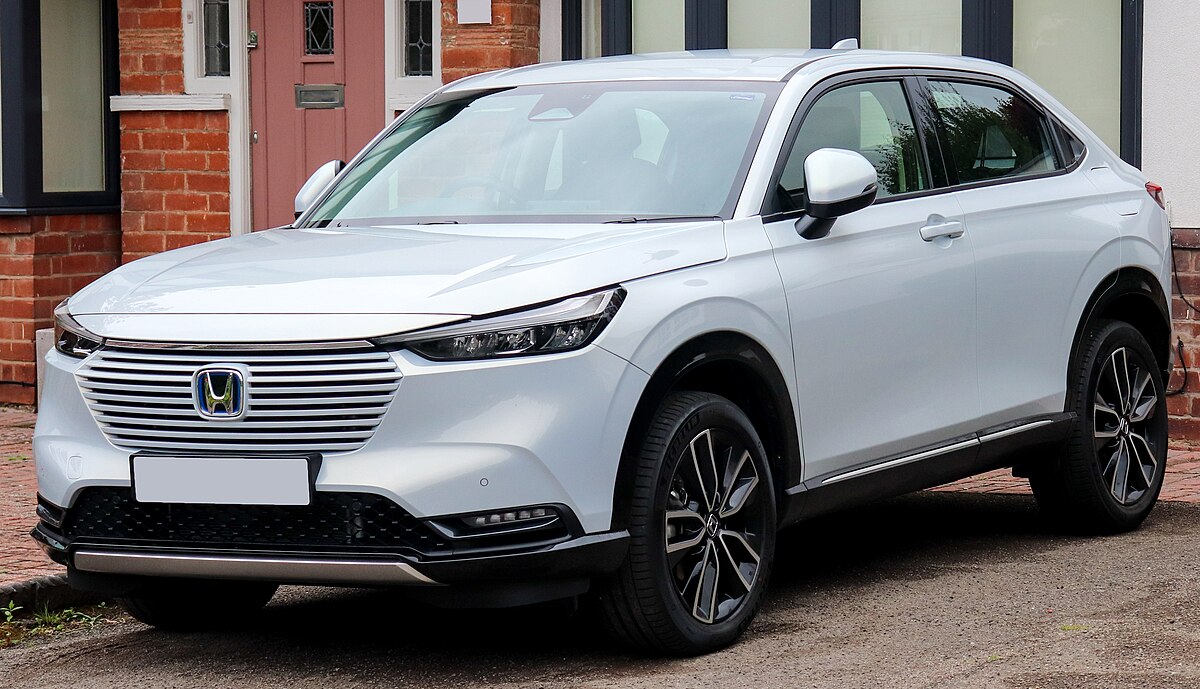
The Honda HR-V continues to be one of the most trusted and practical subcompact SUVs on the market. While it may not feature flashy styling or advanced luxury systems, it stands out for what most drivers value most reliability, efficiency, and affordability.
Essentially a smaller sibling to the popular CR-V, the HR-V provides a smooth, user-friendly driving experience and long-term dependability that reflects Honda’s reputation for quality engineering.
Equipped with a 2.0-liter four-cylinder engine, the HR-V delivers adequate power for city commutes and everyday travel. Its acceleration is modest, taking a little over 10 seconds to reach 60 mph, but its responsive braking and well-balanced handling make it easy to drive.
The steering can feel artificial at first but becomes more natural with time, while the suspension absorbs bumps and rough surfaces effectively. This creates a comfortable and composed ride, even on uneven pavement. Visibility is another strength, supported by large mirrors and a clear rear camera system. The multi-angle backup camera provides helpful views for parking and maneuvering in tight spaces.
Honda includes its full suite of safety features as standard across all trims, such as adaptive cruise control, lane keeping assist, and blind-spot monitoring. Although these systems can occasionally feel overly sensitive, they enhance safety and driver confidence on both city streets and highways.
Inside, the HR-V surprises with its spaciousness and clever layout. Both front and rear passengers enjoy ample legroom, and the wide-opening doors make entry and exit convenient. The front seats are firm and lack lumbar support, while the rear seats are softer and more comfortable for longer trips.
The cabin remains quiet, thanks to good insulation that minimizes wind and road noise. Climate control is efficient but can cool the cabin too quickly, and the absence of rear air vents slightly limits comfort for backseat passengers.
Practicality is a defining trait of the HR-V’s interior. Storage areas are well designed, including a rubberized cubby, a deep center bin, and smaller compartments for everyday items. Cargo capacity stands at 24.4 cubic feet behind the rear seats and expands when the flat-folding seatbacks are lowered. While the HR-V lacks towing ability, its cargo versatility makes up for it.
The infotainment system is clear and easy to use, offering wireless Apple CarPlay, Android Auto, a wireless charging pad, and three USB ports. Navigation is accessible through smartphone integration. Cabin materials feel refined and durable, giving the HR-V a premium touch for its segment.
Fuel economy remains a highlight, with the all-wheel-drive model achieving 27 mpg combined and real-world results around 31 mpg. Honda supports the HR-V with a three-year/36,000-mile basic warranty and a five-year/60,000-mile powertrain warranty.
The Honda HR-V may not be the fastest or most high-tech SUV in its class, but it excels at delivering what matters most: dependable performance, efficient operation, and practical comfort. For drivers seeking a simple, reliable, and well-built compact SUV, the HR-V stands as one of the smartest choices available today.
9. Toyota RAV4: A Reliable and Well-Rounded Compact SUV
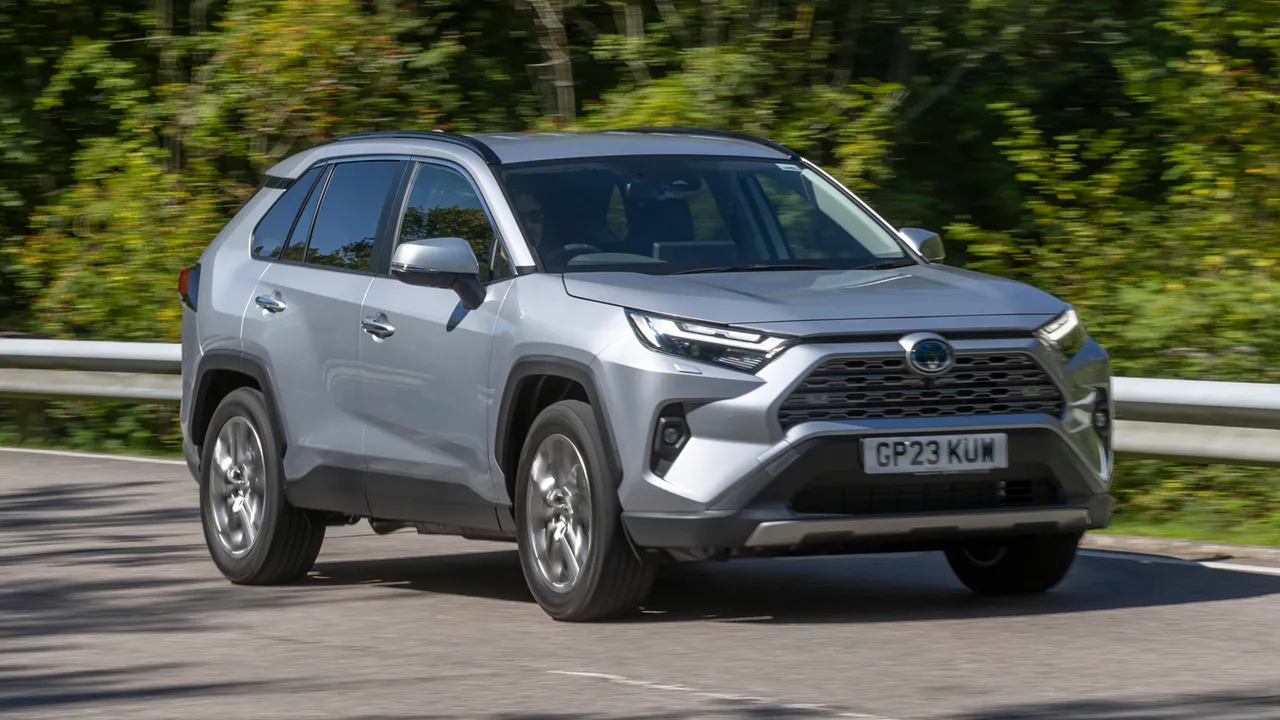
The Toyota RAV4 has earned its reputation as one of the most dependable and versatile compact SUVs on the market. As one of America’s top-selling vehicles, it has become synonymous with reliability, practicality, and long-term value.
Many owners report their RAV4s lasting well beyond 250,000 miles with routine maintenance, reinforcing its status as a durable and trustworthy companion for both city driving and long-distance travel.
The 2025 RAV4 continues Toyota’s tradition of combining practicality with everyday usability. It does not aim to deliver an exciting driving experience but focuses on comfort, efficiency, and composure.
The 2.5-liter four-cylinder engine provides sufficient power for daily use, though its 0 to 60 mph time of 9.1 seconds places it behind some quicker competitors. The steering is light and easy to manage, though it lacks some precision when centered. The ride quality remains smooth and stable across different road conditions, giving drivers a sense of control and predictability rather than sportiness.
For those who enjoy outdoor adventures, the Limited trim includes rear-axle torque vectoring and hill descent control, which help maintain stability on uneven terrain. With respectable ground clearance, the RAV4 performs well on light off-road routes.
Standard safety features such as adaptive cruise control, lane keeping assist, and automatic emergency braking function reliably and contribute to the secure driving experience Toyota is known for.
Inside, the RAV4’s cabin emphasizes comfort and practical design. The seating position feels natural, visibility is excellent, and the control layout is straightforward. Rear-seat access is convenient thanks to wide-opening doors and easily reachable LATCH anchors, making it family-friendly.
The high-set front passenger seat cannot be lowered on most trims, which may reduce comfort for some passengers. Cabin materials feel sturdy and refined, especially in XLE Premium and Limited trims that feature soft-touch surfaces, synthetic leather upholstery, and detailed stitching.
The infotainment system is simple to use and quick to respond. Standard versions include an 8-inch touchscreen, while higher trims feature a 10.5-inch display. Wireless Apple CarPlay, Android Auto, and available wireless charging provide modern connectivity.
Cargo capacity is among the best in its class, offering 37.5 cubic feet behind the rear seats and up to 69.8 cubic feet when folded, with a low cargo floor and several storage compartments throughout the cabin.
Toyota combines practicality with refinement through durable materials and thoughtful design features. A two-year or 25,000-mile free maintenance plan adds to the vehicle’s value, along with dependable warranty coverage. Fuel economy ranges from 28 to 30 miles per gallon combined, making it efficient in both city and highway conditions.
The 2025 Toyota RAV4 may not satisfy those seeking high performance, but it remains one of the most balanced choices in the compact SUV segment. Its dependable design, comfortable interior, strong fuel economy, and long-term value make it a trusted and satisfying vehicle for a wide range of drivers.
10. Toyota Land Cruiser: The Return of a Legend
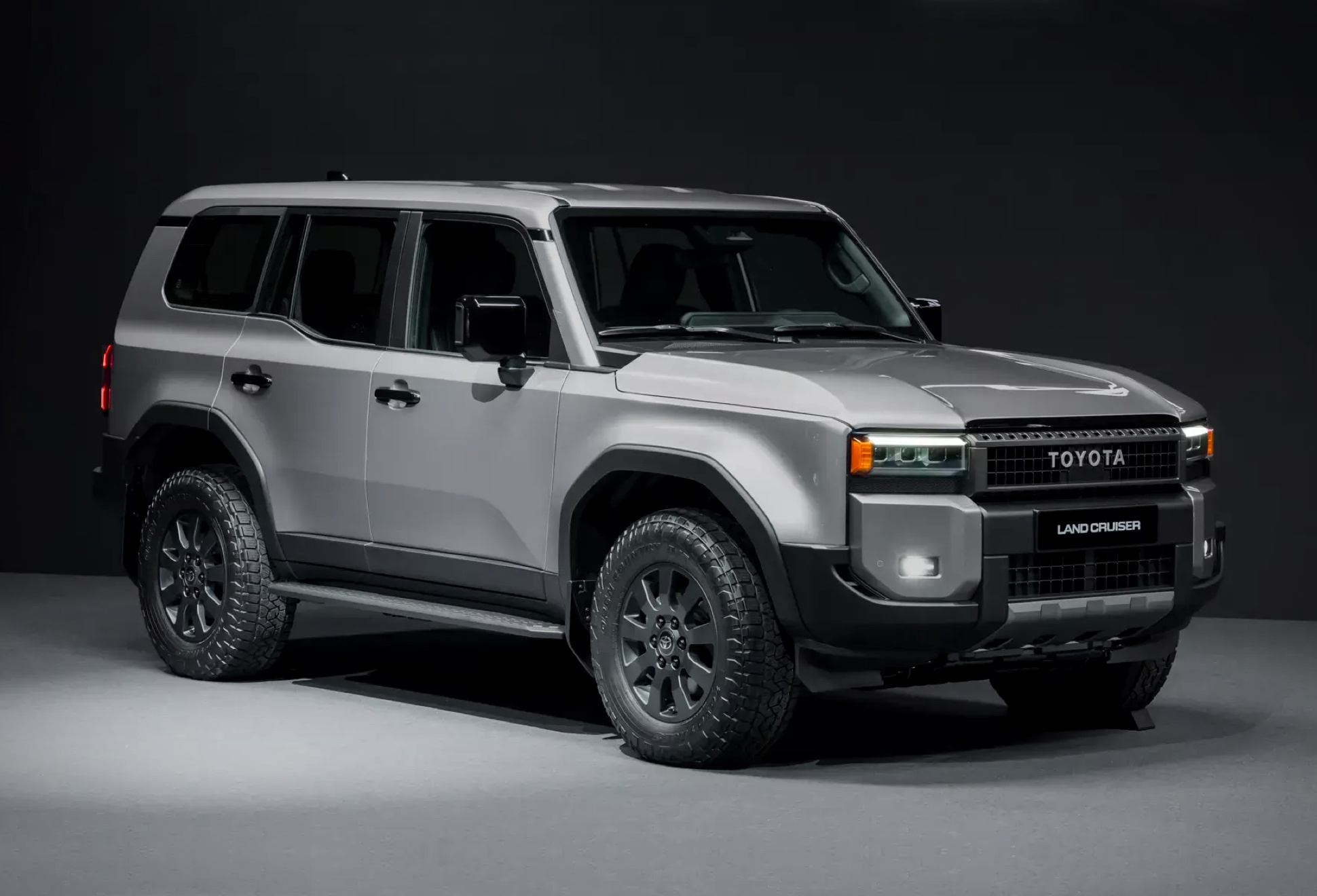
The 2025 Toyota Land Cruiser marks the triumphant return of one of the most iconic and dependable SUVs in automotive history. After a short break, it reappears with a modern redesign that preserves the rugged spirit of its predecessors.
Its squared profile, bold stance, and round headlights pay tribute to its heritage while introducing contemporary styling and updated engineering. The Land Cruiser once again stands as a symbol of strength, endurance, and off-road mastery.
Built on Toyota’s strong platform, the Land Cruiser remains known for its capability and longevity. It can tow up to 6,000 pounds and navigate rough terrain with ease. Many owners report their vehicles lasting 200,000 to 300,000 miles with consistent maintenance. RepairPal estimates annual maintenance costs at about $850, reinforcing its reputation as a durable long-term investment.
The new hybrid powertrain delivers smooth, steady acceleration and improved efficiency. The SUV reaches 60 mph in 8.2 seconds, which is not the quickest in its class but more than adequate for daily driving.
Steering feels heavy yet stable, providing confidence on both pavement and trails. Braking can cause some front-end dip, but the ride remains controlled and more comfortable than competitors such as the Ford Bronco or Jeep Wrangler.
Toyota equips every Land Cruiser with a full suite of safety features. Adaptive cruise control, lane keeping assist, and Proactive Driving Assist all work effectively to support the driver. The latter feature automatically adjusts speed on curves and in traffic. While it can feel overly cautious, it adds an extra layer of security for long-distance travel or off-road adventures.
Inside, the Land Cruiser combines toughness with refinement. The front and second-row seats provide excellent support and good thigh adjustment, while sound insulation keeps wind and tire noise low. Rear legroom is somewhat limited, and the low seat cushions may reduce comfort for taller passengers. Controls are clearly labeled and placed within easy reach, highlighting the focus on practicality.
The infotainment system uses a responsive touchscreen that supports wireless Apple CarPlay and Android Auto. Several USB ports and a household-style outlet make it convenient for families and travelers. Cargo space measures 37.5 cubic feet, though the hybrid battery raises the floor slightly and prevents a flat load area when the seats are folded.
The Land Cruiser delivers an estimated 23 miles per gallon combined, an impressive figure for such a rugged SUV. It does require premium fuel, which slightly increases running costs. Although its price is higher than some rivals, the solid build quality, dependable performance, and Toyota’s craftsmanship make it a worthy investment.
The 2025 Toyota Land Cruiser blends modern technology with its traditional toughness. It feels composed on the road, capable on the trail, and confident in any environment. For drivers who value reliability, capability, and heritage, the Land Cruiser remains a true legend reborn.
11. Nissan Murano: A Stylish Update to a Reliable Favorite
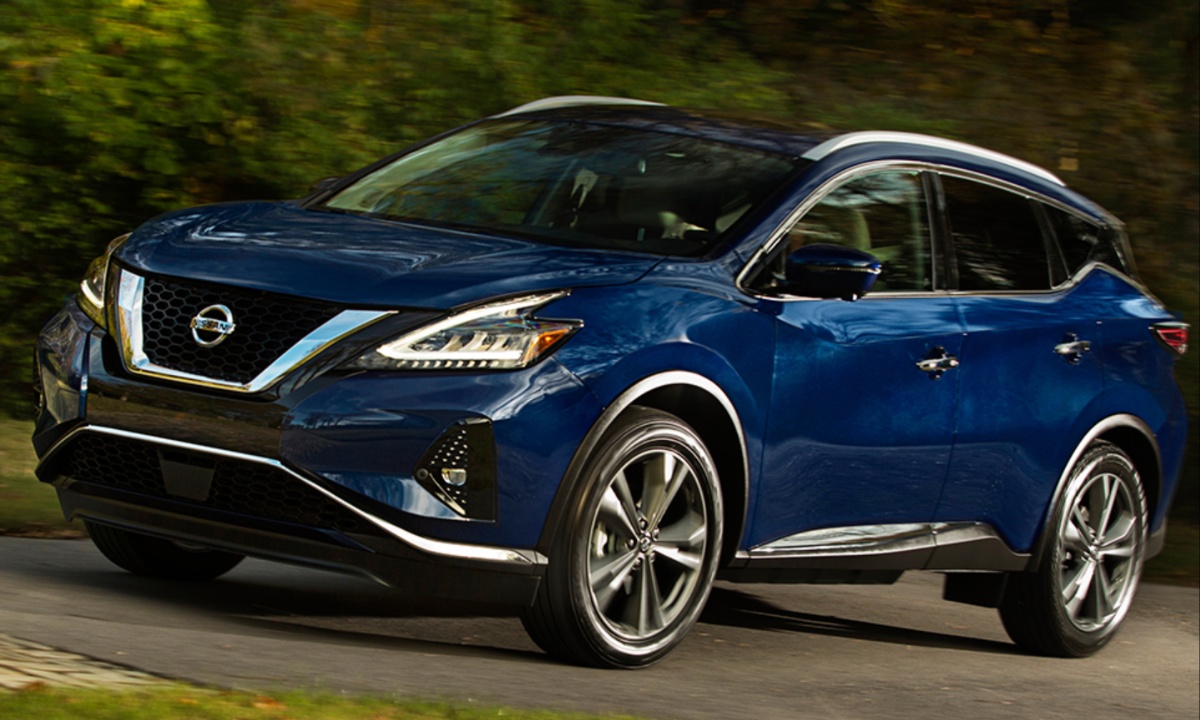
The 2024 Nissan Murano marks a long-awaited refresh after nearly a decade of staying mostly unchanged. With sharper styling, improved interior features, and a more refined cabin, the new Murano steps confidently into the modern SUV era. While some details are still emerging, early impressions show that Nissan has kept the focus on what the Murano does best: delivering a smooth, comfortable, and dependable ride.
The Murano has earned an impressive 91 out of 100 reliability score, reflecting its strong track record. The long-serving 3.5-liter V6 has given way to a new turbocharged four-cylinder paired with a nine-speed automatic transmission.
This setup provides noticeably quicker acceleration than before, reaching 0–60 mph in 7.4 seconds. It is slightly slower than a Hyundai Santa Fe but faster than a Honda Passport. Though not designed for spirited driving, the Murano remains composed and comfortable, soaking up rough roads with ease.
Visibility is decent, and standard safety aids such as blind-spot monitoring, adaptive cruise control, and a surround-view camera system add confidence, though they can struggle in tight areas.
Inside, comfort continues to be one of the Murano’s greatest strengths. The front seats are exceptionally supportive and plush, featuring heating, ventilation, and even a massaging function in higher trims. Cabin noise is well controlled, contributing to a serene driving experience.
Rear passengers enjoy decent space and padding, though not quite at the same level as the front. The design looks upscale, but the reliance on touch-sensitive controls instead of physical buttons makes adjustments less convenient.
The Murano’s dual 12.3-inch displays give the cabin a tech-forward look, though the infotainment software feels dated. Standard features include wireless Apple CarPlay, Android Auto, and a wireless charging pad.
Cargo capacity measures 32.9 cubic feet behind the rear seats and 63.5 cubic feet with them folded. This is adequate but smaller than competitors like the Honda Passport or Mazda CX-70. Interior storage is practical, with deep door pockets, cupholders, and small bins for personal items.
The Murano delivers 23 mpg combined, matching real-world tests, and offers a solid blend of comfort, style, and dependability. It may not lead the pack in performance or space, but its refined ride, premium interior, and strong reliability make it a smart and appealing midsize SUV choice.
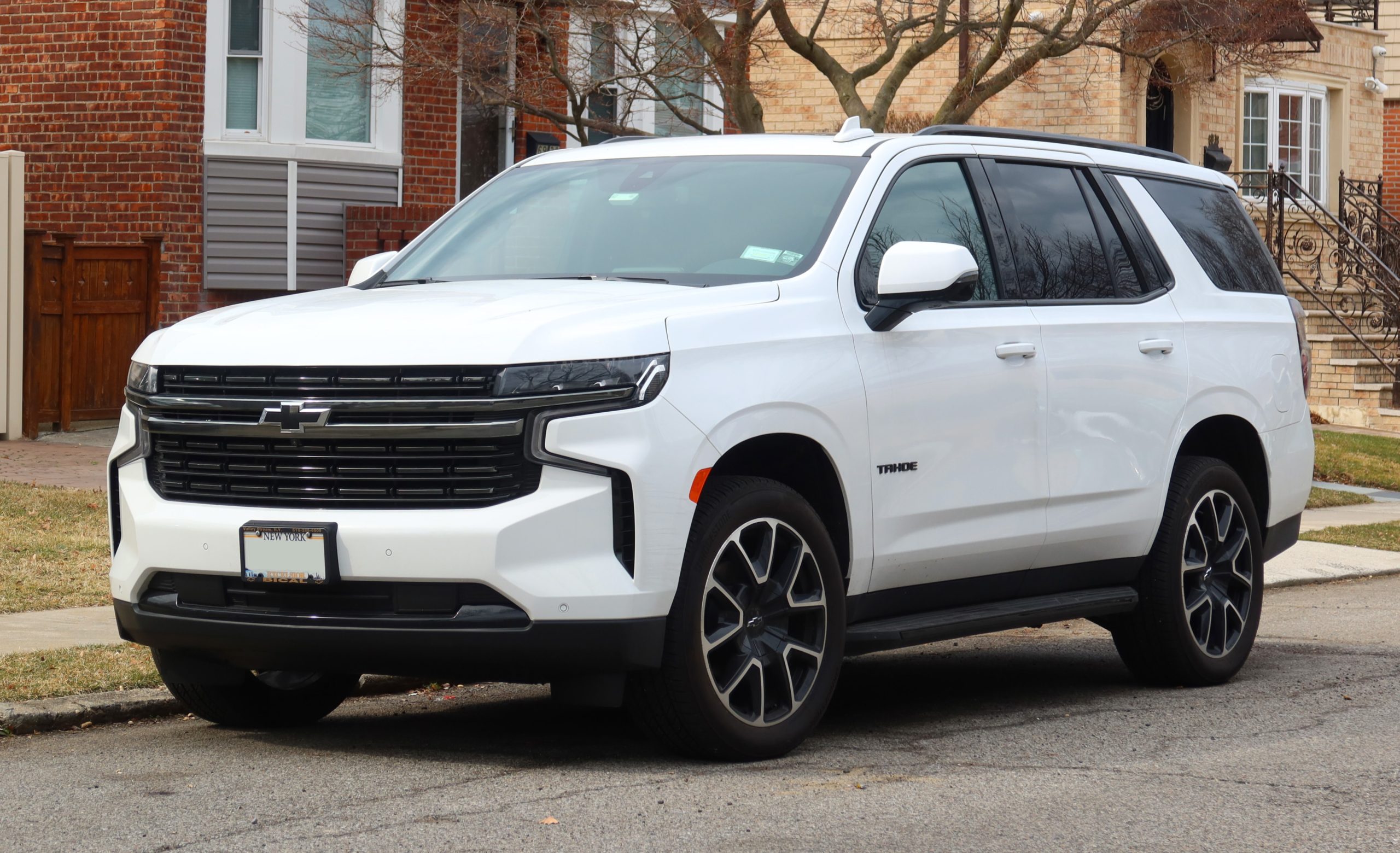
12. Chevrolet Tahoe: Power, Space, and Enduring Capability
The 2025 Chevrolet Tahoe continues to define what a full-size SUV should be. Built on a rugged, truck-based platform, it combines durability, strength, and family-friendly comfort. Its bold, boxy styling is both commanding and refined, while the spacious interior can seat up to nine passengers, making it a top choice for large families.
JD Power gives it a reliability score of 83 out of 100, ranking it the best large SUV of 2024, and many owners report their Tahoes lasting well past 300,000 miles. Maintenance needs are minimal, mostly limited to regular oil changes and minor replacements. Additionally, it retains about 67% of its value after five years, highlighting its strong resale performance.
The Tahoe offers three powertrain options: a 5.3-liter V8, a 6.2-liter V8, and a 3.0-liter turbodiesel. In testing, the 5.3-liter reached 0–60 mph in 7.7 seconds, while the diesel did it in 7.5 seconds, and the 6.2-liter cut that to about 6.5 seconds. The 10-speed automatic transmission shifts smoothly, and the diesel’s torque makes it ideal for towing and long-distance driving.
Despite its size, the Tahoe handles city streets well, thanks to light steering and a tight turning radius. Ride comfort is another highlight; the adaptive suspension system absorbs rough roads with ease. Visibility is excellent, aided by large windows and multiple camera views, though advanced features like Super Cruise require optional upgrades.
The Tahoe’s cabin is roomy and quiet, though the front and second-row seats could use softer cushioning for long trips. The third row is surprisingly comfortable, offering better support than most rivals. Step rails and wide doors make entry easy, and the multi-zone climate system effectively cools and heats all rows, though the rear fans can be noisy.
A large digital instrument cluster and touchscreen infotainment system with wireless Apple CarPlay and Android Auto create a modern setup. The interface is simple, but occasional system resets were required during testing.
Interior storage is practical, with large door pockets and decent cargo space. The Tahoe provides 25.5 cubic feet behind the third row and a massive 122.7 cubic feet with all seats folded, one of the largest in the class.
Starting around $60,000, the Tahoe isn’t cheap, but its durability, strong performance, and premium features justify the cost. It tows up to 8,400 pounds with the 5.3-liter V8 and averages 17 mpg combined; the diesel version pushes close to 21 mpg, making it the most efficient option.
With its mix of power, technology, and space, the 2025 Chevrolet Tahoe remains one of the most capable and dependable full-size SUVs available today.
Off-road SUVs have come a long way from their purely rugged origins. Today’s models combine impressive power and durability with refined comfort and advanced features, making them equally at home on paved streets and country roads. Vehicles such as the Toyota Land Cruiser, Lexus GX, and Kia Telluride show that off-road capability can coexist with smooth rides, premium interiors, and long-term reliability.
Improvements in hybrid technology, suspension systems, and cabin design have created SUVs that serve both explorers and everyday drivers with ease. They provide strong towing ability, efficient fuel use, and safety systems that inspire confidence in all conditions.
These 12 SUVs demonstrate that adventure-ready vehicles can also be practical, family-friendly choices. In today’s market, the best off-road SUVs are built to handle both the weekday commute and the weekend escape with equal skill.
Also Read: 10 Cars With DIY-Friendly Repairs and 10 That Need Special Tools