Some engines are built so well that they seem to run forever. Even after hundreds of thousands of miles, they keep starting every morning without complaint.
These engines prove that good engineering and regular maintenance can outlast time itself. Many of them belong to cars that have become legends for reliability, power, and endurance. Let’s look at 16 engines known for their unbeatable durability.
Also read:10 Engines That Laugh at High Mileage
1) Toyota 2UZ-FE (V8)
The Toyota 2UZ-FE is one of the most respected engines ever built by Toyota. Known for its strength, reliability, and long life, this 4.7-liter V8 has powered some of Toyota’s most legendary vehicles, including the Land Cruiser, Sequoia, and Tundra.
Introduced in the late 1990s, the 2UZ-FE was part of Toyota’s UZ engine family. It was designed to handle tough conditions, whether off-roading through deserts or towing heavy loads. Its all-purpose nature made it a favorite among drivers who needed both power and dependability.
Unlike many modern engines that use aluminum blocks, the 2UZ-FE features a strong cast-iron block with aluminum cylinder heads. This combination gives it extra durability while keeping weight manageable. The engine can handle high heat, pressure, and rough terrains with ease.
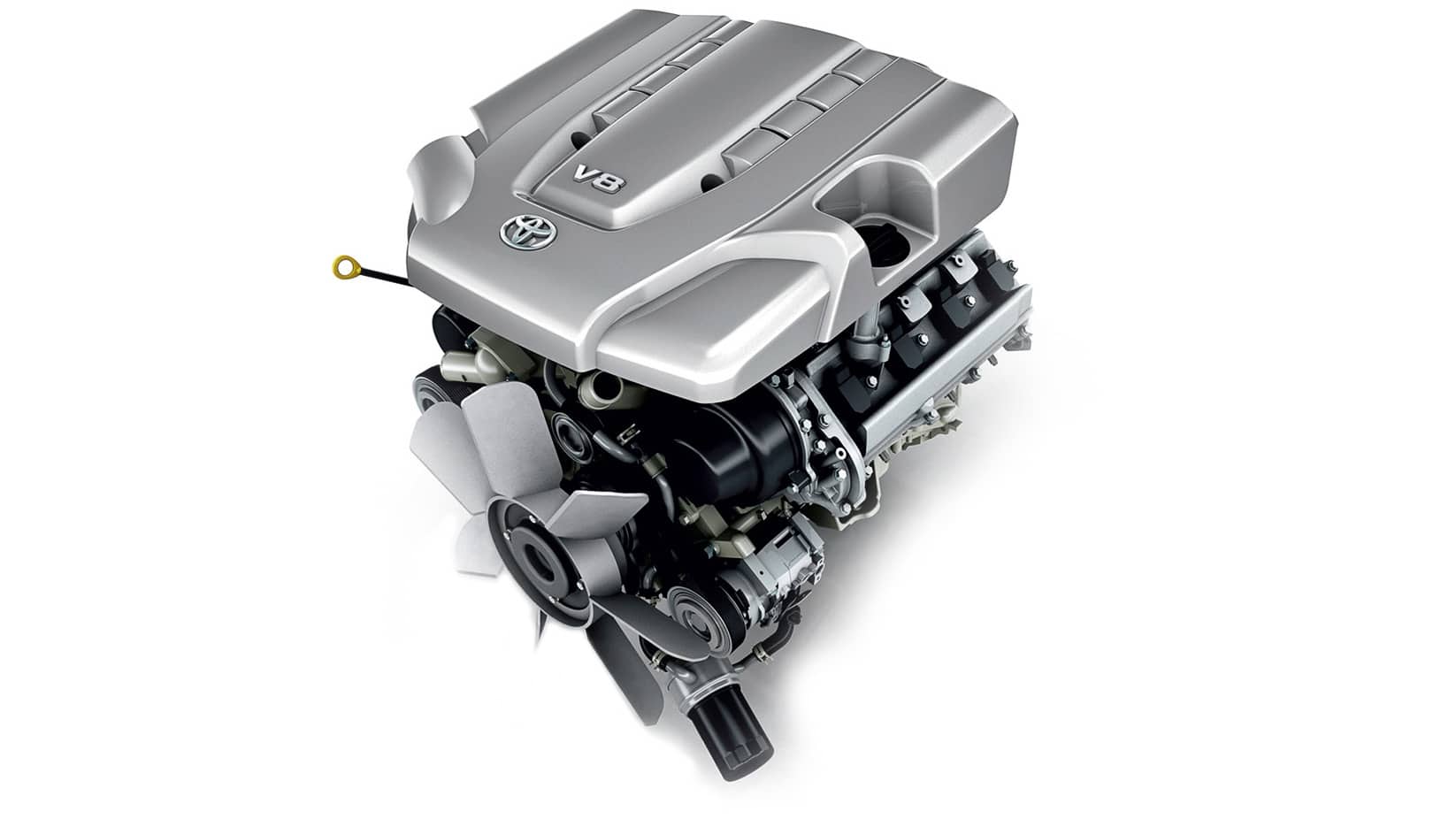
It produces around 230 to 280 horsepower, depending on the vehicle and model year. While that may not sound extreme today, what makes the 2UZ-FE special is how effortlessly it delivers smooth and steady power without strain, even after years of use.
In short, the Toyota 2UZ-FE is more than just a V8 engine it’s a symbol of reliability and engineering perfection. Decades after its creation, it continues to prove that when Toyota builds something tough, it’s meant to last a lifetime.
2) Honda K-Series (K20 & K24)
The Honda K-Series engines, mainly the K20 and K24, are among the most admired powerplants ever made by Honda. Known for their smooth performance, reliability, and fuel efficiency, these engines have powered popular models like the Civic, Accord, and CR-V for years.
Introduced in the early 2000s, the K-Series replaced the older B-Series engines. Honda designed them to offer better fuel economy and stronger performance while keeping the same long-lasting durability that made Honda engines world-famous.
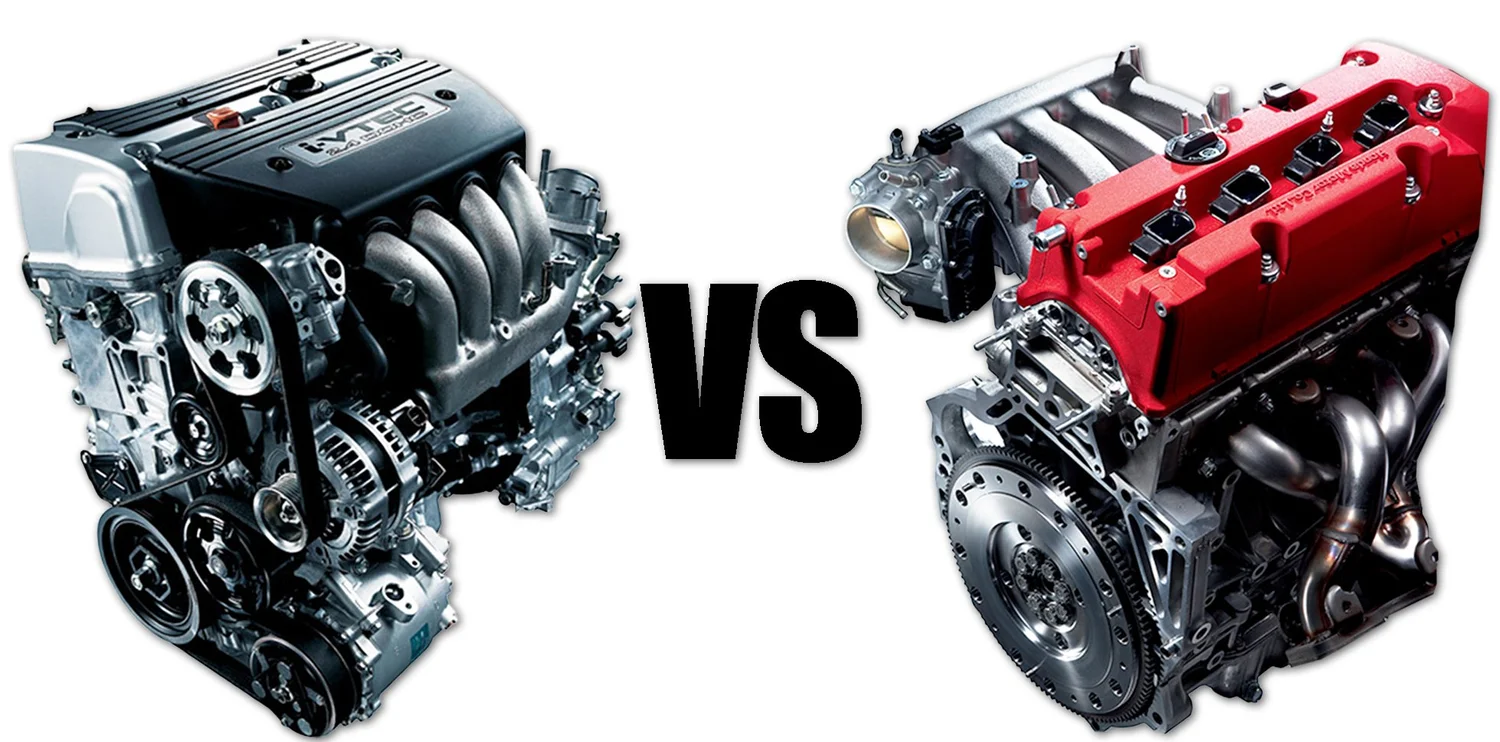
Another impressive quality of the K-Series is its fuel efficiency. Despite strong performance, these engines remain economical, offering excellent mileage without sacrificing driving fun—one of the main reasons they are still popular today.
3) Toyota 1ZZ-FE (1.8L)
The Toyota 1ZZ-FE is one of the most trusted four-cylinder engines ever built. Used in popular models like the Corolla, Celica, and Matrix, this 1.8-liter engine earned a global reputation for reliability, simplicity, and fuel efficiency.
Introduced in the late 1990s, the 1ZZ-FE was designed to balance performance, economy, and durability. It replaced the older A-series engines and became the backbone of Toyota’s compact car lineup for more than a decade, serving millions of satisfied owners.

Many owners report their 1ZZ-FE engines crossing 300,000 to 350,000 miles with ease. Even after decades, these engines often start instantly, run quietly, and maintain good fuel economy, showing Toyota’s world-class quality.
In short, the Toyota 1ZZ-FE stands as a perfect example of Toyota’s engineering philosophy simple, efficient, and long-lasting. It may not be the most powerful engine, but its reliability ensures it never lets you down, even after years on the road.
4) Lexus 1UZ-FE (V8)
The Lexus 1UZ-FE is one of the most refined and durable V8 engines ever made. Introduced in the early 1990s, it powered the first-generation Lexus LS400, a car that redefined luxury, smoothness, and reliability across the world.
Reliability is where the 1UZ-FE truly shines. Owners often report engines lasting over 500,000 miles with proper care. The all-aluminum design resists corrosion, and the precise engineering ensures minimal wear even after decades of use.
The engine’s maintenance needs are minimal. Regular oil changes, high-quality fluids, and timing belt replacements at recommended intervals are usually all it takes to keep it performing like new. It’s an engine that rewards simple care with extraordinary longevity.
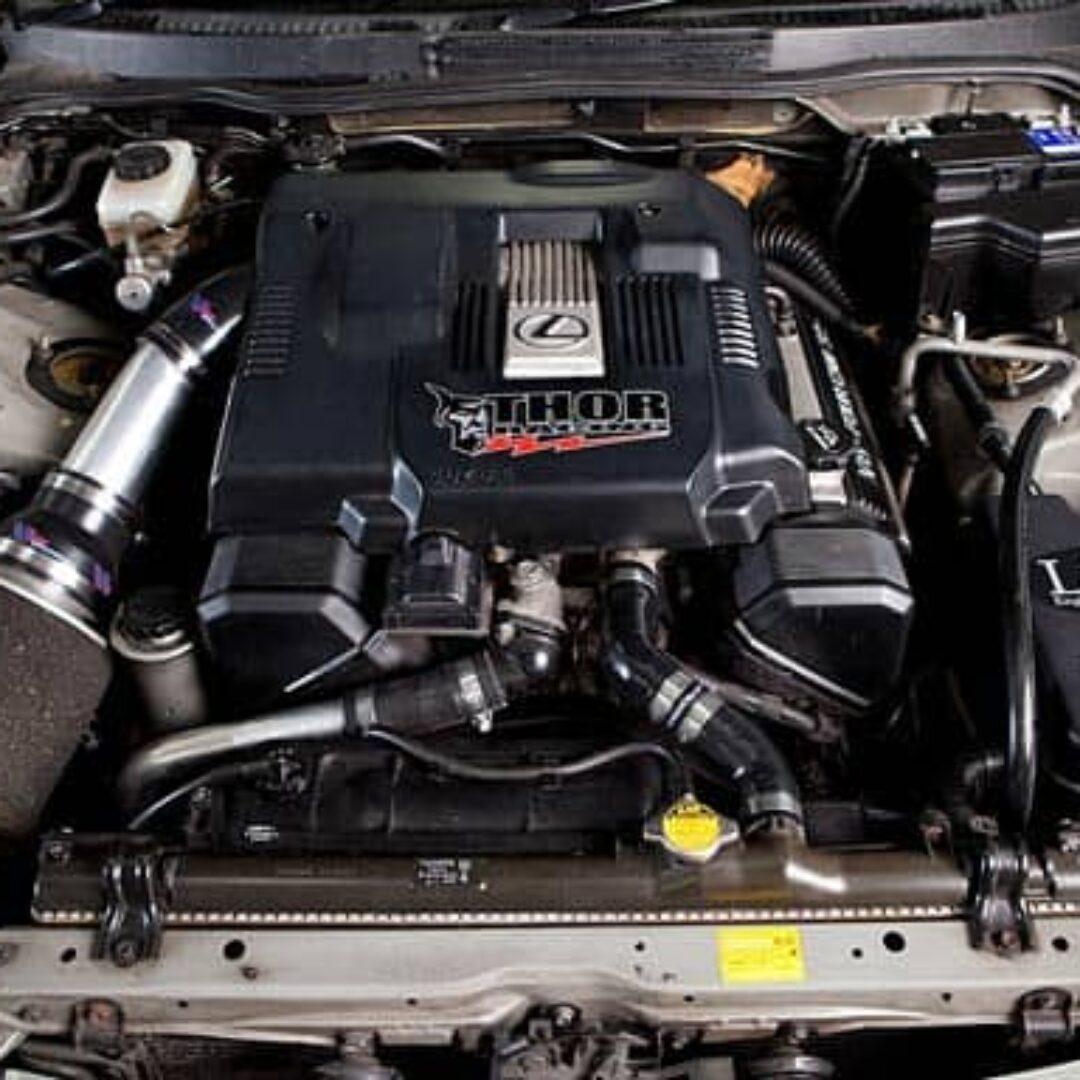
Many Lexus LS400s with the original 1UZ-FE still run flawlessly today. The engine’s smoothness and build quality are so good that some enthusiasts use it for engine swaps in sports cars and off-road vehicles due to its strength and balance.
Another reason for its lasting success is its overengineering. Toyota built the 1UZ-FE with tighter tolerances and better materials than necessary, ensuring it could handle far more stress than it ever experiences in normal driving.
5) Mercedes-Benz OM617 (Diesel)
The Mercedes-Benz OM617 is one of the most iconic diesel engines ever created. Built during the 1970s and 1980s, this five-cylinder diesel powered cars like the 240D and 300D, earning a reputation for being nearly impossible to kill.
This 3.0-liter engine was designed for endurance, not speed. It may not be quick, but it’s famous for lasting over a million kilometers with just regular maintenance. Taxi drivers and long-distance travelers across the world relied on it for decades.
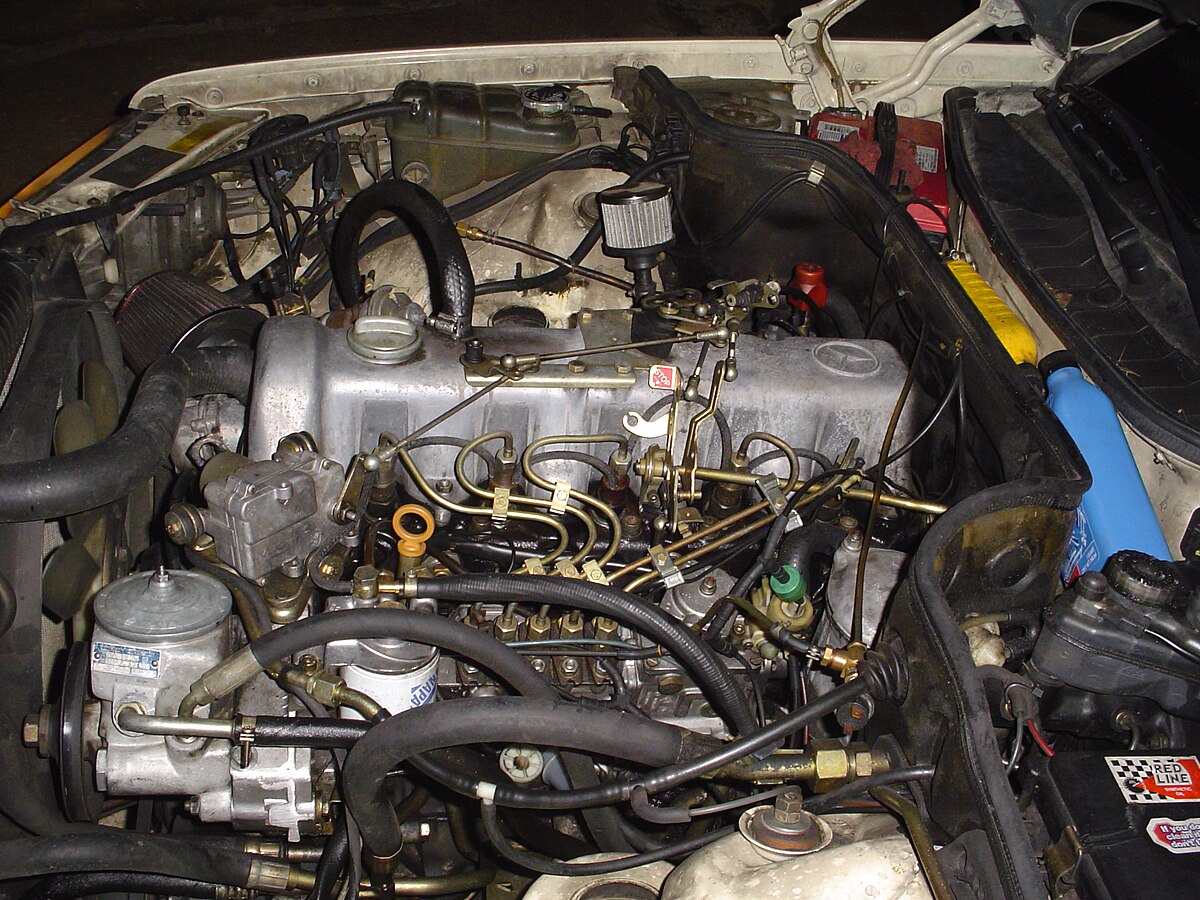
Its design also emphasizes low stress on parts. The slow-revving nature and strong internals ensure the engine doesn’t wear out quickly, which explains its unmatched longevity and reliability in both cars and trucks.
Even today, the OM617 remains a favorite among enthusiasts who rebuild them for classic Mercedes restorations or off-road conversions. Its ability to start and run after years of sitting makes it a timeless mechanical masterpiece.
In short, the Mercedes-Benz OM617 is more than an engine it’s a symbol of engineering endurance. Built to survive when others fail, it reminds us that true quality isn’t about speed but about lasting power and unwavering reliability.
6) Toyota 22R / 22RE
The Toyota 22R and its fuel-injected version, the 22RE, are among the toughest four-cylinder engines ever made. Produced from the early 1980s to the mid-1990s, these engines powered the legendary Hilux, 4Runner, and Celica, proving Toyota’s unmatched reliability.
The 22R series earned its fame through real-world performance. From deserts to mountains, it powered vehicles that faced extreme conditions daily. Farmers, off-roaders, and adventurers trusted it because they knew it would start every time, no matter what.
Owners praise the 22R for its simplicity. There are no complex electronics or delicate sensors to fail. Mechanics can easily work on it, and spare parts are cheap and widely available worldwide, making repairs effortless and affordable.
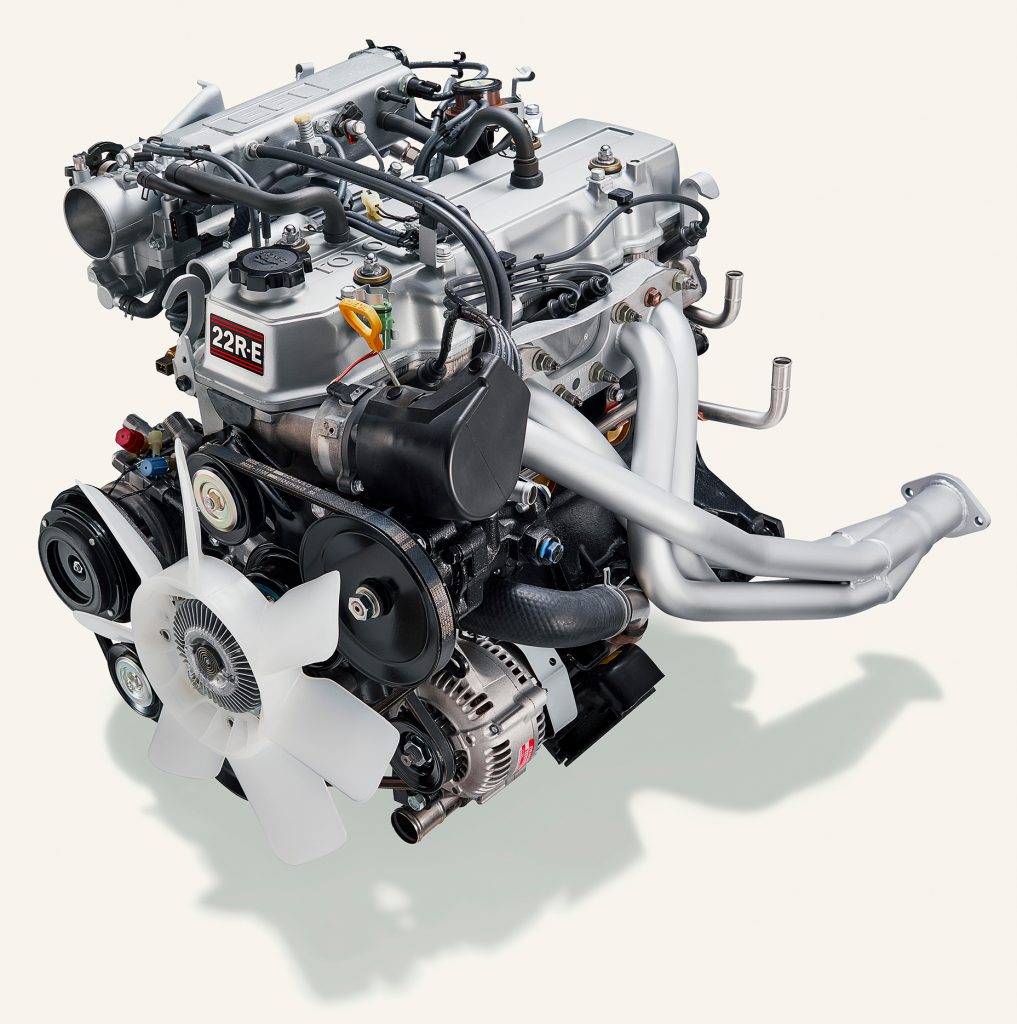
Its reputation became so strong that off-road enthusiasts and overlanders still use it today. Many old Hilux and 4Runner models powered by this engine continue to run perfectly in rough terrains, decades after leaving the factory.
The 22R’s design also contributes to its toughness. Its thick cylinder walls and sturdy crankshaft handle stress with ease, while the timing chain setup ensures years of trouble-free operation without major wear.
7) Ford 300 Inline-Six
The Ford 300 Inline-Six is one of the toughest and most beloved engines ever produced in America. Introduced in the 1960s, this 4.9-liter workhorse powered F-Series trucks, vans, and industrial machines for decades without showing signs of weakness.
Known for its bulletproof reliability, the 300 Inline-Six became a favorite among farmers, truckers, and mechanics. It could haul, tow, and work all day long without overheating or breaking down. Its strong design made it nearly impossible to kill.
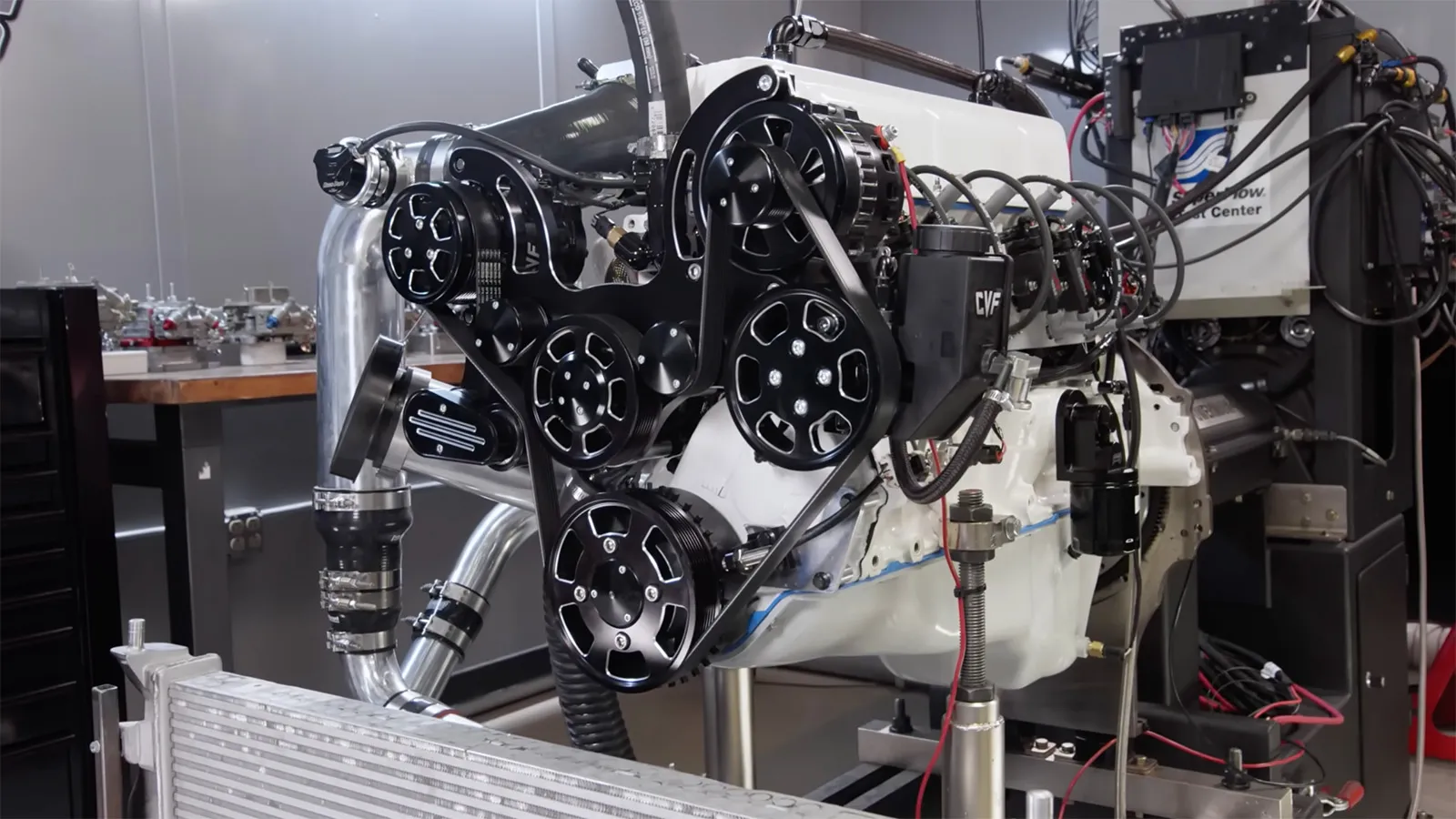
The engine features a cast-iron block and head, making it extremely durable and resistant to wear. Its long-stroke design provided excellent low-end torque, perfect for heavy-duty tasks and slow, steady pulling power in tough environments.
Another reason for its success is its easy repairability. Mechanics love the 300 because it’s simple to rebuild, with parts that are inexpensive and easy to find even today. Its straightforward design has kept it alive long after production ended.
8) Subaru EJ25
The Subaru EJ25 is one of the most well-known engines from Subaru’s iconic EJ series. This 2.5-liter flat-four, or “boxer” engine, became the heart of models like the Forester, Outback, Impreza, and Legacy, combining strength, smoothness, and long-lasting reliability.
Introduced in the mid-1990s, the EJ25 was designed to give Subaru vehicles more power and torque while keeping their famous all-wheel-drive stability. Its horizontally opposed design provides perfect balance, reducing vibration and improving handling on all types of terrain.

The engine block is made of lightweight aluminum, helping with fuel efficiency while keeping the structure strong. Its solid internal components can handle years of wear, making it ideal for both daily driving and adventurous use.
Owners appreciate how easy it is to service and how it continues to run smoothly even after high mileage. As long as the fluids are changed regularly, this engine rarely faces major breakdowns or costly failures.
Also read:10 Non-Turbo Vs Turbo Models: Which Keeps Repair Bills Down
9) Chevrolet LS Series (5.3L V8)
The Chevrolet LS Series, especially the 5.3-liter V8 version, is one of the most respected modern engines ever made. Found in trucks like the Silverado, Suburban, and Tahoe, it’s known for combining power, toughness, and long life in one strong package.
Introduced in the late 1990s, the LS family replaced the older small-block Chevy engines. The goal was to create a modern, efficient, and reliable V8 that could deliver great performance while being simple to maintain. The 5.3L version quickly became the most popular.
The engine features an aluminum or iron block, depending on the model, and strong internal components that resist wear. Its overhead valve (OHV) design may seem old-fashioned, but it gives the LS exceptional low-end torque and long-term durability.
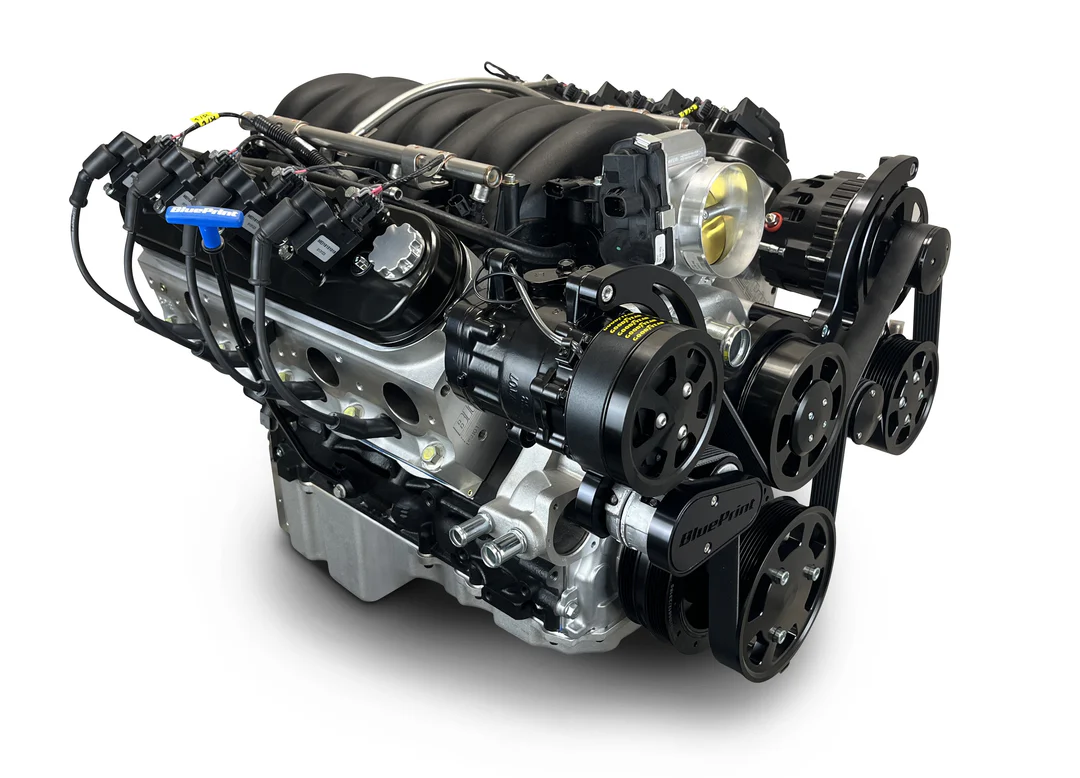
The LS engine is also famous among car enthusiasts and builders. Its compact size, strength, and adaptability make it a favorite for engine swaps into sports cars, muscle cars, and even off-road vehicles around the world.
Its fuel efficiency is impressive for a V8. The engine’s efficient combustion and lightweight design help it deliver surprising mileage without losing its trademark Chevrolet power and sound. It’s a perfect balance of performance and practicality.
Owners praise the 5.3L LS for being nearly unbreakable. Many report their trucks still running perfectly after decades of use, with the original engine performing just as well as the day it was new.
10) Honda B-Series (B16 & B18)
The Honda B-Series, especially the B16 and B18 engines, are among the most iconic four-cylinder engines ever created. Found in cars like the Civic Si, Integra, and CRX, these engines built Honda’s reputation for reliability, performance, and engineering excellence.
Introduced in the late 1980s, the B-Series was Honda’s first mass-produced engine line to feature DOHC VTEC technology. This revolutionary system allowed the engine to switch between low and high cam profiles, combining fuel efficiency with exciting top-end performance.
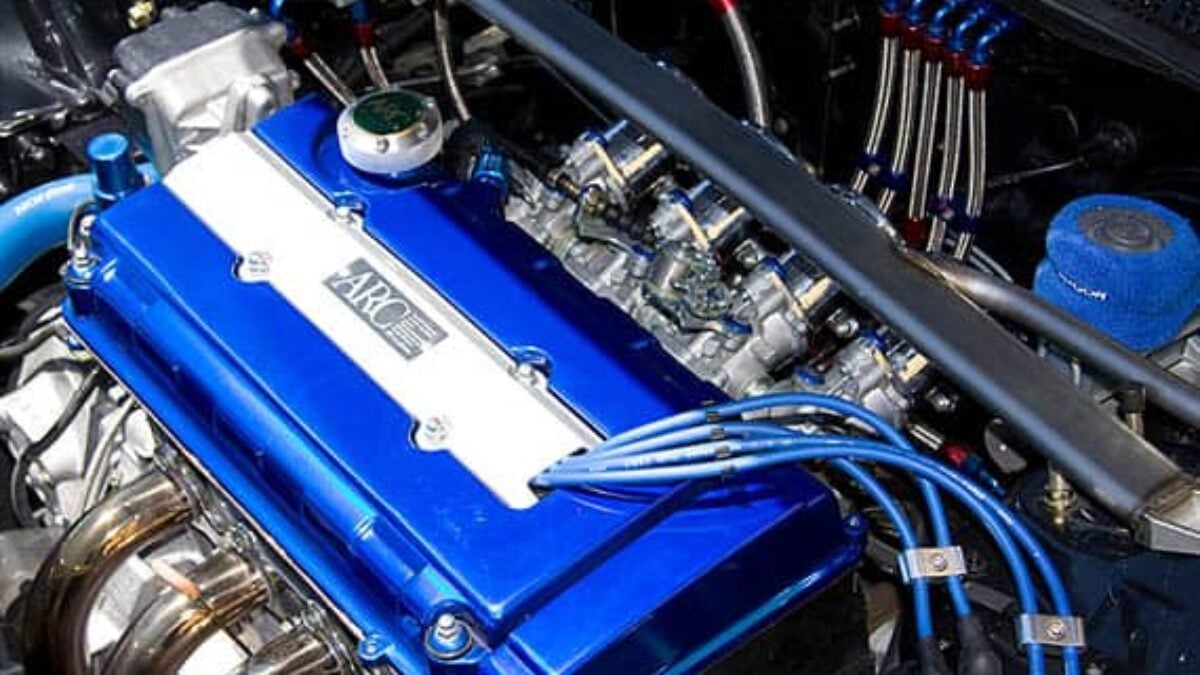
Another reason for its long life is Honda’s engineering simplicity. The engines were well-designed with tight tolerances and high-quality materials, reducing friction and wear. This made them efficient and long-lasting, even under heavy use.
Even today, decades after production ended, the B-Series remains highly sought after. Enthusiasts rebuild and swap these engines into newer cars, proving that their reliability and power are timeless.
11) Cummins 6BT (5.9L Diesel)
The Cummins 6BT 5.9-liter diesel engine is one of the most legendary powerplants ever built for trucks. Known for its unmatched strength and durability, this engine turned the Dodge Ram into a heavy-duty icon and became a symbol of diesel reliability.
Introduced in the late 1980s, the 6BT was designed for serious work. It powered commercial trucks, farm equipment, and even industrial machines. Its simple, rugged design allowed it to handle massive loads and high mileage without breaking down.
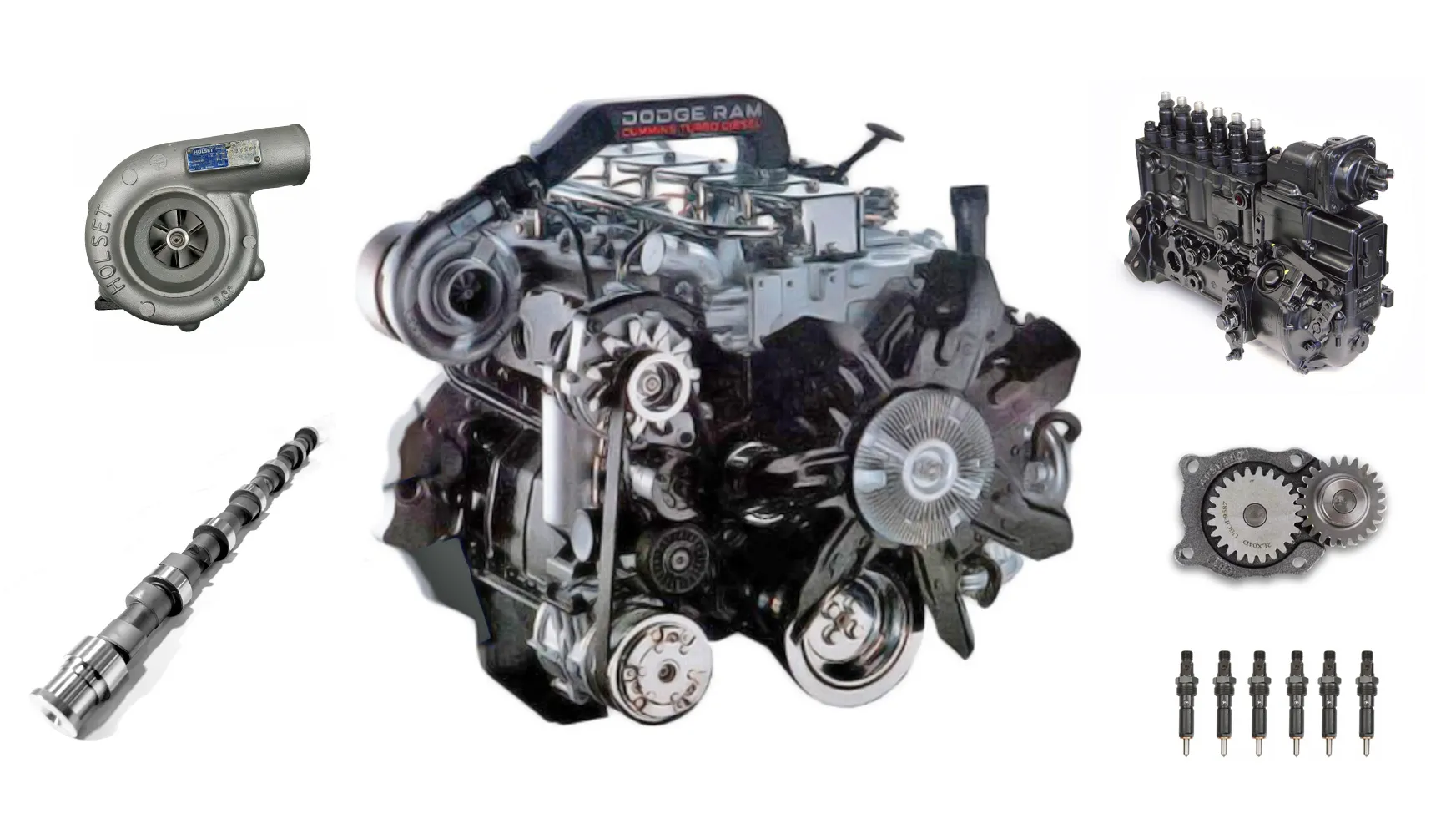
It produces around 160 to 215 horsepower, but its real strength lies in torque up to 440 lb-ft in some versions. This incredible pulling power made it perfect for towing, hauling, and other demanding tasks where reliability mattered most.
The 6BT is also famous for its simplicity. With minimal sensors and electronics, it’s easy to repair and maintain. Many owners do their own servicing, which adds to its appeal among truck enthusiasts and off-road adventurers.
12) BMW M57 (Diesel)
The BMW M57 is one of the most respected diesel engines ever produced by the German automaker. Known for its balance of power, refinement, and long-term reliability, this 3.0-liter inline-six engine became a benchmark for modern diesel technology.
Introduced in the late 1990s, the M57 powered several BMW models including the 3 Series, 5 Series, X3, and X5. It offered a rare combination of strong torque, smooth operation, and fuel efficiency qualities that made it popular among both luxury and performance drivers.

Its versatility made it suitable for both sporty sedans and heavy SUVs. The strong torque at low RPMs provided excellent acceleration and towing ability, proving that diesel engines can be both practical and enjoyable to drive.
The M57’s longevity also comes from its simple, well-balanced design. It avoids unnecessary complexity while using durable materials, ensuring fewer weak points and long-term dependability even under heavy usage.
13) Lexus 2UR-GSE (5.0L V8)
The Lexus 2UR-GSE is a 5.0-liter naturally aspirated V8 engine that blends reliability, power, and precision. Found in performance models like the Lexus IS F, RC F, and GS F, it’s known for its thrilling performance and long-lasting durability.
The 2UR-GSE produces around 470 horsepower and over 390 lb-ft of torque, giving Lexus cars a muscular yet smooth driving experience. Despite its power, it’s surprisingly dependable, often lasting beyond 300,000 miles with regular maintenance.
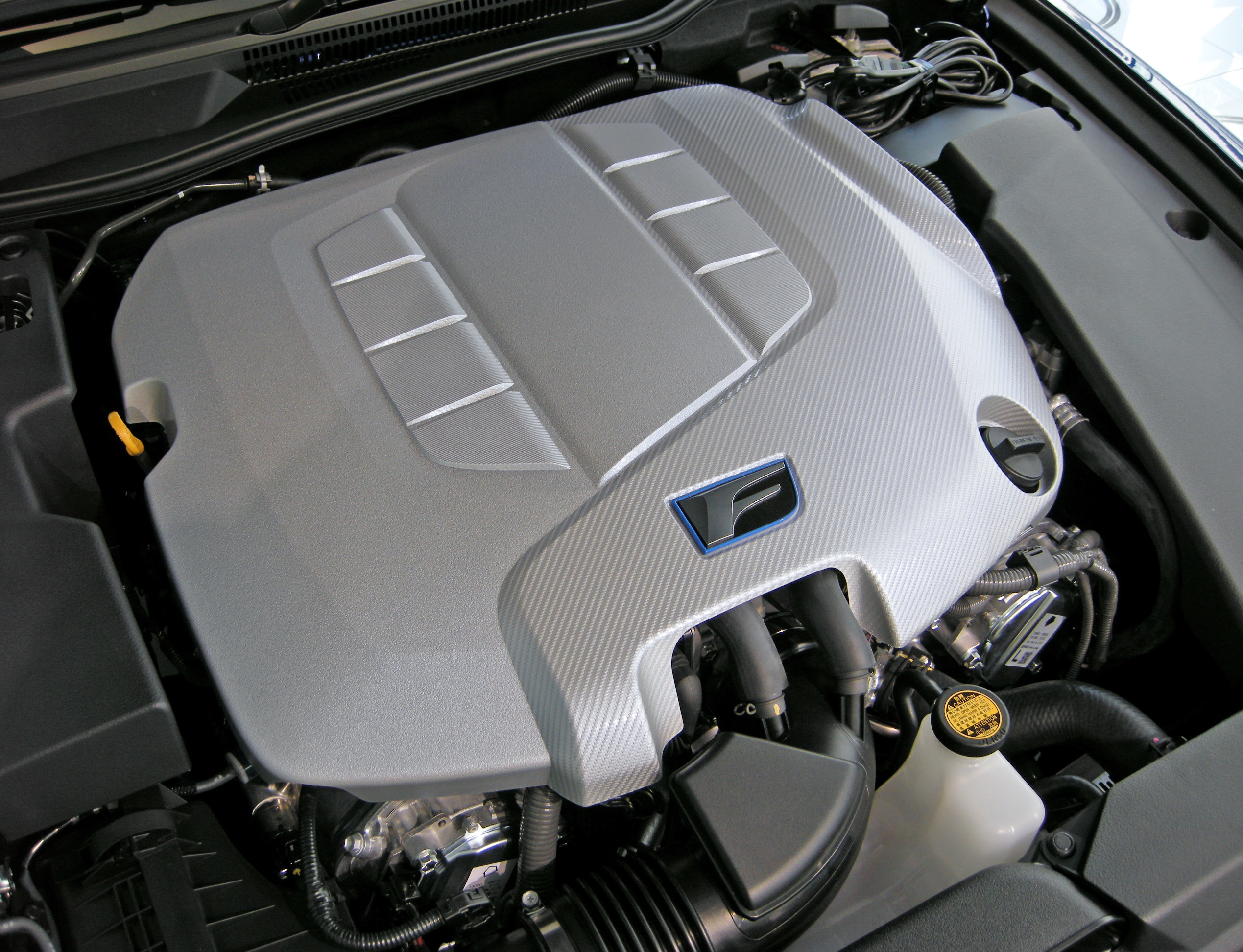
Drivers love how the engine combines a refined character with a thrilling sound. It delivers smooth low-end torque for daily driving but transforms into a roaring powerhouse when pushed, making it suitable for both city streets and race tracks.
Even after years of use, the 2UR-GSE rarely shows signs of weakness. With regular oil changes and quality fuel, it remains responsive, efficient, and nearly bulletproof, making it a favorite among car enthusiasts and collectors alike.
Its reliability isn’t just luck it’s the result of Lexus’ strict quality control and engineering precision. Every component is built to handle performance stress without sacrificing comfort or longevity.
14) Ford 300 Inline-Six (4.9L)
The Ford 300 cubic inch (4.9L) inline-six engine is one of the toughest and most dependable engines ever built in America. Used in F-Series trucks and vans for decades, it earned a legendary reputation for reliability and torque.
Introduced in 1965, the Ford 300 was designed for hard work. It powered everything from farm trucks and delivery vans to industrial machines and generators, proving itself capable of running smoothly even under extreme stress and heavy loads.
Built with a cast-iron block and head, this engine was nearly indestructible. Its simple pushrod design, low compression ratio, and strong internals made it easy to maintain and almost impossible to kill, even after years of abuse.
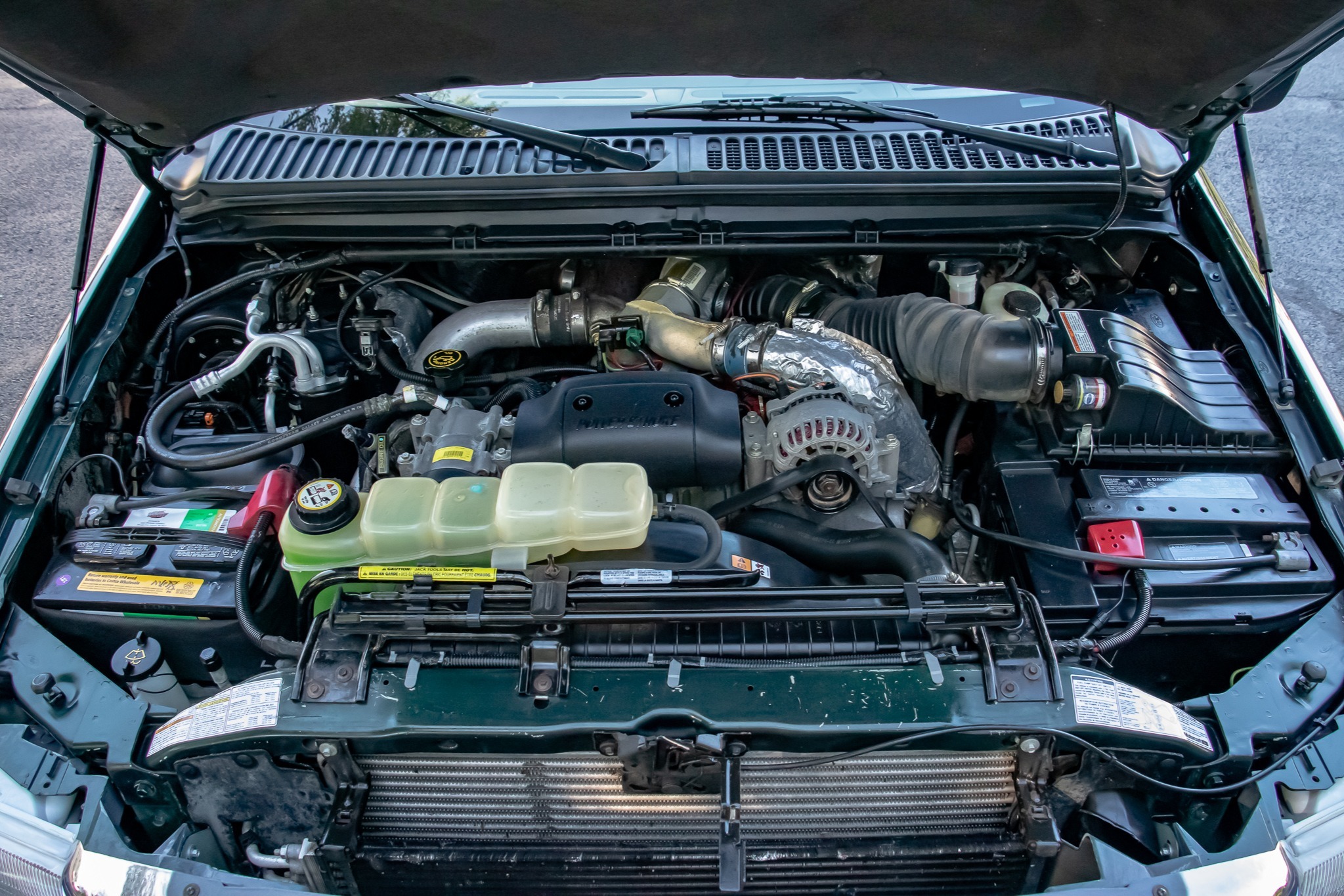
The 300 Inline-Six produced around 100–150 horsepower, but its real strength was its torque perfect for towing and hauling. It delivered steady low-end power that helped trucks move heavy loads effortlessly without straining the engine.
One of the main reasons for its long life was its simplicity. With few electronic parts, carbureted fuel systems, and easy access to components, repairs could be done quickly, often with basic tools and minimal cost.
15) Chevrolet LS3 (6.2L V8)
The Chevrolet LS3 is one of the most iconic and dependable modern V8 engines ever built. Found in the Corvette, Camaro SS, and various performance cars, it’s known for its mix of brute power, smooth performance, and impressive longevity.
Introduced in 2008, the LS3 was part of General Motors’ third-generation small-block family. With 6.2 liters of displacement, it delivered around 430 horsepower and 425 lb-ft of torque, offering both thrilling speed and reliable daily performance.
The engine’s strength comes from its solid aluminum block and high-quality internals. It uses a sturdy crankshaft, lightweight pistons, and efficient oiling systems, ensuring durability even under extreme driving conditions and high RPMs.
One of the LS3’s biggest advantages is its simplicity. Unlike modern turbocharged engines filled with complex electronics, the LS3 keeps a straightforward design that makes maintenance easier and reduces the chances of failure over time.
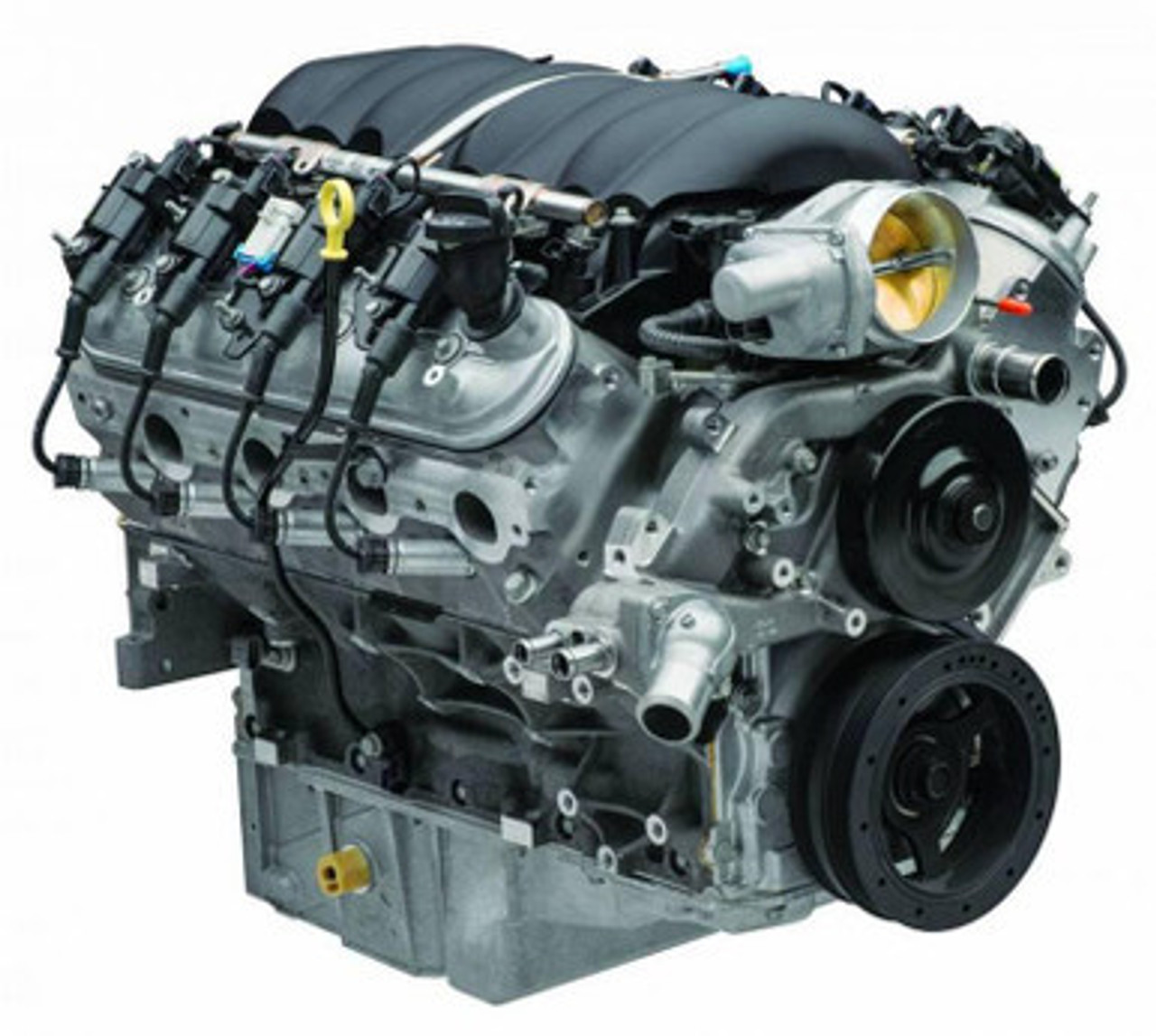
It’s also famous for its versatility. The LS3 can power everything from sports cars to muscle car swaps, off-road builds, and even boats. Its adaptability has made it a favorite among car enthusiasts and tuners around the world.
Despite its power, the LS3 can easily surpass 300,000 miles with proper care. Many Corvette owners report their engines still running strong after years of spirited driving, proving its engineering quality and resilience.
The LS3’s reliability is further enhanced by its excellent cooling and lubrication systems. These help prevent overheating and wear, even during high-performance driving or track use, making it both powerful and dependable.
It also delivers surprisingly good efficiency for a big V8, thanks to its precise fuel injection and advanced engine management. This balance between performance and practicality sets it apart from older, thirstier muscle engines.
Another reason enthusiasts love the LS3 is its sound and feel. The deep, throaty rumble paired with instant throttle response creates an emotional driving experience while maintaining everyday usability and comfort.
16) Nissan RB26DETT (2.6L Twin-Turbo Inline-Six)
The Nissan RB26DETT is one of the most celebrated engines in automotive history. Found in the Skyline GT-R, it earned global fame for its unbeatable combination of power, reliability, and tuning potential that made it a motorsport icon.
This 2.6-liter twin-turbo inline-six engine was built to last. Its cast-iron block and aluminum head give it incredible strength, allowing it to handle high horsepower levels without losing reliability or stability even under extreme stress.
From the factory, the RB26DETT produced around 276 horsepower due to Japan’s “gentlemen’s agreement,” but in reality, it made much more. Tuners often pushed it beyond 500 or even 1,000 horsepower with proper upgrades.
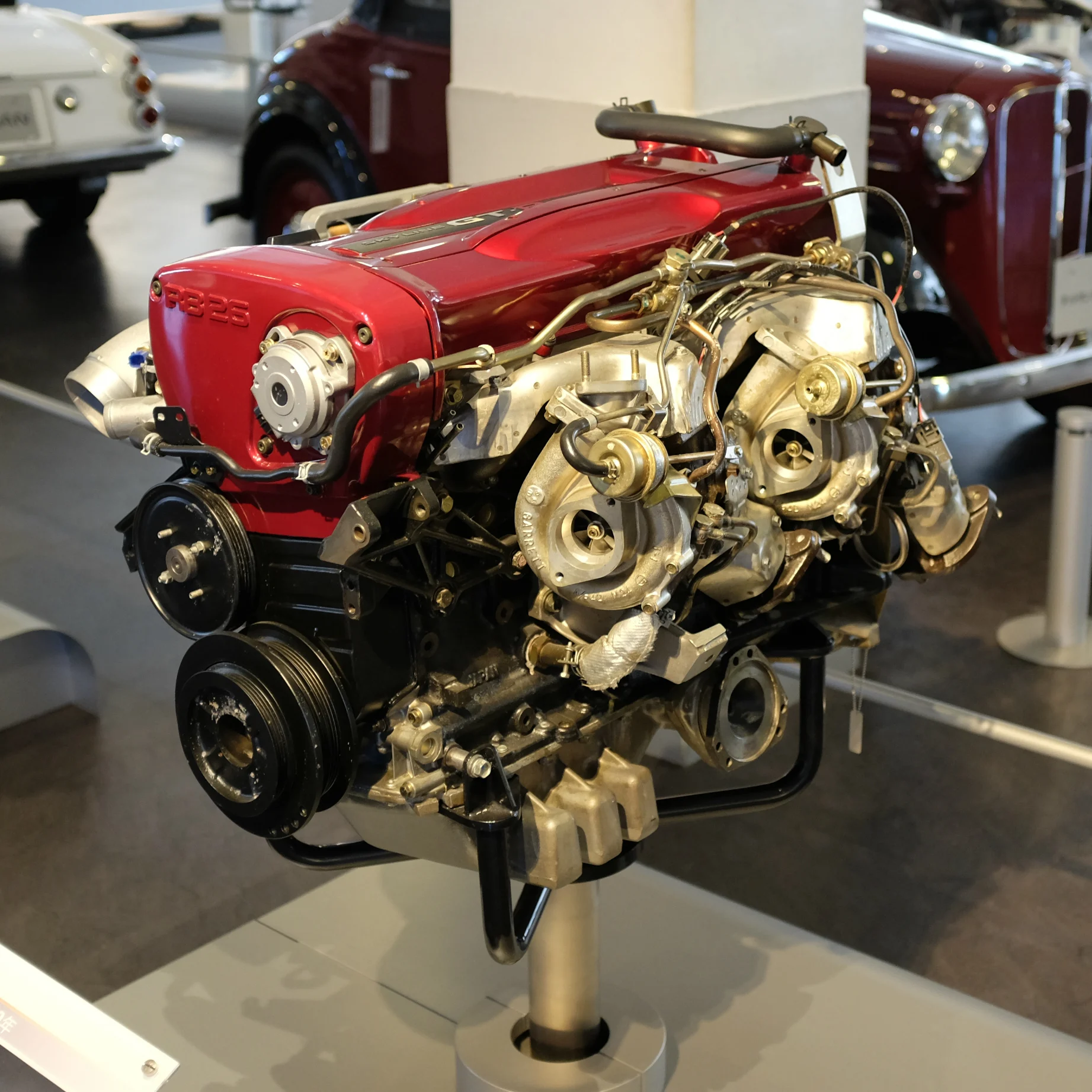
Another reason for its success is its advanced technology for its time. The twin-turbo setup delivered instant power with minimal lag, while the all-wheel-drive GT-R chassis made full use of the engine’s performance.
The RB26DETT also became a cultural icon thanks to its role in video games, movies, and motorsports. From racing championships to “Fast & Furious,” it became a symbol of Japanese performance and engineering excellence.
Even today, decades after production ended, the RB26DETT remains highly sought after. Enthusiasts rebuild, restore, and swap it into other cars, proving how timeless and durable its design truly is.